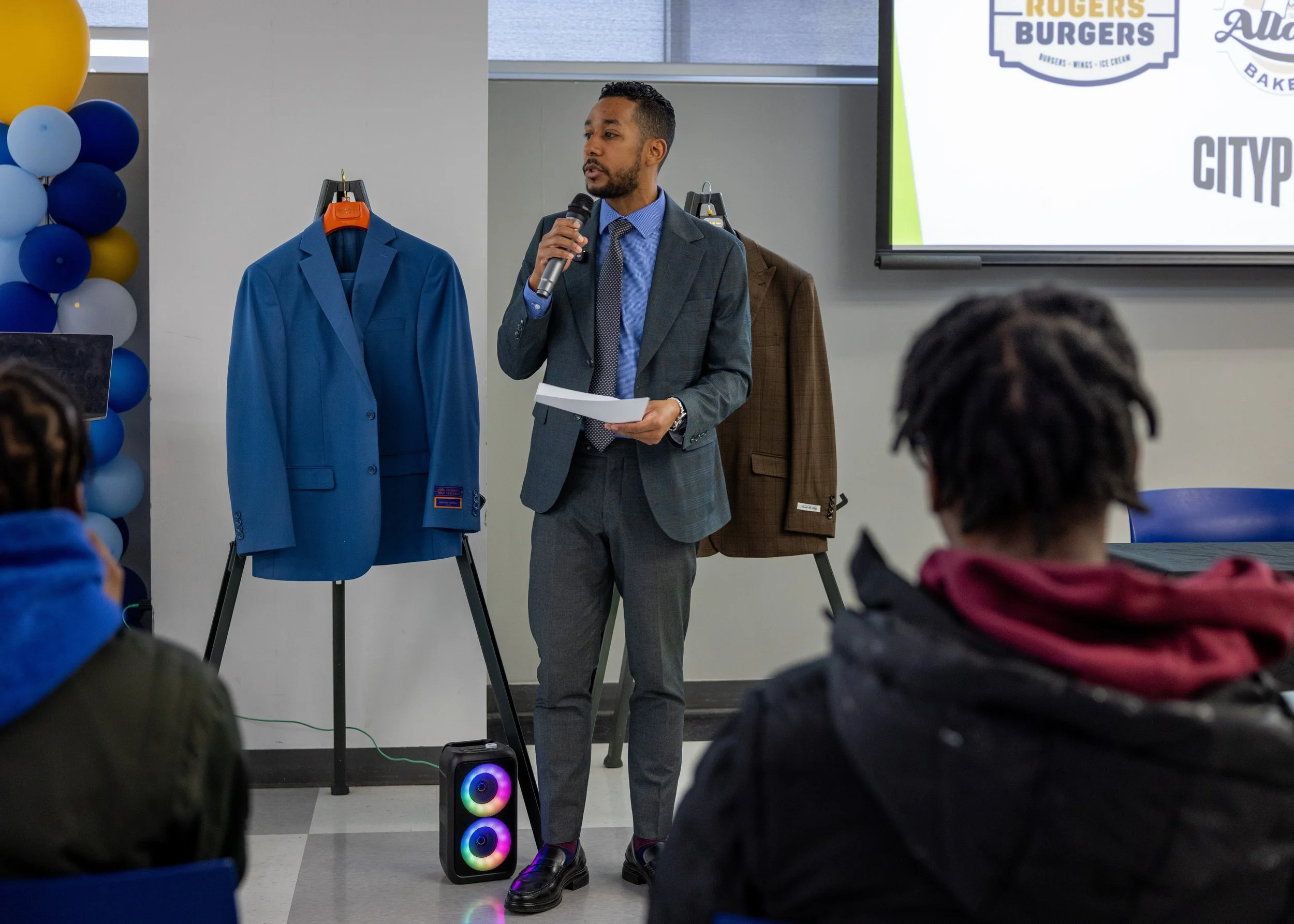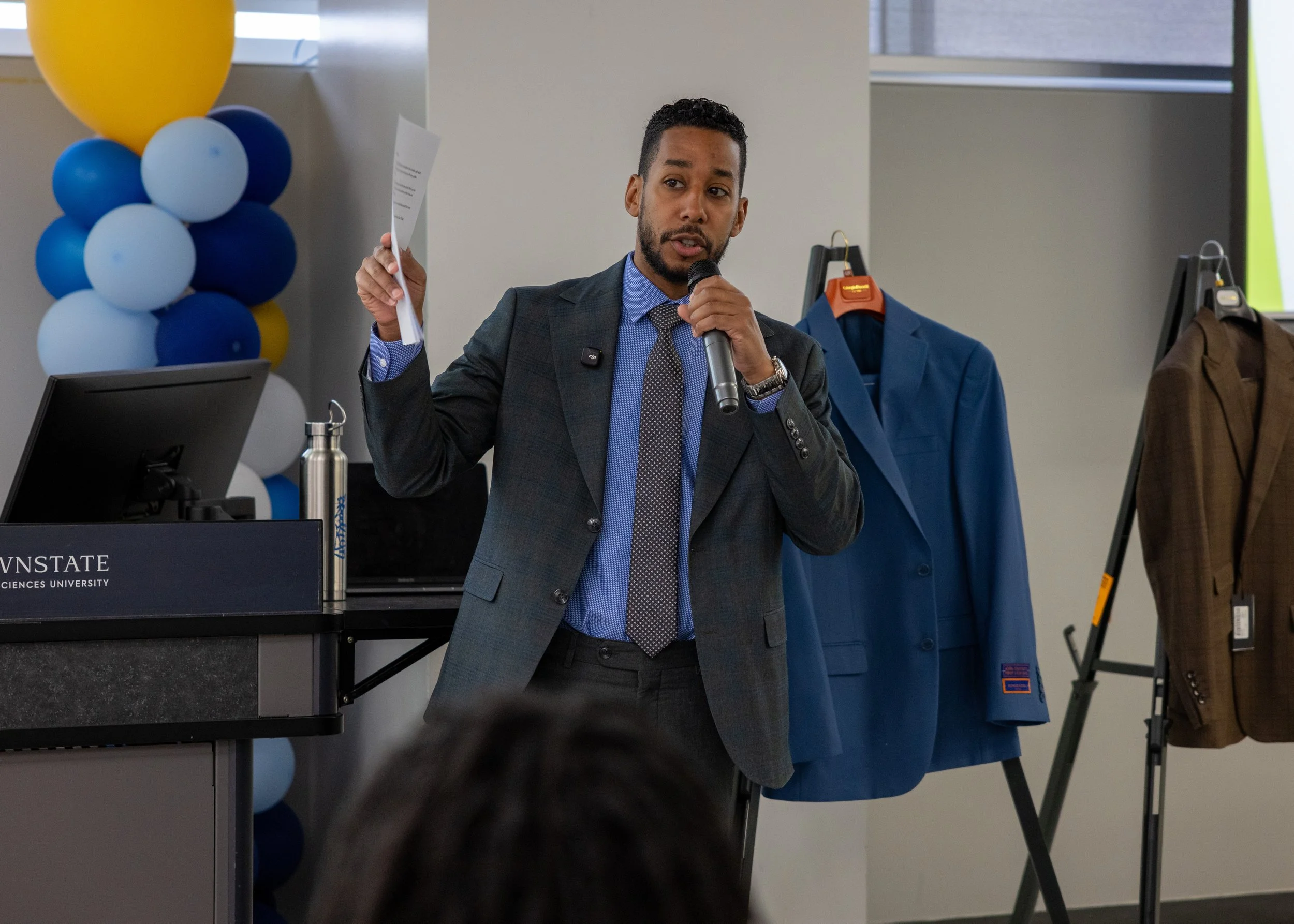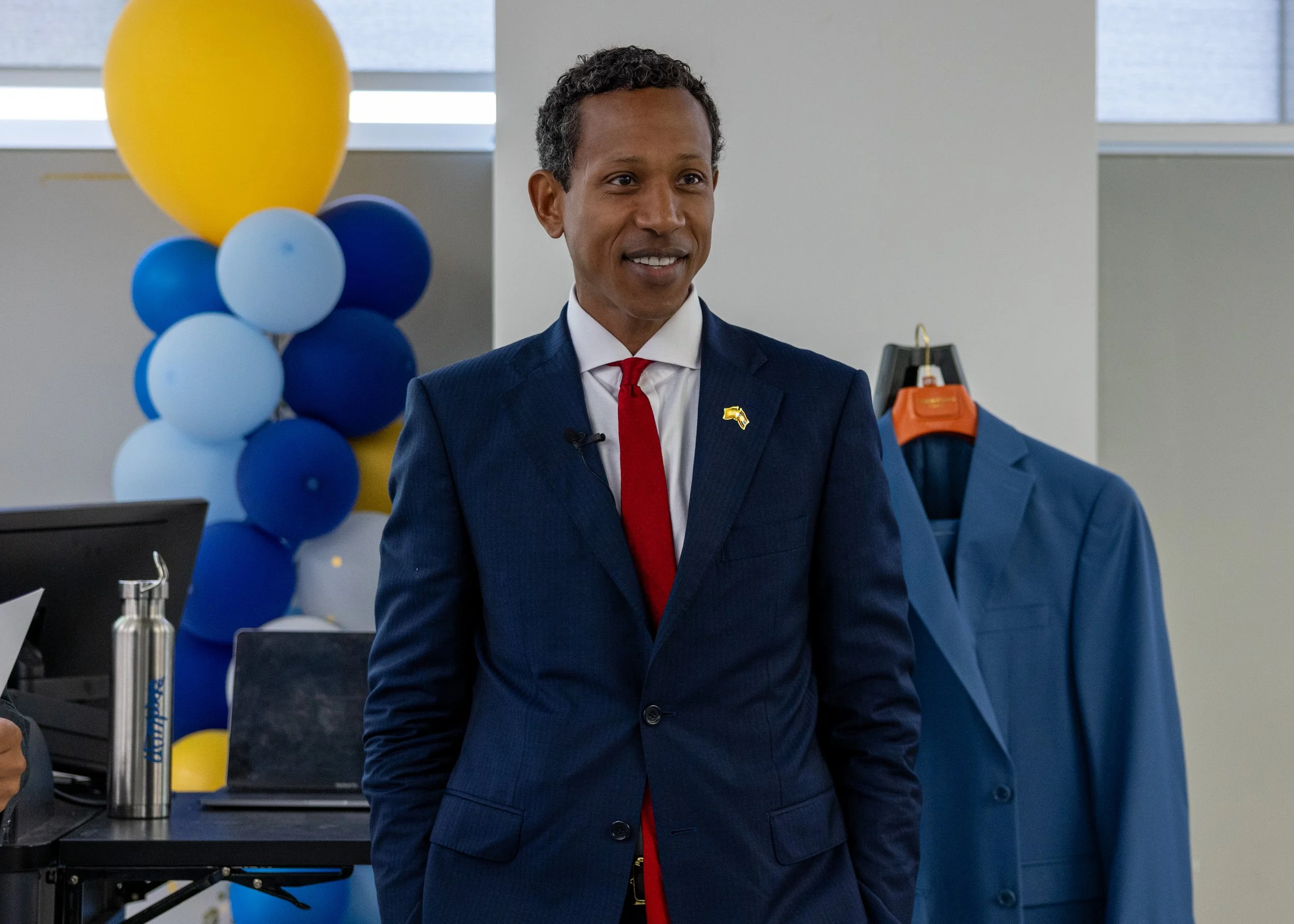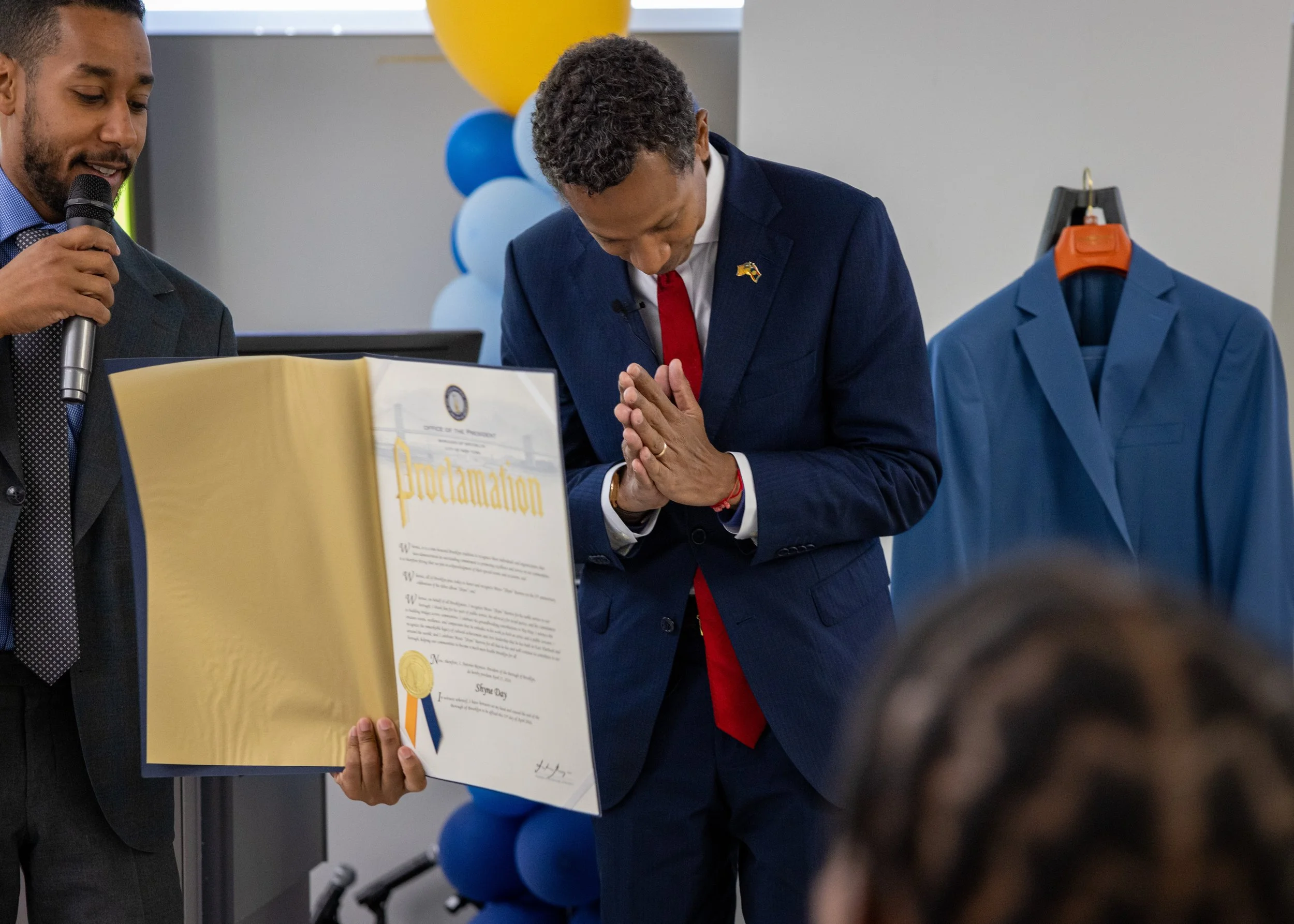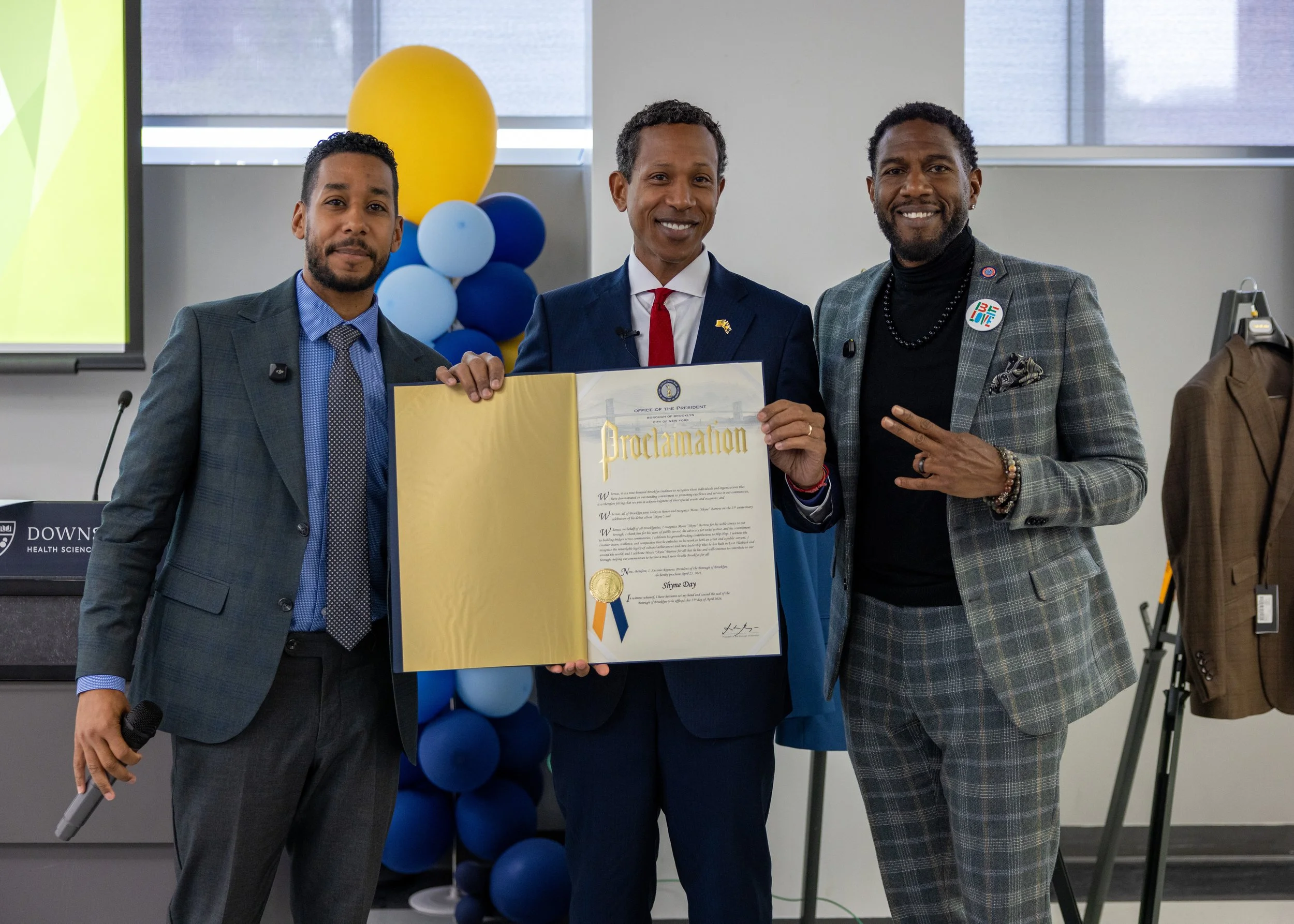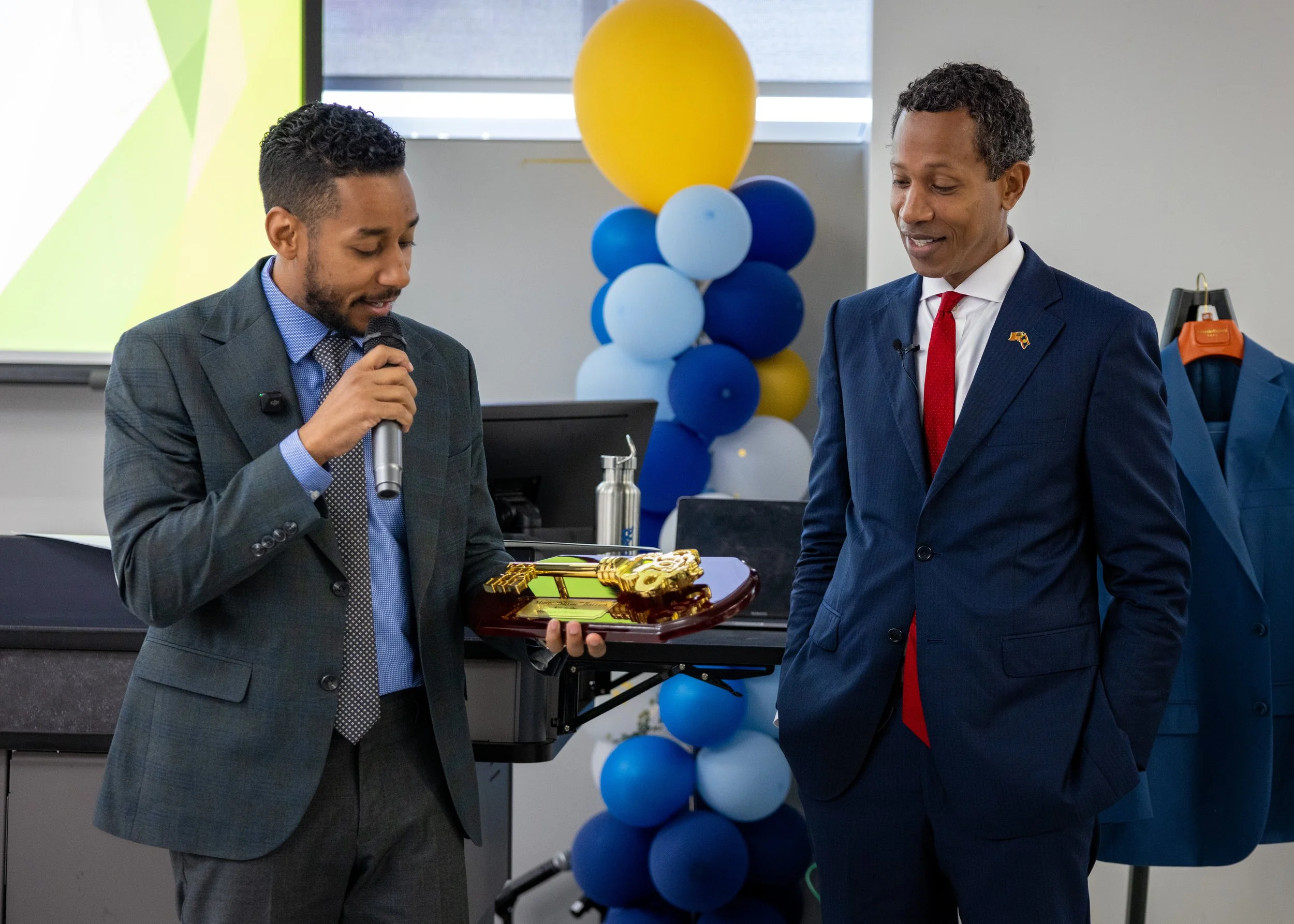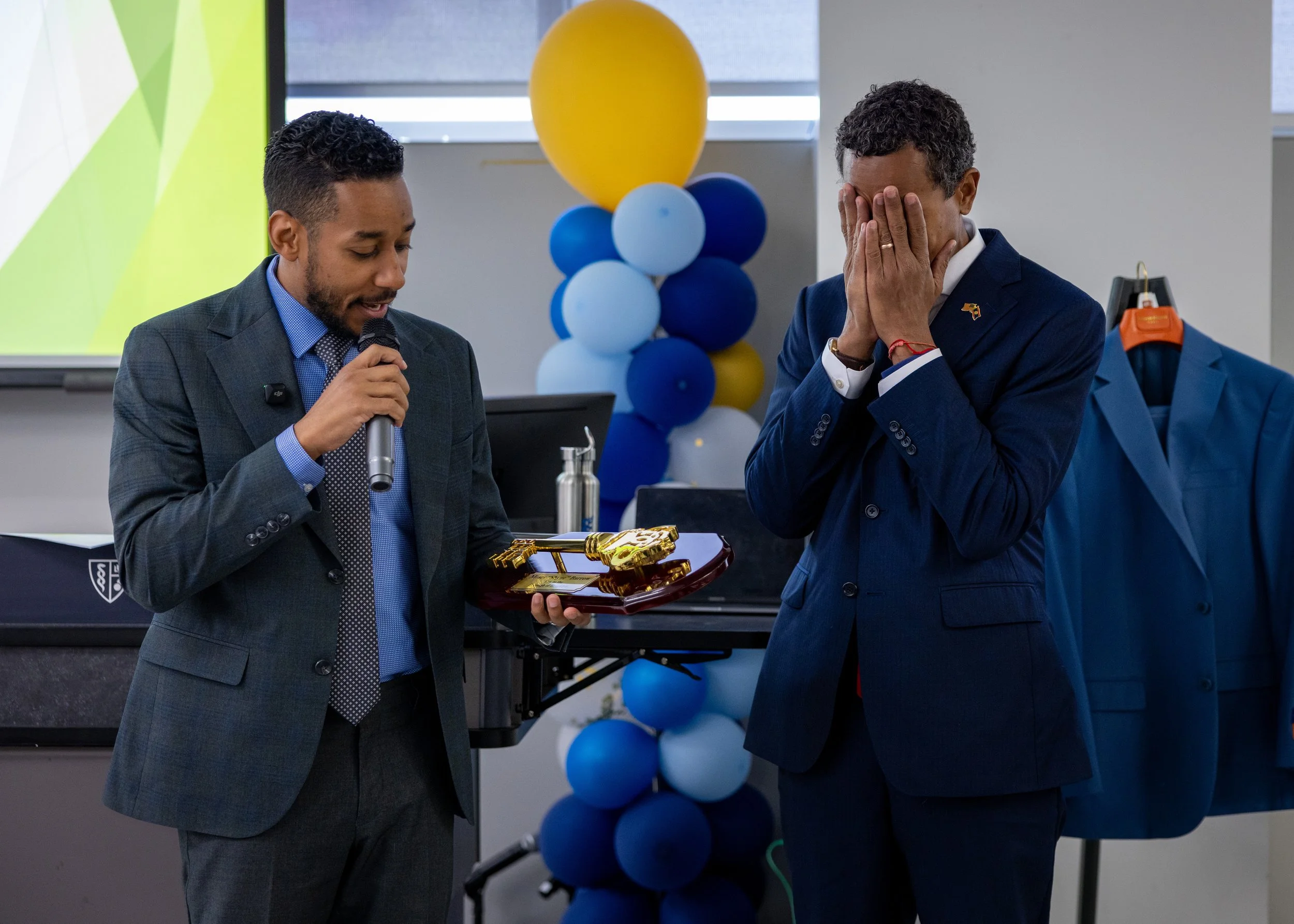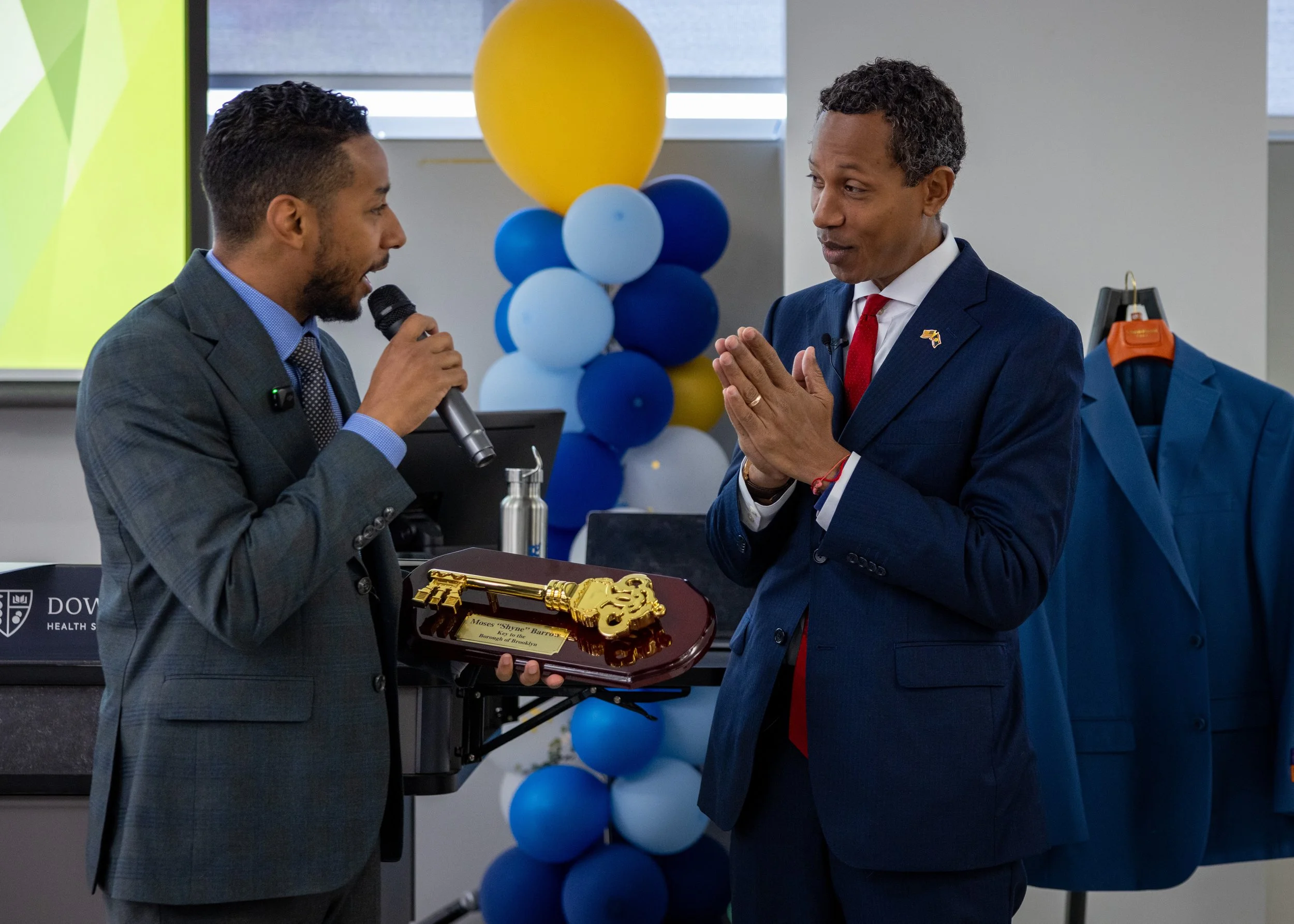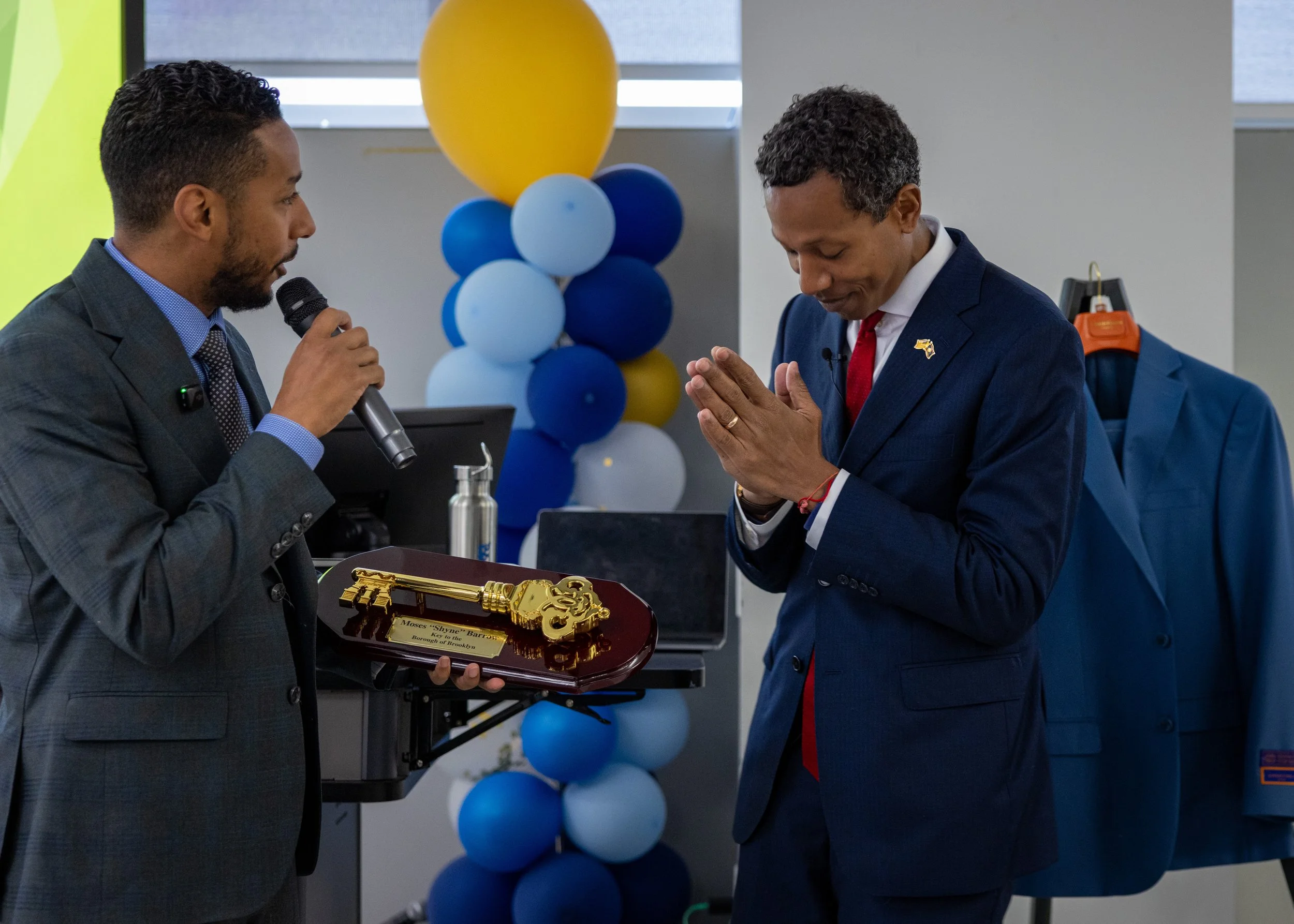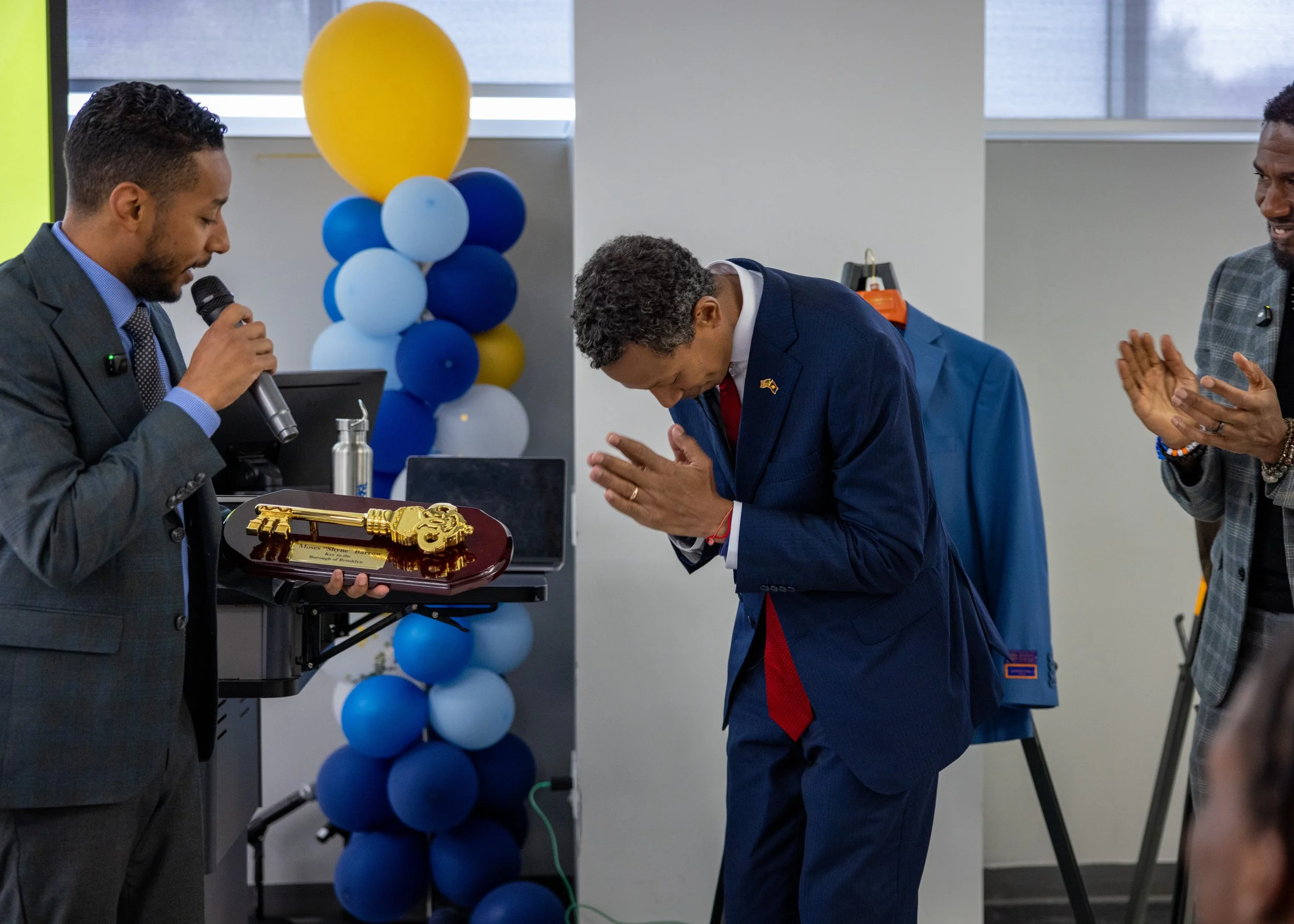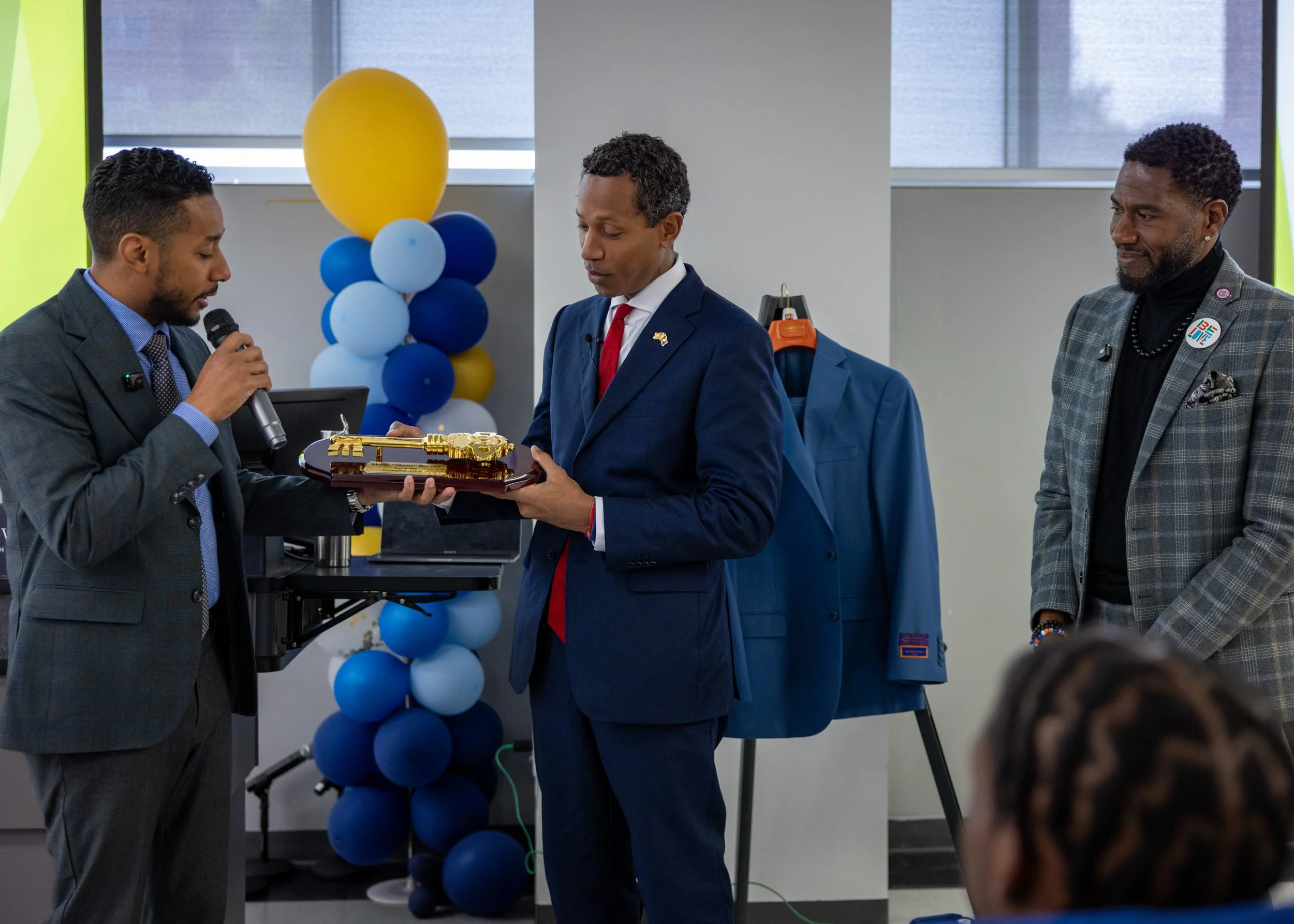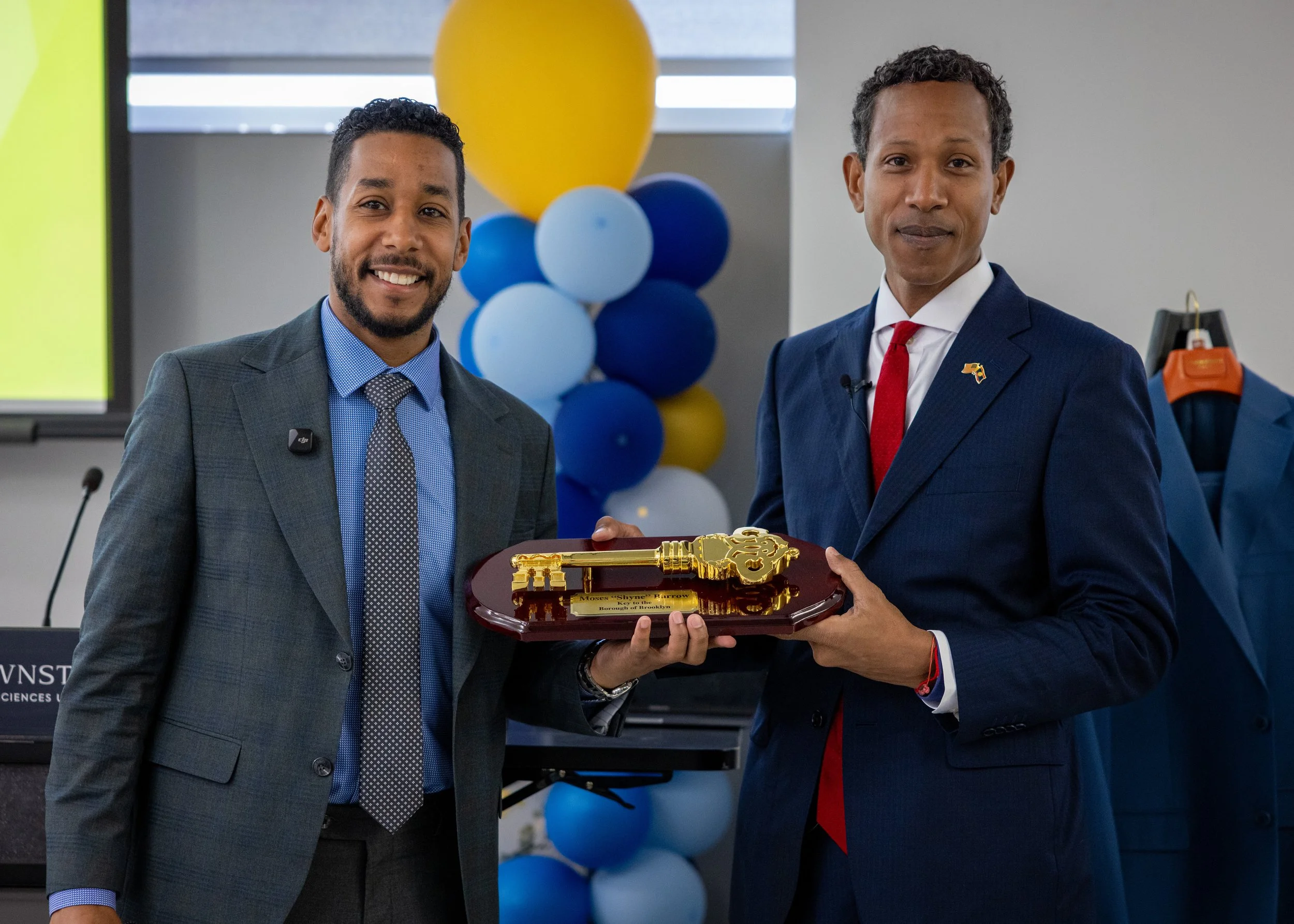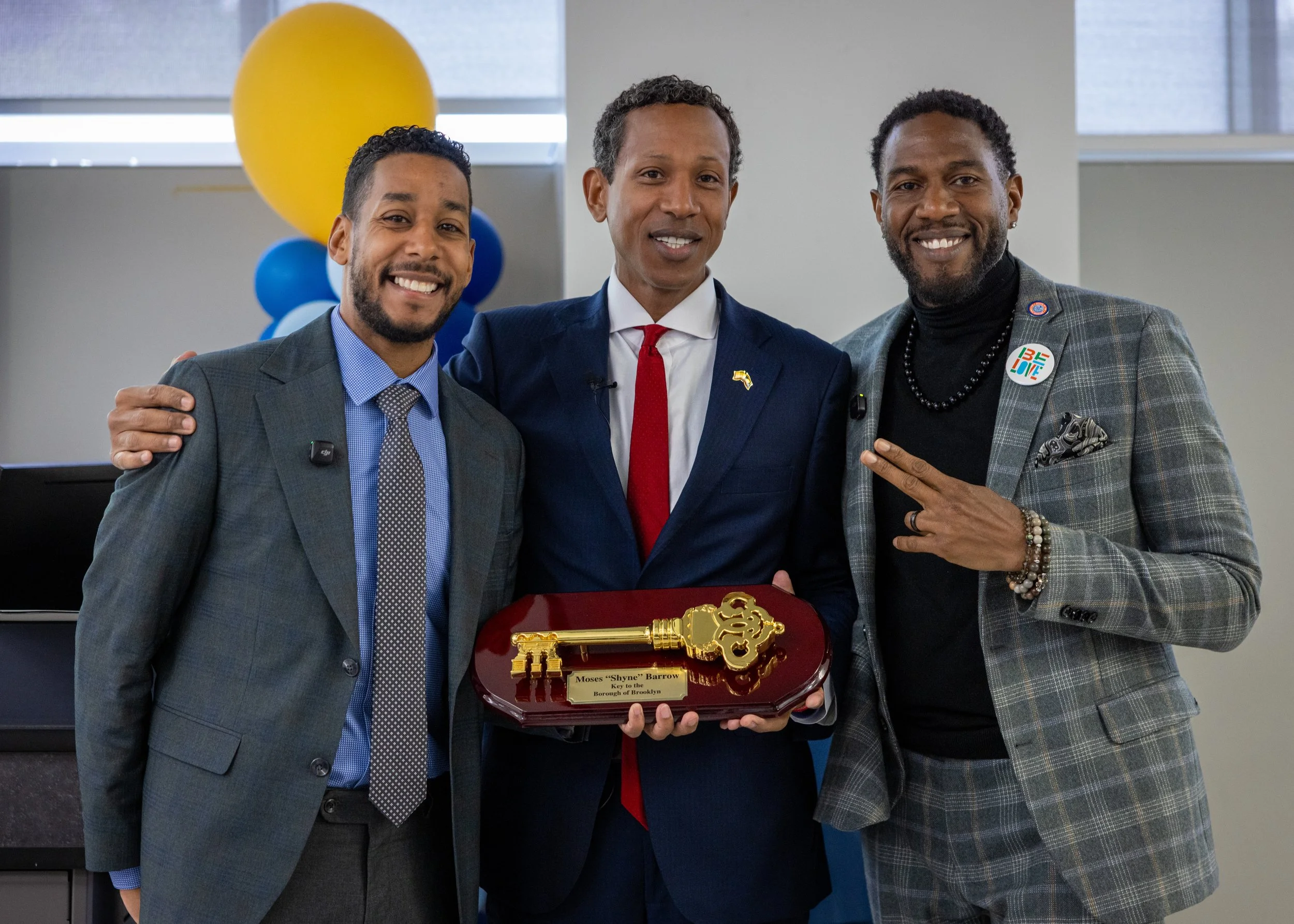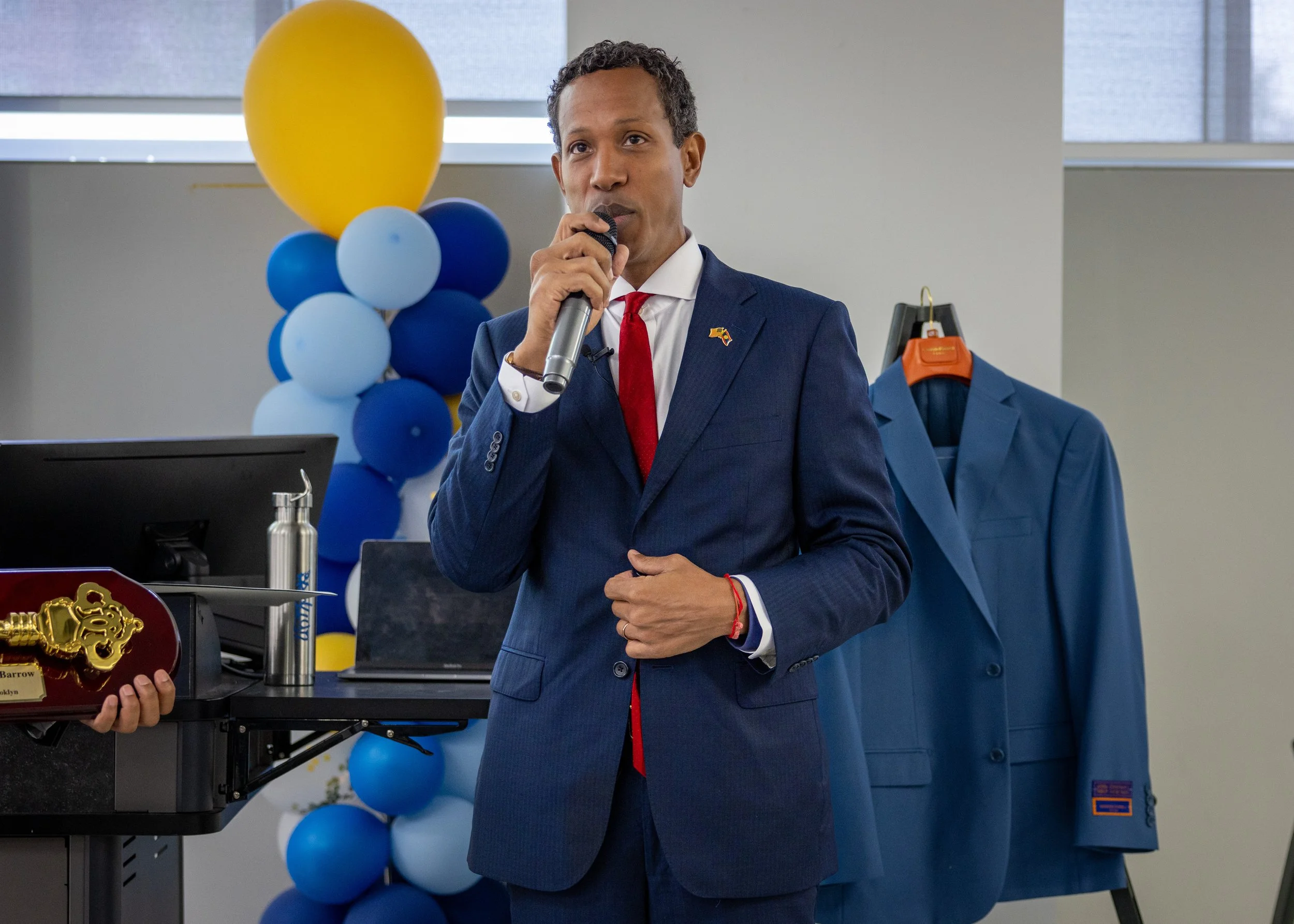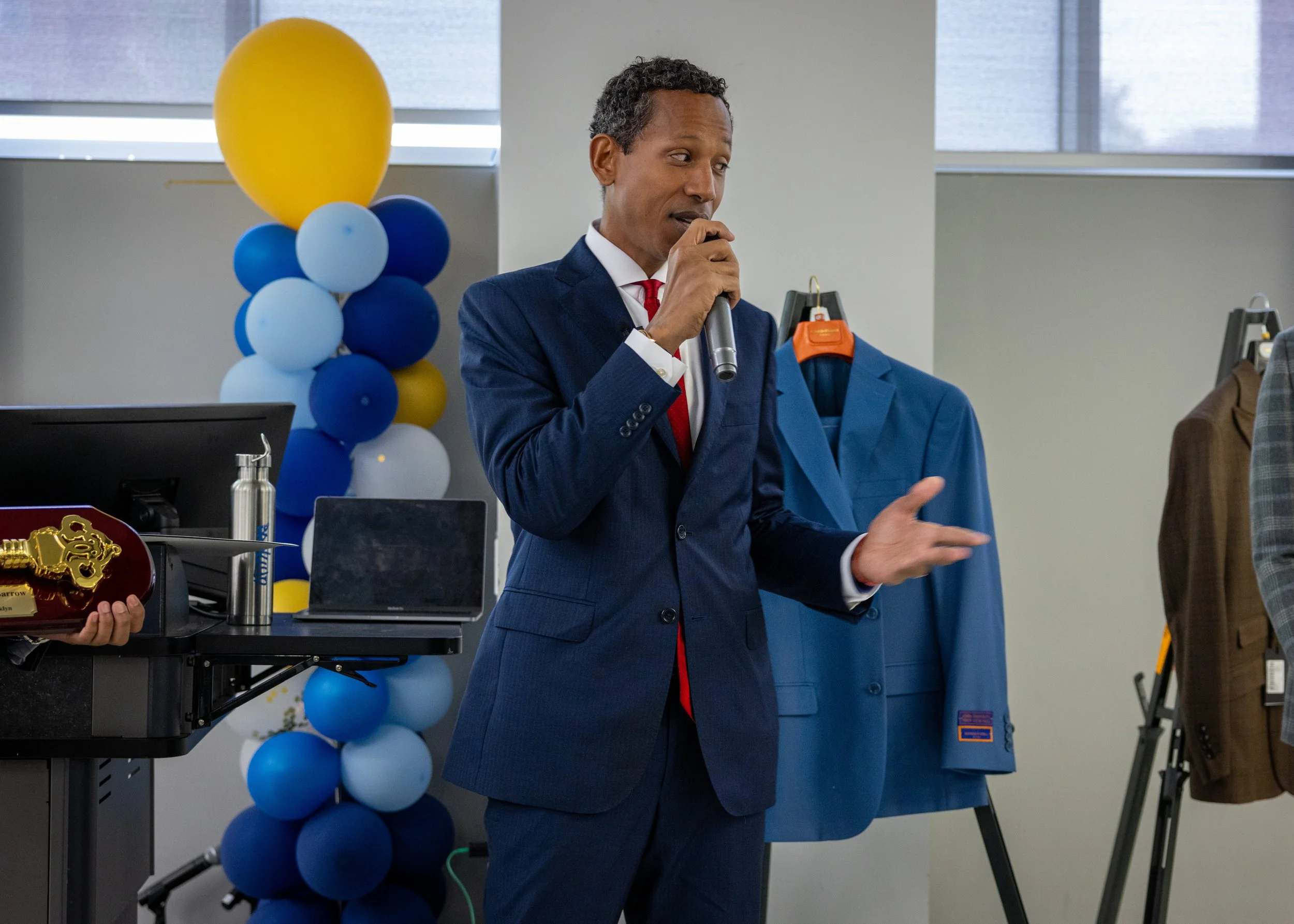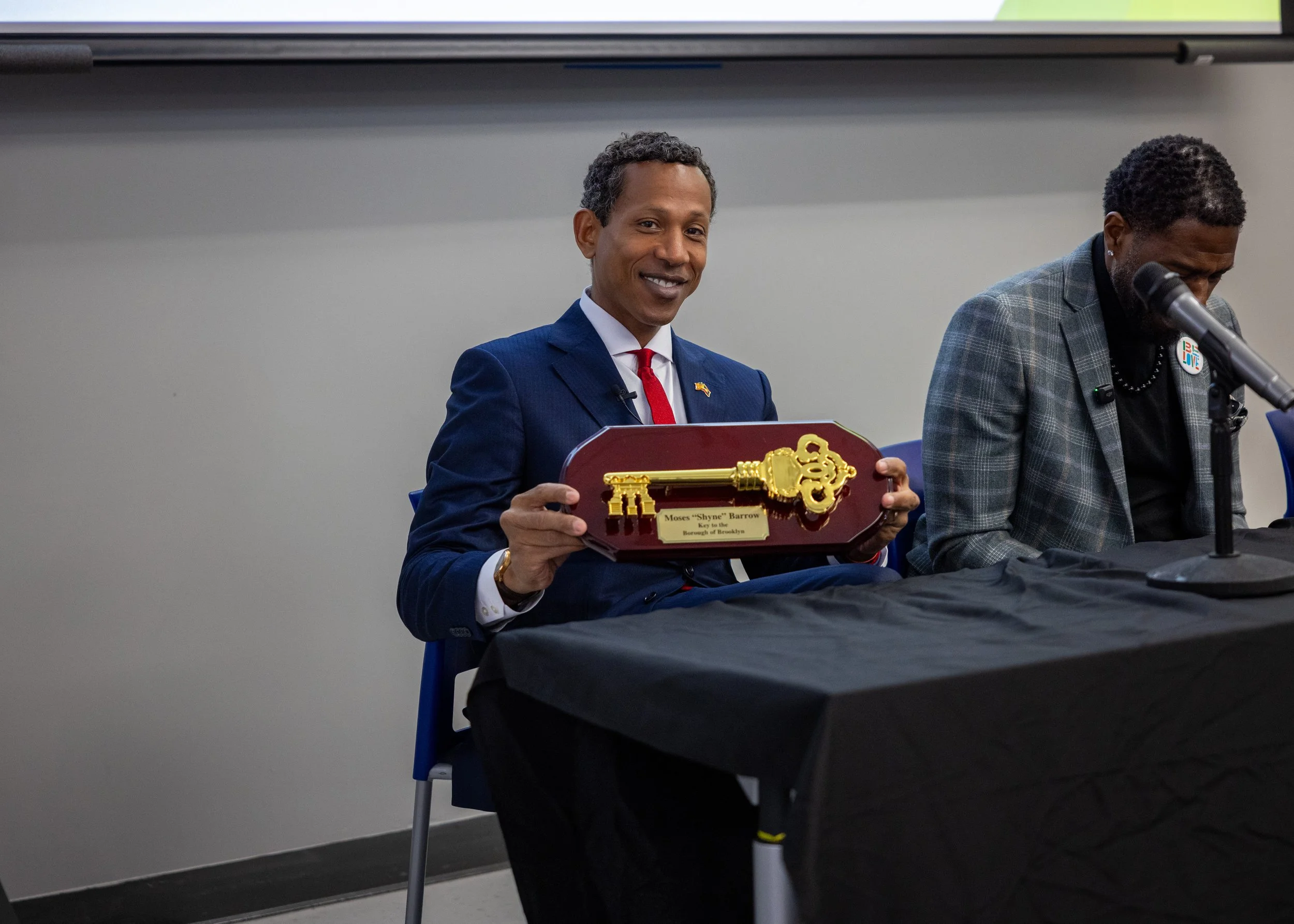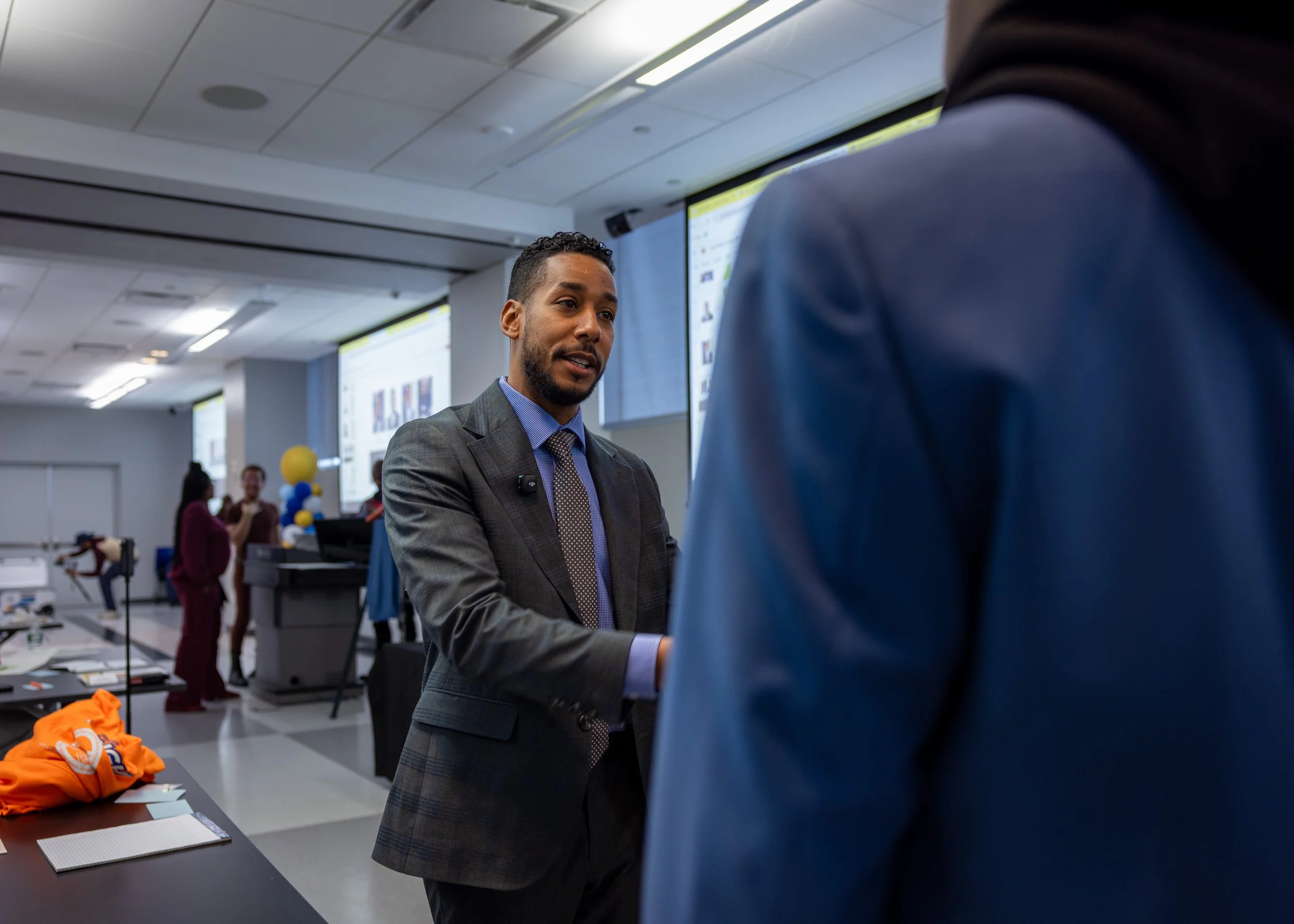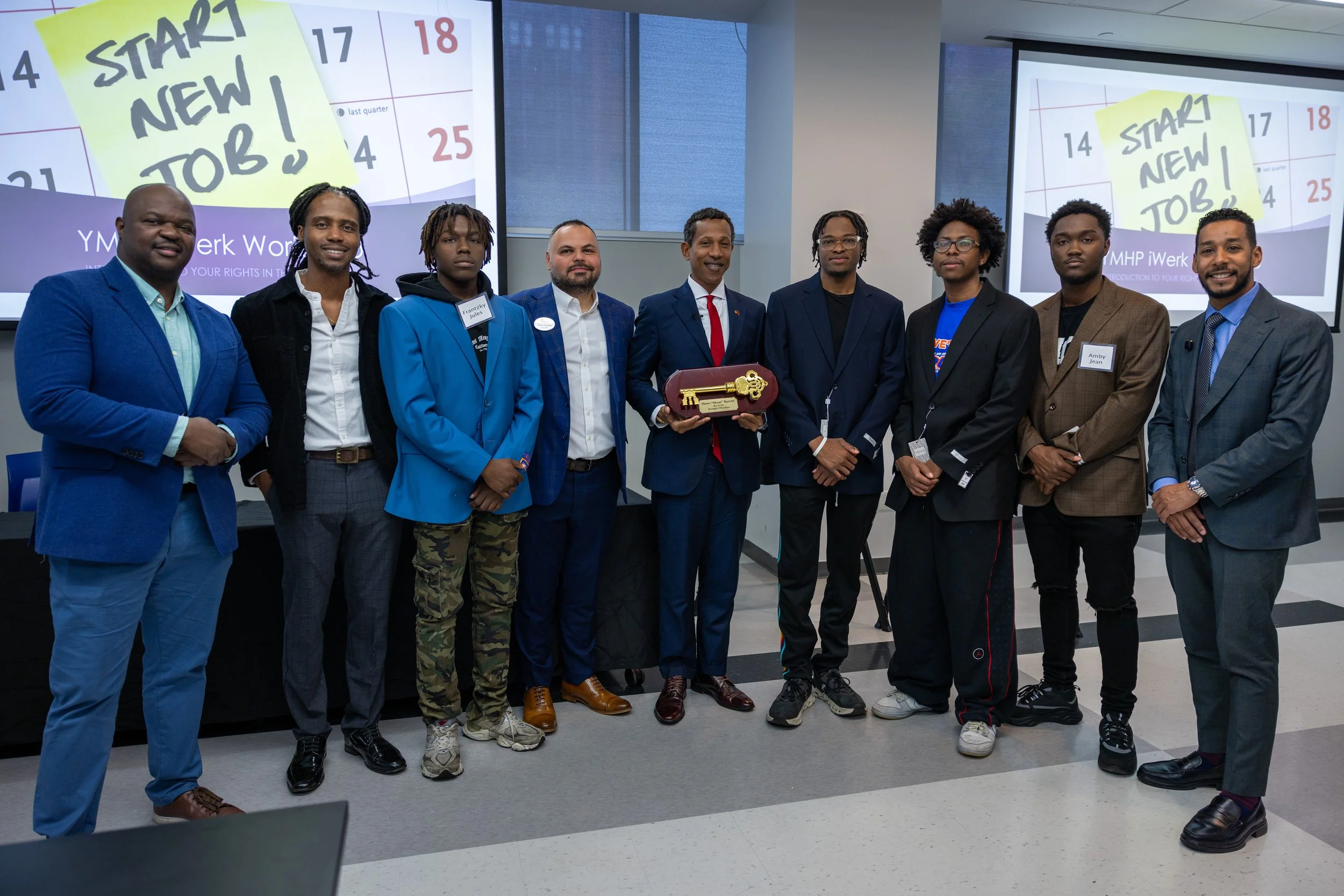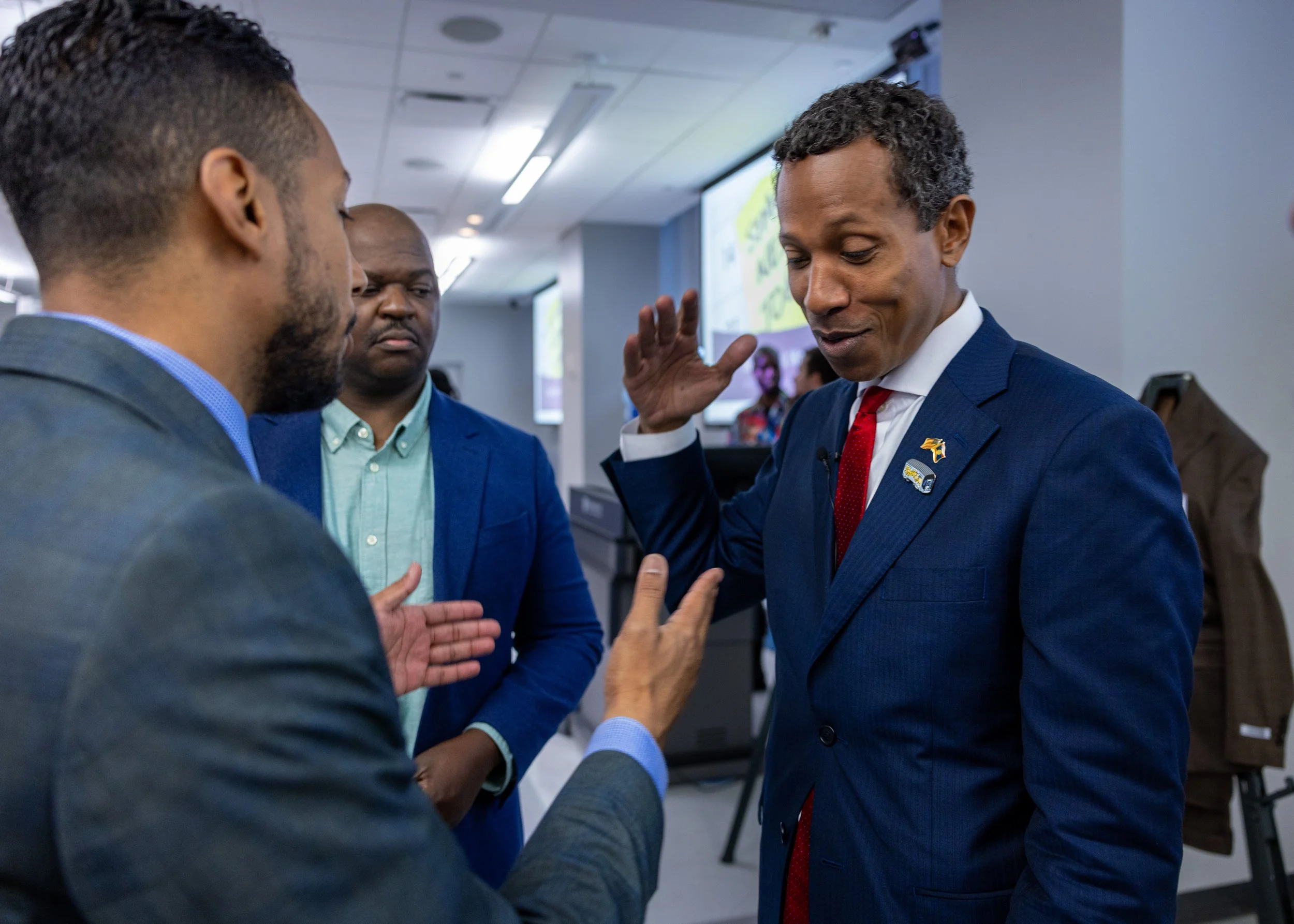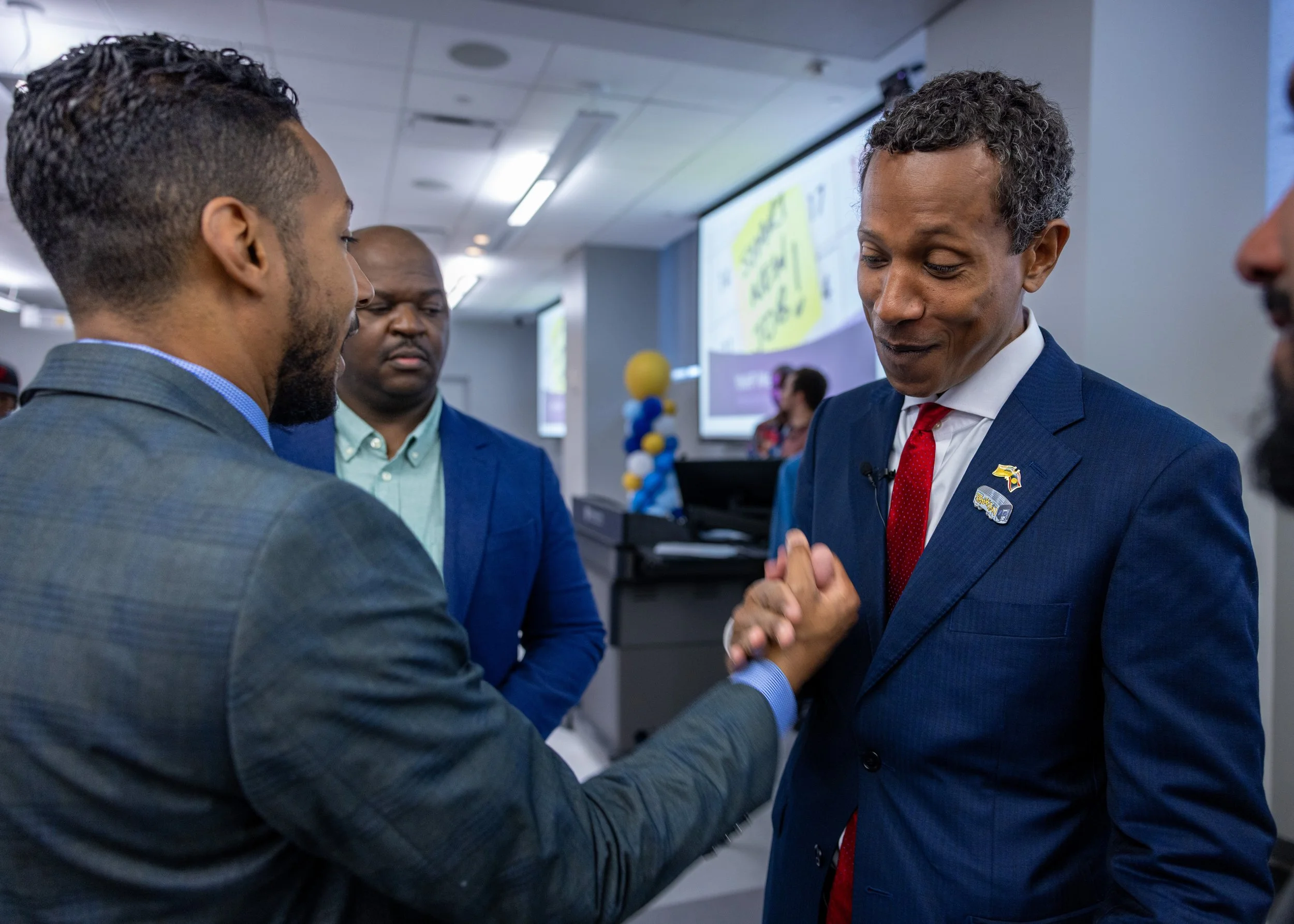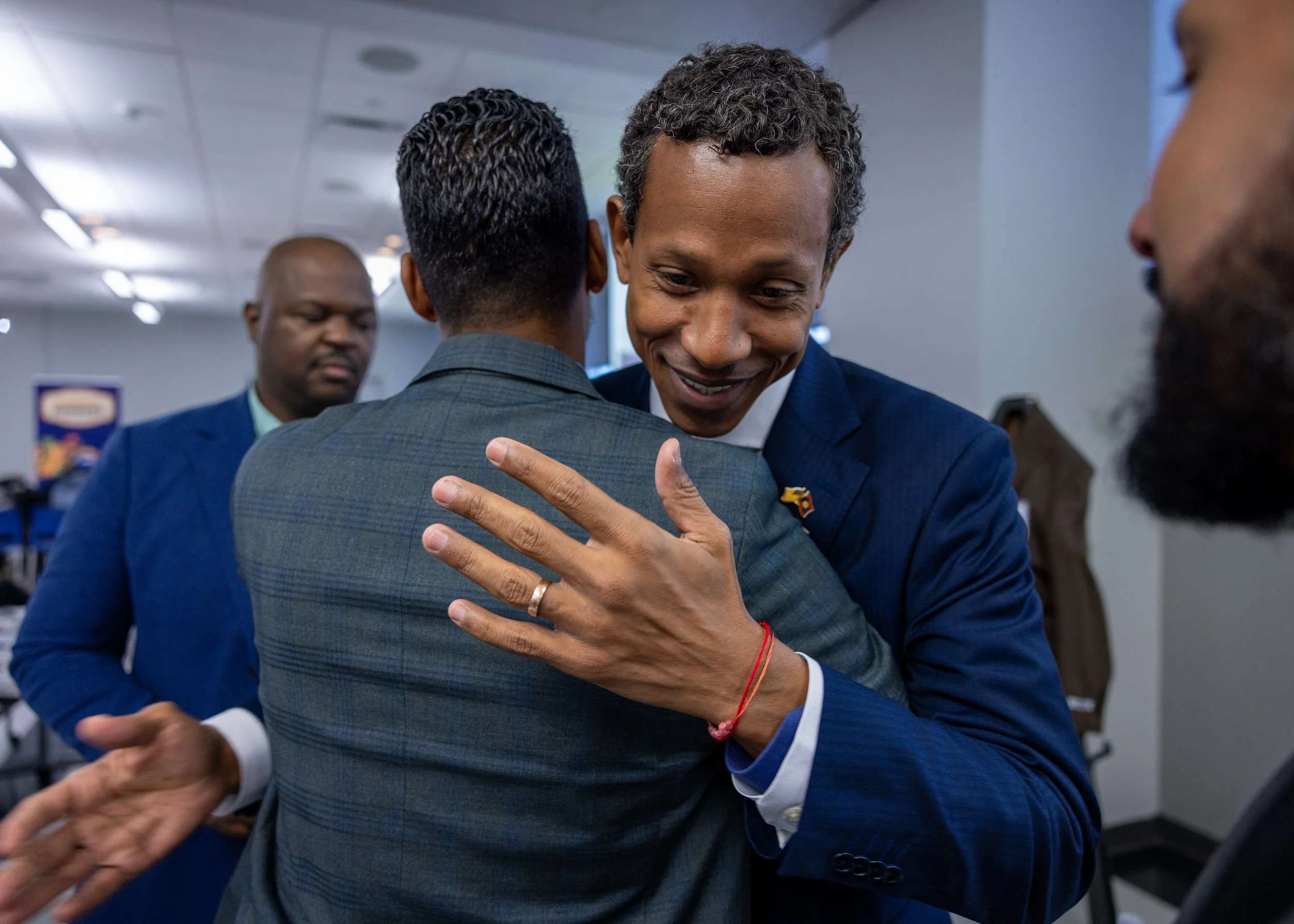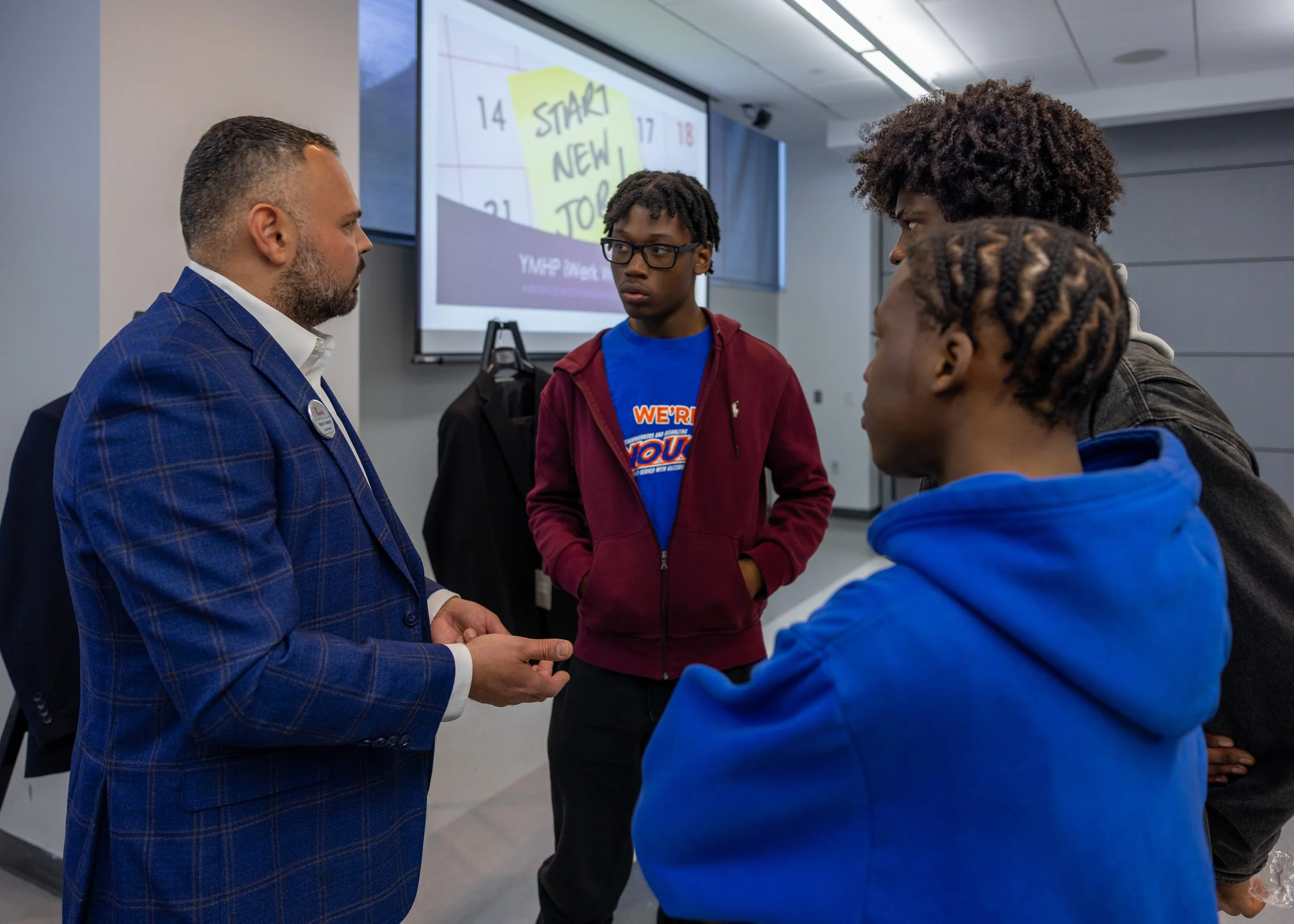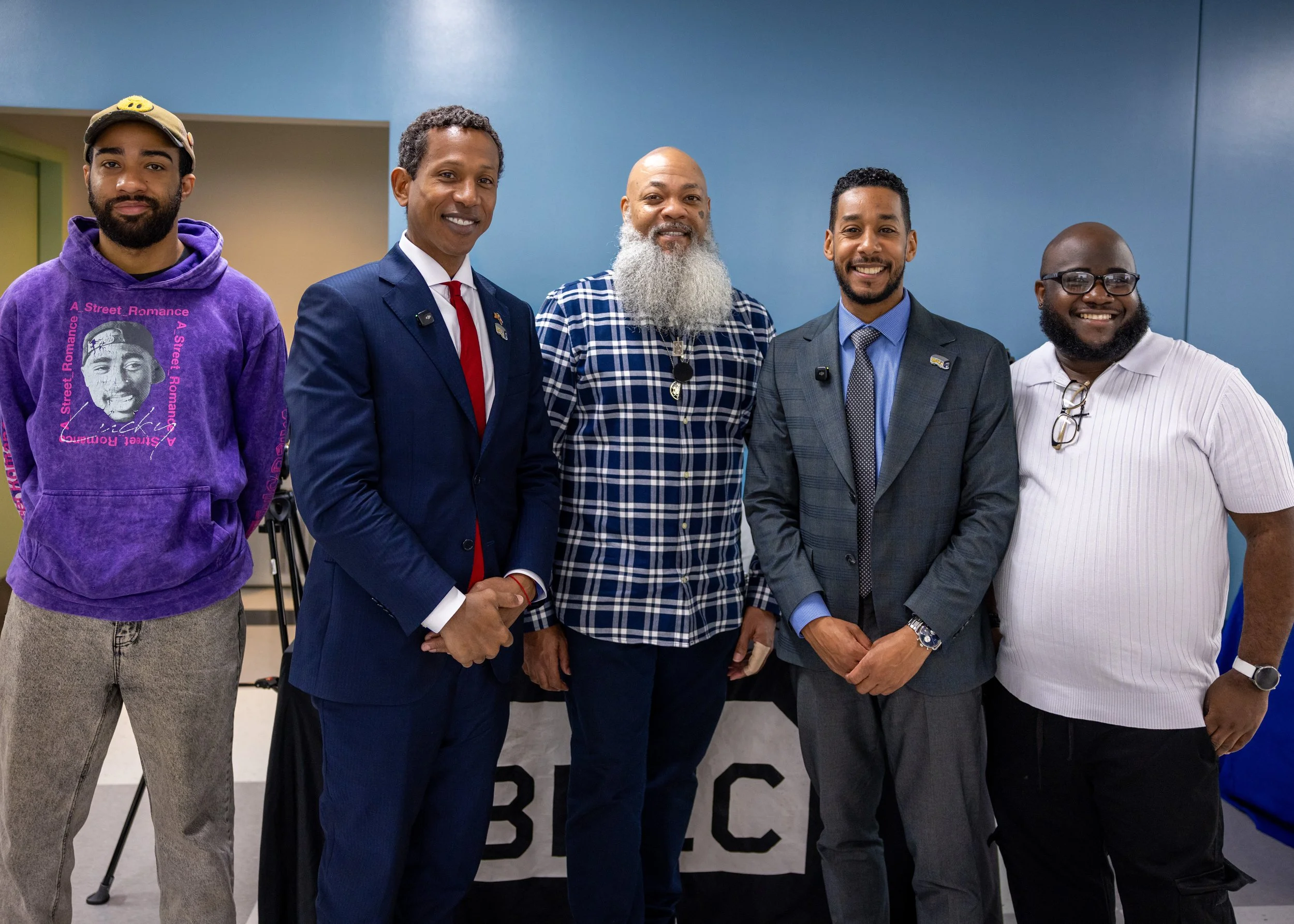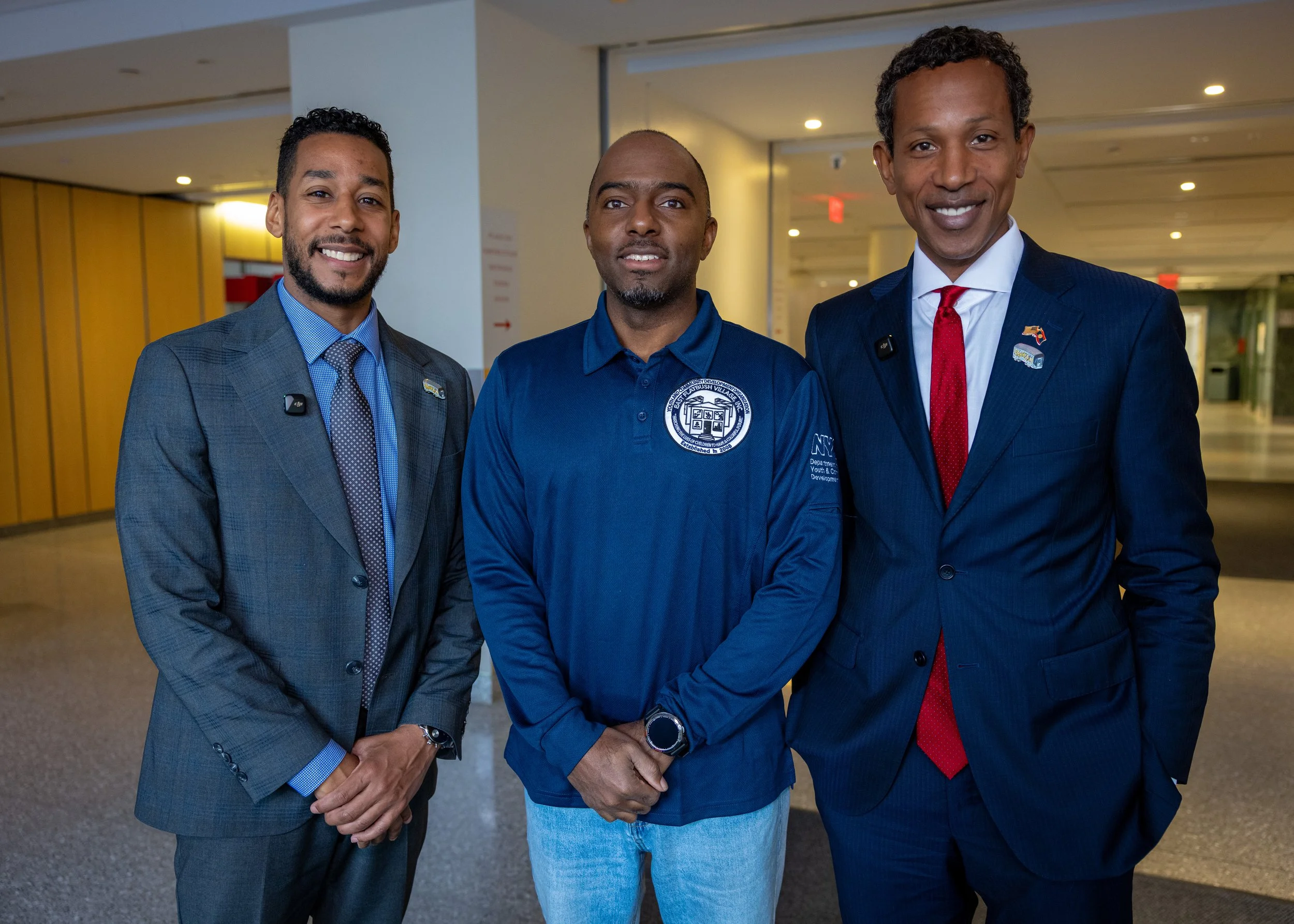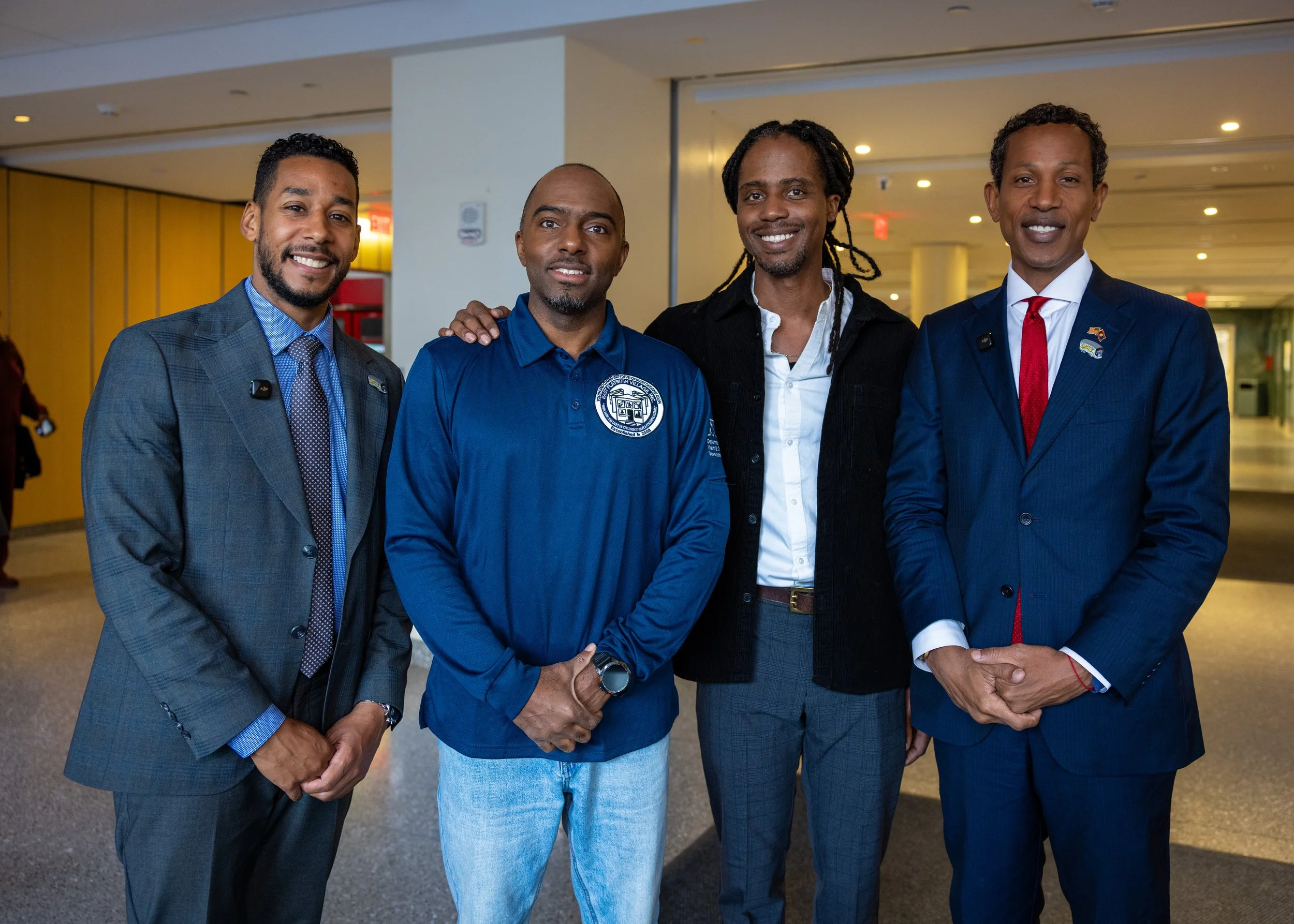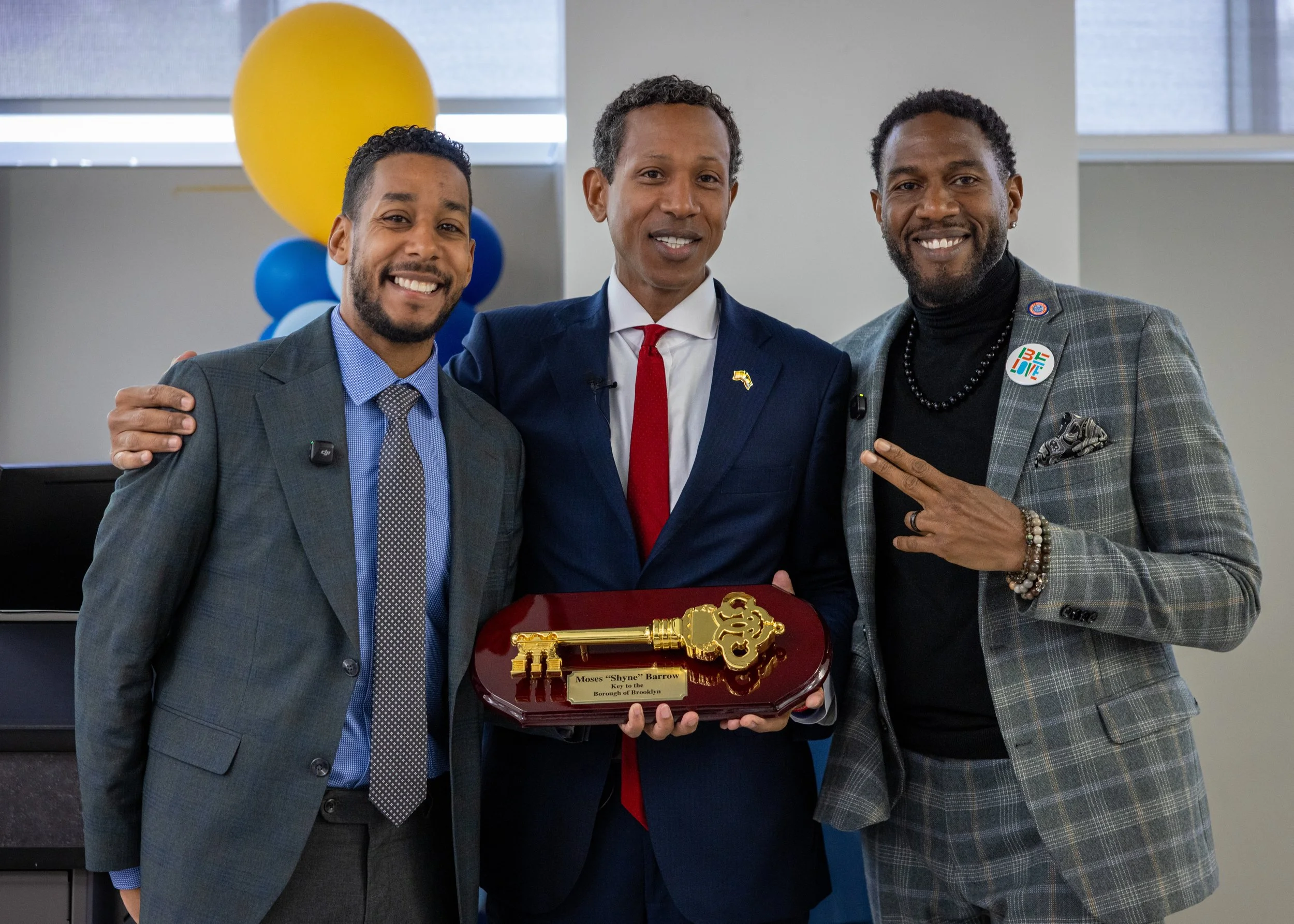
In Brooklyn, symbolism carries weight—but it’s the infrastructure behind the symbolism that determines whether a moment becomes a movement. This weekend in East Flatbush, Antonio Reynoso handed Moses “Shyne” Barrow a Key to Brooklyn, formally recognizing both his legacy in hip-hop and his evolution into a global civic leader. Yet the ceremony, staged during the East Flatbush Young Men’s Mentorship Expo, wasn’t about nostalgia—it was about systems of access.
Marking the 25th anniversary of his debut album, Shyne’s return to Brooklyn arrives at a time when cultural capital is increasingly expected to translate into community investment. Reynoso’s declaration of April 25, 2026, as “Shyne Day” does just that—cementing an artist’s influence not only in sound, but in service.
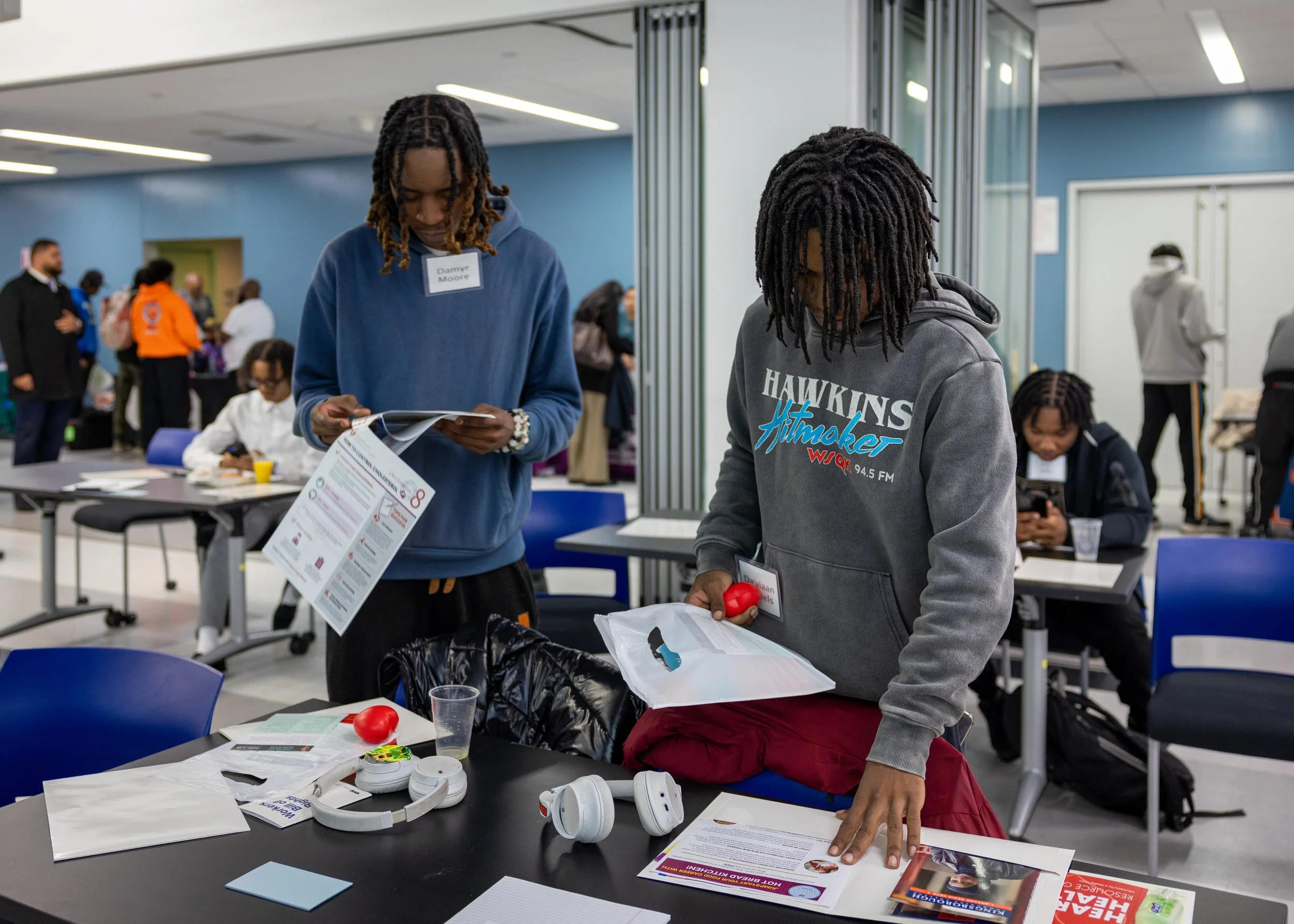
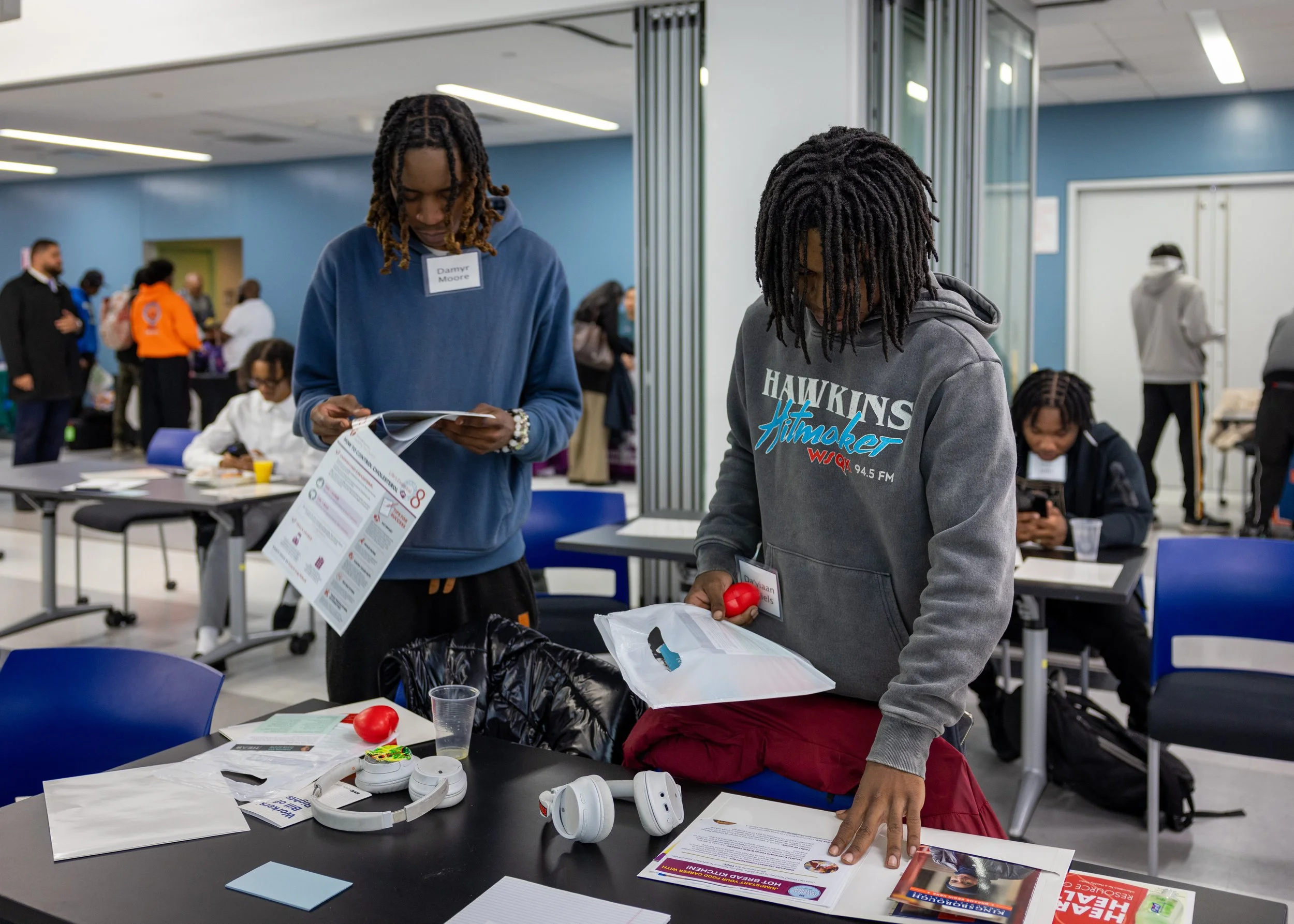
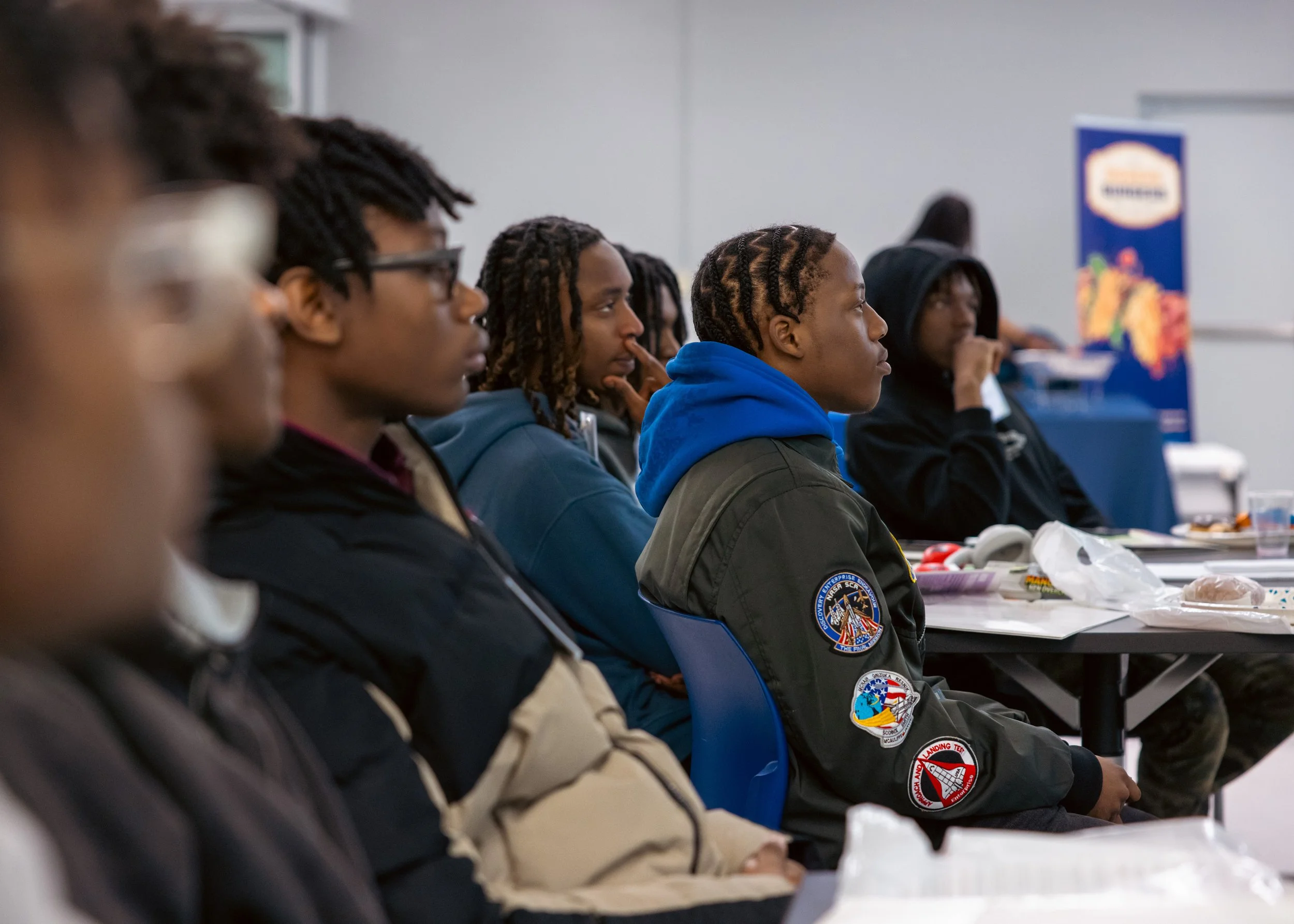
Held at SUNY Downstate Health Sciences University, the Expo convened a coalition of public and private stakeholders, each contributing a layer to a broader thesis: mentorship, when executed with intention, can function as workforce development, identity formation, and economic intervention simultaneously.
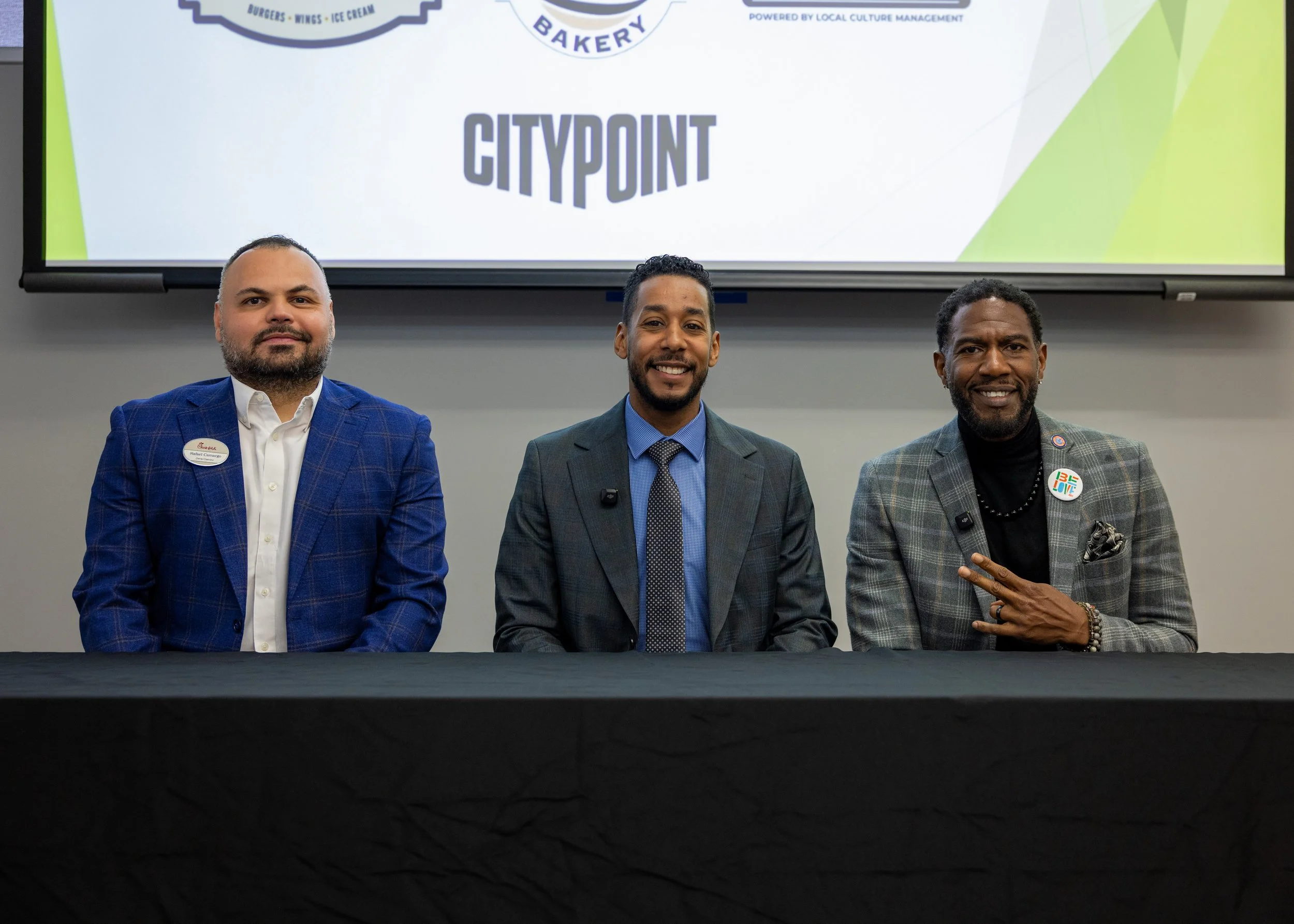
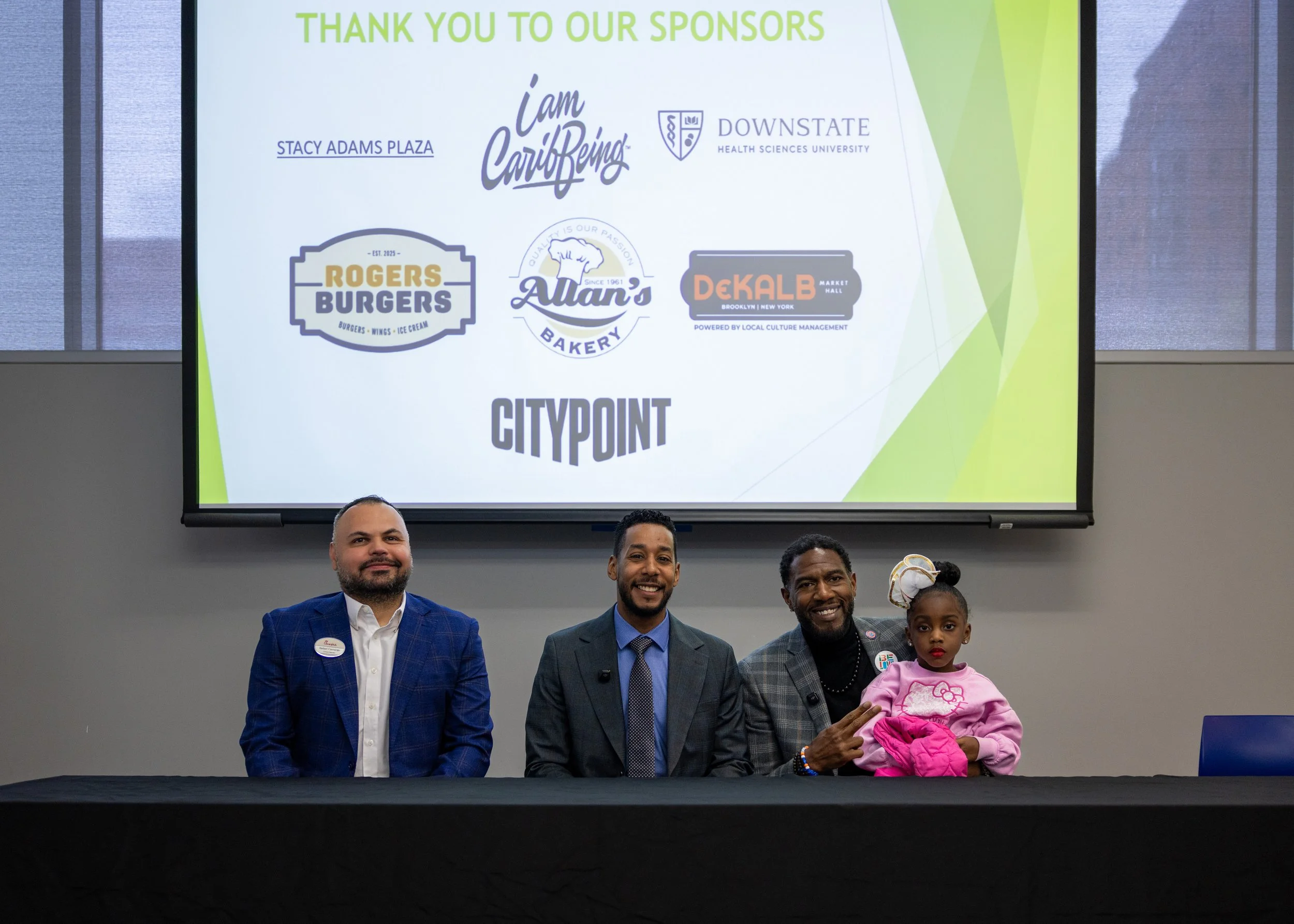
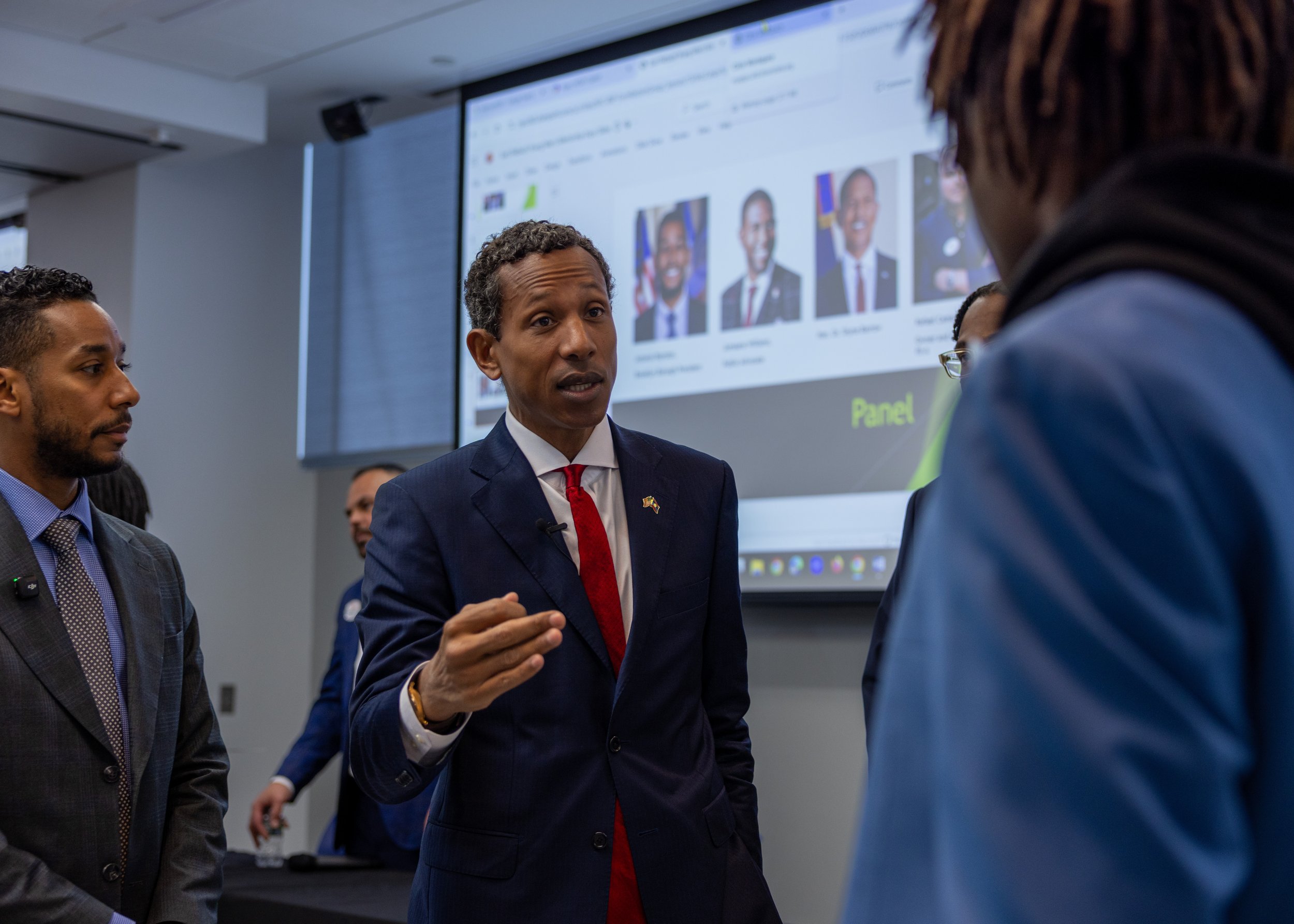
Onstage, Reynoso and Shyne were joined by Jumaane Williams and representatives from Chick-fil-A, opening the day with a candid discussion on navigating New York City as men of color. The framing was direct—career pathways are not linear, and access to them is rarely equitable.
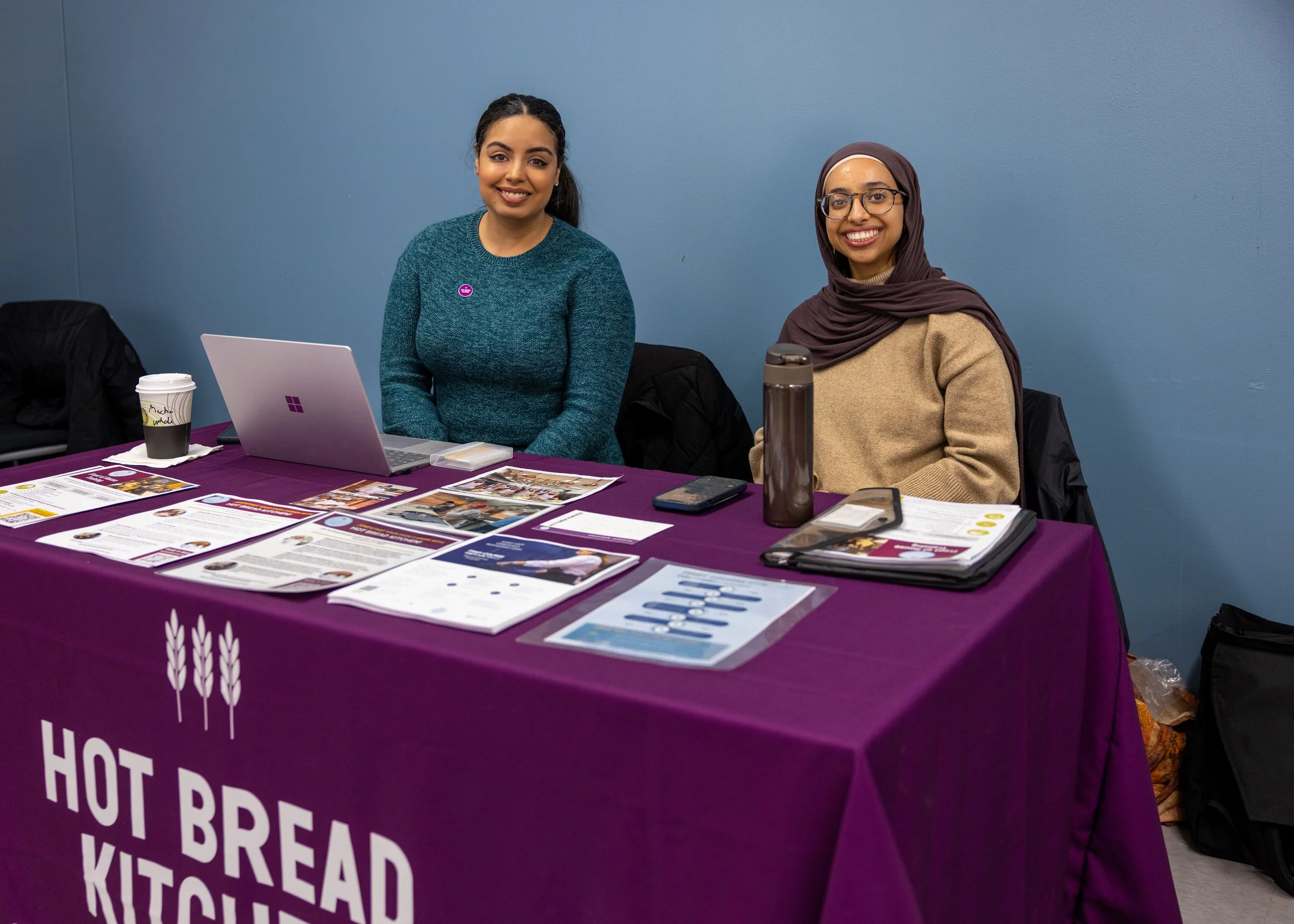
The Expo’s architecture reflected that reality. Organizations like Urban Upbound led financial literacy sessions, while CAMBA unpacked workplace rights—two foundational pillars often overlooked in traditional education systems. Hot Bread Kitchen translated passion into profession, offering a blueprint for culinary entrepreneurship, while Kingsborough Community College’s Fatherhood Academy explored identity through the lens of responsibility and generational impact.
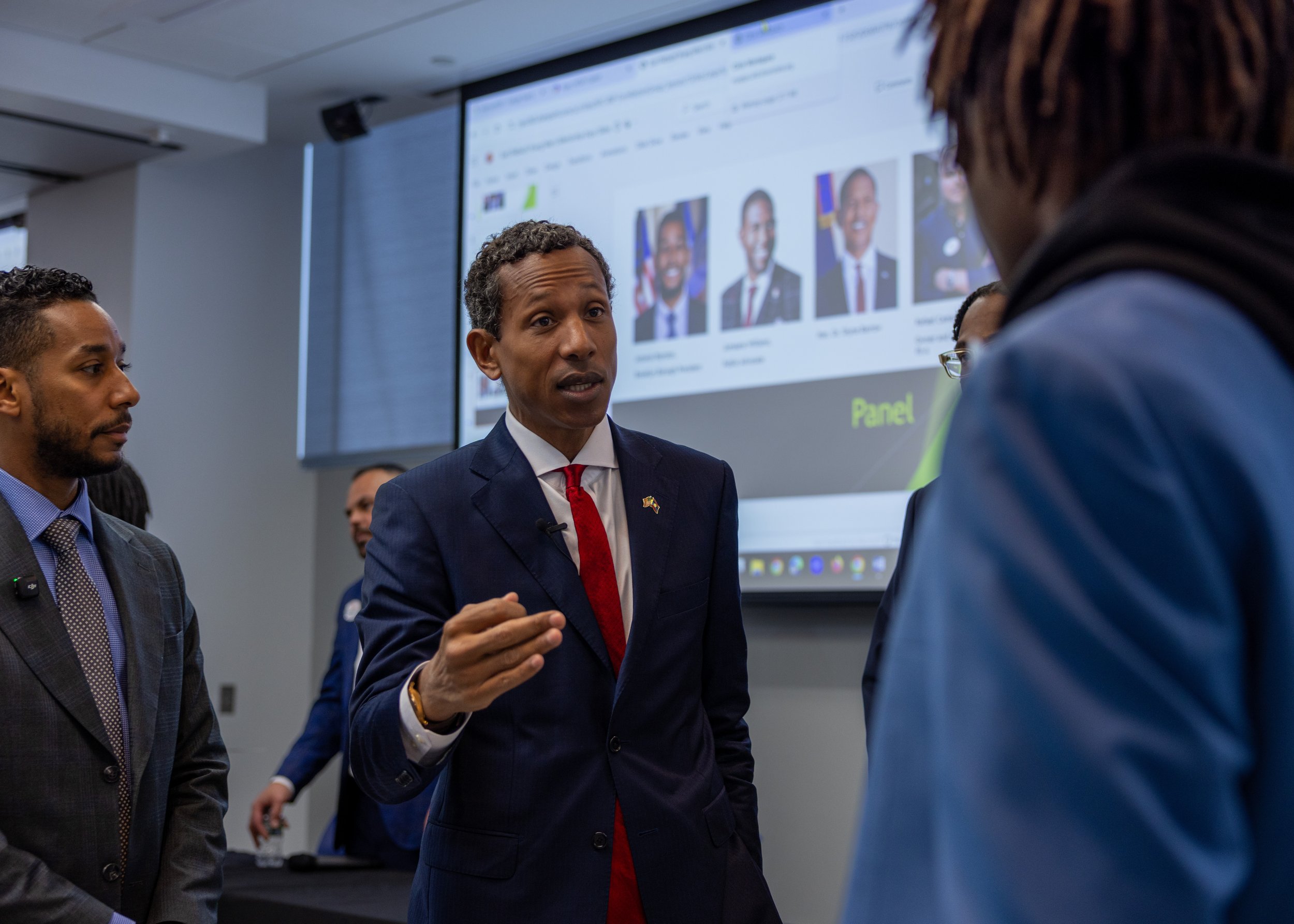
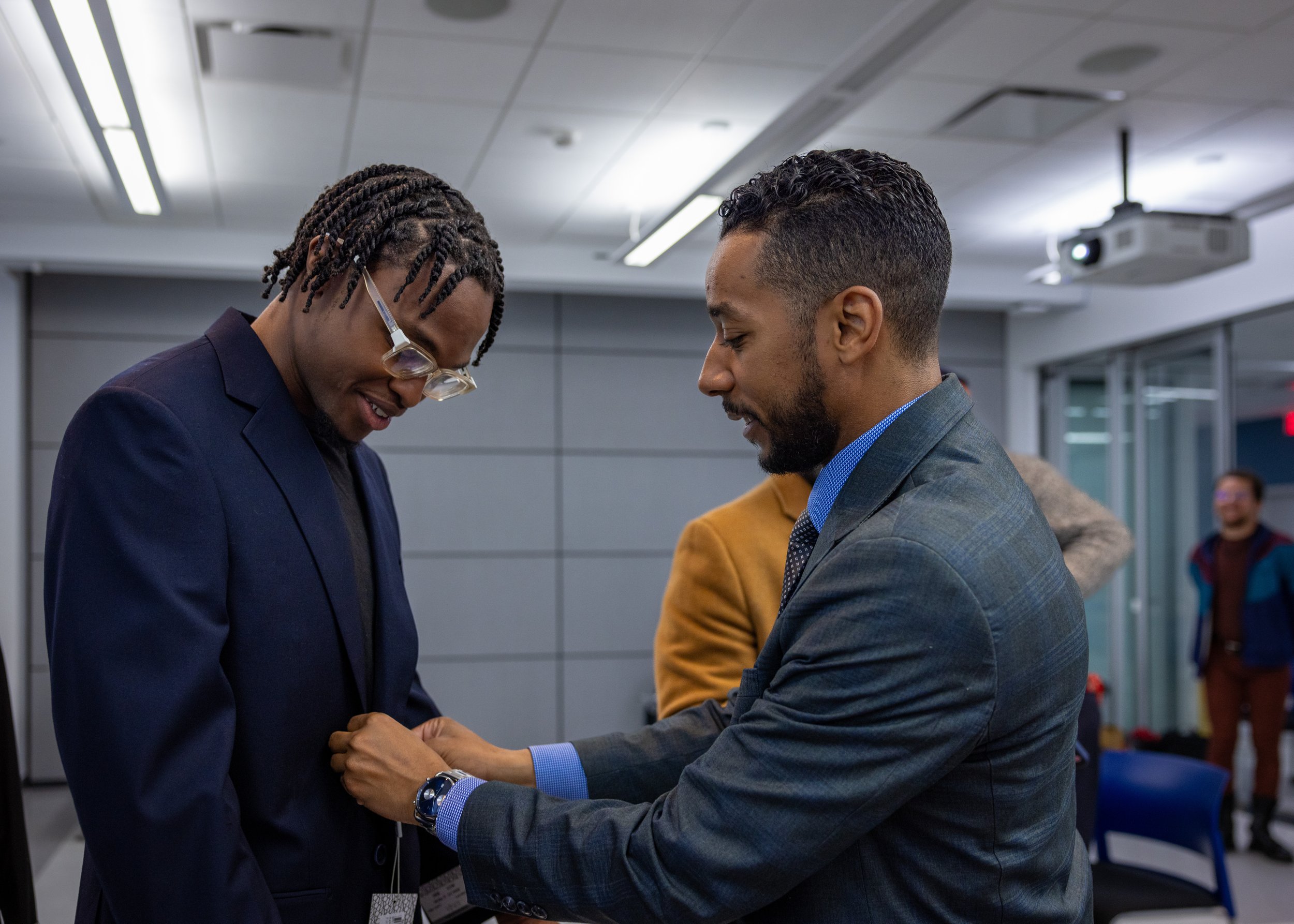
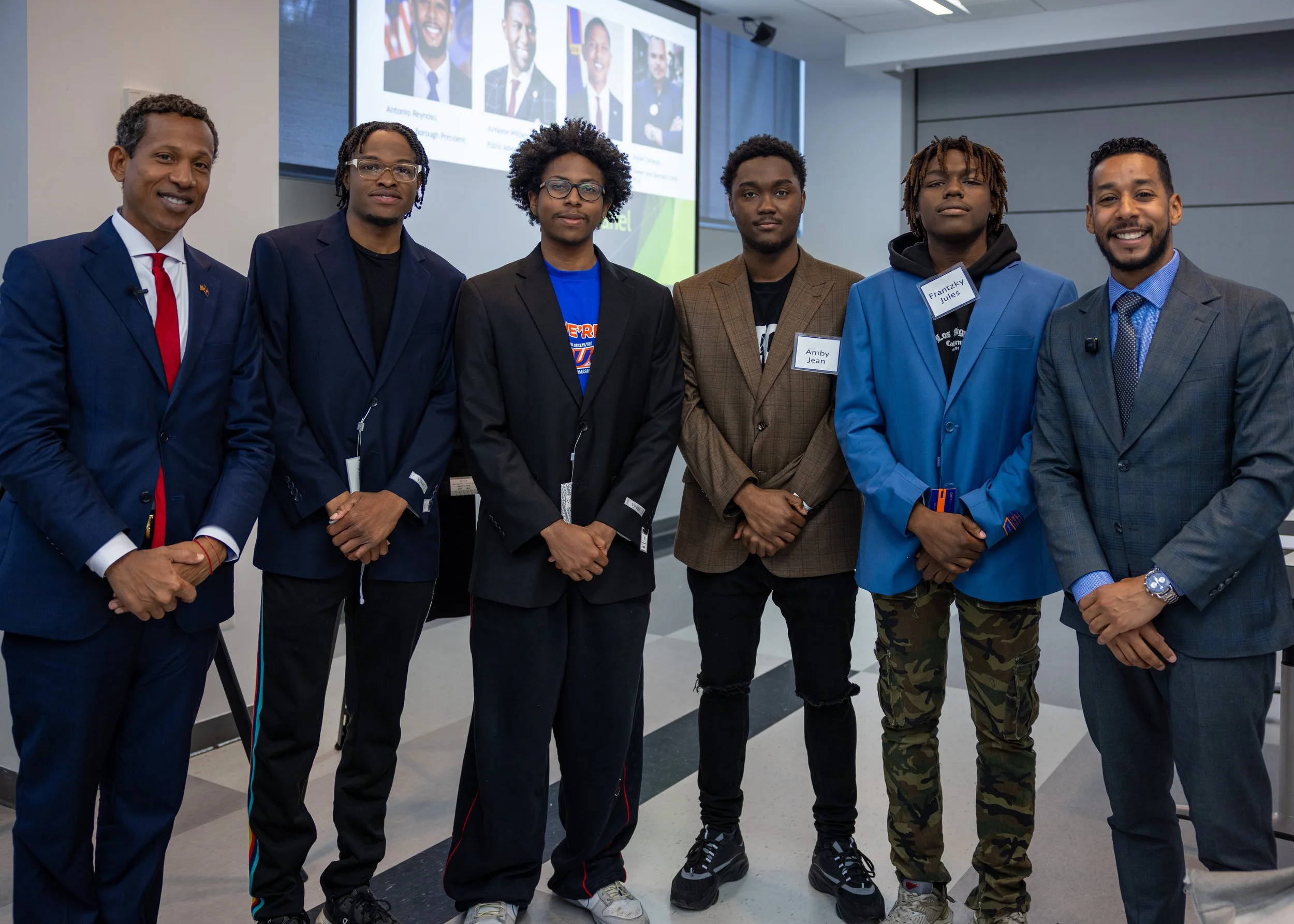
What distinguishes this initiative is its refusal to separate inspiration from tangible support. Reynoso’s $5,000 commitment to outfit all 35 attendees with tailored suits—sourced from Brooklyn’s Stacey Adams Plaza: Exclusive Menswear Clothing—underscores a critical, often under-discussed truth: presentation remains a gatekeeper in professional spaces. By addressing it directly, the Borough President reframes attire not as vanity, but as access.
Elsewhere, tabling partners like the NYC Department of Consumer and Worker Protection and Workforce1 Career Centers ensured that exposure translated into actionable next steps. Even incentives—gift cards to DeKalb Market Hall—were designed to reward engagement, not just attendance.
Shyne’s surprise announcement of free tickets to his upcoming 25th anniversary concert at Kings Theatre added a cultural crescendo to the day. But more importantly, it reinforced a feedback loop: culture draws attention, and attention, when leveraged correctly, funds opportunity.
Sponsored by stakeholders including City Point Brooklyn, Allan’s Bakery, and Rogers Burgers—whose co-founder Josue Pierre shared his entrepreneurial journey—the Expo exemplified what modern public-private collaboration can look like at the borough level: localized, intentional, and outcome-driven.
In a city often defined by scale, the East Flatbush Young Men’s Mentorship Expo offers a different metric of success—depth. By meeting young men where they are, and equipping them with tools to navigate where they want to go, Brooklyn isn’t just honoring its past; it’s actively underwriting its future.