
NYRR Turns 50: How the Five-Borough Marathon Is Running Toward the Future of Community and Purpose
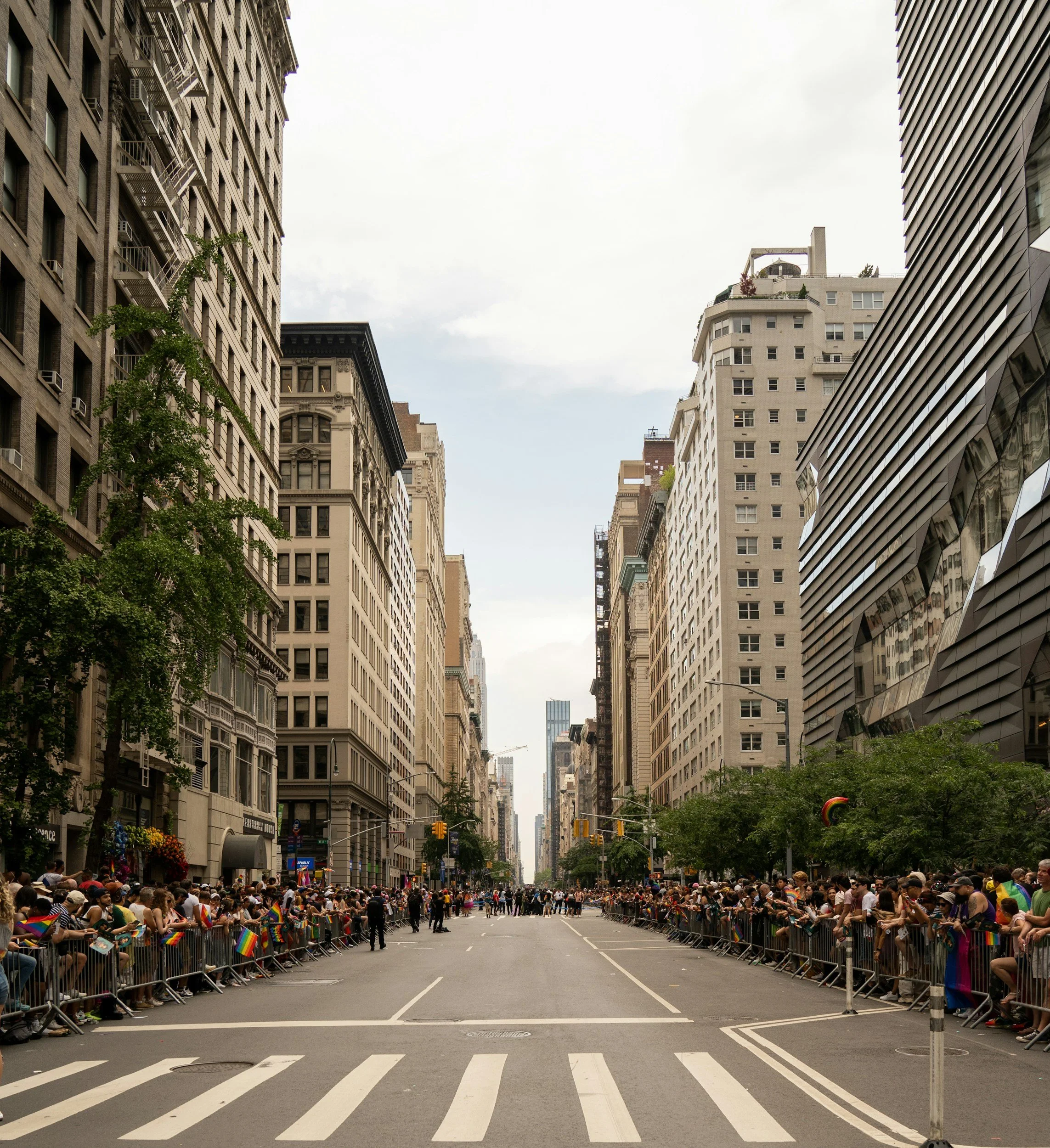
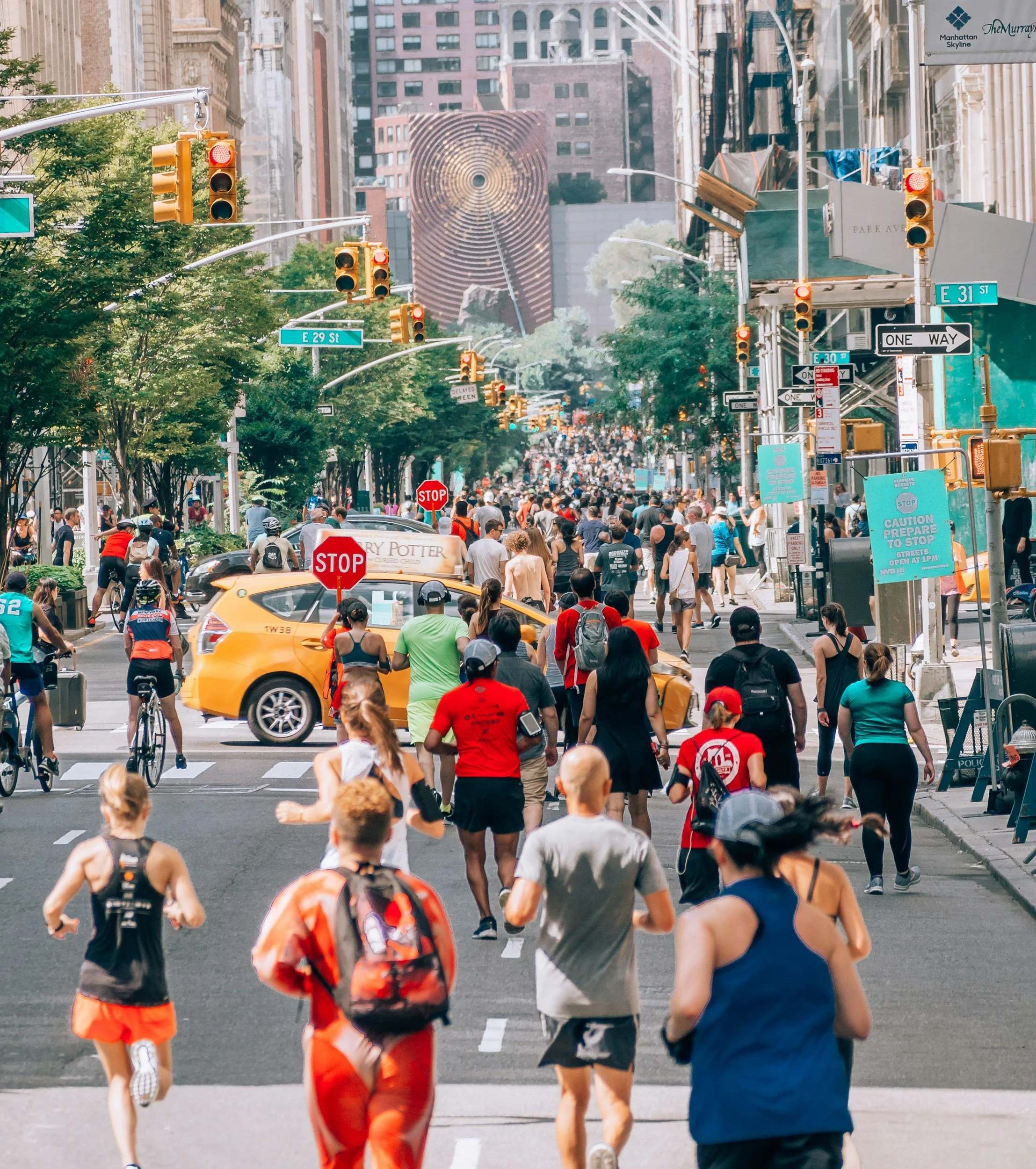
New York City’s streets have seen it all—parades, protests, fashion weeks—but every first Sunday in November, they transform into something else entirely: a global stage for human endurance, grit, and generosity. In 2026, that transformation carries extra weight. New York Road Runners (NYRR) is kicking off a year-long celebration marking the 50th anniversary of the five-borough New York City Marathon course, a race that started as a Bicentennial celebration in 1976, First run as a five-borough, and has since evolved into the world’s largest marathon.
“Fifty years on, this course has defined what’s possible when sport, community, and purpose come together,” said NYRR CEO Rob Simmelkjaer. “It’s a fitting moment to honor the race’s impact on New York City and the global running community while building on our mission to transform lives through running.”
This milestone coincides with NYRR’s rebrand and the launch of its new “Believe in Every Step” platform, signaling an organization intent on blending legacy with innovation. For Simmelkjaer and the NYRR team, the marathon is about more than endurance; it’s about purpose. The nonprofit has set an ambitious $100 million fundraising goal for its Official Charity Partners through the 2026 marathon, expanding support to over 670 organizations—the most ever. Since the inception of the charity program in 2006, runners have raised nearly $700 million for global causes.
“It’s incredibly heartwarming to give back to the community that has given me so much over the years,” said Michele Perez, a Jersey City runner with 20 marathons under her belt and a participant in NYRR Team for Kids. “Knowing that my fundraising supports programs like Rising New York Road Runners and Striders makes every mile worth it.”
NYRR is also moving the needle on inclusivity. The 2026 marathon will pilot expanded World Para Athletics [WPA] categories, giving Athletes with Disabilities the chance to compete in five new classifications—from Low Vision and Blind to Upper Limb Disability. Kevin Orcel, a visually impaired marathoner, highlighted the importance: “Too often, when people hear ‘adaptive sports,’ they think recreation, but we’re competitors. Crossing the finish line first matters, no matter what your eyes see.”
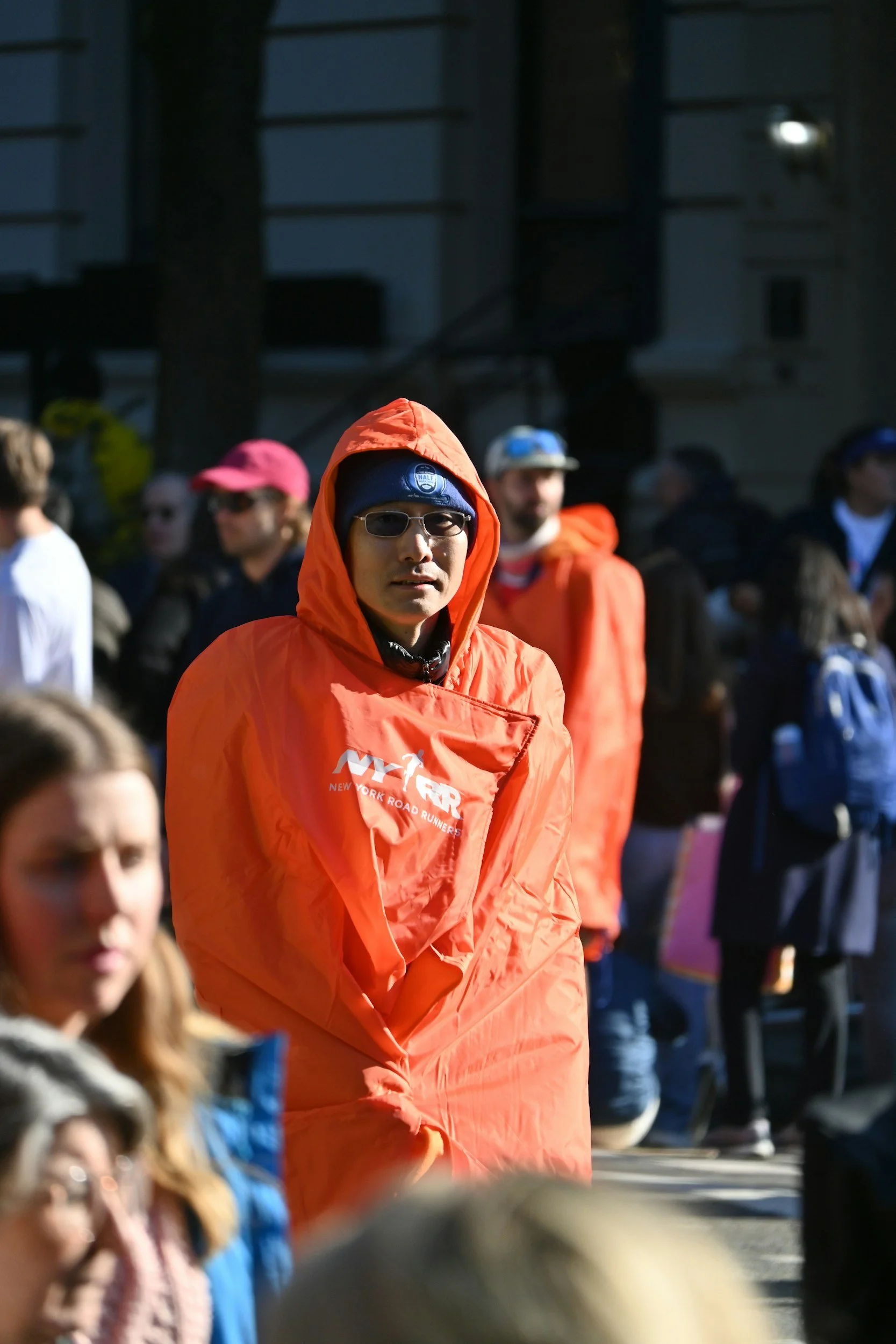
The 50th anniversary promises more than just expanded charity programs and Para Athletics. NYRR plans limited-edition merchandise, immersive activations, and content celebrating the race’s history, its founders, and the city itself. For the roughly 60,000 runners and two million spectators who converge annually, it’s more than a race—it’s a reminder of New York’s heart, resilience, and unifying power.
Applications for the 2026 TCS New York City Marathon drawing open Feb. 4–25, giving runners a chance to be part of history. And for those who line the streets cheering, every stride taken, every dollar raised, and every medal earned is a celebration of what happens when sport meets community: New York City, in motion, at its very best.
Applications for the 2026 TCS New York City Marathon drawing open Feb. 4–25, giving runners a chance to be part of history. And for those who line the streets cheering, every stride taken, every dollar raised, and every medal earned is a celebration of what happens when sport meets community: New York City, in motion, at its very best.
