
Retiring Early and Living Abroad: A Modern American Escape Plan
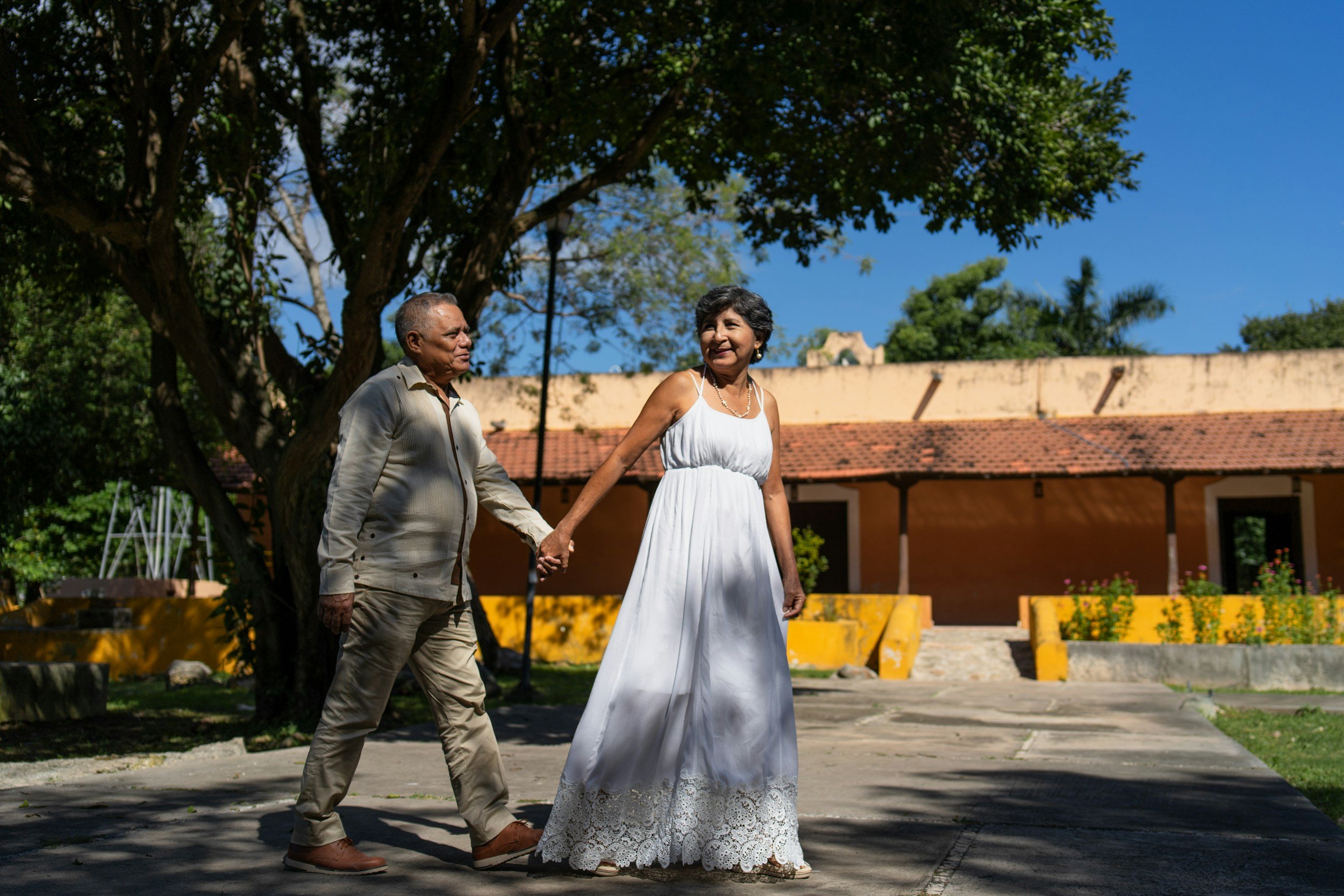
For many Americans, the dream of retirement is shifting—starting earlier, unfolding overseas, and offering a lifestyle richer in experience than expense. As the pursuit of financial independence grows and remote-friendly income streams continue to expand, early retirement abroad has become not only possible but increasingly attractive. From lower living costs to immersive cultural environments, the idea of swapping the traditional 9-to-5 grind for a more intentional, globally rooted life is resonating with a new generation of retirees and early exit planners.
Why Retiring Abroad Is on the Rise
The cost of living in major U.S. cities has skyrocketed. Housing prices, healthcare premiums, and daily expenses are pushing many Americans to reconsider what retirement—even early retirement—should look like. Overseas, however, the economics can shift dramatically in your favor. Countries throughout Latin America, Southeast Asia, and parts of Europe offer significantly lower living costs while maintaining high standards of safety, healthcare, and quality of life.

At the same time, mobile income streams—dividends, consulting, online businesses, part-time remote work—have created a liberating formula: earn in dollars, spend in a more affordable currency.
Choosing a Destination: What Matters Most
When selecting a country to retire early, the decision goes beyond cost. Americans typically weigh several key factors:
Cost of Living & Housing: Cities like Porto, Da Nang, Mérida, and Medellín offer monthly expenses that can be a fraction of U.S. costs.
Healthcare Quality: Places such as Portugal, Costa Rica, Thailand, and Spain have globally recognized healthcare systems with prices far below American rates.
Visa Pathways: Retirement visas, digital nomad visas, and residency-by-investment programs make it easier to stay long-term.
Culture & Ease of Integration: Language, community, and pace of life are essential. Many cities have robust expat networks that help newcomers settle quickly.
Safety & Stability: Political stability and low crime rates often guide the final decision.
Building the Financial Plan for Early Retirement Abroad
Early retirement abroad requires intention—not fantasy. But with a solid strategy, it becomes fully achievable:
Lean FIRE vs. Fat FIRE Abroad: Living overseas reduces the amount you need to retire. A $40,000 annual budget could feel restrictive in the U.S. but extremely comfortable in cities across Vietnam or Mexico.
Healthcare Transitions: Many expats start with international insurance, then switch to local healthcare systems once they gain residency.
Tax Planning: The U.S. taxes citizens worldwide, but foreign-earned income exclusions and tax treaties can minimize the burden.
Diversifying Income: Rental income, freelancing, interest, dividends, or part-time consulting can supplement investments to extend retirement even further.
The Emotional Freedom of a Global Life
Retiring early abroad is not just a financial pivot—it’s an emotional one. For many, it represents a reset. A chance to live slower. To appreciate architecture, food, nature, and community in ways that often feel inaccessible in America’s high-speed, high-pressure lifestyle.
Expats often describe a deeper sense of belonging overseas. They feel less defined by work, more connected to local culture, and more present in daily life. Time expands. Values shift. Creativity often reignites.

Challenges to Expect and How to Prepare
Like any major life change, early retirement abroad brings challenges:
Language Barriers: Everyday tasks can take longer at first. Language learning becomes part of the journey.
Cultural Differences: Customs, bureaucracy, and pace of life can require patience.
Distance from Family: Time-zone differences and long flights can be tough, though many retirees build travel budgets around recurring visits.
Legal & Financial Systems: Banking, property ownership, and residency rules differ—professional guidance is invaluable.
These challenges aren’t deal-breakers—they’re transitions. With planning and flexibility, most expats adapt comfortably within the first year.

A New Vision of American Retirement
Early retirement abroad represents a profound shift in how Americans imagine their lives after work. It disrupts traditional expectations and replaces them with a vision of possibility: more freedom, more time, more global perspective, and often more affordability.
In an era where dissatisfaction with the cost and pace of U.S. life is rising, retiring early overseas offers a powerful alternative—not an escape, but an evolution. It’s a chance to redefine success, embrace cultural abundance, and live a richer life on your own terms.
If the American Dream once meant a house with a yard, today’s version might just be a seaside apartment in Portugal or a mountain-view home in Colombia—lived early, lived fully, and lived anywhere in the world.
