
The Scarlet Thread: Unraveling Thailand's Complex Relationship with Prostitution and It’s Sex Industry

Beneath the glittering surface of Thailand’s tourism brochures—the pristine beaches, ornate temples, and vibrant street food—runs a deep, scarlet thread: the nation’s entrenched and complex relationship with prostitution. It is an open secret, a multi-billion baht shadow economy, and a human rights quagmire that the country has grappled with for generations. To discuss it is to confront a tangled web of economic desperation, cultural ambiguity, legal contradiction, and profound human cost. The time for a sincere national reckoning is long overdue.
The current legal framework, a patchwork of laws from the 1960s and 1990s, is an exercise in absurdity. Prostitution itself is not explicitly illegal, but almost every associated activity—soliciting, pimping, operating a brothel—is. This creates a world of de facto decriminalization operating under constant threat of police raid, bribery, and violence. This ambiguity is the worst of all worlds: it offers no protection to sex workers, who are stigmatized and vulnerable to exploitation, while allowing criminal networks and corrupt officials to thrive in the gray area. It treats those in the trade as criminals to be punished, rather than citizens who may be victims of circumstance or individuals making difficult choices in a constrained environment.
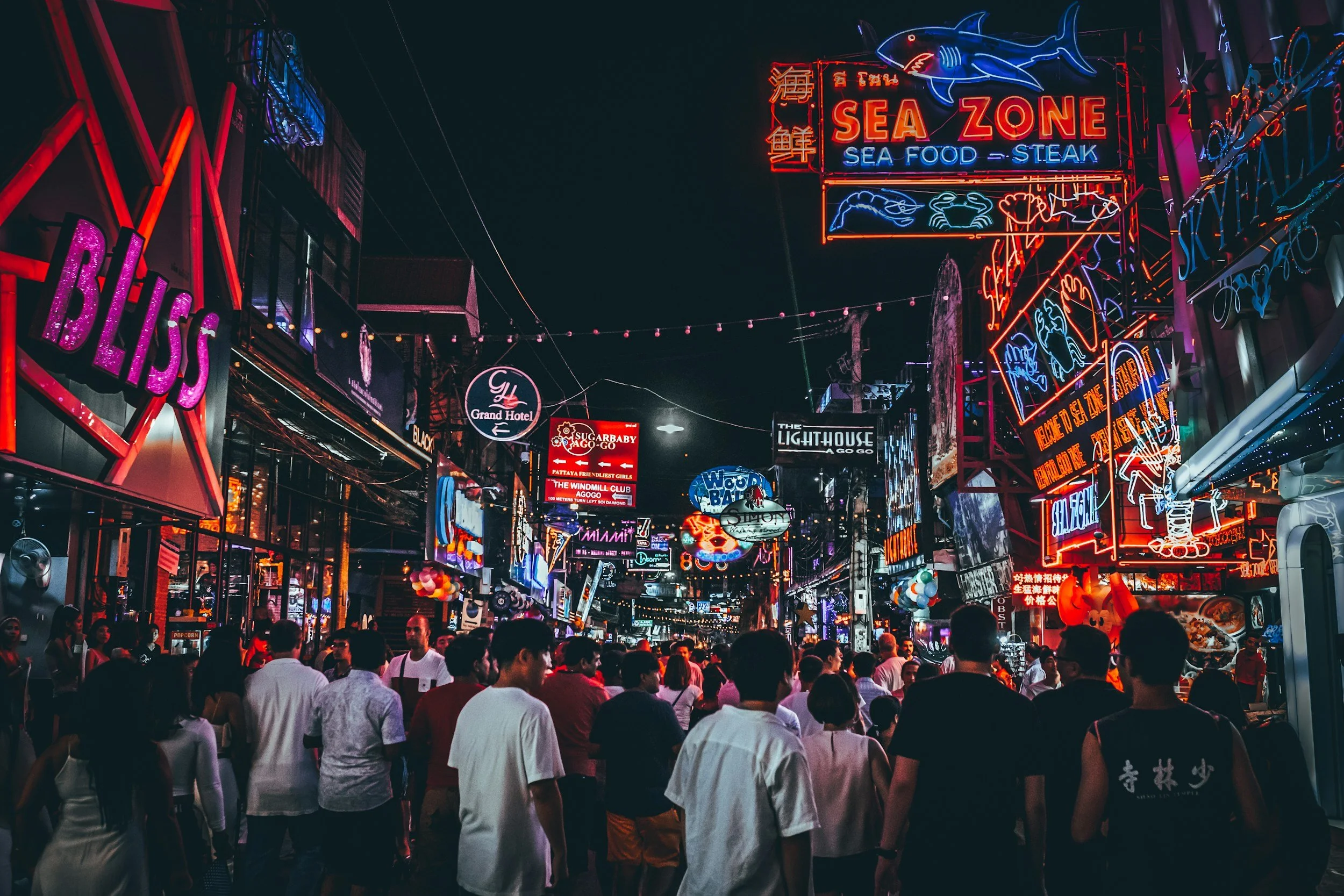
We must be unequivocal about the drivers. Poverty and systemic inequality are the primary engines. For many from rural Isaan communities or urban slums, the sex industry presents one of the few viable paths to financial survival, education for siblings, or support for aging parents. It is a grim calculus of desperation. Furthermore, the decades-long branding of Thailand as an exotic “playground” for Western and Asian tourists has cemented a demand-side economy that is too lucrative and powerful for a struggling single mother or a migrant from a neighboring country to ignore. We have built an economic model that tacitly approves of this exploitation.
Yet, to view all sex work solely through the lens of victimhood is to ignore the agency and resilience of many in the industry. This is the uncomfortable nuance. Some enter it with clear-eyed, if limited, choice, seeking autonomy and income that surpasses other options like factory or service work. Their demand is not for rescue, but for rights: the right to safe working conditions, access to healthcare, legal protection from assault and theft, and freedom from police harassment. Their voices are crucial and must be centered in any reform.
Therefore, the path forward requires courage and pragmatism, not more moralizing or wilful ignorance.
First, Legal Reform is Essential. The debate between full legalization (with state-regulated brothels) and the Nordic model (criminalizing buyers, not sellers) must be had openly and with evidence. Many advocates point to decriminalization, as seen in New Zealand, as the gold standard—removing criminal penalties for consenting adults while aggressively targeting coercion, trafficking, and underage exploitation. This shifts the focus from policing bodies to prosecuting abuse.
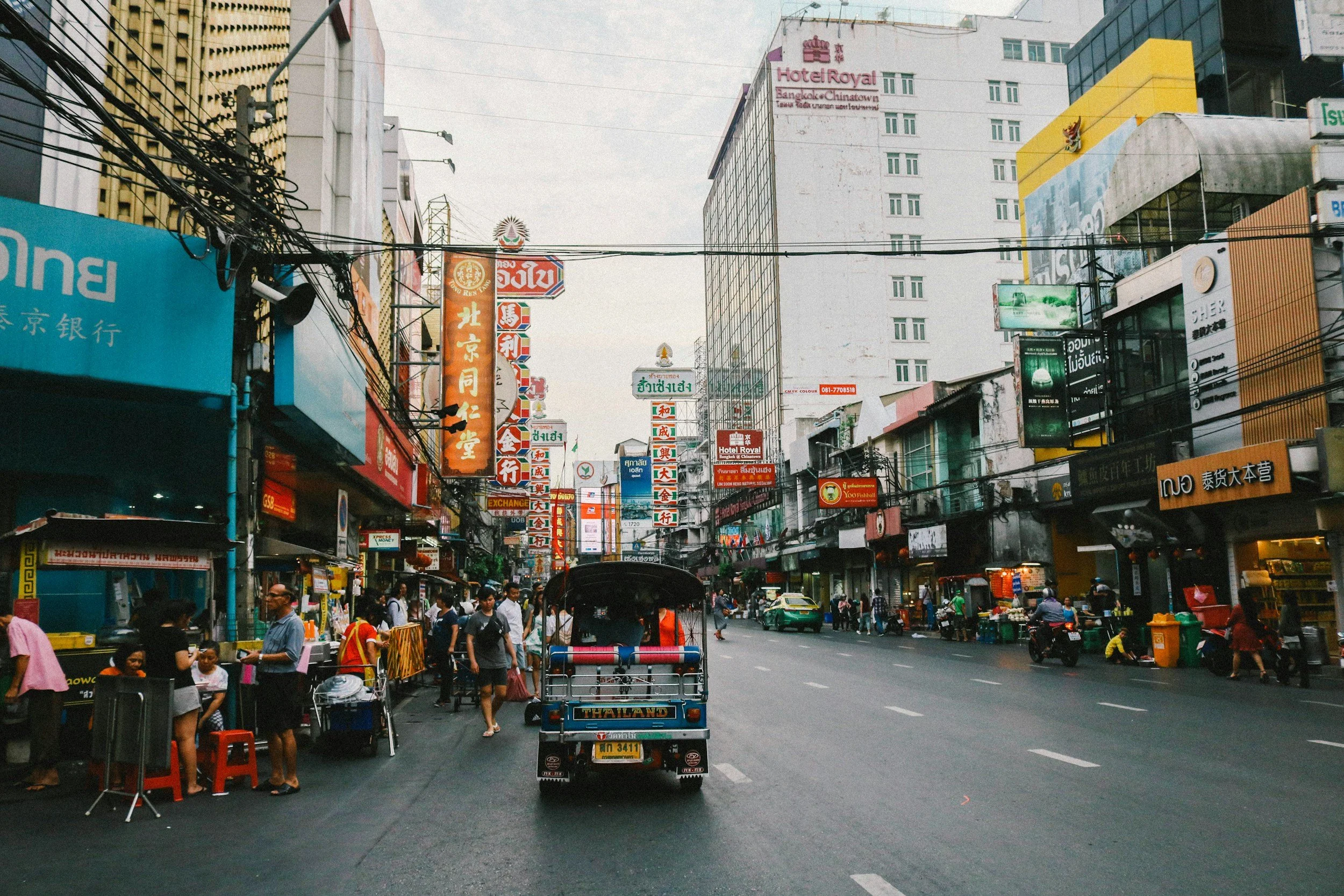
Second, Economic Alternatives Must Be Real. As long as the vast inequality gap persists, prostitution will remain a default option for too many. Investment in rural economies, robust vocational training, and enforcing fair labor laws in all industries are non-negotiable prerequisites for meaningful change.
Third, Health and Social Services Must Be De-Stigmatized. Sex workers must be able to access healthcare, legal aid, and banking services without fear of discrimination. This protects not only them but public health at large.
Finally, We Must Reckon with Our Own Complicity. This includes the Thai customer who frequents a karaoke bar, the foreign tourist seeking a "girlfriend experience," the police officer collecting tea money, and the society that looks down on the worker while spending the money her taxes contribute. The hypocrisy sustains the system.
Thailand stands at a crossroads. It can continue to pretend the scarlet thread isn’t woven into its social fabric, allowing exploitation to fester in the shadows. Or, it can choose the difficult path of honest dialogue, evidence-based policy, and compassionate pragmatism. The goal cannot be the simplistic eradication of prostitution—a fantasy in the current global economy—but the eradication of the violence, injustice, and hopelessness that currently define it. The dignity and safety of hundreds of thousands of our fellow citizens depend on which thread we choose to pull.
