
At the Edge of Blue: Visiting Australia’s Great Barrier Reef
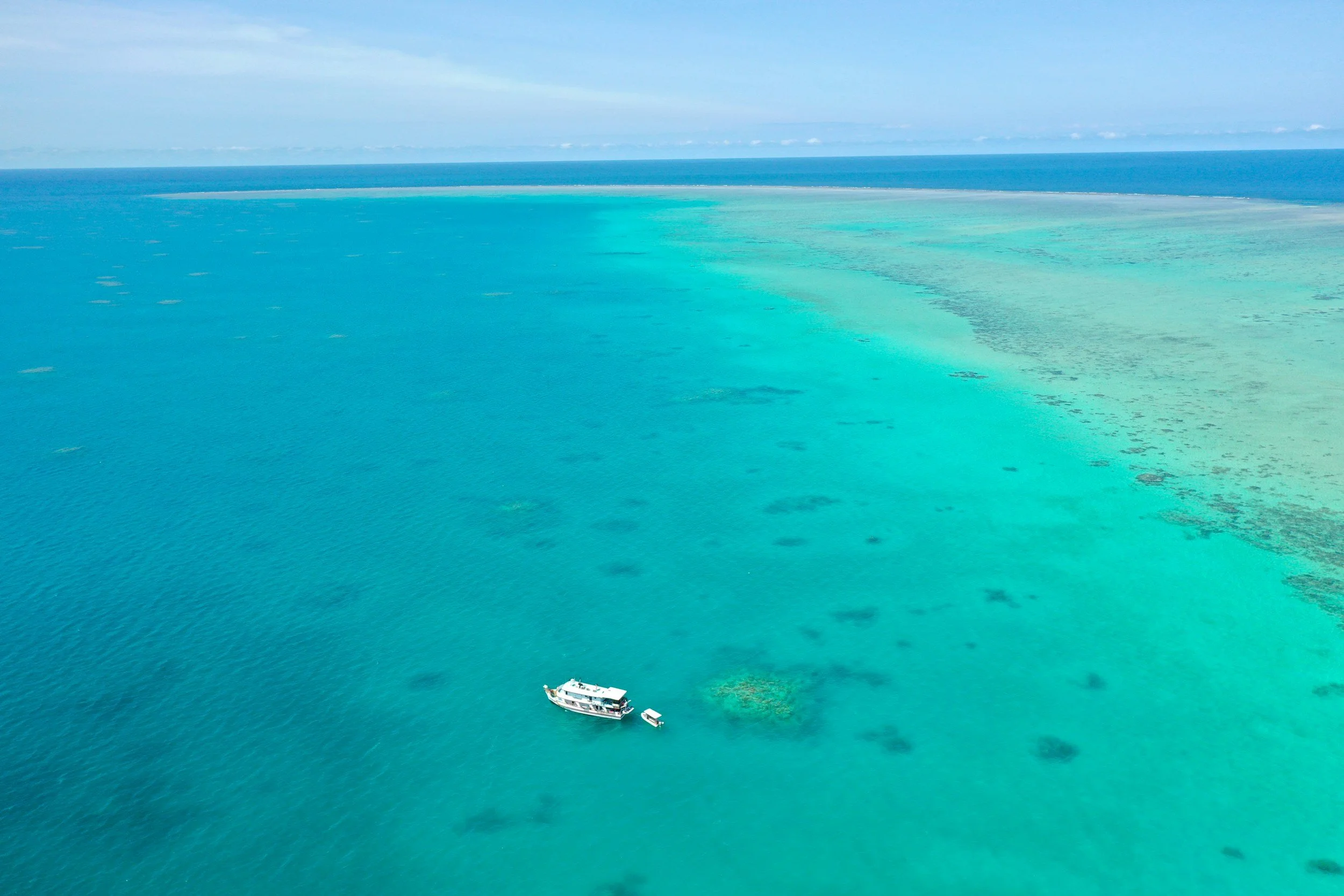
There are places in the world that feel less like destinations and more like thresholds—where land loosens its grip, and something vast and breathing takes over. Australia’s Great Barrier Reef is one of them. Stretching more than 2,300 kilometers along Queensland’s coast, it is the largest living structure on Earth, a mosaic of coral gardens, turquoise shallows, and deep indigo channels that feel both ancient and urgently alive.
Arriving at the reef is a gradual unlearning of scale. From the air, it appears as scattered brushstrokes of aquamarine and jade, islands and cays floating in an impossible blue. Up close, the reef reveals itself as a city in motion. Coral formations—some soft and feathery, others rigid and sculptural—rise and fall like architecture shaped by time. Schools of fish move with choreographed ease, flashes of silver and electric color weaving between coral spires. Sea turtles glide past with unhurried grace, as if time itself slows beneath the surface.
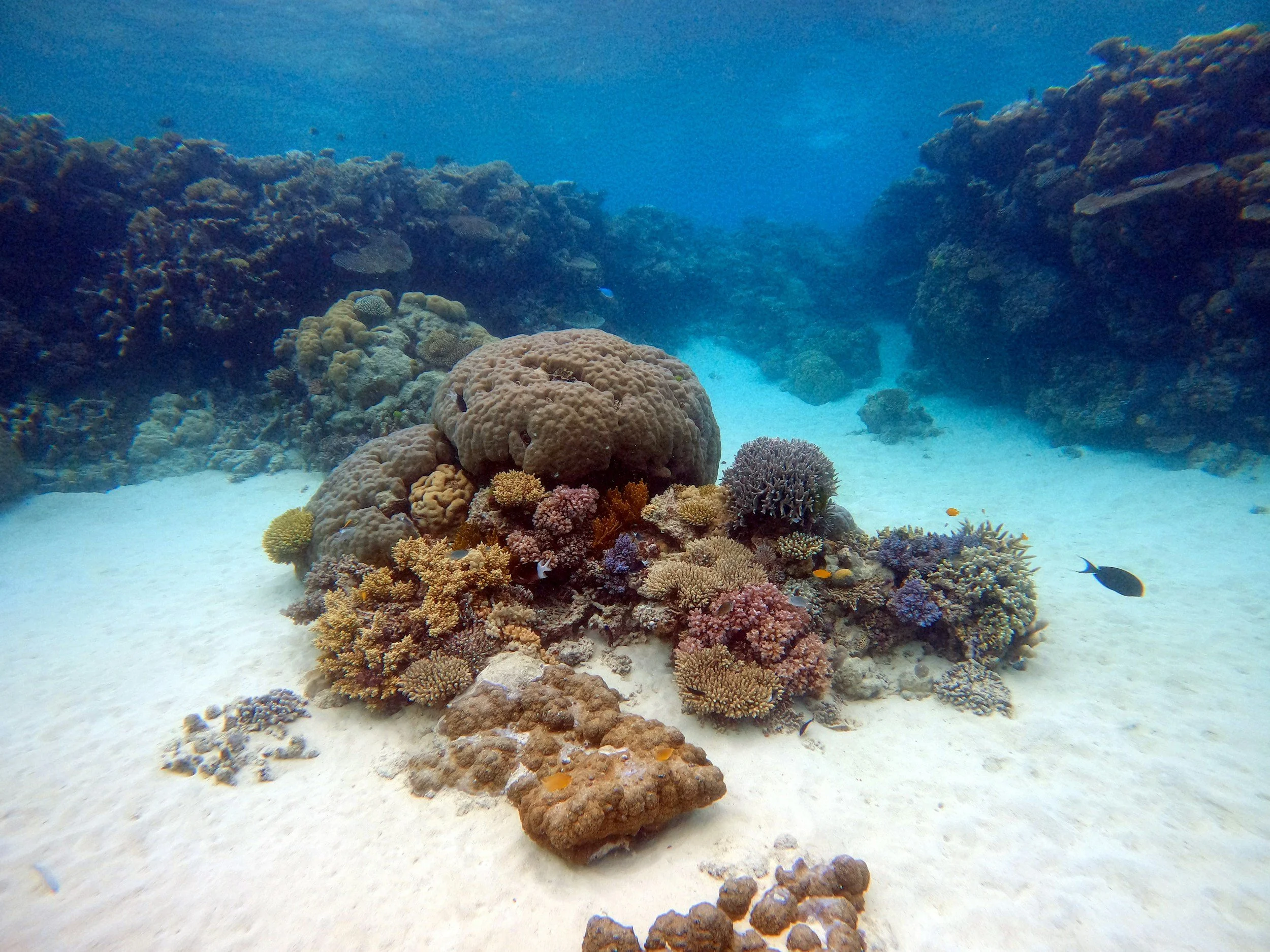
For many visitors, the first immersion comes through snorkeling or diving, and it is here that the reef’s true presence announces itself. Sound fades, replaced by the quiet rhythm of breath and the subtle crackle of coral. Parrotfish graze methodically, reef sharks patrol the edges, and anemones pulse gently, sheltering clownfish in a constant dance of retreat and return. It is not spectacle in the traditional sense—it is intimacy, the rare feeling of being allowed into a world that functions perfectly without you.
Above water, the reef offers a different kind of stillness. On low-lying islands like Lady Elliot or Lizard Island, days unfold to the tempo of tides and light. Sunrise spills across the water in soft pastels; evenings bring skies dense with stars, uninterrupted by city glow. Even boat rides between reefs become meditative, the horizon stretching wide and open, reminding you how small—and connected—you are.
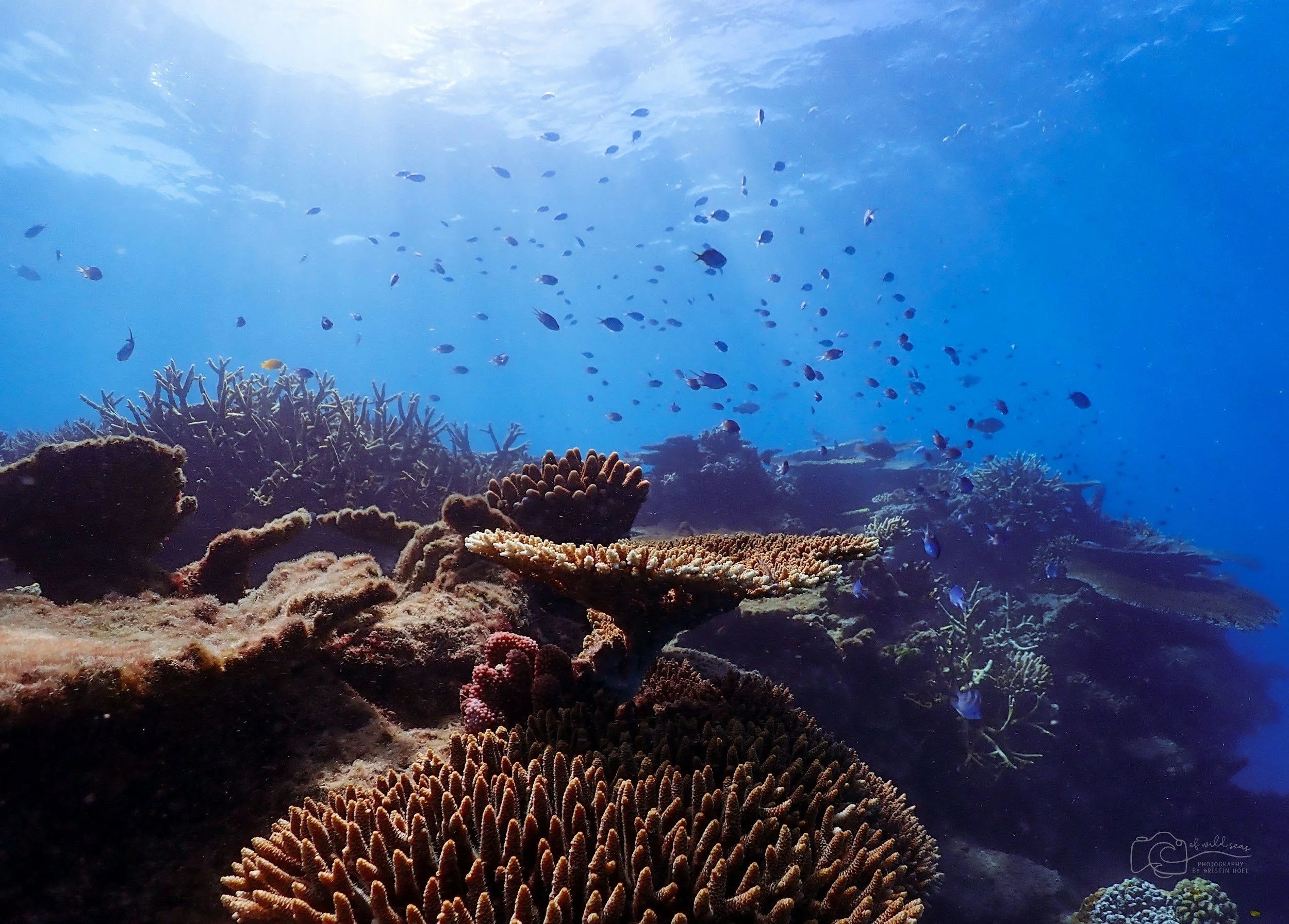
Yet visiting the Great Barrier Reef today also carries weight. Climate change, coral bleaching, and environmental pressure are no longer abstract concepts here; they are visible realities. Many tours now integrate conservation education, reef-safe practices, and opportunities to participate in citizen science. These moments add depth to the experience, transforming awe into responsibility. To witness the reef is to understand what is at stake—and why care matters.
Leaving the reef lingers longer than expected. The colors seem brighter, the pace of life on land a little louder, a little faster. What stays with you is not just the beauty, but the sense of balance the reef embodies: complexity without chaos, abundance without excess. Visiting the Great Barrier Reef is not simply about seeing one of the world’s natural wonders—it is about being reminded, quietly and profoundly, of how interconnected our world truly is.
