
Returning Home: Mother Countries as Modern Pilgrimage
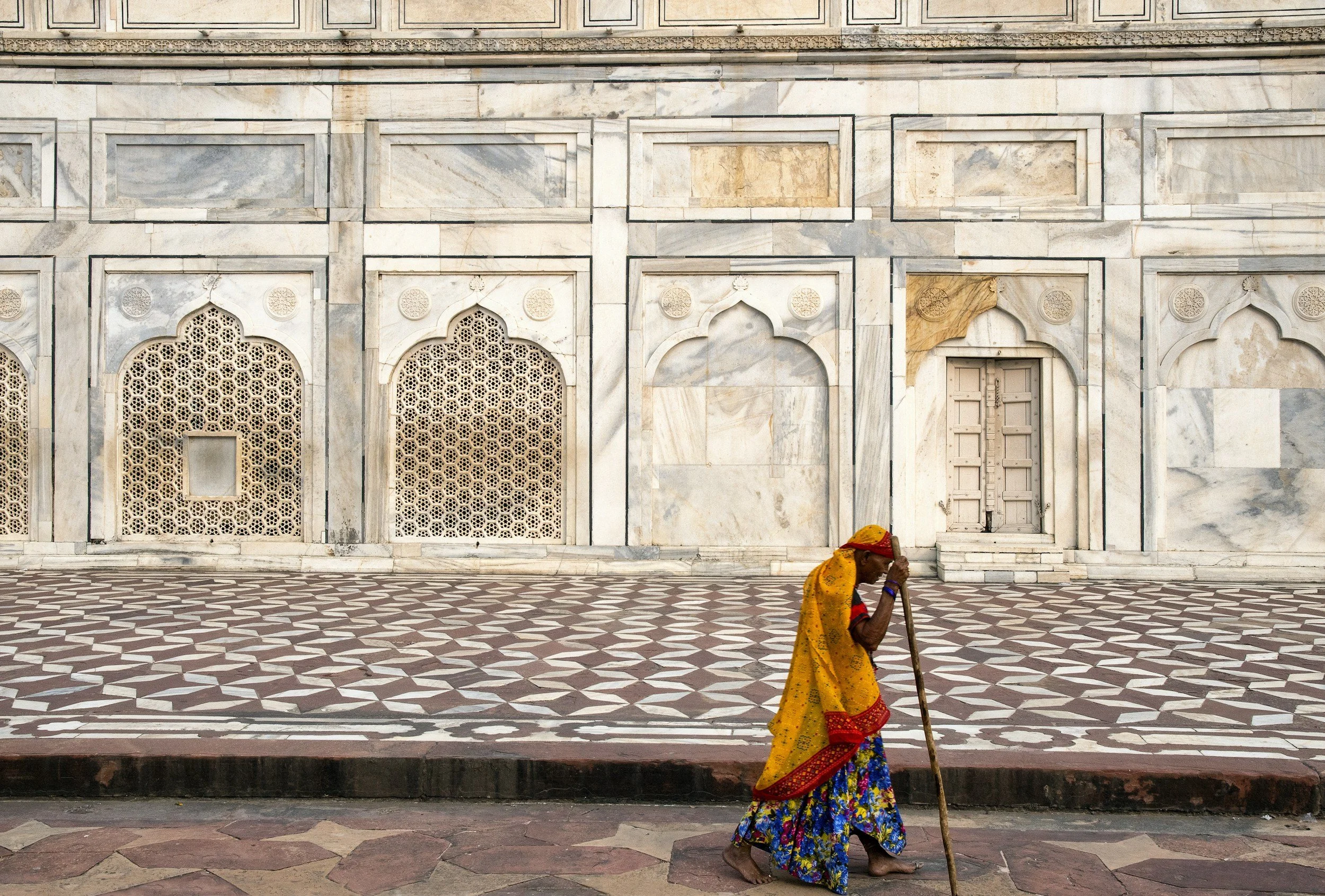
There is a particular kind of journey that begins long before the plane lifts off the runway. It starts in fragments: a mother’s accent softening certain syllables, recipes memorized rather than written down, stories told in passing that somehow carry the weight of a whole nation. Traveling to your family’s mother country is not tourism. It is pilgrimage—a return shaped as much by inheritance as by intention.
I arrived carrying more than luggage. I carried names I had heard my whole life but never learned to pronounce correctly, customs I understood intuitively yet couldn’t explain, and a quiet sense that the land already knew me. In many ways, it did. My face mirrored relatives I had never met. My gestures echoed habits passed down unconsciously through generations. Even before I understood where I was, I felt recognized.
Pilgrimage is not about seeing everything; it is about feeling what remains. The streets did not present themselves as destinations but as continuations of family memory. Markets smelled like childhood kitchens. Churches, temples, mosques, or shrines—whatever form devotion took—felt less like monuments and more like living archives. I watched elders light candles, bow their heads, or wash their hands in practiced motions, and realized these rituals had crossed oceans intact.
Traveling through my mother’s country meant moving at a different pace. Time here was elastic. Conversations lingered. Meals stretched for hours. Silence was not rushed to be filled. In slowing down, I understood something essential: pilgrimage requires patience. You cannot force belonging. You allow it to surface.
There were moments of discomfort, too. Being both insider and outsider is a delicate balance. Locals could hear the difference in my speech, see the uncertainty in my posture. Yet they welcomed me with an intimacy reserved for family. “You’re one of us,” they said—sometimes with pride, sometimes with gentle correction. Belonging, I learned, is not static. It is practiced.
The most profound moments were often the quietest. Standing where my mother once stood as a child. Touching stone walls worn smooth by generations of hands. Visiting burial grounds where family names repeated themselves like a refrain. In those moments, the past did not feel distant. It felt present, almost conversational.
Pilgrimage also brings clarity. Distance sharpens understanding. By walking the land that shaped my mother, I better understood the choices she made, the sacrifices she carried silently, the traditions she protected even when they no longer fit neatly into her new life. The country explained her in ways words never could.
Leaving was harder than arriving. Departure felt like another inheritance—proof that migration, once begun, rarely ends. Yet I carried something new with me this time: a grounded sense of origin. Not nostalgia, but orientation. Knowing where you come from does not confine you; it steadies you.
Traveling through your family’s mother country is not about reclaiming what was lost. It is about honoring what endured. It is a conversation between generations, held across borders and centuries, reminding you that identity is not something you invent—it is something you return to, again and again.
Mother Countries That Invite Pilgrimage
While every ancestral homeland carries meaning, certain countries lend themselves especially well to pilgrimage travel—places where history, spirituality, and lineage remain deeply embedded in daily life. These destinations are not simply scenic; they are connective. They offer tangible pathways into heritage, ritual, and remembrance.
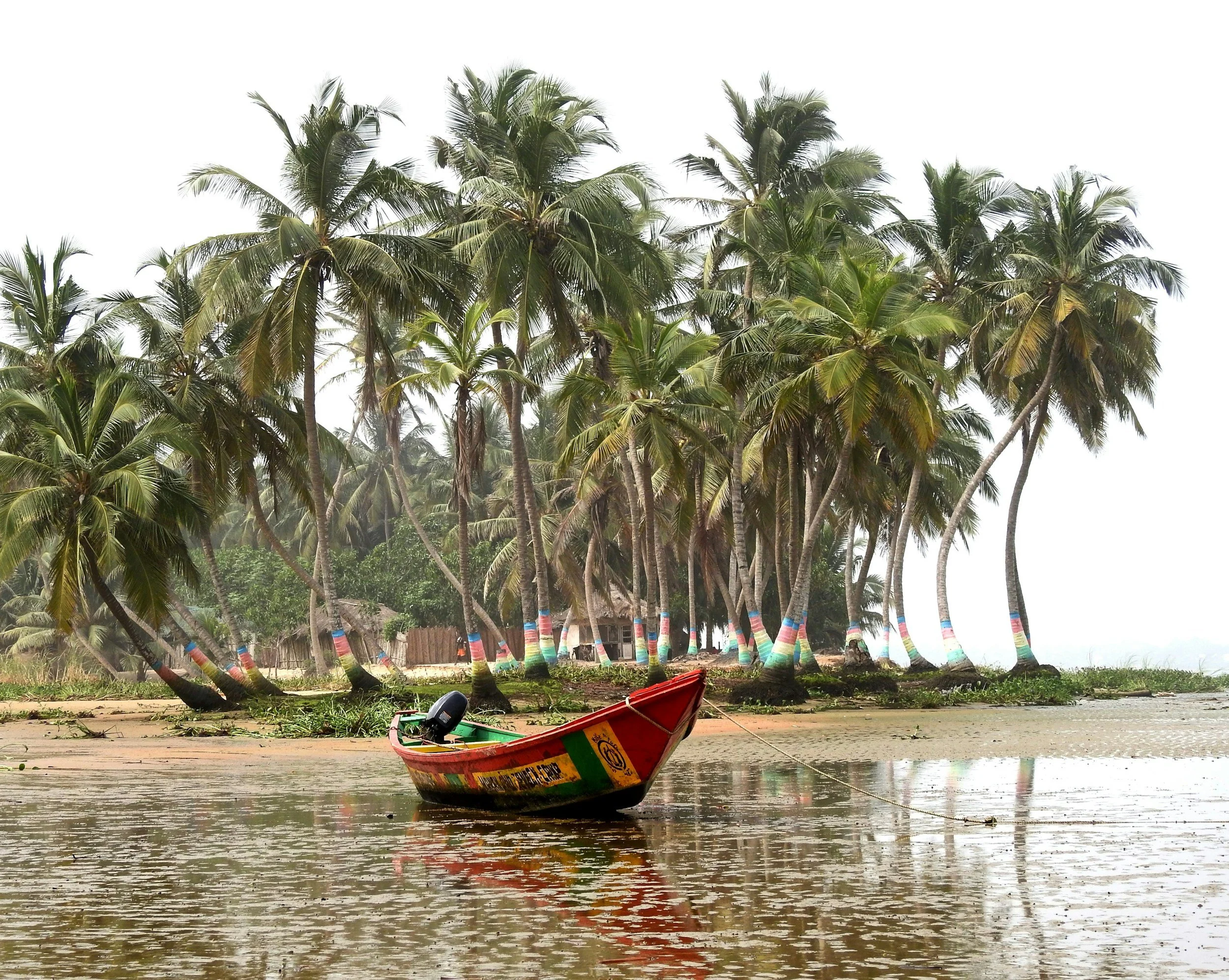
African Motherlands
Ghana
A cornerstone of diasporic pilgrimage, particularly for descendants of the transatlantic slave trade. Sites like Cape Coast Castle and Elmina are places of reckoning and remembrance, while contemporary Ghana offers warmth, cultural continuity, and a powerful sense of welcome through initiatives like the “Year of Return.”
Nigeria
For many, Nigeria represents origin in its most layered form. From Yoruba spiritual traditions in Osogbo to Igbo ancestral lands in the southeast and the historic kingdoms of Benin and Oyo, Nigeria offers pilgrimage through language, ritual, art, and living tradition.
Ethiopia
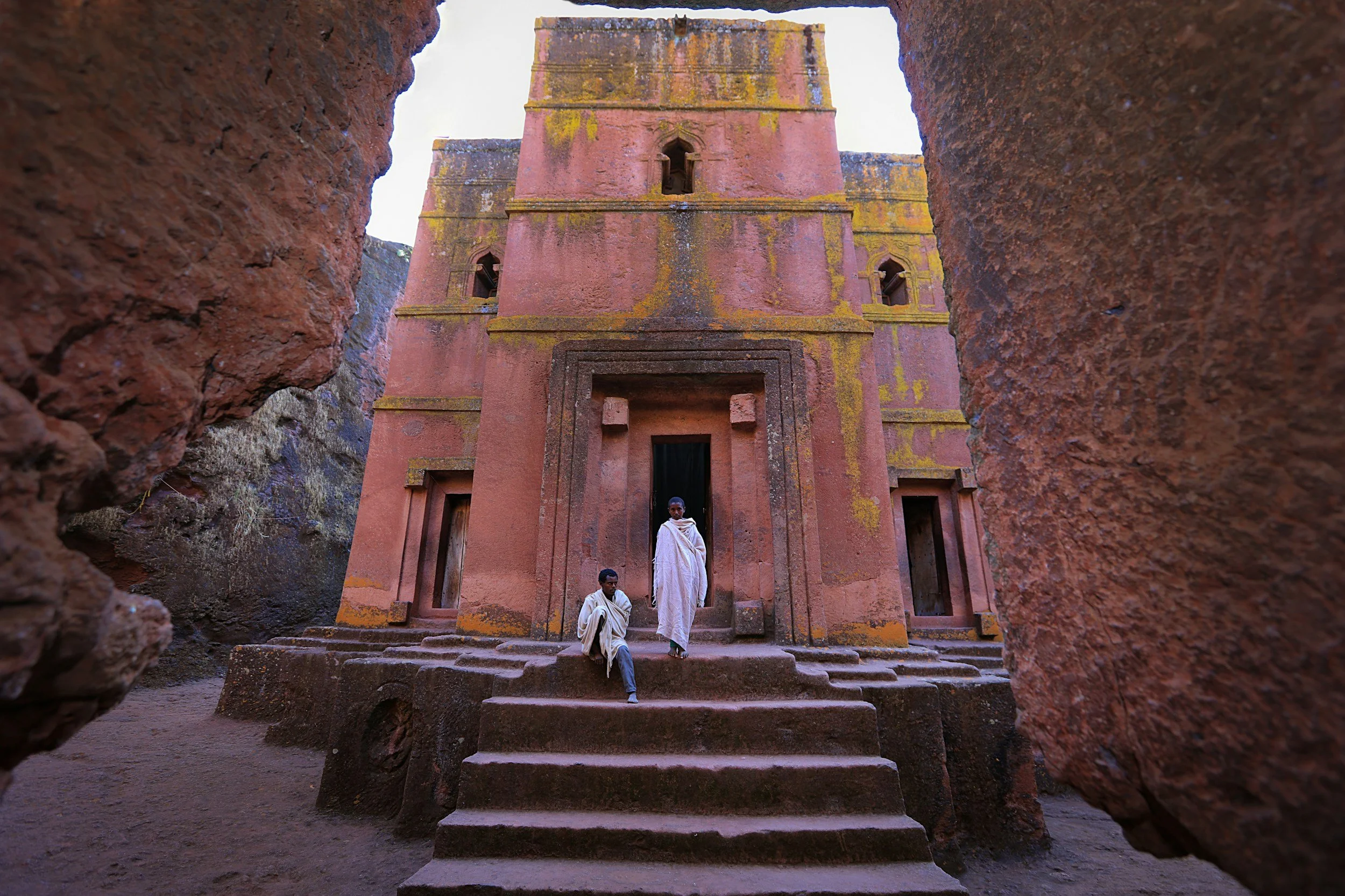
Often described as a spiritual anchor of the African continent, Ethiopia’s ancient Christian heritage, rock-hewn churches of Lalibela, and uncolonized history make it a profound destination for those seeking sacred continuity and African sovereignty.
Senegal
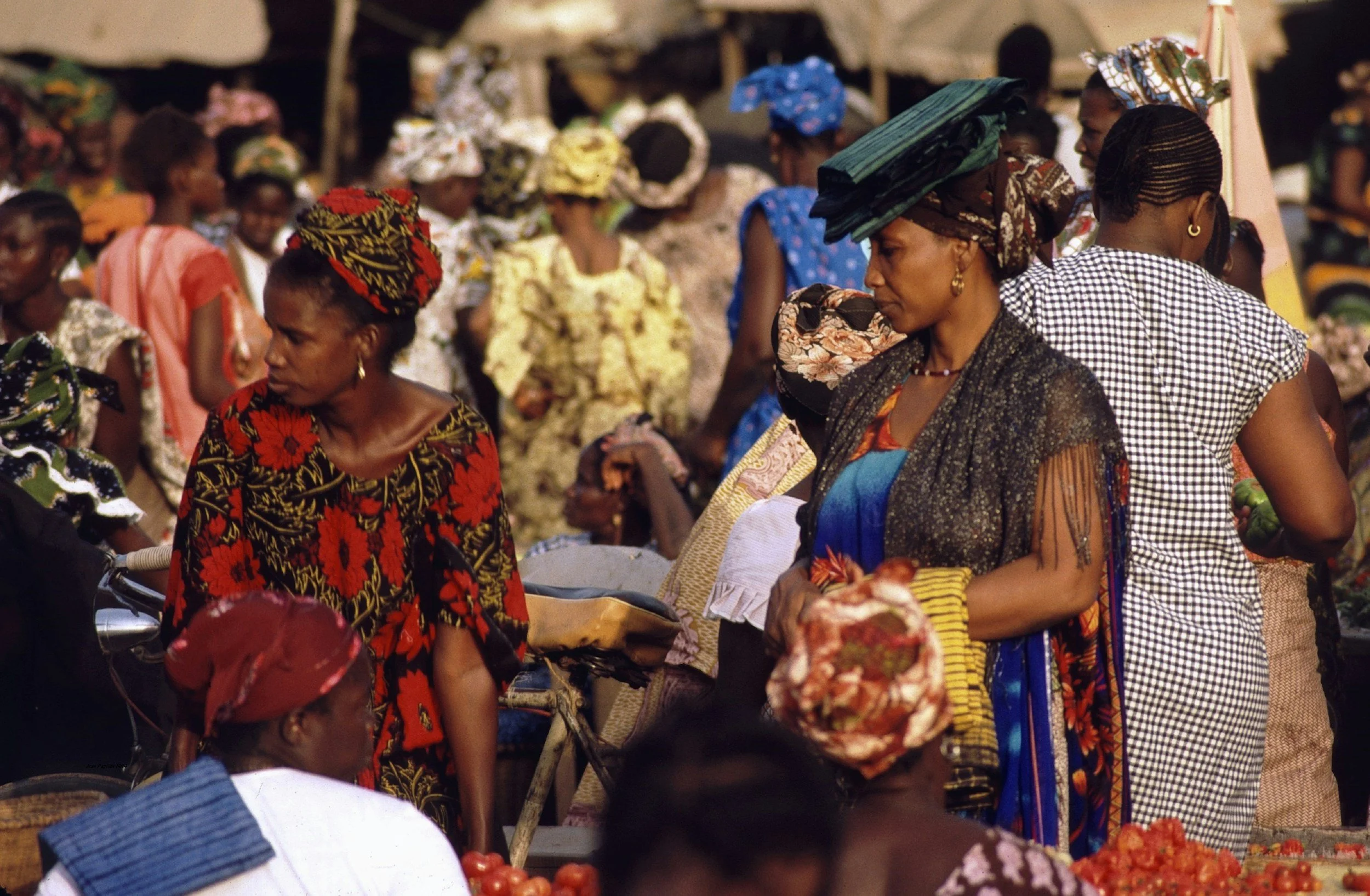
Gorée Island stands as one of the most emotionally resonant sites of memory in the world. Beyond it, Senegal’s Sufi traditions, music, and emphasis on hospitality create a pilgrimage rooted in healing and communal spirituality.
Morocco
A bridge between Africa, the Arab world, and Europe, Morocco offers pilgrimage through Islamic scholarship, ancestral trade routes, and cities like Fez and Marrakech—where craft, faith, and lineage are inseparable.
Beyond Africa: Other Mother Countries of Return
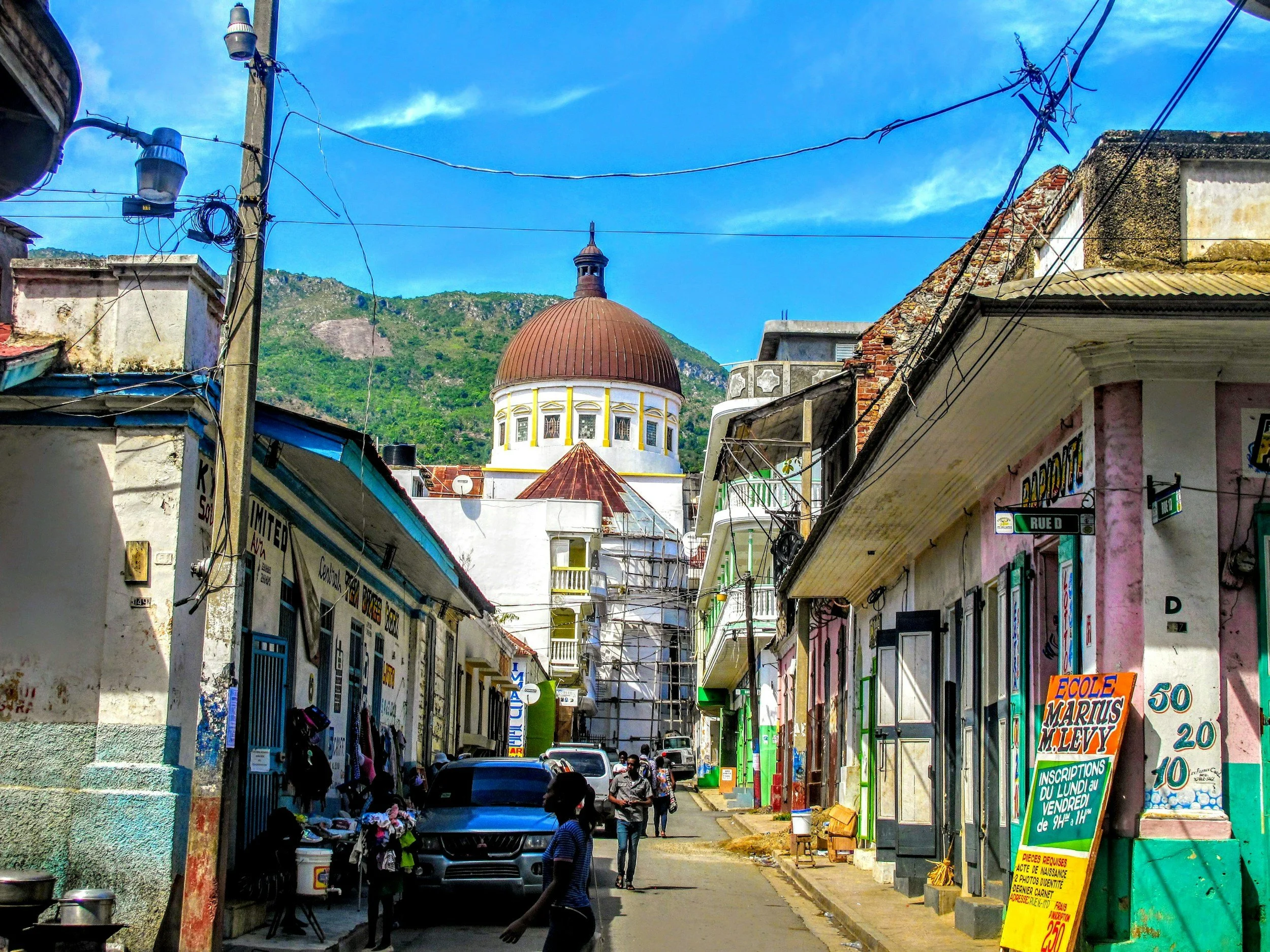
Jamaica & Haiti
For many in the African diaspora, the Caribbean is both inheritance and transformation. These islands hold African retentions in religion, music, and language, making them vital pilgrimage sites in their own right.
Ireland
For those with Irish ancestry, pilgrimage often takes the form of land—stone, coastline, and village. Visiting ancestral counties, monasteries, and burial grounds offers a quiet, elemental reconnection to lineage and resilience.
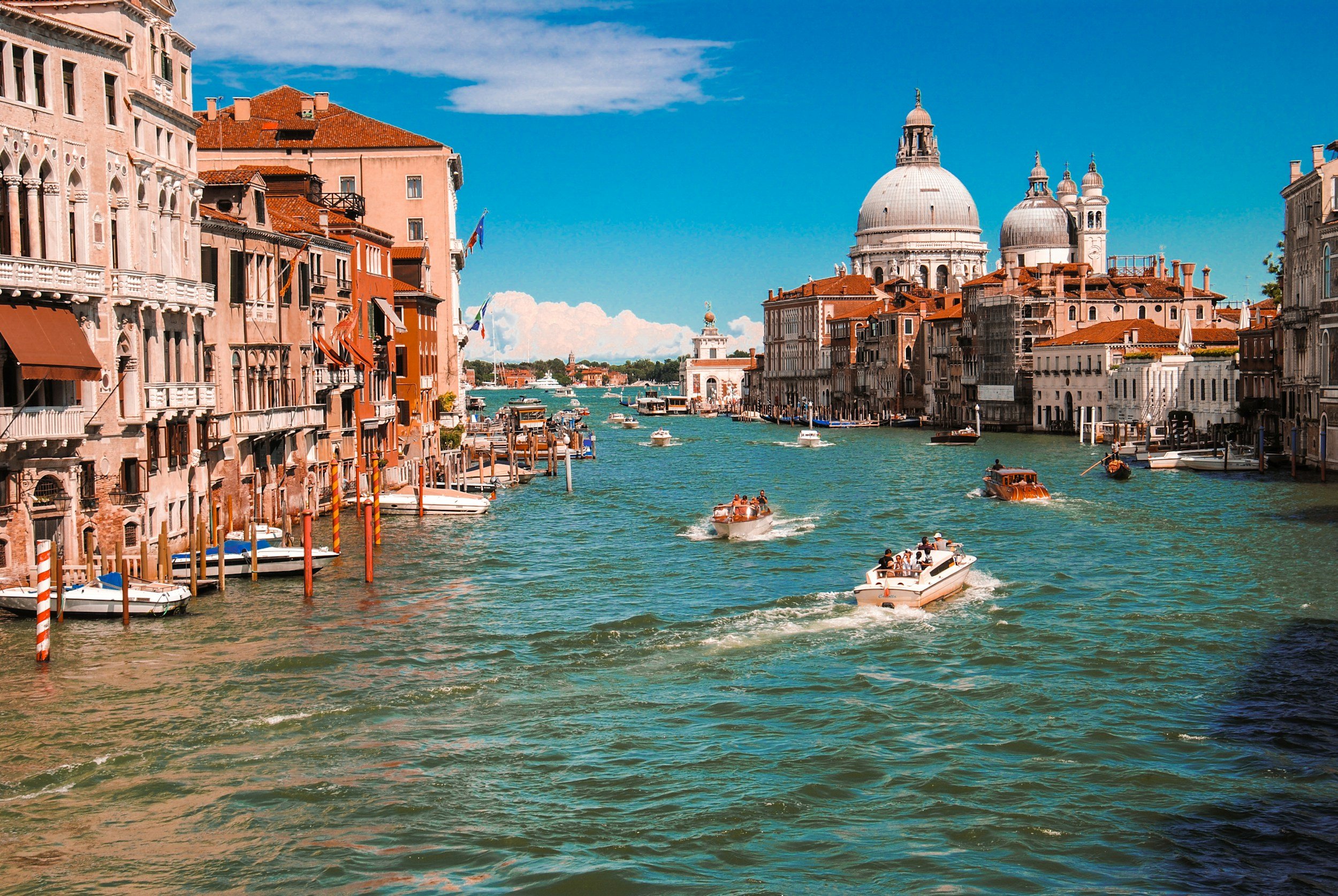
Italy
From southern villages shaped by migration to Catholic pilgrimage sites embedded in everyday life, Italy invites travelers to explore faith, family, and generational continuity through place.
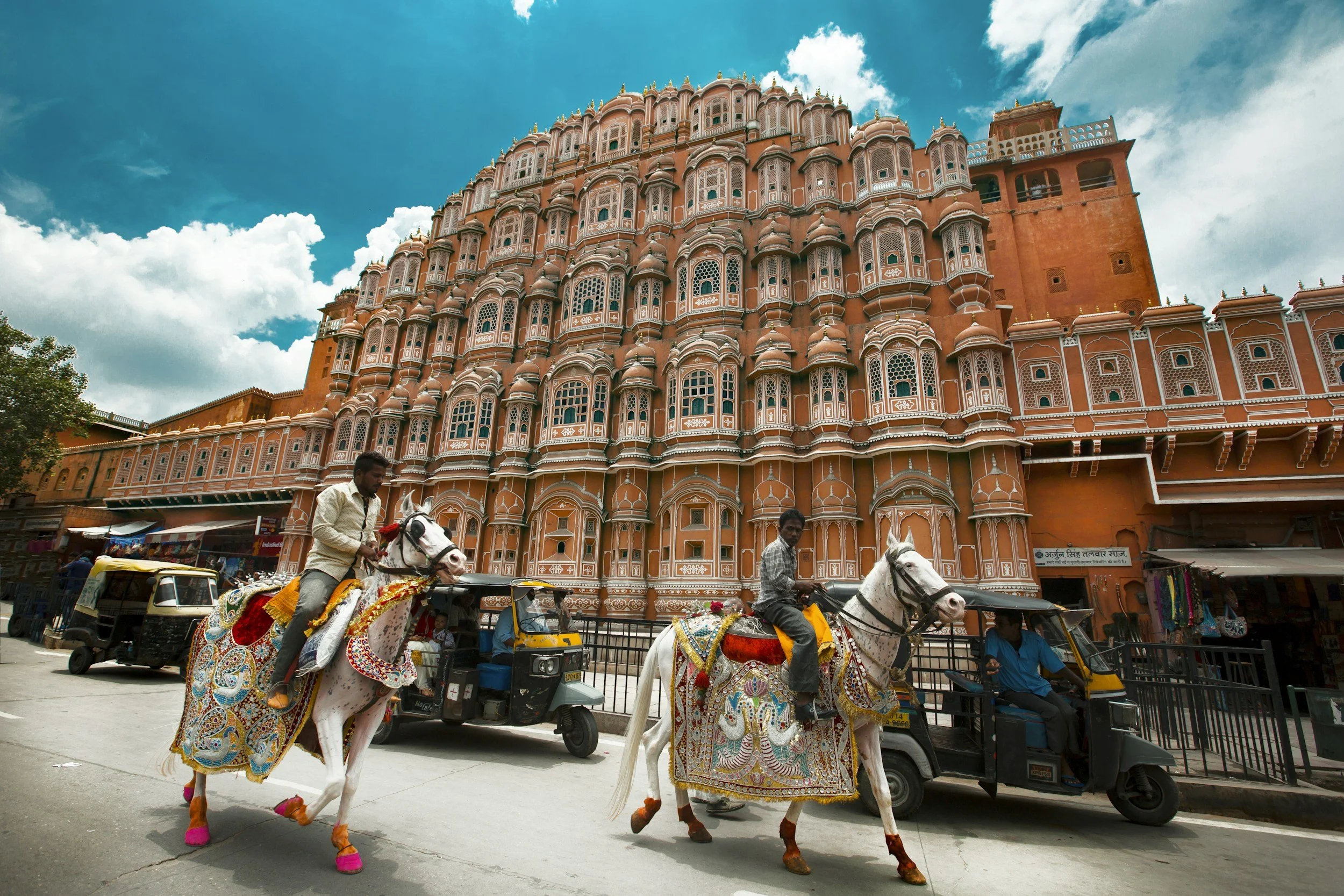
India
For many families, India is pilgrimage by definition. Rivers, temples, and ancestral towns hold spiritual significance that predates modern borders, offering return through ritual, devotion, and kinship.
Choosing the Mother Country
The best mother country to travel to is ultimately the one that calls you back. It is the place where family stories stop being abstract and begin to feel spatial—mapped onto streets, shrines, homes, and landscapes. Pilgrimage does not require perfection or full understanding. It requires presence.
To walk the land your mother once knew—or the land that knew her ancestors—is to participate in a lineage that refuses erasure. These journeys are not about nostalgia. They are about grounding, accountability, and continuity. And in returning, even briefly, you add your own footsteps to a path that was never broken—only extended.
