
From Los Angeles to Brazil: How Oakley Became a Cultural Uniform in São Paulo and Rio de Janeiro
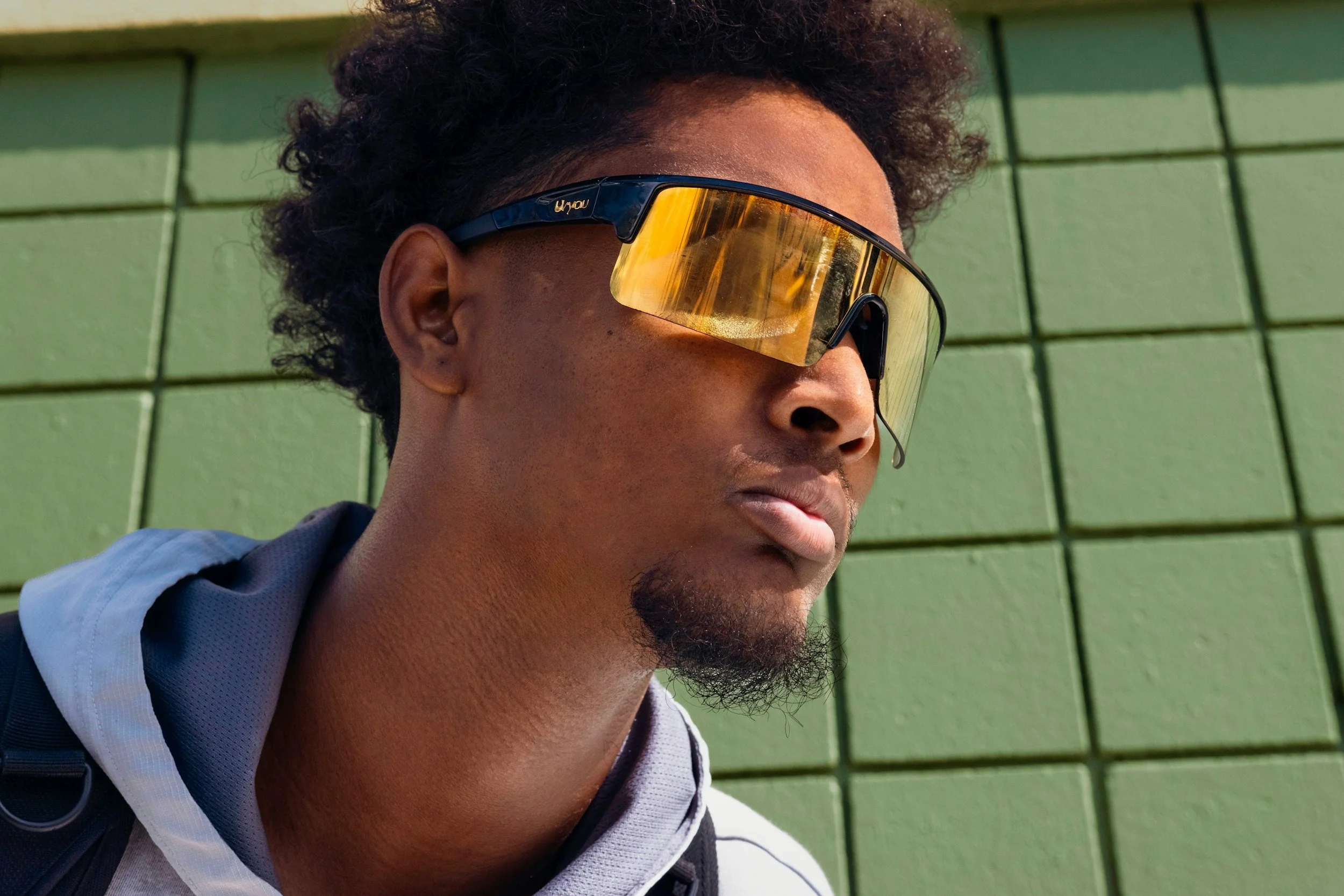
Born in Southern California, Oakley is a brand shaped by the energy of Los Angeles—a city where action sports, experimental design, music, and subcultures constantly collide. What began in the 1970s as a performance-driven eyewear company rooted in motocross, surfing, and cycling has, over decades, evolved into something far more cultural. Few places outside the U.S. illustrate this evolution more clearly than Brazil, where Oakley’s LA-bred attitude found unexpected resonance in cities like São Paulo and Rio de Janeiro.
LA DNA: Performance, Rebellion, and Design
Oakley’s rise in Los Angeles was never only about sport. While the brand earned credibility through athletes and extreme performance, its visual language—wraparound frames, aggressive silhouettes, industrial materials—felt futuristic, even confrontational. In LA, Oakley became associated with a certain defiance: worn by riders, skaters, military units, and later musicians and creatives who saw the frames as armor for the city’s intensity.

This blend of function and rebellion became Oakley’s export. Long before “performance fashion” became a global trend, Oakley was already operating at the intersection of utility, identity, and attitude—an ethos that would translate powerfully overseas.
Why Brazil Got It
Brazil’s embrace of Oakley was not accidental. Like Los Angeles, Brazilian cities are shaped by movement—sun, concrete, speed, sport, sound. In a country where outdoor life is constant and personal style is expressive, Oakley’s frames felt less like accessories and more like tools for living.

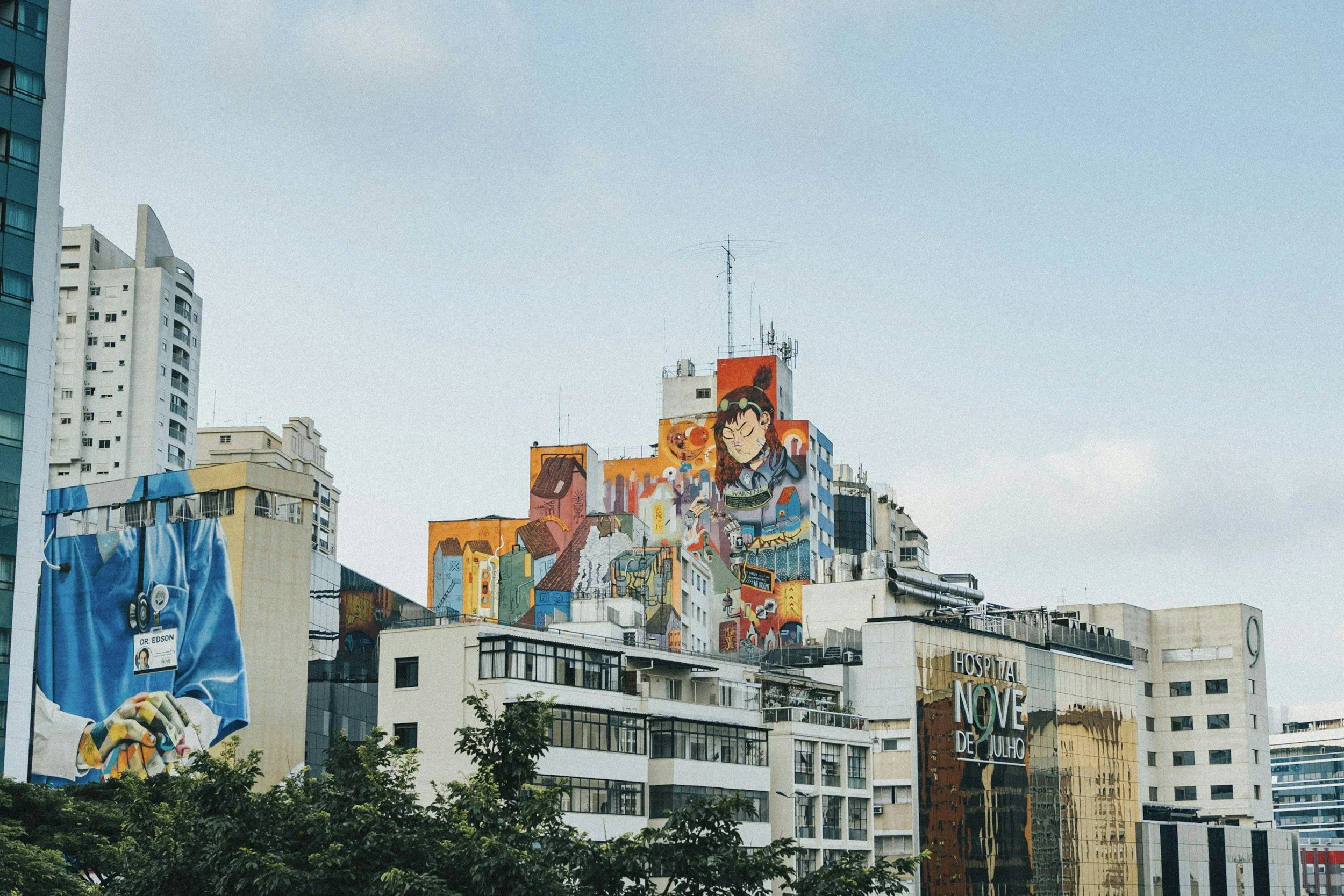
In São Paulo, Oakley landed within a dense urban environment driven by nightlife, underground culture, and street fashion. The brand’s bold silhouettes mirrored the city’s scale and energy. Wearing Oakley became a statement—less about athletic affiliation and more about presence, confidence, and belonging within the city’s creative ecosystems.
In Rio de Janeiro, Oakley’s California surf roots translated seamlessly into a lifestyle defined by beaches, mountains, and movement. Here, the brand aligned with a culture that values physicality and freedom, while still functioning as a visual marker of style and performance. The same frames could move from the shoreline to the street without losing relevance.
From Sports Gear to Street Symbol
What makes Oakley’s Brazilian fandom distinct is how thoroughly the brand crossed over from technical gear to cultural uniform. Models originally designed for high-speed sports were adopted by DJs, bikers, stylists, photographers, and fashion-forward youth. The eyewear’s futuristic aesthetic—once considered niche—became aspirational.
This shift mirrors Oakley’s broader journey: from LA performance labs to global street culture. In Brazil, the frames were no longer read strictly through sport, but through status, taste, and identity. Oakley became something you recognized immediately, a visual language understood across scenes.
Apparel, Collaborations, and Cultural Exchange
As Oakley expanded beyond eyewear into apparel, the brand deepened its cultural footprint in Brazil. Collaborations with São Paulo–based brands like Piet reframed Oakley through a distinctly Brazilian lens—one that acknowledged funk, motorcycle culture, surfwear, and the rawness of the streets. These partnerships didn’t dilute Oakley’s LA DNA; they localized it, proving the brand could adapt without losing its core.

This exchange—California innovation meeting Brazilian expression—helped solidify Oakley not as a foreign import, but as a shared cultural language.
A Global Brand That Still Feels Local
Oakley’s popularity in Brazil speaks to something larger about how culture travels. Rooted in Los Angeles, the brand carried with it ideas of performance, futurism, and defiance. In Brazil, those ideas found new meaning—absorbed into local rhythms, styles, and subcultures.
Today, in São Paulo and Rio de Janeiro, Oakley exists beyond trend cycles. It’s worn by people who see style as functional, identity as visible, and culture as something lived, not performed. From LA freeways to Brazilian streets, Oakley’s journey reflects how a brand built on movement can cross borders and still feel at home.