Gibellina 2026: Where Contemporary Art Rebuilds the Future
In western Sicily, where the landscape still carries the memory of rupture and rebirth, Gibellina steps into 2026 not as a destination to be visited, but as a place to be experienced. Named Italian Capital of Contemporary Art 2026—a title awarded for the first time in the country’s history—the city launches a year-long cultural program under the resonant banner Bring Me the Future, transforming itself into a living laboratory of artistic, social, and community regeneration.
The official opening on January 15, 2026, unfolds in the presence of Minister of Culture Alessandro Giuli alongside national, regional, and local authorities. The date is no coincidence. It marks the anniversary of the devastating 1968 earthquake that razed Gibellina and the Belice Valley, a wound that ultimately reshaped the city’s destiny. By aligning its inauguration with this moment of collective memory, Gibellina reasserts a founding belief: that culture is not decorative, but structural—a tool for rebuilding, responsibility, and shared civic imagination.
A City Rebuilt Through Art
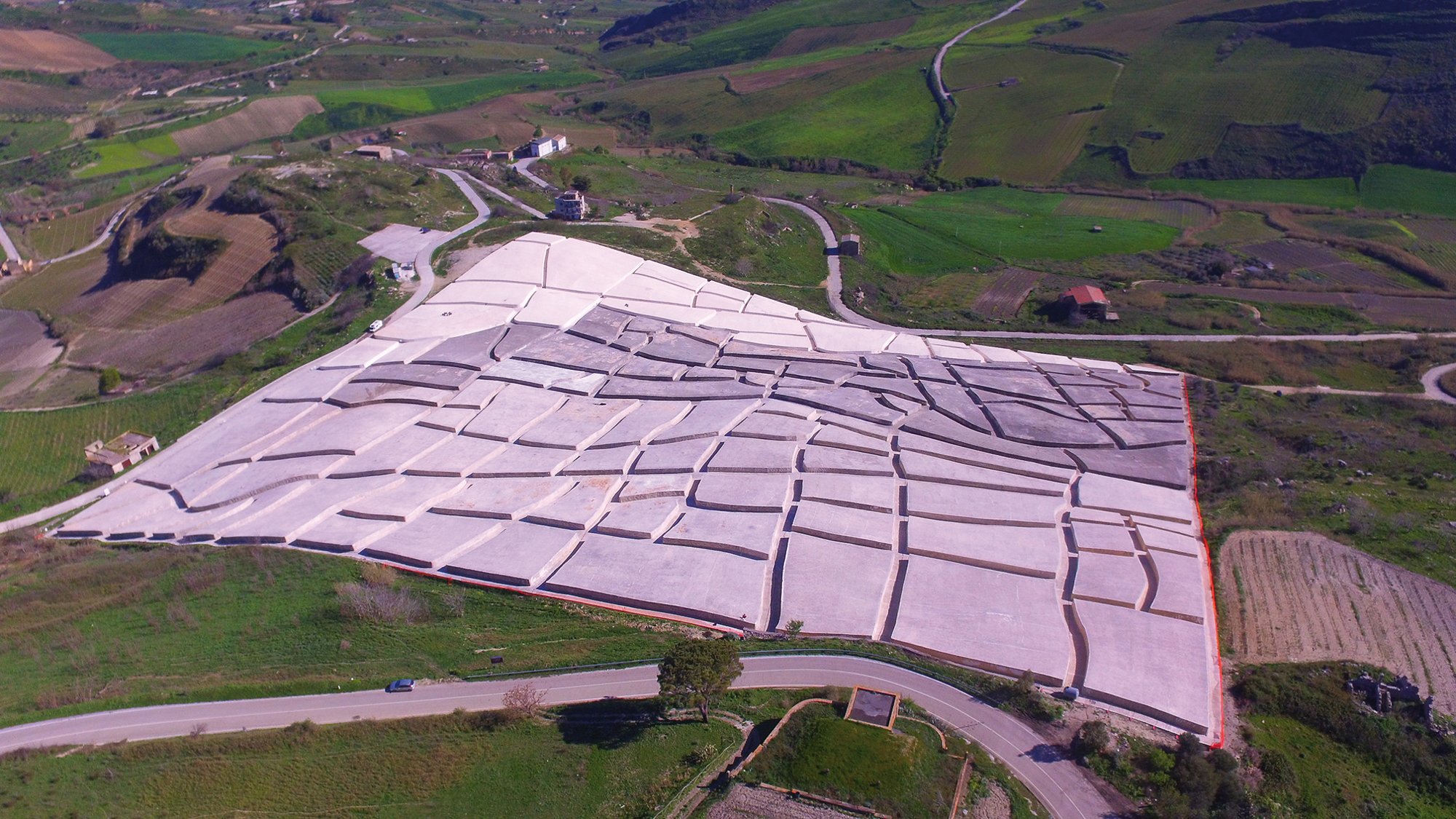
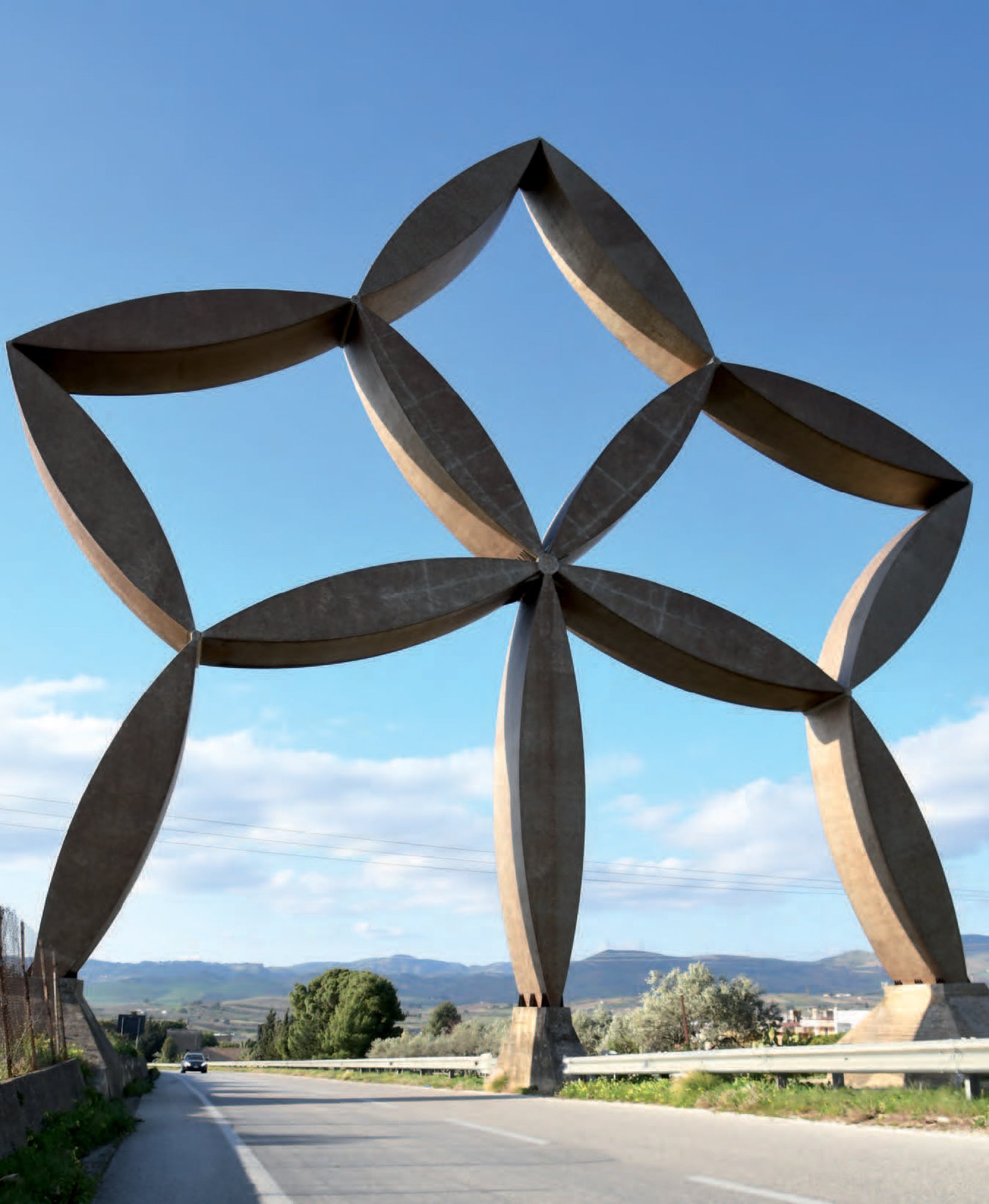
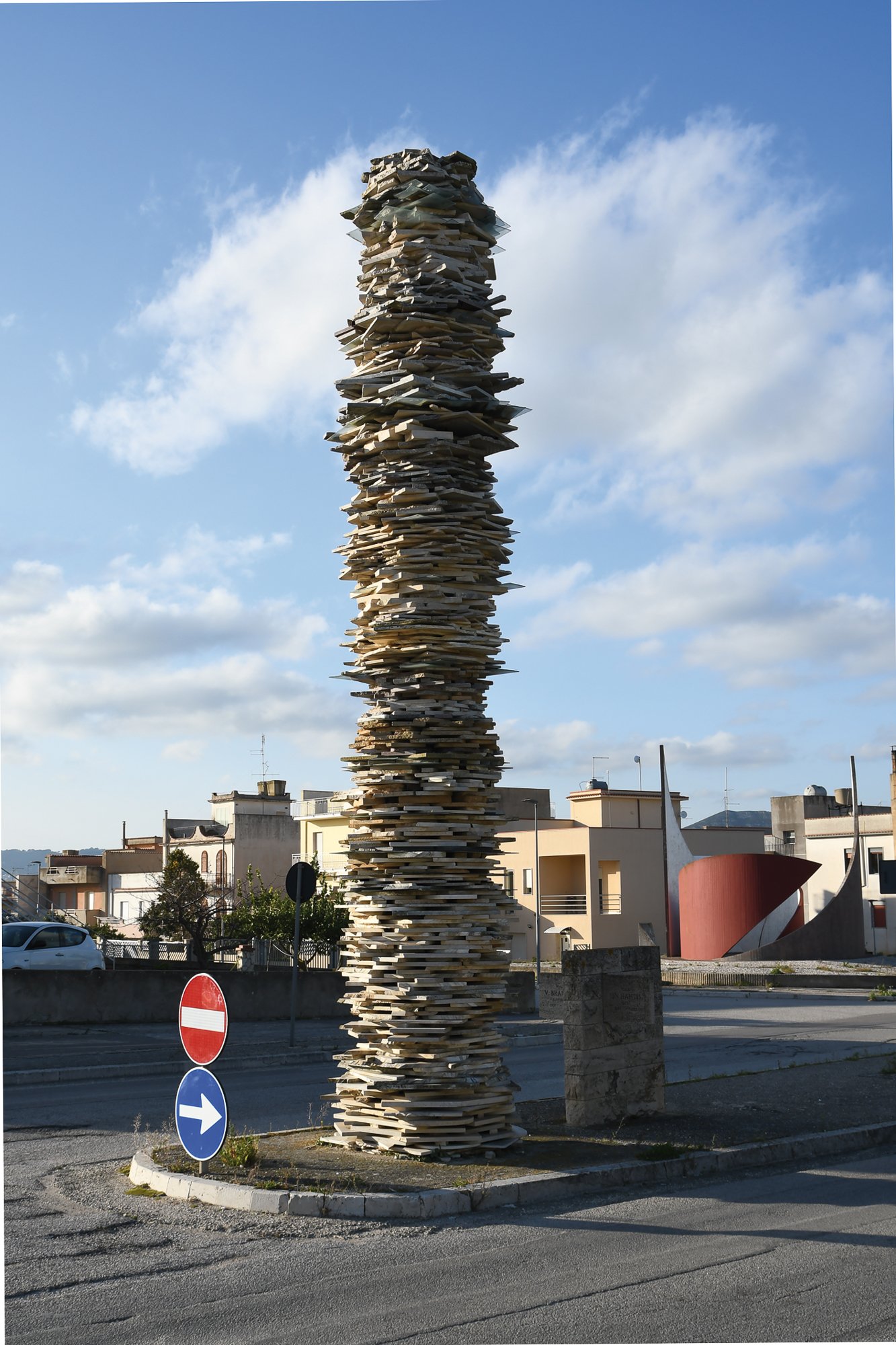
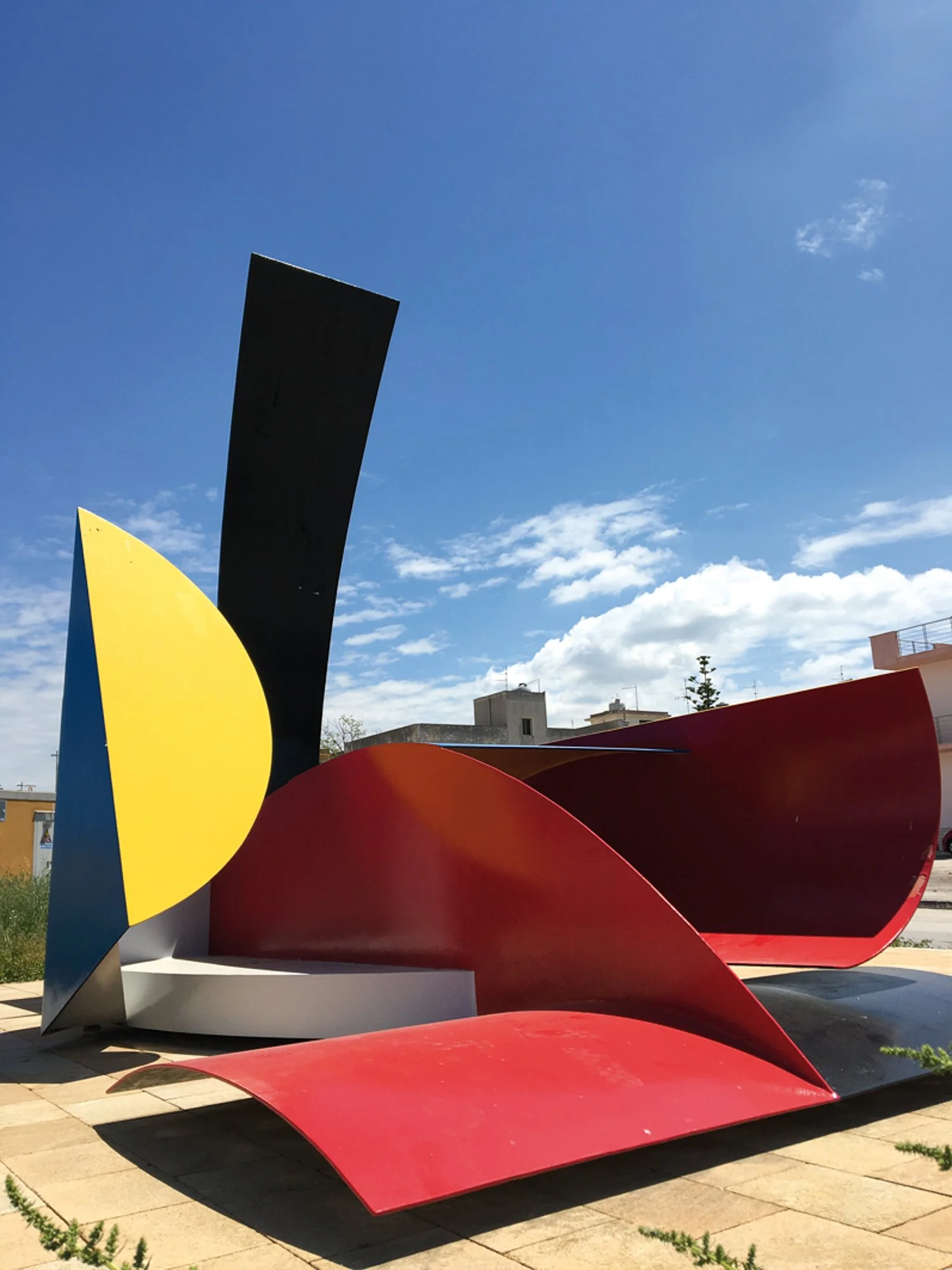
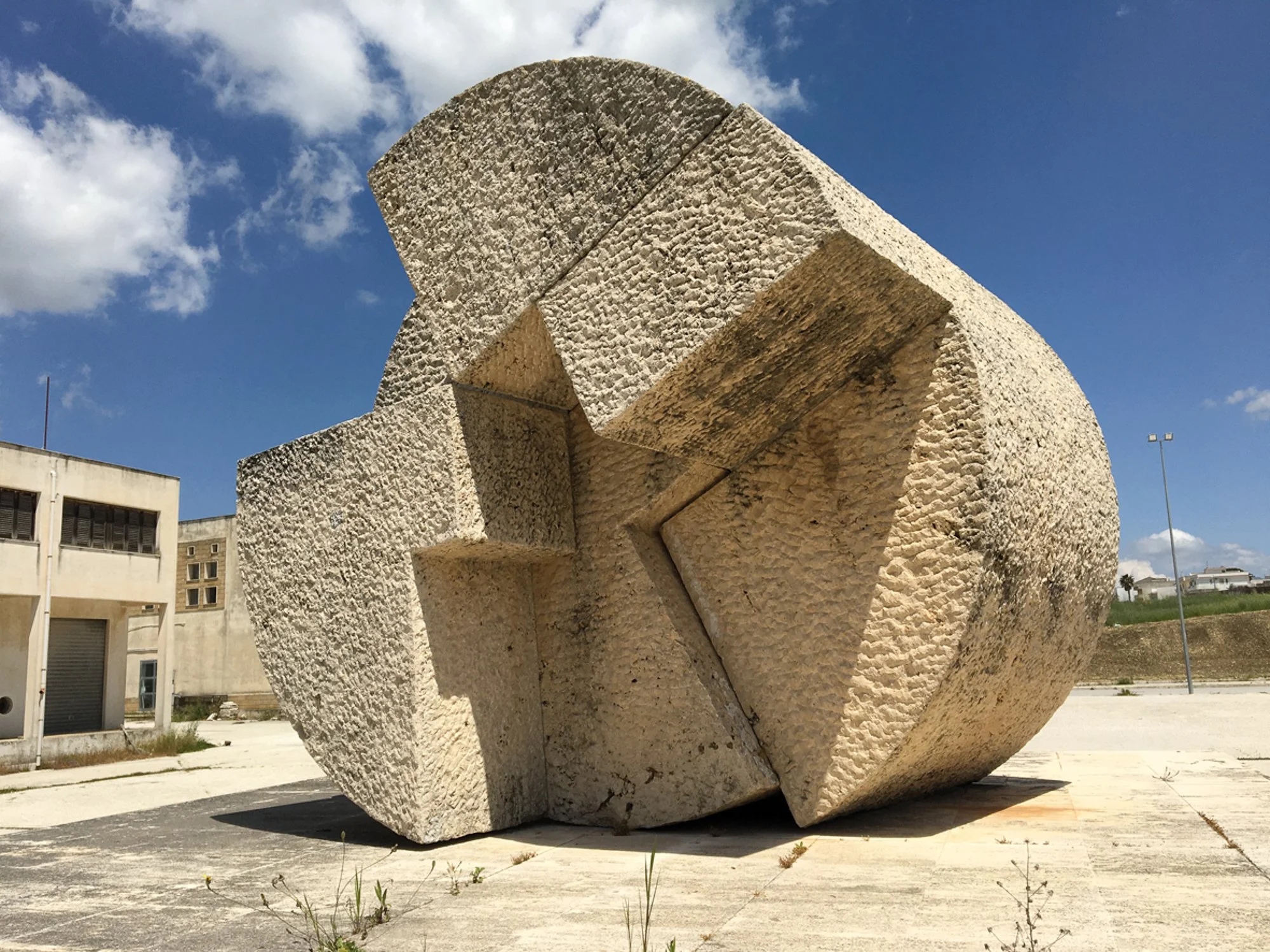
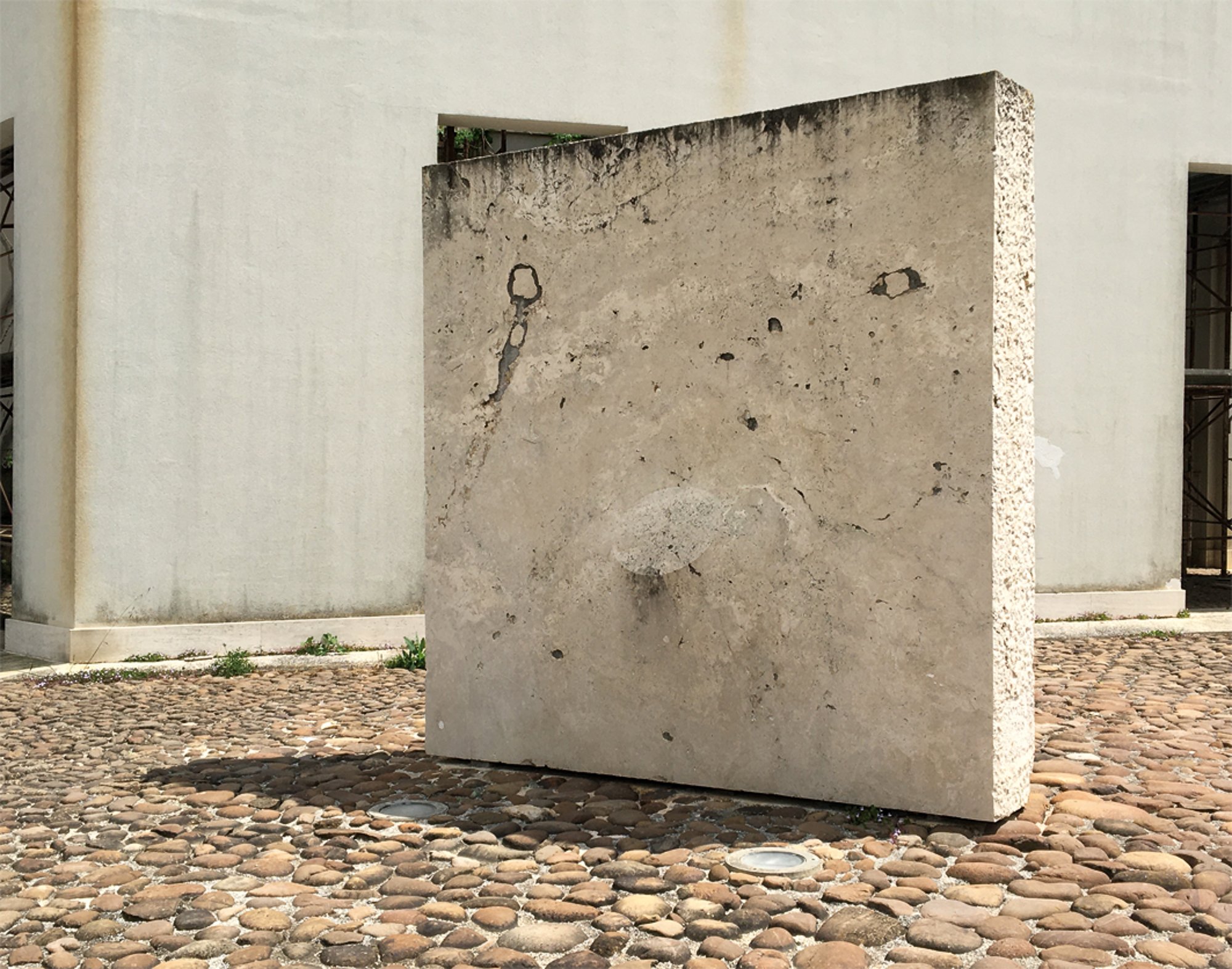
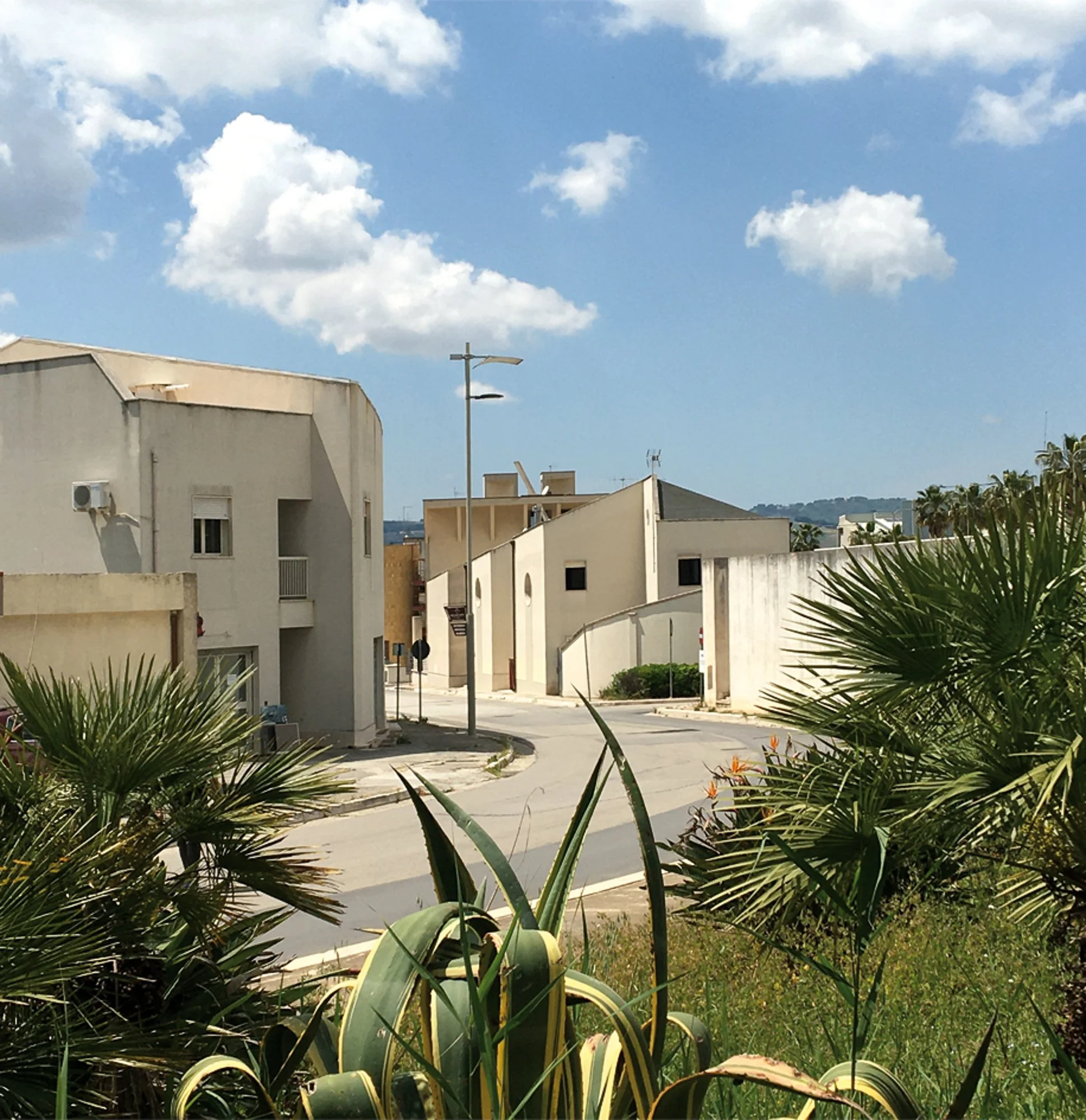
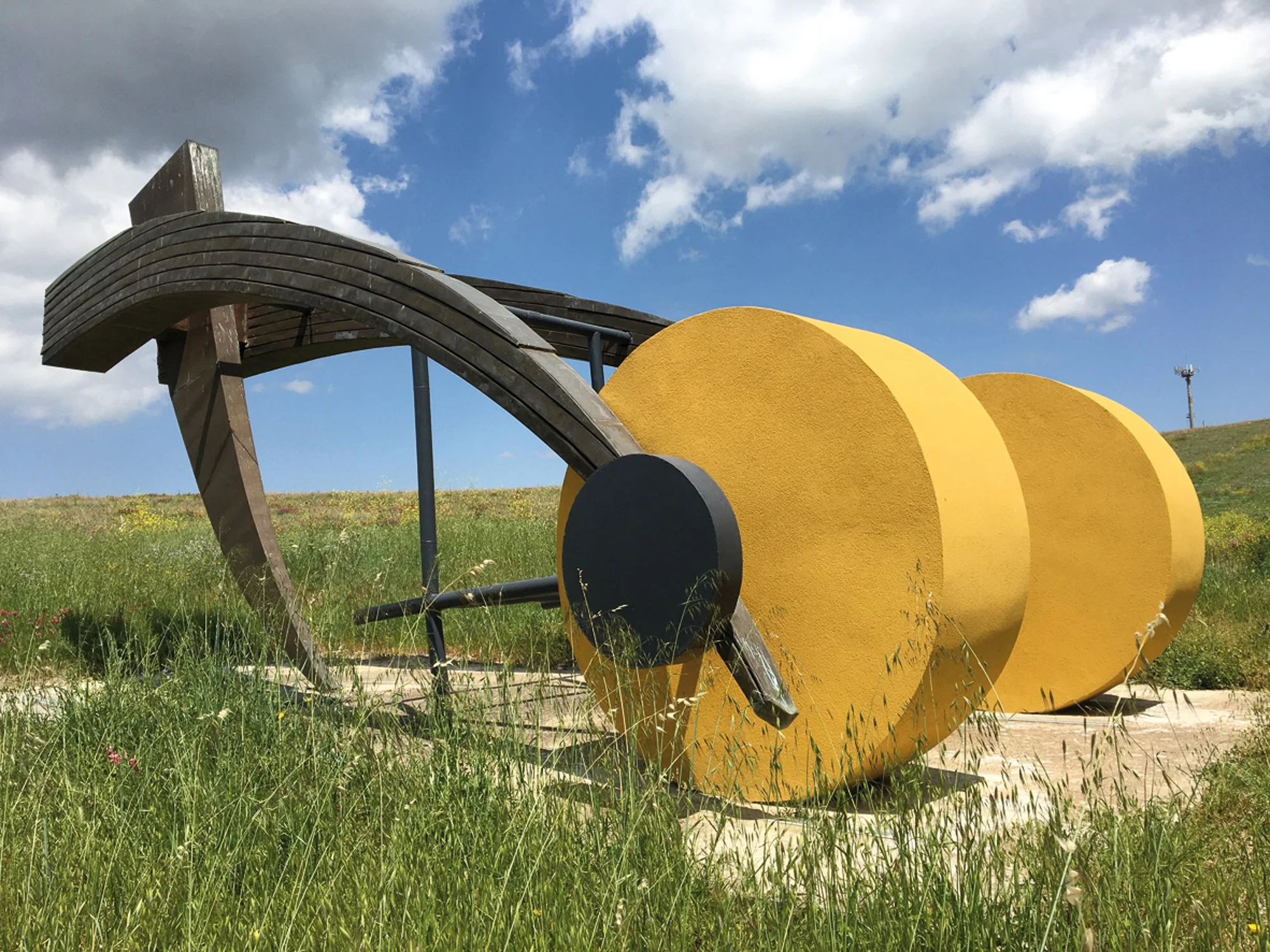
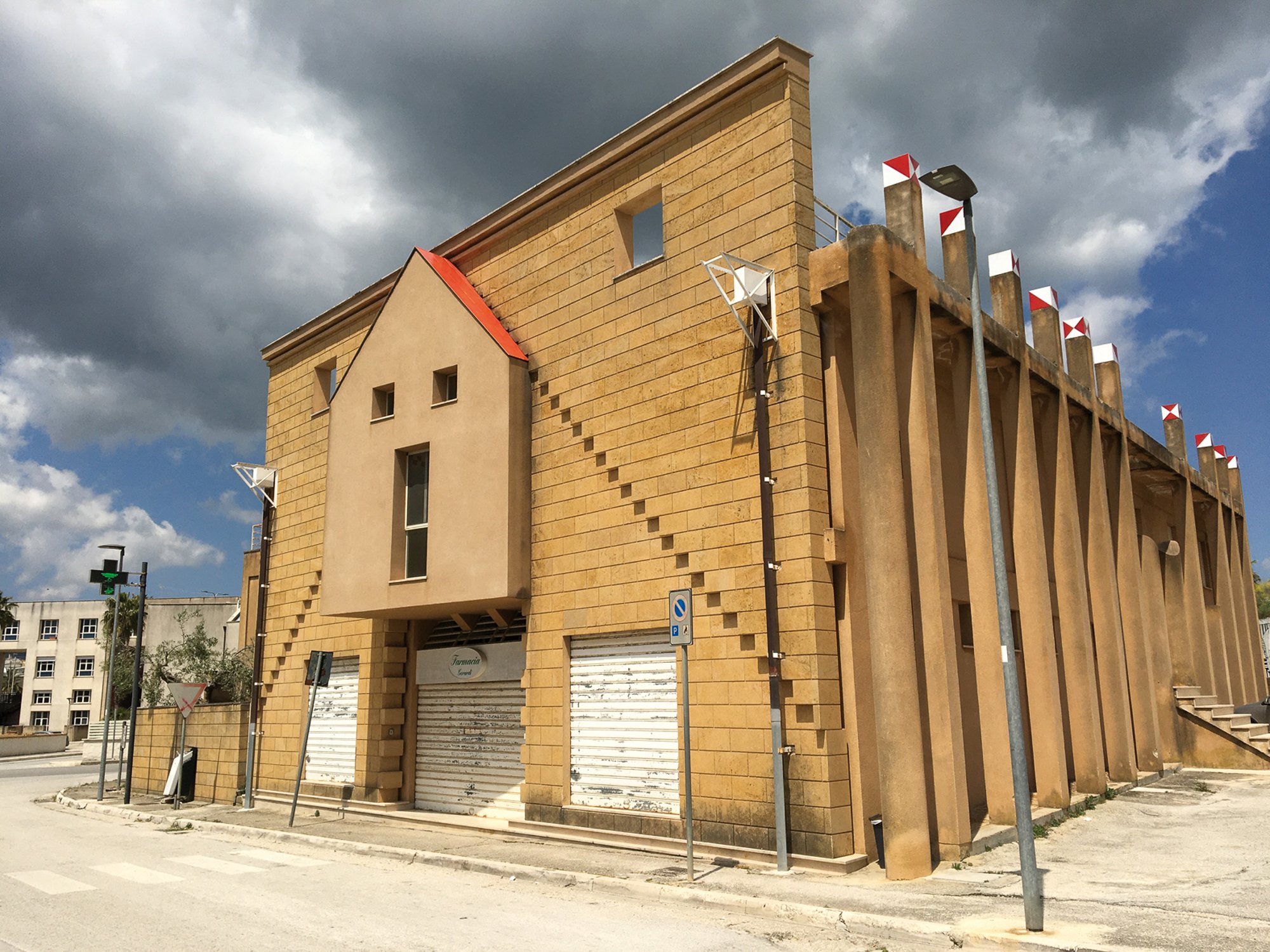
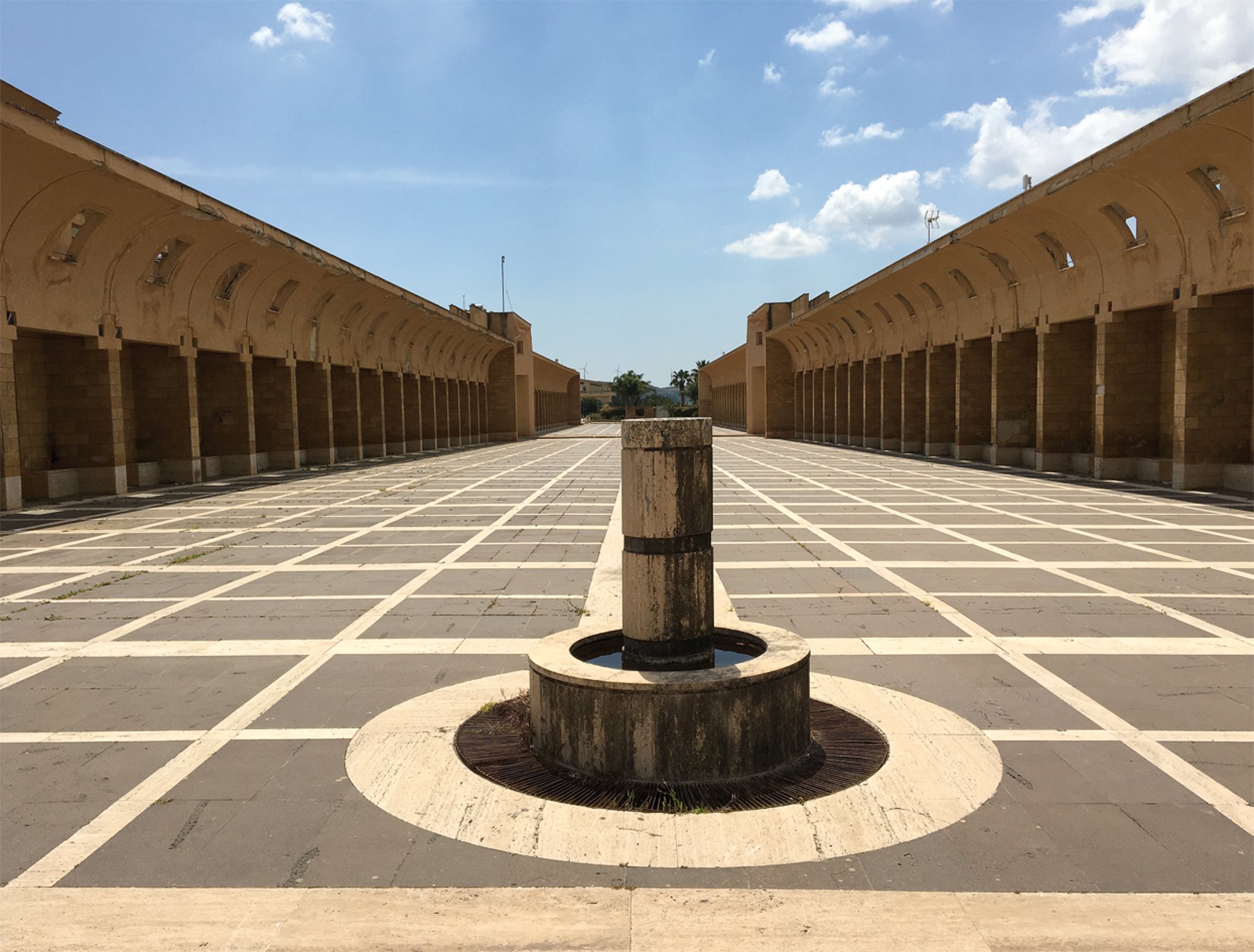
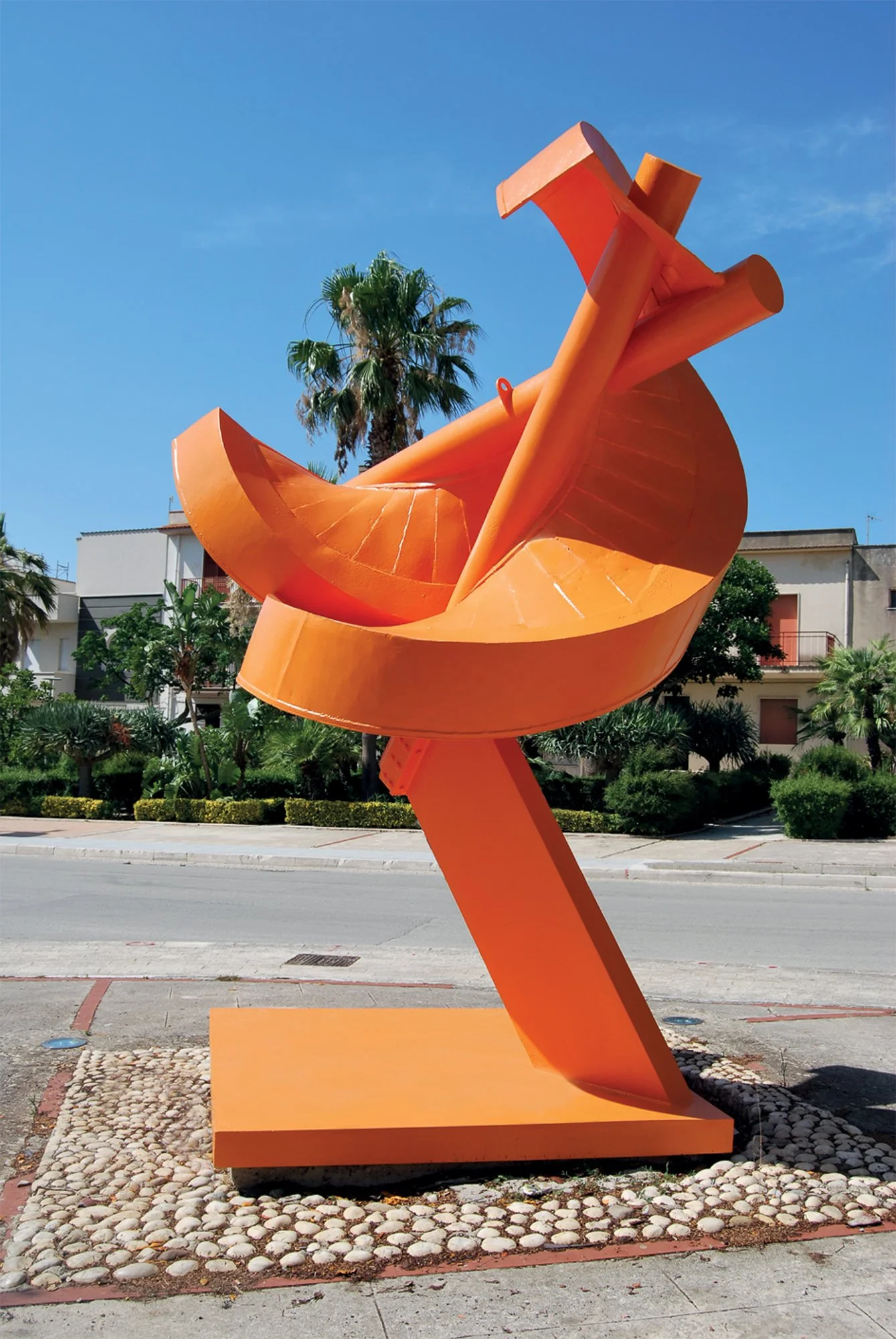
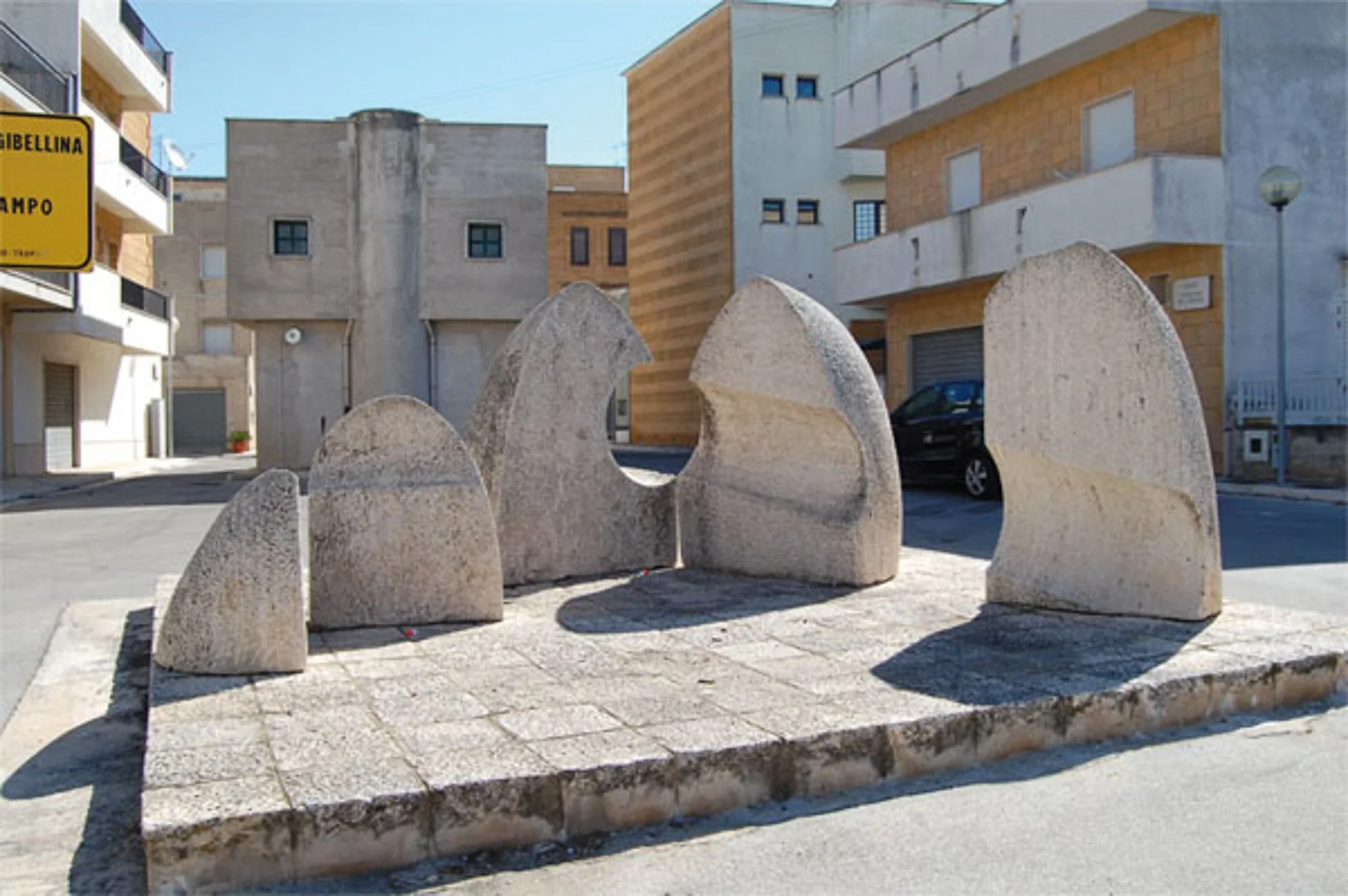
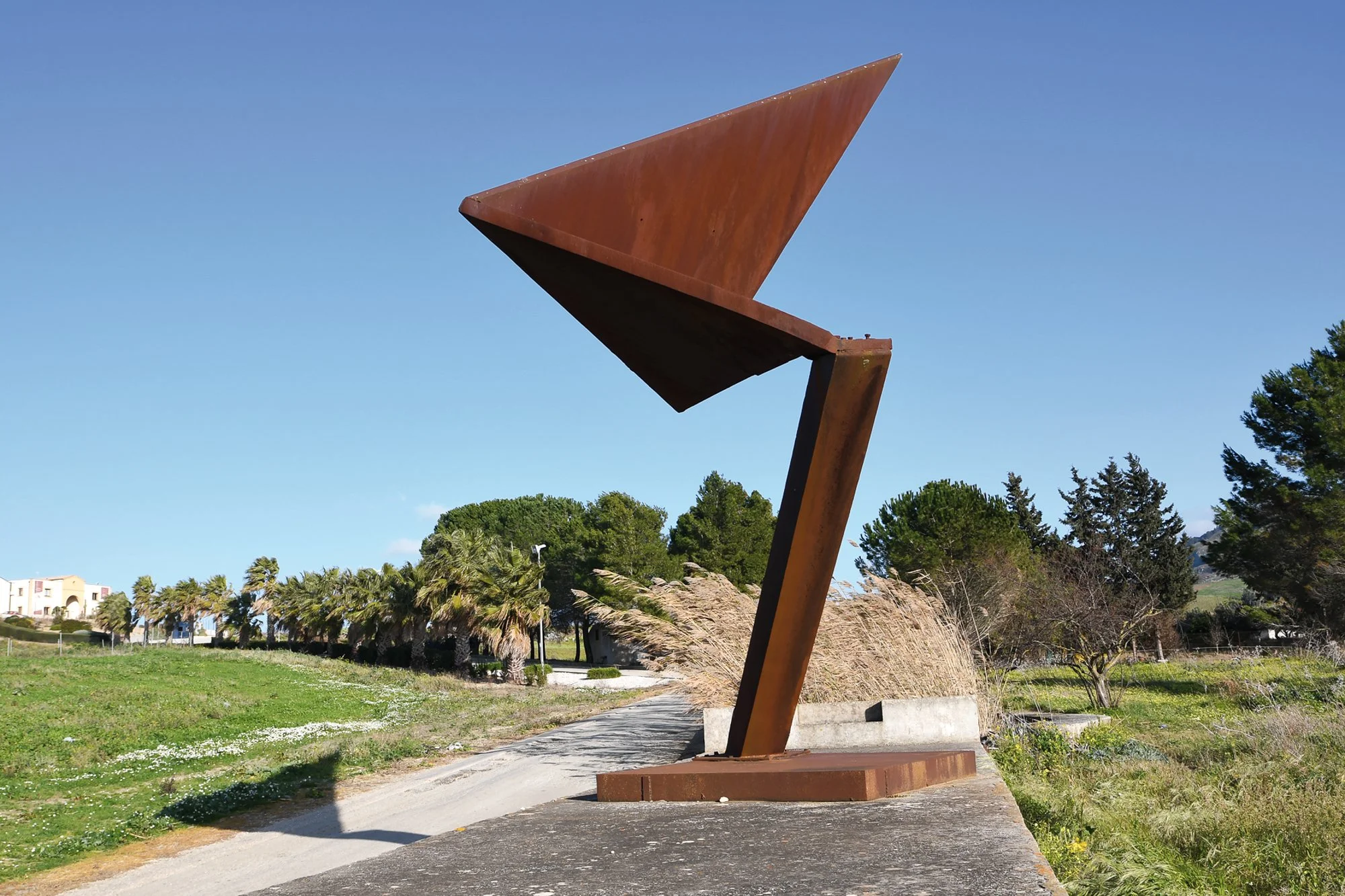
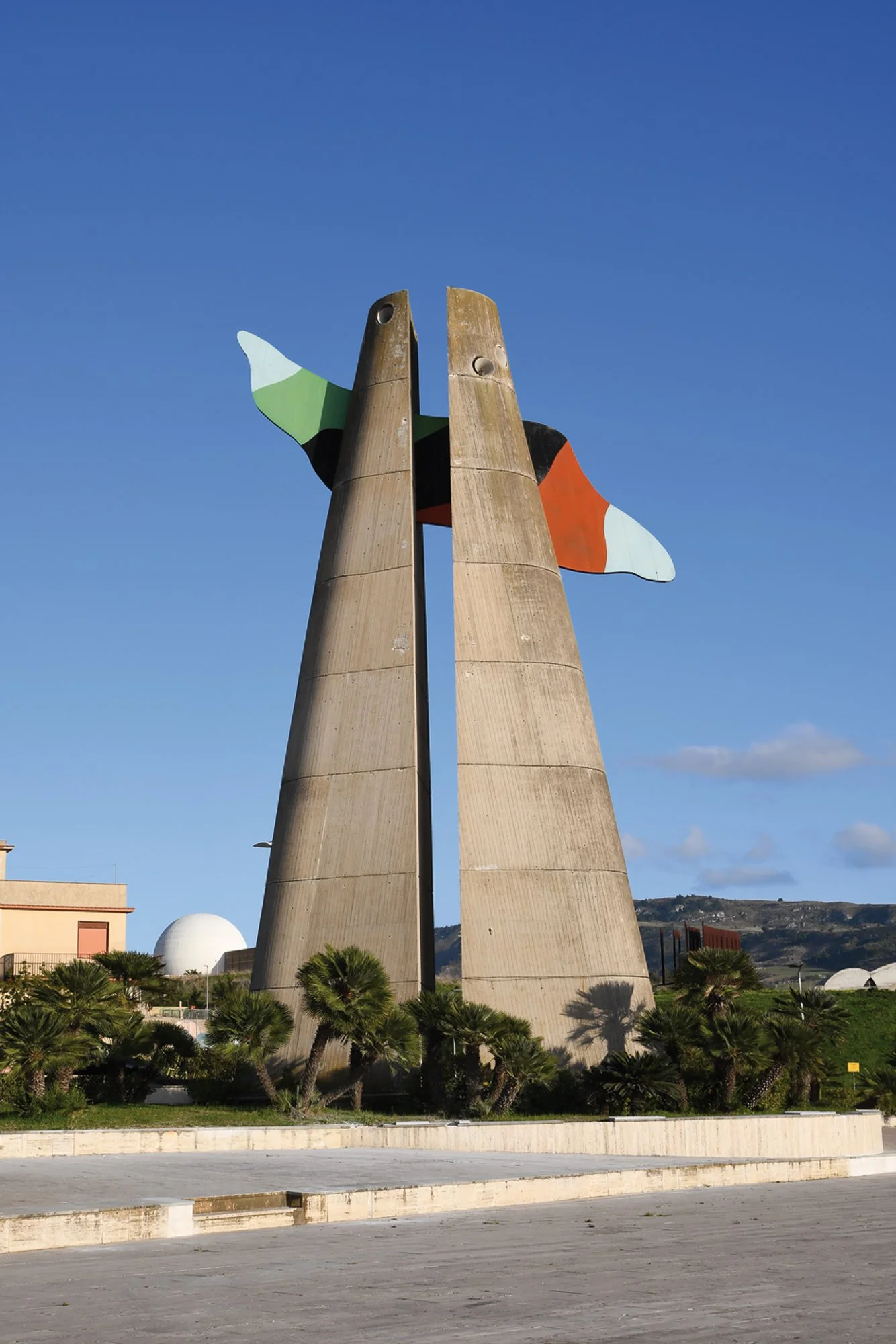
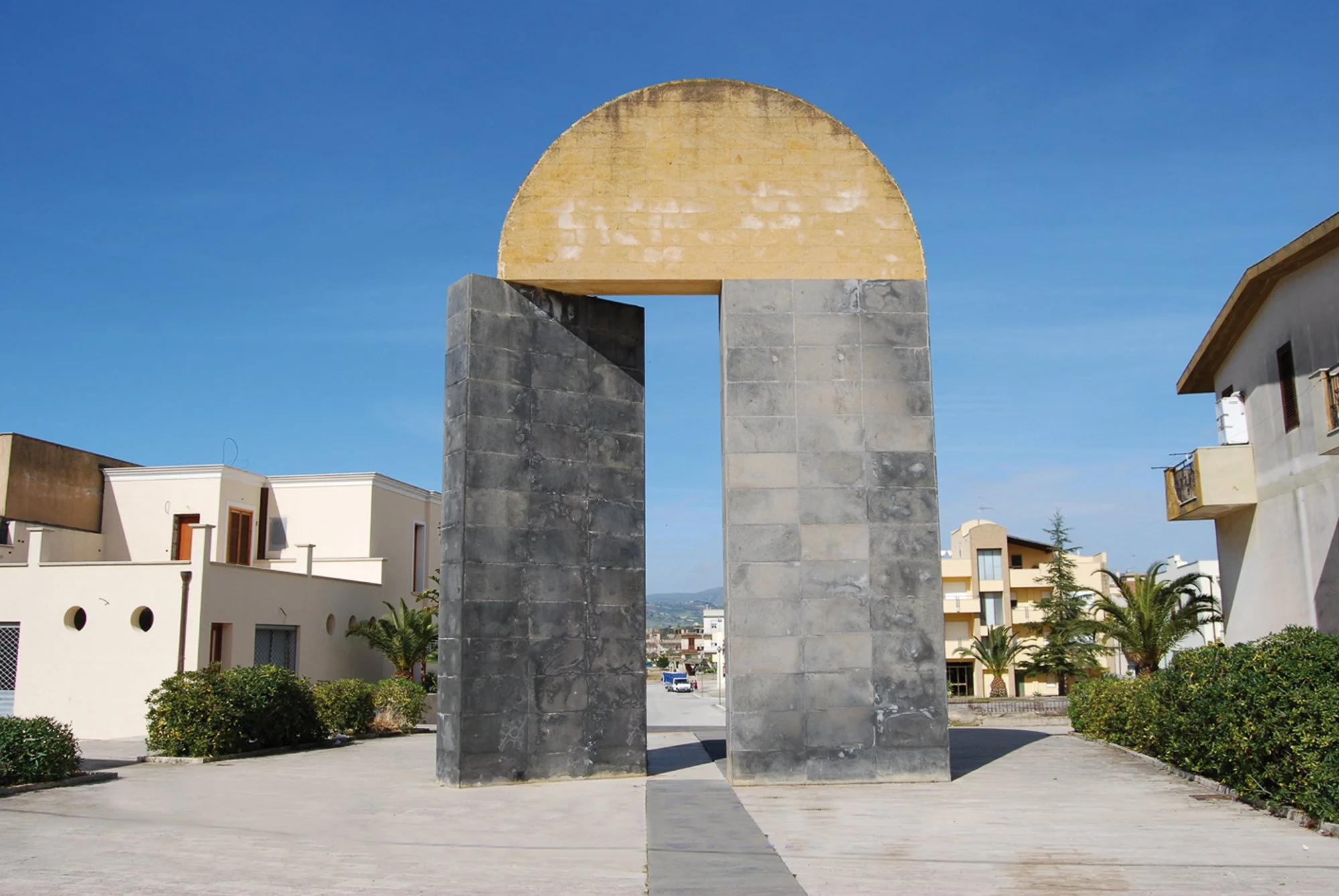
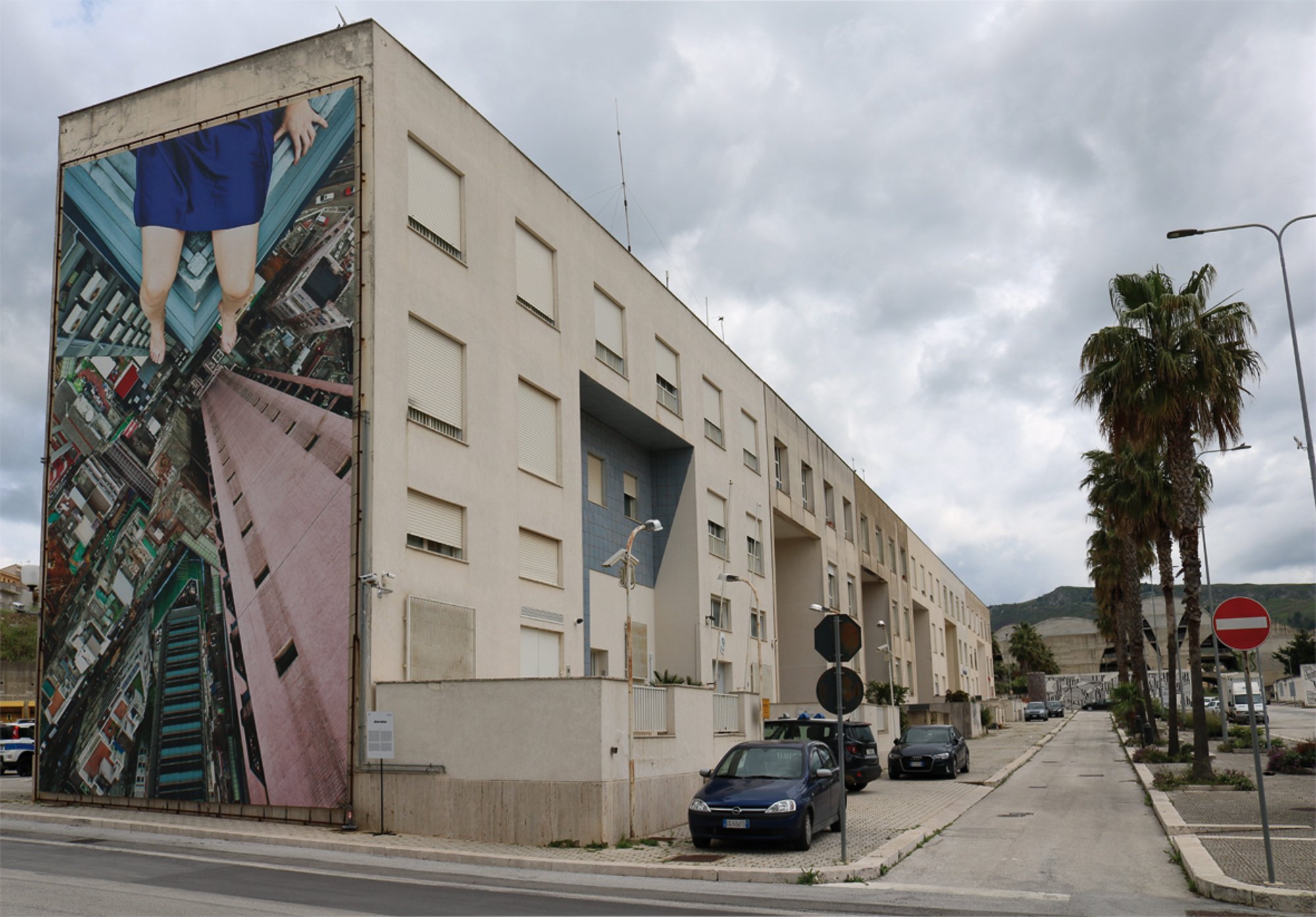
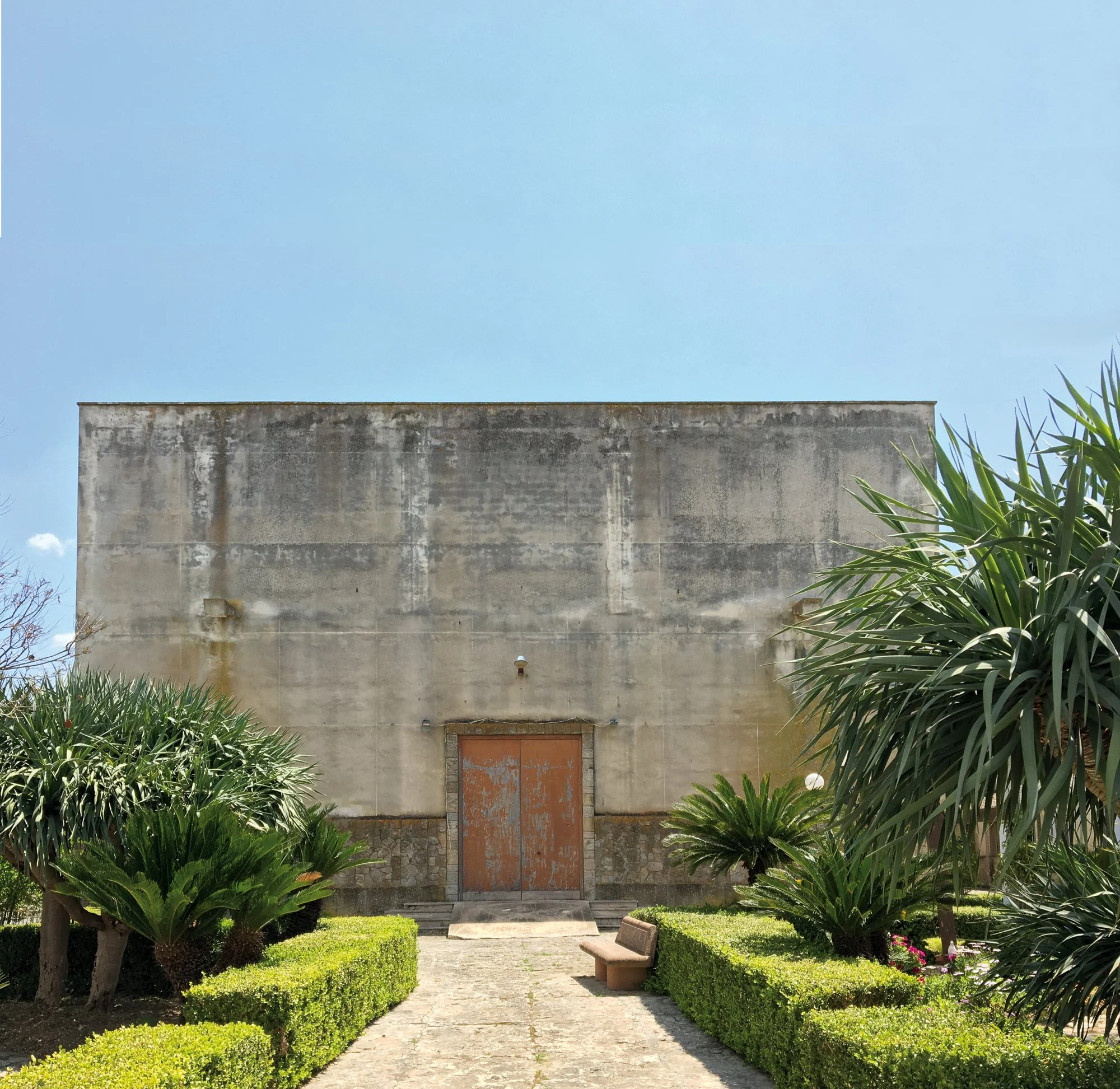
Since its post-earthquake refoundation, Gibellina has made a radical choice—entrusting artists with a central role in civic life. Sculptures, architectural interventions, and experimental spaces were not added later, but embedded into the city’s very fabric. In 2026, that vision comes into renewed focus, positioning Gibellina as a strategic site for cultural production, critical inquiry, and artistic experimentation within Italy and beyond.
Promoted by the Directorate General for Contemporary Creativity of the Ministry of Culture, and supported by the Sicilian Region, the Municipality of Gibellina, the Ludovico Corrao Museum of Contemporary Art, and the Orestiadi Foundation, the project is led by Artistic Director Andrea Cusumano, with co-curators Cristina Costanzo and Enzo Fiammetta, and project coordinator Antonio Leone. A distinguished curatorial and scientific committee underscores the initiative’s interdisciplinary ambition and international relevance.
Contemporary Art as Presence
Running throughout 2026, the program unfolds as a dense constellation of exhibitions, artist residencies, performances, educational initiatives, participatory practices, and research sessions. Rather than framing contemporary art solely as a mirror of the present, Bring Me the Future proposes an art of presence—one that builds relationships, produces knowledge, and cultivates shared responsibility within communities.
Gibellina’s designation as Italian Capital of Contemporary Art is both symbolic and paradigmatic. It signals a national experiment: a small city offering a model of cultural democracy rooted in place, memory, and participation. Here, contemporary art becomes a civic language—capable of shaping public space, reinforcing social cohesion, and sustaining collective memory.
Mediterranean Dialogues and Women’s Histories
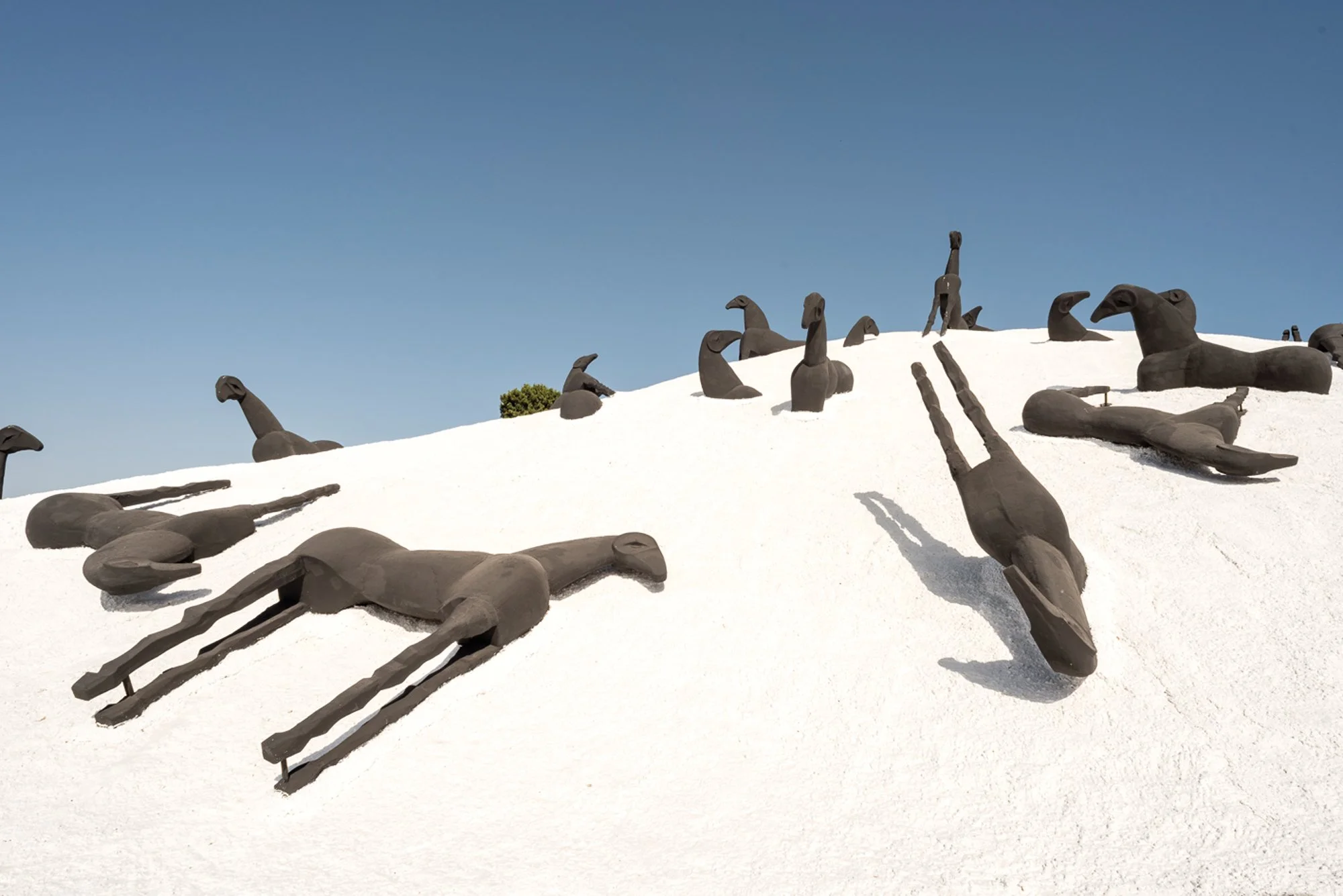
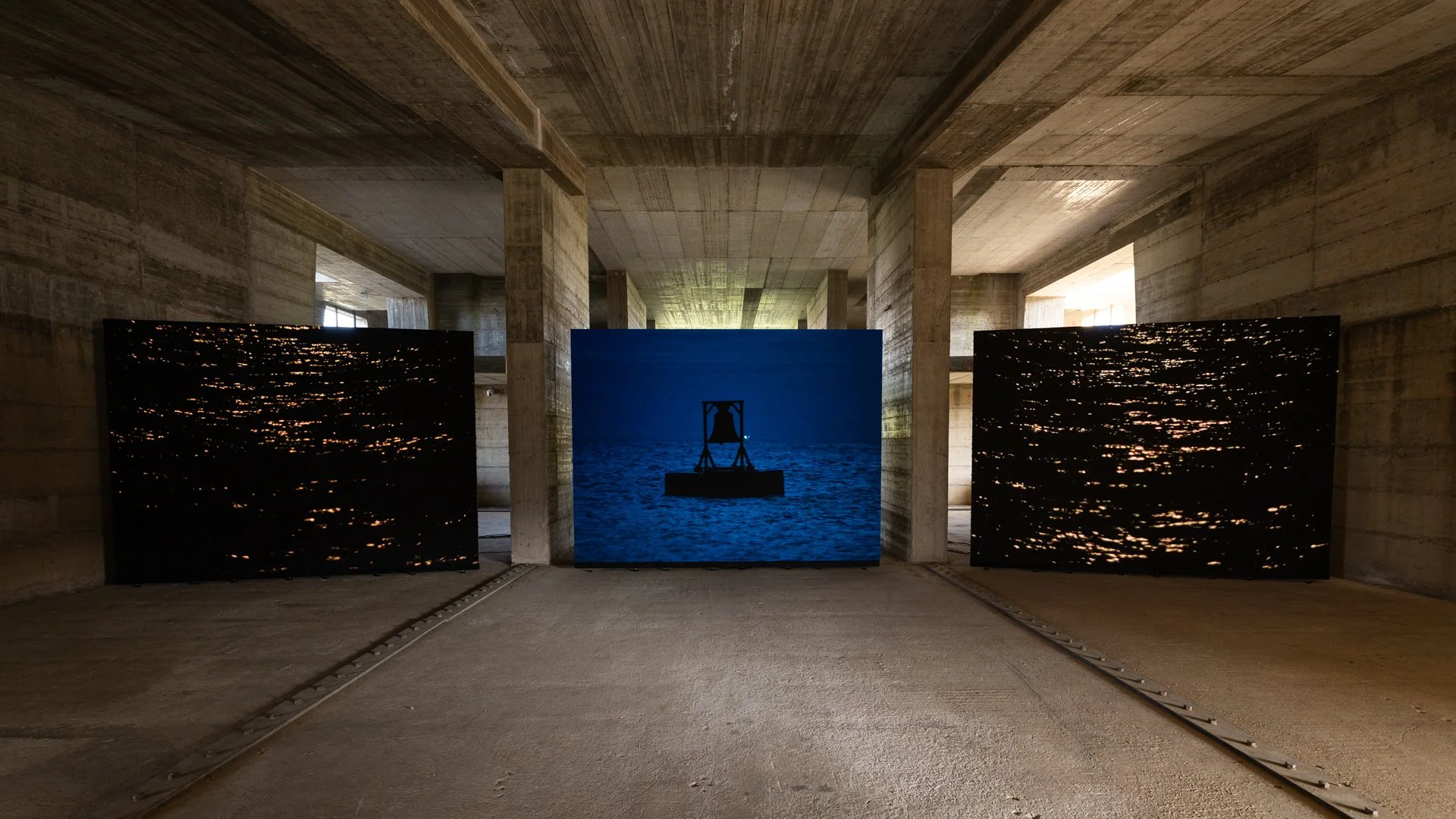
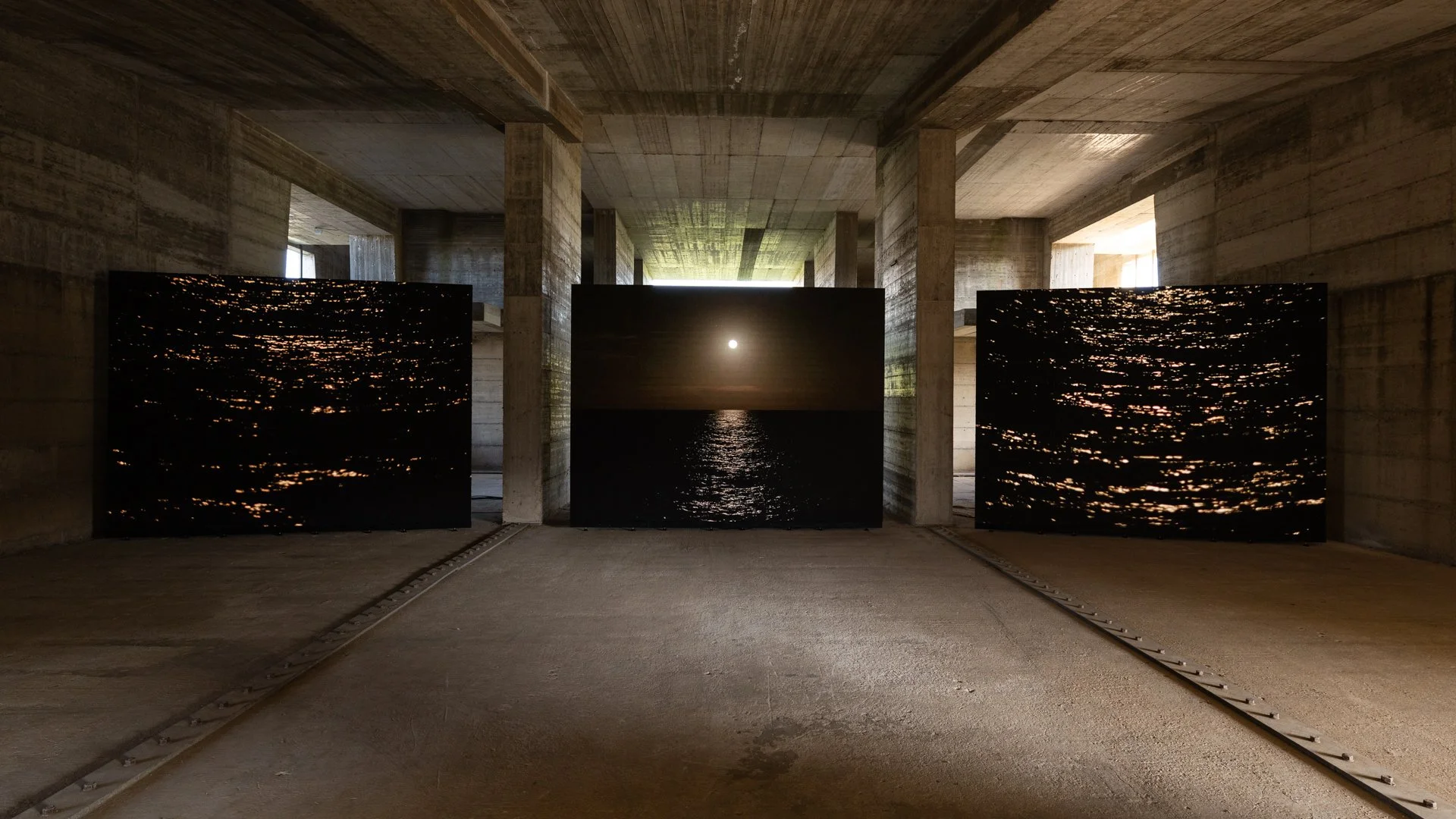
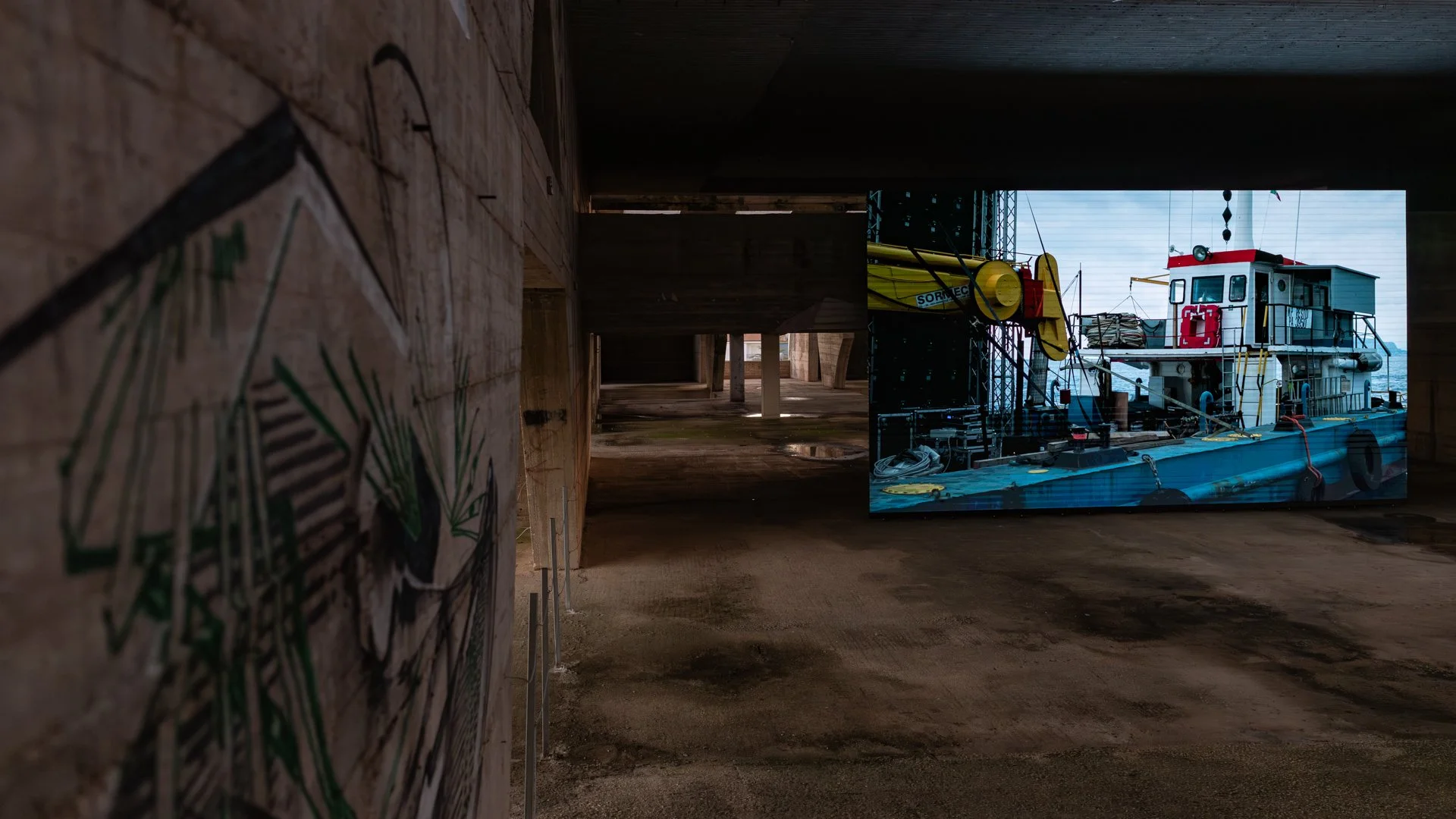
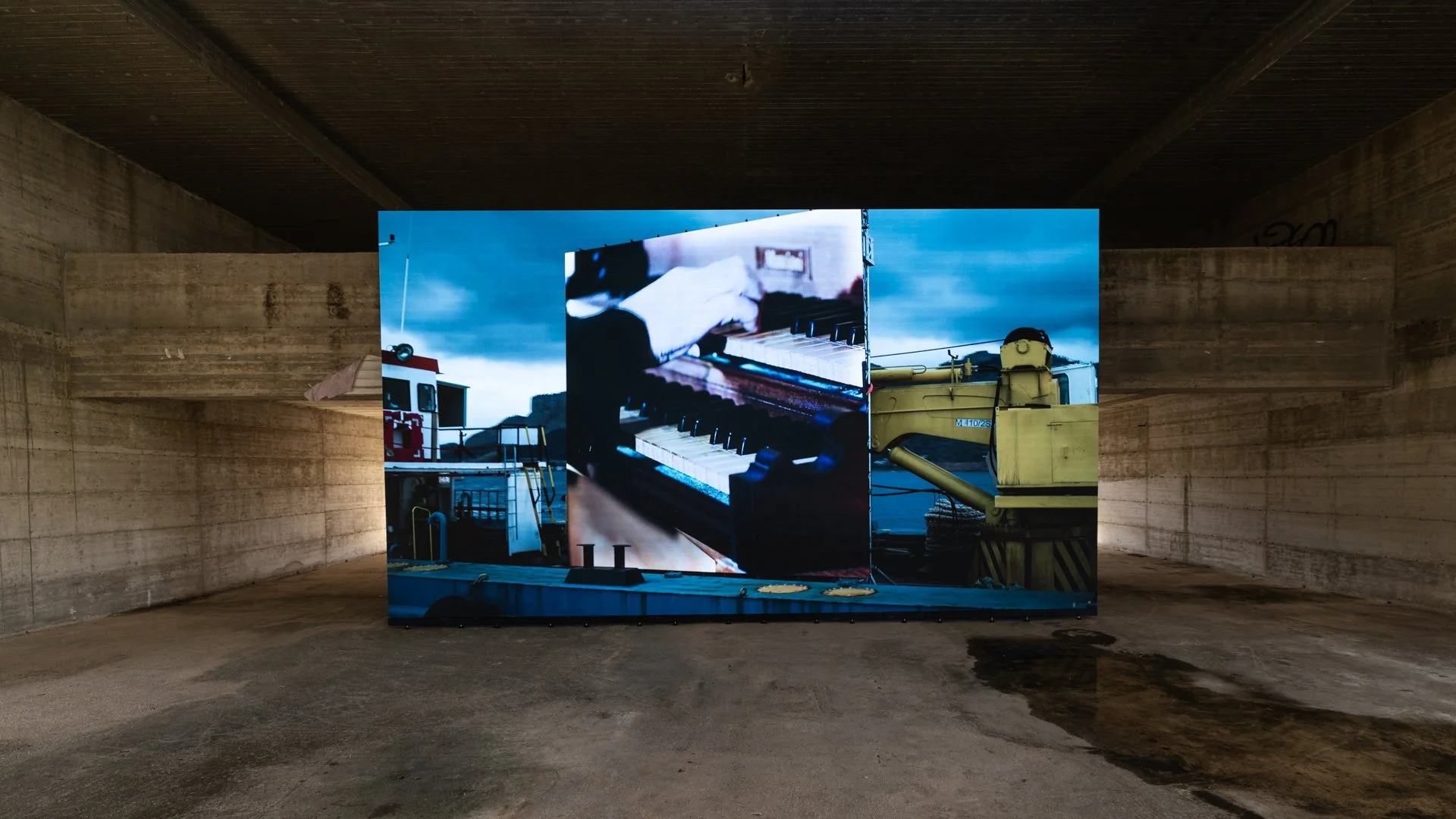
The inaugural exhibitions set the tone for the year ahead. Opening on January 15, Dal mare. Dialogues with the frontal city, curated by Cusumano, brings together MASBEDO’s Resto and Adrian Paci’s The Bell Tolls Upon the Waves. Installed within the Pietro Consagra Theater—an architectural manifesto of post-earthquake reconstruction—the works reflect on the Mediterranean as a human, political, and existential horizon.
That same day, Colloqui: Carla Accardi, Letizia Battaglia, Renata Boero, Isabella Ducrot, Nanda Vigo, curated by Costanzo and Fiammetta, foregrounds five women whose practices have shaped both Gibellina’s cultural identity and the broader Italian art landscape. The exhibition reaffirms the city’s longstanding commitment to women’s artistic labor as a foundational element of its civic project.
On January 16, the focus shifts to the MAC—Ludovico Corrao Museum of Contemporary Art with Generazione Sicilia. Collezione Elenk’Art, curated by Alessandro Pinto and Sergio Troisi. Within this framework, Daniele Franzella’s installation Austerlitz inhabits the Church of Gesù e Maria, designed by Nanda Vigo, transforming the sacred space into a site of reflection, healing, and symbolic rebirth. Together, the exhibitions articulate Sicily not as a periphery, but as a polycentric cultural landscape resistant to centralization.
Celebration as Collective Practice
Art spills into the public realm through music and gathering. Two free concerts mark the opening days as moments of shared celebration: on January 15, the Banda del Sud performs a Mediterranean tribute in the Sala Agorà; on January 16, Max Gazzè, accompanied by the Calabria Orchestra as part of the Musicae Loci project, takes the stage in Piazza 15 Gennaio 1968—turning memory into communal joy.
A Future Practiced Together
At its core, Gibellina – Italian Capital of Contemporary Art 2026 is not about projecting a distant tomorrow, but about practicing the future in the present. It is a call to strengthen community ties, reactivate the cultural utopia embedded in the territory, and reimagine art as a shared right—accessible, inclusive, and enduring.
In Gibellina, the future is not imported. It is built—collectively, consciously, and with care.
MASBEDO, Adrian Paci_Teatro di Pietro Consagra





IMMAGINI GIBELLINA