
Inside the Gilded Myth: Visiting Hugh Hefner’s Playboy Mansion in Los Angeles
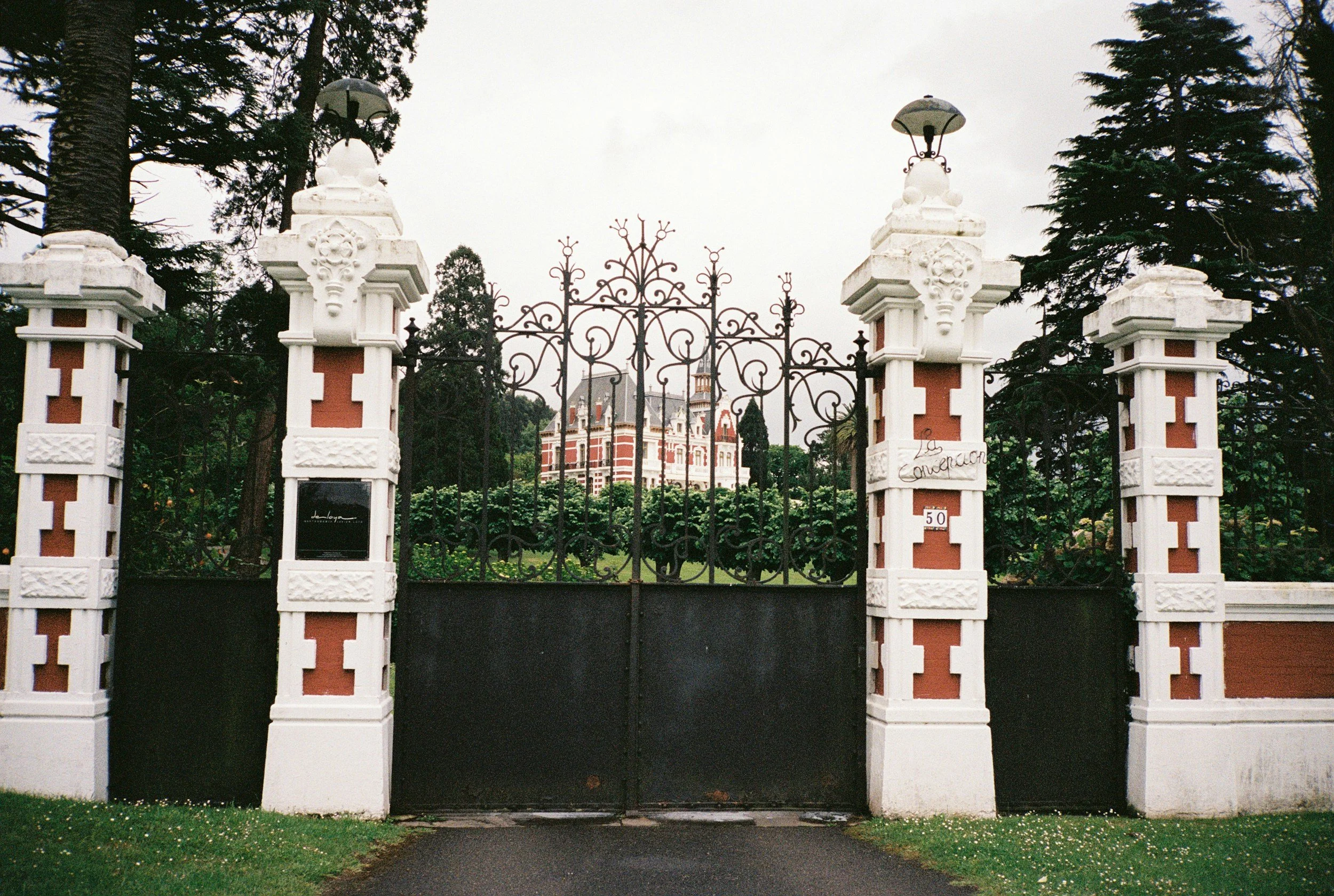
Visiting Hugh Hefner’s Playboy Mansion was never just about stepping into a house—it was about entering a carefully constructed mythology. Tucked behind tall hedges in Holmby Hills, the Mansion existed for decades as both a real place and an imagined one, shaped as much by fantasy as by fact. To pass through its gates was to cross into a cultural landmark where American excess, sexual liberation, celebrity, and media power converged.
The first impression was rarely architectural grandeur in the traditional sense. The Mansion, built in 1927, felt lived-in—almost stubbornly so. It carried the patina of time: dark wood, worn carpets, low lighting, and rooms that felt dense with stories. Rather than pristine luxury, there was an intentional looseness, a sense that pleasure mattered more than polish. It was part clubhouse, part museum, part private residence—each role bleeding into the next.
Outside, the grounds told a different story. The pool and grotto, immortalized by decades of photography, were less about swimming than symbolism. They represented the Mansion’s central paradox: private property turned cultural stage. The backyard became a backdrop for celebrities, athletes, models, musicians, and politicians—people who defined different corners of fame, all temporarily equalized by proximity to the brand. In that space, the Playboy Bunny wasn’t just an aesthetic; she was a social currency.
What made the Mansion truly singular was its atmosphere. It functioned as an ecosystem where hierarchy blurred. You might find a legendary actor talking film theory beside a young entrepreneur pitching an idea, or a model debating politics with a journalist. Hefner curated not just parties, but conversations—albeit within a framework that always centered his worldview. The Mansion was as much about access as indulgence: access to power, to visibility, to proximity.
Yet the experience was never without tension. Even at its peak, the Mansion embodied contradictions. It was celebrated as a site of sexual freedom while criticized as a monument to objectification. It championed progressive causes—civil rights, free speech—while simultaneously reinforcing narrow ideals of beauty and desire. To visit was to feel both the allure and the unease, the magnetism and the cost.
Hugh Hefner himself was omnipresent, whether physically or symbolically. Often seen in silk pajamas, he blurred the line between public persona and private life, turning himself into a living logo. The Mansion reflected that collapse of boundaries. Bedrooms felt like offices, offices like lounges, lounges like stages. Everything fed the narrative.
Today, the Playboy Mansion no longer exists in its original form, but its imprint remains indelible. Visiting it was less about witnessing luxury and more about understanding a moment in American culture when media, sexuality, and celebrity fused into something unprecedented. It was a place where fantasy was not just sold—it was hosted, nightly.
In retrospect, the Mansion stands as a mirror. What you saw inside often said as much about you as it did about Hefner’s world. Glamour or decay. Liberation or control. History or spectacle. The Playboy Mansion was never neutral—and that, perhaps, was its most lasting legacy.
