
Joining the Mile High Club: The Fantasy, the Reality, and the Modern Aviation Shift
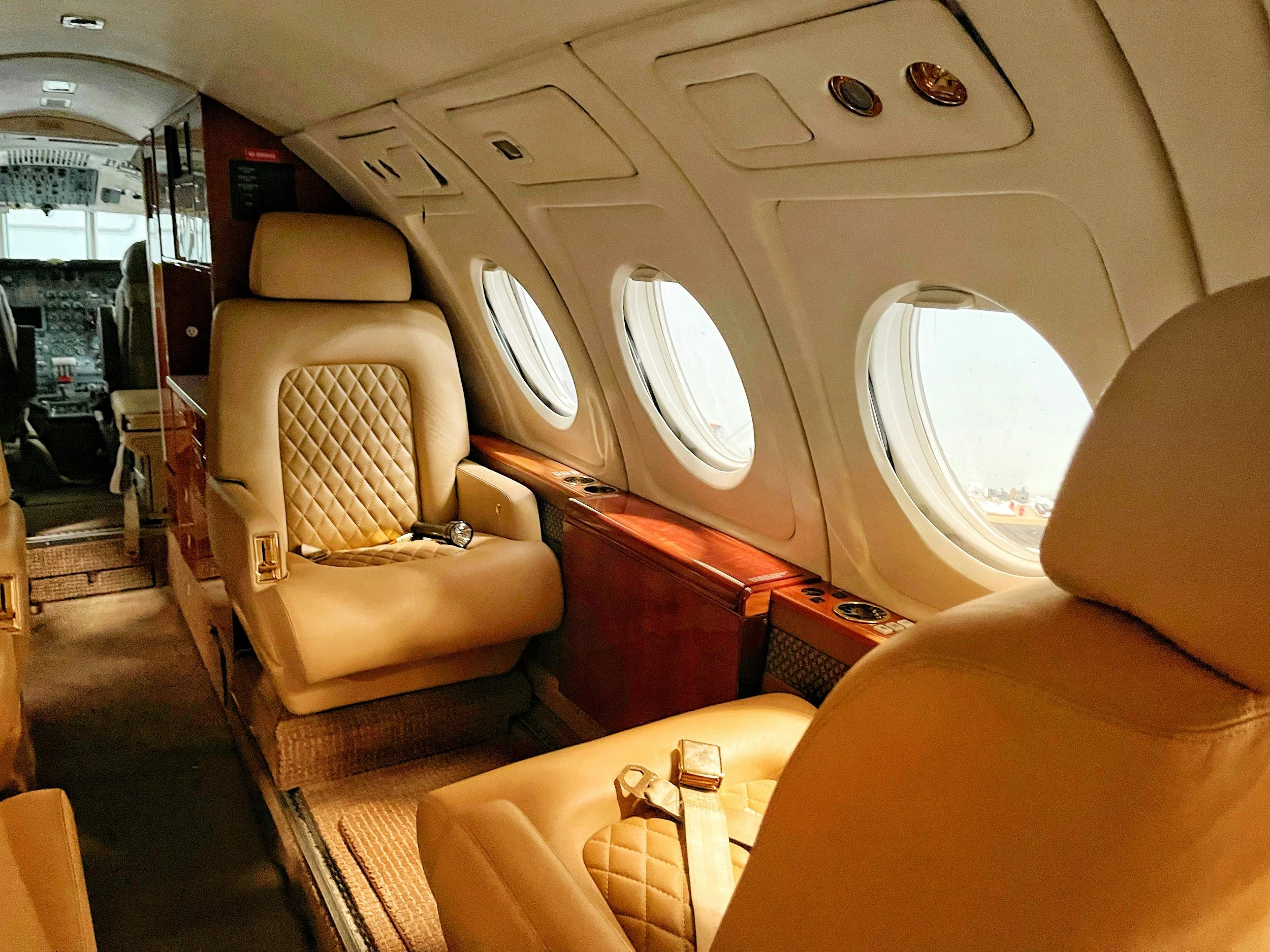
Few travel myths have endured quite like the Mile High Club—the notion of slipping into intimacy thousands of feet above ground, somewhere between altitude, anonymity, and adrenaline. For generations, it has existed as a playful symbol of rebellion, a whisper passed through pop culture, and a fantasy attached to the glamour of air travel. But while the idea remains enticing, the landscape of aviation has changed dramatically. What once felt spontaneous is now bound by tighter spaces, stricter policies, and evolving expectations of privacy. Today, the Mile High Club sits at the intersection of myth, cultural fascination, and a new era in flying—one that increasingly places the fantasy not in commercial cabins but in the private jet world.
Culturally, the Mile High Club has gone through phases. In the mid-20th century, it was romanticized as part of the golden age of flying, when aircraft offered generous legroom, lounge-style seating, and a sense of prestige. The 1990s and early 2000s turned the concept into comedic shorthand—an outrageous stunt portrayed across films and sitcoms. Now, in an era defined by efficiency, shrinking cabins, and heightened surveillance, the club has become a curated fantasy—more discreet, more controlled, and more often aligned with luxury aviation than public air travel. The allure hasn’t faded; it has simply shifted.
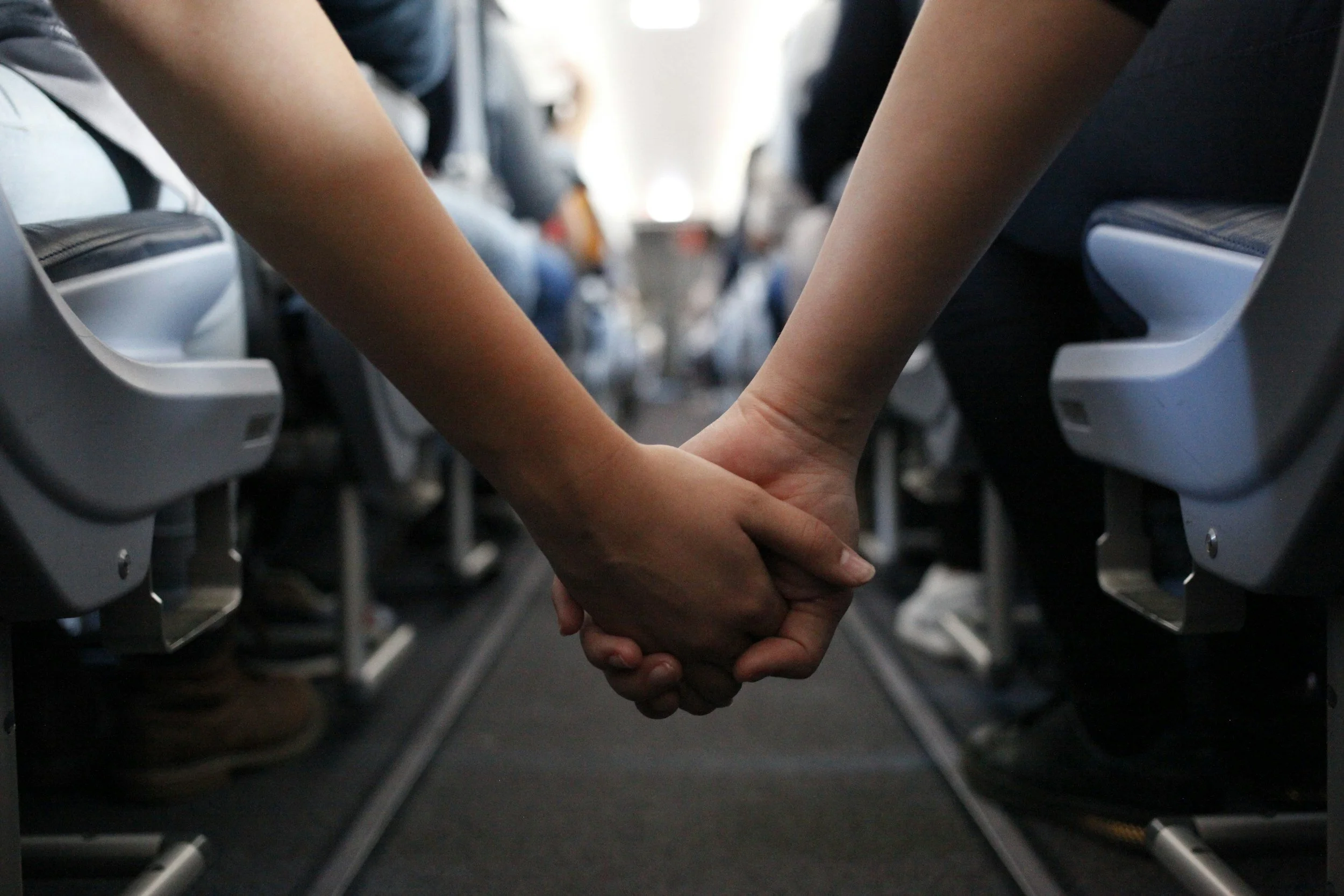
On commercial flights, the reality rarely matches the legend. Today’s aircraft lavatories are smaller than ever, designed with functionality rather than comfort in mind. Flight attendants are trained to observe cabin movement, monitor lavatory use, and maintain order—making privacy nearly impossible. Airline policies across major carriers explicitly prohibit any sexual activity on board, and violations can lead to fines, flight bans, or even FAA penalties. What used to be considered daring is now, in practical terms, an activity that disrupts operations and disturbs fellow passengers. The romance of spontaneity has largely been replaced by the risk of consequences.

The modern airline experience also carries an ethical layer. Intimacy in a public space—especially one shared by hundreds of travelers—comes with responsibilities. Discretion matters, as does respect for the boundaries, comfort, and consent of everyone on board. The aircraft cabin is a confined environment where even minor disturbances amplify quickly. For these reasons, the commercial Mile High experience has become less plausible, less private, and far less advisable.
Conversely, private aviation has become the true home of the Mile High Club in contemporary travel culture. Aboard a private jet, passengers control the guest list, the environment, and the pace of the journey. Suites with doors, convertible divans, well-designed cabins, and spacious lavatories create an atmosphere where privacy feels natural rather than clandestine. Flight crews remain professional, attentive, and discreet, yet far less bound to the rigid enforcement protocols of commercial carriers. Without the presence of unacquainted passengers, the experience shifts from public risk to private indulgence.
Even in private flight, however, the fundamentals still apply. All participants must be consenting adults, and interaction must respect the boundaries of onboard crew. Safety remains paramount: passengers are required to be seated during taxi, takeoff, landing, and turbulence. Aviation regulations still govern the aircraft, even if the atmosphere feels relaxed. The difference is that within a private cabin, the Mile High experience becomes a personal choice rather than a public disturbance.
Despite how much air travel has modernized, the Mile High Club remains rooted in a simple idea: intimacy paired with escape. It’s a rebellion against the mundane, a story shared between partners, and a moment suspended—literally—between departure and arrival. Its enduring appeal speaks to the romance of travel itself, the thrill of unpredictability, and the freedom people associate with being airborne.
Today’s verdict is clear: while commercial airlines no longer offer the space or privacy to make the myth feasible, private aviation has redefined the fantasy, transforming it from a risky cabin caper into a curated luxury experience. The essence remains the same—connection, spontaneity, and adventure—but it now unfolds behind closed cabin doors rather than in the narrow confines of a lavatory.
In the end, the Mile High Club persists because it represents more than an act; it symbolizes a moment of shared daring wrapped in the mystique of flight. And whether the fantasy lives in the imagination or in the skies, its cultural legacy continues to soar.
