
Crossing the Border Into North Korea: The Myths, Realities, and Geopolitical Weight of One of the World’s Most Restricted Frontiers
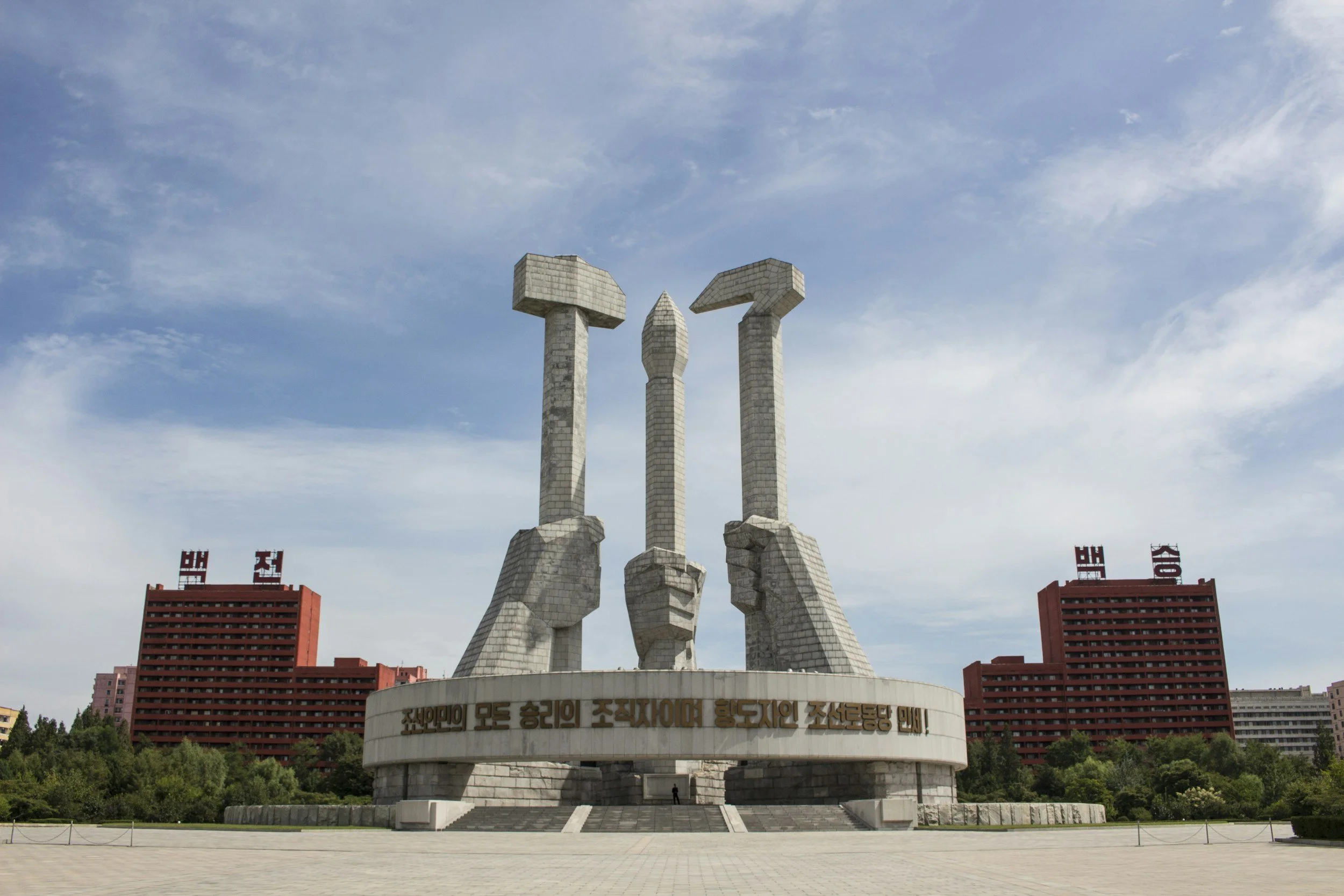
Few borders in the world carry the same gravity, intrigue, and danger as the boundary separating North Korea from its neighbors. This is not a border one “crosses” in any conventional sense—it is a fortified divide shaped by decades of conflict, ideological isolation, and strict governance. Yet its very existence has inspired global curiosity, prompting questions about what lies inside the Democratic People’s Republic of Korea (DPRK), who crosses its borders legally, and why attempts to do so outside official channels have carried severe consequences.
A Border Defined by Tension and History
The Korean Peninsula’s division is a legacy of the Cold War, crystallized by the 1953 armistice that halted—though never officially ended—the Korean War. At the heart of this divide lies the Demilitarized Zone (DMZ), a 160-mile-long, 2.5-mile-wide corridor often referred to as the most militarized border on Earth.
Guard towers, barbed wire, landmines, trenches, and armed patrols define the landscape. For South Korea and North Korea, the DMZ stands as both a buffer and a reminder of a conflict frozen in time.
On the northern side, the DPRK also shares borders with China and Russia—zones with more economic and logistical significance to North Korea, and where the flow of goods and people is more routine but still tightly controlled.
Who Is Allowed to Enter North Korea—Legally
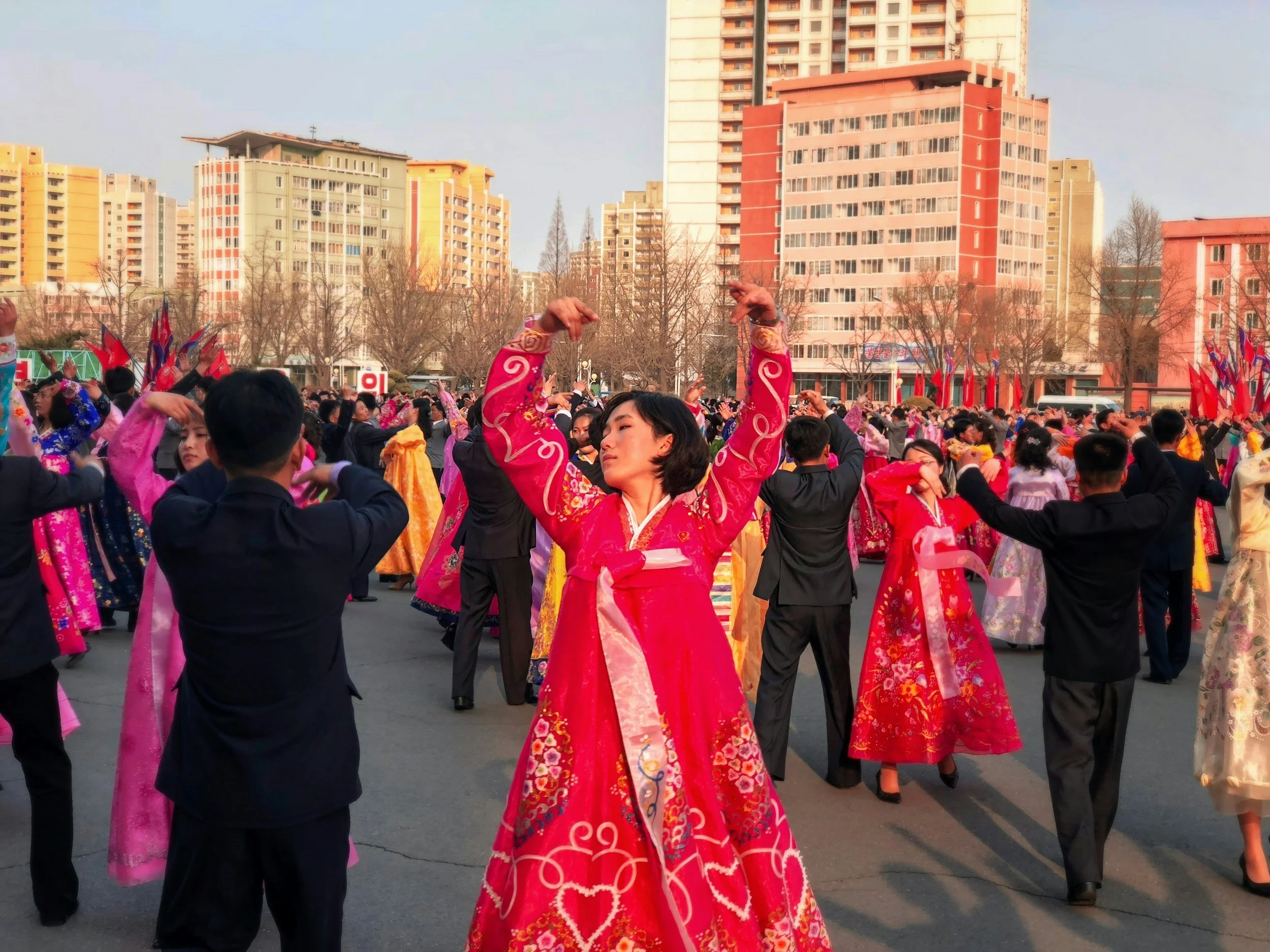
Despite its reputation for isolation, North Korea does permit controlled entry for specific groups:
Diplomats and government officials
Journalists on approved assignments
Tourists traveling on sanctioned, highly regulated tours
Foreign workers associated with certain aid or development programs
These visits occur through official ports of entry—primarily in Pyongyang via flights from China or through designated checkpoints along the Chinese border. Every movement within the country is monitored, and visitors are accompanied by guides selected by the state.
Unauthorized Crossings: High Stakes and Global Attention
Attempts to cross into North Korea without authorization—whether from South Korea or China—have historically resulted in detention, interrogation, and intense diplomatic negotiation. Unauthorized entry is illegal under DPRK law and can lead to multi-year prison sentences or hard labor.
High-profile cases have involved:
Individuals seeking political asylum
Adventurers or activists attempting symbolic crossings
Desperate migrants fleeing economic hardship in the region
U.S. soldiers or civilians who crossed the DMZ in moments of crisis or confusion
These incidents often escalate into international disputes, highlighting how sensitive and politicized the border remains.
Why the Border Captivates the World
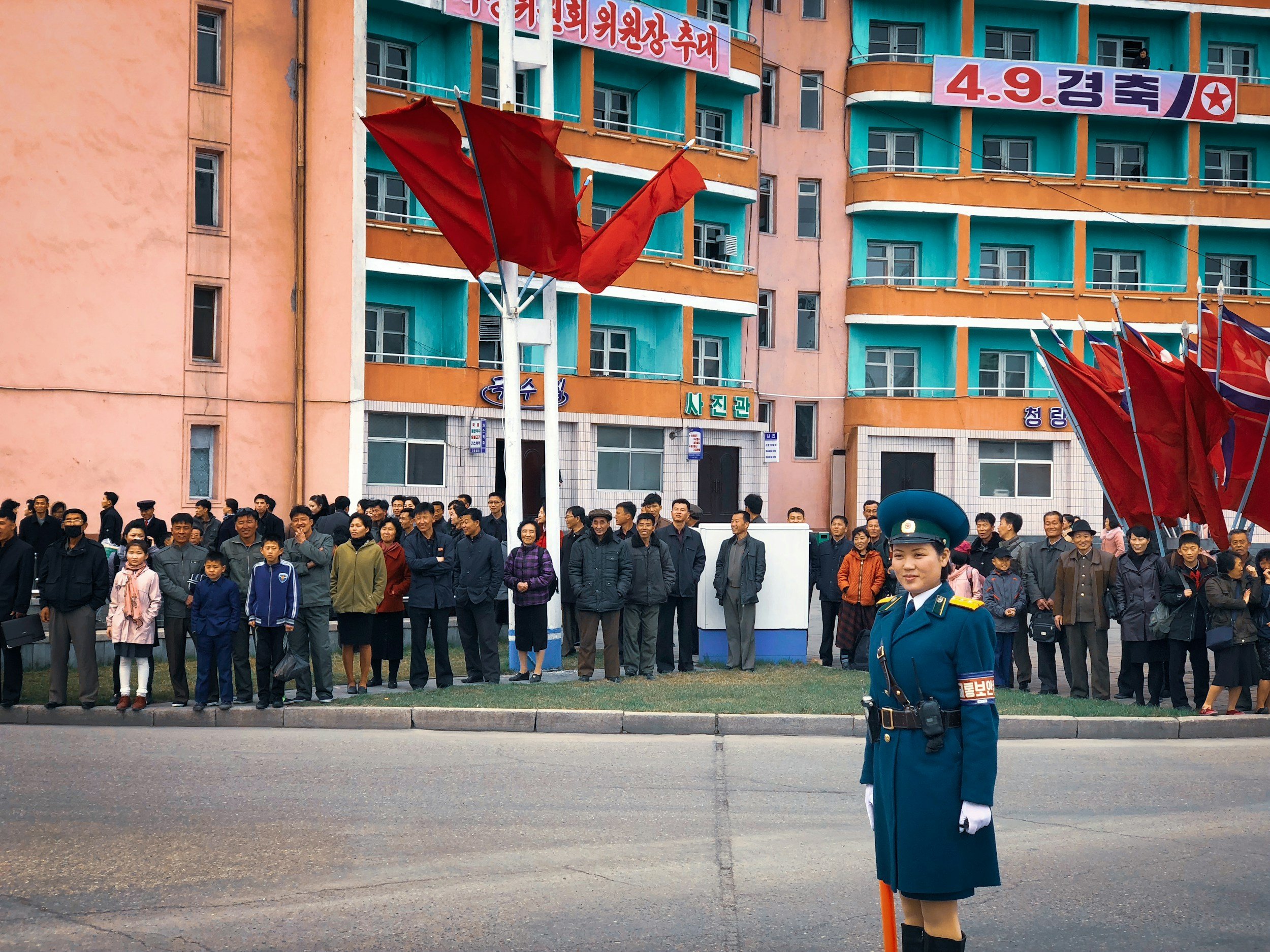
The North Korean border is not just a line on a map—it is a symbol of unresolved war, ideological division, and one of the most secretive societies in modern history. Stories of the border resonate because they sit at the crossroads of:
Diplomacy and conflict
Human rights and national security
Myth and mystery
The rare glimpses into what happens at or beyond the border—whether through defector testimonies, satellite imagery, or carefully staged government tours—only deepen global fascination.
A Boundary That Shapes Lives and Politics
For many Koreans, the border represents separation from family members lost to history. For global leaders, it remains a focal point of negotiations, sanctions, and military strategy. For the international community, it embodies a broader conversation about sovereignty, surveillance, and the limits of global engagement.
And for anyone looking at the map with curiosity, it stands as a reminder: this is not a frontier meant to be trespassed, but one to be understood within the complex, evolving landscape of global geopolitics.
