Louis Vuitton at Milan Design Week 2026: Reframing the Art of Travel Through Design, Heritage, and Time
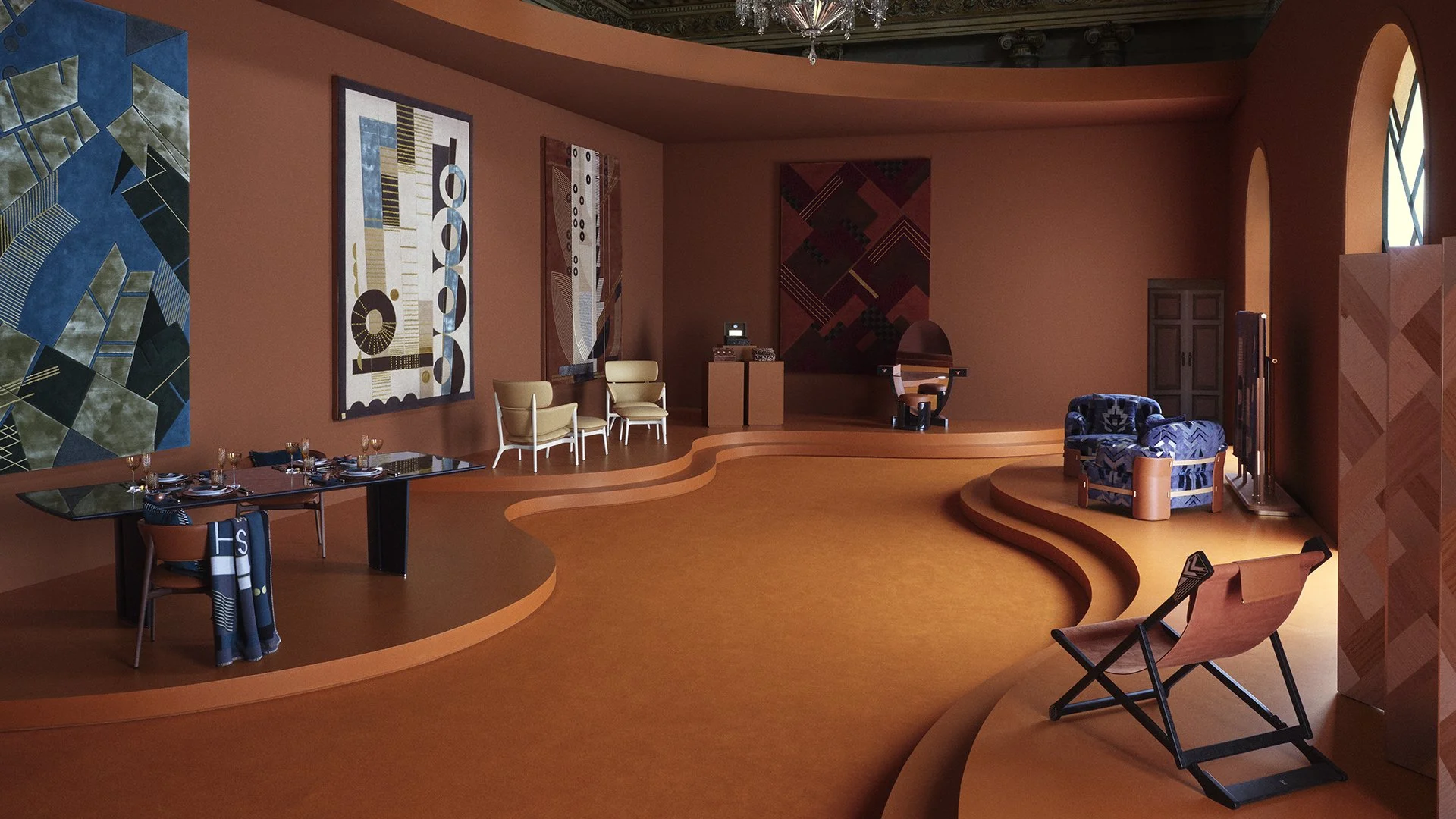
At Milan Design Week 2026, where heritage brands often compete for contemporary relevance, Louis Vuitton does something more deliberate: it collapses time.
Inside the neoclassical grandeur of Palazzo Serbelloni, the House’s latest presentation of Objets Nomades is less an exhibition than a living archive—one that reframes design not as a sequence of eras, but as a continuous dialogue between invention and memory.
A Dialogue Between Art Deco and Now
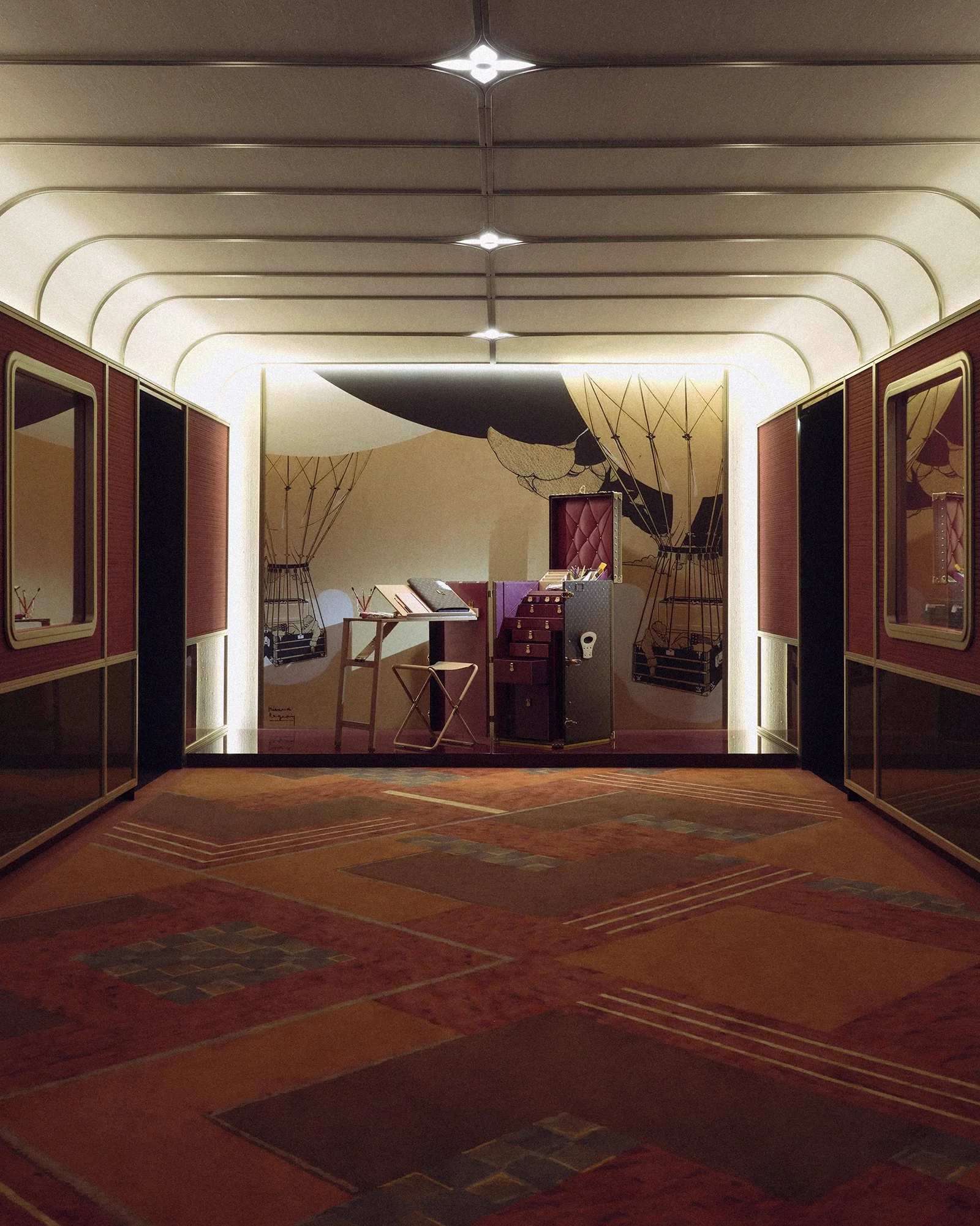
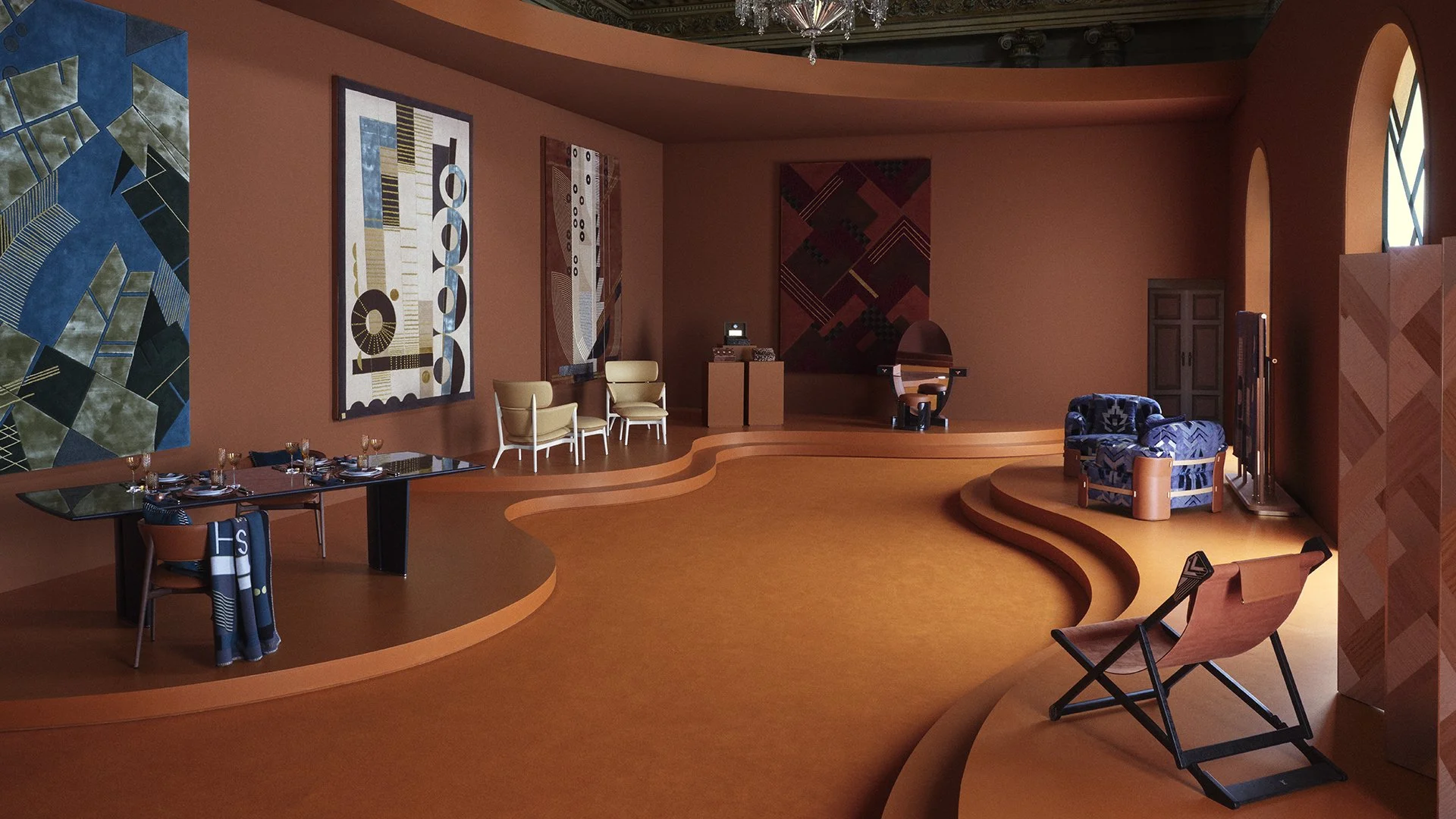
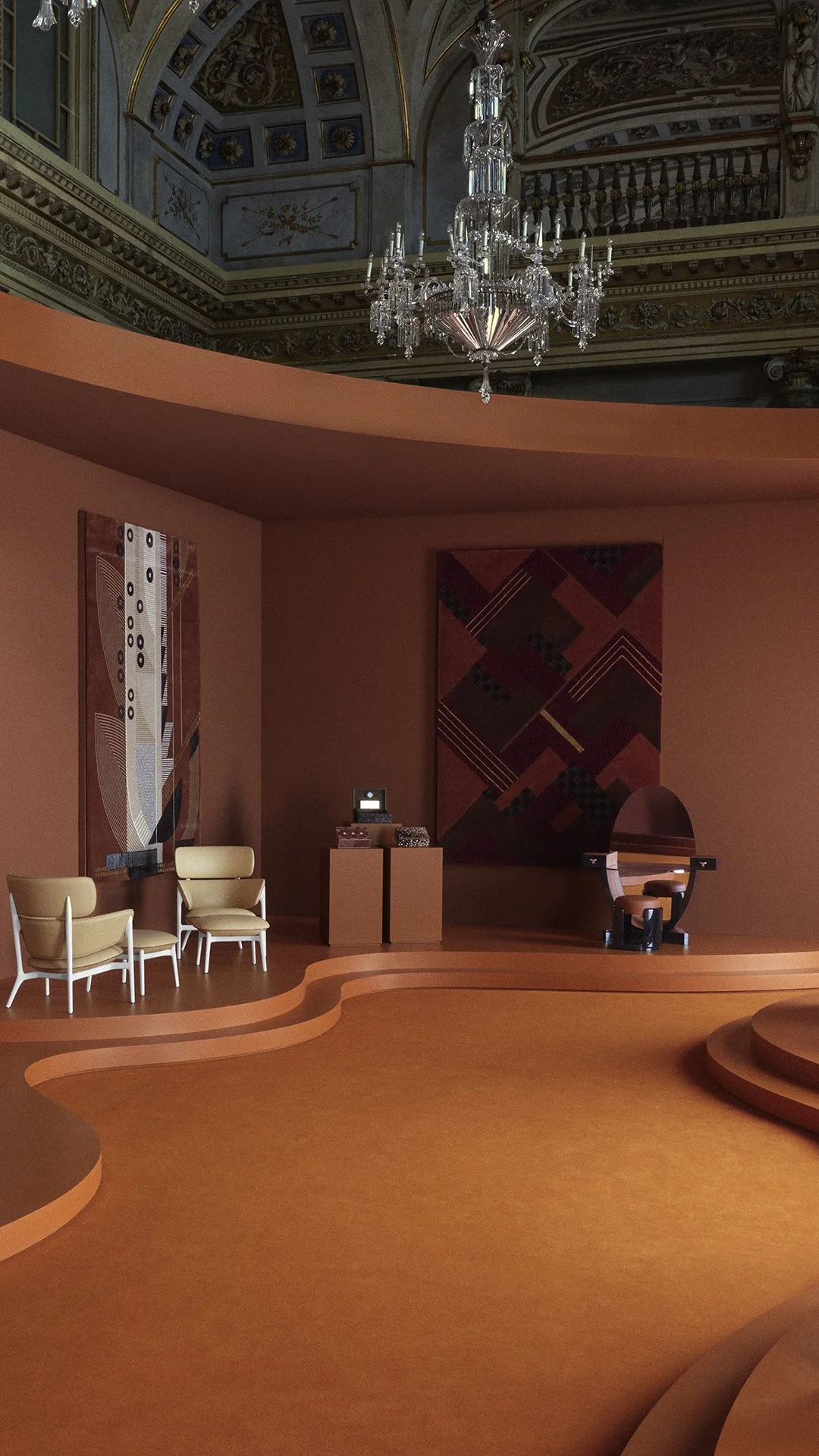
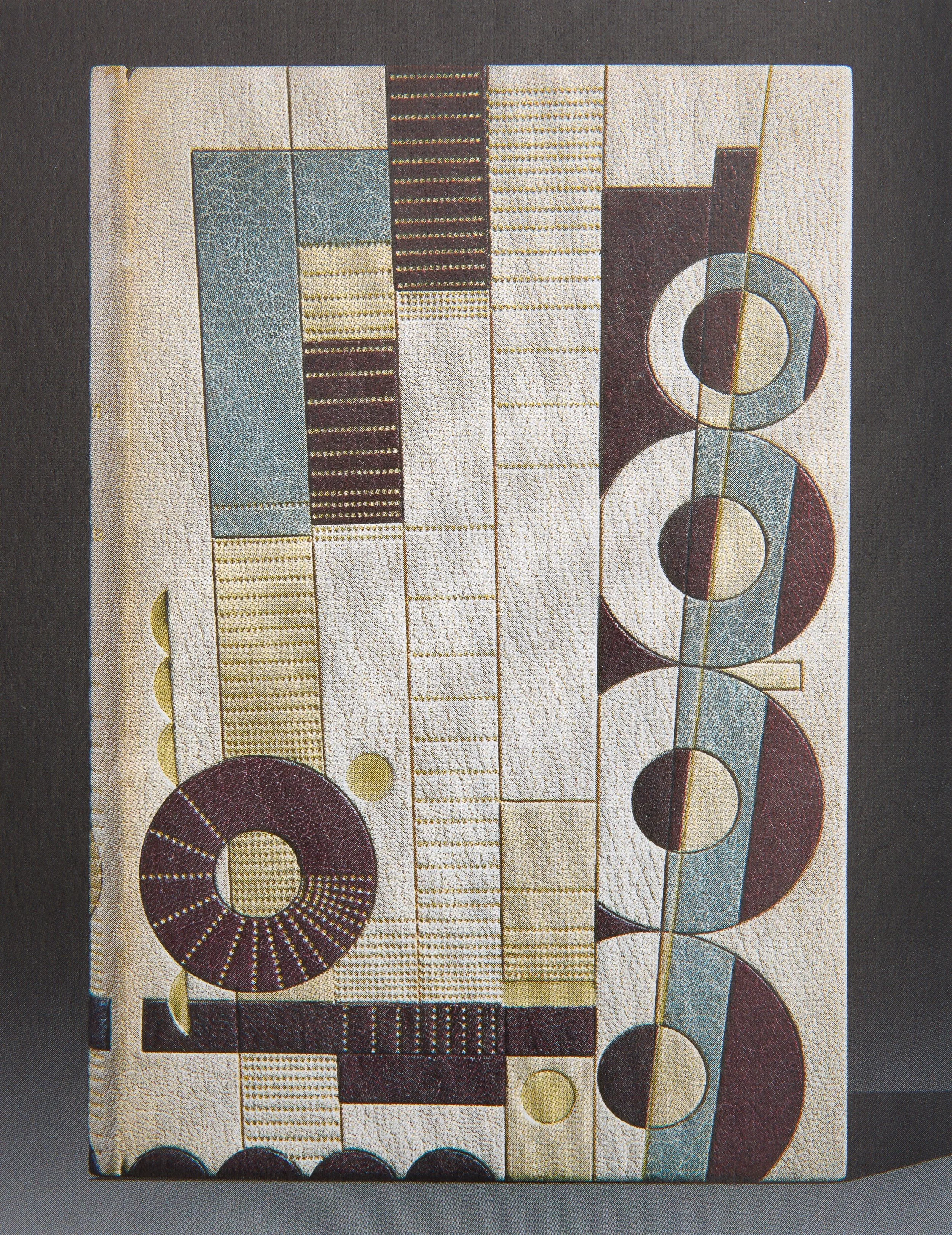
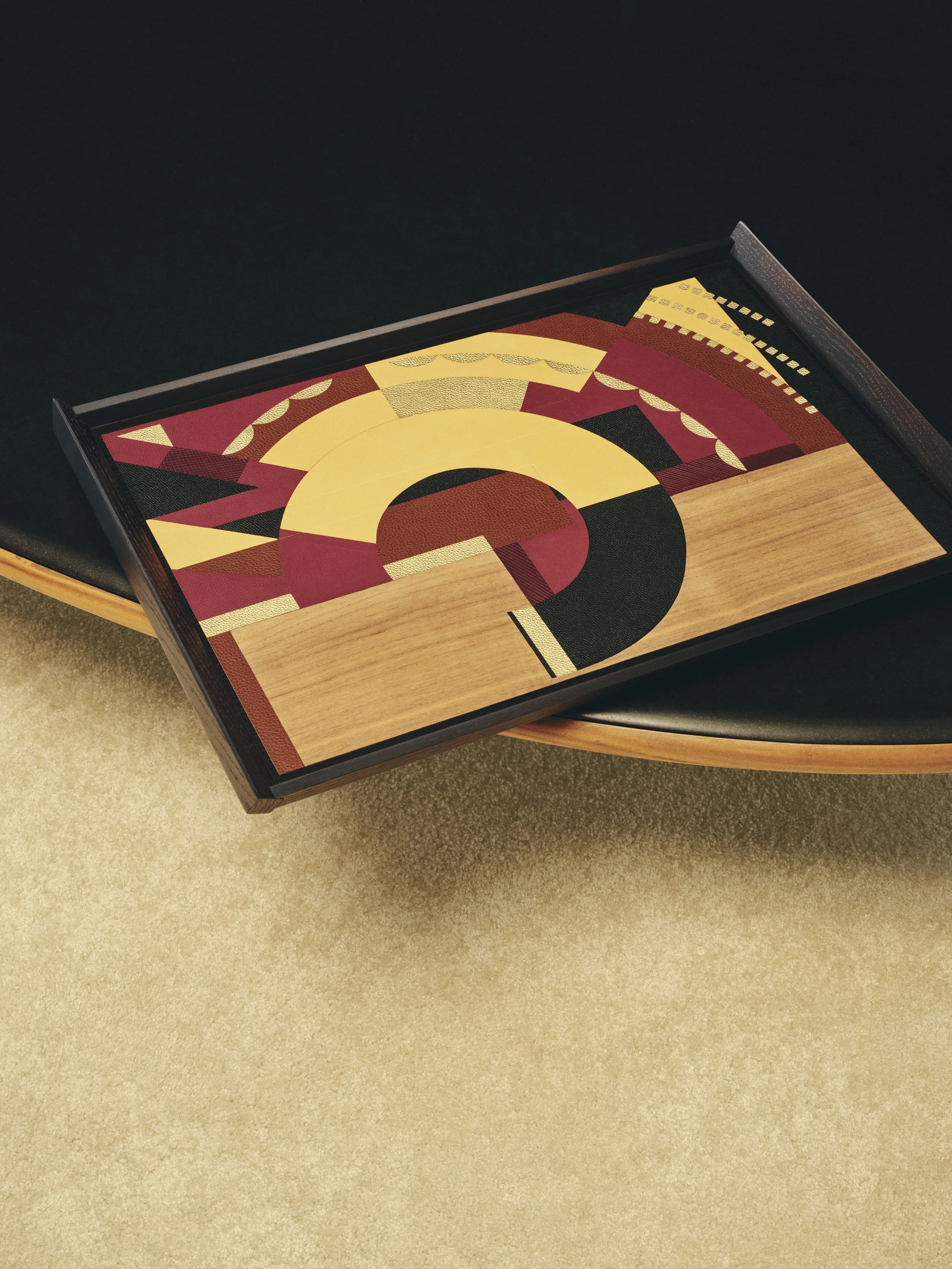
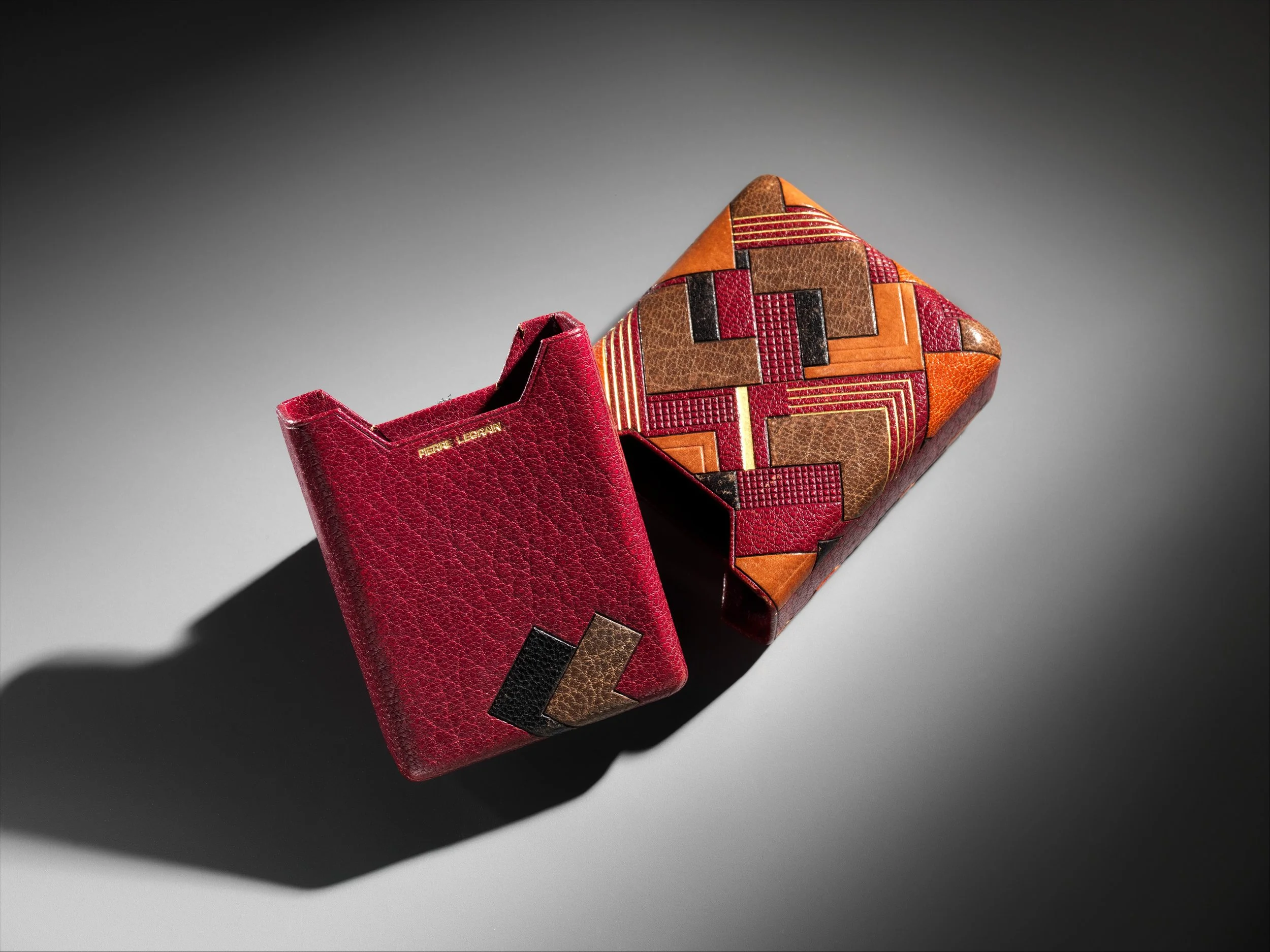
Pierre Legrain, long regarded as a defining force of the Art Deco movement, serves as both anchor and provocation. His influence—rooted in bookbinding, illustration, and interiors—threads through the exhibition’s earliest rooms, where archival trunks, rare travel objects, and reconstructed 1920s motifs are staged with cinematic precision.
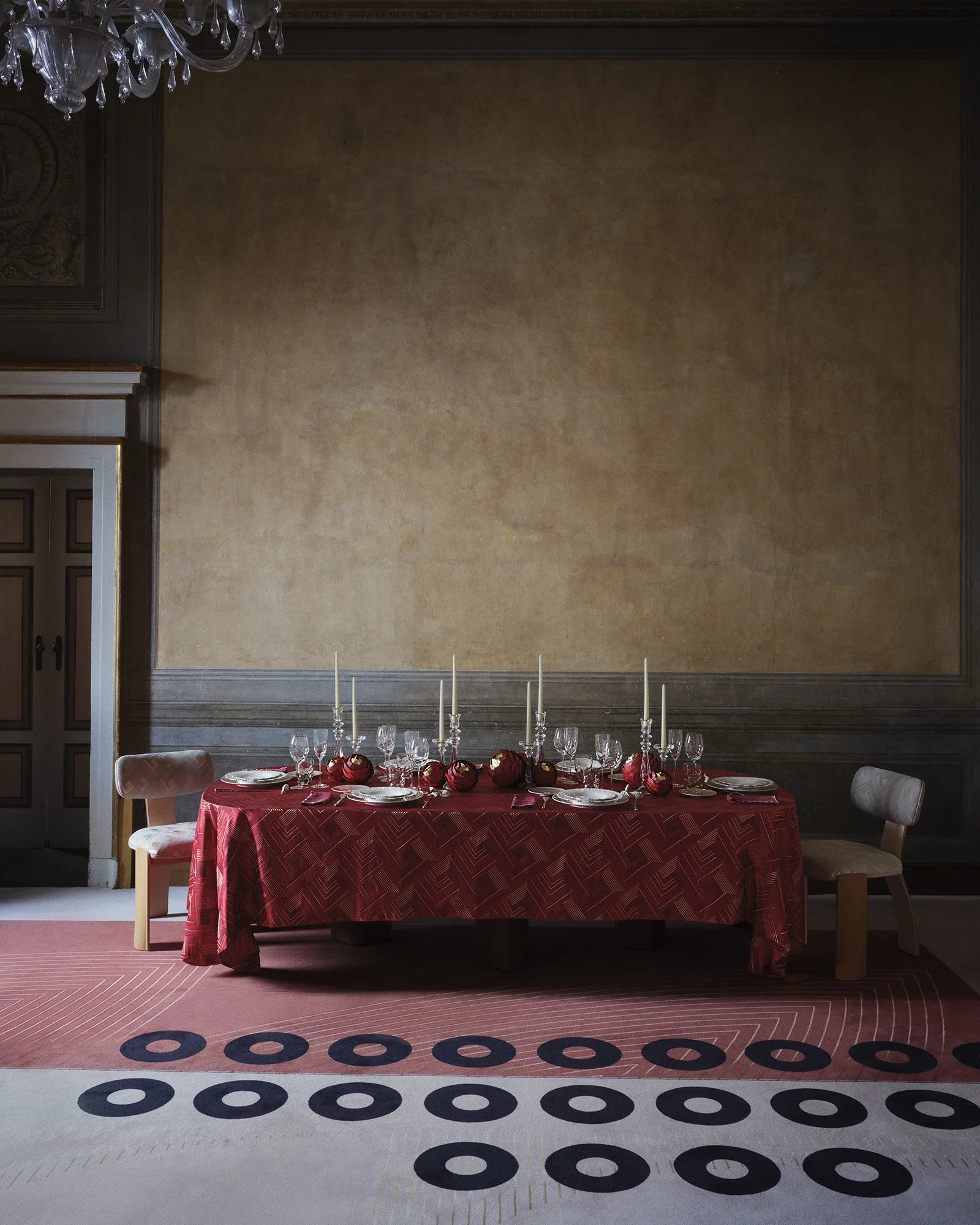
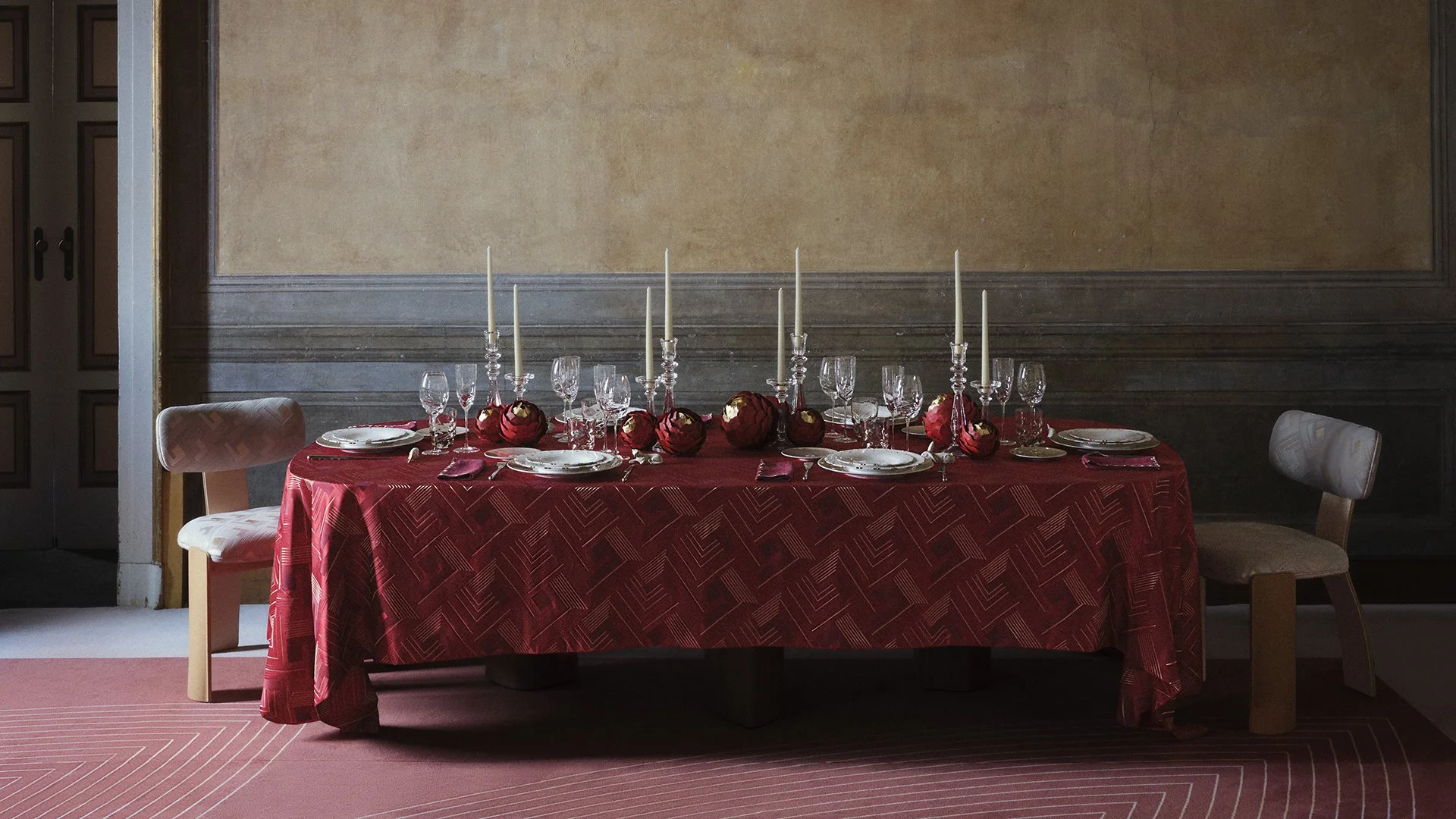
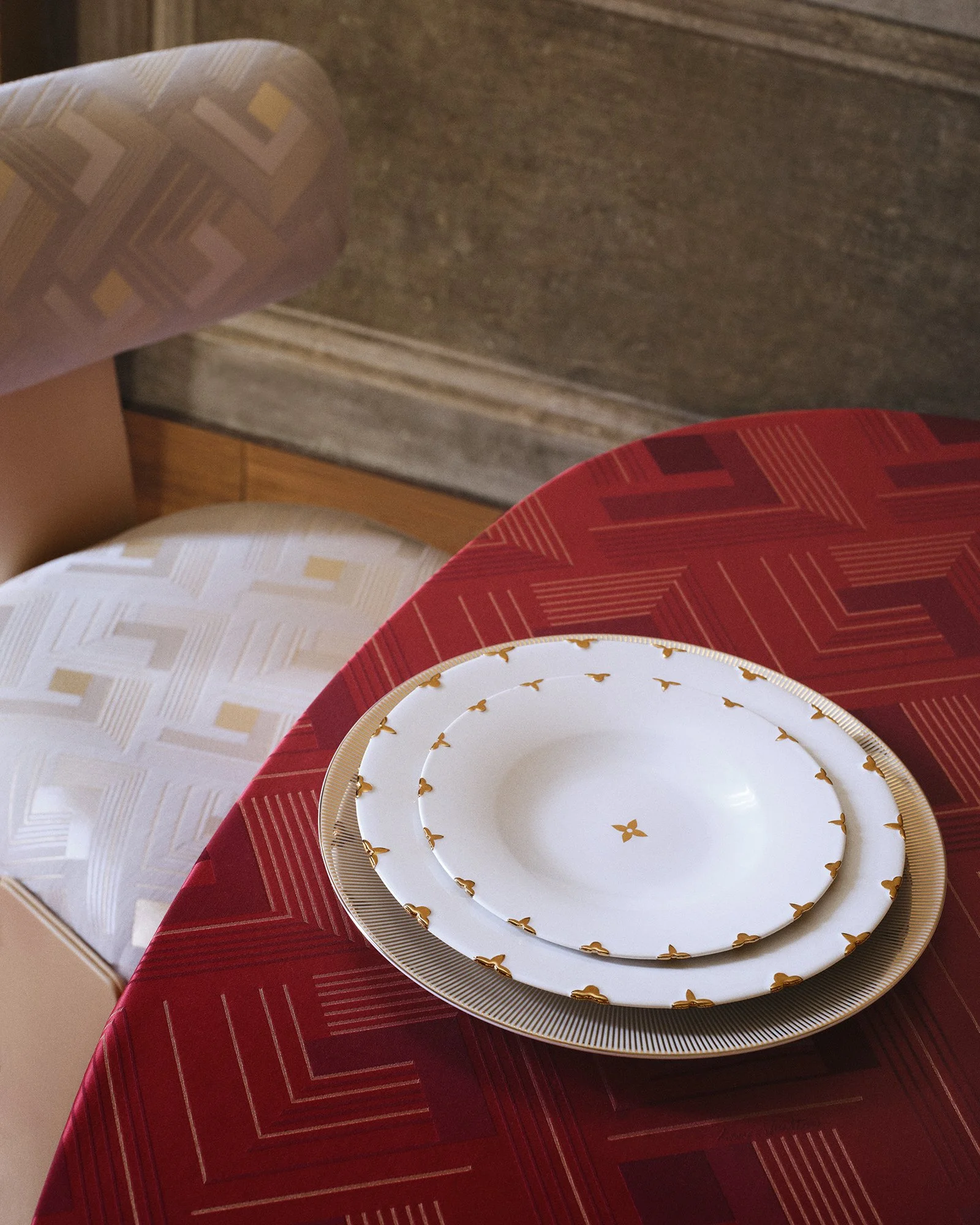
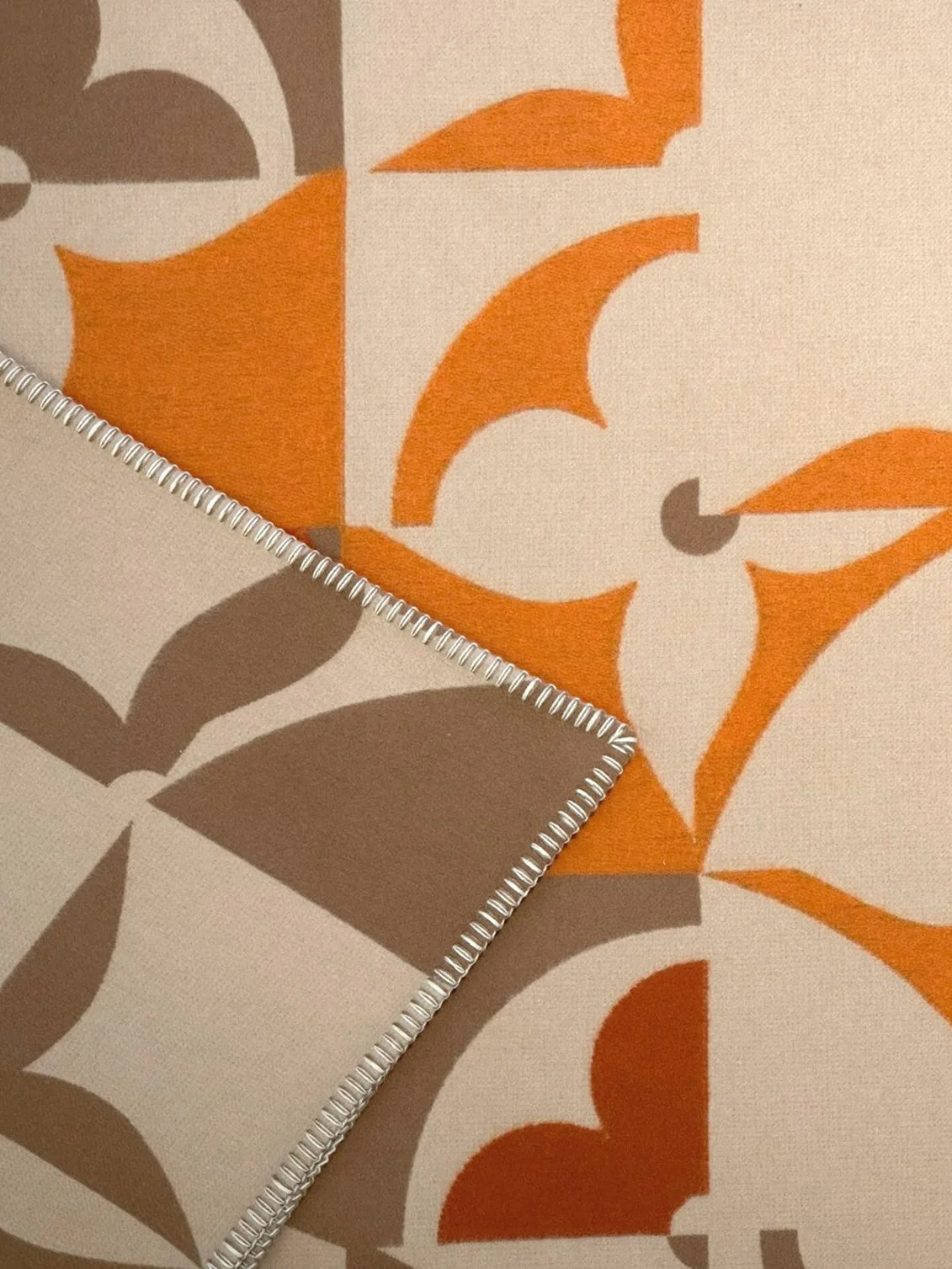
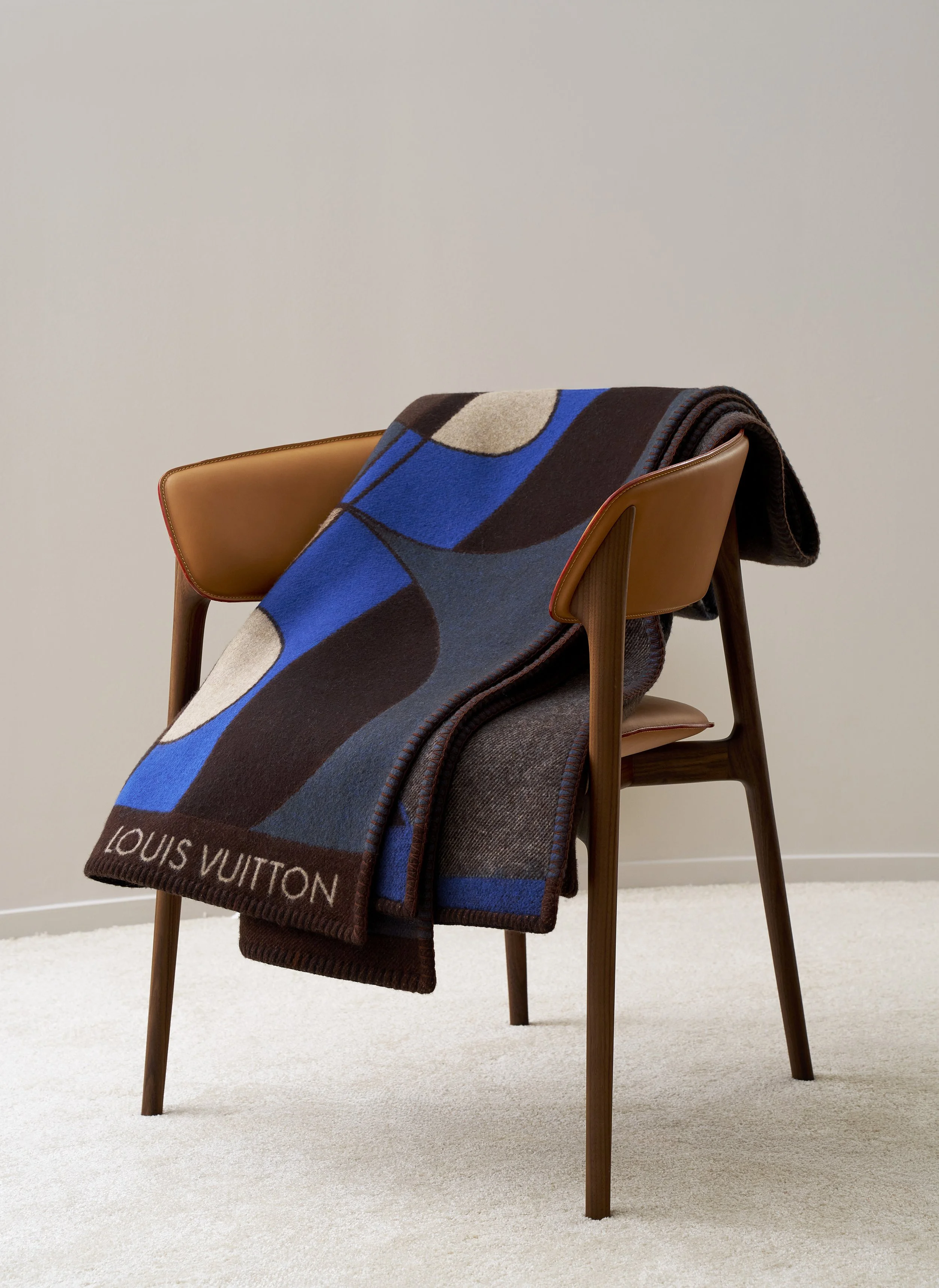
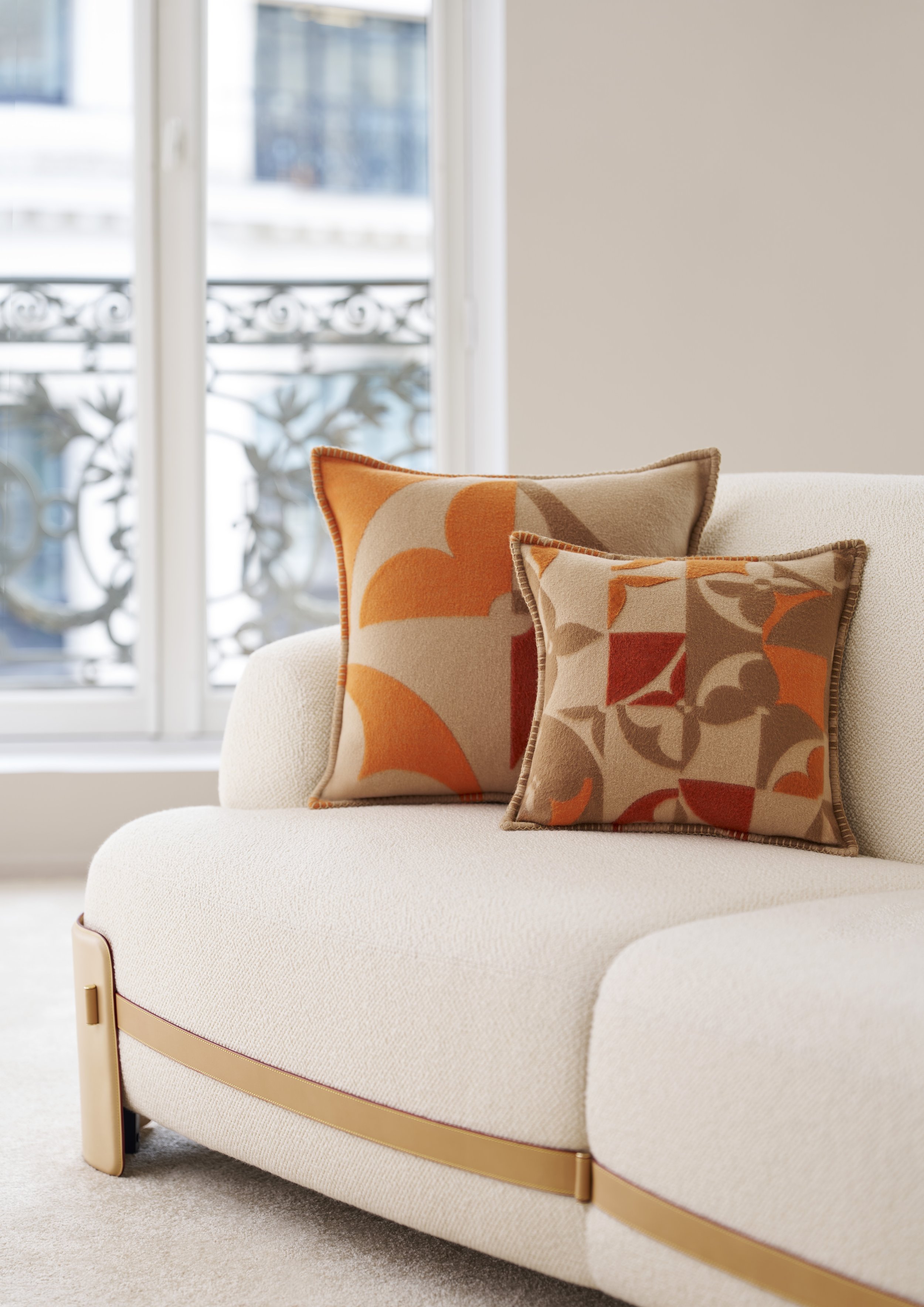
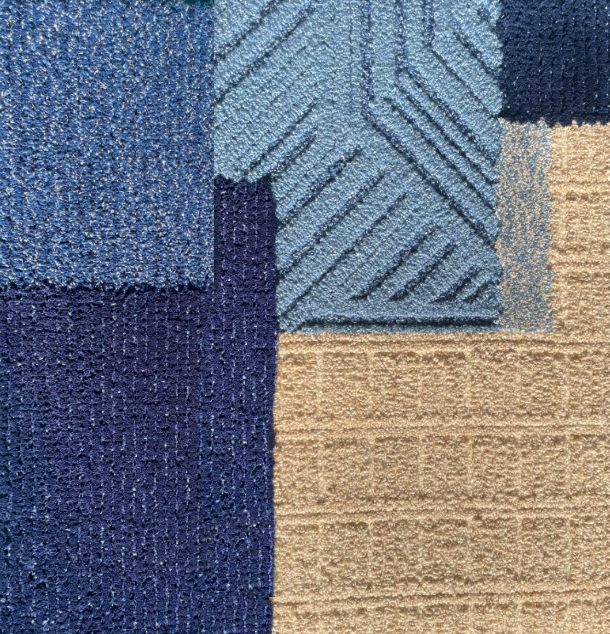
Rather than presenting history as static, Louis Vuitton activates it. Legrain’s geometries are translated into contemporary textiles and furniture, creating a visual rhythm that feels equally at home in 1925 and 2026. This is not nostalgia—it’s continuity.
Objets Nomades as Living Architecture
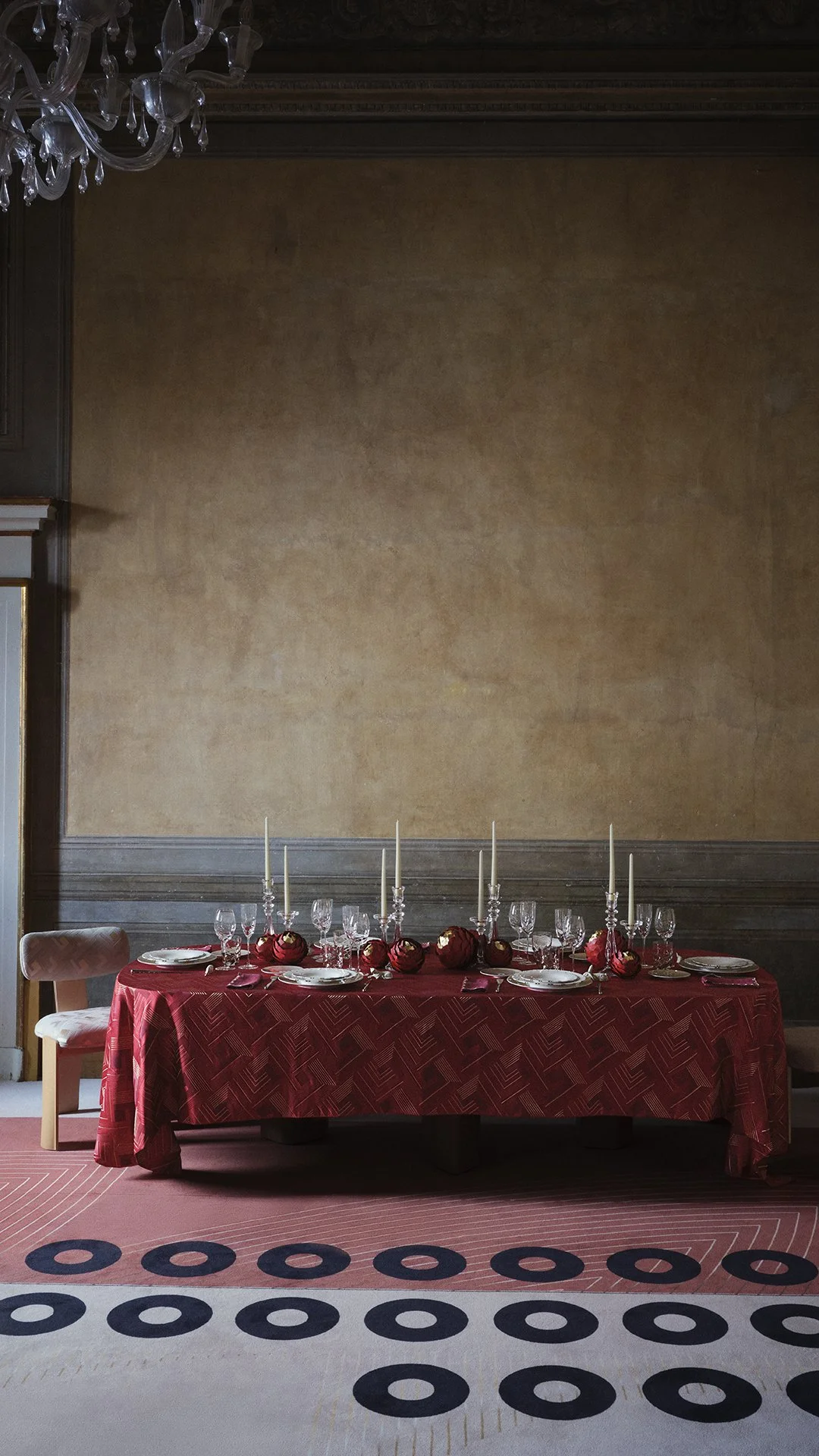
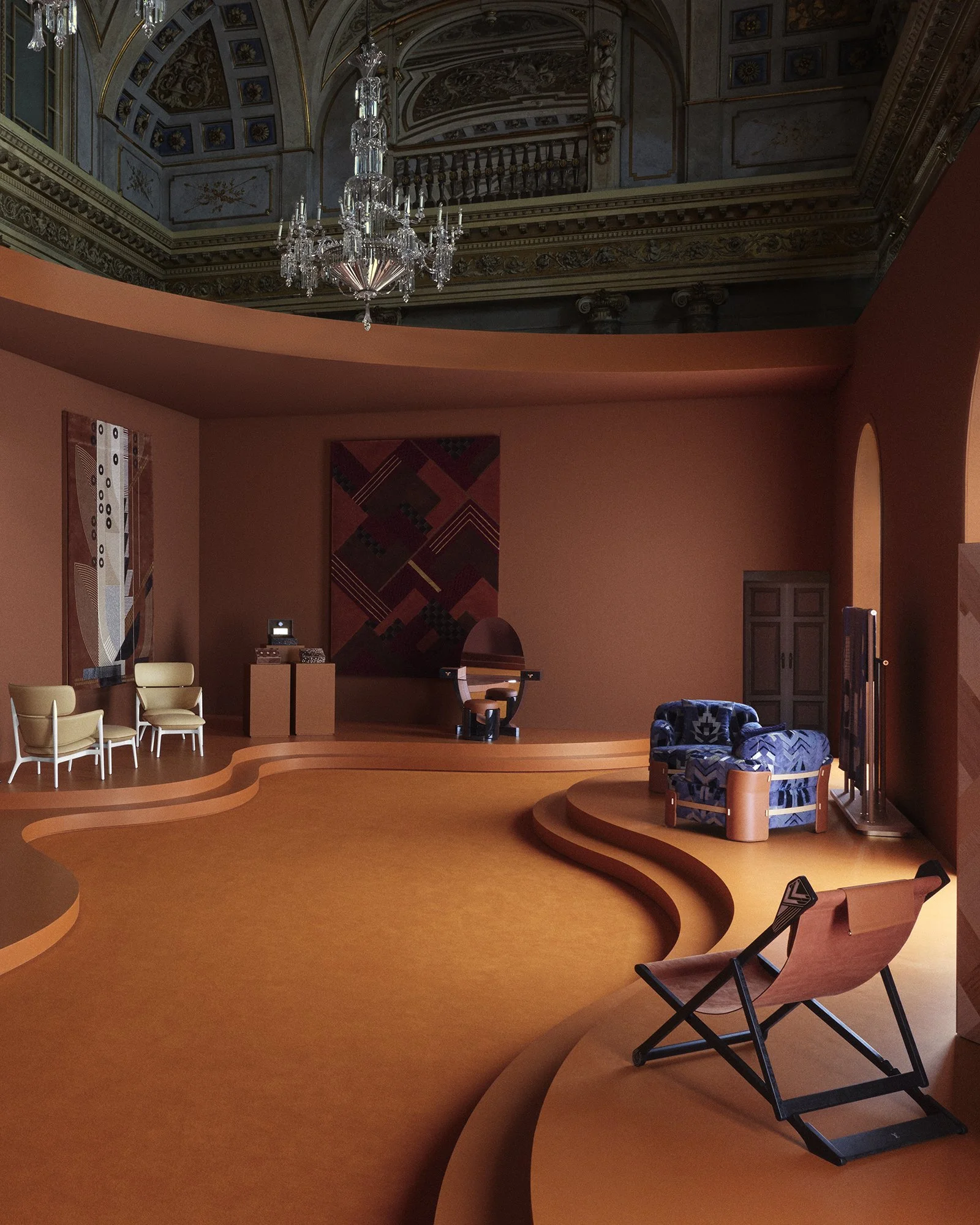
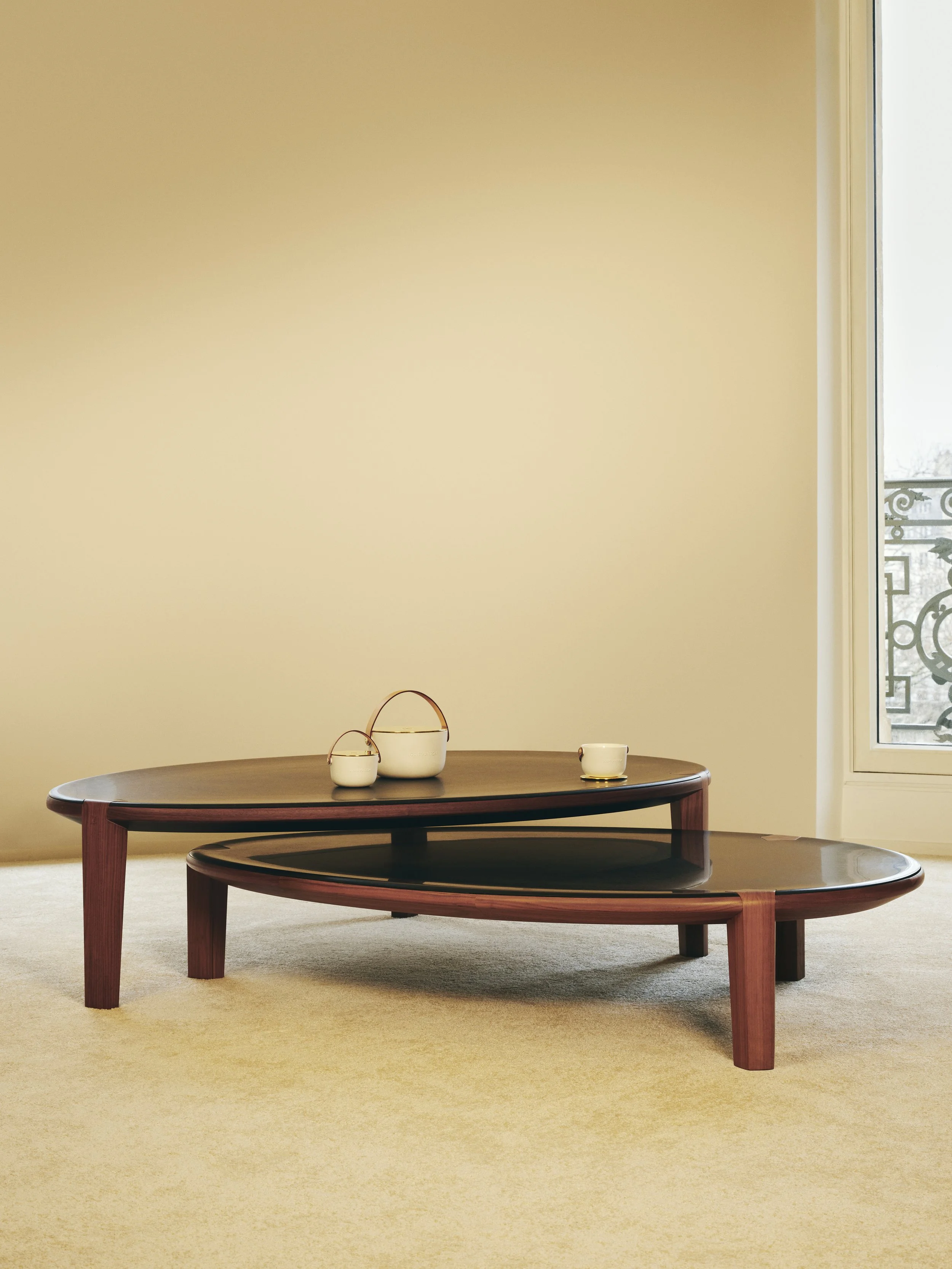
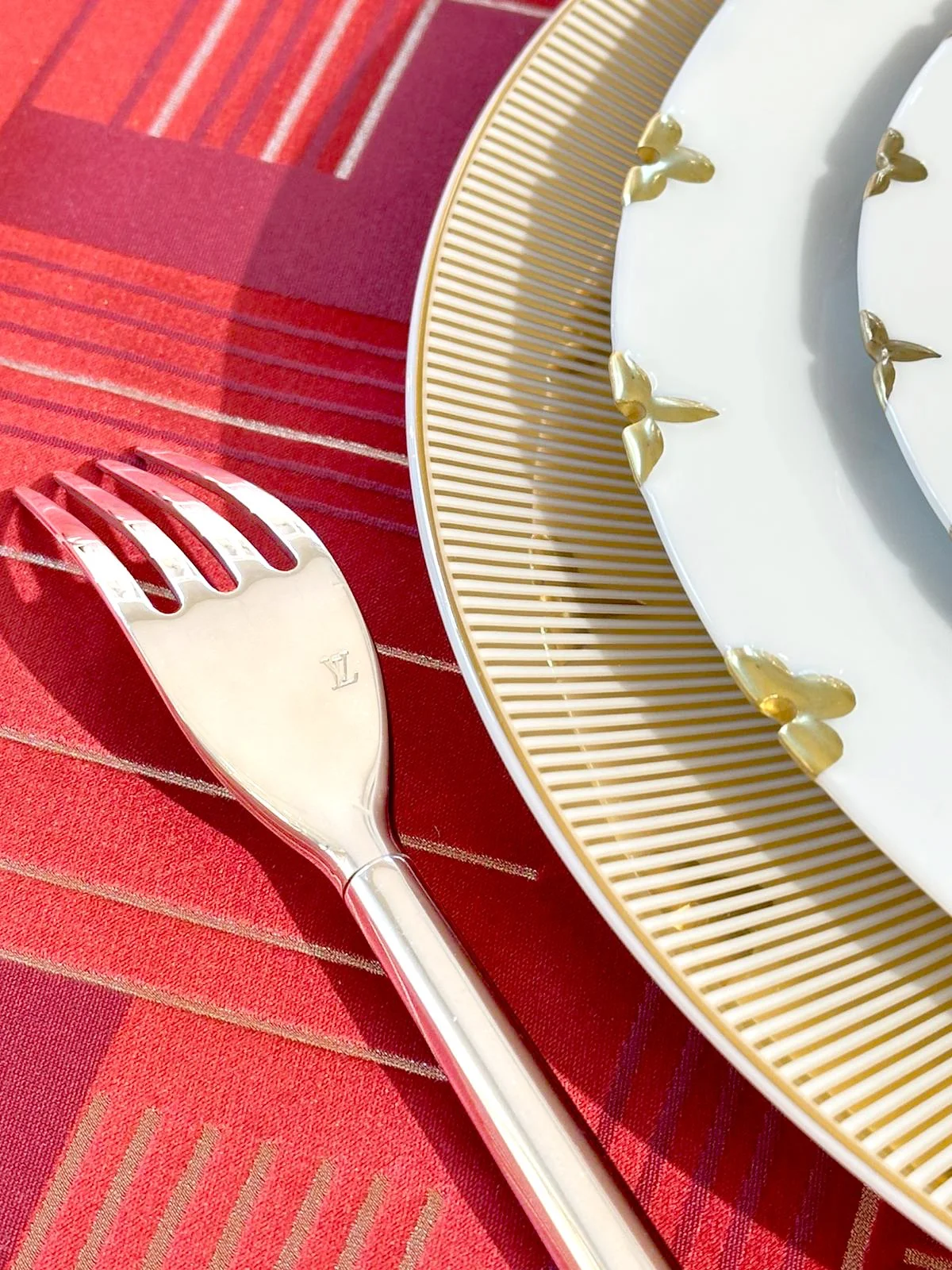
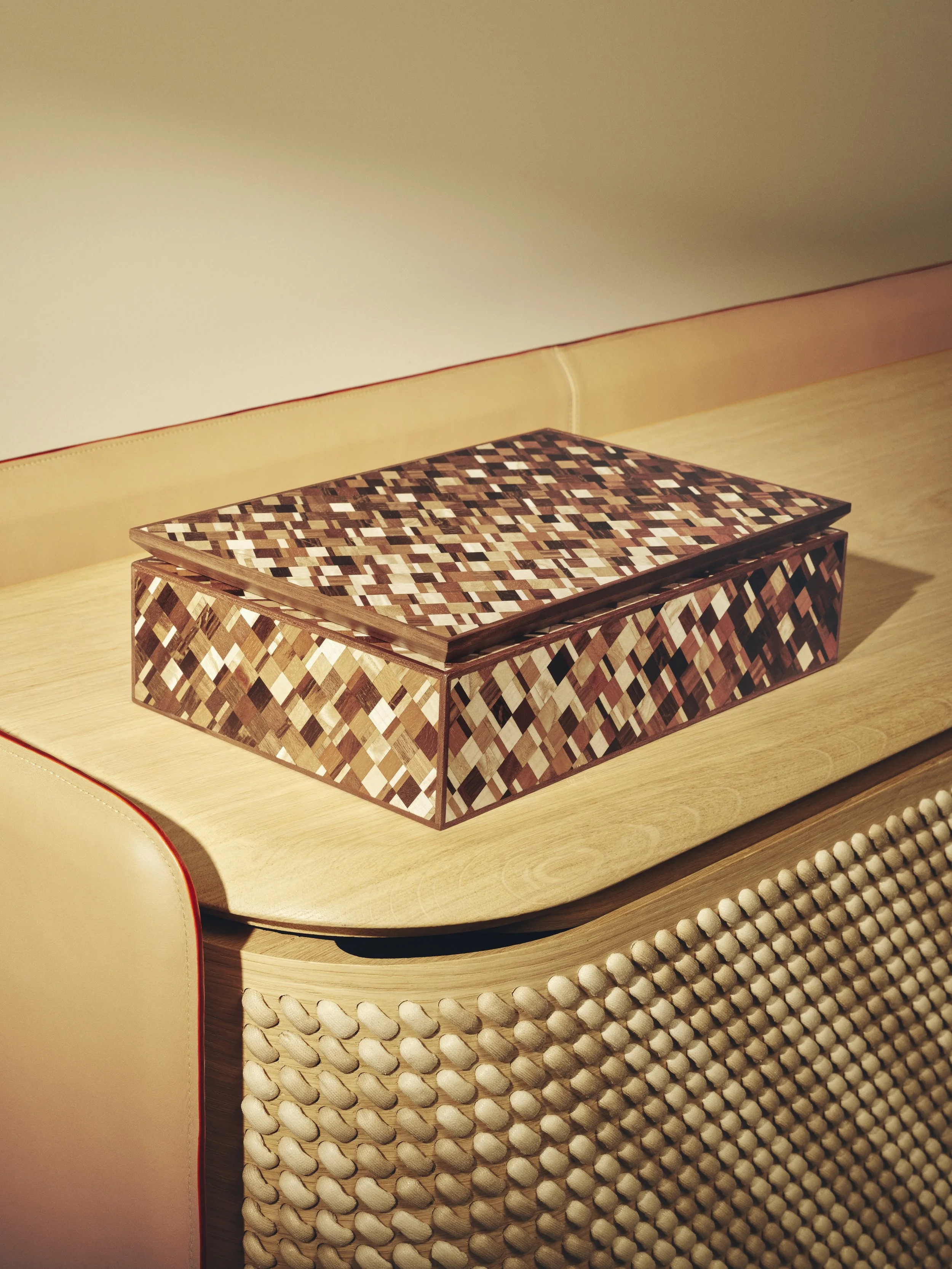
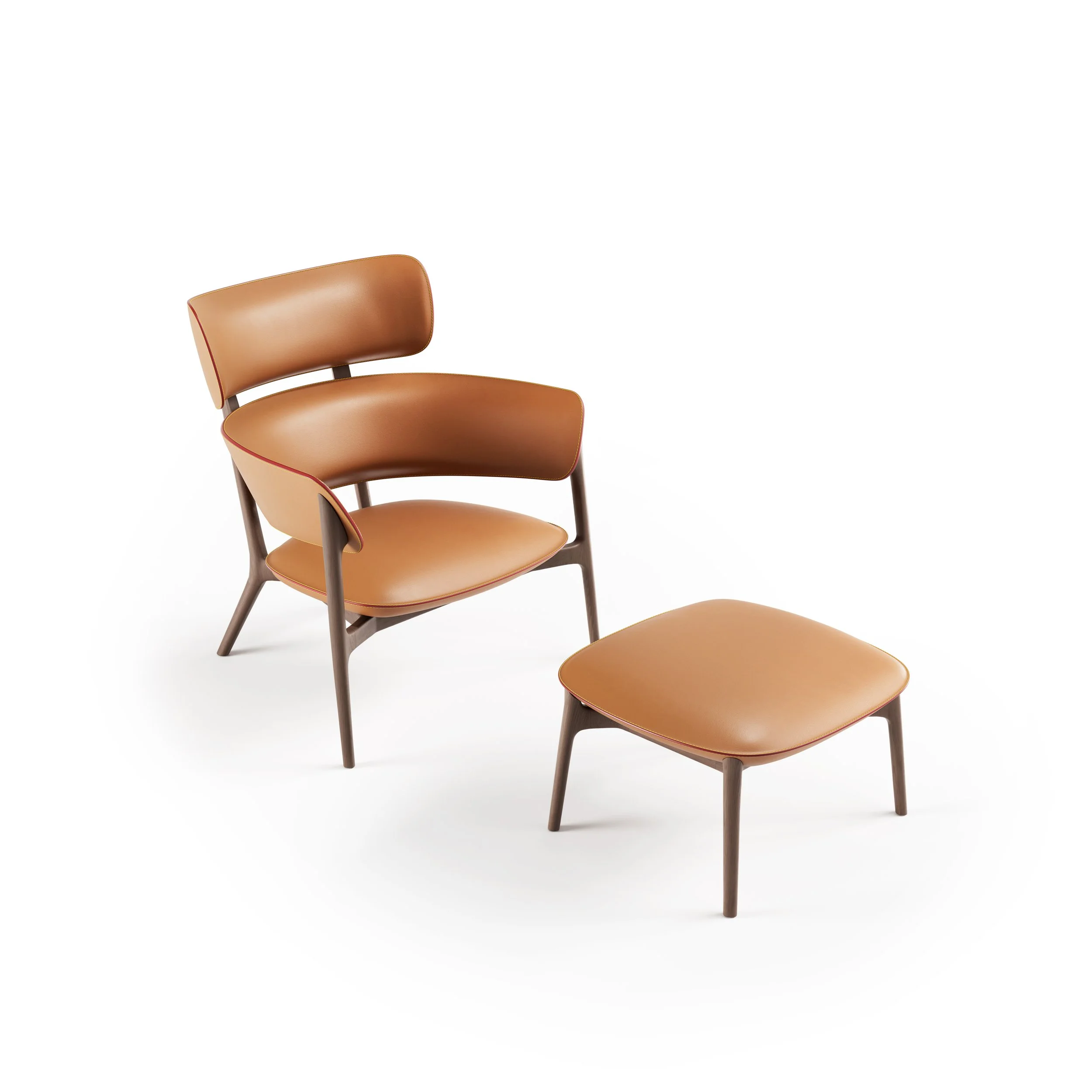
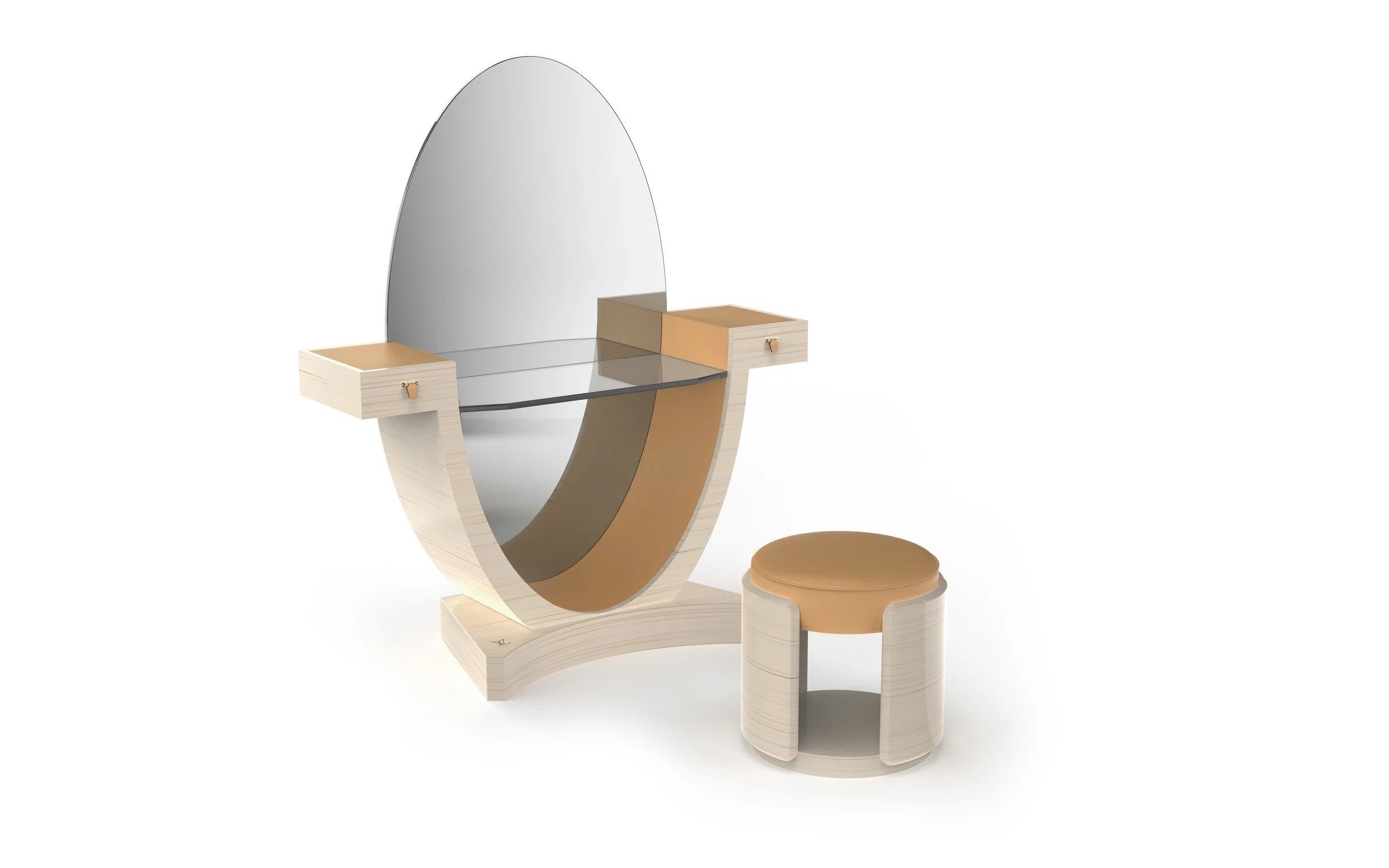
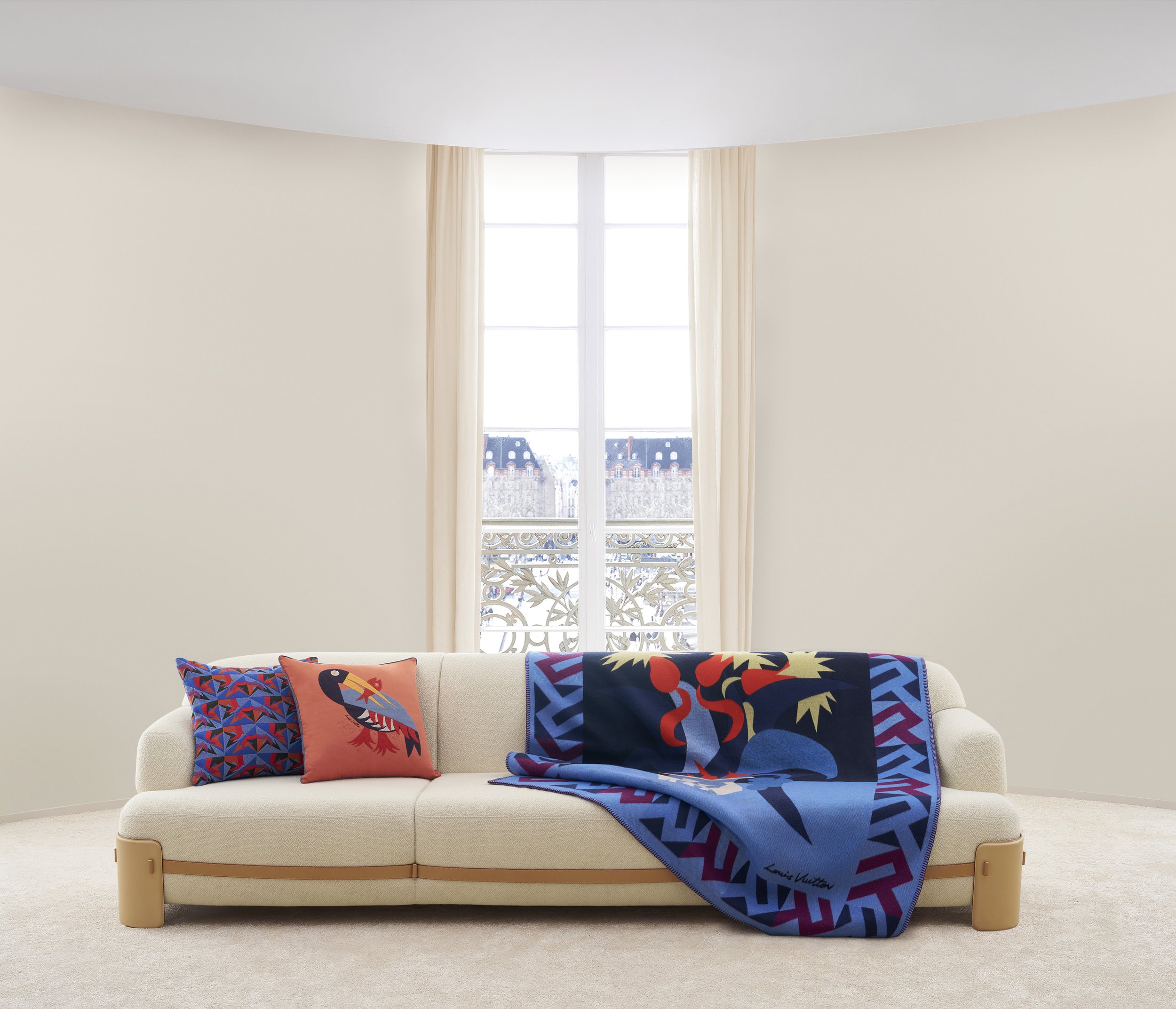
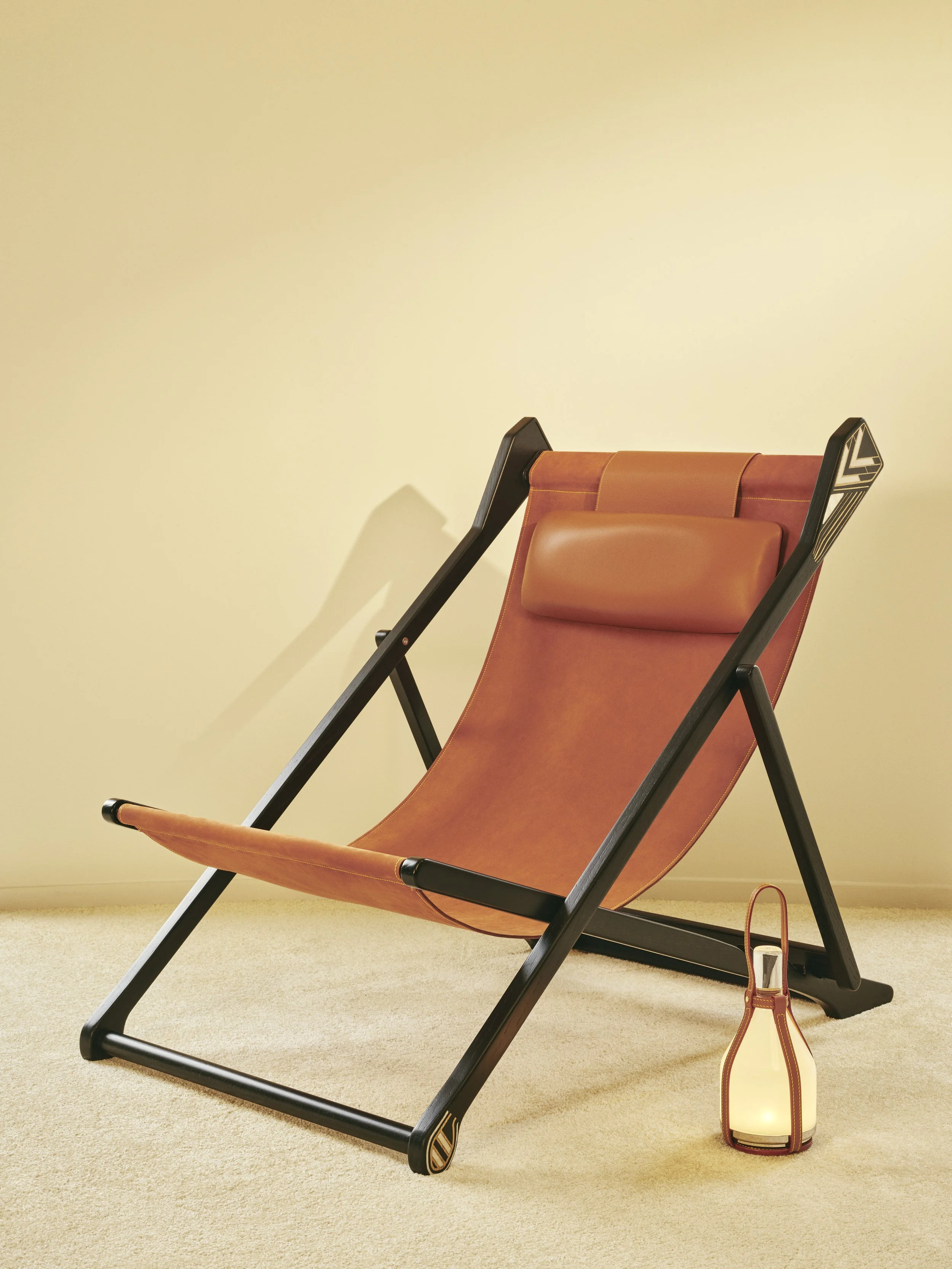
The Objets Nomades collection has always operated at the intersection of mobility and imagination, and here it expands into a fully realized domestic universe. Pieces unfold across immersive environments—drawing rooms, libraries, and dining spaces—each anchored by bold color narratives and tactile contrasts.
Designers including Marc Newson, Patrick Jouin, and Cristian Mohaded contribute works that blur the line between functional object and collectible design. Their interventions are not ornamental—they extend the House’s original proposition: that travel is not merely movement, but a way of seeing.
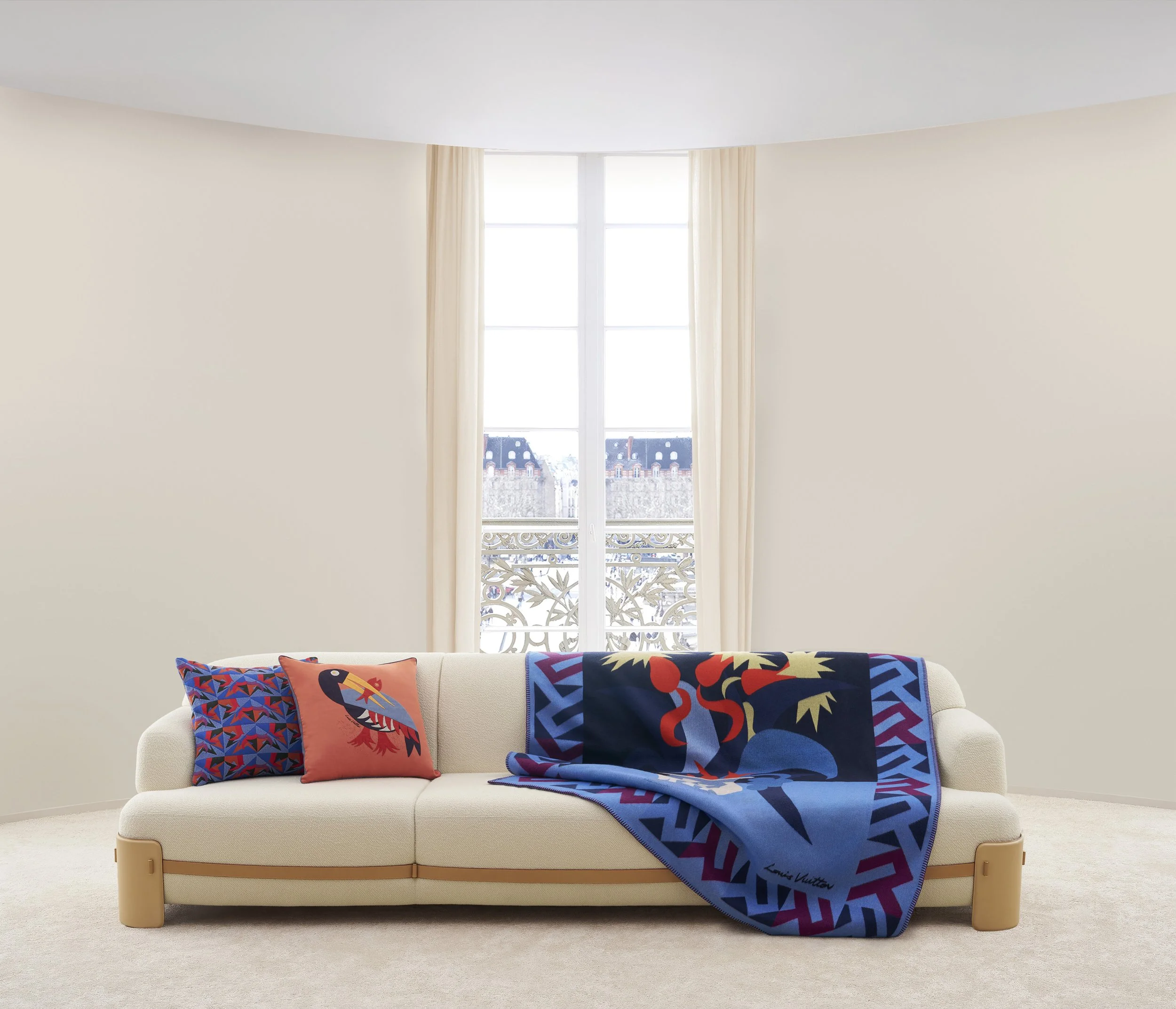
A standout is the reissue of pieces inspired by Charlotte Perriand, whose early textile explorations from the 1920s are reinterpreted through a contemporary lens. The result is a seamless interplay between modernist restraint and Louis Vuitton’s enduring decorative language.
Craft as Spectacle
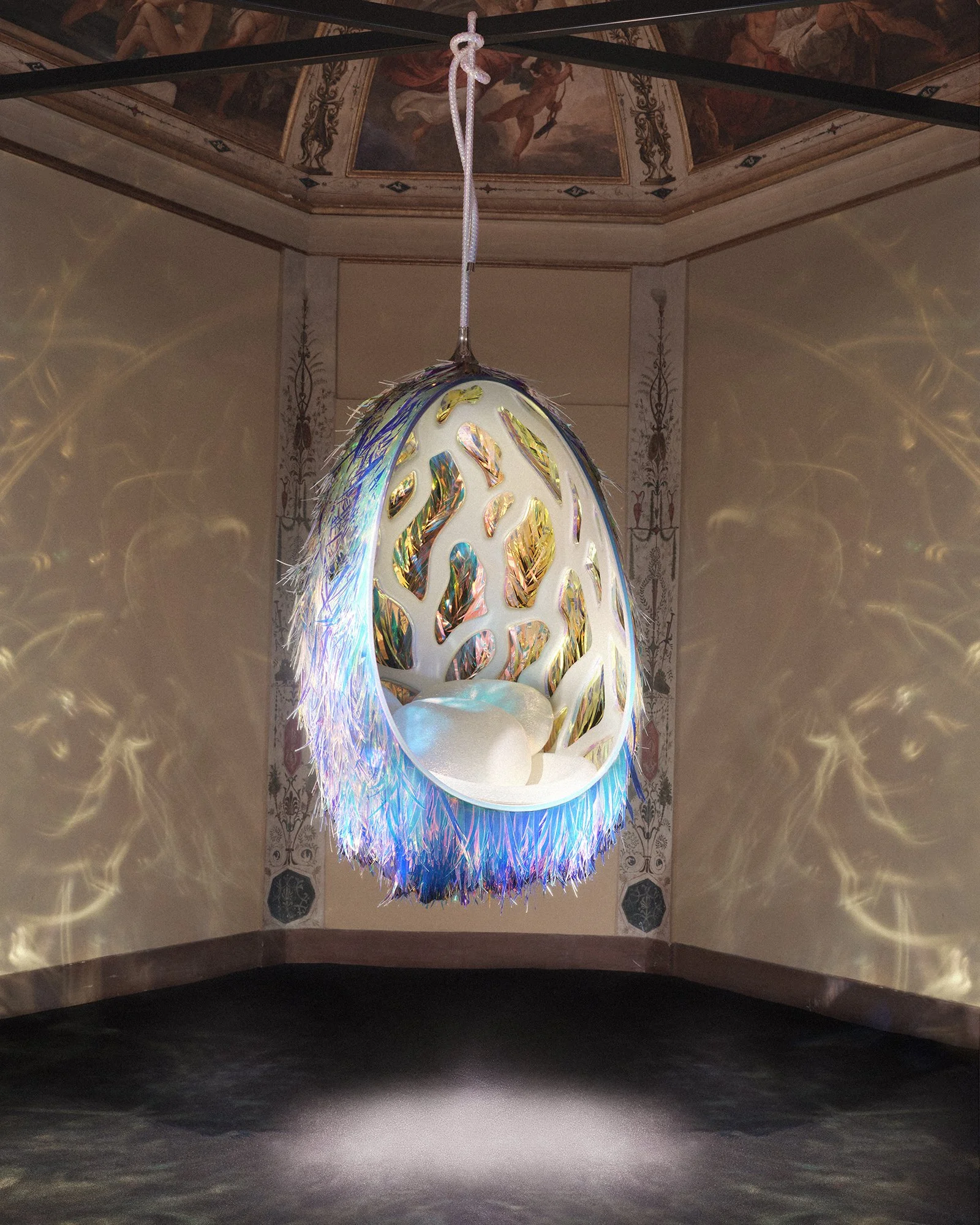
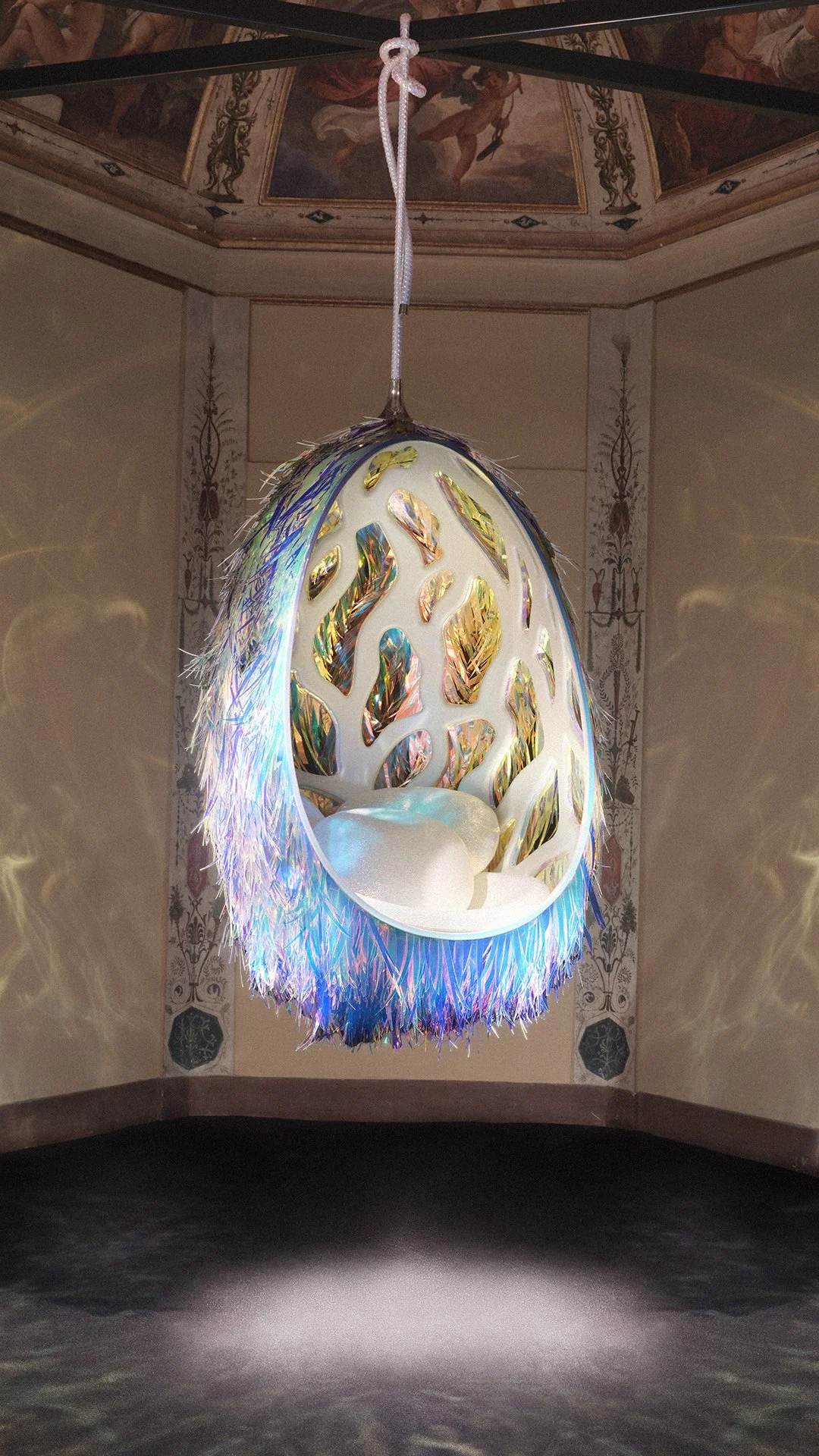
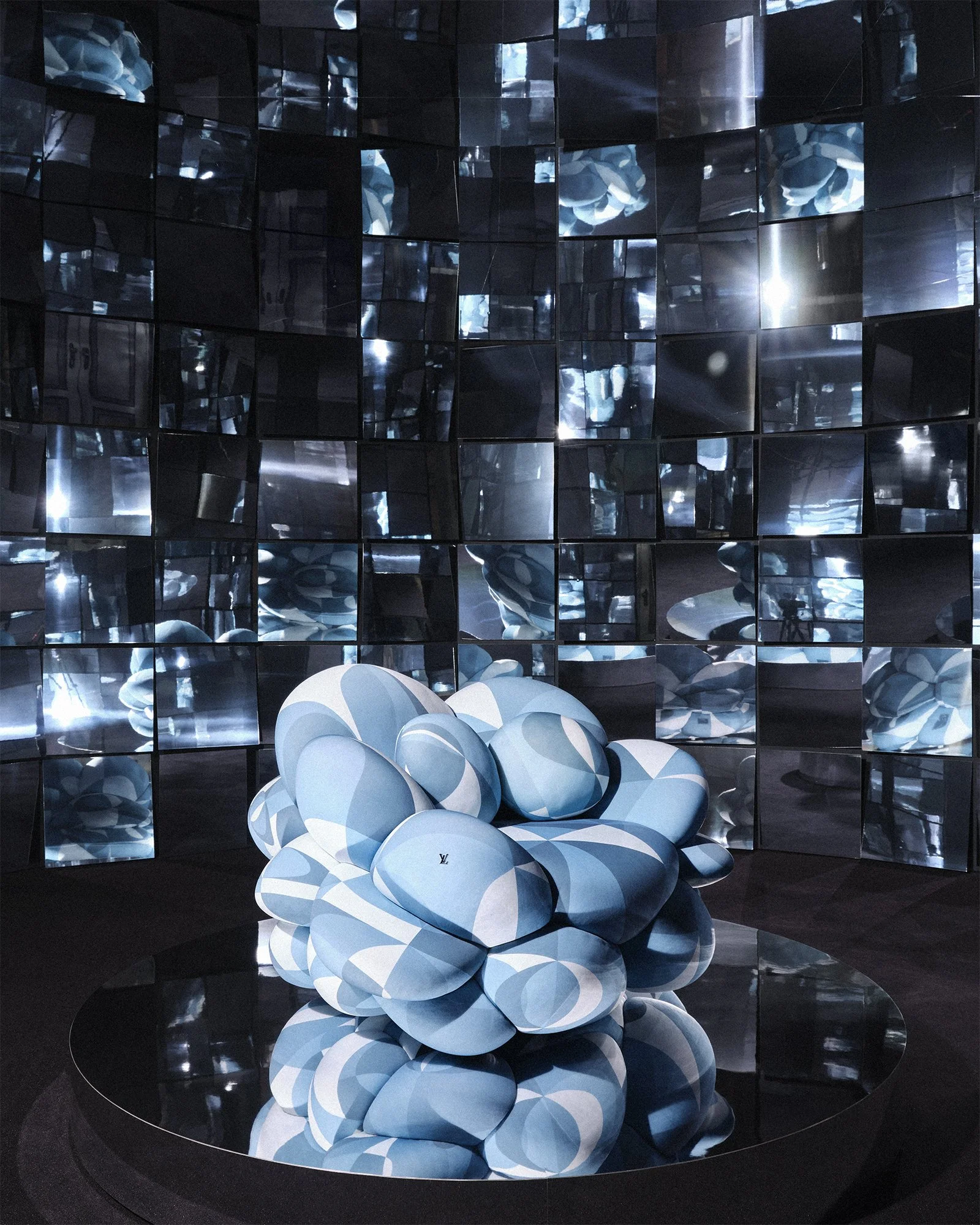
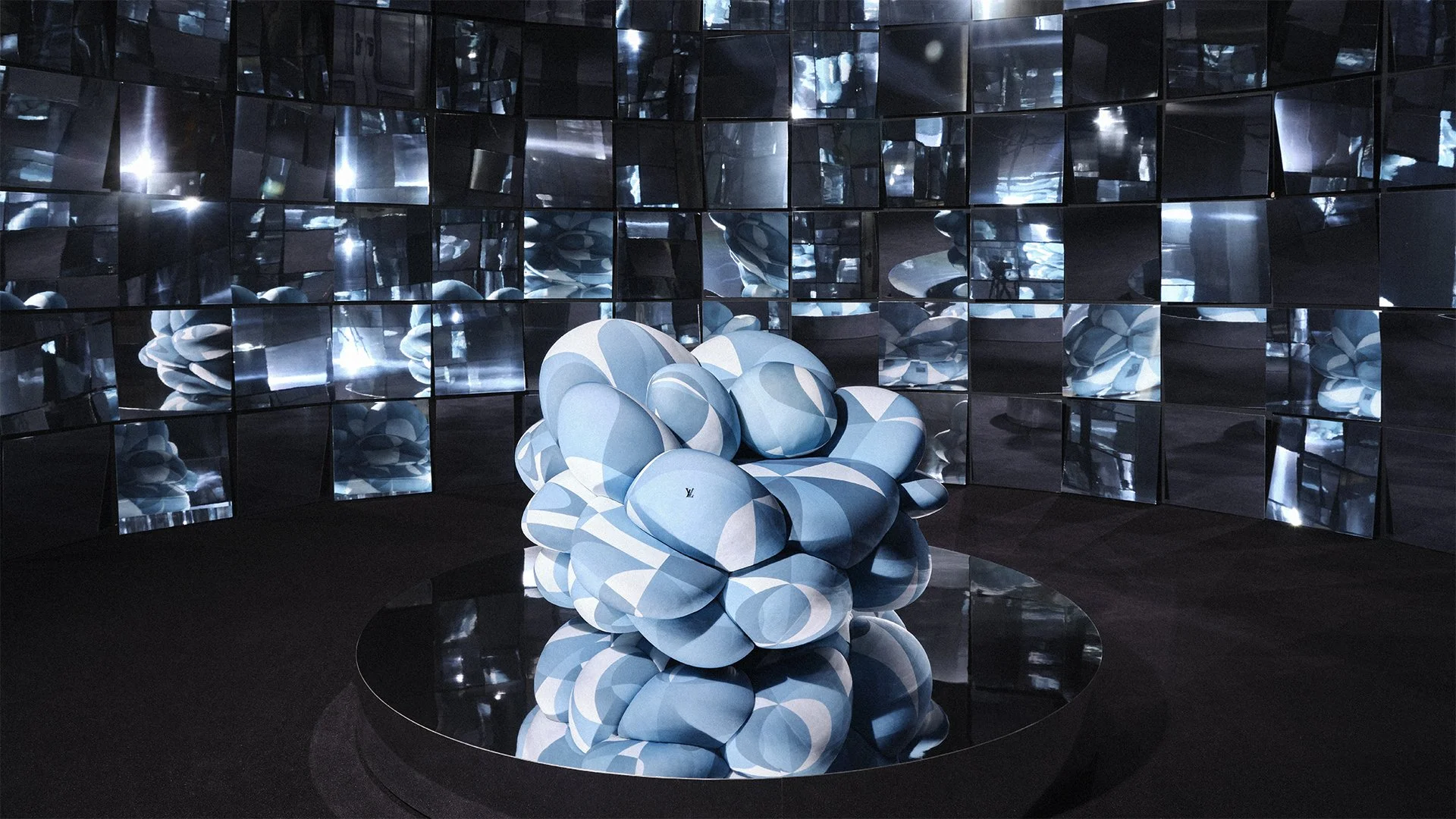
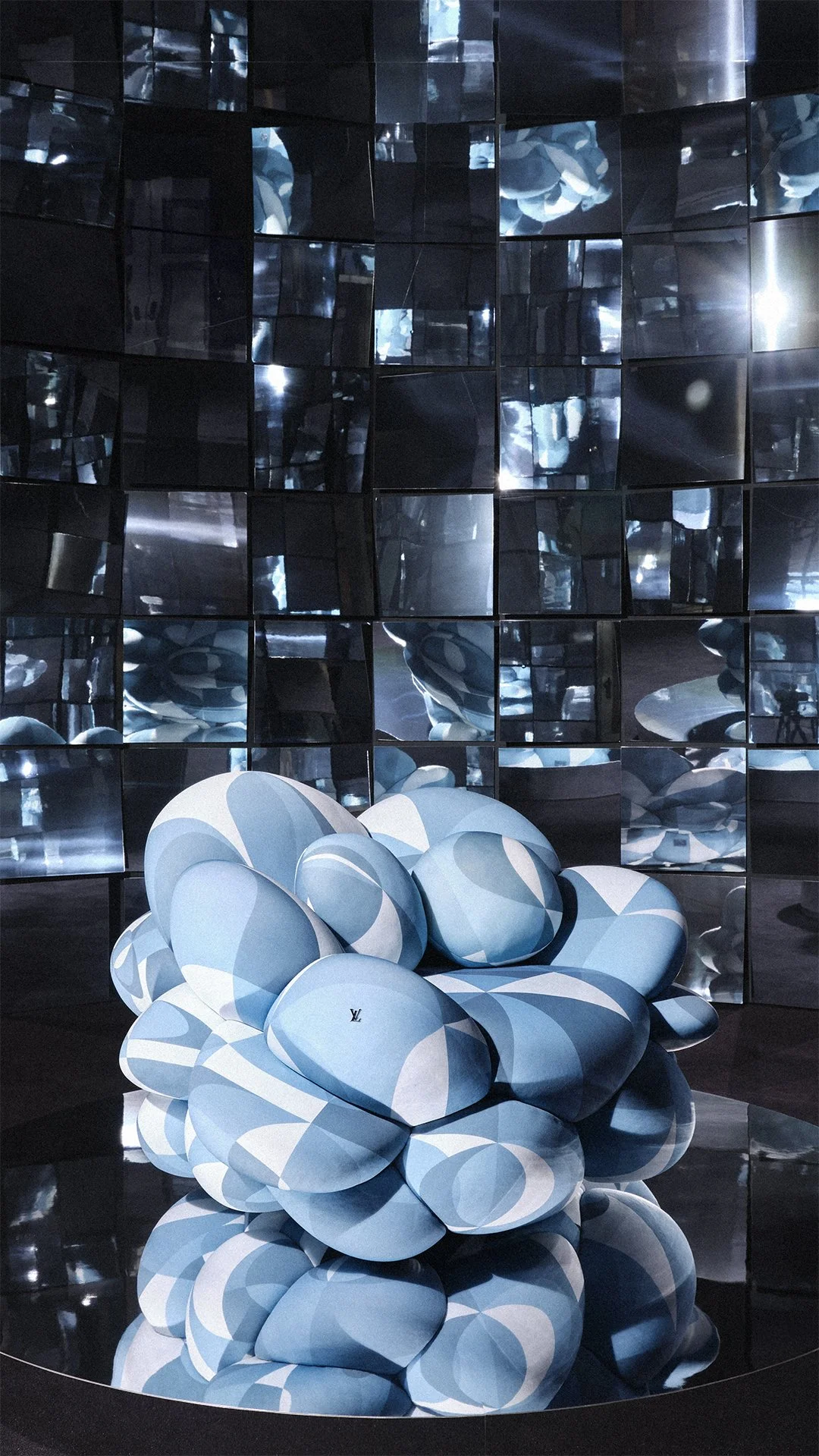
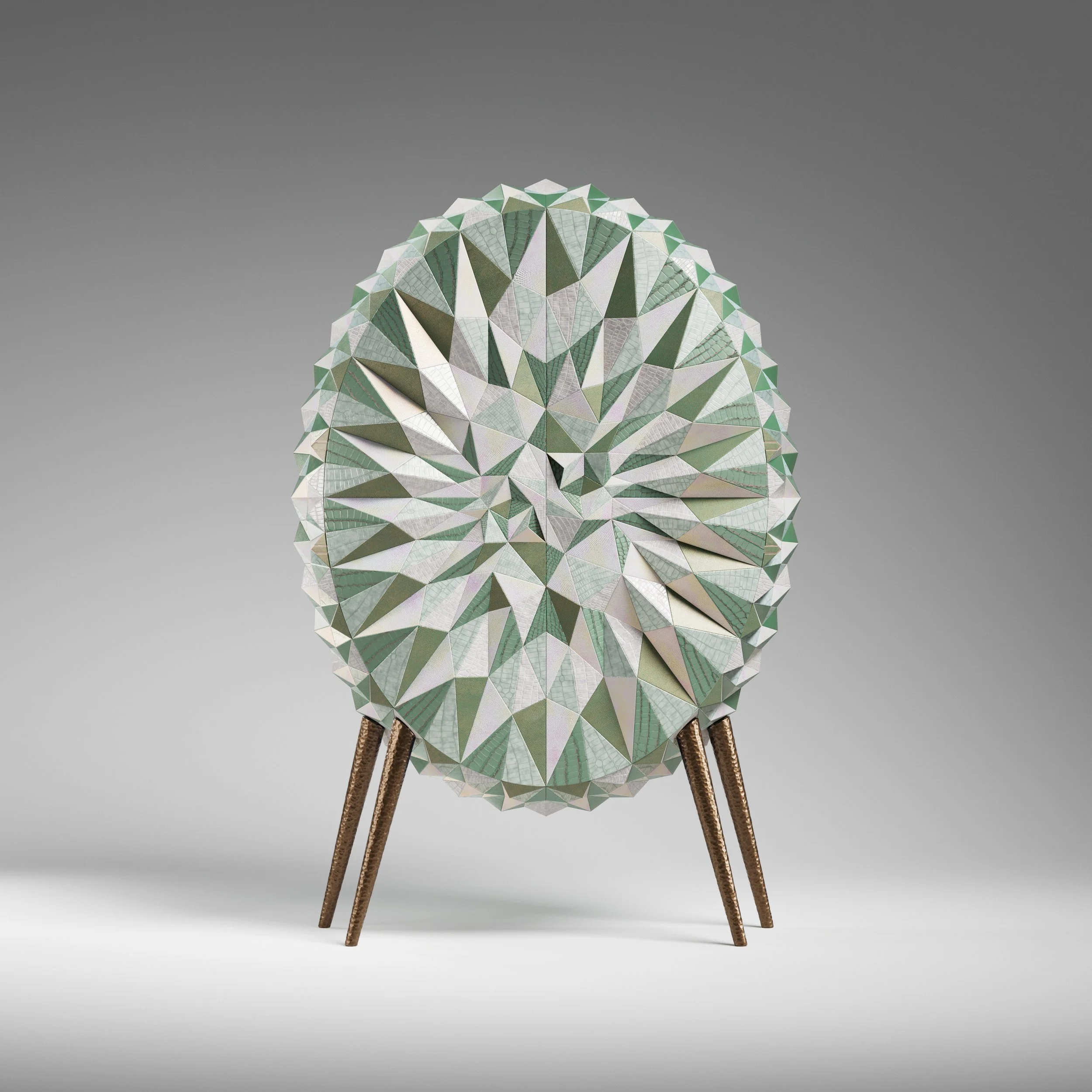
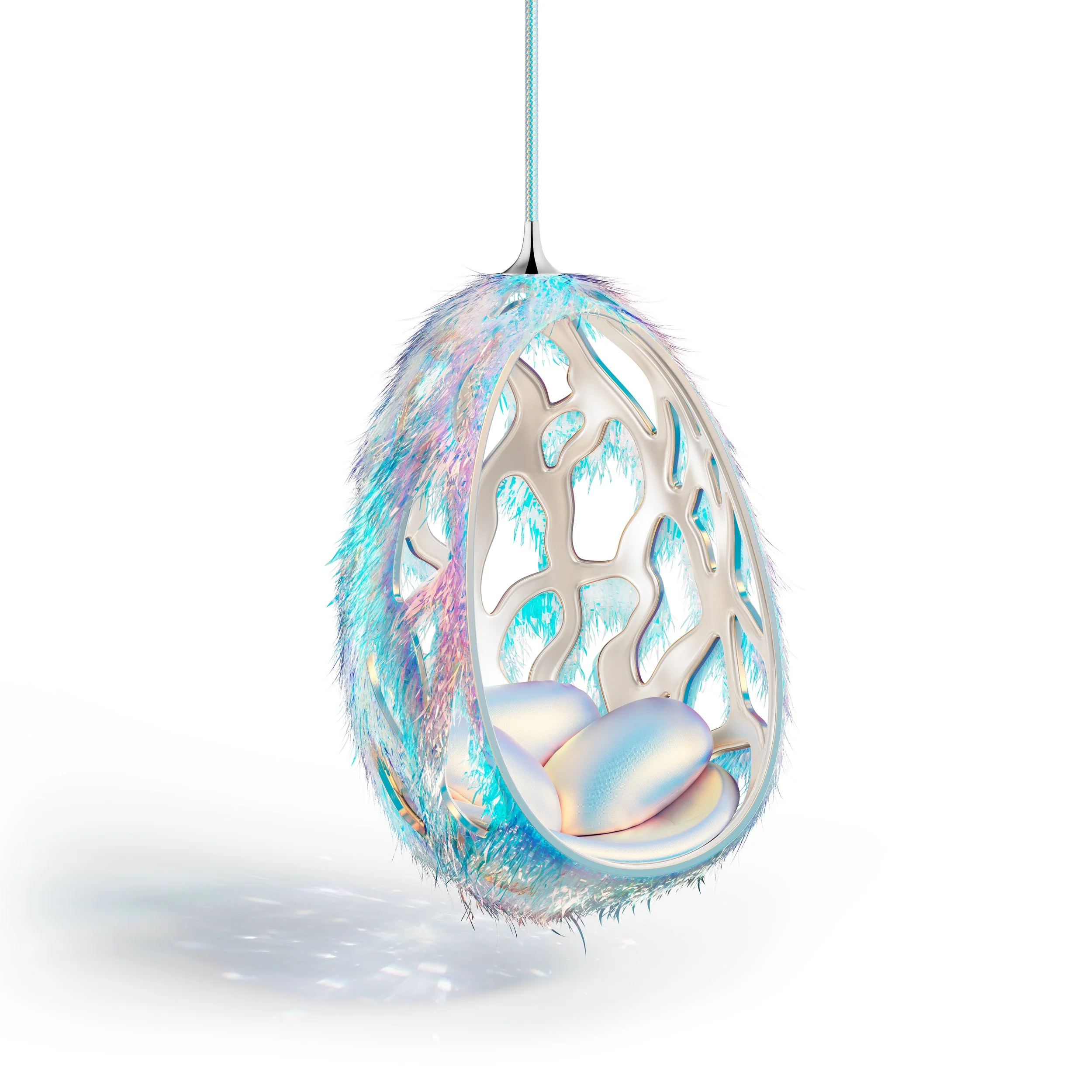
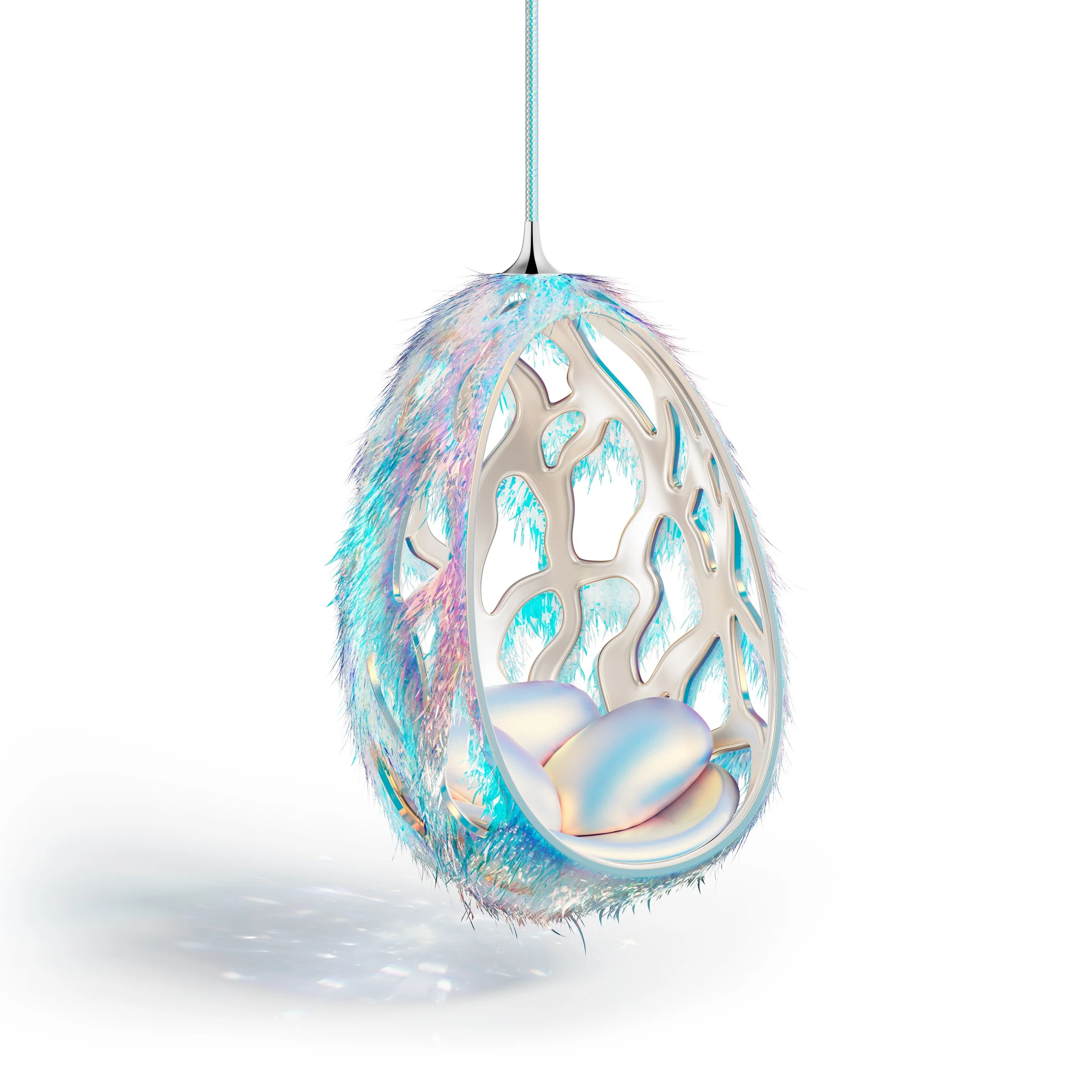
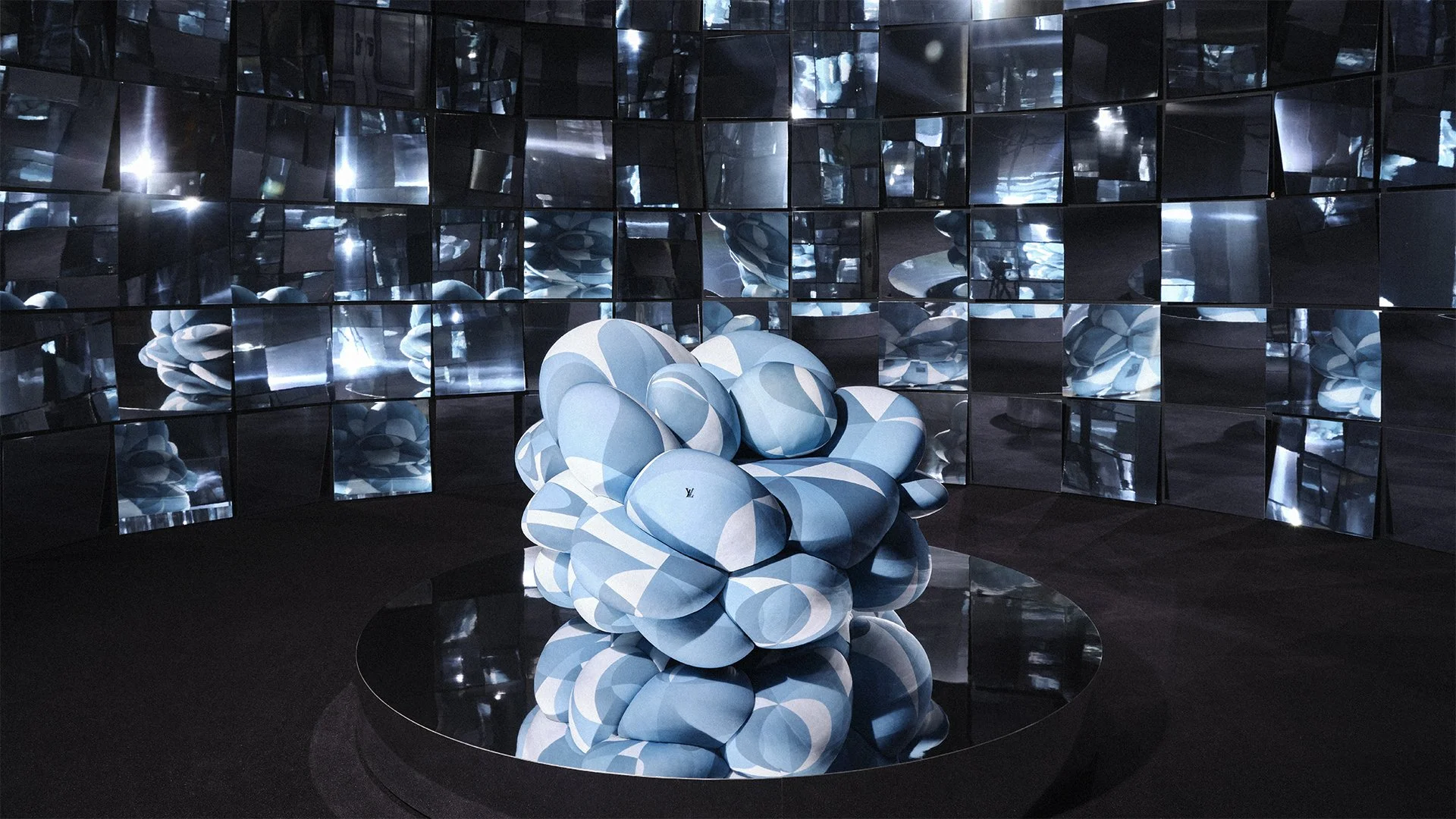
In the Boudoir, Brazilian design duo Estudio Campana introduces a surrealist dimension. Their Cabinet Kaléidoscope and reimagined Baby-foot table—inhabited by mythic aquatic figures—transform craftsmanship into narrative. Nearby, the Cocoon Dichroic pushes material experimentation further, its iridescent surfaces shifting with light and movement.
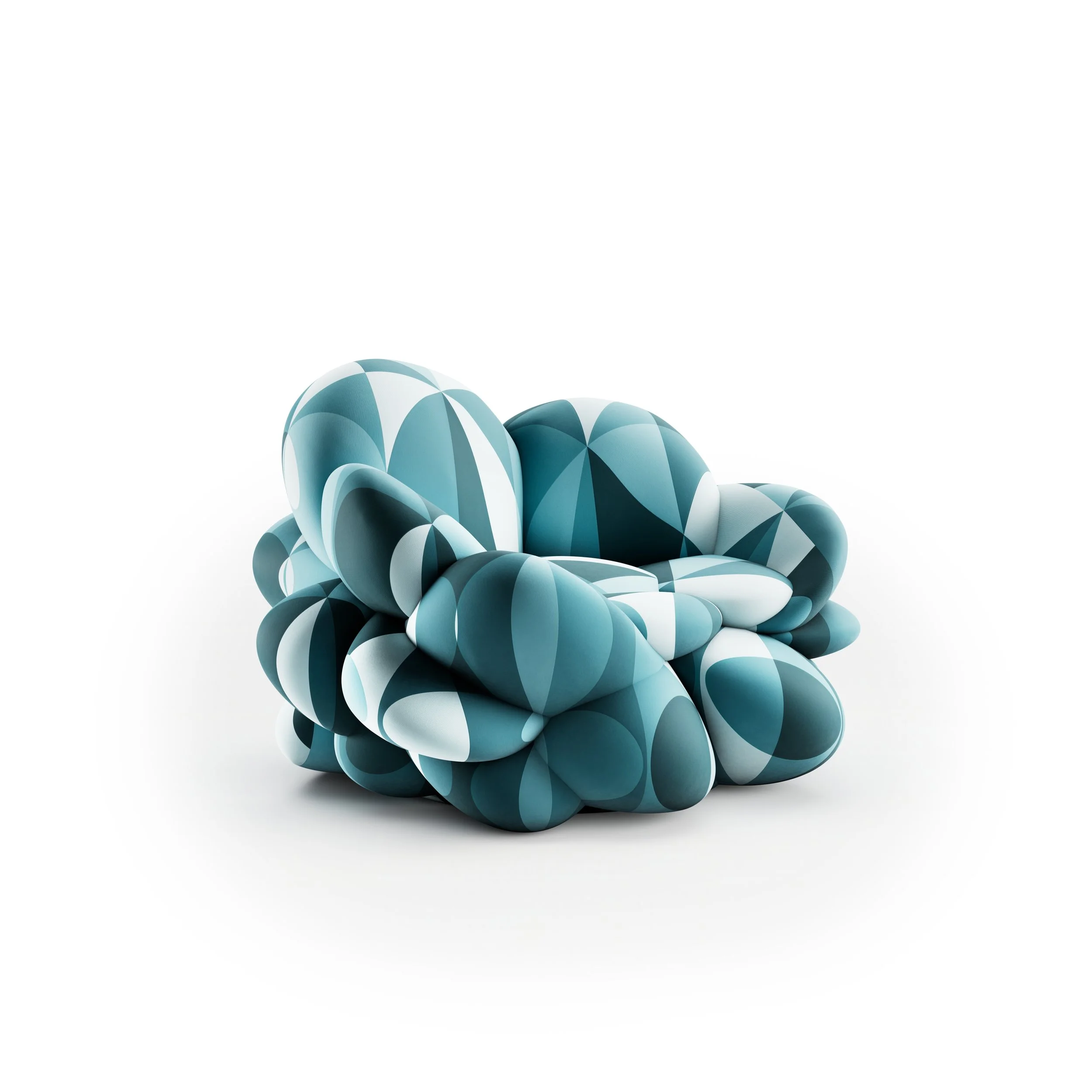
Elsewhere, the Stella Armchair by Raw Edges explores perception itself, using textile illusion to redefine comfort as both physical and visual experience.
These works underscore a critical shift: luxury is no longer defined solely by material rarity, but by intellectual and emotional resonance.
The Trunk as Cultural Artifact
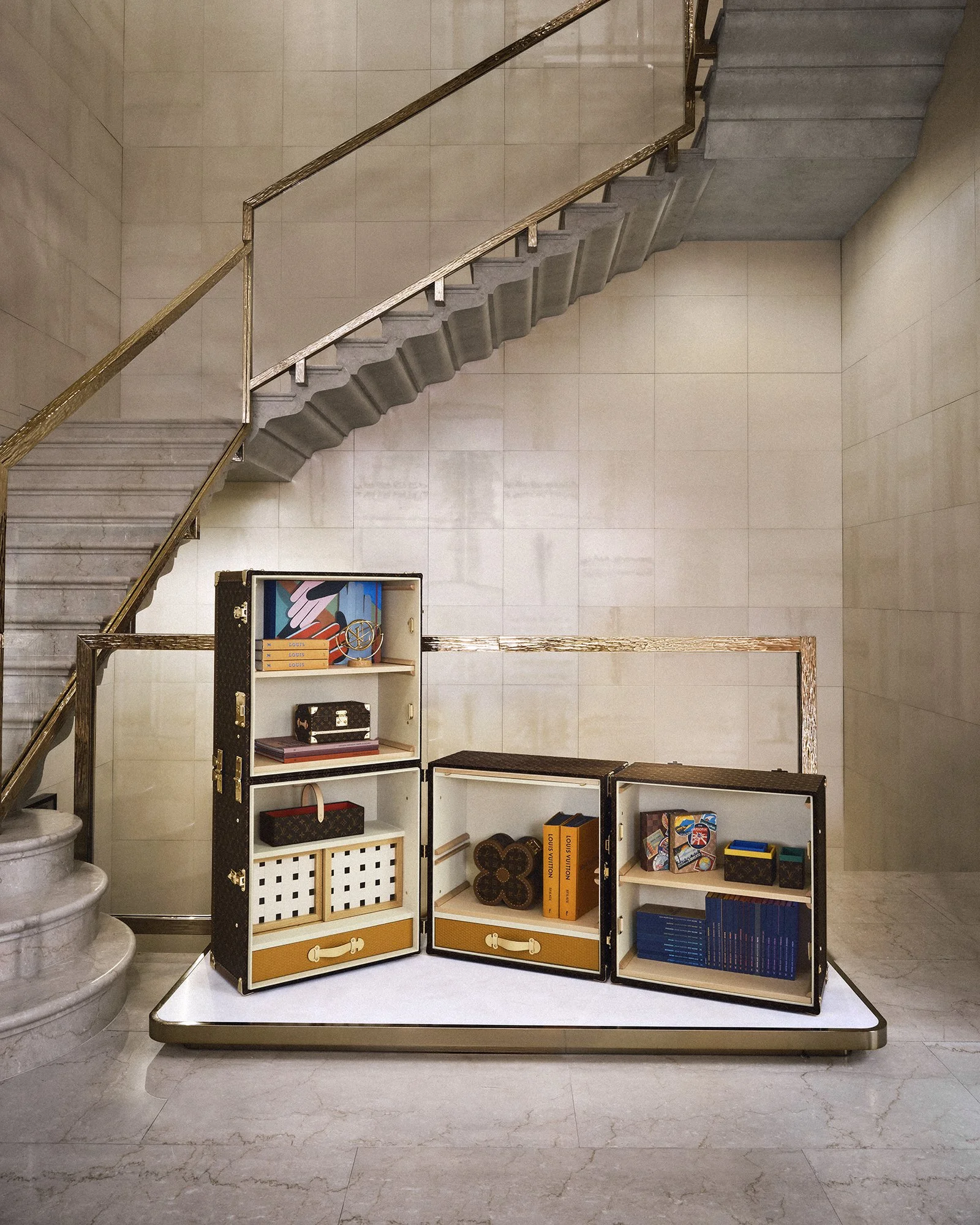
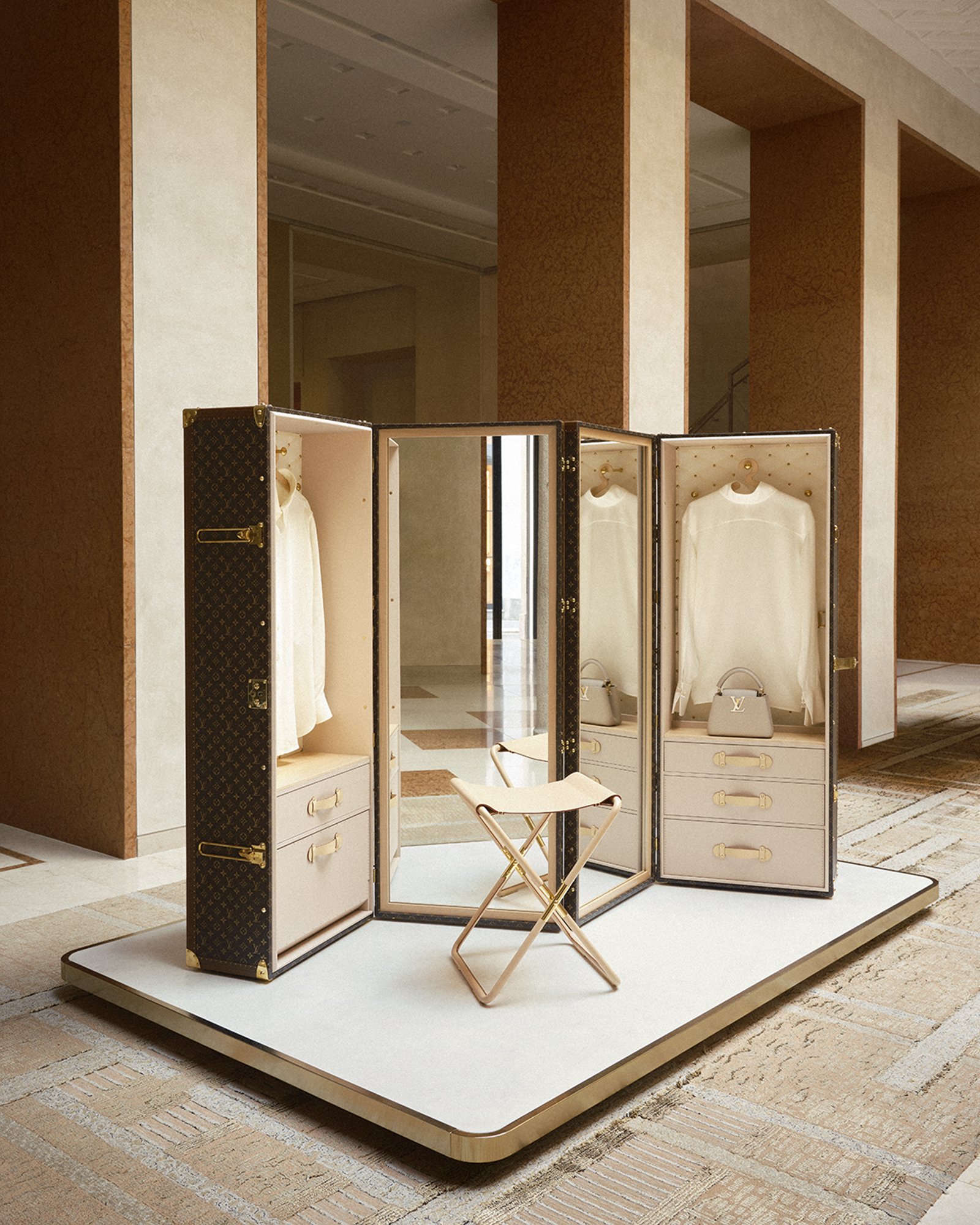
While Objets Nomades gestures toward the future, Louis Vuitton’s trunks remain its philosophical core. At its Via Montenapoleone outpost, the House presents sculptural evolutions of its most iconic form—none more striking than the stained-glass Malle Courrier created under the direction of Pharrell Williams.
Here, the trunk becomes architecture: luminous, intricate, and deeply symbolic of the House’s legacy in redefining travel. The Malle Lit and Malle Paravent extend this thinking, transforming portability into an immersive lifestyle concept—one that anticipates a world where mobility and permanence coexist.
A New Model for Cultural Retail
The inclusion of a Louis Vuitton Editions pop-up bookstore signals something broader: the exhibition is not simply about objects, but about context. City Guides, Travel Books, and Fashion Eye publications reinforce the House’s position as a cultural publisher as much as a luxury brand.
In Milan, Louis Vuitton is not just showing product—it is constructing an ecosystem of ideas. One where design, literature, travel, and craft intersect to form a cohesive narrative.
Legacy as Strategy
What emerges from Palazzo Serbelloni is a clear articulation of Louis Vuitton’s long-term vision. By activating its archives while investing in contemporary collaborators, the House avoids the binary of heritage versus innovation. Instead, it positions itself within a continuum—where each object, whether trunk or armchair, contributes to an evolving definition of modern luxury.
In a landscape increasingly driven by immediacy, Louis Vuitton’s approach feels almost contrarian. It asks for time: to look, to connect, to understand.
And in doing so, it reminds us that the future of design may not lie in what’s new—but in how intelligently we reinterpret what already exists.