
Abu Dhabi And A Region in Motion: Travel, Tension, and the New Reality of the Middle East
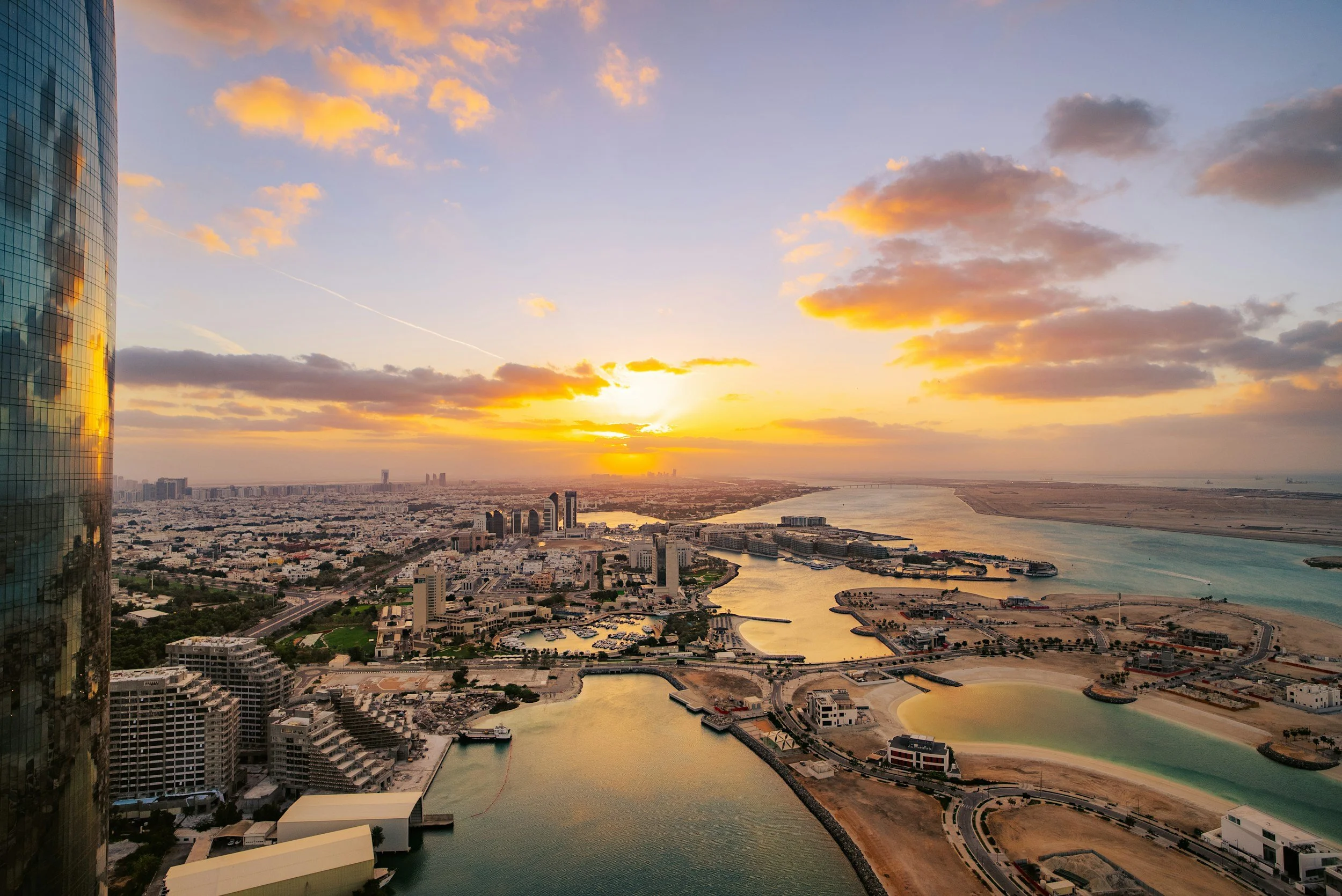
From the pyramids of Egypt to the skyline of Dubai, the Middle East has long been sold as a study in contrast—ancient civilization meeting hyper-modern ambition. In recent years, destinations like Abu Dhabi and Israel positioned themselves not just as stops on a map, but as cultural and economic hubs tied to global tourism, luxury retail, and aviation.
But travel, as always, is a mirror of geopolitics. And right now, that mirror is fractured.
The Allure That Built a Tourism Economy
Before the current wave of conflict, the Middle East was not just recovering—it was accelerating. The region welcomed roughly 100 million tourists in 2025, accounting for nearly 7% of global travel flows.
Countries like Egypt were experiencing record-breaking growth, with 19 million visitors in 2025, fueled by renewed infrastructure and cultural investments.
Meanwhile, the UAE—particularly Dubai—had engineered an economy where tourism wasn’t supplemental, but foundational. Luxury hospitality, retail, and aviation weren’t just sectors; they were strategy.
Tourism contributes roughly 5% of the Middle East’s GDP, but its indirect influence—jobs, retail, real estate—extends far beyond that number.
War as a Disruptor of Movement
The current conflict—centered around escalating tensions involving Israel and Iran—has fundamentally altered the psychology of travel.
At its core, tourism depends on one fragile ingredient: confidence.
That confidence is now eroding.
International arrivals are projected to decline between 11% and 27% in 2026
That translates to 23–38 million fewer visitors
And up to $56 billion in lost tourism revenue
Air travel, the backbone of the region’s connectivity, has been particularly affected. Flight cancellations, rerouted airspace, and rising fuel costs have made travel not just uncertain—but expensive.
The Middle East’s role as a global transit hub—linking Europe, Asia, and Africa—means disruption here reverberates everywhere.
Israel: Tourism Collapse in Real Time
In Israel, the impact is immediate and stark.
Tourism has historically been a resilient sector, anchored by religious pilgrimage and cultural tourism. But conflict changes the equation overnight.
Following earlier escalations, visitor numbers dropped by as much as 80% year-over-year, with airlines suspending routes and cities like Eilat shifting from tourism economies to emergency support zones.
Hotels empty. Restaurants close. Entire micro-economies pause.

Egypt: Growth Meets Fragility
Egypt presents a more complex picture.
On one hand, it remains geographically removed from the epicenter of conflict, allowing tourism to continue—albeit cautiously. On the other, its economy is deeply sensitive to regional instability.
The war has already strained key revenue streams, including the Suez Canal and tourism inflows, both critical to national GDP.
Even perception—more than proximity—can slow bookings. Travelers often group the Middle East as a single risk zone, regardless of actual borders.
Dubai & Abu Dhabi: Luxury Under Pressure
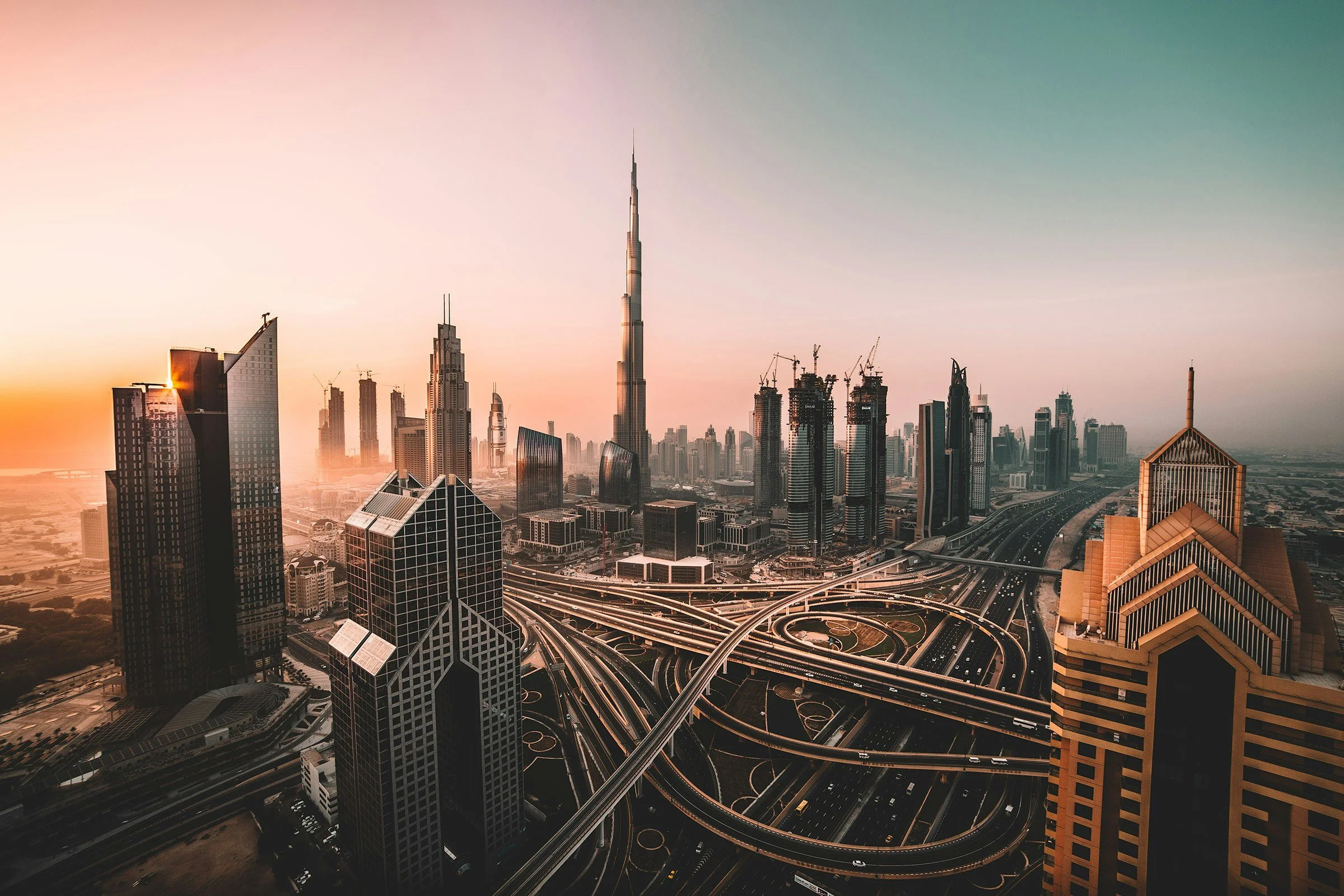
If there is a barometer for global travel sentiment, it may well be Dubai.
A city built on transit, luxury, and spectacle, Dubai has spent decades insulating itself from regional volatility through branding and infrastructure. But even it is not immune.
Tourism cancellations have surged
Hotel bookings have dropped sharply
Retail traffic—especially in luxury—has weakened
Even flagship symbols like the Burj Al Arab have not escaped the ripple effects, with disruptions tied to broader regional instability.
Luxury brands, once bullish on Middle Eastern growth, are now recalibrating as foot traffic declines in key shopping hubs.
The irony is sharp: the very globalization that made Dubai powerful also makes it vulnerable.
The Economic Domino Effect
Tourism is not an isolated industry—it is an ecosystem.
When travel slows, the effects cascade:
Airlines cut routes → airports lose traffic
Hotels empty → staff layoffs increase
Retail declines → global luxury brands feel the impact
Energy prices rise → travel becomes more expensive globally
The war has also triggered volatility in oil markets, pushing up fuel and transportation costs worldwide.
For economies reliant on tourism—whether Egypt or the UAE—the result is a tightening loop: fewer visitors, reduced spending, and increased economic pressure.
The Traveler’s Dilemma
For travelers, the question is no longer just where to go, but whether to go at all.
Safety concerns, rising costs, and shifting airline routes are reshaping itineraries. Many are opting for perceived stability—Southern Europe, Southeast Asia—over destinations that, while often still safe, are caught in the narrative of conflict.
Travel, in this moment, becomes psychological as much as physical.
A Region Between Perception and Reality
The Middle East has always existed in duality—hospitality and tension, openness and complexity.
What the current moment reveals is how quickly perception can override reality.
A conflict concentrated in specific zones can ripple outward, reshaping entire economies, industries, and global movement patterns.
Yet history suggests something else, too: resilience.
Dubai rebuilt after financial crises. Egypt rebounded after political upheaval. Israel has long navigated cycles of disruption and recovery.
The question now is not whether tourism will return—but how long the pause will last, and what version of the Middle East travelers will return to.
