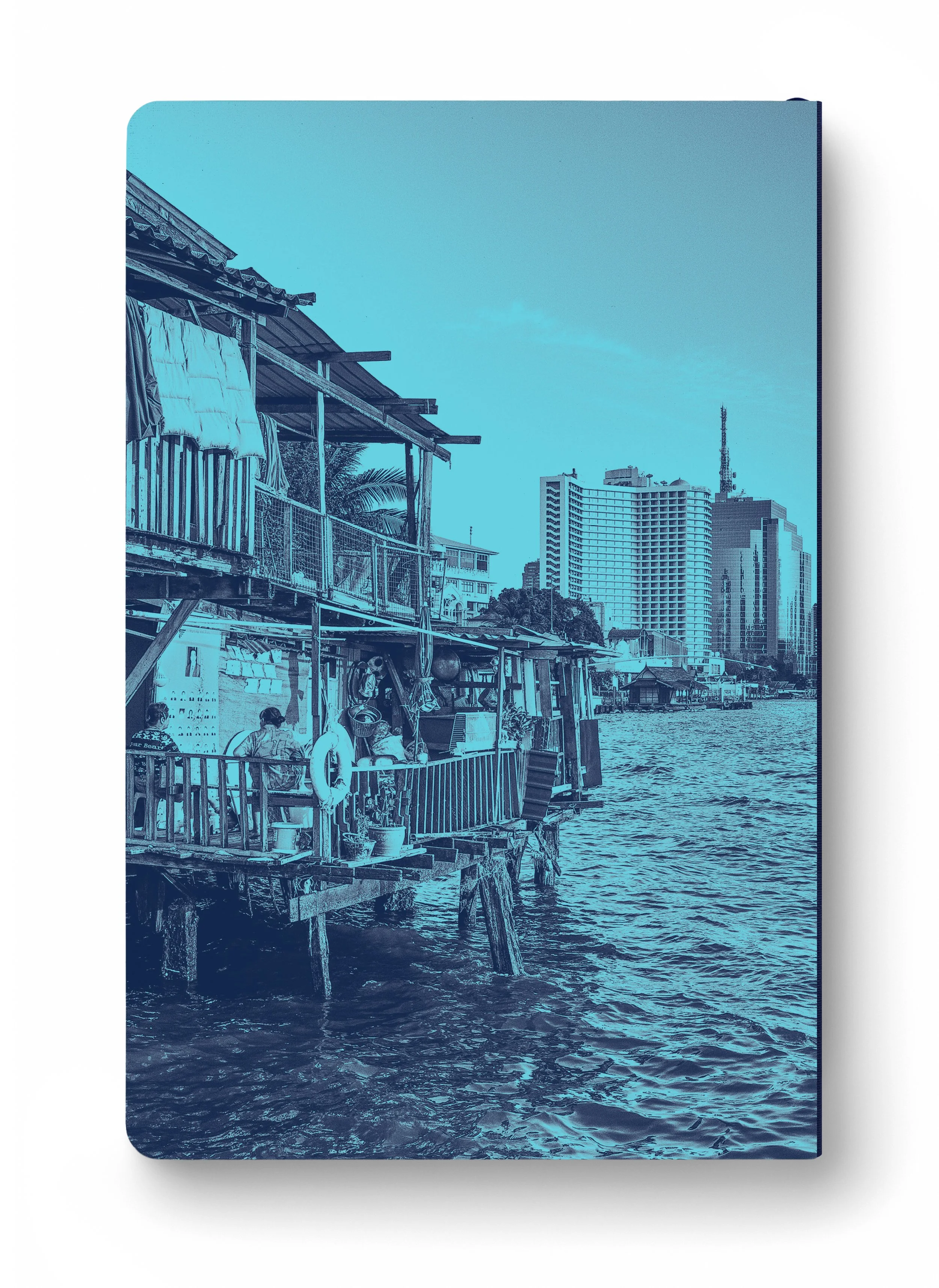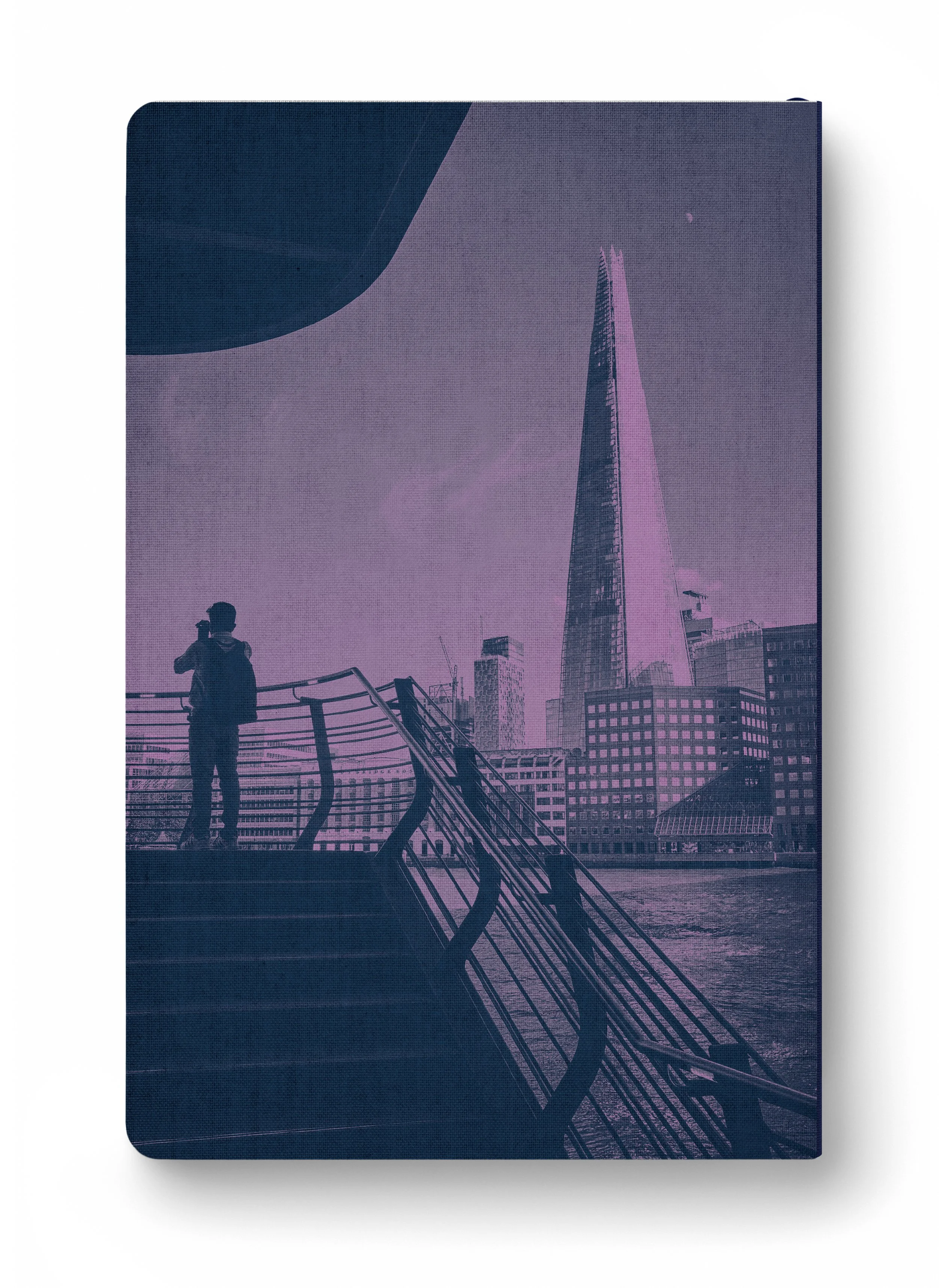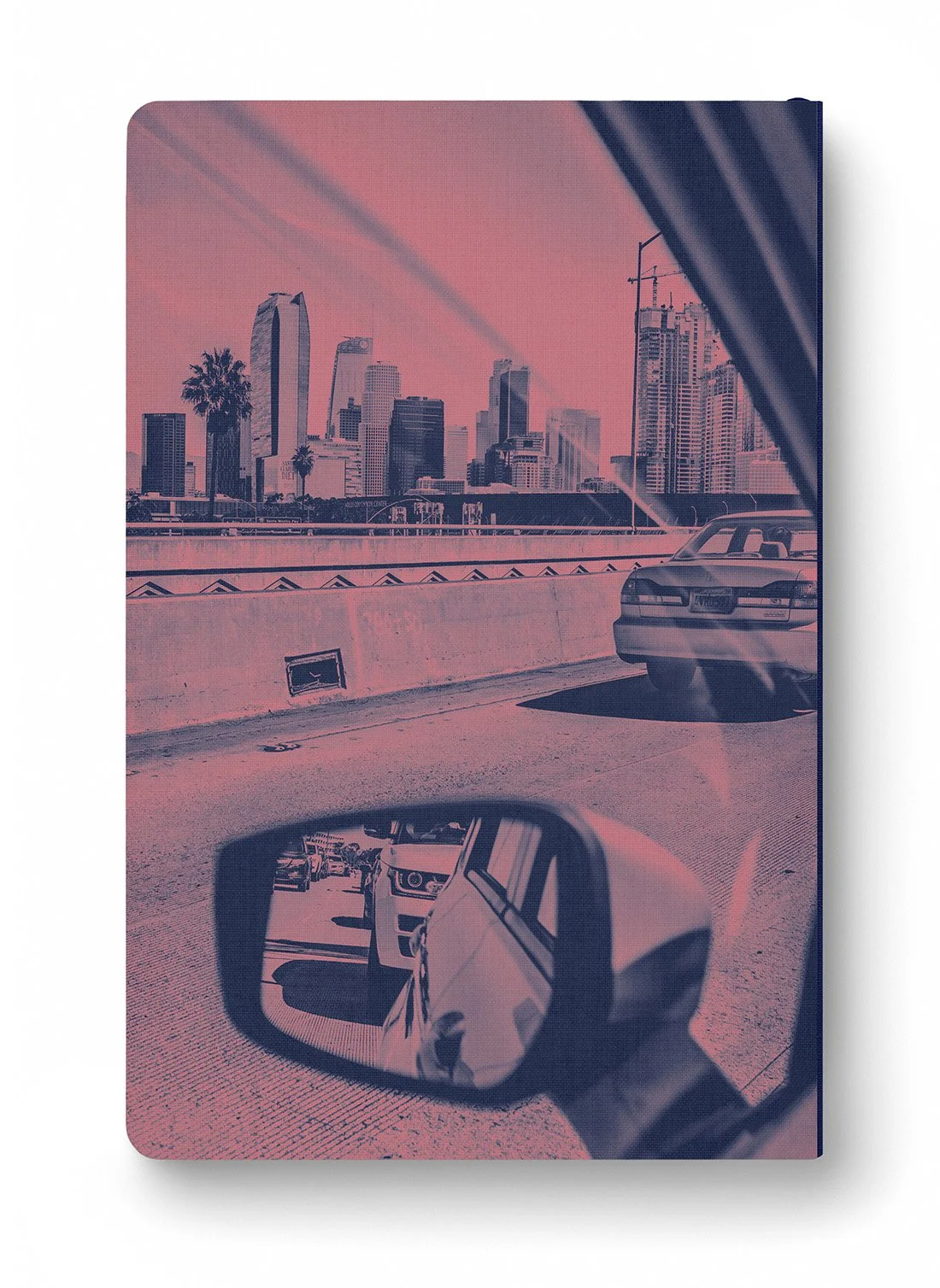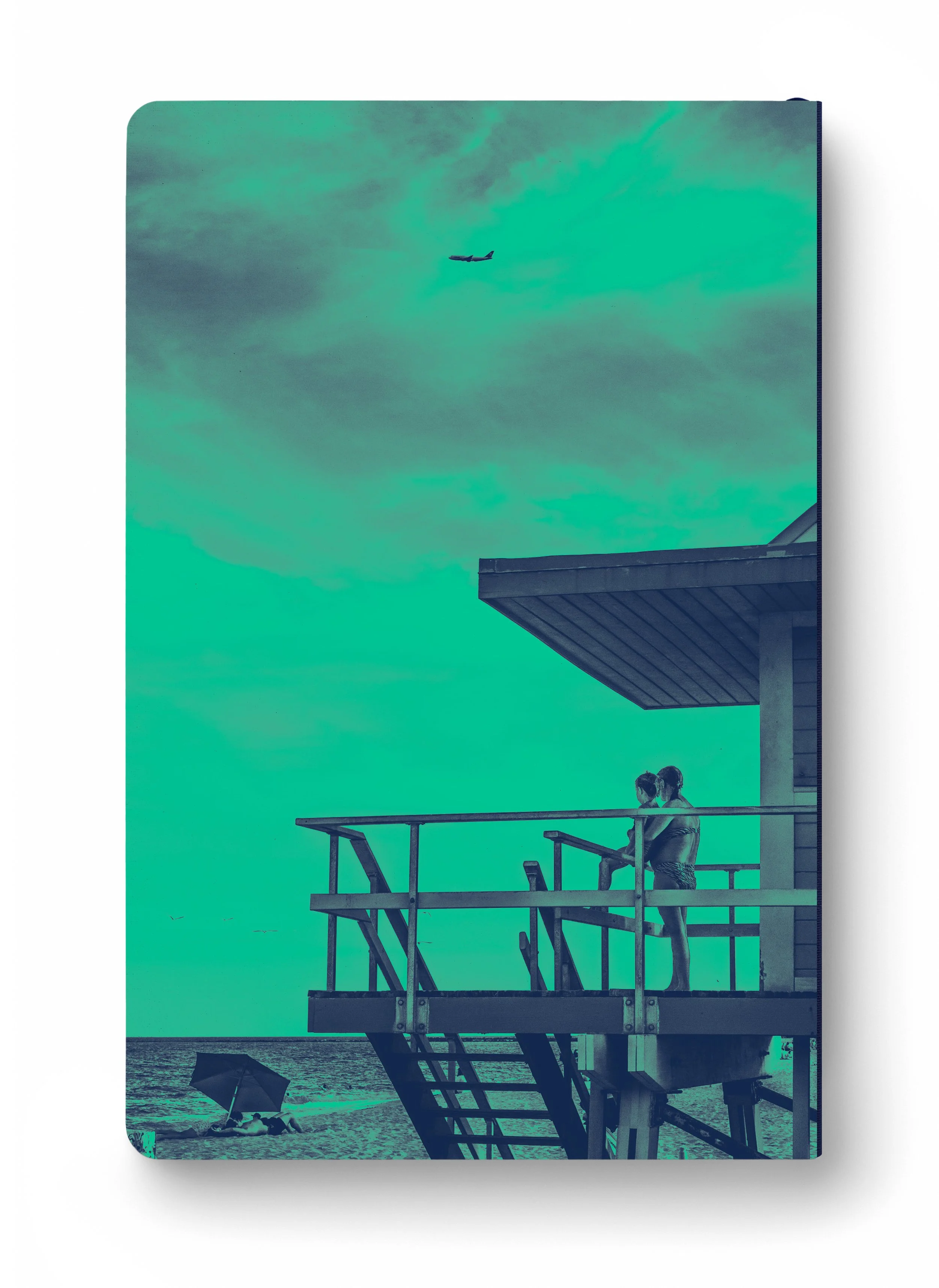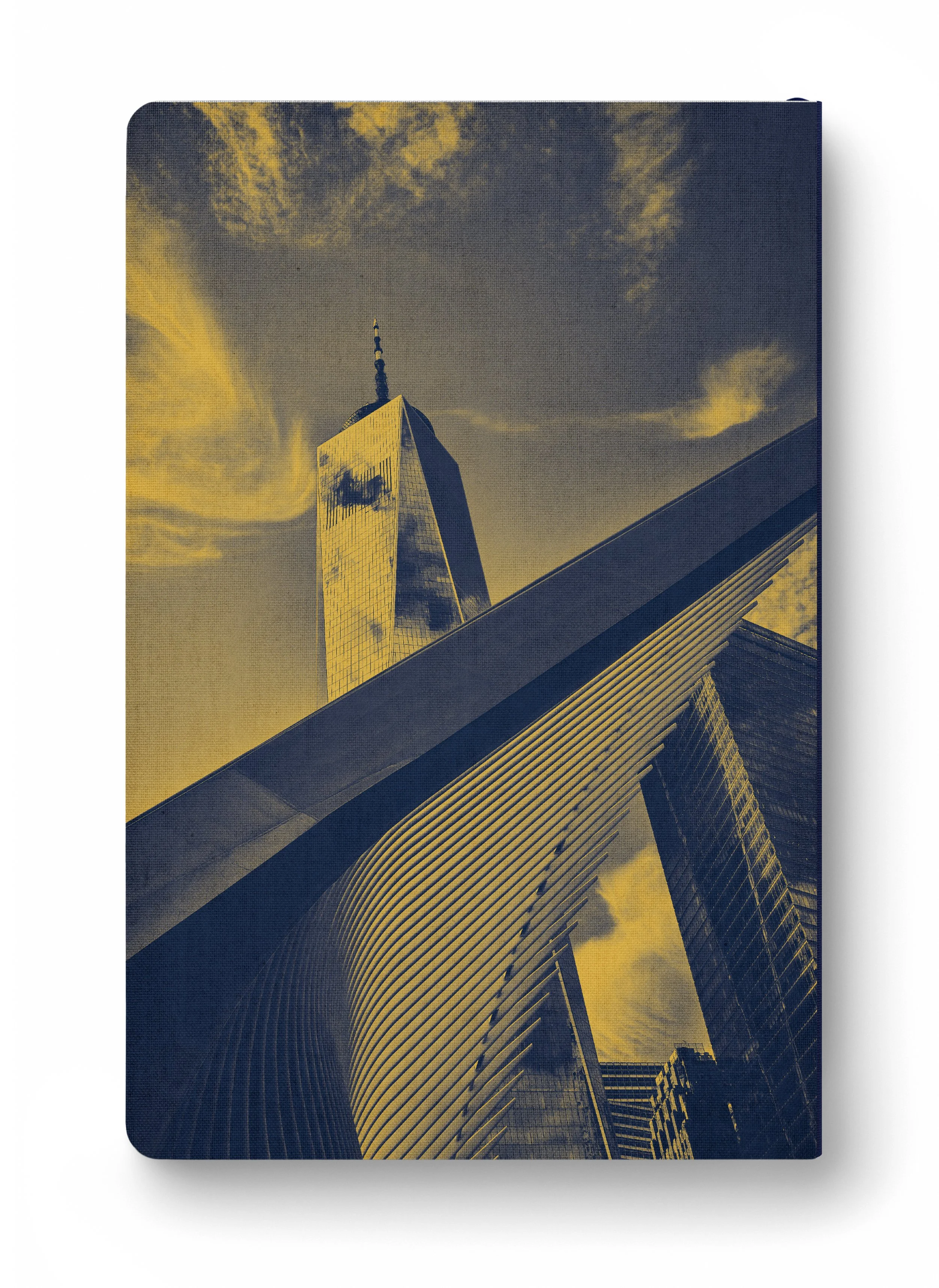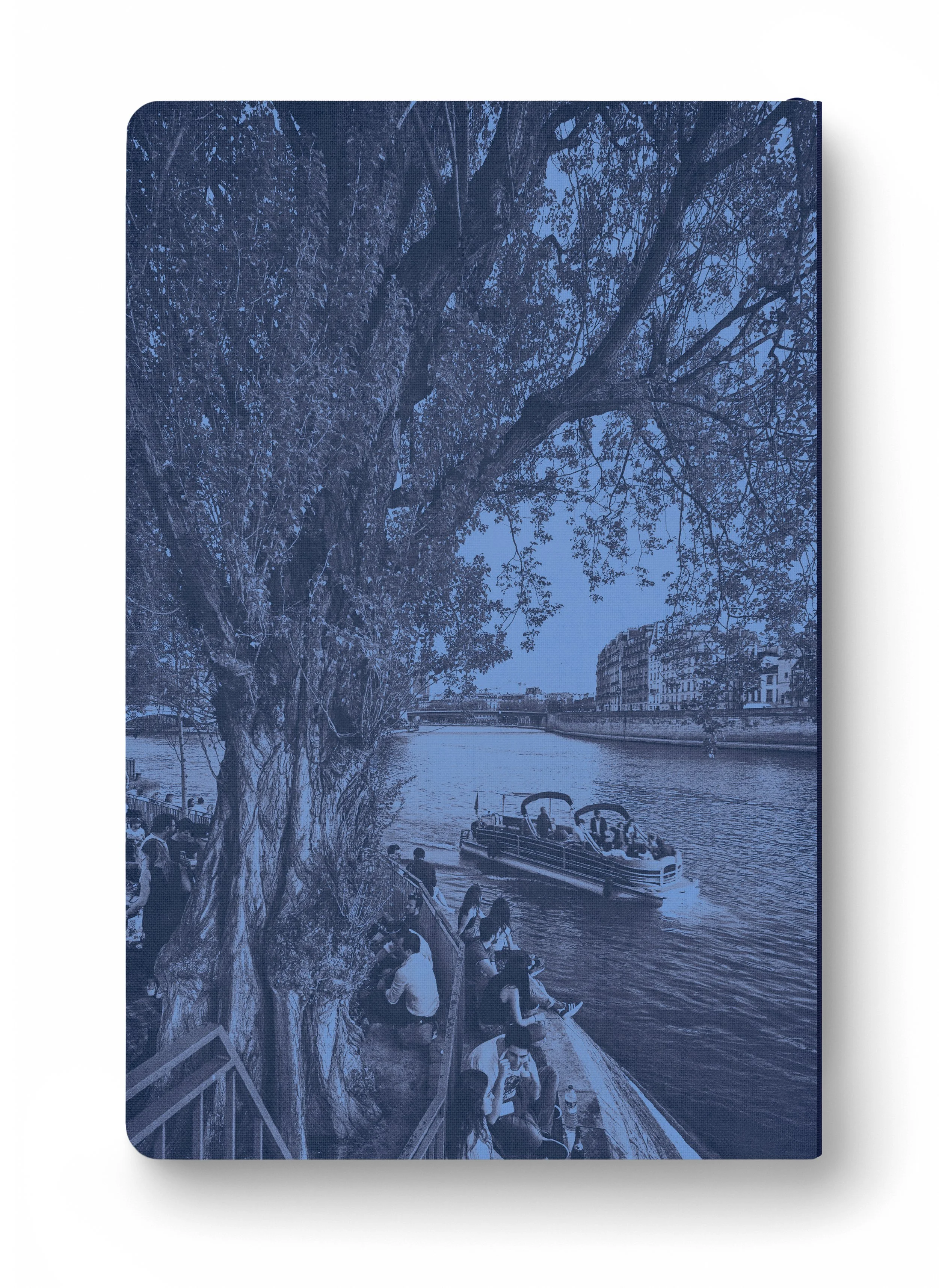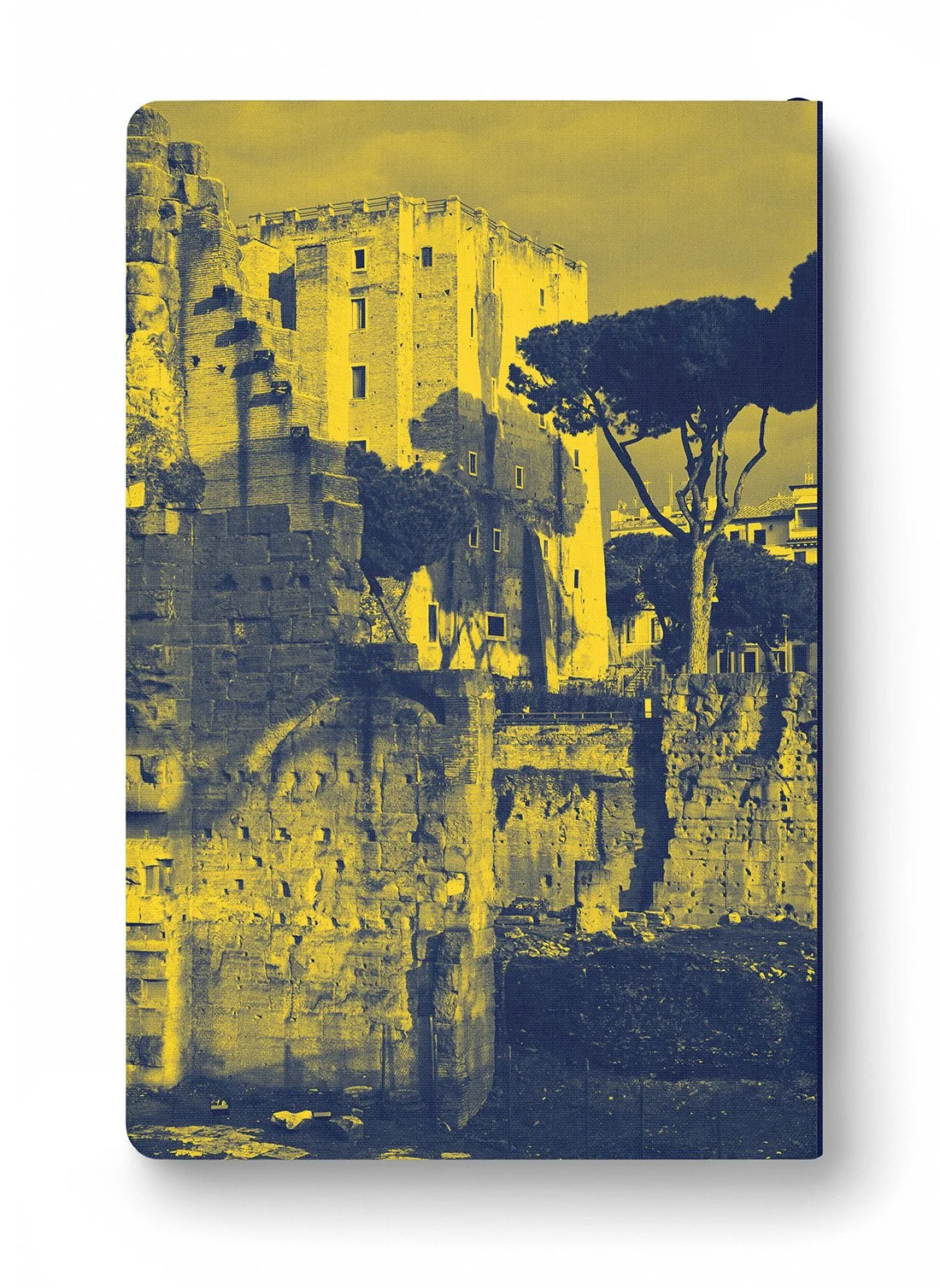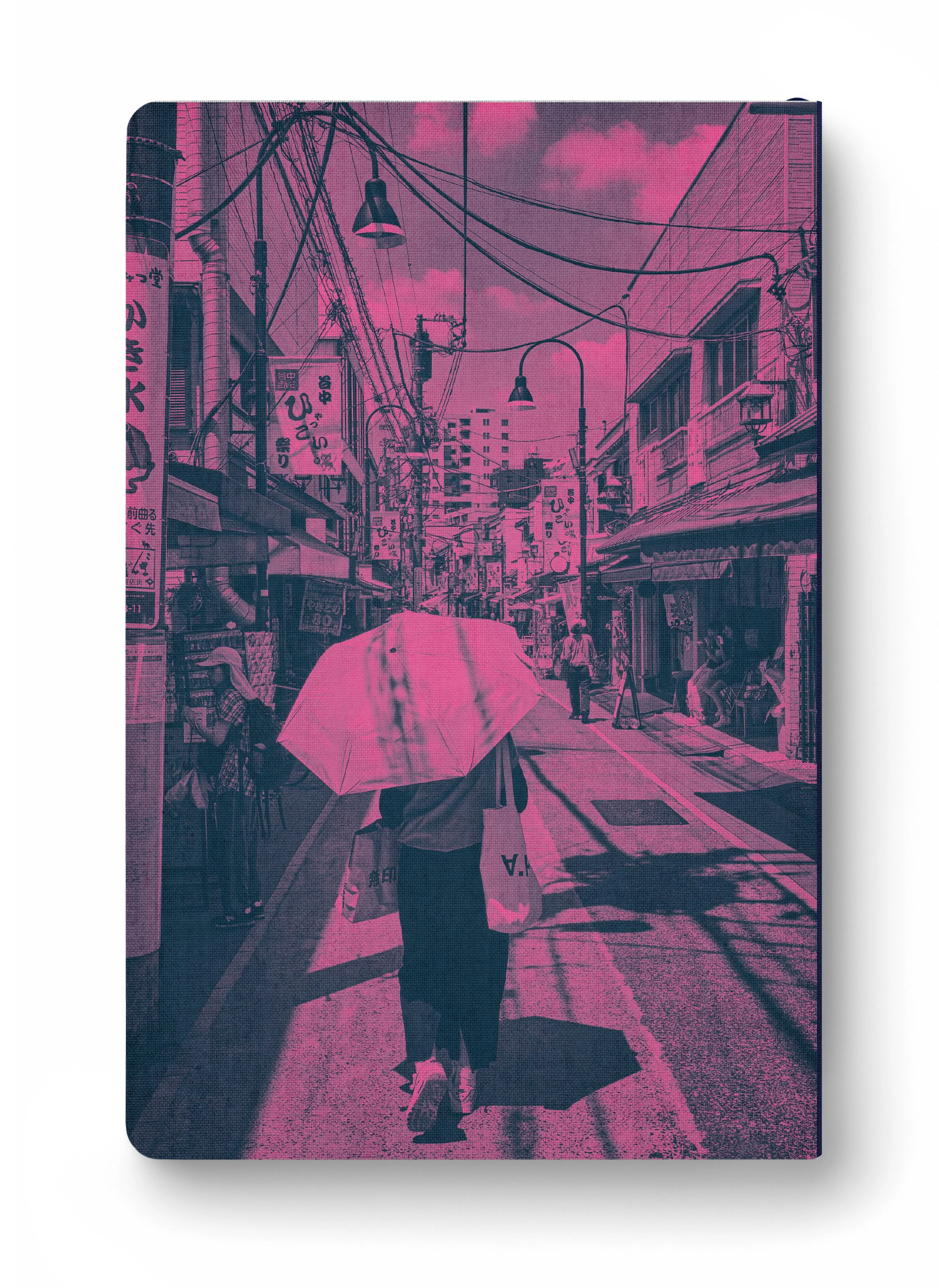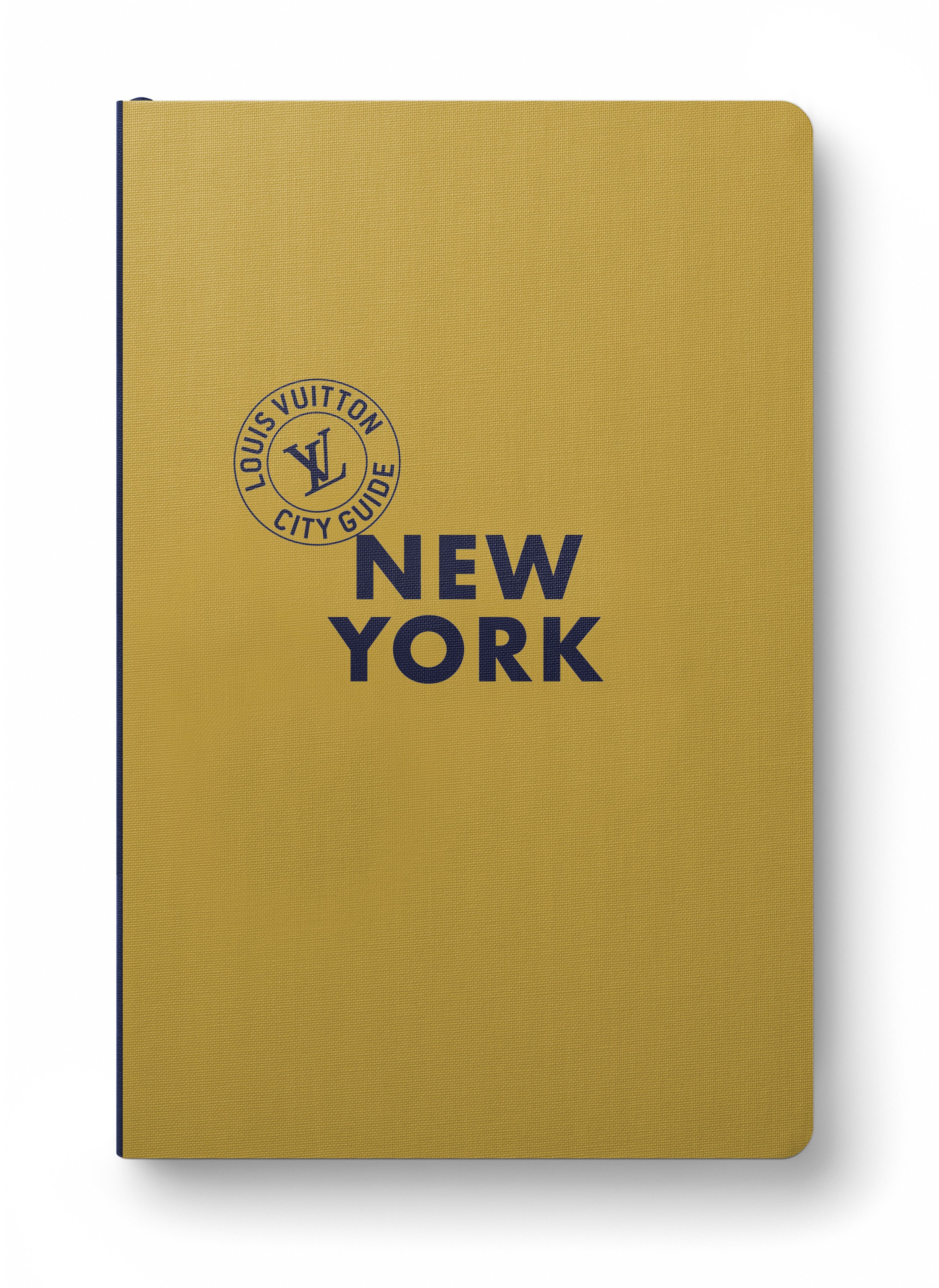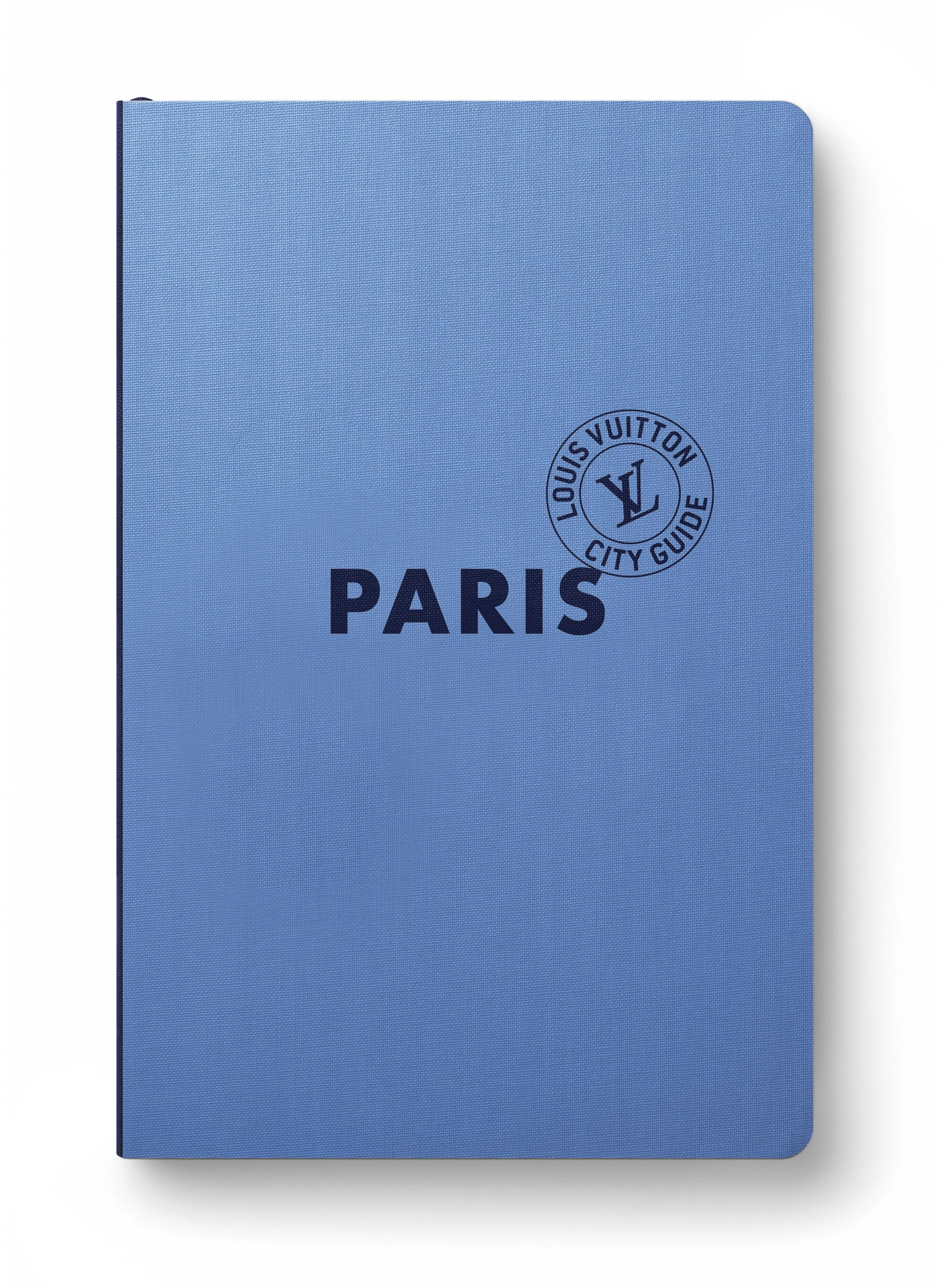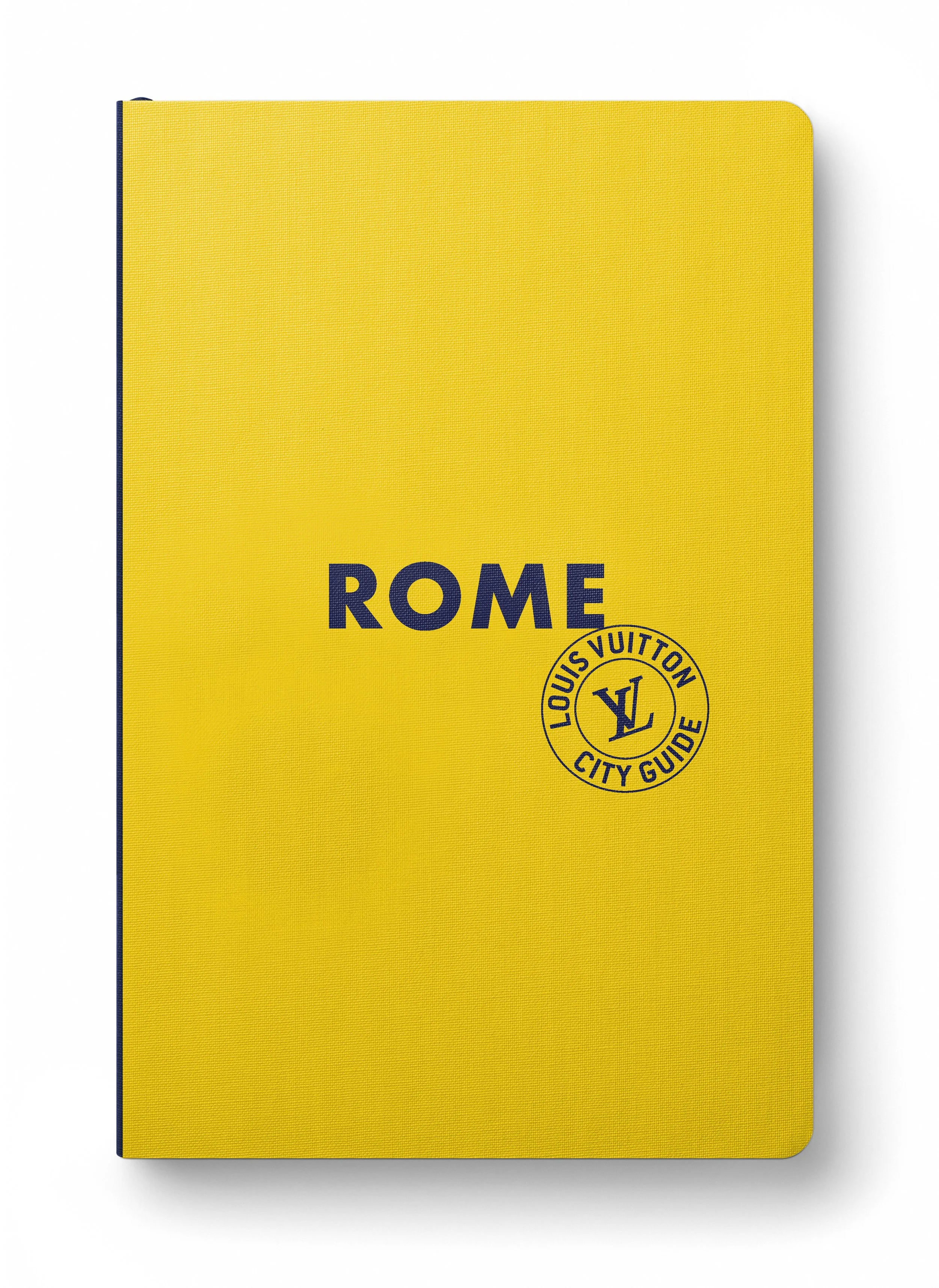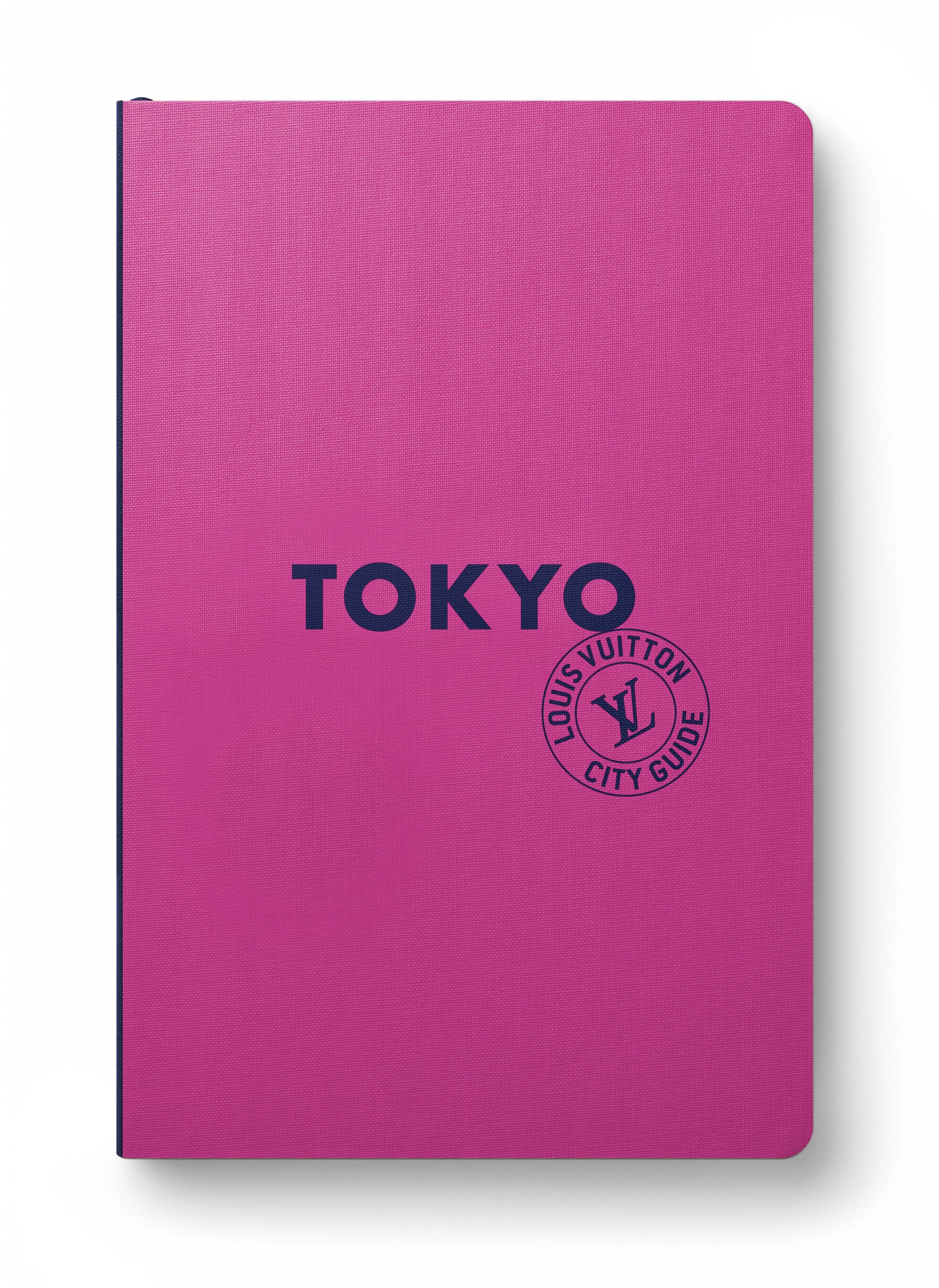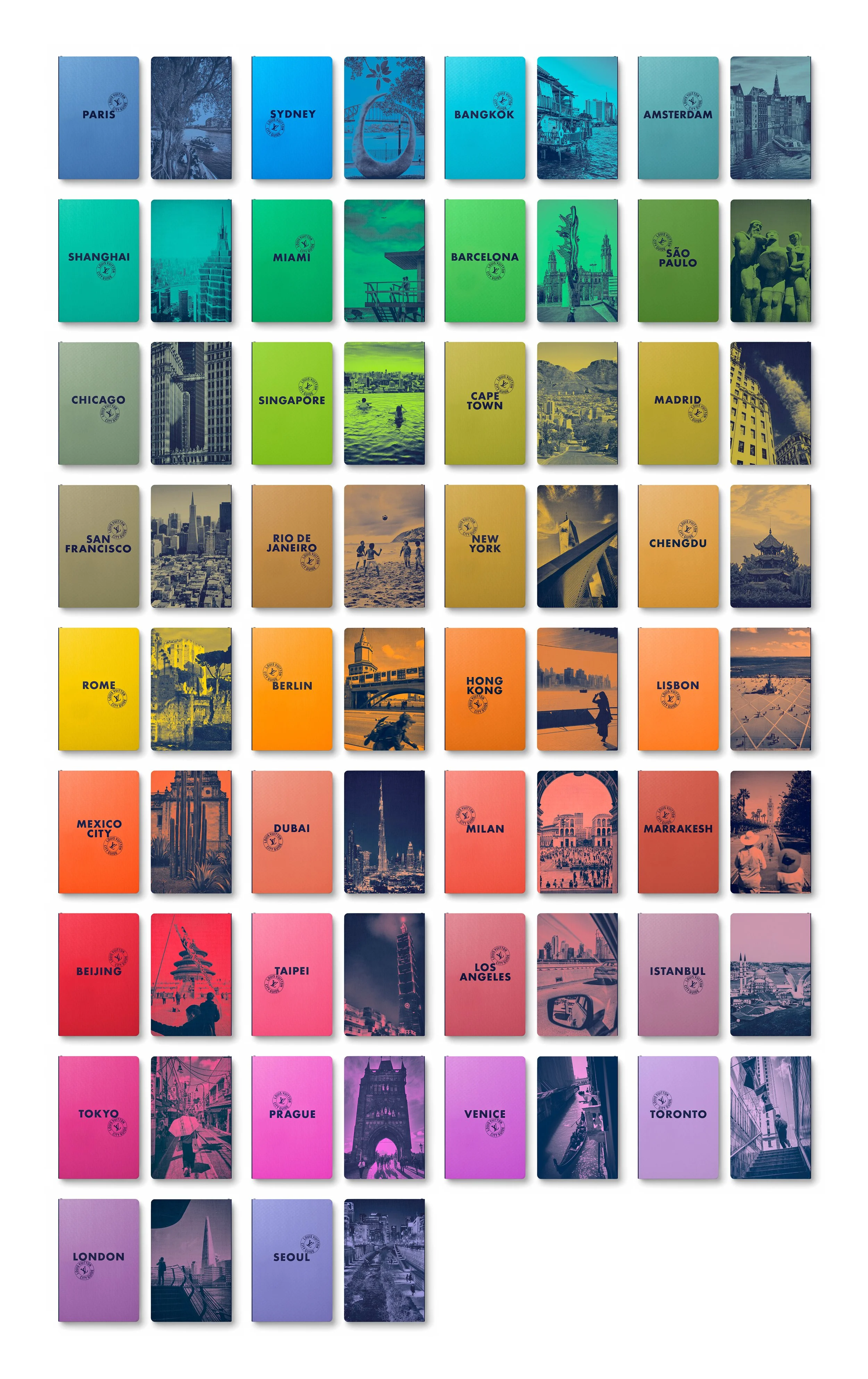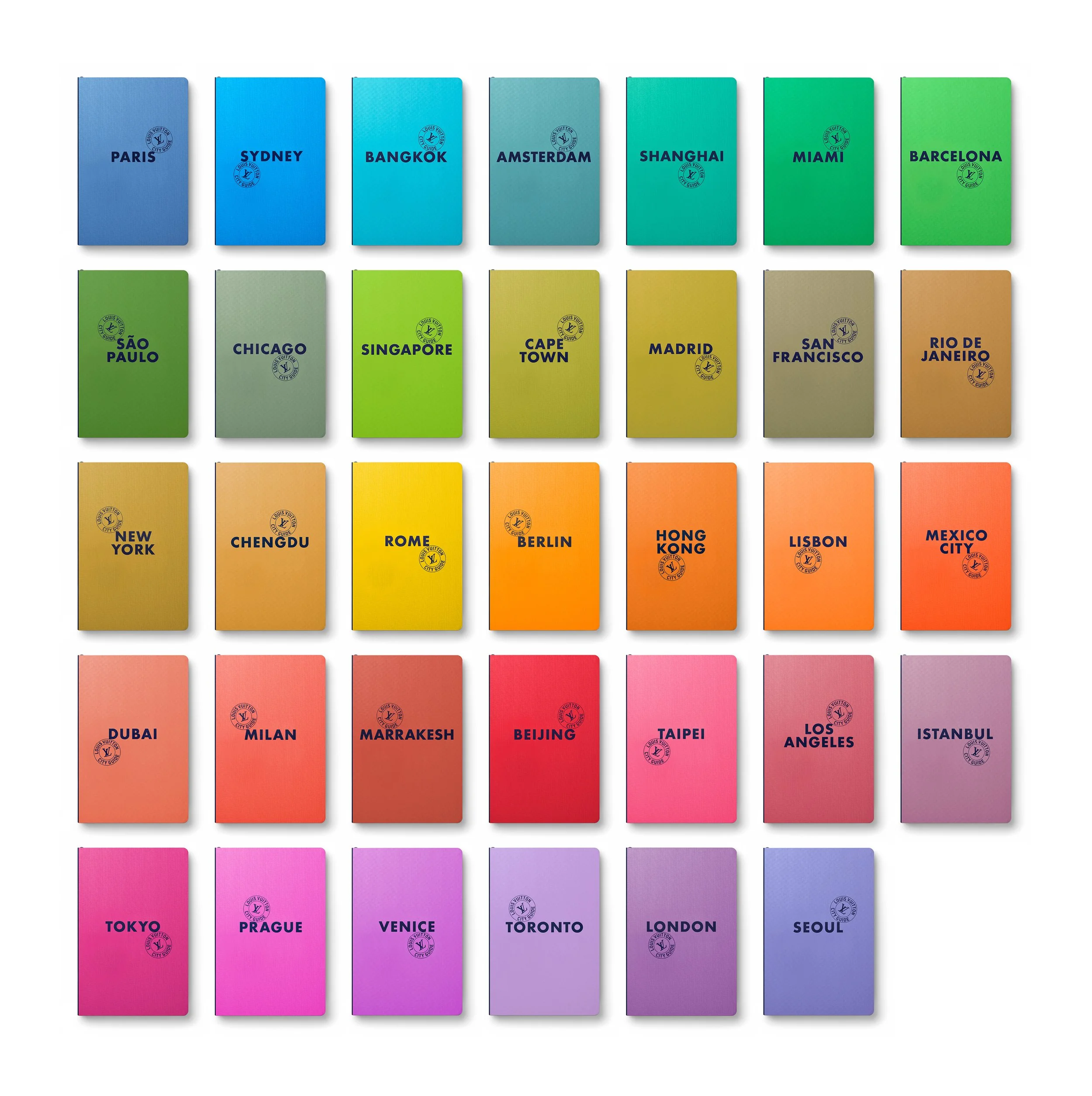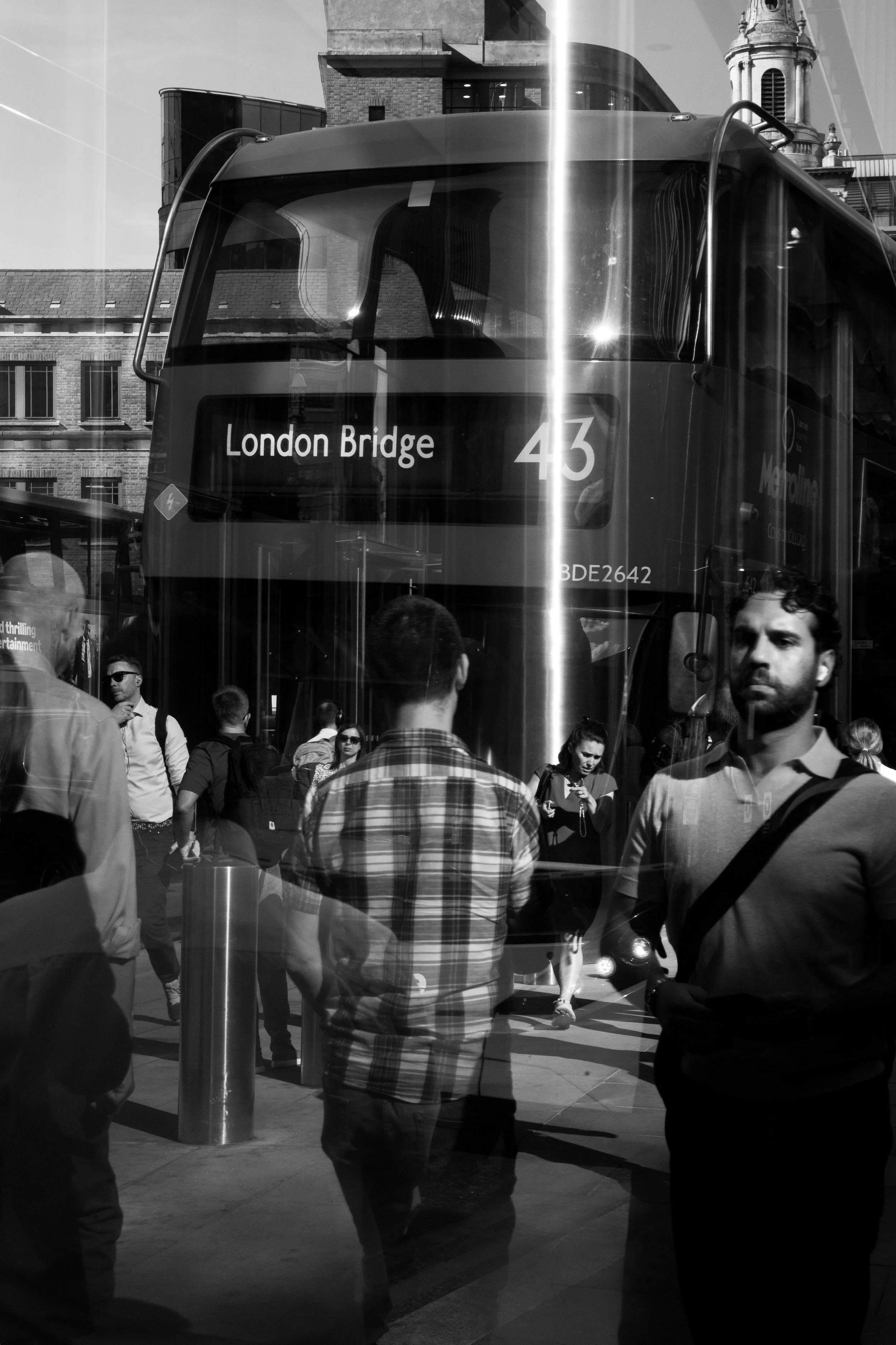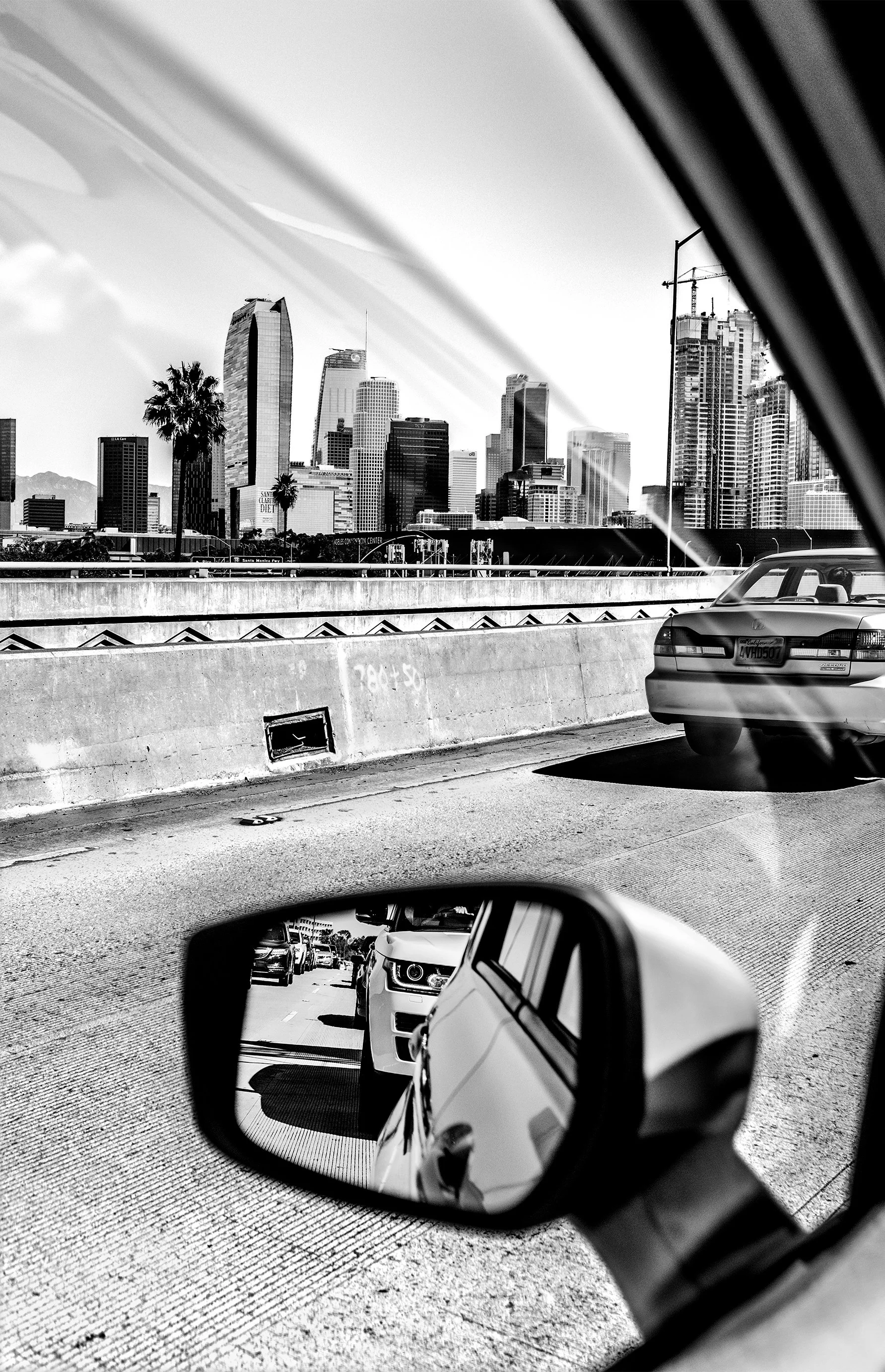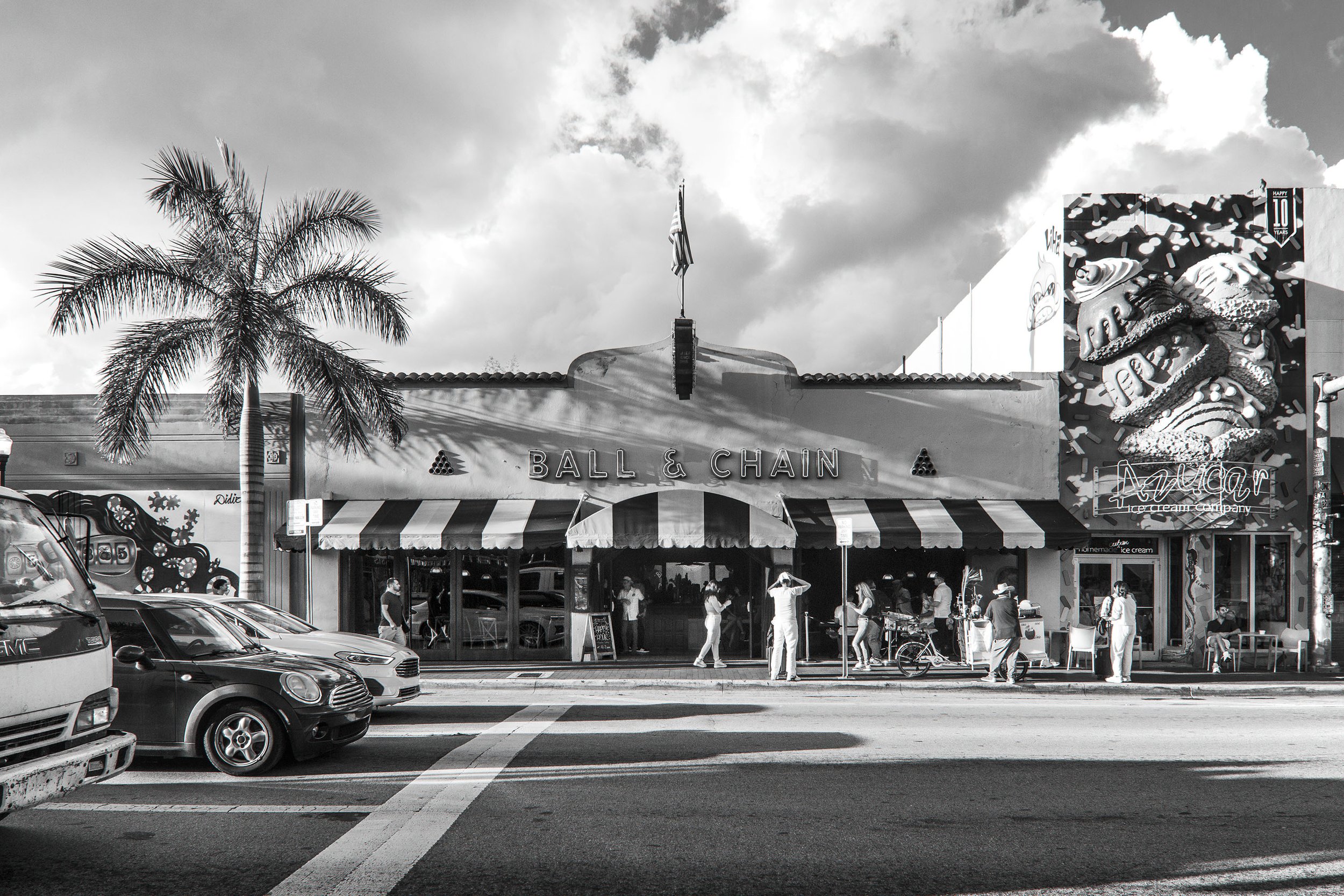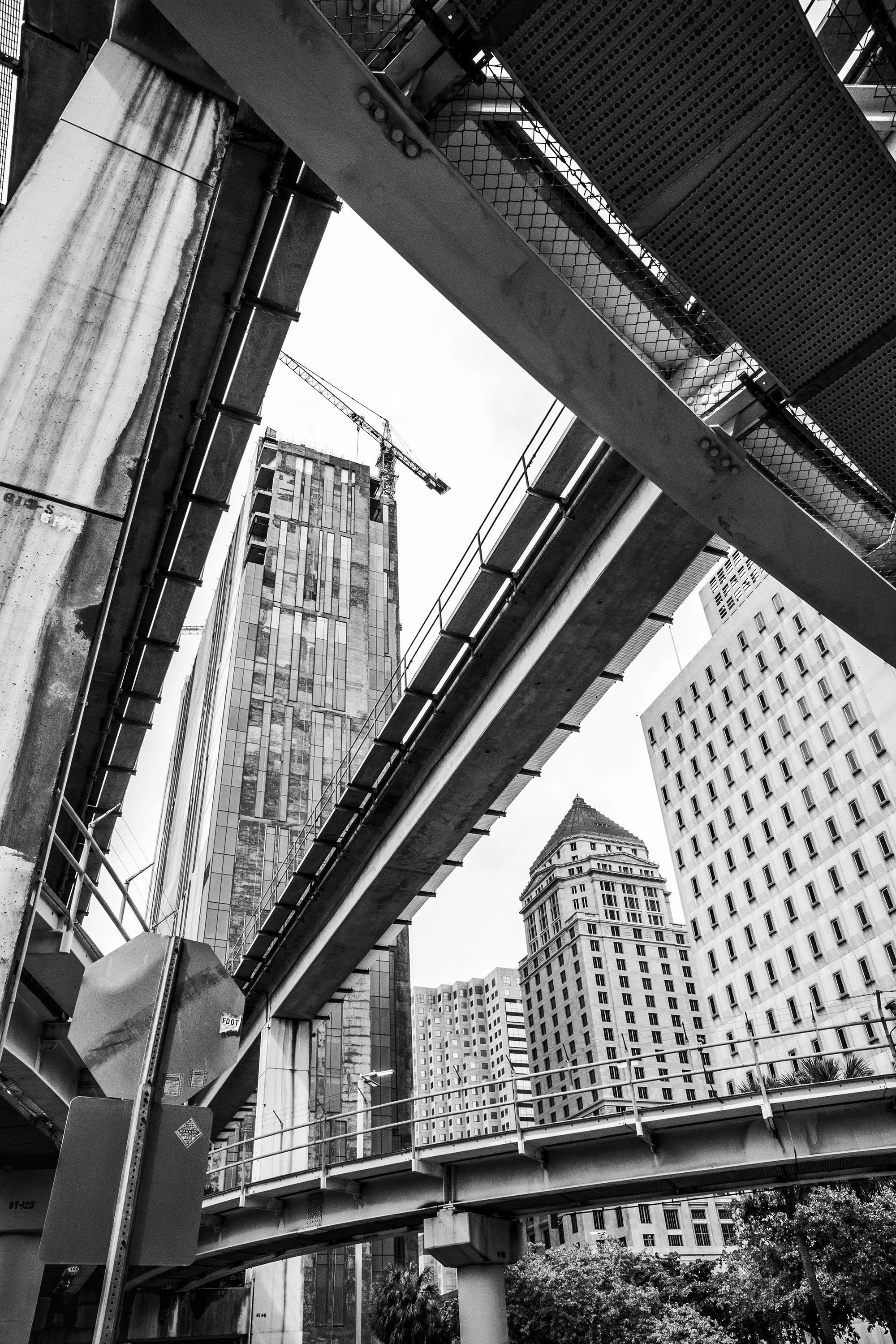
In an era where travel has become increasingly algorithmic—reduced to trending lists and geotagged itineraries—Louis Vuitton is doubling down on something far more enduring: perspective. With the latest evolution of its City Guide series, the Maison reframes the act of navigating a city as a cultural dialogue rather than a checklist.
First introduced in 1998, the Louis Vuitton City Guide has long served as a tactile counterpoint to digital discovery. But its Spring 2026 editions—spanning global capitals from Bangkok to Tokyo—signal a deeper convergence of storytelling, technology, and experiential luxury. Available in both print and digital formats beginning May 7, the updated guides expand beyond curation into something closer to authorship.
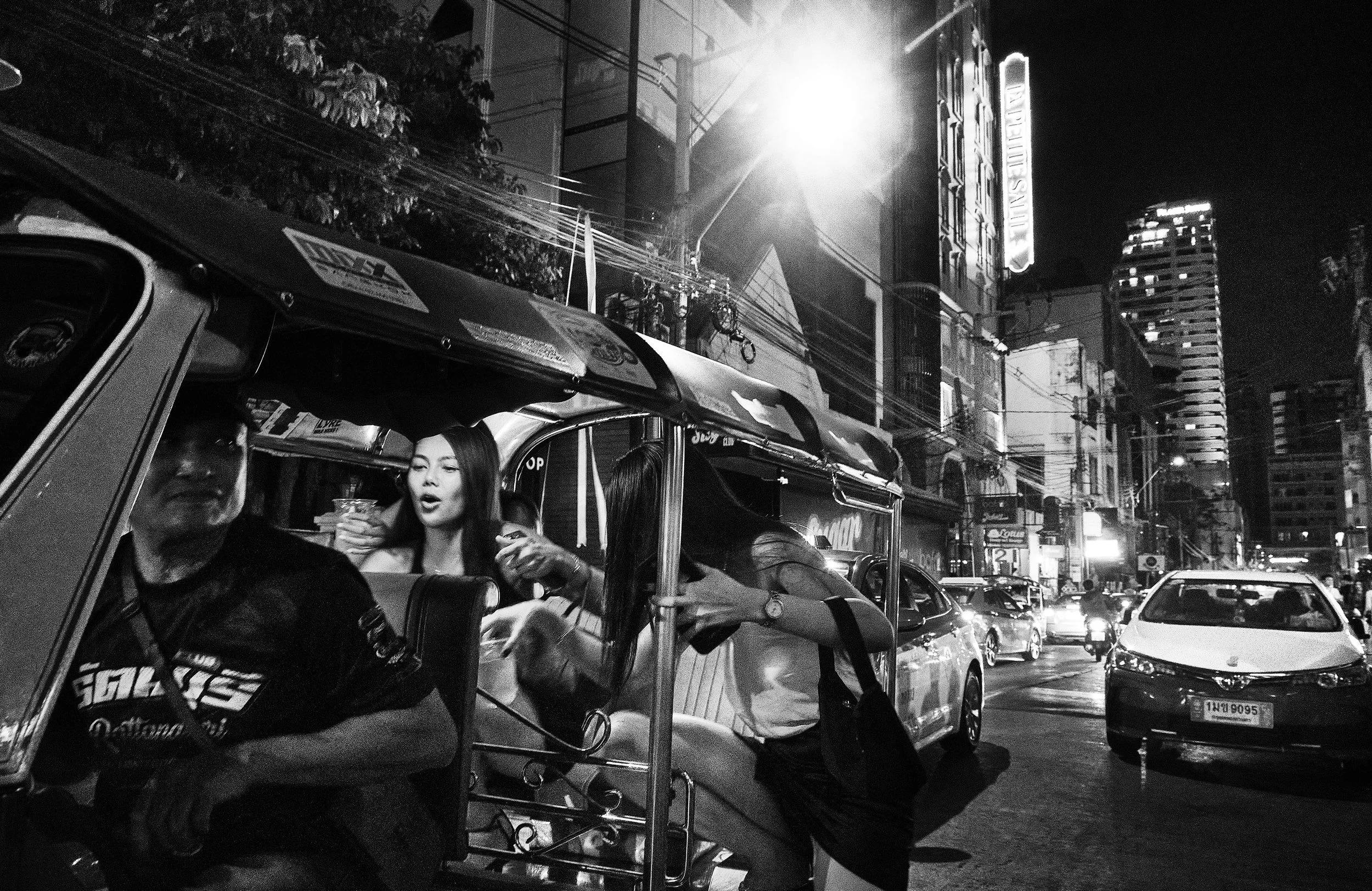
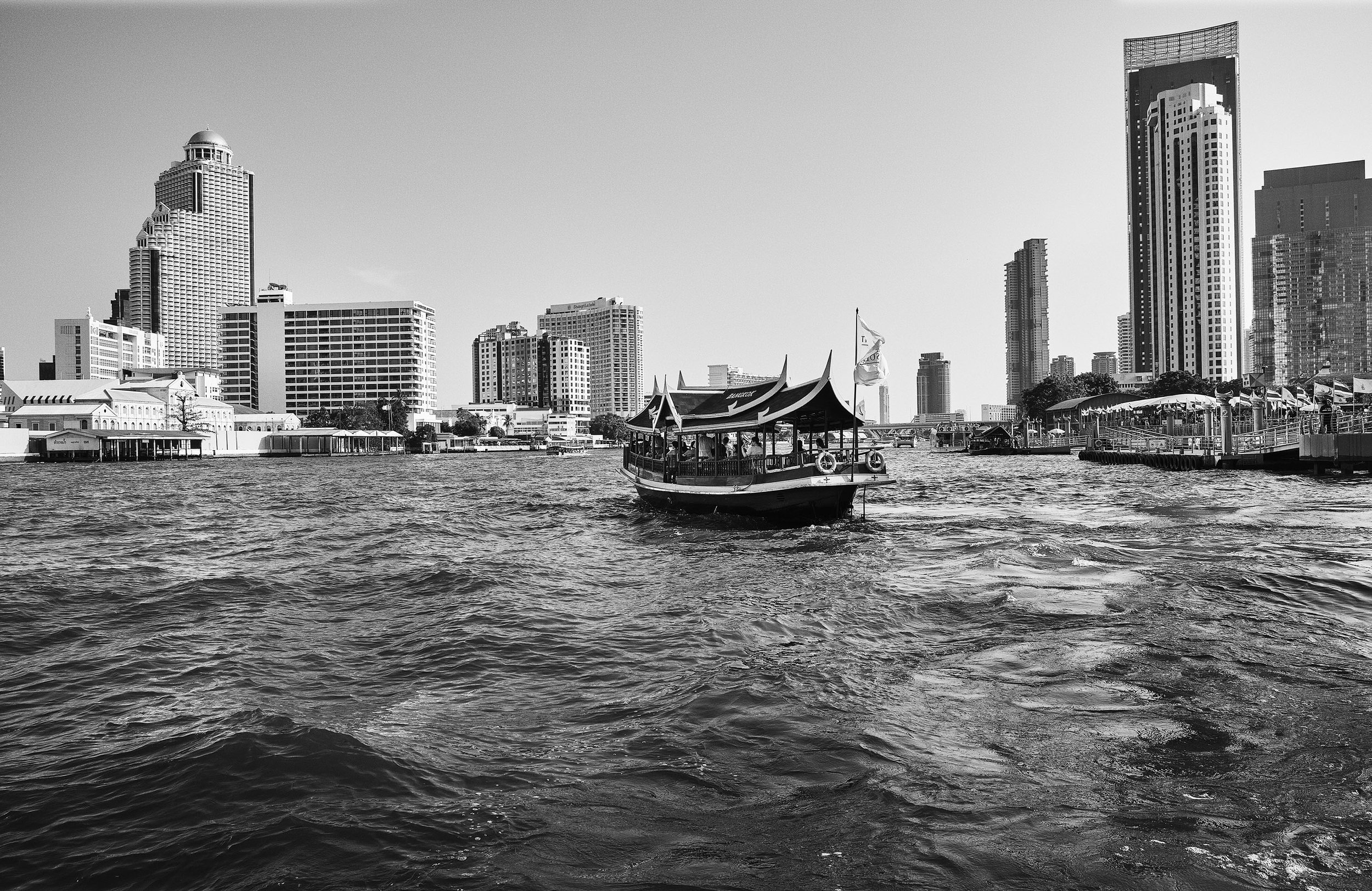
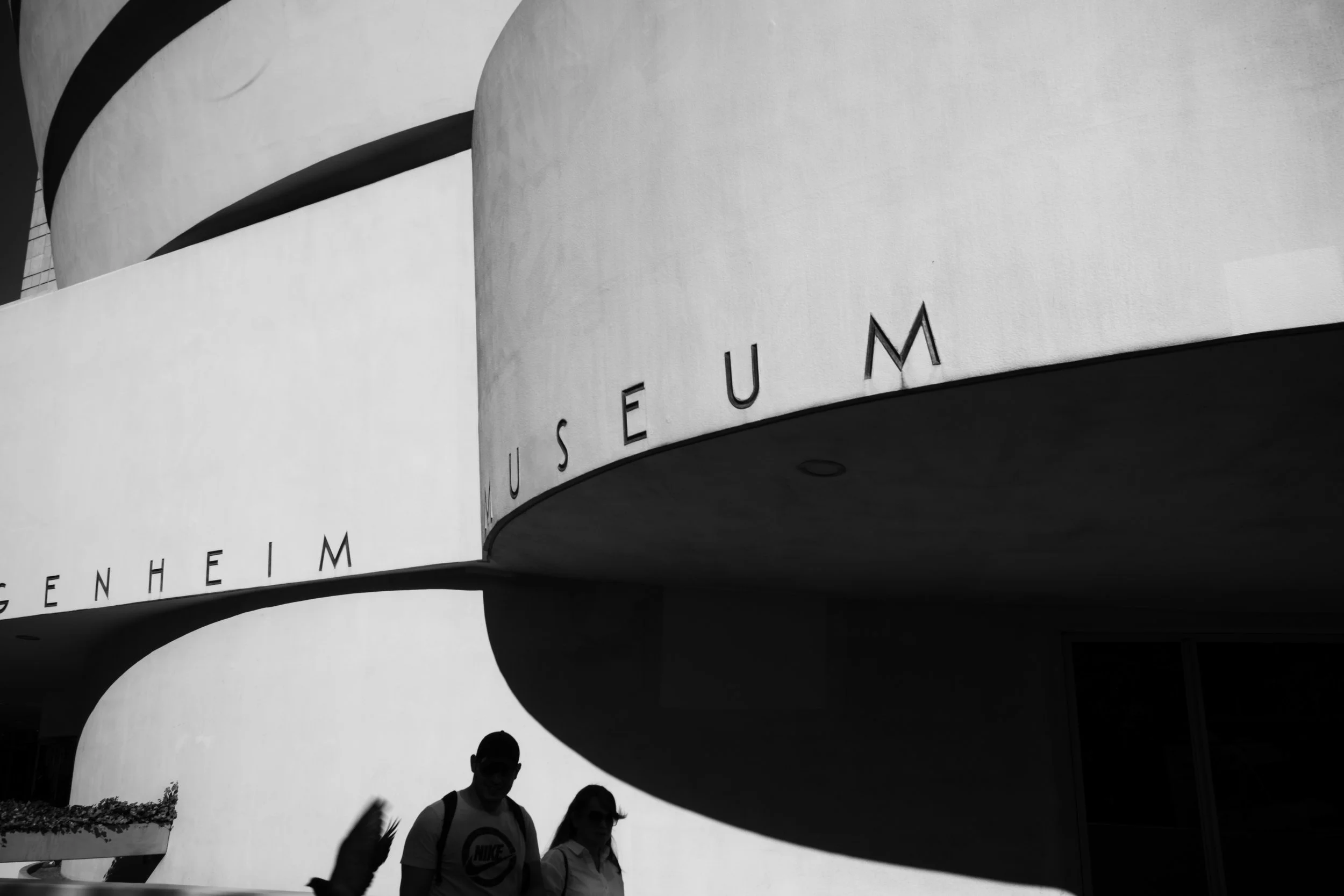
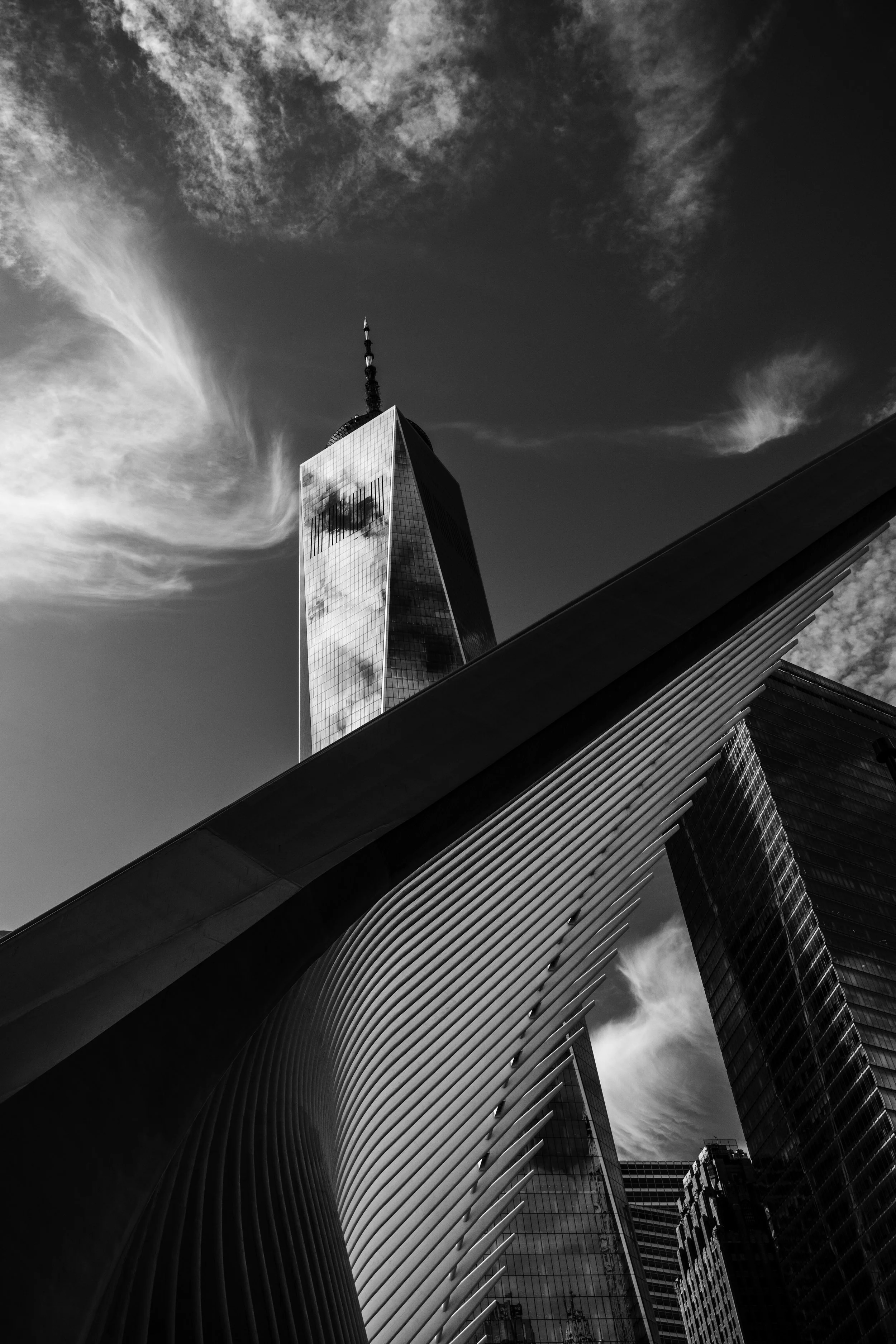
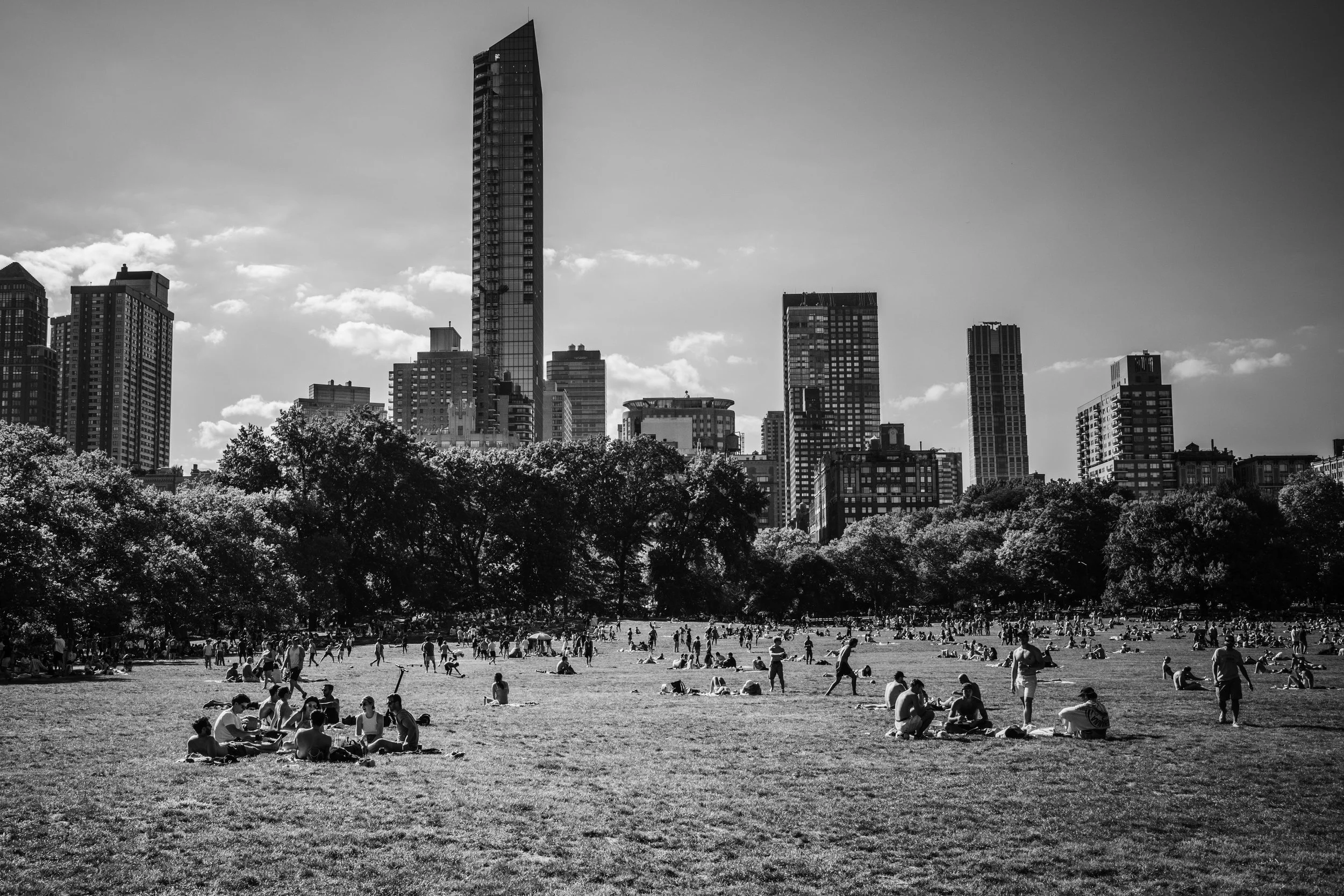
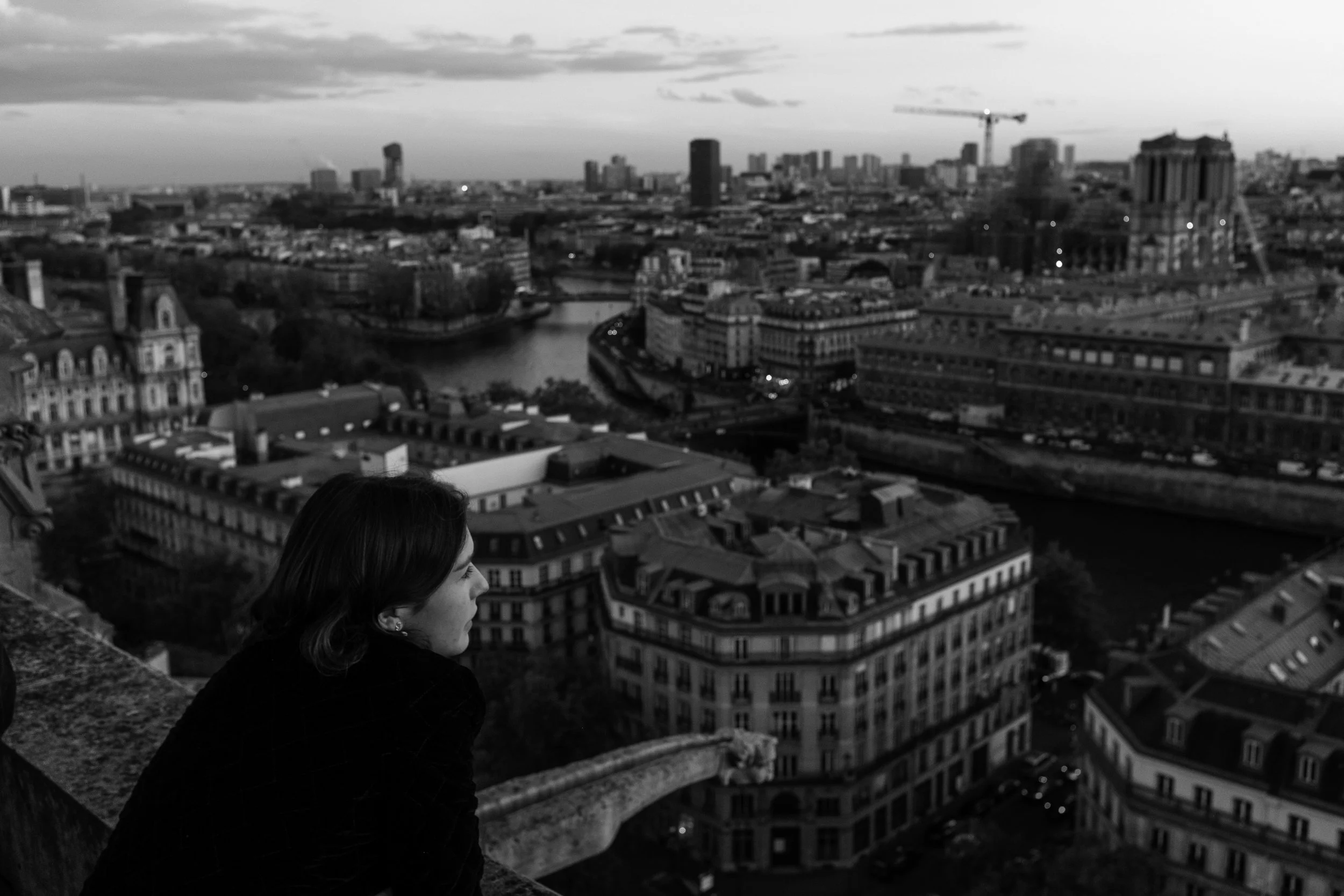
At the center of this evolution is a sharpened editorial lens. Each city is interpreted through the eyes of independent writers and cultural insiders, creating a layered narrative that resists homogenization. In New York City, for instance, Matthew Yokobosky offers a curator’s reading of the city’s material culture, while in Paris, artist Eva Jospin translates the capital through a sculptural, almost dreamlike sensibility. Chef Chalee Kader brings an equally intimate lens to Bangkok, mapping the city through its culinary undercurrents.
This is not travel as spectacle—it’s travel as interpretation.
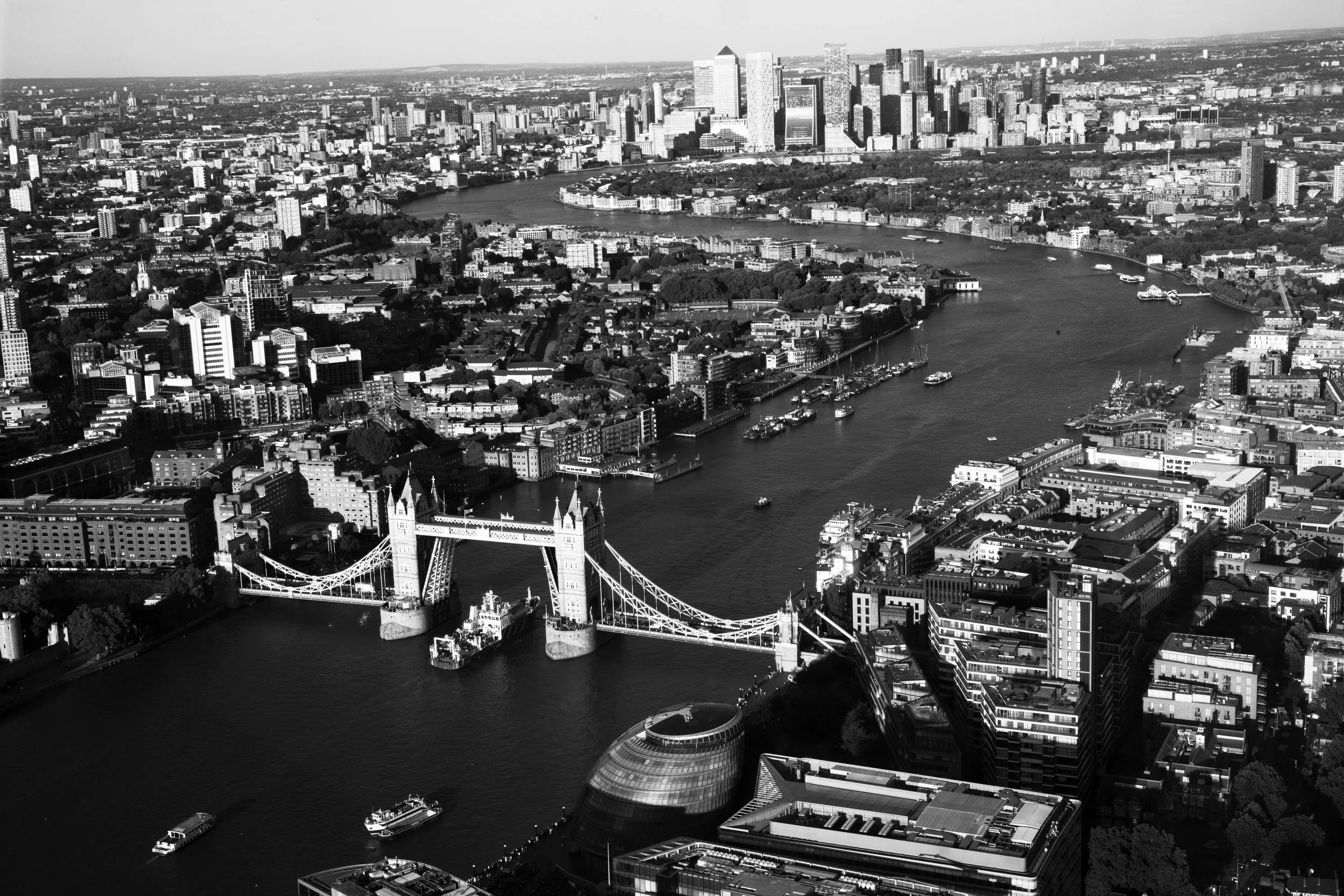
From Guidebook to Cultural Artifact
What distinguishes this latest edition is its deliberate expansion into narrative depth. A newly introduced illustrated chronology—crafted by French illustrator Laurent Cilluffo—anchors each city in roughly 40 defining moments, reframing destinations as living, evolving entities rather than static backdrops.
The addition of “People Power,” a 32-page visual portfolio spotlighting local figures across disciplines, further shifts the focus from place to protagonist. These are not just cities you visit; they are ecosystems shaped by chefs, designers, athletes, and cultural architects whose stories redefine what it means to belong.
It’s a subtle but important pivot: from where to go, to who makes a place matter.
The New Luxury: Context
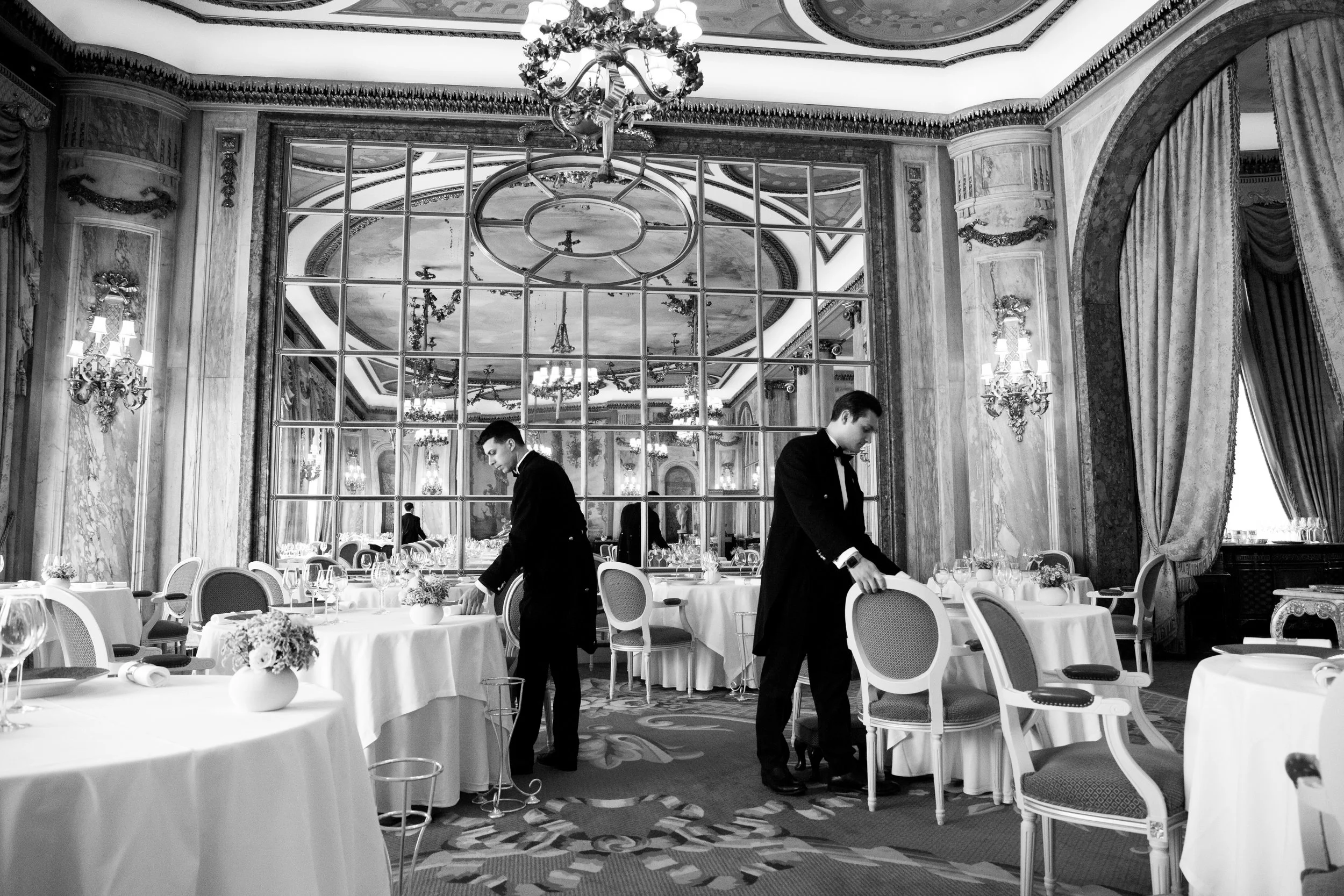
The City Guide’s enduring appeal lies in its refusal to separate high and low culture. A single itinerary might move fluidly from a Michelin-starred dining room to a neighborhood café, from a blue-chip gallery to a flea market find. This editorial elasticity reflects a broader shift in luxury itself—away from exclusivity as access, and toward exclusivity as insight.
Sections like “Creative Kitchens,” “Interior Cachet,” and “A Sense of Style” read less like directories and more like cultural ecosystems. Even the “24 Hours” feature—mapping a day from sunrise breakfast to late-night detours—feels less prescriptive than poetic, offering rhythm rather than routine.
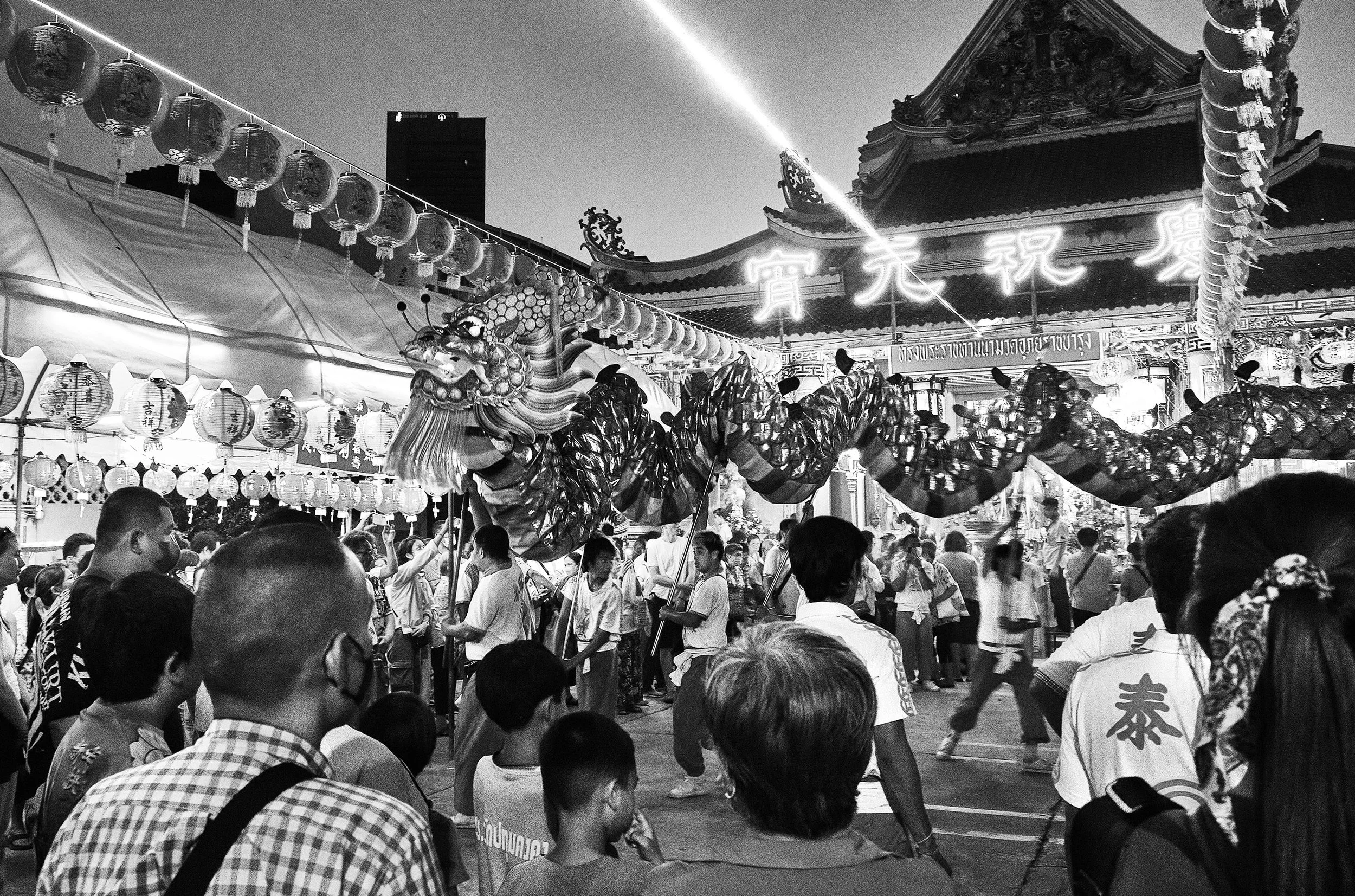
A Seamless Digital Extension
If the print editions ground the experience, the digital ecosystem extends it into real time. The Louis Vuitton City Guide app—available across iPhone and iPad—houses more than 14,000 addresses, continuously updated and fully interactive. Features like geolocation mapping and sharable e-postcards position the app as both utility and social artifact.
But Louis Vuitton’s real innovation lies in its platform fluidity. Through Apple TV, the guides evolve into audiovisual essays—immersive visual narratives that blur the line between travel content and art film. On the Tambour Horizon smartwatch, the experience becomes immediate and intuitive, with “Near Me” and “24H” functions delivering hyper-local recommendations in real time.
This multi-platform approach doesn’t just digitize the guide—it decentralizes it, allowing the user to engage with a city across moments, moods, and mediums.

Travel, Reconsidered
At $43 for print and $9.99 for digital editions, the City Guide positions itself within reach, yet remains firmly within the language of luxury. Not because of price, but because of point of view.
In a saturated travel market, where information is infinite but meaning is scarce, Louis Vuitton is offering something increasingly rare: a sense of authorship. The City Guide doesn’t just tell you where to go—it invites you to see differently.
And in 2026, that may be the ultimate luxury.