
Met Gala Fever Hits New York: The Red Carpet Expands Into the City’s Living Rooms
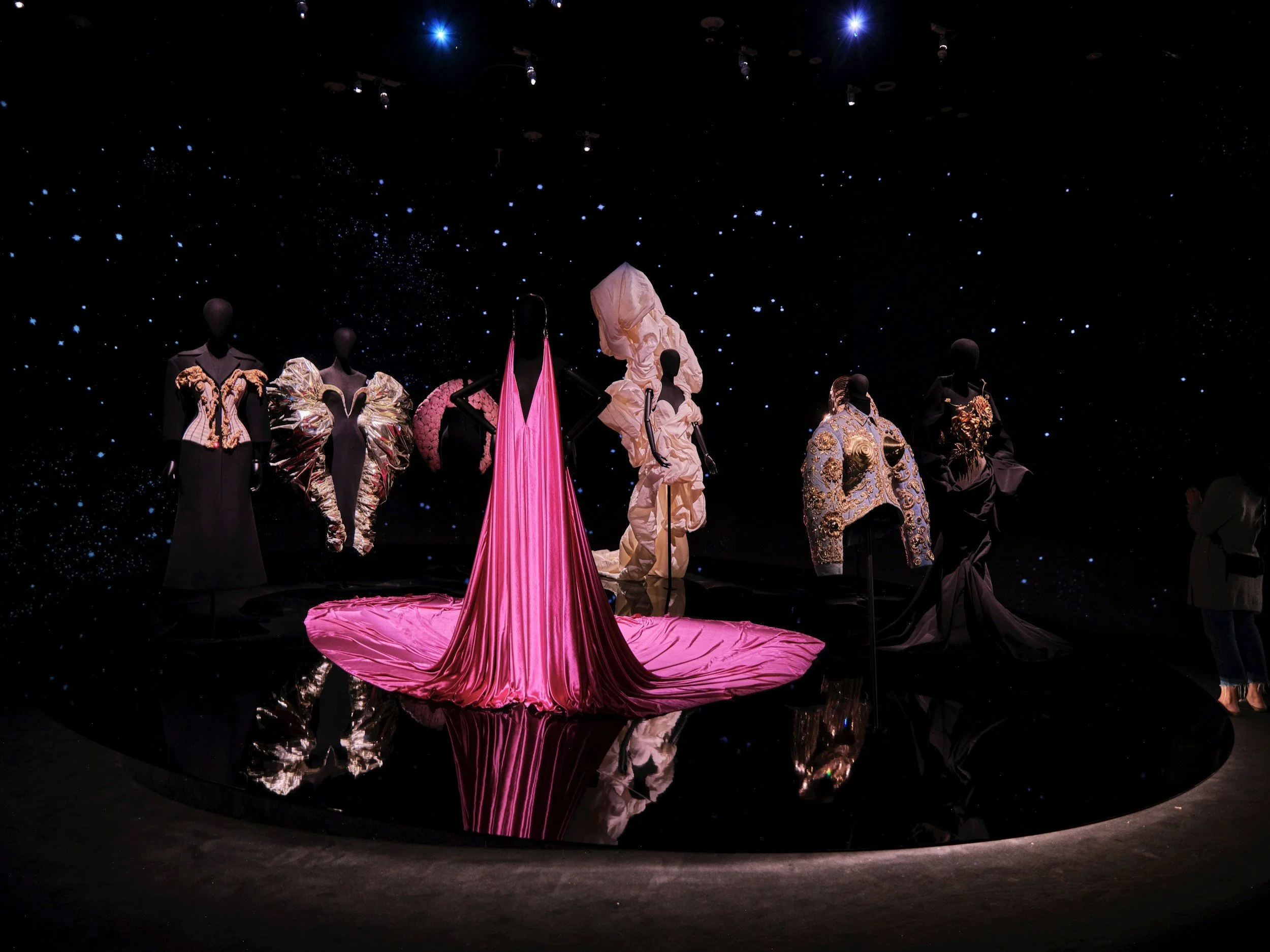
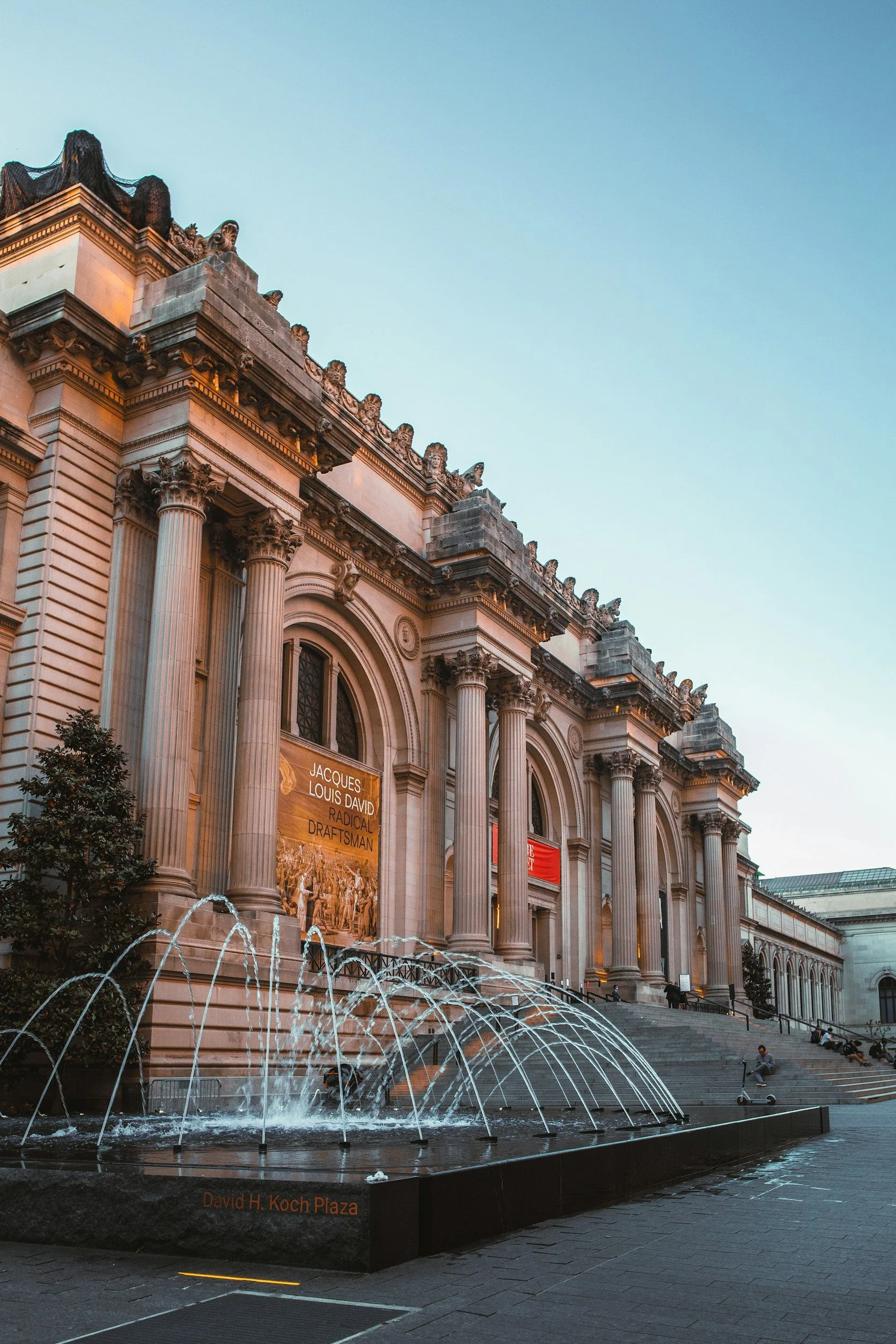
In New York, the Met Gala has always been more than a night—it’s a signal. A cultural barometer. A moment where fashion, celebrity, and aspiration converge on the steps of the Metropolitan Museum of Art and ripple outward into the city’s social fabric. In 2026, that ripple has become a wave—and it’s reshaping how New Yorkers gather, host, and spend.
New data from global event marketplace Tagvenue reveals a sharp behavioral shift: New Yorkers aren’t content with spectating. They’re staging their own Met Gala moments.
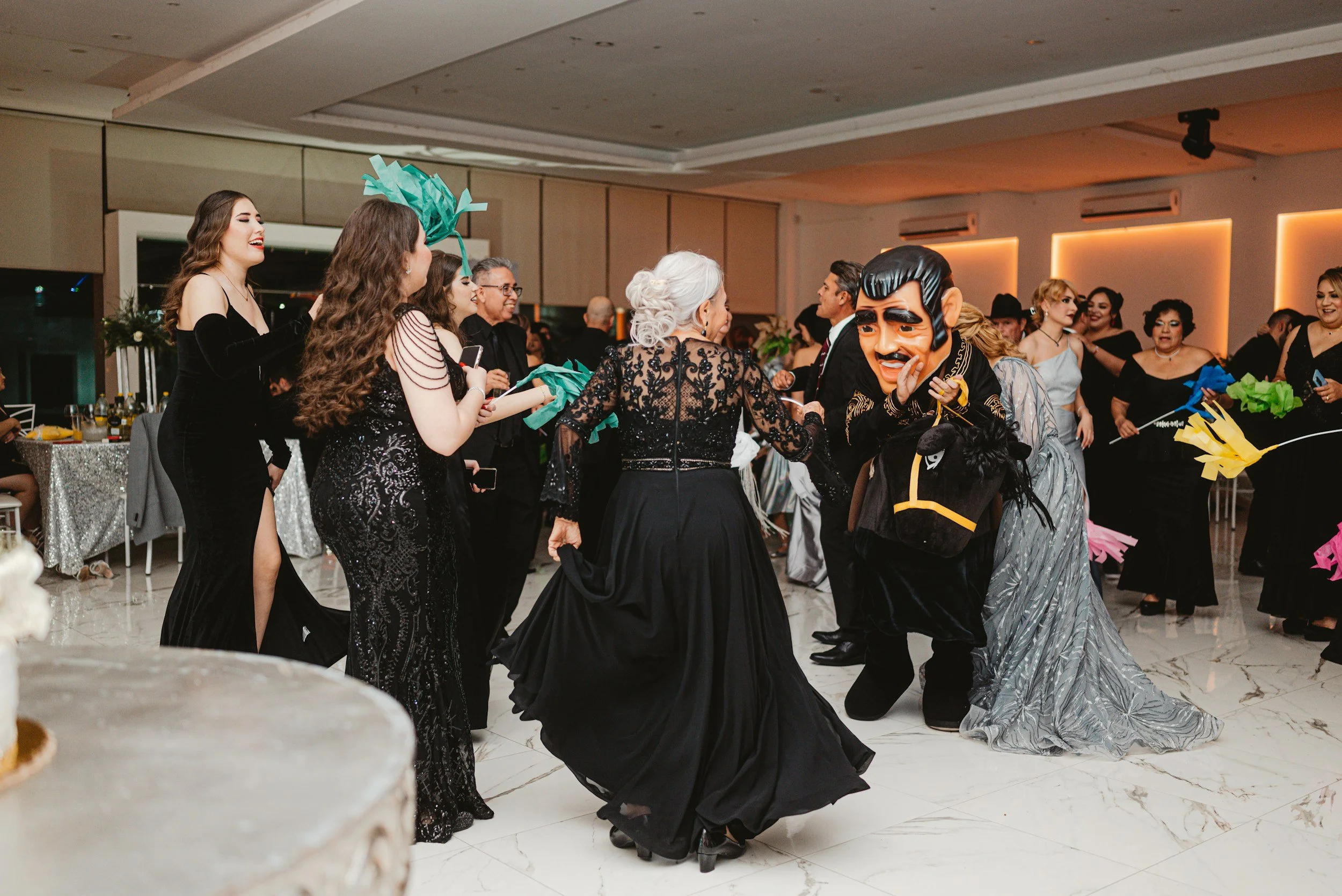
Private dining bookings across New York City have surged more than fivefold year-over-year in the lead-up to this year’s Gala. But the more telling signal isn’t just volume—it’s intent. Hosts are investing in experience. Average spend per event is up 52%, while guest lists have expanded by nearly 70%, suggesting that these gatherings are less intimate dinners and more curated productions.
The venue itself has become the statement piece.
Traditional dining rooms are being edged out by lofts, galleries, and studios—spaces with architectural character and visual drama. It’s a shift that reflects a broader evolution in how consumers engage with luxury: no longer confined to products or labels, but expressed through environments and moments. The aesthetic is deliberate—high ceilings, textured walls, skyline views—each detail calibrated for impact, both in person and on camera.
Artur Stepaniak, co-founder of Tagvenue, frames it succinctly: New Yorkers aren’t just watching the Met Gala—they’re recreating it. The implication is clear. The red carpet has decentralized.
This democratization of spectacle is not accidental. Over the past decade, the Met Gala has transformed into a global content engine, fueled by social media and amplified by personalities like Rihanna and Zendaya, whose appearances extend the event’s lifecycle far beyond a single evening. What was once an exclusive industry affair now operates as a participatory cultural moment—one that invites interpretation, imitation, and increasingly, ownership.
And New York, as ever, responds in kind.
The data underscores the city’s dominance: demand for private dining tied to the Gala outpaces other major U.S. markets like Austin and Chicago by more than six times. It’s a reminder that while fashion may be global, its epicenter—its energy, its immediacy—remains rooted in New York.
But beneath the numbers lies a deeper narrative about how culture is consumed and reimagined. The rise of these “afterparty ecosystems” signals a shift from passive admiration to active creation. Hosts are no longer just attendees in the broader fashion conversation; they are producers, crafting their own interpretations of glamour, exclusivity, and identity.
In that sense, the Met Gala’s true influence isn’t confined to what happens on the museum steps. It’s found in the city’s lofts in SoHo, its converted galleries in Brooklyn, its skyline-facing penthouses—spaces where the line between audience and participant dissolves.
Luxury, today, is no longer about access alone. It’s about authorship. And in New York, on the first Monday in May, everyone is writing their own version of the story. Data from Tagvenue shows New Yorkers are spending more, hosting bigger, and transforming private venues into personalized expressions of fashion’s most iconic night.
