
The Flavor of Fire: Barbecue Traditions Across the Pacific Islands
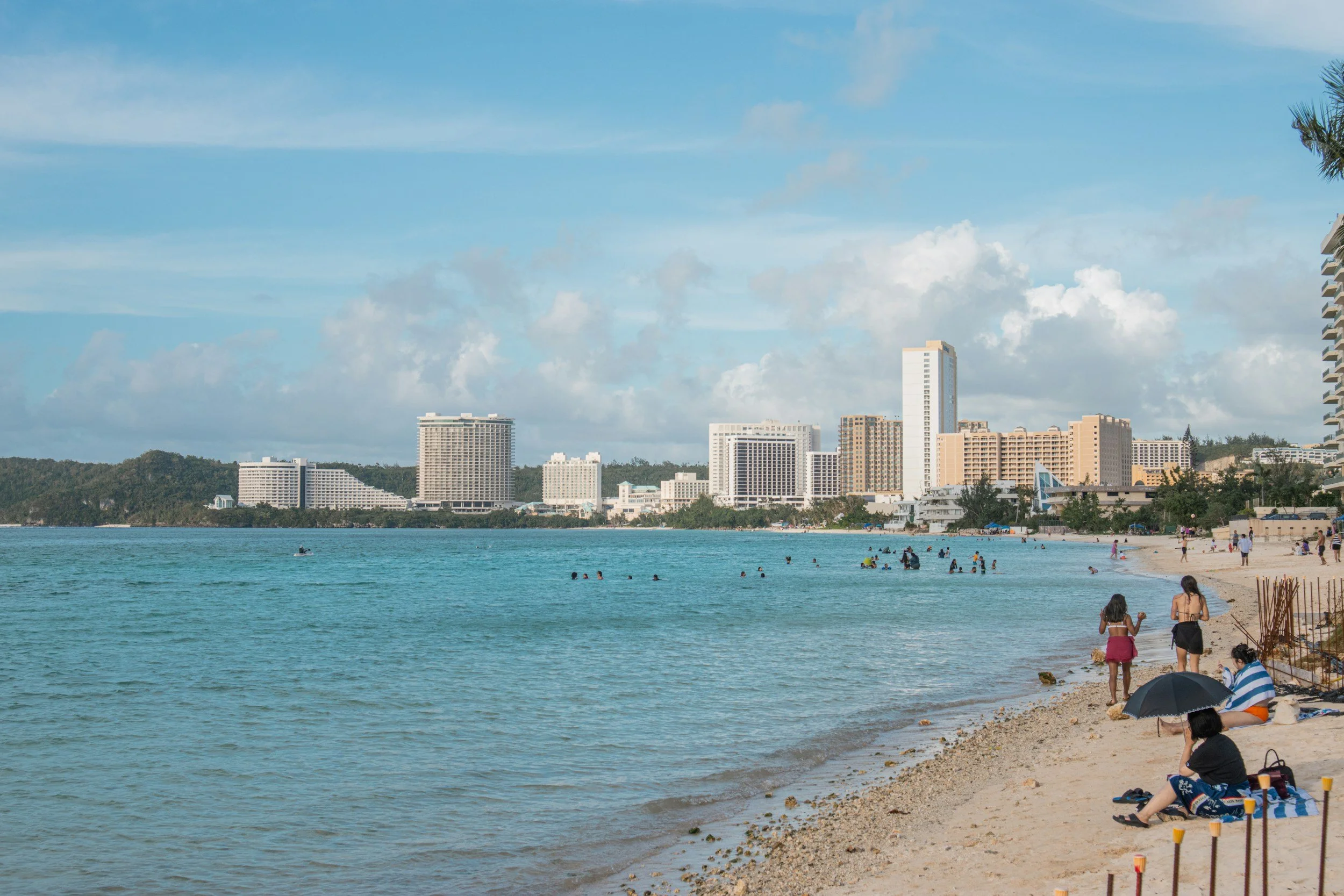
How Guam, Hawaii, and the Polynesian Islands Turn Ancient Flame Into Modern Culture
Across the Pacific Islands, barbecue isn’t just a cooking method—it’s a living archive of culture, community, and ancestral memory. Each island group has its own language of smoke and fire, shaped by geography, local ingredients, and centuries of tradition. From Guam’s tangy marinades to Hawaii’s earth-oven feasts and the bold flavors of Polynesia, Pacific barbecue is both a celebration and a homecoming, drawing people together under palm trees, ocean breezes, and the glow of hot coals.
Guam: The Chamorro Flame
Barbecue in Guam is a staple of everyday life—integral to fiestas, family gatherings, and weekend relaxation. The island’s signature style centers on finadene, a versatile sauce made from soy sauce or vinegar, lemon (or calamansi), onions, and fresh chilies. The marinade and dipping sauce is the heartbeat of Chamorro barbecue, bringing bright acidity and heat to grilled chicken, spareribs, and short ribs.
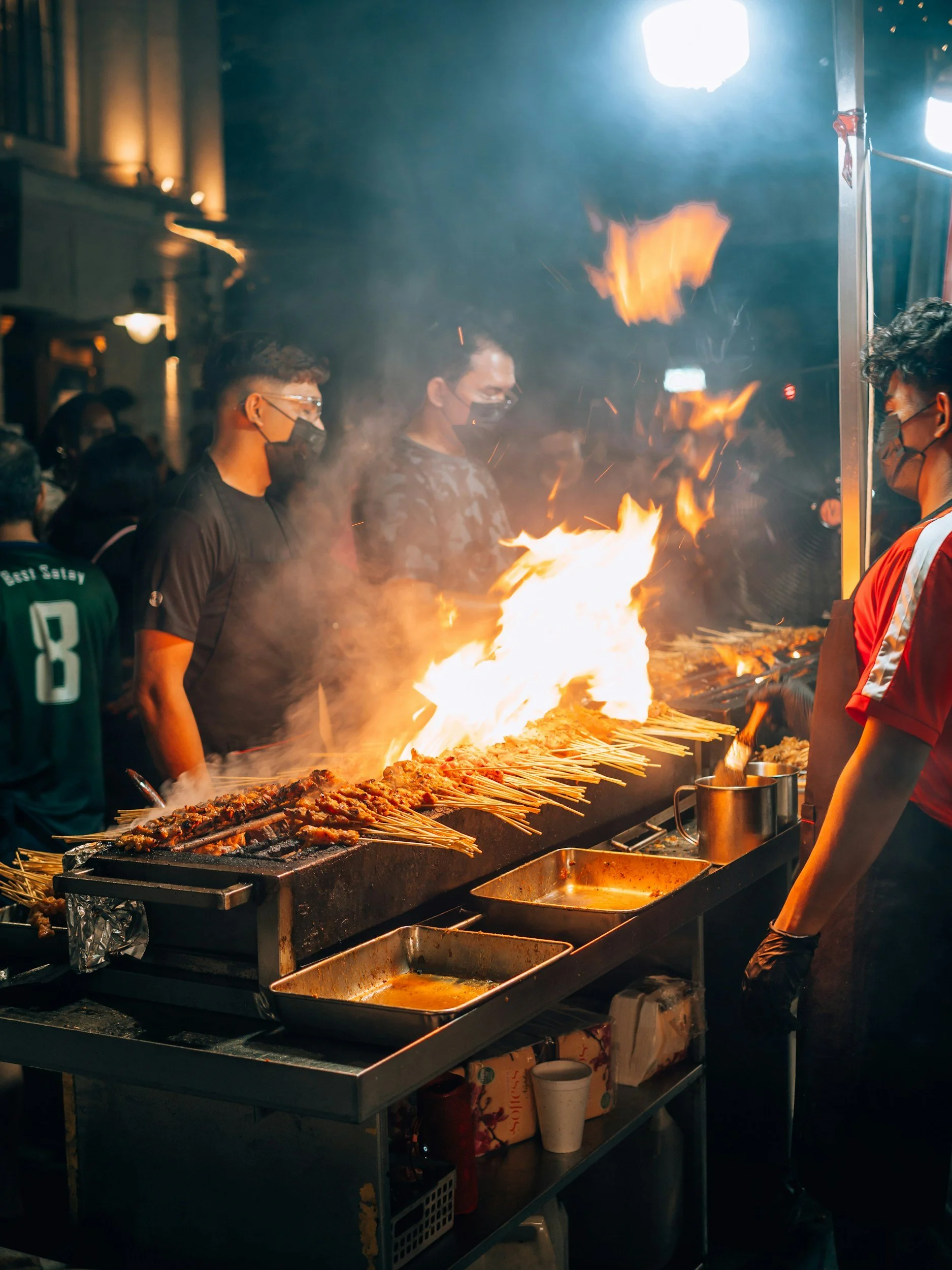
Guamanian barbecue pits often feature fat-dripping chicken thighs sizzling on wire grates, perfumed with wood smoke. The flavor profile leans savory and tangy, a mix traced to ancient Chamorro traditions later shaped by Spanish, Japanese, and Filipino influences. What makes Guam's barbecue distinct is its everyday accessibility: it’s common to see roadside tents selling plates of red rice, barbecue chicken, and kelaguen—grilled meats chopped and mixed with lemon, onions, and coconut.
To eat barbecue on Guam is to participate in an island rhythm that has remained lovingly consistent for generations.
Hawaii: The Blend of Ancient Earth and Global Influence
In Hawaii, barbecue is a meeting point of cultures—from Native Hawaiian techniques to Japanese, Korean, Filipino, Chinese, and American influences. The most iconic expression is the imu, a traditional earth oven used to slow-cook whole pigs, fish, and root vegetables like taro. The results—especially in dishes like kalua pig—are smoky, tender, and deeply woven into ceremonies and celebrations.
But Hawaii’s modern barbecue scene also shines in its multicultural plate lunches and grill culture. Huli-huli chicken, basted with a sweet soy and pineapple glaze, caramelizes beautifully over open flames. Korean barbecue flavors—galbi, bulgogi, and spicy pork—have become staples at local cookouts and food trucks. Portuguese sausages, grilled teriyaki beef, and garlic shrimp speak to the islands’ immigrant history, each bite a reminder of Hawaii’s place as a cultural crossroads.
What ties it all together is aloha—food as a vessel for hospitality, generosity, and connection.
Polynesia: The Communal Spirit of the Islands
Across Polynesia—spanning Samoa, Tonga, Tahiti, the Cook Islands, and beyond—barbecue takes on a communal form that preserves ancient techniques and honors the land. In many Polynesian cultures, cooking is an act of reverence as much as nourishment.
Samoa’s iconic umu involves placing heated volcanic stones on top of food wrapped in banana leaves, creating a smoky, aromatic steam. Chicken, fish, breadfruit, and taro cook alongside palusami, a beloved dish of taro leaves simmered with coconut cream. The flavors are clean and earthy, relying on natural ingredients rather than heavy sauces.
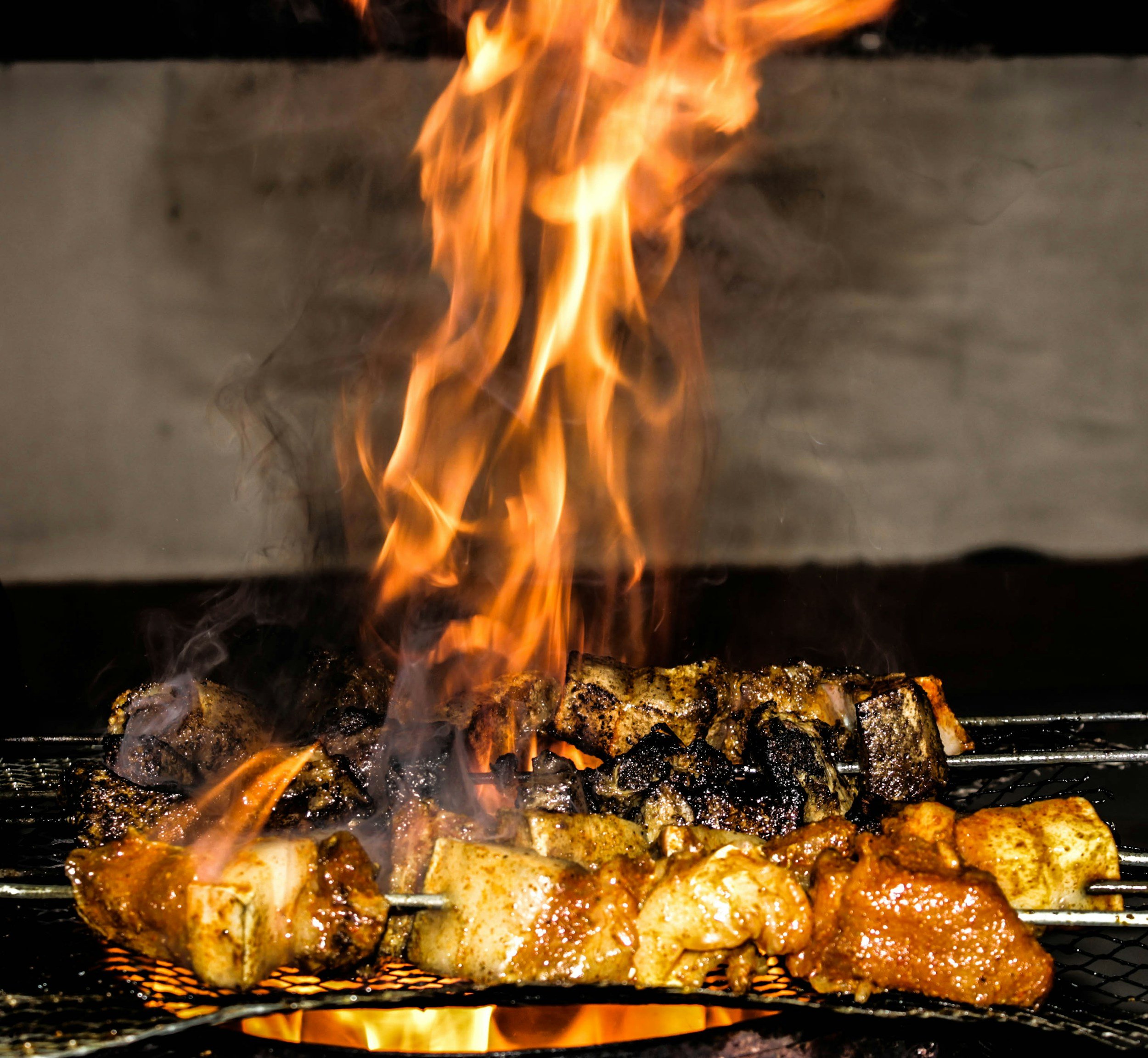
In Tonga, the lovo—similar to the imu and umu—anchors celebrations with slow-roasted meats and root crops that absorb the flavor of fire and soil. French Polynesia’s ma'a Tahiti follows a similar pathway, with pork, fish, and coconut-infused dishes cooked underground for hours.
Polynesian barbecue prioritizes togetherness: the preparation is shared, the cooking is ritualistic, and the meal is a collective experience. It’s food that tells the story of migration, ancestry, and deep respect for the natural world.
A Shared Heat, A Thousand Stories
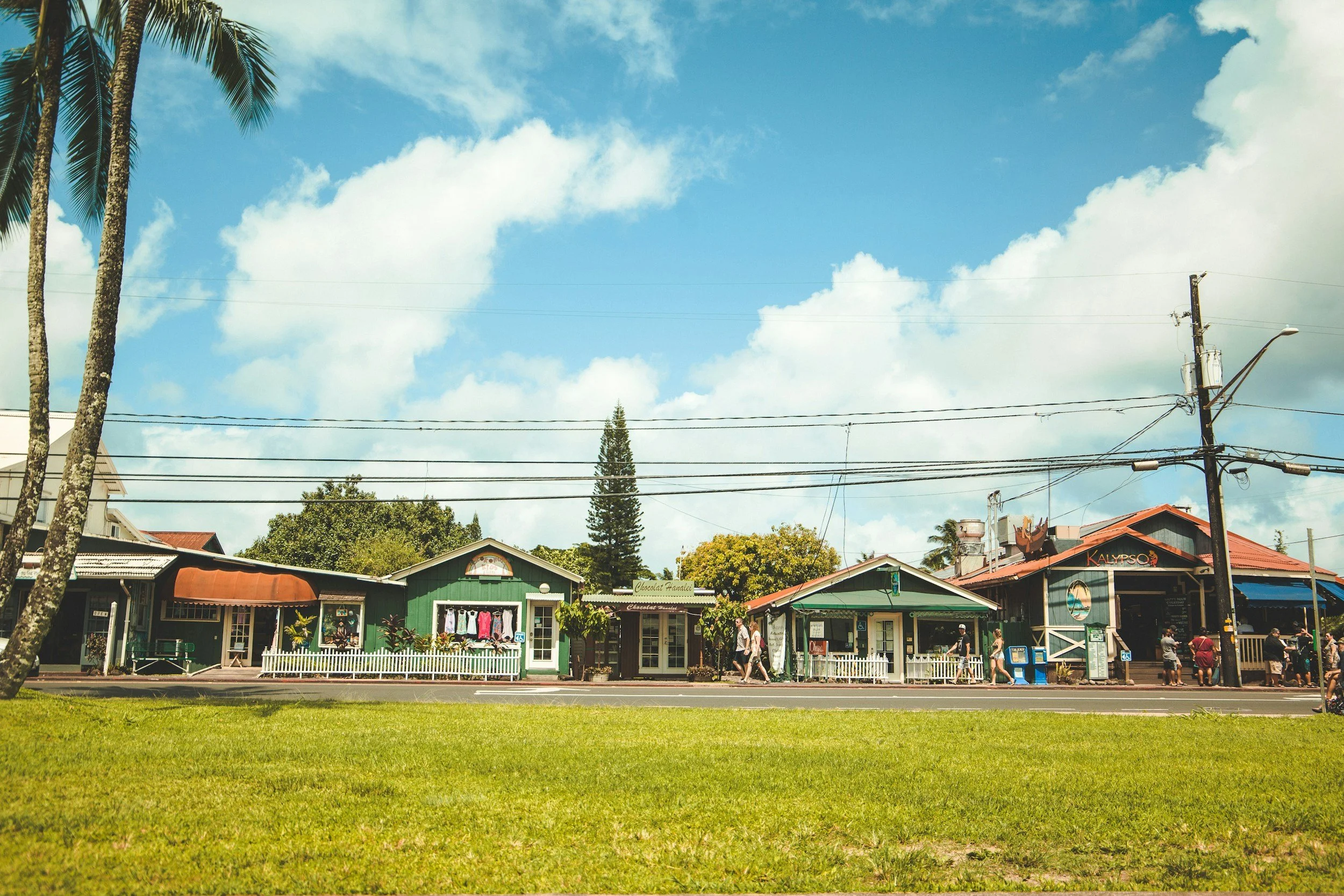
Though each island group has its own techniques and flavors, the Pacific Islands share a unifying truth: barbecue is community. It’s ceremony, identity, history, and celebration served on a plate.
In the Pacific, barbecue is not rushed. It’s tended with patience, seasoned with heritage, and shared freely. Whether you’re savoring Guam’s finadene-kissed chicken, Hawaii’s kalua pork pulled from an imu, or the coconut-rich creations of a Samoan umu, you’re tasting more than food—you’re tasting the warmth of the islands themselves.
