
The Silent Epidemic: How Pickpockets Are Strangling Europe’s Soul
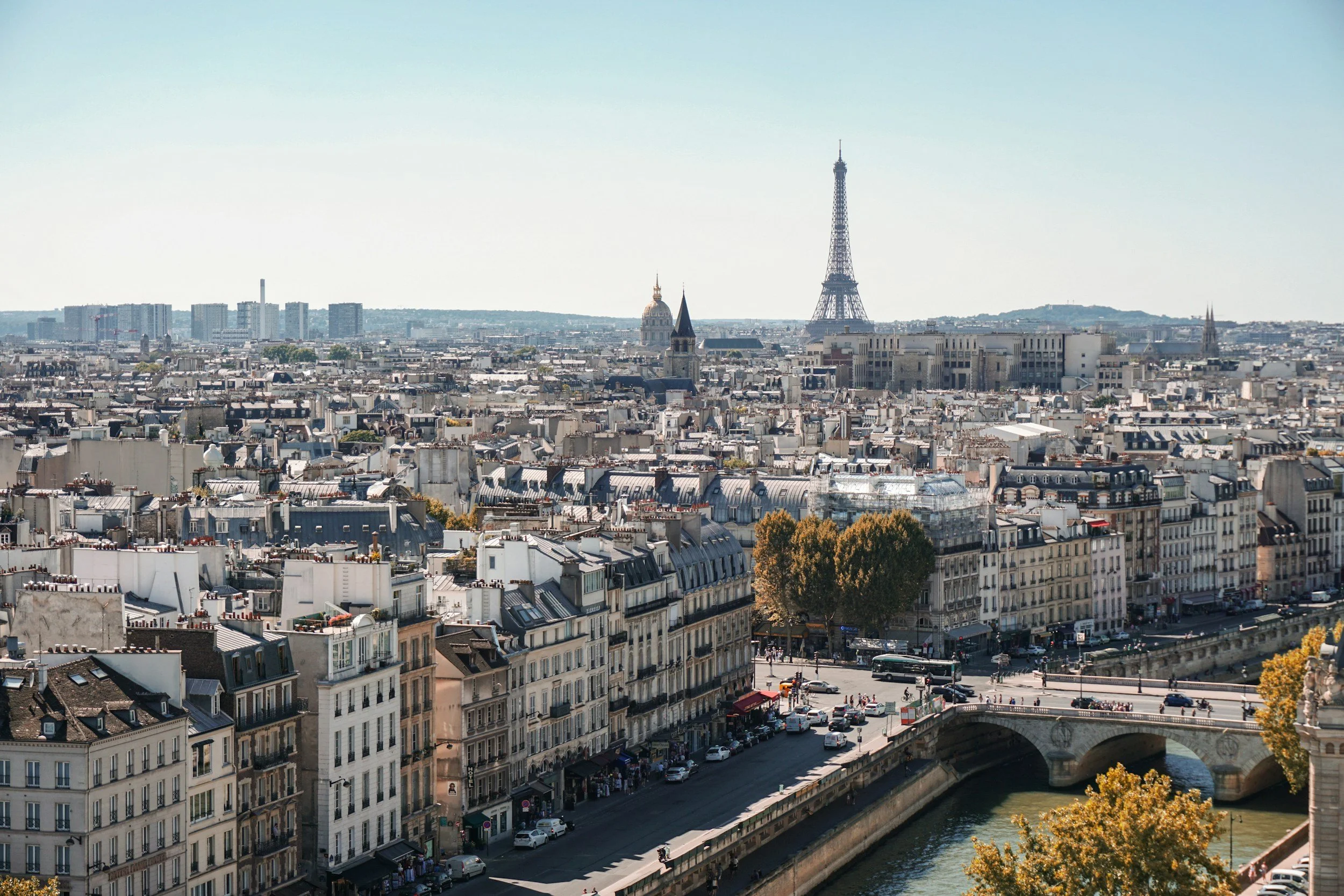
It starts not with a shout, but with a brush. A casual bump in a crowded Rome metro, or a Porto bus stop, a moment of distraction before the Mona Lisa, a helpful stranger causing a commotion at a Barcelona cafe. By the time you notice, your wallet, your phone, your passport—a piece of your freedom and security—is gone. Across Europe’s most beloved cities, from the sun-drenched plazas of Spain to the historic arrondissements of Paris, pickpocketing has evolved from a petty crime into a sophisticated, systemic blight that is degrading the tourist experience and betraying the very openness these cultures celebrate.
This is not a matter of simple misfortune. It is a high-volume, low-risk industrial operation. Organized gangs, often exploiting minors, operate with impunity, targeting the lifeblood of Europe: its visitors. The calculus is brutally simple. A tourist is a walking repository of cash, cards, and valuable documents, typically focused on sights, not security. The penalties for getting caught are minimal, often resulting in a quick release. For the perpetrators, it’s a business. For the victim, it’s a trauma—a violation that transforms a dream holiday into a nightmare of police reports, cancelled cards, and embassy queues.
The cost is measured in more than euros. It is a corrosion of trust. Signs warning of pickpockets now adorn monuments alongside historical information. Locals and seasoned travelers alike adopt a fortress mentality—money belts worn under clothes, bags clutched viscerally to the chest, constant, wary scans of the environment. The spontaneous joy of a crowded Christmas market or a lively festival is now tinged with anxiety. The European ideal of border-free travel and cultural exchange is undermined by the need for hyper-vigilance.
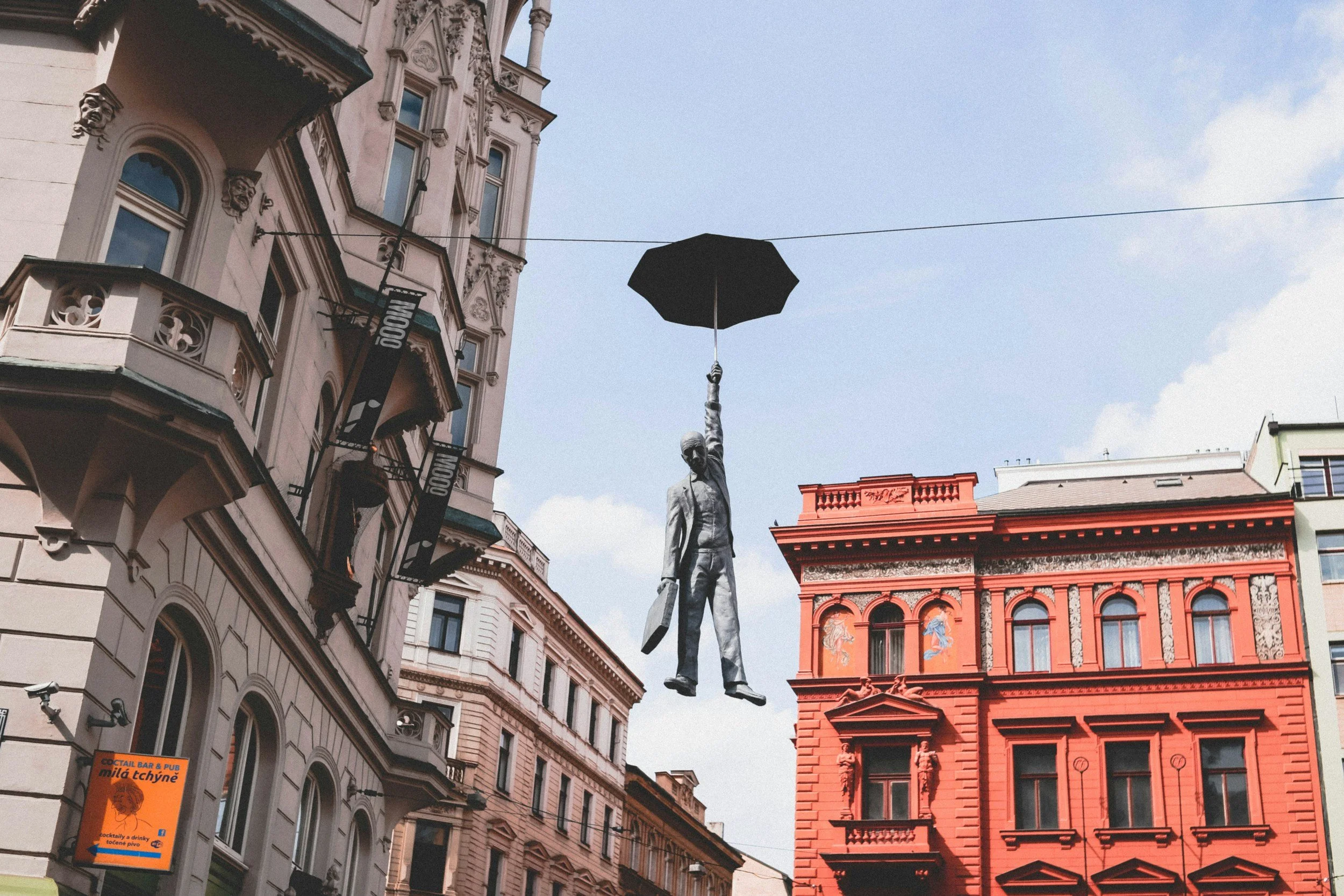
What is to be done? The solution requires moving beyond resigned acceptance. First, authorities must treat organized pickpocketing with the severity it warrants. This means dedicated, visible police patrols in hotspots, cross-border cooperation to dismantle criminal networks, and meaningful legal consequences that move beyond a judicial slap on the wrist. Cities like Prague have seen success with plainclothes units, while others have increased surveillance in key areas.
Second, the tourism industry must be a proactive partner. Hotels, tour operators, and visitor centers have a duty to provide clear, practical, and frequent warnings—not just in fine print, but upon arrival. They should offer secure storage and clear guidelines for reporting crimes.
Finally, as travelers, we must be prepared, not paranoid. Use anti-theft bags, distribute valuables, and leverage hotel safes. Be especially wary of crowded conditions and classic distractions: someone spilling a drink, asking for directions, or creating a sudden argument. Your awareness is your strongest shield.
Europe’s heritage is a gift to the world. Its cities are living museums, its culture a treasure. To allow this plague of petty theft to continue unchecked is to tarnish that gift. It is time for a concerted, uncompromising effort to protect the visitors who fuel economies and seek enrichment, ensuring that the only memories they take home are the beautiful ones they came to find.
Top Countries for Pickpocketing Density (in no strict order):
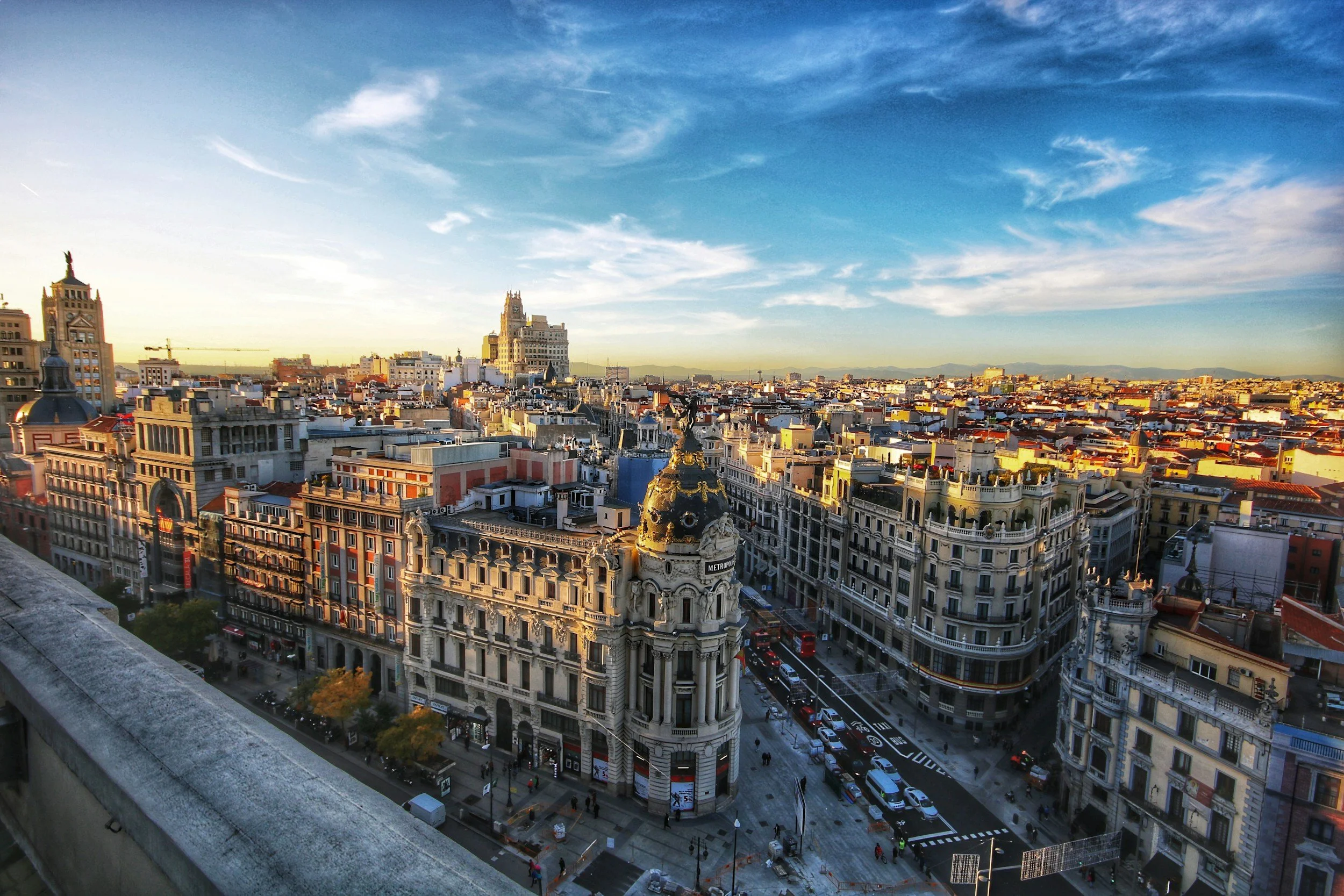
Spain: Frequently ranks at the very top of lists. Barcelona and Madrid are perennially labeled as the pickpocketing capitals of Europe, particularly in areas like Las Ramblas, the metro, and major museums.
Italy: Another consistent leader. Rome (especially the Colosseum metro, Trevi Fountain), Florence (around the Duomo and Ponte Vecchio), Milan (Central Station), and Naples are notorious hotspots.
France: Paris is a major epicenter, with the Louvre, the Eiffel Tower, the Metro (especially Line 1), and the Montmartre steps being prime locations.
Czech Republic: Prague's historic center (Old Town Square, Charles Bridge) sees extremely high volumes of incidents.
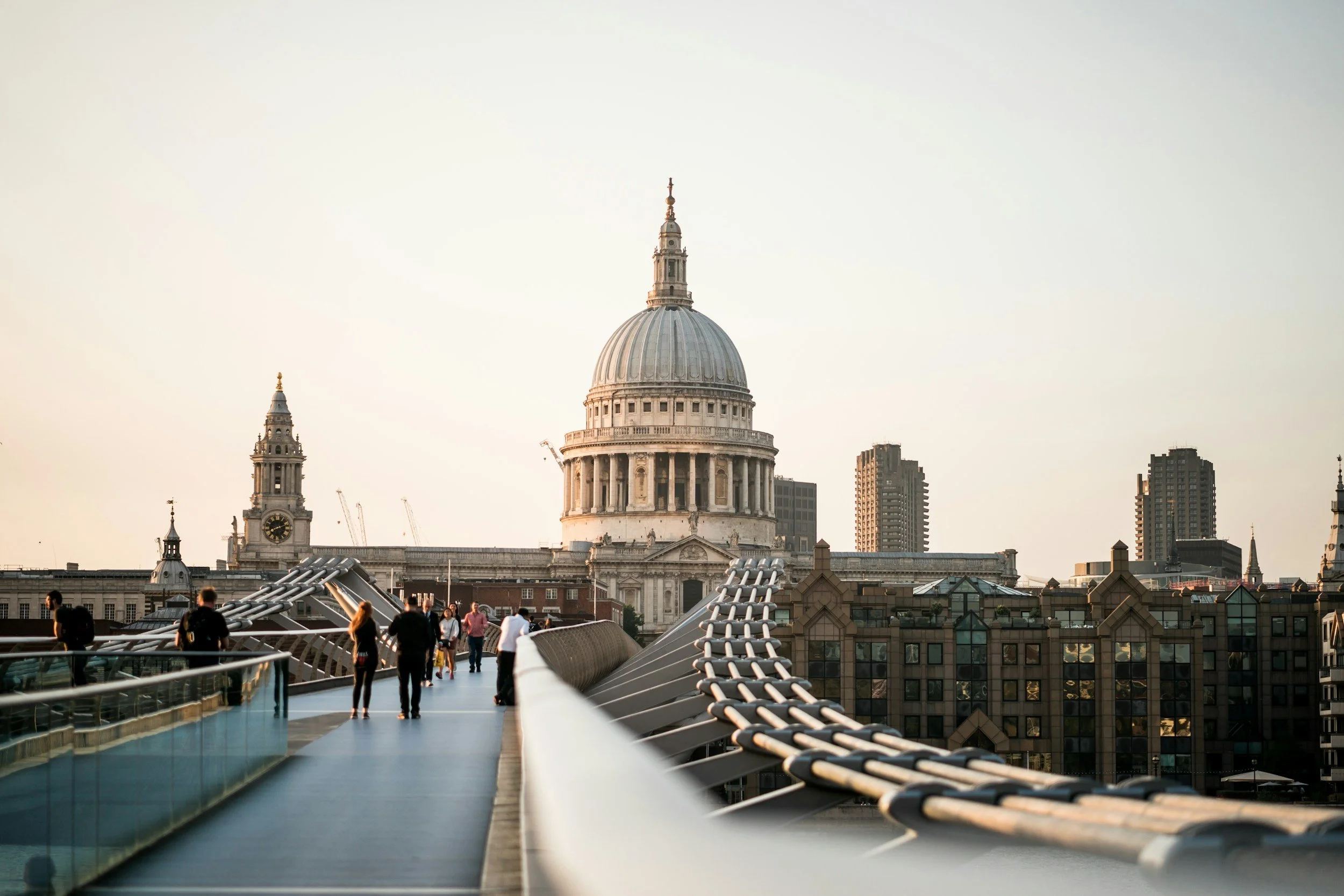
United Kingdom: London's crowded areas like the Tube, Oxford Street, and landmarks such as the London Eye are key targets.
Greece: Athens (metro, Monastiraki, Acropolis) faces significant challenges, particularly during peak tourist season.
Netherlands: Amsterdam's Red Light District, Central Station, and trams are commonly mentioned in advisories.
Hungary: Budapest's District V (the tourist center), public transport, and thermal baths are frequent sites.
Poland: Warsaw and Kraków's main squares and public transport see concentrated activity.
