
As Paris Art Week Continues To Expand, OFFSCREEN Paris Positions Ana Mendieta At The Center Of The Conversation
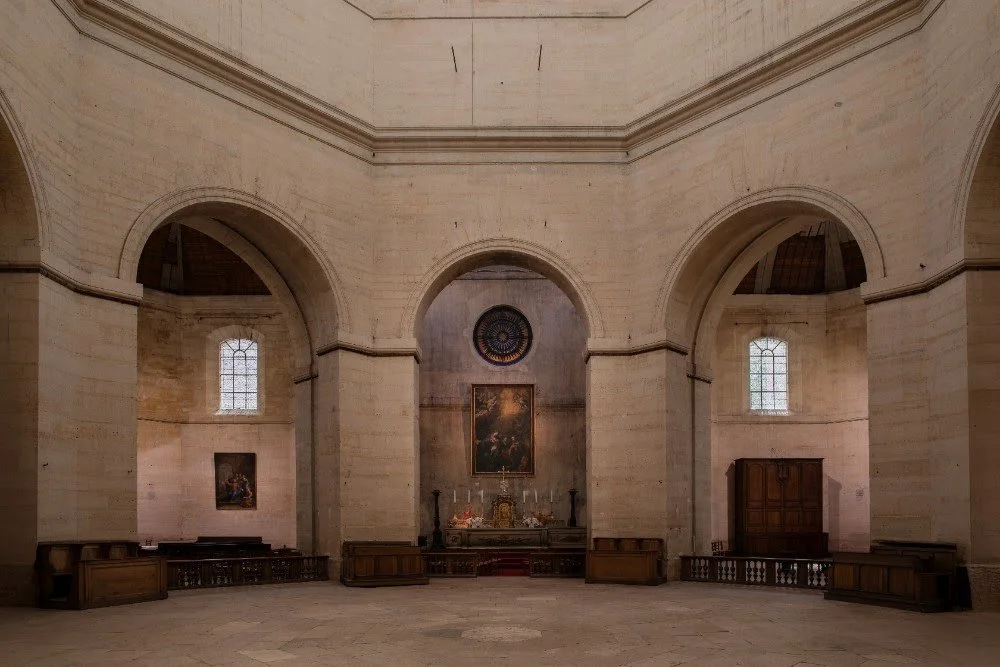
La Chapelle Saint-Louis de la Salpêtrière. Hôpital Pitié-Salpêtrière, AP-HP ©Joseph Jabbour
The contemporary art world's relationship with moving images has evolved dramatically over the last decade. Once relegated to darkened museum galleries and experimental screenings, film, video, and image-based practices have become some of the most closely watched segments of the global art market. Few events have tracked—and helped shape—that evolution as intentionally as OFFSCREEN Paris.
Returning for its fifth edition from October 20 through 25, OFFSCREEN Paris once again transforms the historic Chapelle Saint-Louis de la Salpêtrière into a platform for contemporary image-making, bringing together a tightly curated selection of galleries, artists, collectors, and institutions during one of the most important weeks on the international art calendar. This year's edition arrives with a particularly resonant focal point: a celebration of the late Ana Mendieta, whose pioneering use of film, performance, sculpture, and landscape continues to influence generations of artists working across disciplines.
Founded in 2022 by Artistic Director Julien Frydman, OFFSCREEN has quickly distinguished itself within Paris Art Week by resisting the scale-driven ambitions that characterize many contemporary fairs. Instead, the event has embraced a more deliberate model—one where architecture, curation, and artistic experimentation operate in equal measure.
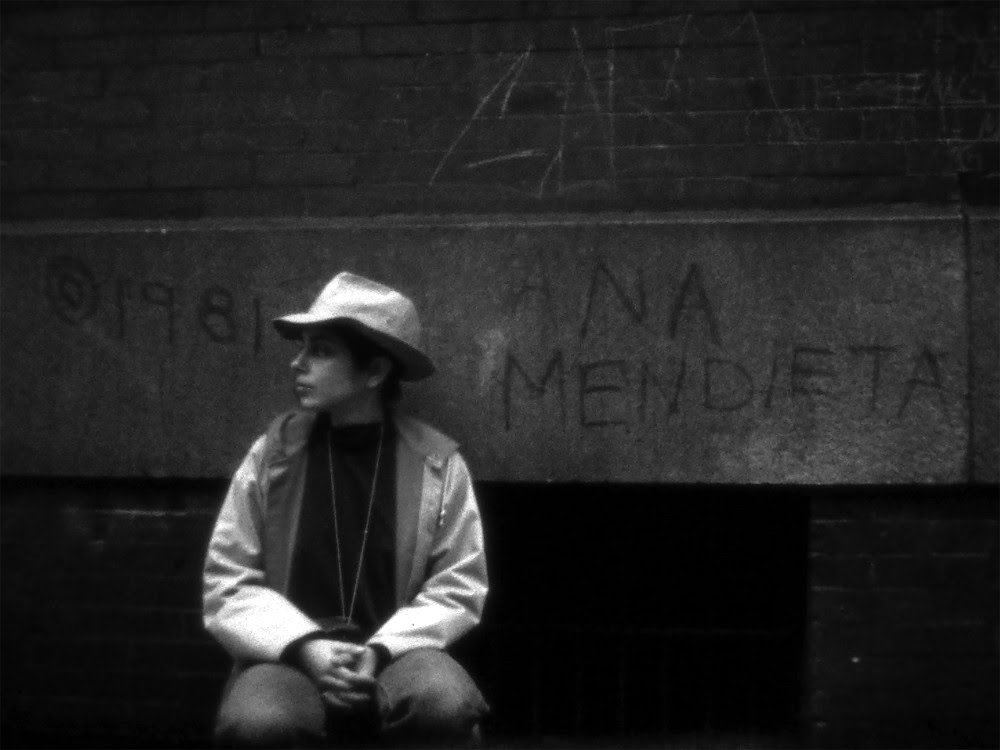
Ana Mendieta, Super 8, black and white film still, 1981. © The Estate of Ana Mendieta Collection, LLC. Licensed by Artists Right Society (ARS), New York / ADAGP, Paris / Courtesy Marian Goodman Gallery
That approach has helped establish OFFSCREEN as a significant nexus between institutions, collectors, galleries, and artists working within image-based practices. In just five years, it has become a destination for those seeking work that exists beyond traditional categories, occupying the increasingly fluid territory between cinema, photography, installation, performance, and sculpture.
This year's Guest of Honor presentation underscores that mission.
More than four decades after her death, Ana Mendieta remains one of contemporary art's most influential voices. Best known for her "Silueta" works, in which traces of her body were embedded into landscapes through earth, fire, flowers, water, and other natural elements, Mendieta explored questions of identity, displacement, ritual, and belonging with a visual language that feels remarkably contemporary.
While her photographs and sculptures are often discussed within art historical circles, her contribution to experimental film remains equally significant. Throughout the 1970s and early 1980s, Mendieta produced more than one hundred films, creating a body of work that expanded the possibilities of moving images as a medium for performance and environmental intervention.
Developed in collaboration with the Estate of Ana Mendieta and presented by Marian Goodman Gallery, the installation at OFFSCREEN will offer visitors an opportunity to engage with that legacy within a uniquely architectural setting. The presentation also coincides with a major exhibition dedicated to the artist at Tate Modern in London, reinforcing renewed institutional attention surrounding her practice and its enduring relevance.
The choice of venue further amplifies the dialogue between artwork and environment.
For the second consecutive year, OFFSCREEN occupies La Chapelle Saint-Louis de la Salpêtrière, one of Paris' most distinctive yet historically underutilized cultural spaces. Situated within the historic Pitié-Salpêtrière hospital complex, the chapel carries a rich artistic legacy of its own. During the late twentieth century, it hosted ambitious site-specific interventions from figures including Anselm Kiefer, Bob Wilson, Lucinda Childs, Bill Viola, Nan Goldin, and Christian Boltanski as part of the Festival d'Automne.
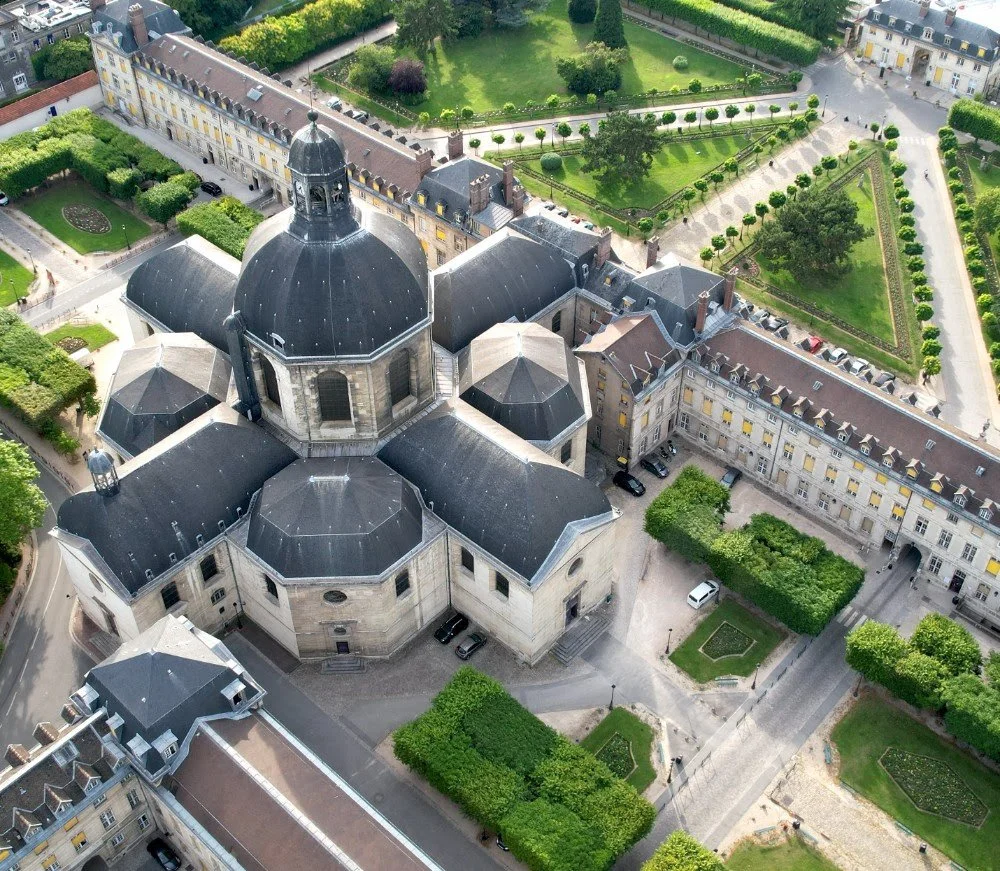
La Chapelle Saint-Louis de la Salpêtrière. Hôpital Pitié-Salpêtrière, AP-HP. Photo Lympia Architecture
By returning contemporary art programming to the landmark, OFFSCREEN is doing more than staging an exhibition—it is reactivating a significant chapter of Parisian cultural history.
That commitment to site-specific presentation has become one of the fair's defining characteristics. Previous editions transformed the Brutalist Grand Garage Haussmann and the historic Hôtel Salomon de Rothschild into temporary environments where architecture functioned as an active participant rather than a neutral backdrop. In an era when many fairs compete through scale and spectacle, OFFSCREEN's emphasis on context feels increasingly relevant.
The result is an exhibition model that reflects broader shifts occurring across the contemporary art ecosystem. Collectors are demonstrating greater interest in experiential works, institutions continue to expand their engagement with time-based media, and artists are increasingly working across formats that resist traditional classification.
Within that landscape, OFFSCREEN occupies a unique position. It operates simultaneously as a commercial platform, a curatorial experiment, and a gathering point for conversations surrounding the future of image-based art.
As Paris prepares to welcome another influx of collectors, curators, artists, and cultural leaders this October, OFFSCREEN's fifth edition arrives not simply as an exhibition, but as a reflection of how contemporary art continues to redefine the relationship between images, architecture, and lived experience.
And by placing Ana Mendieta's groundbreaking practice at its center, the event offers a timely reminder that some of the most forward-looking conversations in art are often rooted in artists whose visions continue to resonate across generations.
