Soft Hours Reimagines Chinese Tea Culture As A Contemporary Ritual In New York’s Lower East Side
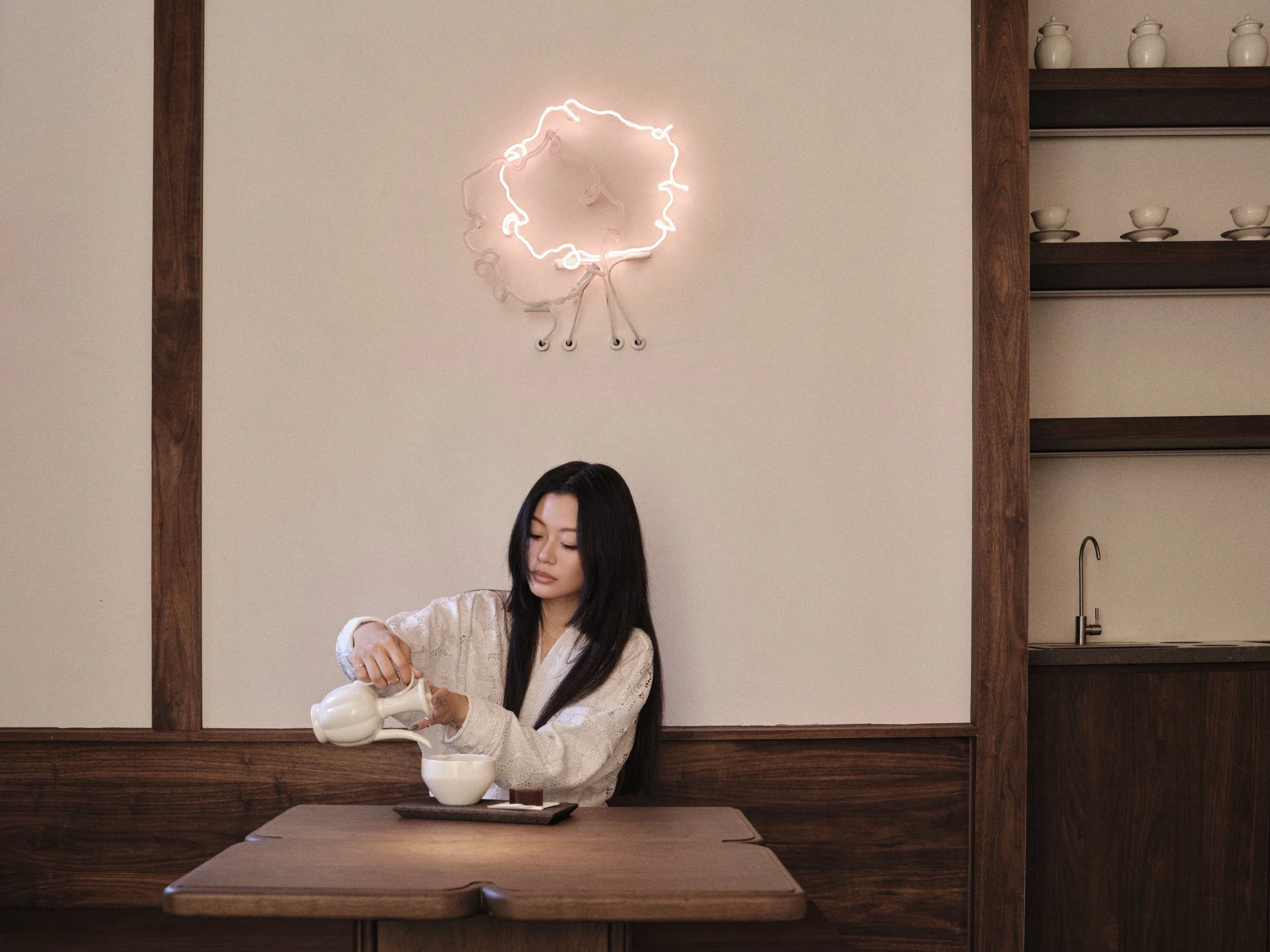
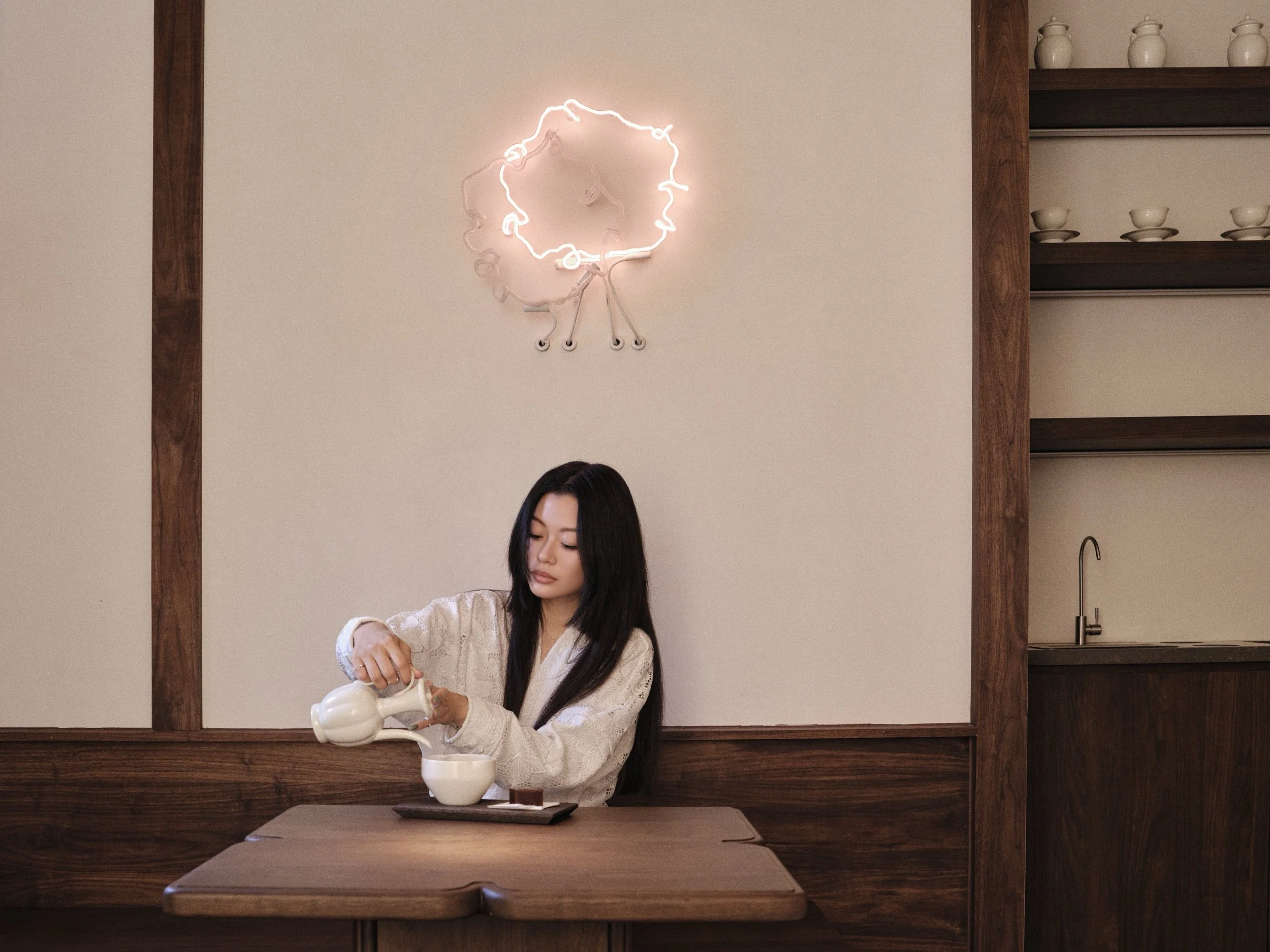
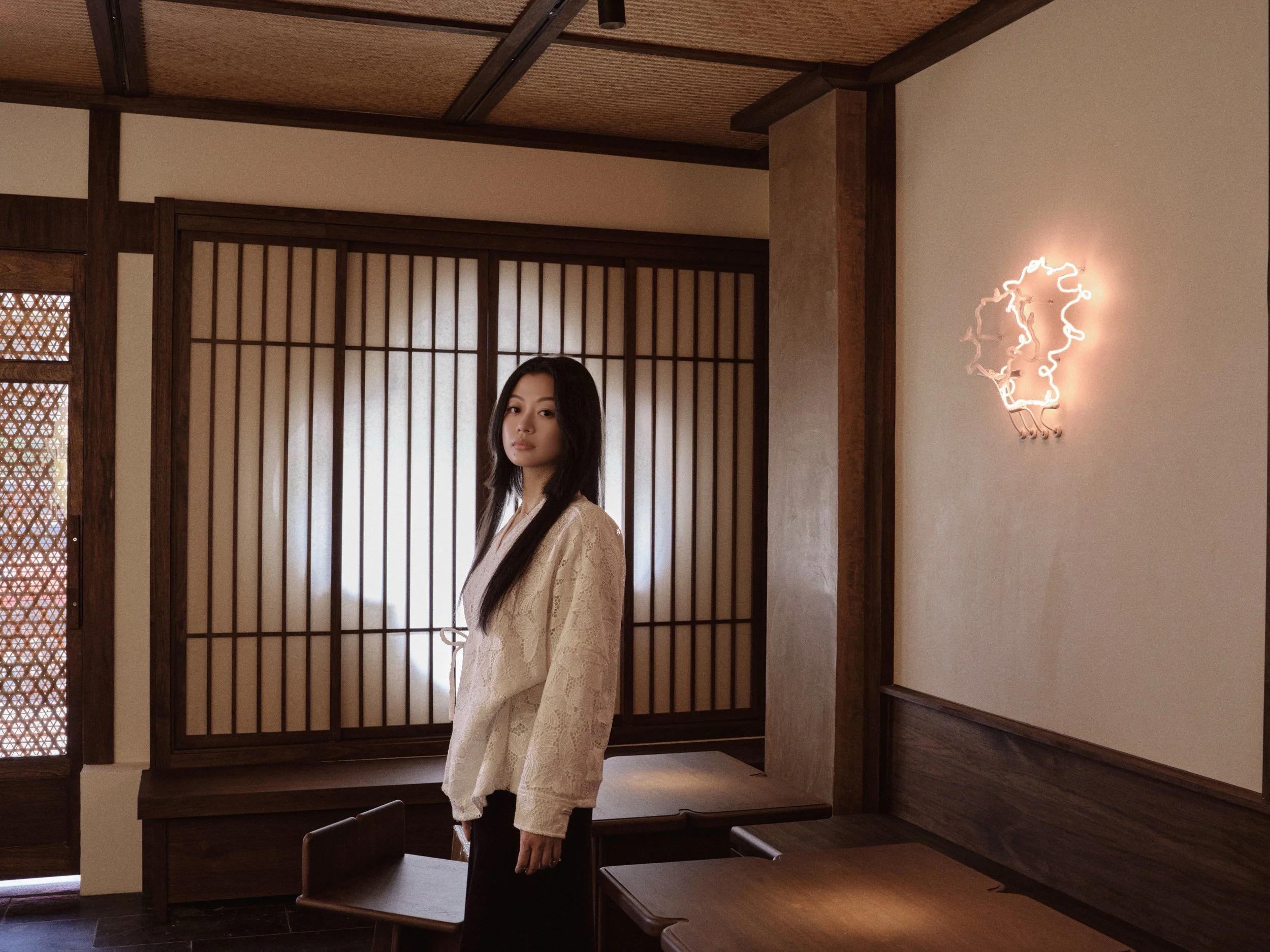
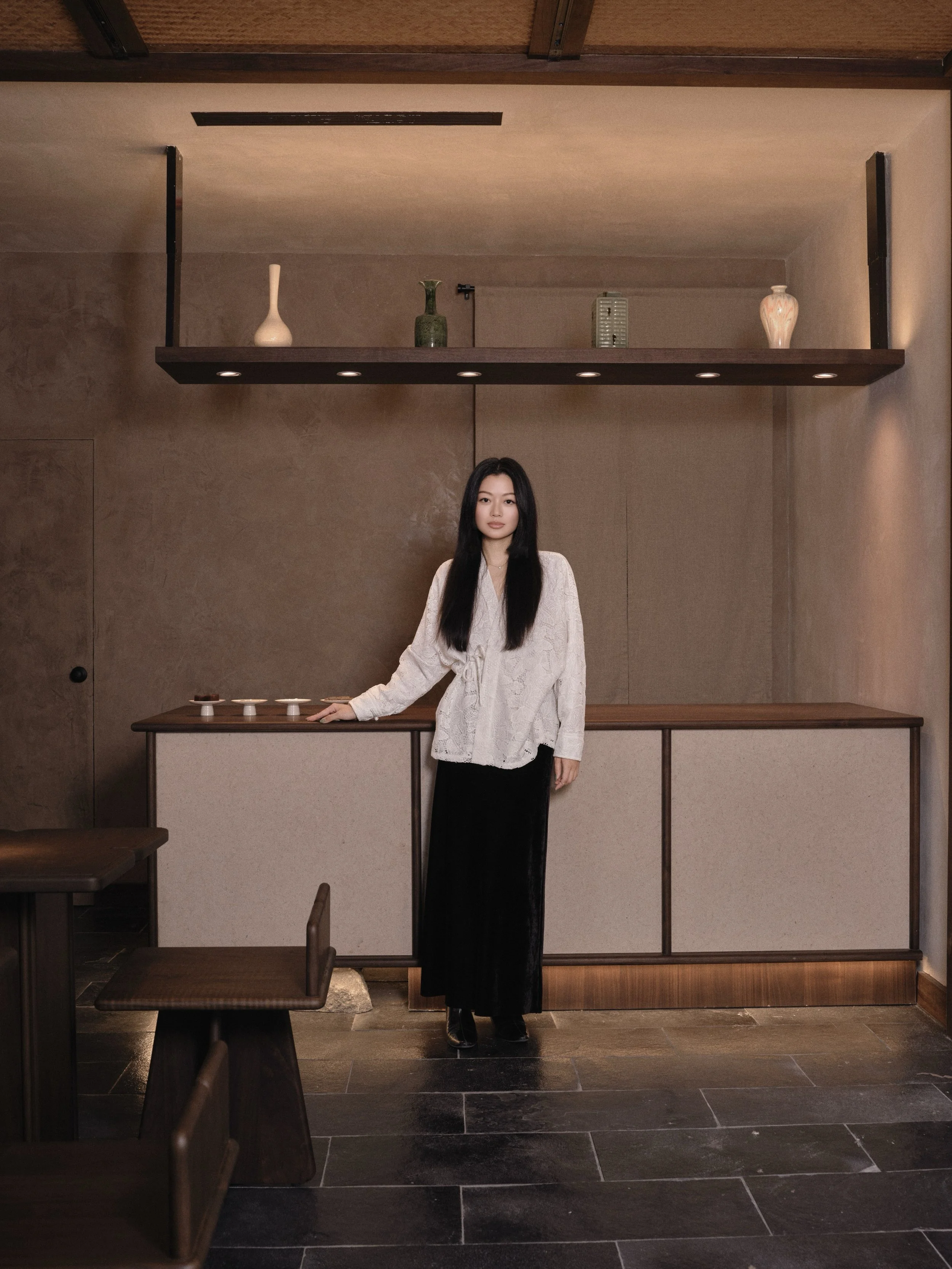
Founder Juno Shen, at Soft Hours. (Courtesy of James K Lowe)
In a city defined by acceleration, where hospitality increasingly leans toward spectacle, Soft Hours arrives with a quieter proposition: intentional slowness. Situated in the heart of the Lower East Side, the newly opened tea house reframes Chinese tea culture through the lens of mindful living, architecture, and sensory reflection, offering New Yorkers a deliberate pause amid the intensity of downtown Manhattan.
Founded by artist Juno Shen, Soft Hours draws inspiration from the Song Dynasty, a period widely regarded as one of China’s most culturally sophisticated eras. Rather than treating history as nostalgia, Shen translates the dynasty’s emphasis on cultivated leisure, intellectual refinement, and communion with nature into a contemporary spatial experience. The result is less café and more cultural retreat — a place where tea becomes both ritual and medium.
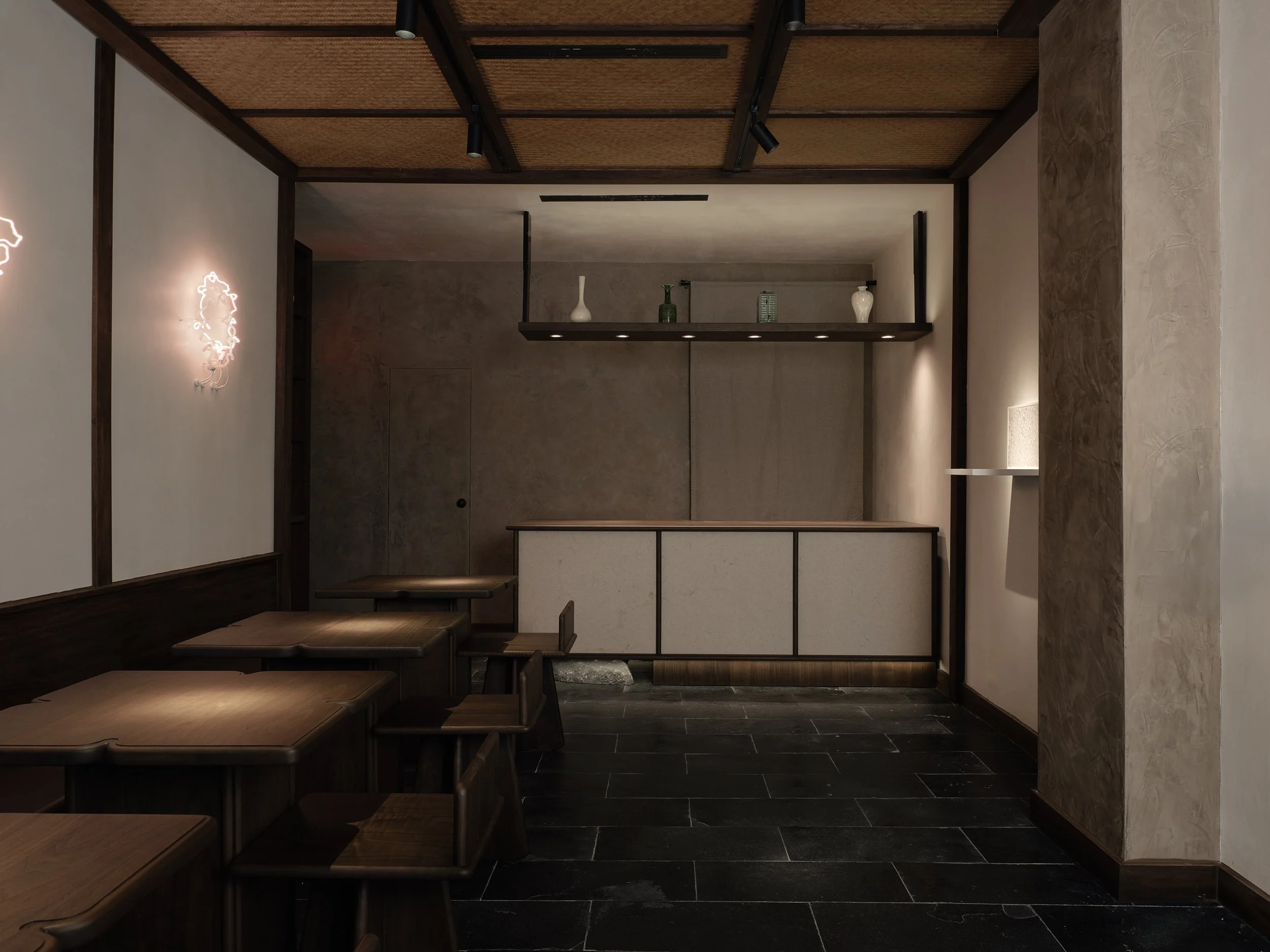
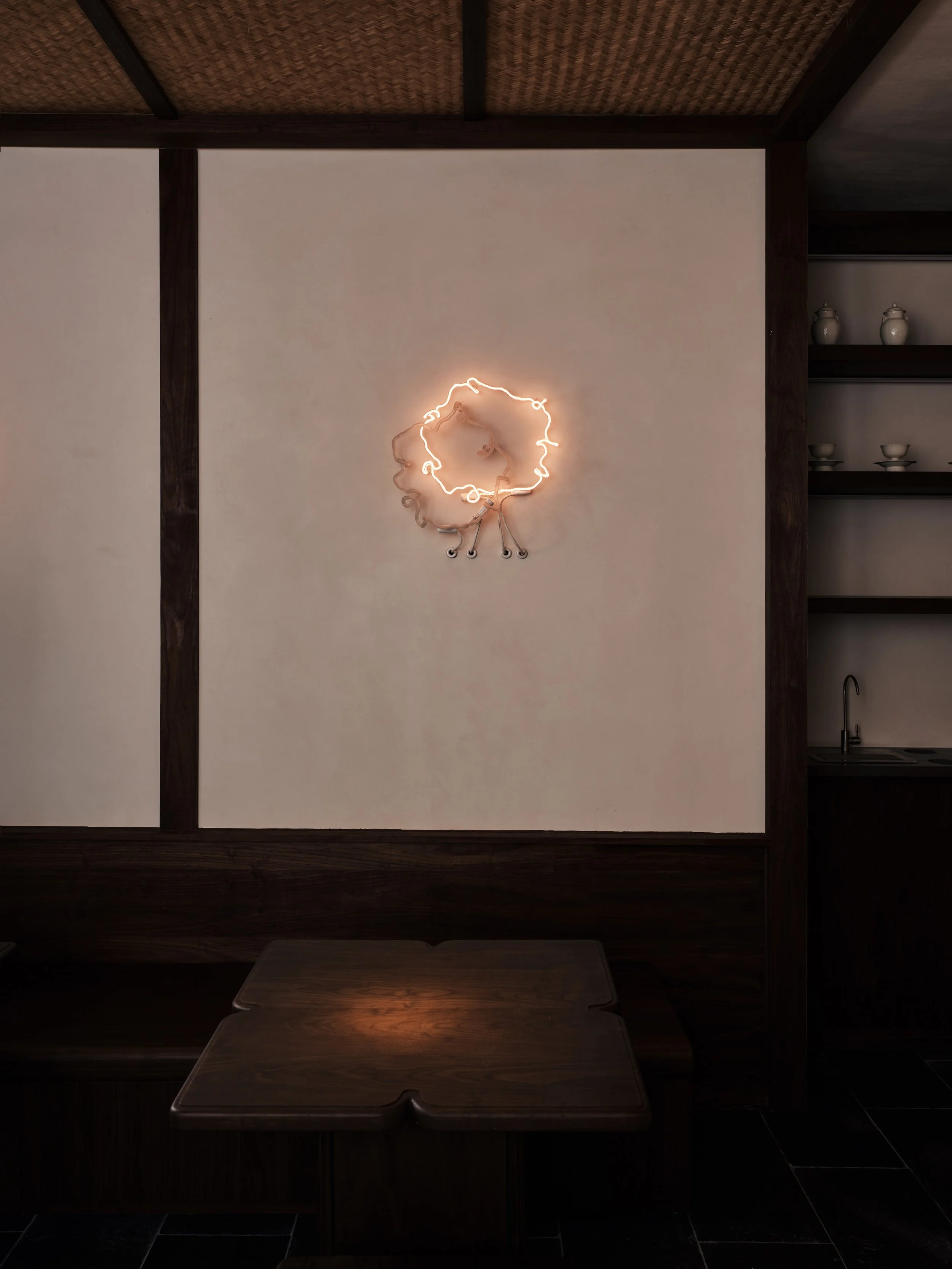
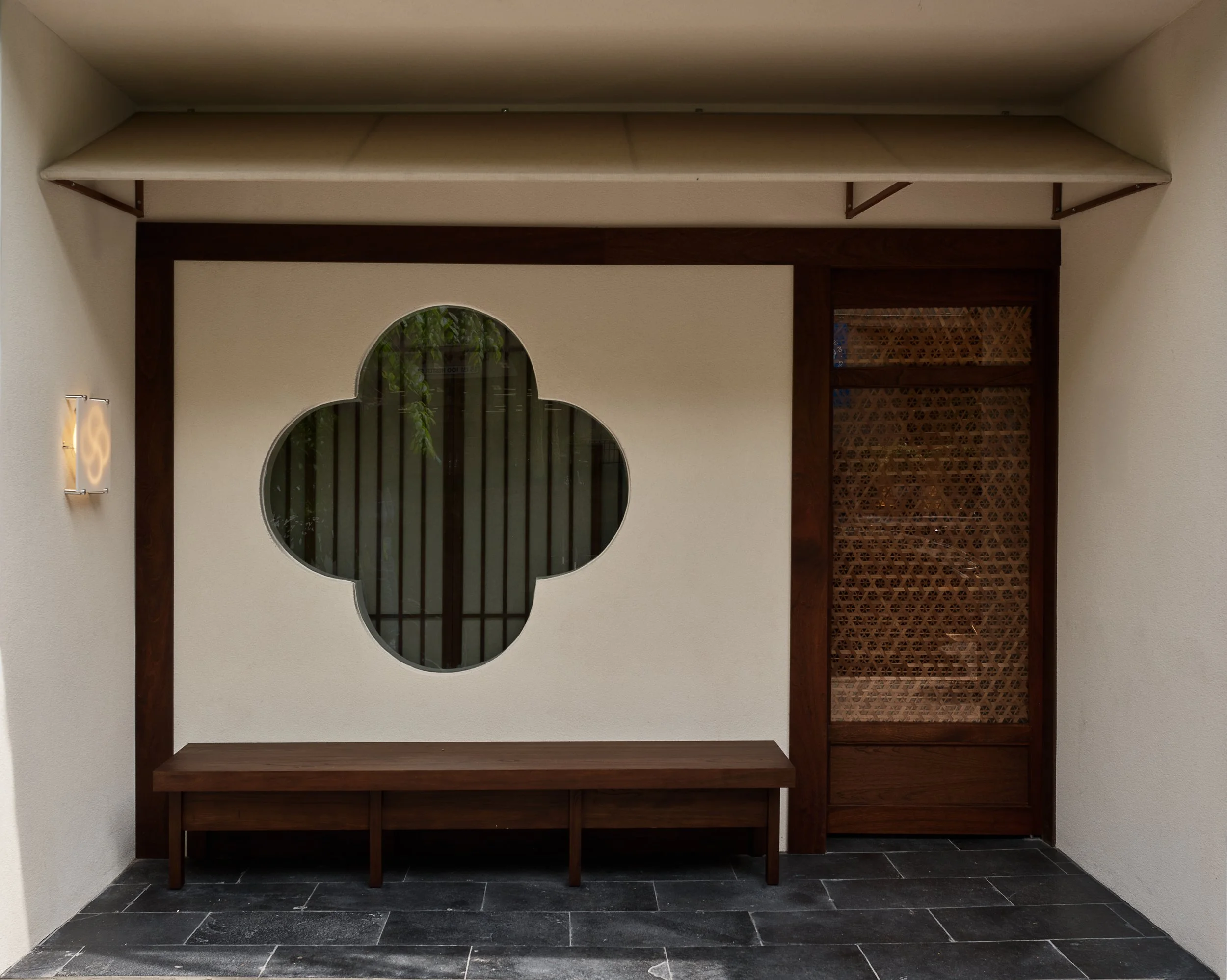
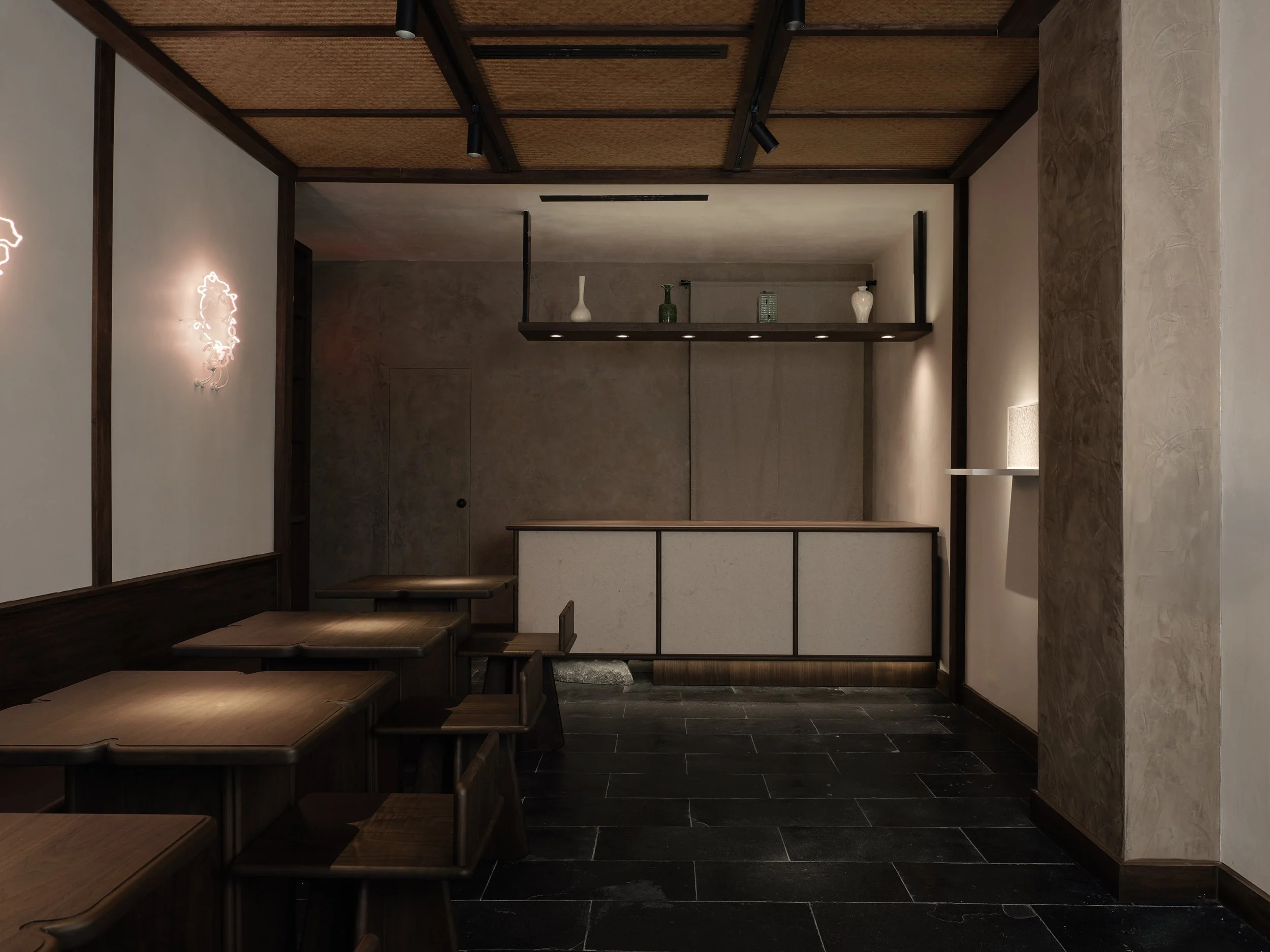
119 Hester Street Tuesdays through Sundays, from 11am to 5pm. (Courtesy of James K Lowe)
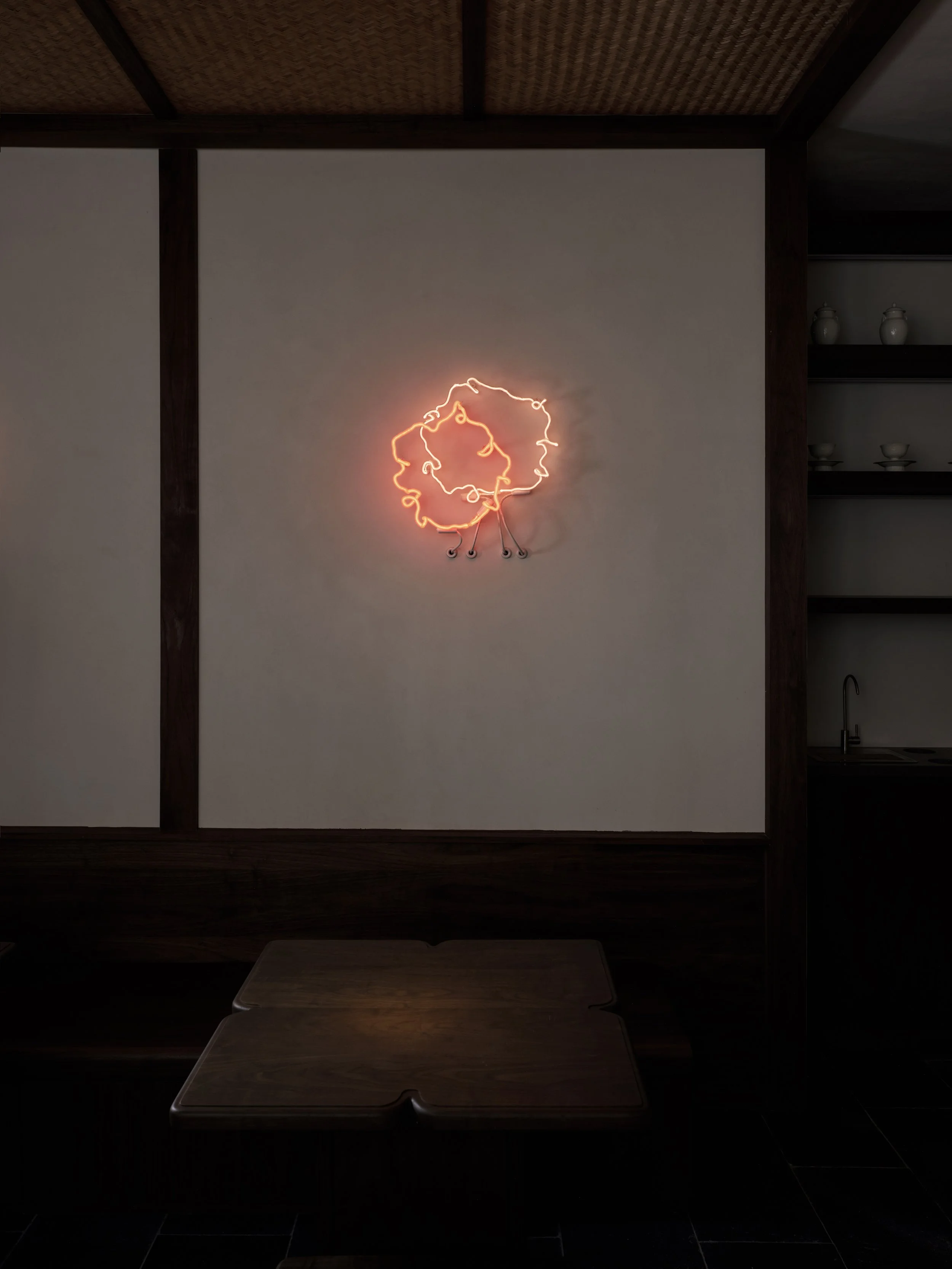
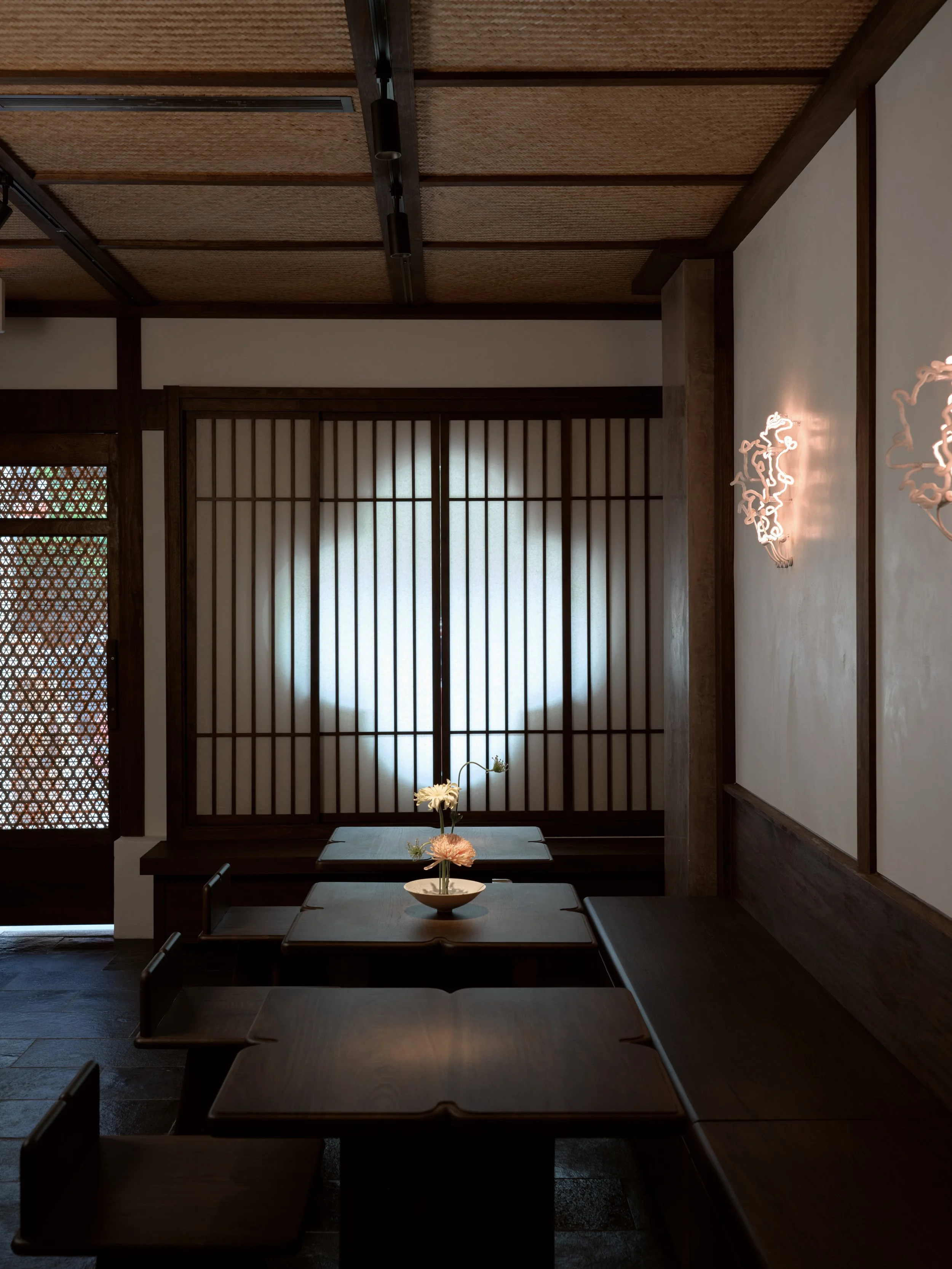
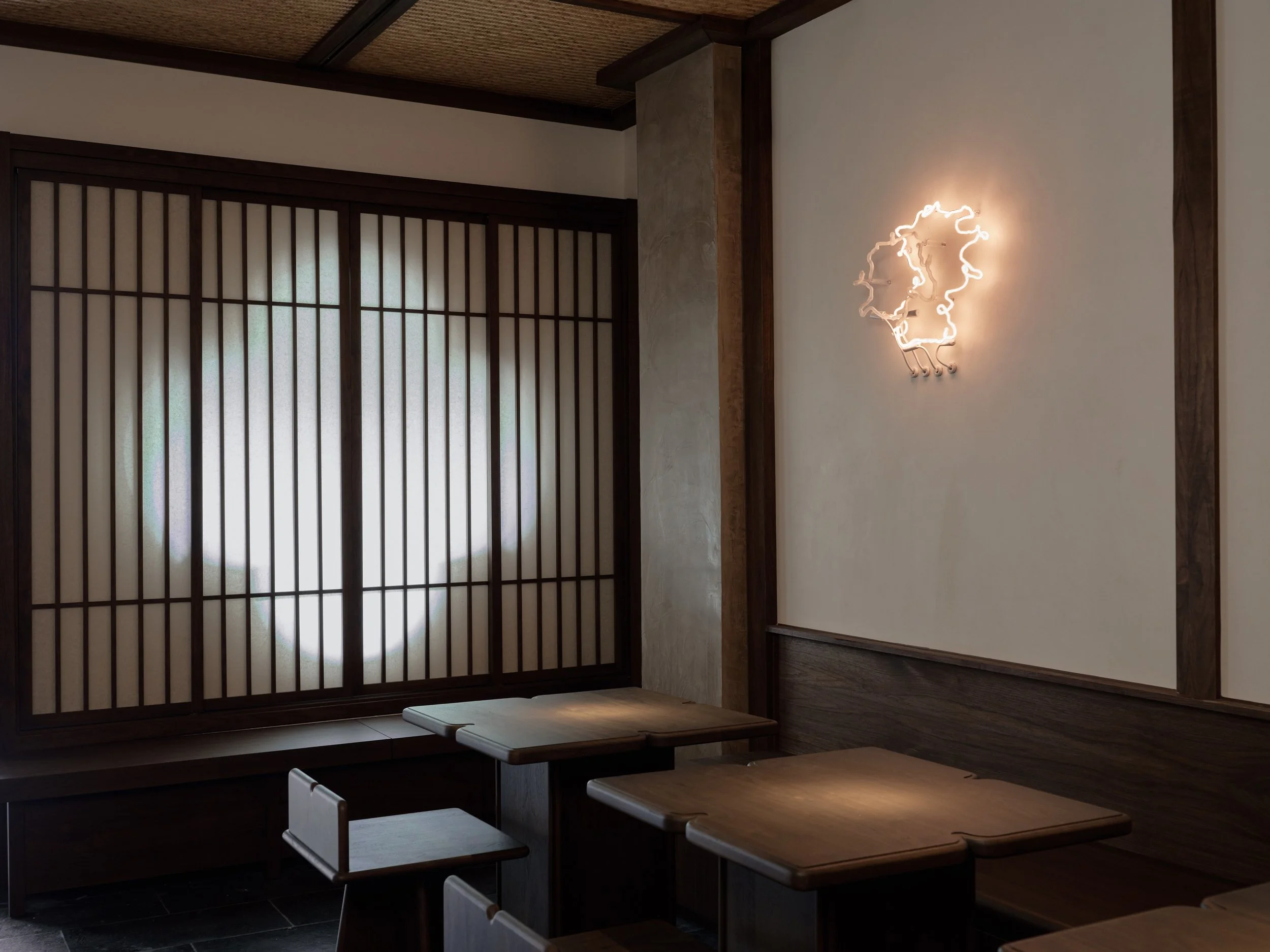
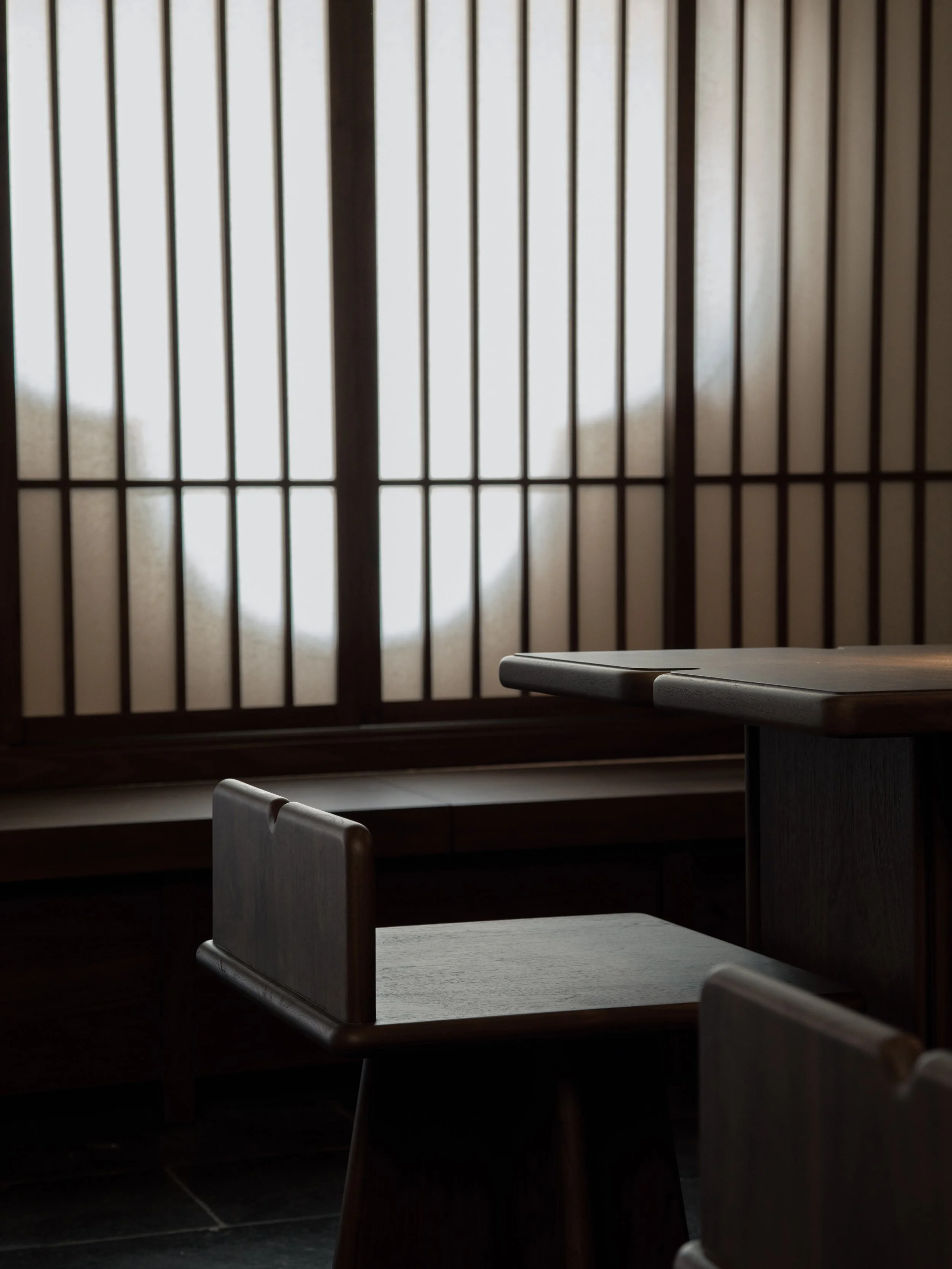
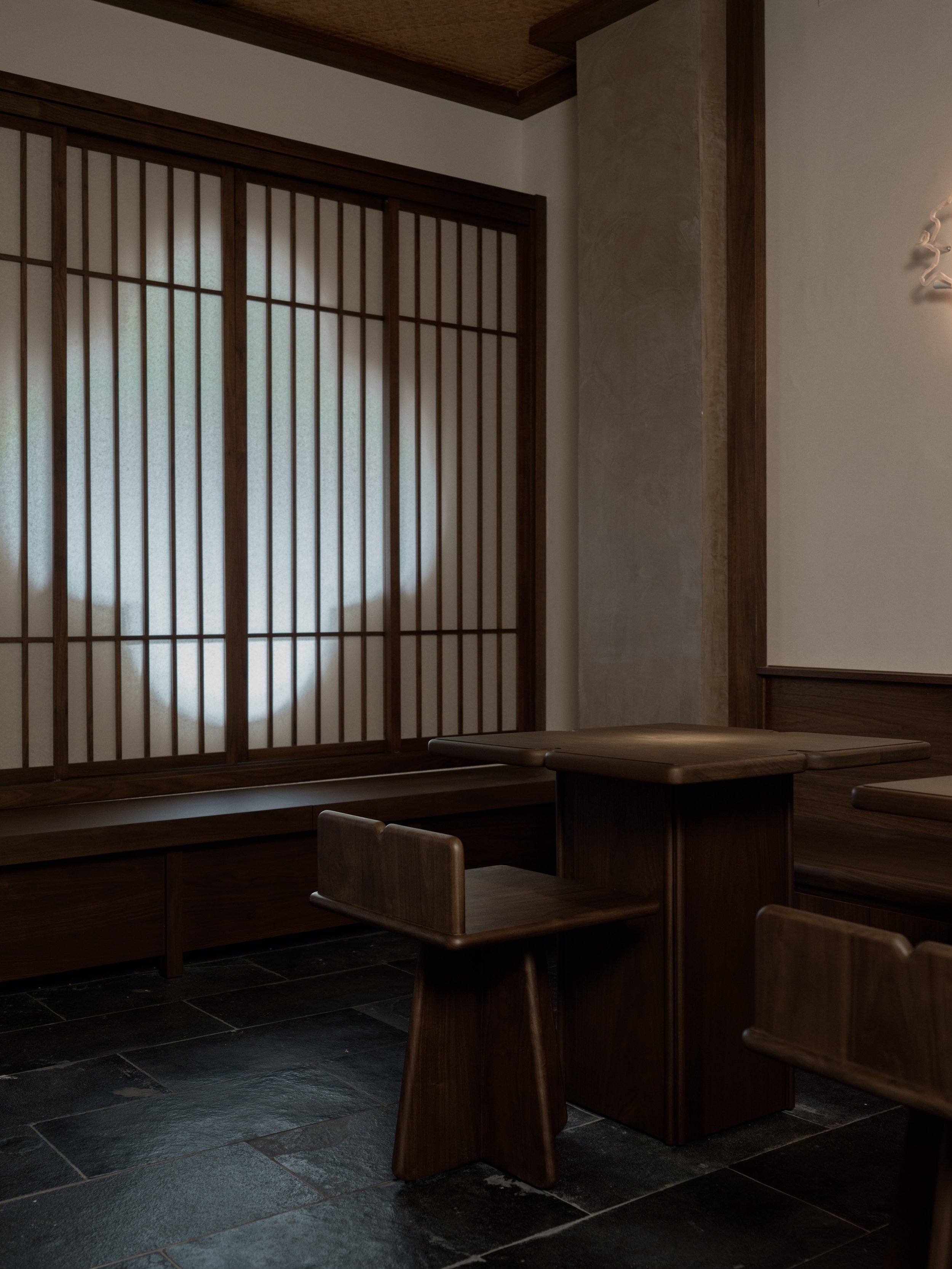
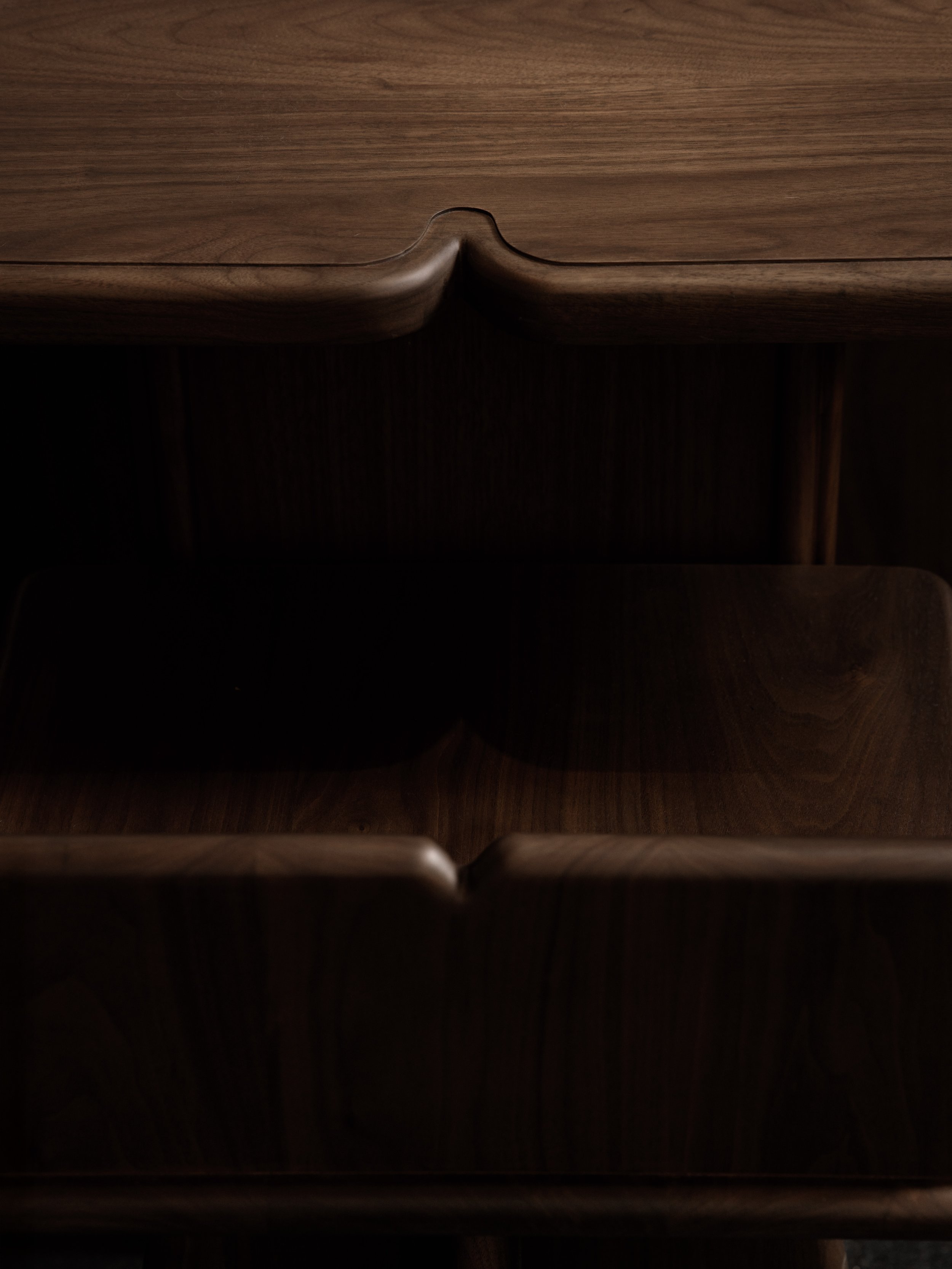
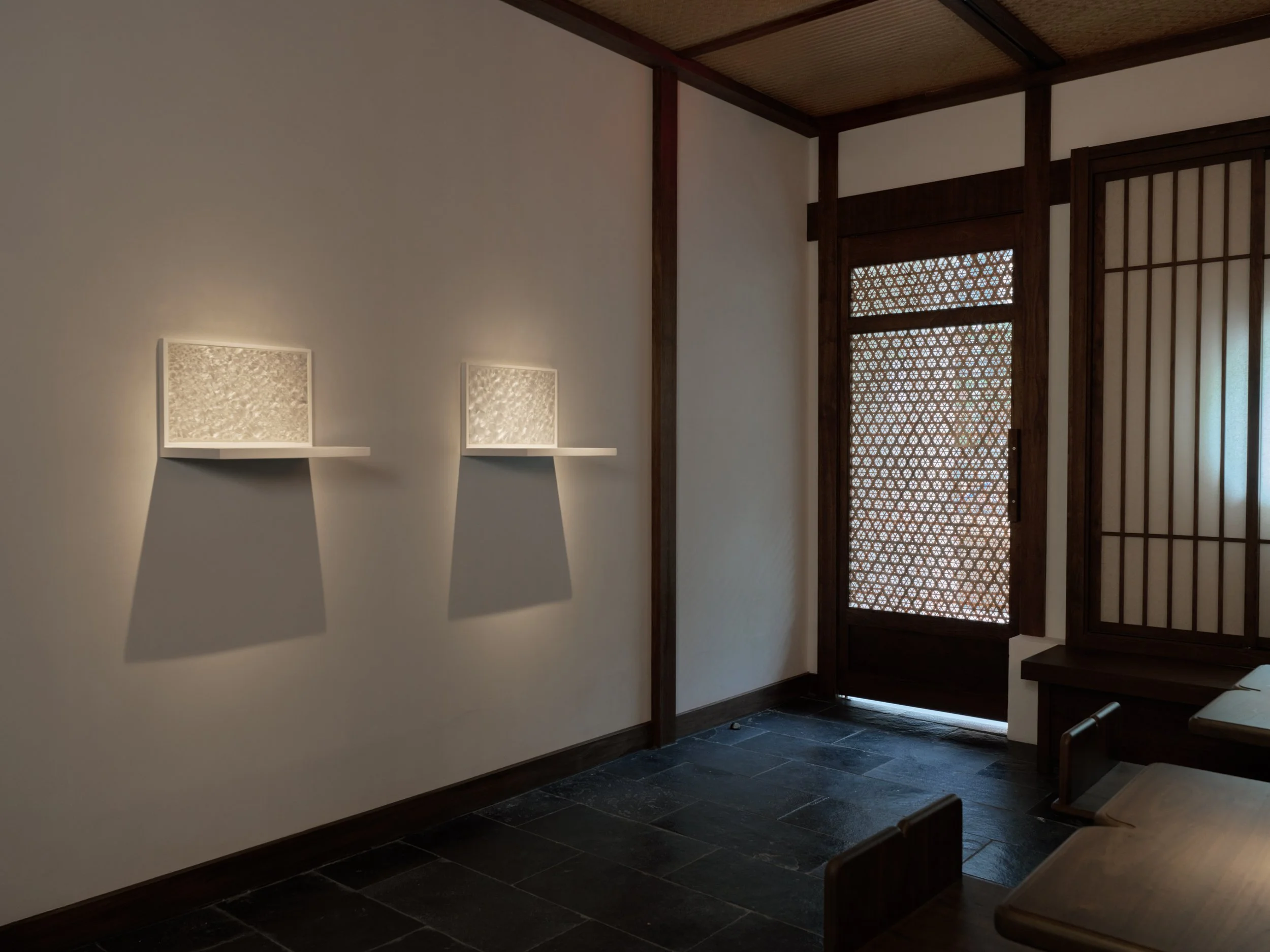
Designed in collaboration with New York-based iitem studio, the interior interprets the architecture of quiet mountain sanctuaries once favored during the Song Dynasty. Thresholds, negative space, timber structures, and restrained materiality shape the environment with precision, rewarding attentiveness instead of demanding it. Every design gesture feels calibrated toward stillness.
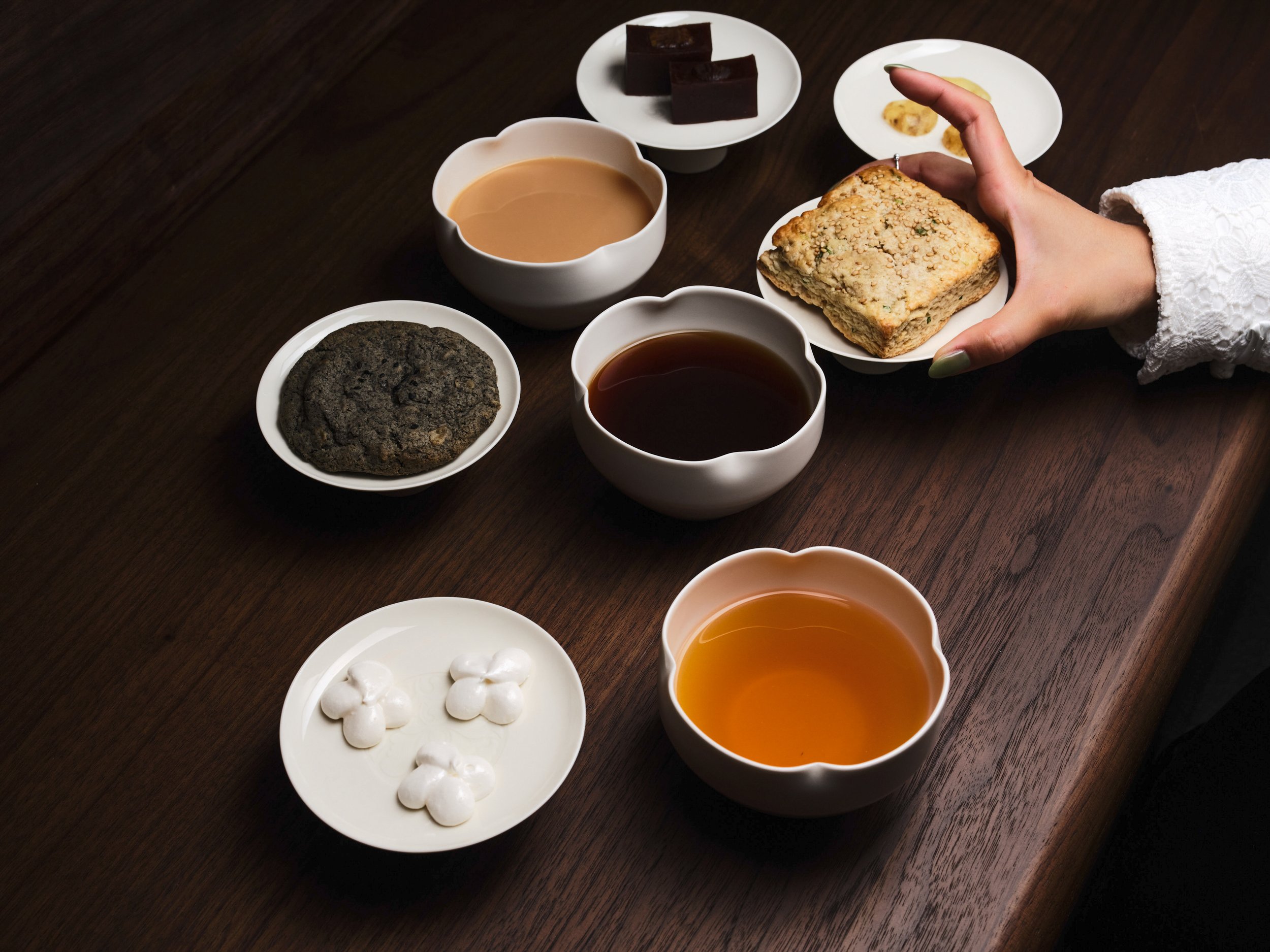
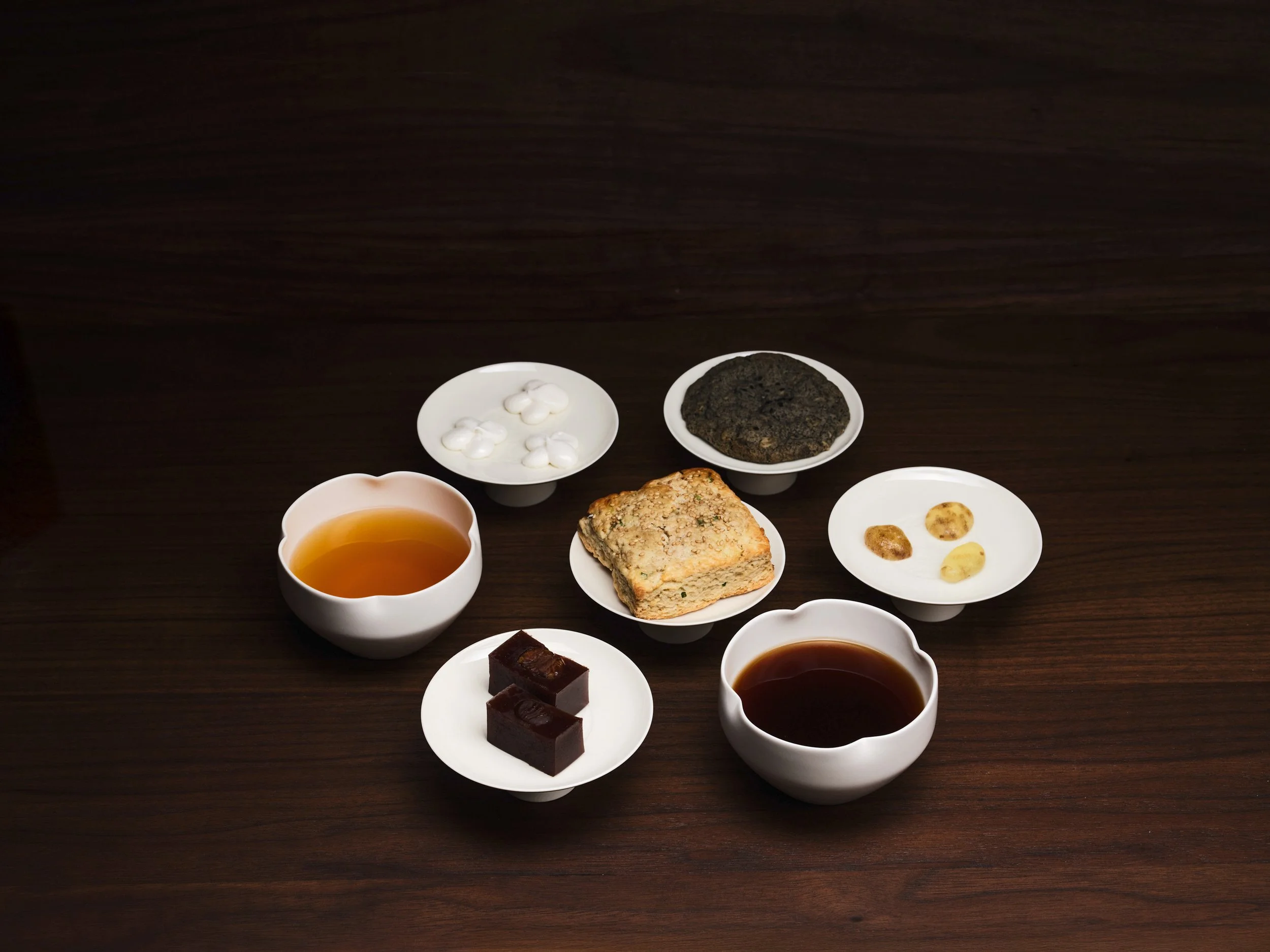
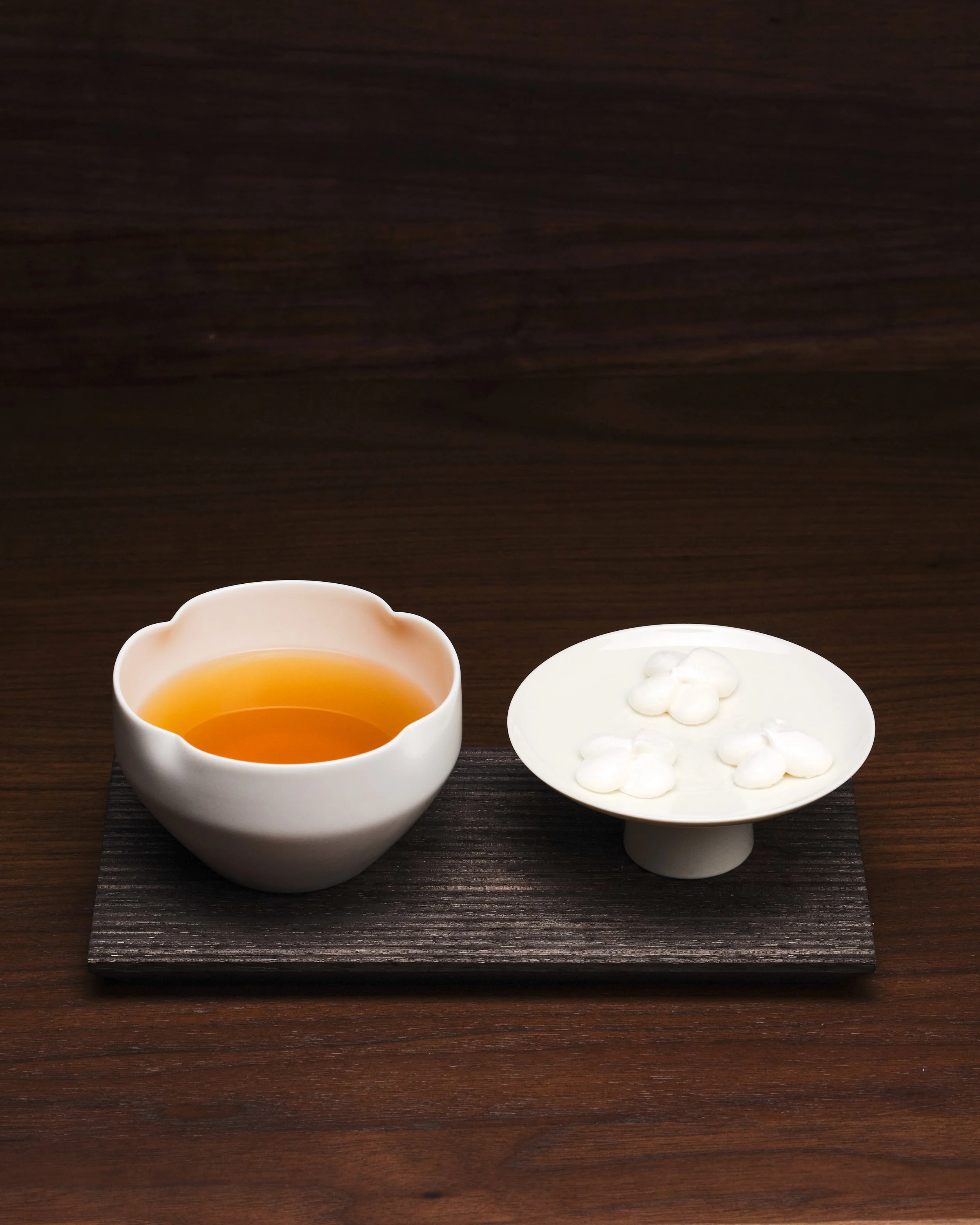
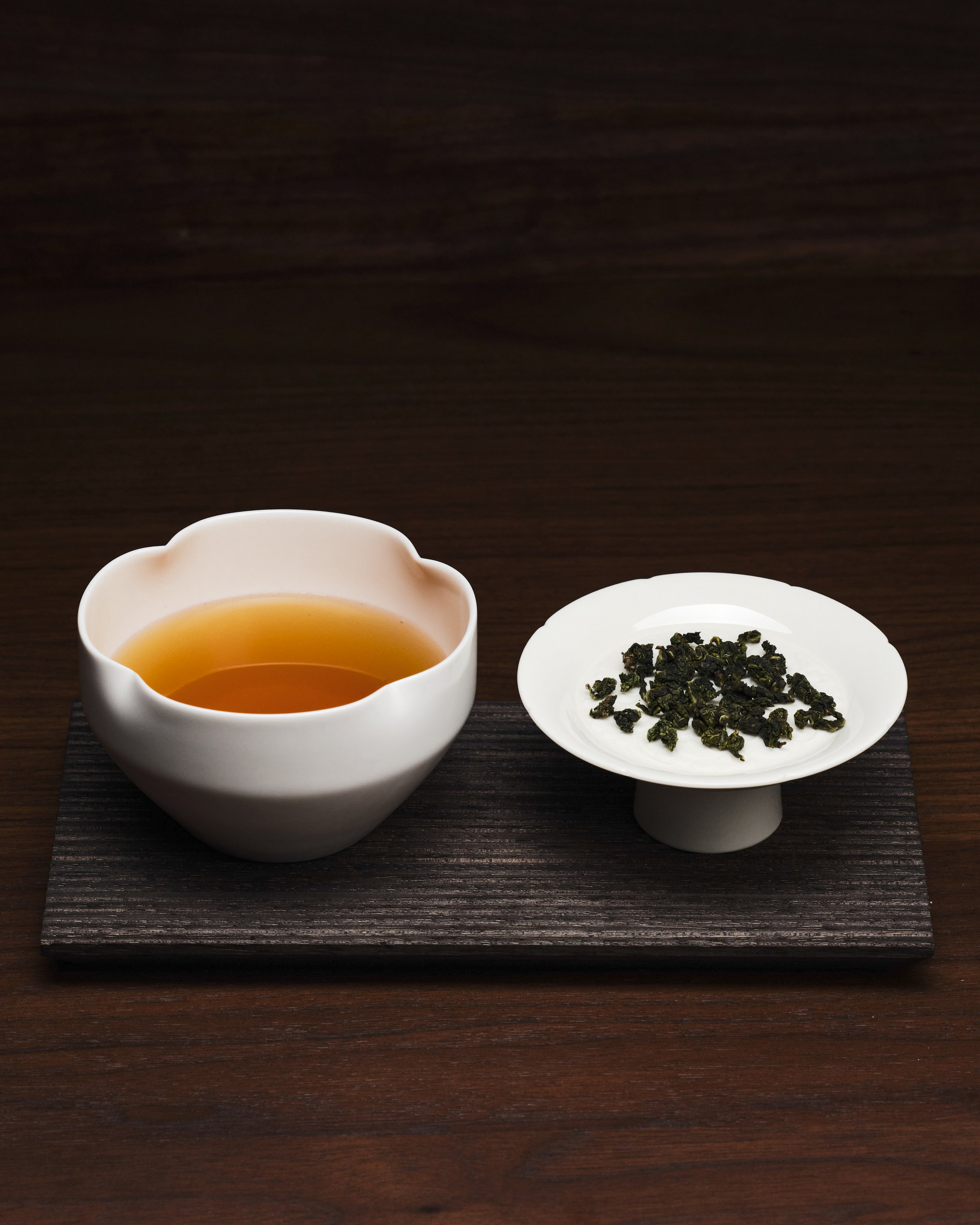
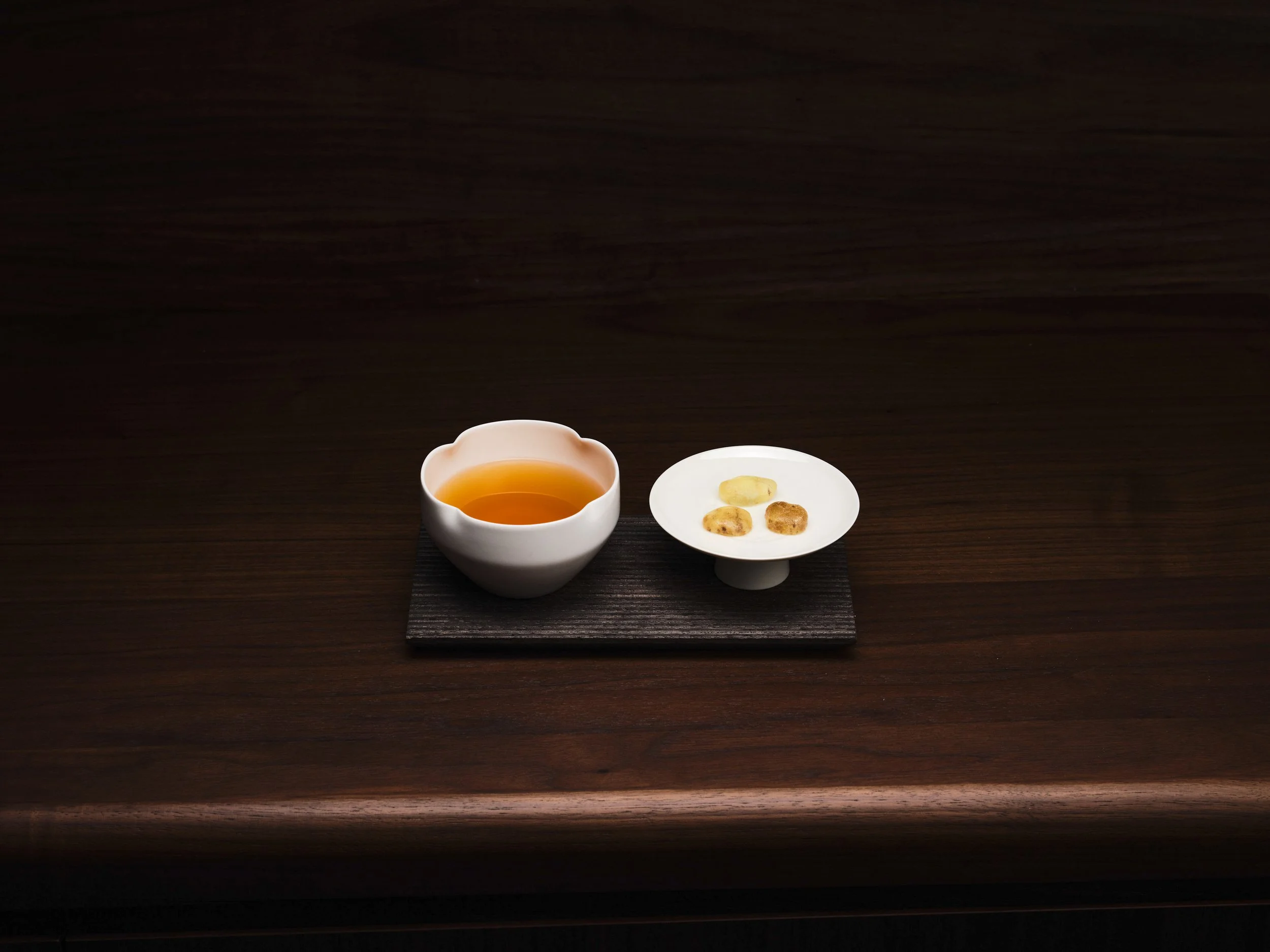
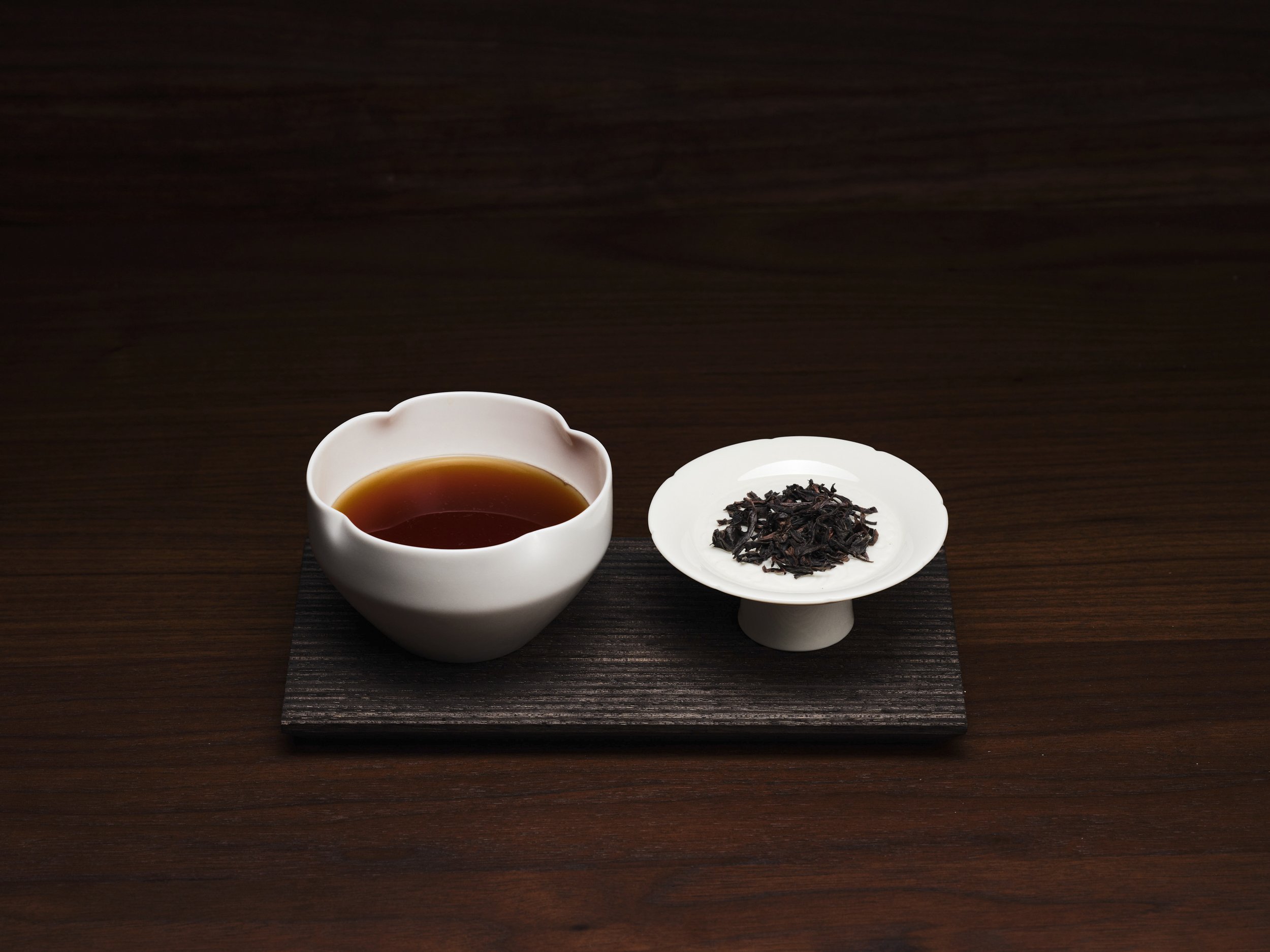
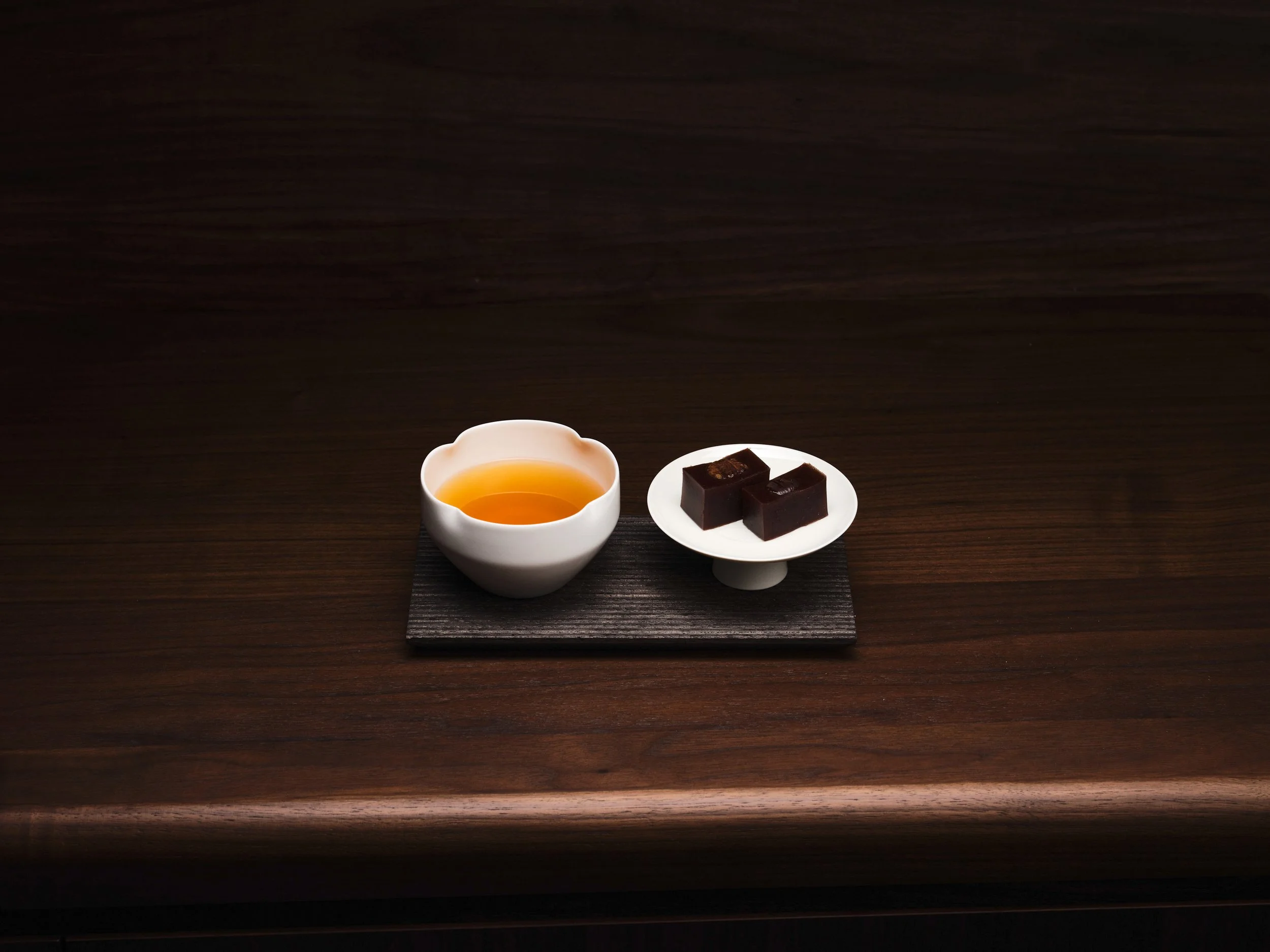
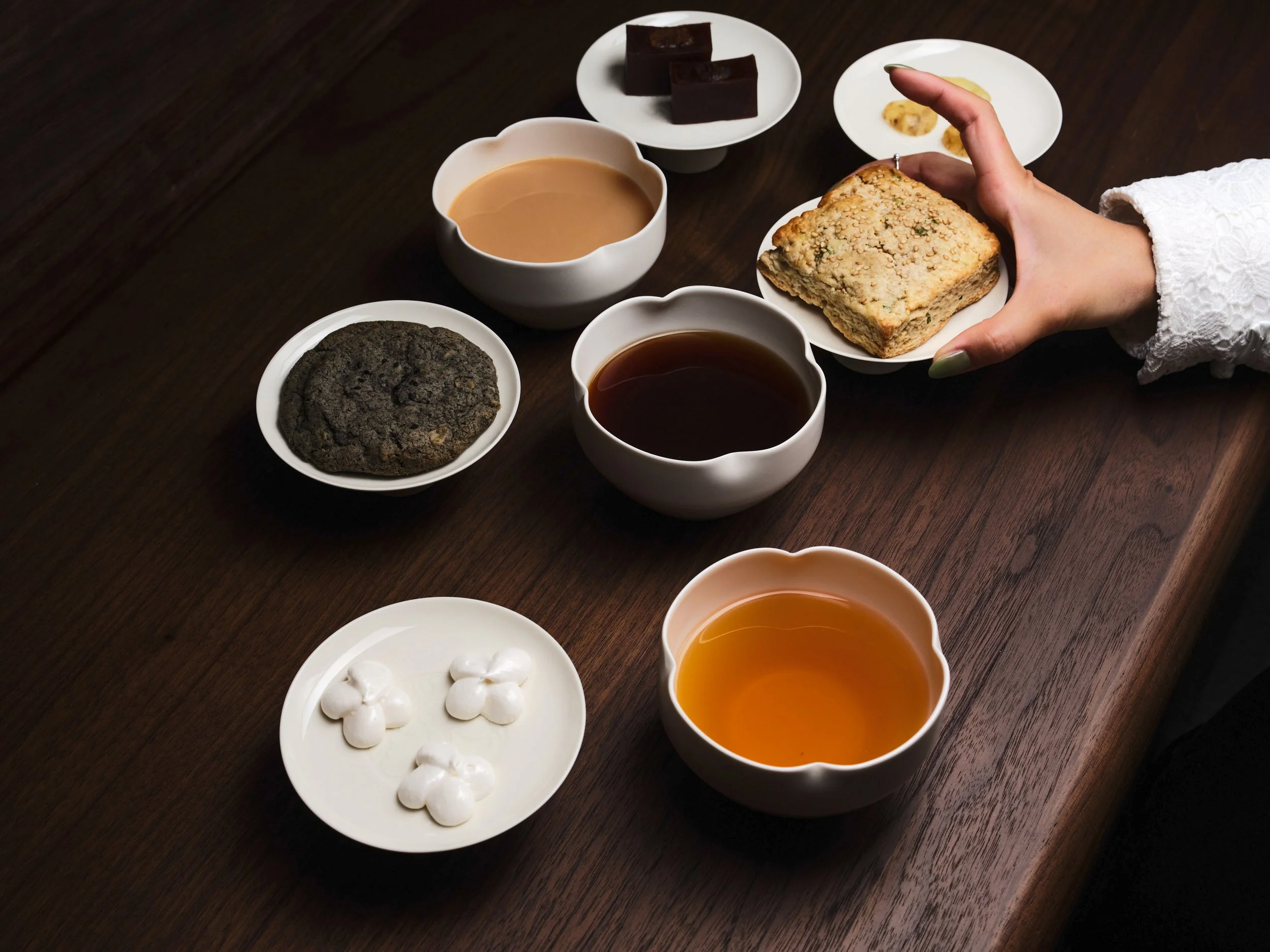
At the center of the experience is tea service itself. Soft Hours approaches tea with the same seriousness often reserved for wine programs or cellar-aged spirits, emphasizing transformation over time, sourcing, and nuanced tasting profiles. Served in bespoke ceramic vessels sourced from Jingdezhen — China’s historic ceramics capital — each tea is presented through the brand’s crab apple blossom motif, reinforcing the connection between craftsmanship and ritual.
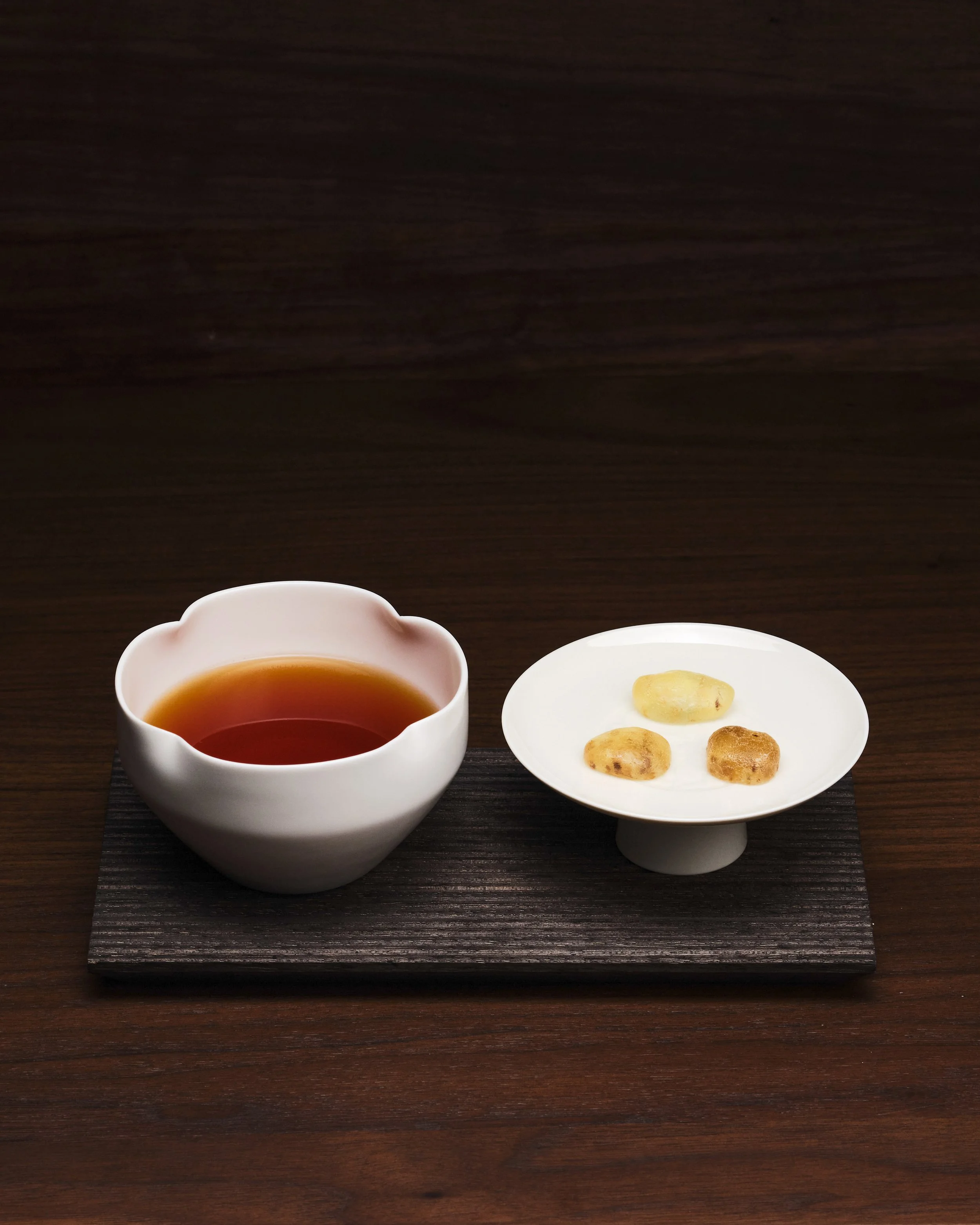
The menu moves from delicate florals to darker, more grounded expressions. The Sichuan Jasmine carries notes of pear, jasmine bloom, and sugarcane, while the Wuyi Dahongpao introduces toasted chestnut, amber, and dried plum through its charcoal-roasted profile. Elsewhere, the Yunnan Pu’er leans into deeper notes of cocoa beans, cedar wood, and dried fig, reflecting the complexity increasingly sought by younger consumers exploring tea beyond commodity culture.
(Courtesy of James K Lowe)
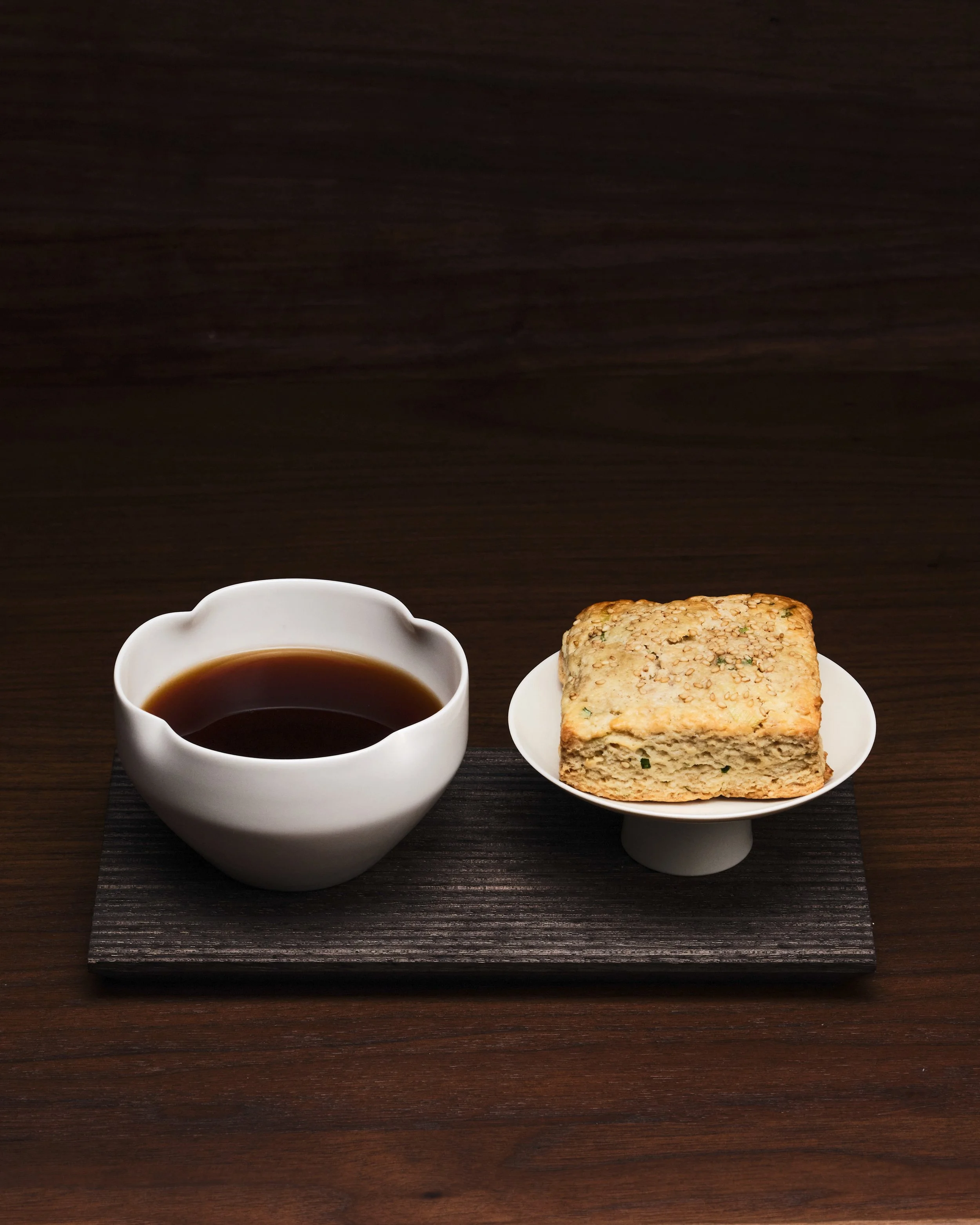
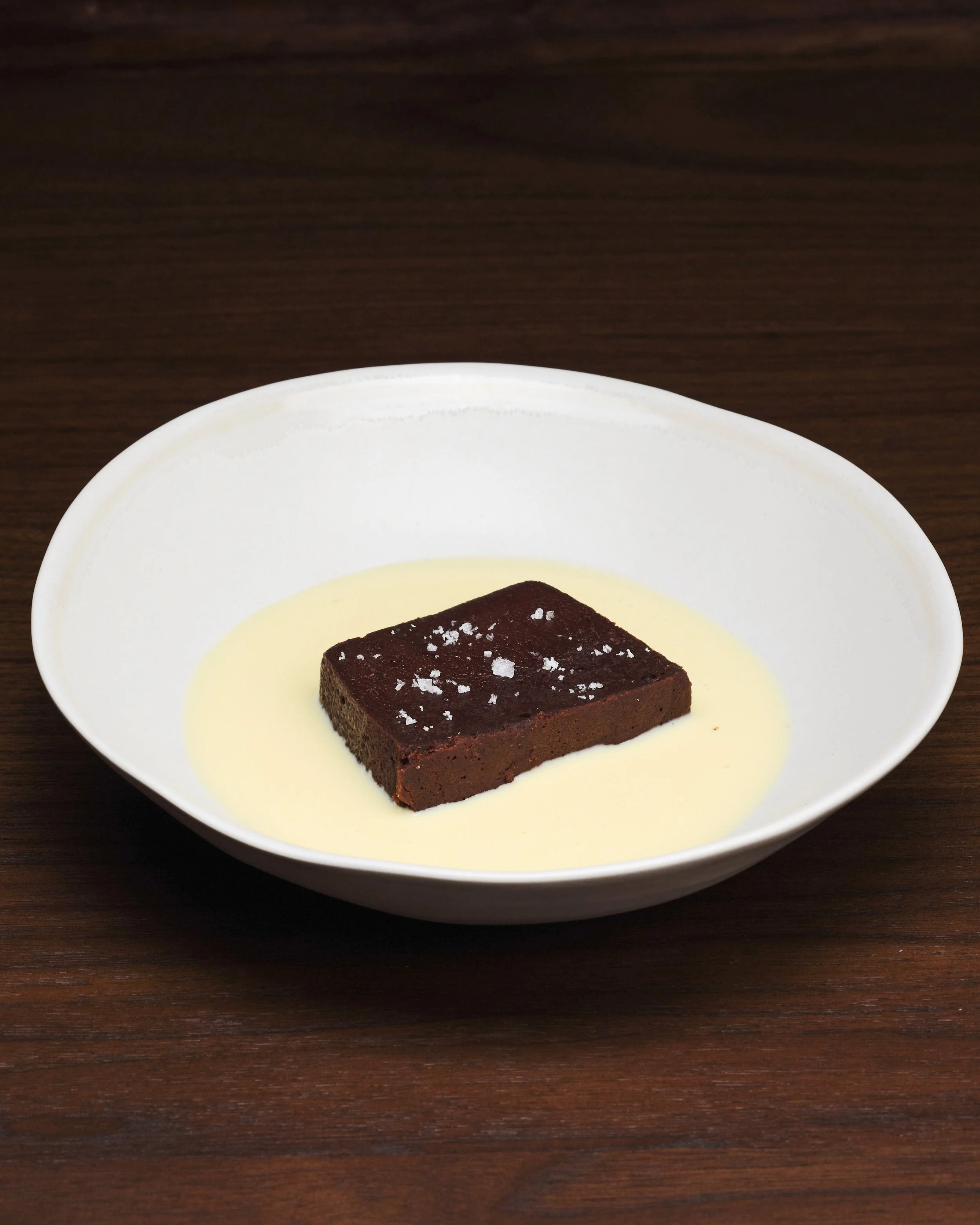
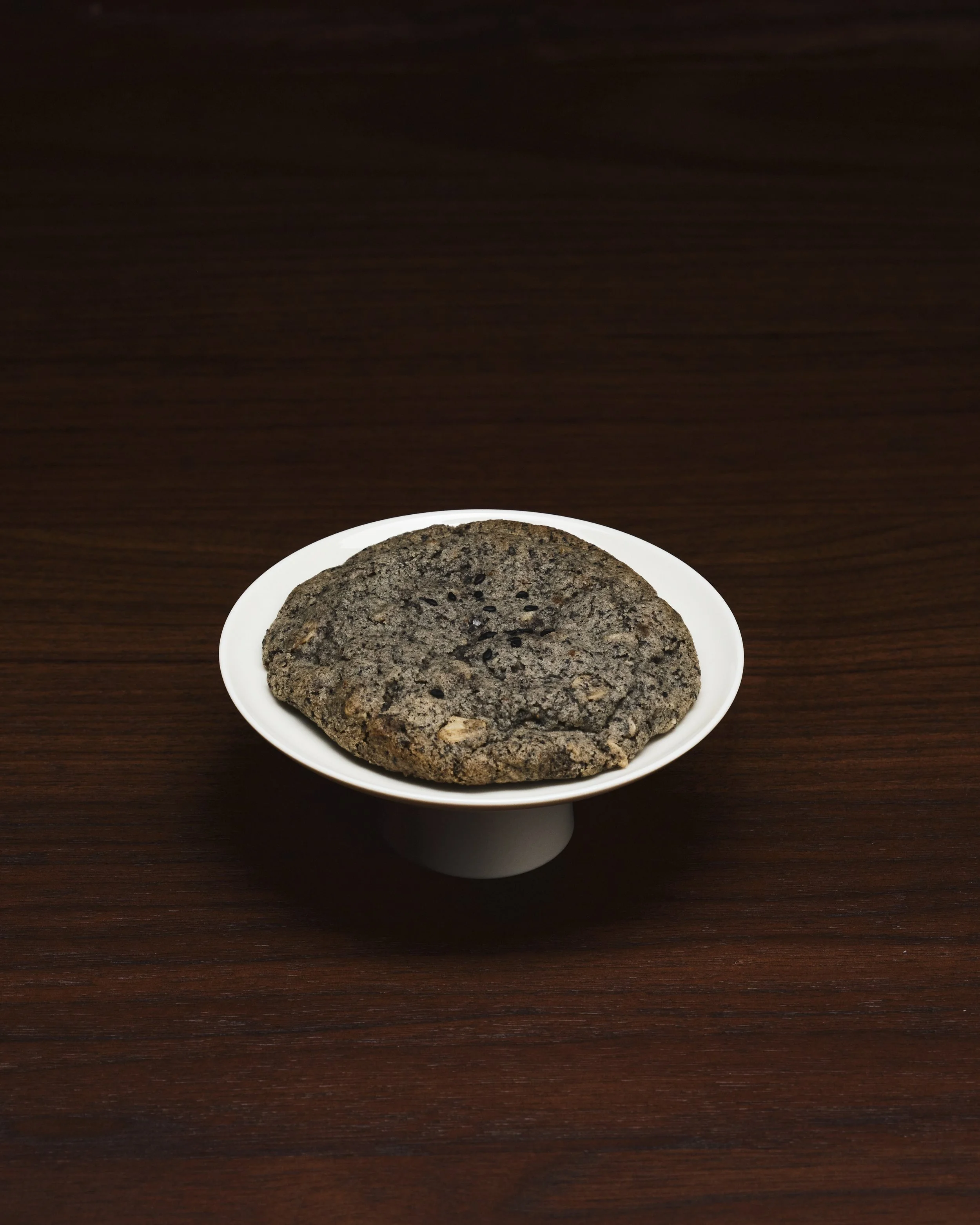
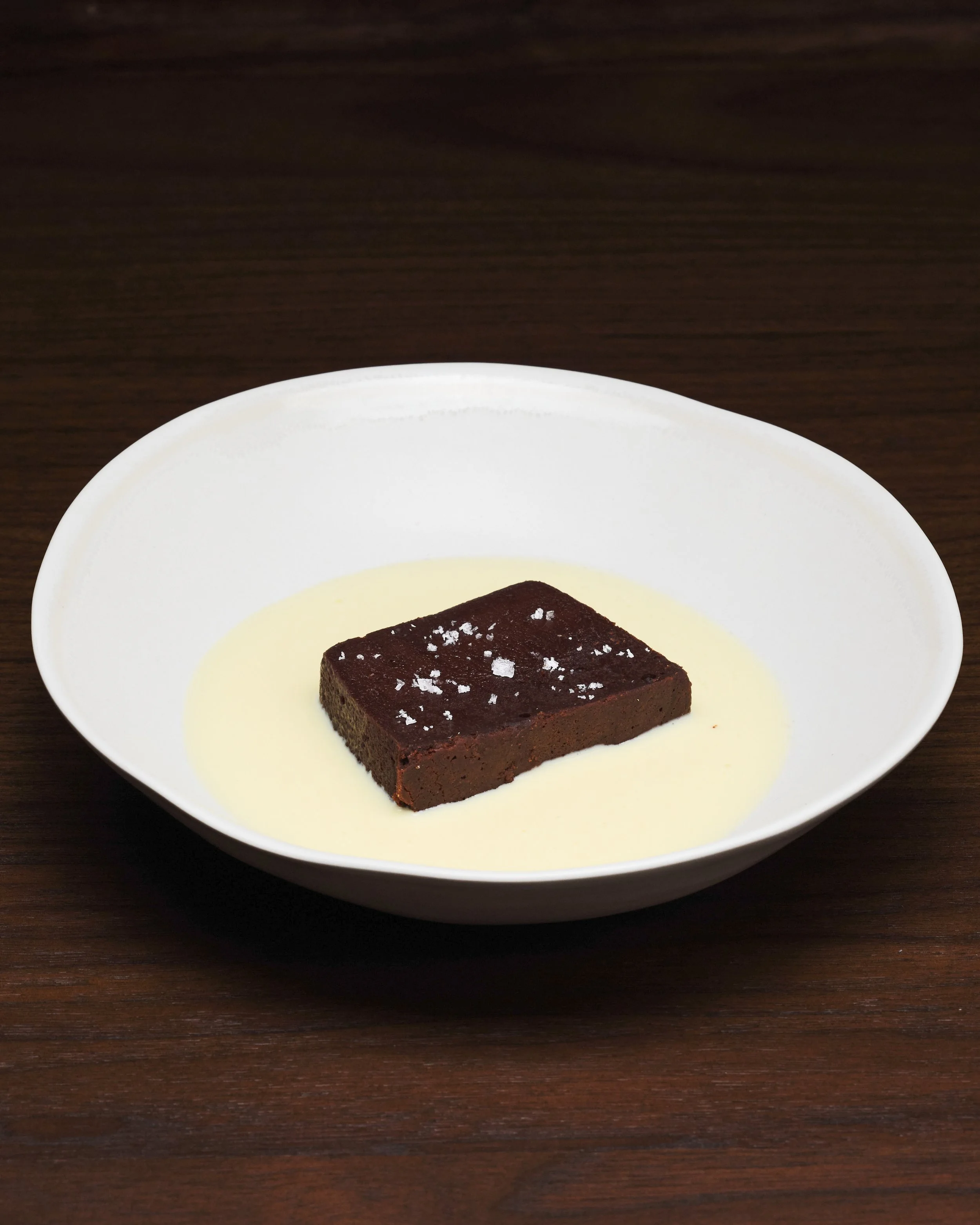
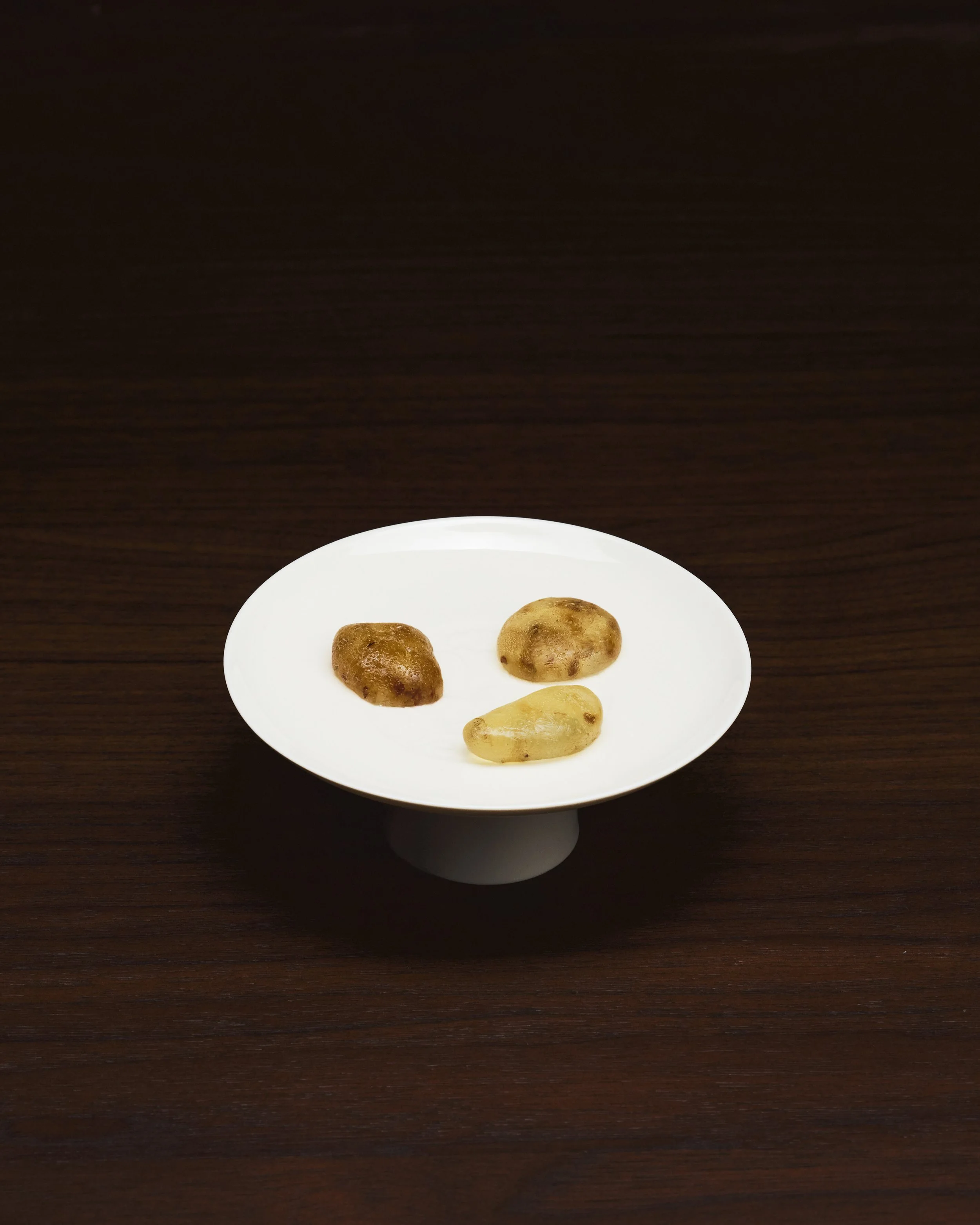
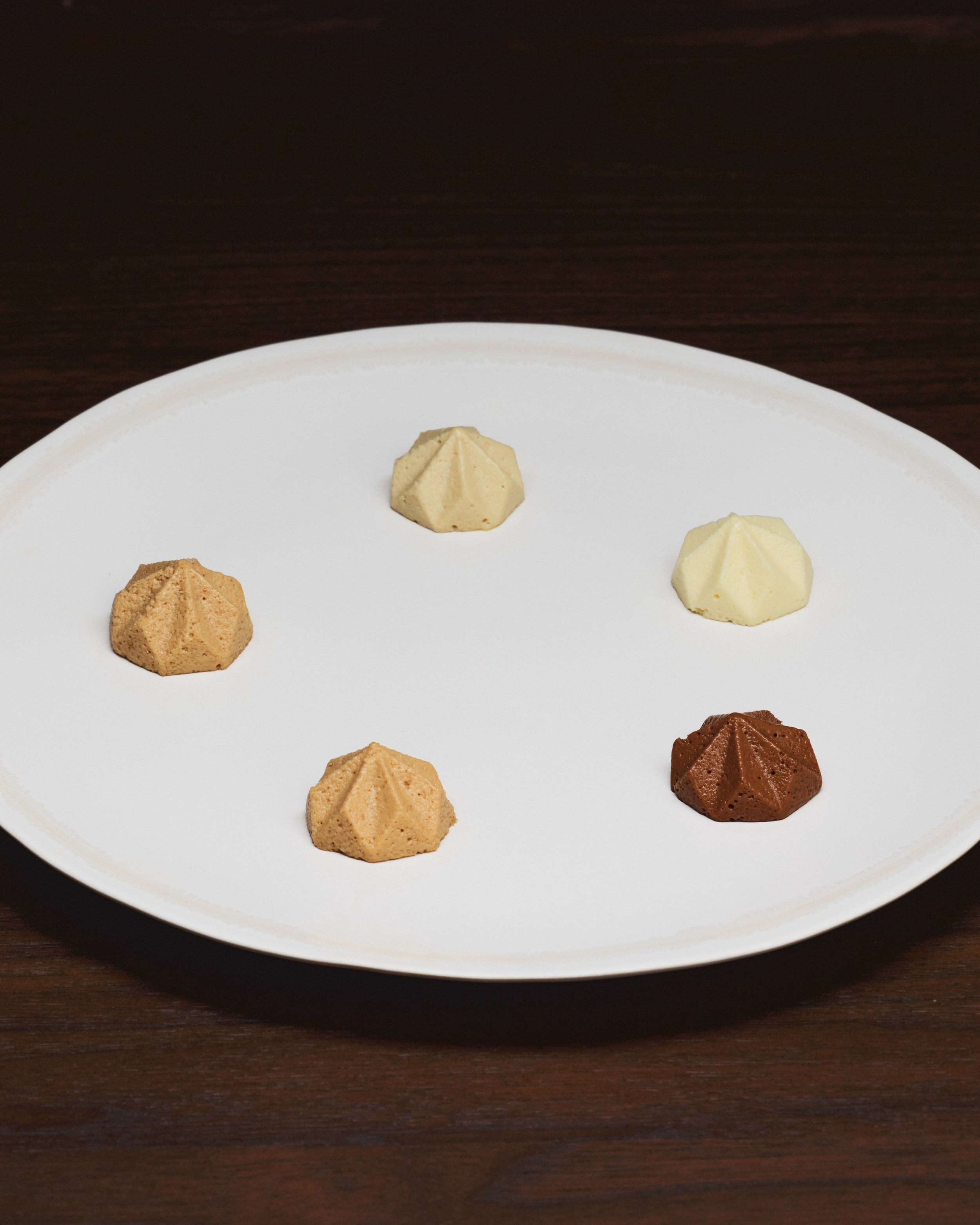
Accompanying the tea program is a concise confection menu developed with pastry chef Janice Sung, formerly of Dominique Ansel Bakery and Figure Eight. Rather than overpowering the palate, the pastries exist in conversation with the teas themselves. A red bean chestnut yokan offers restrained sweetness and texture, while the white sesame scallion scone introduces savory balance through crumbly richness and aromatic depth. Seasonal ingredients will continue shaping the menu over time, reinforcing the brand’s commitment to cyclical living and sensory awareness.
What makes Soft Hours compelling is not simply its aesthetic refinement, but its timing. As younger audiences increasingly search for spaces that prioritize wellness, intentionality, and cultural substance over performance, tea houses like Soft Hours signal a broader shift in hospitality. The modern luxury consumer is no longer seeking only exclusivity, but environments that facilitate presence and emotional clarity.
In many ways, Soft Hours reflects a larger cultural recalibration happening across fashion, design, and hospitality — one where silence, craftsmanship, and attentiveness are becoming aspirational again. In the Lower East Side, at 119 Hester Street Tuesdays through Sundays, from 11am to 5pm, a neighborhood long associated with movement and reinvention, Soft Hours introduces a different kind of energy: one rooted not in speed, but in stillness.
(Images Courtesy of James K Lowe)