A Table Before Midnight: Inside Barış Köroğlu’s World of Cuisine, Culture, and Controlled Chaos
The night doesn’t begin when you arrive—it begins when you’re expected.
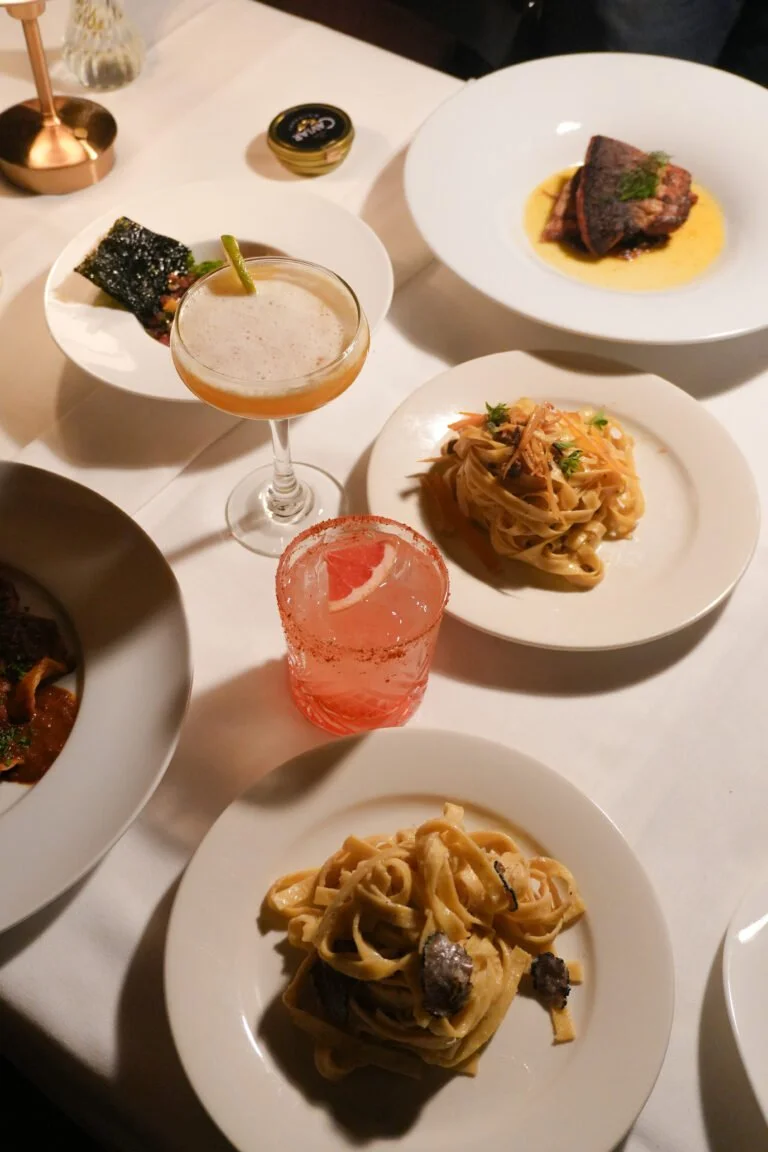
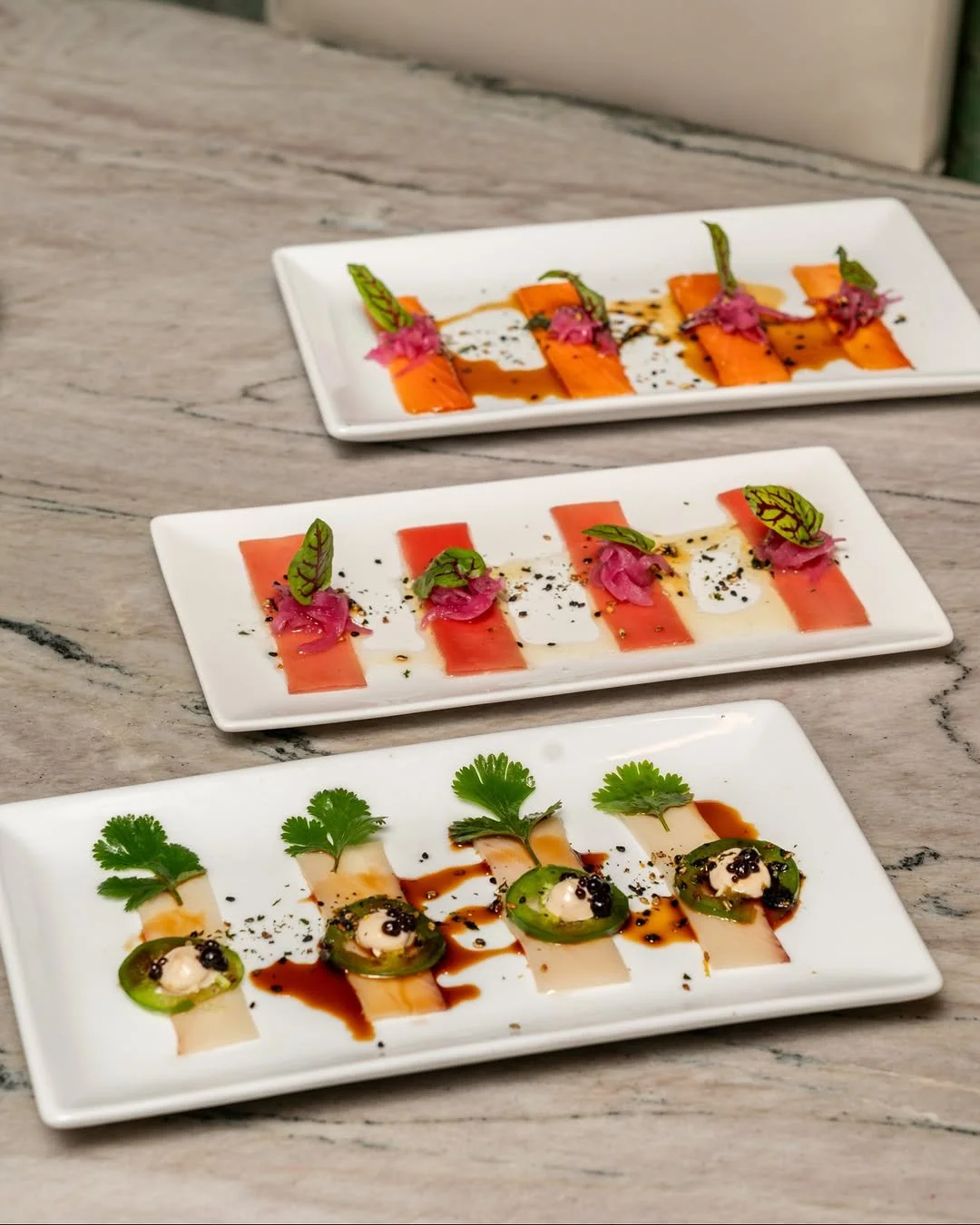
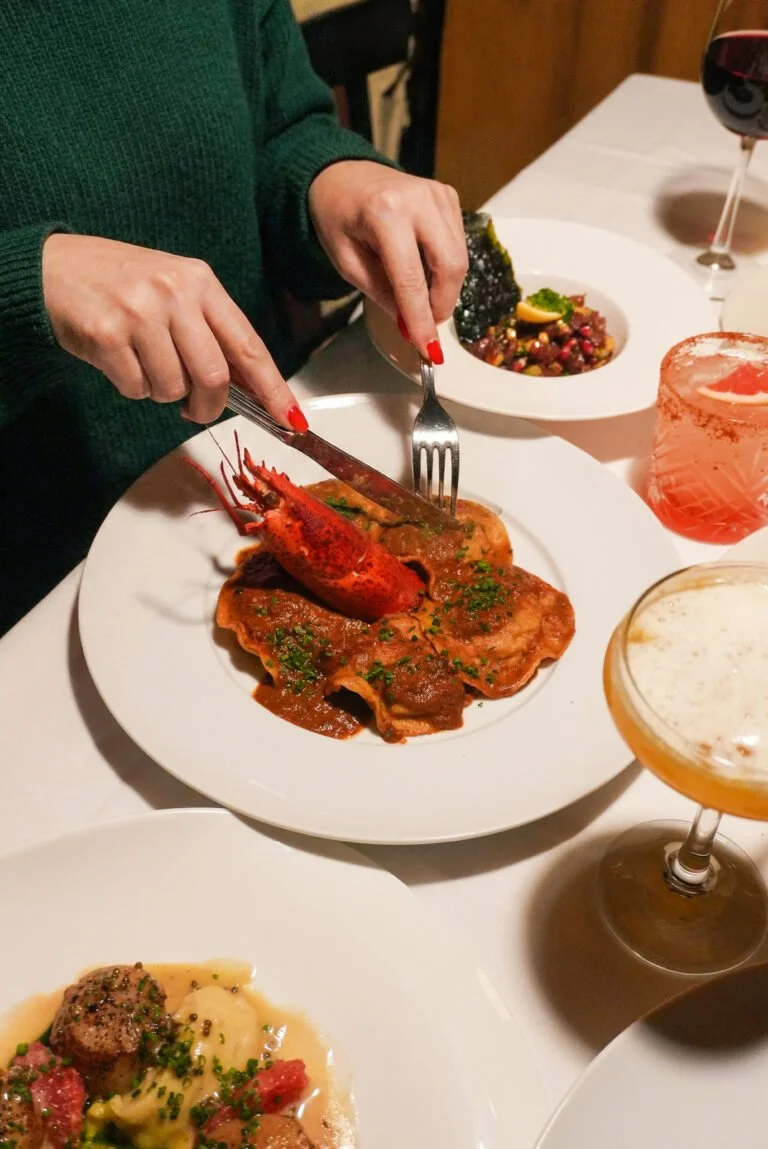
At Aquarelle, the air carries a quiet anticipation. Glassware hums softly against marble, conversations layer without clashing, and somewhere between the kitchen pass and the front door, a rhythm takes hold. It’s Mediterranean at its core, but not bound by geography—coastal brightness meets downtown New York intention. The food arrives with clarity: crudo that leans into restraint, grilled proteins that prioritize fire over flourish, plates designed to be shared but composed with precision.
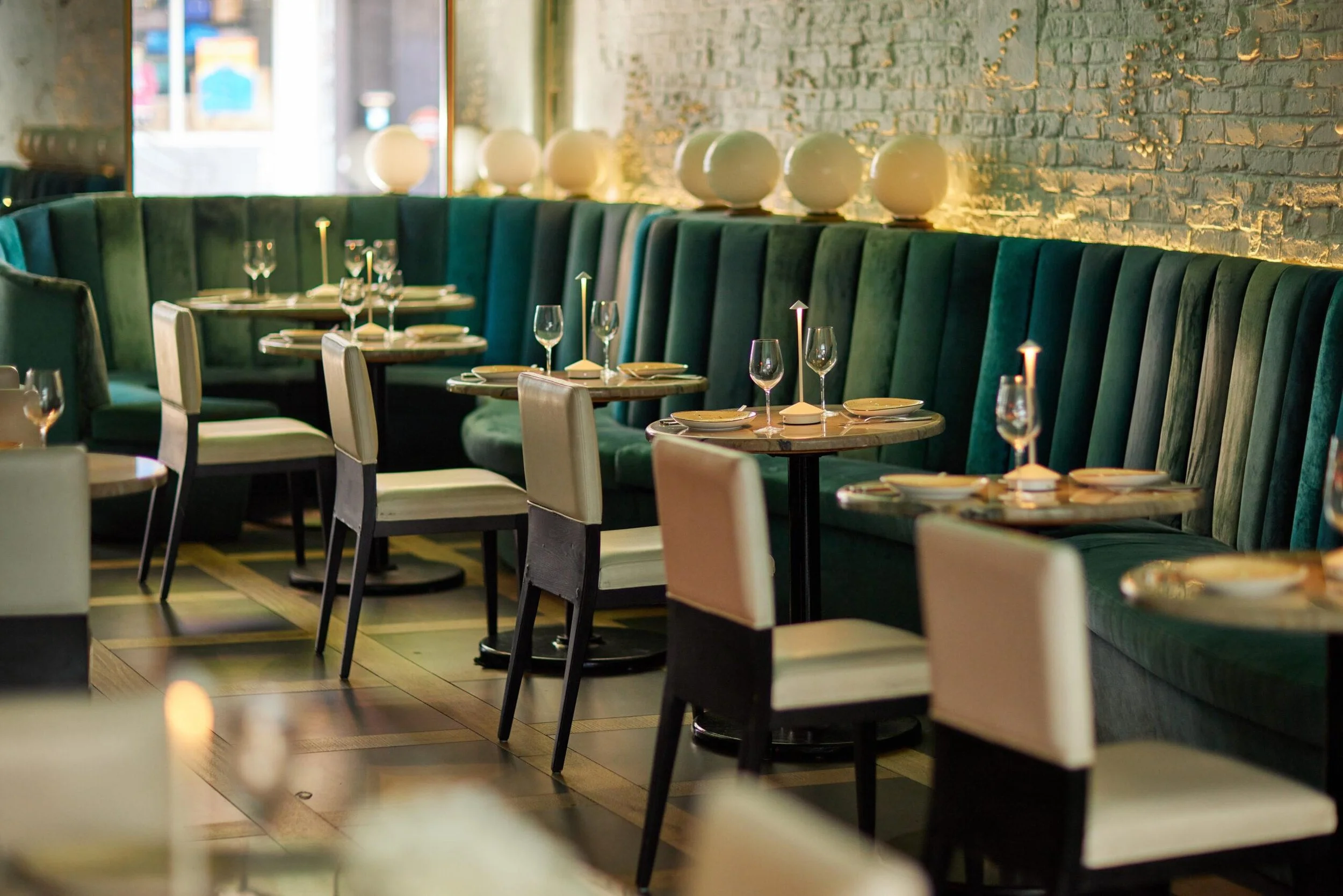
Here, cuisine is less about indulgence and more about calibration. Olive oil isn’t just an ingredient—it’s a finish. Citrus cuts through richness with purpose. Herbs are applied sparingly, as punctuation rather than decoration. It’s the kind of menu that understands restraint as a form of luxury, where every element has earned its place.
But Aquarelle is only one side of the story.
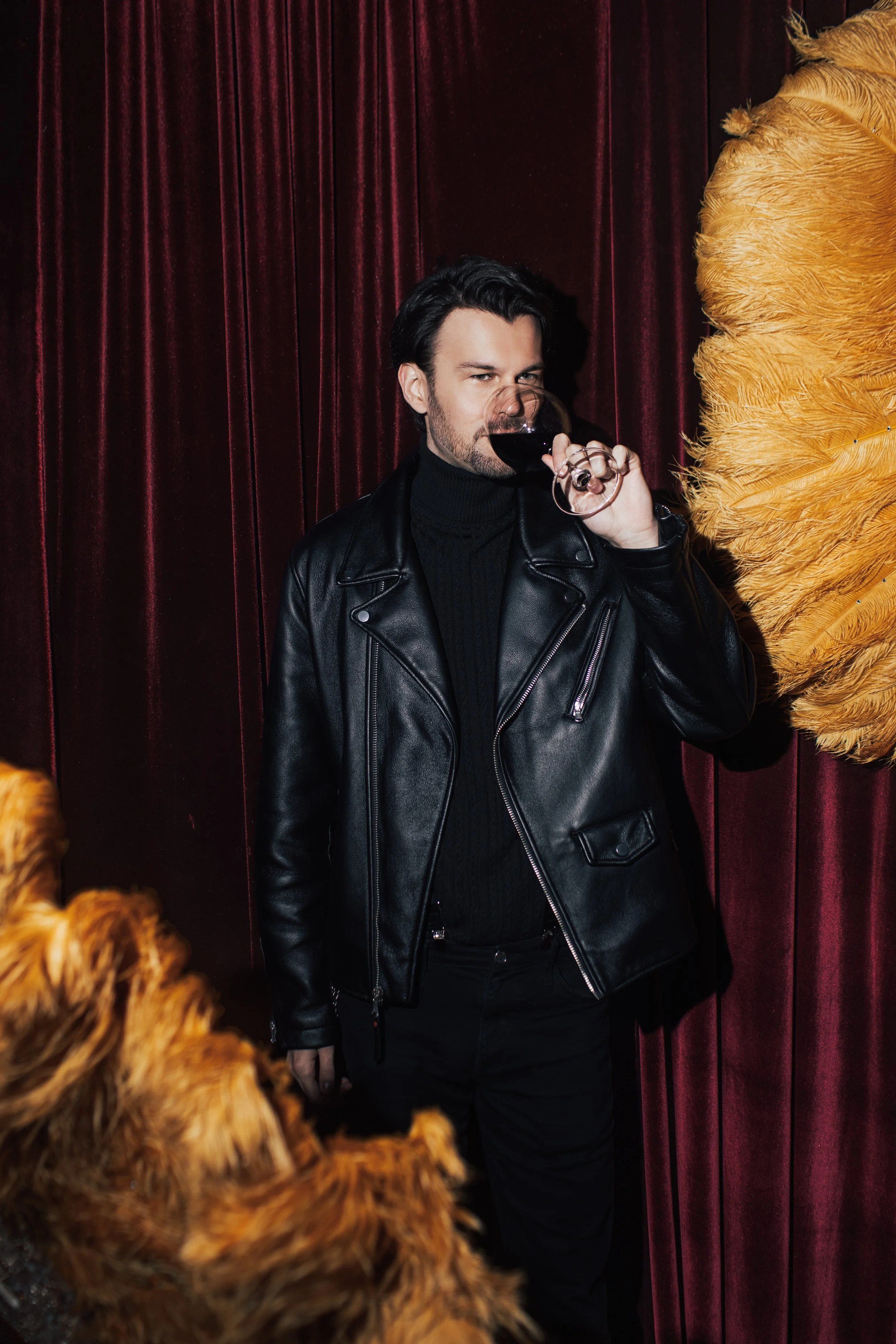
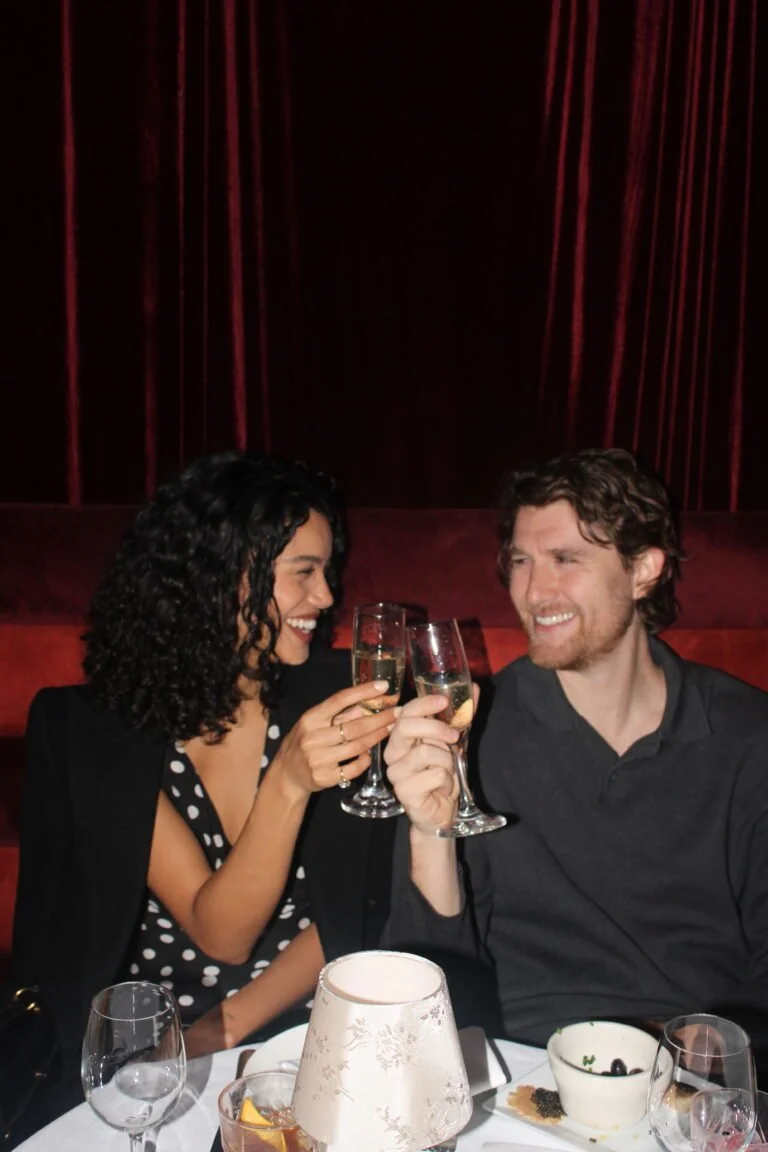
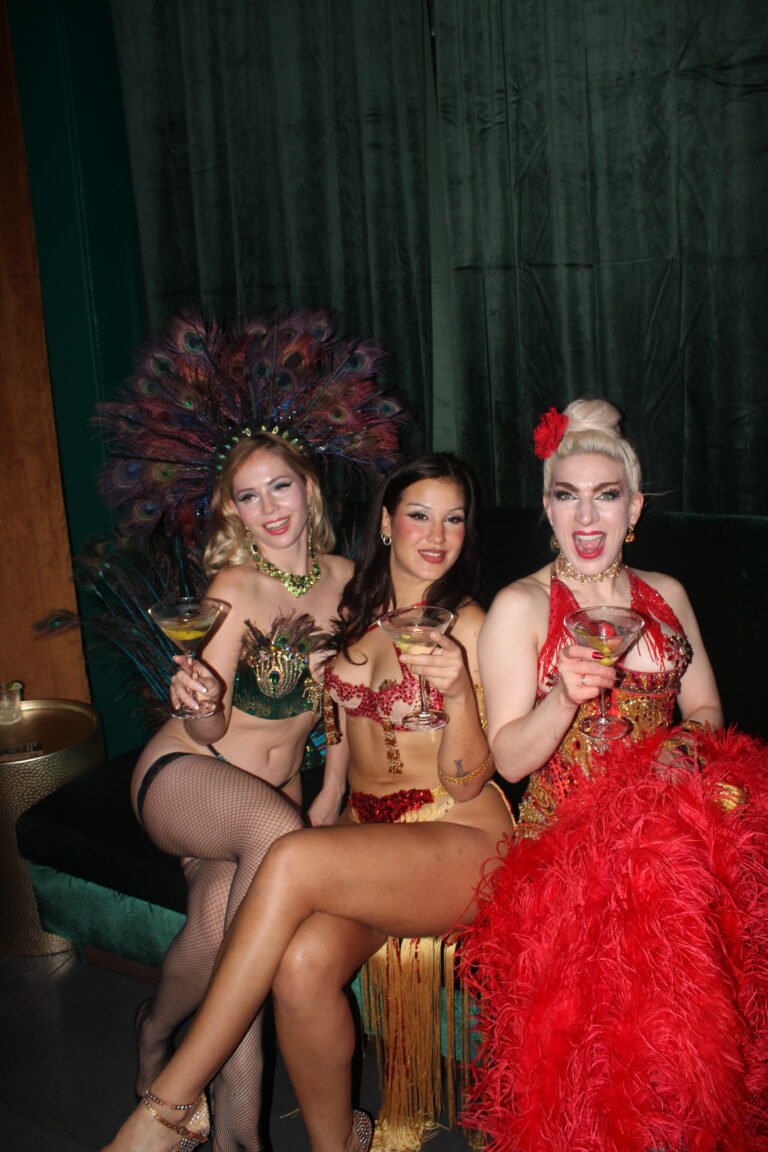
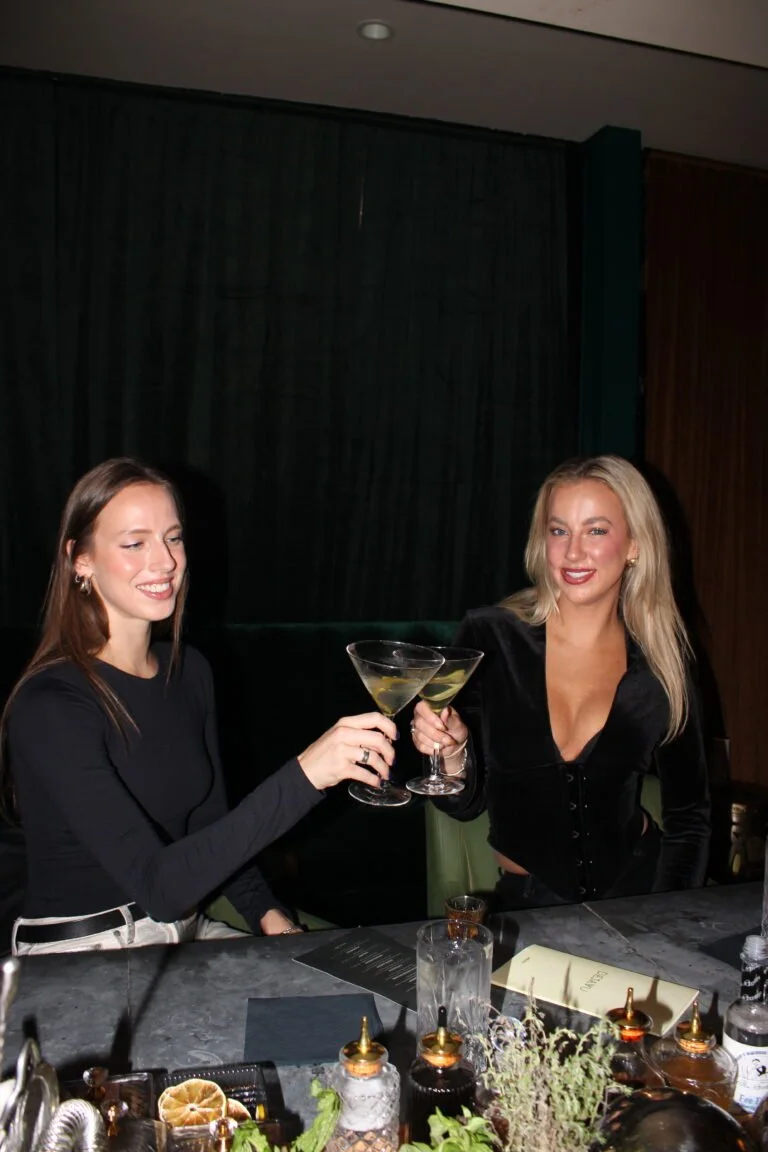
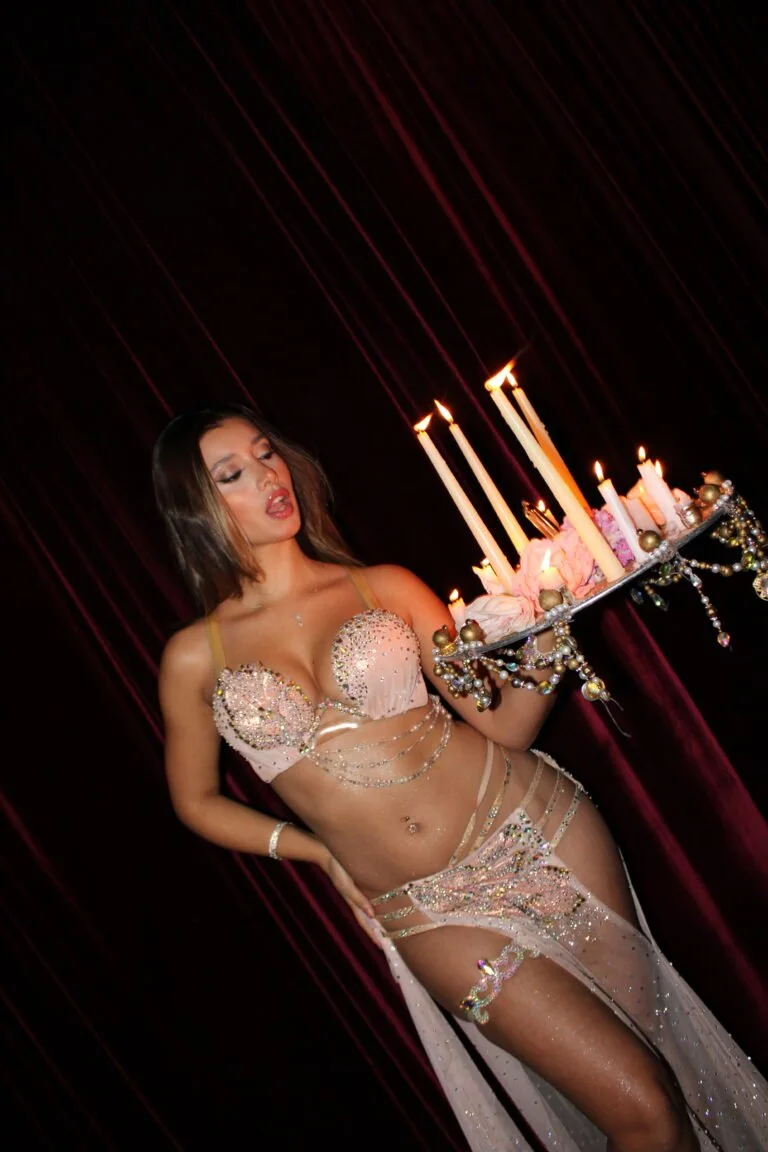
Downtown, in the West Village, Dejavu operates on a different frequency. If Aquarelle is about composition, Dejavu is about crescendo. The space evolves as the night deepens—what begins as dinner slowly dissolves into something more kinetic, more intimate, more alive. Tables tighten, lights dim, and the line between dining room and nightlife blurs.
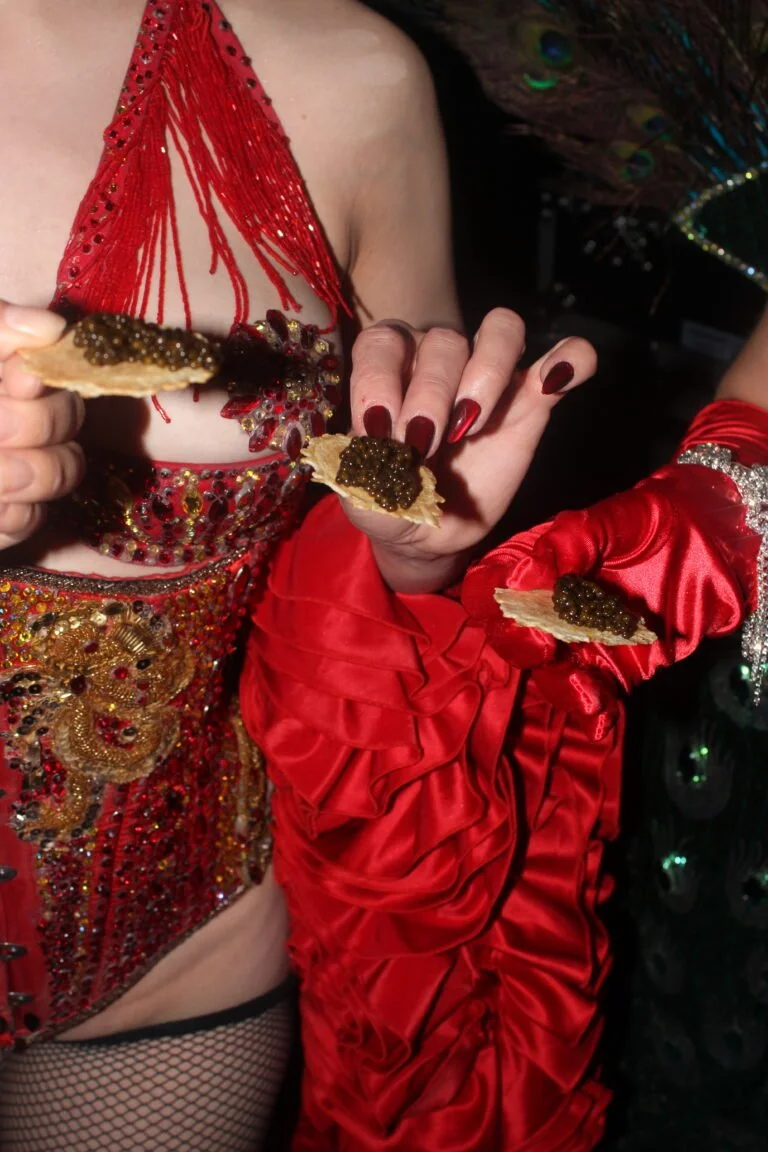
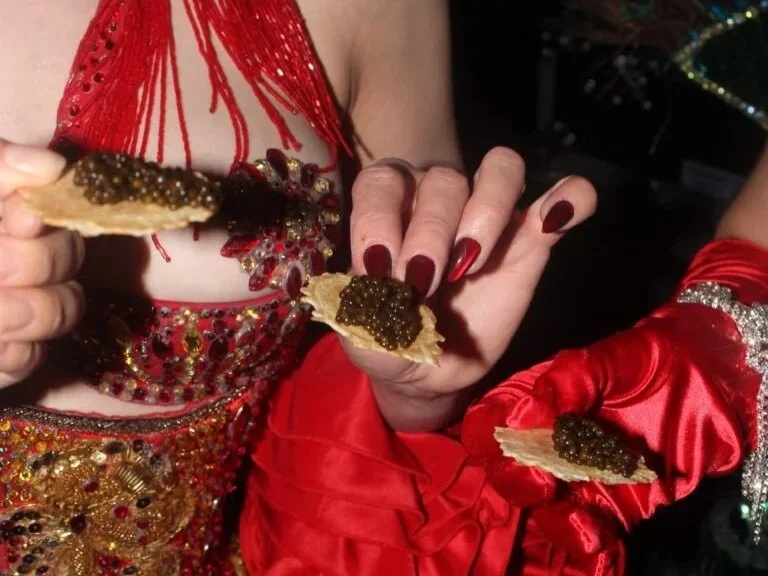
The cuisine follows suit. Caviar service becomes a ritual, less about opulence and more about timing—when it arrives, who you’re with, what’s being said. Espresso is recontextualized, not as an end to the meal but as a bridge into the night. Dishes are designed to sustain momentum rather than interrupt it: indulgent, yes, but controlled, never heavy enough to slow the room down.
What ties both spaces together is not a signature dish, but a philosophy. Barış Köroğlu doesn’t build menus in isolation—he builds environments. Food, in his world, is one part of a larger equation that includes lighting, music, pacing, and the subtle choreography of service.
“I create environments where people feel their best,” he has said, and in both restaurants, that intention is palpable.
At Aquarelle, feeling your best might look like a two-hour dinner that stretches effortlessly, each course unfolding with quiet confidence. At Dejavu, it’s something else entirely—a sense that the night is building toward something, that the table you’re at is not just a place to eat, but a place to arrive.
The cuisine, then, becomes a vehicle for that feeling. It adapts to context. It understands when to recede and when to assert itself. It knows that sometimes the most memorable dish isn’t the most complex, but the one that meets the moment exactly as it is.
In a city defined by options, Köroğlu’s restaurants offer something rarer: clarity. Not just in flavor, but in experience. You don’t come here to decide who you are for the night—you come here because you already know.
And somewhere between the first pour and the last espresso, between the quiet precision of Aquarelle and the electric pulse of Dejavu, that identity sharpens.
The table, after all, is never just a table. It’s a stage. And in Barış Köroğlu’s world, every detail—from the cut of the plate to the cadence of the room—is designed to ensure you play your part exactly right.