Seiko Group Corporation Brings “The Gift of Time” to New York
In a city where time is measured in minutes, meetings, arrivals and departures, Seiko Group Corporation offered New York something far less tangible: a reason to pause.
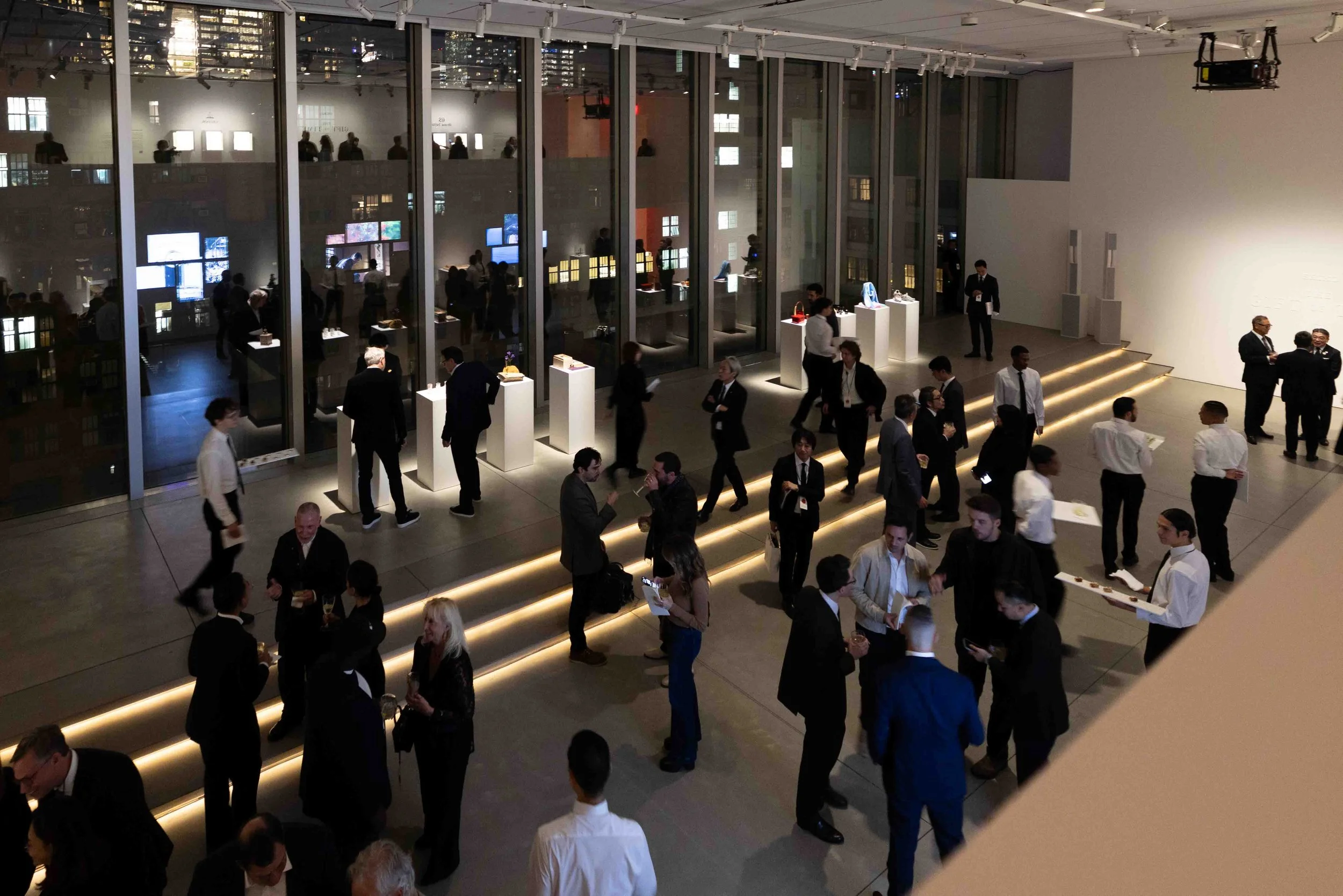
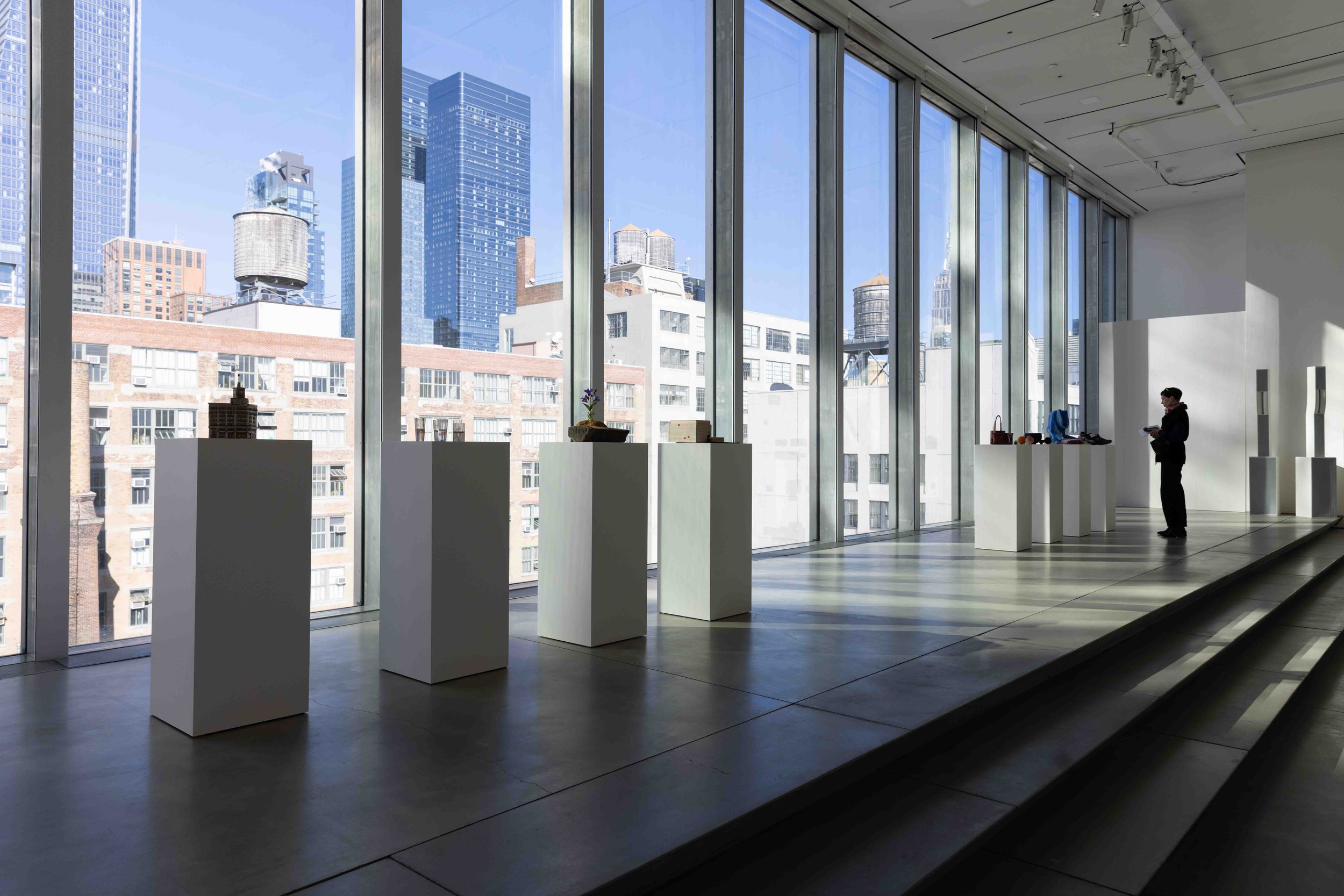
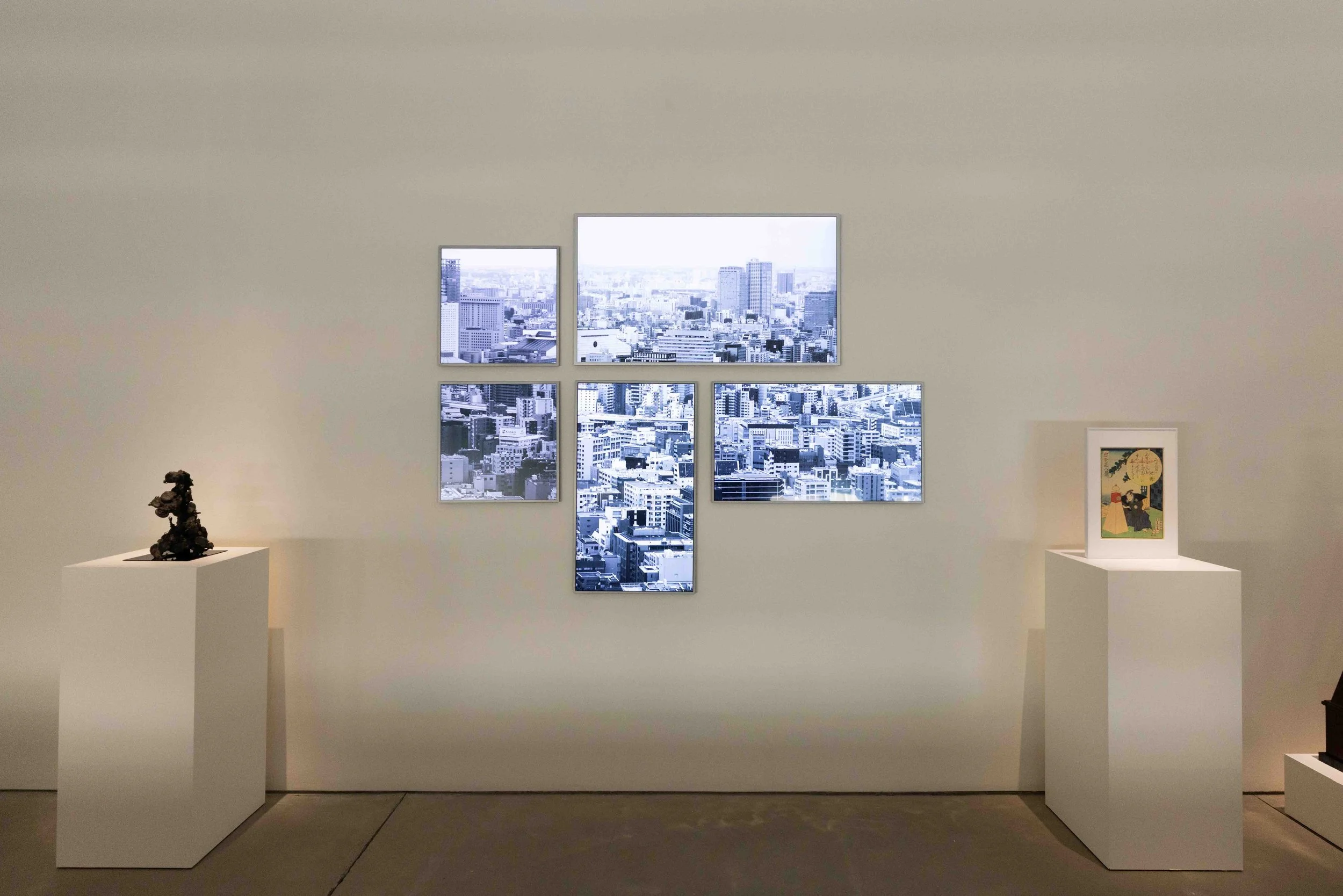
On October 6, Seiko brought THE GIFT OF TIME to Pace Gallery, transforming the Manhattan art institution into a meditation on ma—the Japanese concept of the space between moments. Rather than treating time solely as something to be measured, the experience considered what can happen within the intervals themselves: silence, reflection, connection and possibility. For a city built around perpetual motion, it was an intentional proposition.
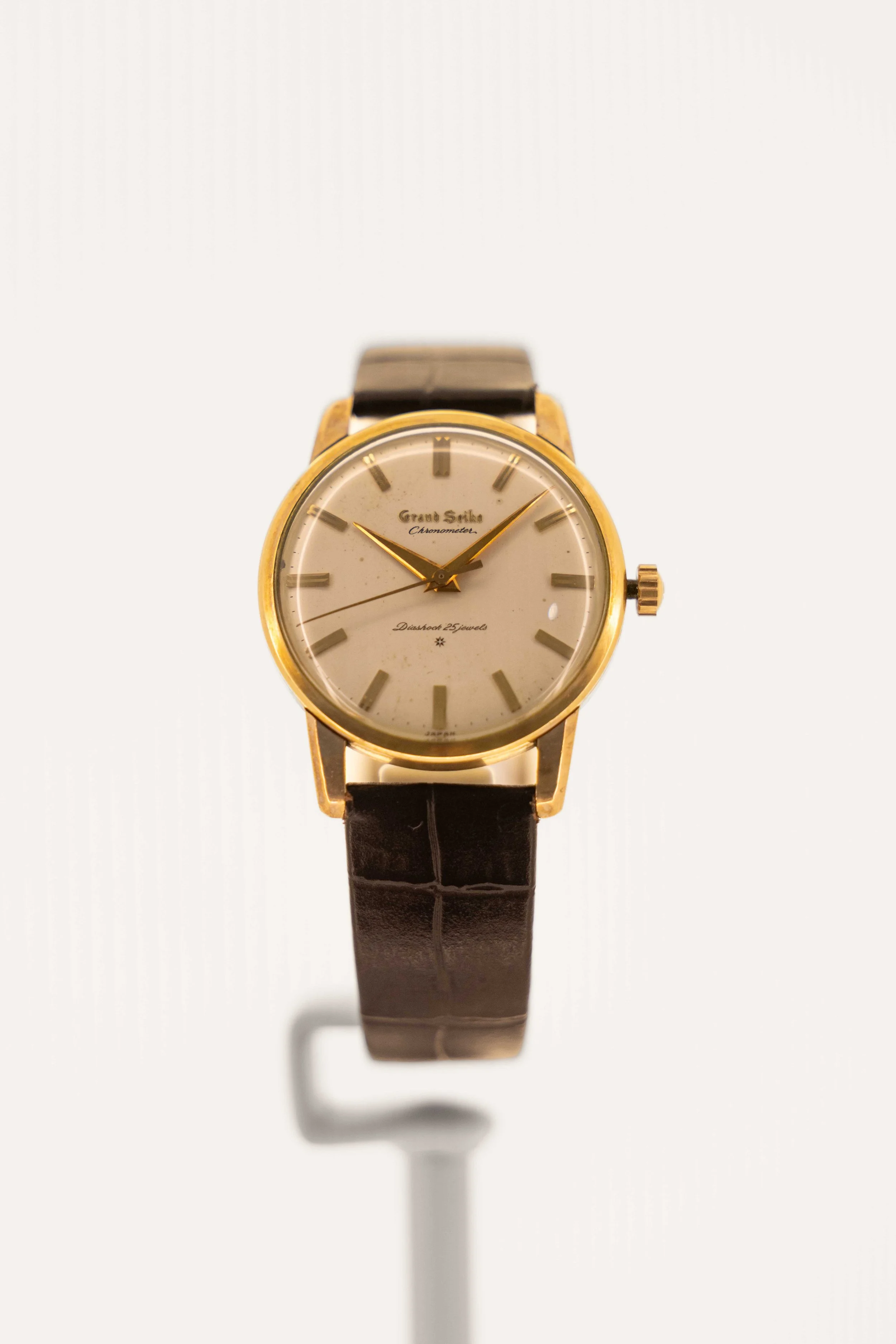
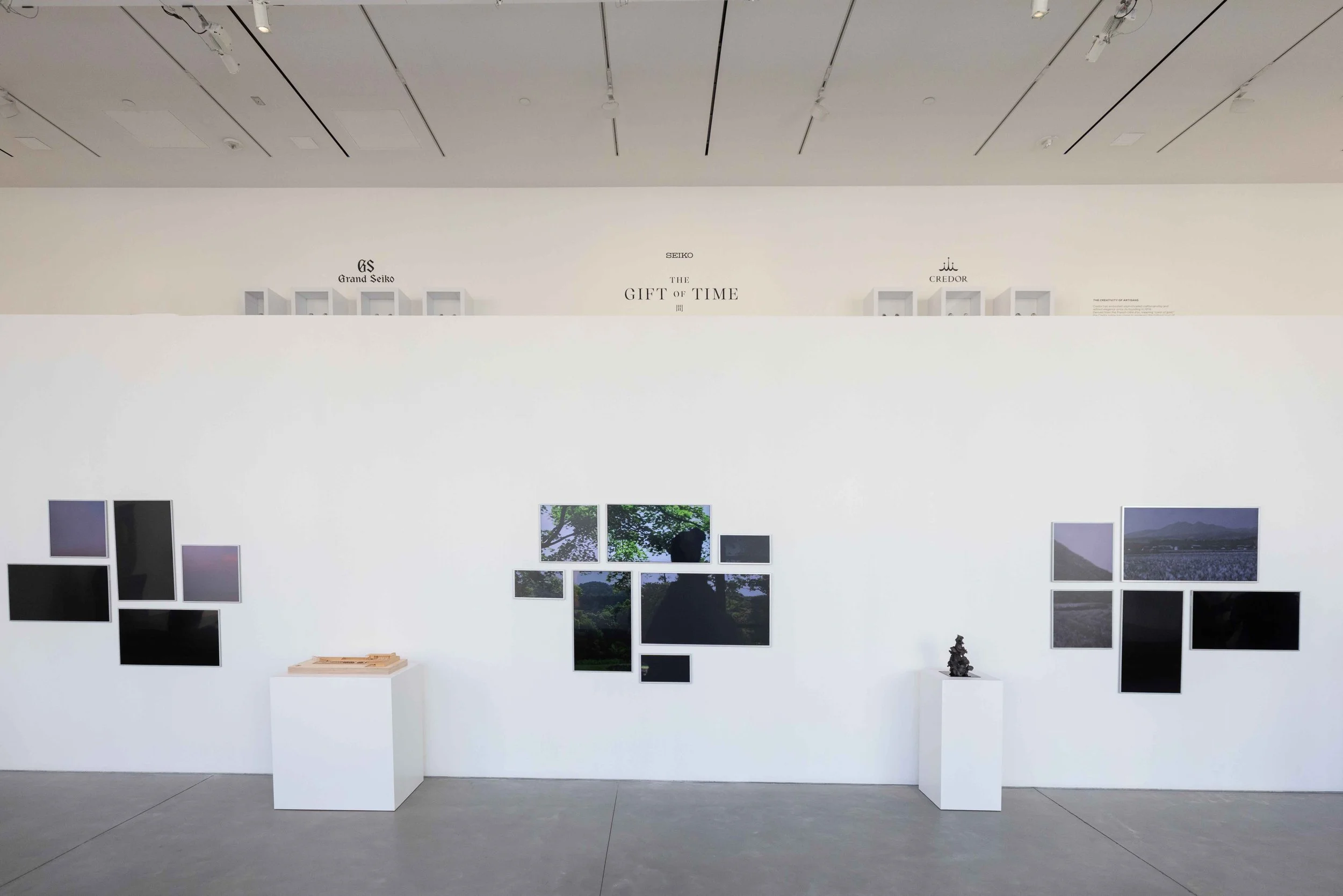
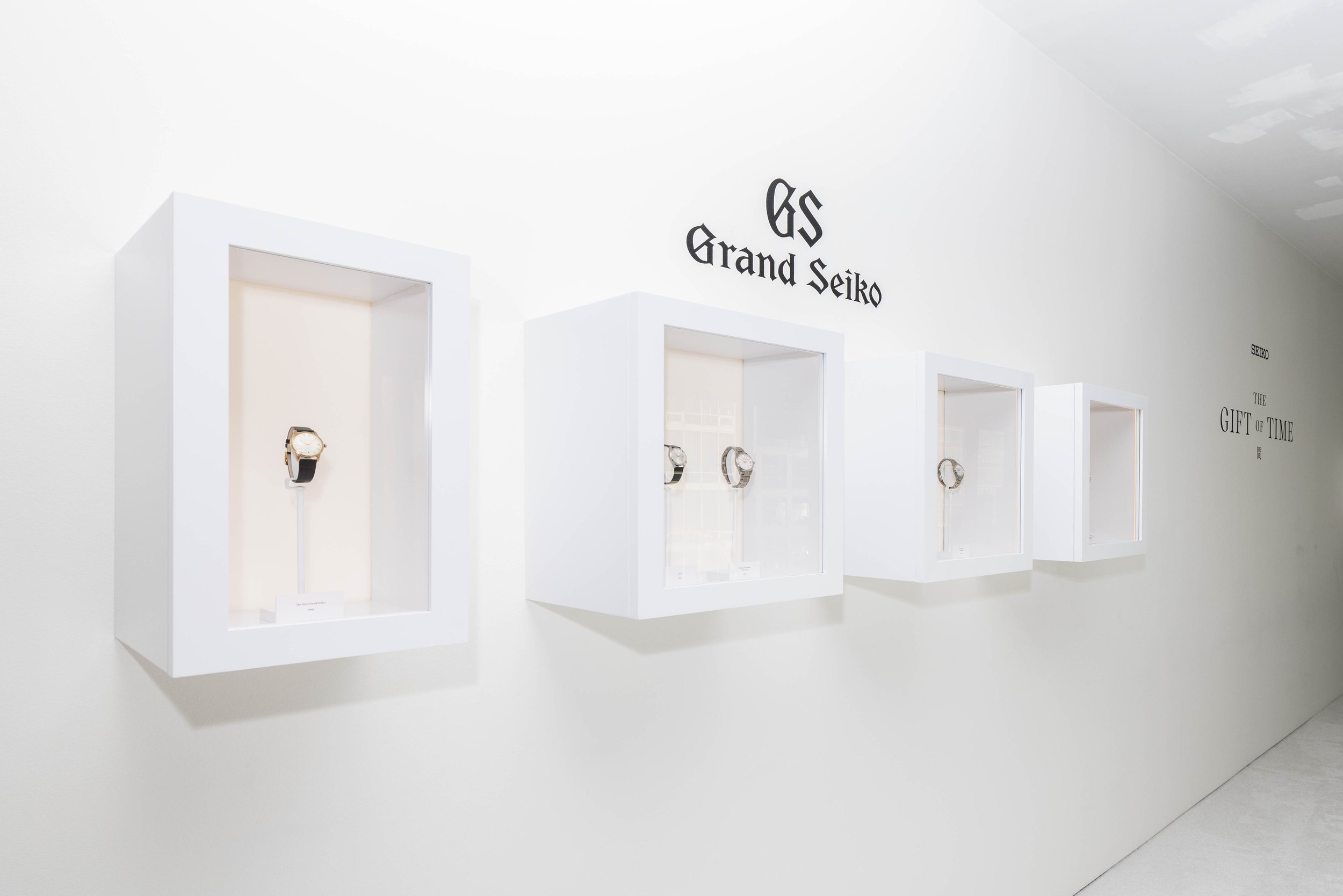
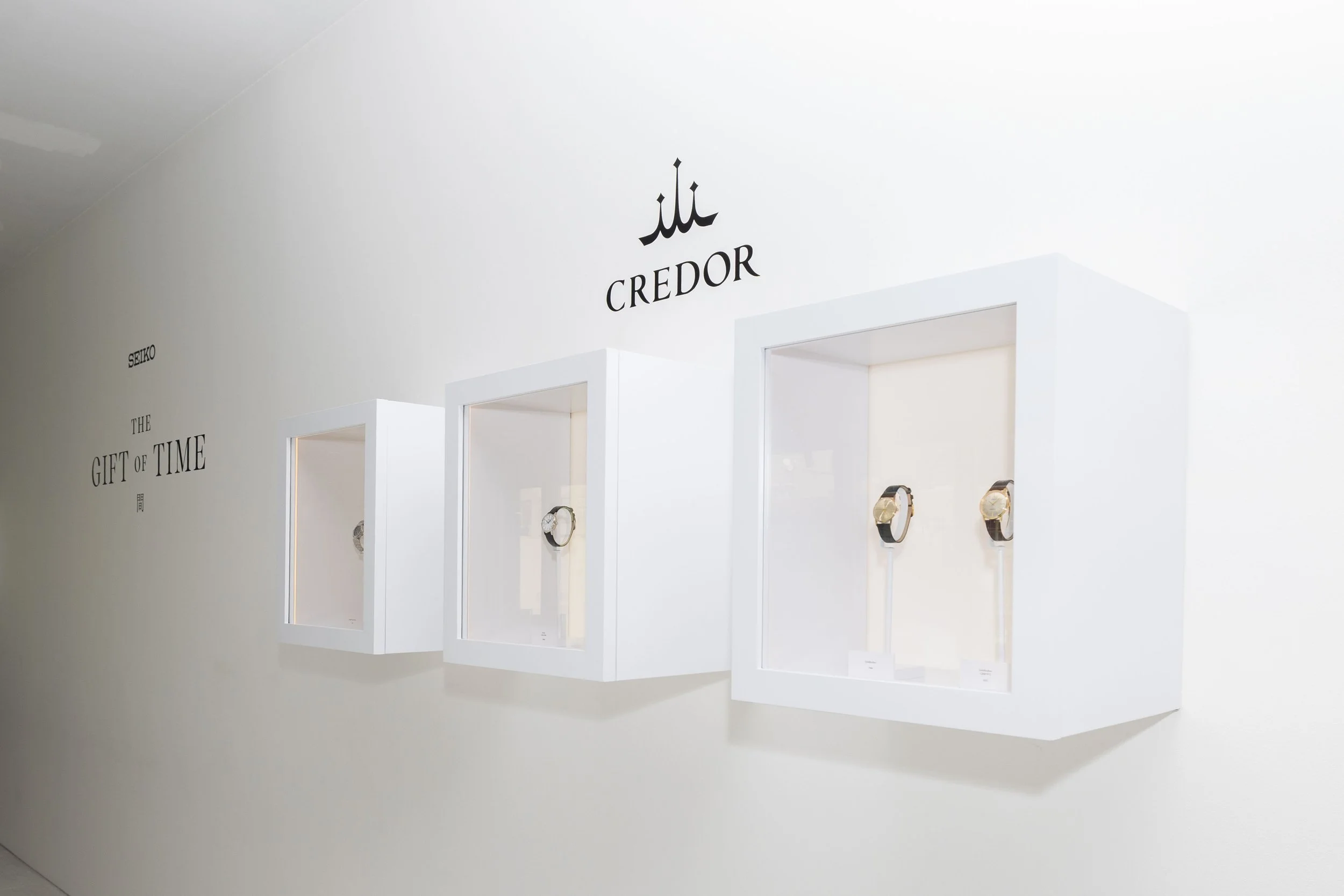
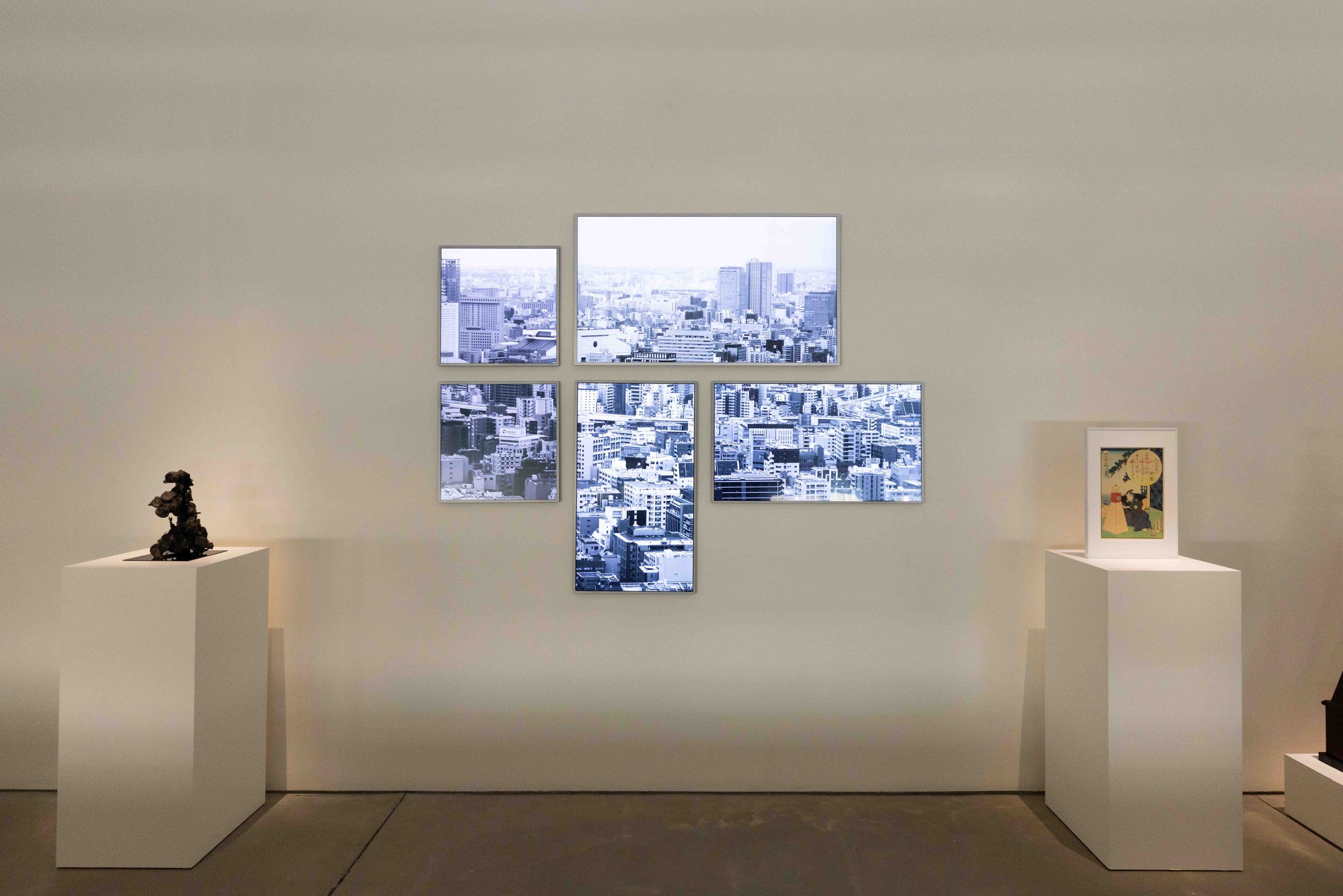
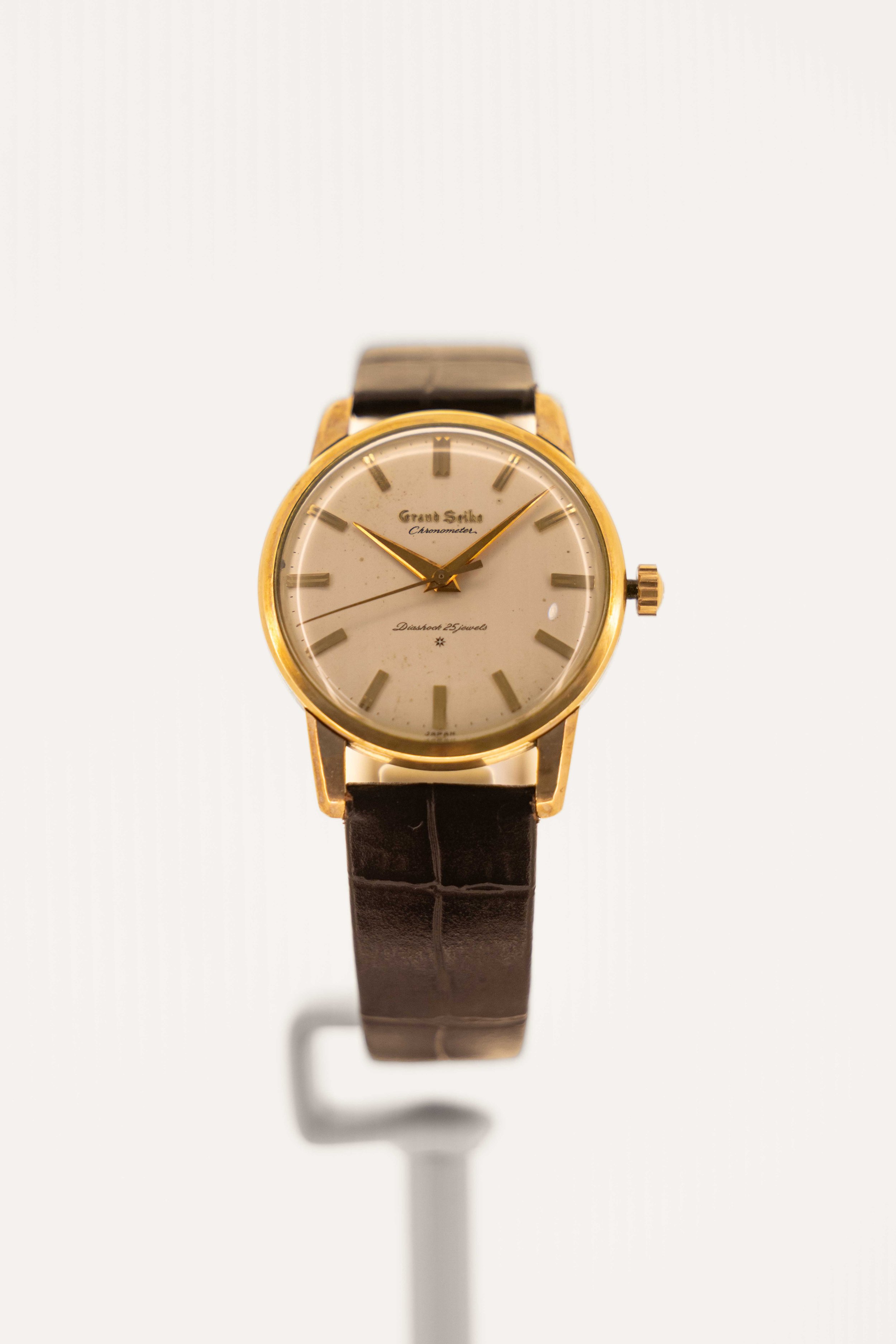
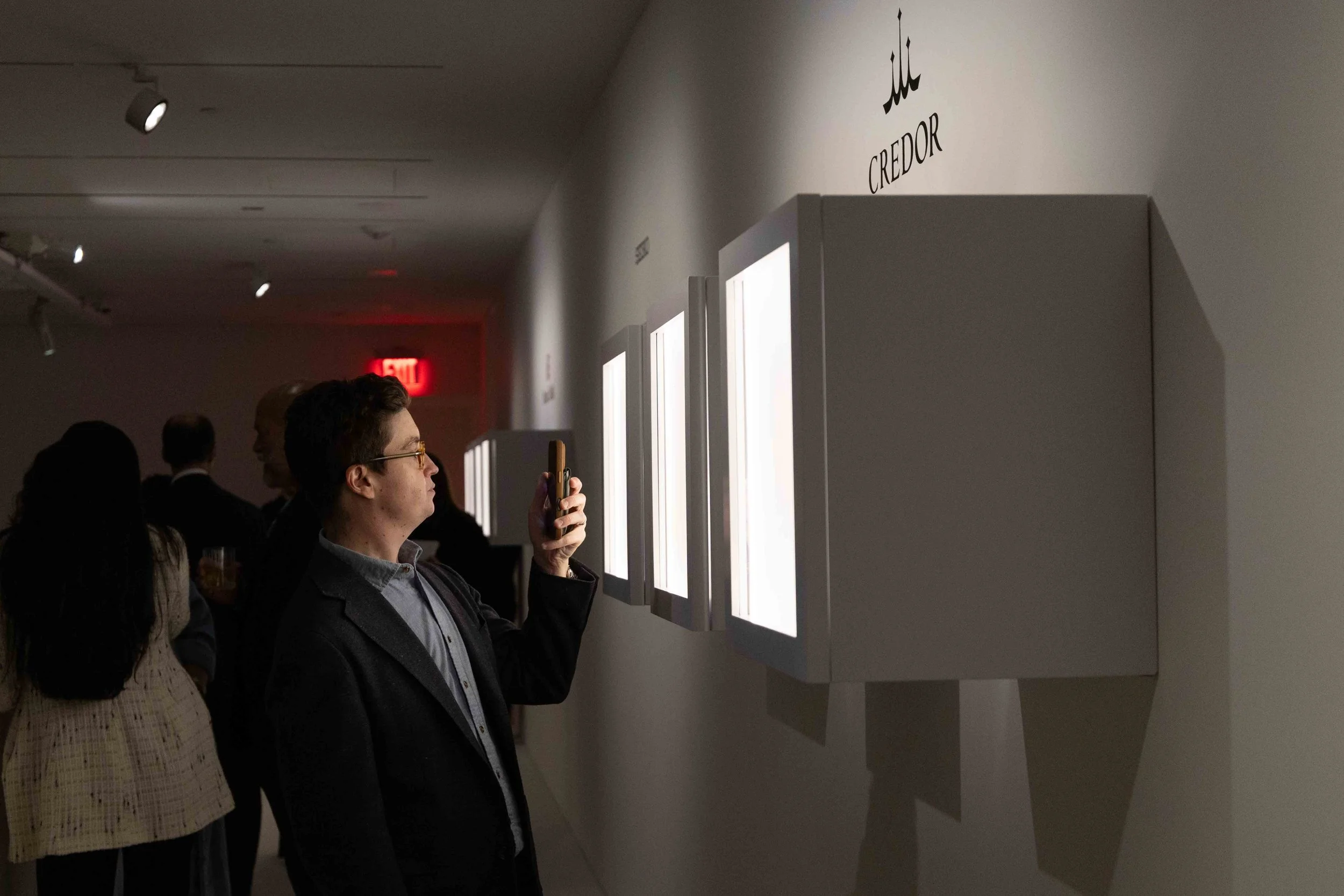
Structured around three themes—History, Culture and Space—the evening traced Seiko’s relationship with time through horology, Japanese craftsmanship, architecture and hospitality. Historic and contemporary timepieces from Grand Seiko and Credor established the foundation, while archival material surrounding Seiko founder Kintaro Hattori reflected the company’s long-standing belief in the value of sharing time.
But the most compelling element was perhaps the one that could not be worn on the wrist.
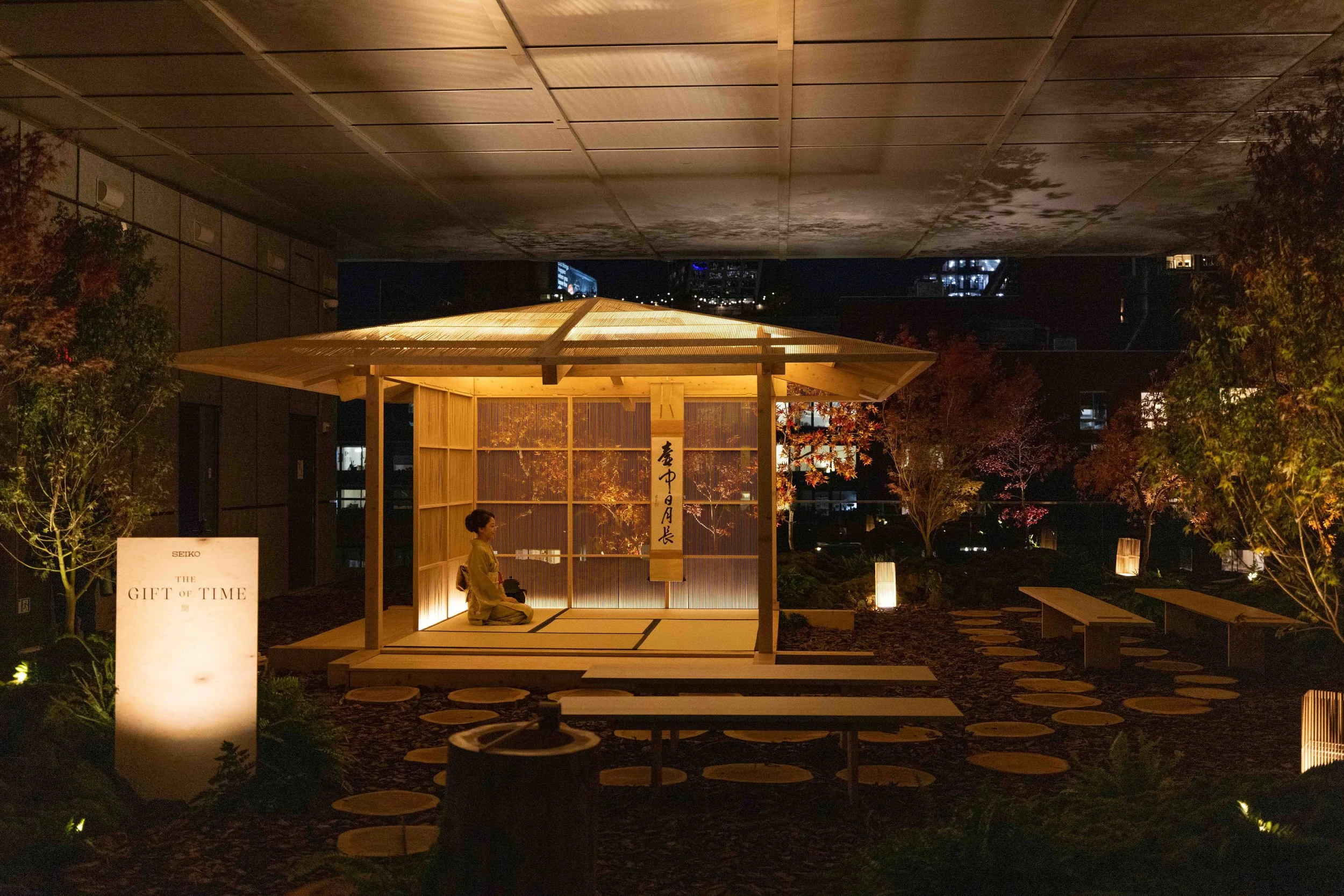
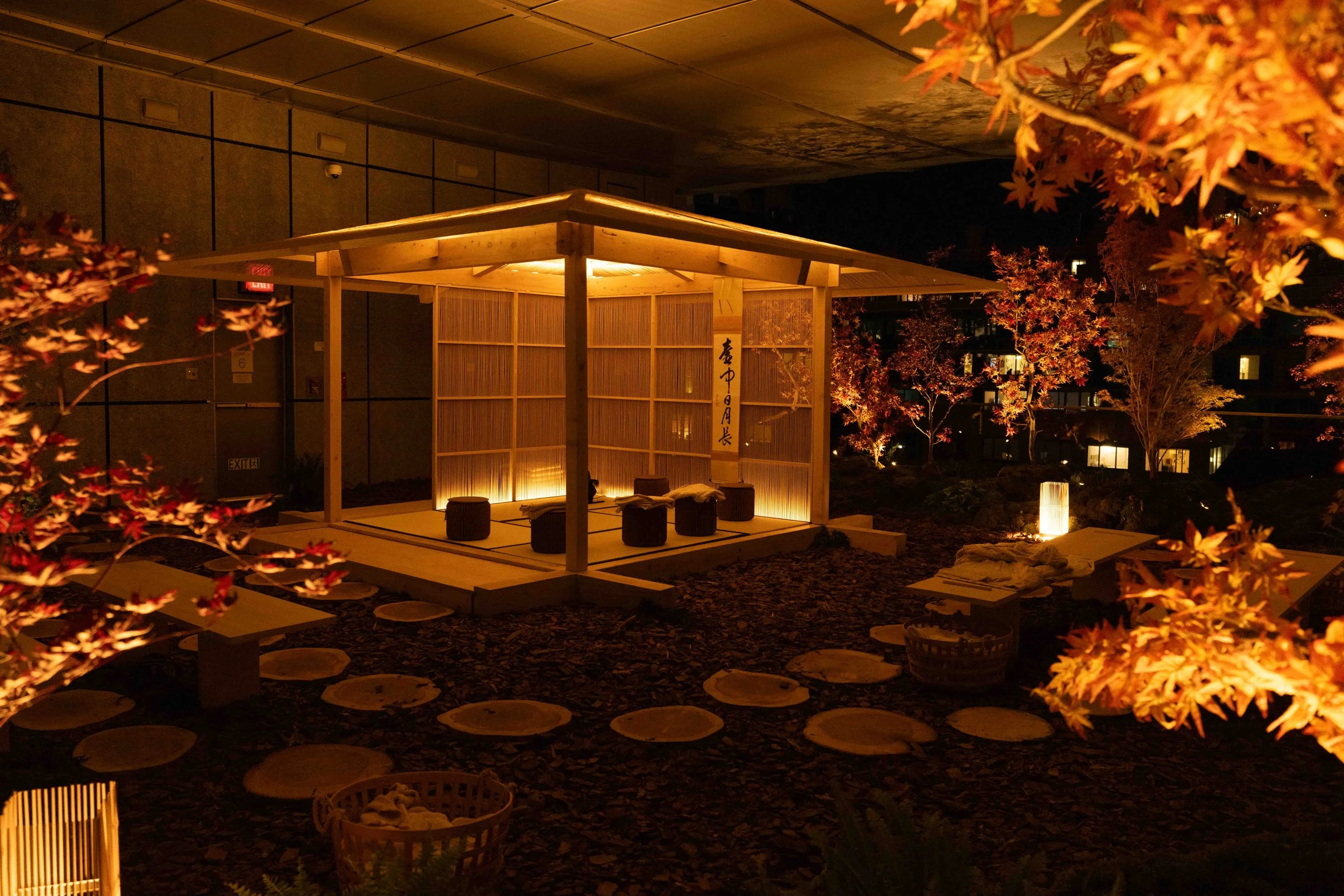
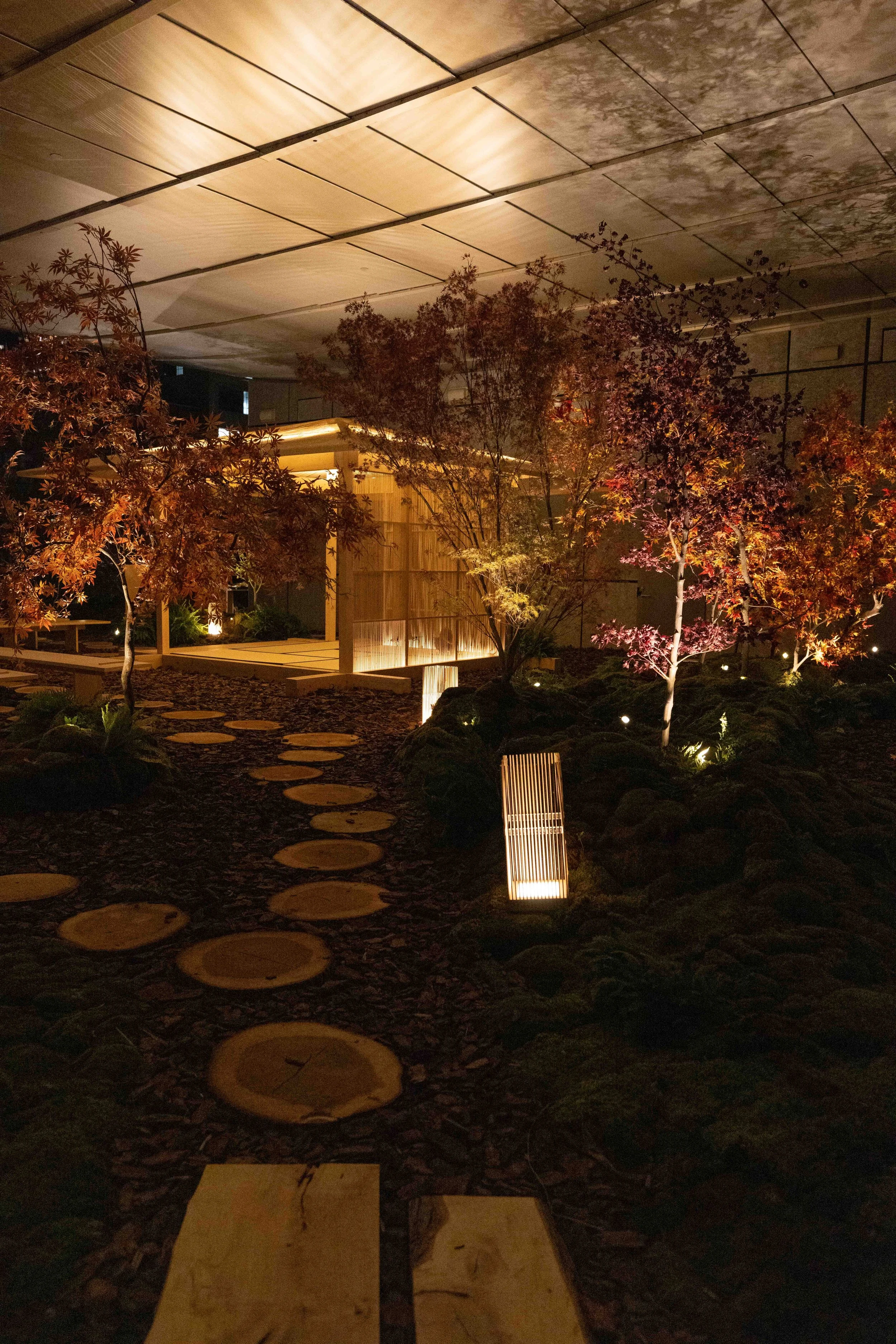
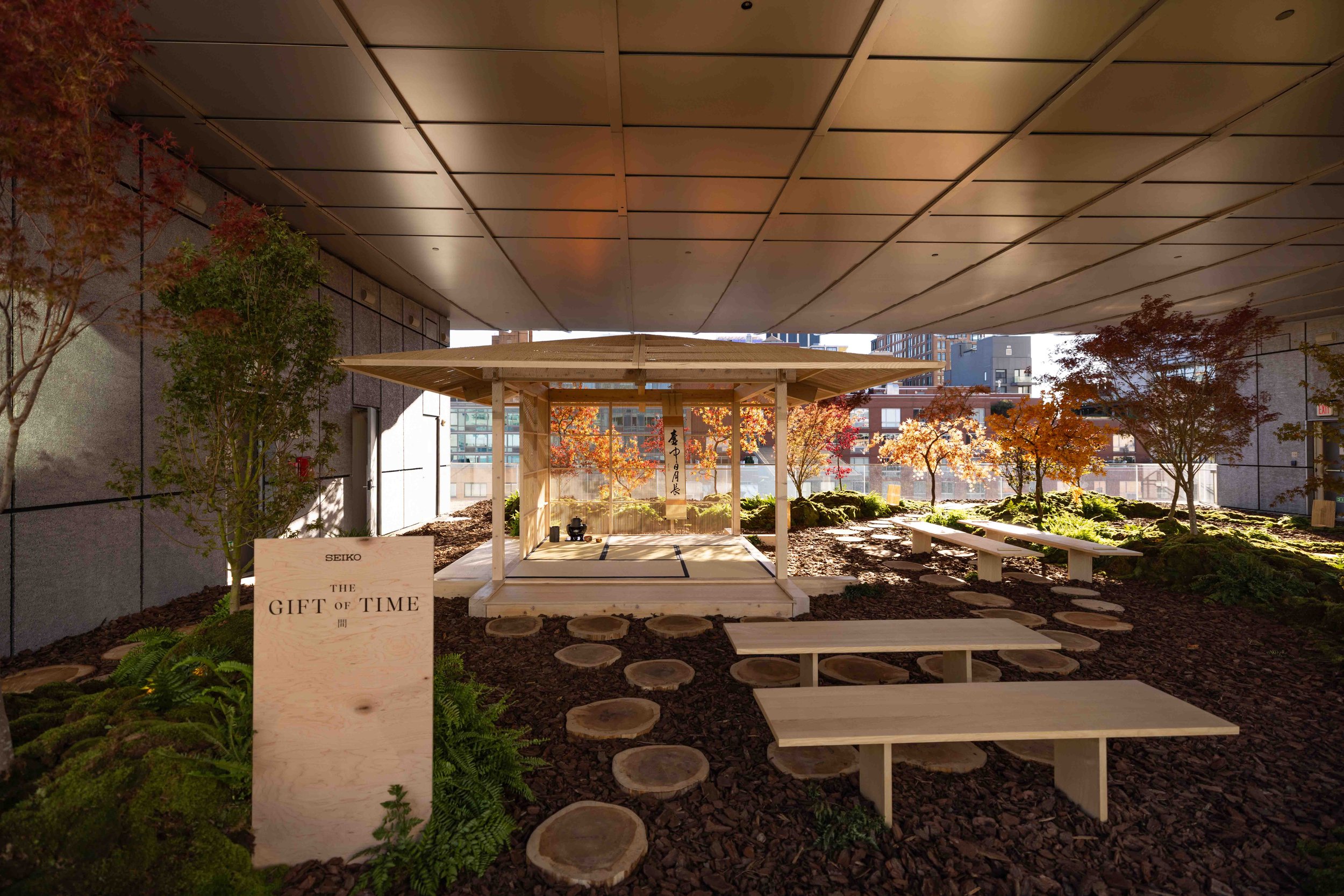
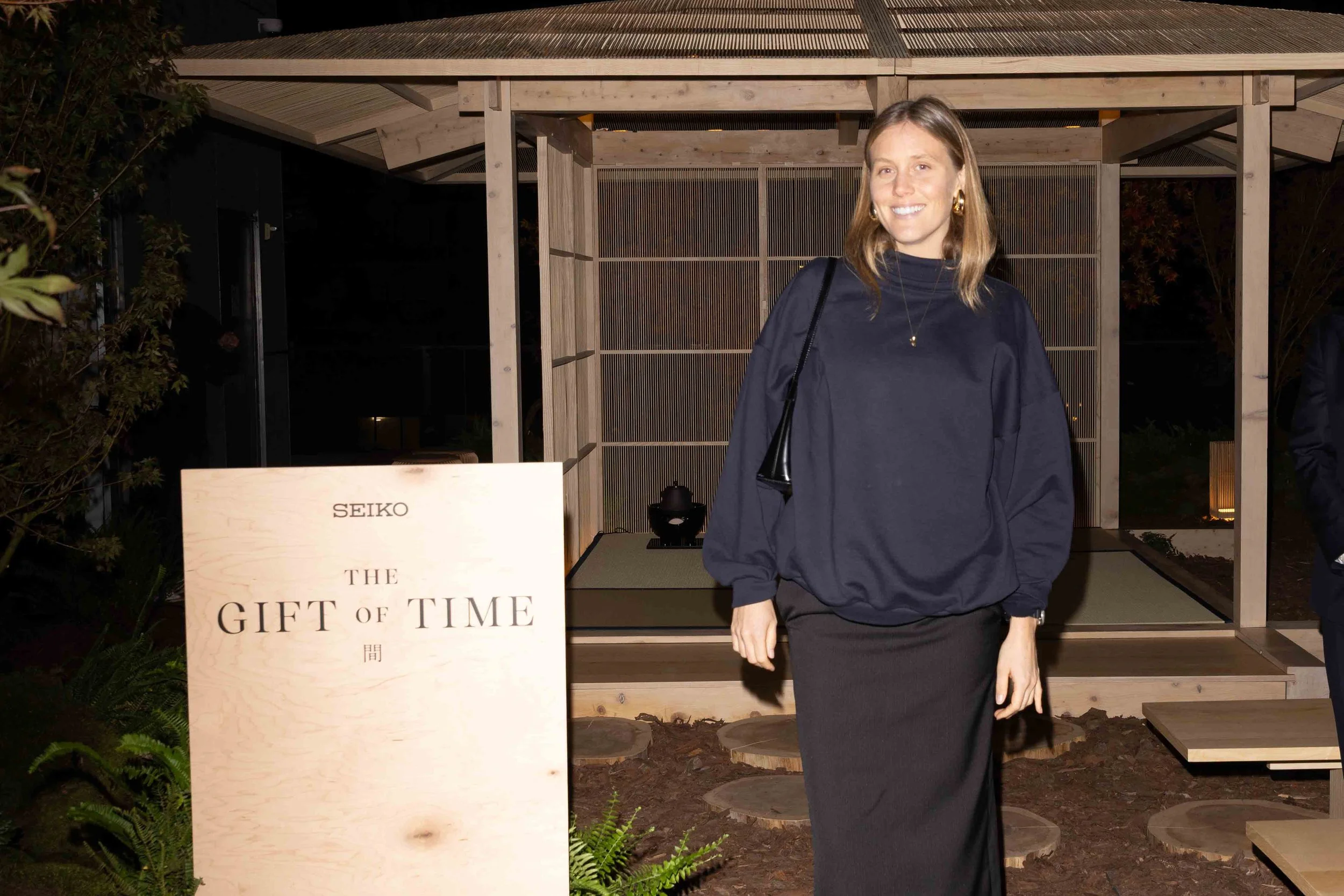
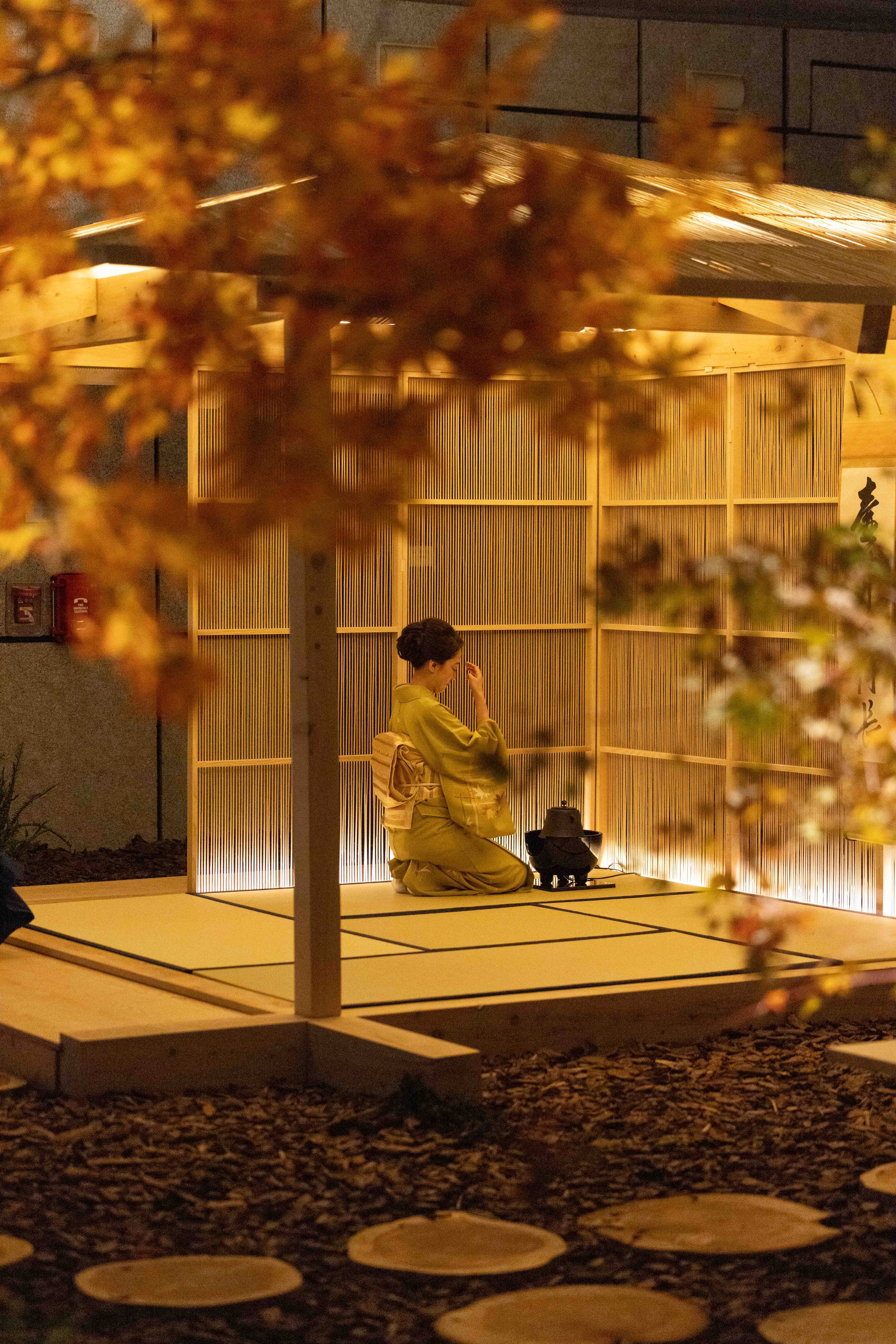
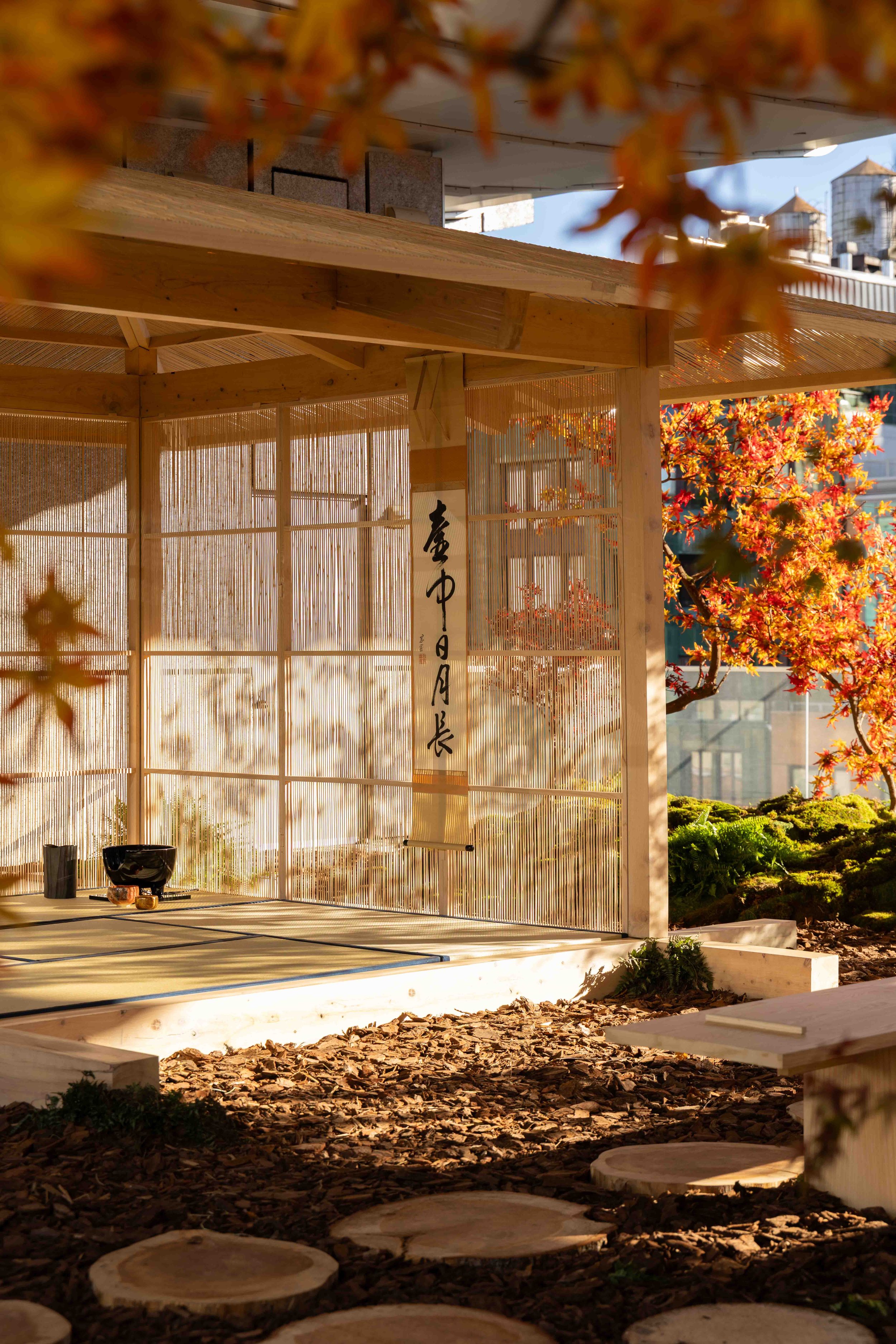
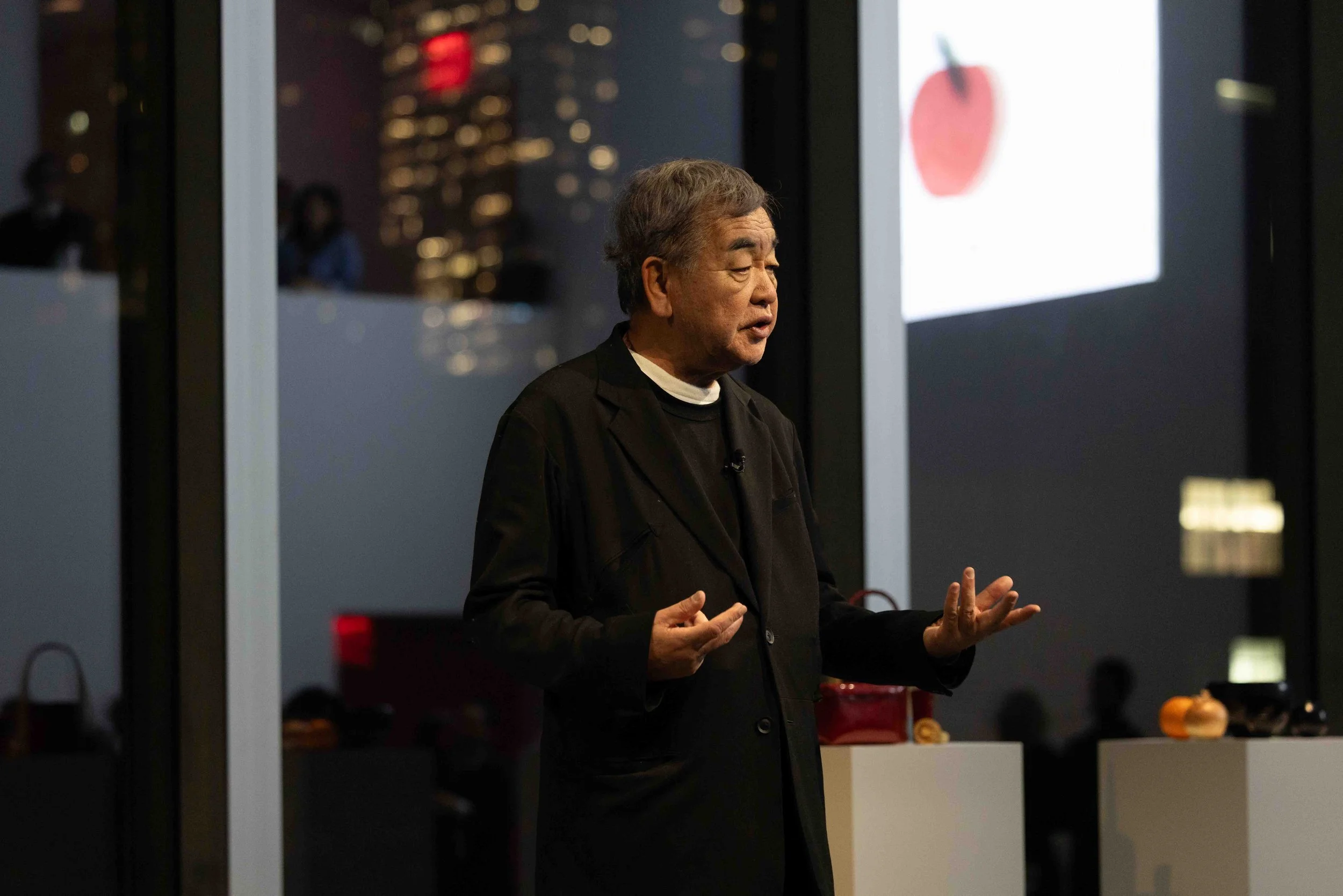
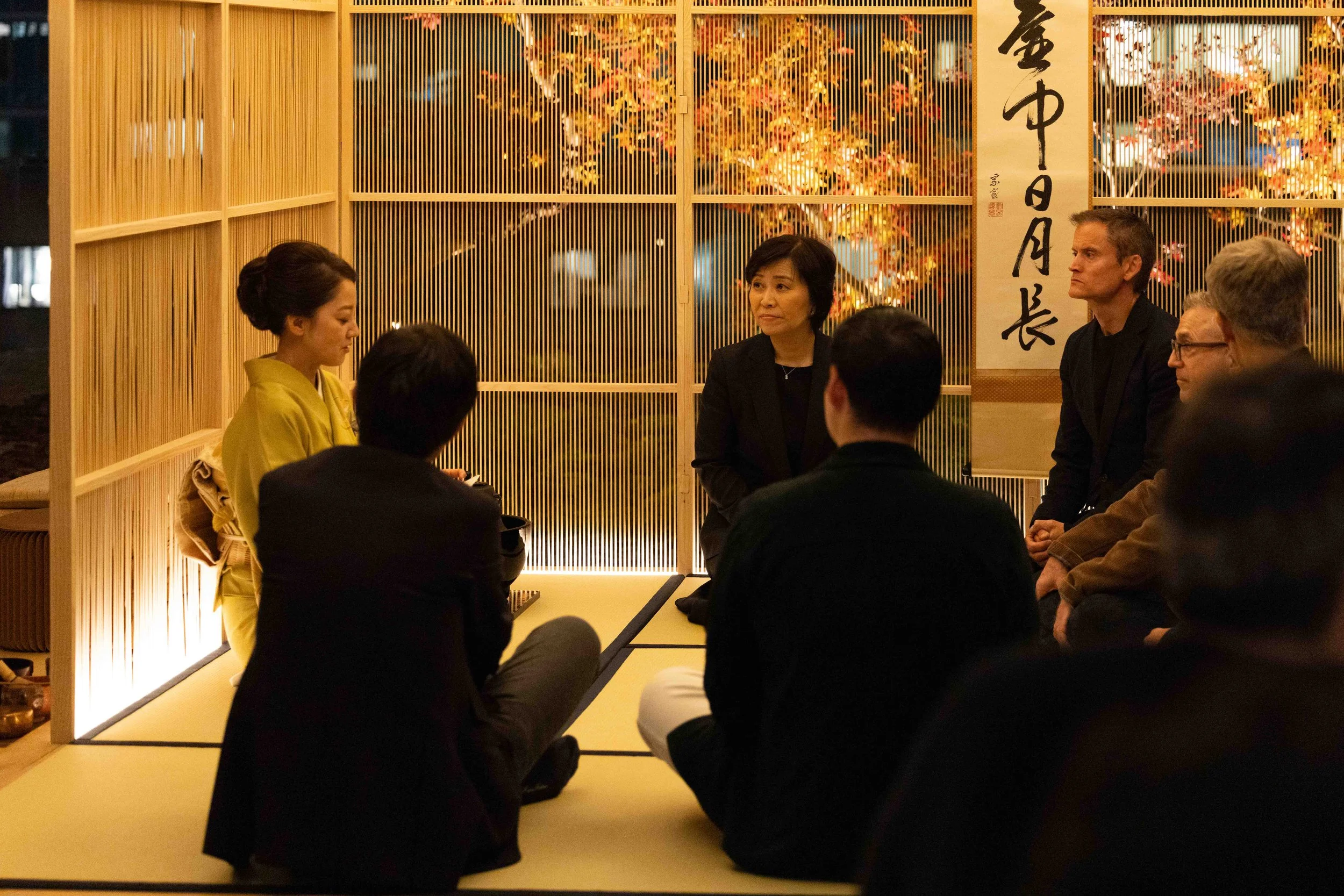
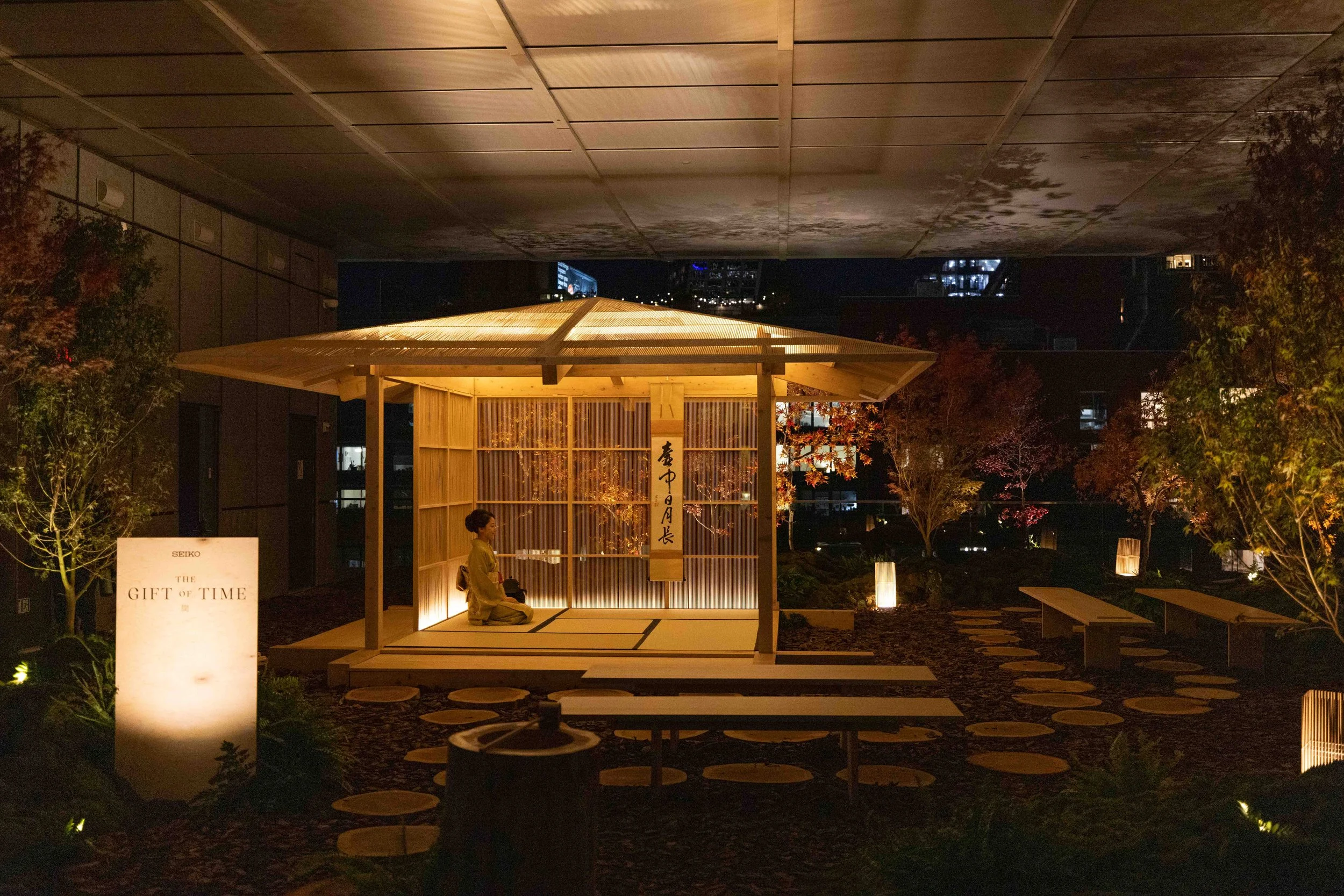
On the sixth-floor terrace of Pace Gallery, renowned architect Kengo Kuma translated ma into architecture through a serene Tea House dedicated to the theme of Time. Against the New York skyline, the structure became less an object than an invitation—to slow down, look outward and recognize the space surrounding the moment.
“For such a fast-paced, high-energy city, we thought hard about what ‘The Gift of Time’ could mean,” said Shinji Hattori, Chairman, Group CEO and Group CCO of Seiko Group Corporation. “And decided that the best ‘gift’ for this city would be the gift of MA(間).”
It is an idea that feels particularly relevant in New York. The city rarely asks permission before moving to the next thing. Its rhythm is productive, competitive and deliberately restless. Seiko’s proposition, by contrast, is that what happens between things can be just as meaningful as the things themselves.
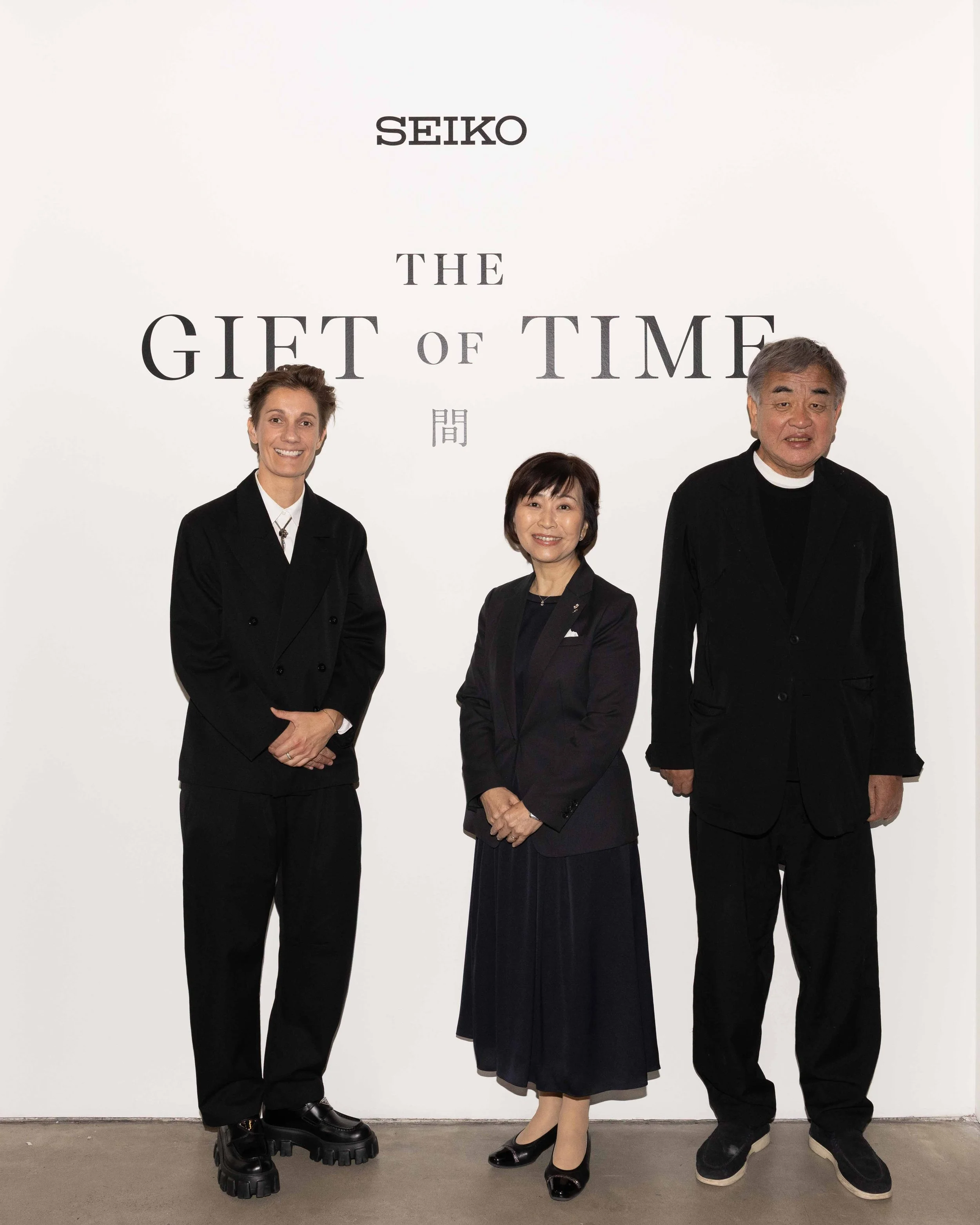
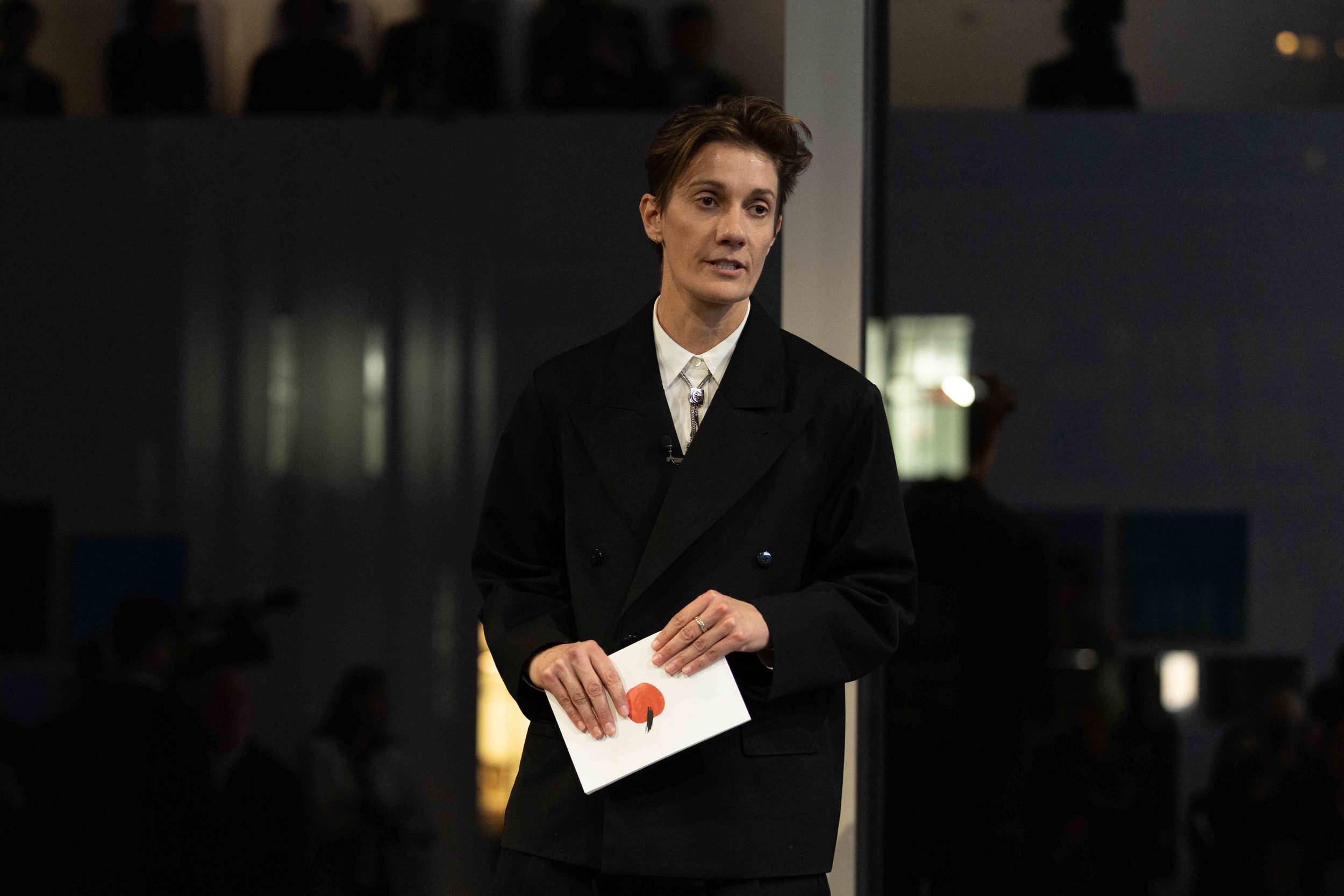
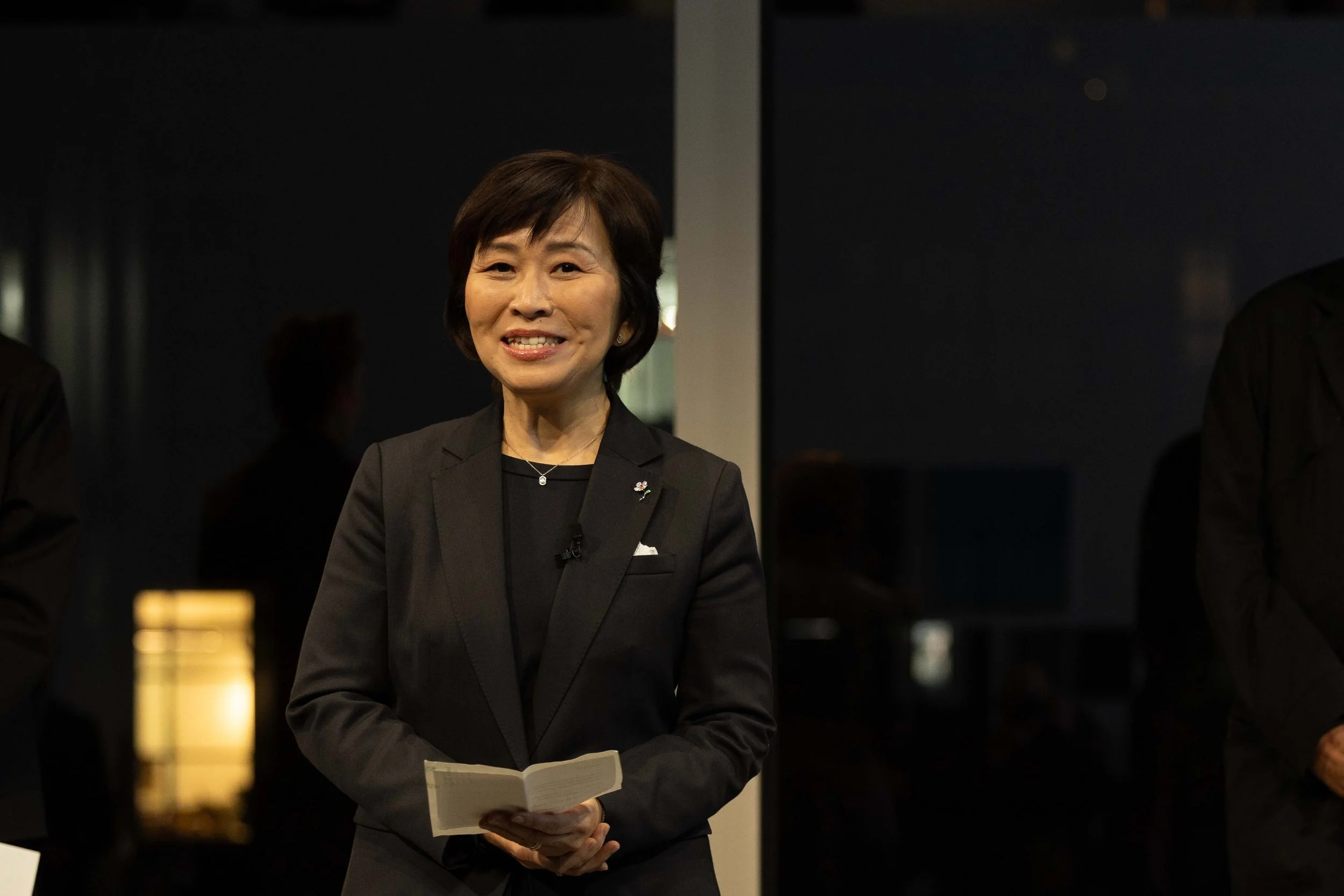
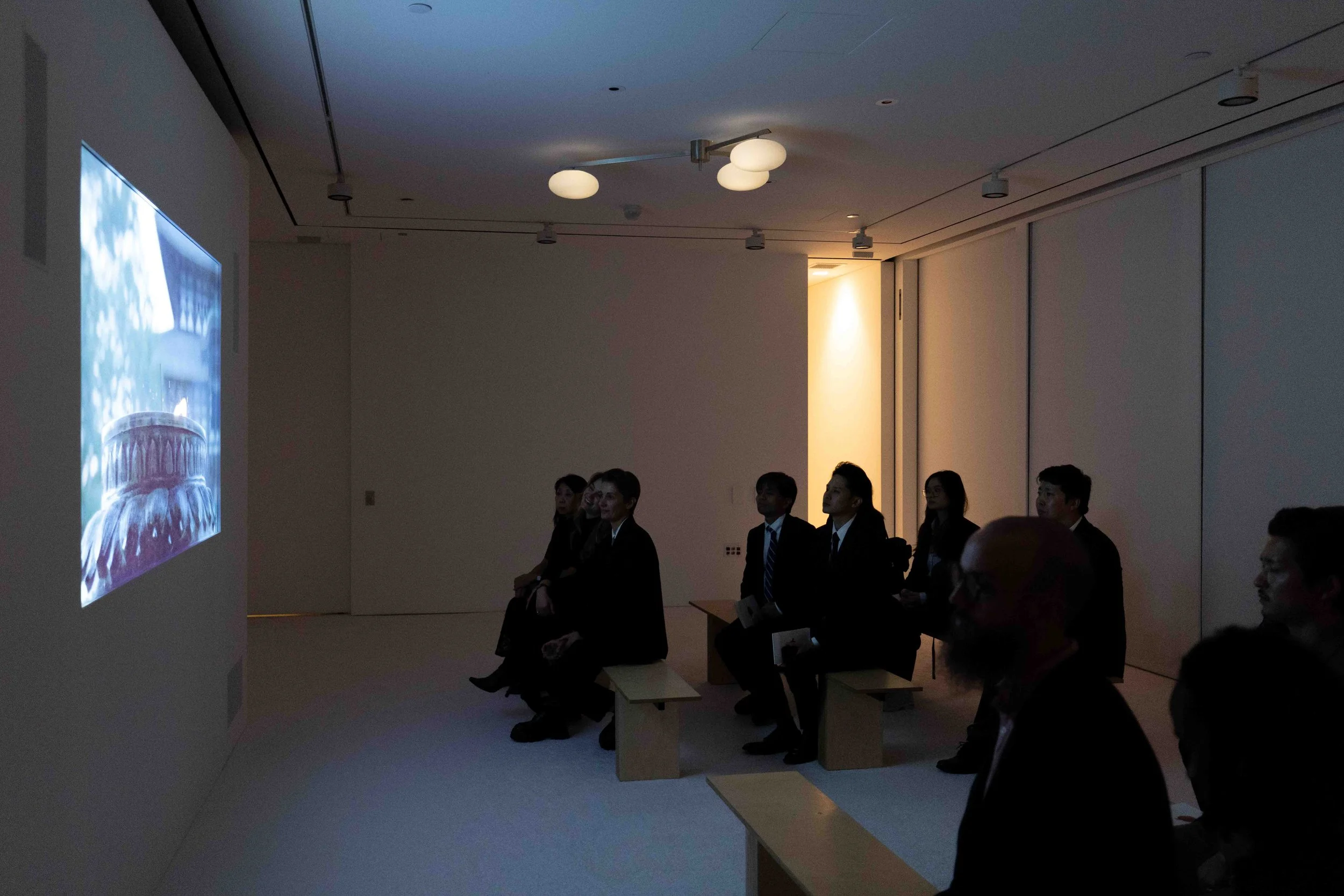
Hosted by Hiromi Kanagawa, Senior Executive Vice President of Seiko Group Corporation, the evening brought together voices spanning architecture, design, horology, fashion and culture. Guests experienced THE GIFT OF TIME, a short film directed by Paula Chowles and guided by Hattori, alongside the Tea House and traditional Japanese tea ceremonies led by tea master Souyuu Yamazaki of the Urasenke school.
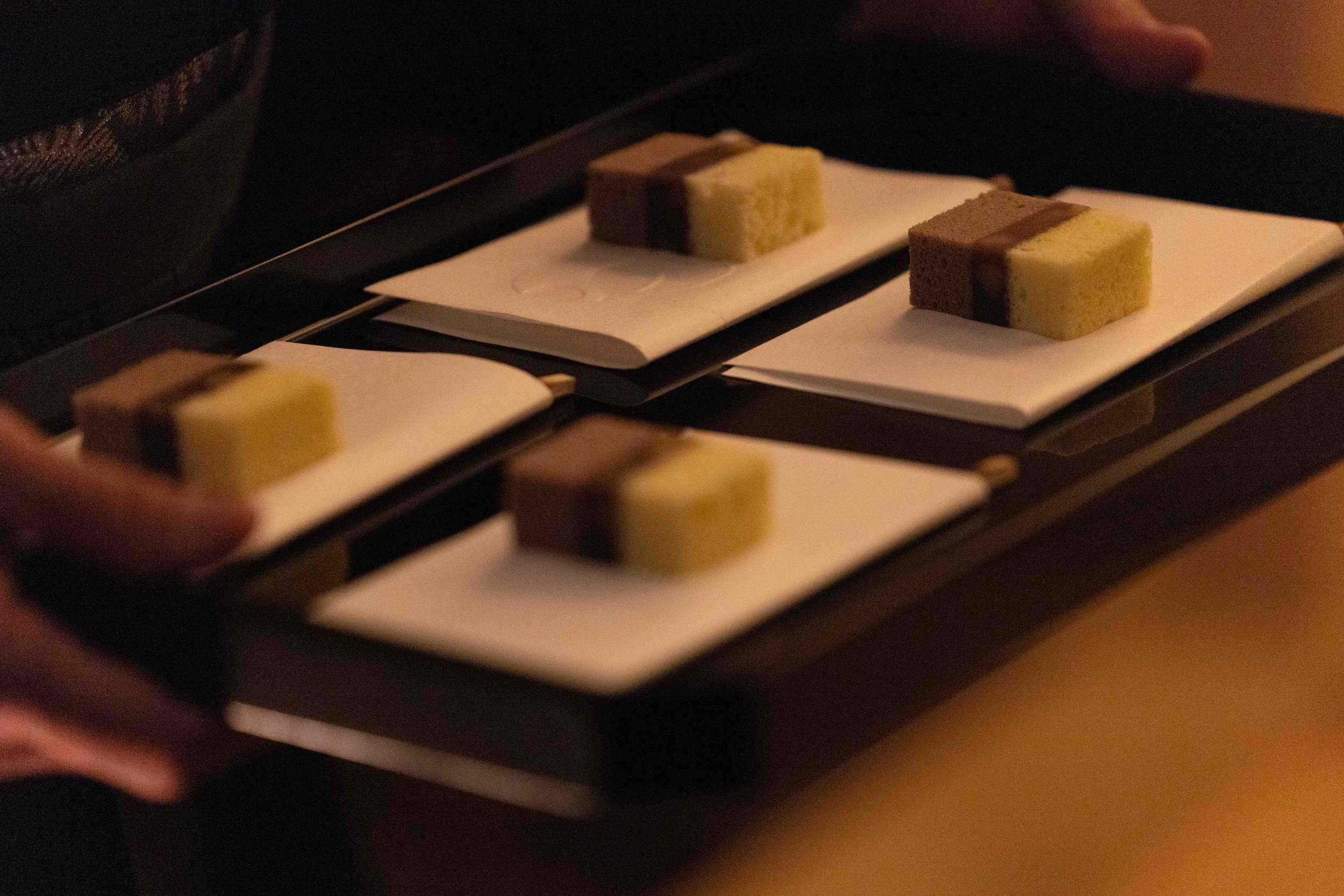
The experience extended beyond the visual. Chef Hiroki Odo and bartender Takuma Watanabe of Martiny’s brought seasonality and Japanese hospitality into the evening, creating another kind of interval—one centered on conversation, food and connection.
That layering is what made the presentation feel less like a conventional luxury event and more like a cultural exercise. Watches were present, but the evening was never solely about watches. Architecture was present, but the architecture served a larger philosophy. Even the gallery setting became part of the conversation, placing Japanese craftsmanship within New York’s contemporary art landscape.
For Seiko, the approach also reflects the breadth of its nearly century-and-a-half history. Founded by Kintaro Hattori in Tokyo in 1881, the company has evolved from a watch and clock retail and repair shop into a global enterprise spanning watchmaking, precision devices and system solutions. Grand Seiko and Credor represent two distinct expressions of Japanese watchmaking, while Wako continues the group’s broader engagement with fashion, art, jewelry and craft.
Alongside the New York event, Credor is continuing the conversation through an exclusive pop-up experience at the Grand Seiko Flagship Boutique New York on Madison Avenue. Running through November 2, the presentation brings together historic and contemporary Credor pieces, including the original Locomotive, Goldfeather and Eichi II collections.
Yet the lasting impression of THE GIFT OF TIME is not necessarily found in a particular watch or architectural form. It is in the proposition itself.
In a culture increasingly obsessed with speed, optimization and what comes next, Seiko’s interpretation of ma suggests that time does not always need to be filled to be valuable. Sometimes, the space between moments is where the moment actually begins.
For one evening in New York, Seiko made that space the destination.