
Oslo’s City Center: Where Nordic Restraint Meets Waterfront Reinvention
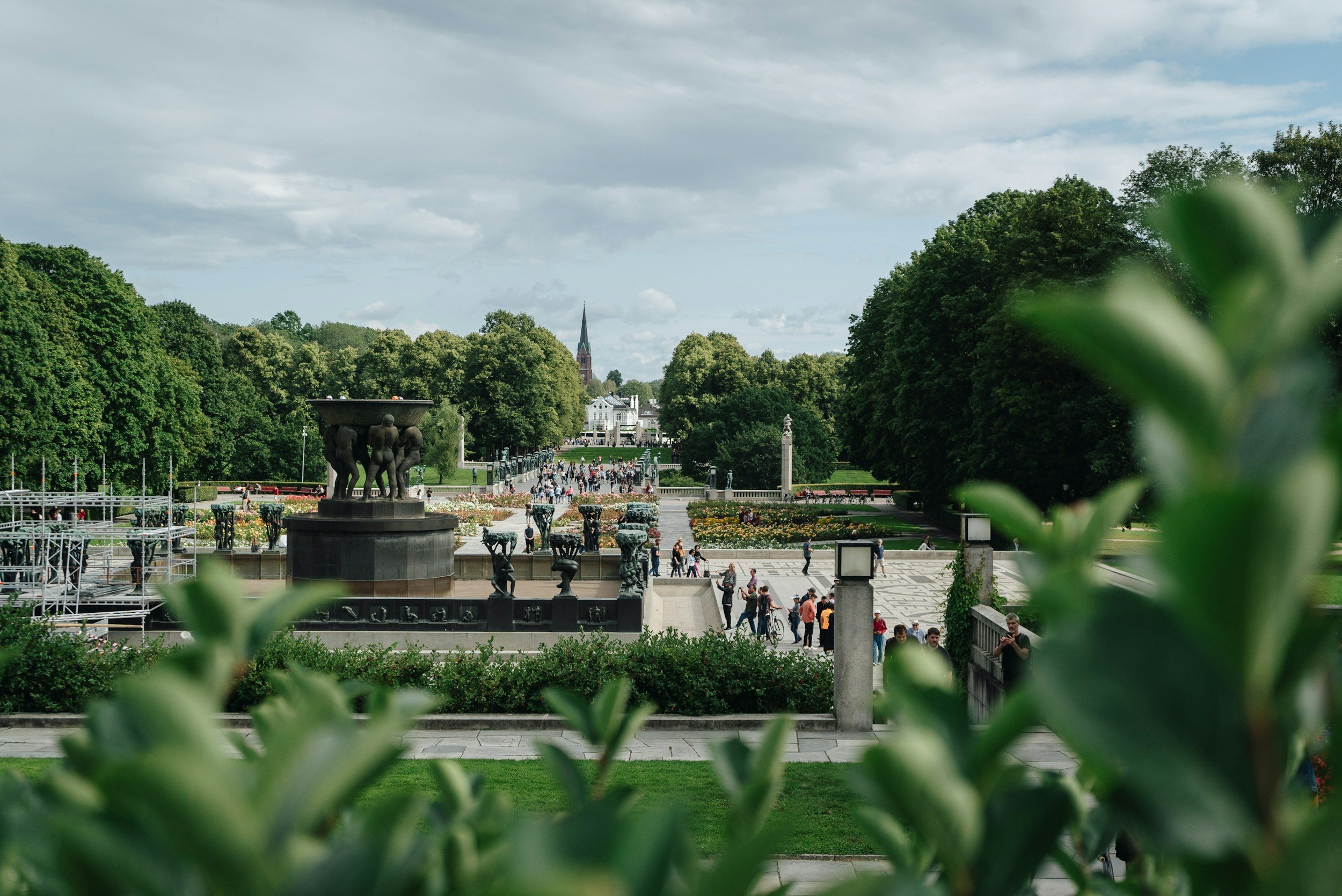
The first thing you notice about Oslo’s city center isn't a singular landmark but a palpable sense of quiet, almost defiant, composure. It's a departure from the usual capital city cacophony. Oslo’s city center does not announce itself with fanfare. There are no gaudy tourist traps, no overwhelming skyscrapers, and none of the breathless hustle that defines many European capitals. Instead, it offers something far more disarming: a quiet, almost stoic confidence that comes from a city that has burned to the ground twelve times and rebuilt itself with greater intention each time.

The natural starting point is Karl Johans gate, the main artery that runs like a straight, patient spine from Oslo Central Station to the Royal Palace. This is not a boulevard designed for speed; it is a promenade for observation. Flanked by the National Theatre, the Parliament building, and the grand old University, it functions as an open-air gallery of Norwegian identity. Street musicians compete for space with locals sipping coffee at outdoor tables, while the palace itself sits at the terminus—understated, approachable, and utterly devoid of royal pomp. It is a telling detail: even the monarchy here prefers subtlety over spectacle.
But the real story of Oslo’s center is written along the water. The transformation of the Bjørvika district over the last two decades stands as one of Europe’s most successful urban regeneration projects. Where cargo ships once docked, the Oslo Opera House now rises like a glacier of white marble and angled glass. Its sloping roof is not merely architectural flair; it is an invitation. Visitors are encouraged to walk up its surface, and from that vantage point, the entire city unfolds—the fjord dotted with small islands, the modern Munch Museum next door, and the forested hills beyond. It is a rare example of public space that is genuinely public, not curated for consumption.
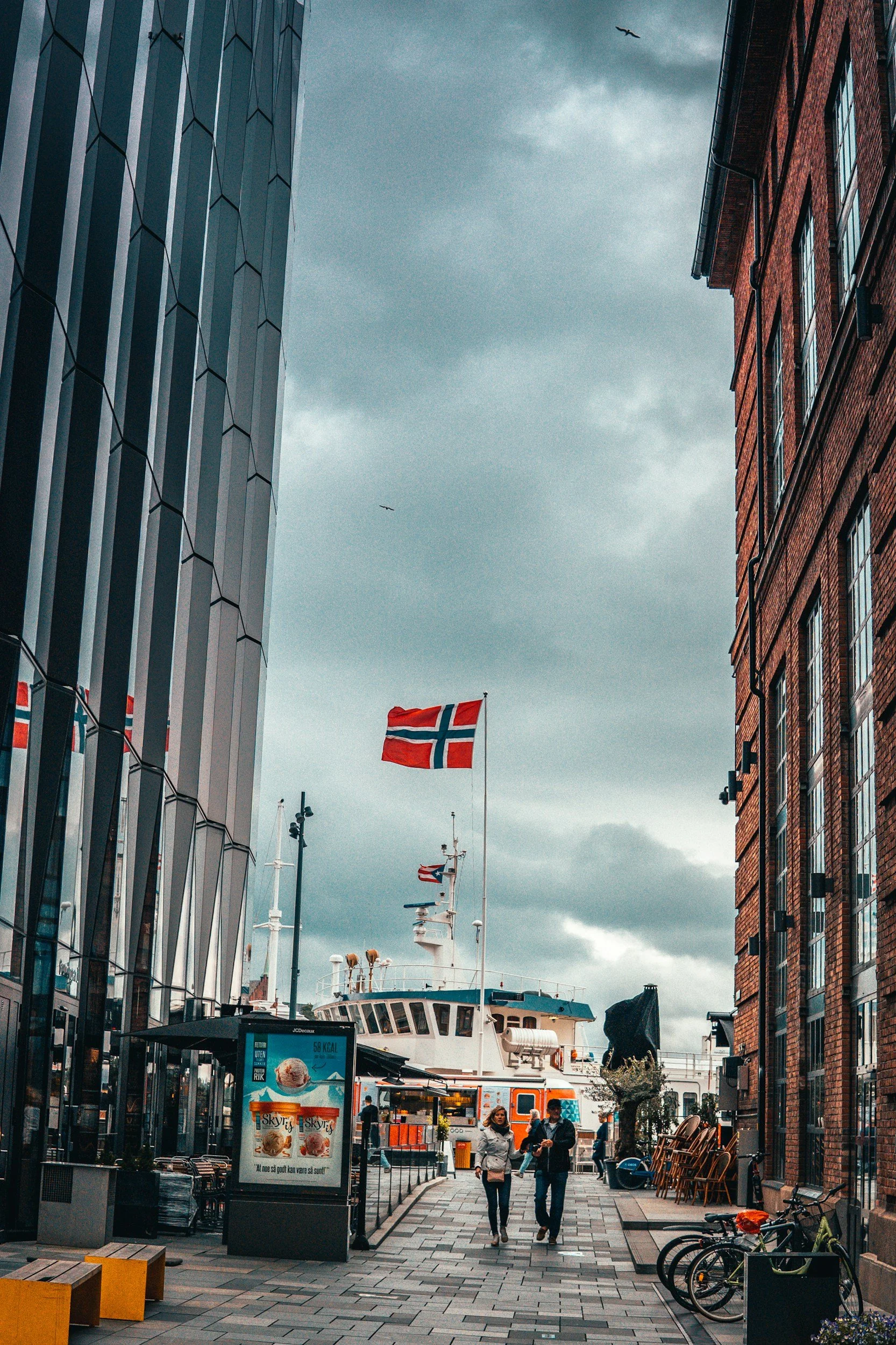
Adjacent to Bjørvika, the Aker Brygge waterfront pulses with a different energy. Converted shipyards and industrial warehouses now house some of the city’s best seafood restaurants, design boutiques, and the Nobel Peace Center. The contrast is striking: the heavy brick of old industry now frames glass-walled dining rooms where plates of fresh cod and king crab arrive with theatrical precision. This is not gentrification that erases history; it is adaptation that respects it.
What makes Oslo’s center truly distinctive, however, is not any single landmark but the city’s refusal to separate urban life from nature. The metro line that departs from the heart of the shopping district can deliver a passenger to the silent pine forests of Nordmarka in under twenty minutes. The fjord is ever-present, its salt breeze cutting through the city streets even on the warmest summer days. This proximity to wilderness gives the center a peculiar calm—a sense that all this human endeavor is merely a temporary clearing in a much older landscape.
For the traveler, the practicalities are refreshingly straightforward. Public transport is seamless, signage is clear, and English is spoken with near-native fluency. Accommodations range from the ultra-modern hotel towers at Bjørvika to historic properties near the palace, but none feel overpriced for what they deliver. Dining leans heavily toward seafood and locally sourced ingredients, with a growing number of Michelin-recognized establishments that nonetheless avoid the stiffness of their continental counterparts.
Oslo’s city center is not trying to impress. That, paradoxically, is precisely what makes it memorable. It is a capital that has learned, through centuries of fire and reconstruction, that endurance matters more than flash, and that the best urban design is the kind that lets the landscape speak for itself.