
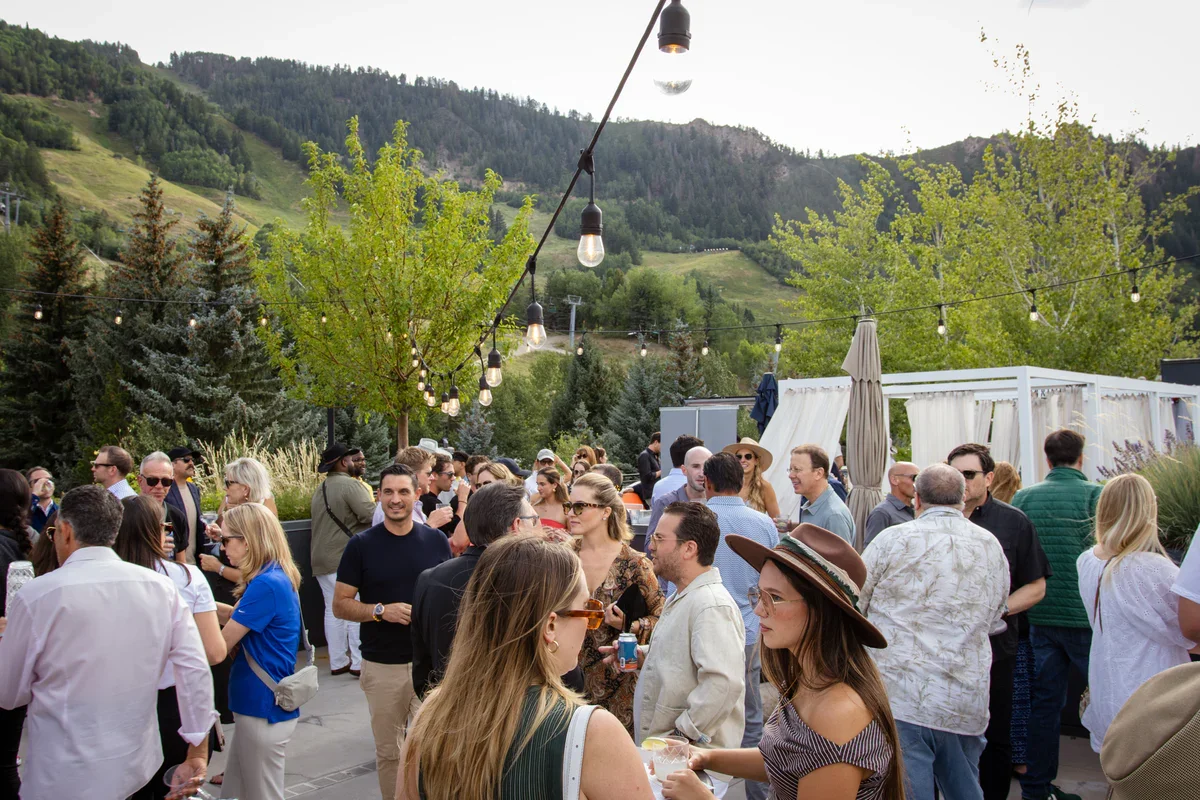
Luxury watches have long been sold on craftsmanship, heritage, and technical innovation. Increasingly, however, the industry's most successful gatherings are selling something less tangible: access. Watch Week Aspen's return from August 13–16 demonstrates how modern watch culture is evolving from a retail showcase into an experiential destination, one where community, education, wellness, and hospitality become just as valuable as the watches themselves.
Now entering its third year, Watch Week Aspen continues to distinguish itself from traditional trade fairs by transforming an entire mountain town into a decentralized celebration of horology. Rather than concentrating activity inside exhibition halls, the event disperses collectors, executives, artisans, and independent retailers throughout downtown Aspen, allowing visitors to encounter brands organically across boutiques, galleries, restaurants, and cultural venues.
Presented by Oliver Smith Jeweler in partnership with the Aspen Chamber Resort Association, this year's edition significantly expands both its programming and its audience appeal. More than a dozen leading watchmakers—including A. Lange & Söhne, Blancpain, Glashütte Original, Hermès, IWC Schaffhausen, NORQAIN, OMEGA, and Gerald Charles—will unveil novelties, host educational presentations, and engage directly with collectors through intimate experiences rather than conventional product launches.
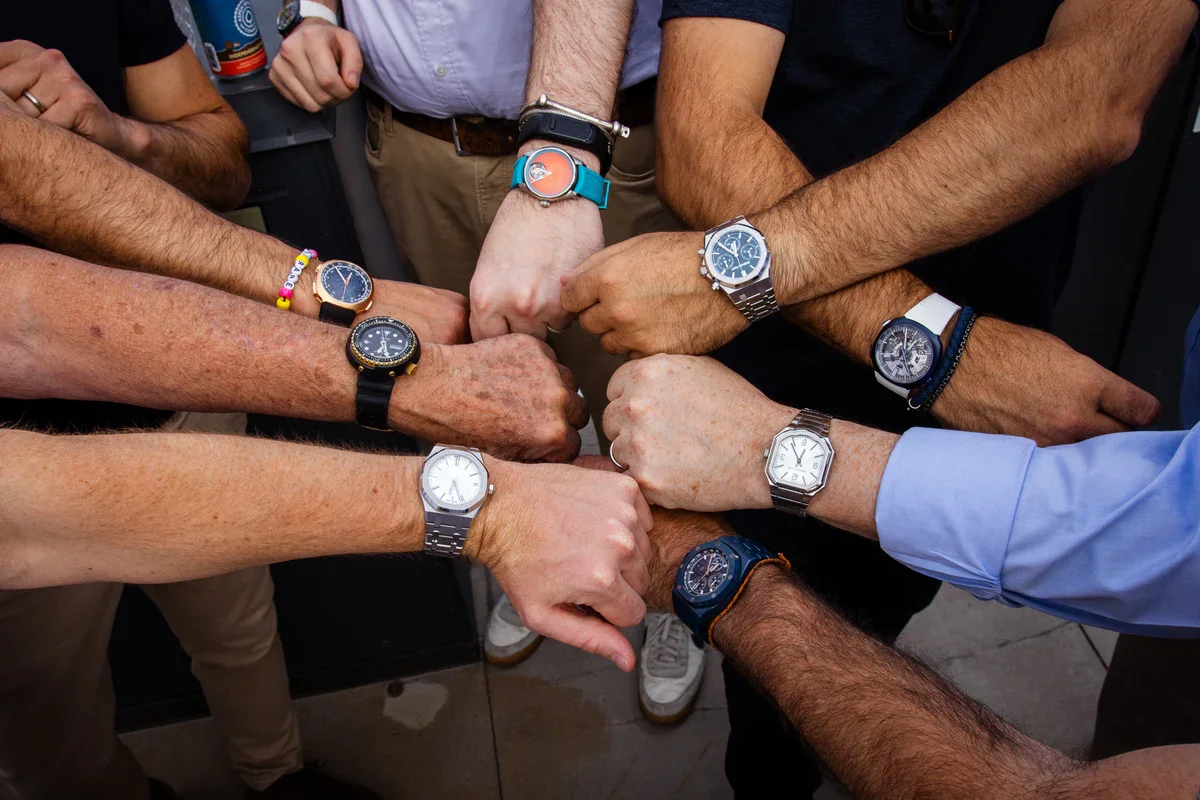
The format reflects a broader shift occurring throughout the luxury sector. Increasingly, brands are investing less in transactional retail environments and more in immersive ecosystems that cultivate long-term relationships. For collectors, access to executives, master watchmakers, and independent founders often carries equal weight to viewing the latest release.
That philosophy is evident throughout the four-day schedule. Educational sessions examining independent watchmaking, the resurgence of elegant dress watches, and the enduring legacy of the OMEGA Speedmaster are designed to deepen appreciation beyond specifications and price points. Elsewhere, Hermès artisans will offer demonstrations exploring the mechanics behind the maison's celebrated Le Temps Suspendu complication, illustrating how storytelling continues to differentiate luxury craftsmanship from technical engineering alone.
Watch Week Aspen also acknowledges that today's luxury consumer increasingly values lifestyle integration. Among the event's most notable additions is its inaugural 3K run hosted by NORQAIN, blending wellness with enthusiast culture in a way that reflects changing consumer expectations. Rather than separating sport from luxury, the event positions physical activity alongside fine watchmaking—an increasingly common intersection as brands seek relevance among younger collectors who view watches as companions to active lifestyles rather than purely formal accessories.
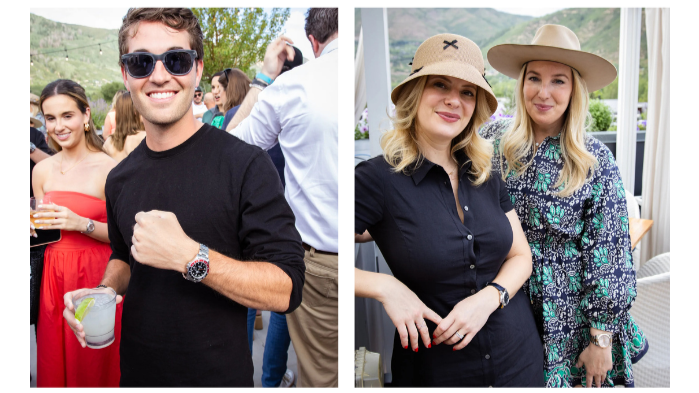
The same philosophy extends to experiences including tennis and pickleball hosted by Gerald Charles, curated wine tastings with independent manufacturers, and VintageFest presented by Analog:Shift, where collectors become participants instead of spectators by showcasing pieces from their own collections.
These activations reinforce one of the industry's most important trends: community has become a competitive advantage. While global events such as Watches and Wonders remain essential for unveiling major novelties, regional gatherings like Watch Week Aspen create opportunities for more authentic engagement. Conversations occur across coffee bars, mountain trails, cocktail receptions, and gallery spaces rather than behind appointment schedules, encouraging relationships that extend well beyond a single purchase.
Independent brands, in particular, benefit from this environment. Executives including Moritz Grossmann CEO Christine Hutter and L. Leroy CEO Hugo Lesizza will meet directly with enthusiasts, offering the kind of access rarely available during larger international exhibitions.
Aspen itself remains central to the event's identity. Its compact downtown, established luxury retail corridor, and internationally recognized hospitality scene provide an ideal backdrop for an event designed around discovery. Visitors can transition seamlessly between boutique presentations, educational programming, dining, outdoor recreation, and collector gatherings without the logistical complexity associated with larger conventions.
For luxury brands, the destination serves as more than scenery—it reinforces a lifestyle narrative that aligns naturally with mechanical watchmaking's emphasis on craftsmanship, permanence, and meaningful experiences.
As experiential retail continues reshaping the luxury industry, Watch Week Aspen illustrates how horology is adapting. The event is no longer simply about introducing new references; it is about cultivating an environment where education, wellness, hospitality, and community strengthen the emotional connection between collectors and brands. That evolution may ultimately prove as important to the future of luxury watchmaking as any new movement or complication unveiled this summer.
