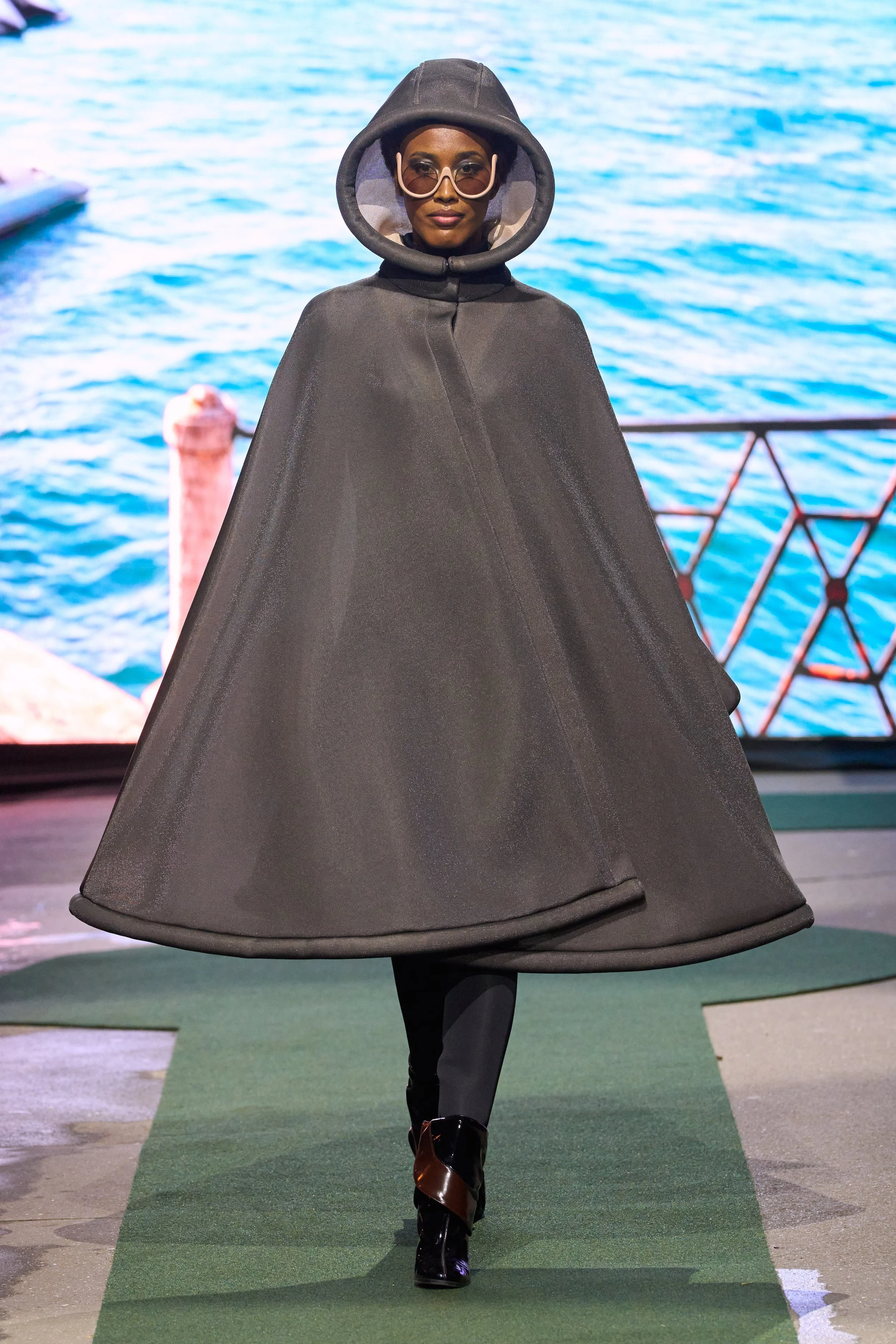
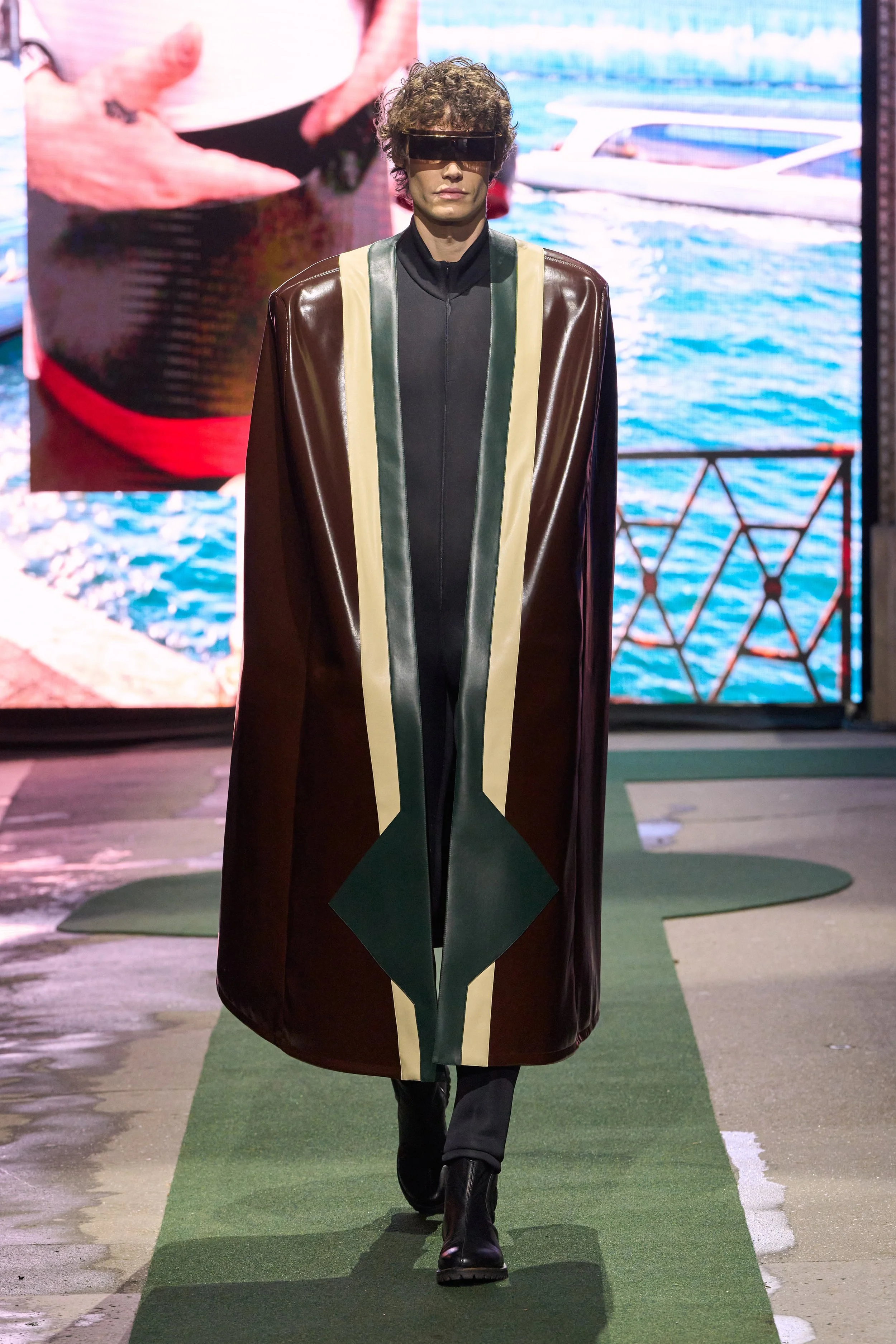
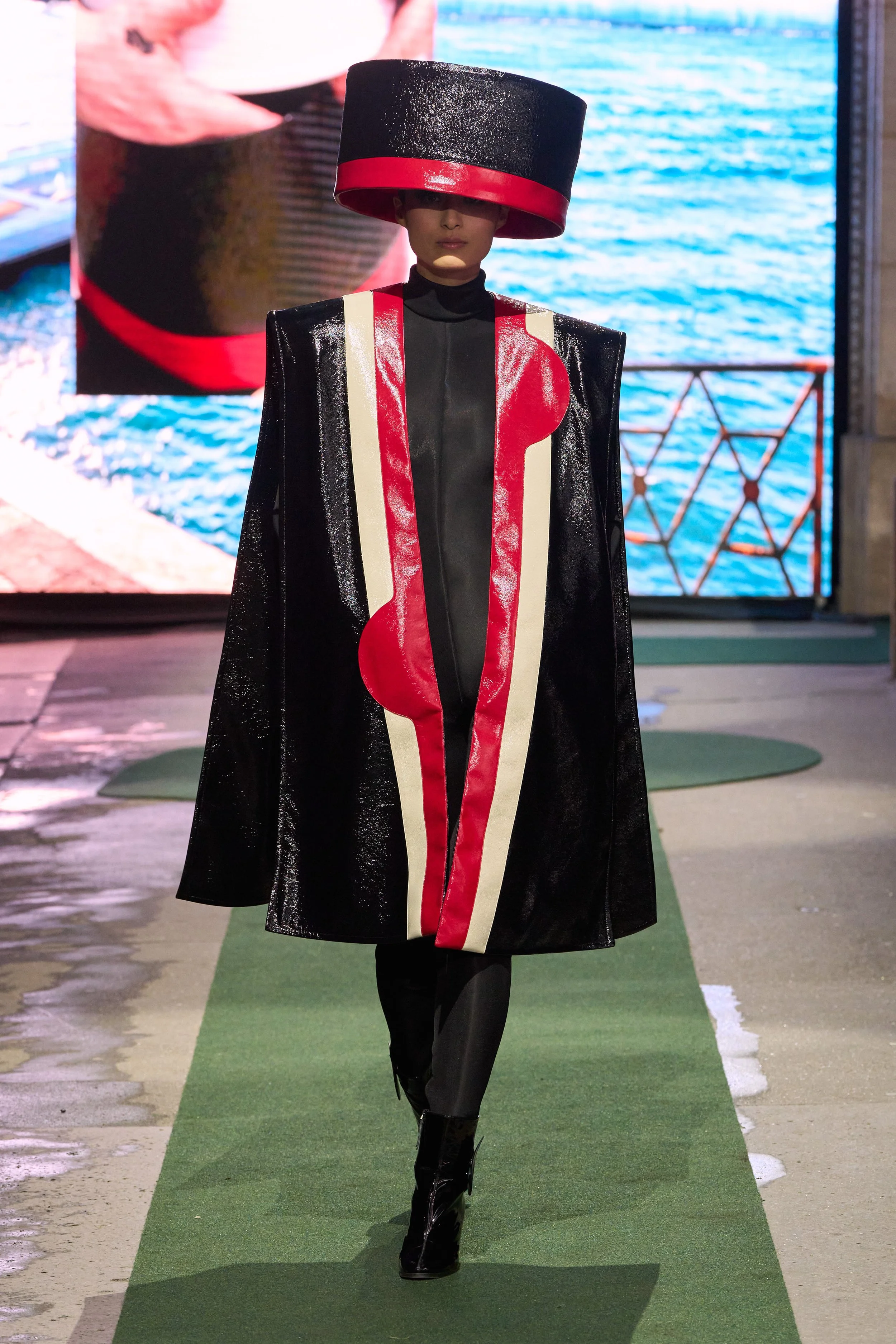
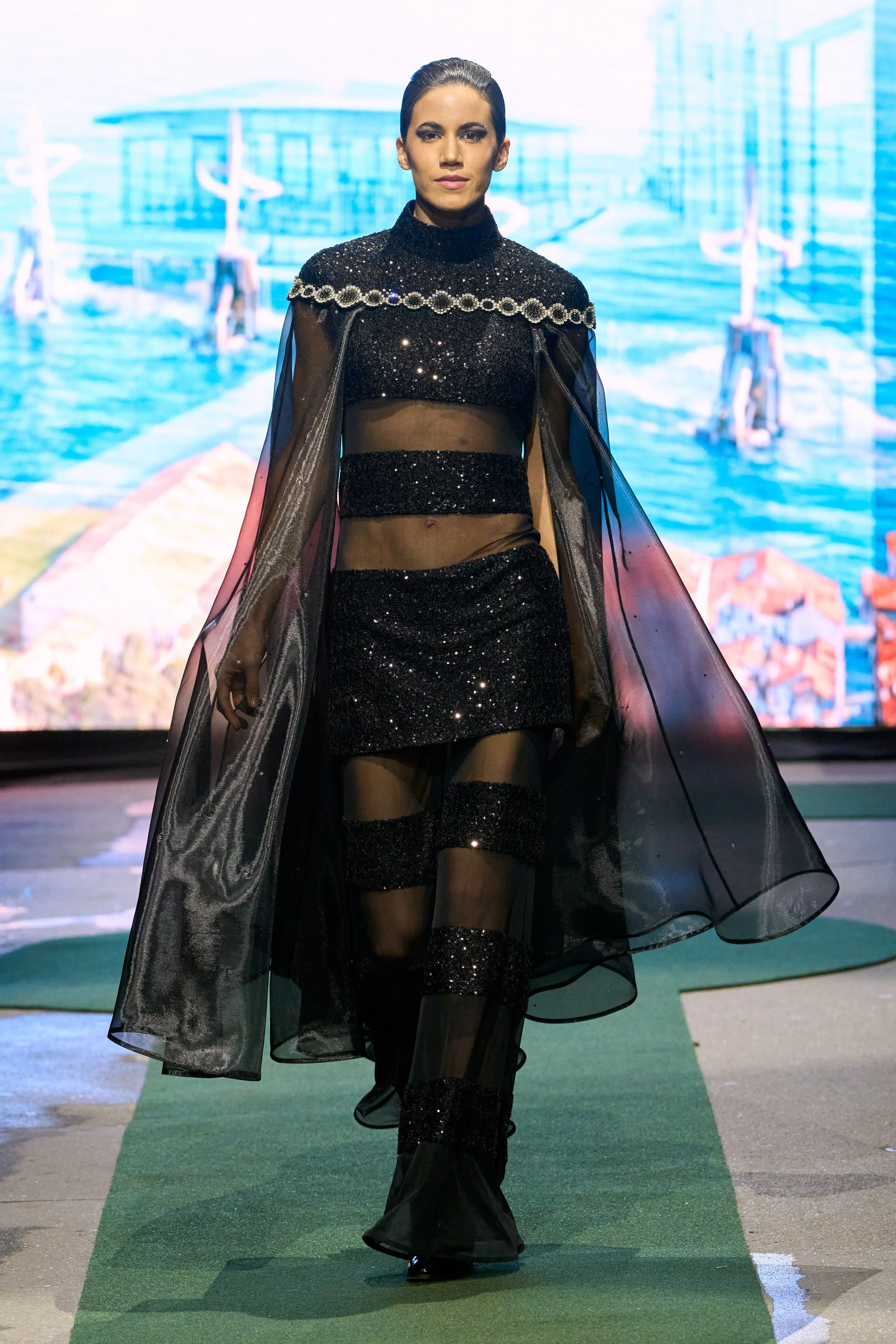
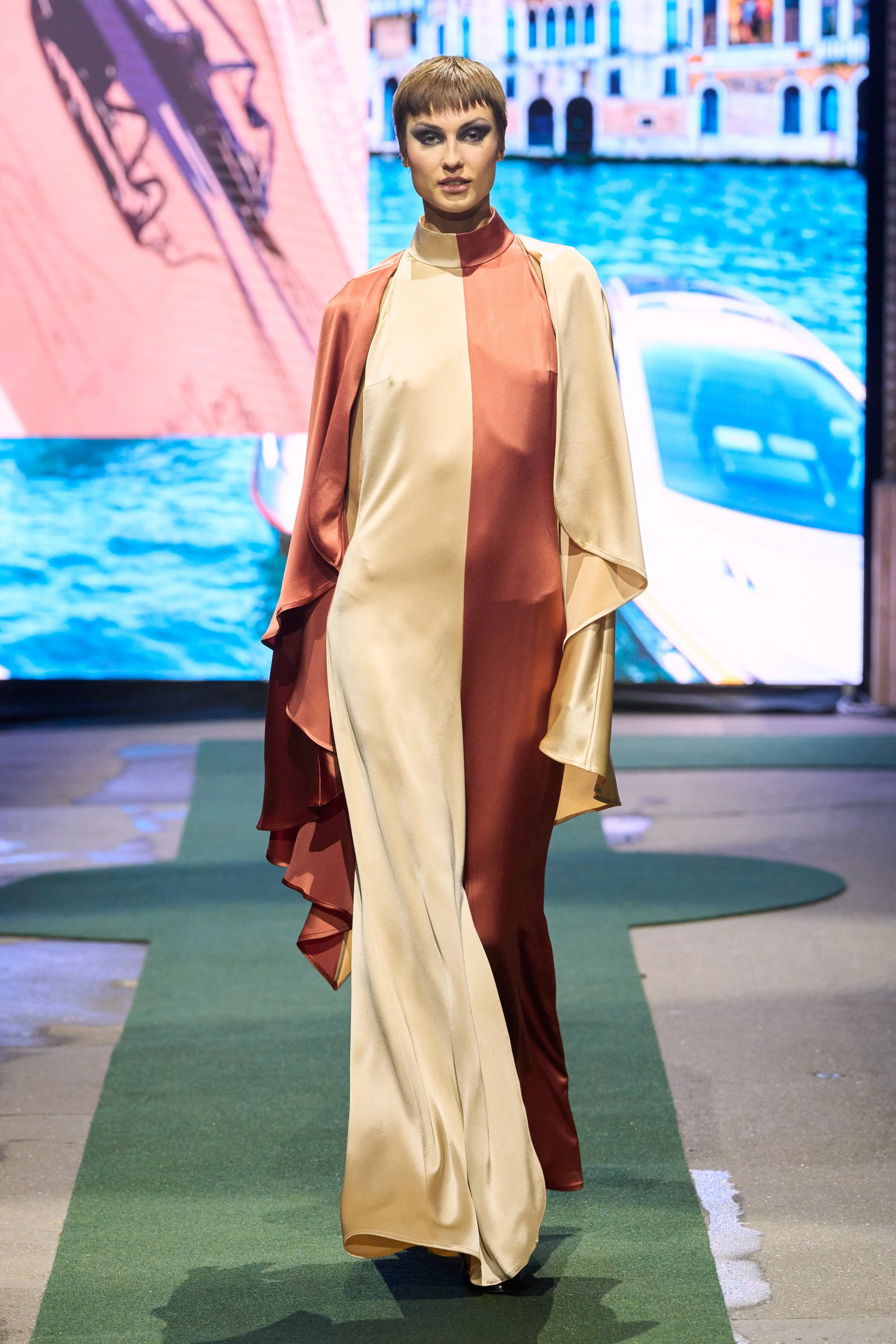
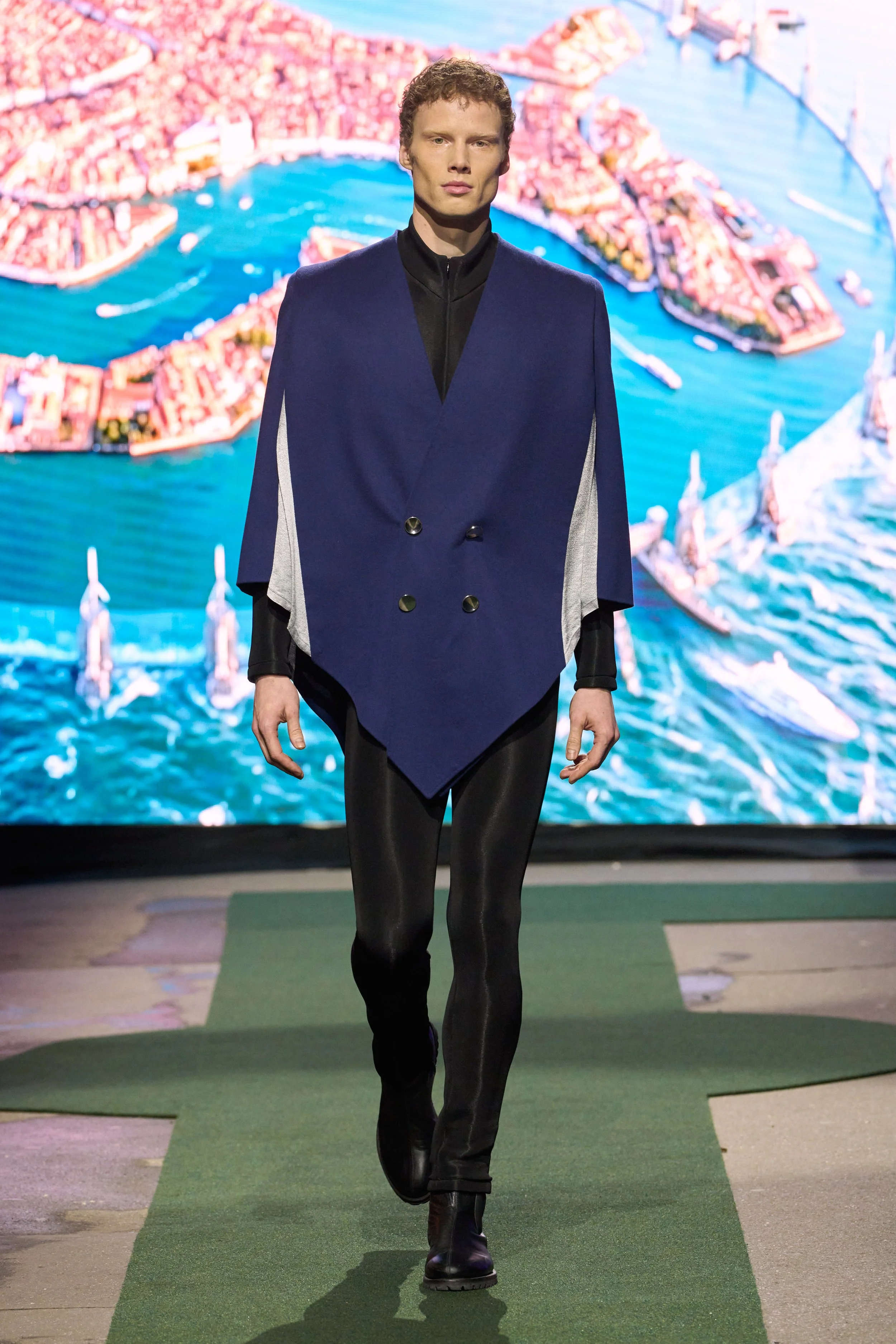
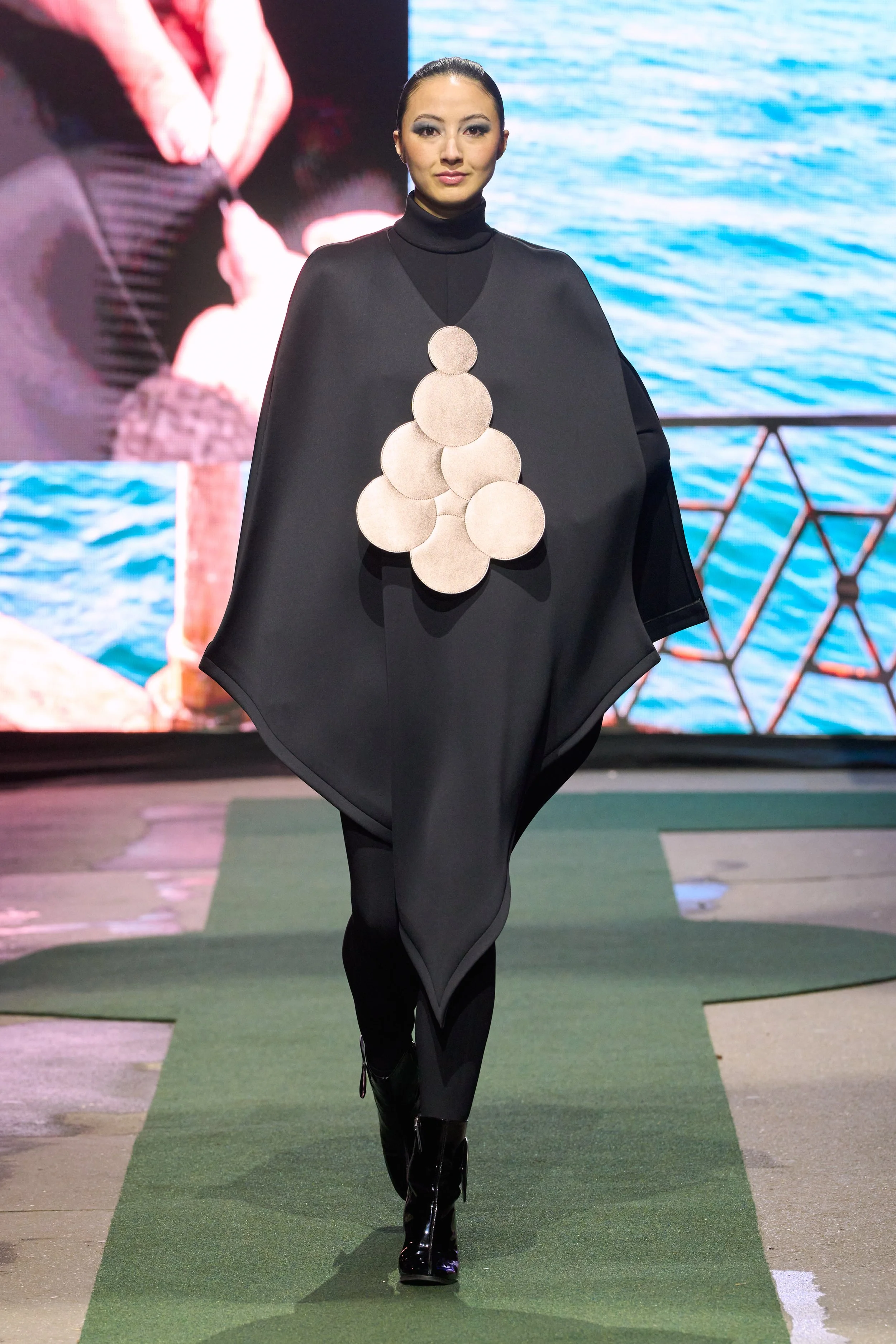
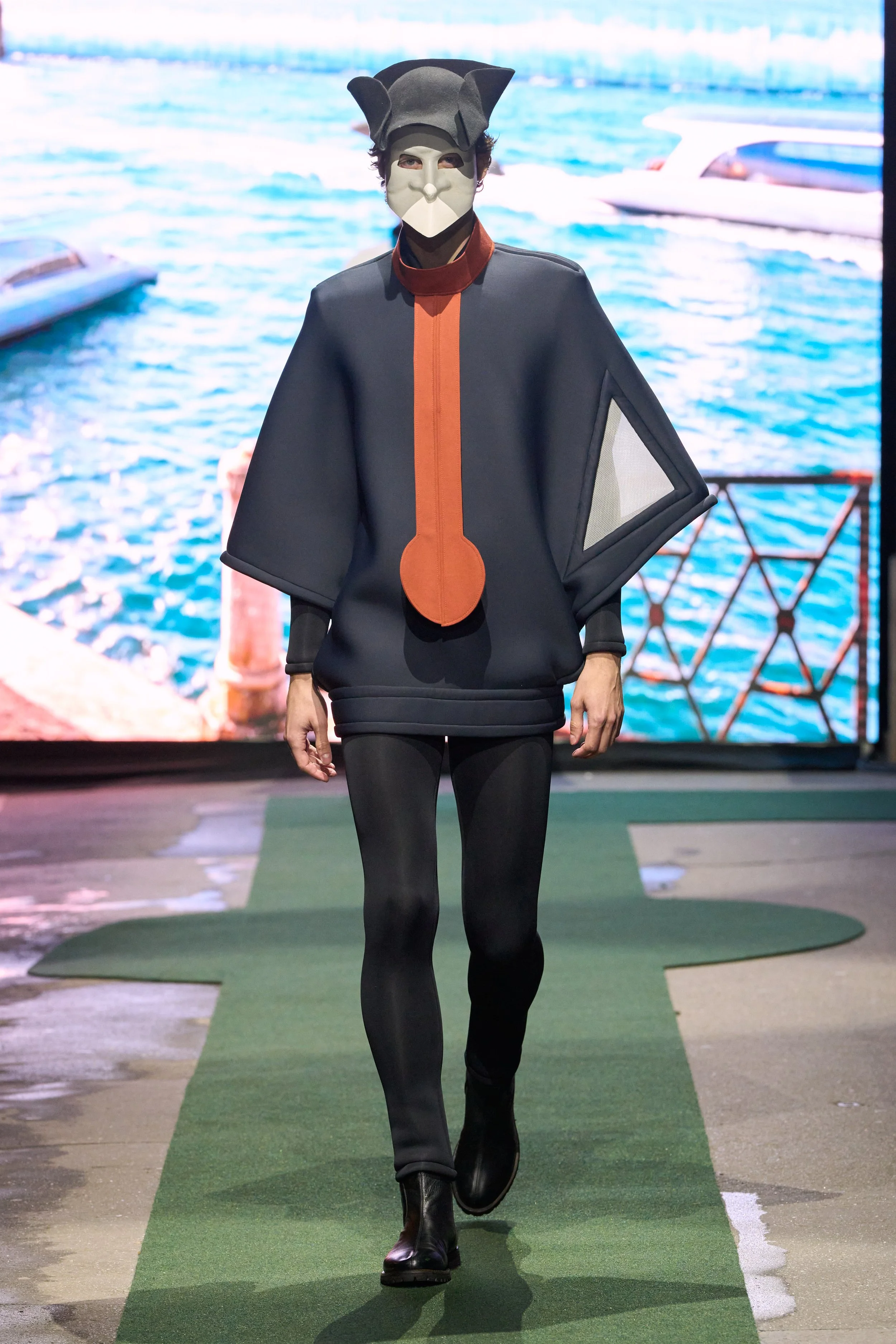
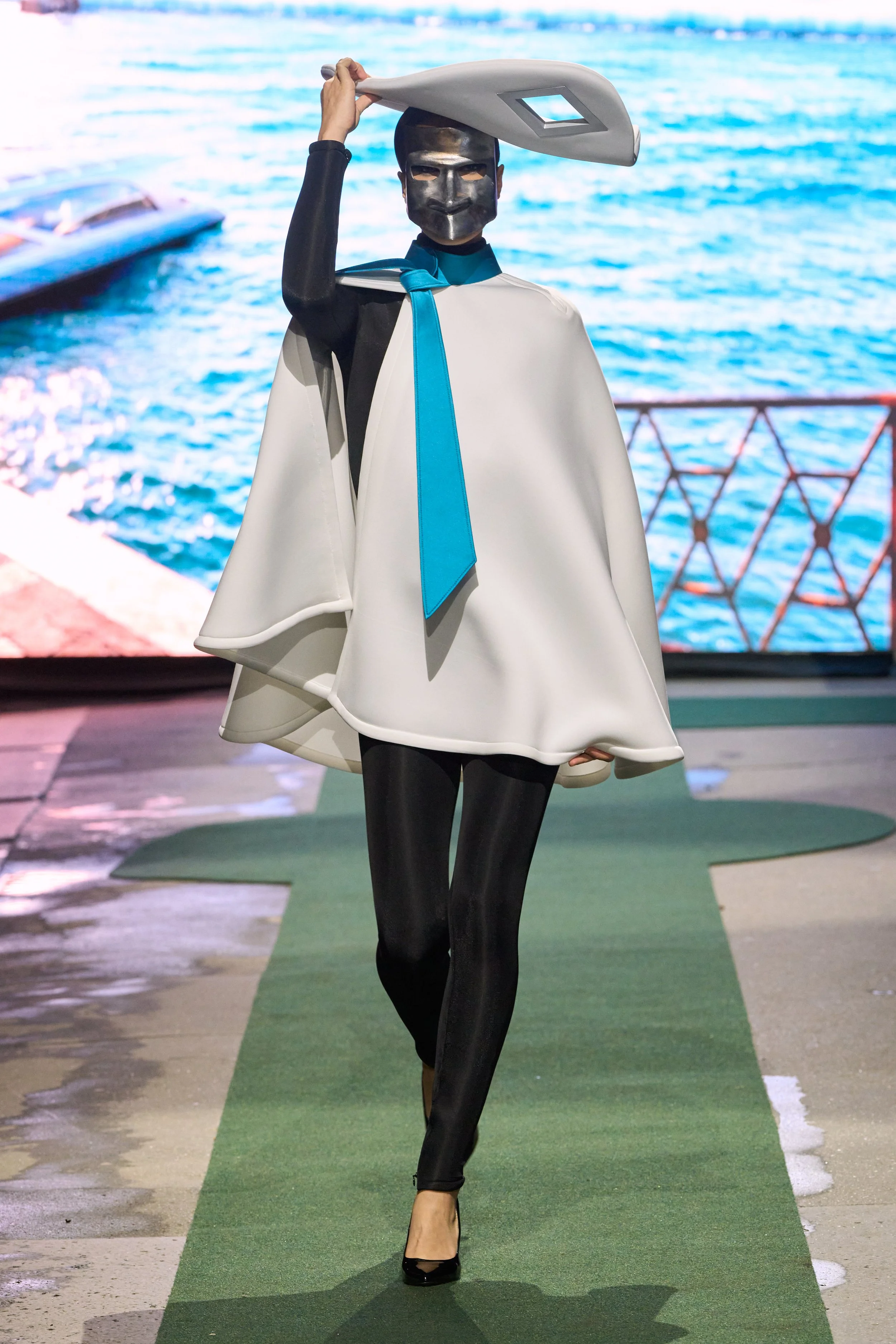
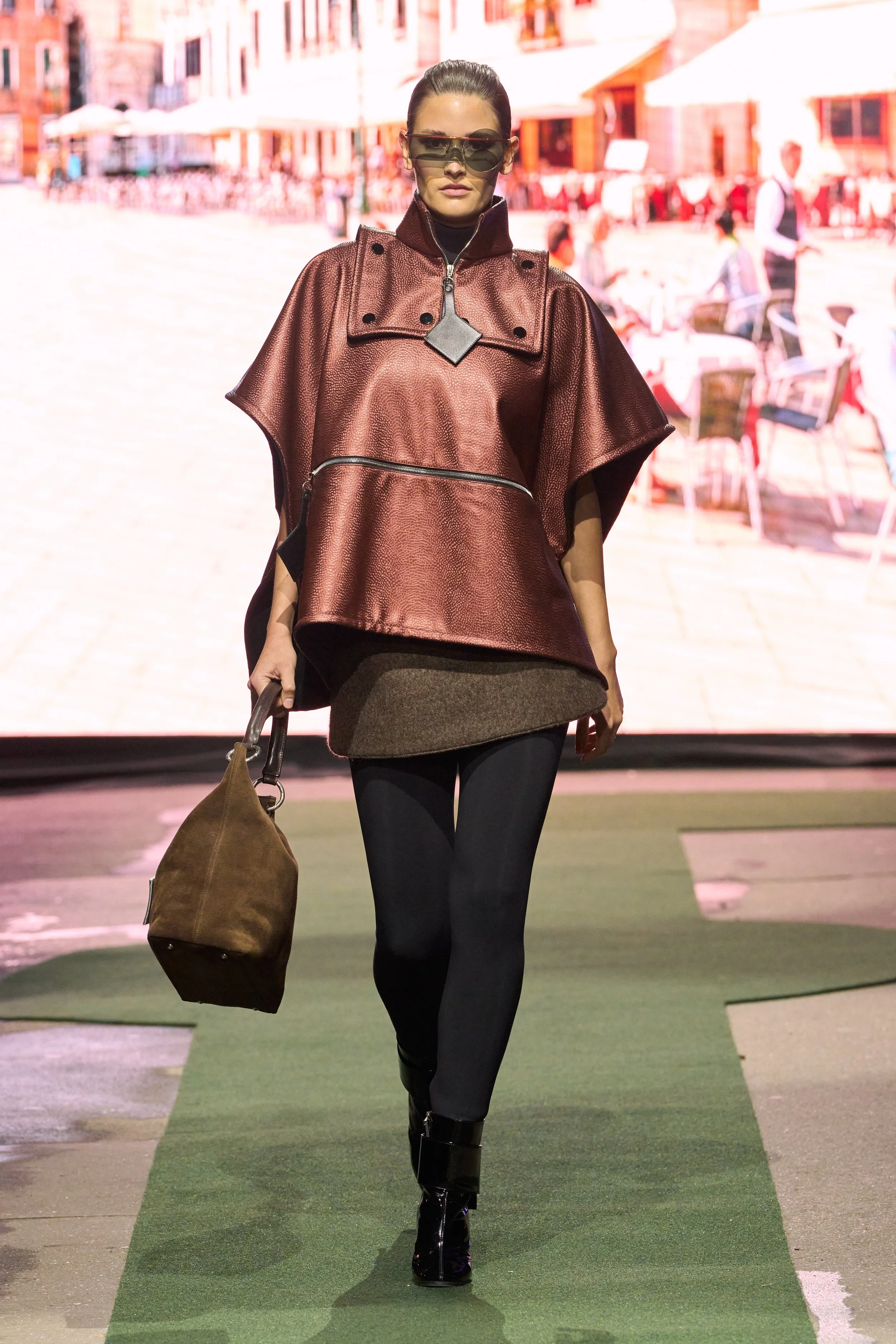
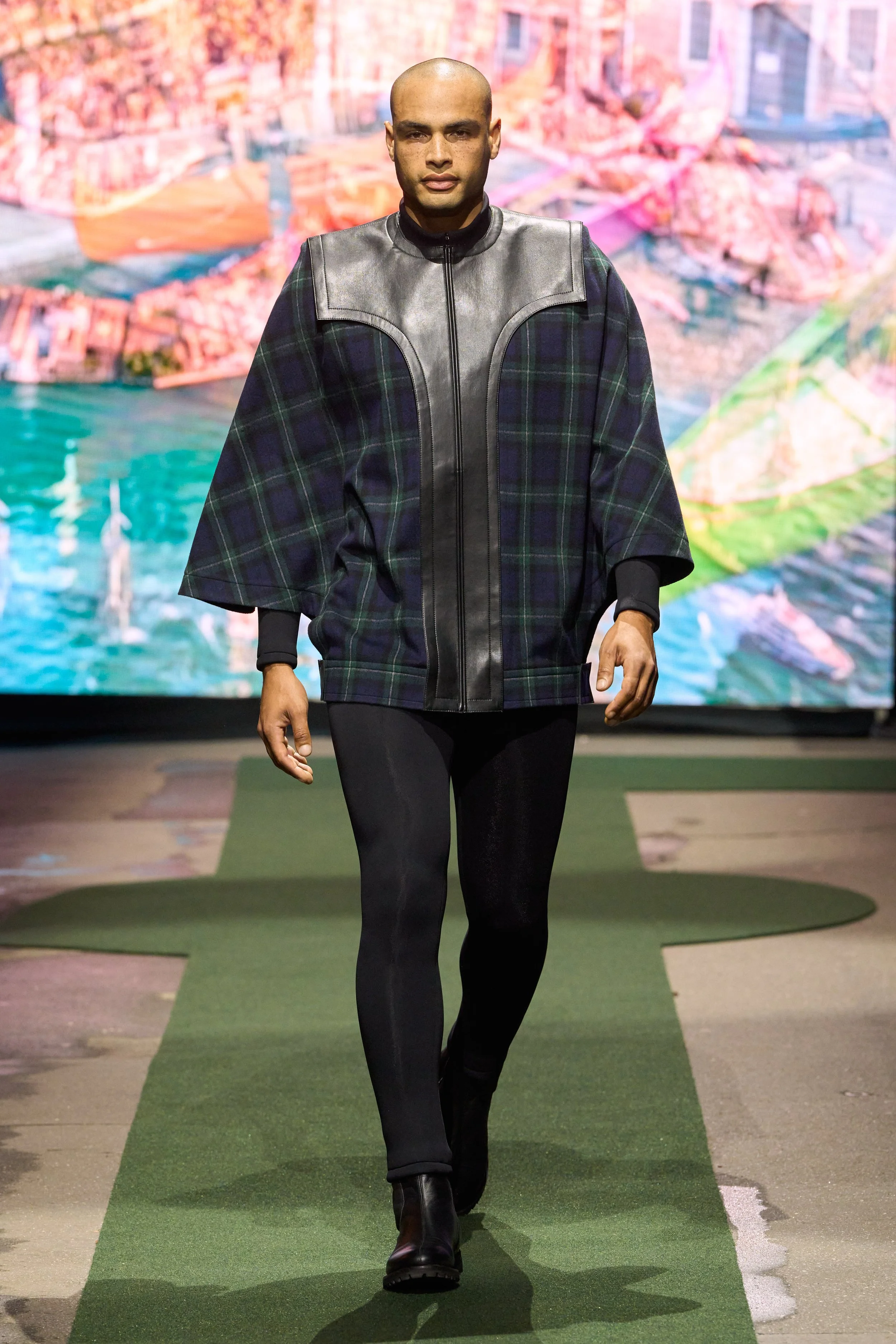
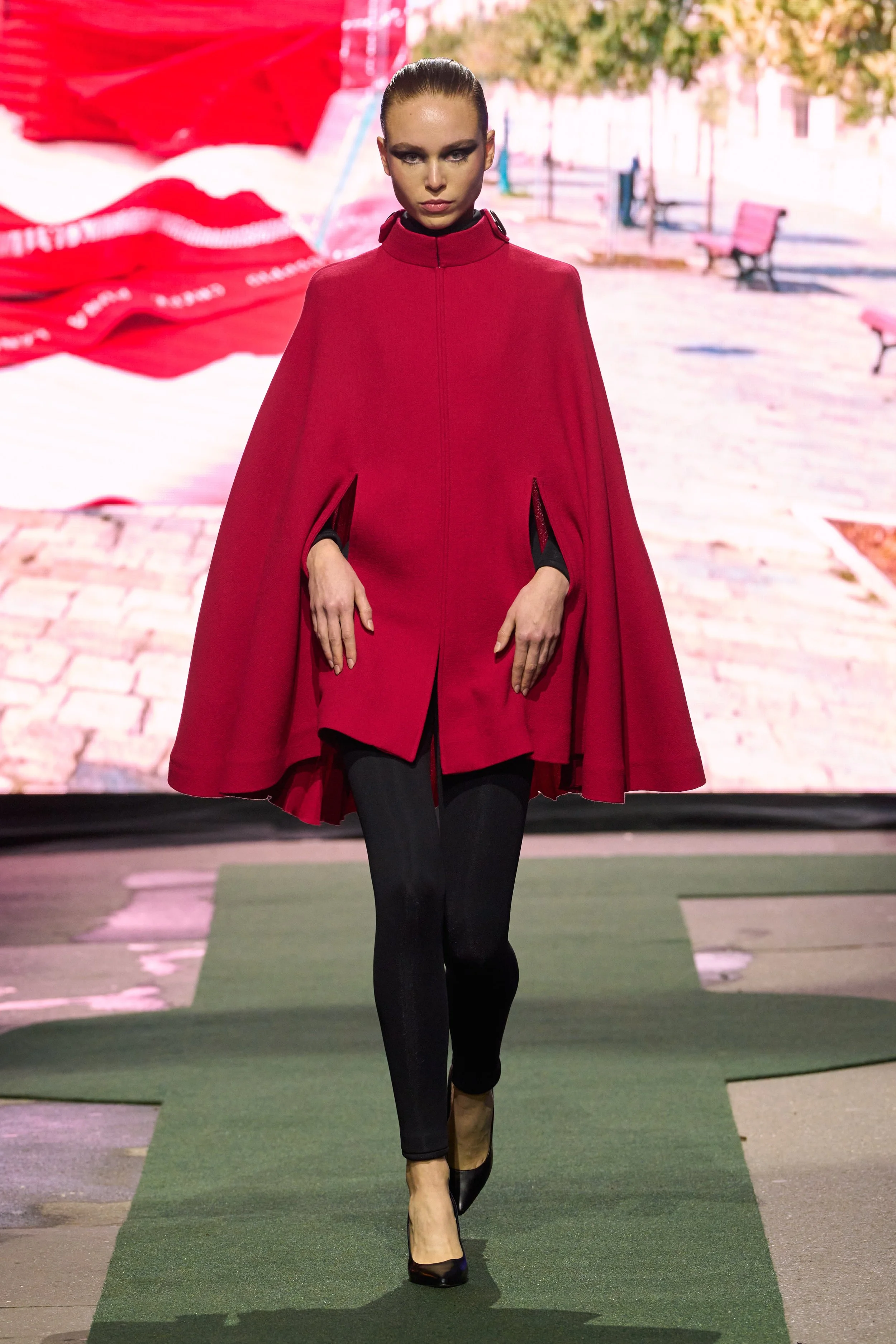
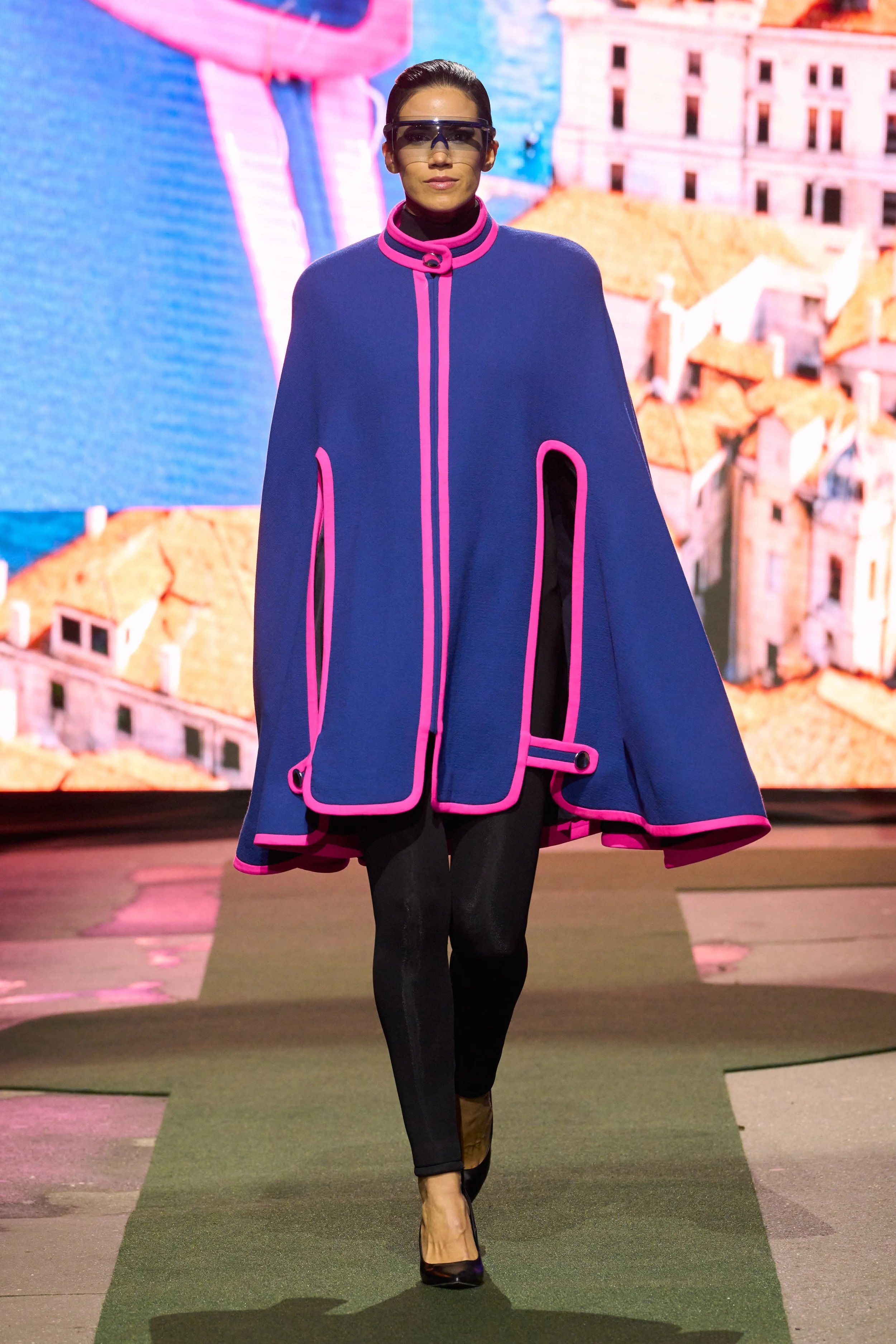
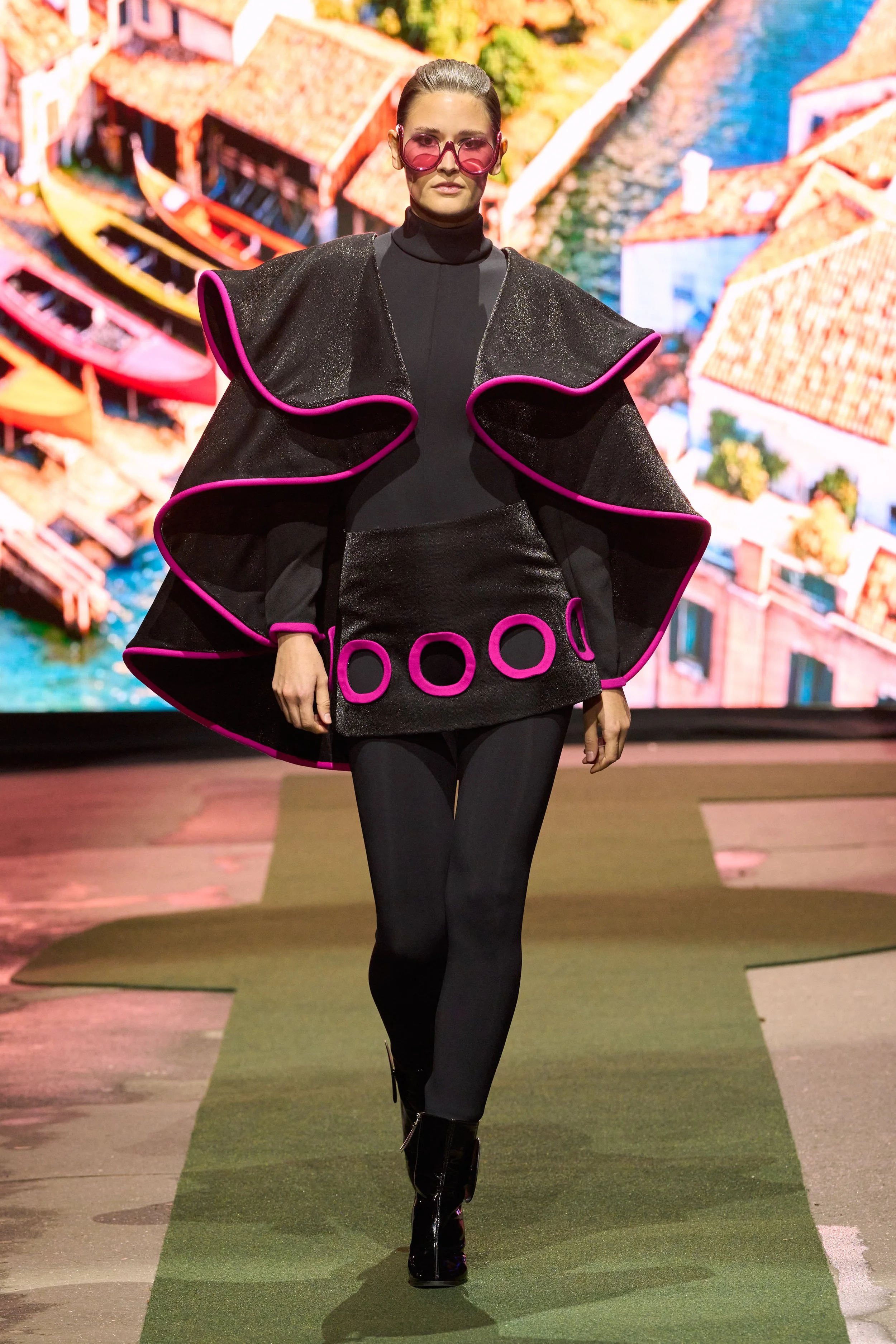
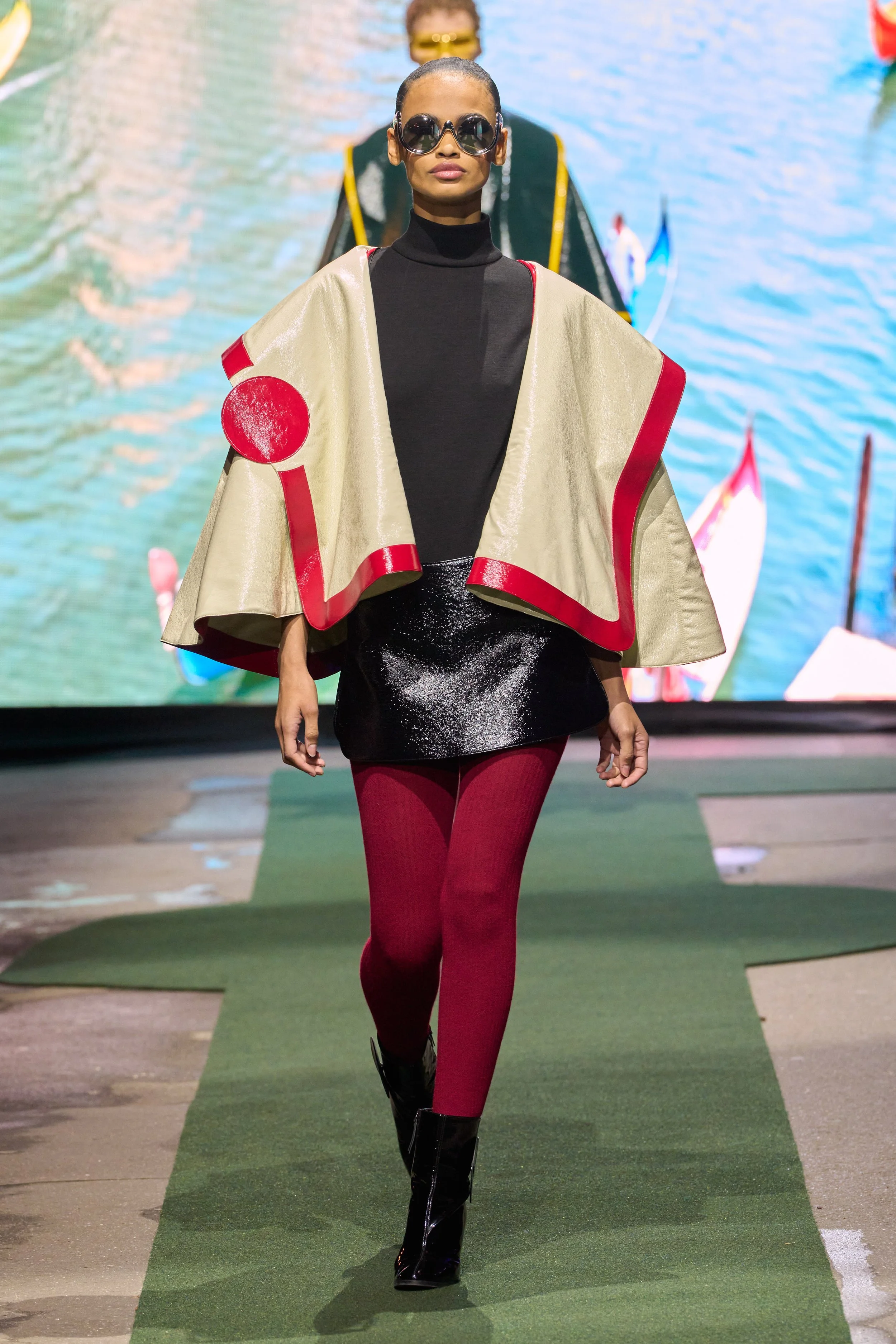
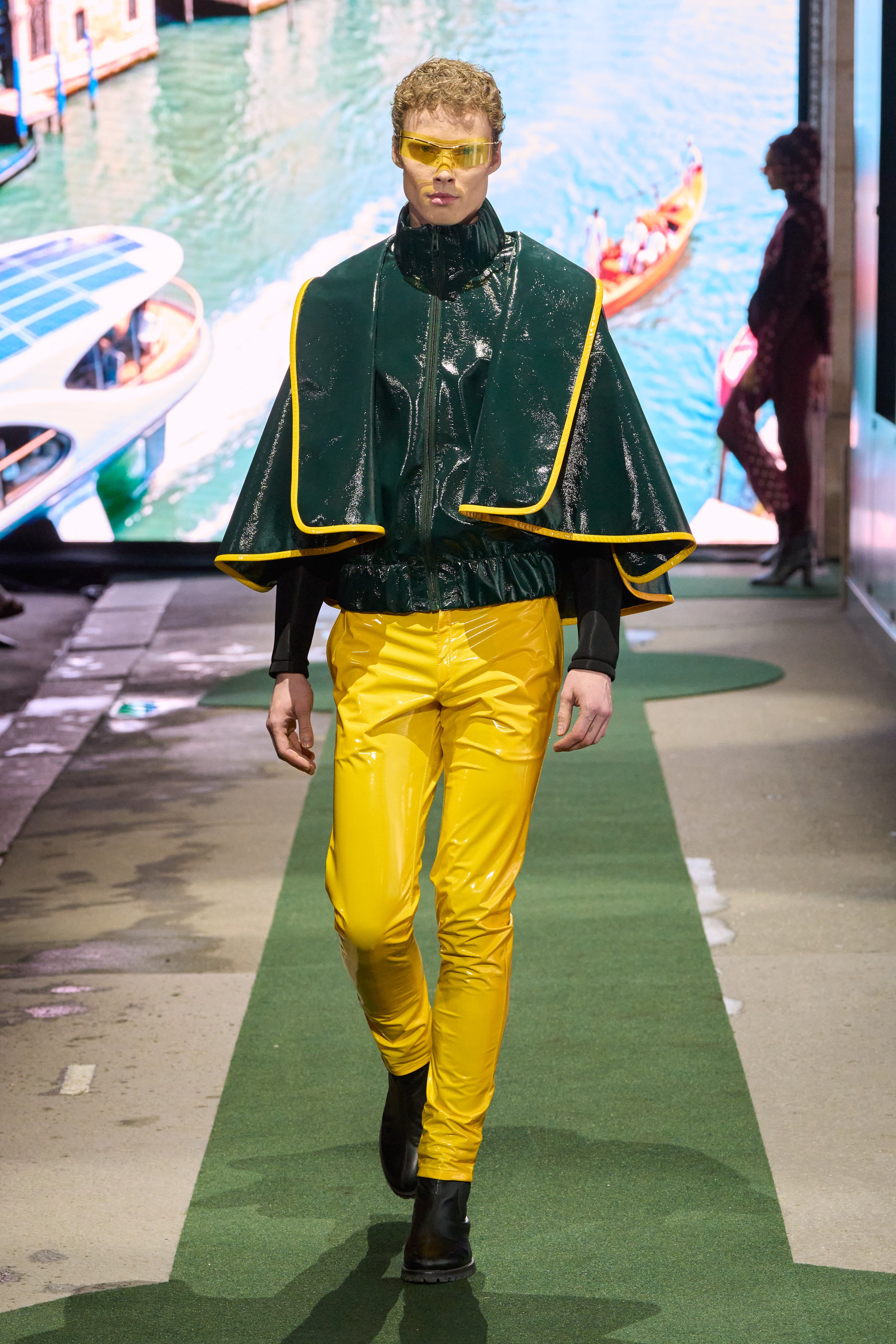
A New Look for LeShuttle: Pierre Cardin Reimagines the Future of Travel Uniforms
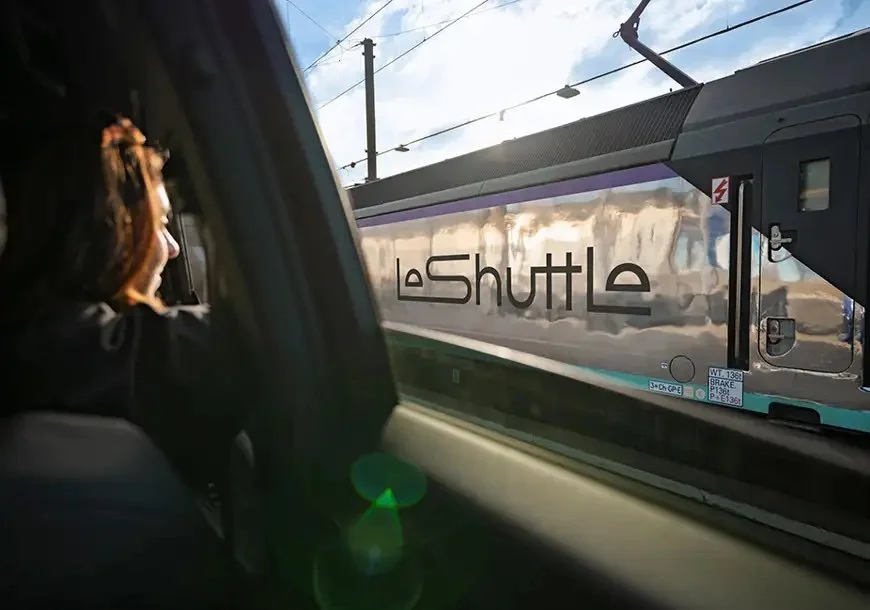
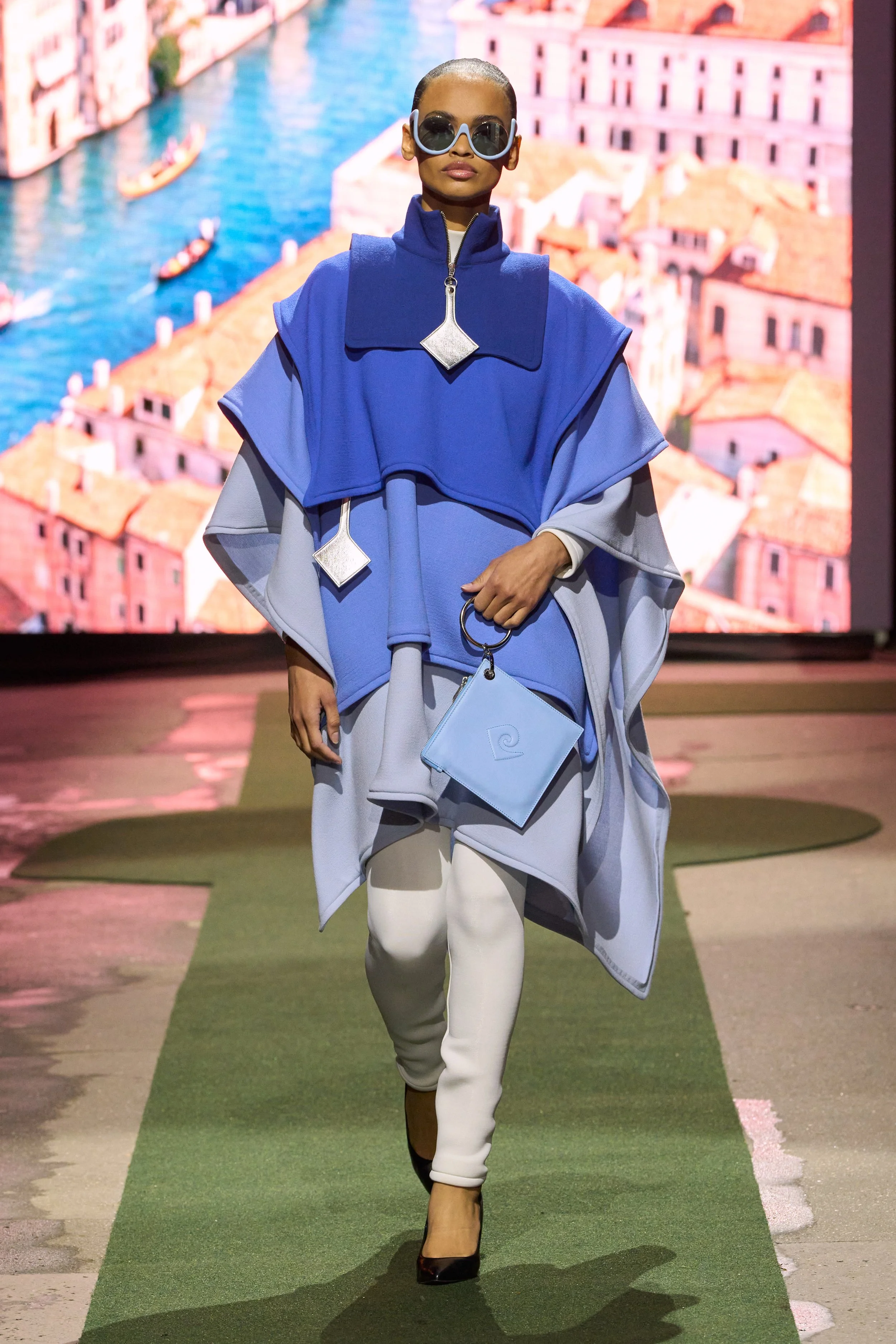
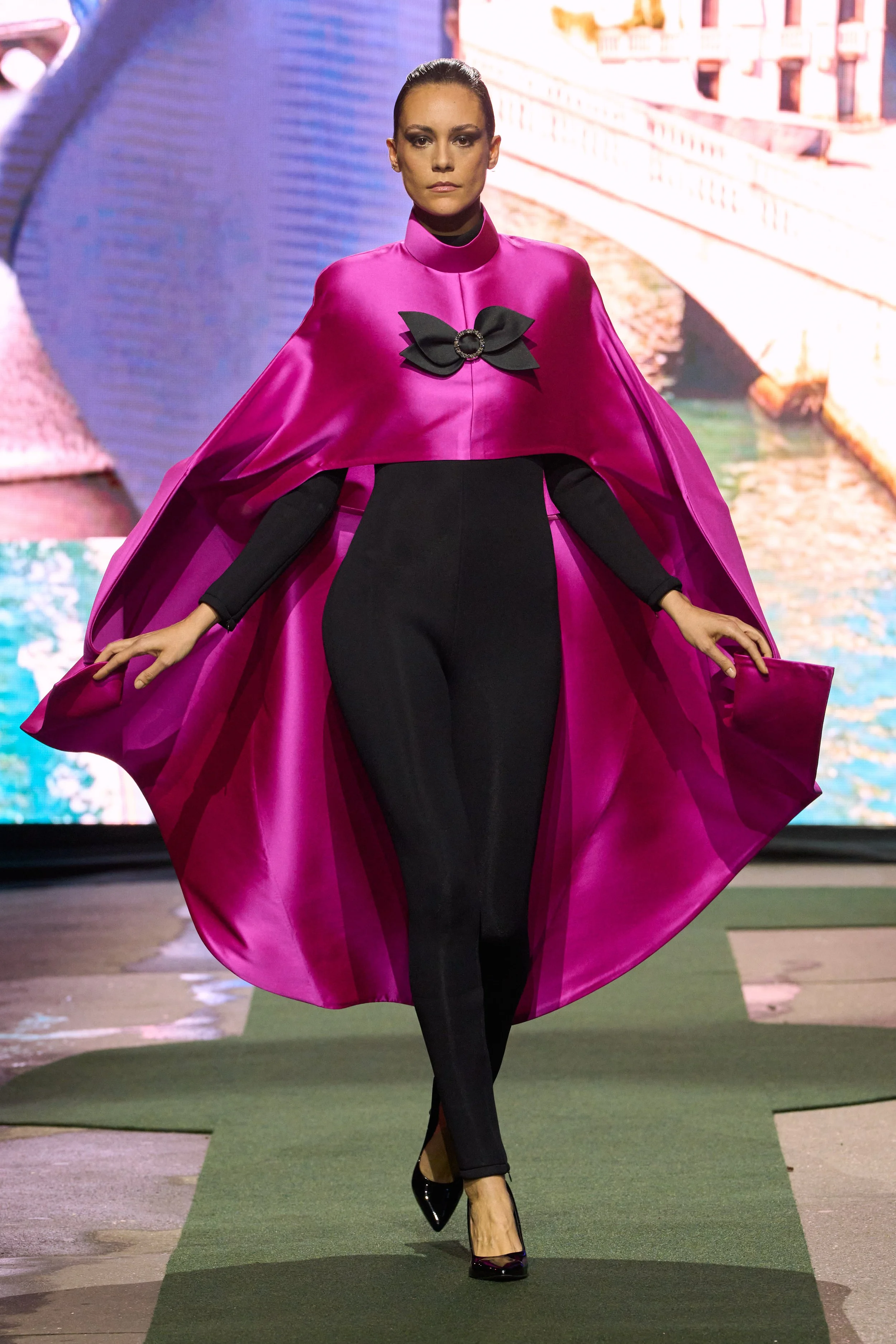
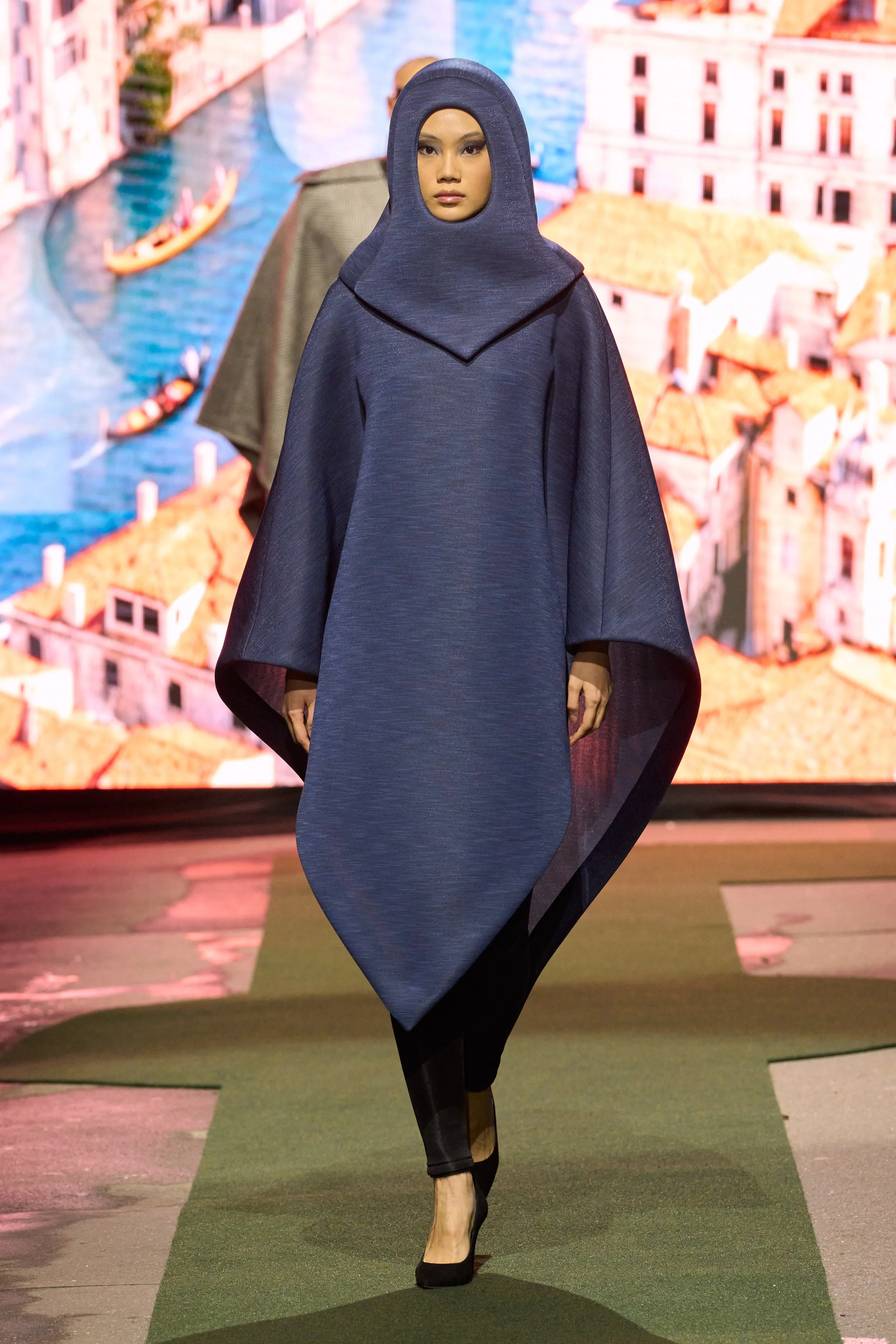
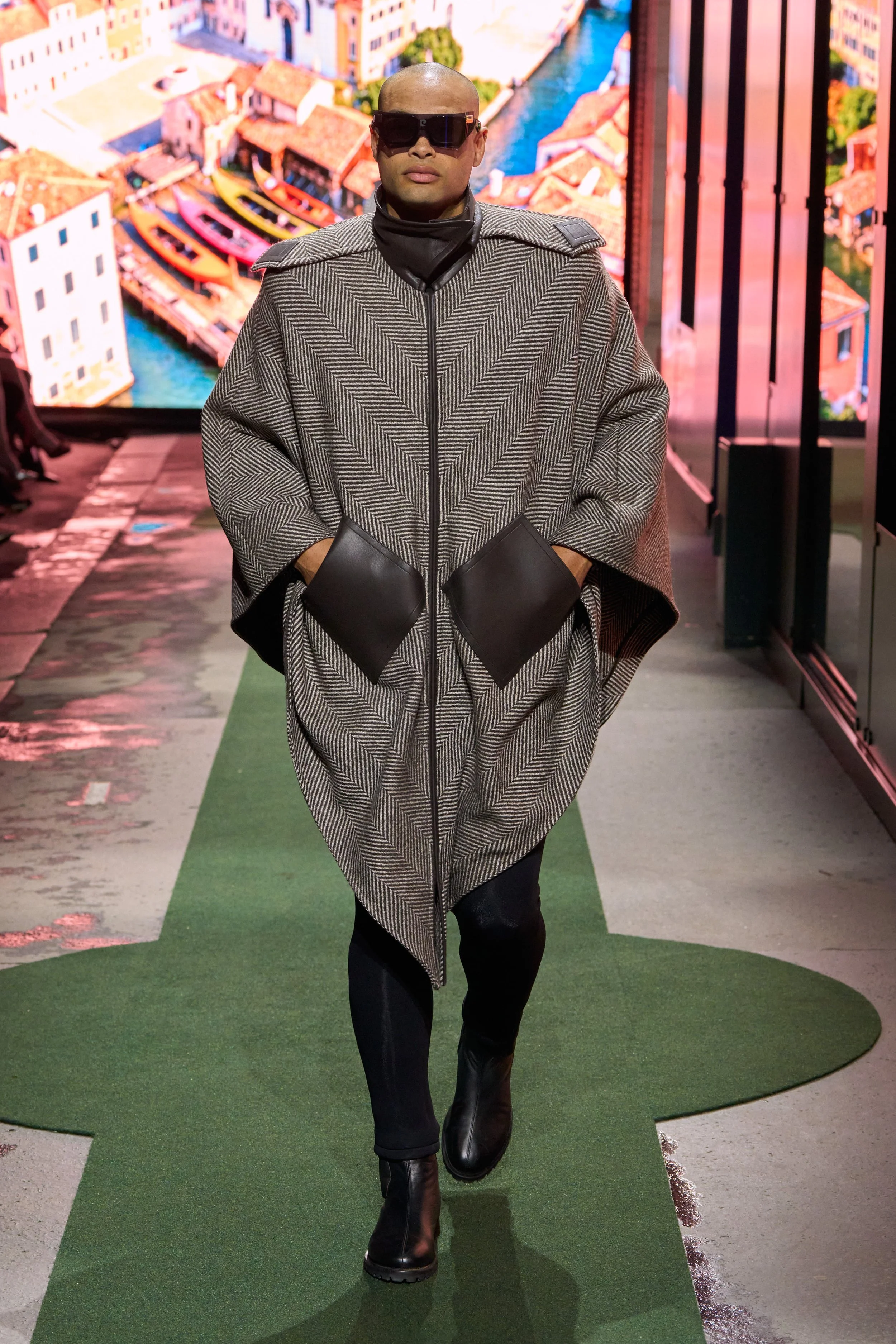
Brands are increasingly defined not just by efficiency but by experience, and LeShuttle is making a decisive investment in visual identity. One that places fashion at the center of its evolution. Partnering with the iconic Pierre Cardin, LeShuttle has announced a full redesign of its customer-facing uniforms, signaling a broader ambition to reshape how millions encounter cross-channel travel.
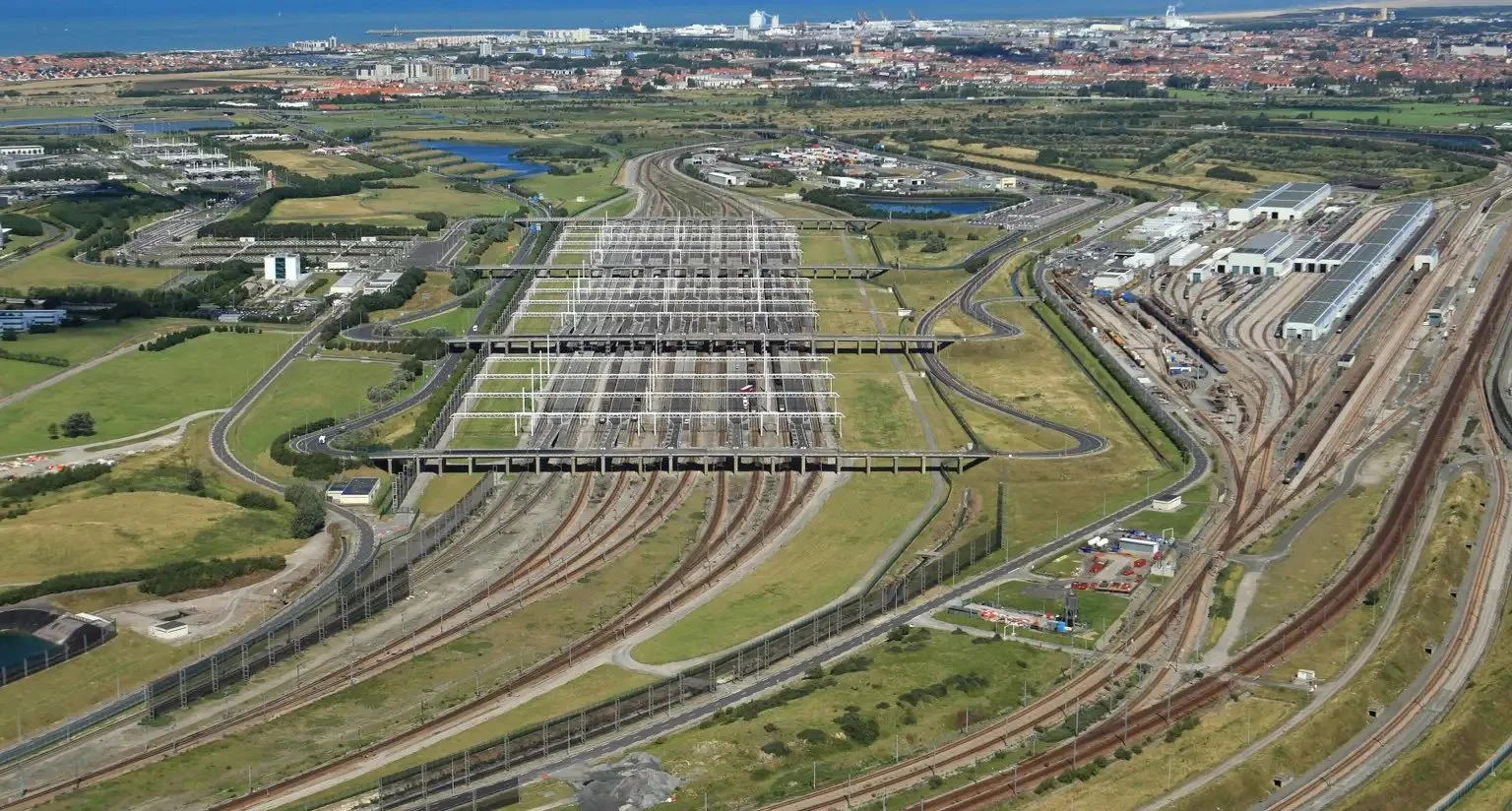
Set to debut in 2027 across terminals in Folkestone and Calais, the initiative is more than aesthetic. It is a calculated extension of LeShuttle’s five-year regeneration project, led by Hollaway Studio, which aims to transform its passenger terminals into seamless, sustainable, and intuitively designed environments. Together, these efforts position the brand at the intersection of infrastructure and experience—where design becomes both functional and emotional currency.
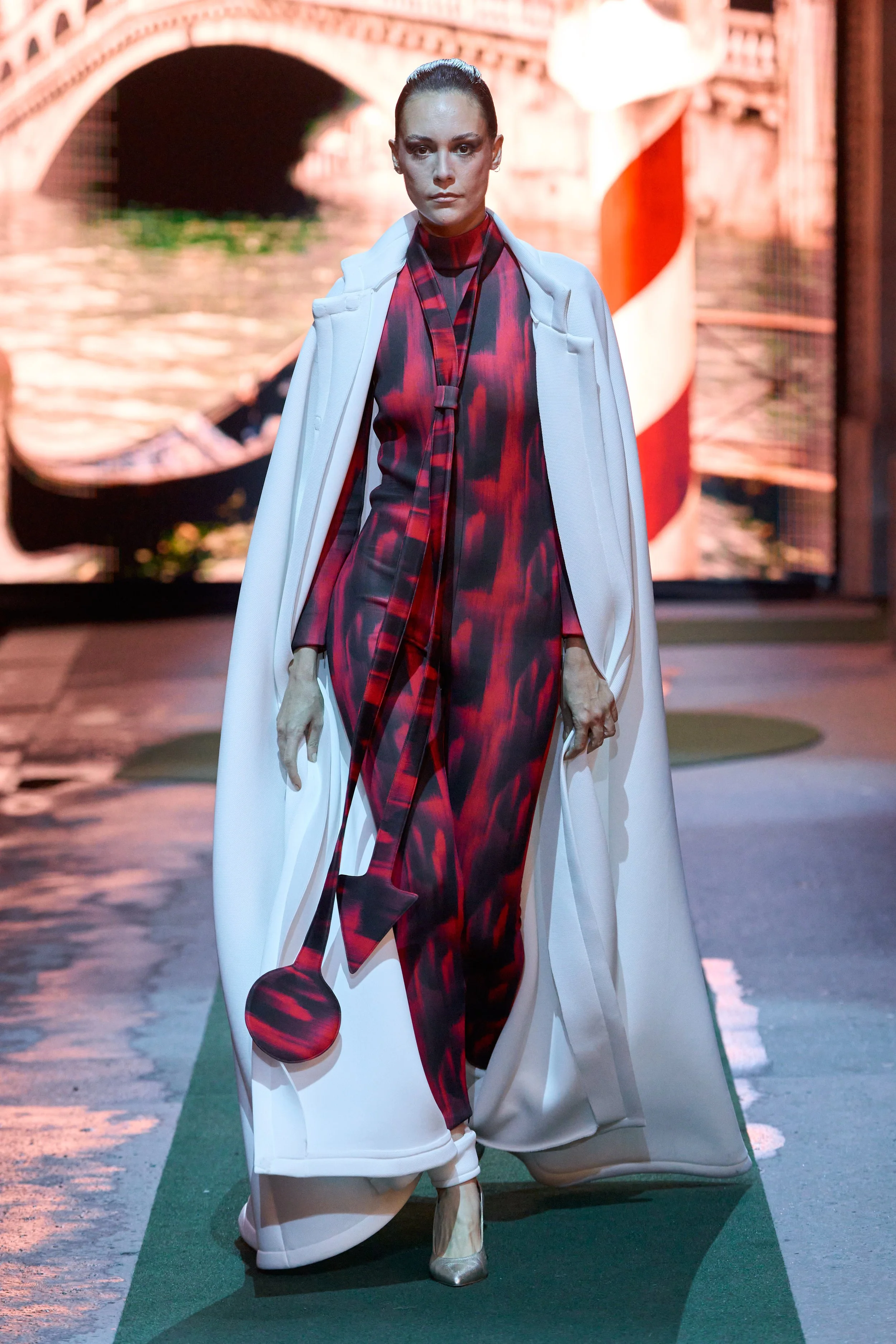
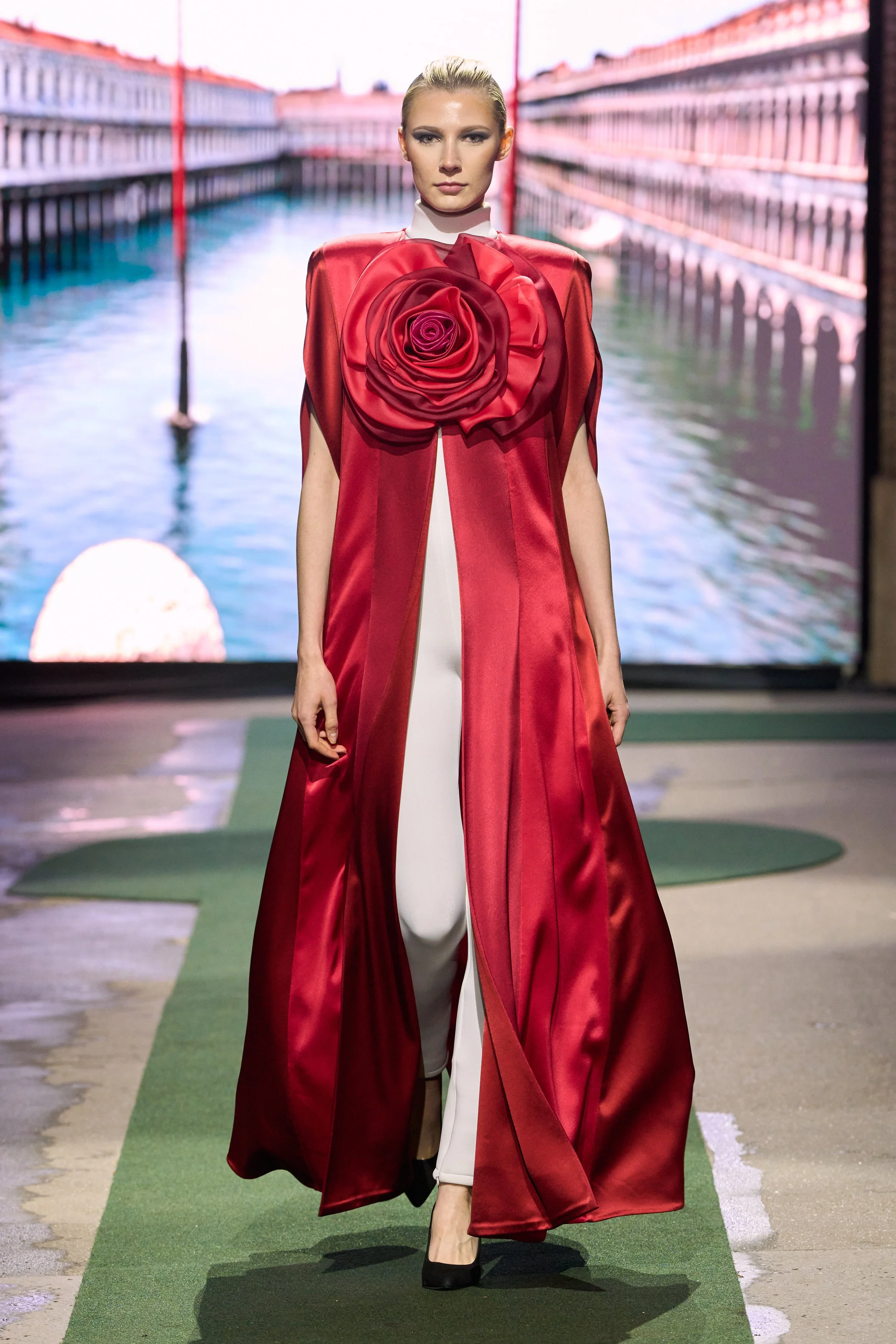
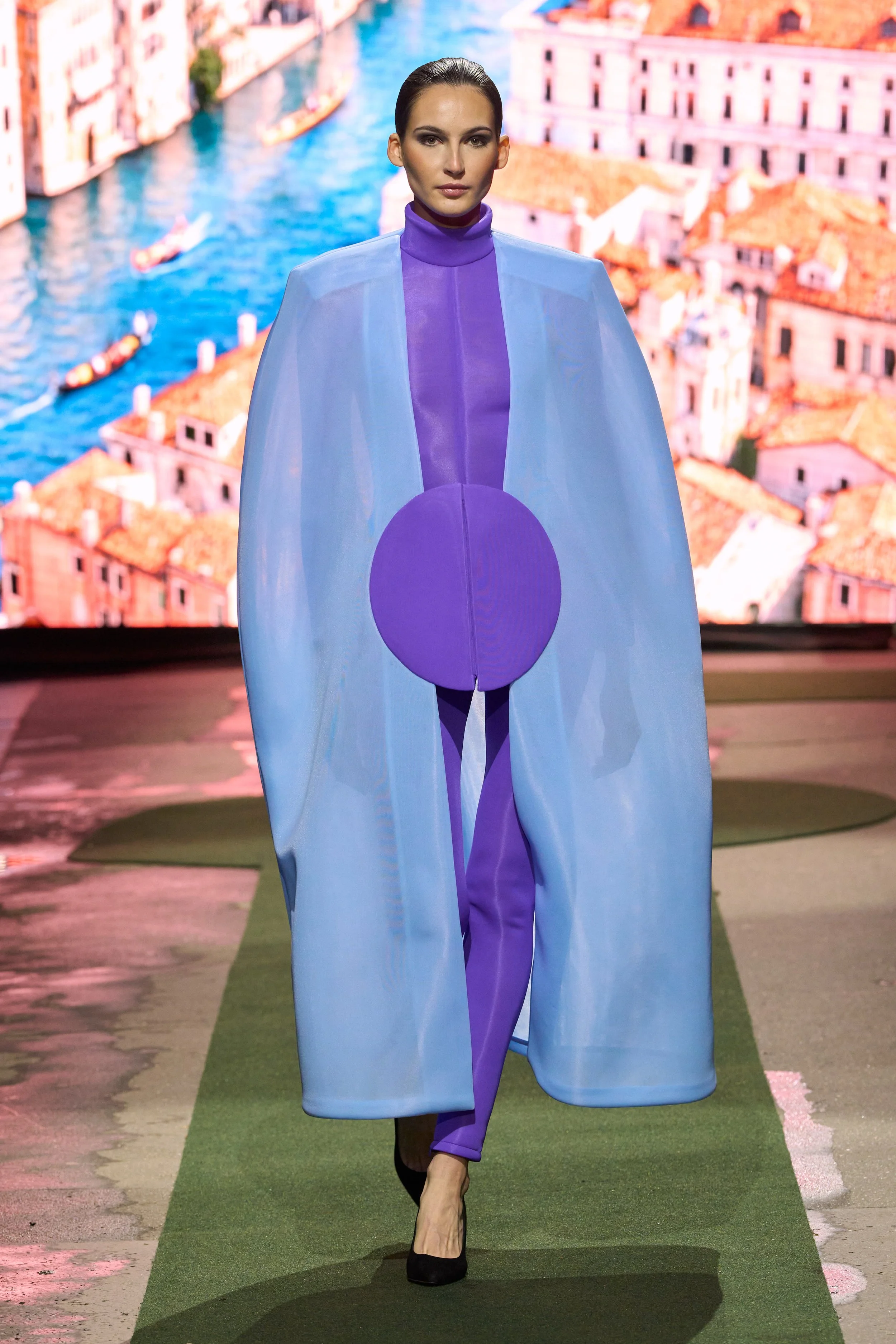
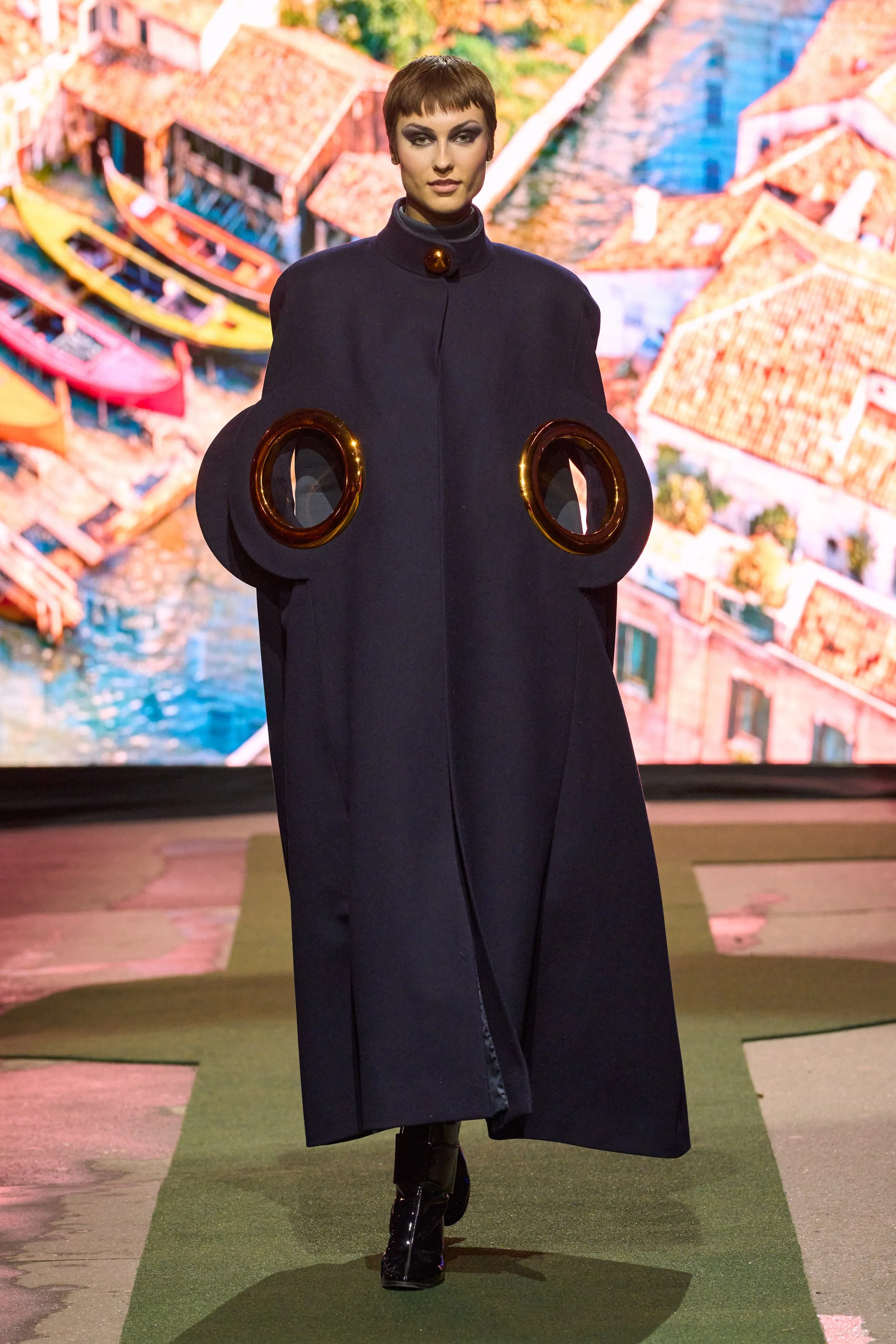
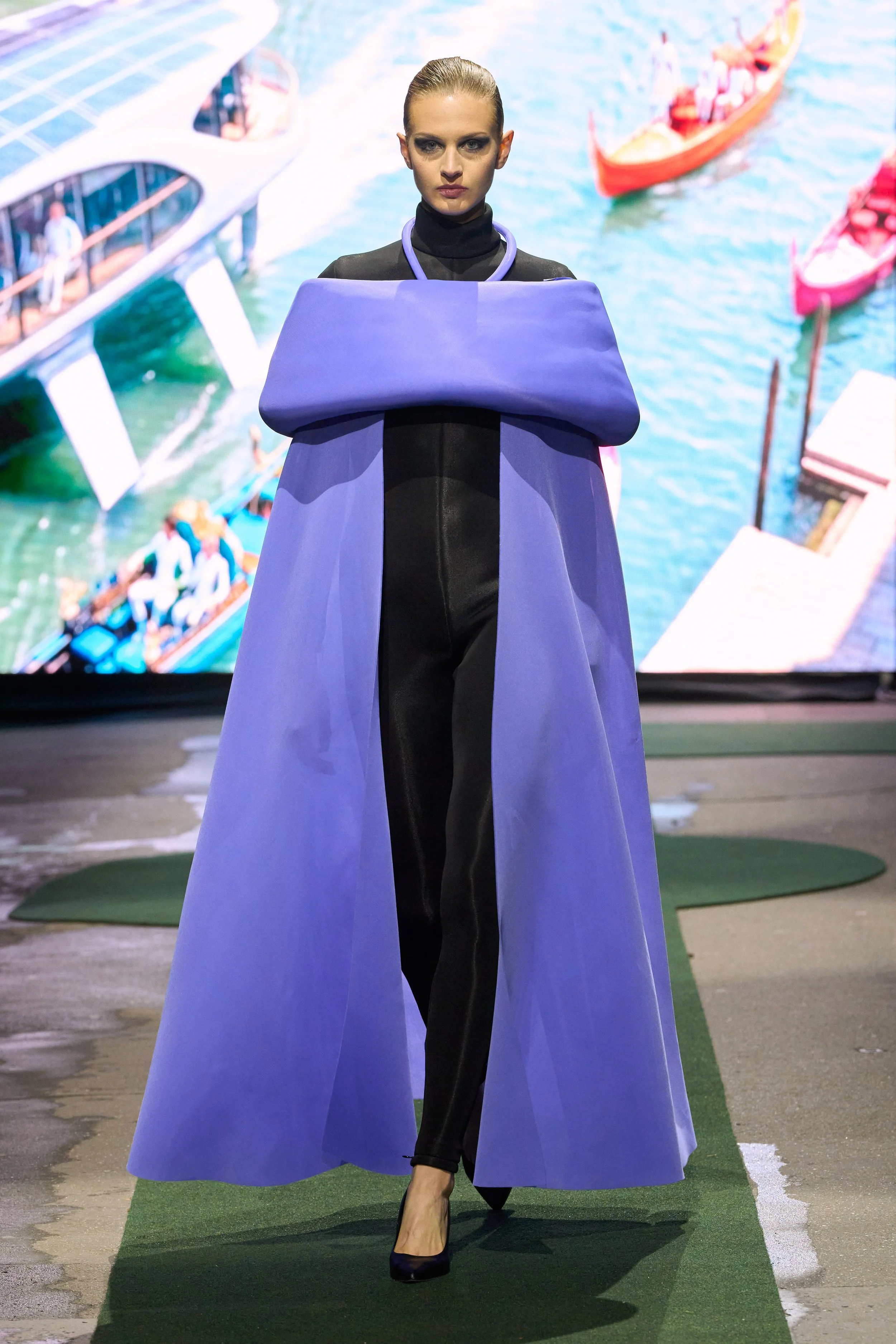
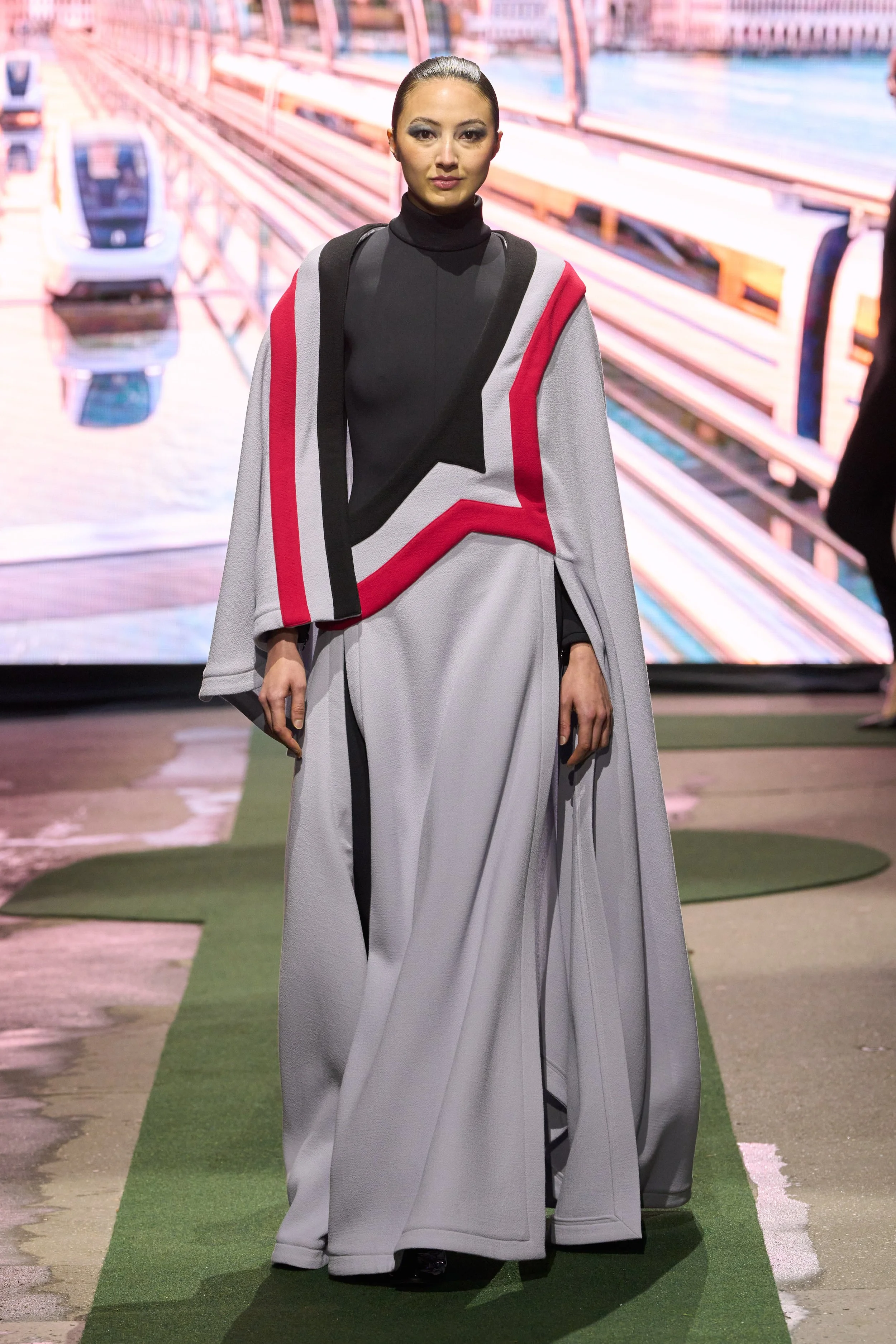
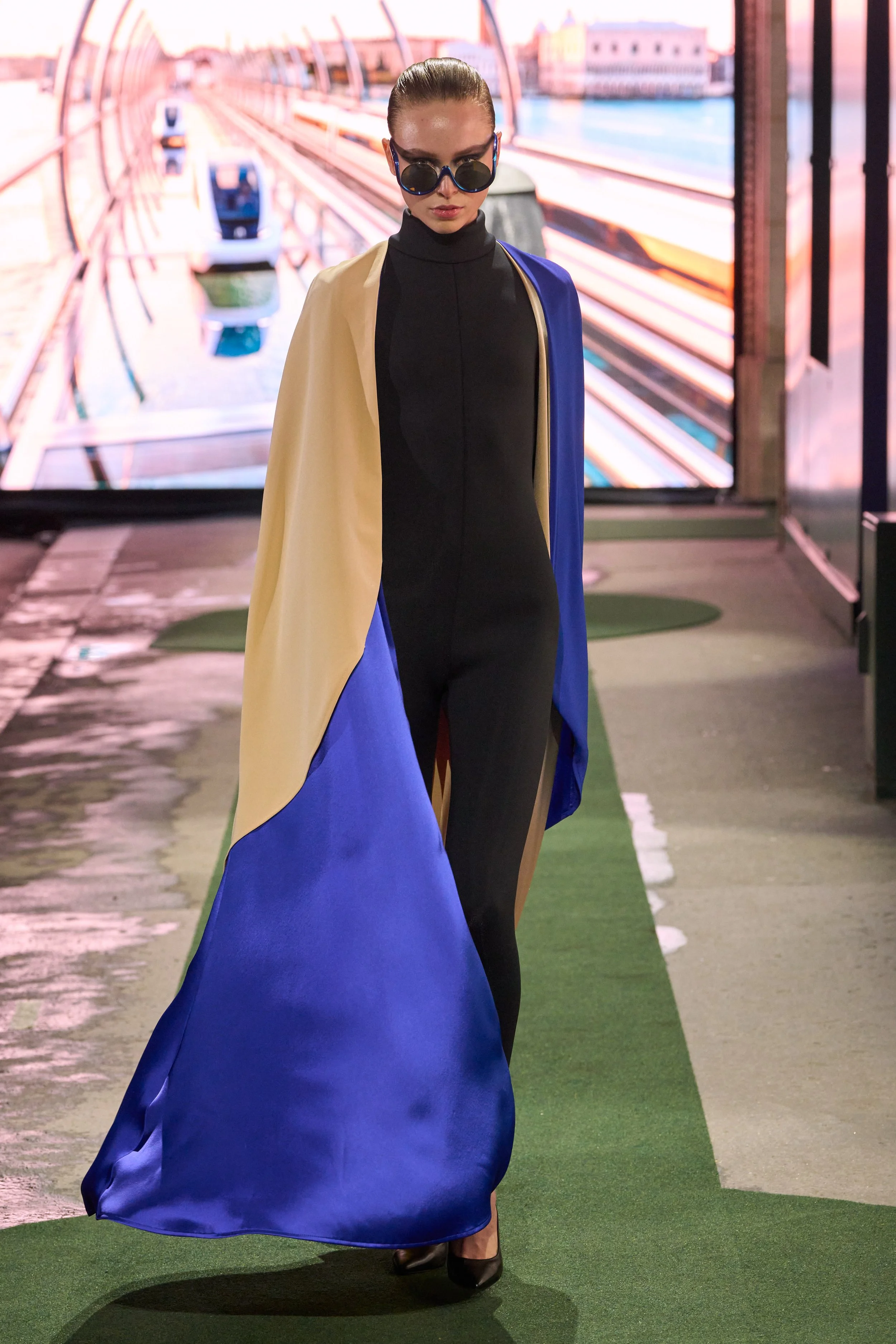
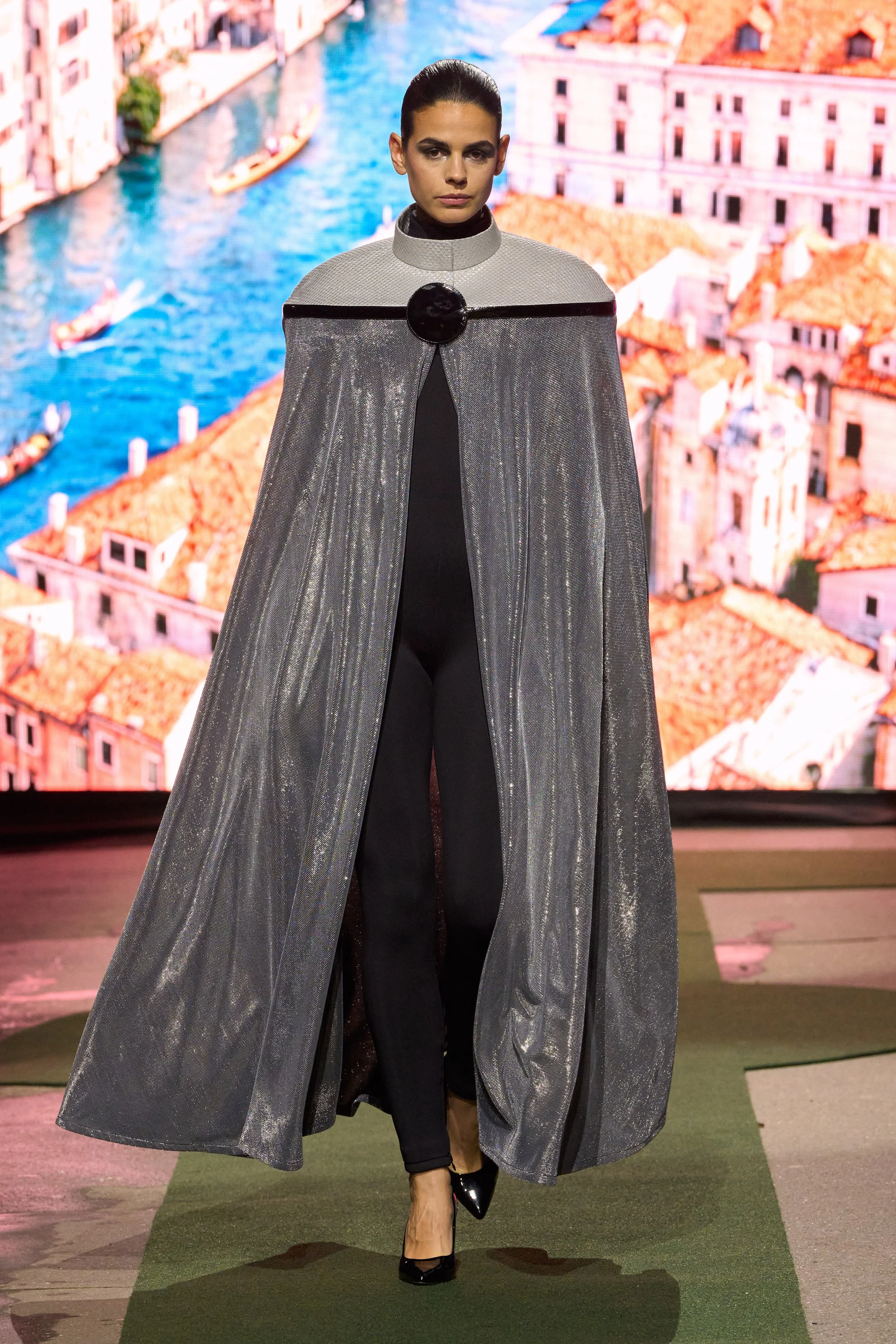
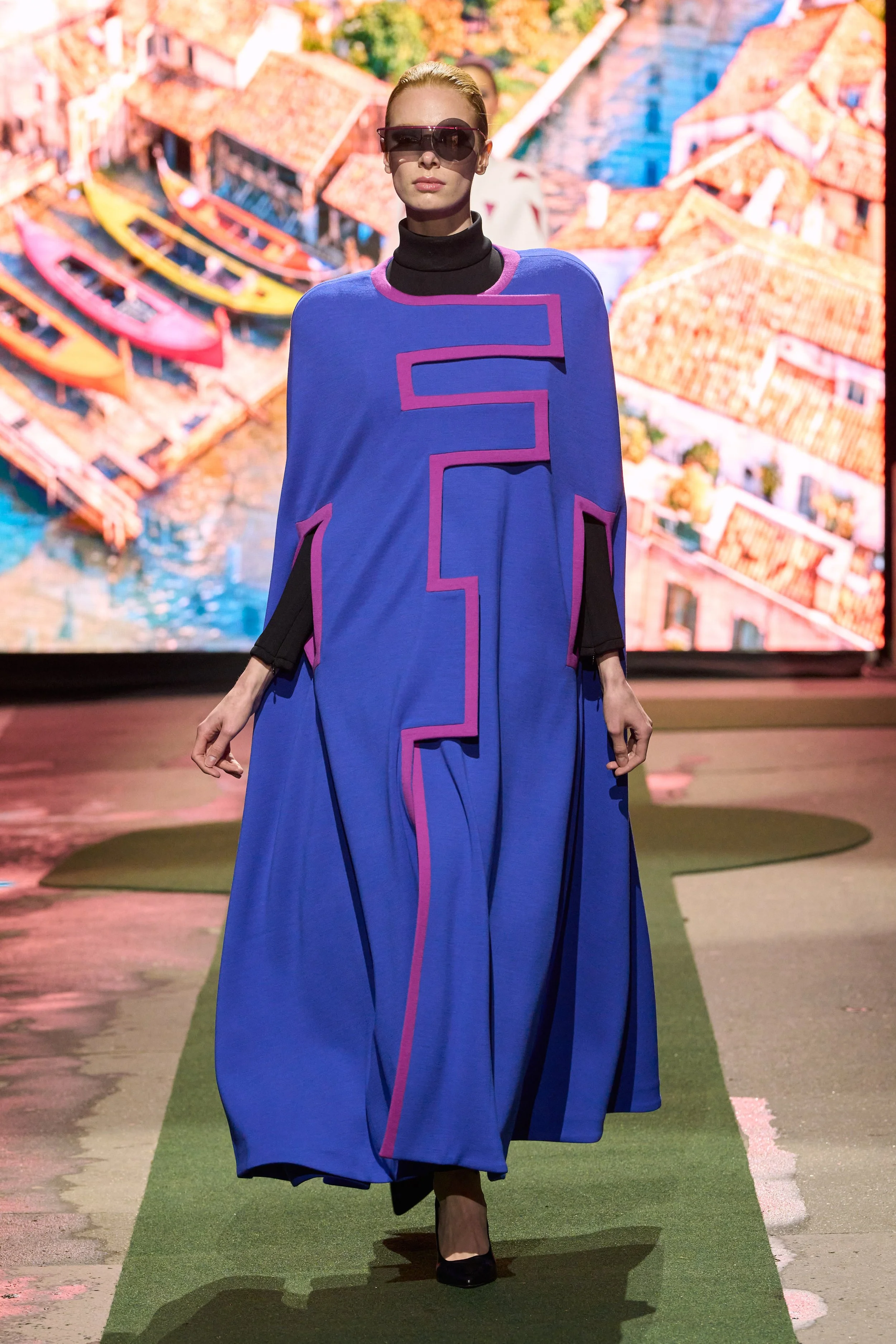
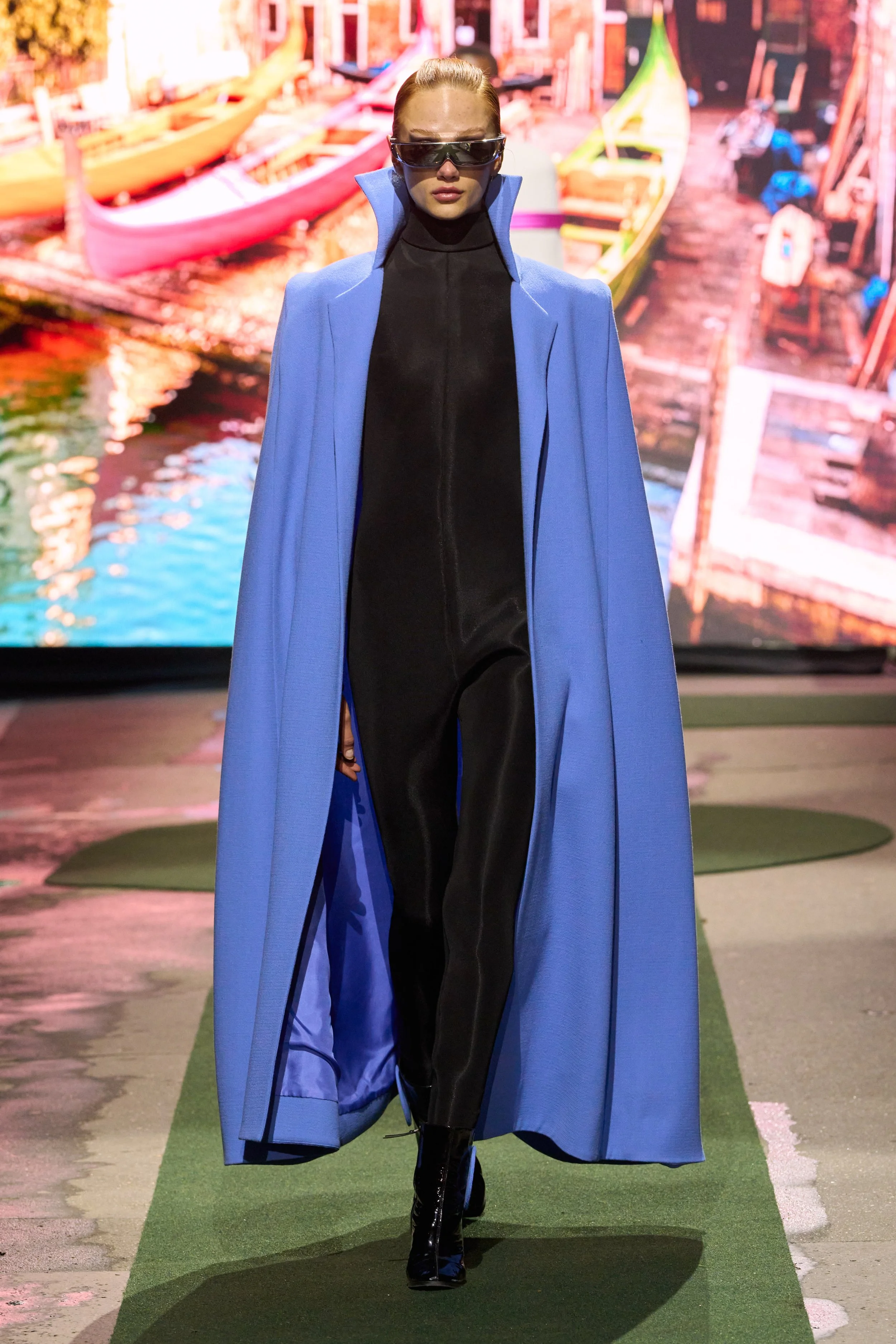
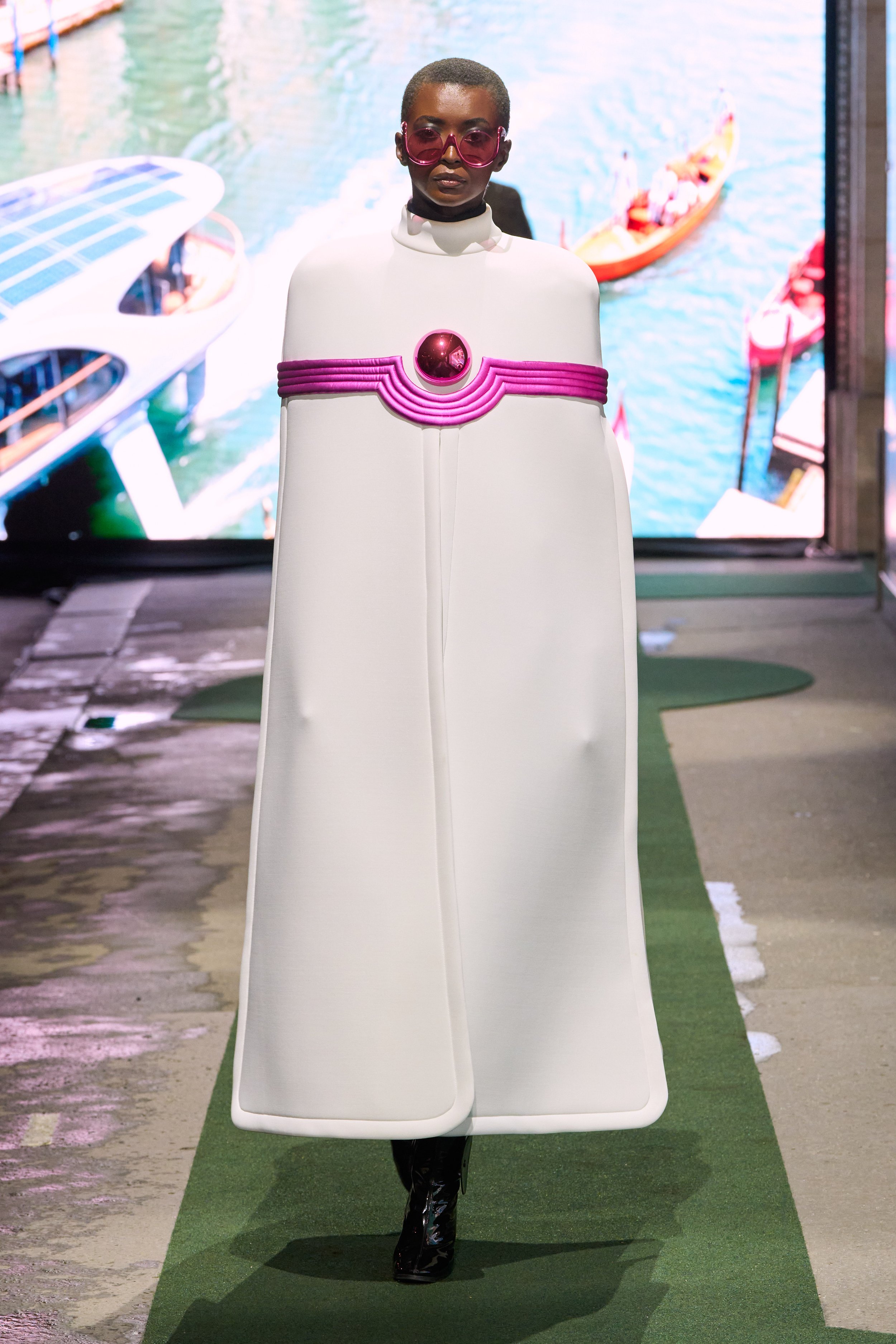
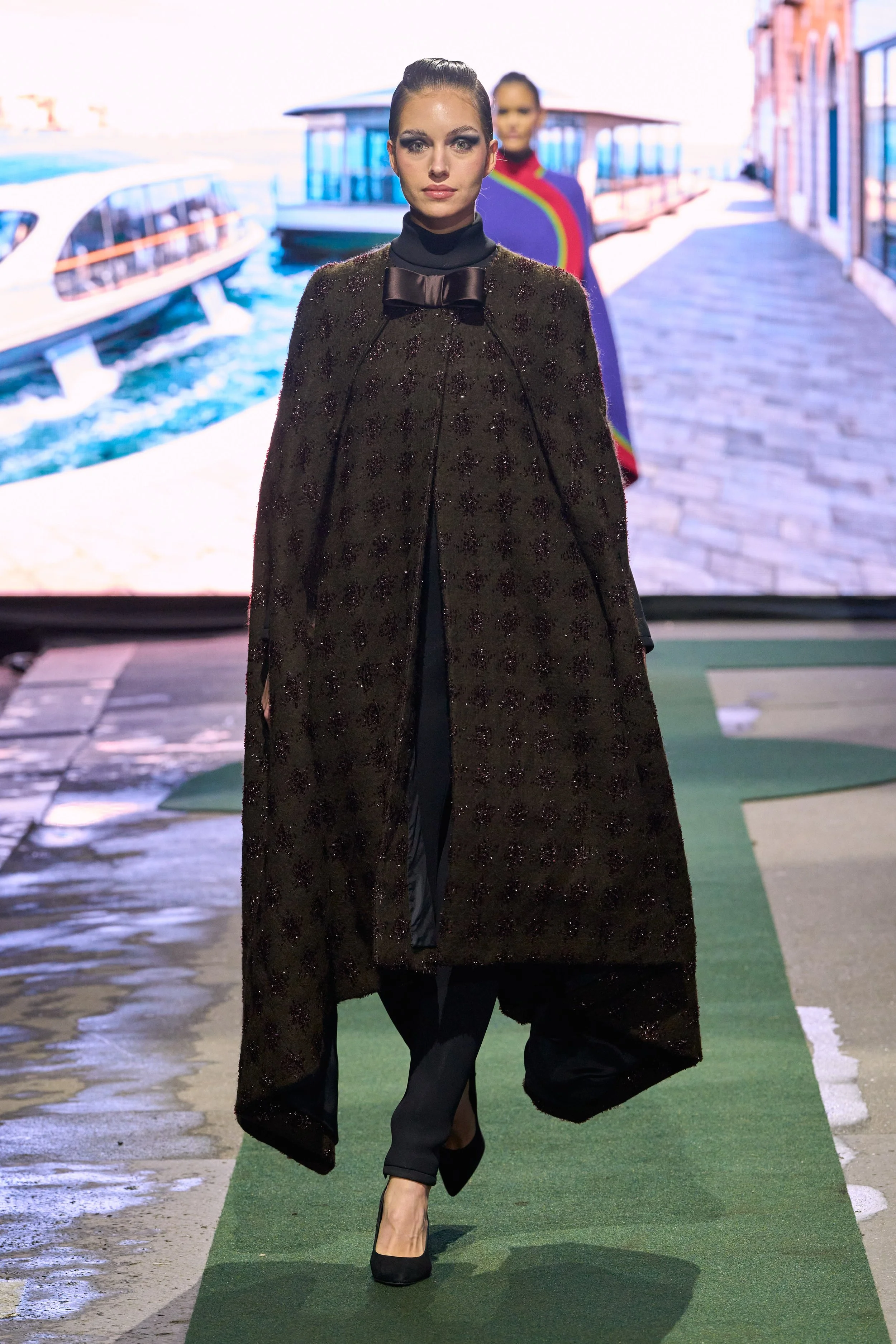
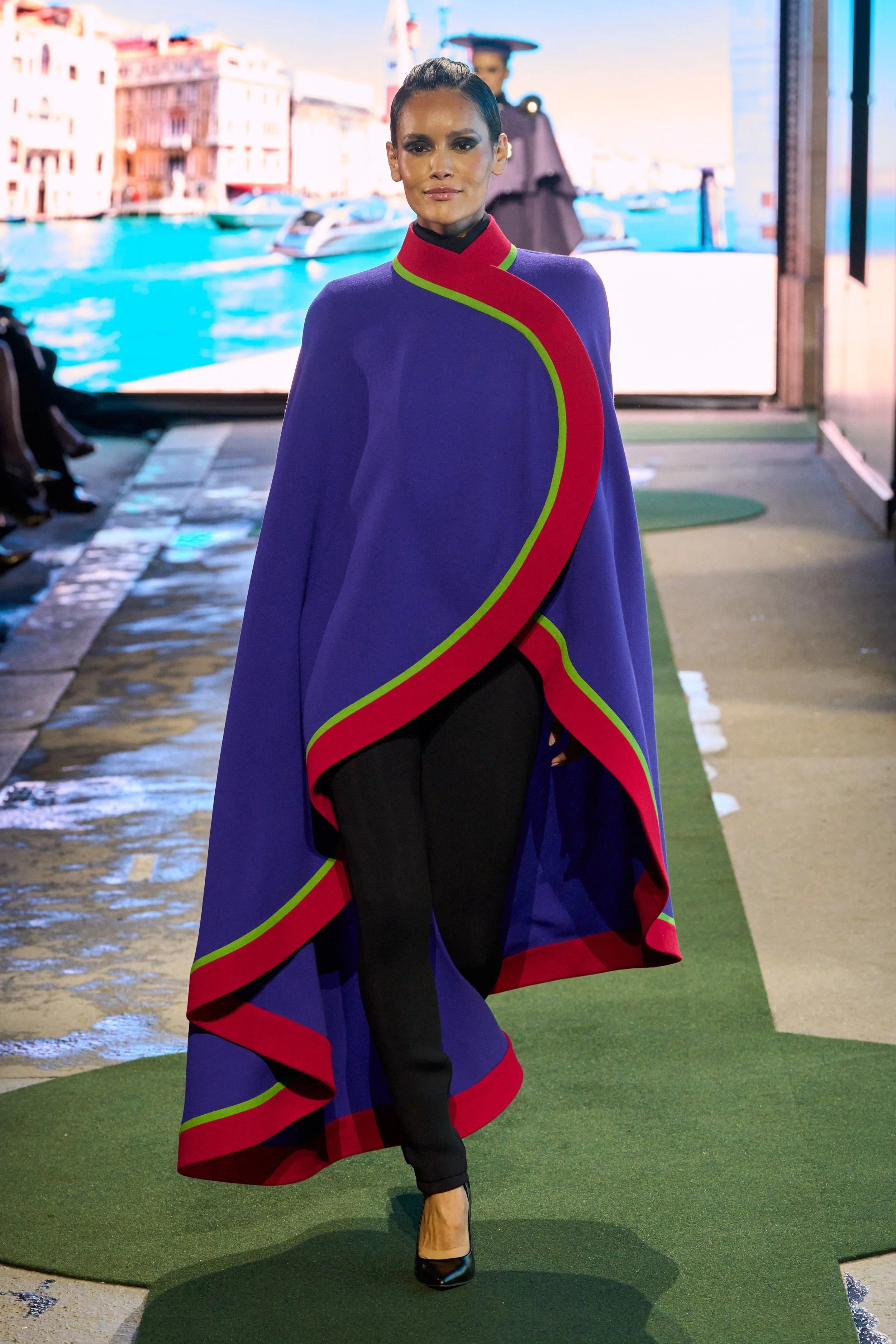
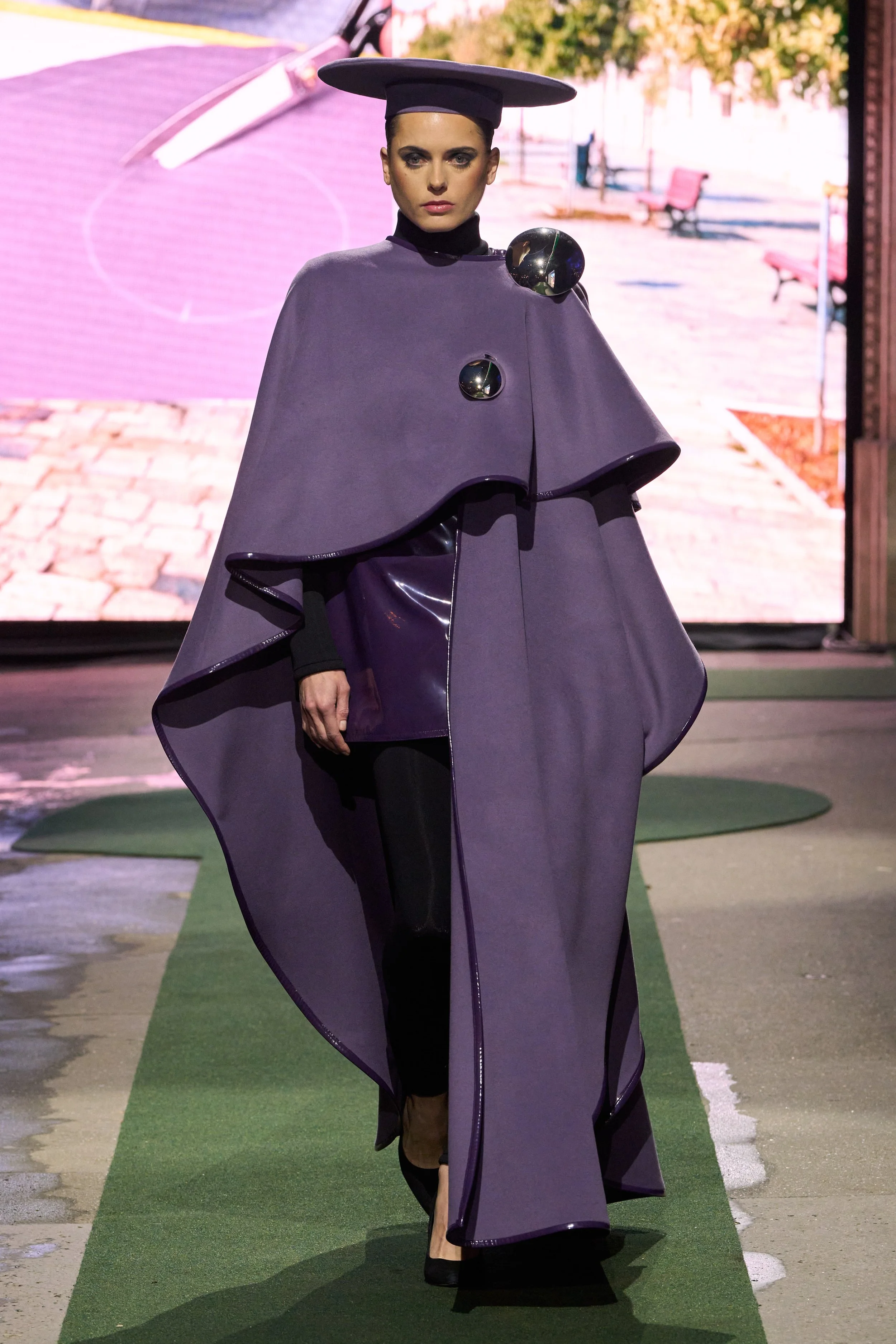
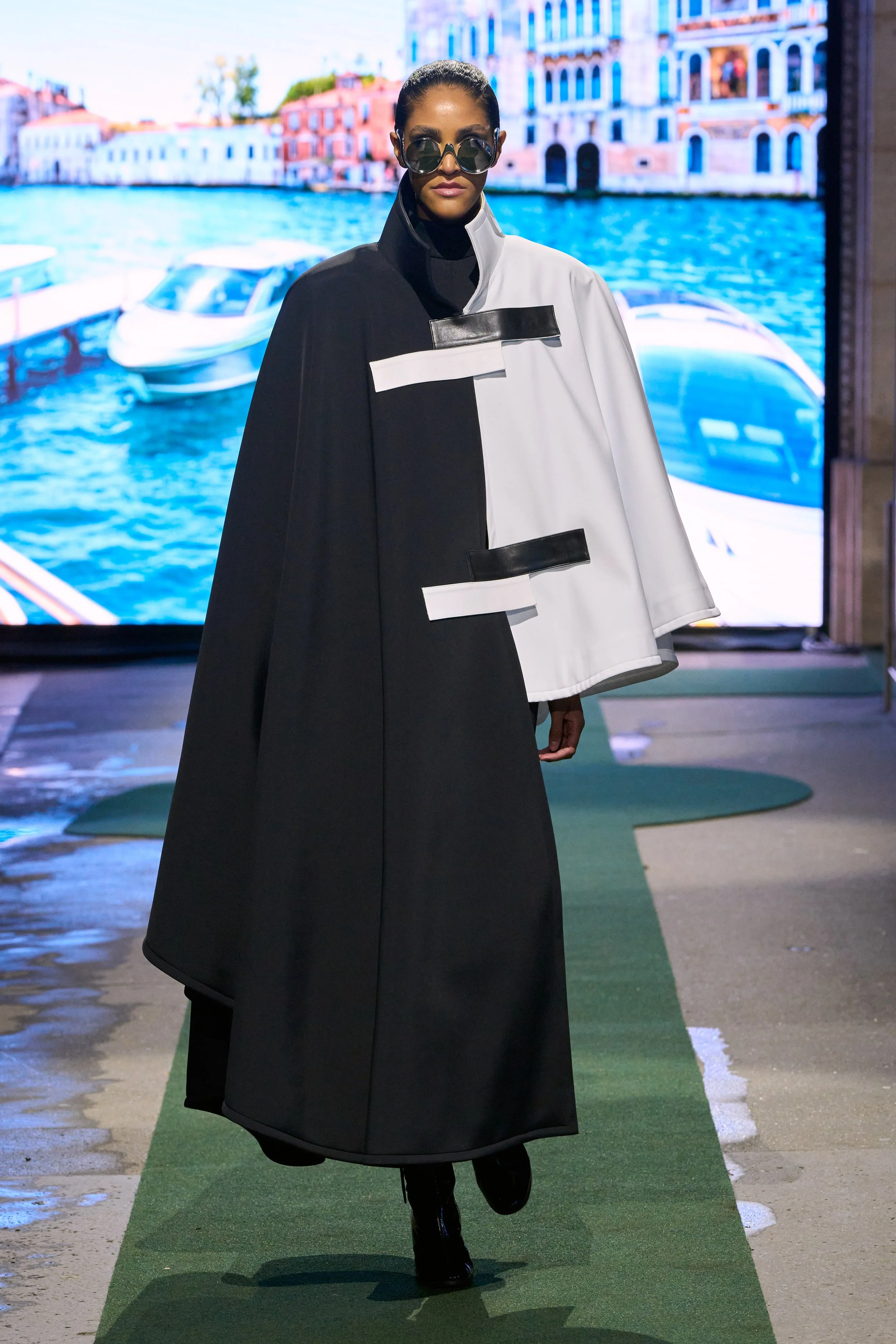
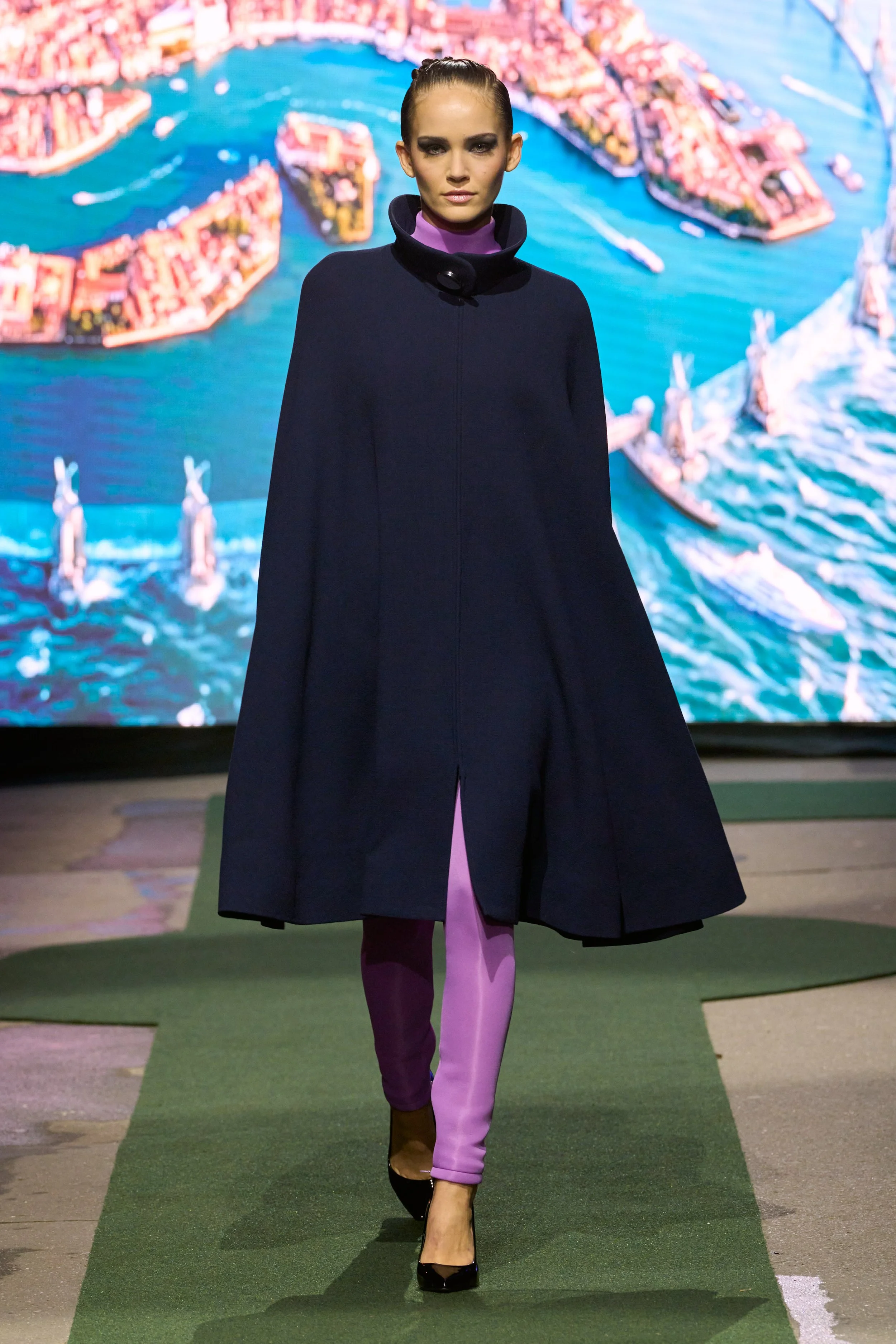
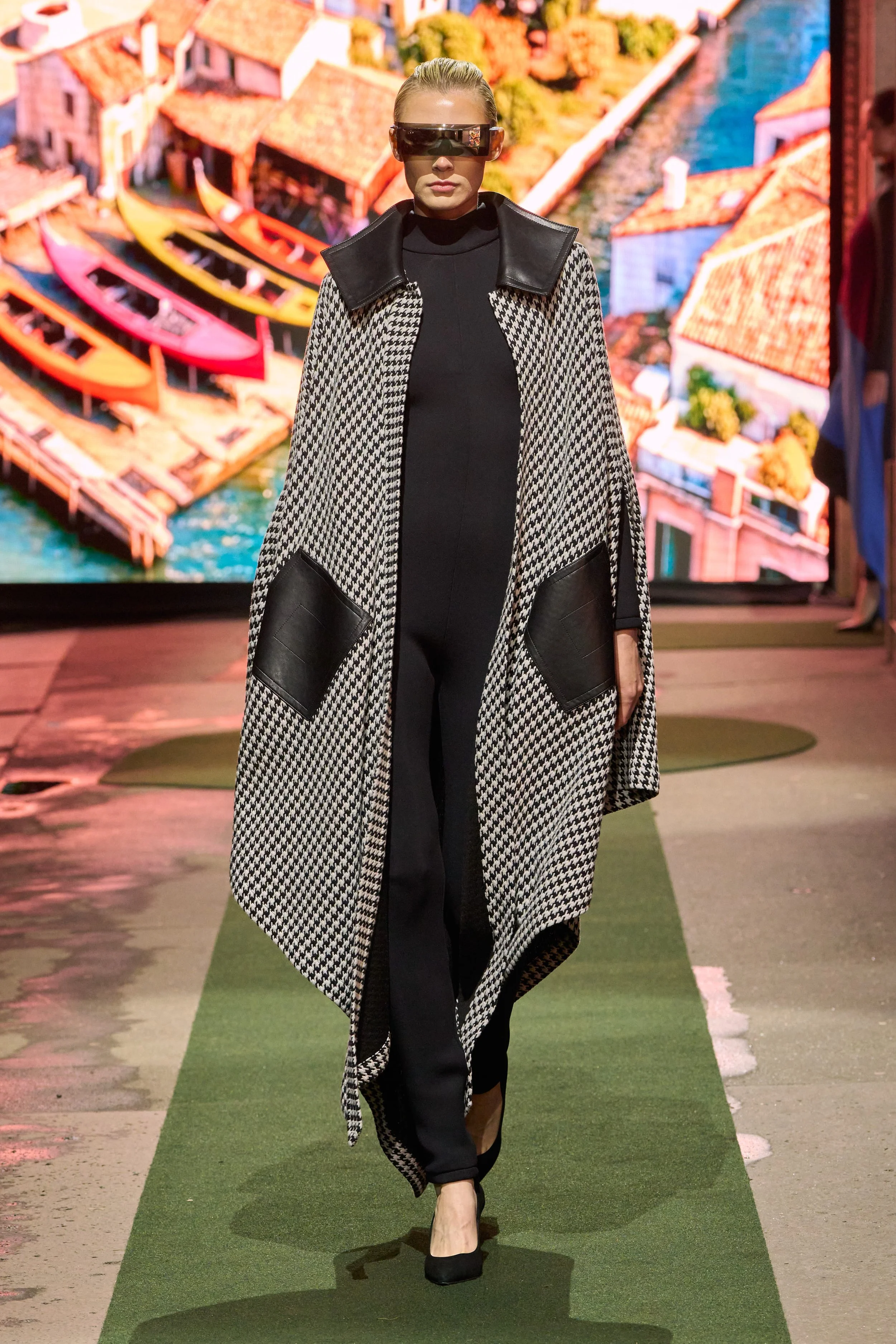
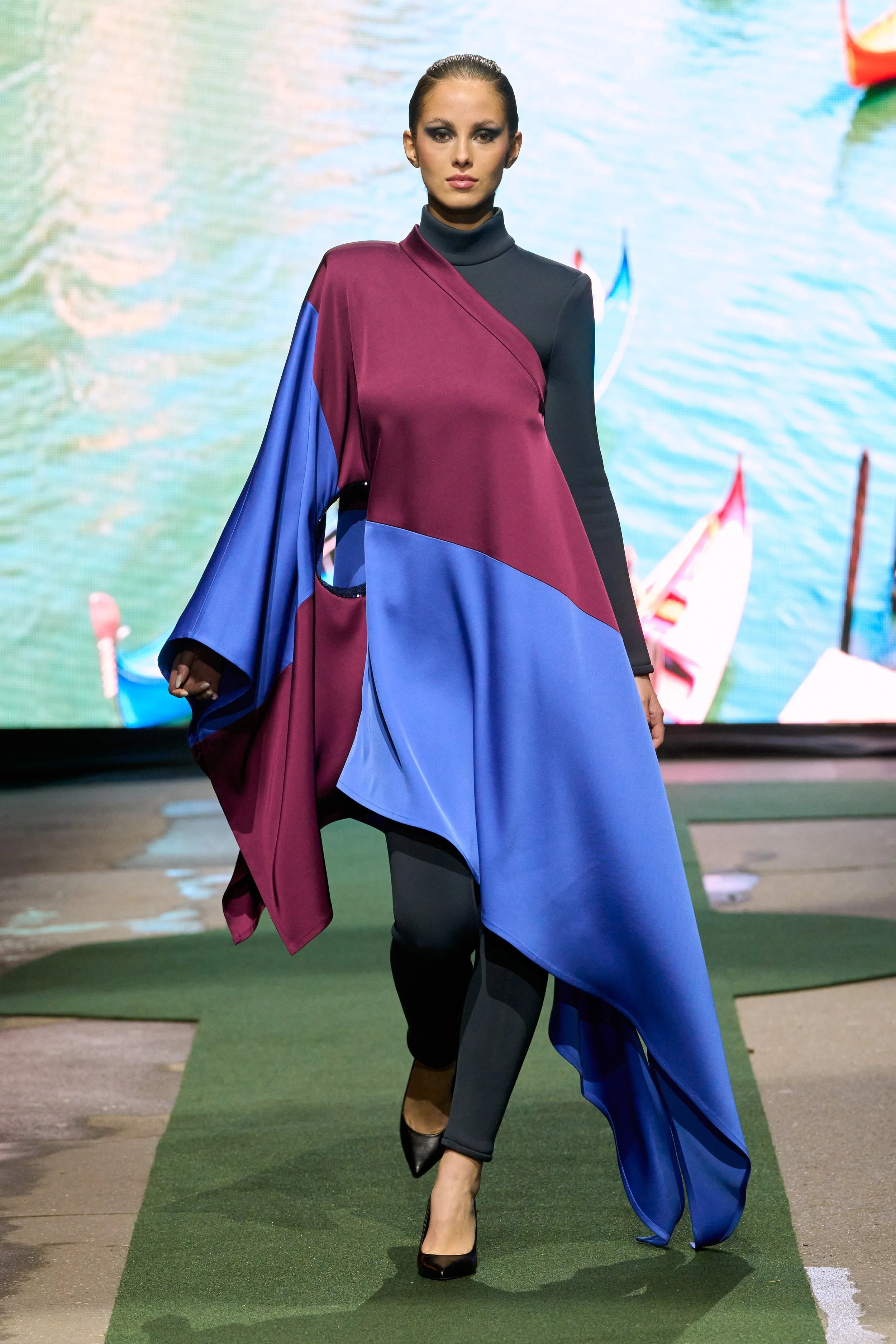
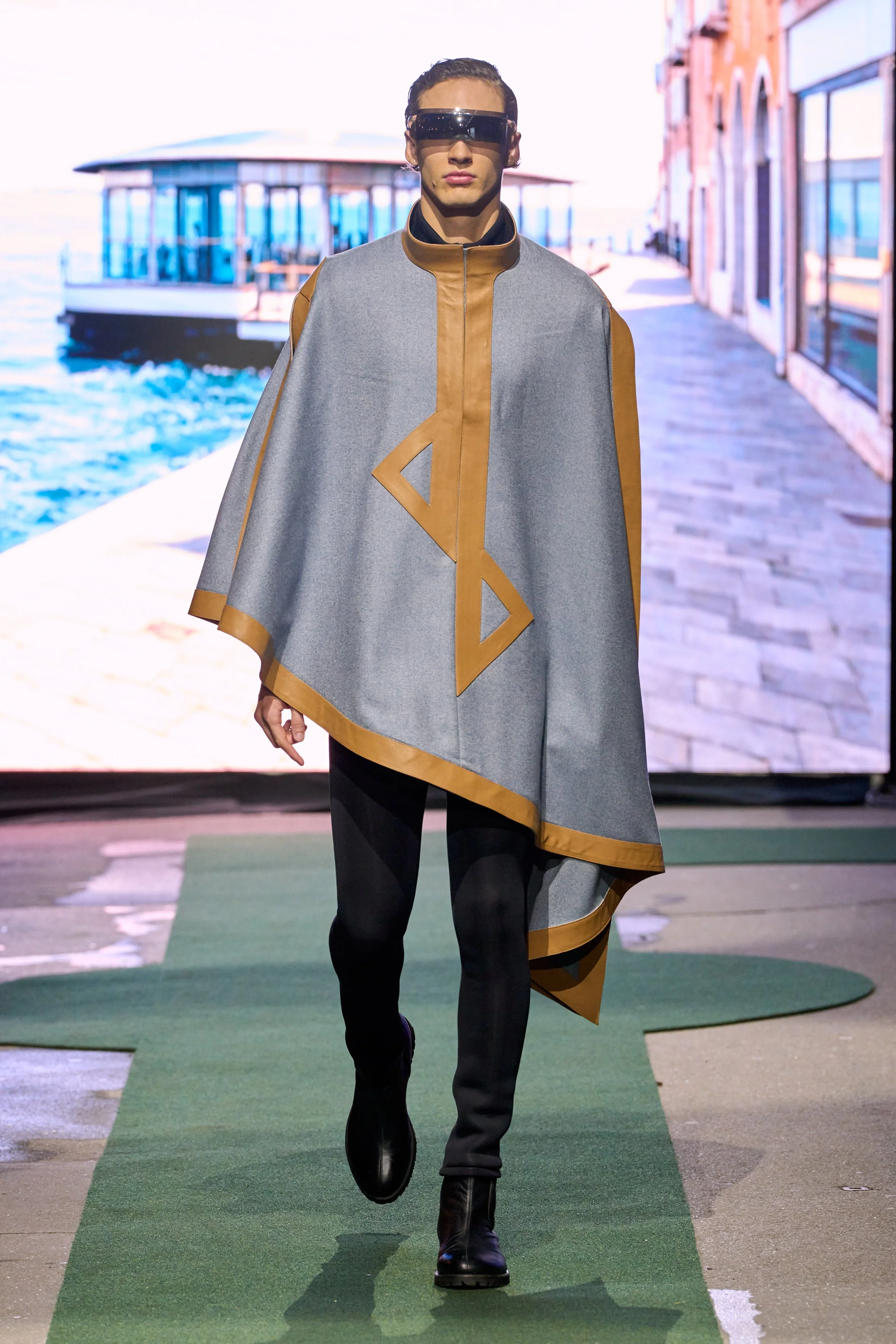
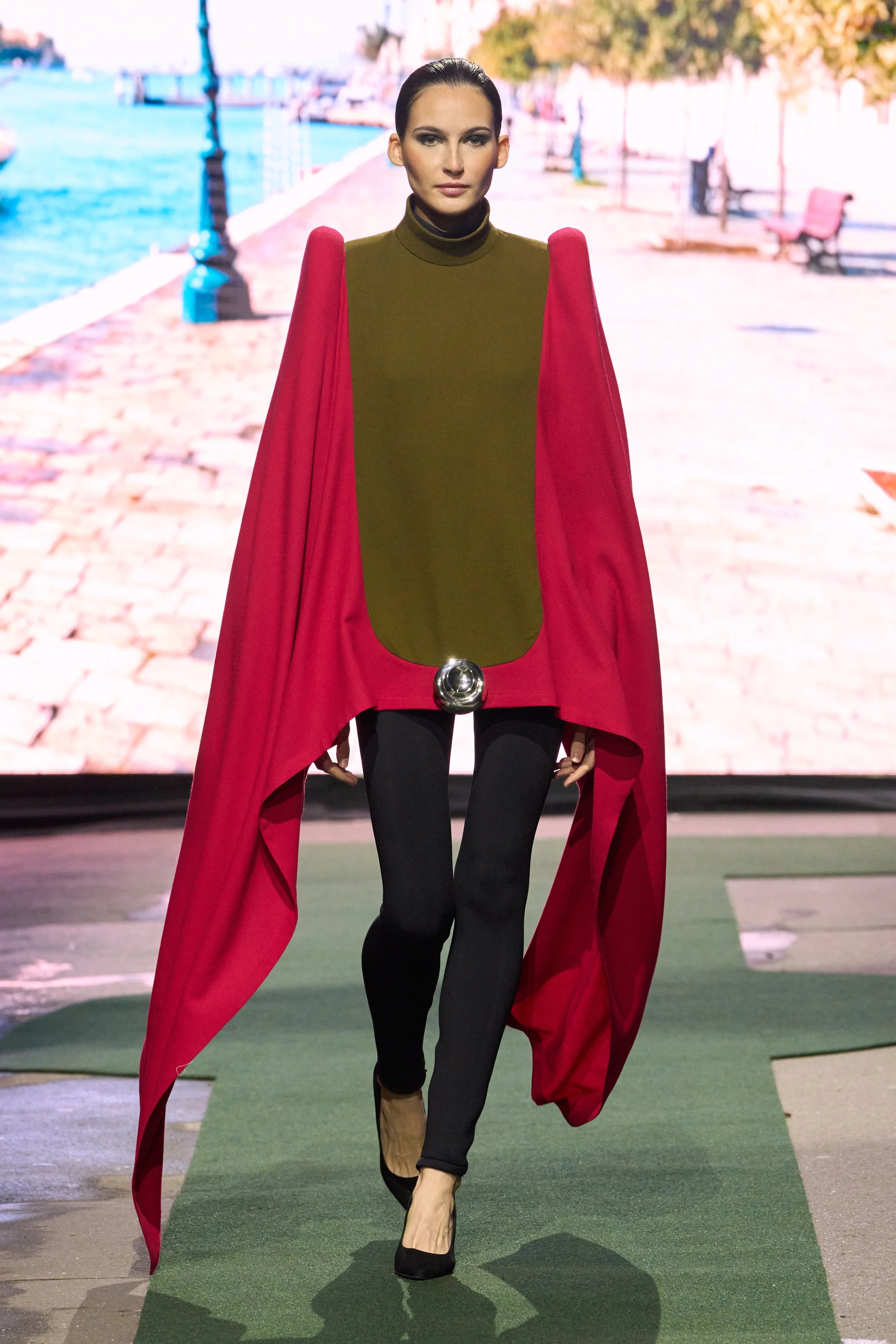
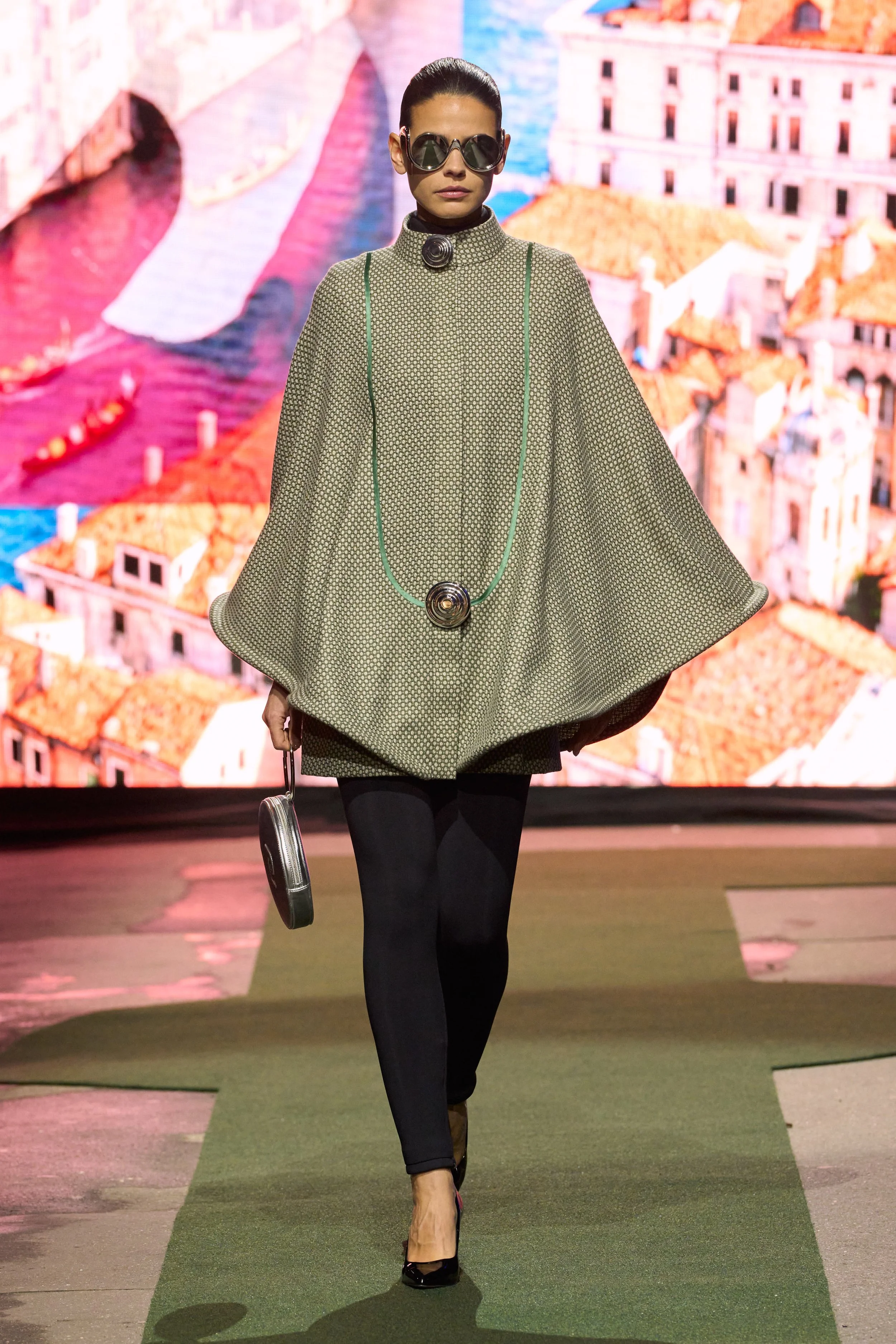
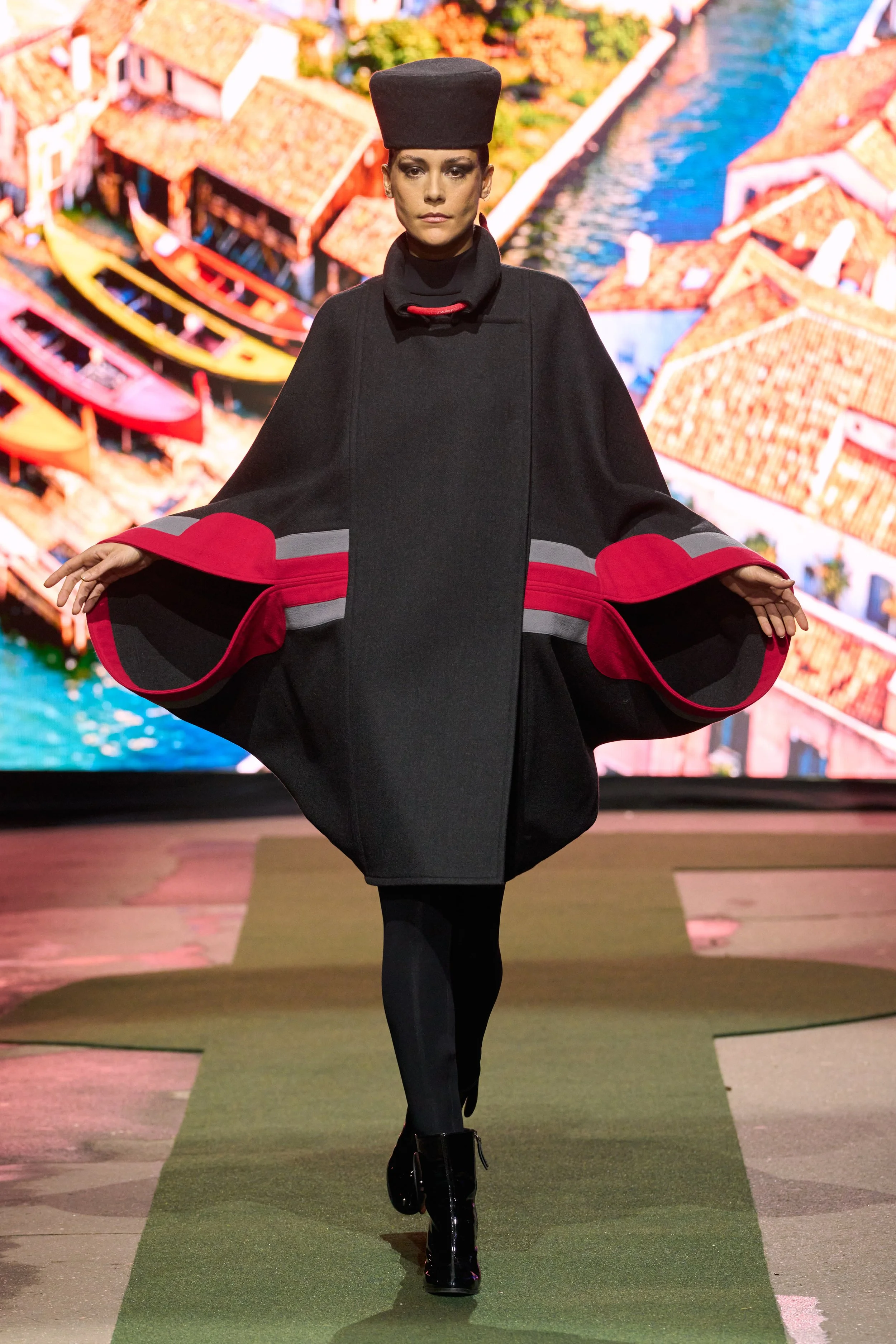
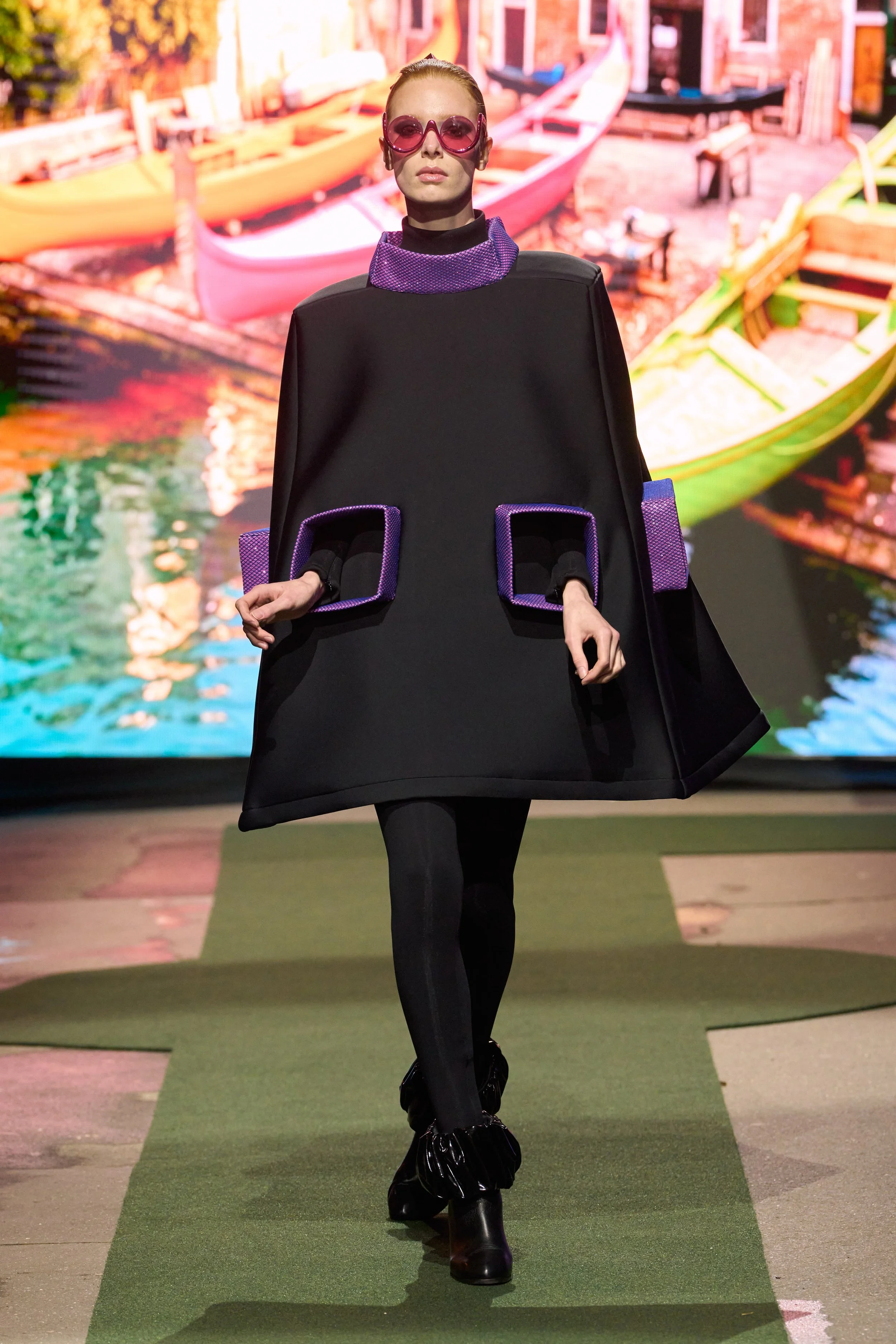
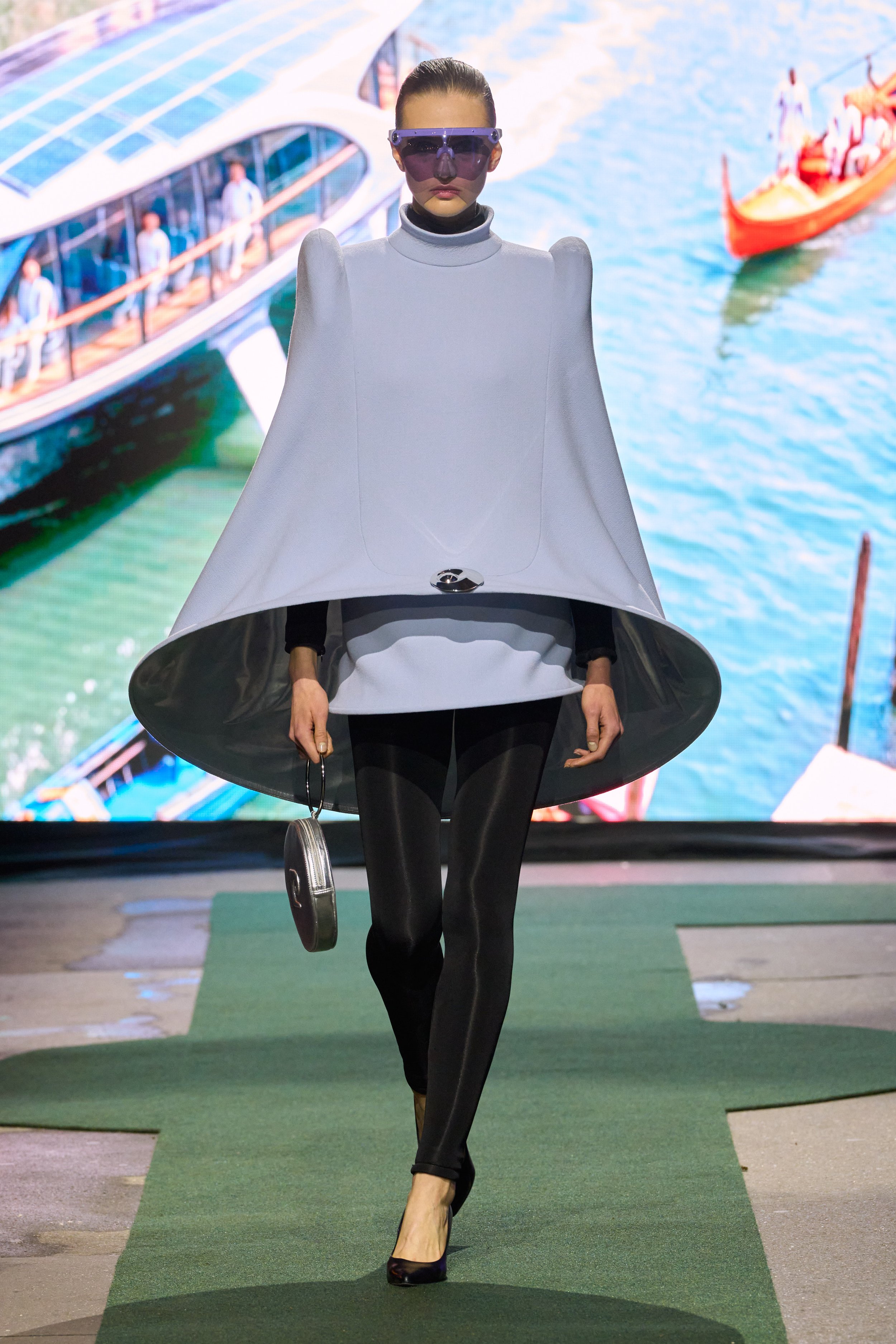
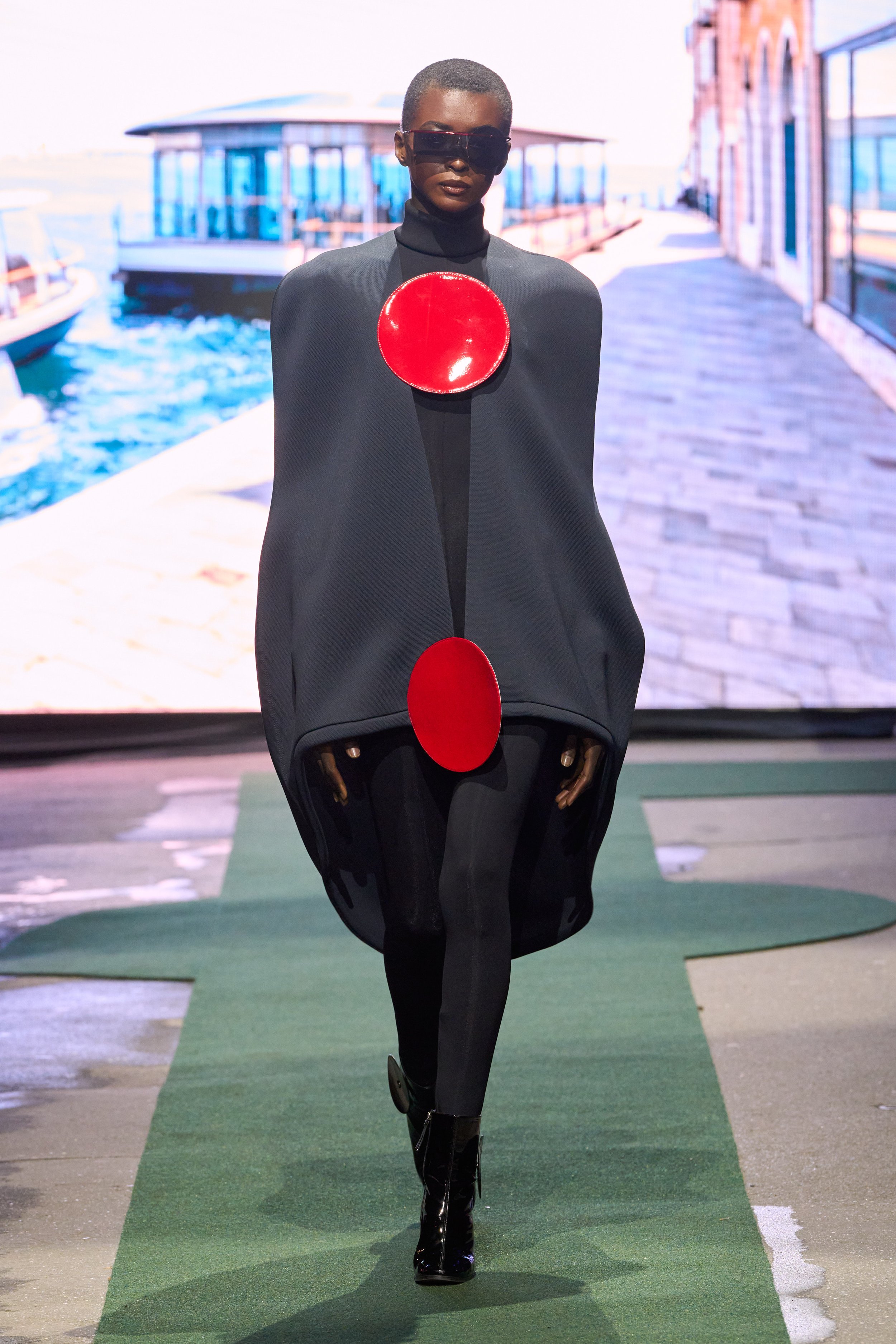
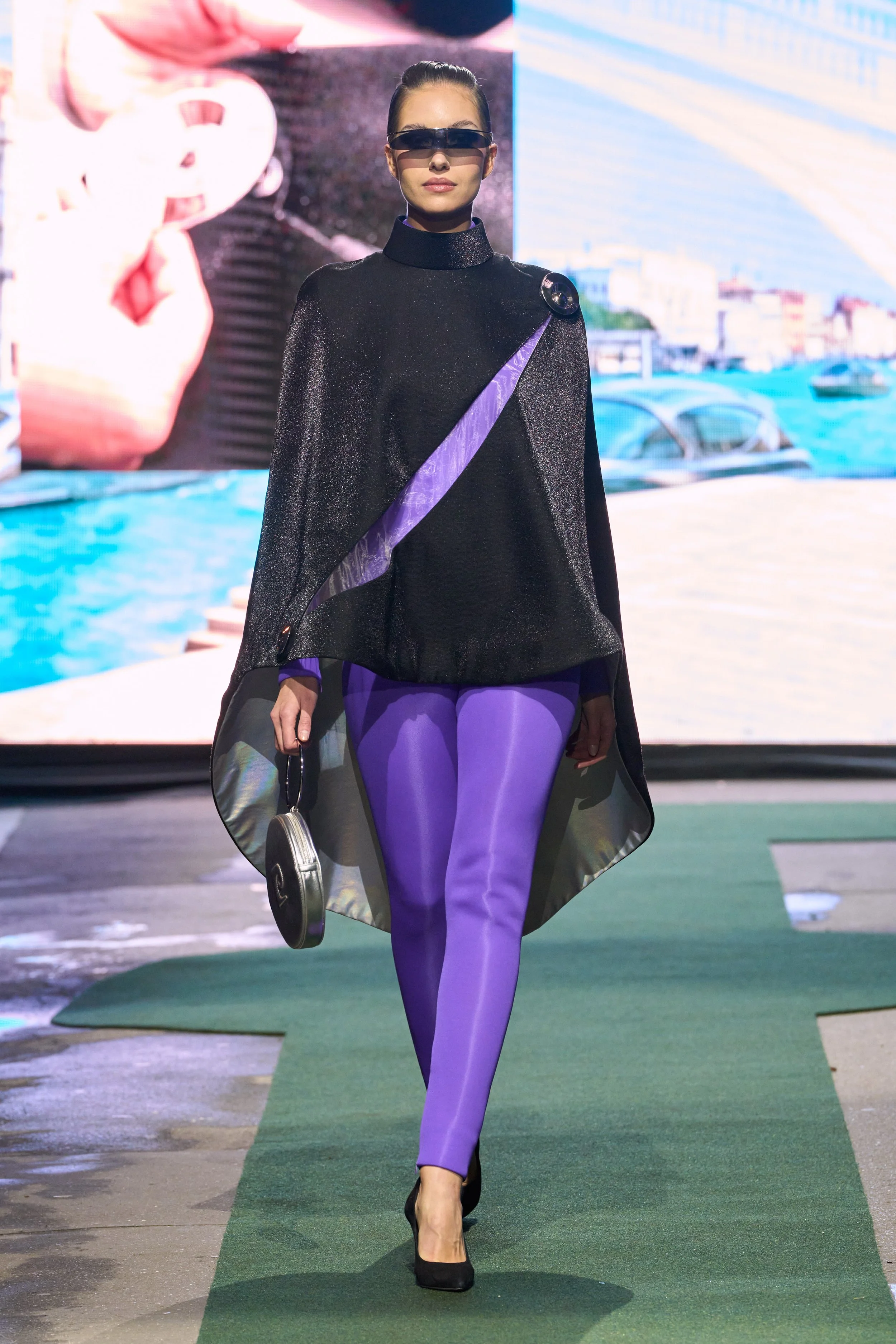
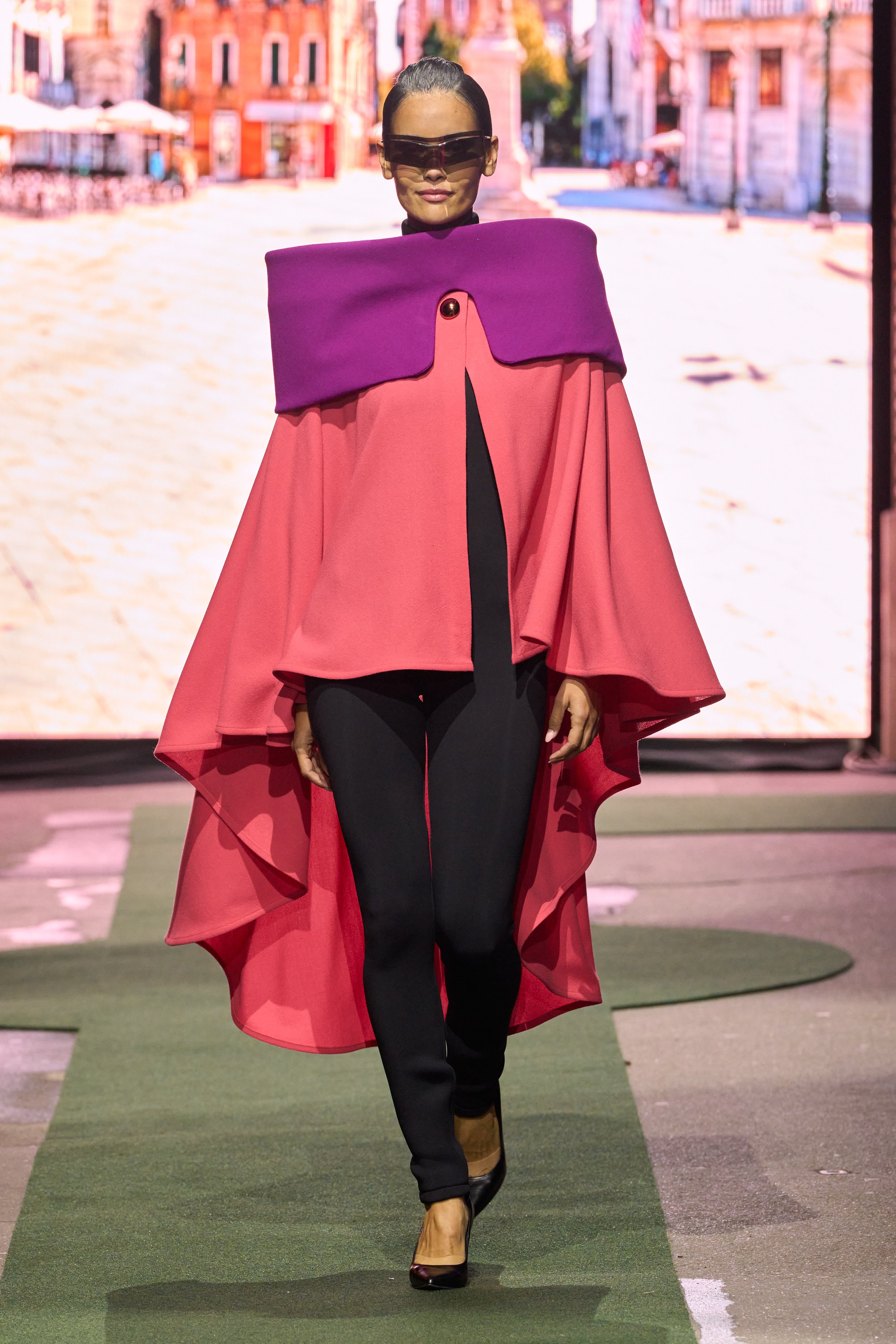
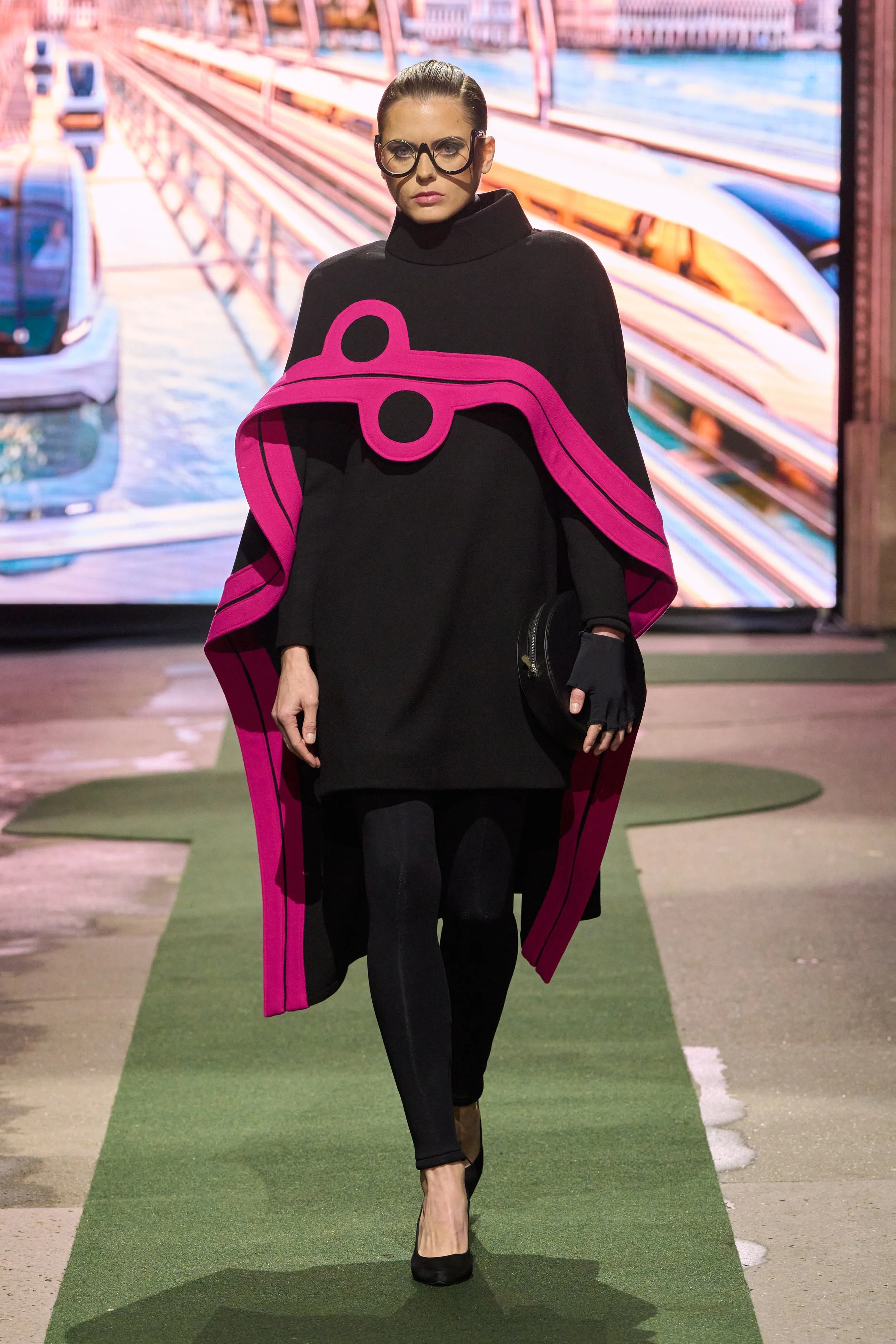
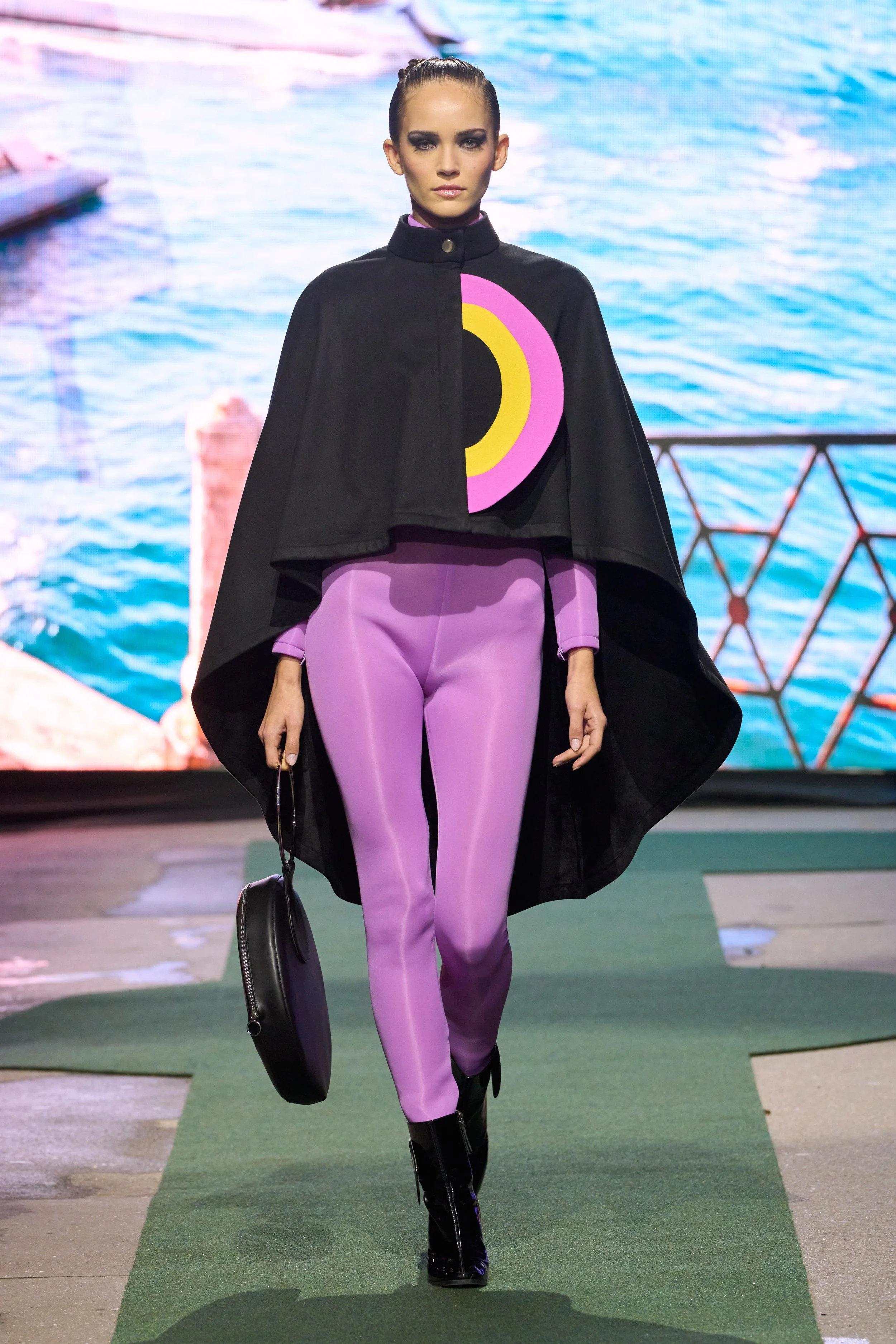
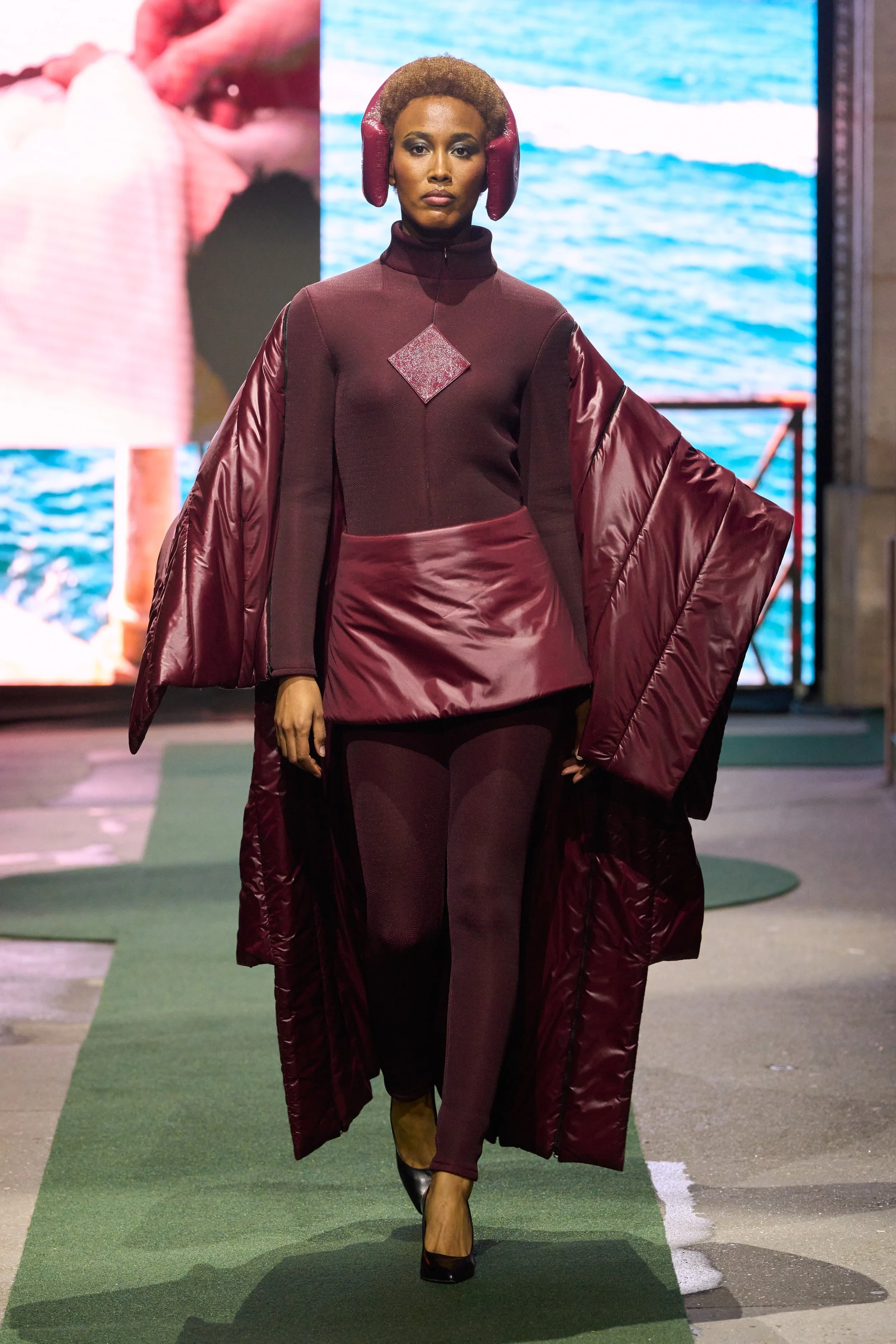
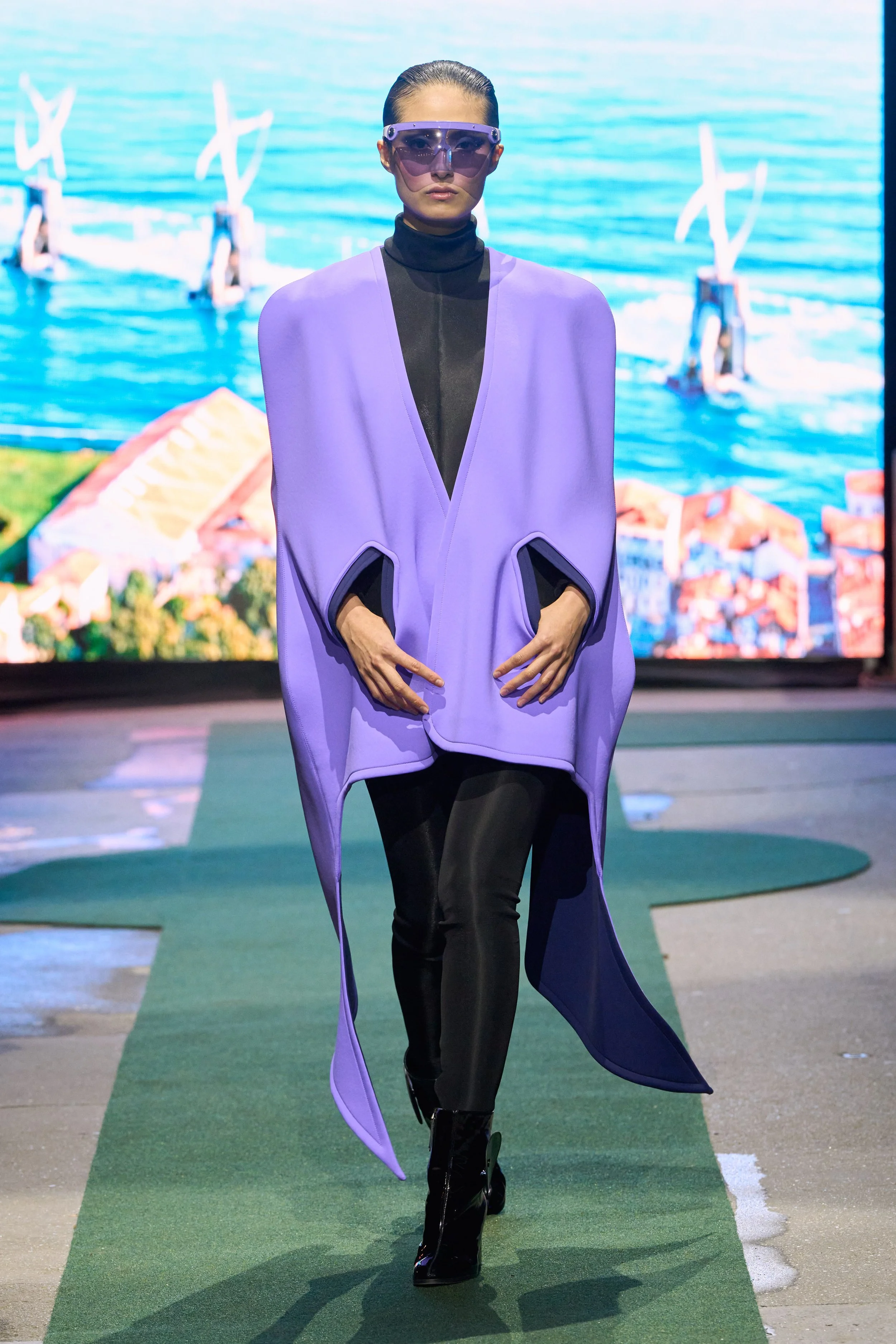
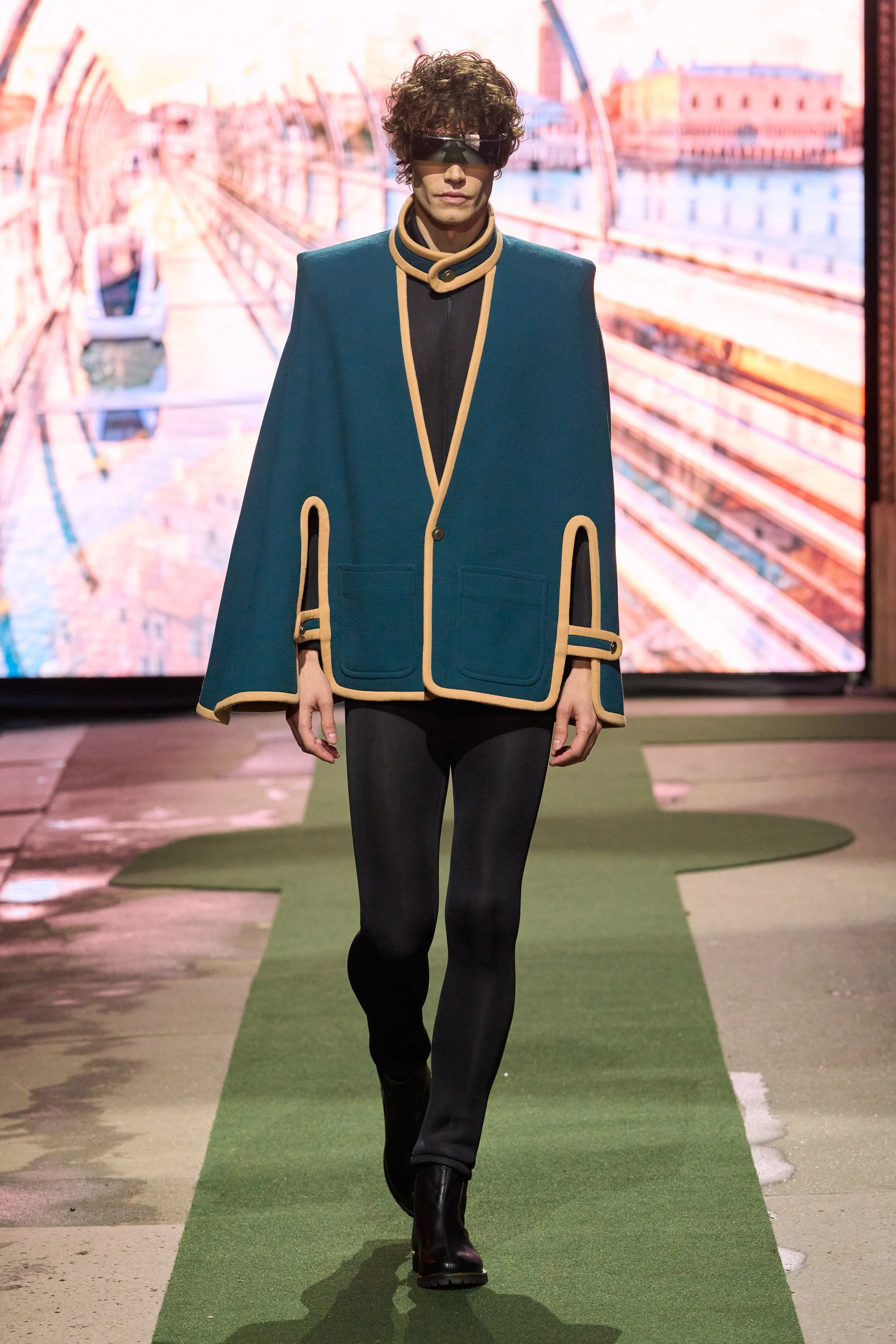
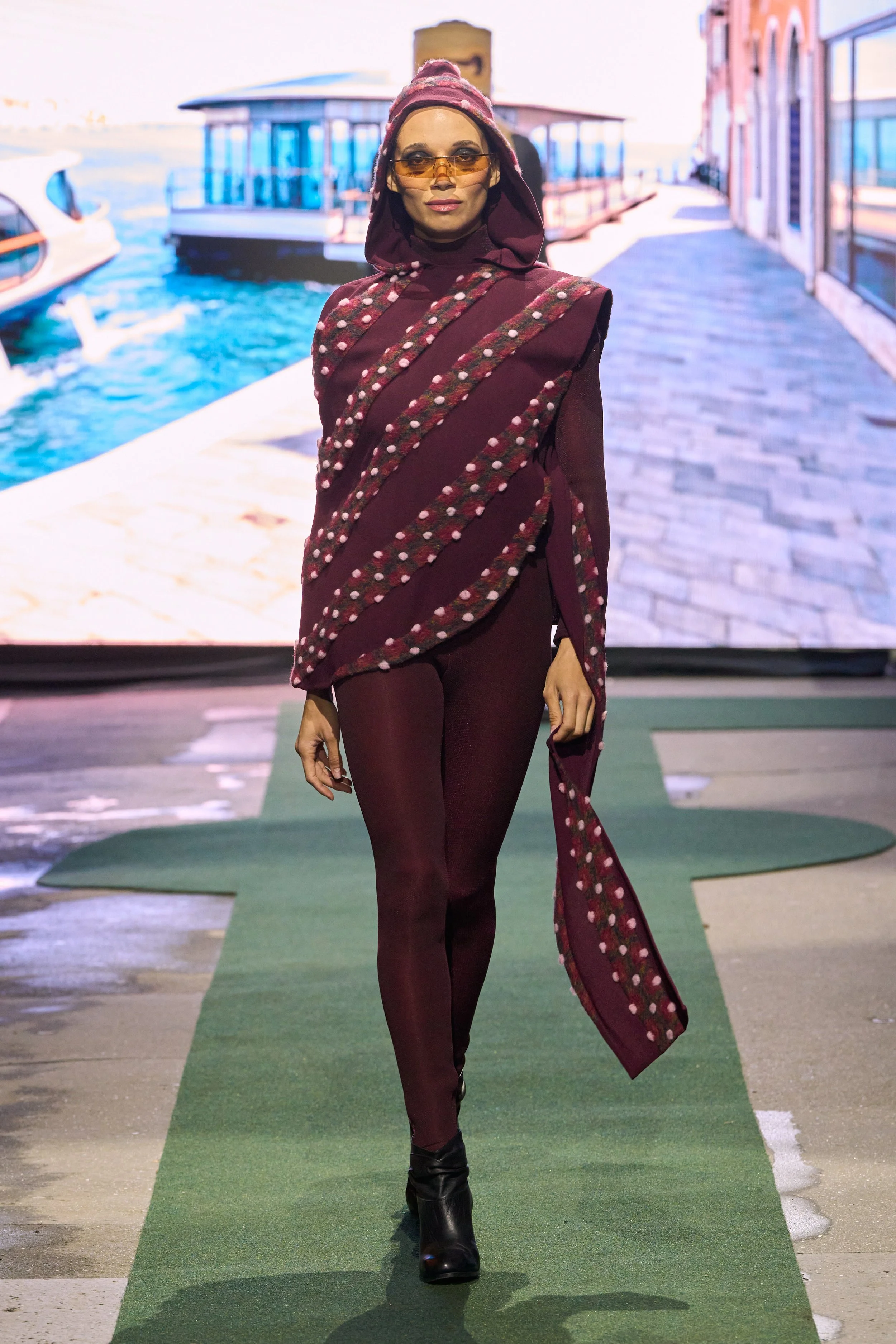
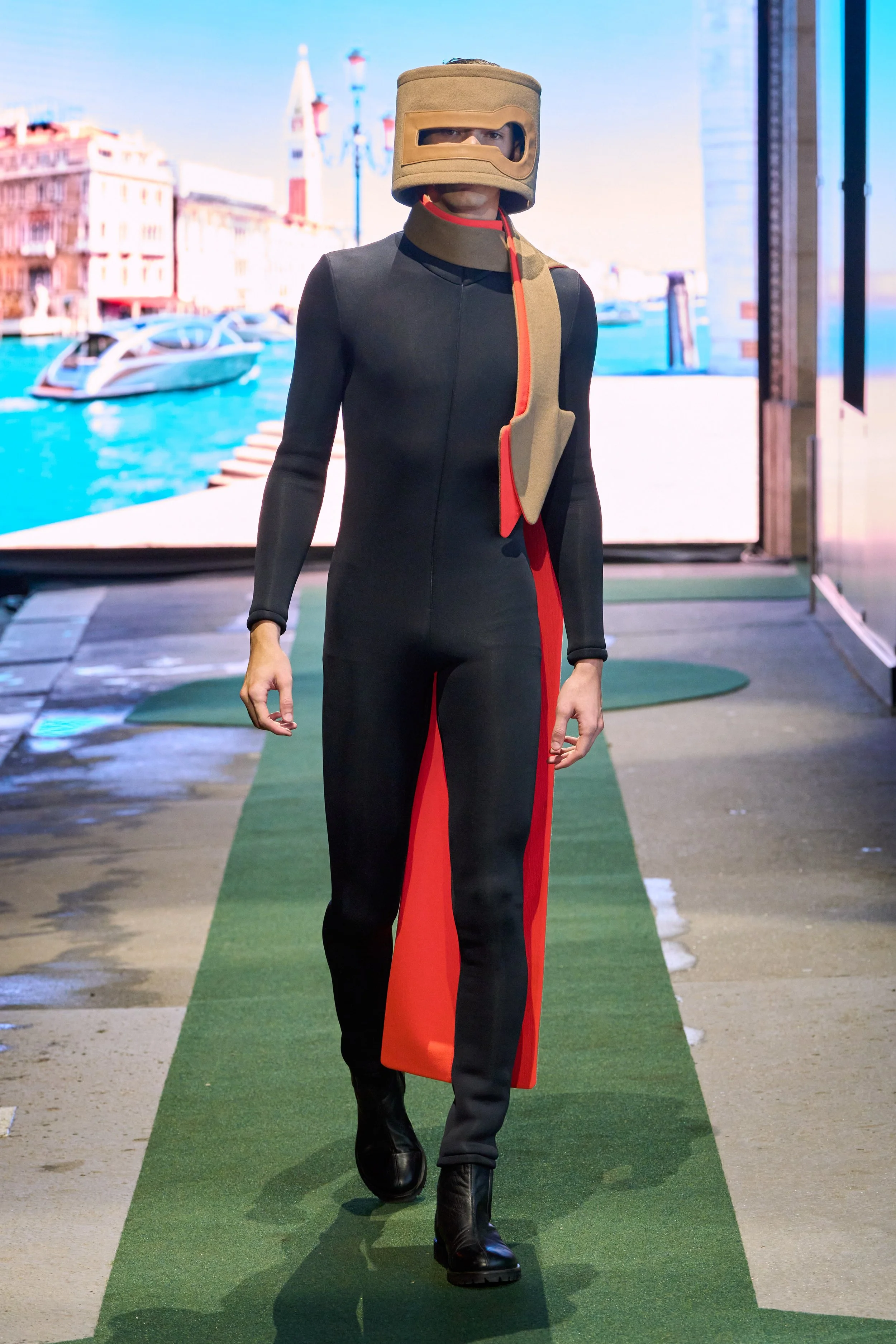
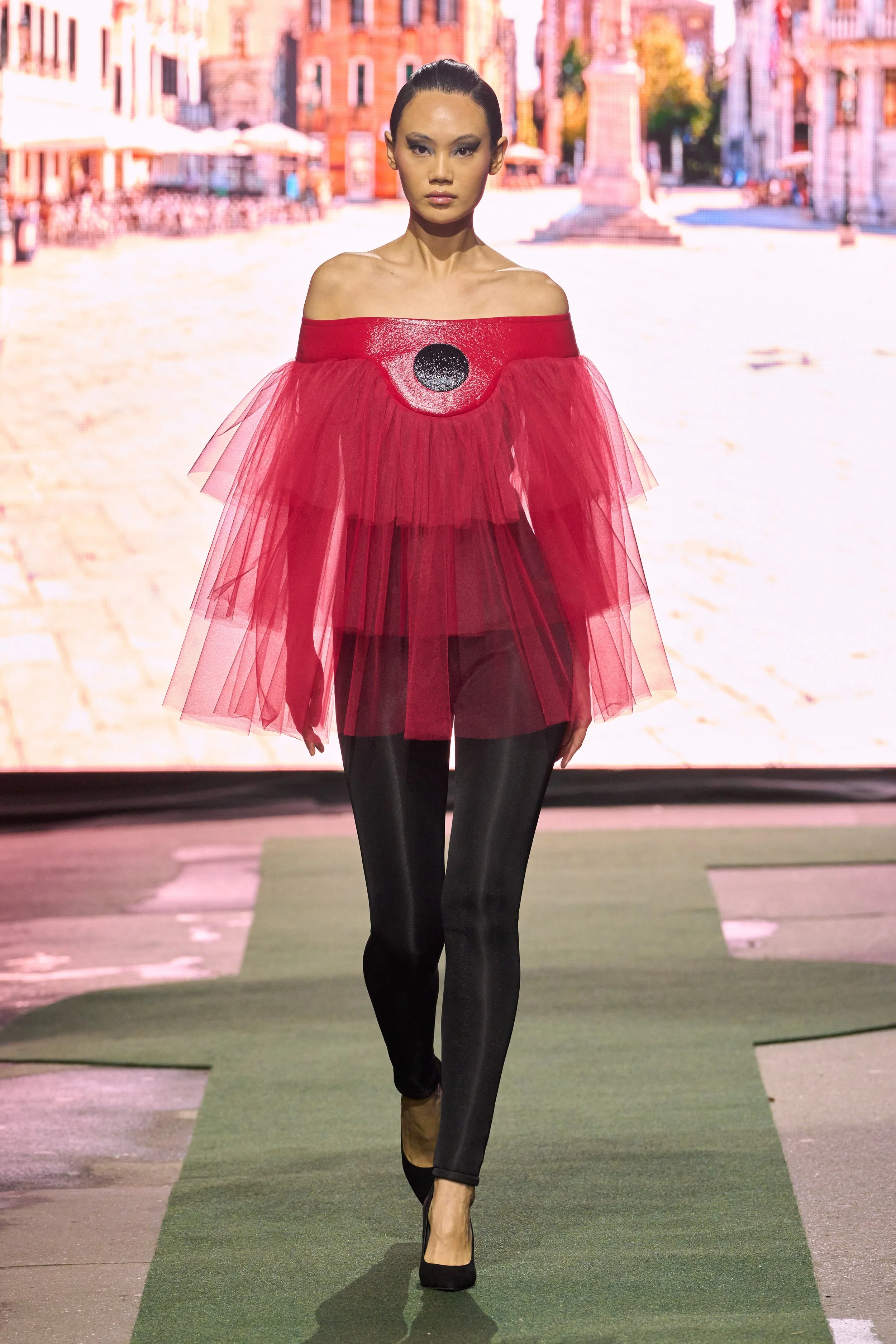
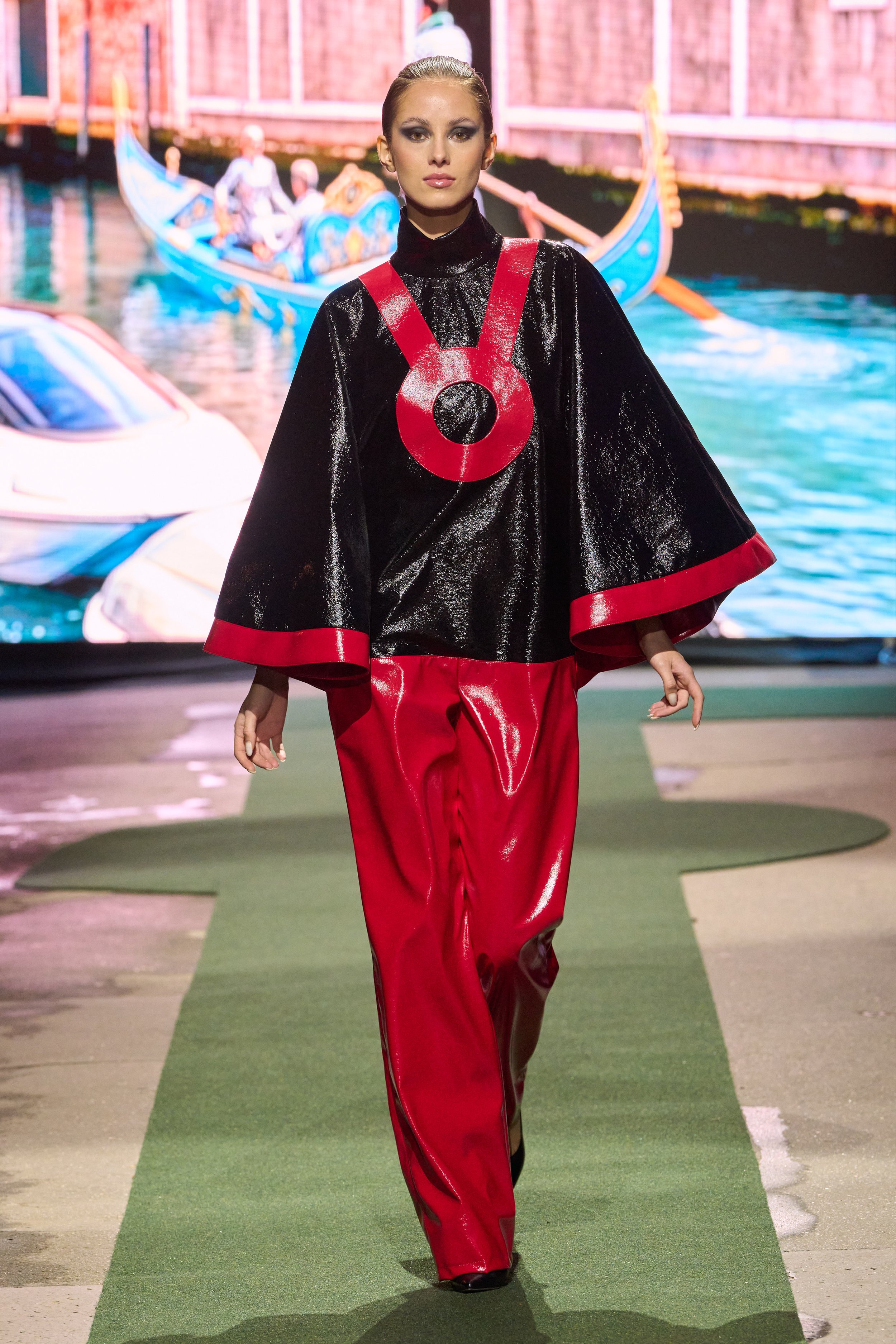
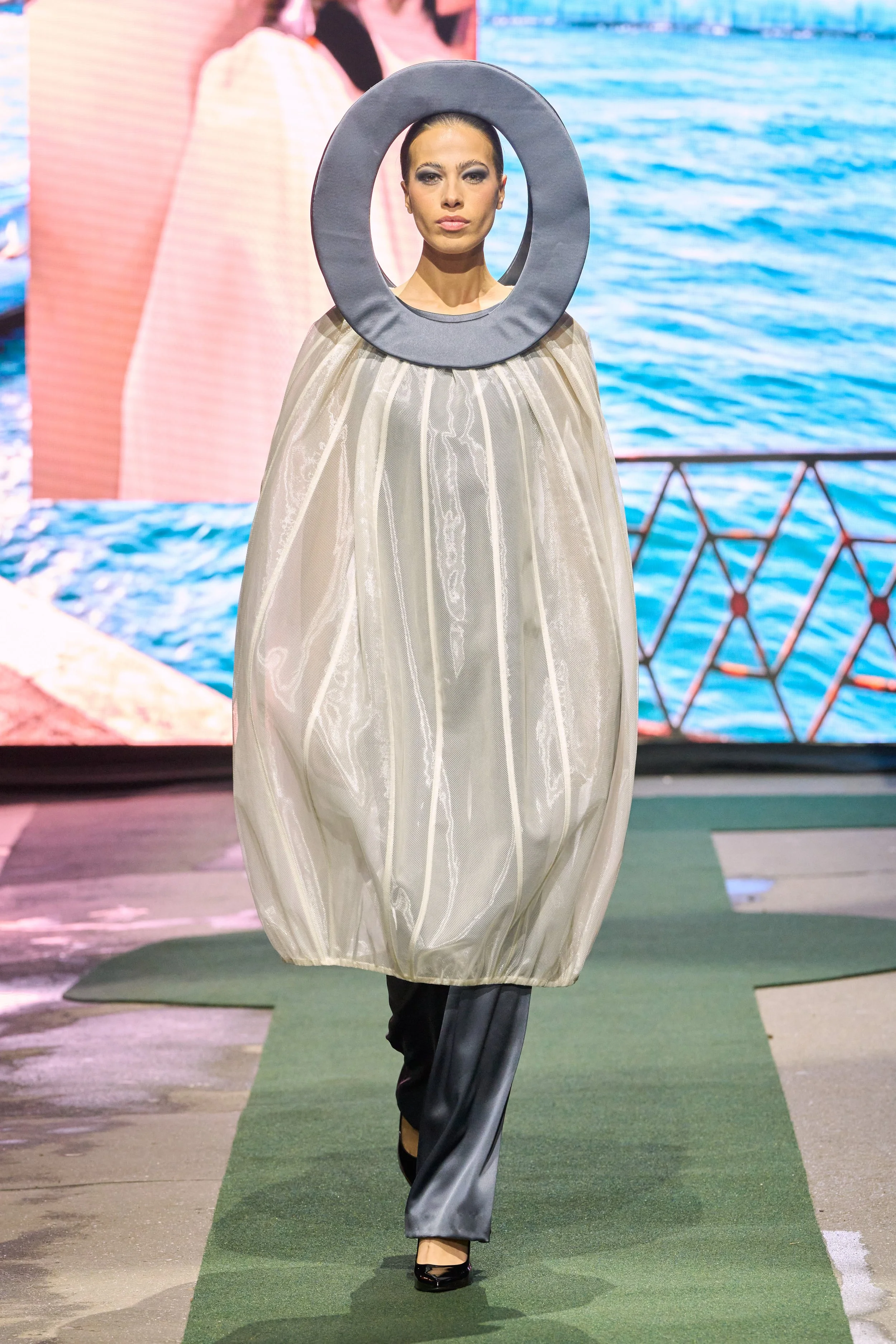
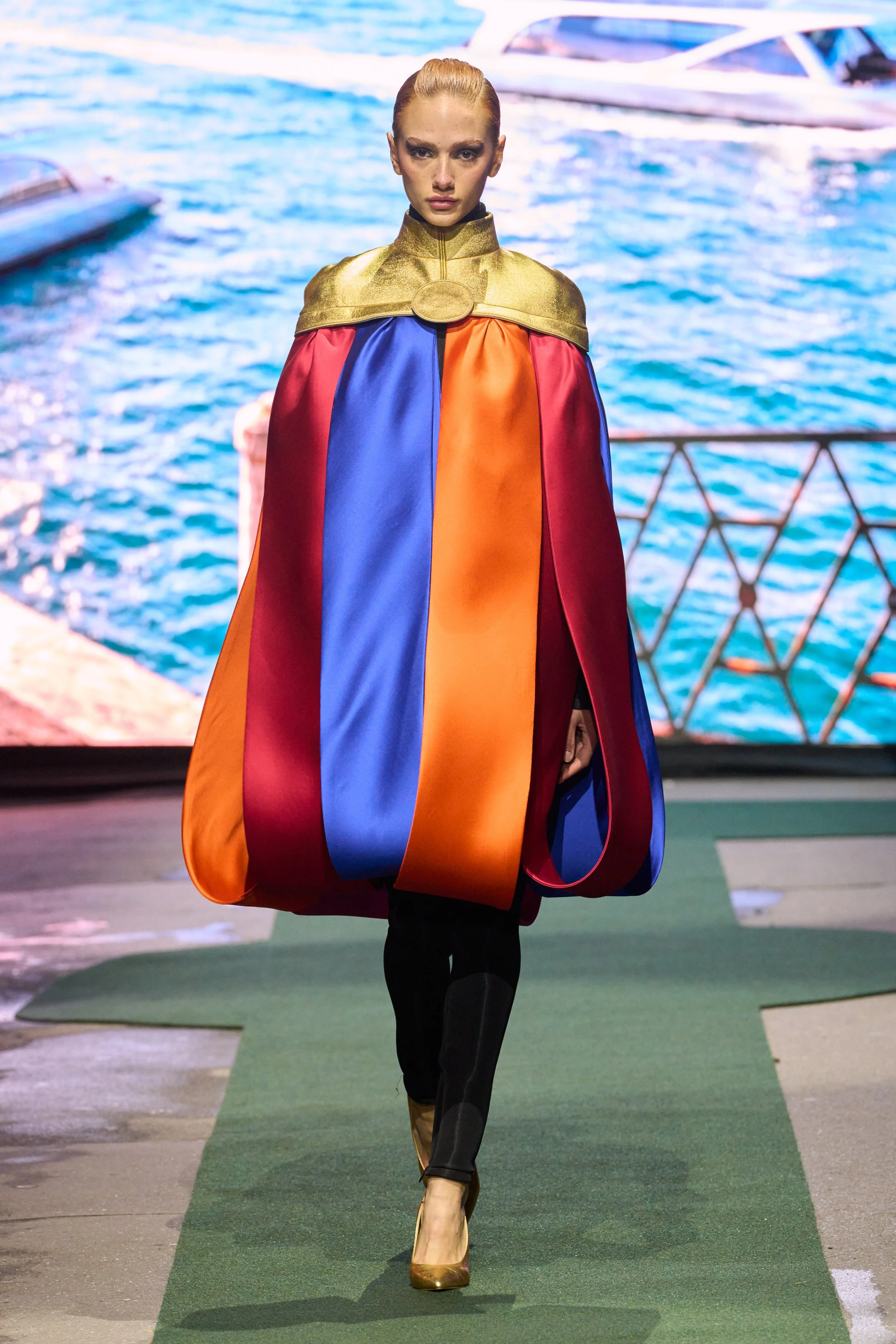
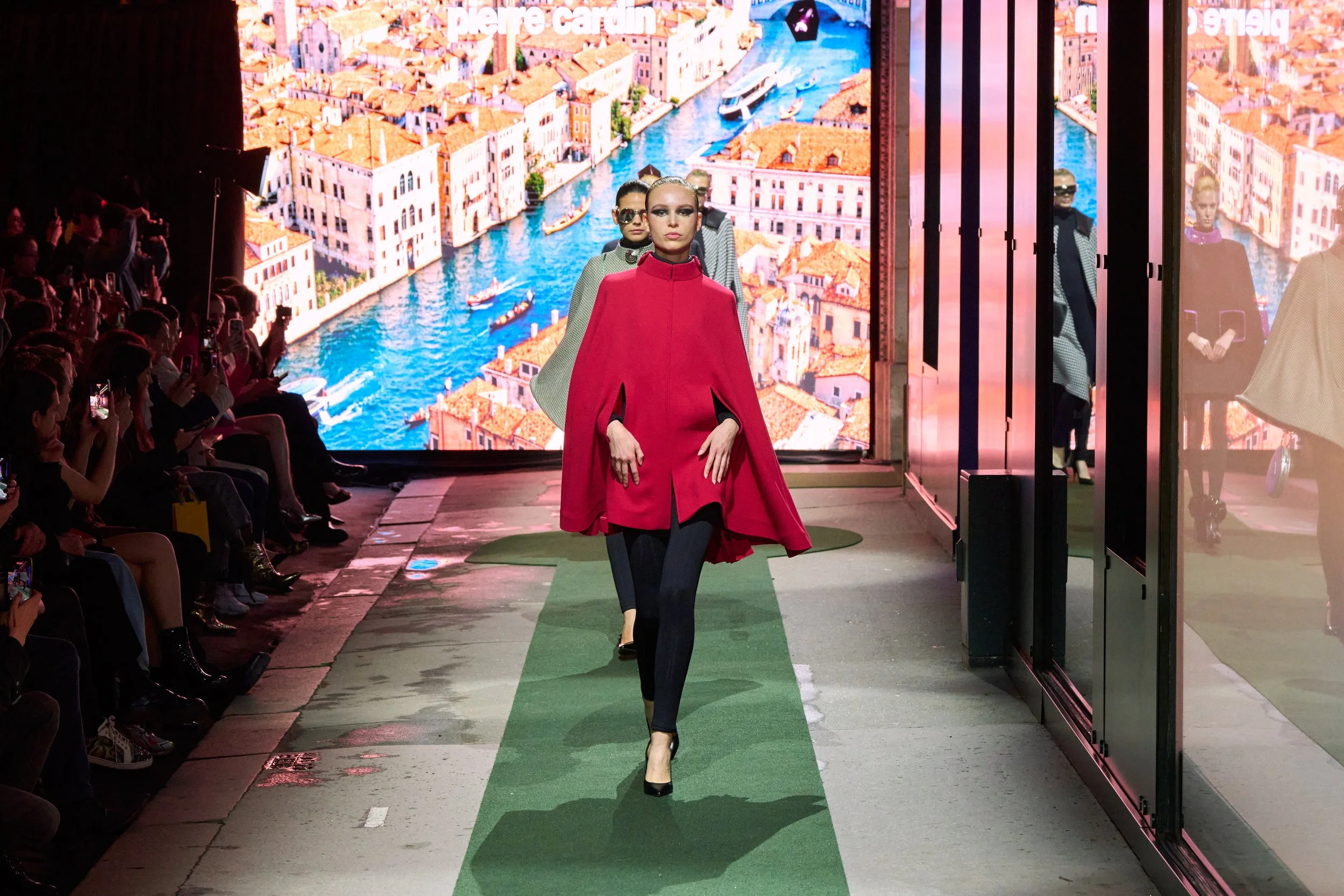
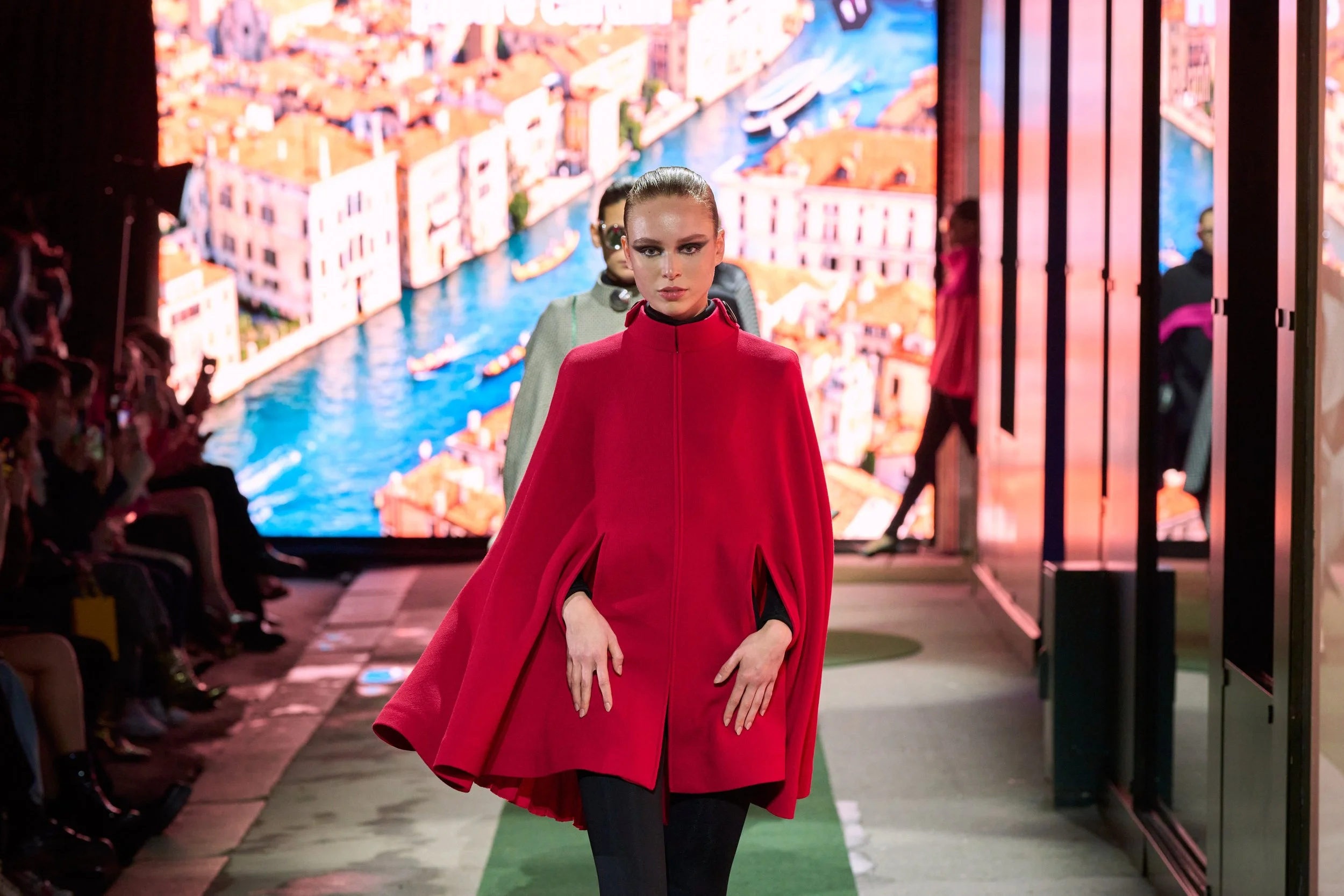
Few fashion houses are as conceptually aligned with forward-thinking transport as Pierre Cardin. Founded by Pierre Cardin in 1950, the label has long operated at the frontier of futurism, pioneering unisex dressing and ready-to-wear while embedding space-age aesthetics into its DNA decades before “innovation” became an industry mandate. Today, under the leadership of Rodrigo Basilicati-Cardin, the maison continues to explore the dialogue between form, function, and the future—making it a natural partner for a mobility brand redefining its next chapter.
The collaboration underscores a broader shift: corporate uniforms are no longer secondary considerations but strategic brand touchpoints. For LeShuttle, whose service already differentiates itself through speed and convenience—a 35-minute journey linking the UK and mainland Europe via the Channel Tunnel—the redesign offers an opportunity to align its human interface with its operational efficiency.

Deborah Merrens, Chief Commercial Officer at LeShuttle, frames the initiative as both symbolic and practical. More than 1,200 frontline employees will wear the new designs, developed through a collaborative process that incorporates staff input. The result, she suggests, will balance elegance with real-world functionality—ensuring that the uniform is as intuitive for the wearer as the service is for the traveler.
That balance is precisely where Pierre Cardin’s expertise in corporate wear becomes most relevant. The brand has long approached uniform design not as constraint but as canvas—creating garments that communicate authority, accessibility, and aspiration in equal measure. For Basilicati-Cardin, the LeShuttle project represents an opportunity to extend that philosophy into the realm of contemporary mobility, where clothing must perform across both physical and perceptual dimensions.
The timing is also notable. As global travel rebounds and competition intensifies, operators are increasingly investing in differentiated, design-led experiences. From airport lounges to high-speed rail cabins, the race is no longer just about moving people faster—it’s about making the journey feel considered. In this context, uniforms become part of a larger narrative architecture, reinforcing trust, cohesion, and brand identity at every touchpoint.

For LeShuttle, the partnership with Pierre Cardin is less about fashion as spectacle and more about fashion as system. It reflects a recognition that the future of travel will be defined not only by engineering and logistics, but by the subtle, human-facing details that shape perception.
As the 2027 rollout approaches, the question is not simply how the uniforms will look—but how they will function within a reimagined ecosystem of travel. If executed with the precision both partners suggest, LeShuttle’s new visual language may well set a precedent for how transport brands think about design in motion.