Luxury has long been defined by the quality of its materials, the precision of its craftsmanship and the longevity of its design. For HARPER Collective, the next evolution of luxury begins with a different question: What if the materials discarded by society could become the objects people aspire to own?
Founded by Jaden Smith and Sebastian Manes, the British luggage brand is building its identity around material reclamation, transforming discarded fishing nets and post-consumer plastic into thoughtfully designed travel essentials. Its philosophy, “Take Trash and turn into DESIGN,” positions sustainability as a starting point for product development rather than an afterthought.
The environmental stakes are significant. Abandoned fishing gear contributes to plastic pollution in marine environments, while conventional consumer goods continue to rely heavily on newly produced materials. HARPER Collective addresses both issues through its use of recovered resources, demonstrating how waste streams can become viable inputs for luxury manufacturing. The objective is not simply to recycle plastic, but to give existing materials a second life through products designed for continued use.
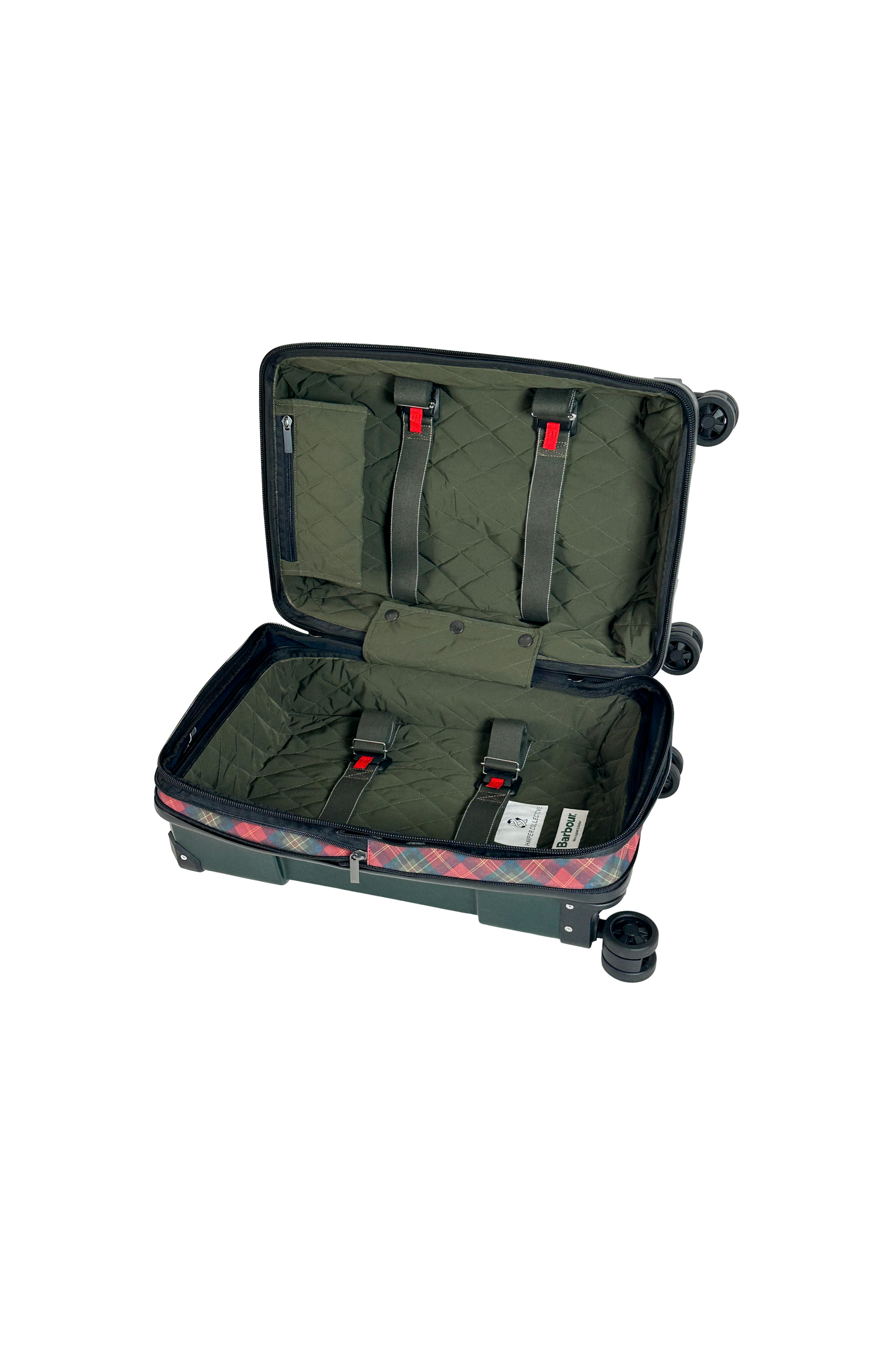
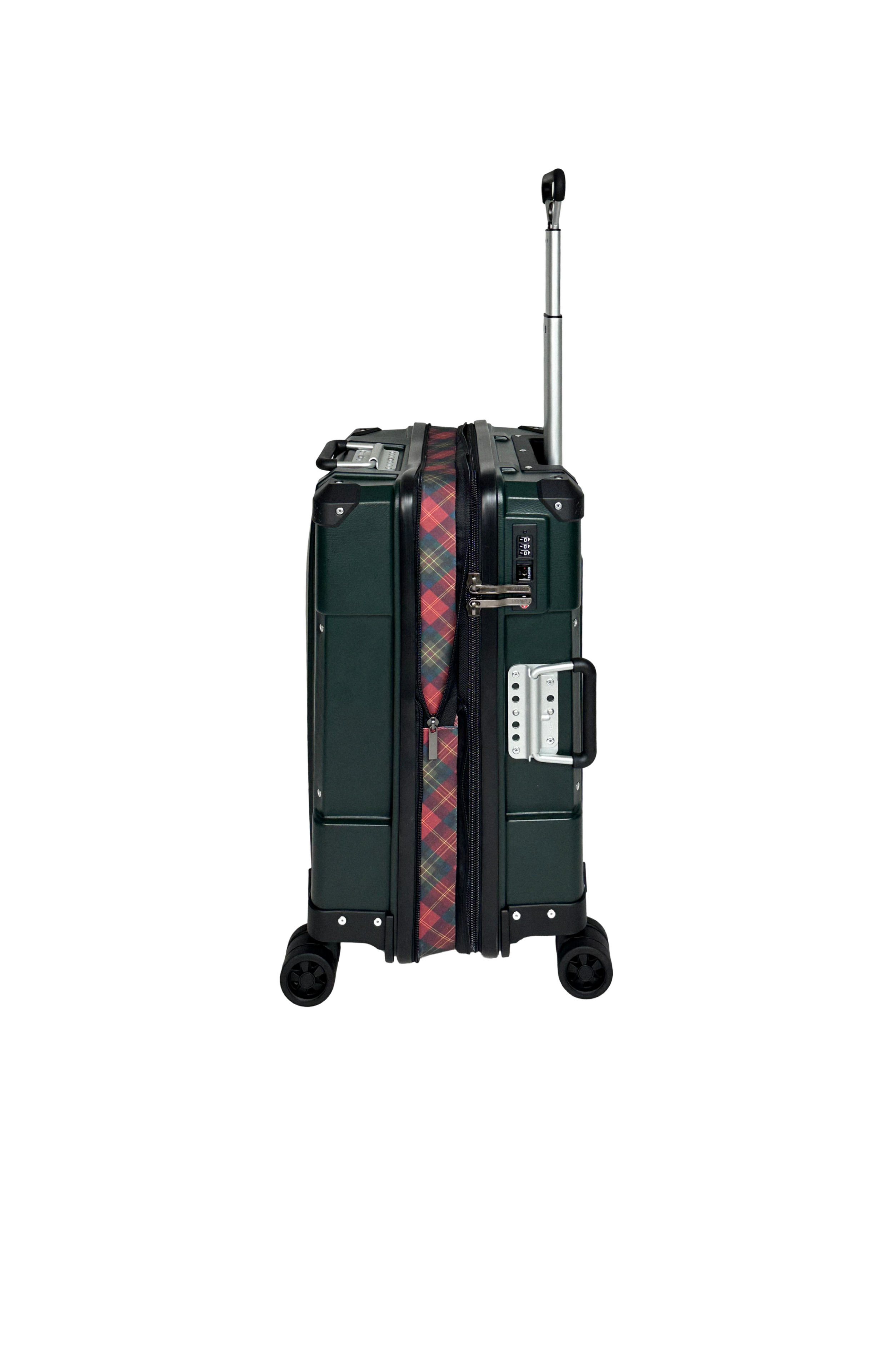
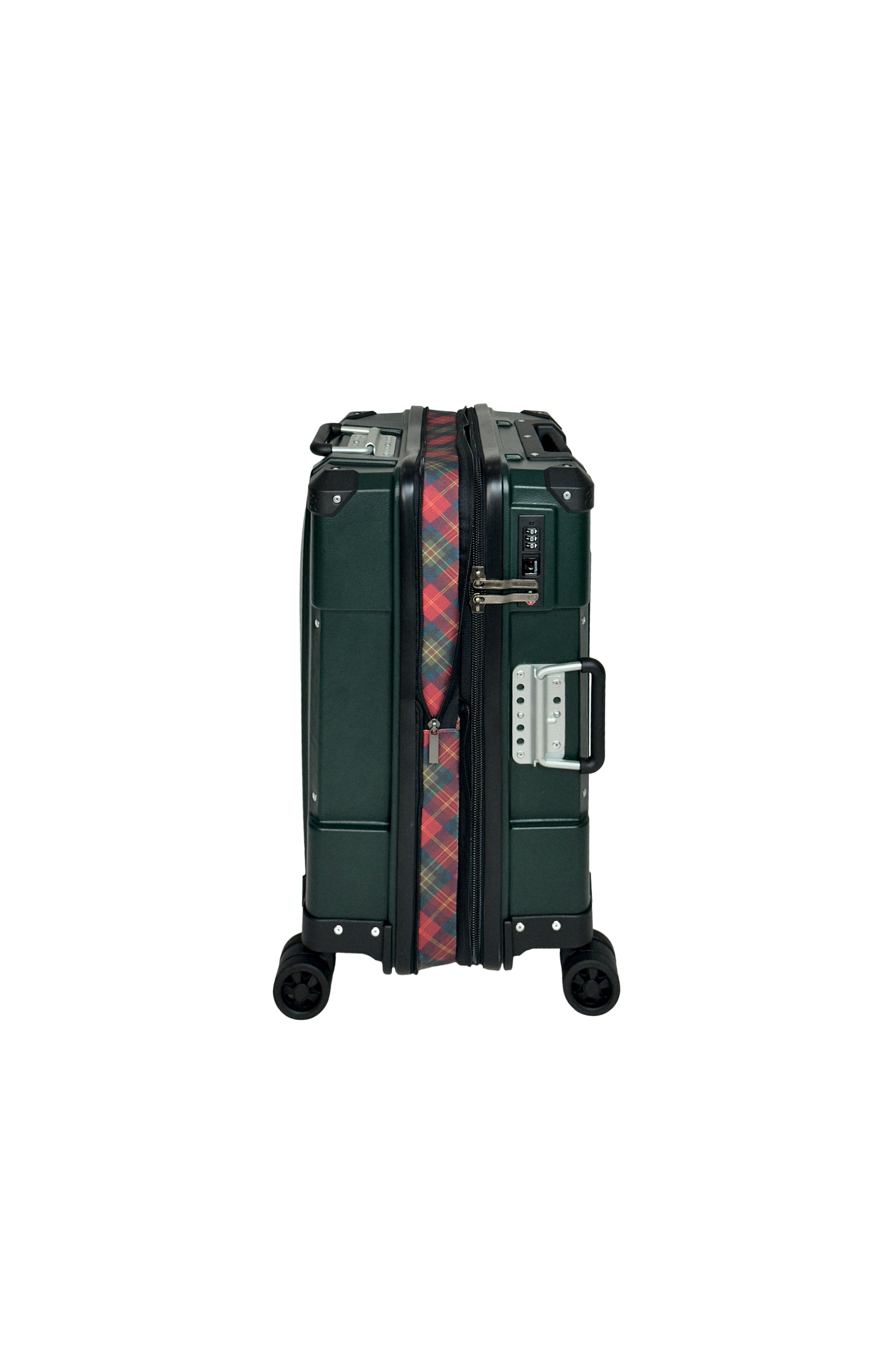
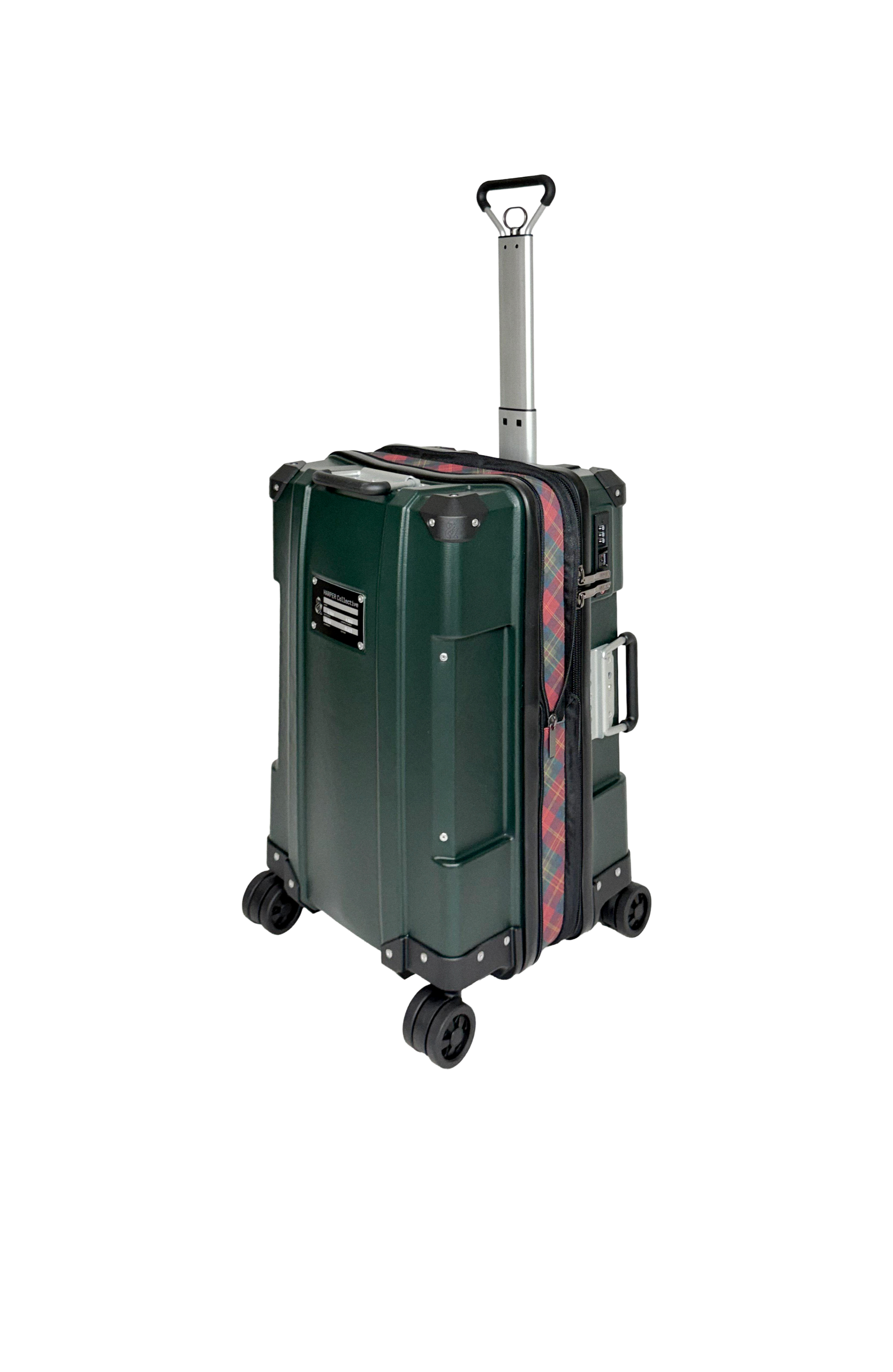
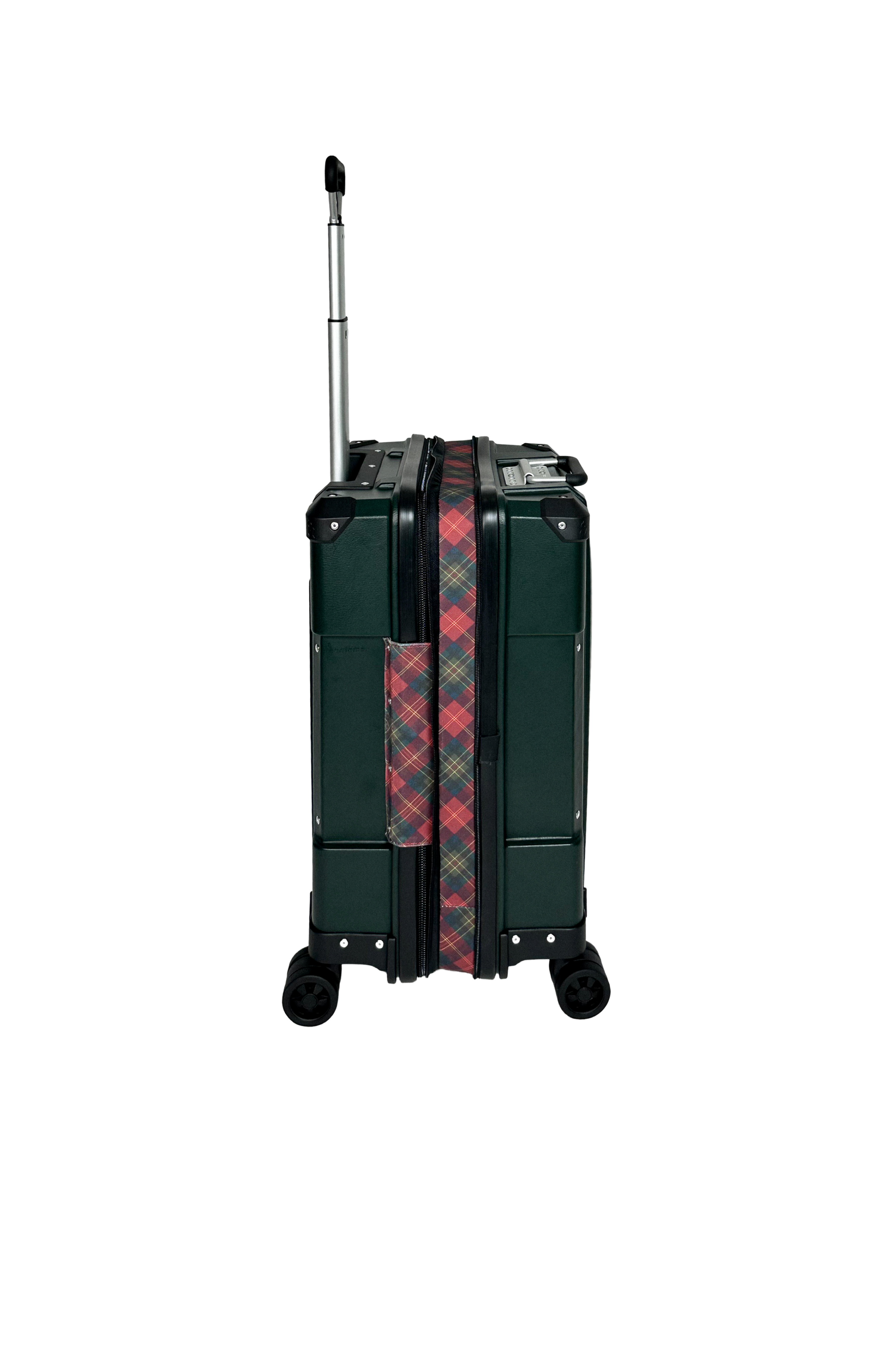
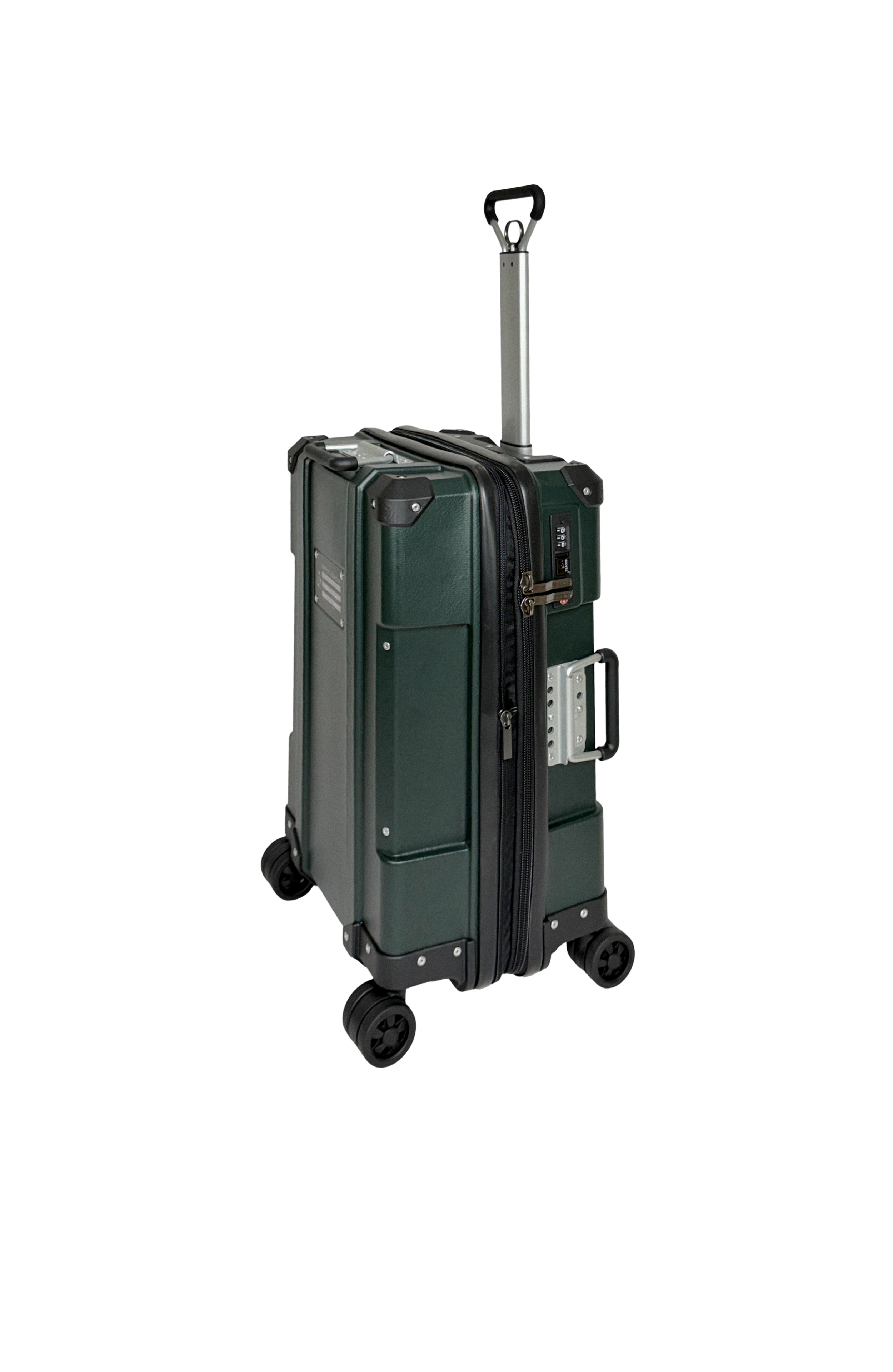
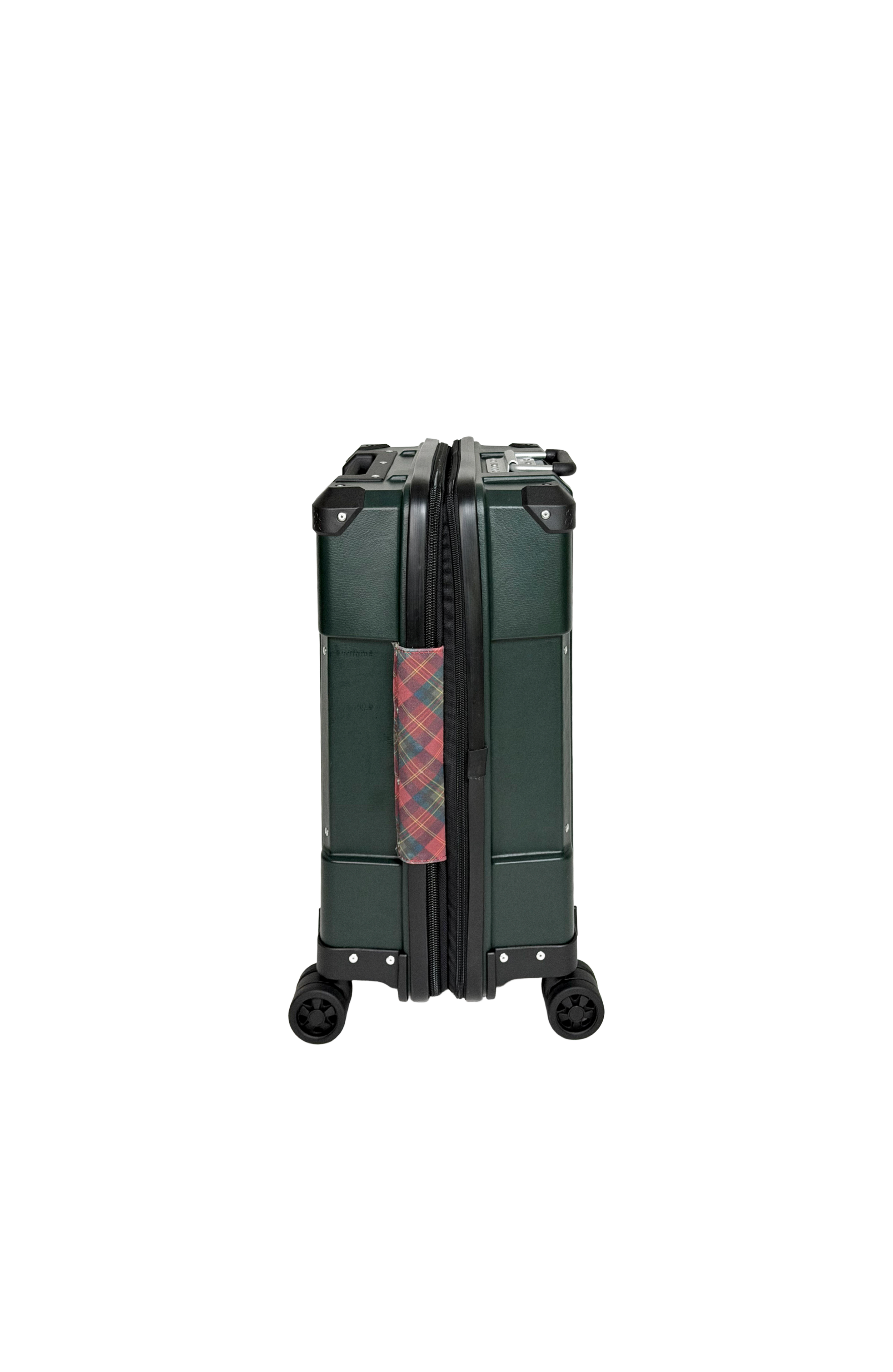
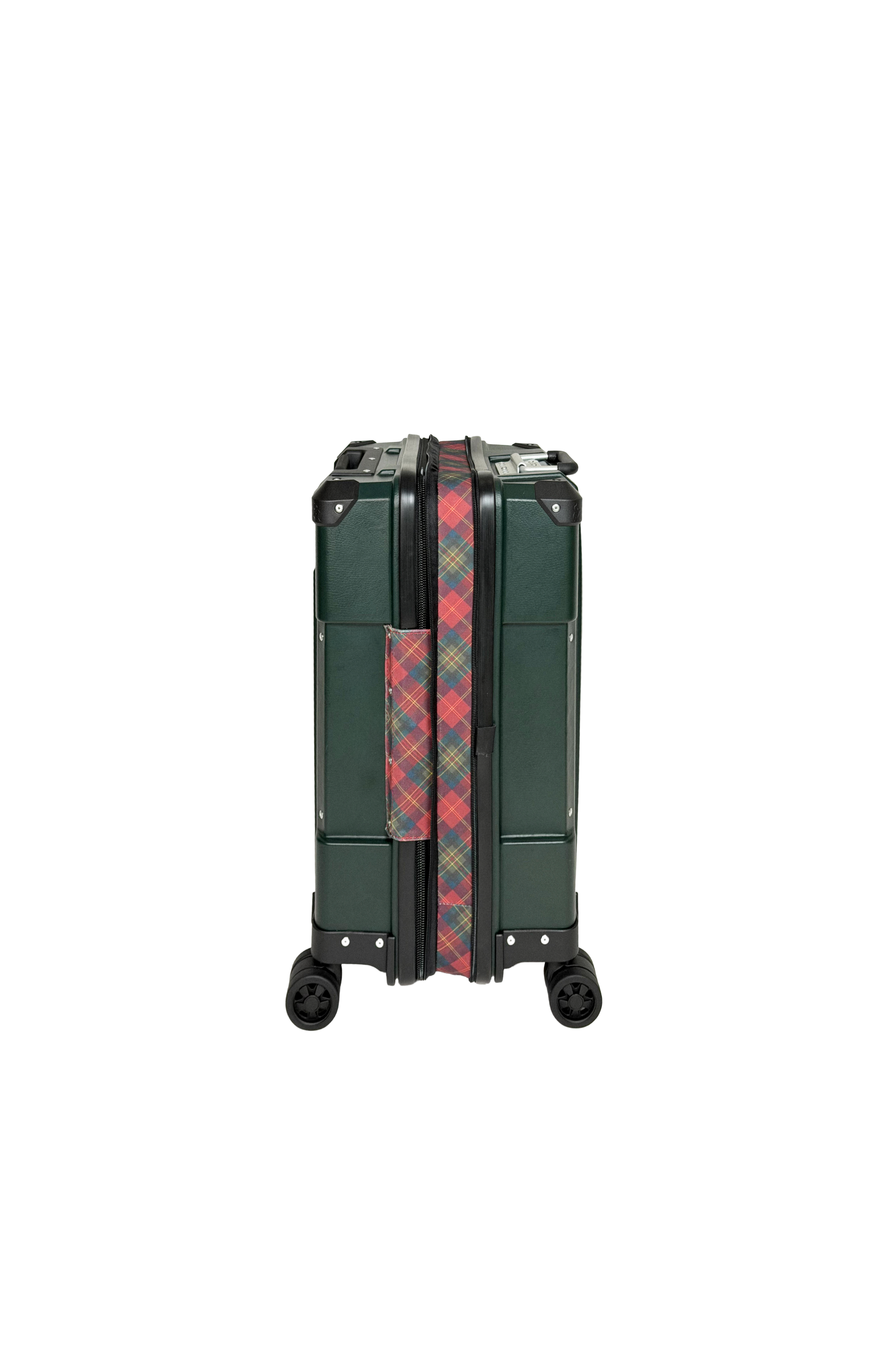
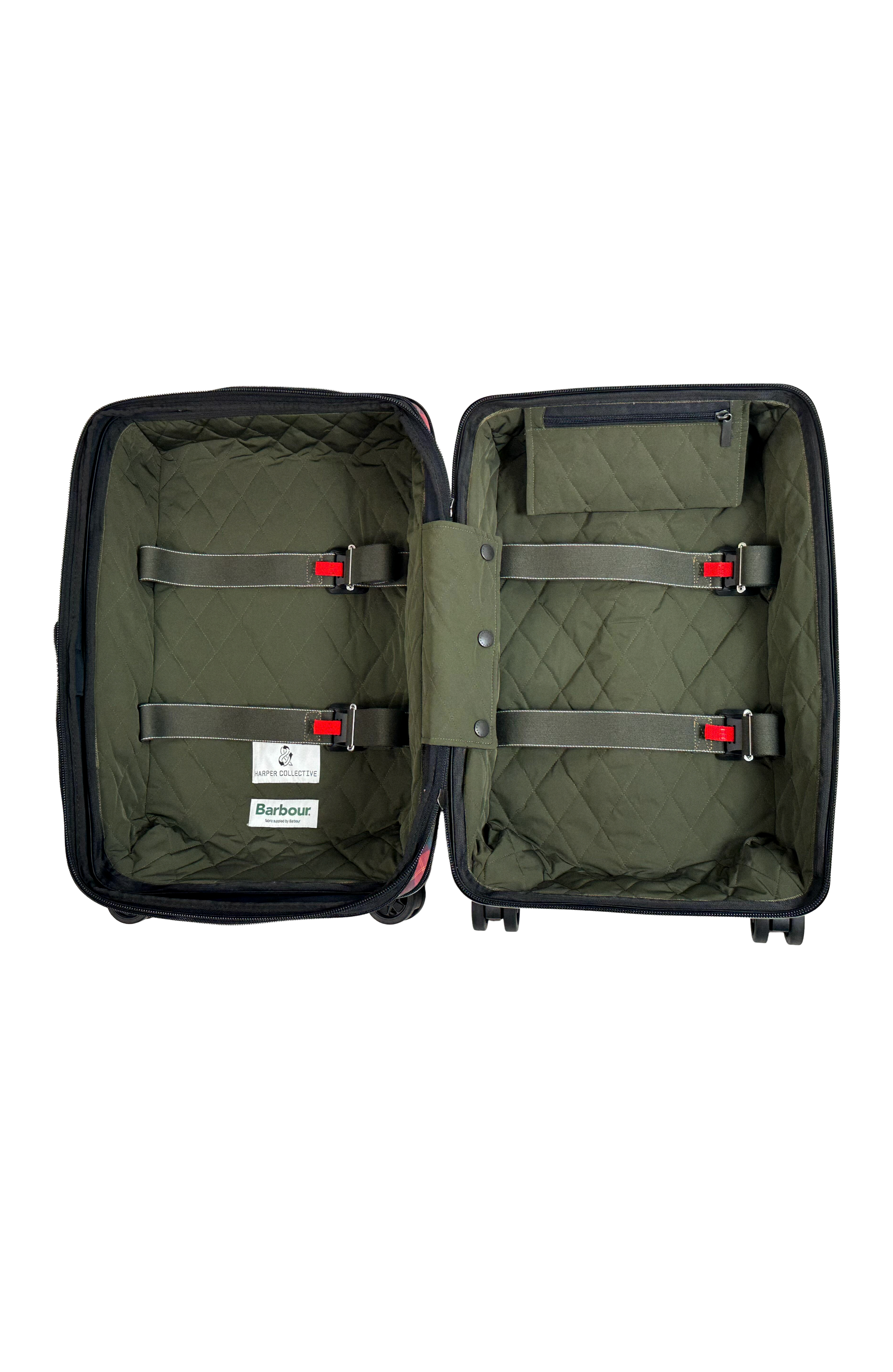
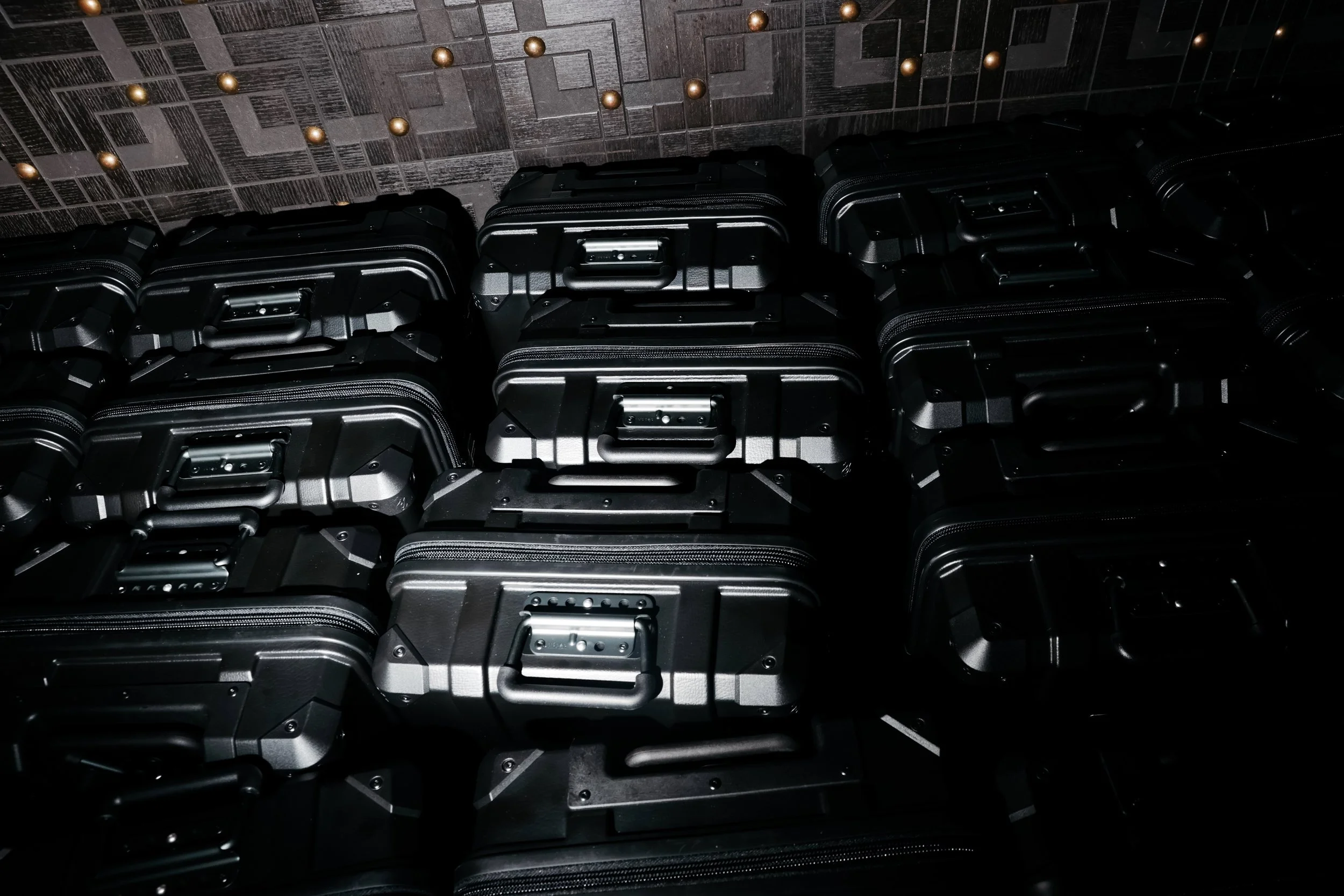
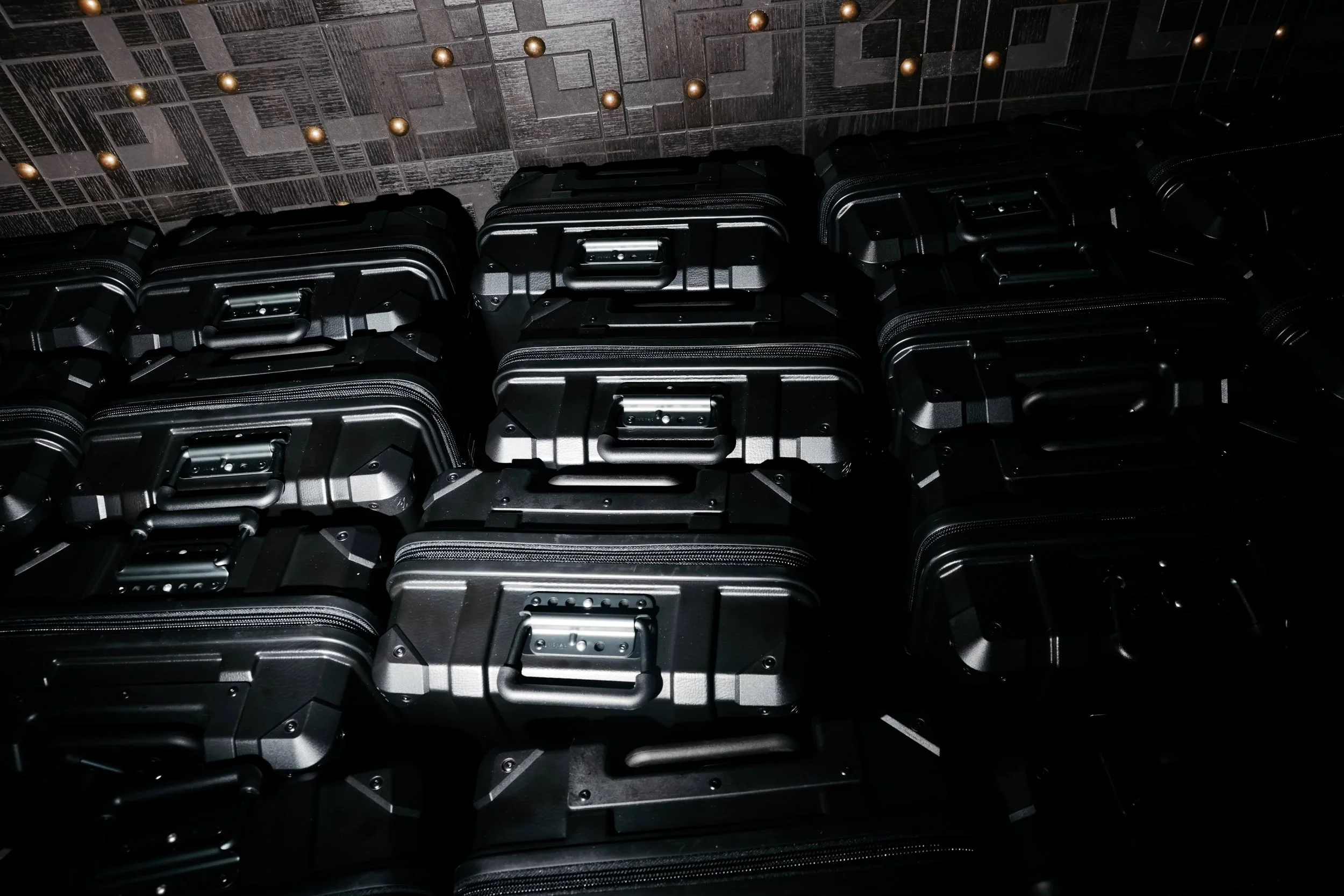
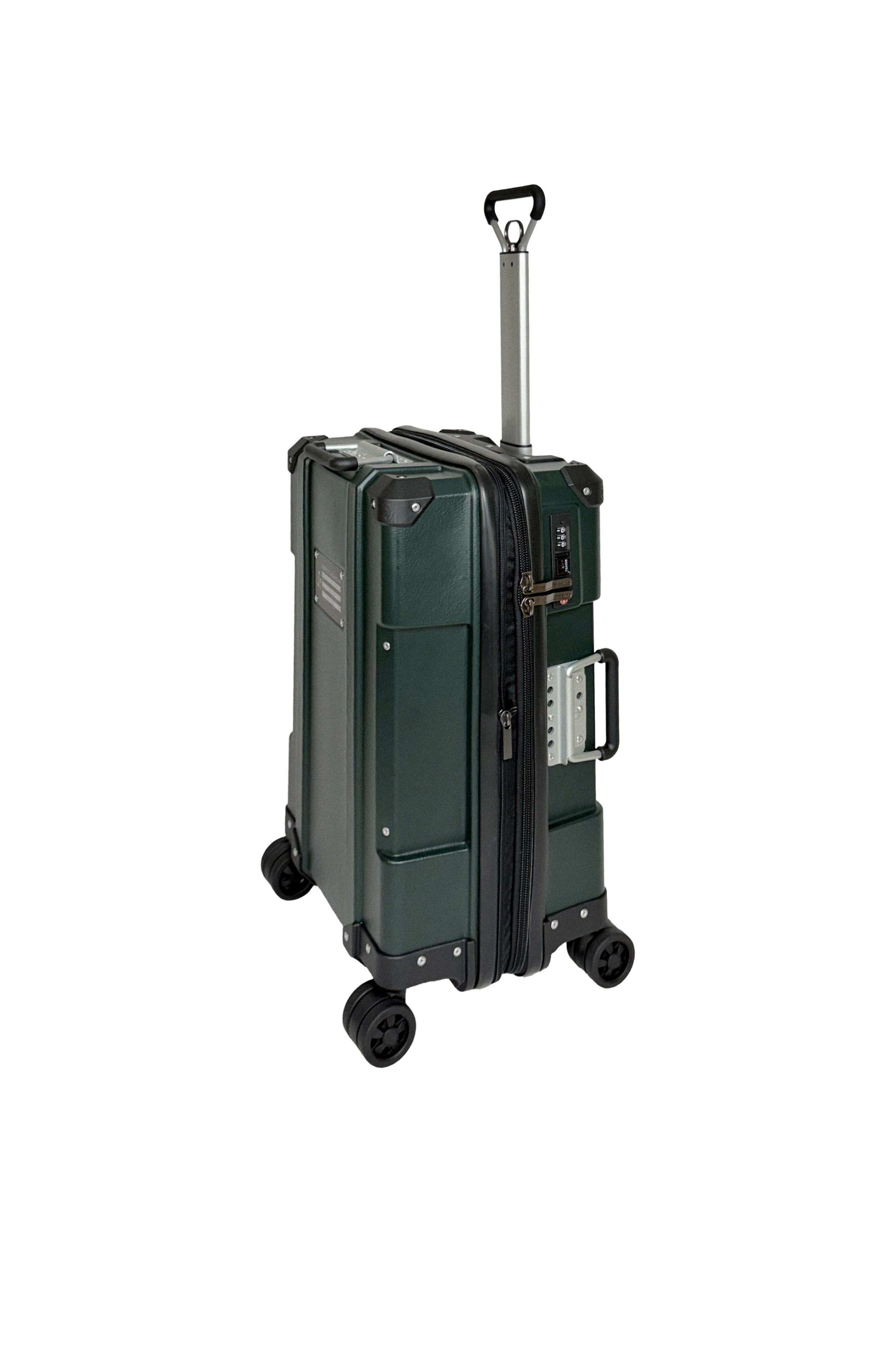
The brand's 2026 collections expand that proposition across three categories: GHOST, LIFT and DRIFT. GHOST, its hard-shell luggage collection, incorporates fishing nets and landfill plastic, bringing a more considered material story to an object built for repeated journeys. Available in five sizes and five colors, the range includes a new Oyster Shell Grey finish. Inside, quilted Barbour lining adds a heritage dimension, while its removable, dry-cleanable construction supports practical maintenance.
LIFT extends the same material philosophy into handbags and small leather goods. The collection combines fishing nets and landfill plastic with upcycled aircraft seat belts and mushroom leather, exploring alternatives to conventional material sourcing. Tote bags, shoppers and satchels sit alongside accessories such as passport wallets, luggage tags and keyrings. The approach is particularly relevant to luxury accessories, where material innovation and skilled finishing must coexist with everyday functionality.
That balance also depends on craftsmanship. HARPER Collective works with artisans in the United Kingdom and Italy, bringing specialist manufacturing knowledge to materials that require careful development and handling. Its existing luggage offering emphasizes hand-finished construction and repair-minded longevity, challenging the disposable logic that often surrounds consumer travel products.
The brand's wider ambitions extend beyond luggage. Its DRIFT collection, developed for World Oceans Day in collaboration with SAILTOSHELTER.ORG, introduces four limited-edition accessories made by artisans in Los Angeles. The partnership connects product design with ocean-focused engagement, using collaboration to broaden the conversation around marine waste and responsible consumption.
There is, however, a distinction between using recycled materials and eliminating environmental impact altogether. Reclaimed plastics still require processing, and the sustainability of any product depends on its material composition, manufacturing, durability and eventual end of life. HARPER Collective's opportunity lies in making those considerations part of luxury's value proposition: creating desirable objects that encourage consumers to consider not only what they purchase, but what those products are made from.
At price points ranging from $895 to $1,195 for GHOST luggage and $950 to $1,490 for LIFT handbags, the brand occupies a premium market where durability, design and material innovation must justify the investment. Its proposition is straightforward: sustainability and desirability need not exist in separate conversations.
As HARPER Collective develops its 2026 offerings, its most compelling contribution may be the reframing of waste as a design resource. By pairing reclaimed materials with traditional craftsmanship, the brand suggests that the future of luxury travel will be measured not only by where consumers go, but by the choices they make along the way.
One-sentence summary: HARPER Collective is redefining sustainable luxury travel through its 2026 collections, transforming discarded fishing nets, post-consumer plastics, upcycled aircraft seat belts and mushroom leather into thoughtfully crafted luggage and accessories that unite material innovation, craftsmanship and lasting design.