How The RBC Brooklyn Half Became New York’s Defining Summer Race
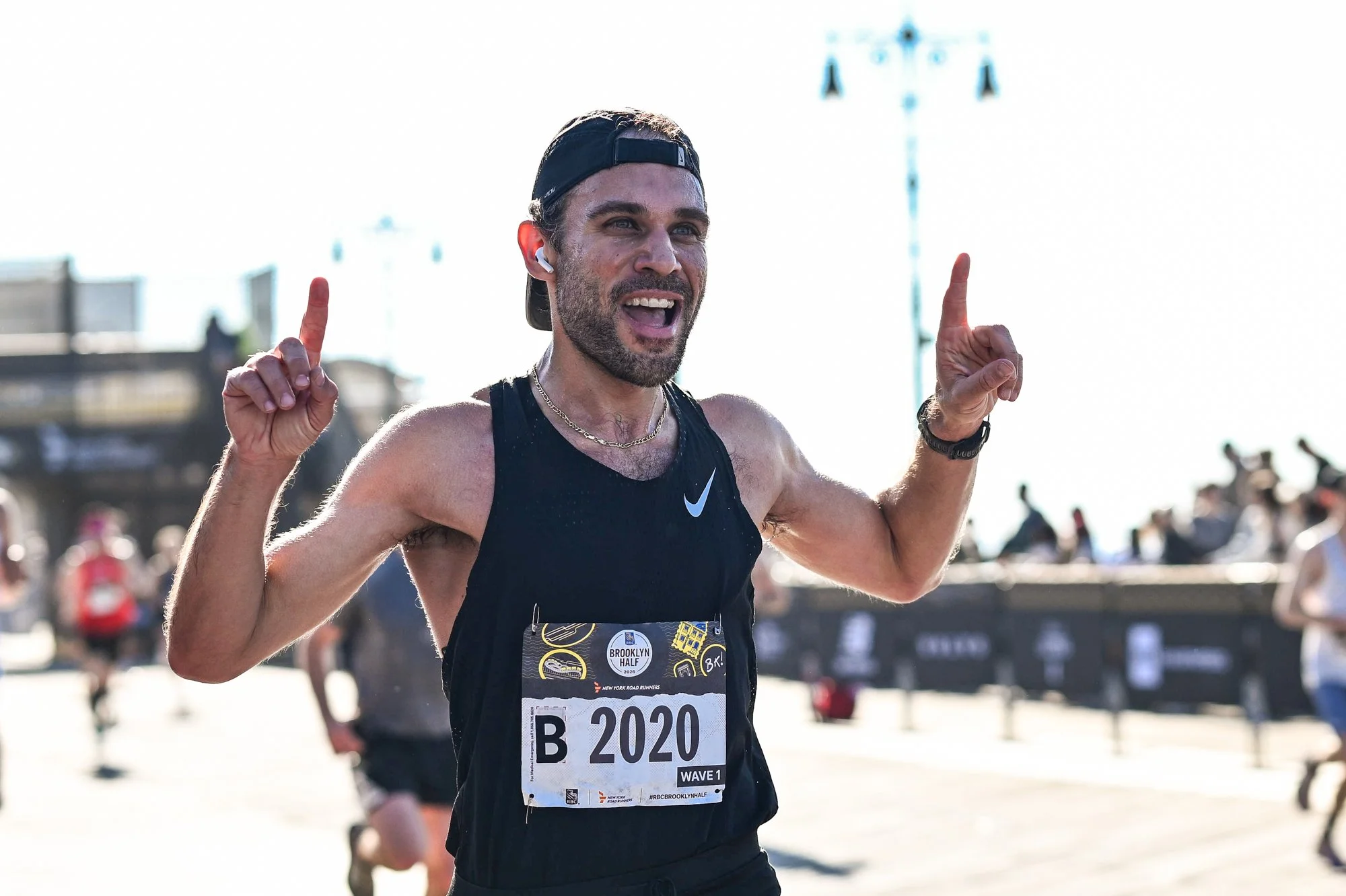
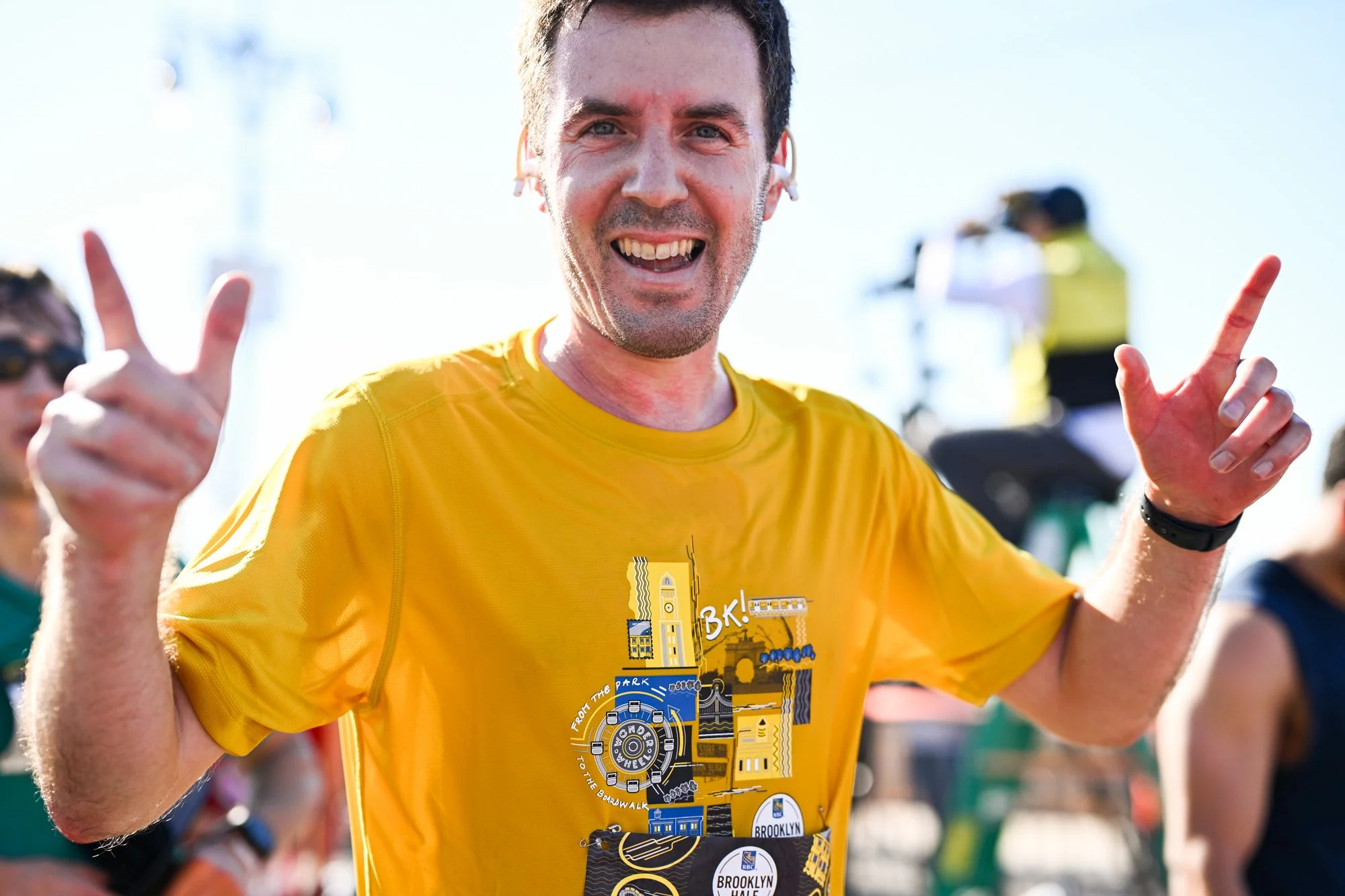
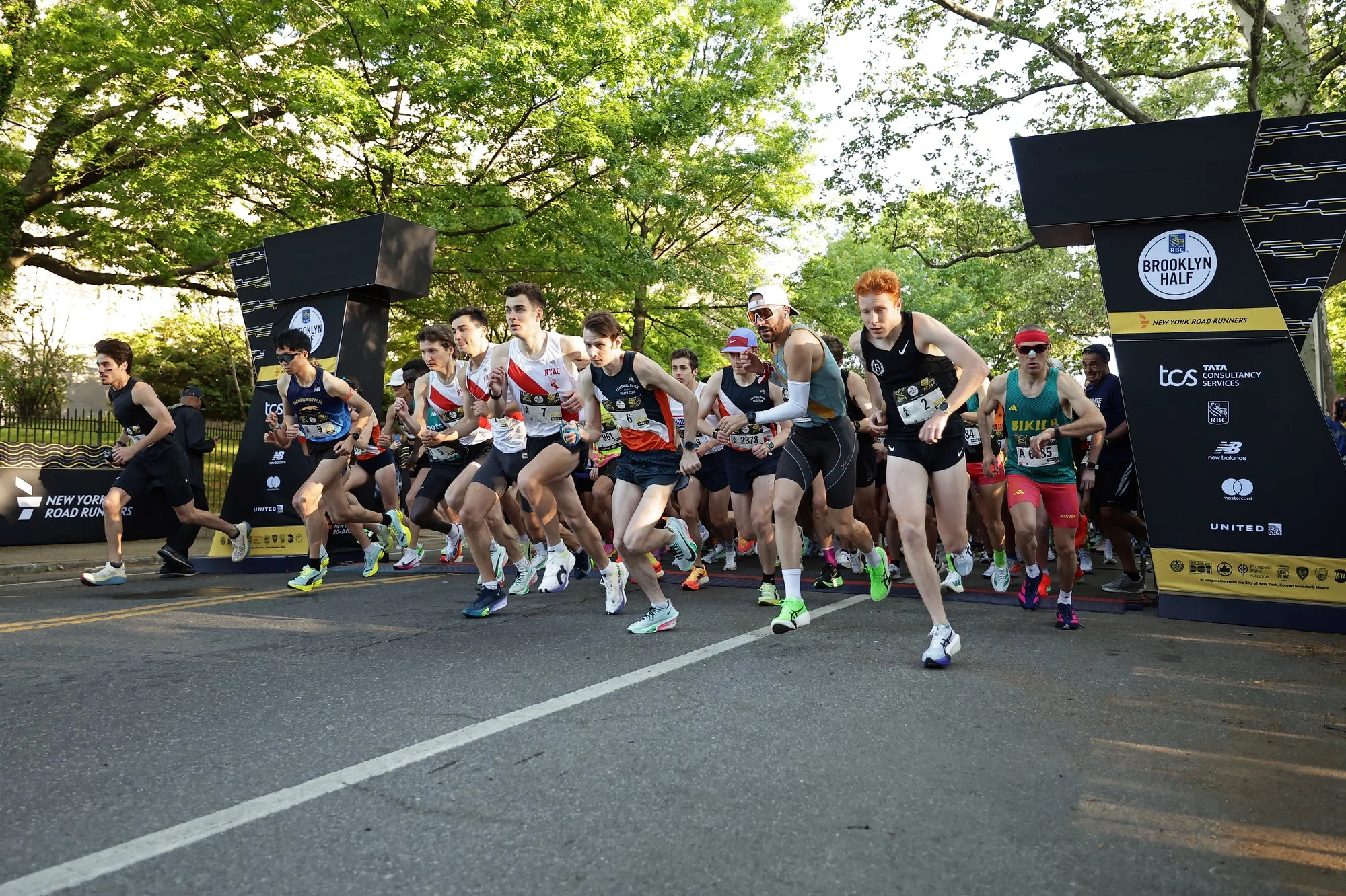
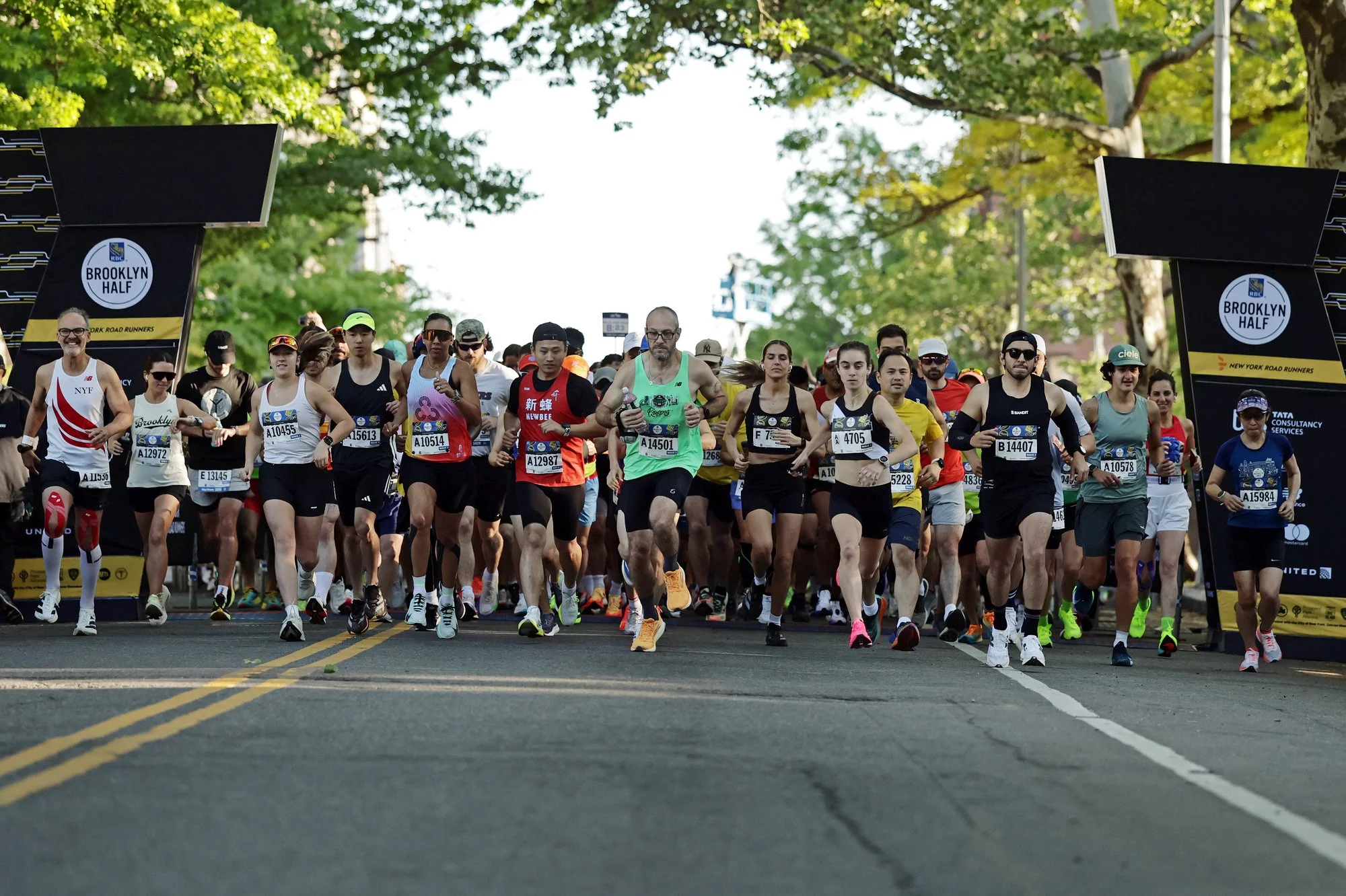
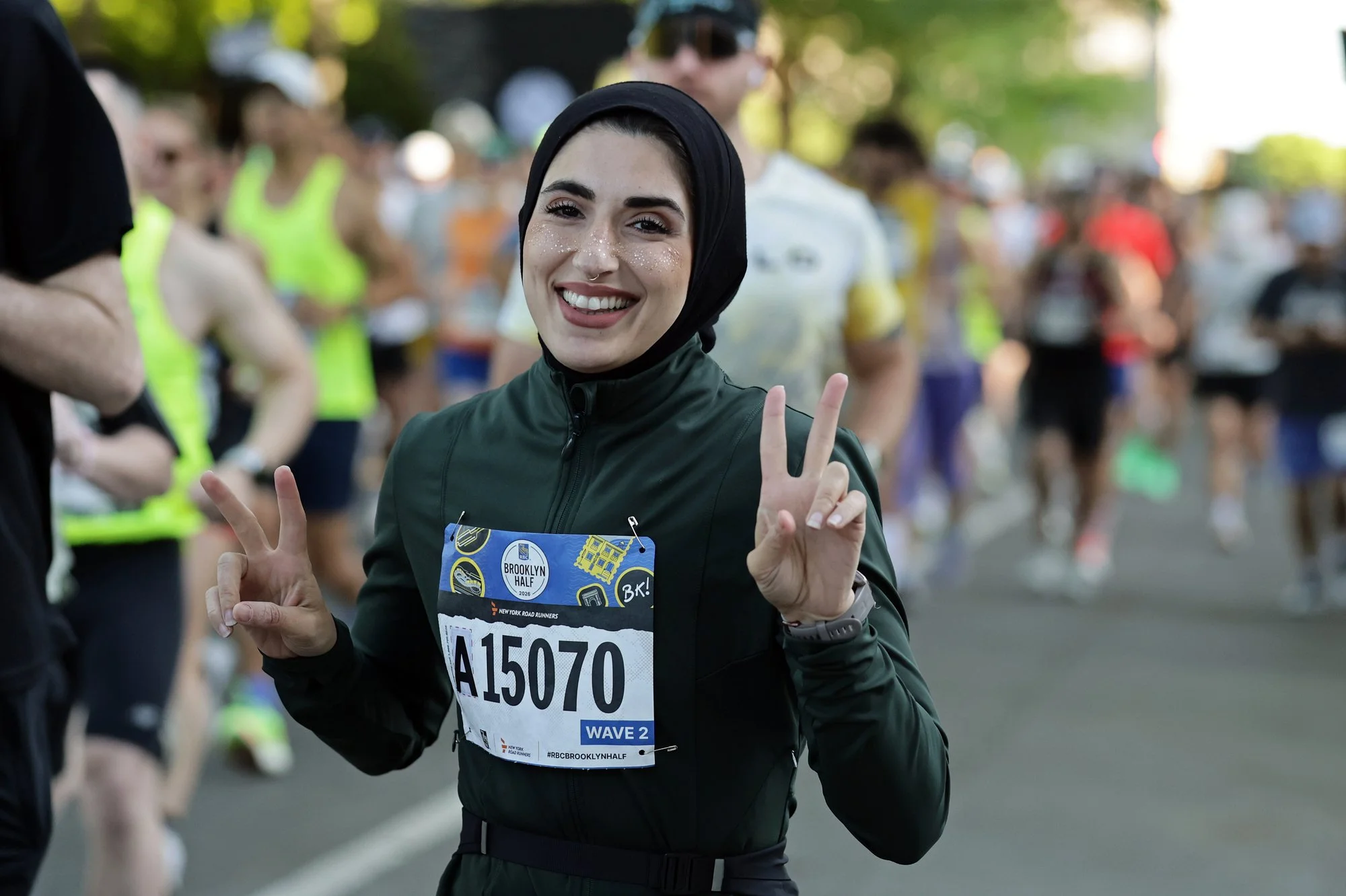
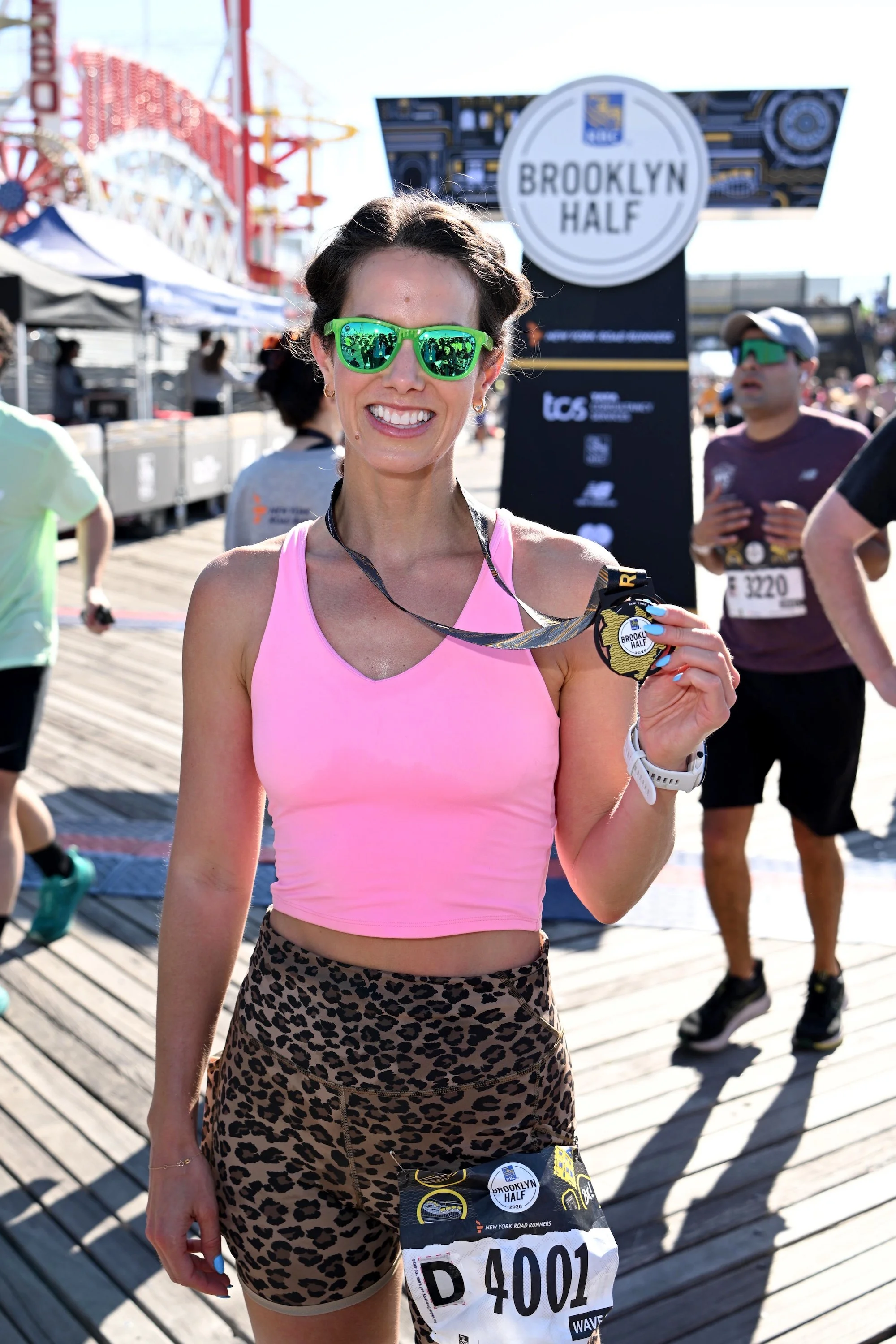
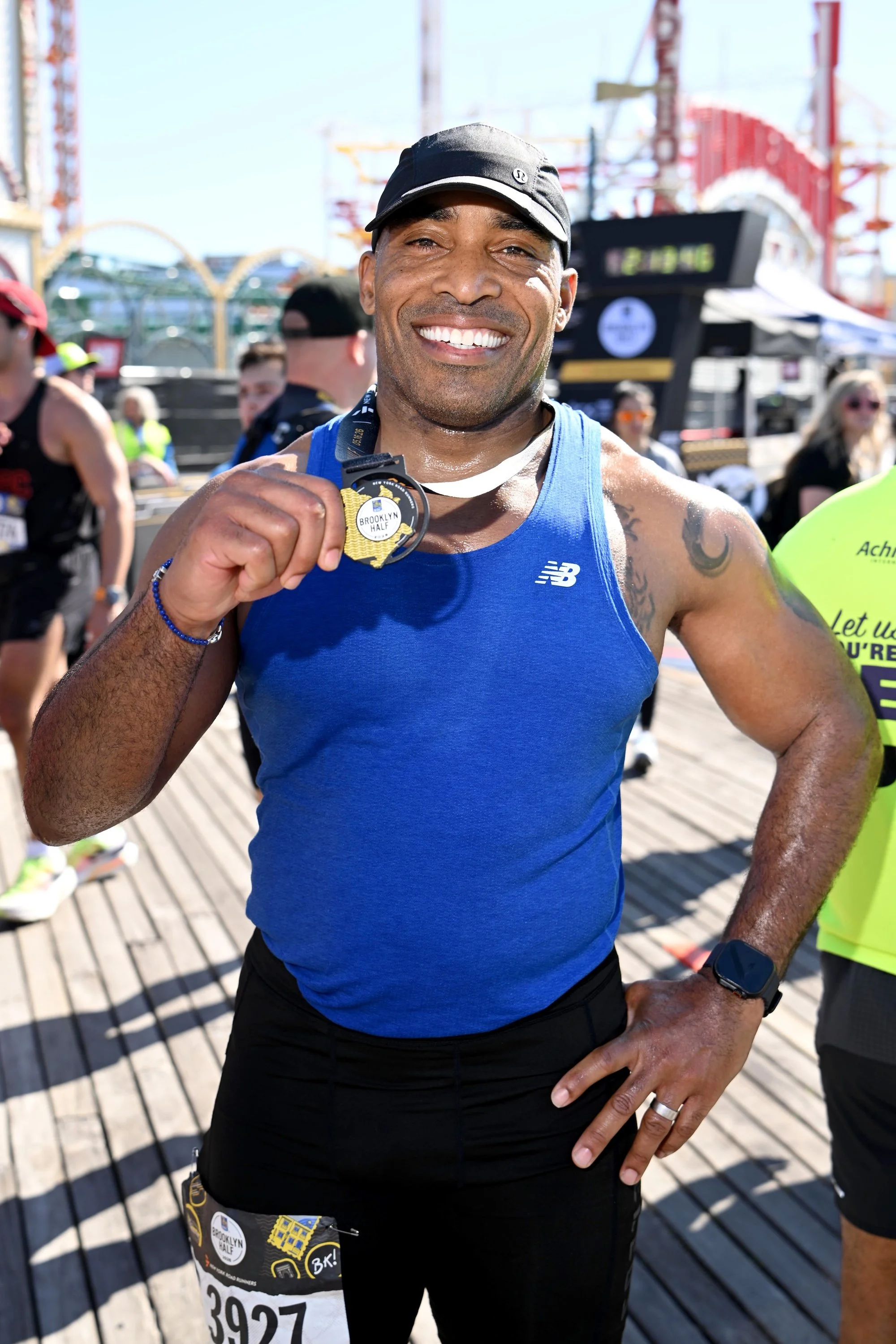
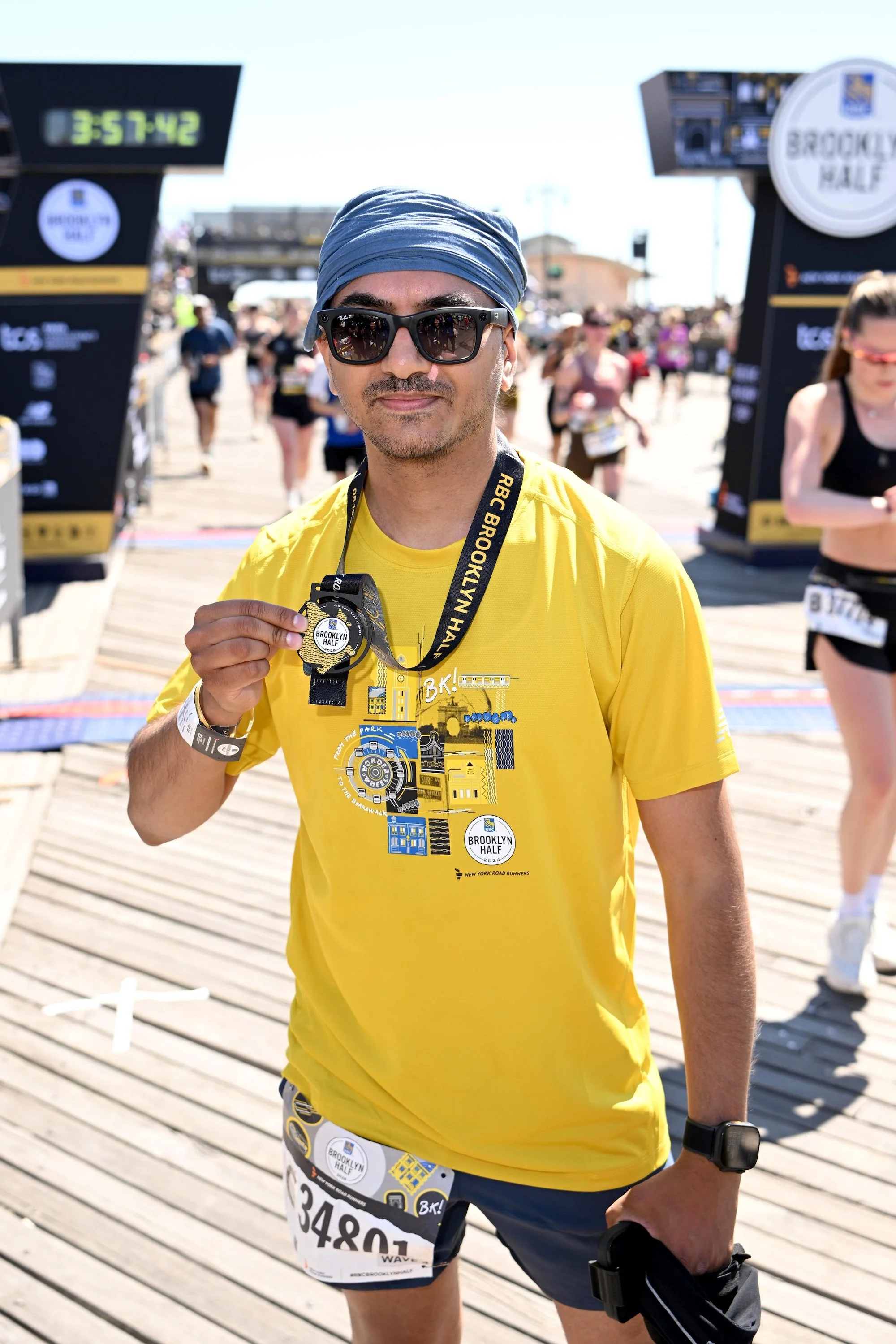
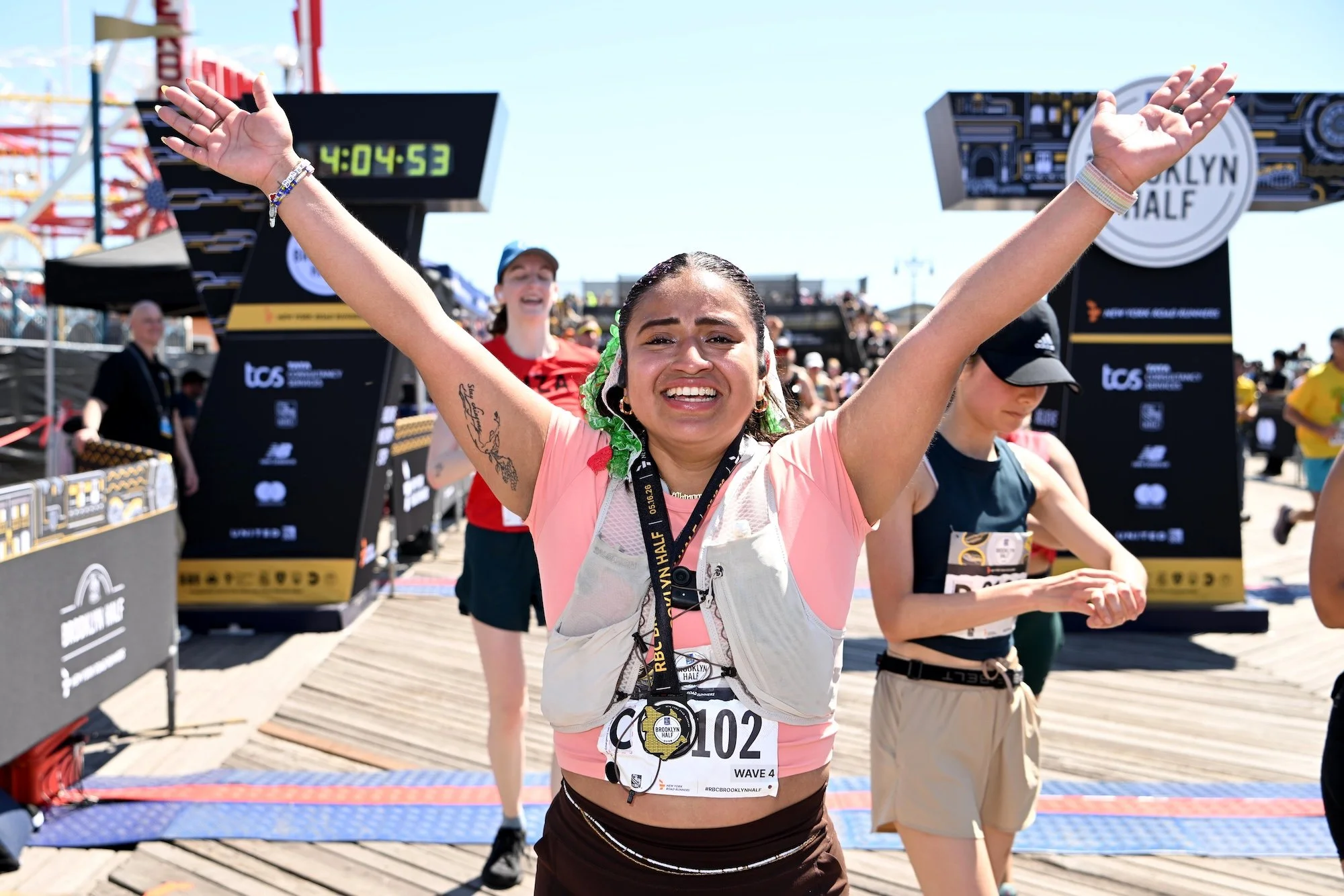
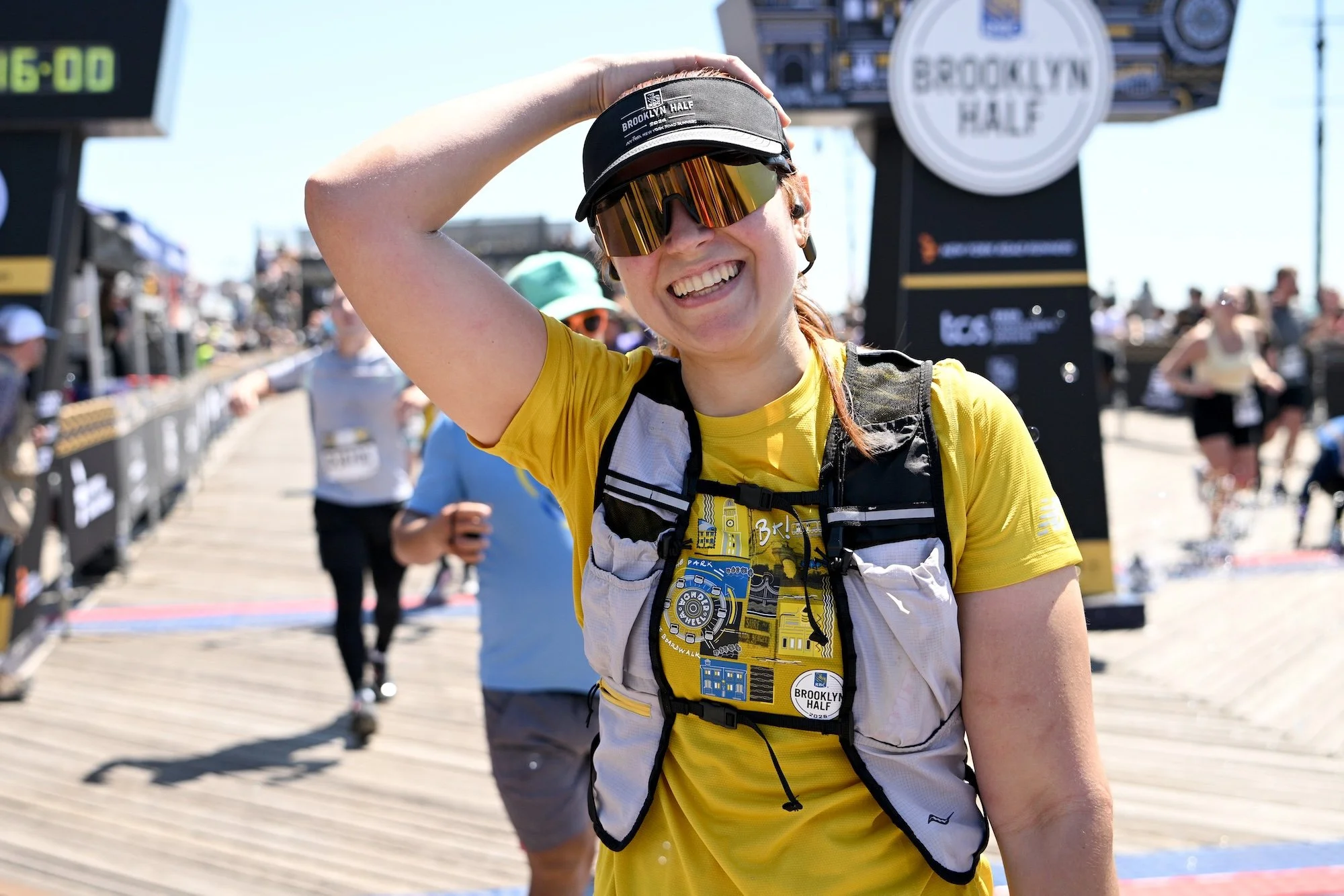
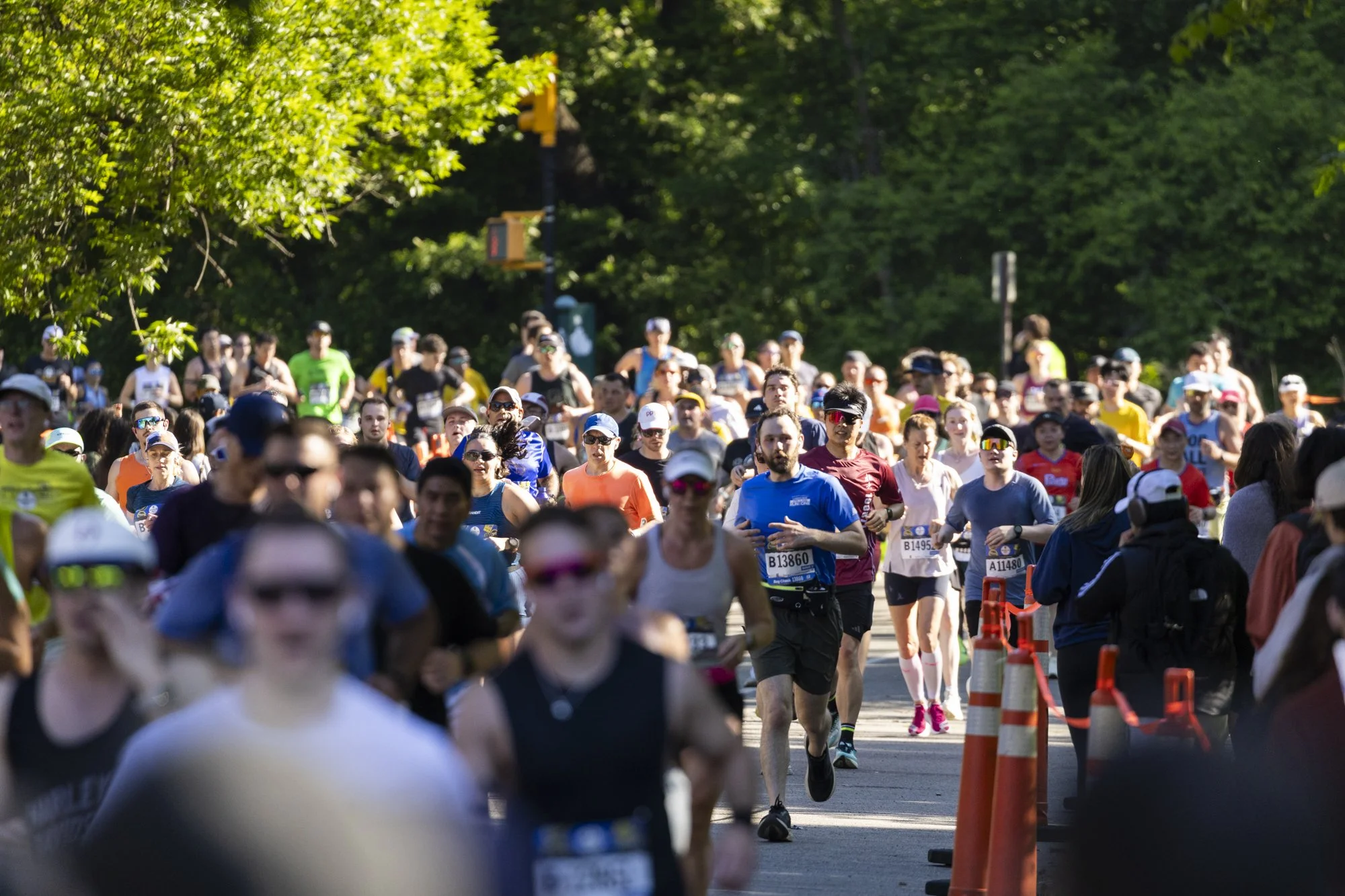
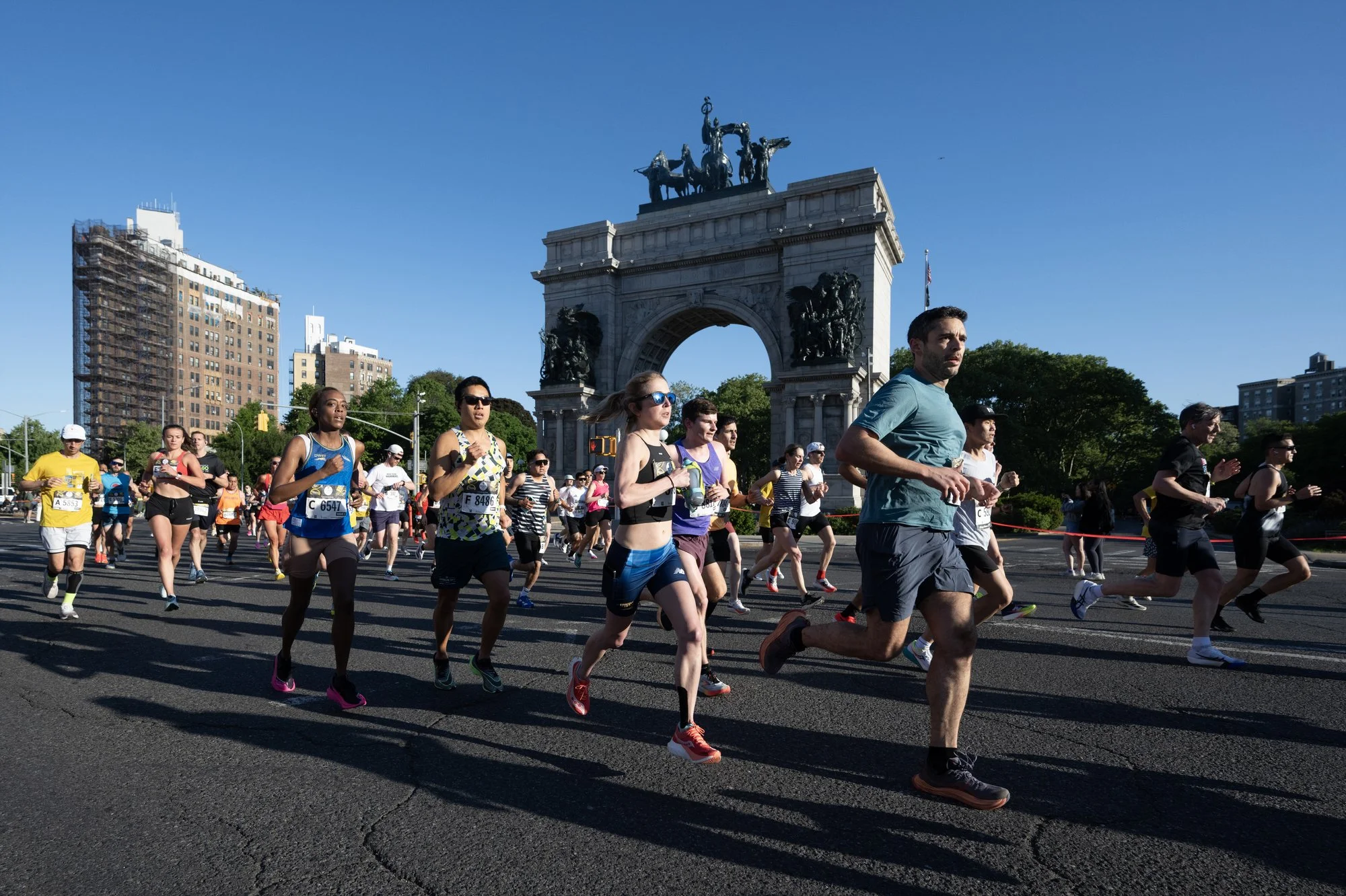
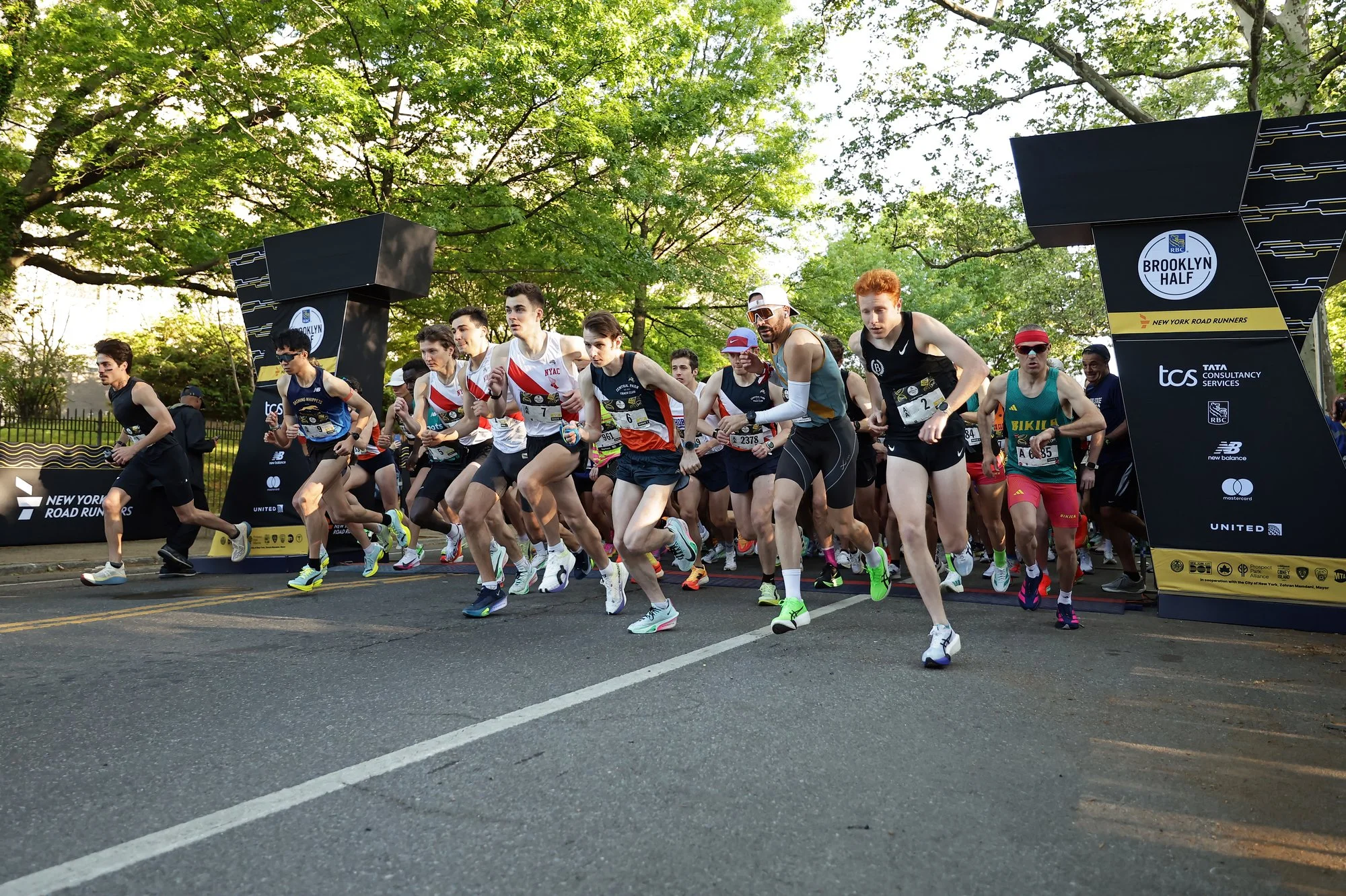
On a damp Brooklyn morning that eventually gave way to the familiar humidity of a New York summer, more than 30,000 runners surged from Prospect Park toward Coney Island for the 2026 edition of the RBC Brooklyn Half, transforming the borough into a moving portrait of endurance, community, and cultural identity. With 30,341 finishers, the race officially became the largest half marathon in the United States, further cementing New York Road Runners’ growing influence on the global running landscape.
But the scale of this year’s race only tells part of the story. What unfolded across 13.1 miles was less a competition and more a reflection of how running has evolved into one of New York City’s most visible cultural movements—where run clubs now operate as social ecosystems, performance apparel carries the cachet of luxury fashion, and race day doubles as a citywide expression of resilience.
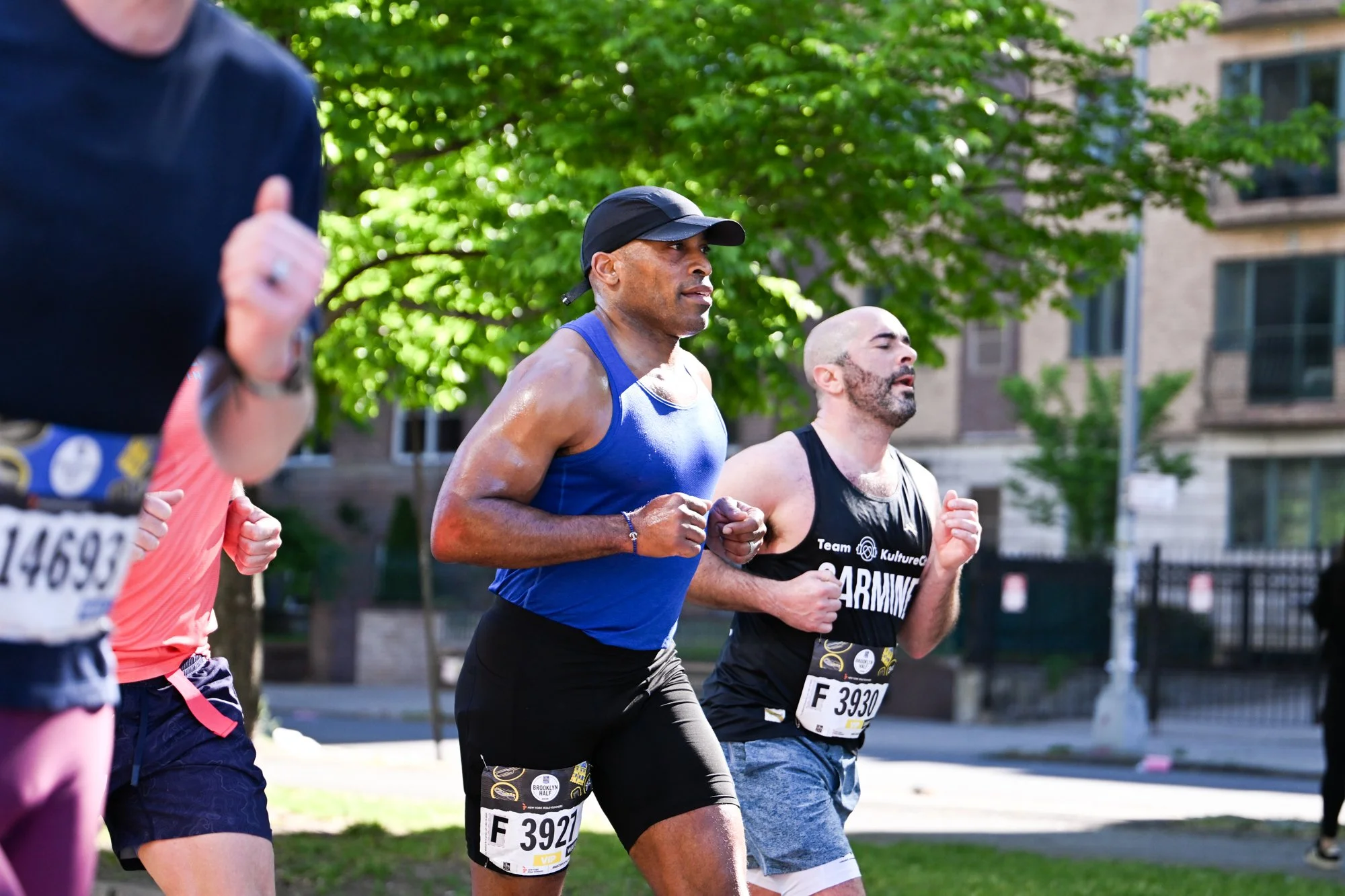
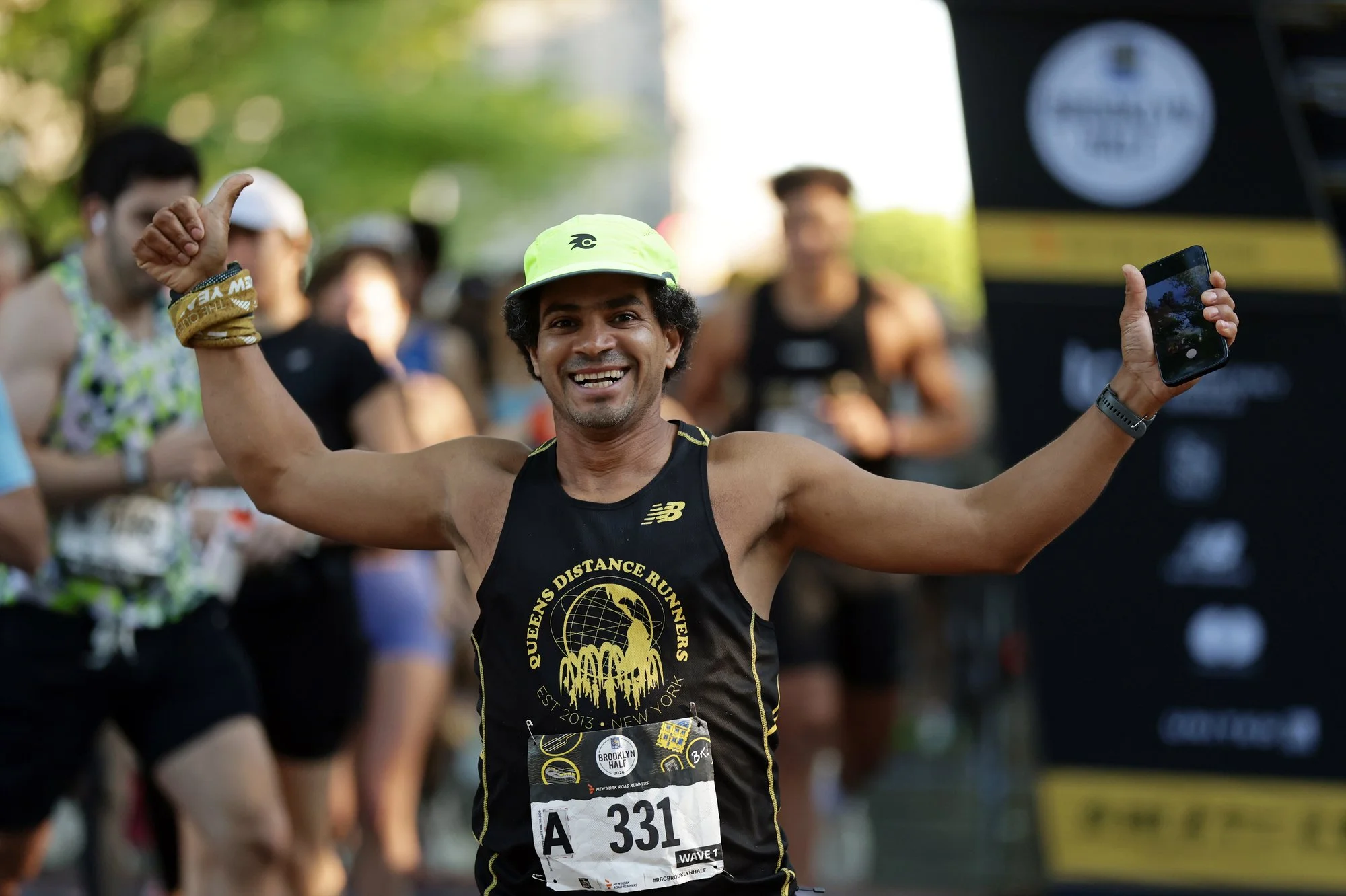
The RBC Brooklyn Half has increasingly become the unofficial opening ceremony of summer in New York, and this year’s edition captured that energy in full. From the tree-lined curves of Prospect Park to the final stretch along the Coney Island boardwalk, Brooklyn’s neighborhoods became both backdrop and participant. More than 20 percent of finishers were Brooklyn residents, with neighborhoods including Park Slope, Greenpoint, Fort Greene, and Crown Heights heavily represented among participants.
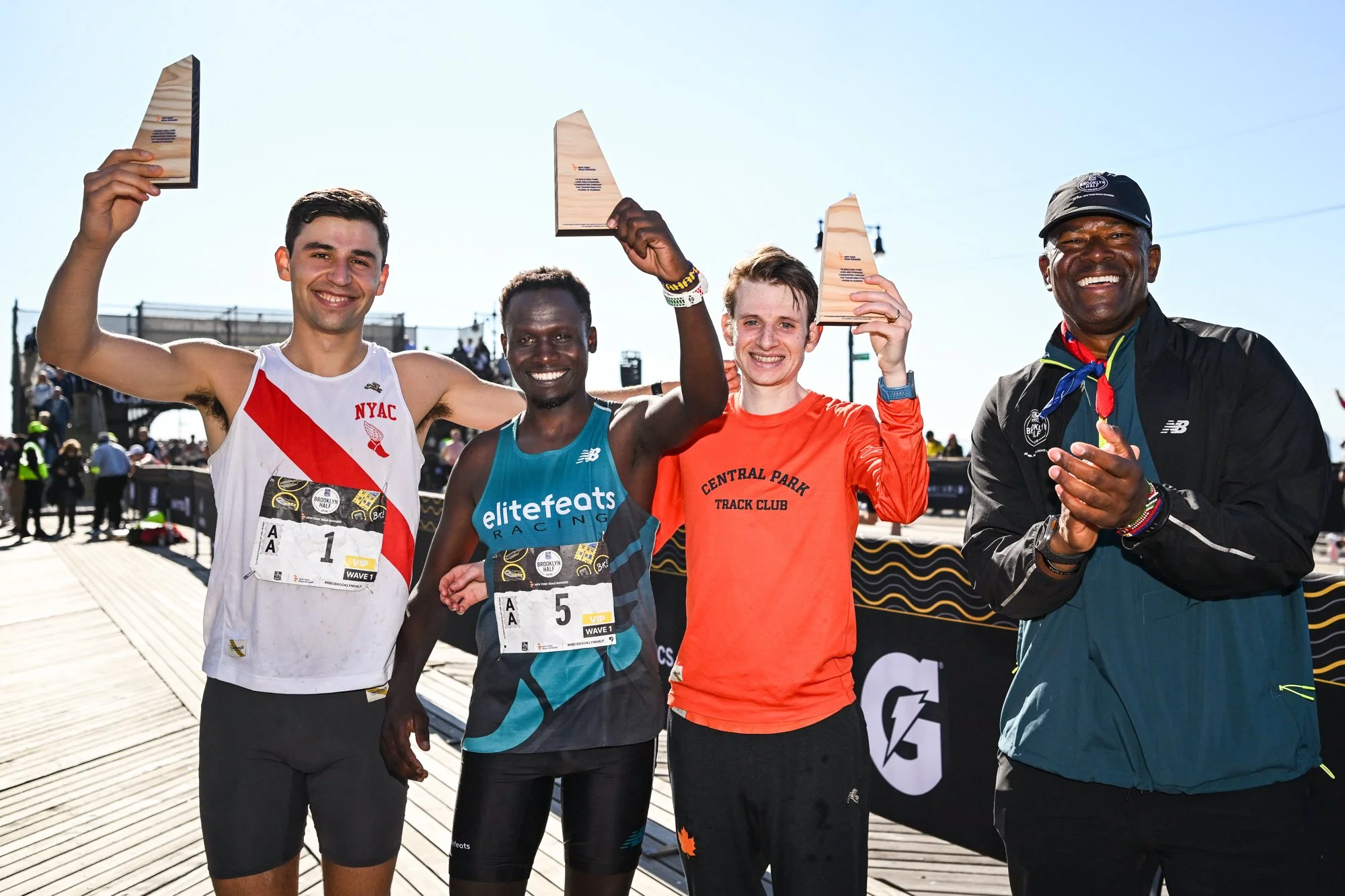
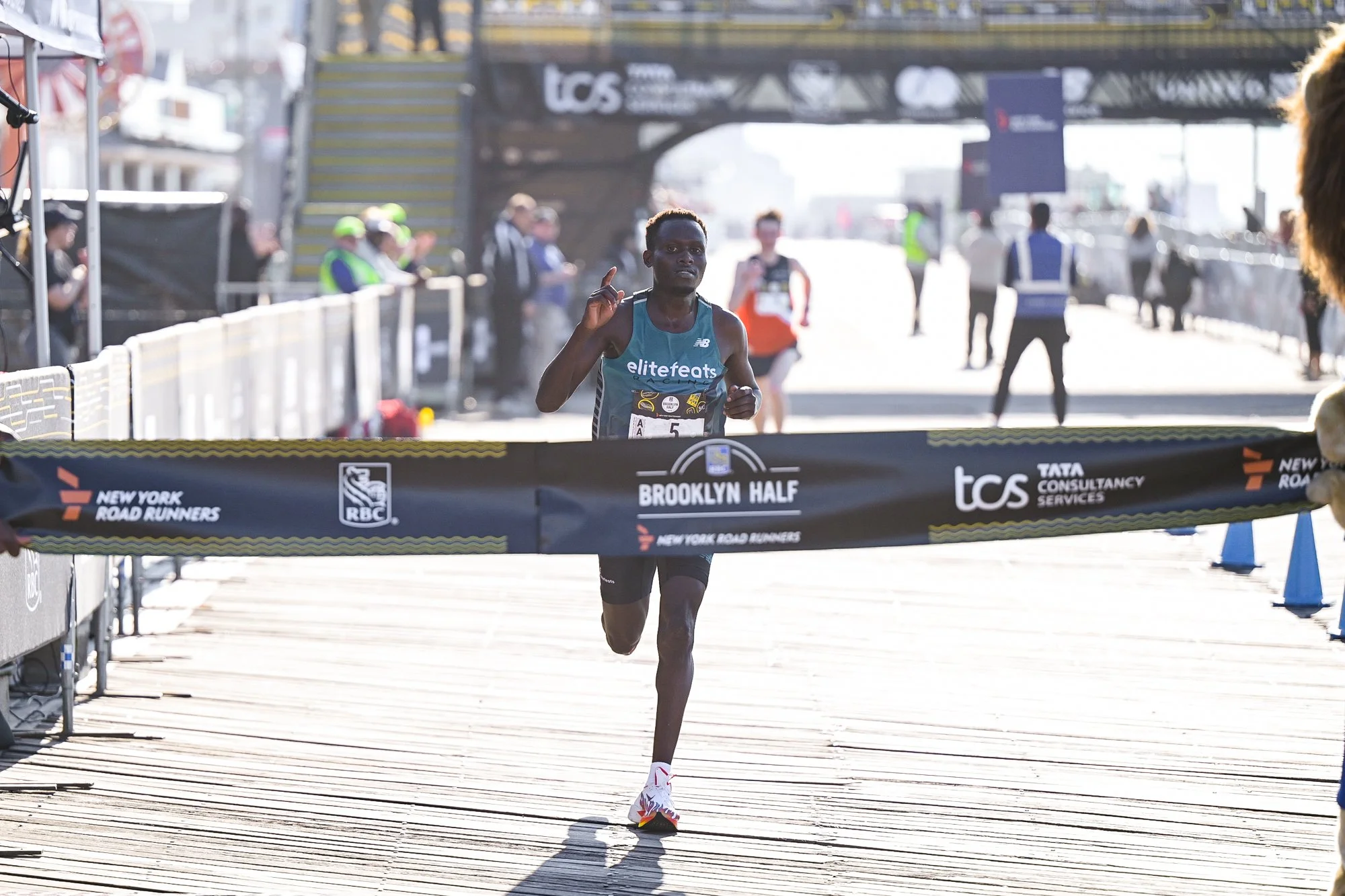
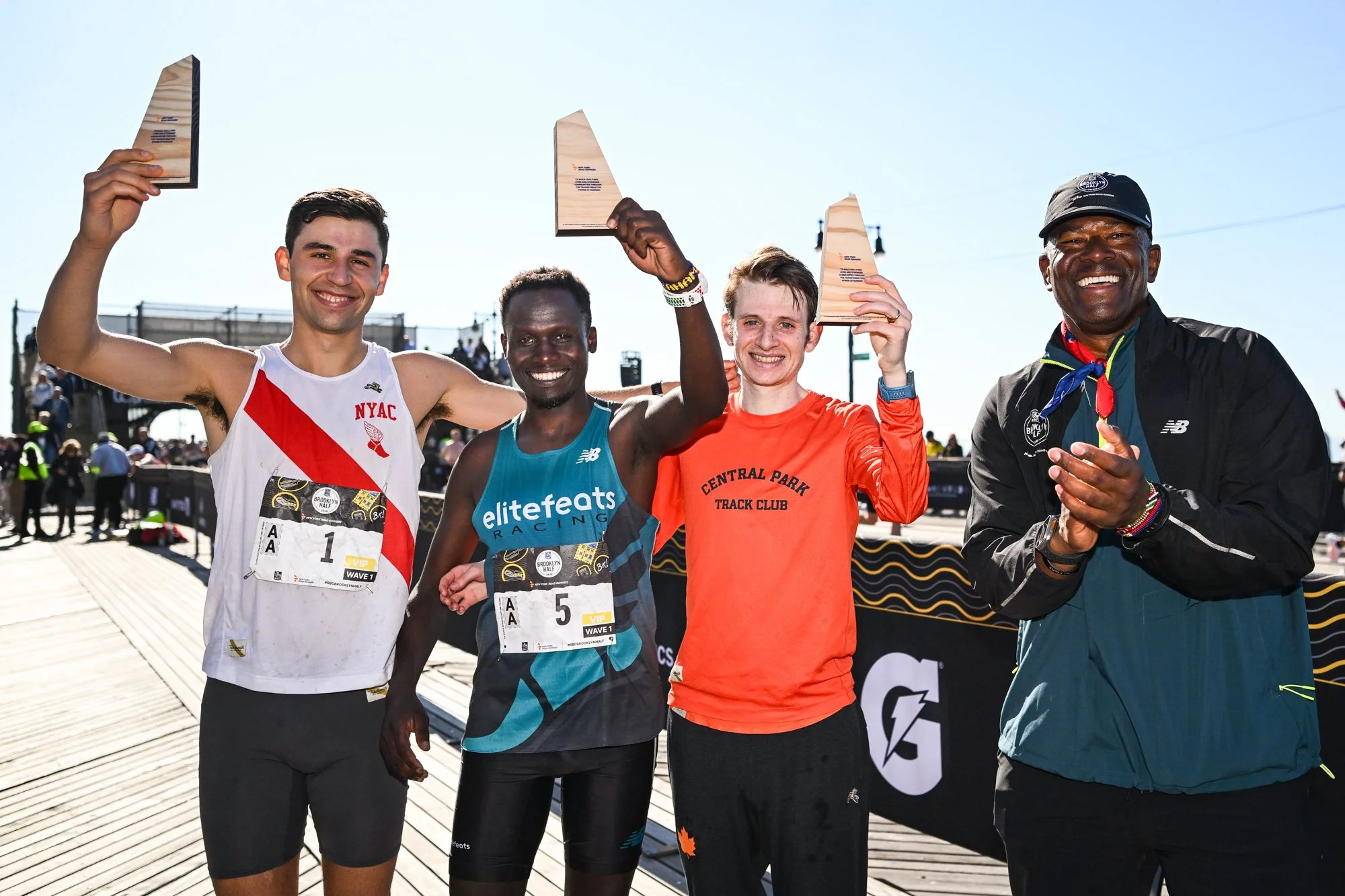
For many runners, the event represented a personal milestone as much as an athletic one. Abraham Longosiwa, making both his New York Road Runners and half marathon debut, claimed the men’s title in 1:04:32 just one day before graduating from Hofstra University. The victory instantly positioned the Kenyan-born athlete as one of the emerging names to watch in American distance running.
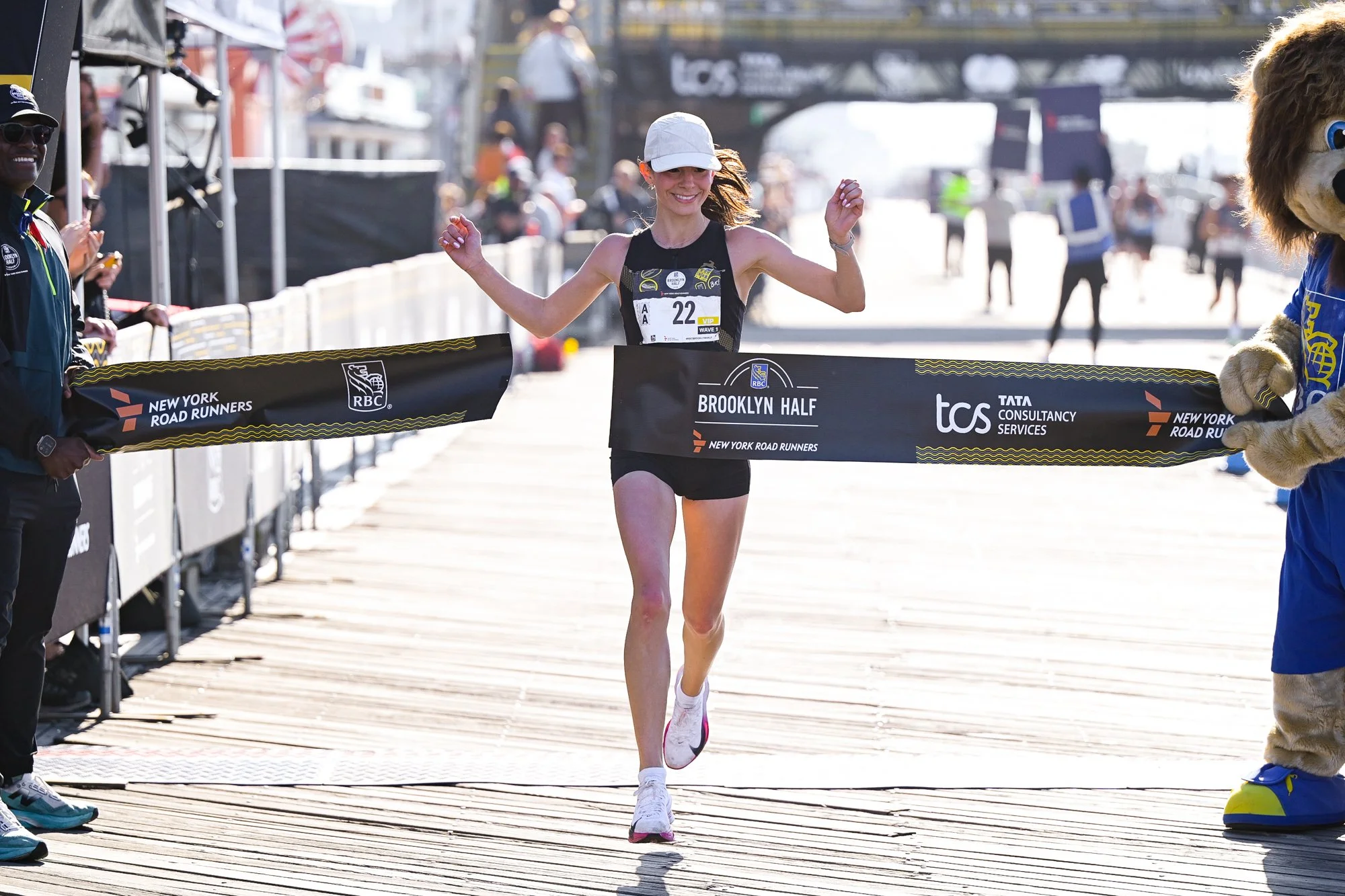
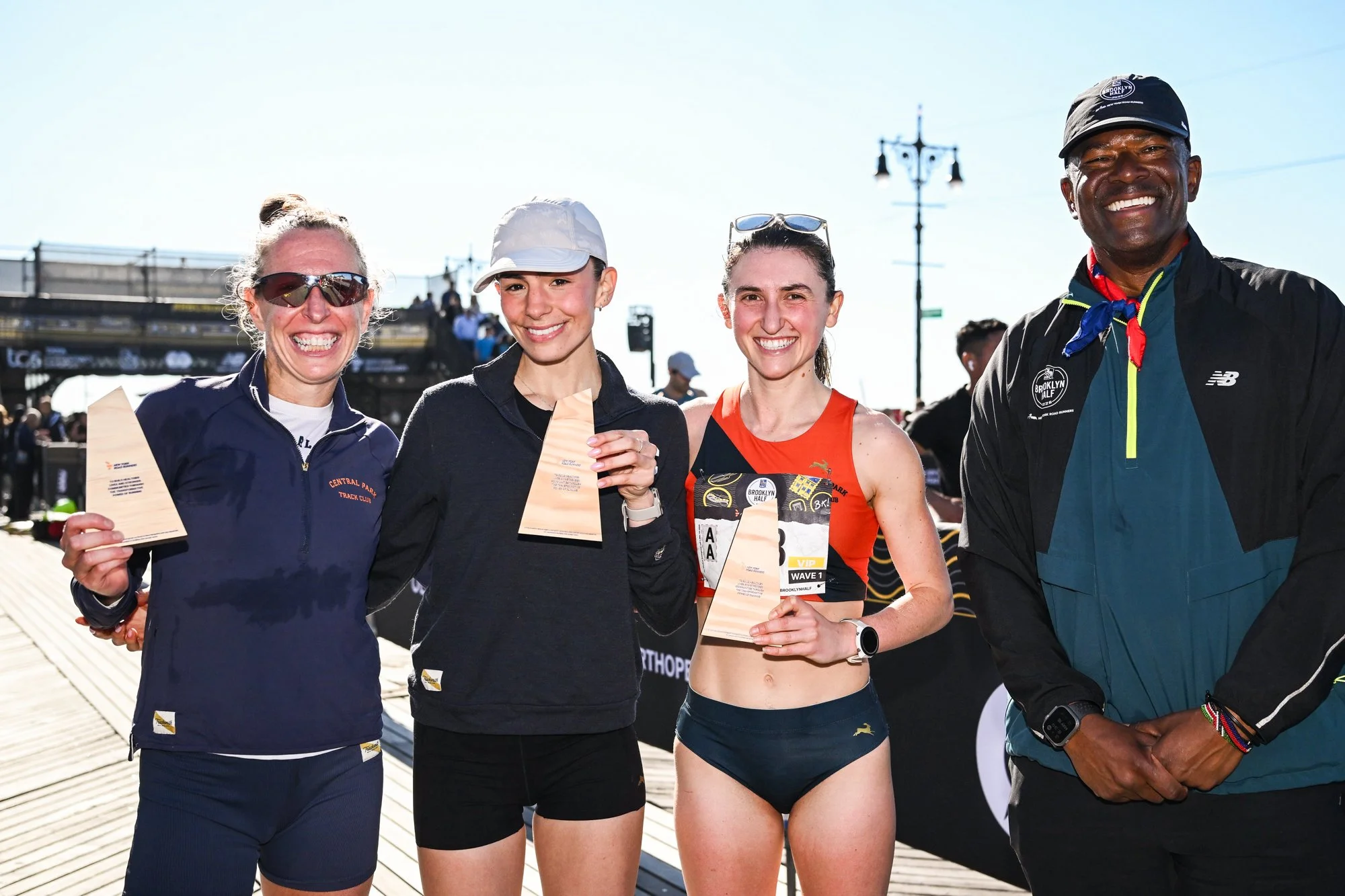
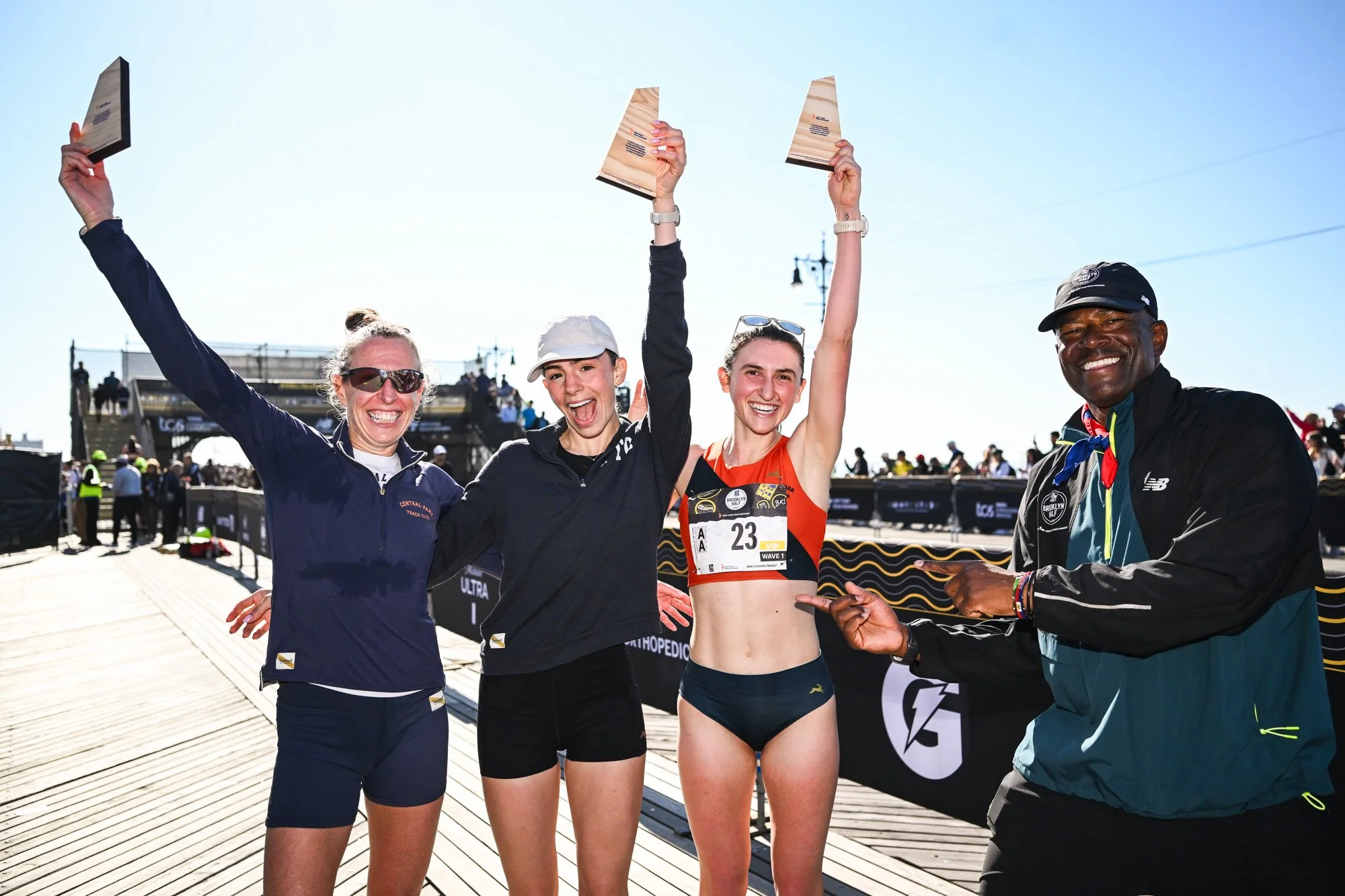
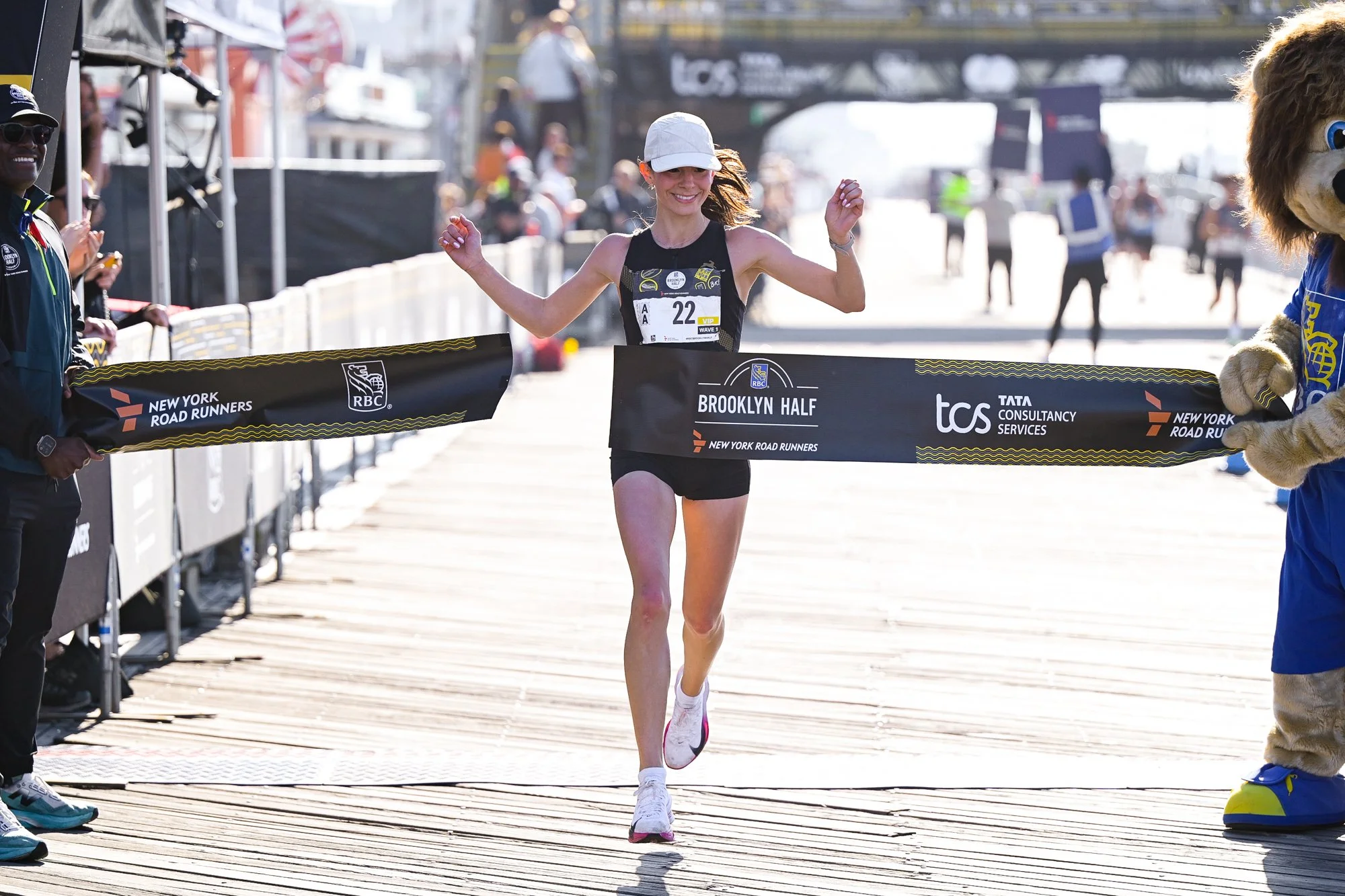
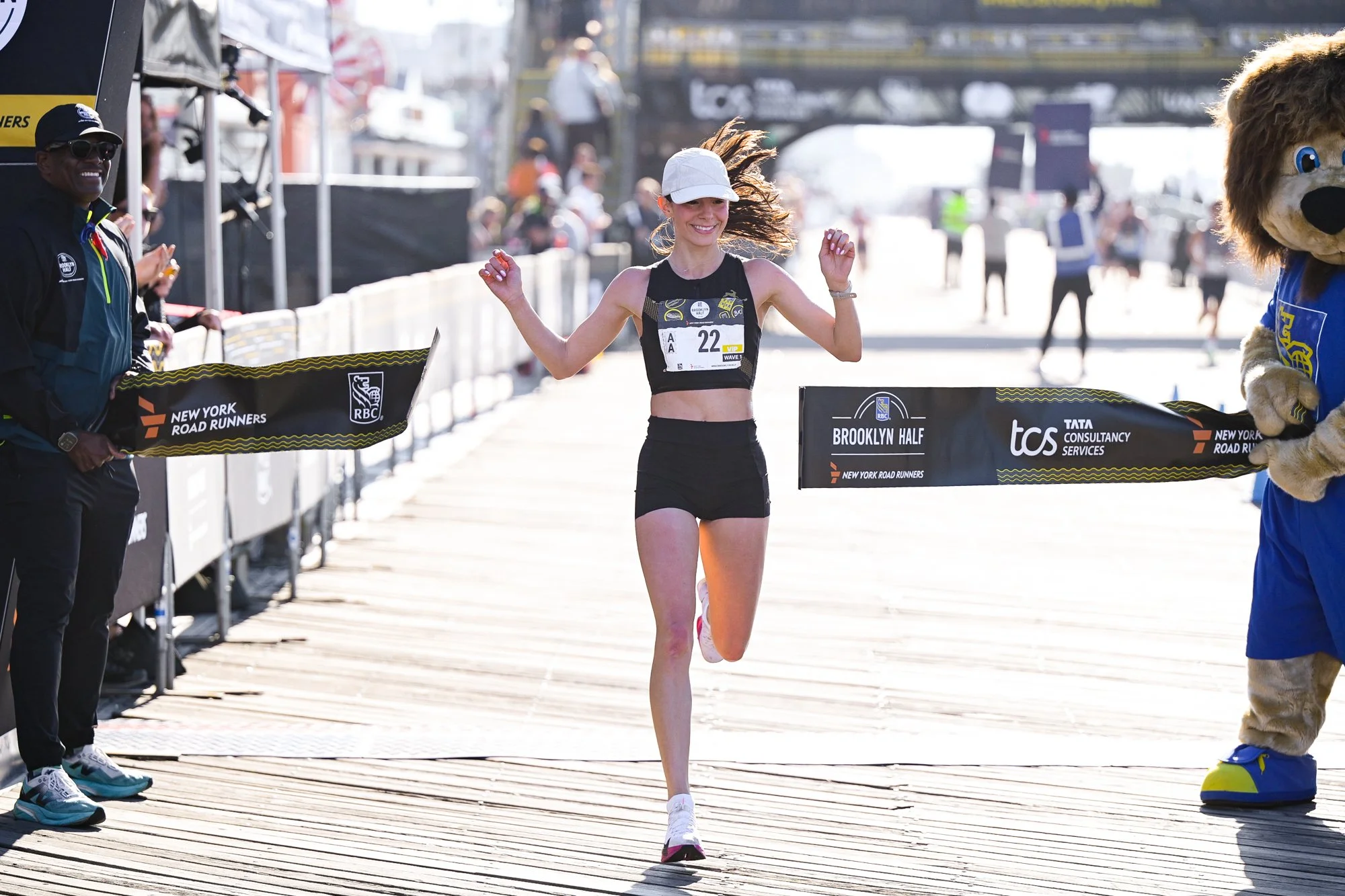
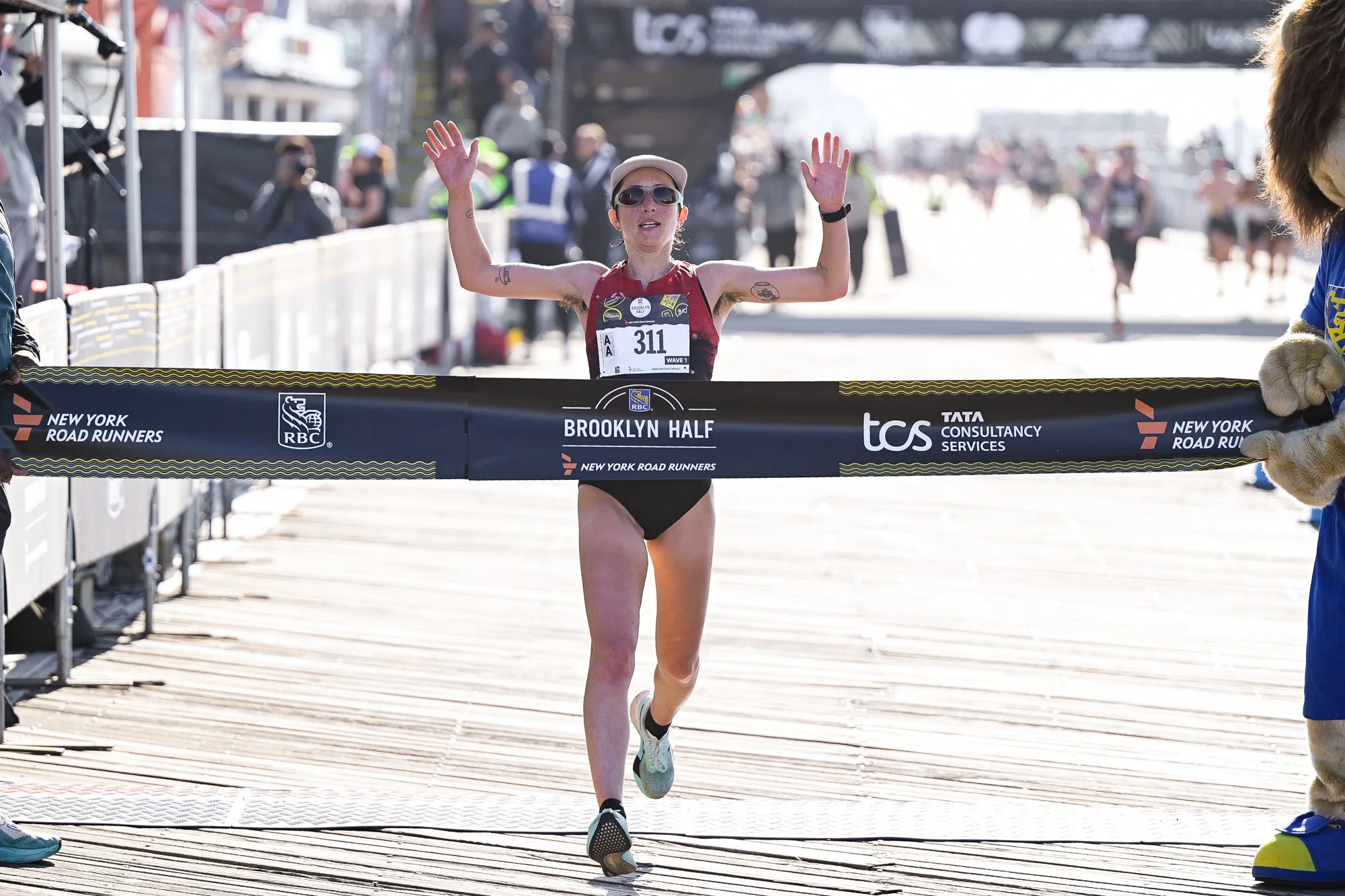
On the women’s side, Upper East Side resident Fatima Alanis delivered one of the day’s most commanding performances, winning in 1:13:11 and leading a remarkable Central Park Track Club sweep of the top four positions. Meanwhile, Brooklyn Track Club’s Danica Reinicke secured the nonbinary division title, reinforcing how local run communities continue to shape the competitive identity of New York racing.
Yet the emotional center of the race often existed far behind the front pack.
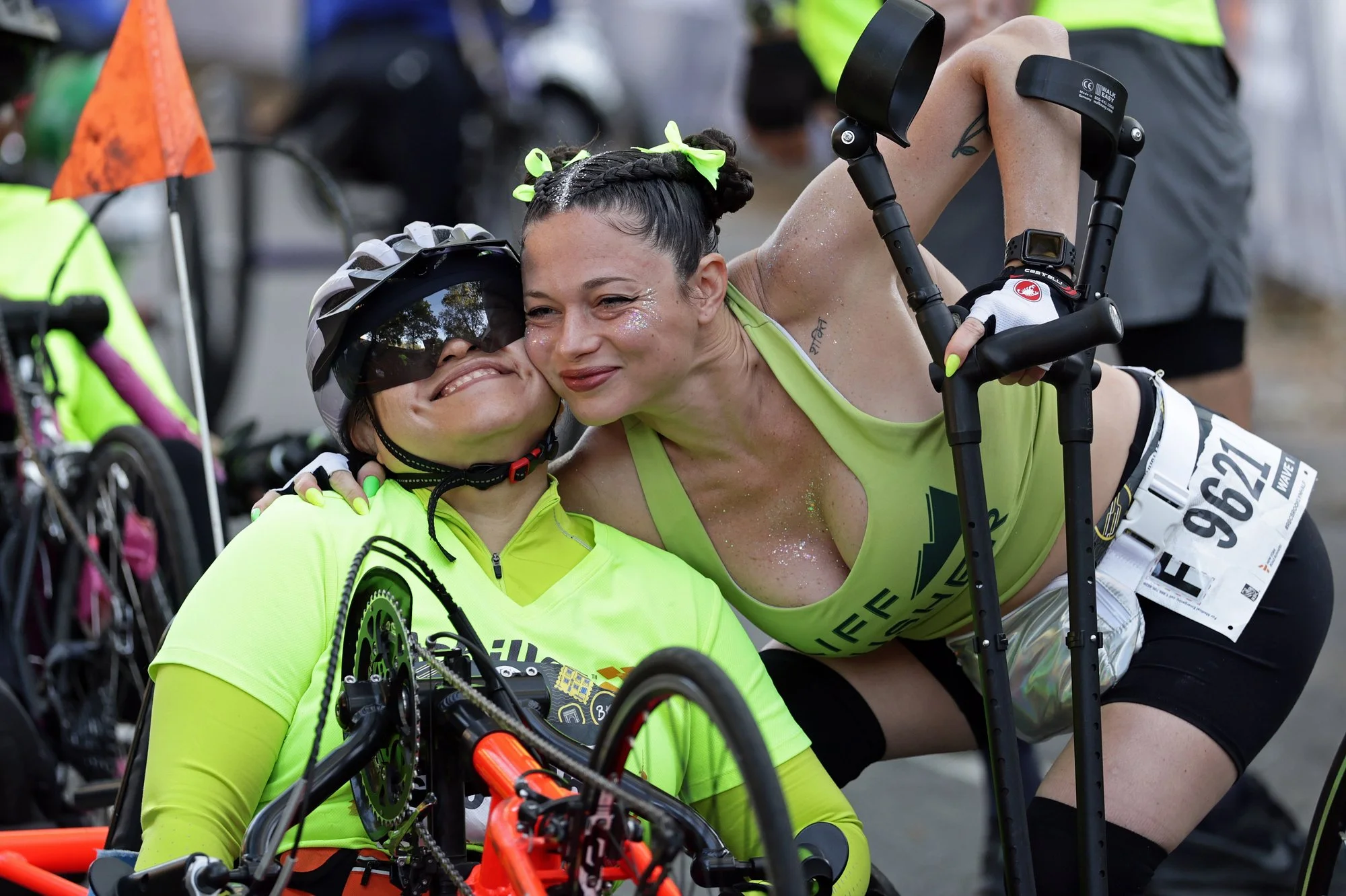
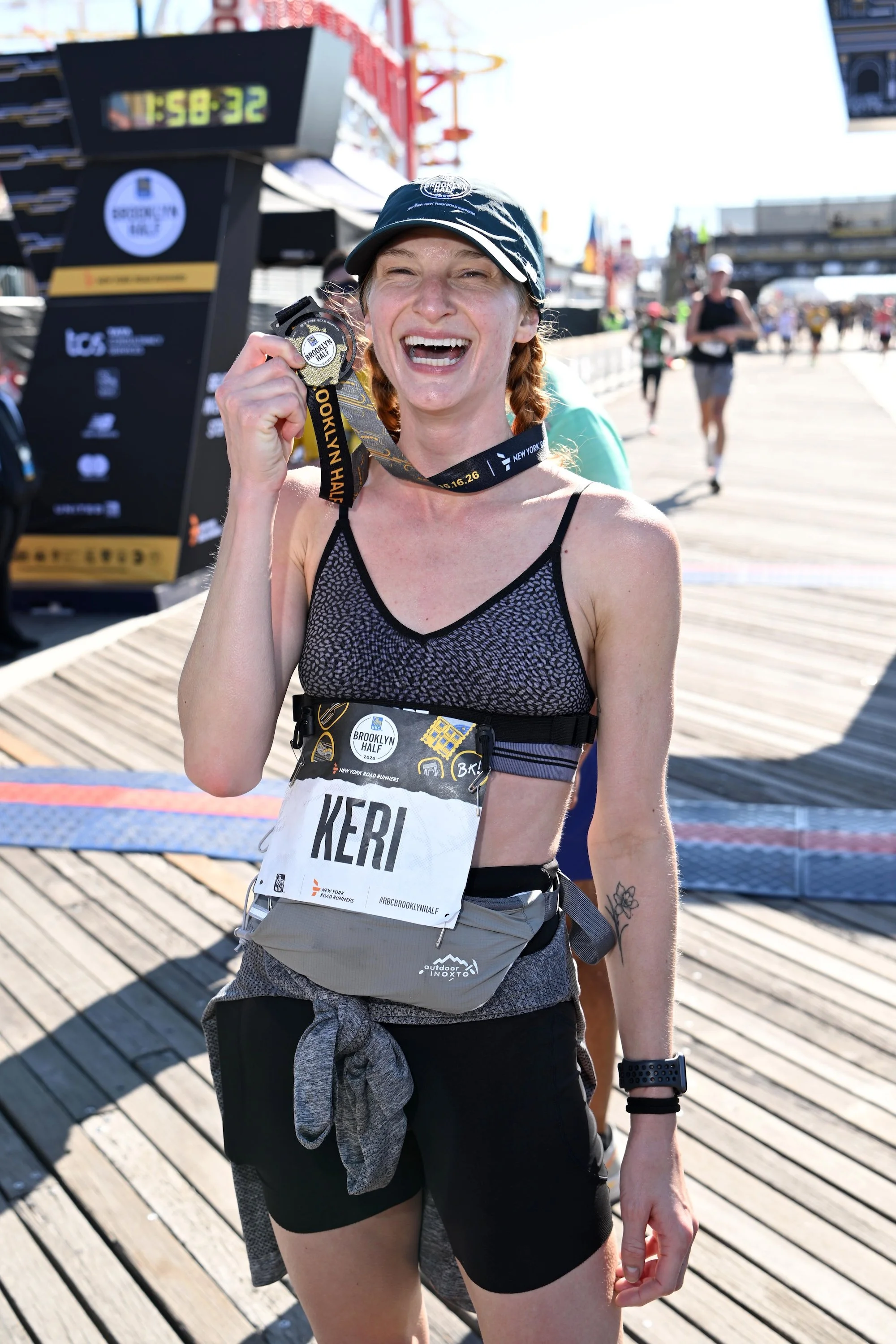
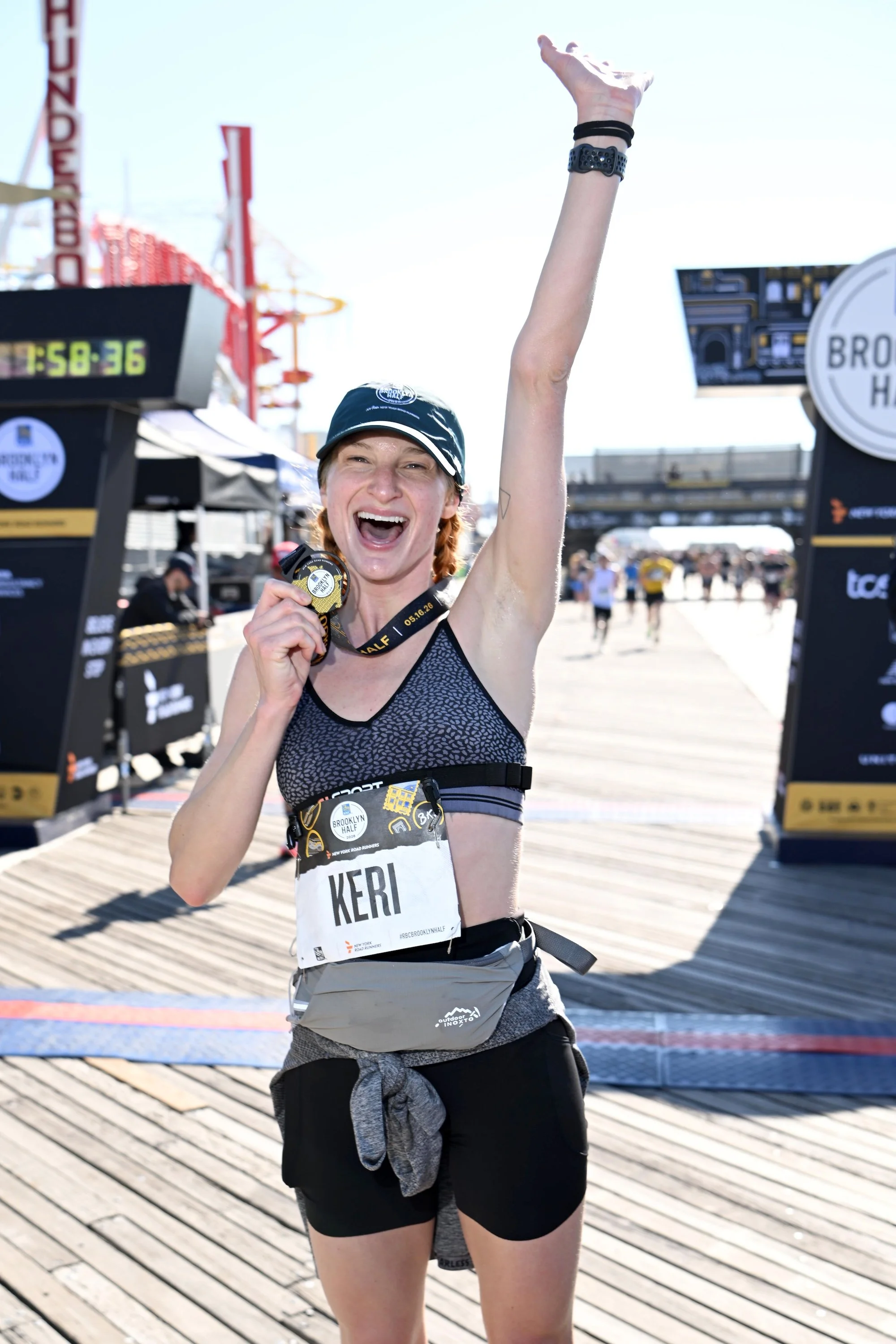
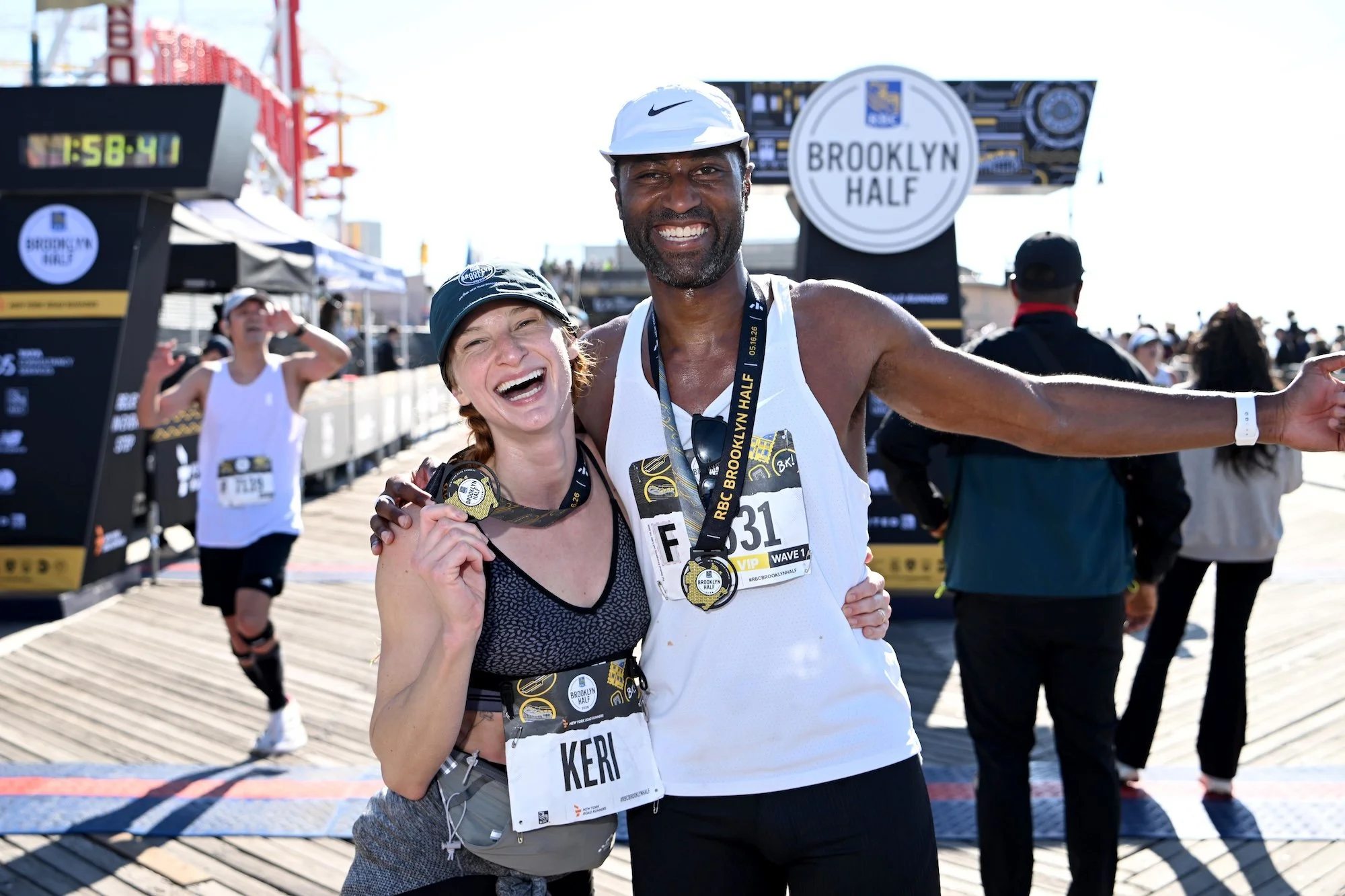
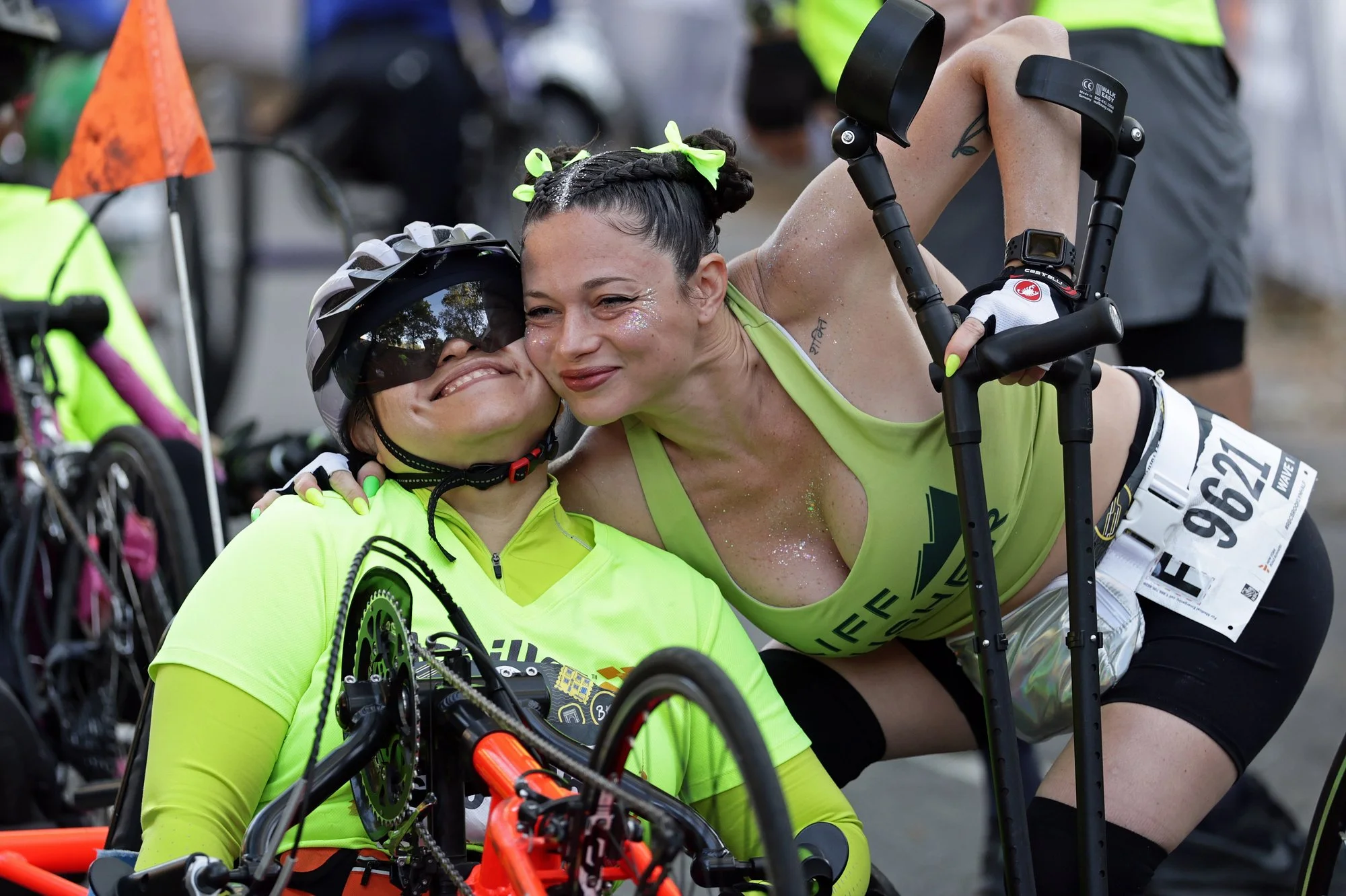
Stories of perseverance defined the day. Jessica Aguilar, a Coney Island resident who lost part of her leg after a drunk-driving accident in 2021 and was told she might never run again, crossed the finish line in the same neighborhood where she grew up and is now raising her daughter. Kenneth Serrano ran in honor of his late friend Charles Rogers, who passed away following a cardiac incident at last year’s race. Broadway performer Keri René Fuller completed her first-ever race before heading directly to the Gershwin Theatre for two performances of Wicked.
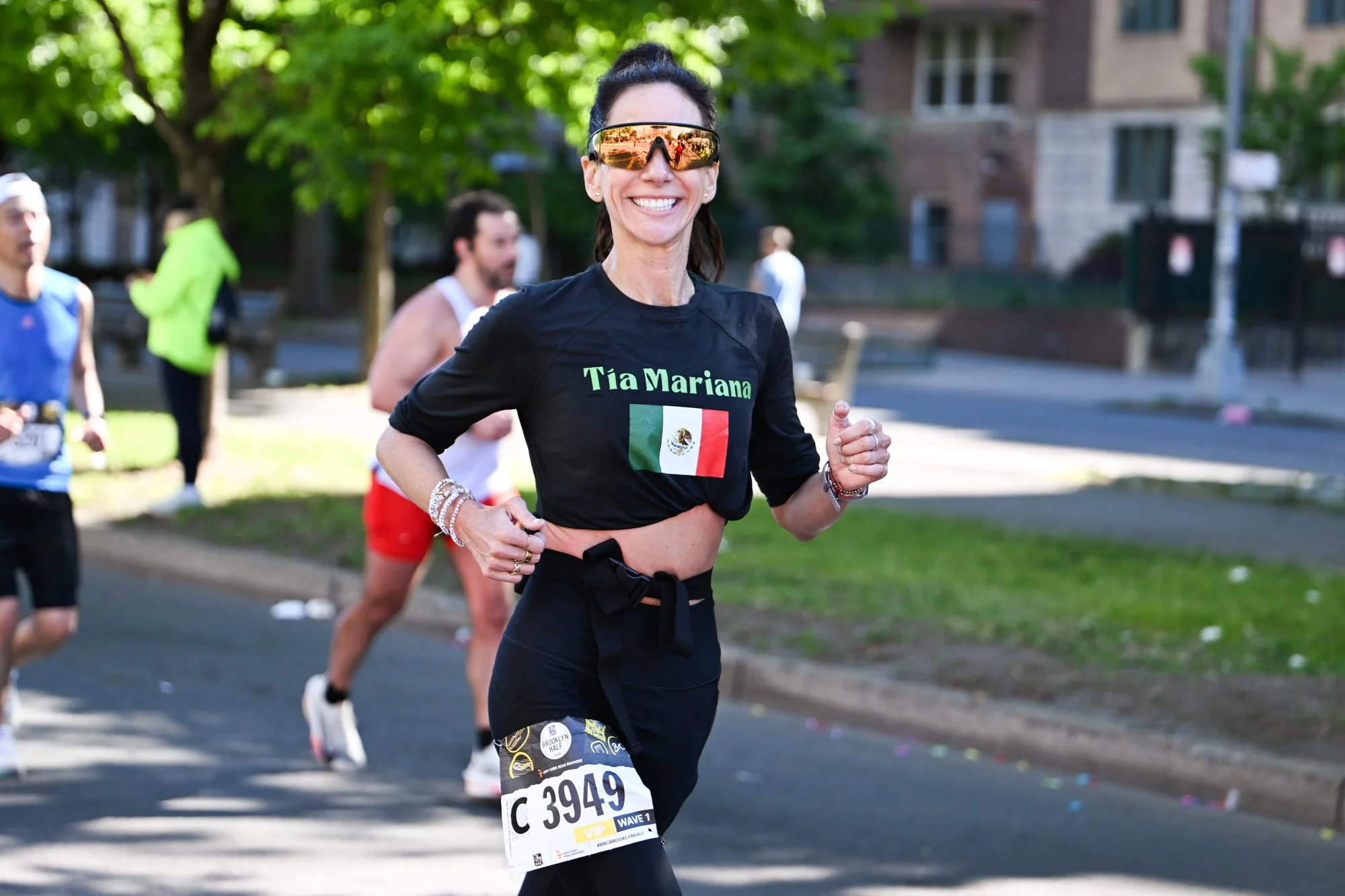
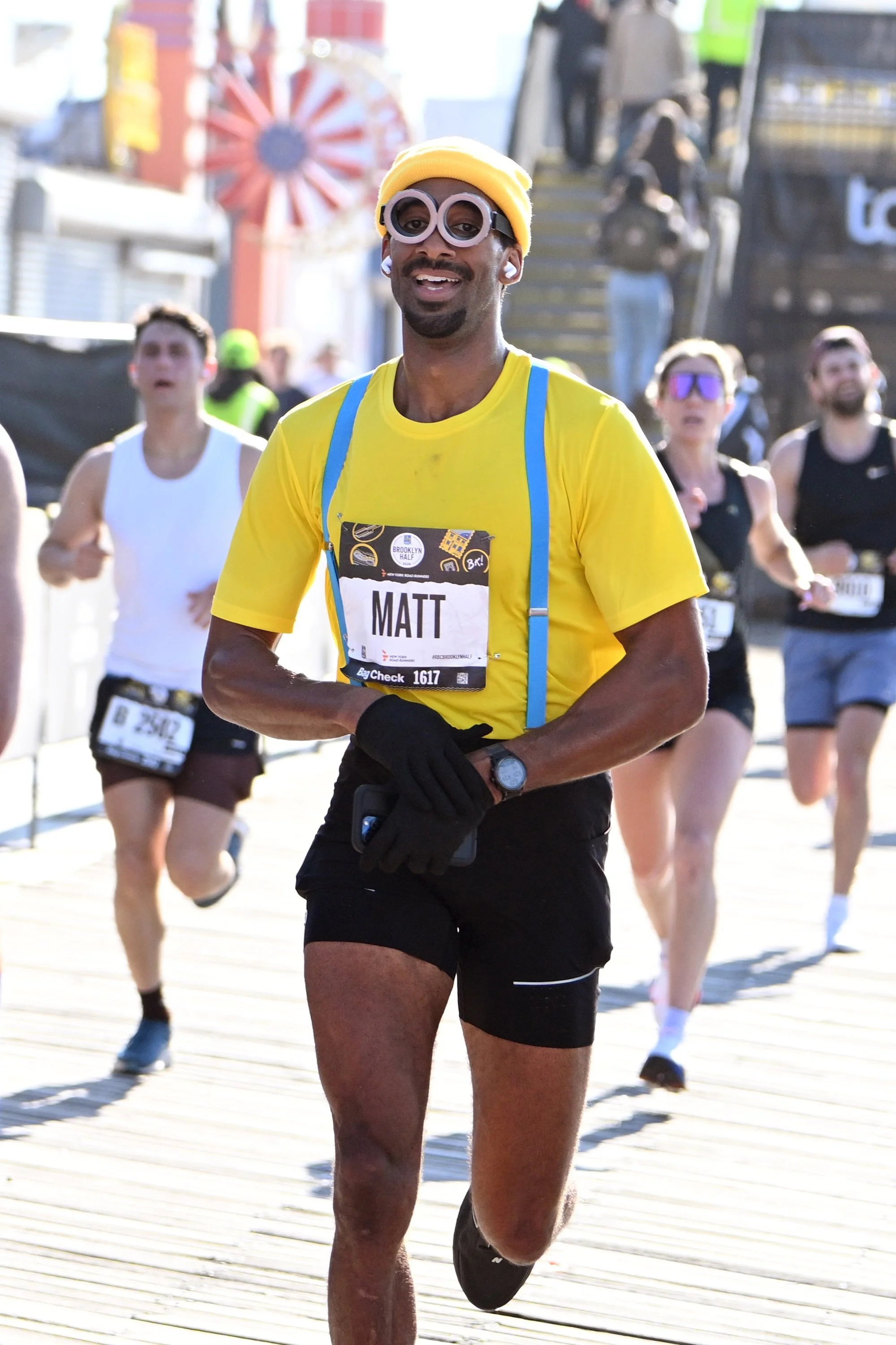
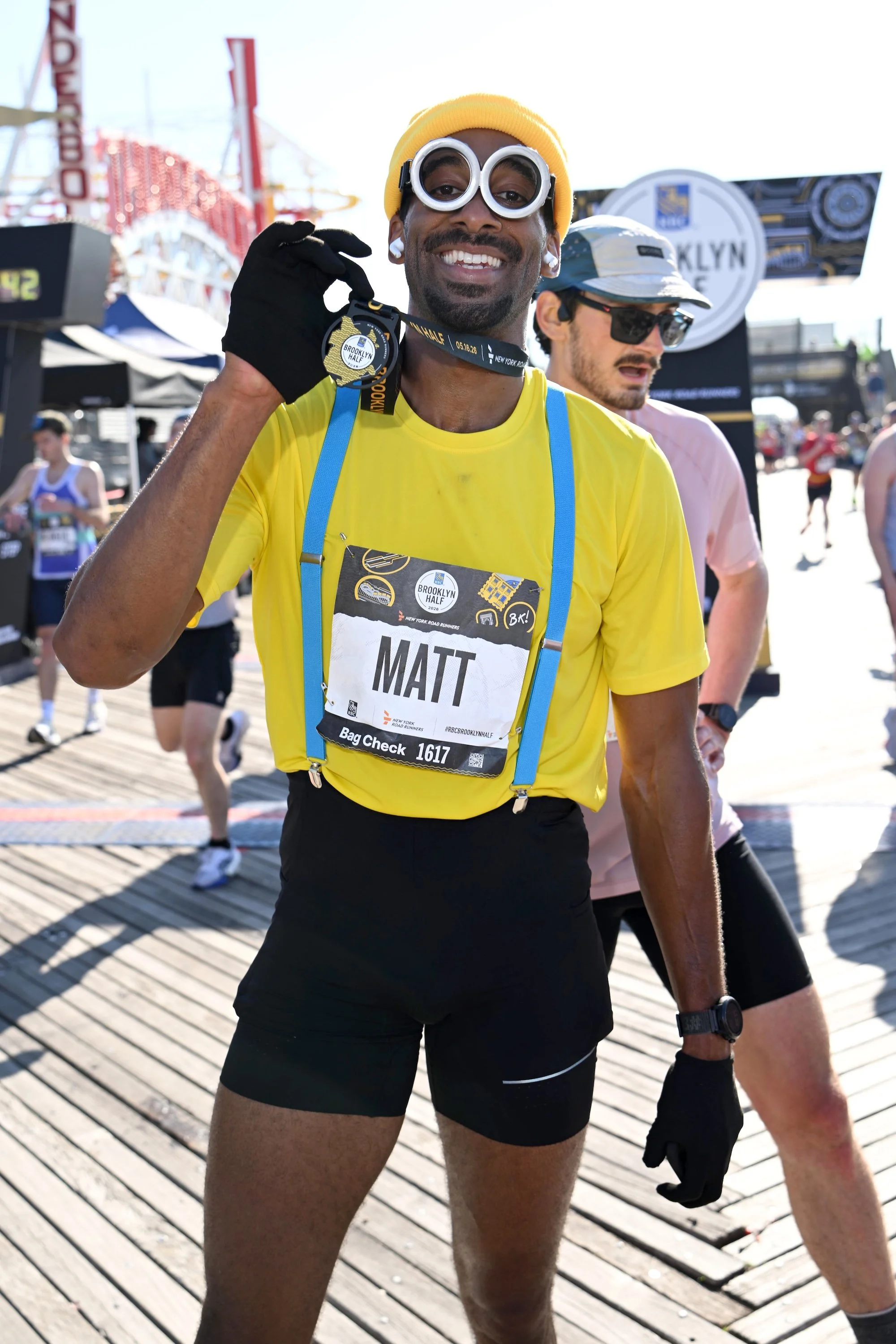
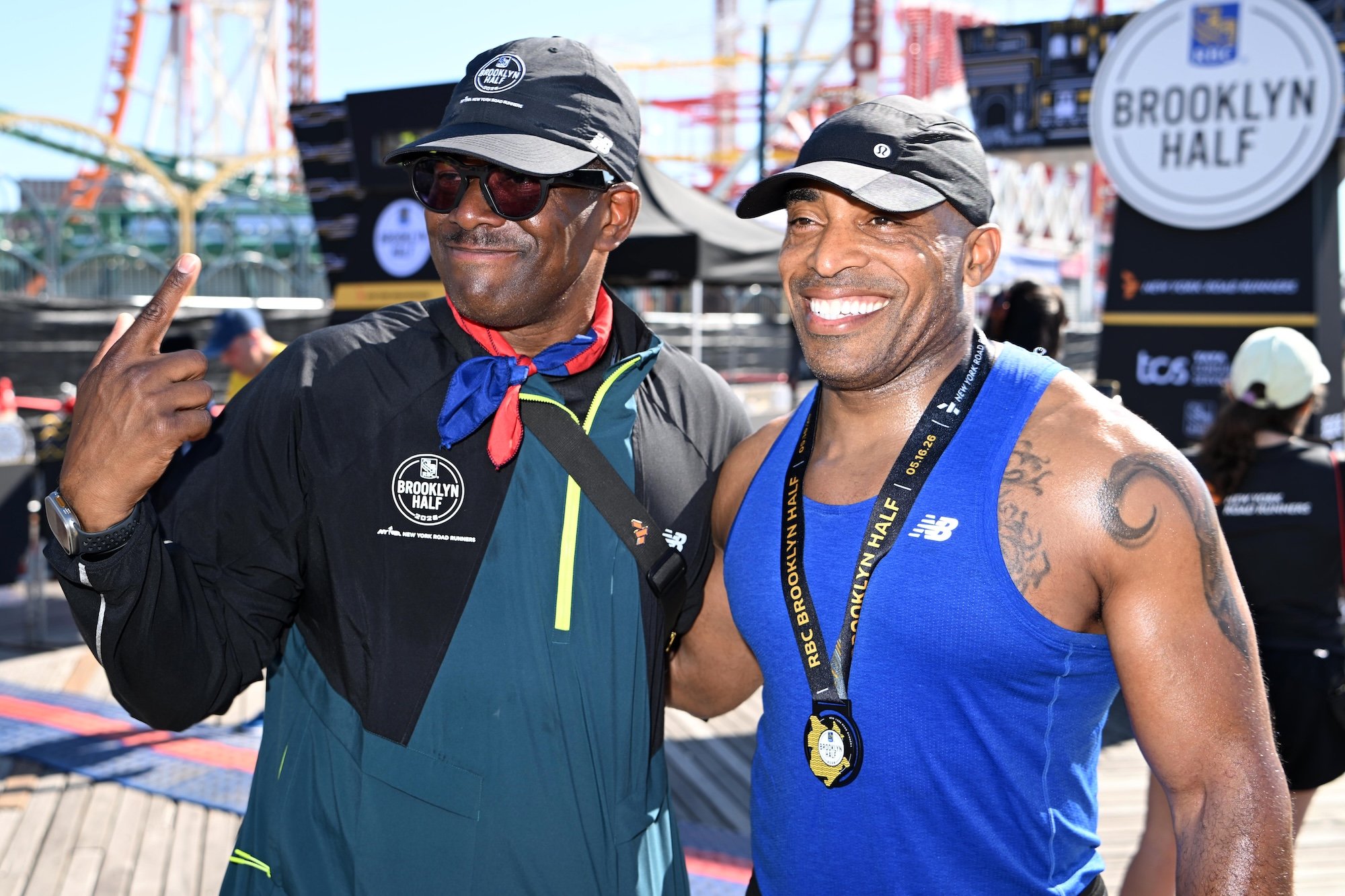
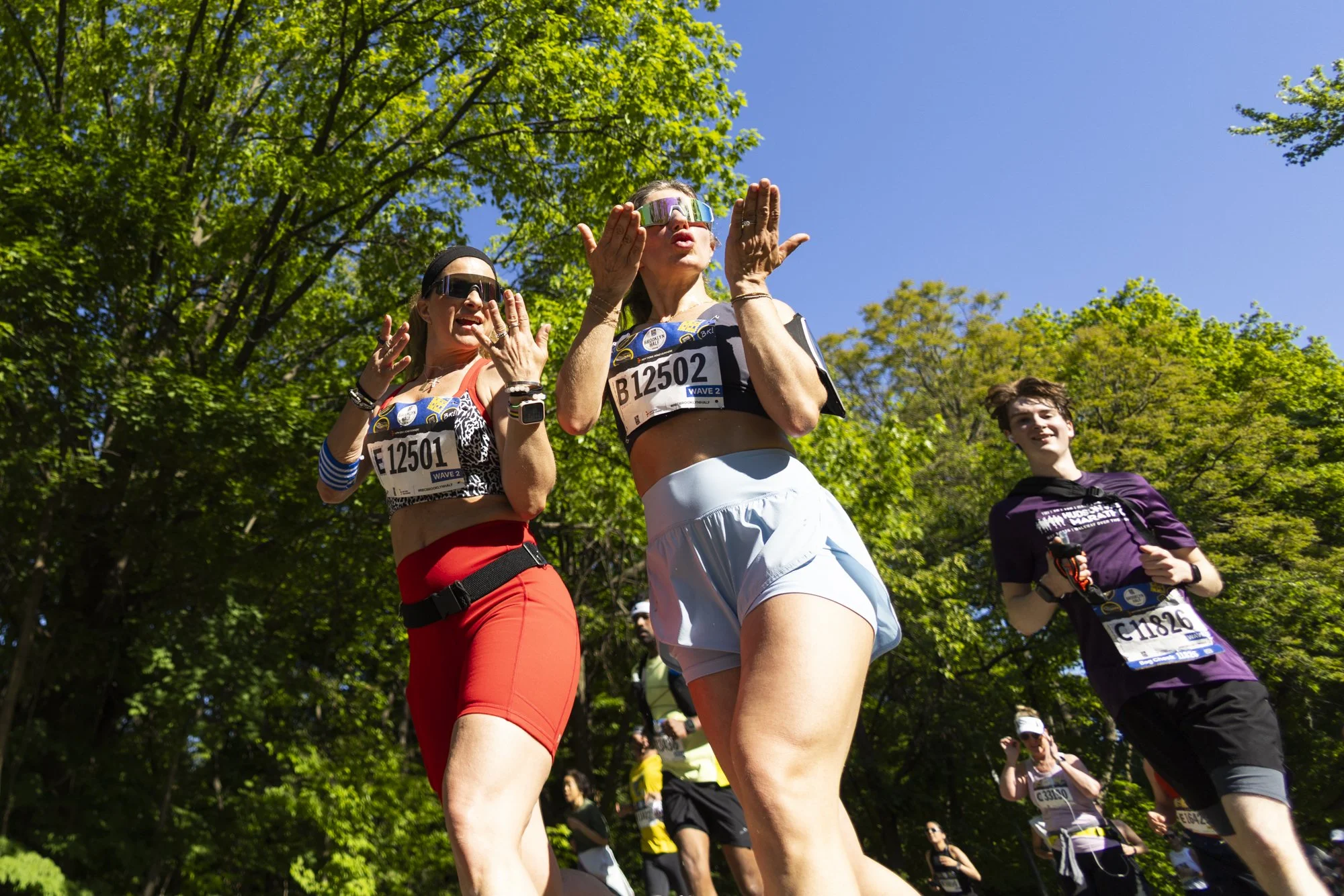
The modern running boom has increasingly blurred the lines between sport, wellness, entertainment, and fashion, and nowhere was that more visible than on the streets of Brooklyn. Reality television personality Matt James, CBS News correspondent Errol Barnett, and Peloton instructors Camila Ramón and Mariana Fernández all joined the field, underscoring how participation in marquee races has become part of a broader cultural conversation around lifestyle and identity.
That convergence extended to footwear as well.
This year, the unofficial “shoe of the race” emerged as the New BalanceFuelCell SuperComp Elite v5, New Balance’s newest carbon-plated marathon silhouette that has quickly gained traction among elite and amateur runners alike. Designed with a PEBA-blend FuelCell midsole and Energy Arc carbon plate system, the model reflects the continued arms race within performance footwear, where brands are balancing propulsion, efficiency, and comfort for increasingly ambitious recreational runners.
The silhouette has already become a visible presence across major road races in 2026, particularly among runners seeking a lightweight race-day option capable of handling both half and full marathon distances. Its prominence at the RBC Brooklyn Half also reinforced New Balance’s increasingly strategic role within New York running culture. As the presenting sponsor of several New York Road Runners events, the Boston-based company has successfully positioned itself at the intersection of performance innovation and lifestyle relevance—a space once dominated almost exclusively by Nike.
That relationship between apparel brands and grassroots running communities has become one of the defining shifts in contemporary sportswear. Run clubs across Brooklyn and Manhattan now function as influential tastemakers, shaping purchasing behavior and cultural visibility in ways traditional advertising increasingly cannot.
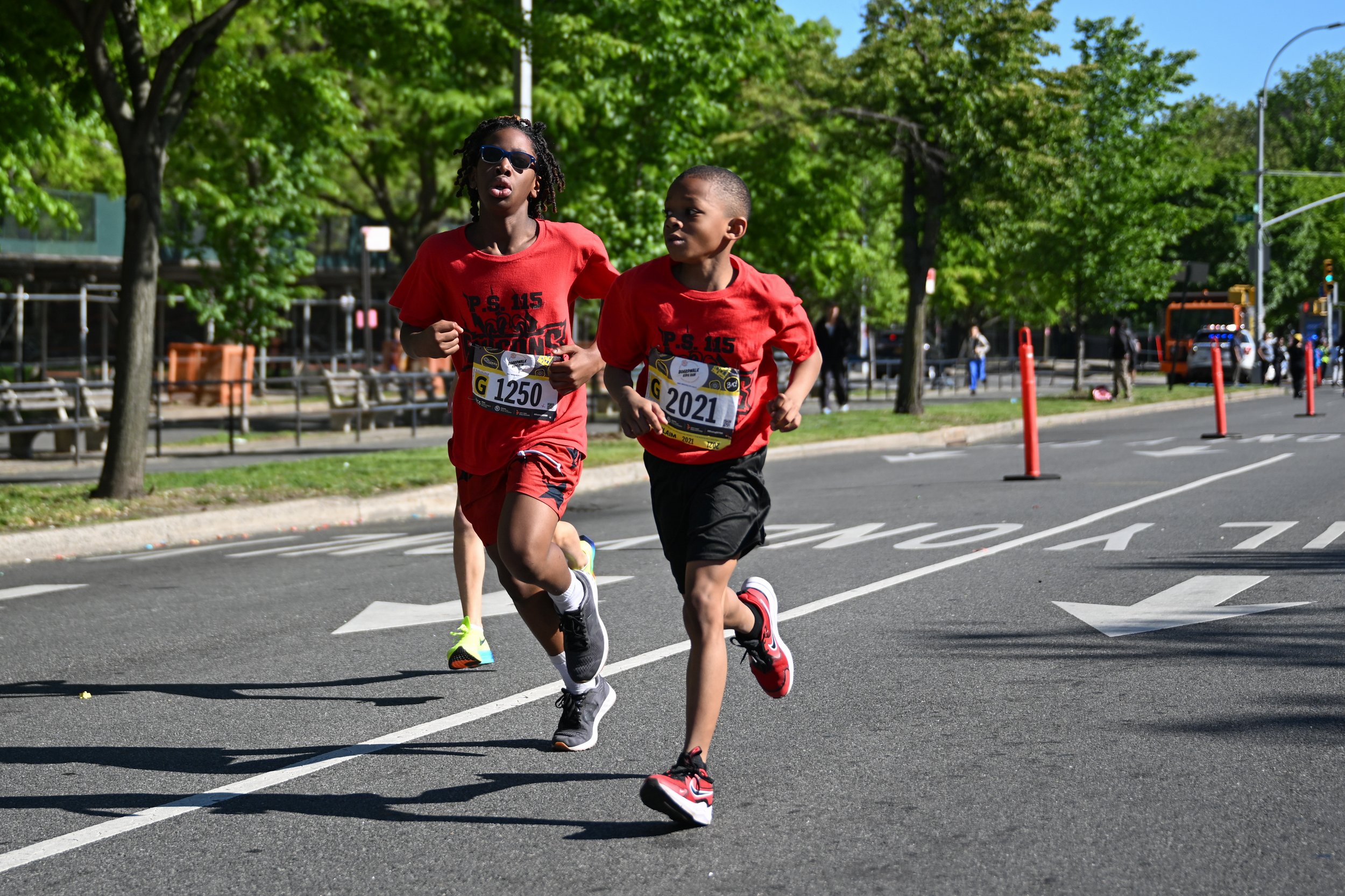
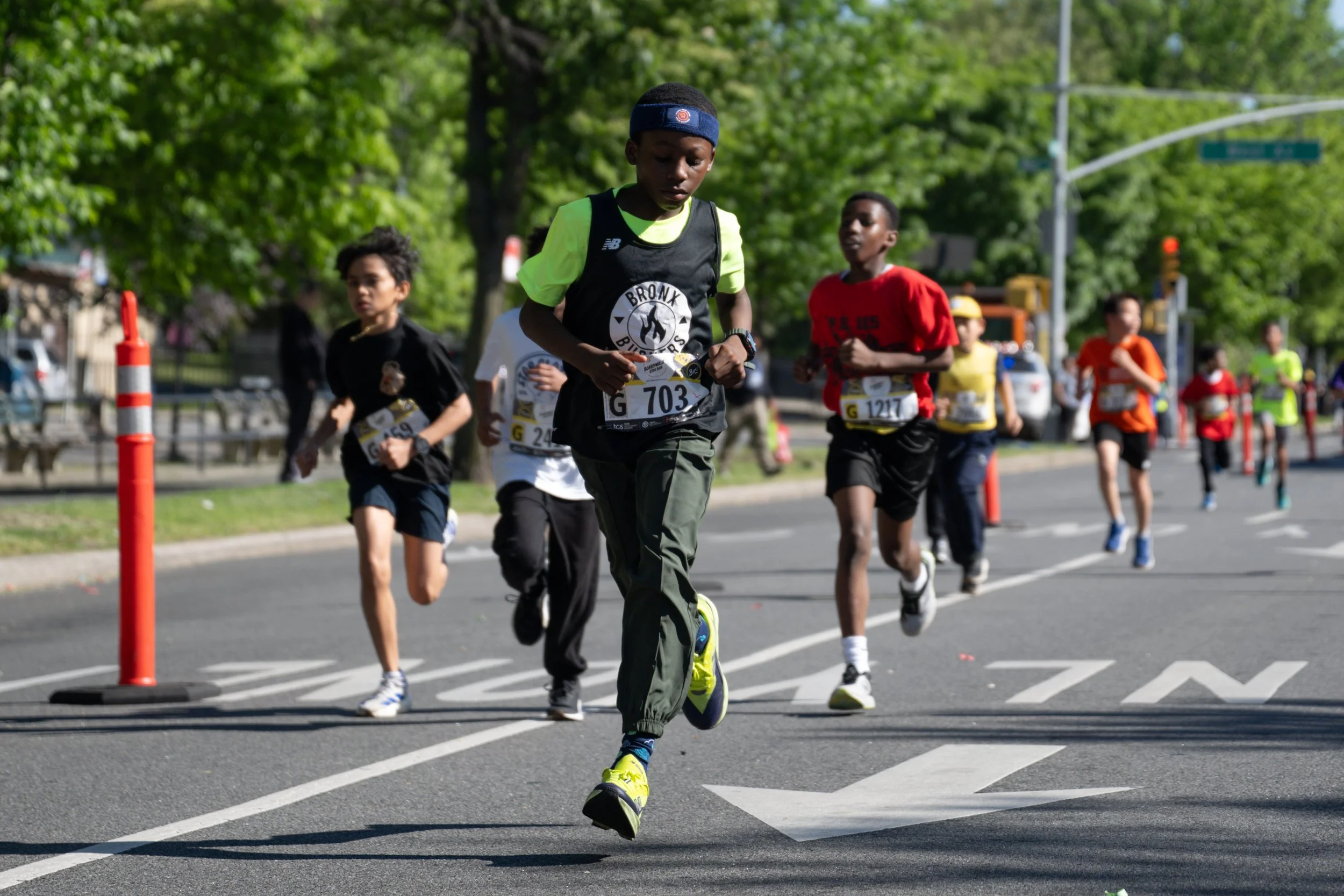
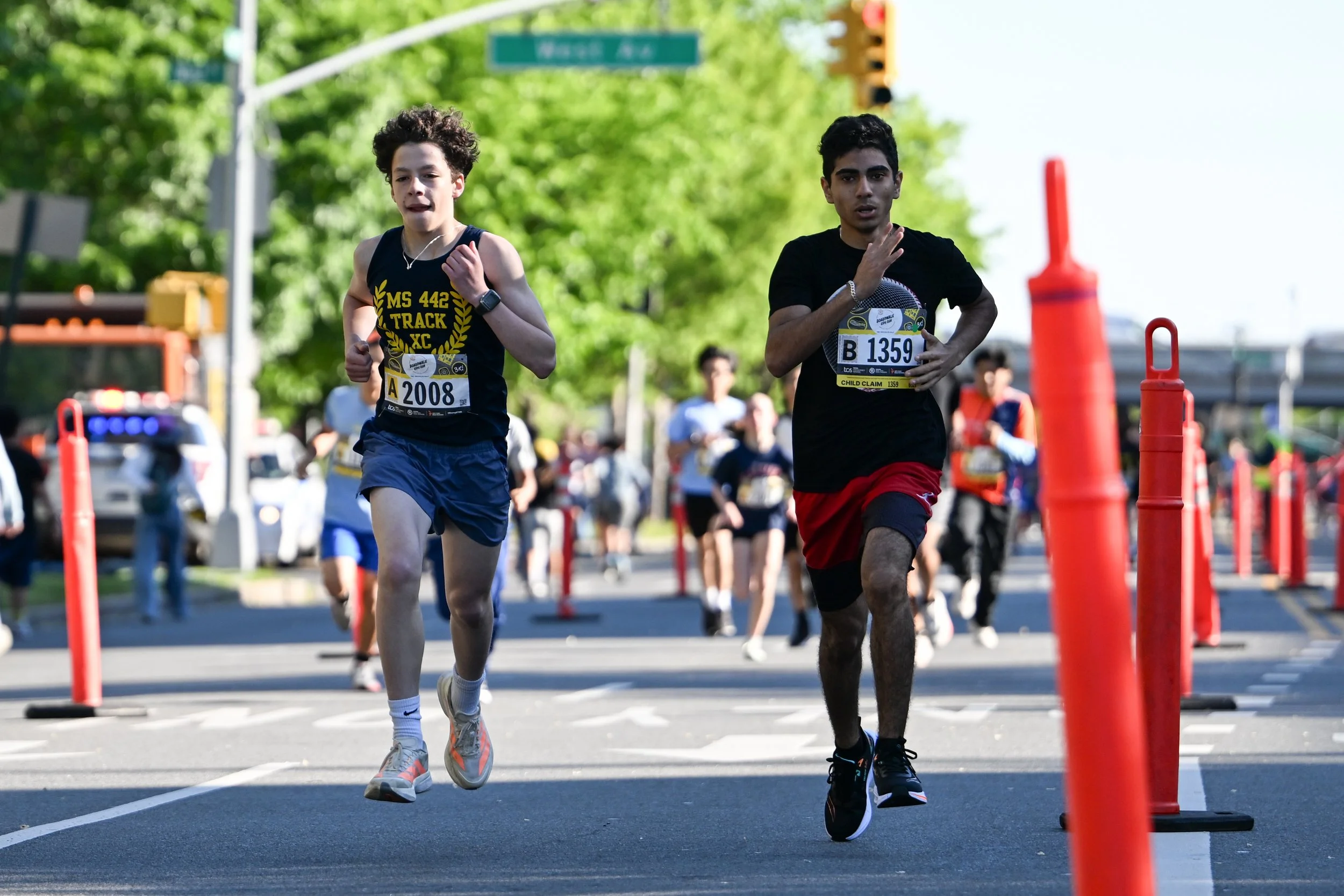
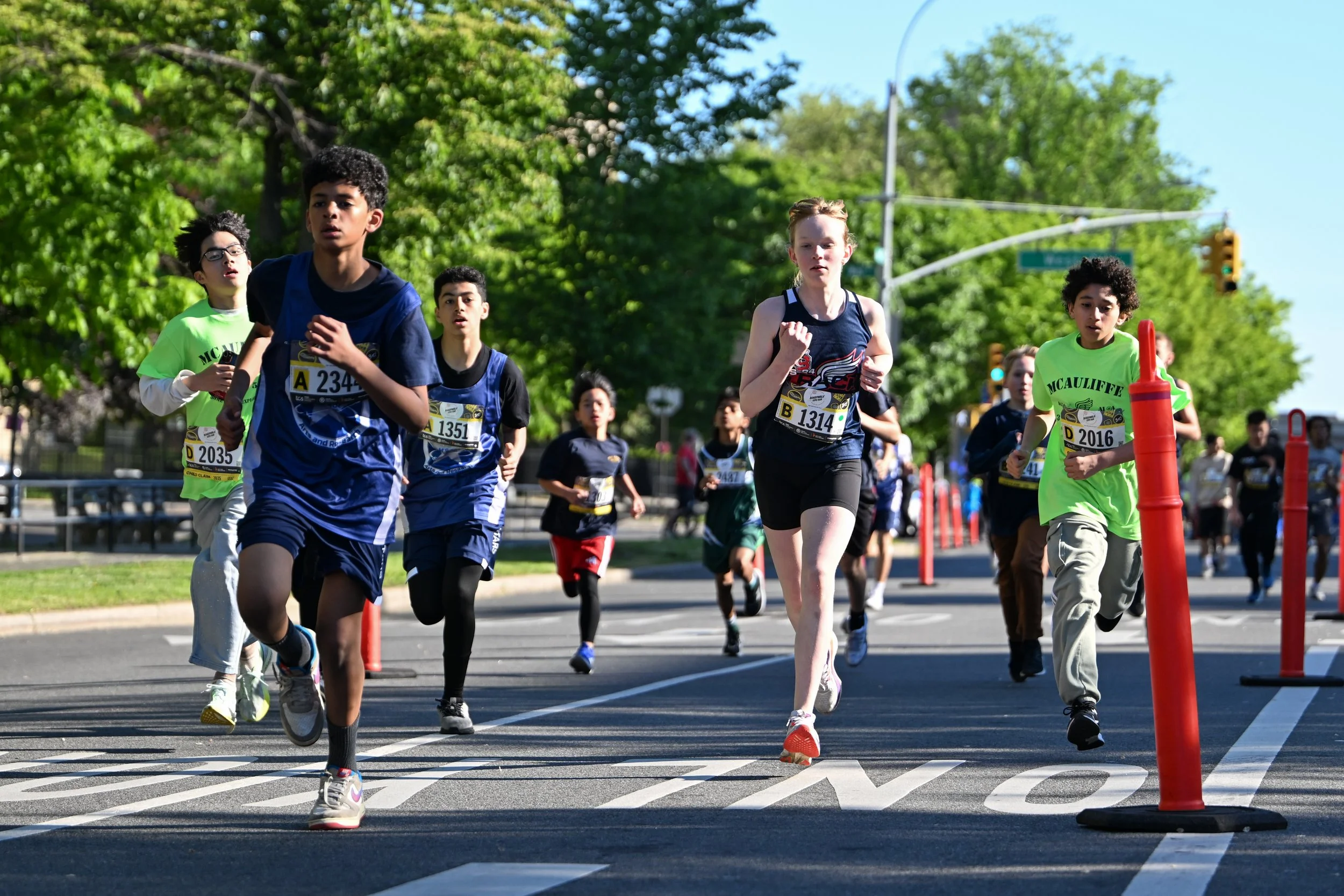
At the same time, New York Road Runners continues expanding the race’s civic and community impact beyond competition. This year’s event featured the largest-ever Boardwalk Kids Run, with 1,456 youth participants taking part near mile 12 of the course. The organization also expanded its runner safety initiatives, offering hands-only CPR training during race week as part of a broader effort to increase public health awareness across major events.
The emphasis on accessibility remains central to NYRR’s growth strategy. Through programs like Rising New York Road Runners, Open Run, Striders, and Race Free, the nonprofit has increasingly framed running not as an elite pursuit, but as community infrastructure—something capable of improving physical health, mental wellness, and neighborhood connection simultaneously.
That philosophy may ultimately explain why the RBC Brooklyn Half continues to resonate so deeply with New Yorkers. Unlike destination marathons built primarily around spectacle, Brooklyn’s race still feels personal. The crowds are hyperlocal. The neighborhoods are familiar. The stories are often deeply intertwined with the city itself.
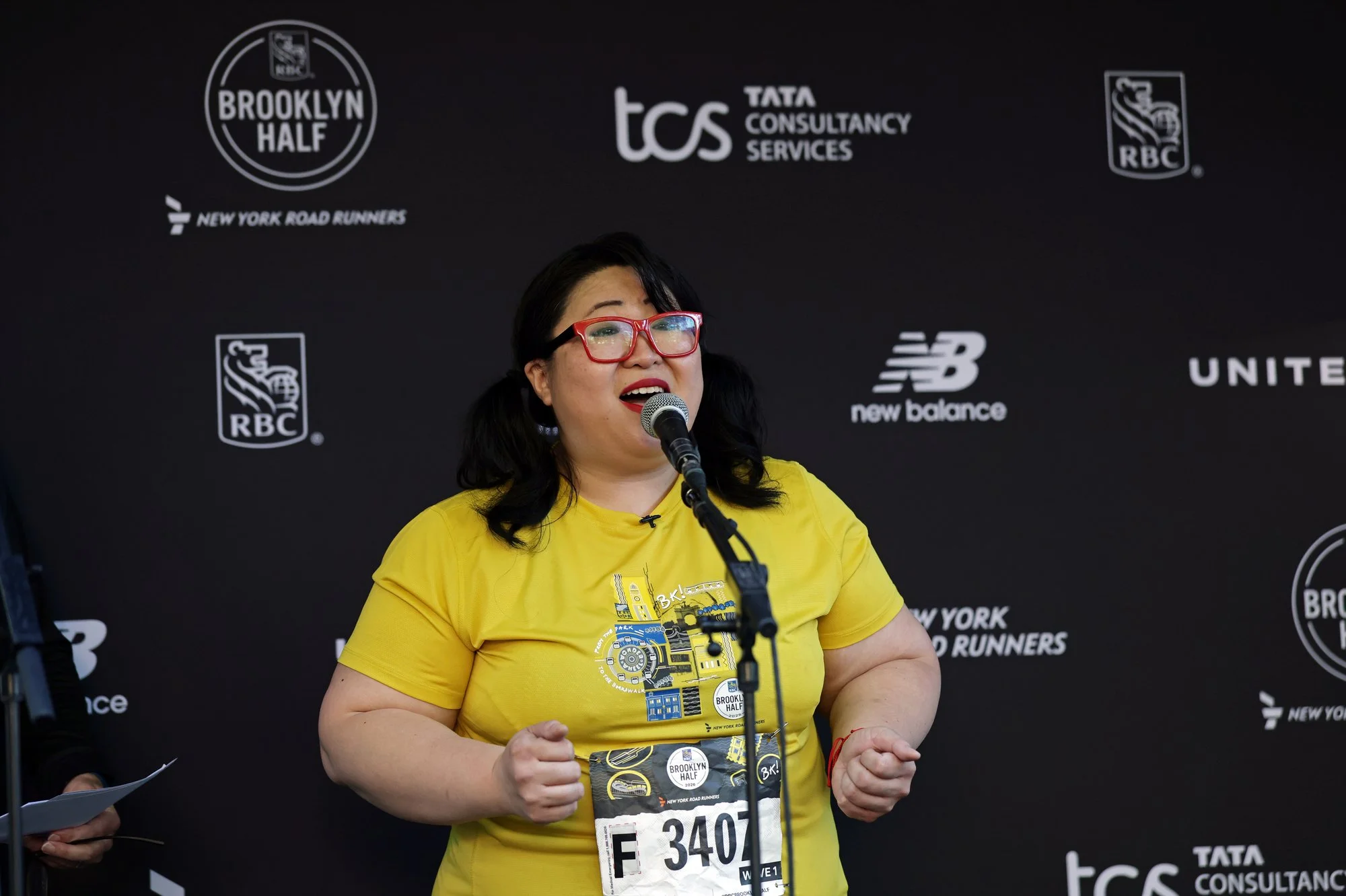
By the time the final runners reached Coney Island hours later—including Achilles International athlete Teresa Hui, who both sang the national anthem and completed the race near her Brighton Beach home—the event had once again demonstrated why distance running occupies such a unique place within New York culture.
The RBC Brooklyn Half is no longer simply a race. It has evolved into a portrait of modern New York itself: ambitious, emotionally layered, relentlessly communal, and always in motion.