Million Goods Is Building A Fashion Lifestyle Destination For The Modern Adult
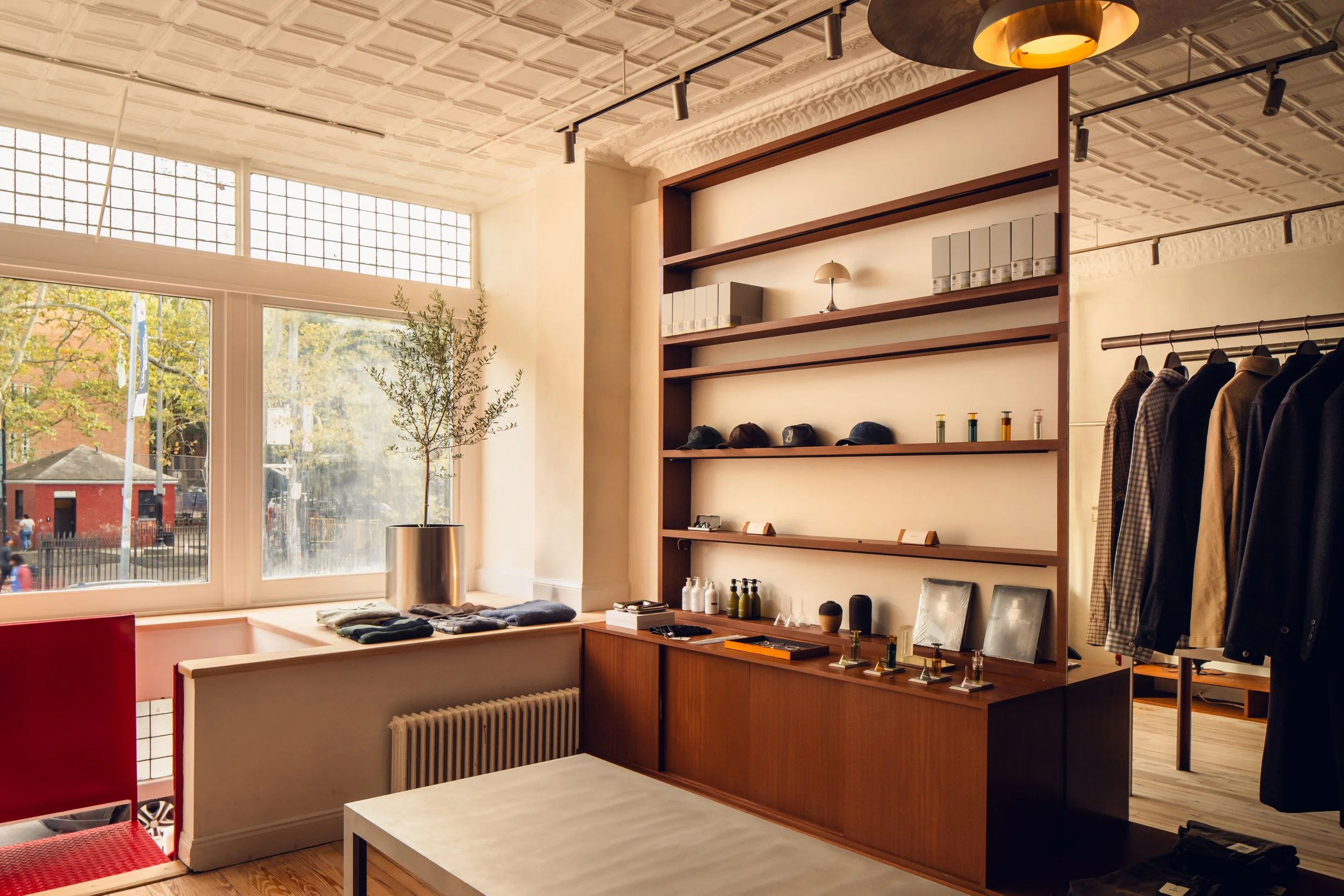
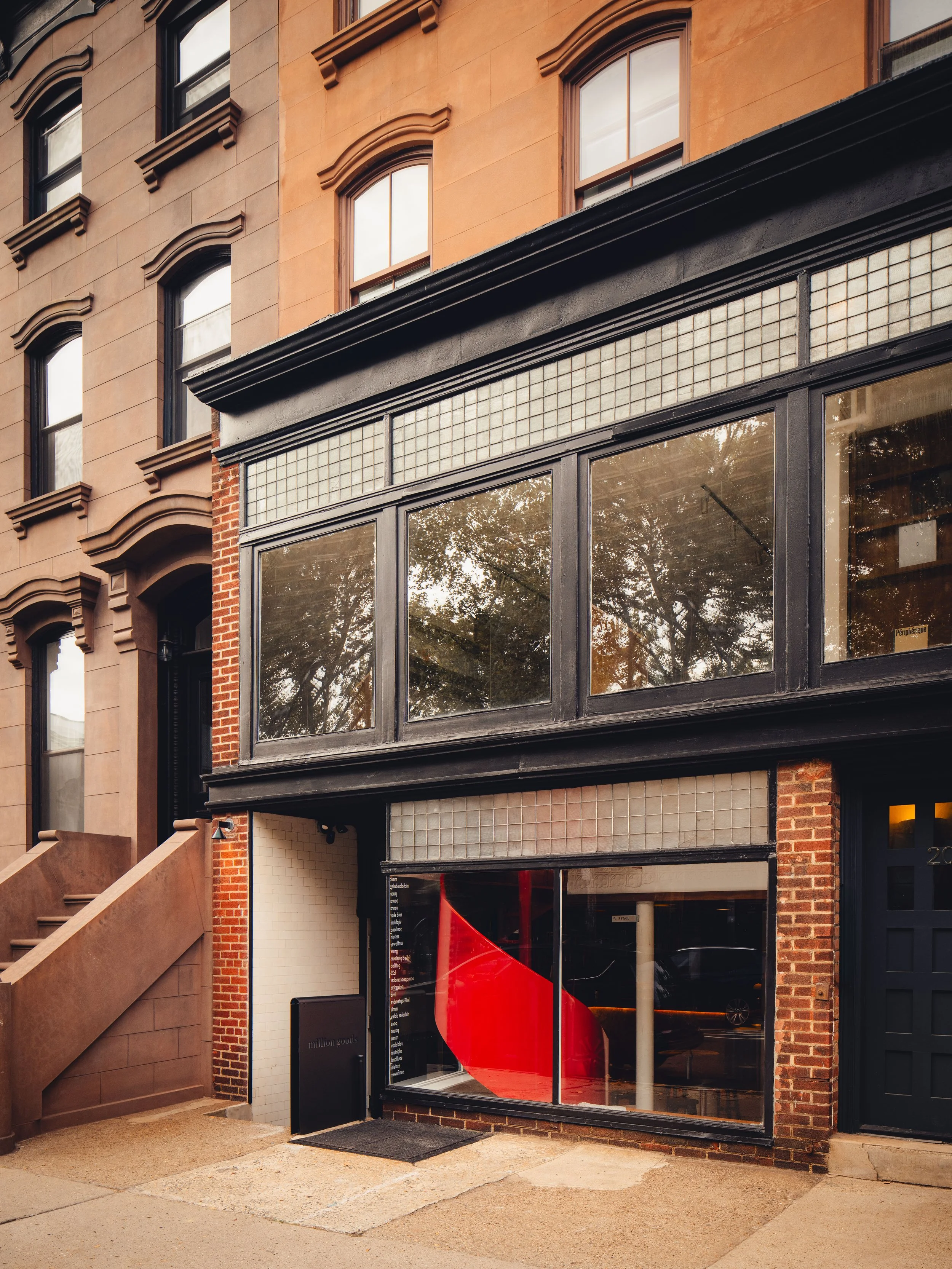
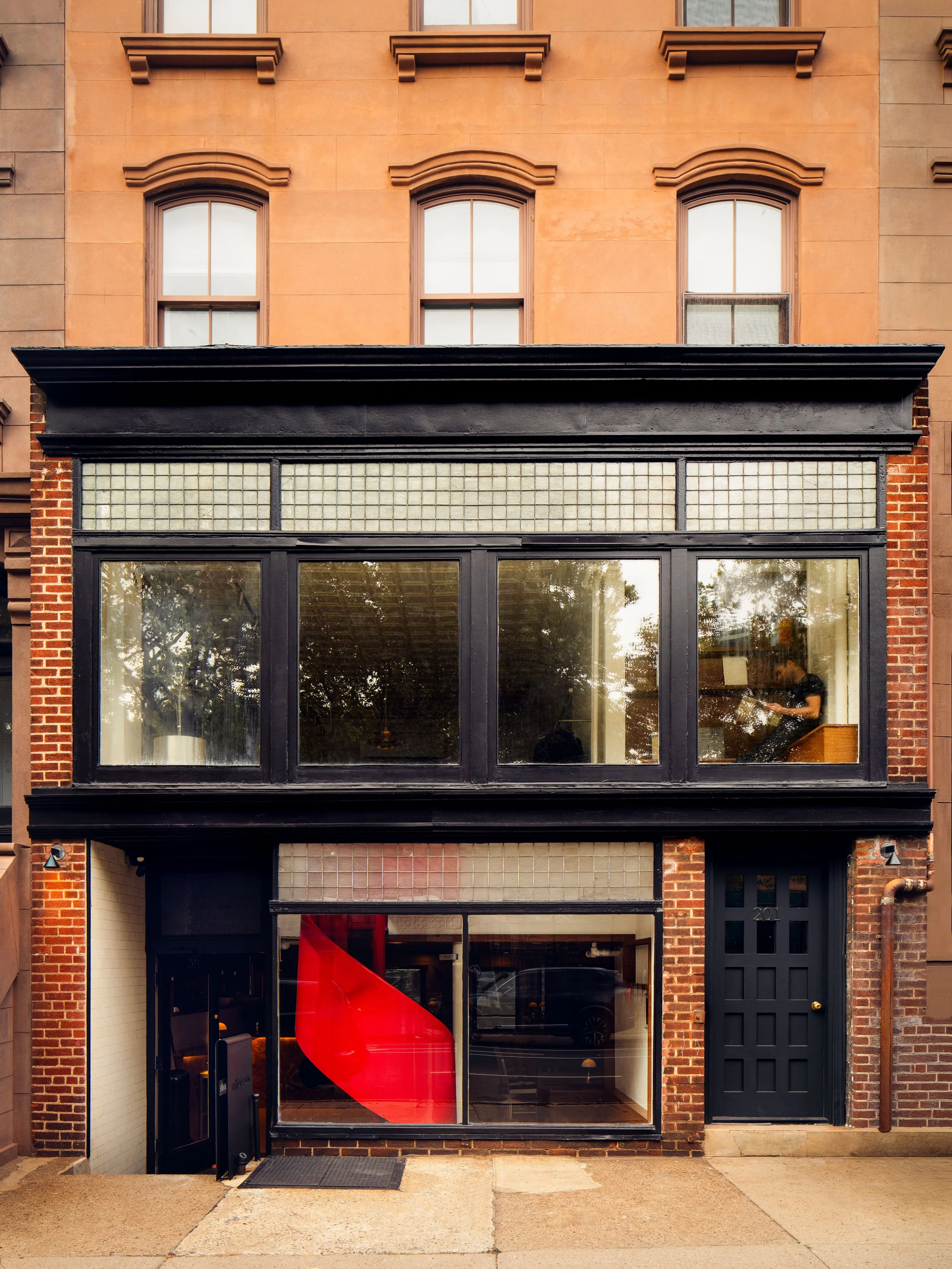
Since opening in Greenpoint in 2024, Million Goods has built a following around independent menswear and a broader mix of music, design and culture. Now, founders Drew Kaufmann and Matt Reyer are expanding that idea into a much more ambitious two-story flagship in Fort Greene, creating a physical environment that reflects the lifestyle behind the clothes.
At its core, Million Goods has always been less interested in chasing fashion's traditional cycles than in cultivating a particular way of living. Its assortment is shaped around a customer whose interests extend beyond clothing—someone influenced by music, design, art, food and the rituals of everyday life. The new Fort Greene space makes that philosophy tangible.
“We want to bring back the idea that you dress this way because of the music you listen to, the lifestyle you live,” Kaufmann says. “We have a very specific person and lifestyle in mind, and we want to provide everything that person needs rather than a few things for anybody.”
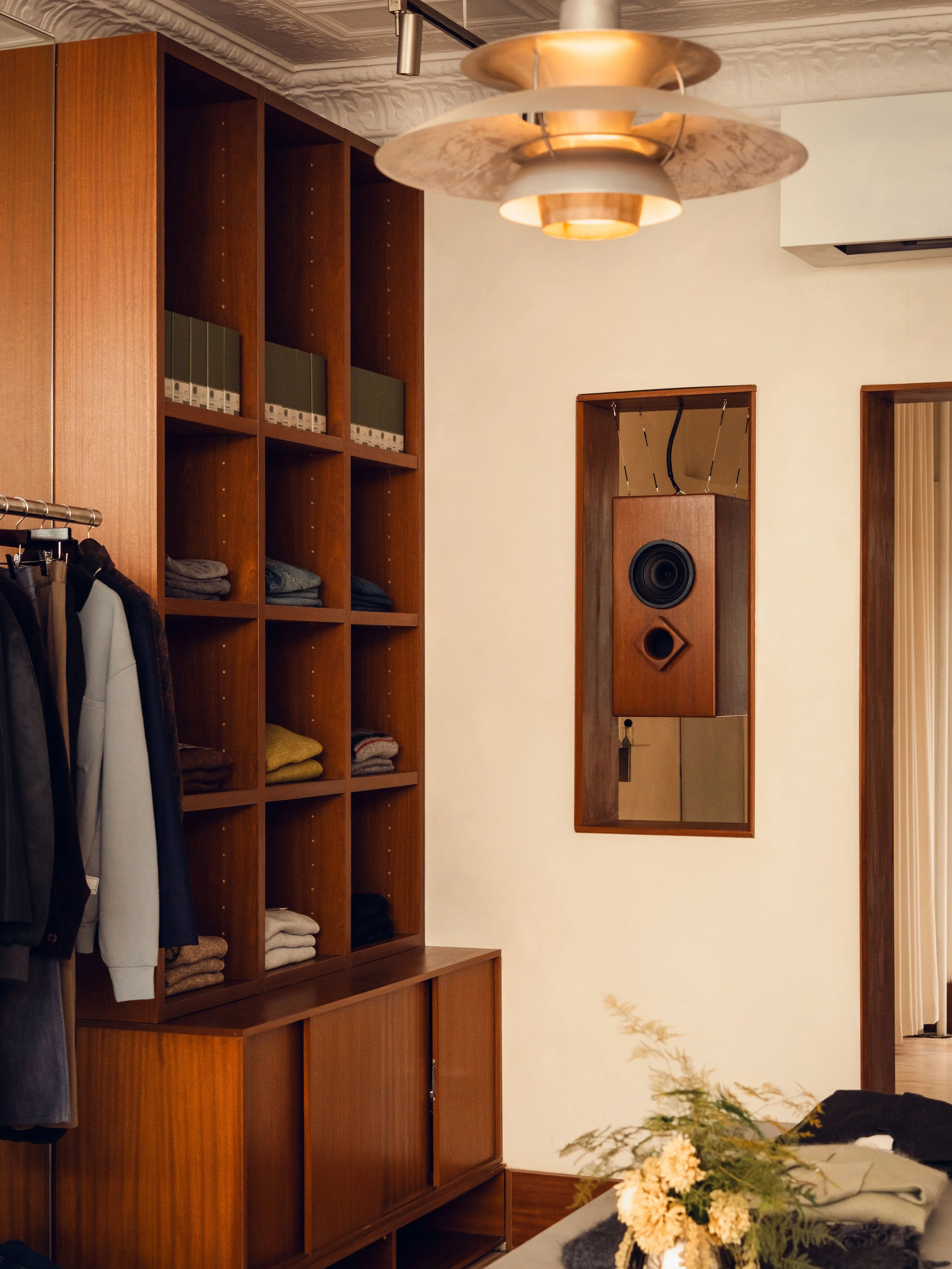
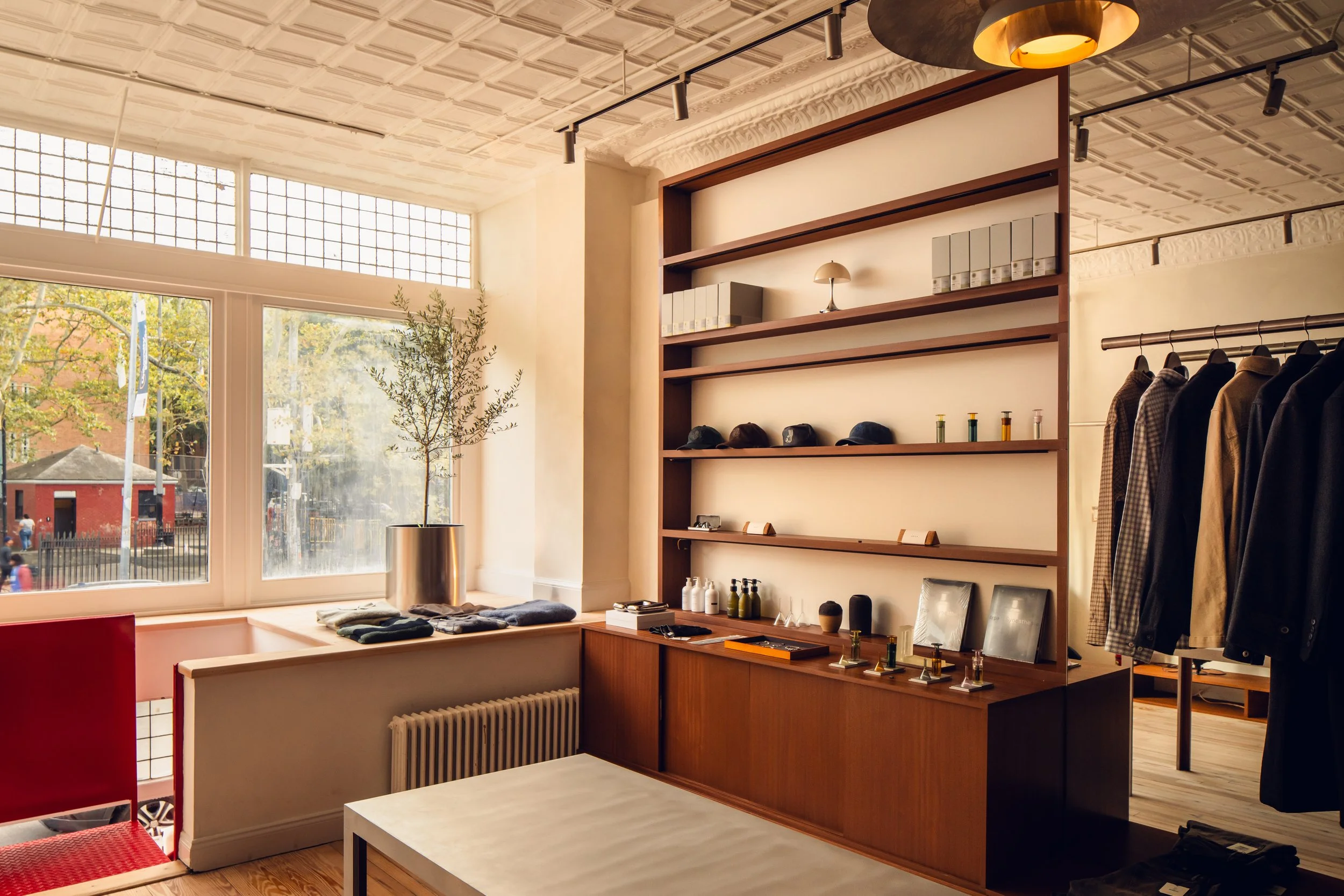
Upstairs, that point of view comes through in a tightly edited selection of independent global menswear. Labels including ssstein, Nicholas Daley, Sunflower and MHL Margaret Howell sit within an assortment developed through years of buying, traveling and building relationships with designers who share Million Goods' broader cultural sensibility.
The edit extends across the brand's established roster of international labels, including Amomento, Berner Kühl, Document, Études Studio, Ranra, Rold Skov, Soulland and Sunbuddies. Rather than separating clothing into rigid trend or category-driven groupings, Million Goods approaches the assortment as a wardrobe—one in which individual pieces can become part of a customer's existing life.
“Broadly speaking, we look for clothes that are clean and easy to wear, but still have some sort of edge or coolness,” Kaufmann says. “Unfussy is a word we use a lot. Everything should fit into your wardrobe effortlessly and make you look cool immediately.”
That philosophy gives the store a distinct relationship with discovery. The objective is not to overwhelm customers with choice, but to offer enough context for them to understand why a particular designer, garment or object belongs within the larger picture.
In Fort Greene, that picture continues downstairs.
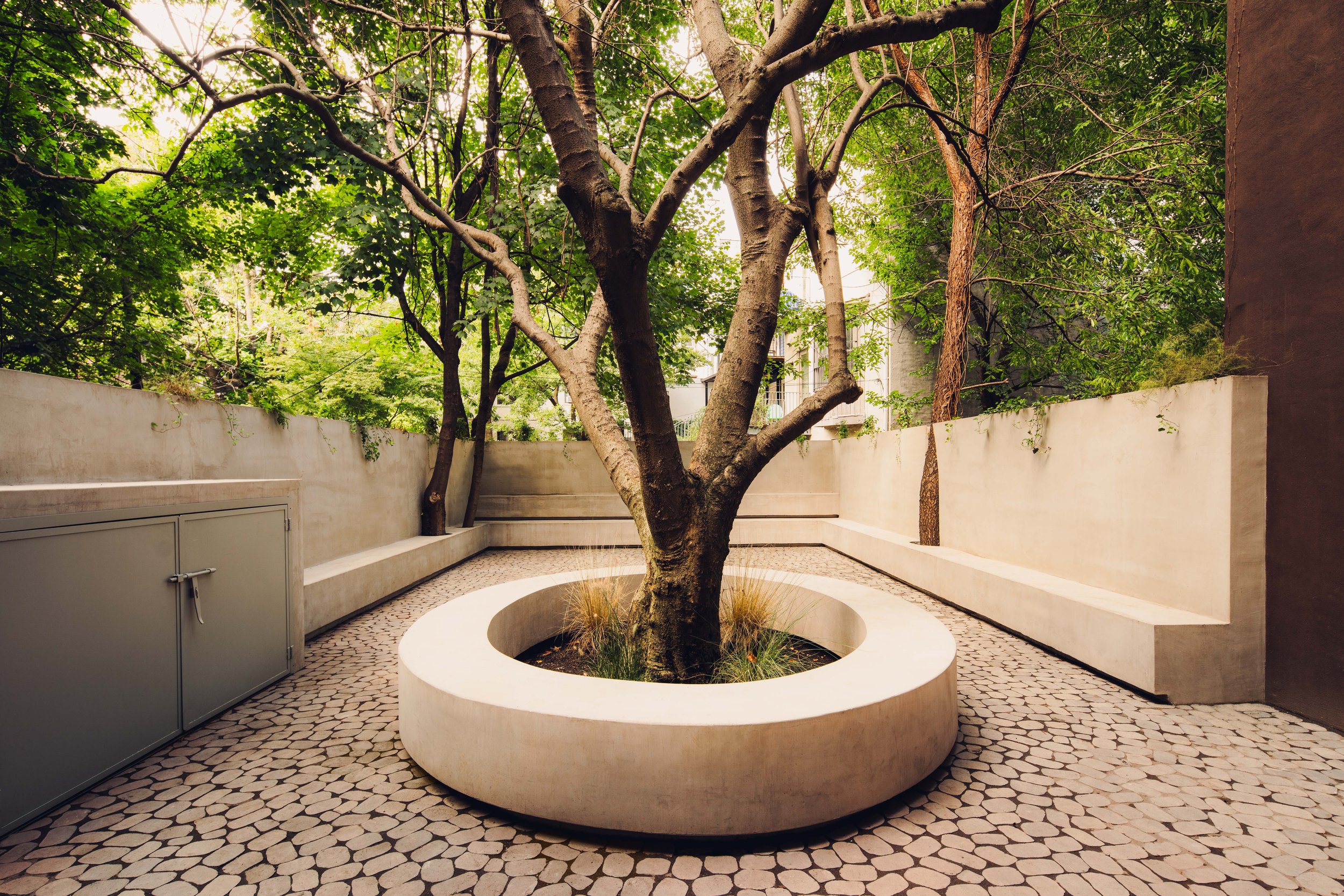
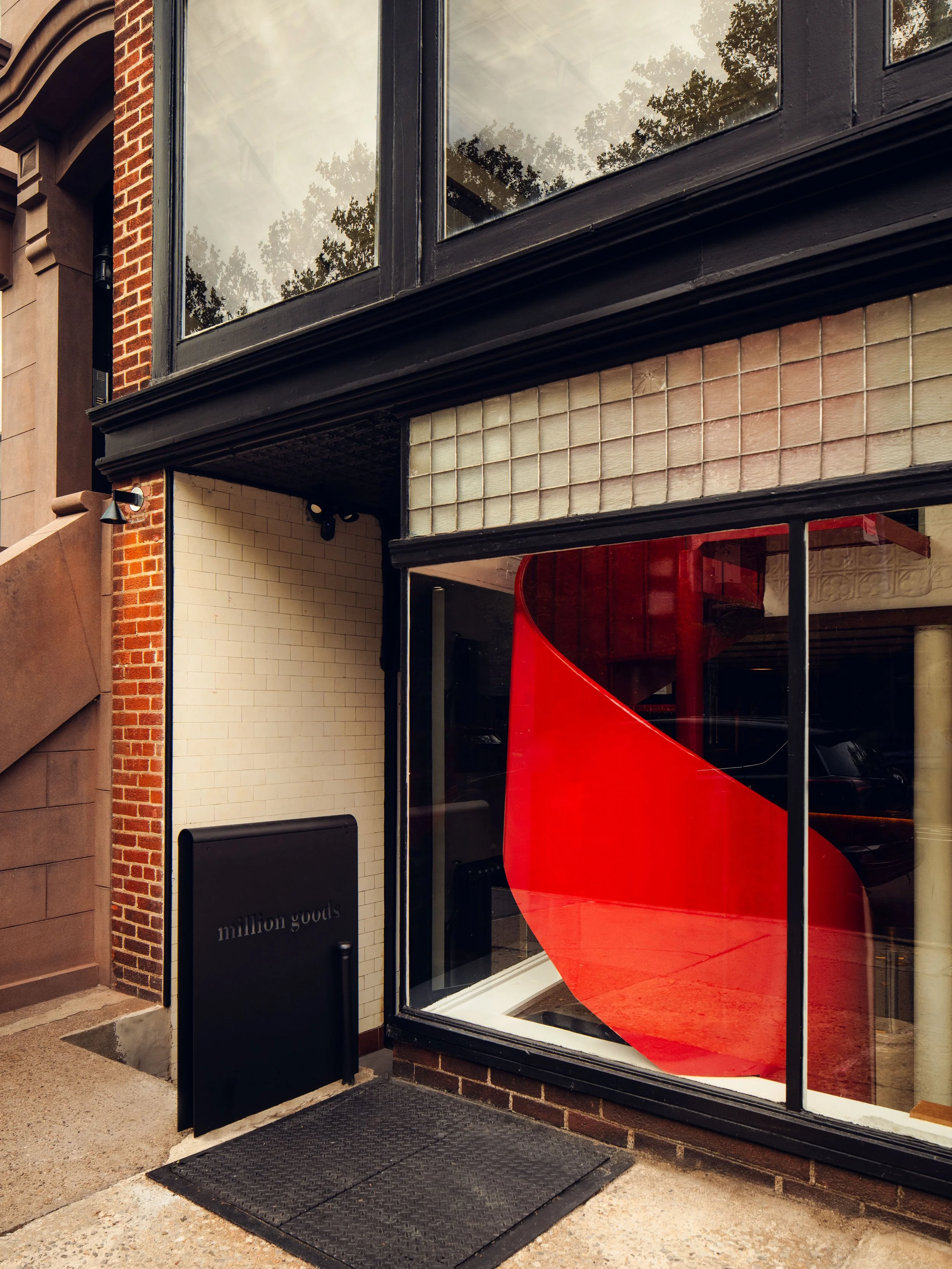
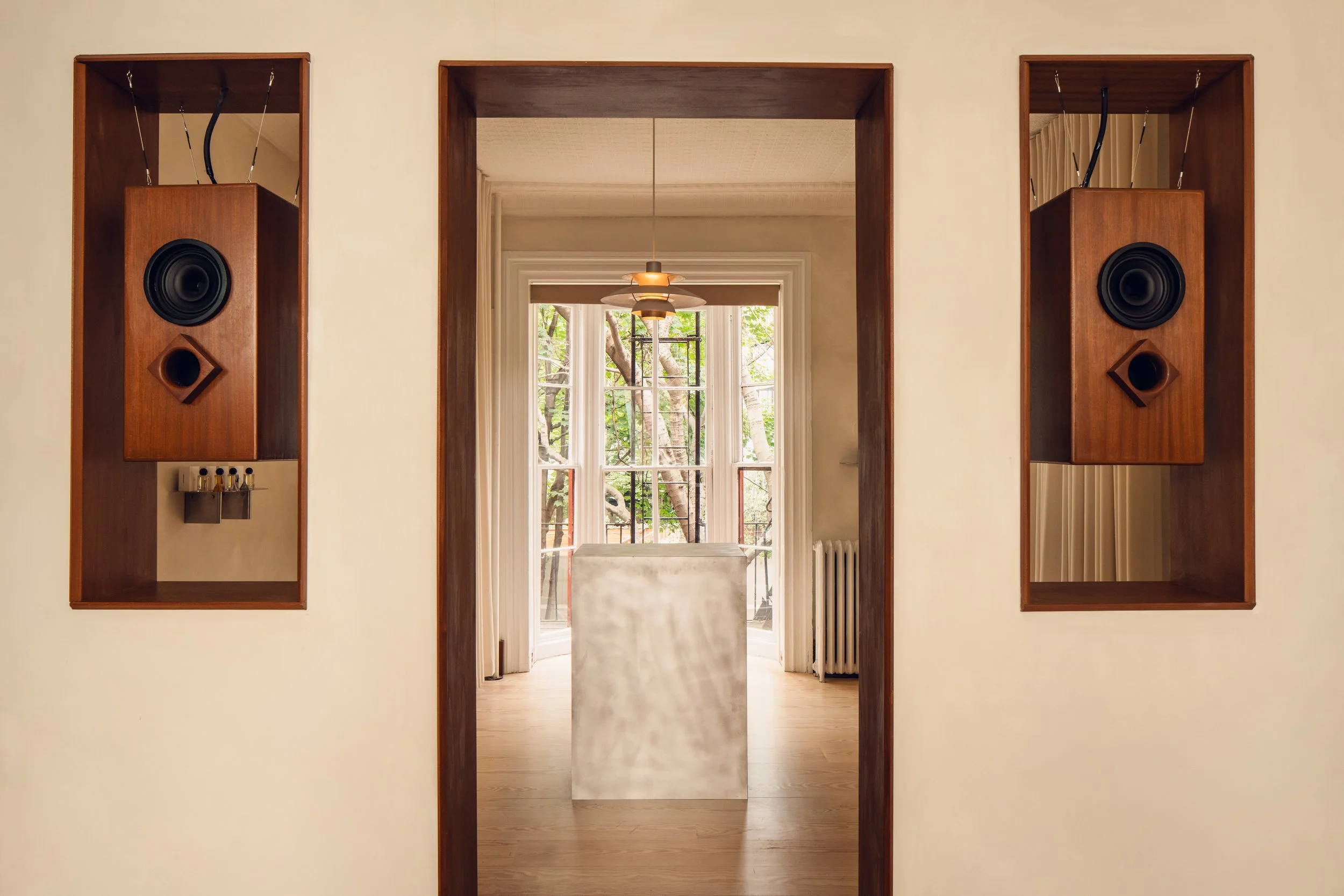
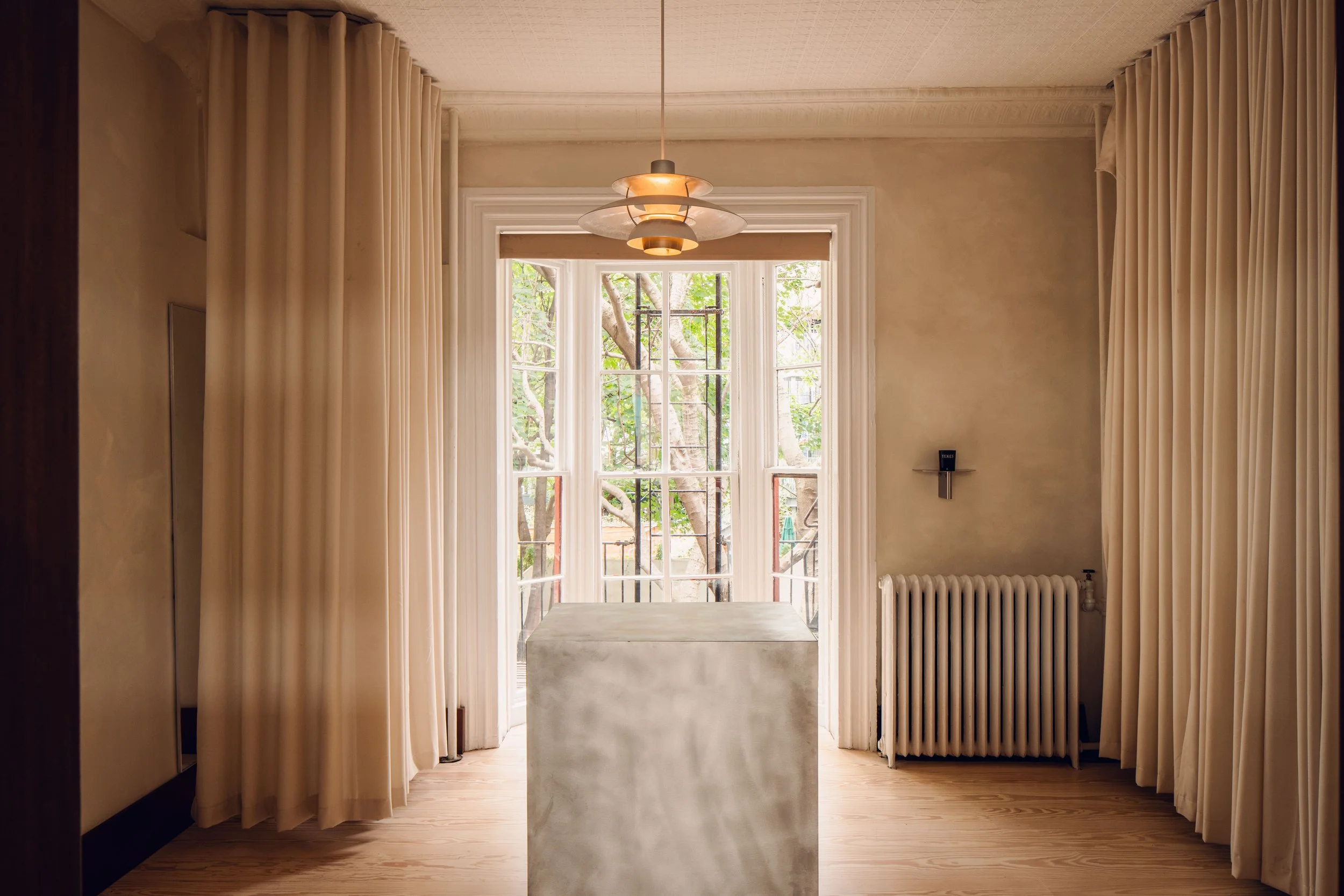
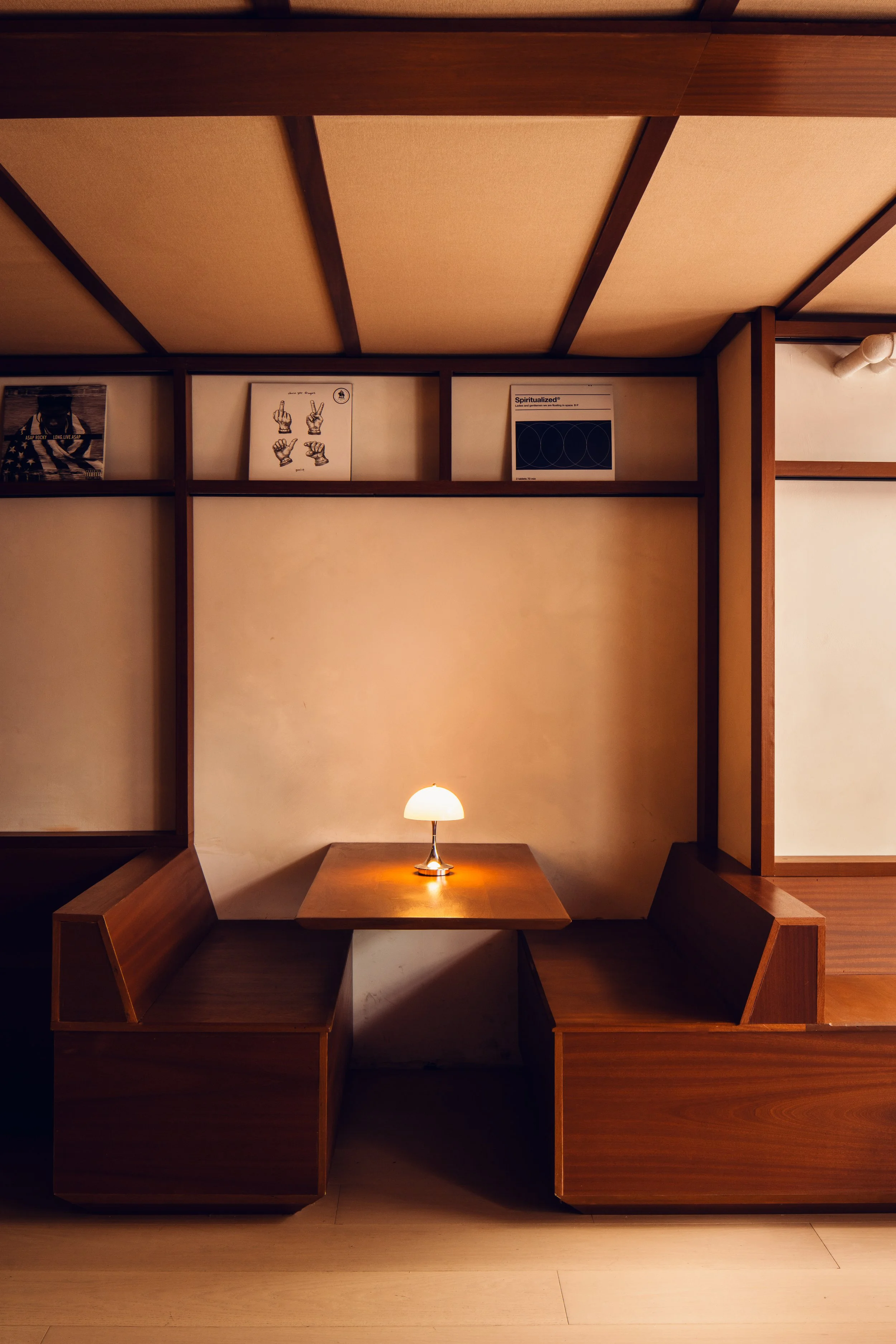
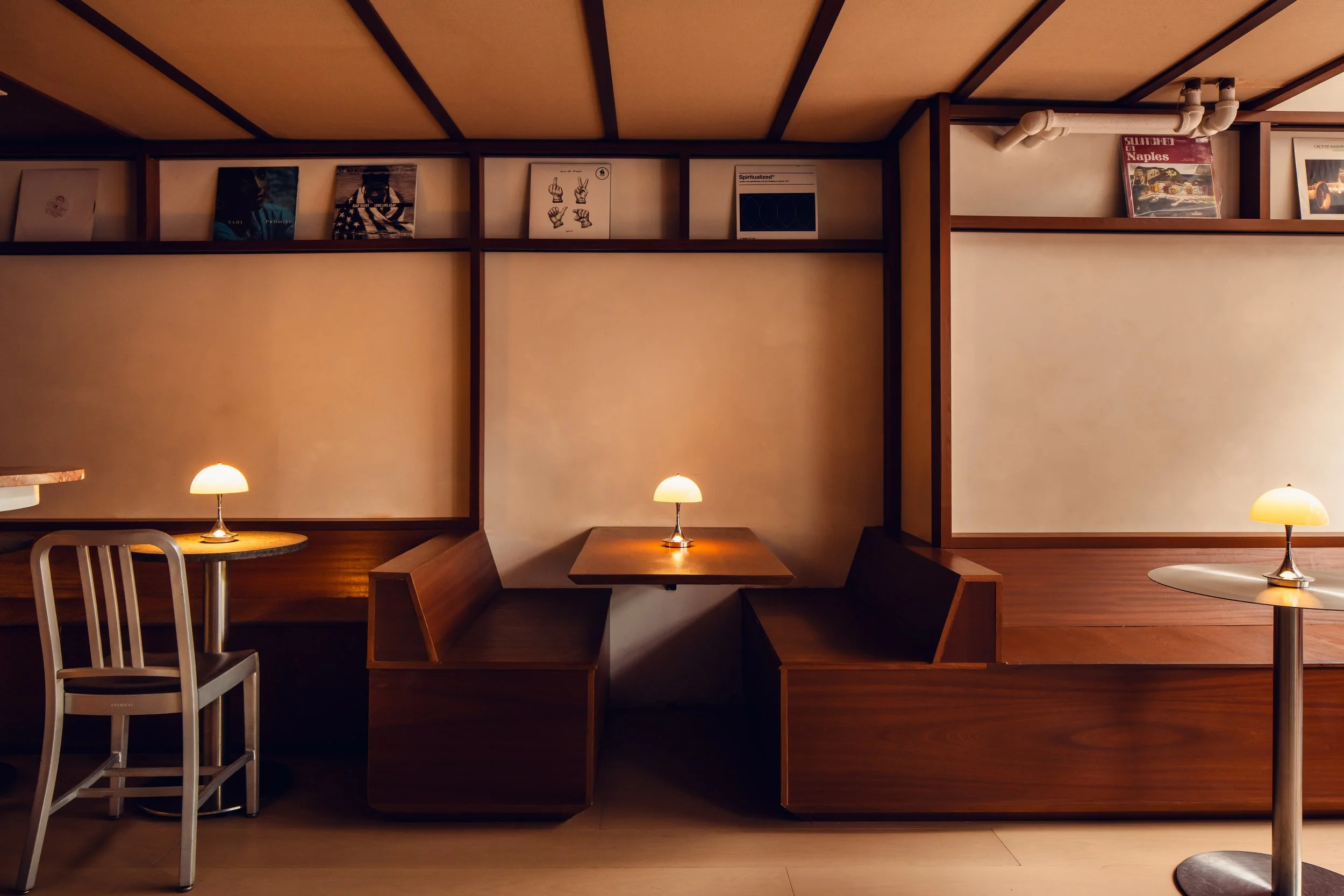
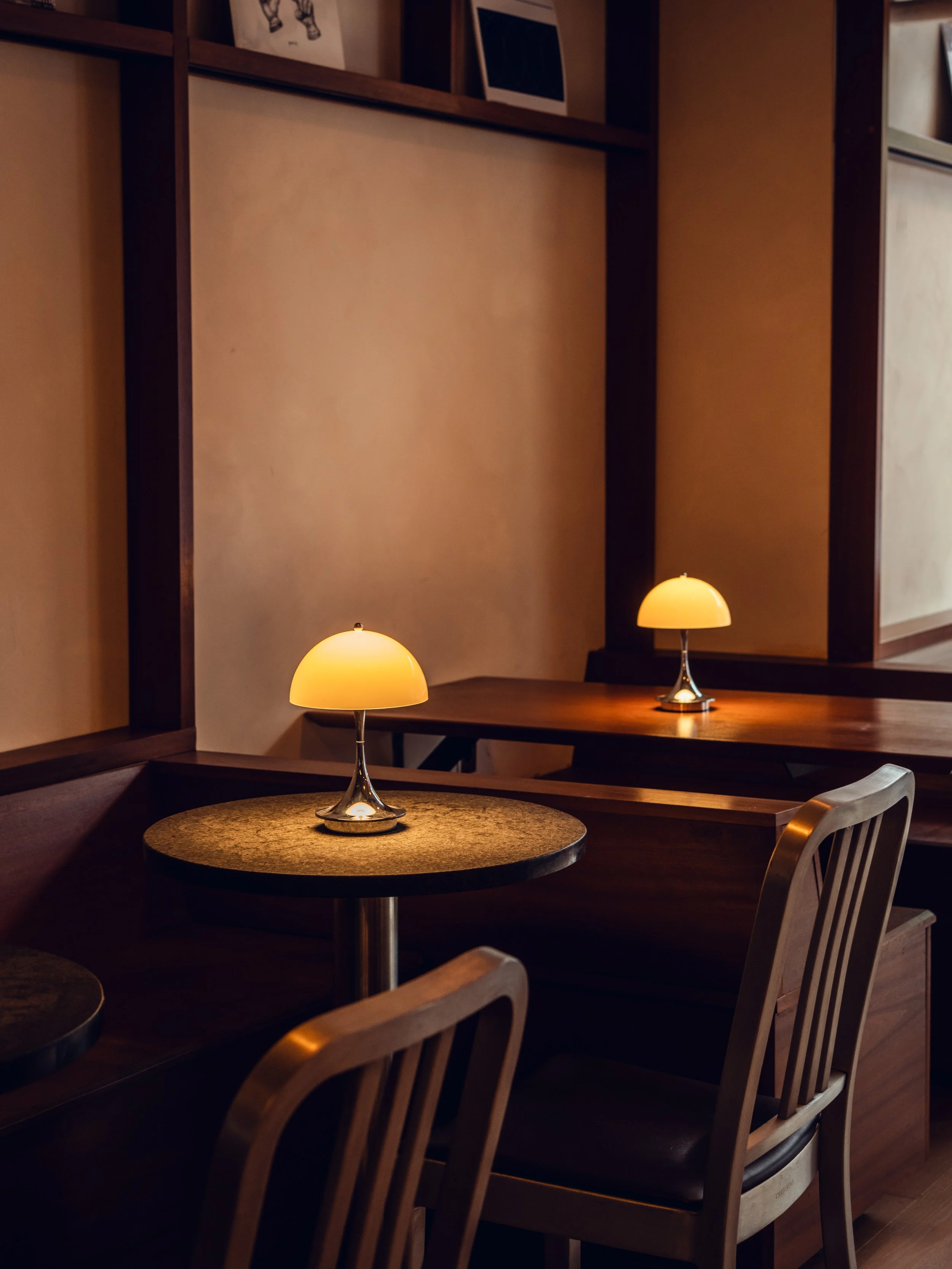
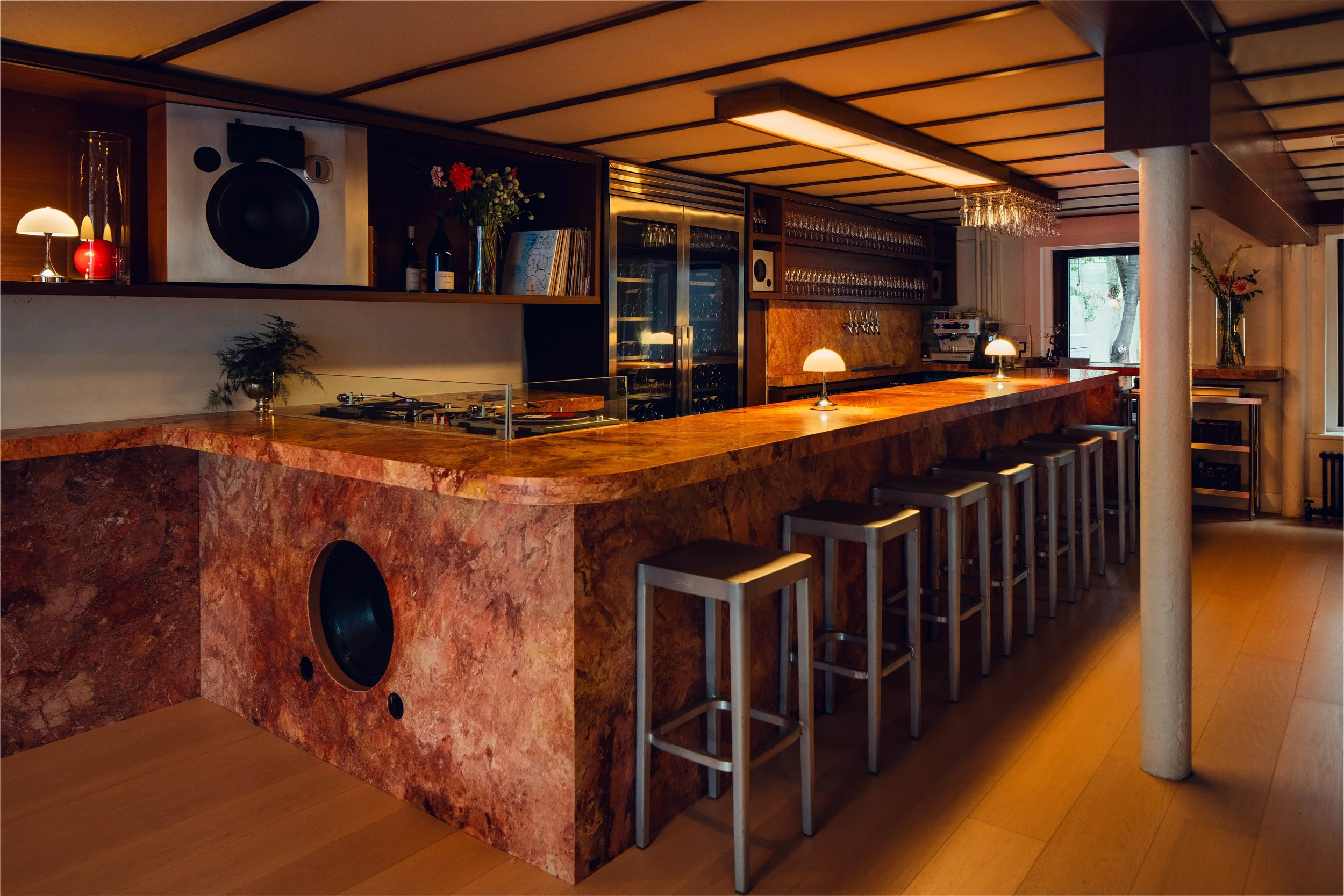
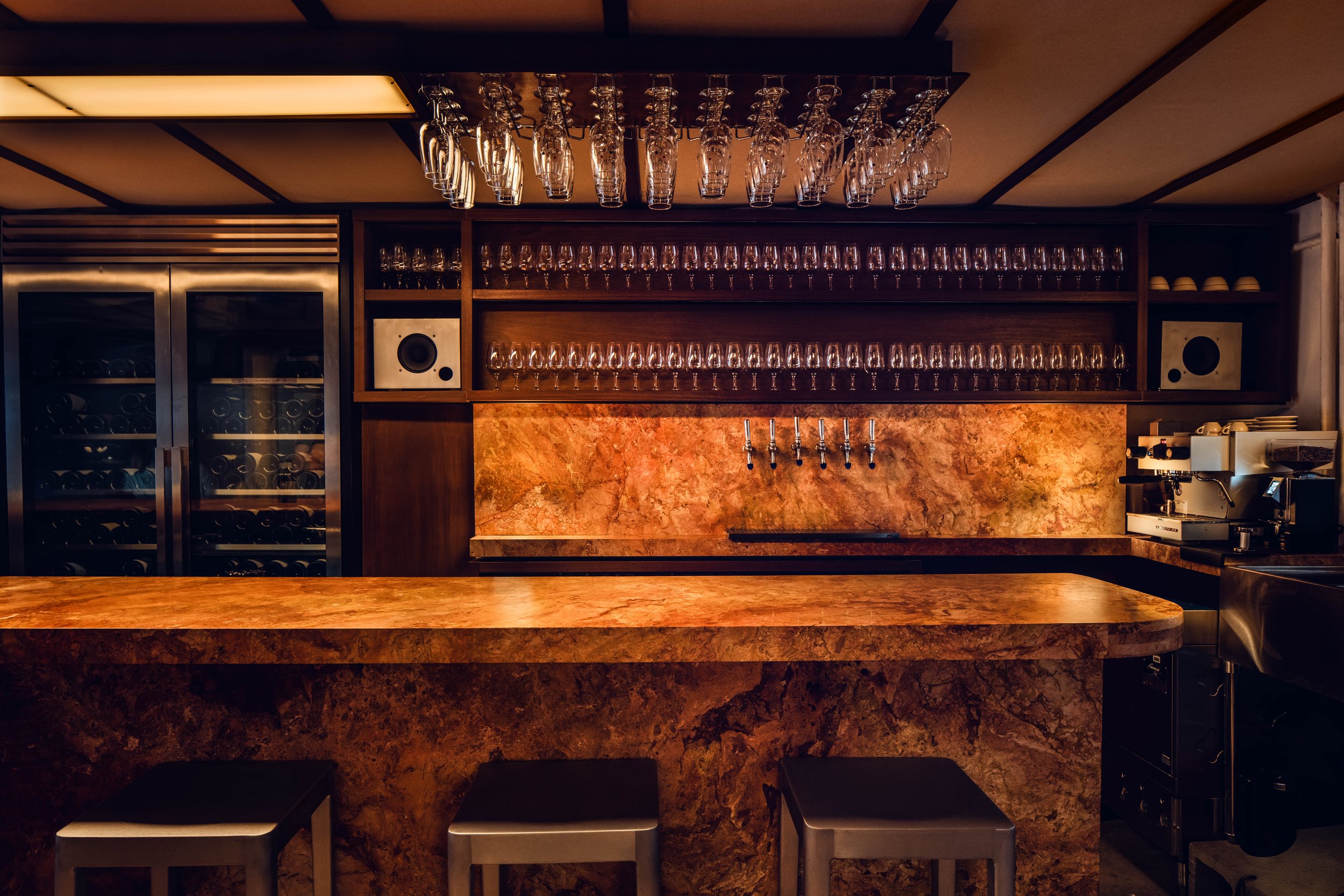
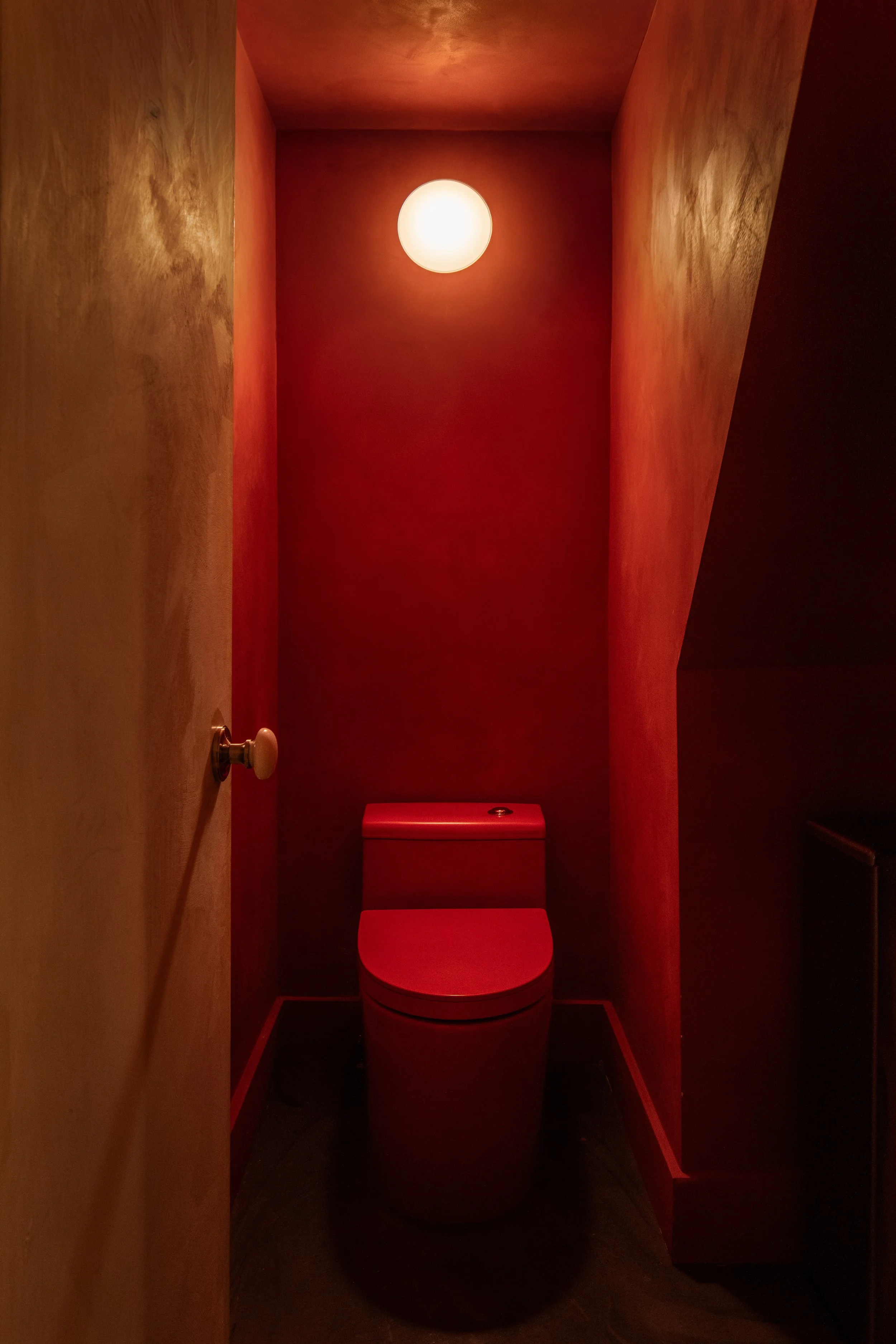
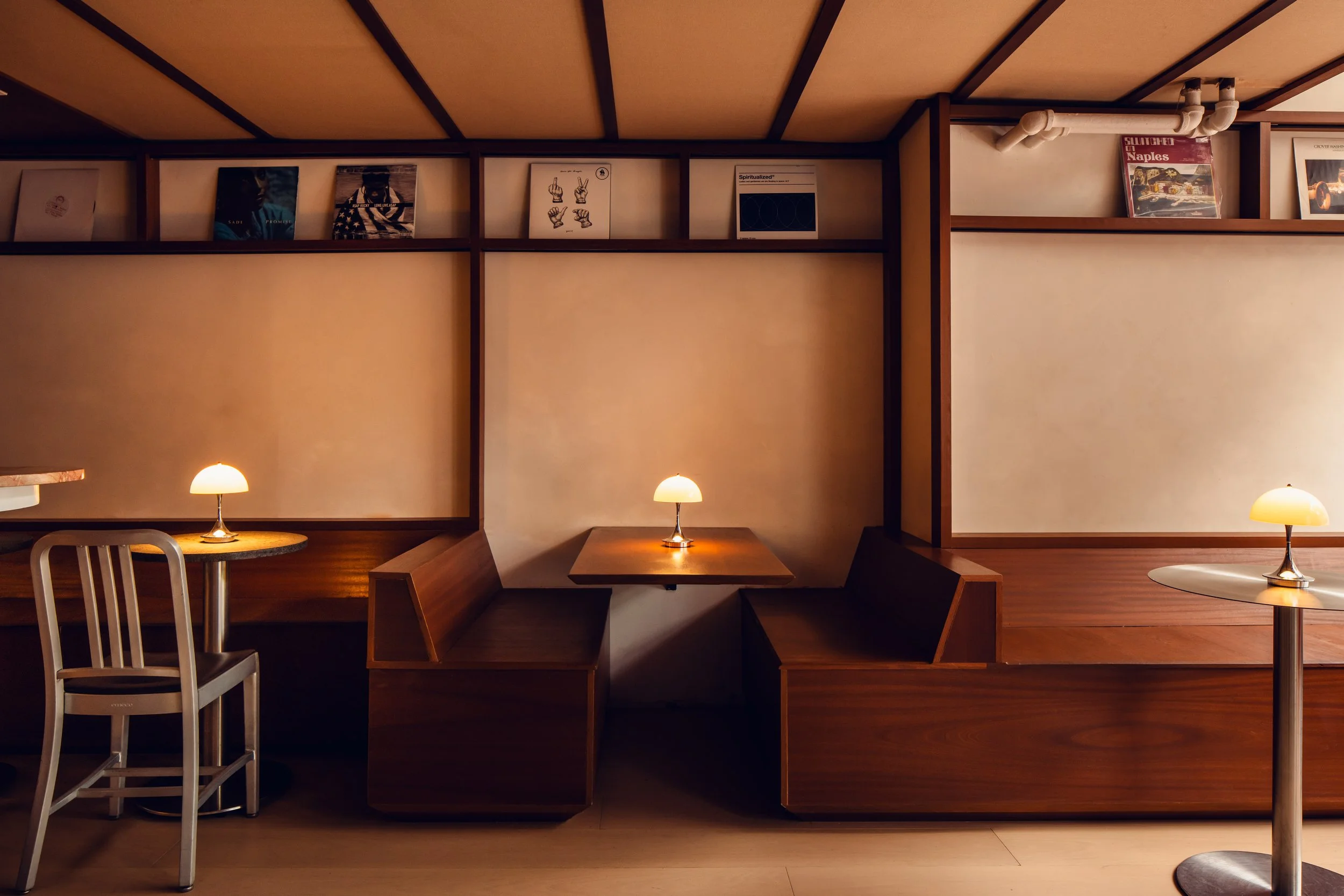
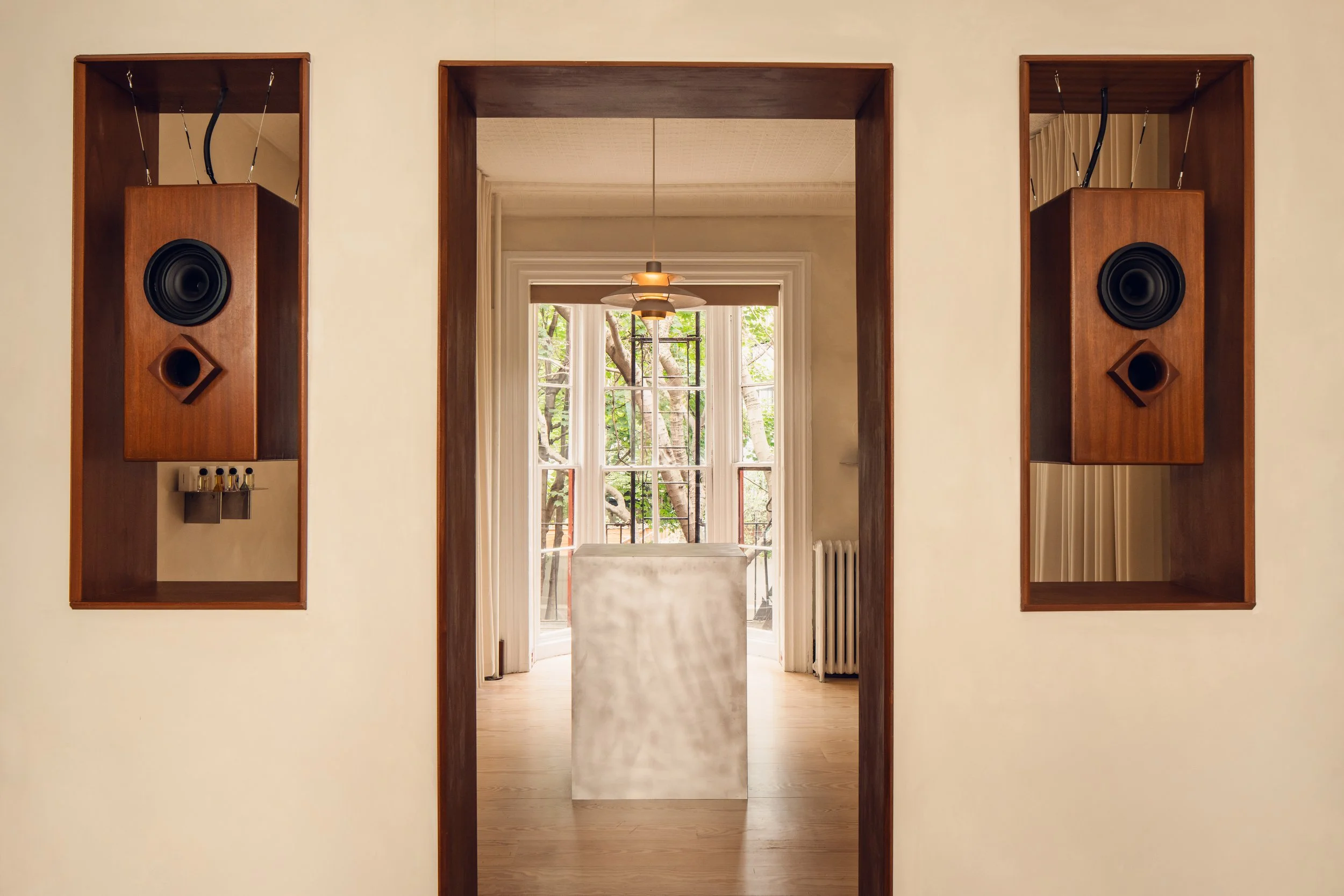
A dramatic red spiral staircase connects the menswear floor to a natural wine bar focused on low-intervention producers and a custom hi-fi listening room. The space then opens onto a garden designed for music and cultural programming, transforming the store from a place to shop into a destination where customers can linger, listen, drink and engage.
The architecture reinforces the concept. The worlds surrounding the clothes are no longer simply influences on the buying strategy; they are physically incorporated into the retail experience. Music, wine, design and programming exist alongside the menswear assortment, creating a more complete expression of the Million Goods customer.
It is a particularly relevant proposition for contemporary retail. As fashion becomes increasingly accessible through digital platforms, the physical store has to offer something that cannot be replicated by a product page. Million Goods' answer is atmosphere, curation and community.
The Fort Greene flagship provides room for all three.
A customer might arrive looking for a specific pair of trousers and encounter a designer they have never heard of. They might come for the clothes and stay for a glass of natural wine, a listening session or an event in the garden. The distinction between retail and hospitality becomes deliberately blurred.
That fluidity reflects a broader understanding of what it means to dress as an adult. Clothing is rarely an isolated interest. It exists alongside the records we collect, the restaurants we frequent, the books we read, the objects we keep and the people with whom we spend our time. Million Goods has built its retail model around those connections.
The result is a store that treats fashion as part of a larger cultural ecosystem rather than the entirety of it.
In an industry often preoccupied with what comes next, Million Goods is more interested in what fits. Its carefully selected clothes, independent designers, wine program, hi-fi environment and cultural programming all contribute to a singular point of view—one that gives customers space to discover rather than simply consume.
The Fort Greene flagship ultimately expands on what began in Greenpoint: a fashion destination built around a specific person and lifestyle. But with its combination of menswear, wine, music and outdoor space, Million Goods is making a larger argument about the future of retail. The best stores may not simply sell a wardrobe. They may provide the cultural framework around it.