
The Great Lakes Are Building A New Future For Mass Timber

The Great Lakes region is betting that the future of construction can be rooted in one of its oldest natural resources: wood.
A new U.S. Forest Service Wood Innovations Grant is giving the Great Lakes Mass Timber Collaborative (GLMTC) the resources to accelerate a regional ecosystem that connects forests, manufacturers, architects, builders, researchers and communities across eight states. The initiative brings together Dovetail Partners, MassTimber@MSU at Michigan State University and Team Pennsylvania with a shared objective: turn the region’s abundant forest resources into an economic and architectural opportunity while keeping forest health at the center of the conversation.
The $300,000 grant, matched by another $300,000 commitment from the U.S. Endowment for Forestry and Communities, creates a $600,000 investment in the next phase of the collaborative. The funding will support supply-chain mapping, technical assistance for emerging projects, manufacturing expansion and the development of mass timber products, including opportunities for hardwood applications.
For travelers accustomed to experiencing the Great Lakes through its waterfront cities, industrial architecture and expansive natural landscapes, the initiative offers another way to understand the region: through the material culture of its forests.
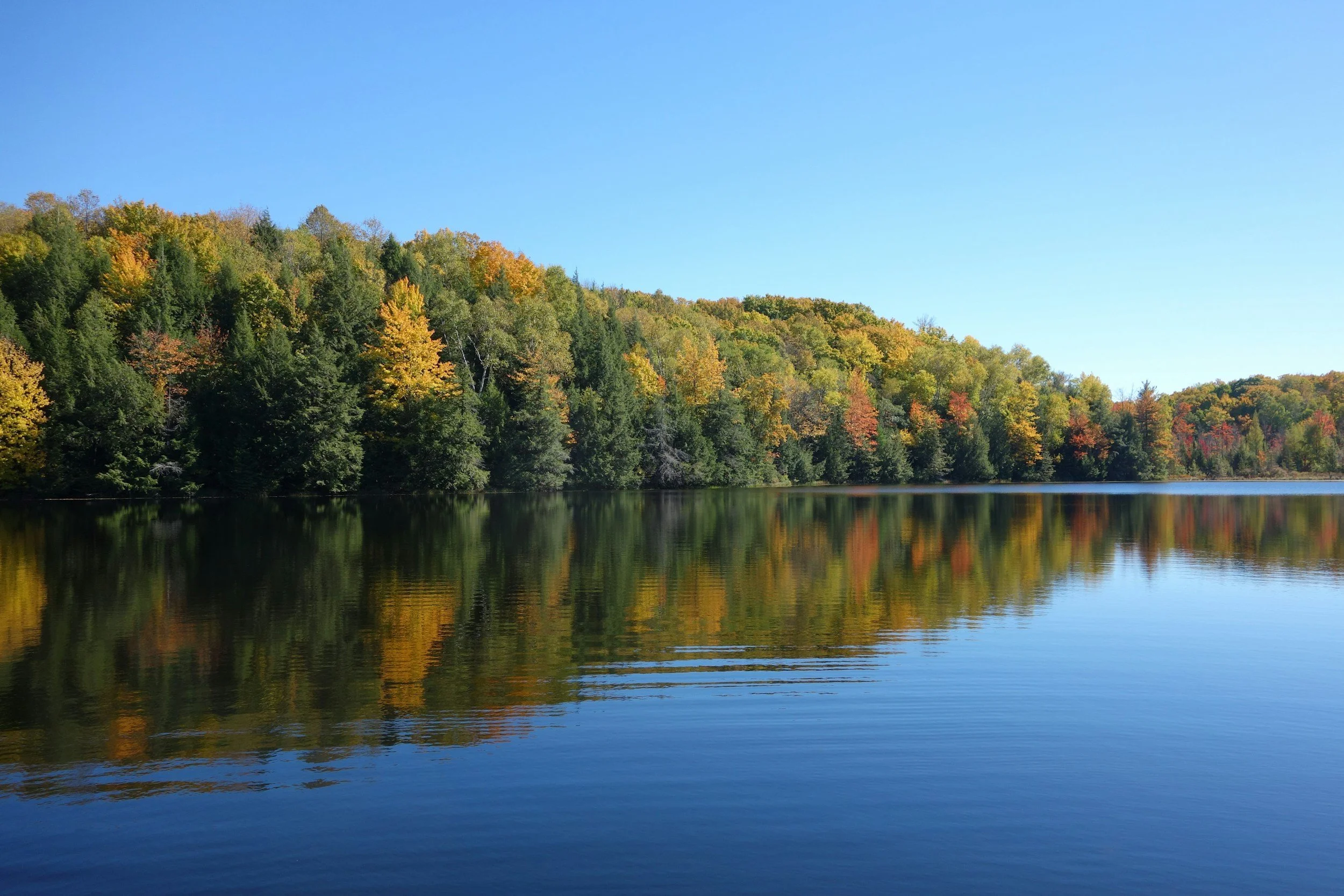
Mass timber has increasingly emerged as an alternative to conventional construction materials, transforming engineered wood into structural systems capable of supporting commercial, institutional and multifamily buildings. But the ambition of the GLMTC extends beyond simply building more with wood. Its larger goal is to create a regional economy where forest management, manufacturing and construction reinforce one another.
The Collaborative, founded in 2024 by MassTimber@MSU, brings together participants from Minnesota, Wisconsin, Illinois, Indiana, Michigan, Ohio, Pennsylvania and New York. More than 100 participants gathered in April 2026 to introduce its Regional Vision, outlining priorities around supply chains, manufacturing, workforce development and technical assistance.
“The Regional Vision reflects the knowledge, goals, and analysis of people across the mass timber chain — from forests to manufacture to research to buildings — in all eight Great Lakes states,” said Sandra Lupien, director of MassTimber@MSU and founder of the Collaborative. “This wood innovation grant enables us to start implementing that vision on the ground by identifying priorities in forests and matching them with opportunities in products and construction.”
That connection between landscape and design is what makes the initiative particularly compelling. The Great Lakes have long been defined by the relationship between natural resources and industry, from timber and shipping to manufacturing and architecture. Mass timber introduces a contemporary expression of that relationship, translating regional forests into buildings while creating demand for manufacturing expertise and skilled labor.
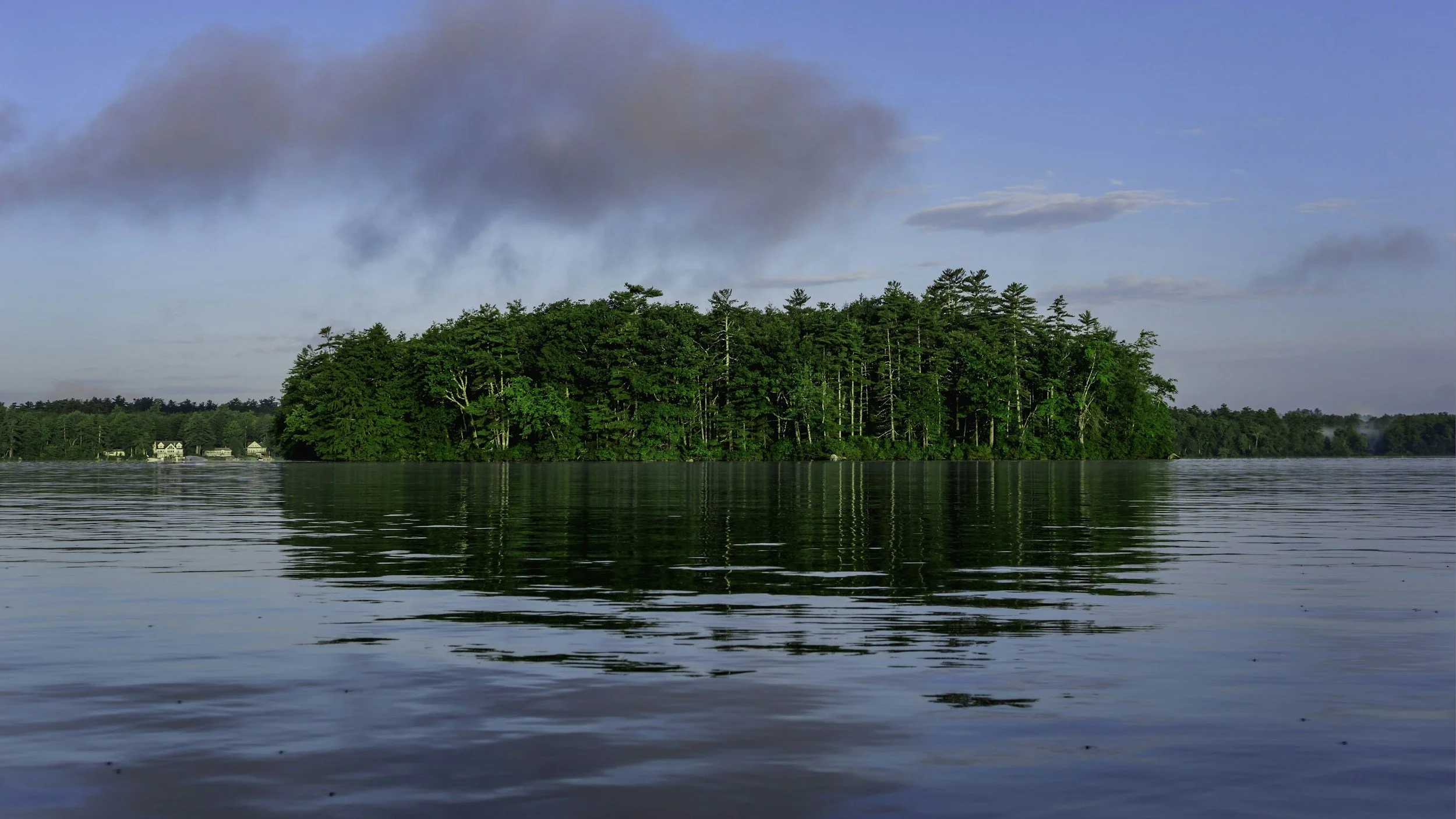
The approach also speaks to a broader evolution in sustainable design. Sustainability is increasingly moving beyond a checklist of materials and efficiencies toward a more holistic understanding of how buildings, economies and ecosystems interact. The most consequential projects are not simply reducing impact; they are examining how development can support the places from which its materials originate.
For the Great Lakes, that means creating stronger markets for wood products while supporting healthier forests and rural economies. The U.S. Forest Service’s broader $105.5 million national investment in wood innovation, community wood and wood products infrastructure is designed to support 177 projects focused on expanding markets, strengthening rural economies and improving forest health.
Dovetail Partners, which serves as the Collaborative’s fiscal sponsor, will provide administrative and financial oversight as the strategy moves from vision to implementation. The organization has been involved in developing sustainable forest-product systems for years, making its role an extension of a much larger movement toward responsible resource utilization.
“It is an honor for Dovetail Partners to be able to provide a home for this work to continue,” said Kathryn Fernholz, president and CEO. “We’ve been involved with supporting the realization of benefits from mass timber since the early days, and we’re excited to see momentum continue to build.”
Pennsylvania is also positioning itself as an important piece of the regional equation. Through Team Pennsylvania, the state is connecting its forest resources with manufacturing, workforce and innovation capabilities, demonstrating how mass timber can become more than a construction category—it can become an economic development strategy.
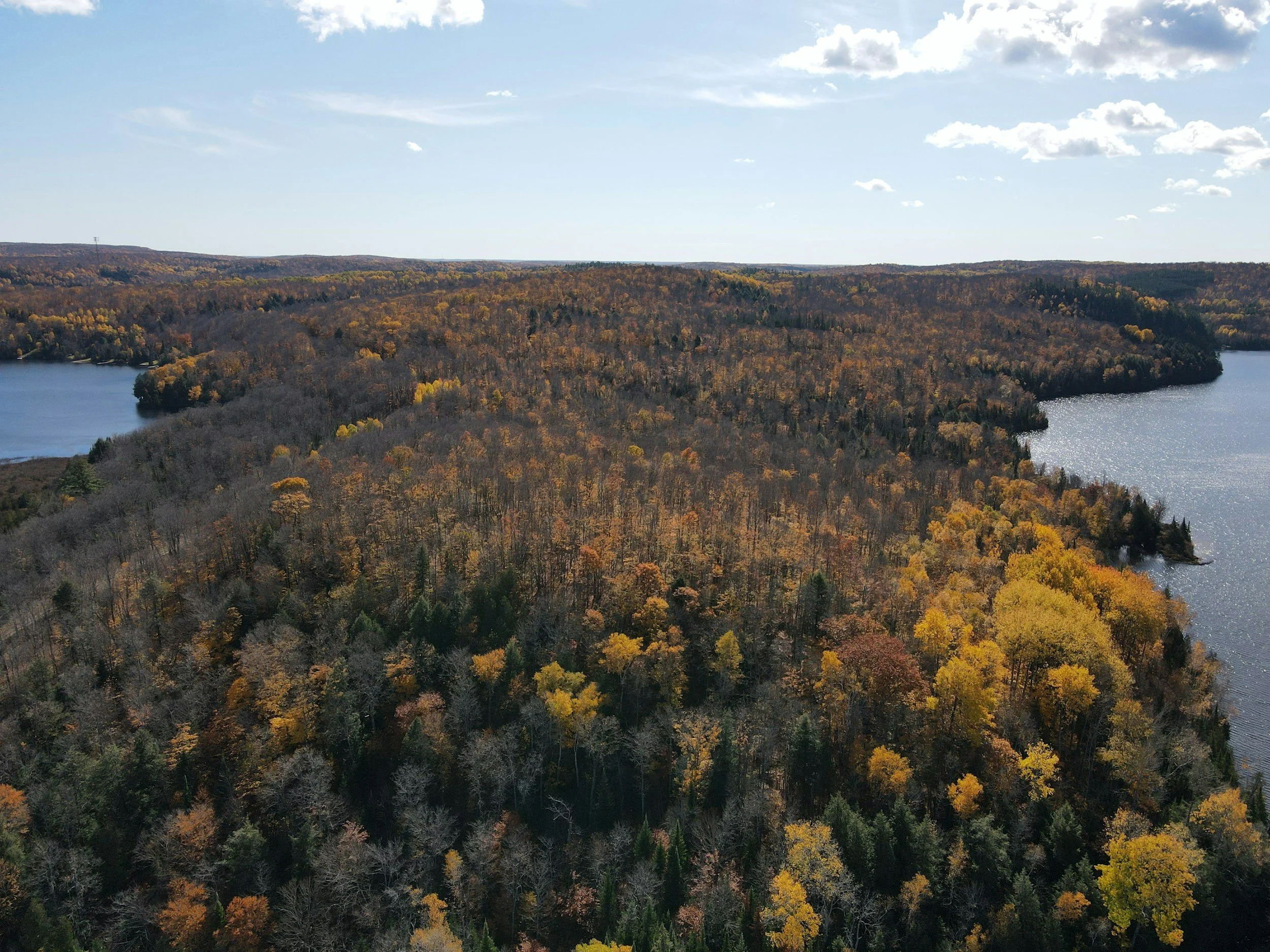
“Pennsylvania is positioned to be a leader in the growing mass timber economy by connecting our forest resources, manufacturing expertise, workforce and innovation assets,” said Abby Smith, president and CEO of Team Pennsylvania. “The Great Lakes Mass Timber Collaborative is exactly the kind of partnership that can turn that opportunity into action.”
For a region defined by movement—of water, people, goods and ideas—the Great Lakes’ next chapter may be built from something considerably more elemental. The $600,000 investment does not simply represent funding for a construction material. It represents a bet on regional collaboration, responsible forestry and the idea that the future of sustainable architecture can begin much closer to home. As the Great Lakes Mass Timber Collaborative moves from regional vision to implementation, the forest becomes more than a landscape to pass through. It becomes part of the infrastructure of what comes next.