At The Future Perfect, Design Becomes a Living Archive During NYCxDesign
In New York, design weeks tend to reward spectacle. But this May, inside a West Village townhouse, The Future Perfect proposes something quieter—and arguably more enduring. A sequence of exhibitions timed to NYCxDesign reframes contemporary design not as a series of isolated debuts, but as an evolving conversation between authorship, legacy, and experimentation.
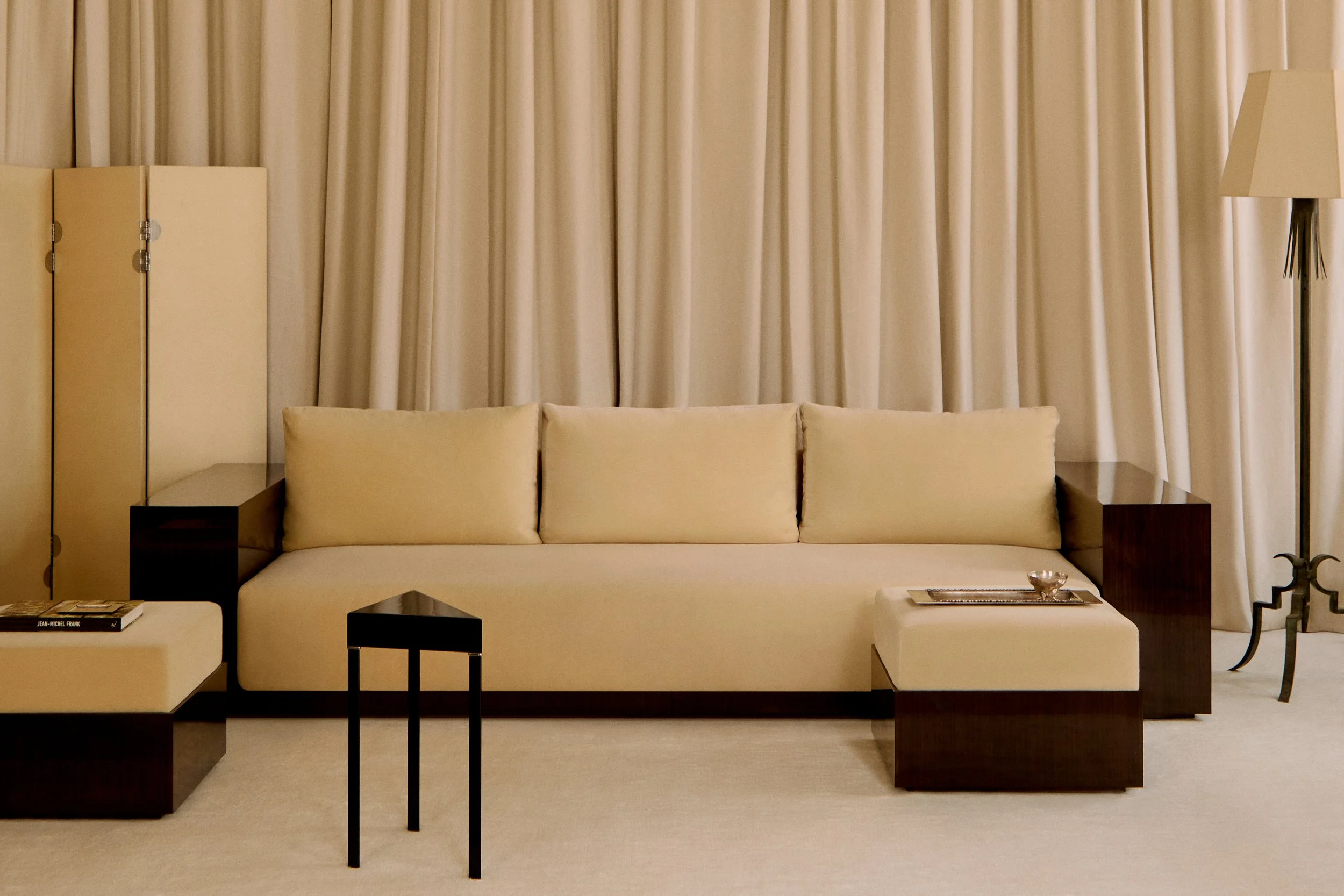
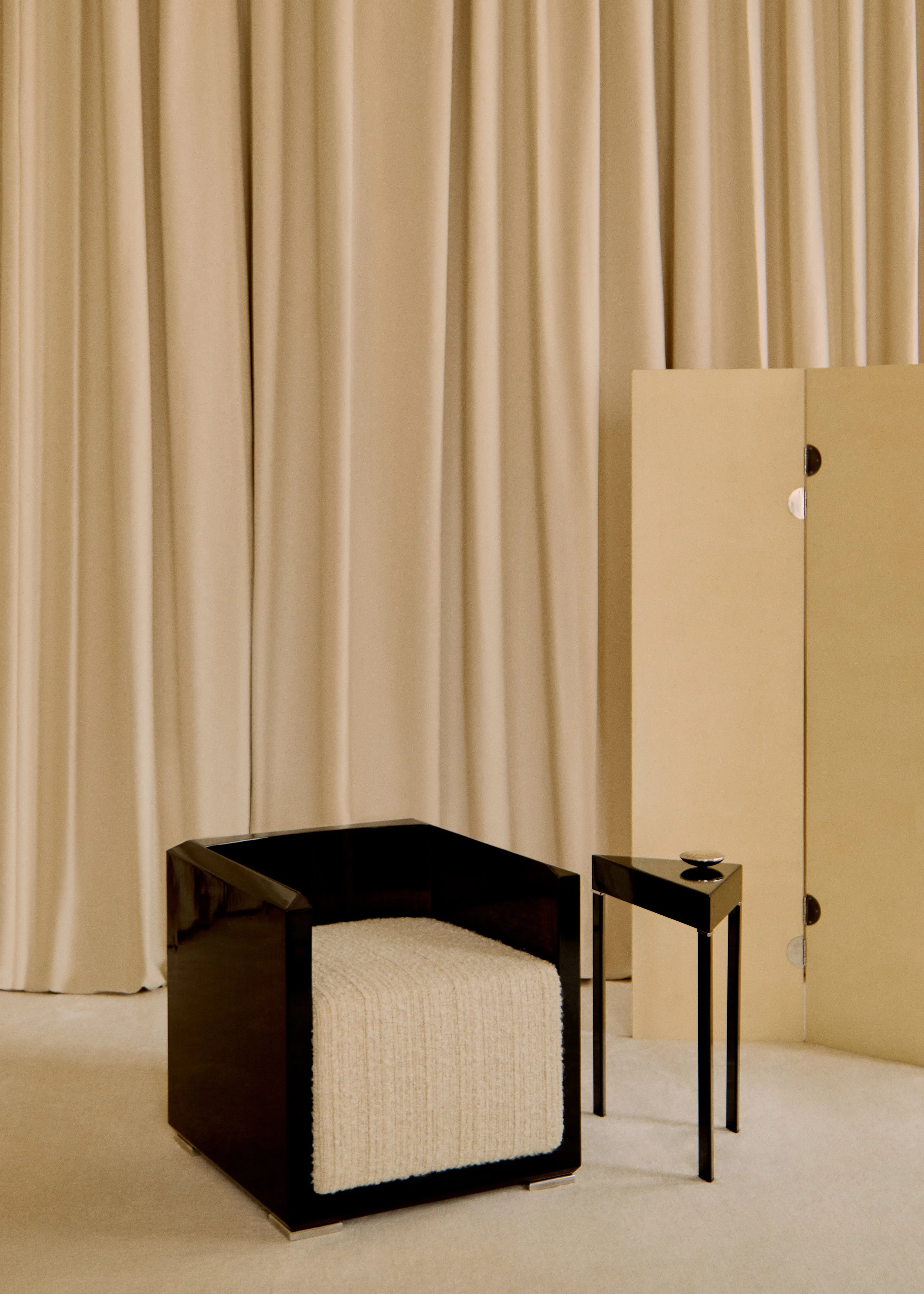
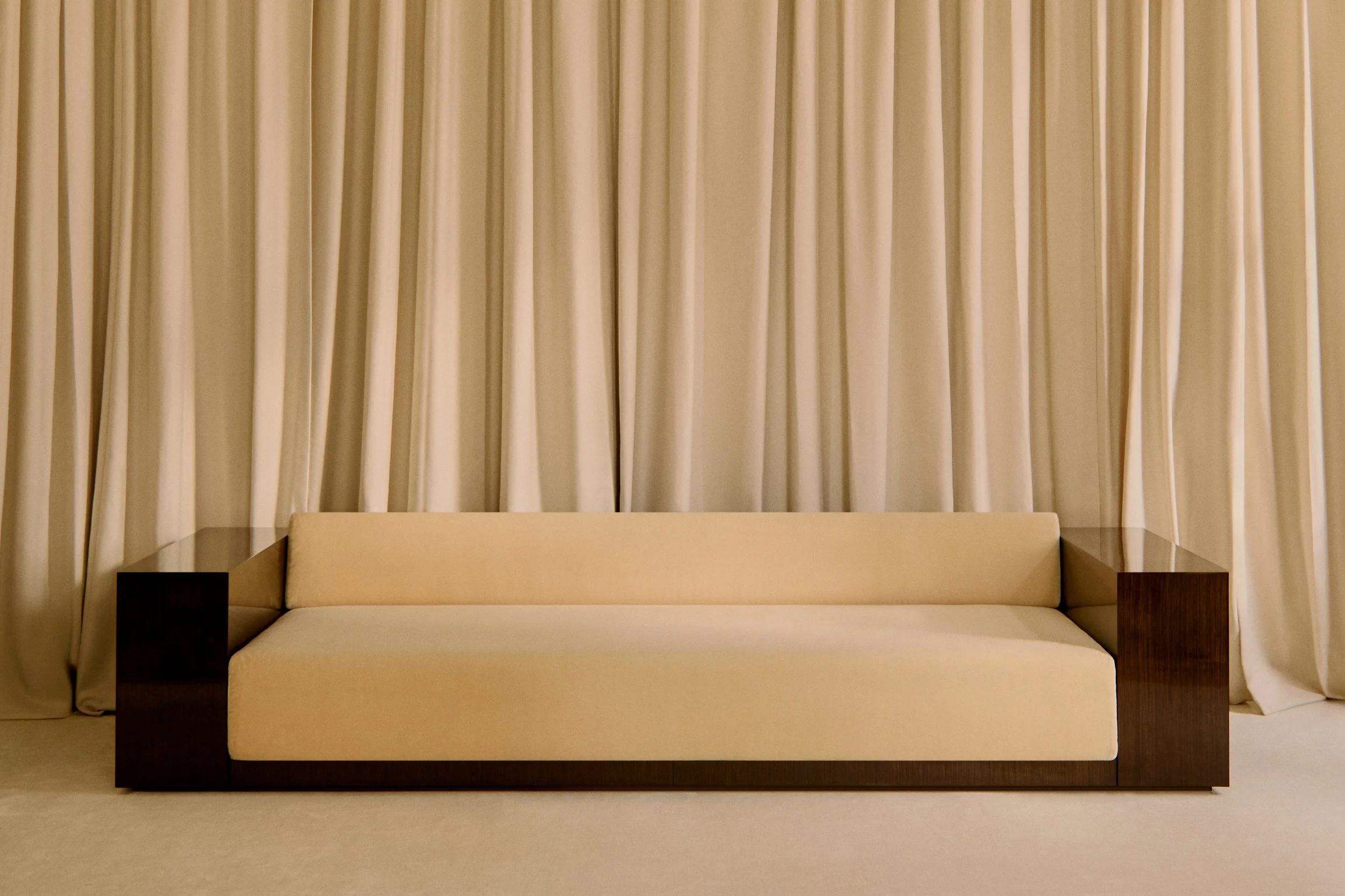
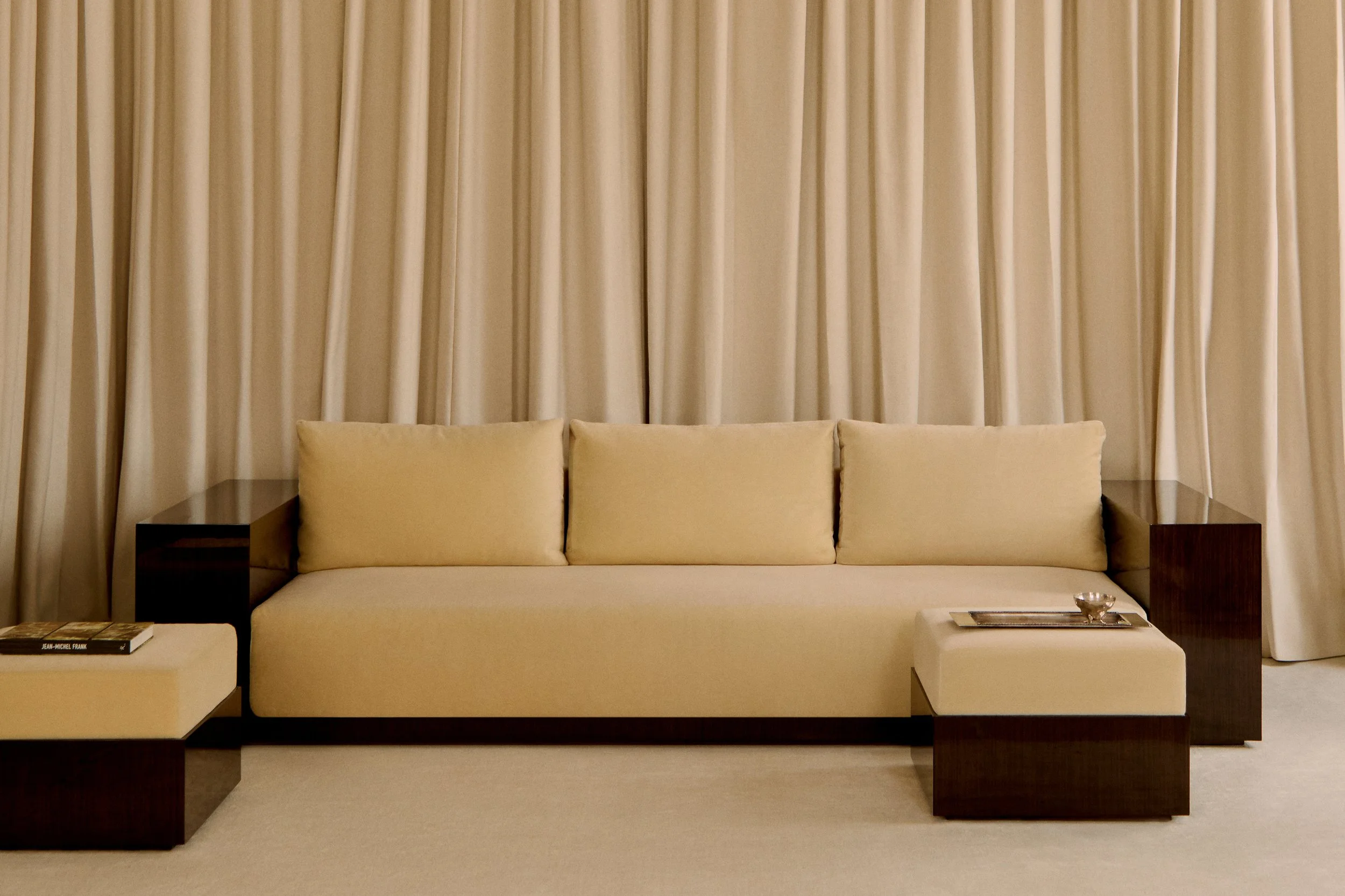
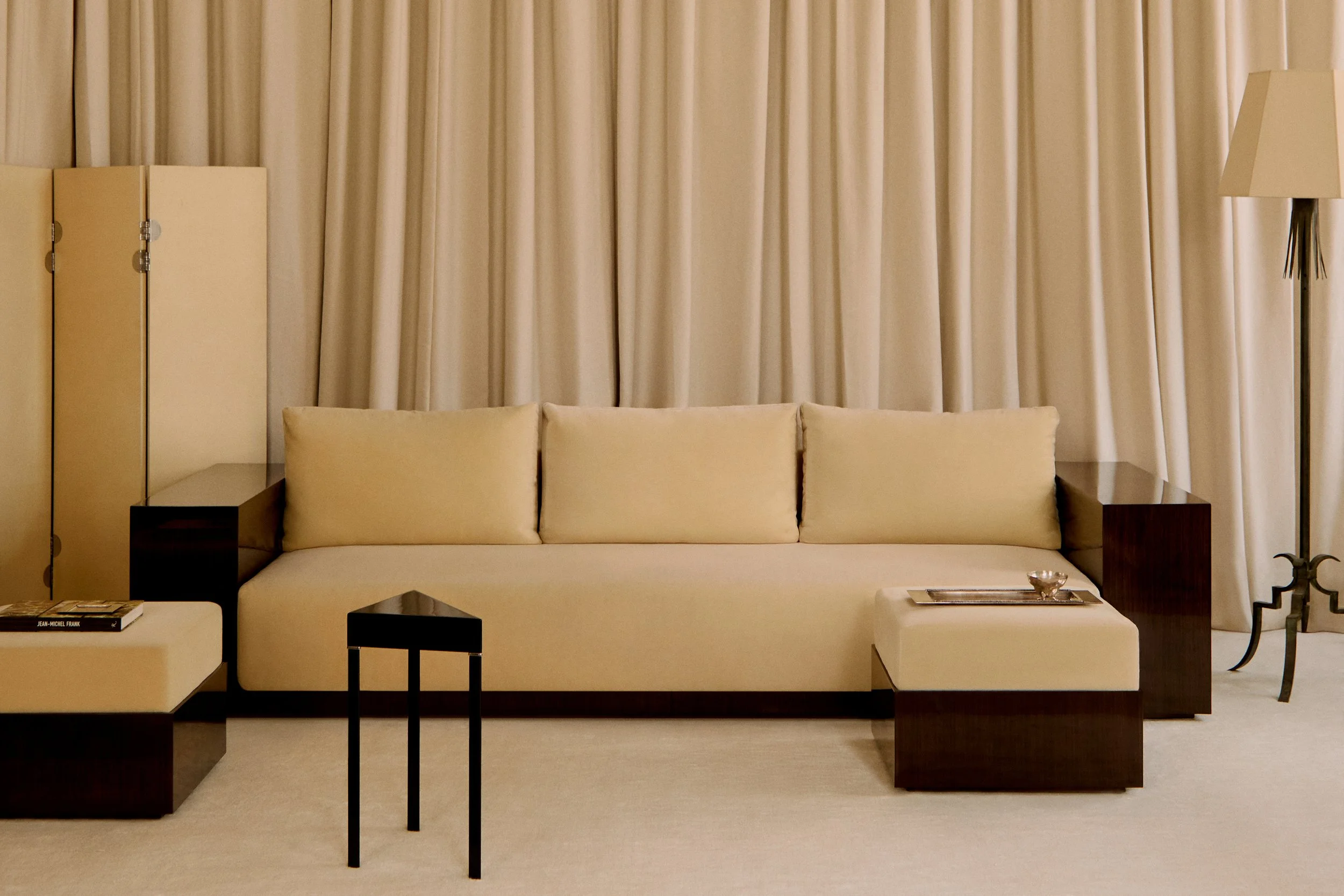
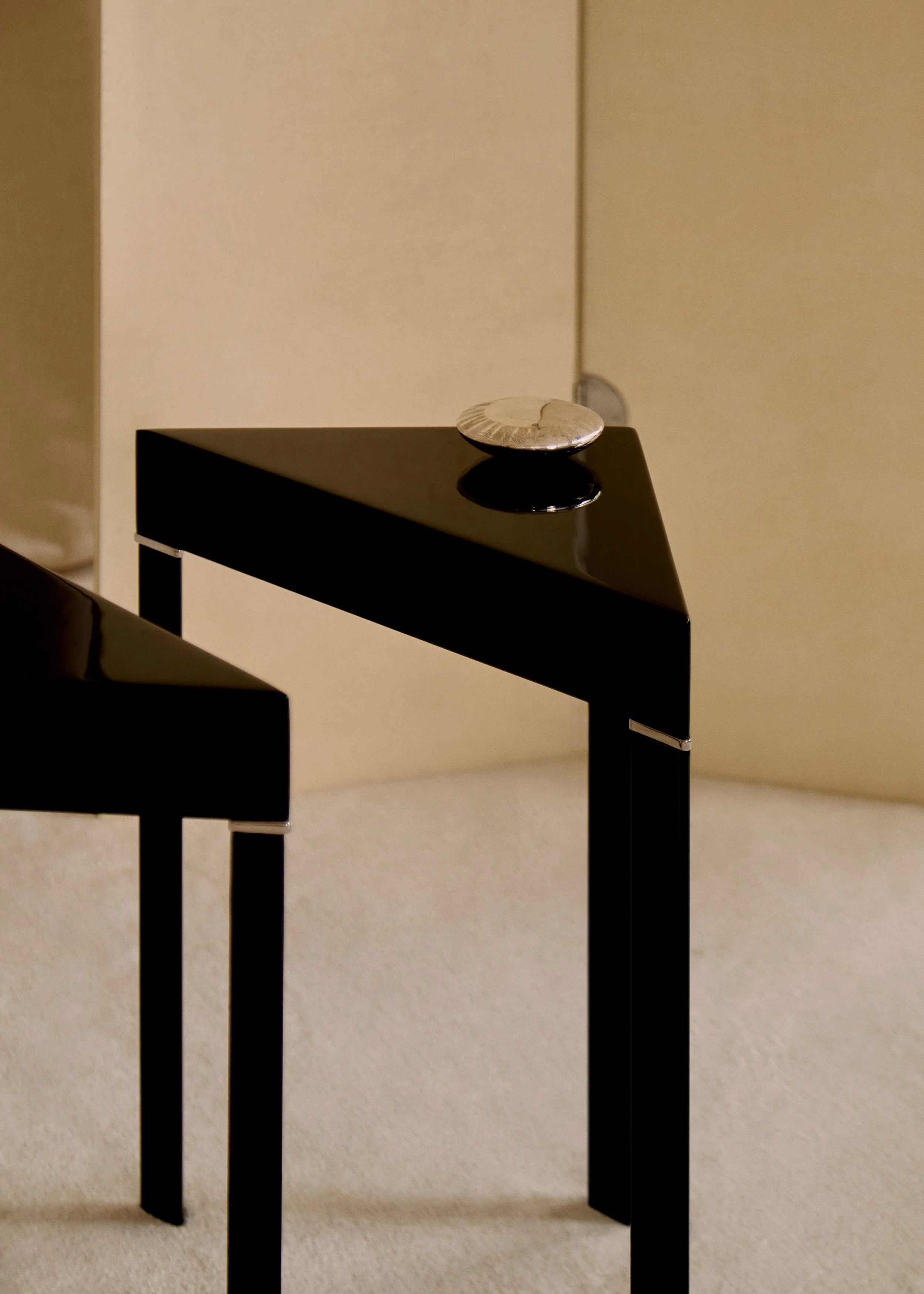
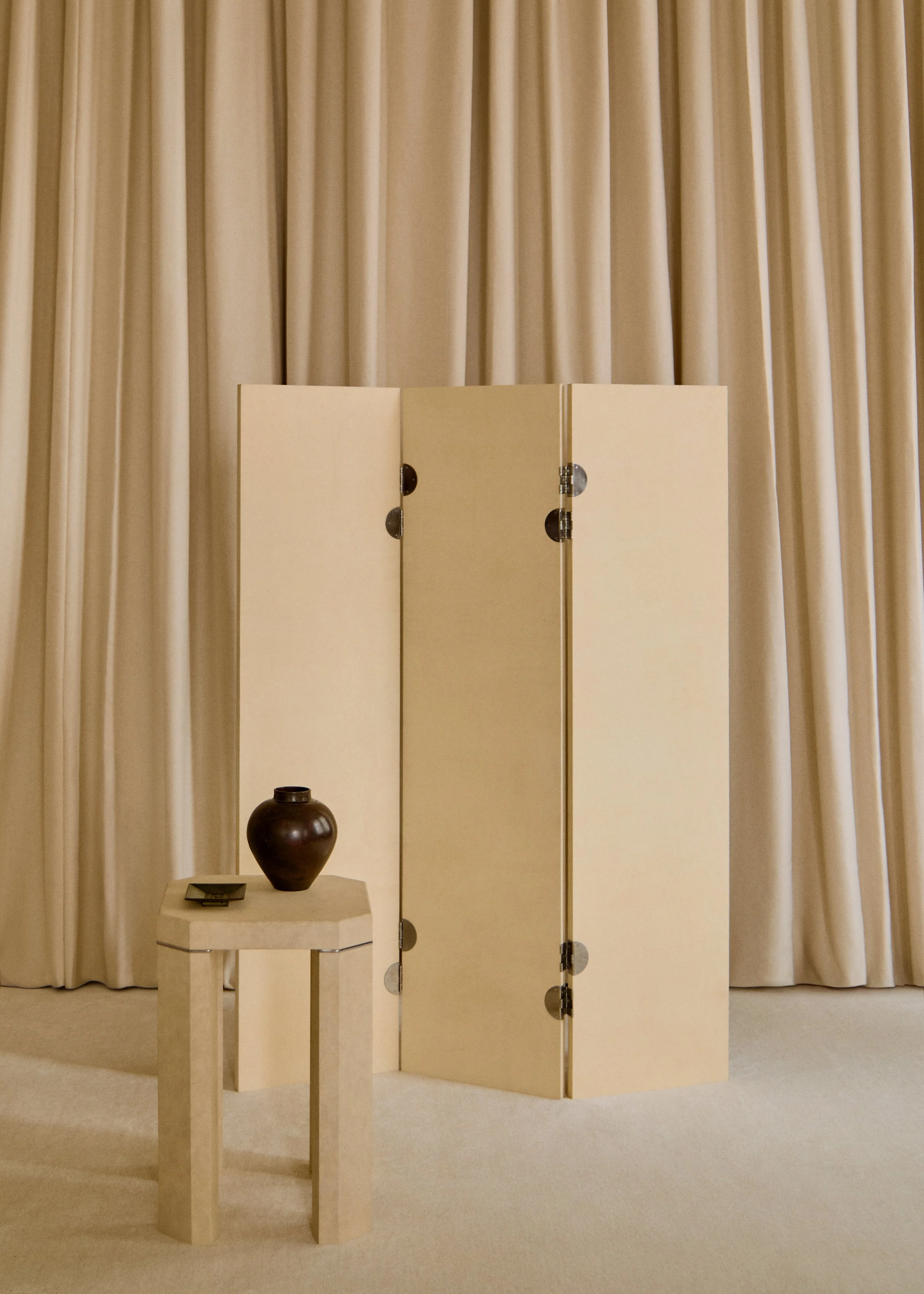
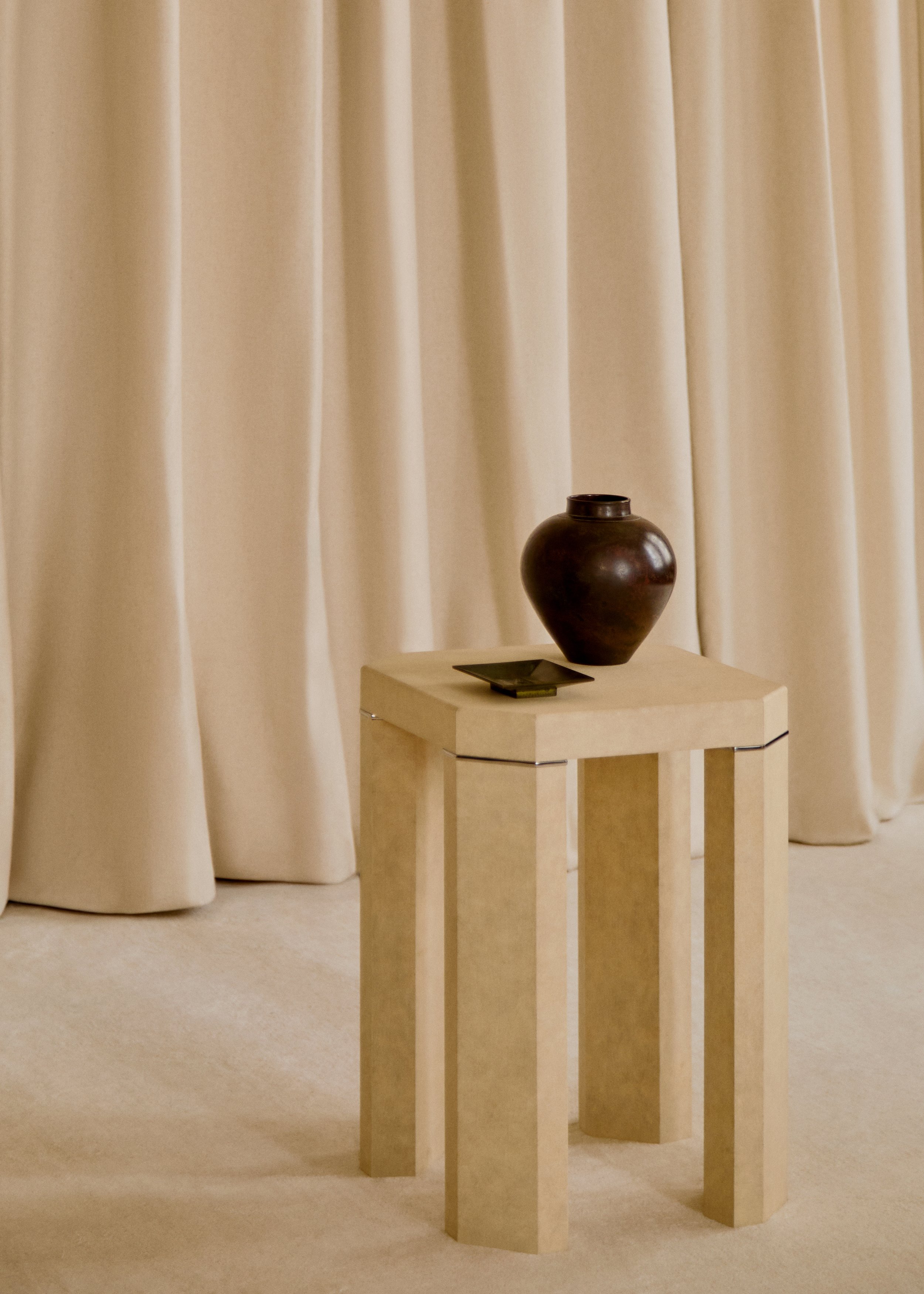
At the center is Assembler I, the debut furniture collection from Athena Calderone. Known for her disciplined visual language across interiors and publishing, Calderone’s entry into collectible design reads less like a pivot and more like a formalization of instincts she has been refining for years. The fourteen-piece collection leans into the restraint of twentieth-century French design, balancing lacquered surfaces, parchment, and metalwork into compositions that feel both studied and intuitive.

What emerges is not simply furniture, but a point of view. Calderone’s approach—rooted in proportion, tone, and material sensitivity—positions Assembler I as the first chapter in a longer narrative. It’s a calculated move into a market increasingly defined by authorship, where designers are expected to articulate not just objects, but entire worlds.
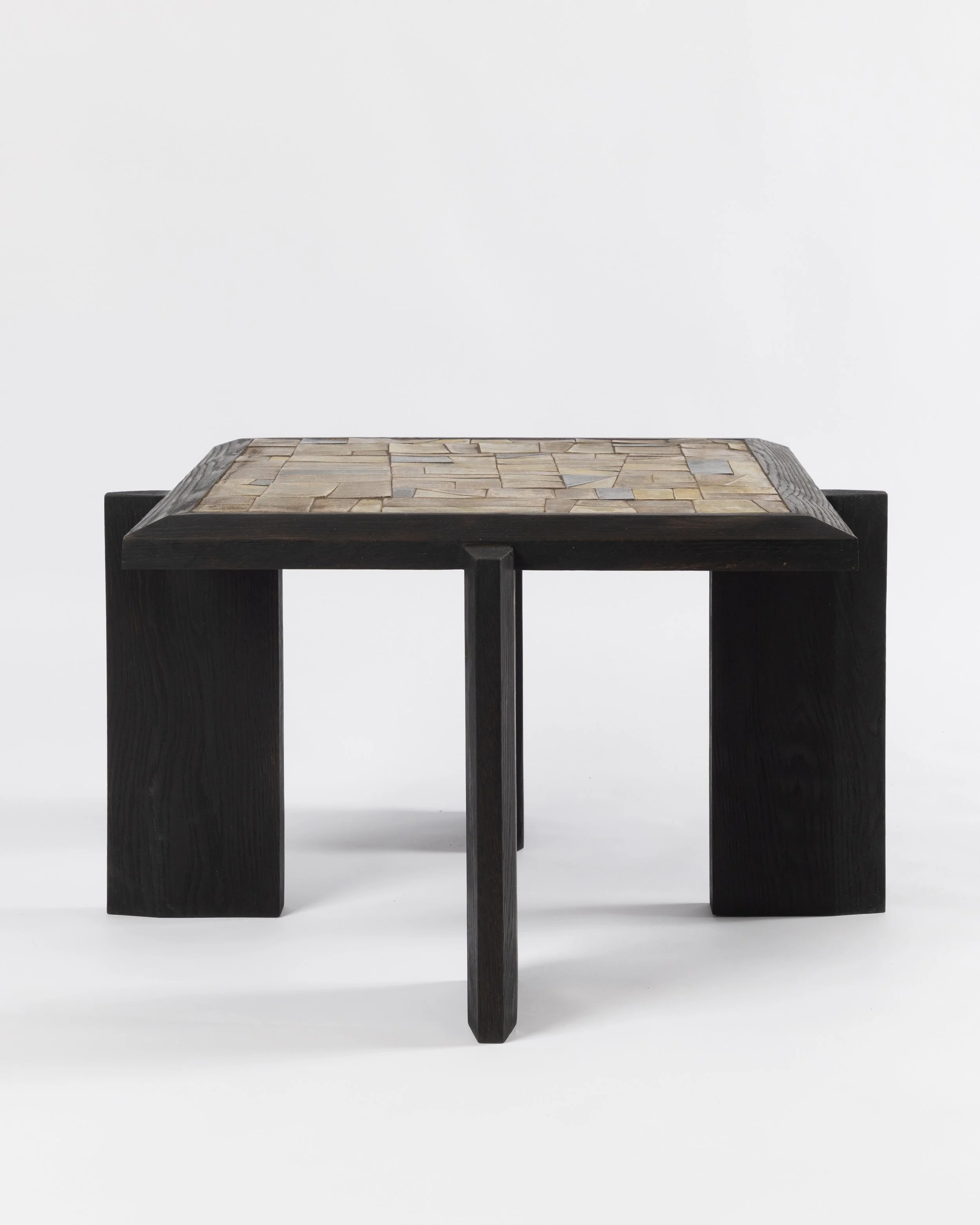
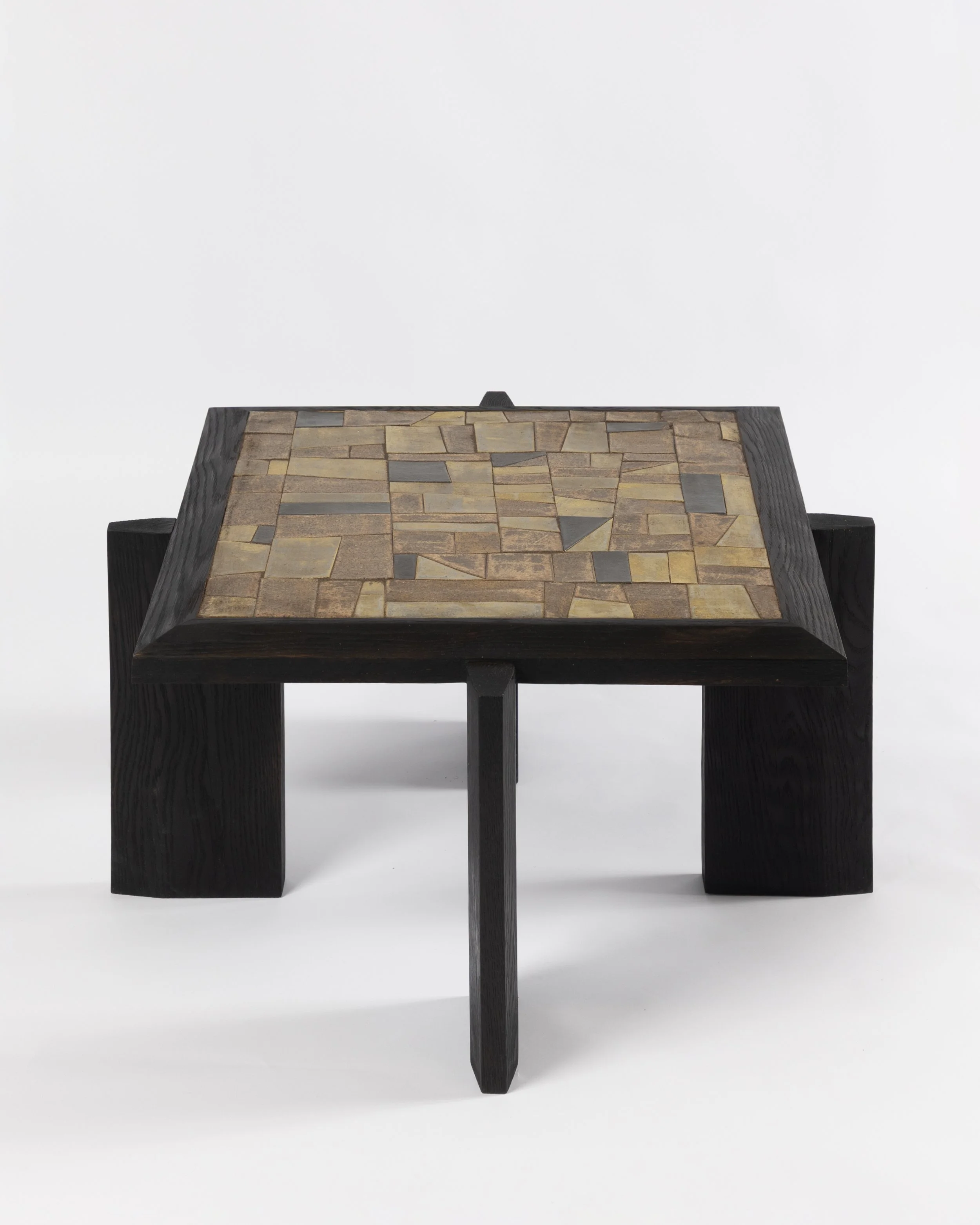
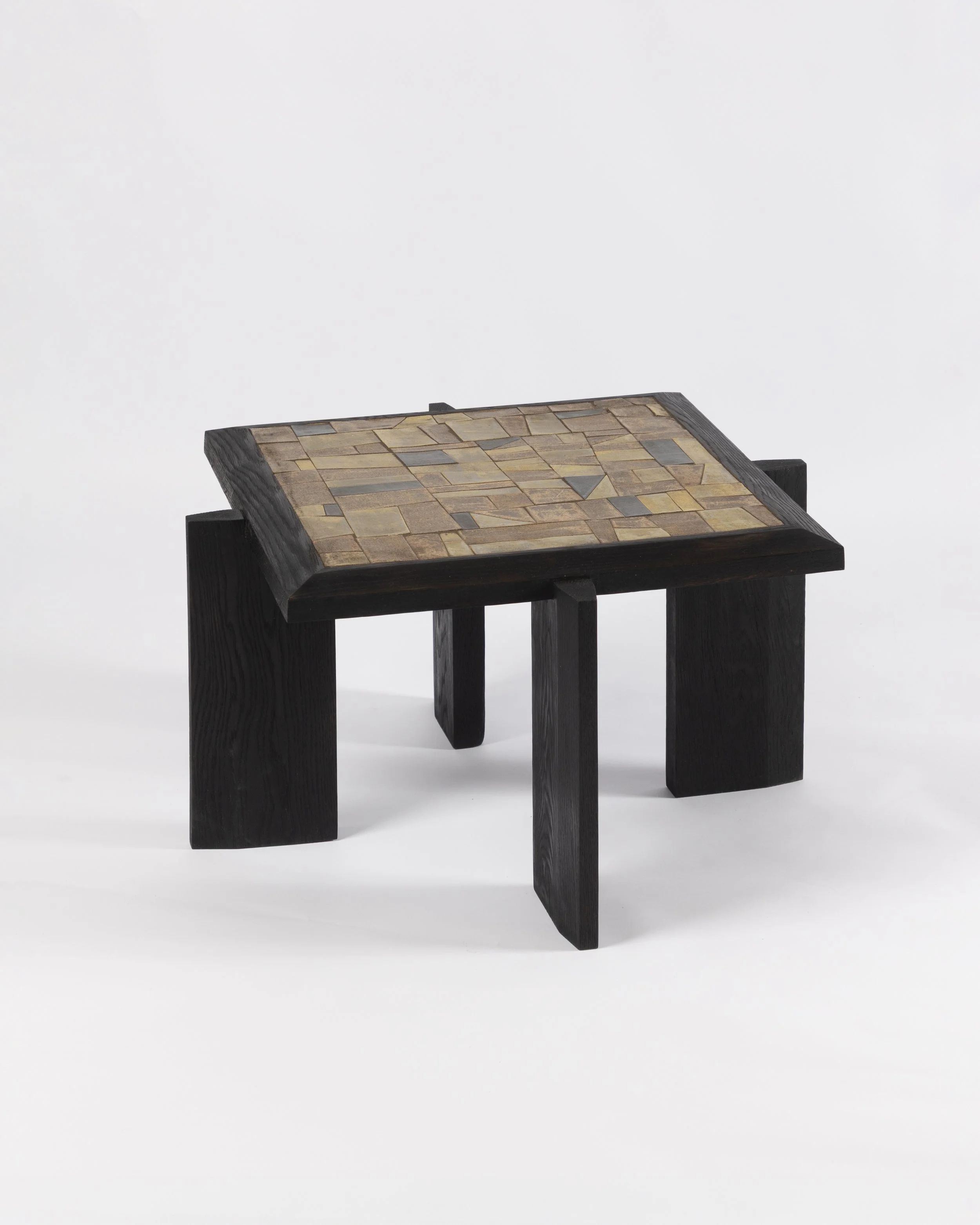
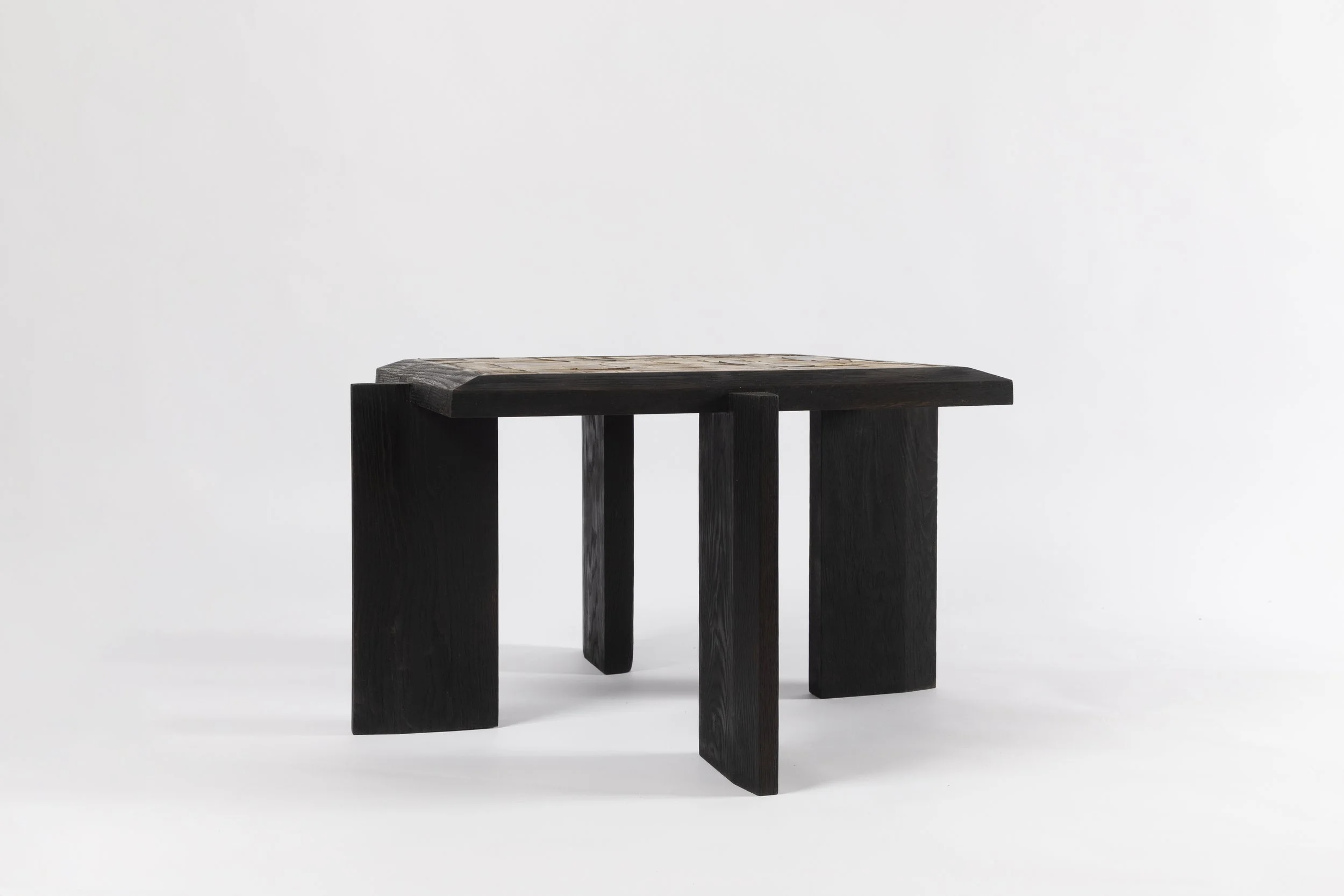
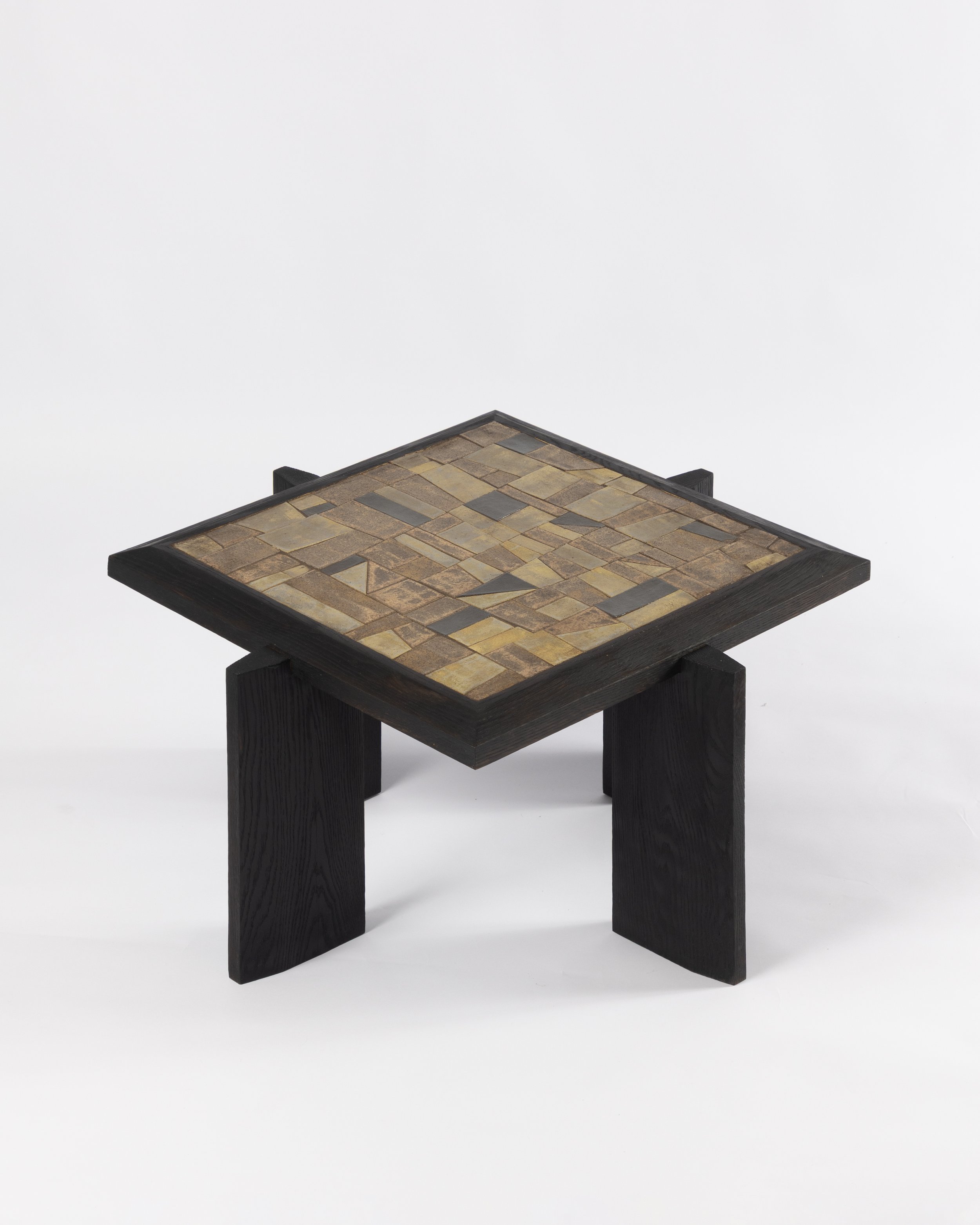
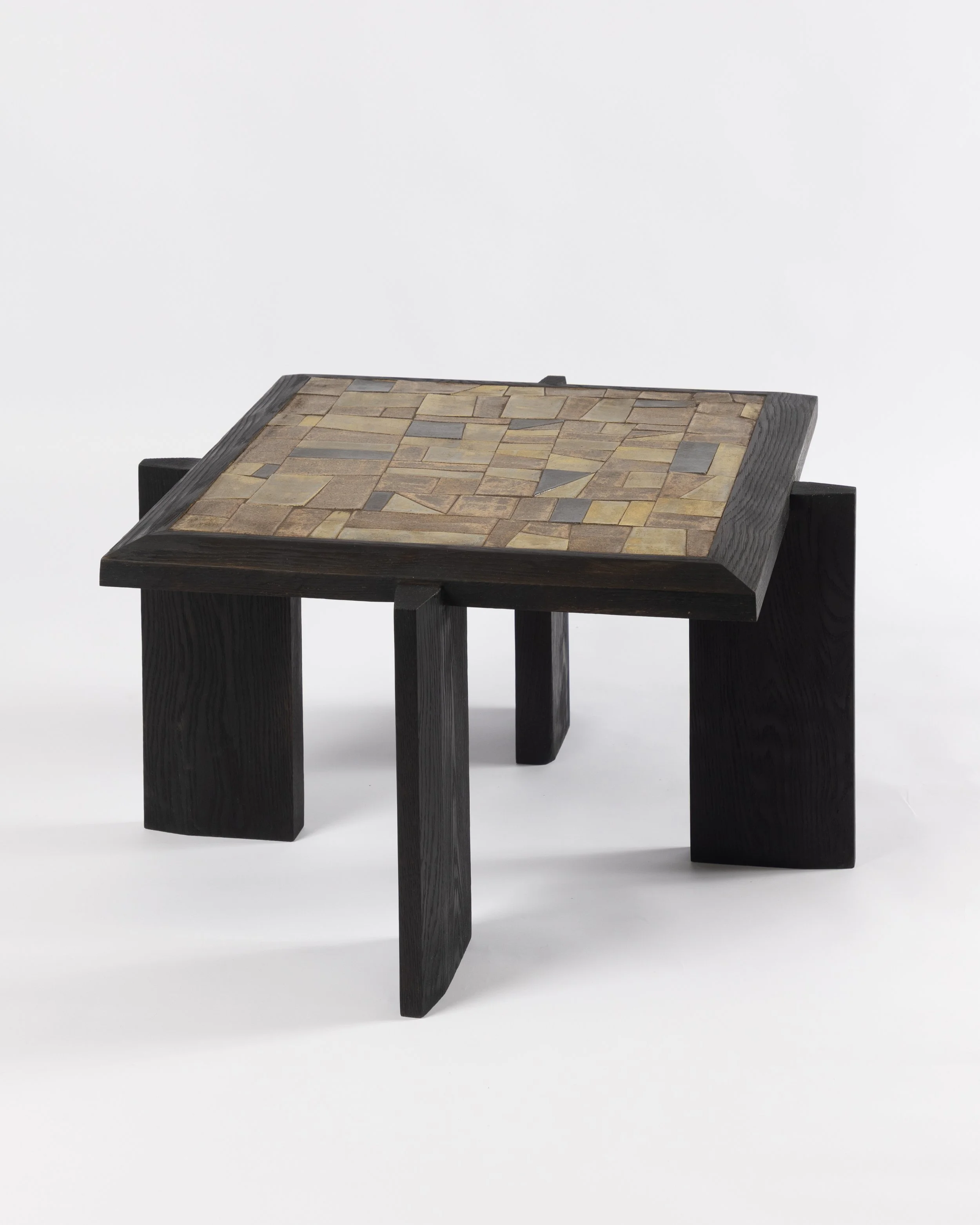
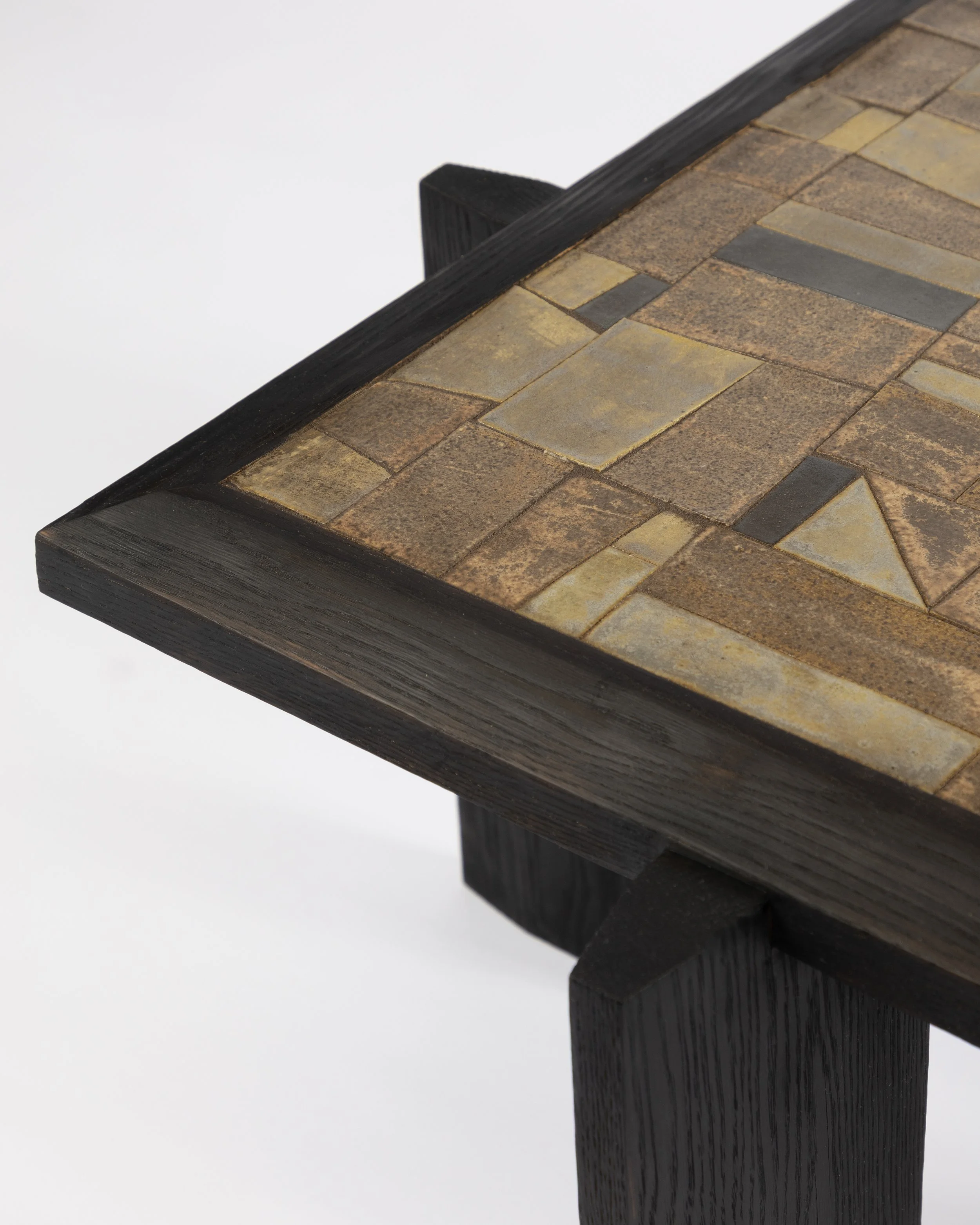
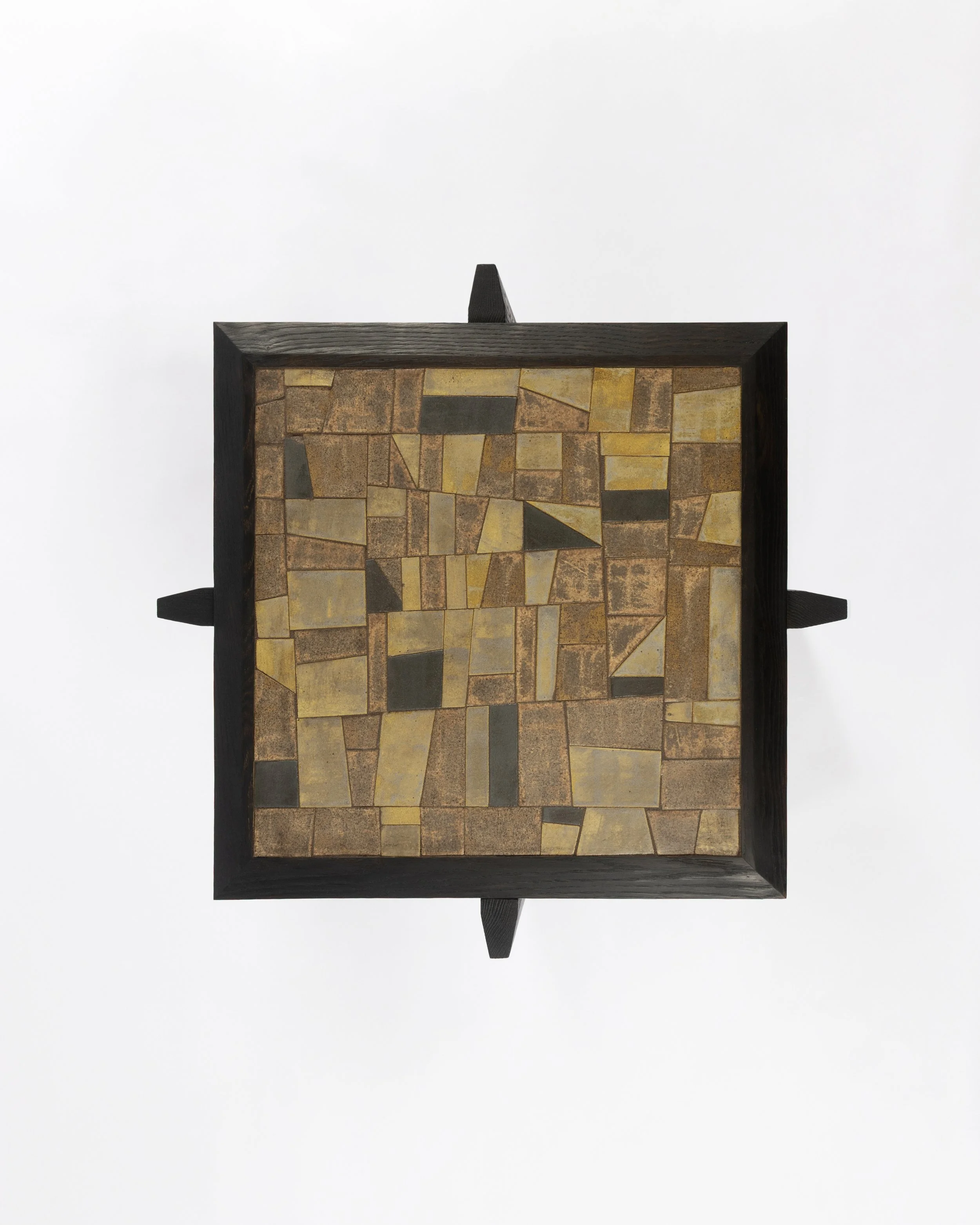
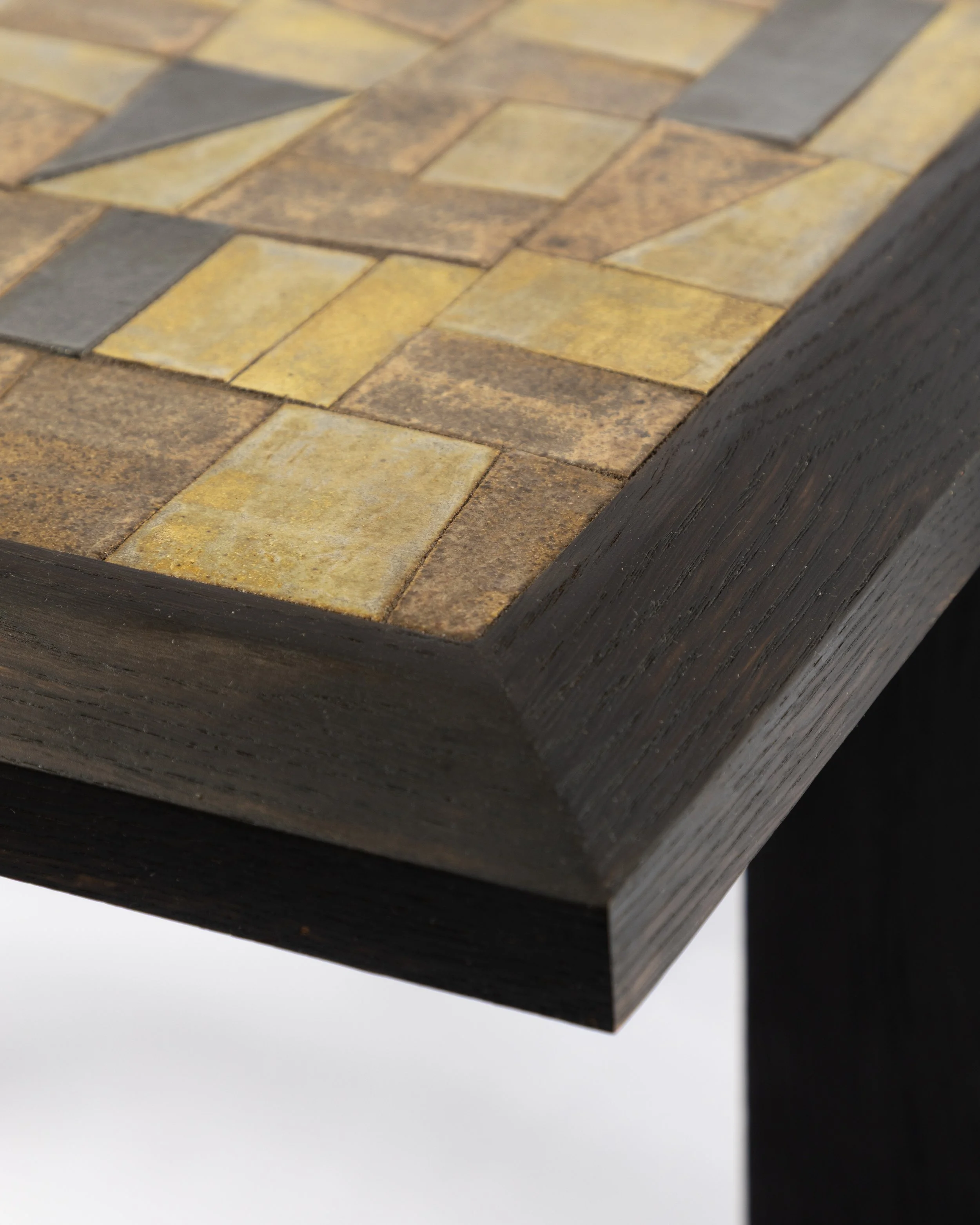
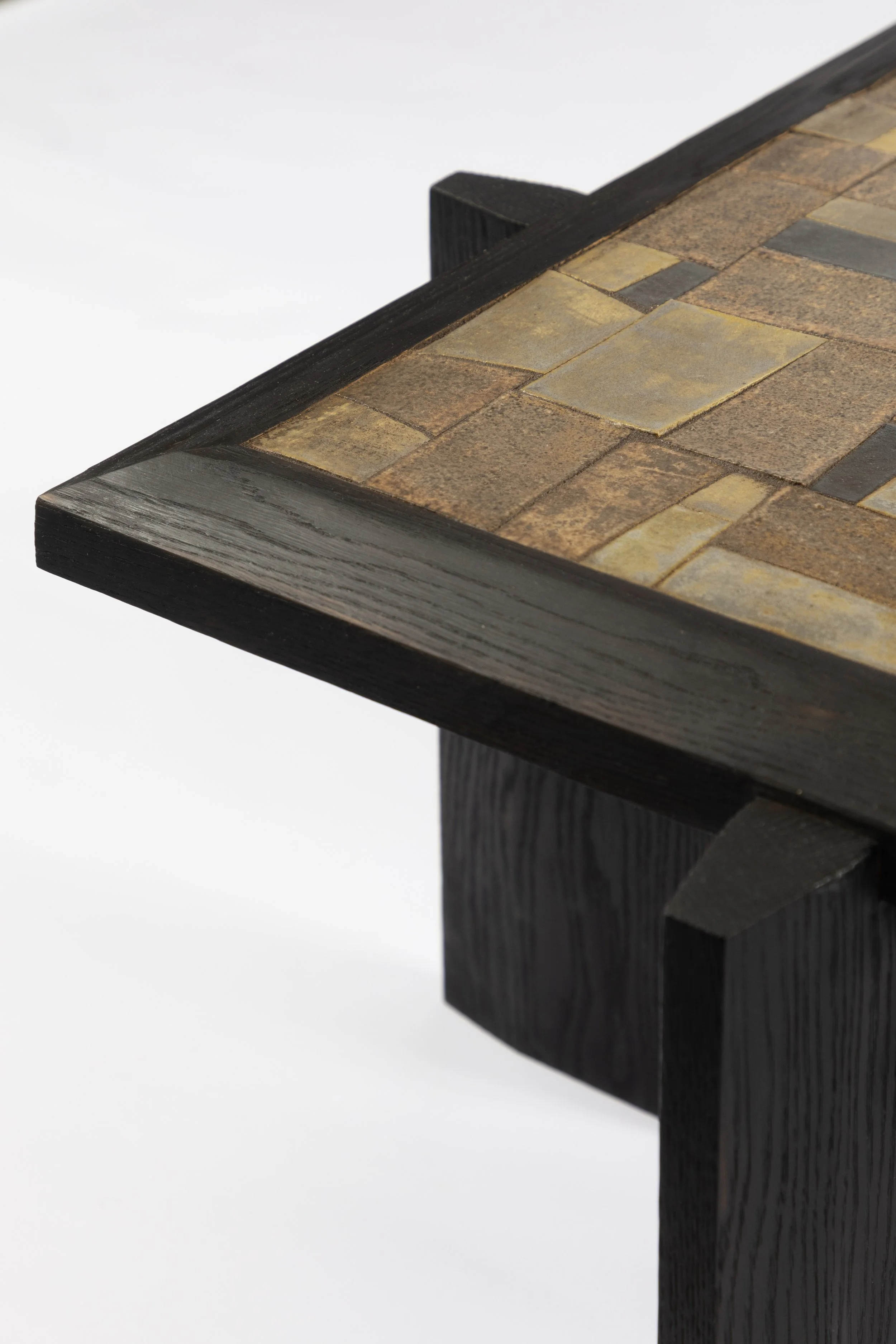
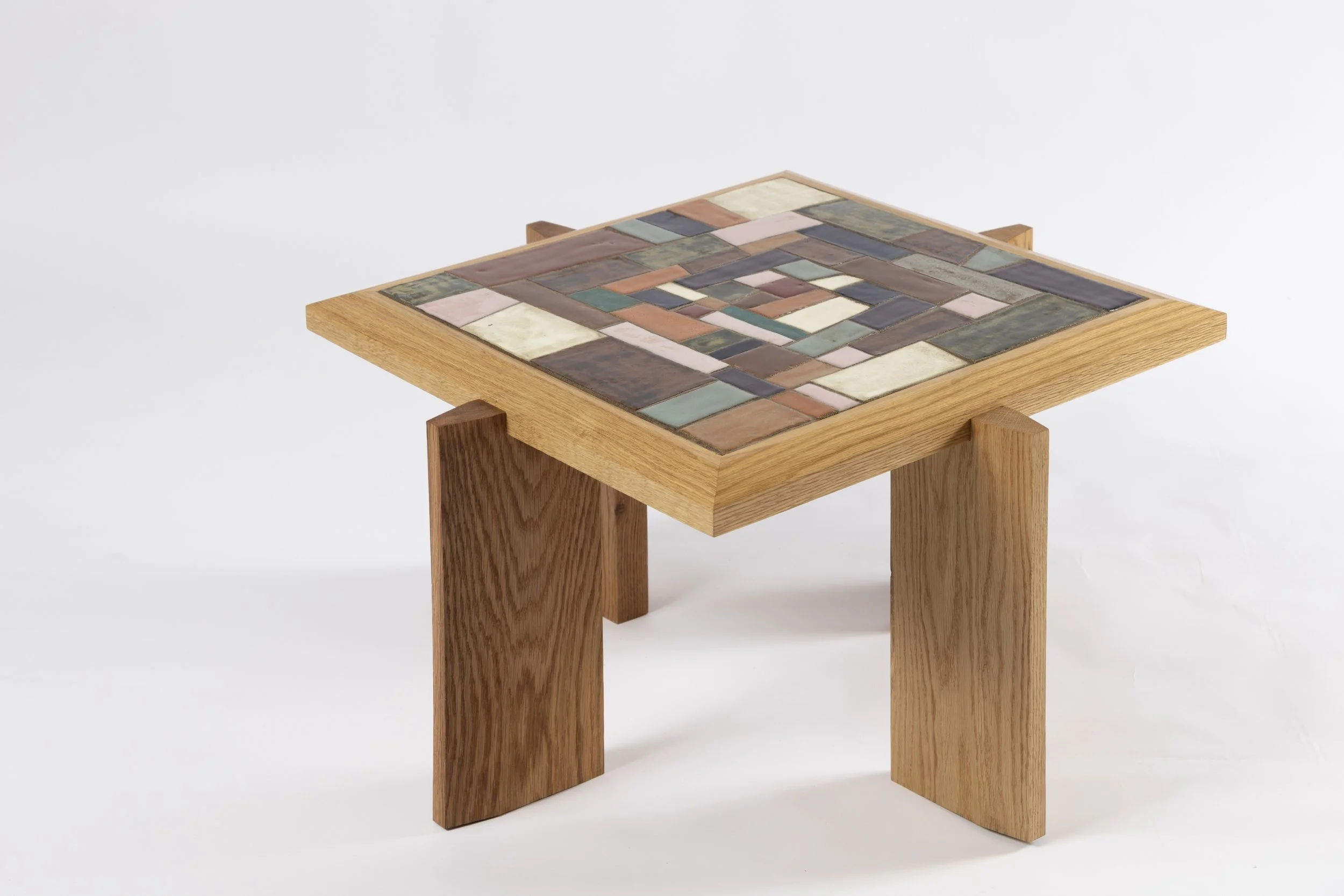
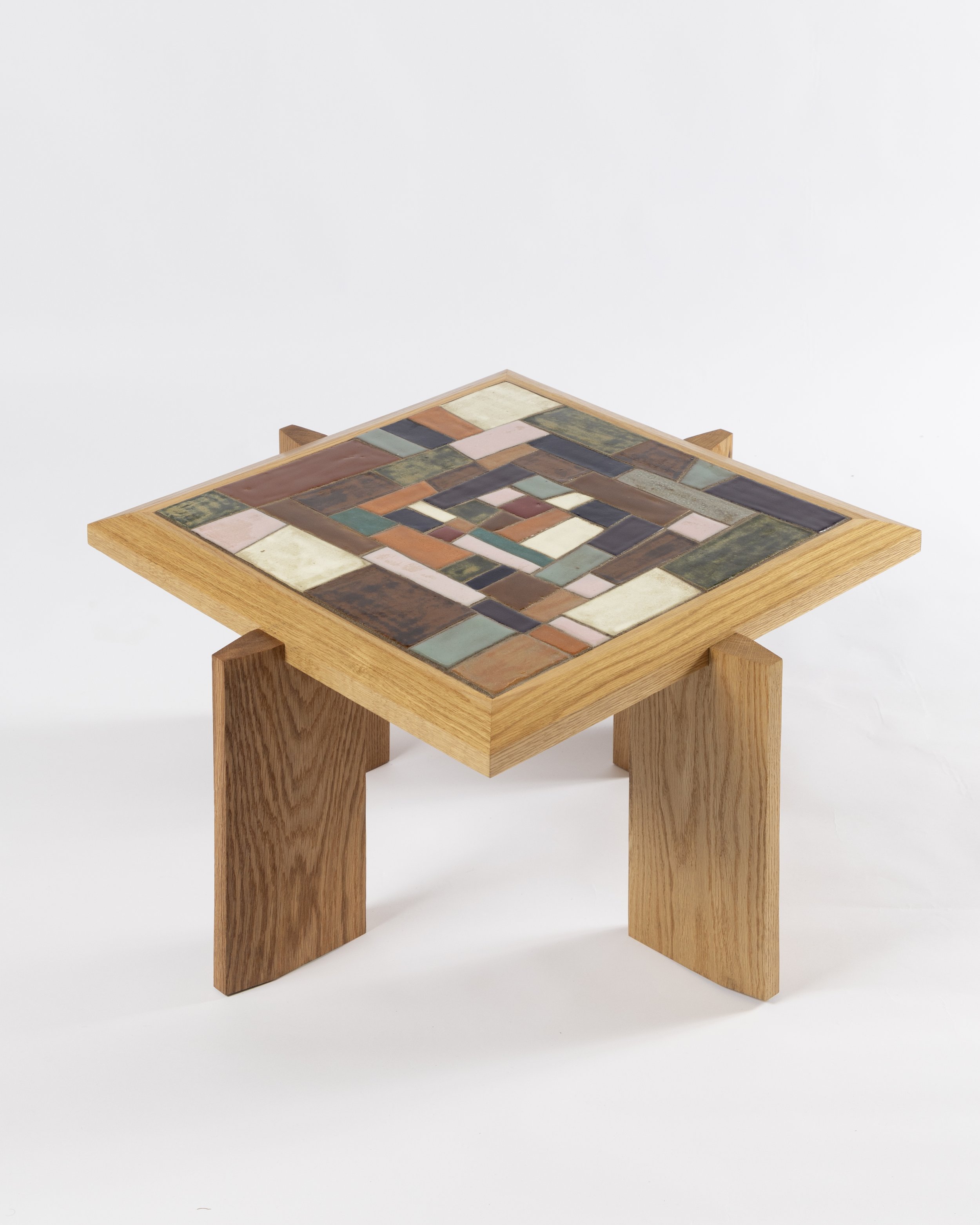
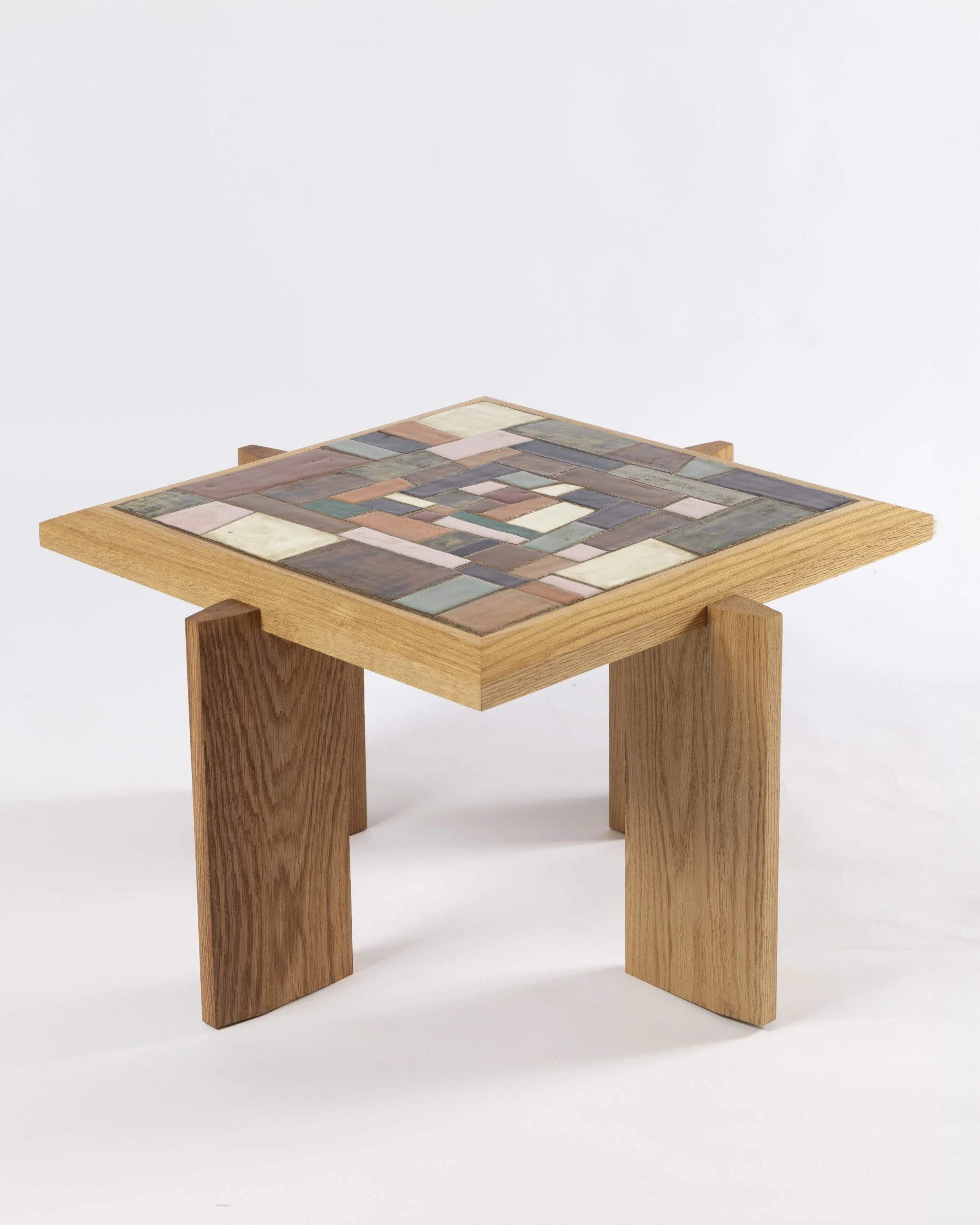
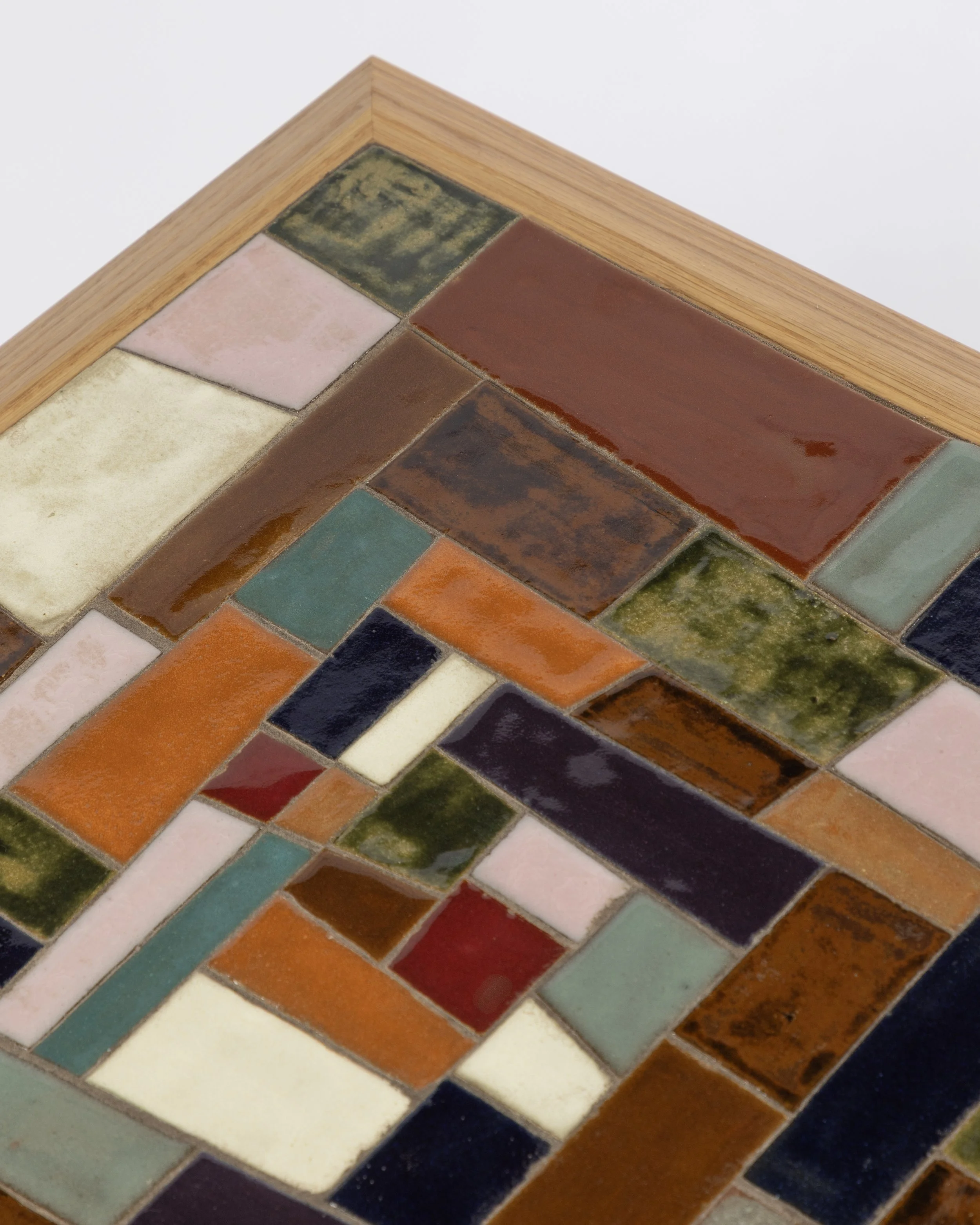
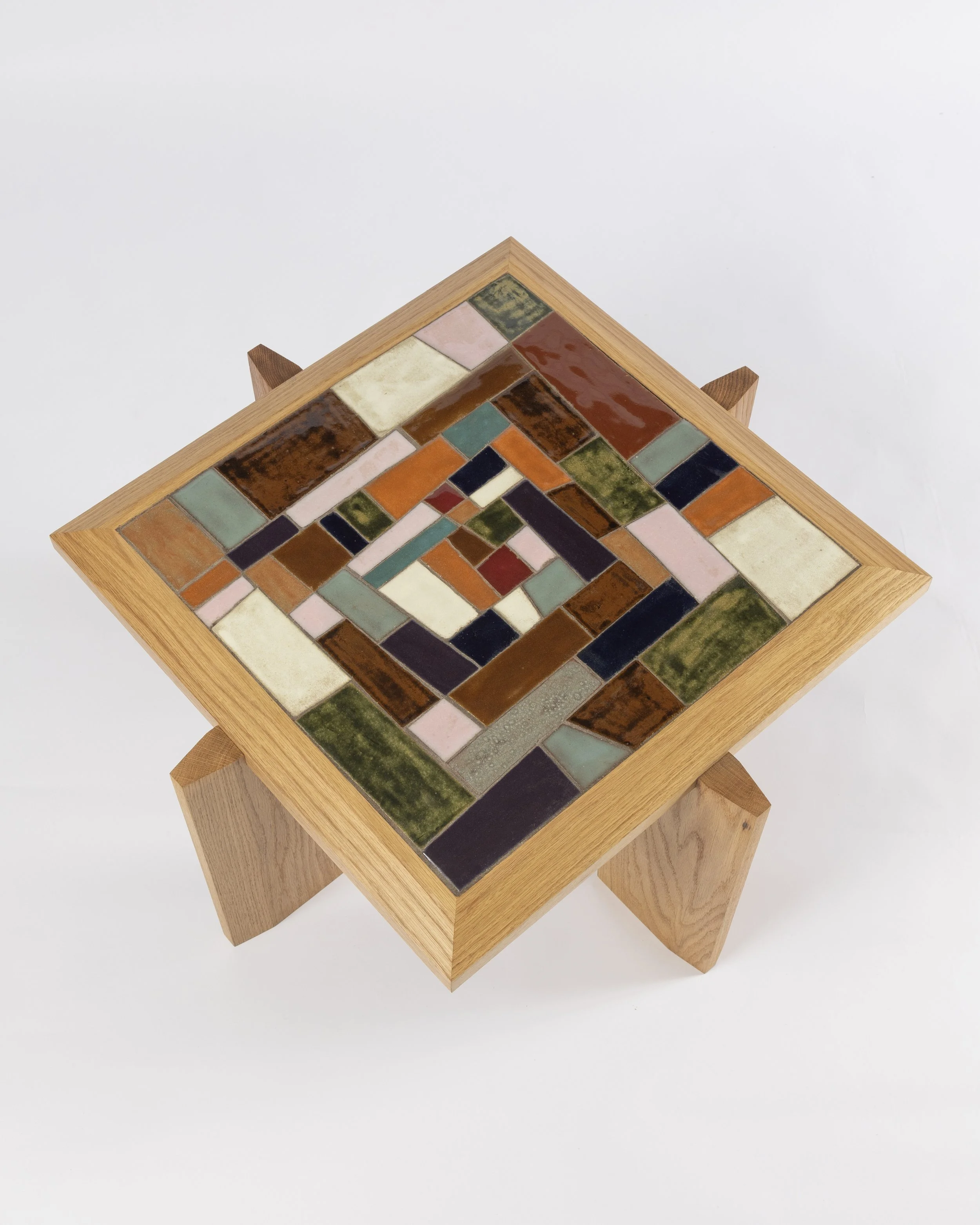
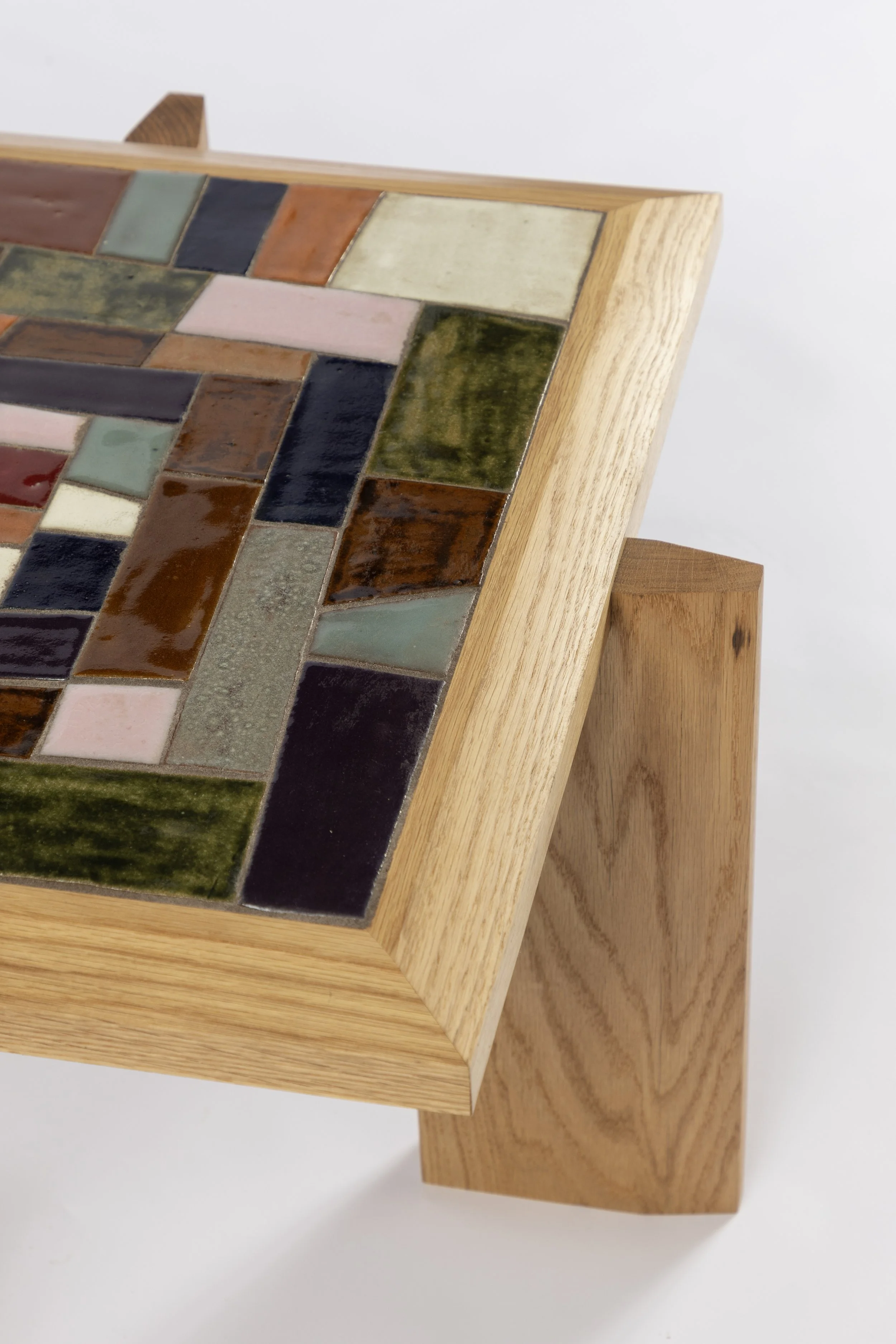
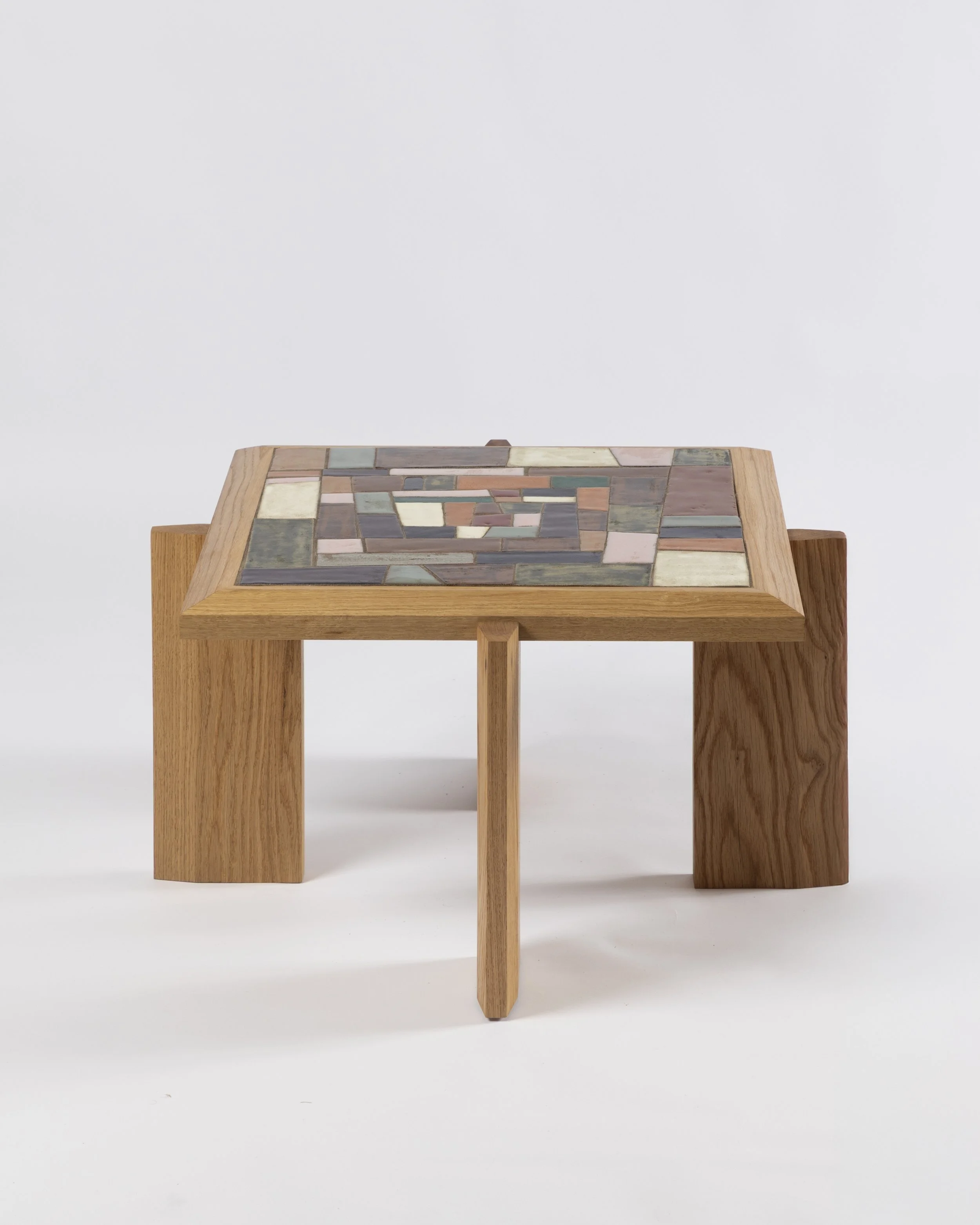
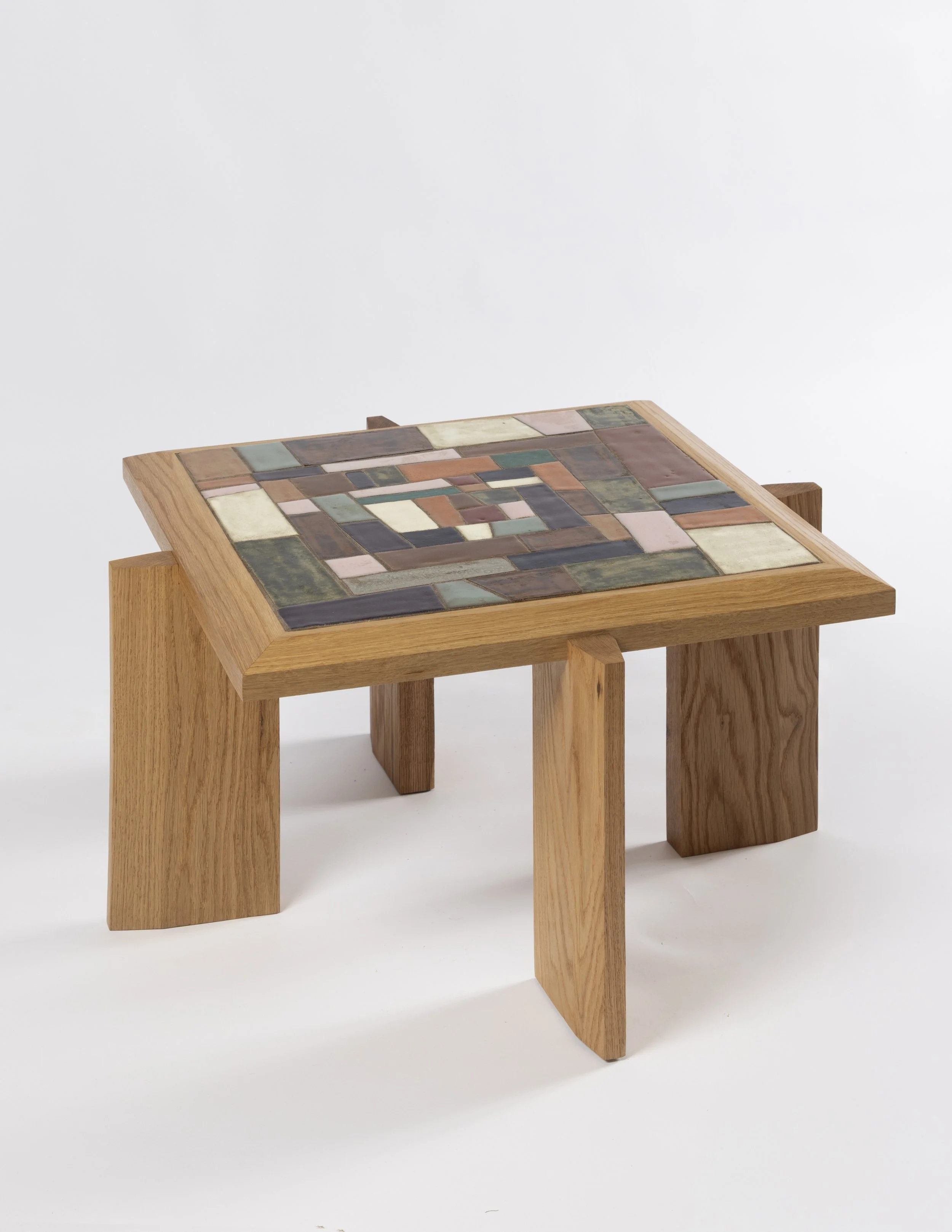
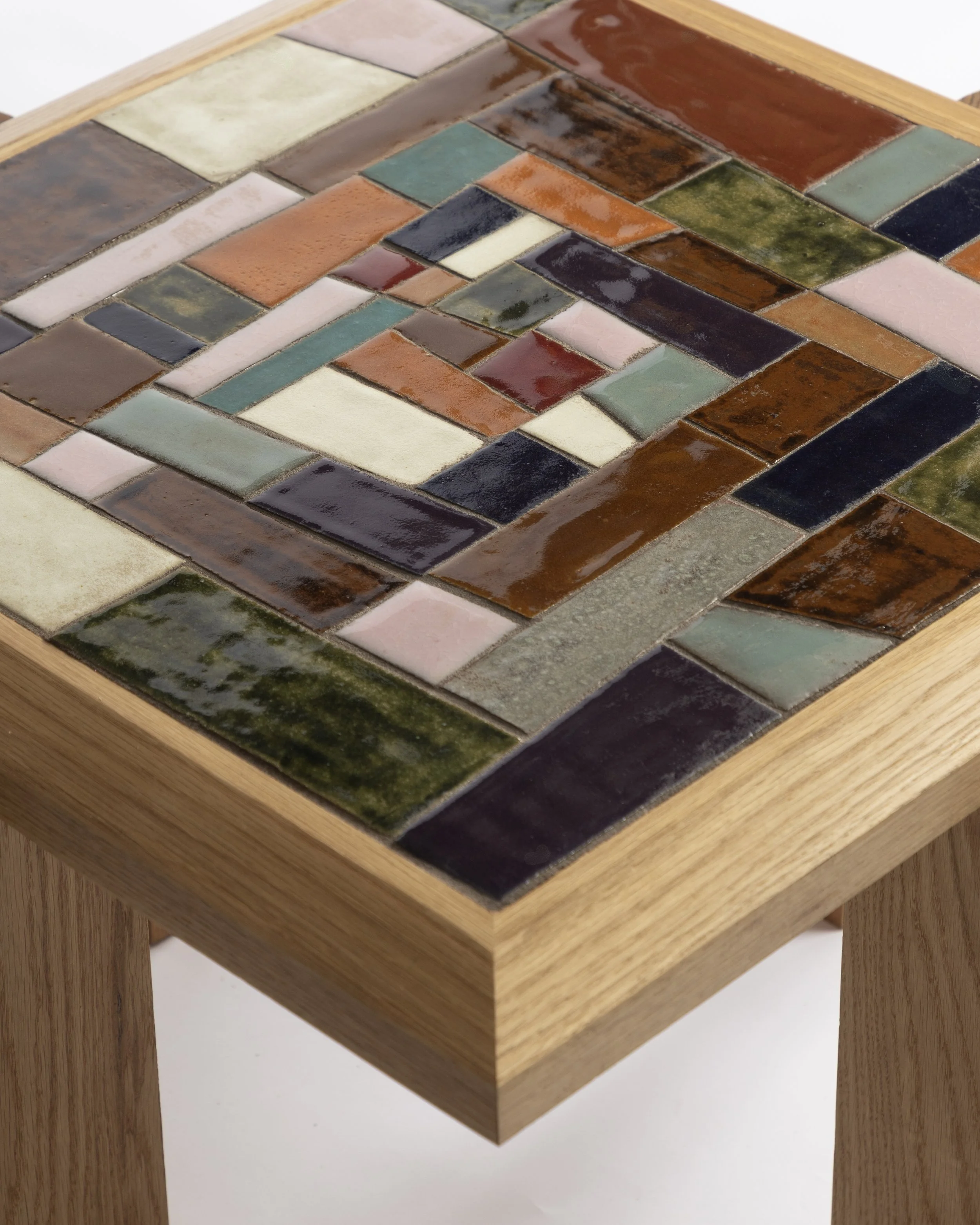
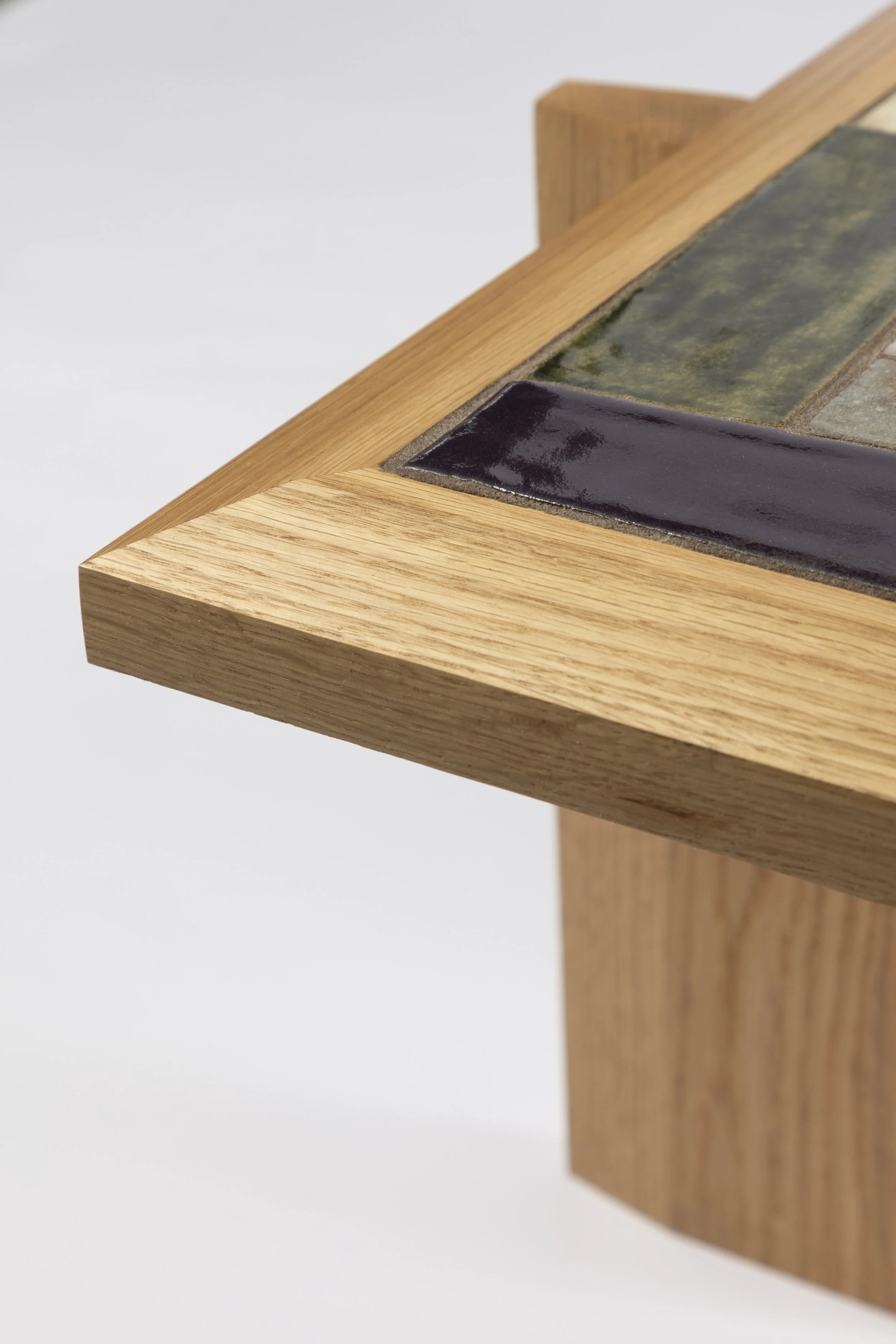
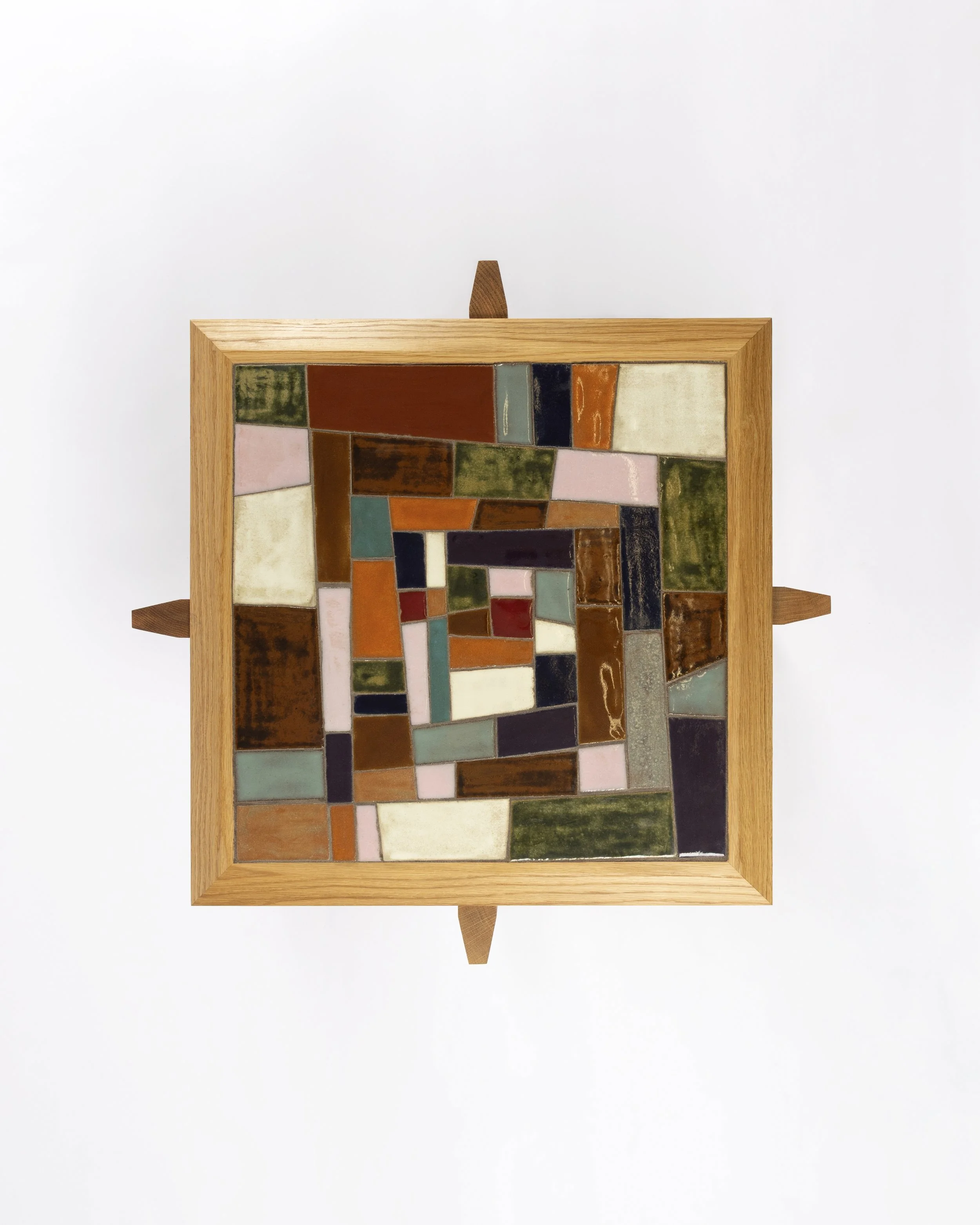
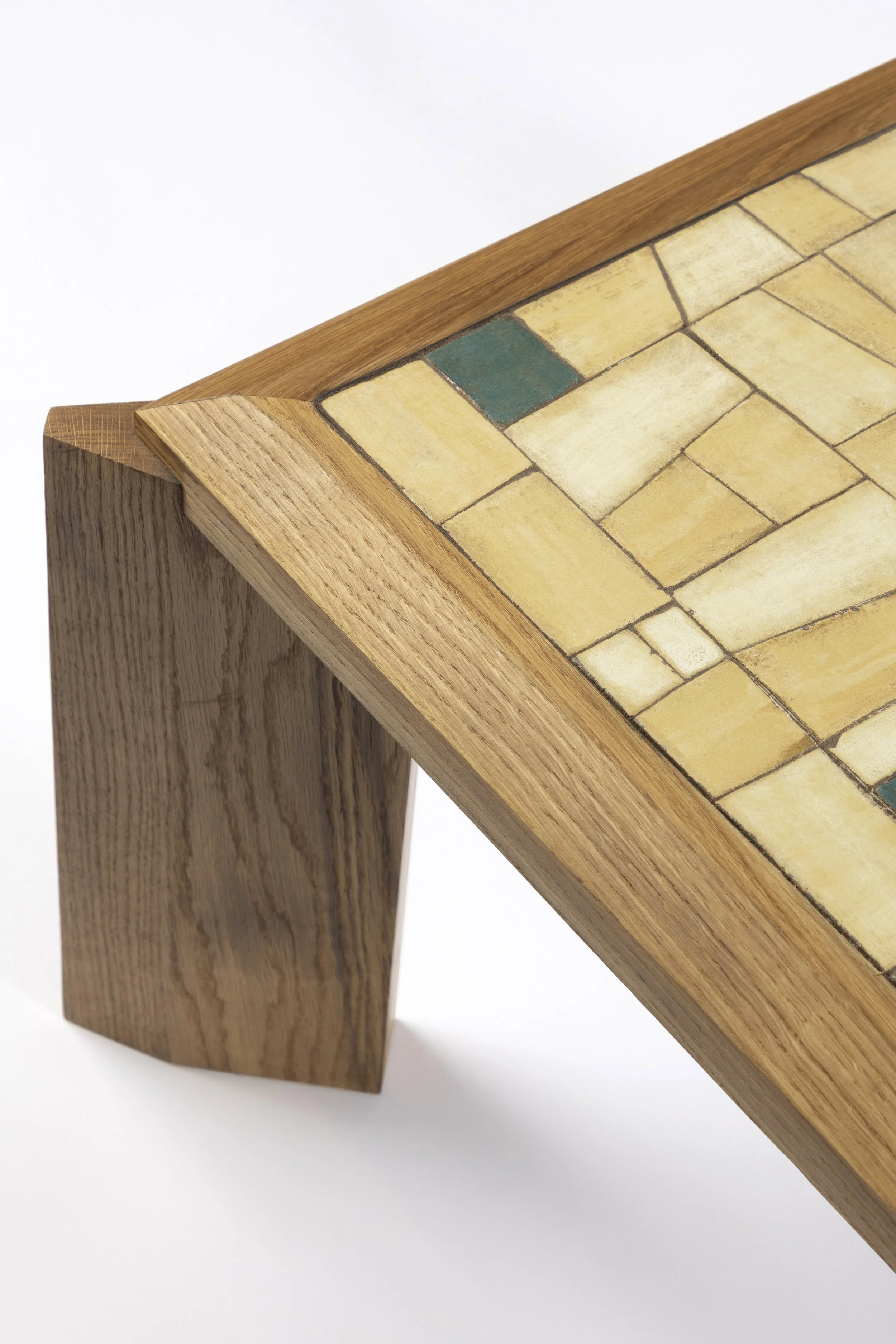
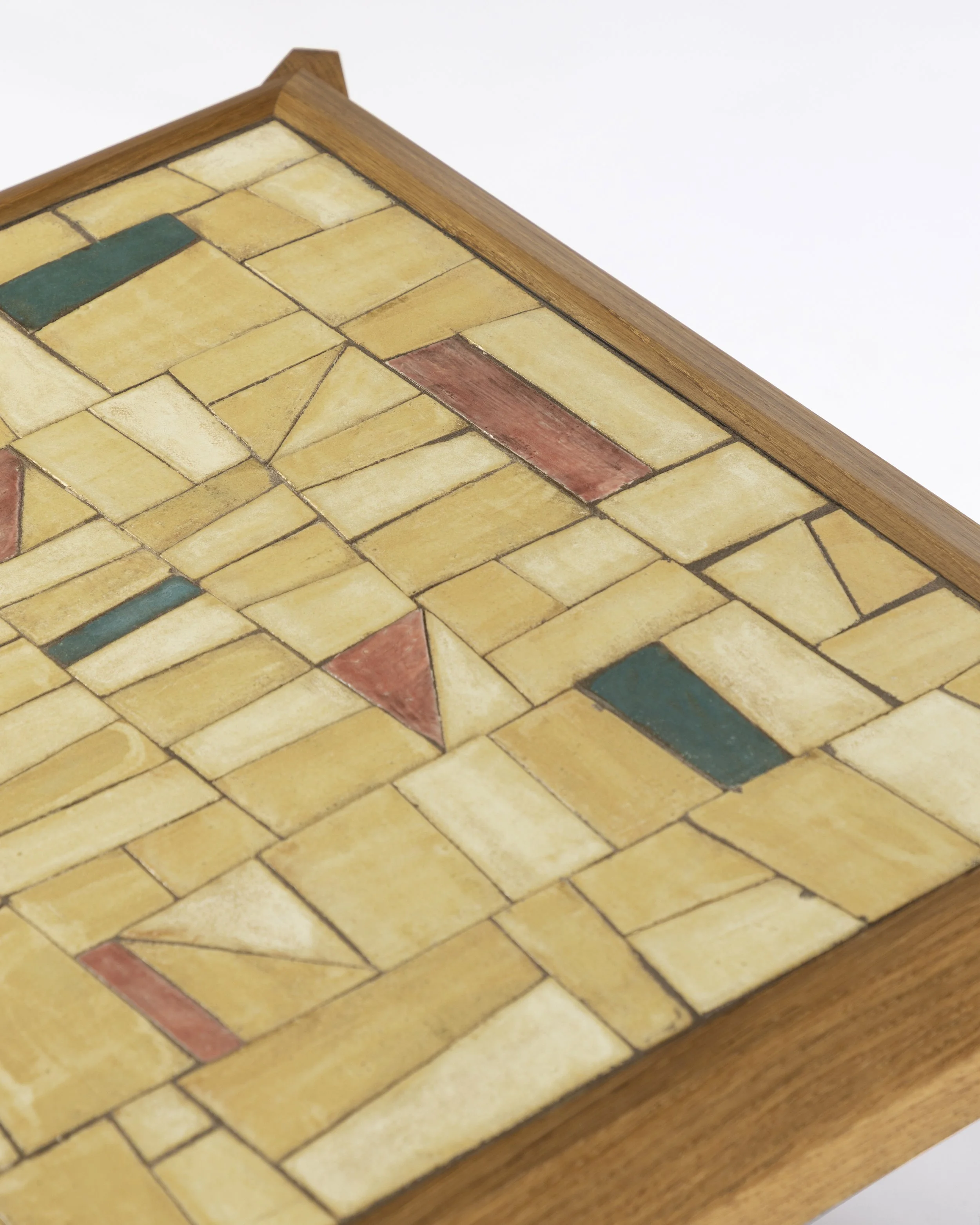
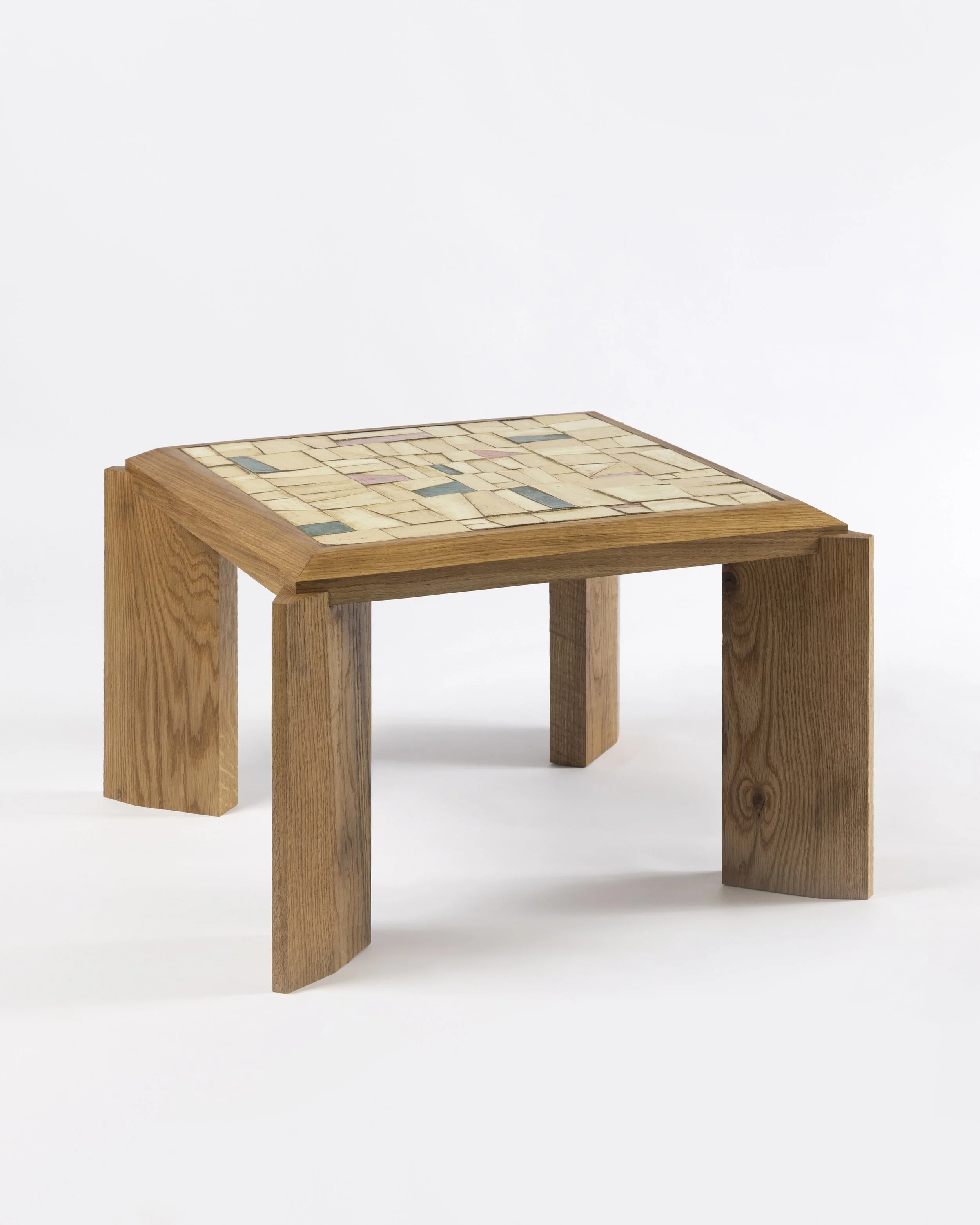
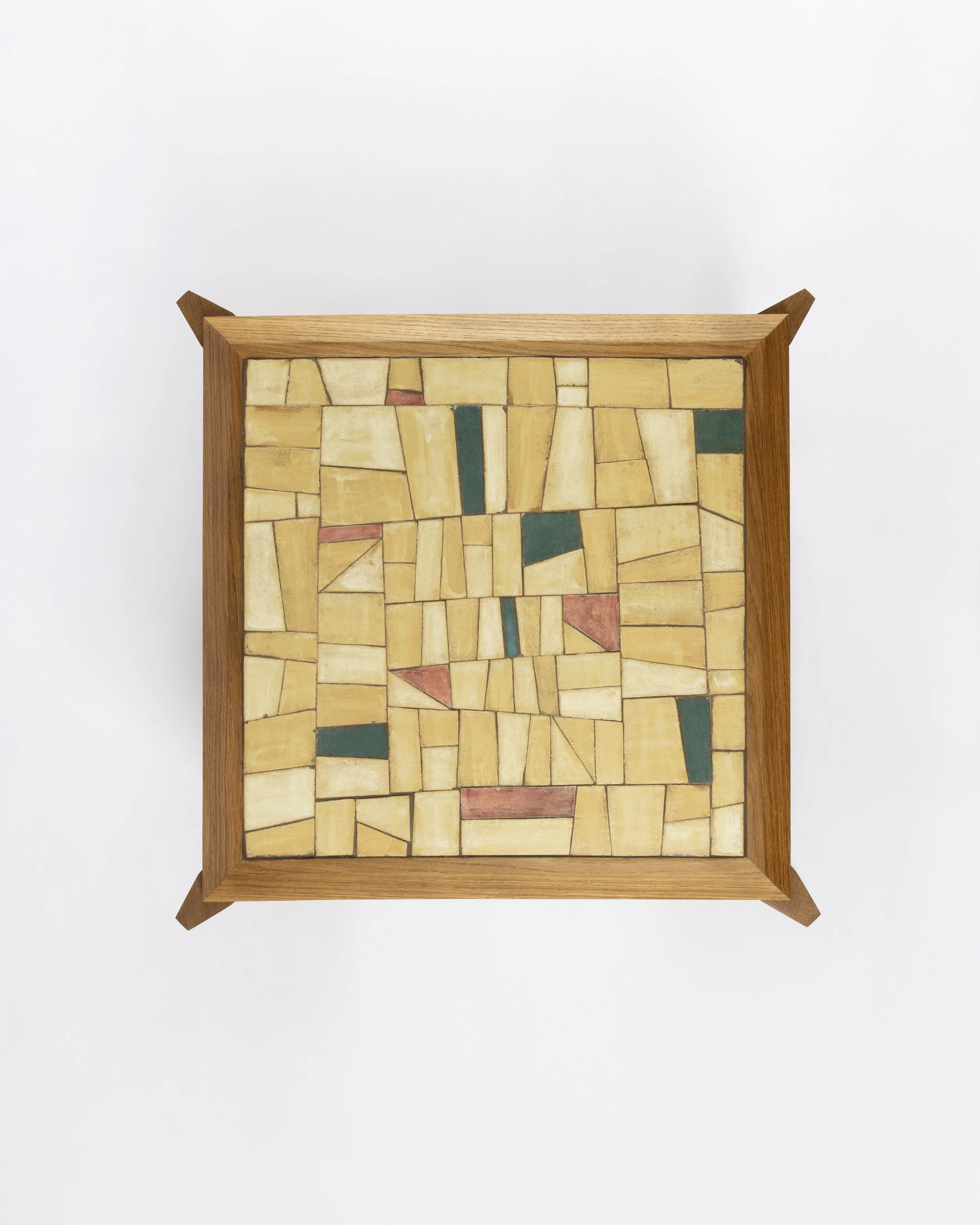
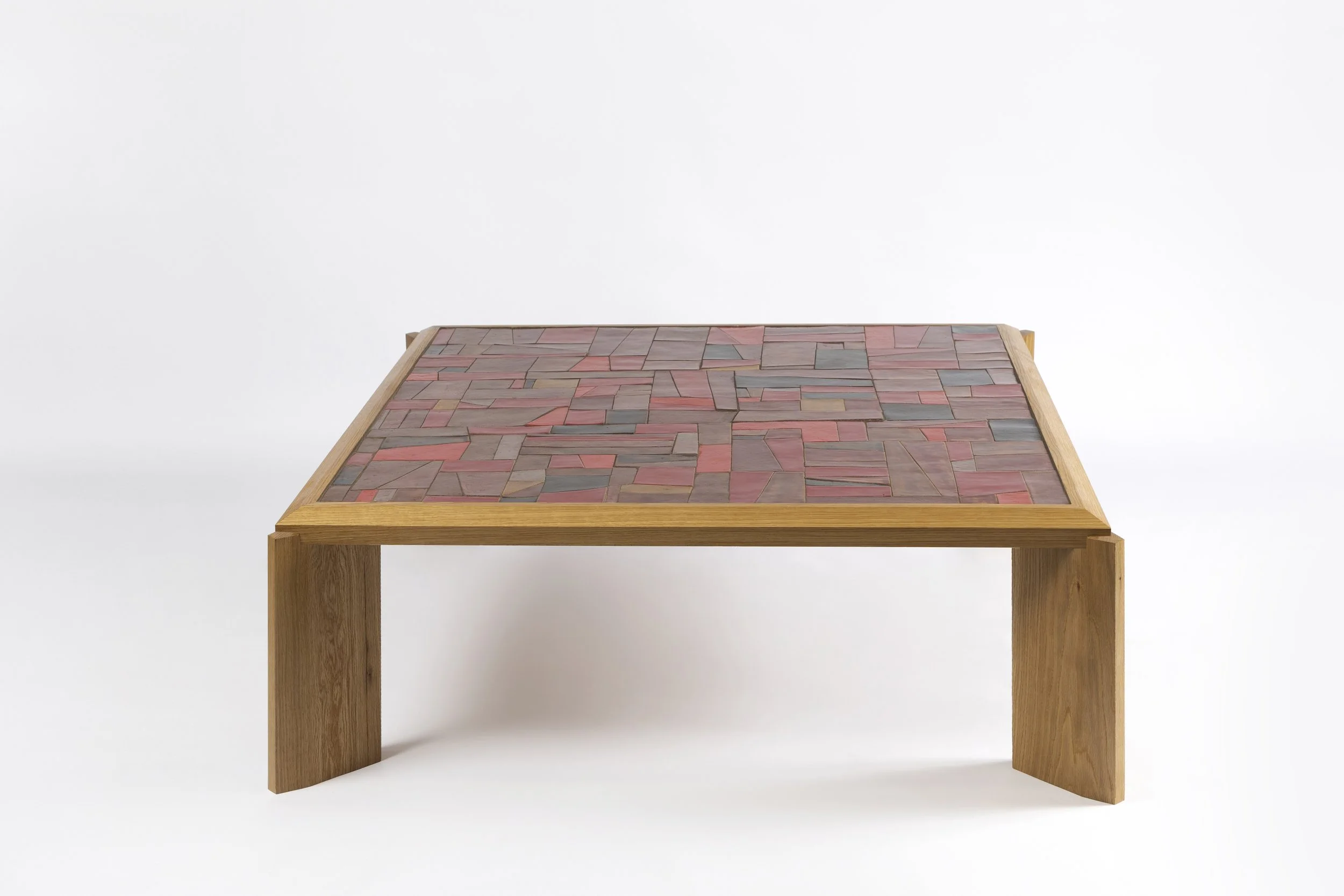
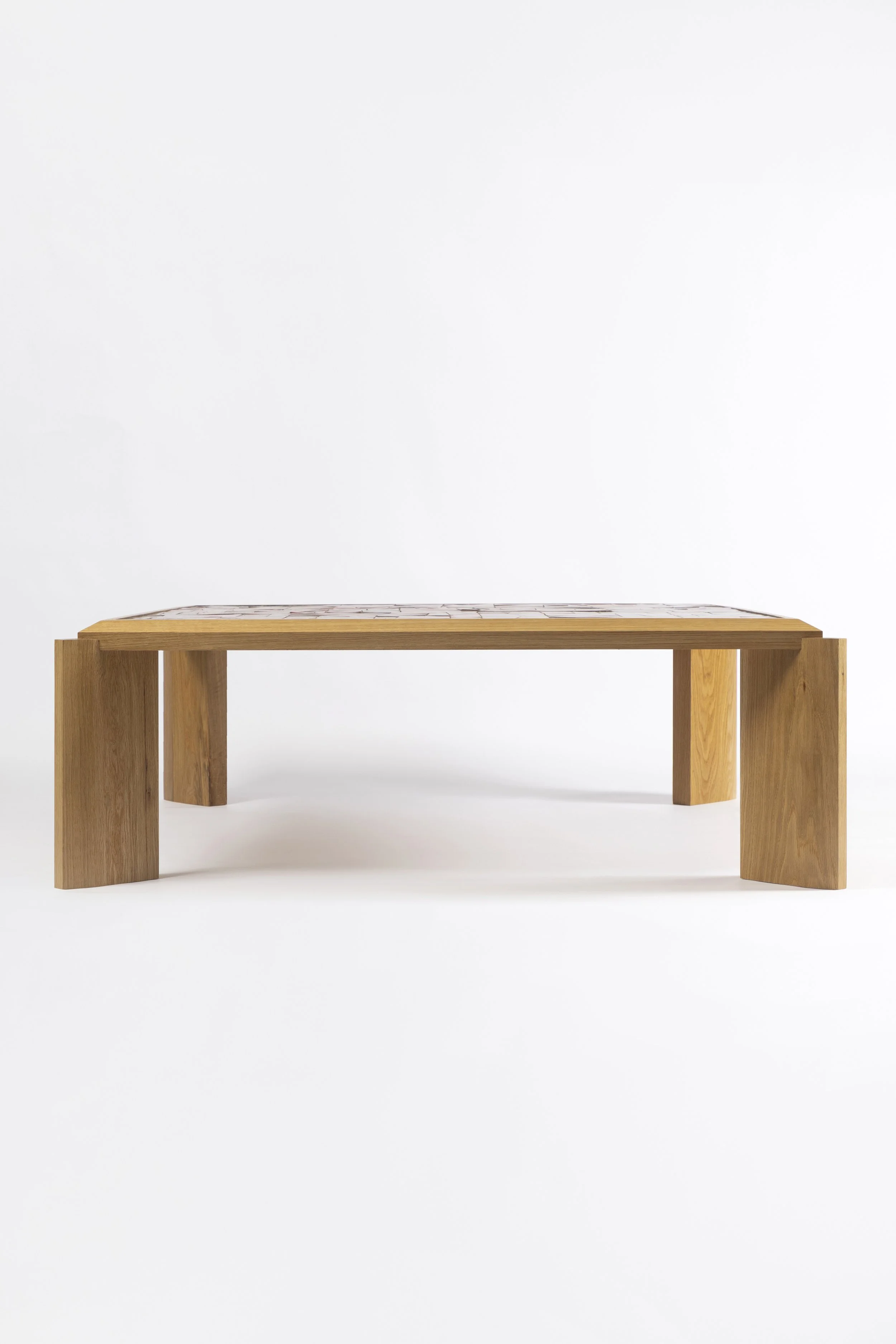
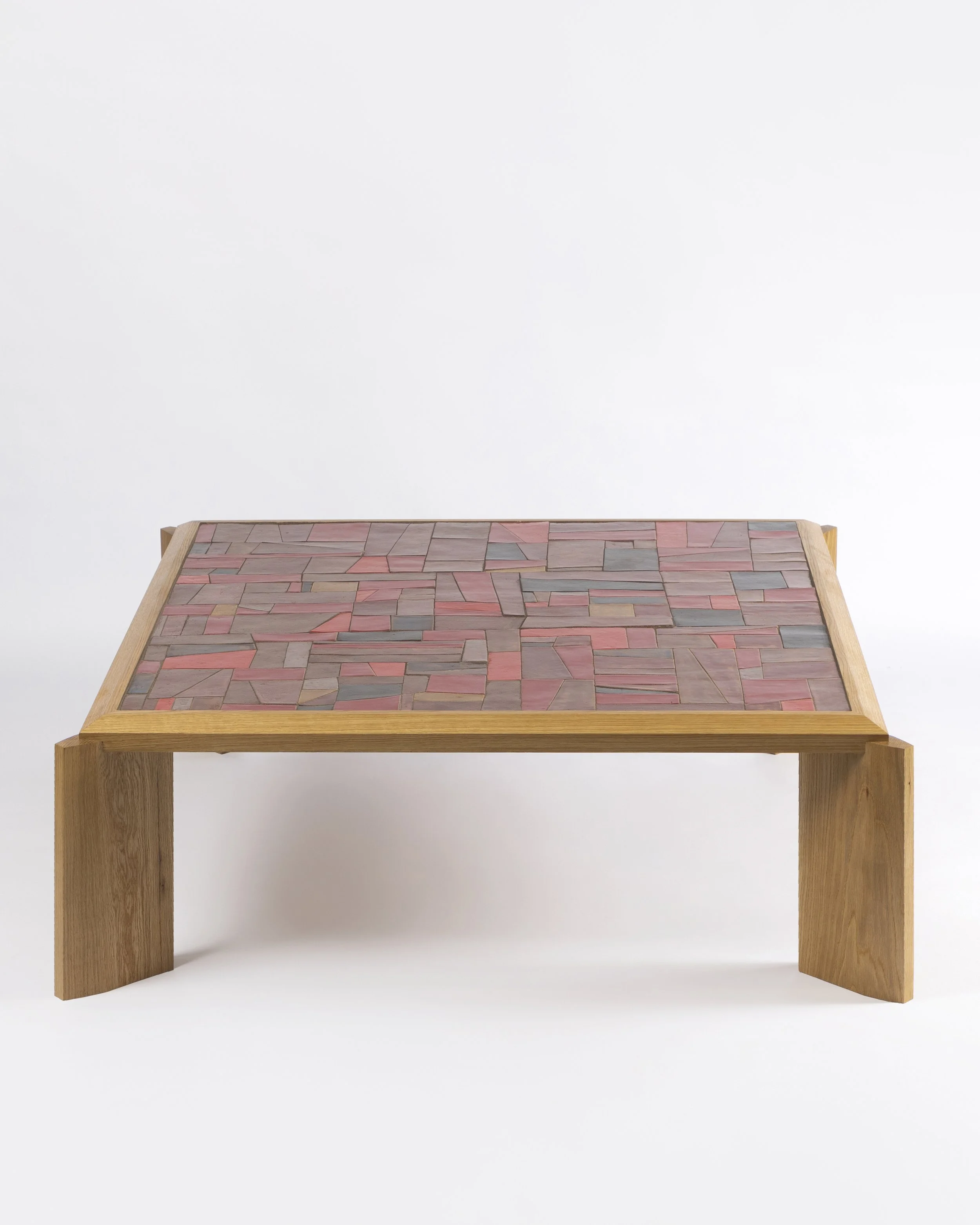
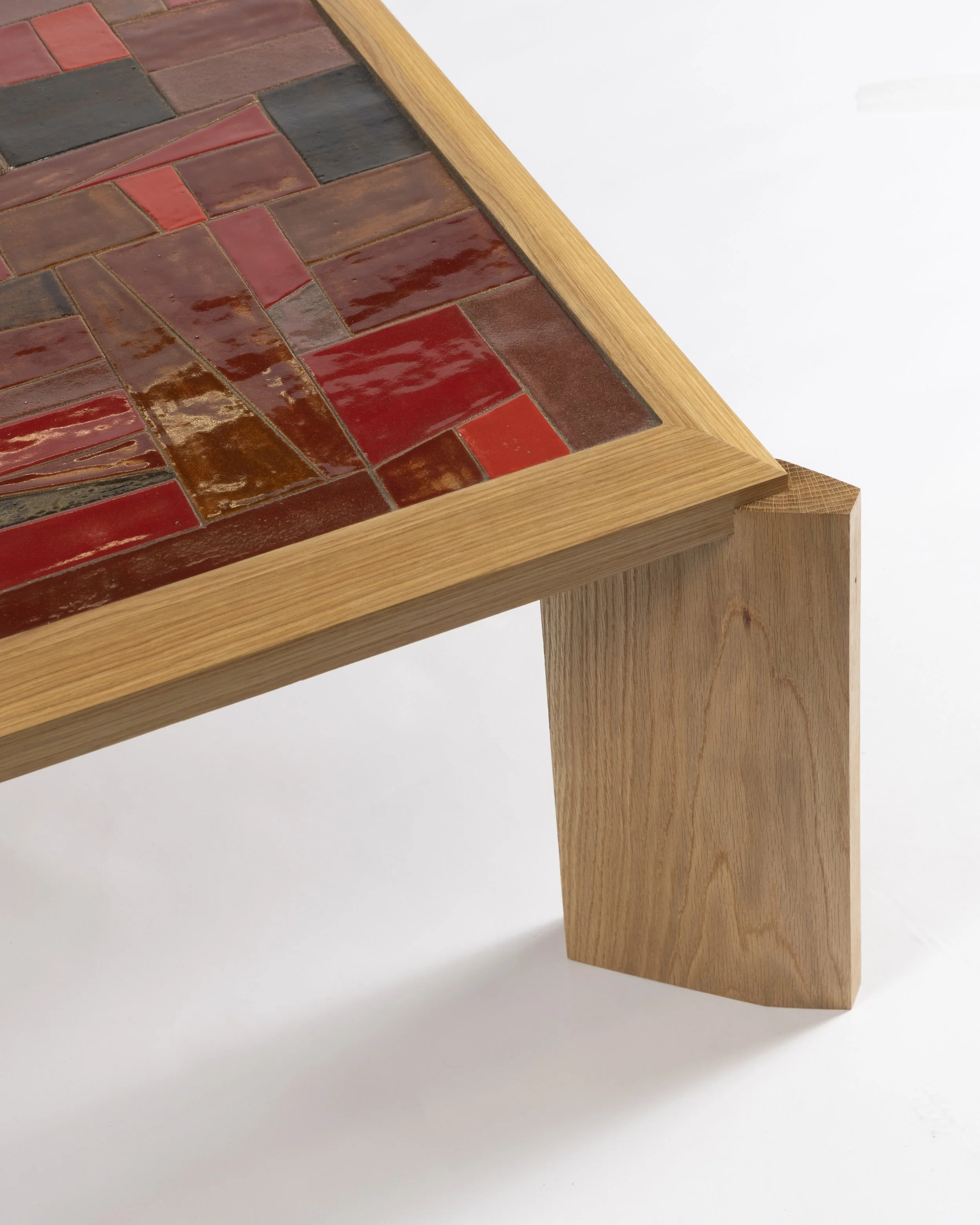
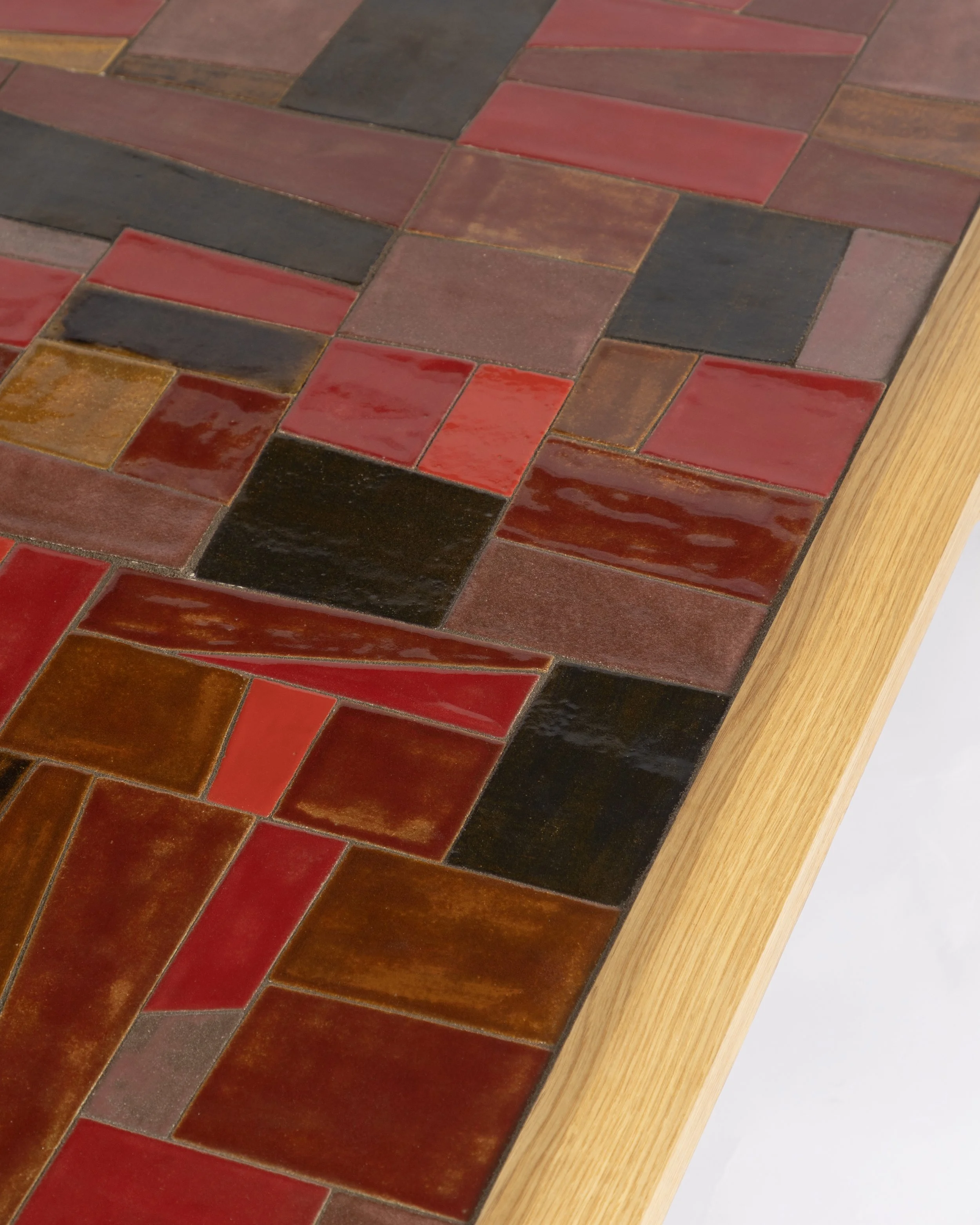
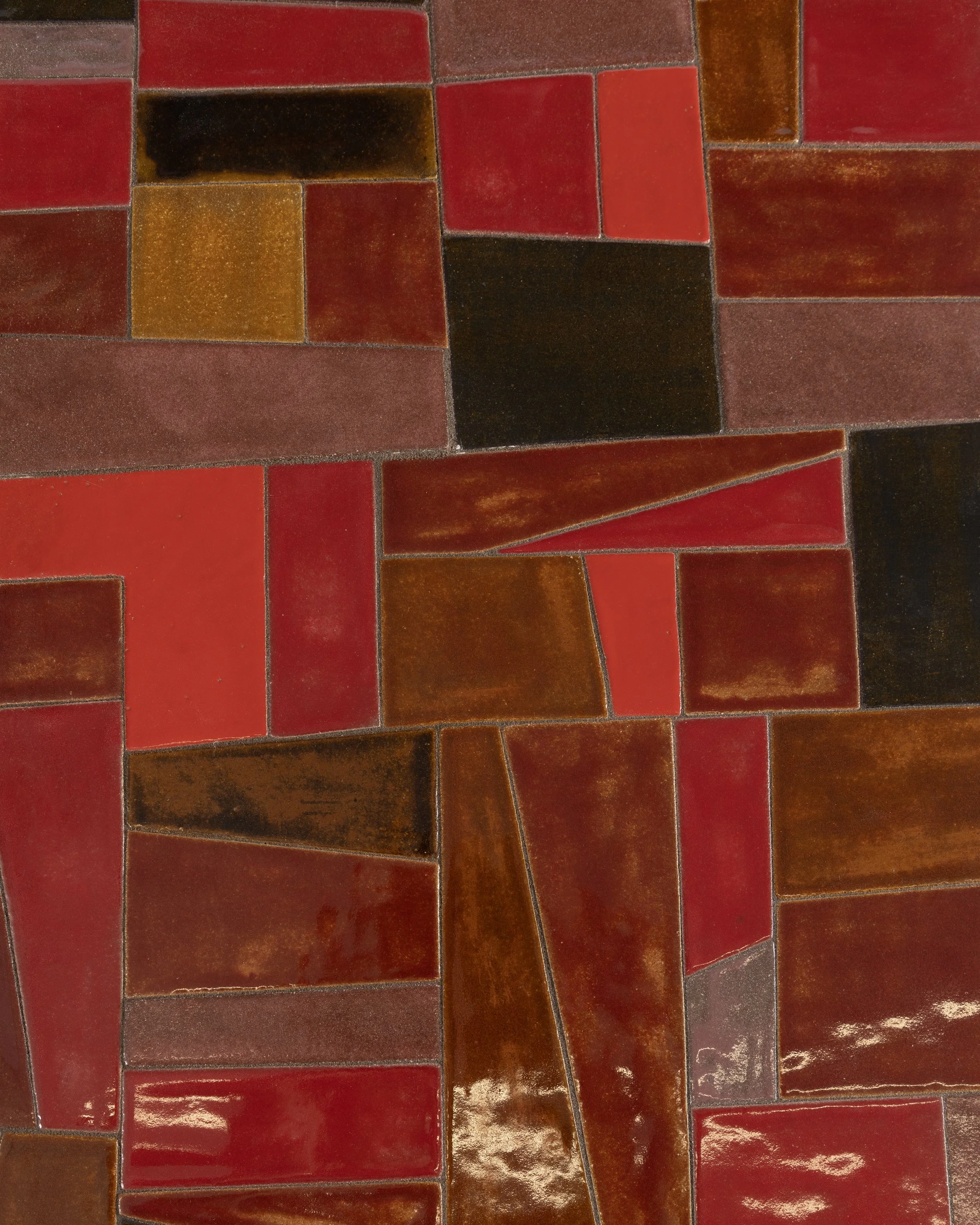
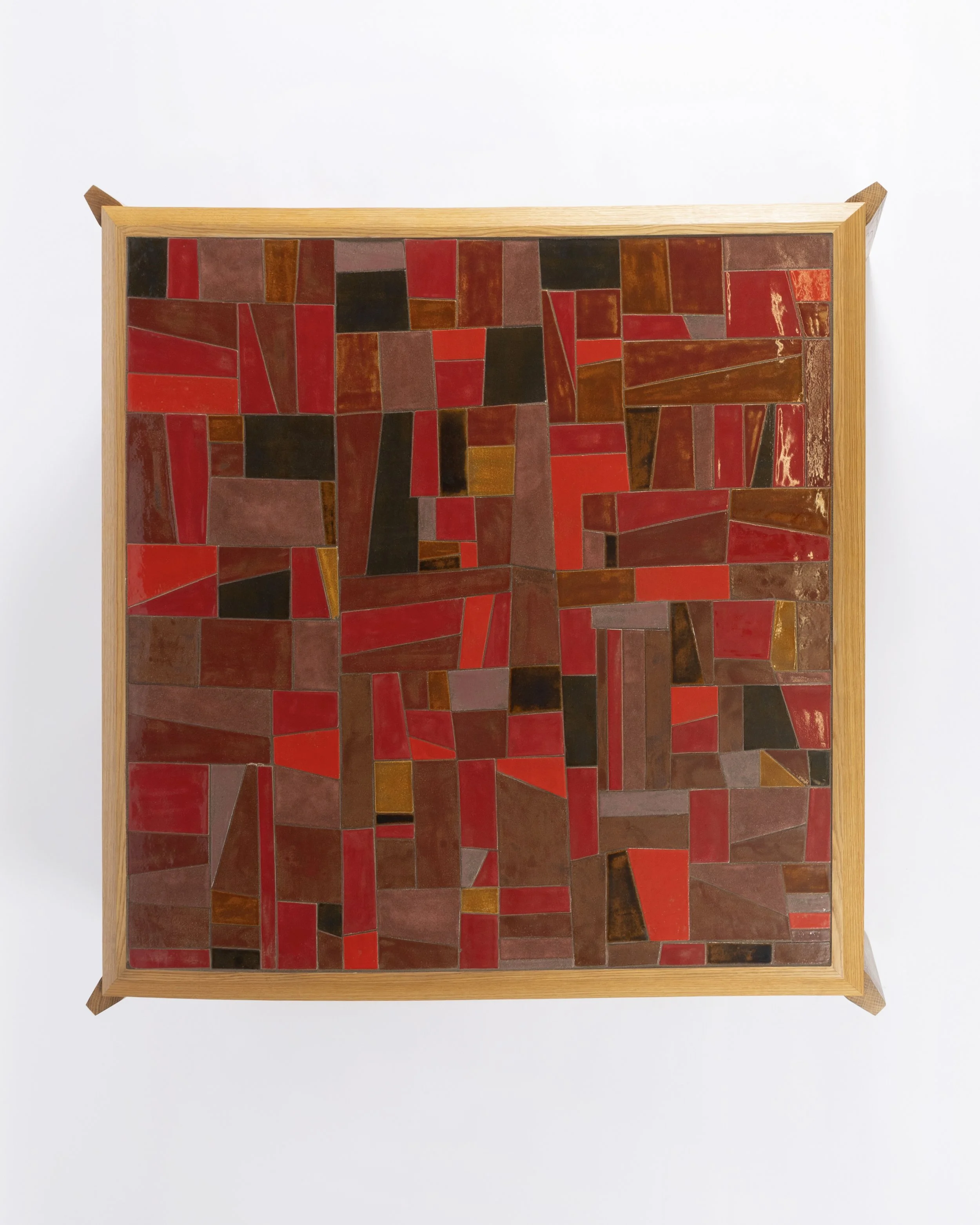
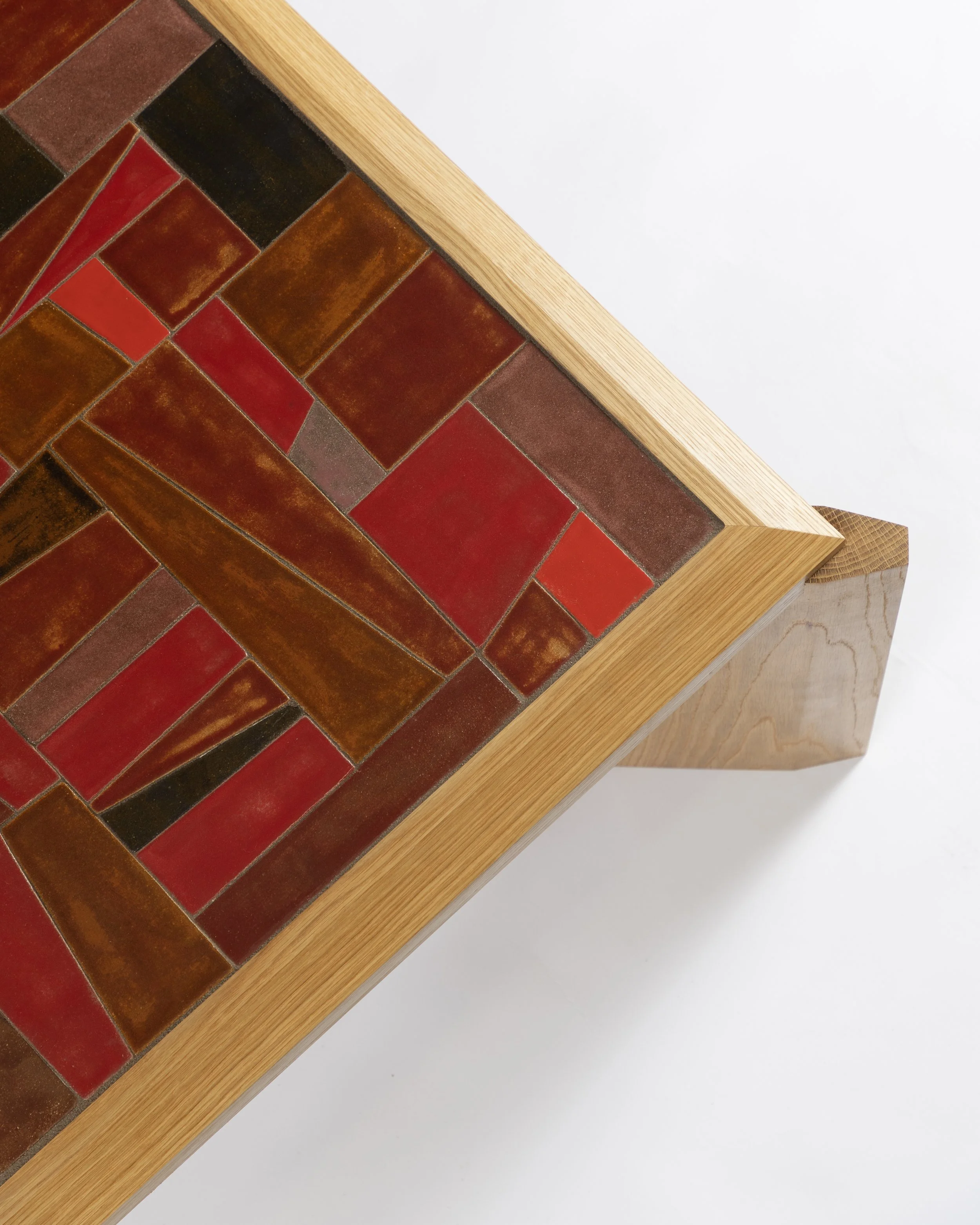
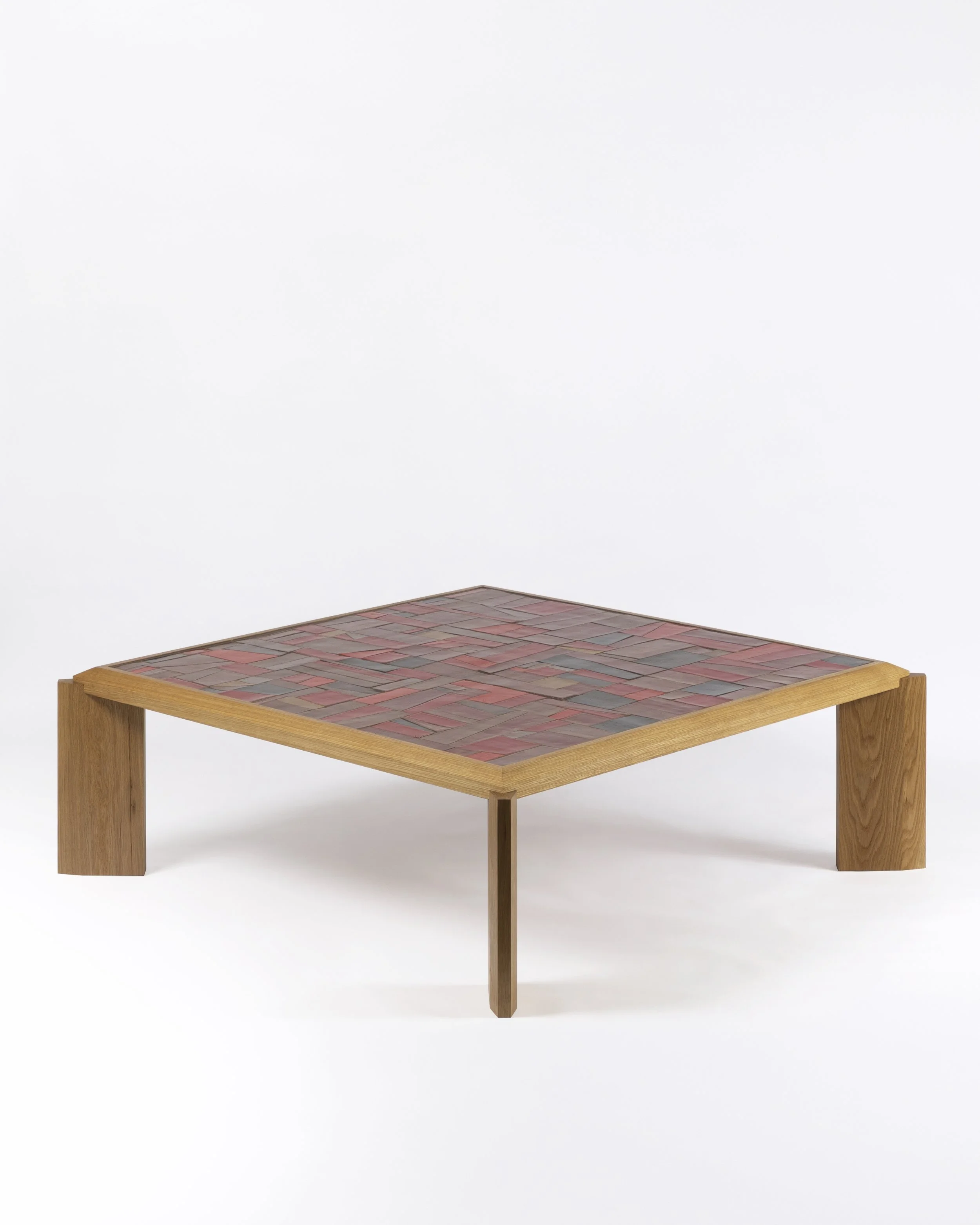
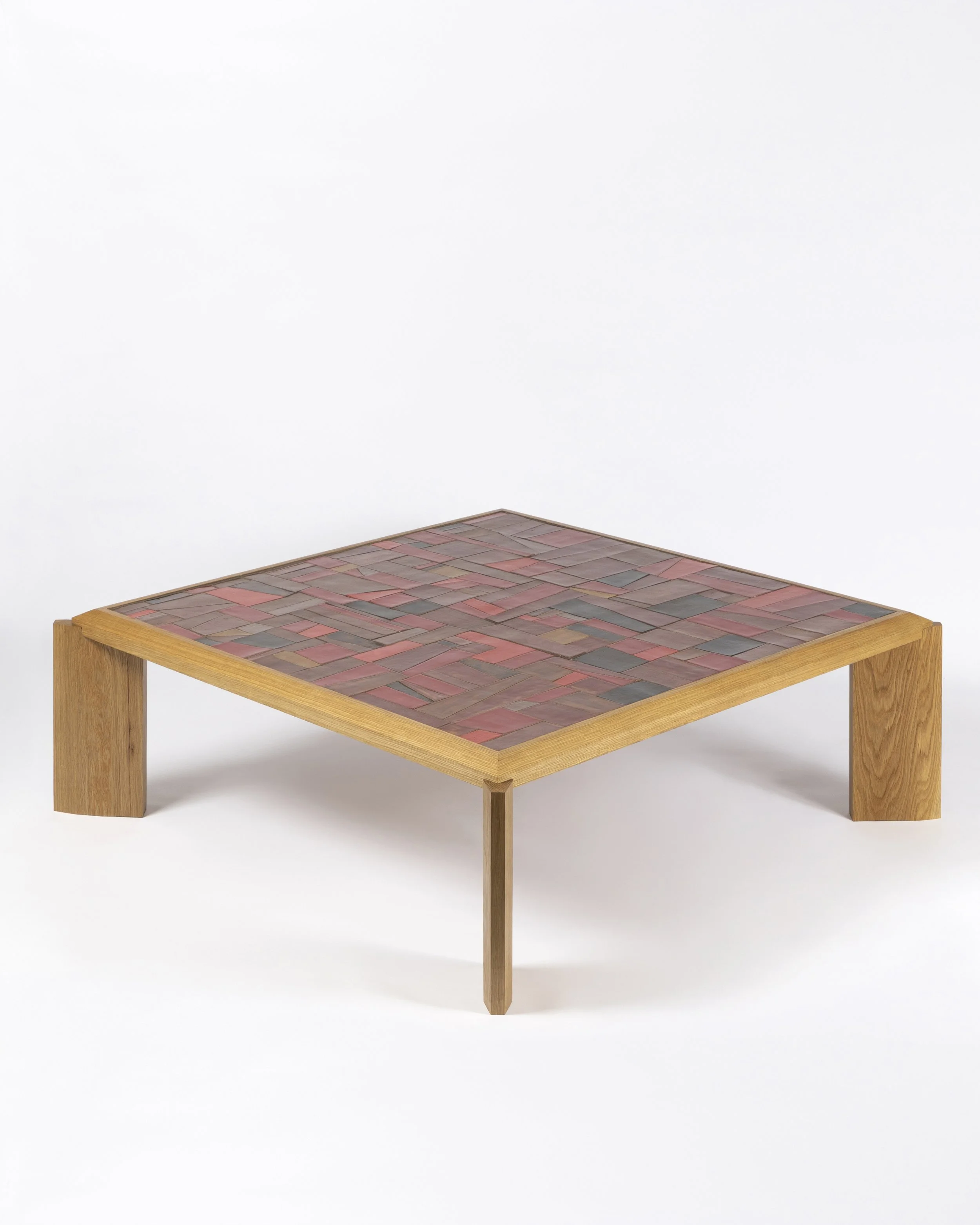
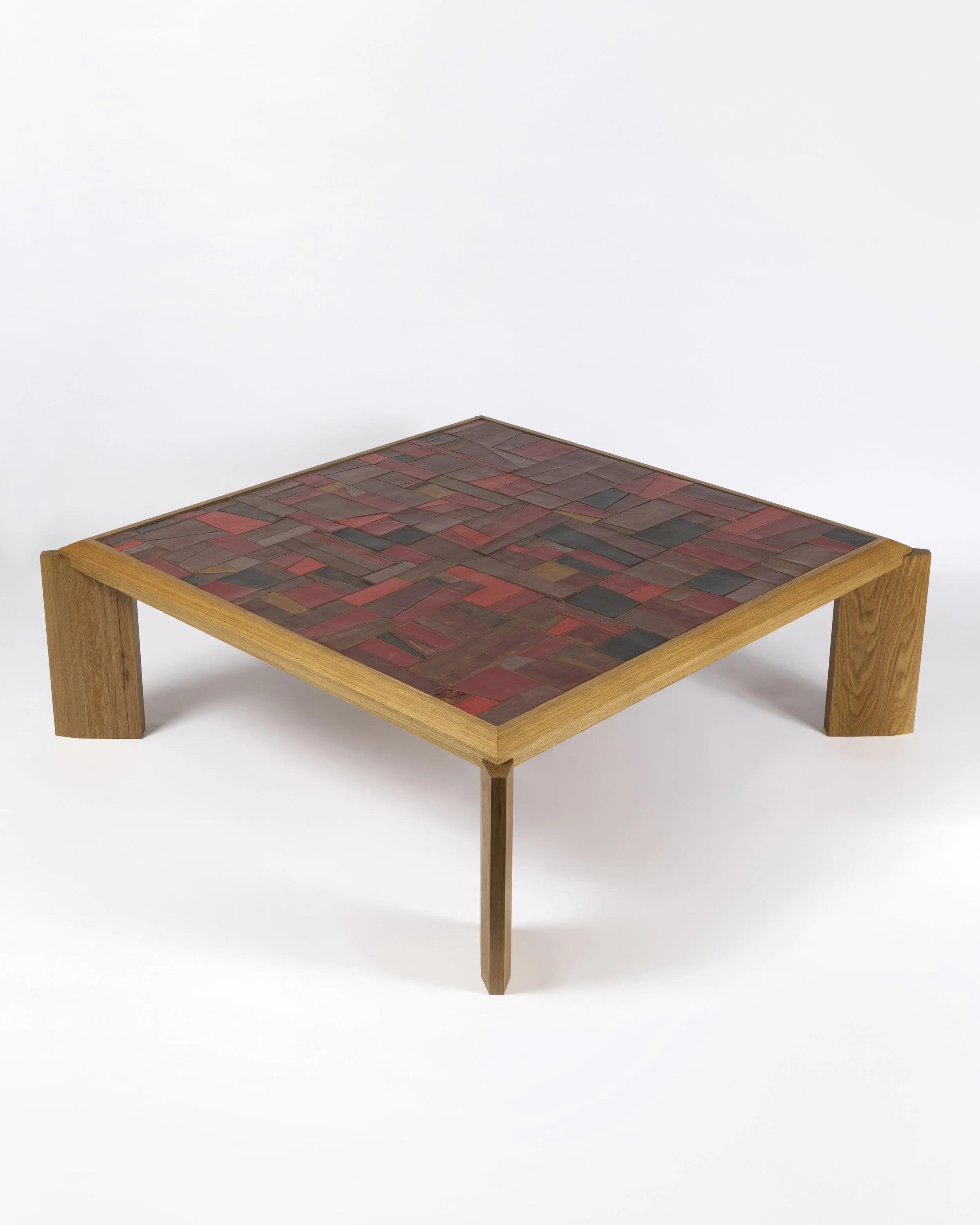
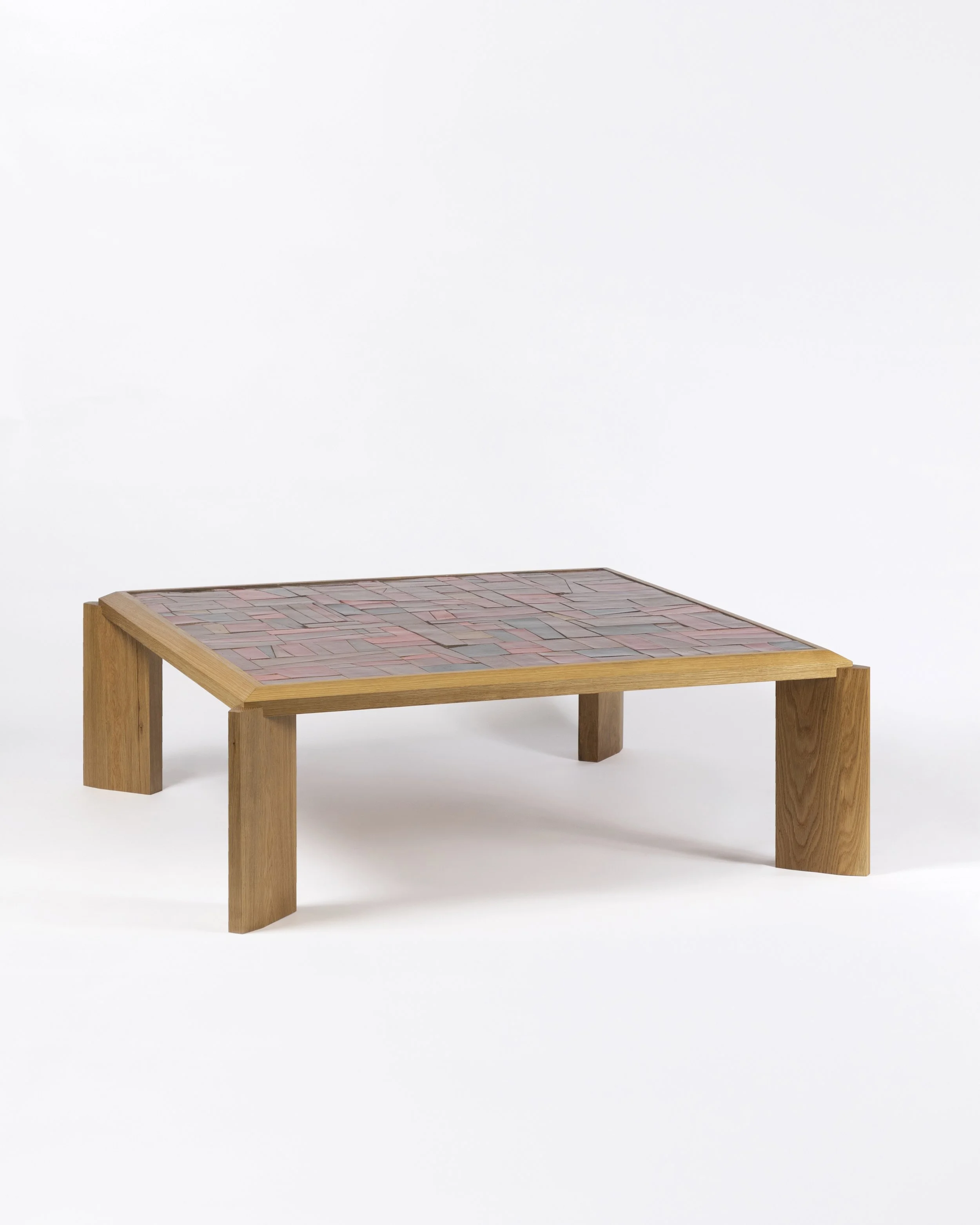
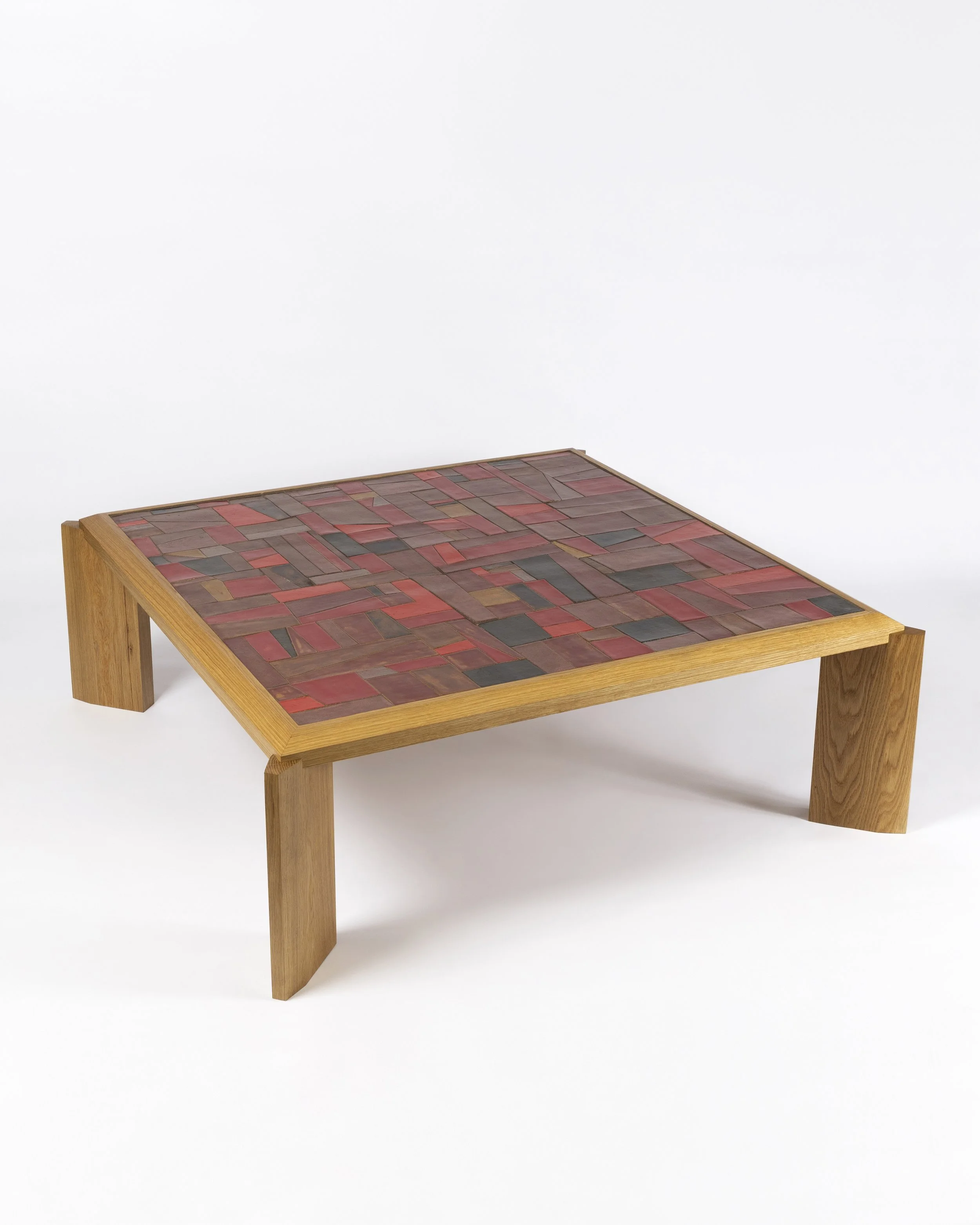
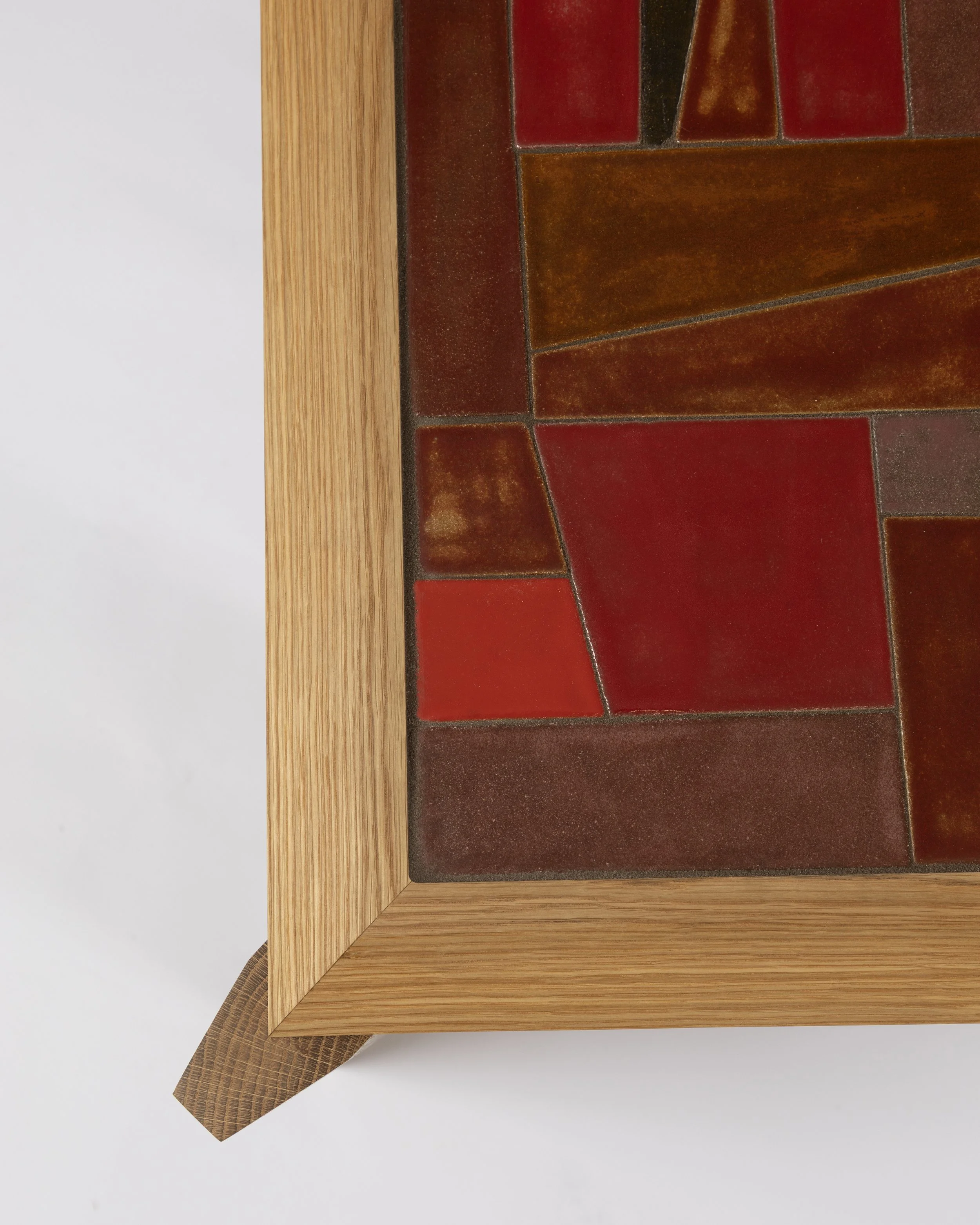
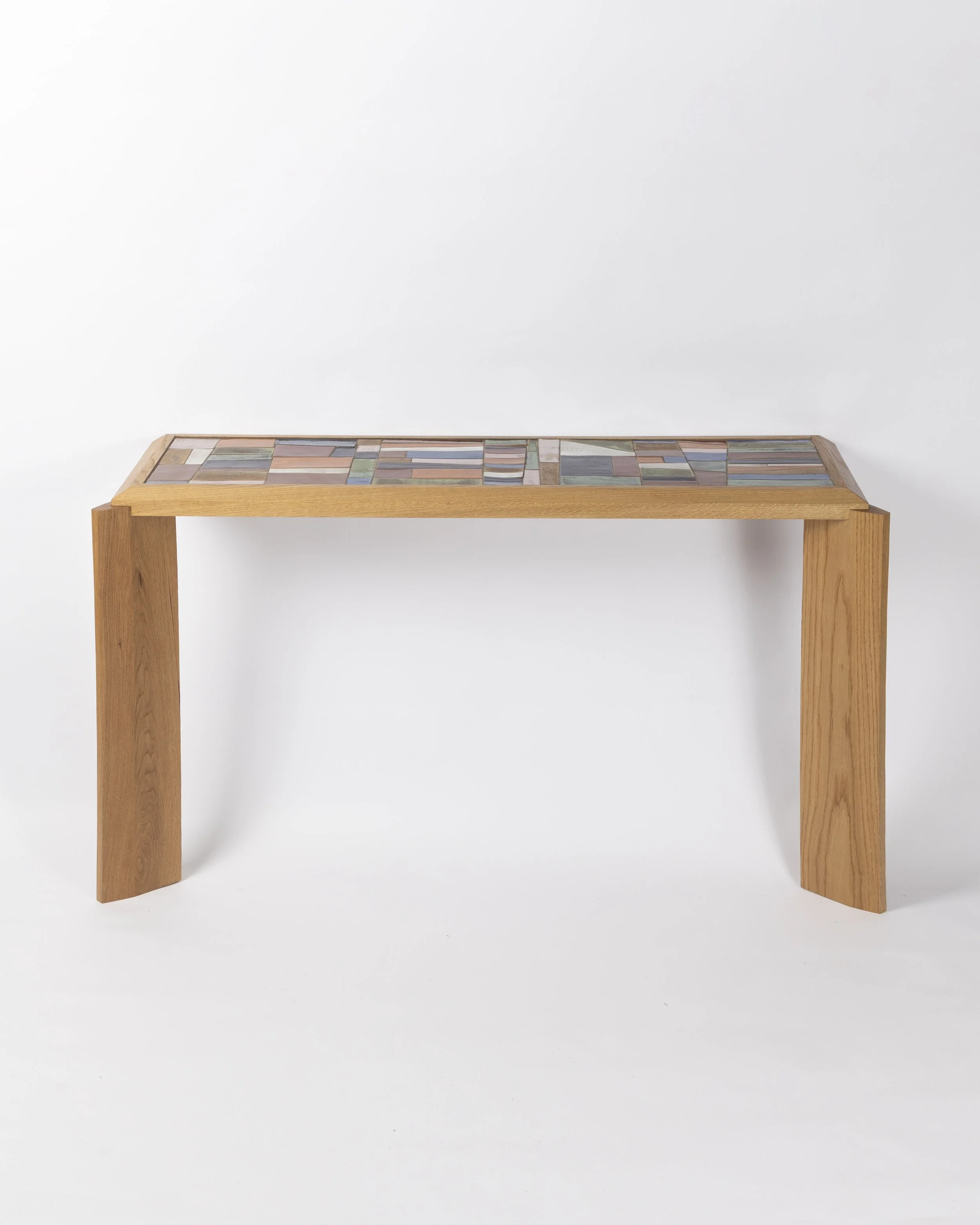
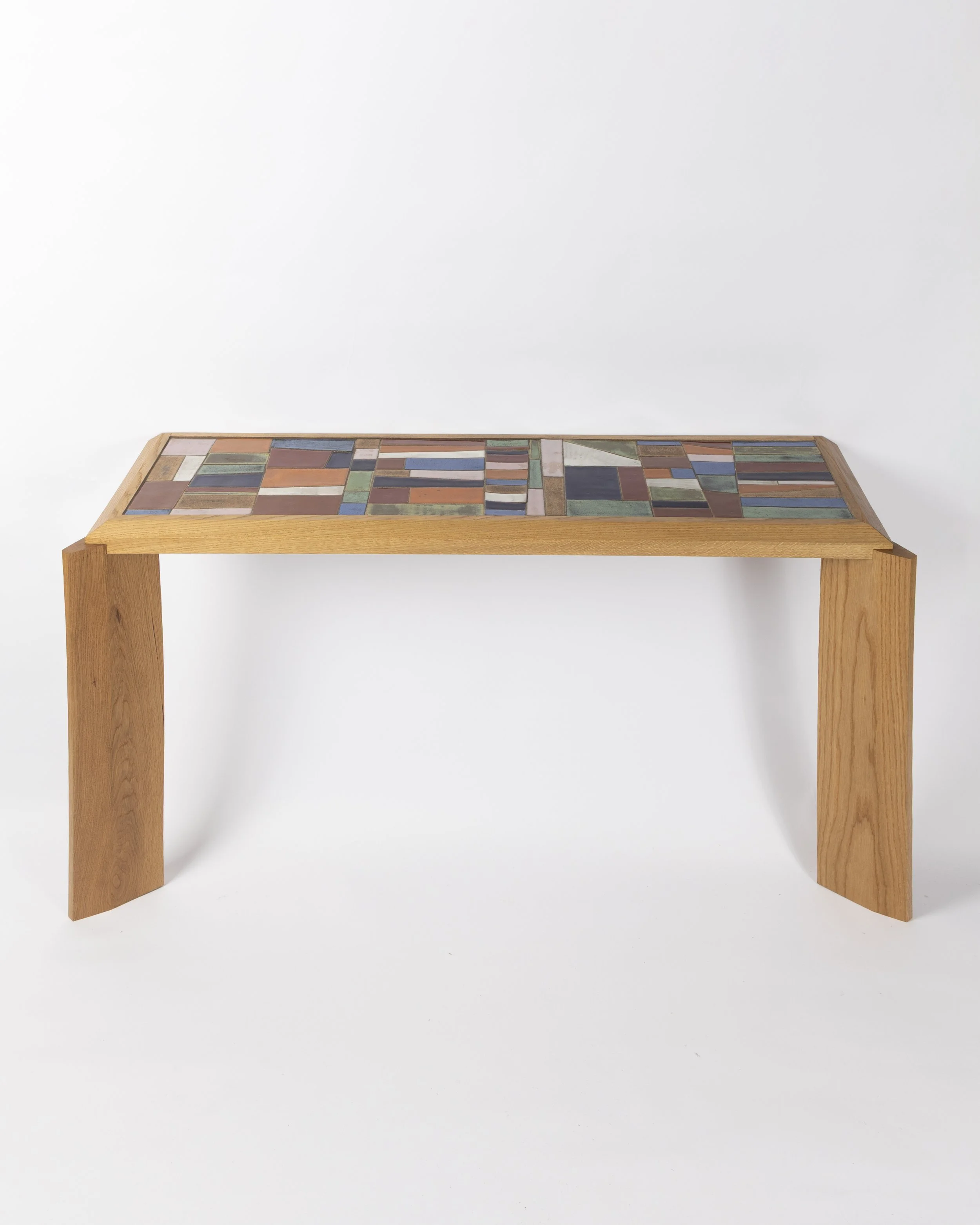
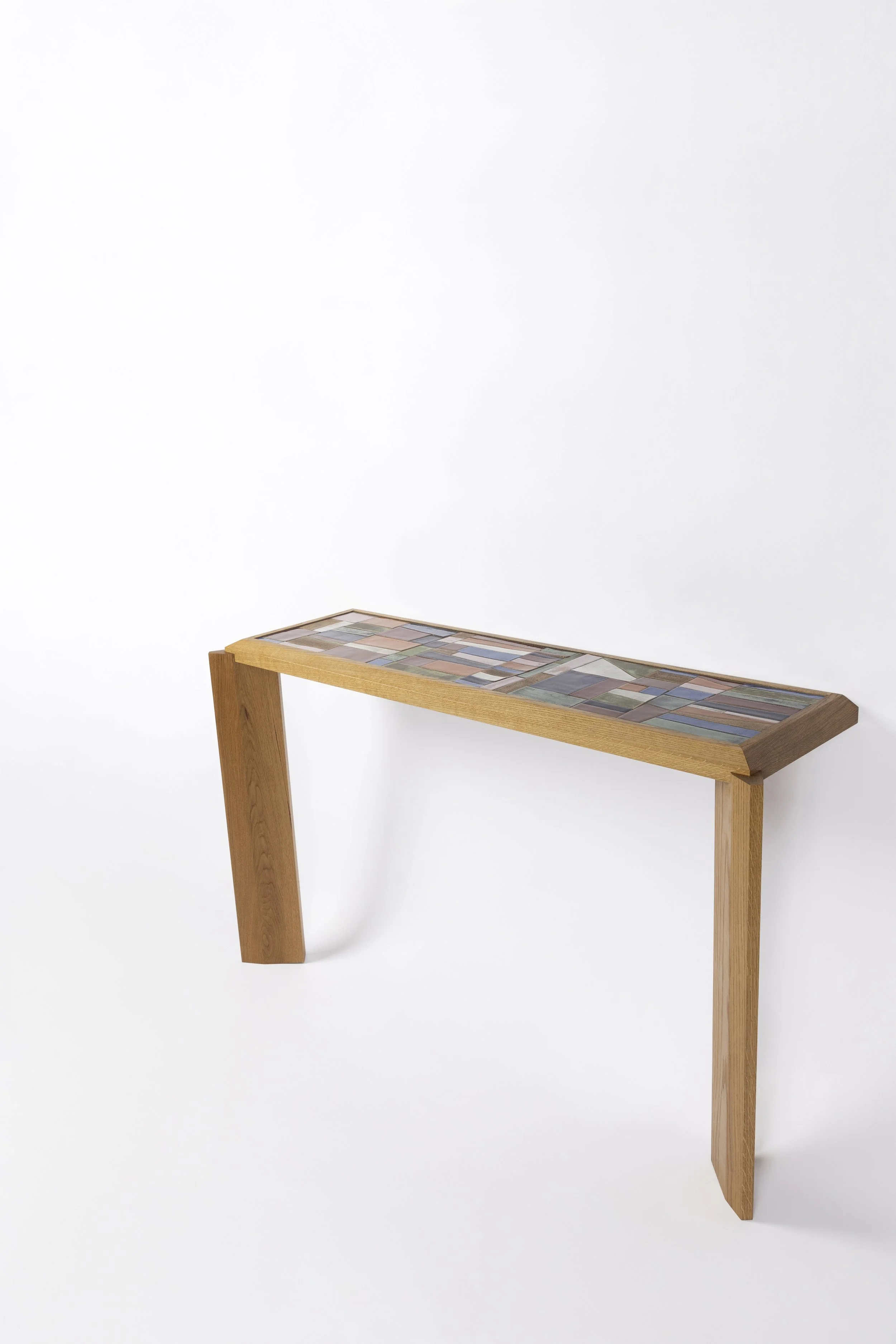
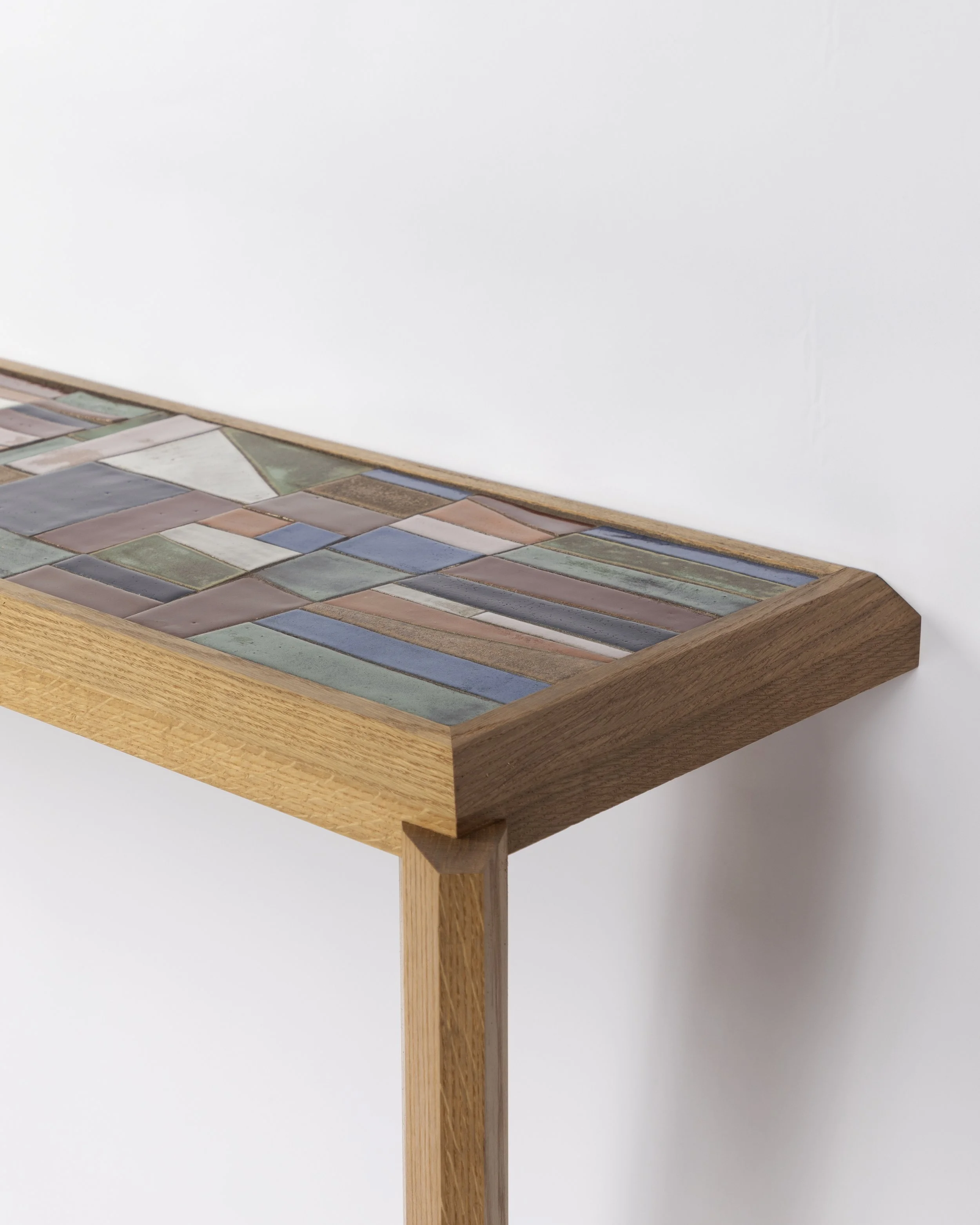
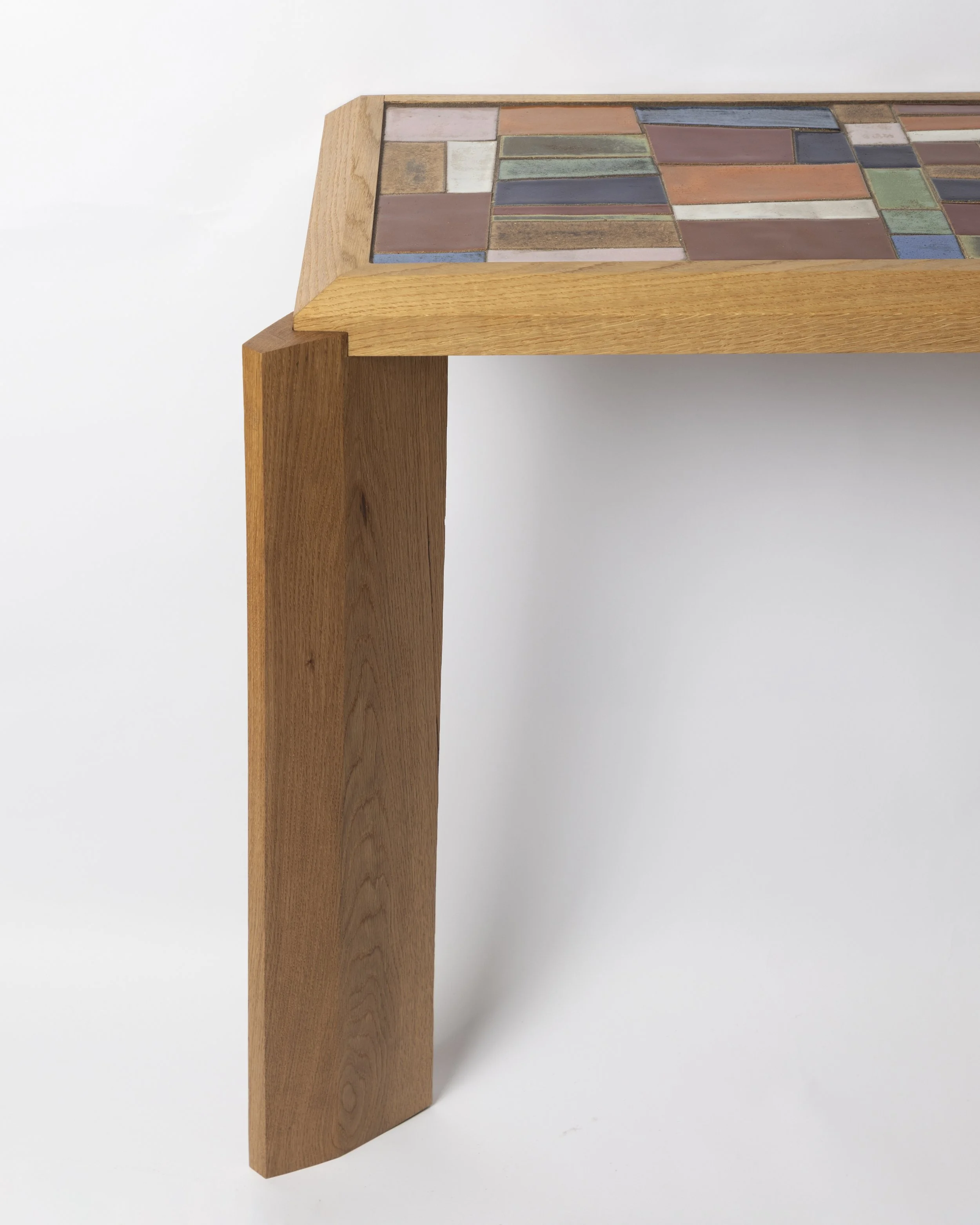
Running parallel is the debut collection from Studio D’Haene, a collaboration between Jane Yang D'Haene and the late Francis D’Haene. Sparked by an encounter with a Korean jogakbo textile at The Metropolitan Museum of Art, the collection translates the language of patchwork into sculptural furniture.
There’s a quiet emotional gravity to the work. Developed shortly before Francis D’Haene’s passing, the pieces operate as both design objects and personal artifacts—an interplay of Jane’s ceramic sensibility with Francis’s architectural rigor. The result is a collection that resists nostalgia while still carrying the weight of memory, underscoring how design can function as a vessel for continuity.
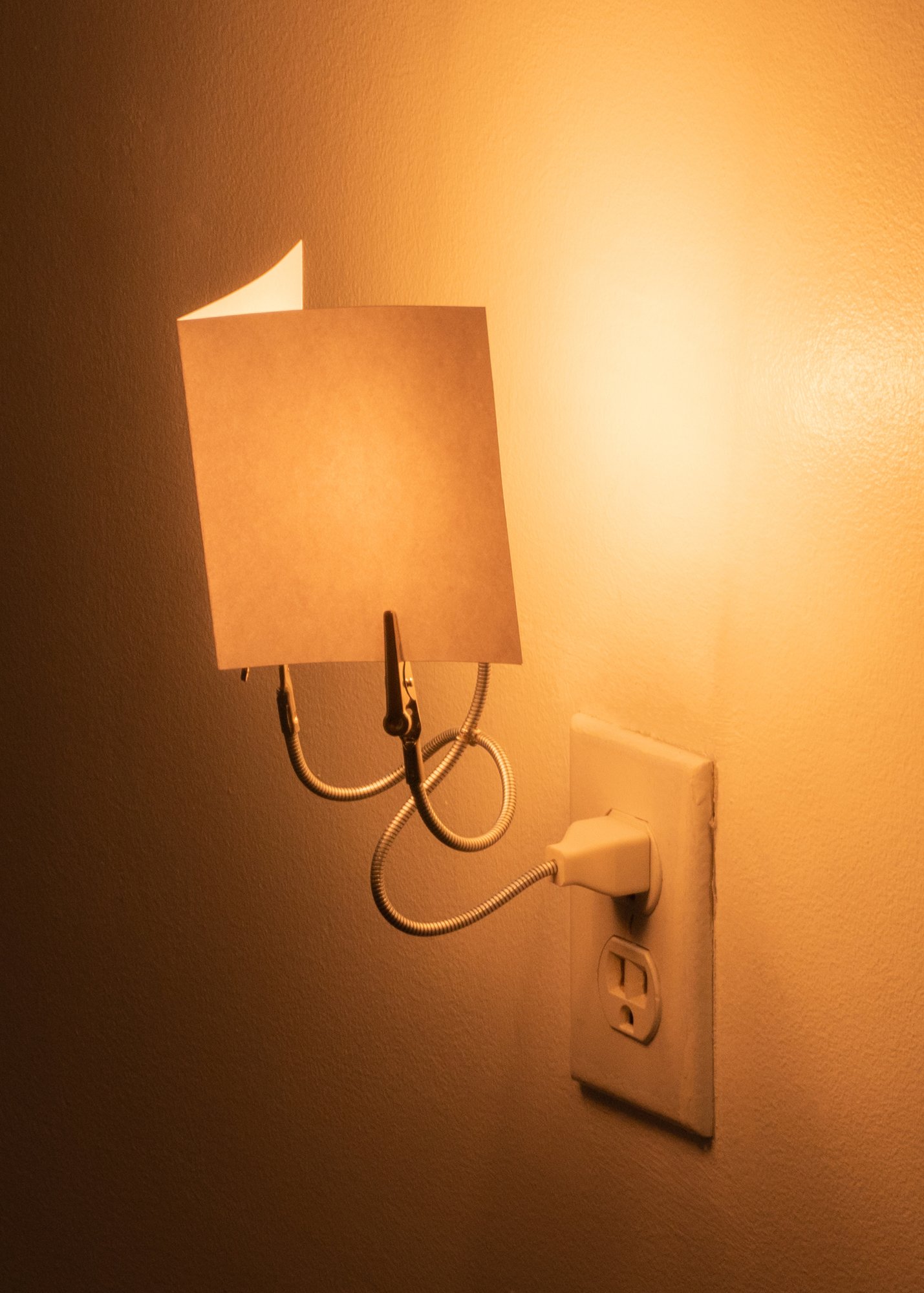
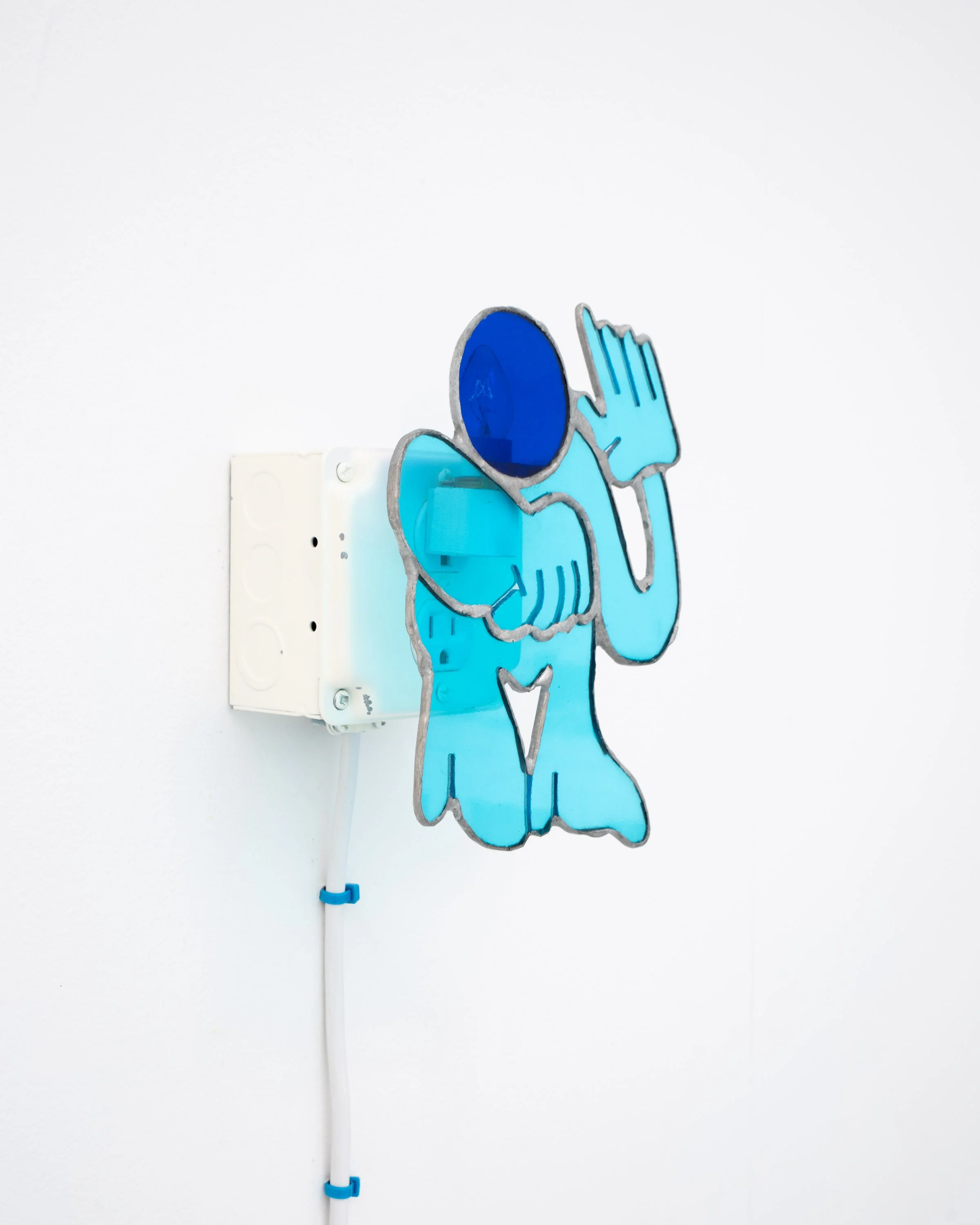
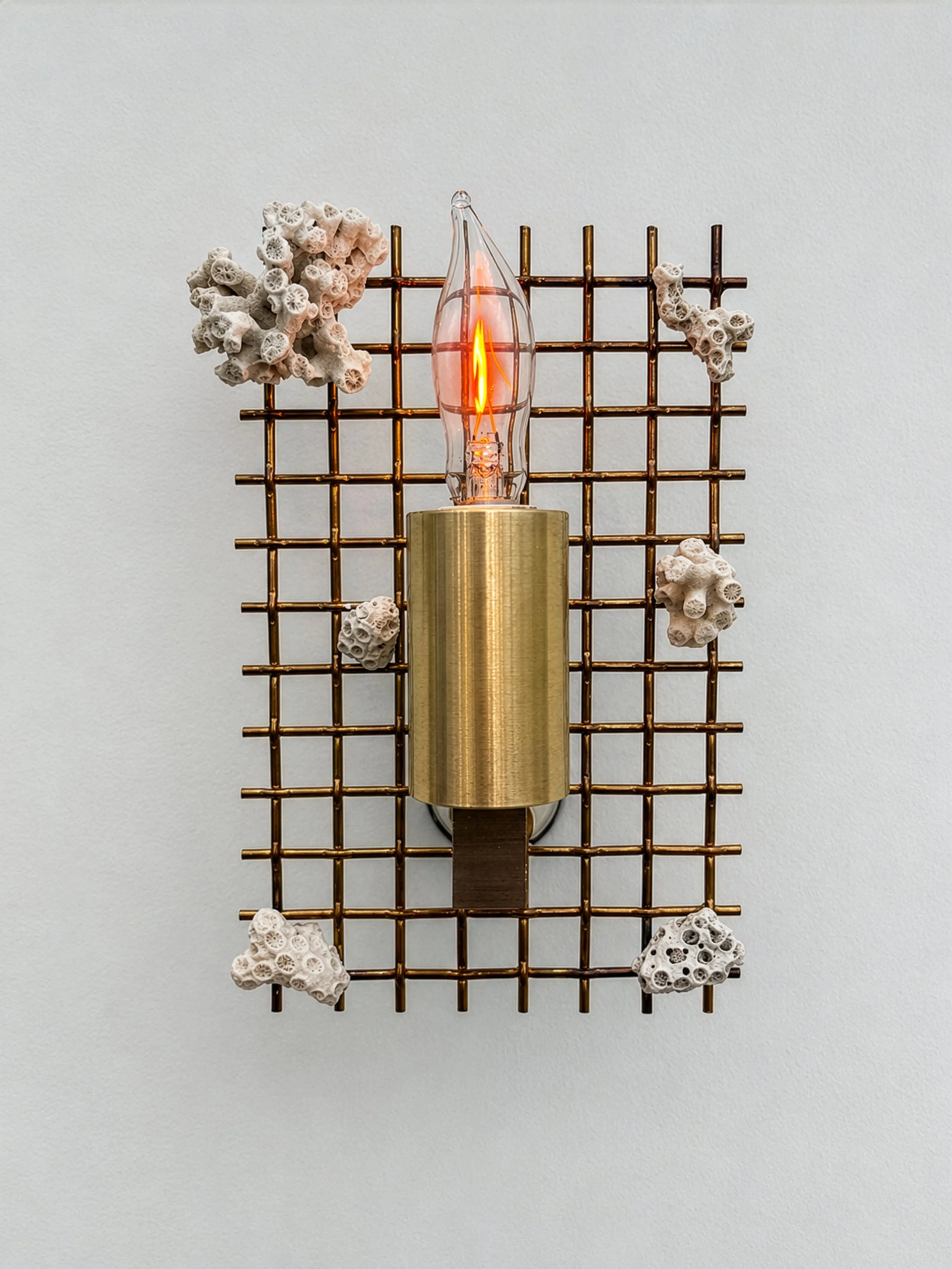
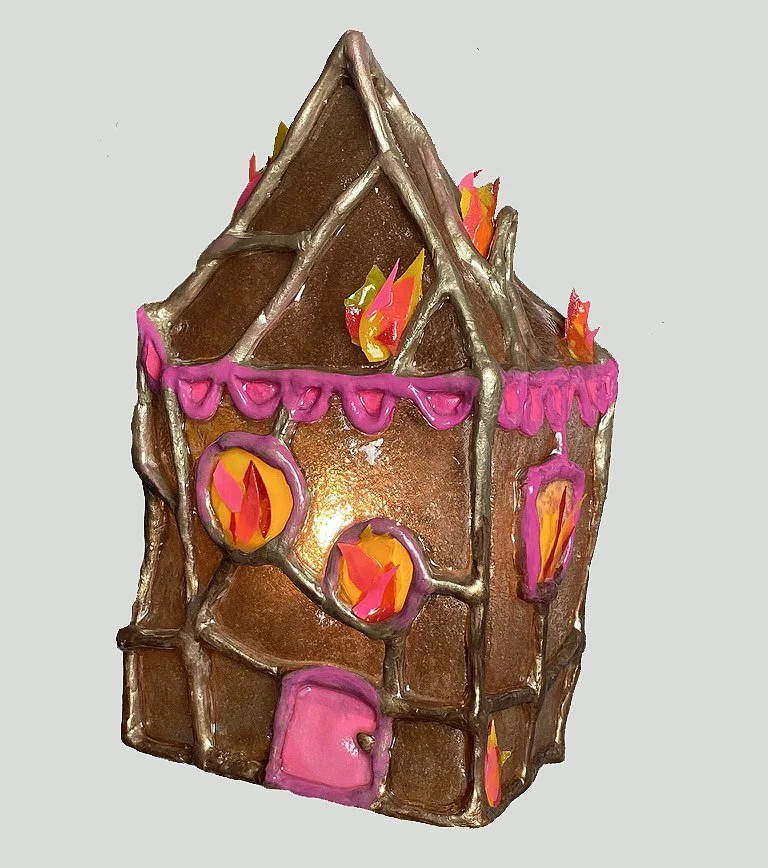
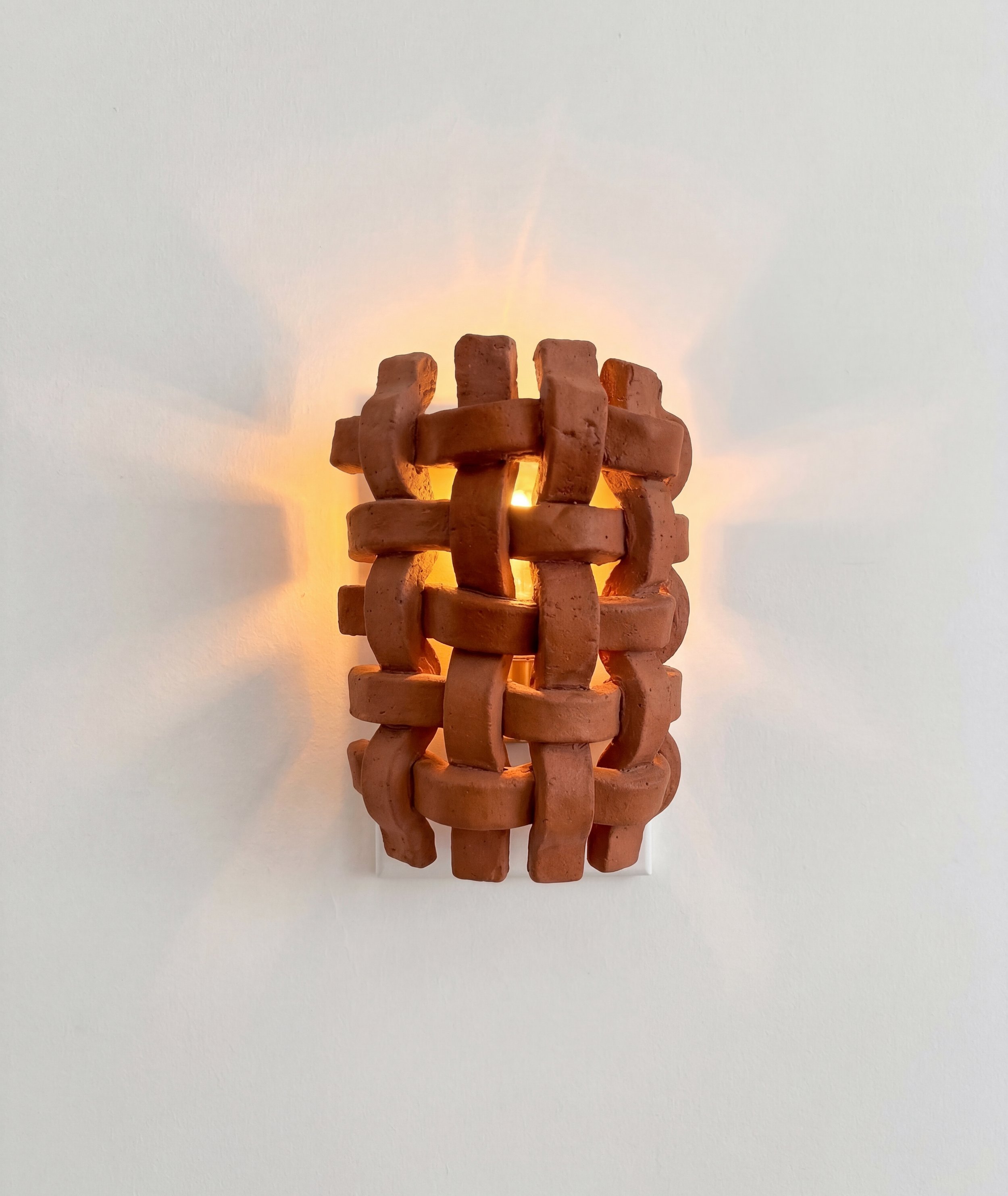
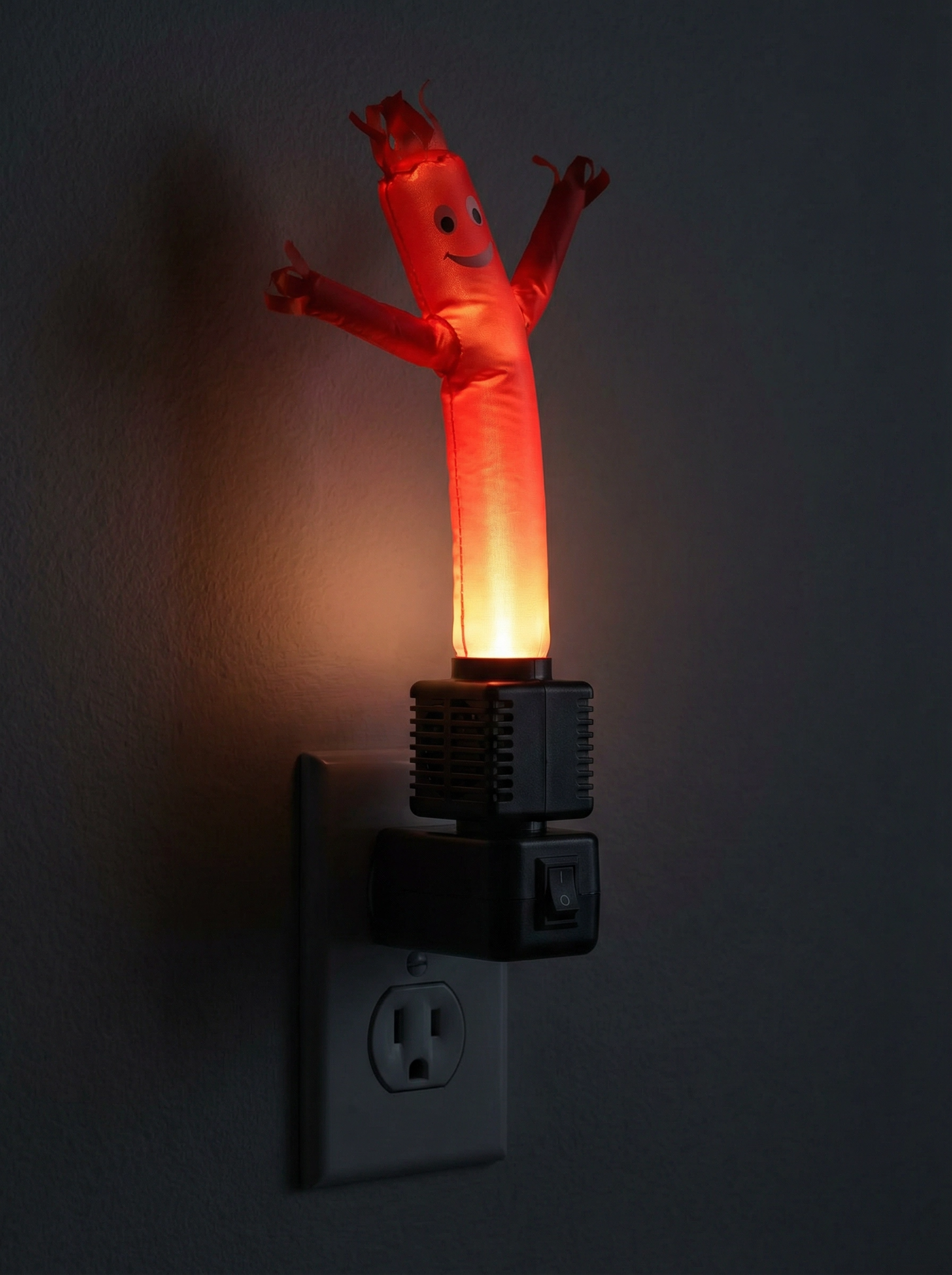
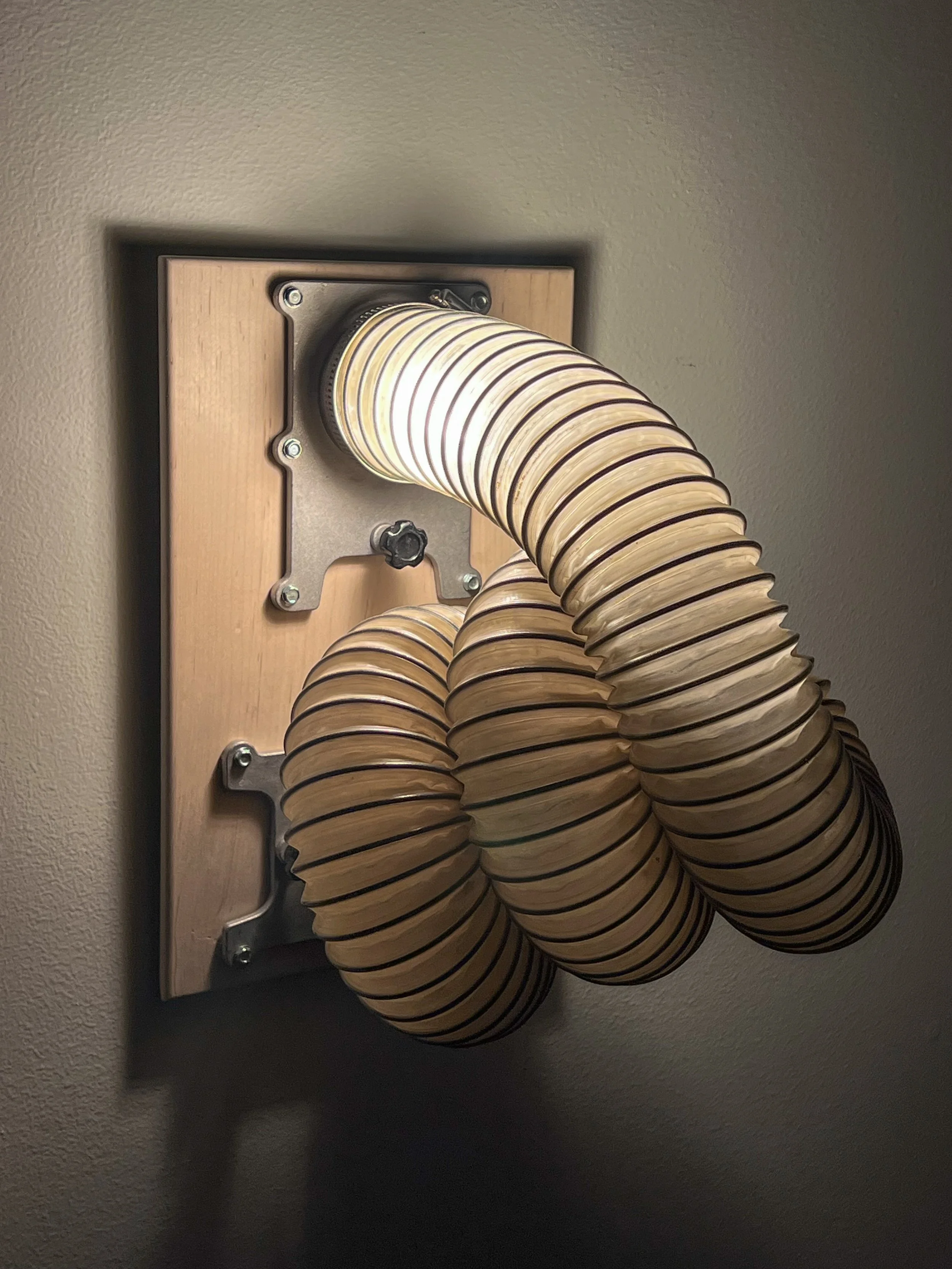
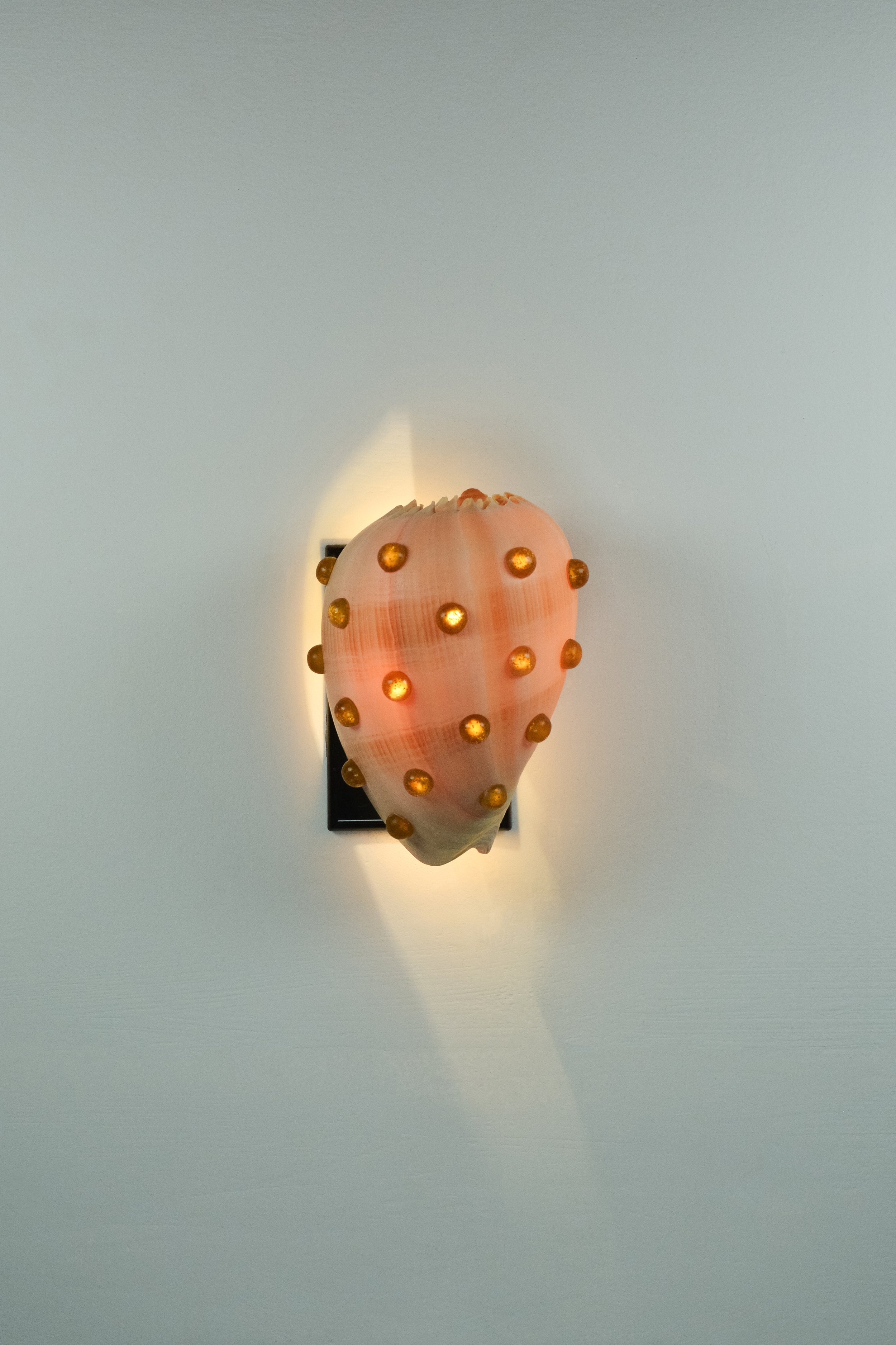
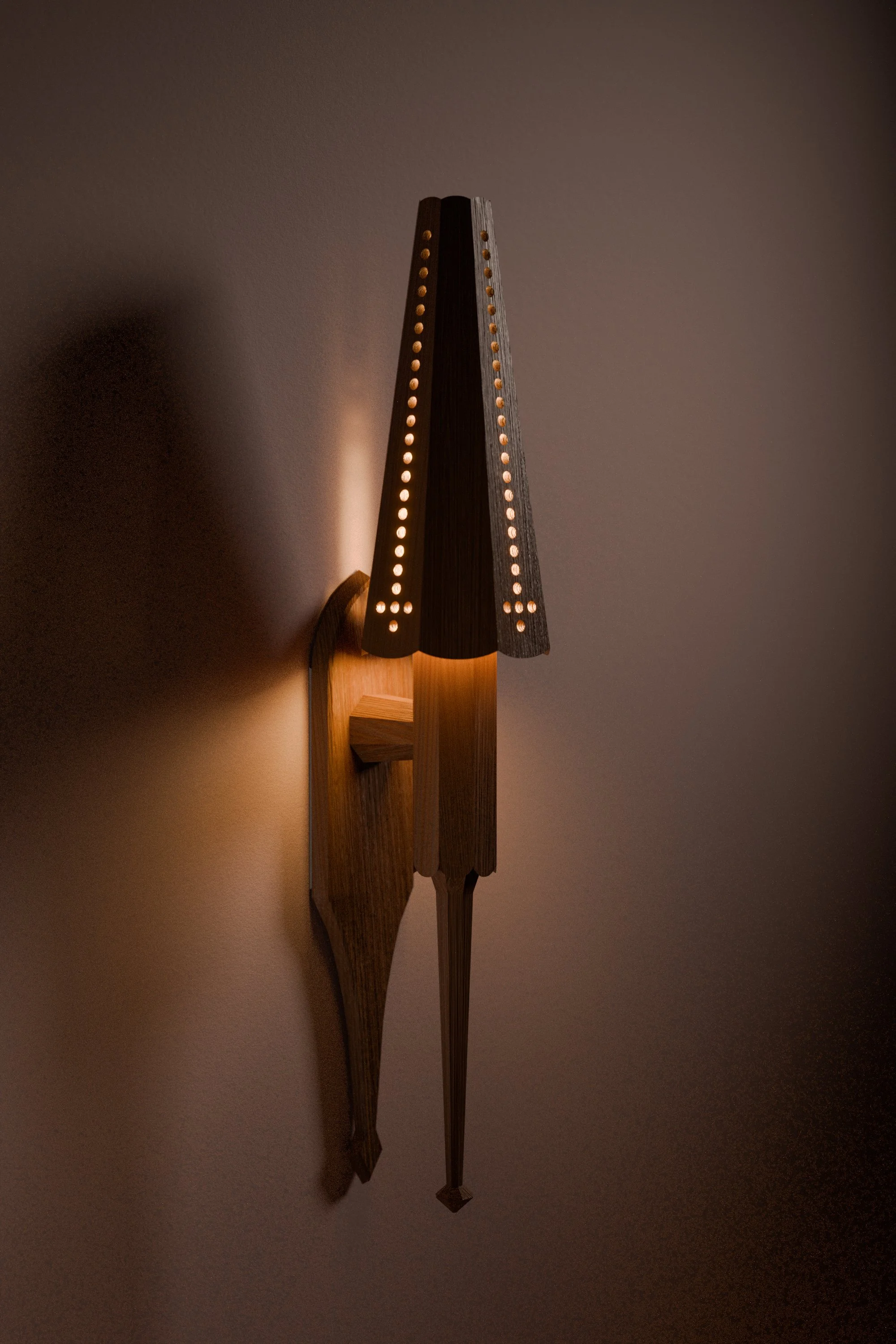
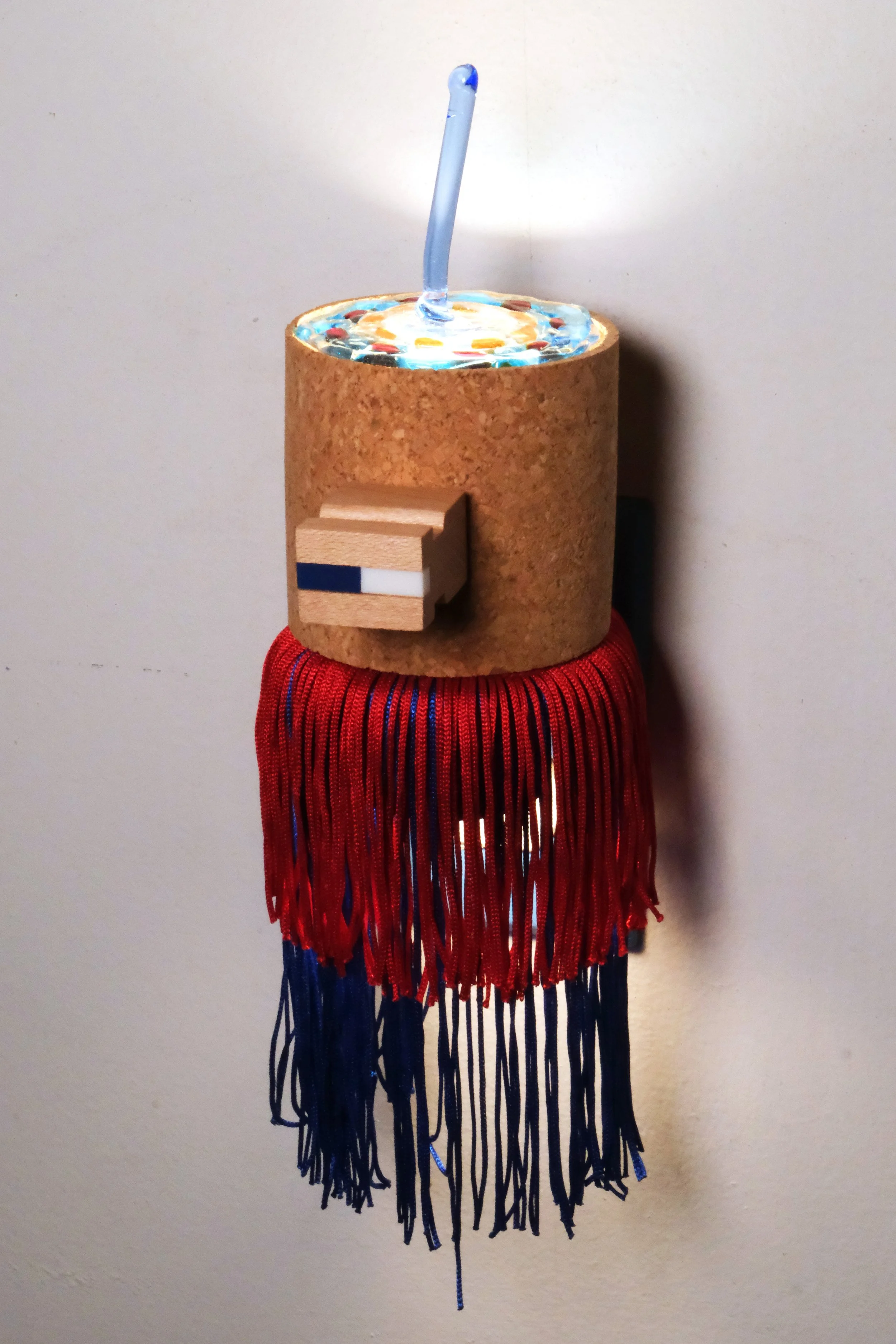
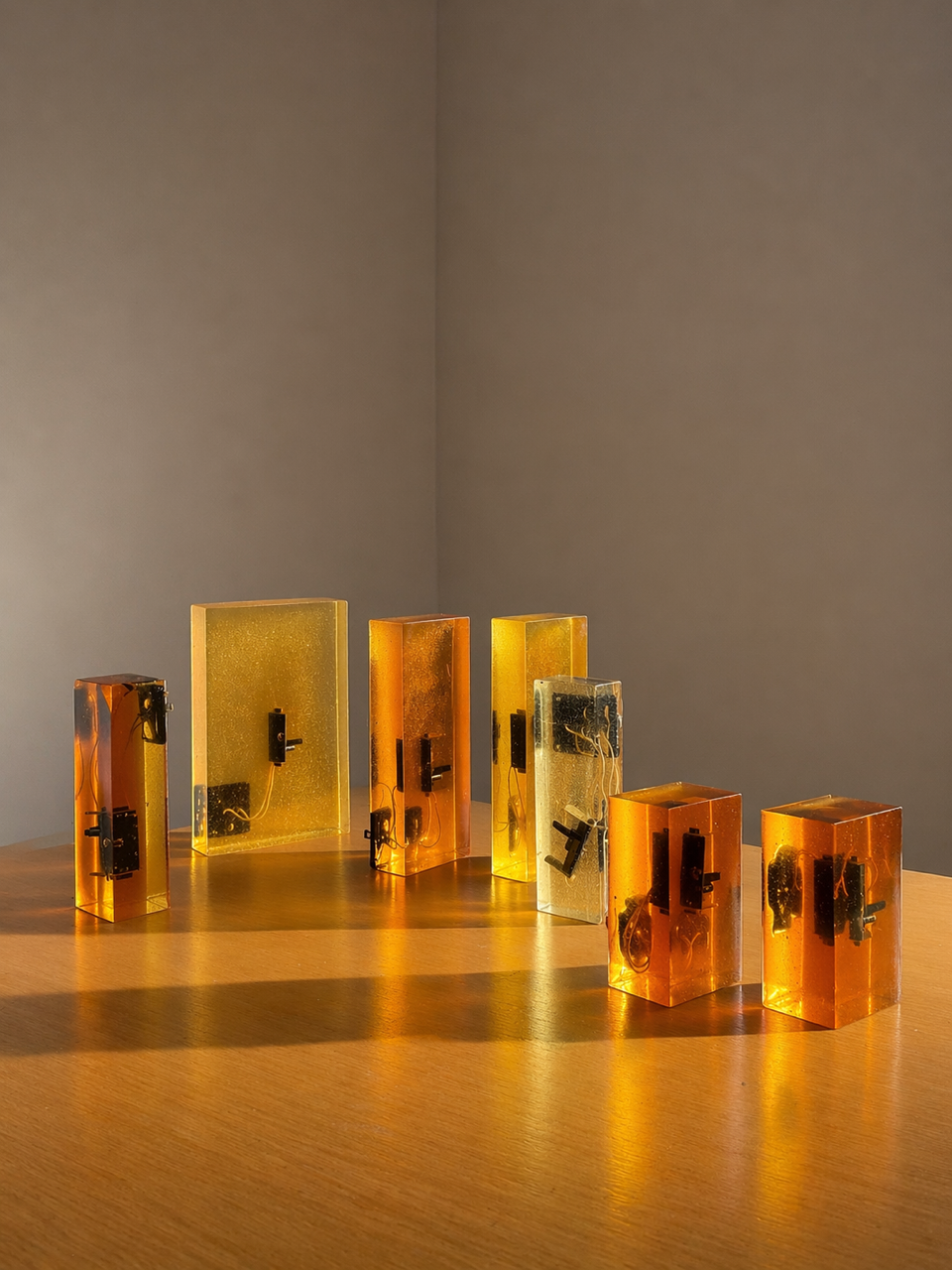
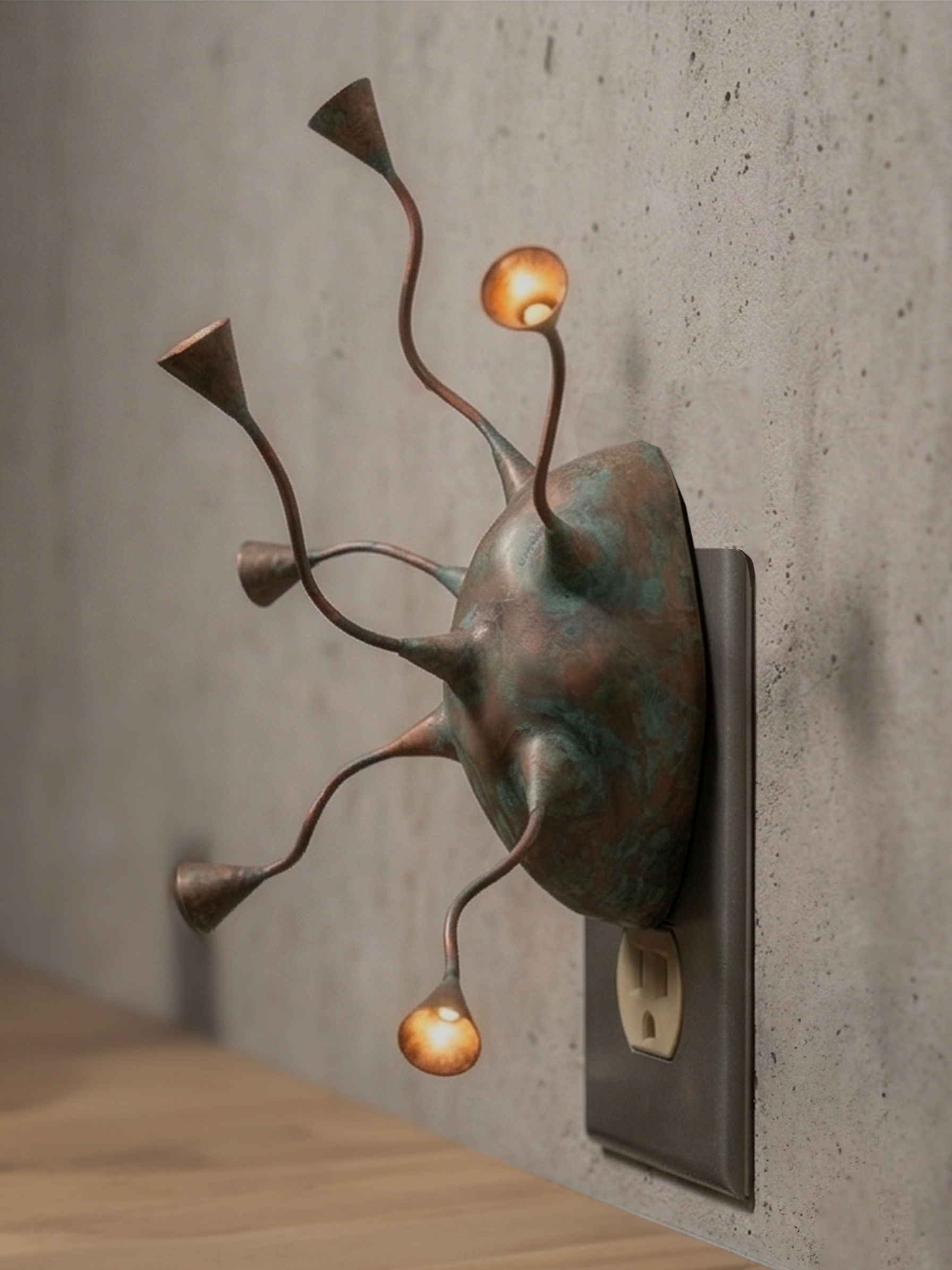
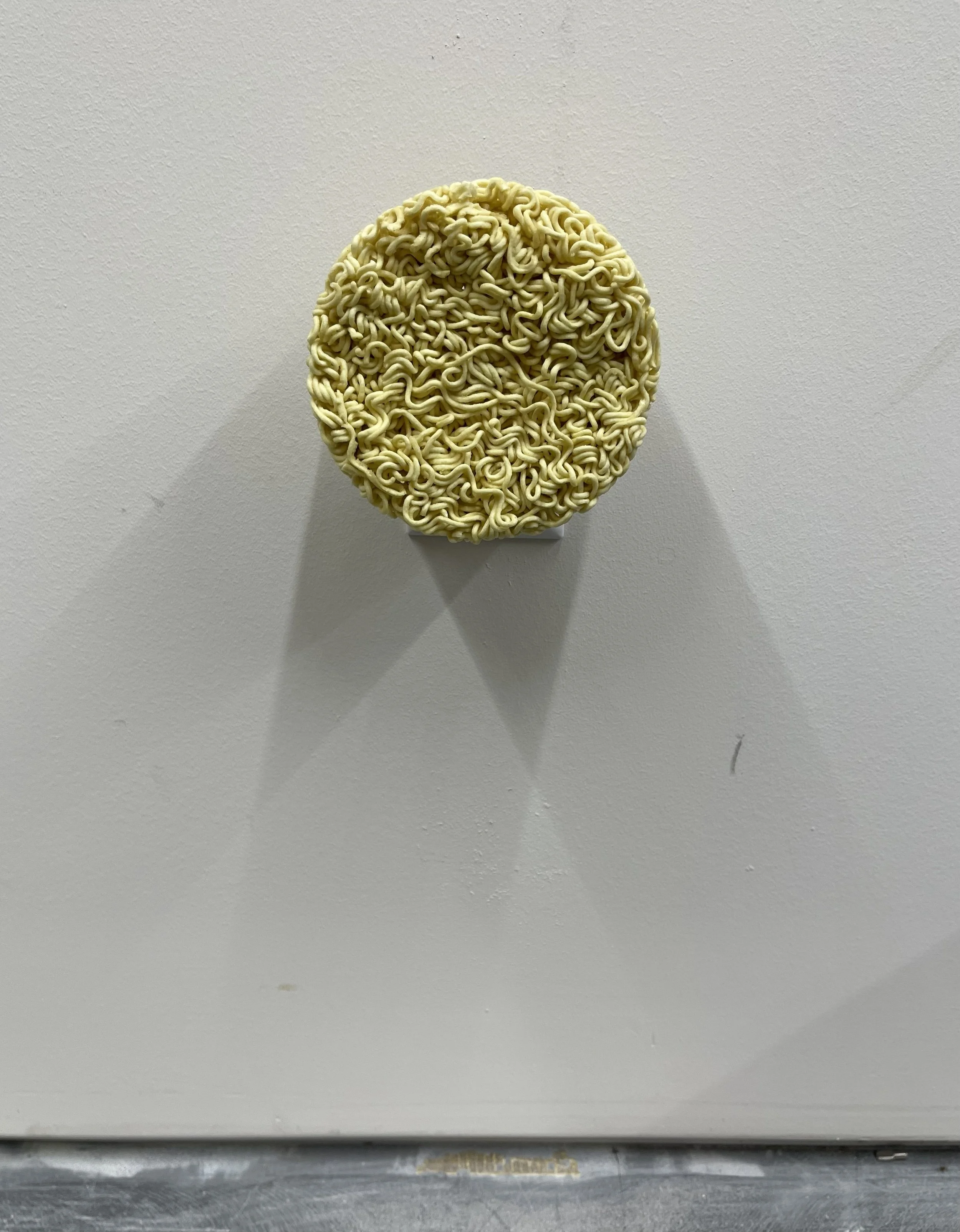
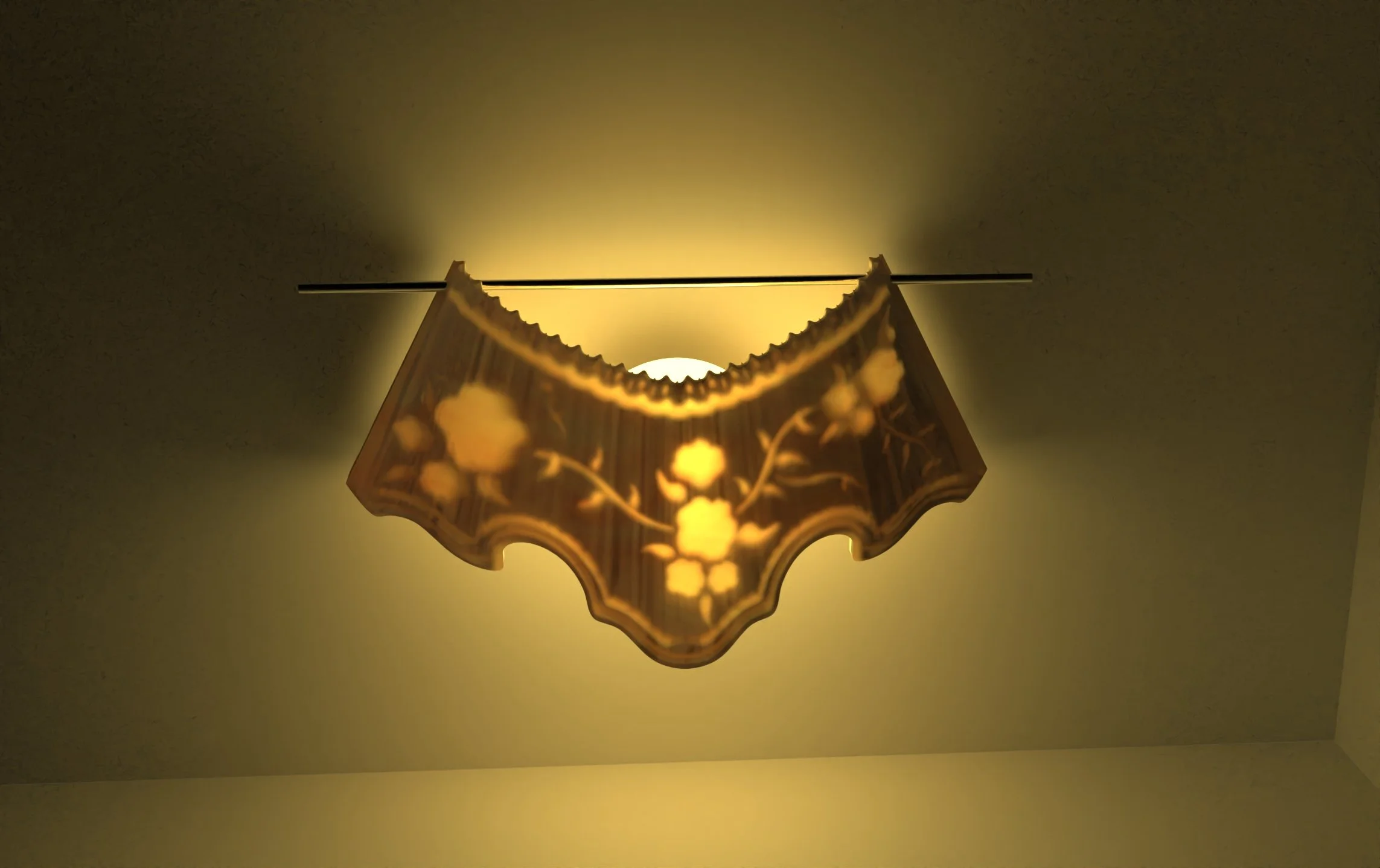
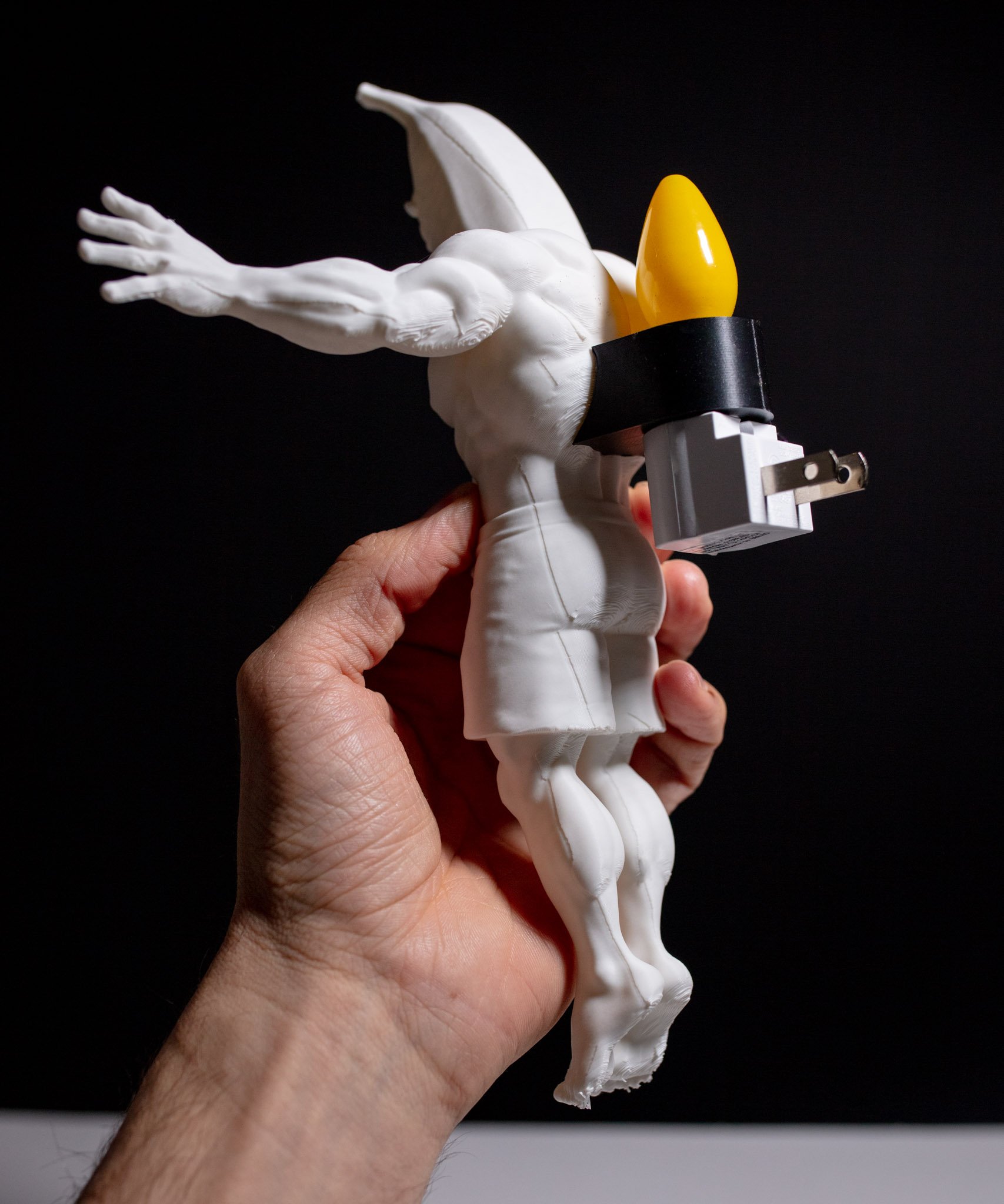
If those two exhibitions ground the program in authorship and legacy, DUDD LITE expands the frame entirely. Presented with DUDD HAUS and supported by Bocci, the open-call exhibition gathers more than 130 artists—including Martino Gamper, Rich Aybar, Bethan Laura Wood, and Lindsey Adelman—to reimagine the night light.
The premise is deceptively simple. The execution is anything but. Across sculpture, conceptual design, and functional object-making, the exhibition reframes the night light as a site of narrative and experimentation. Humor, nostalgia, and material exploration coexist—transforming a quotidian object into a medium for storytelling. In doing so, DUDD LITE introduces a more democratic dimension to the program, one that challenges the hierarchy often embedded in collectible design.
Underlying the month’s programming is a strategic shift within the organization itself. The appointment of Daniela Santos as President signals a more structured approach to growth. With prior leadership roles at platforms like 1stDibs and West Elm, Santos brings a systems-driven perspective to an industry that has historically leaned on intuition. Her mandate—spanning sales, operations, and global expansion—suggests that The Future Perfect is not only curating design, but actively engineering the conditions for its future.
That duality—between creative risk and operational discipline—defines the moment. As founder David Alhadeff notes, the convergence of these exhibitions reflects a design landscape that is both intentional and unpredictable.
And perhaps that’s the point. Rather than offering a singular thesis, The Future Perfect constructs a layered environment where different modes of practice can coexist: Calderone’s precision, D’Haene’s intimacy, and DUDD HAUS’s open-ended experimentation. Together, they form something closer to a living archive—one that captures not just where design is, but where it’s heading.
Athena Calderone, Assembler I:
DUDD LITE:



Studio D’Haene: