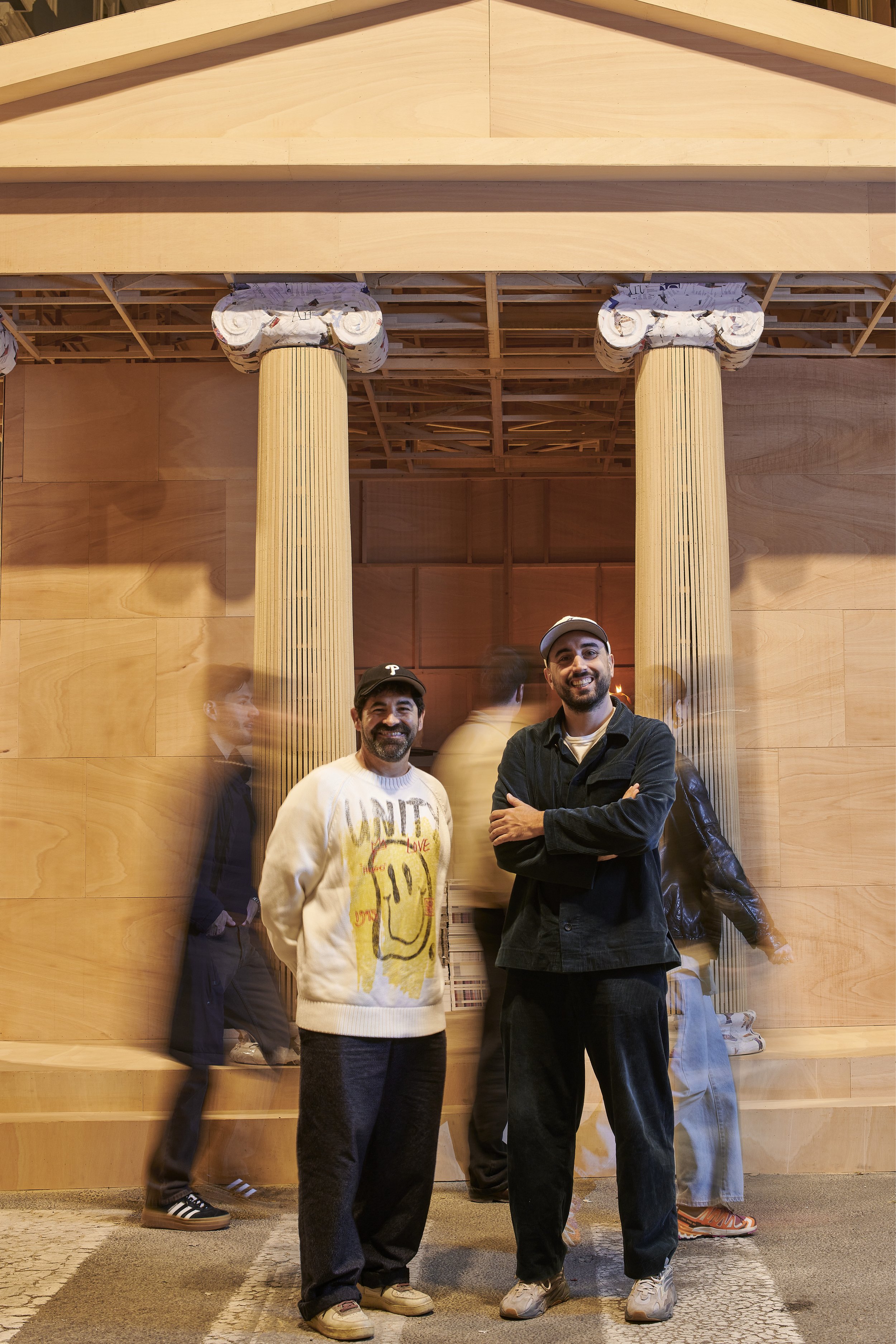
PichiAvo
PichiAvo
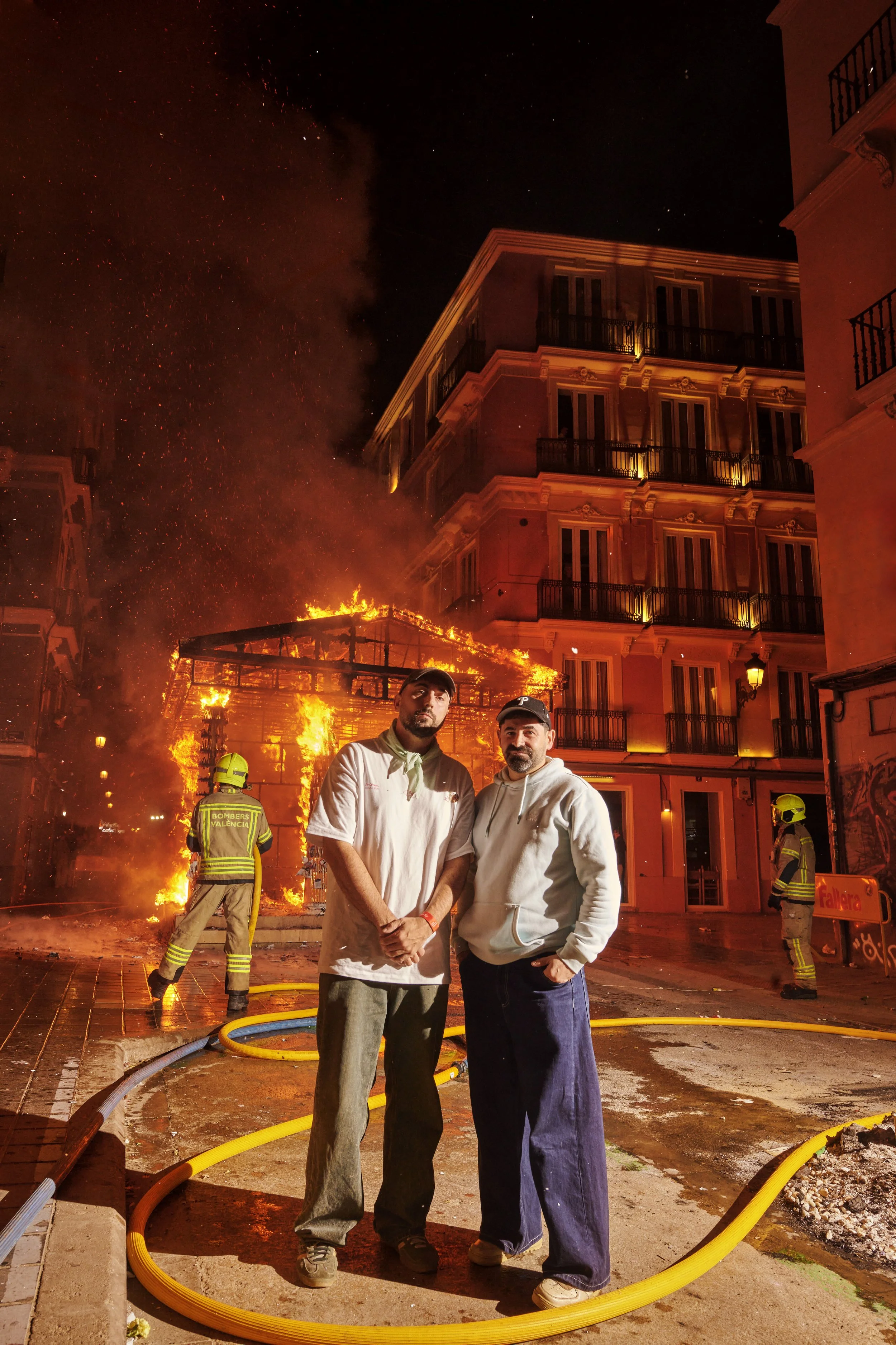
In Valencia, where spectacle and symbolism converge each spring, the Spanish duo PichiAvo delivered one of the most conceptually resonant interventions of this year’s Fallas de Valencia—only to watch it disappear.
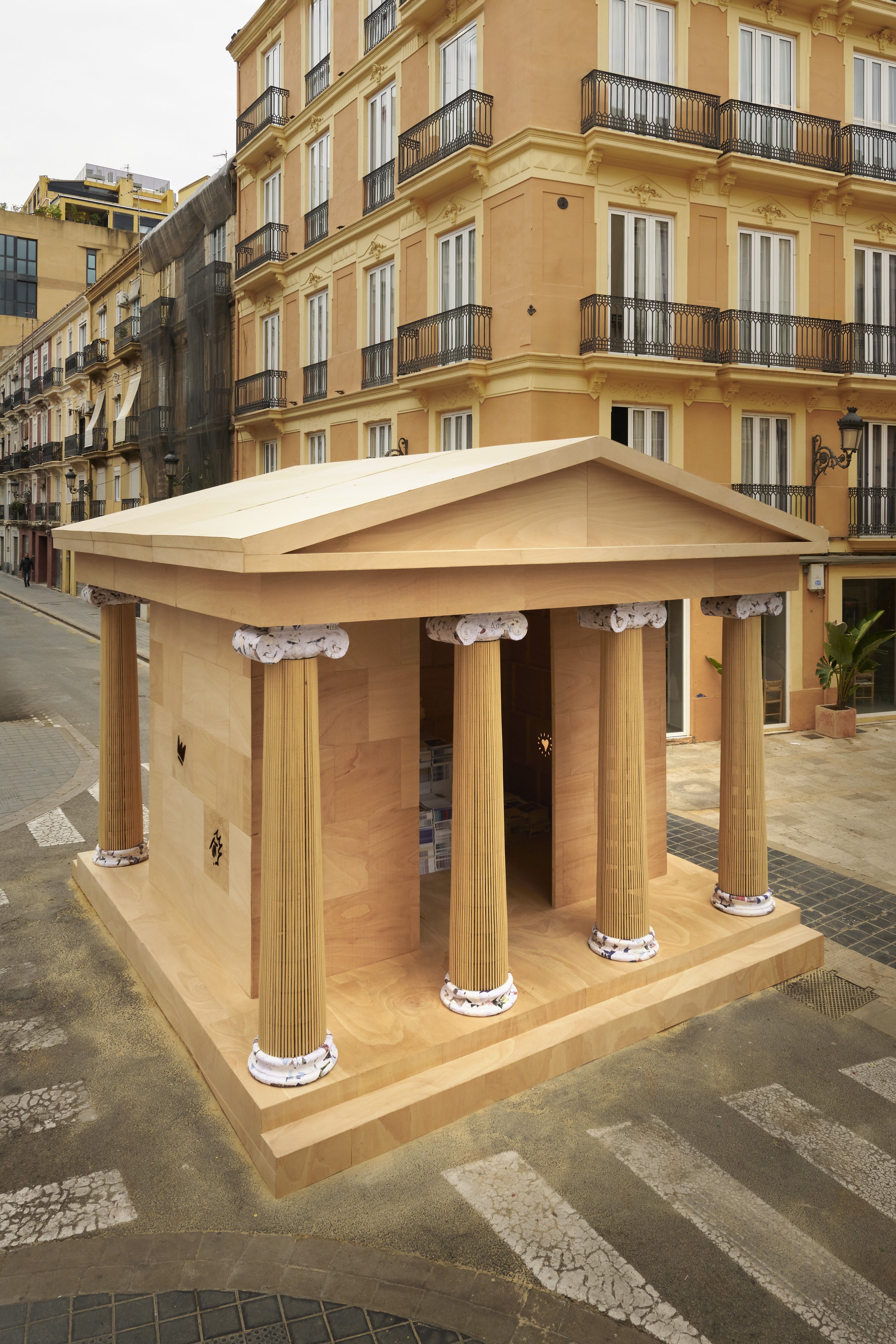
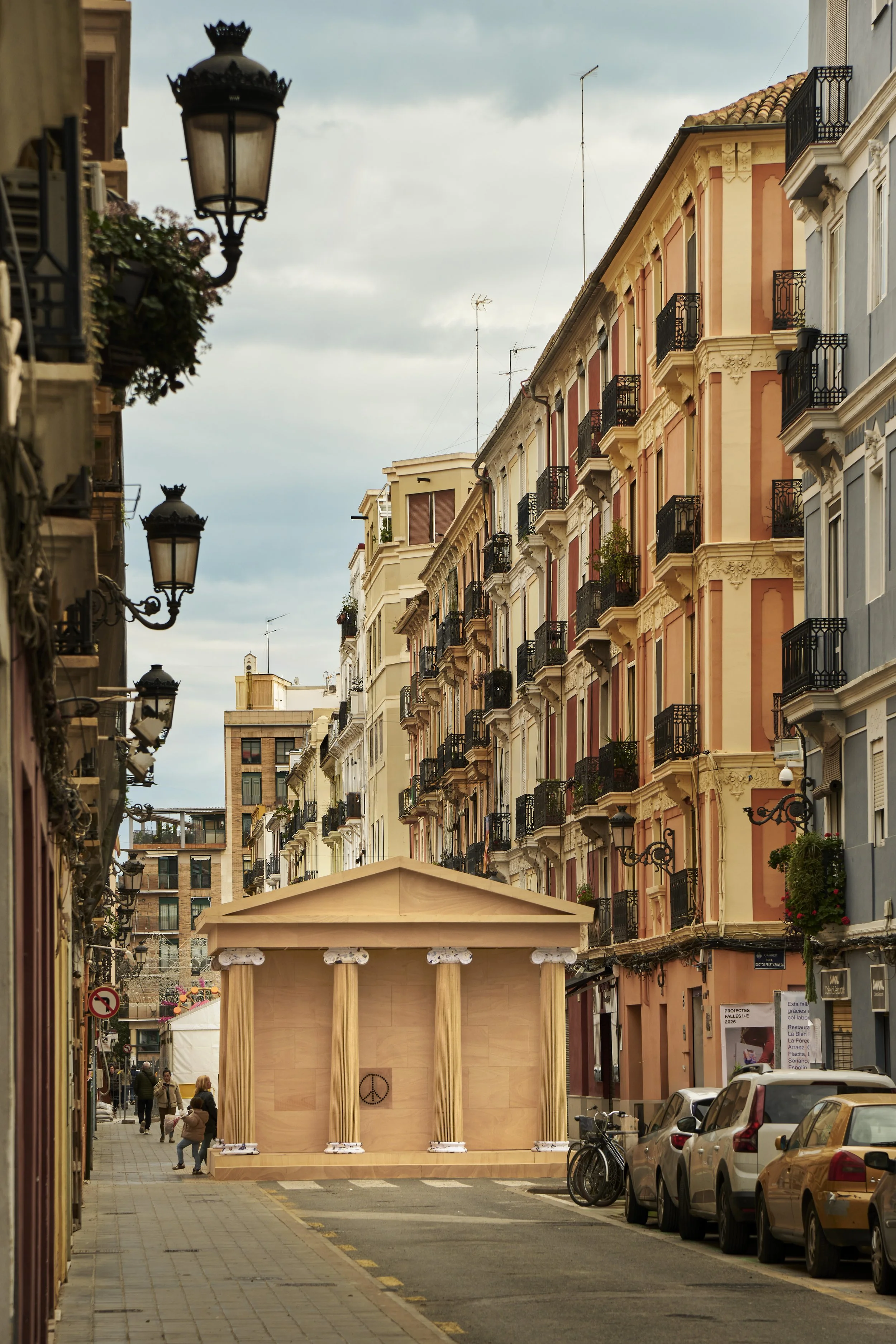
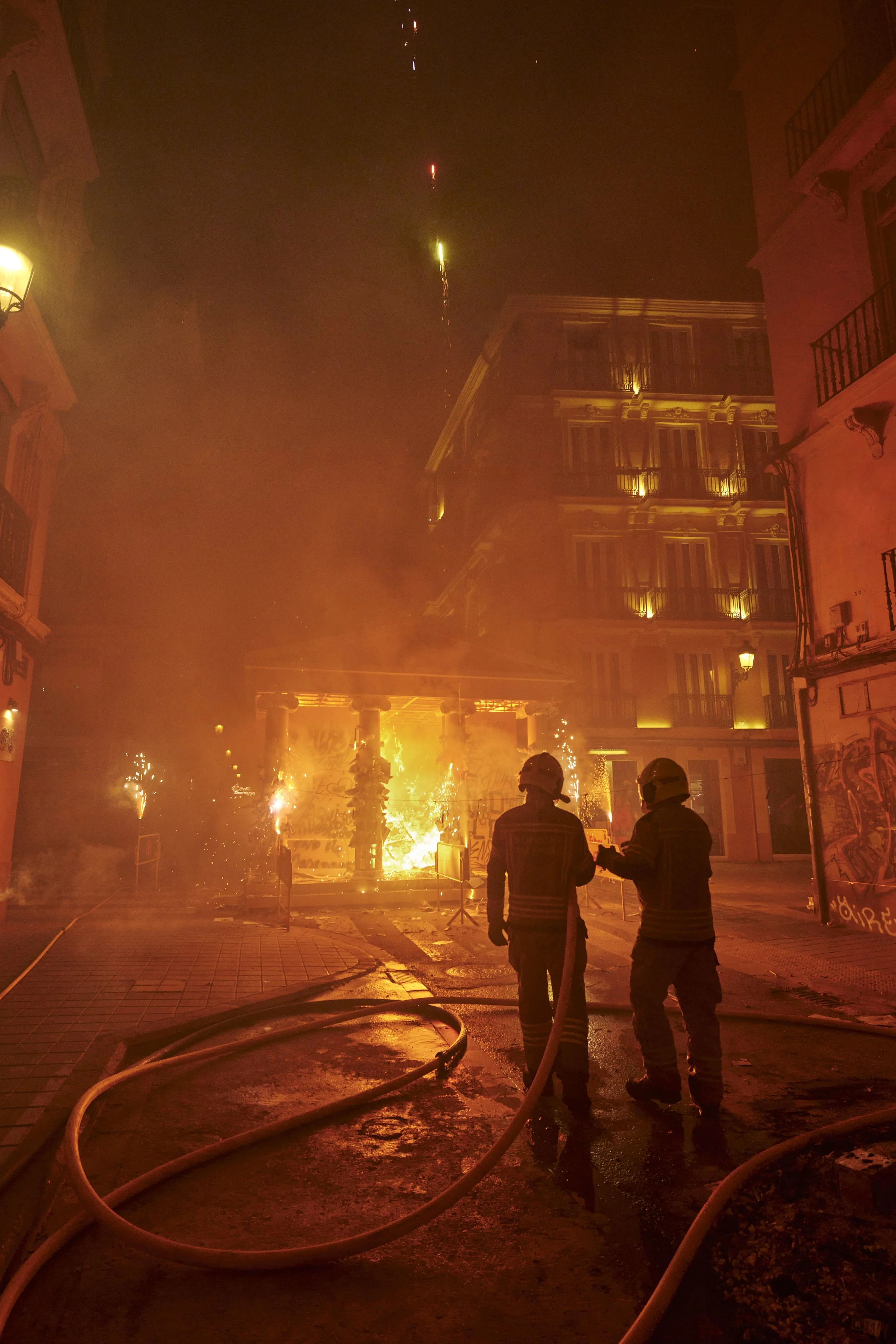
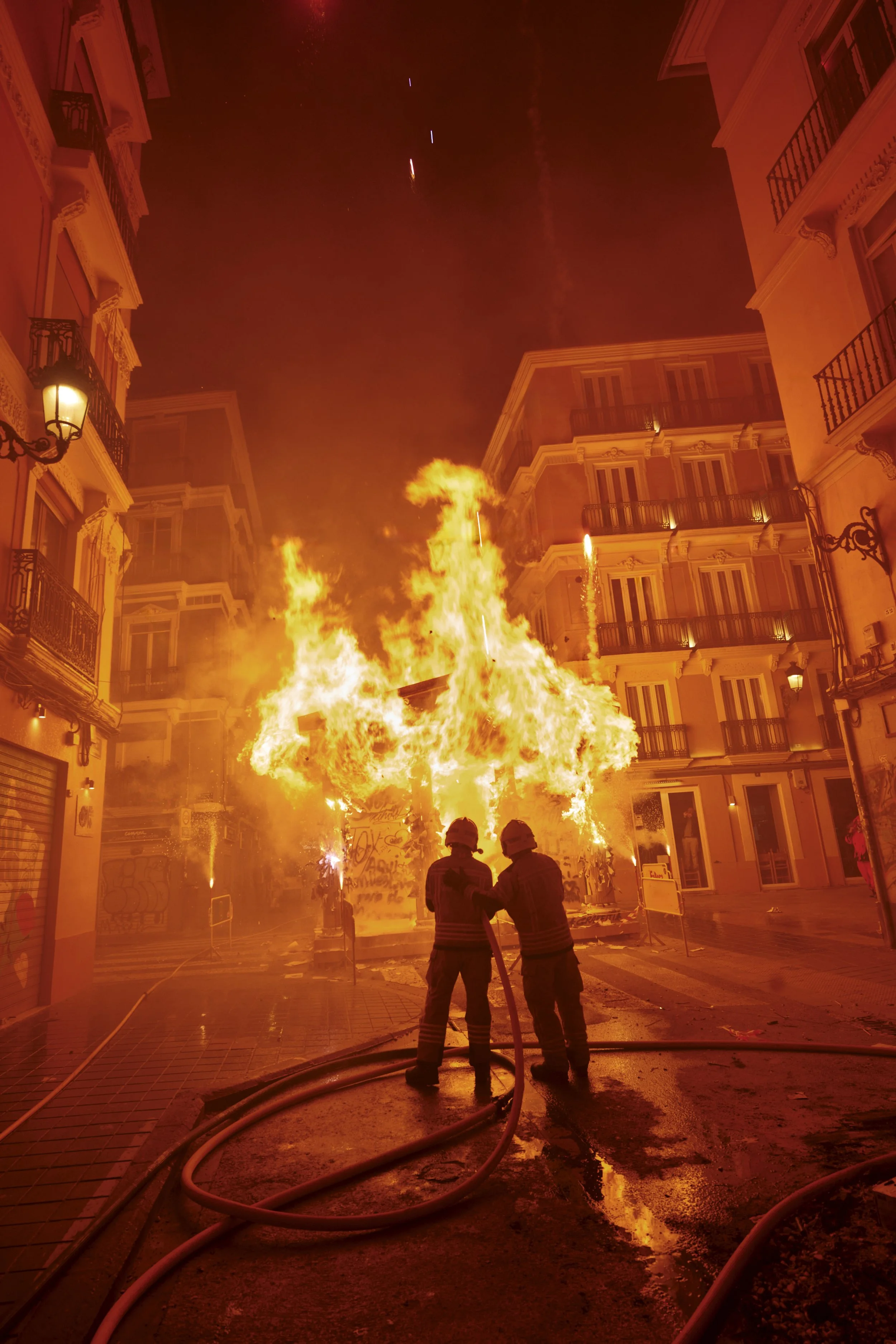
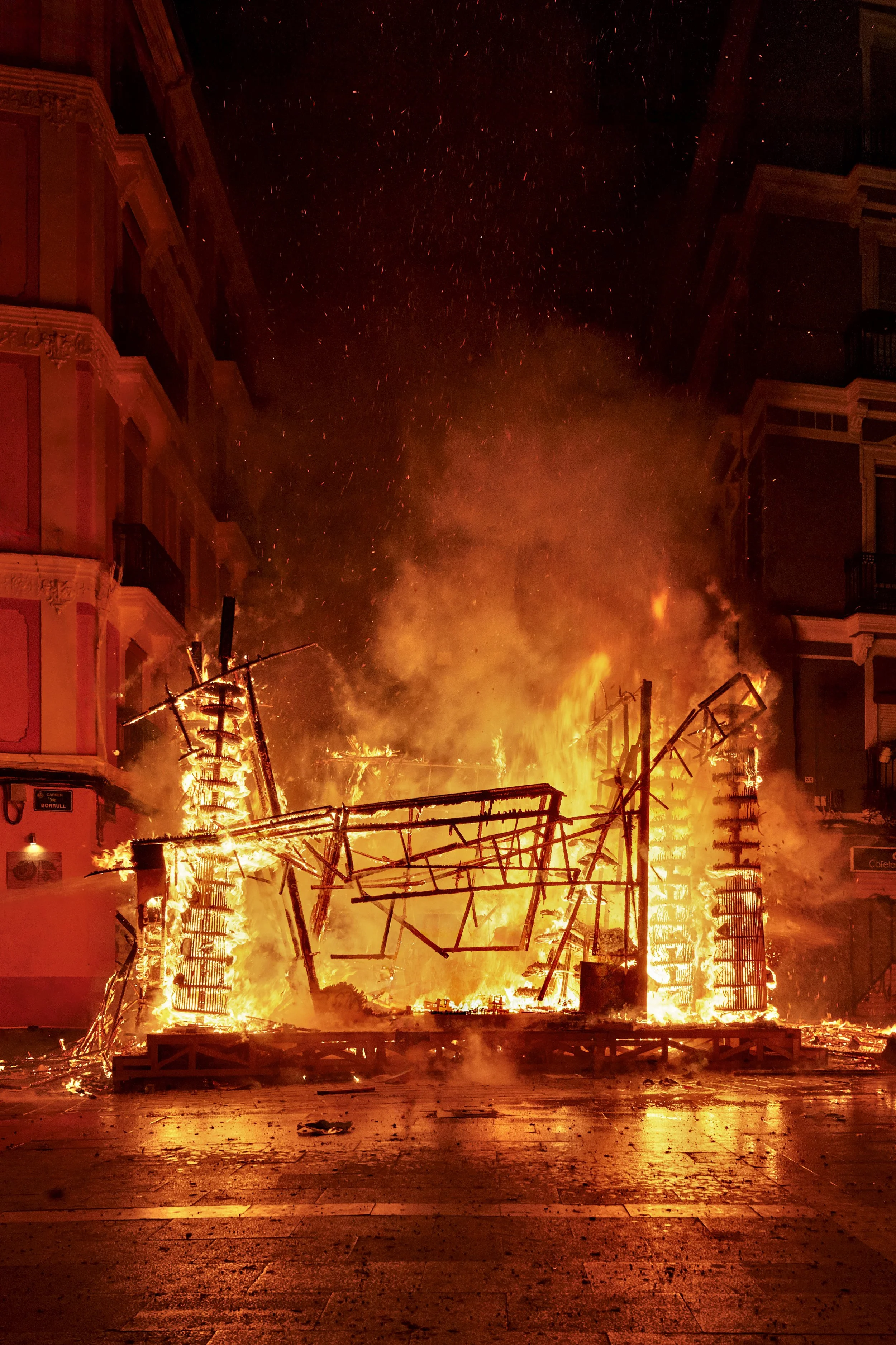
Presented on March 20, 2026, Per ofrenar (“To Offer”) existed for only a matter of days before being consumed by fire, aligning with the festival’s ritualized conclusion. Commissioned by the Borrull-Socors falla and featured in the Experimental Fallas category—an arena dedicated to more conceptual and artistic proposals—the installation underscored a growing evolution within the centuries-old celebration.
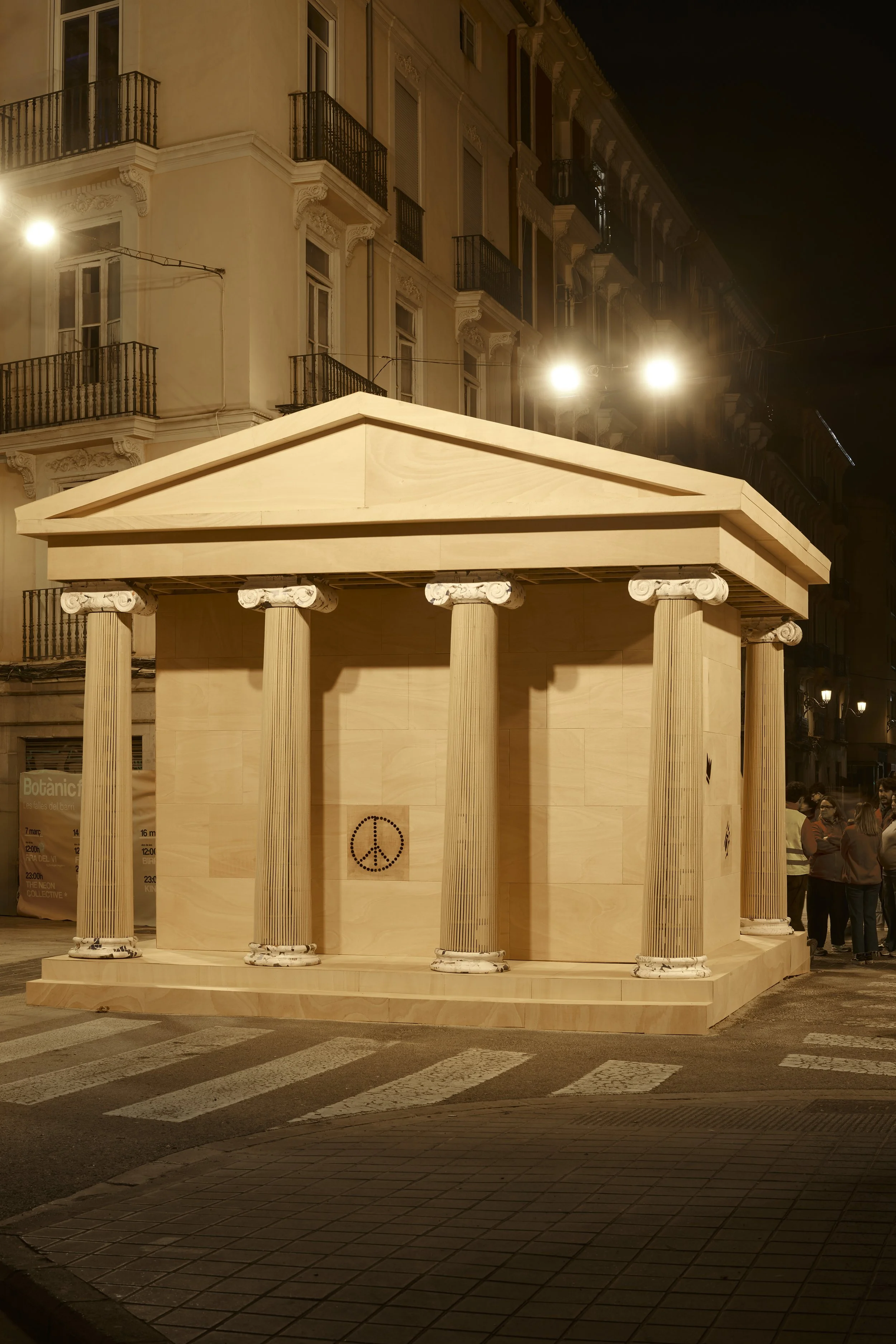
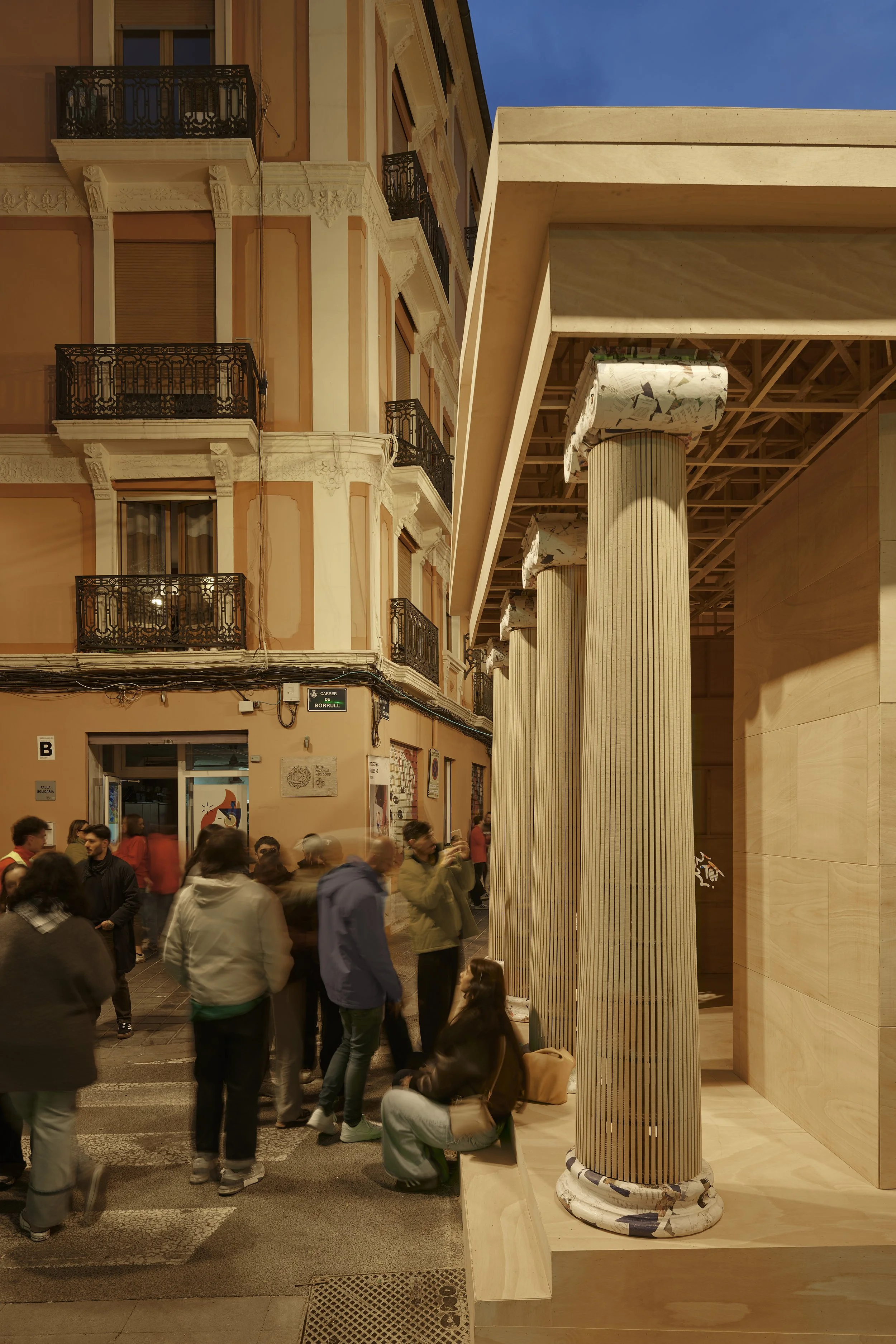
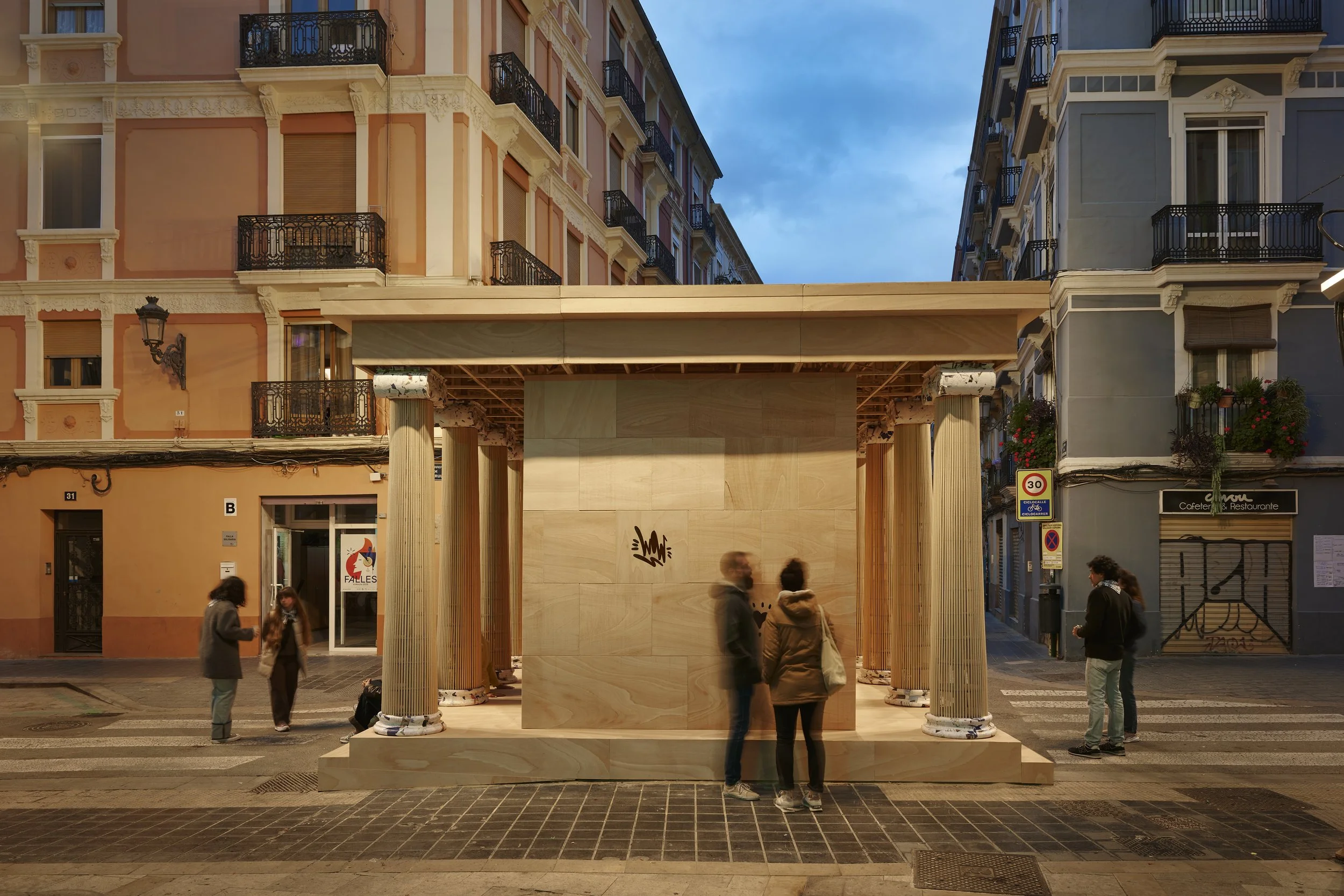
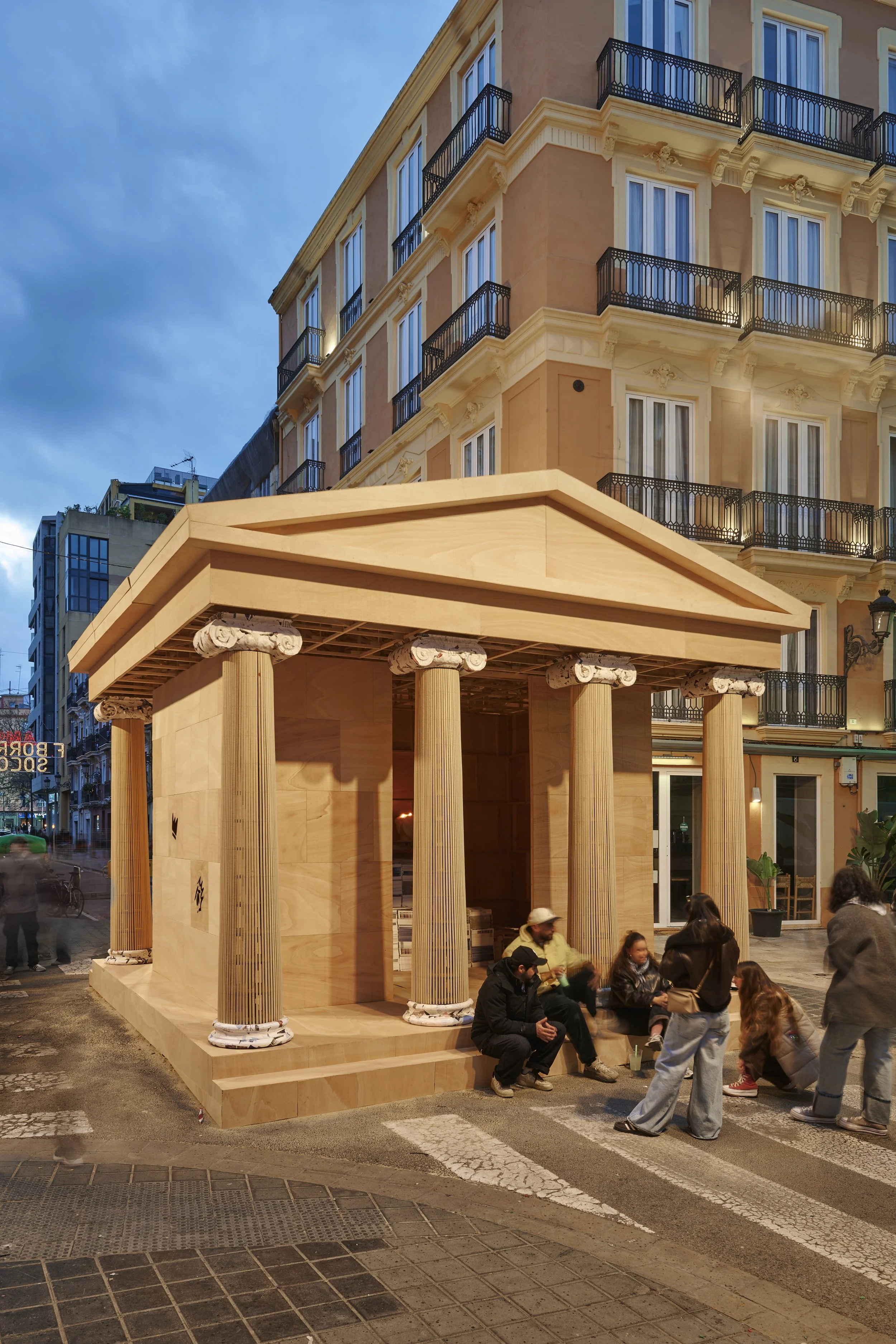
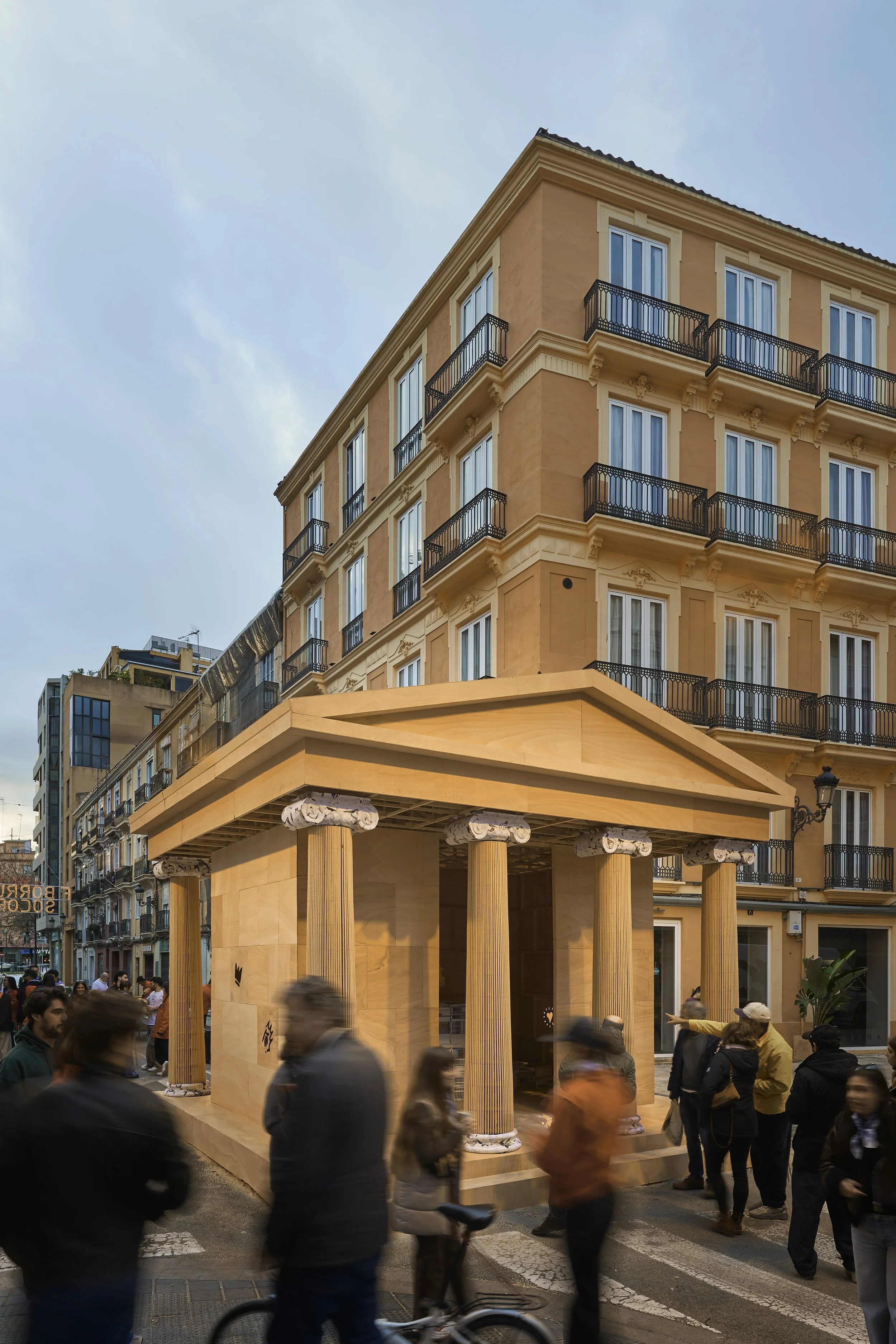
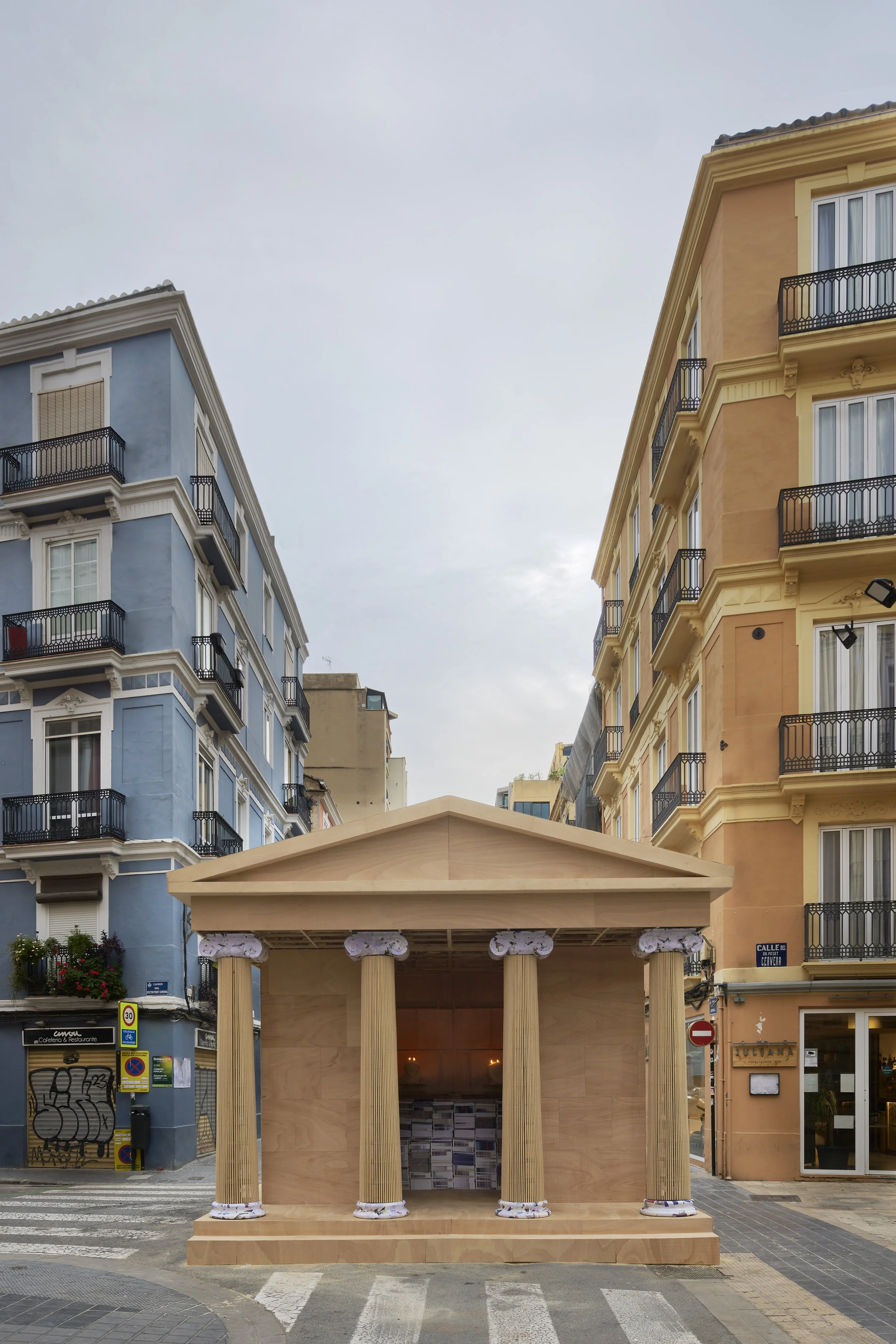
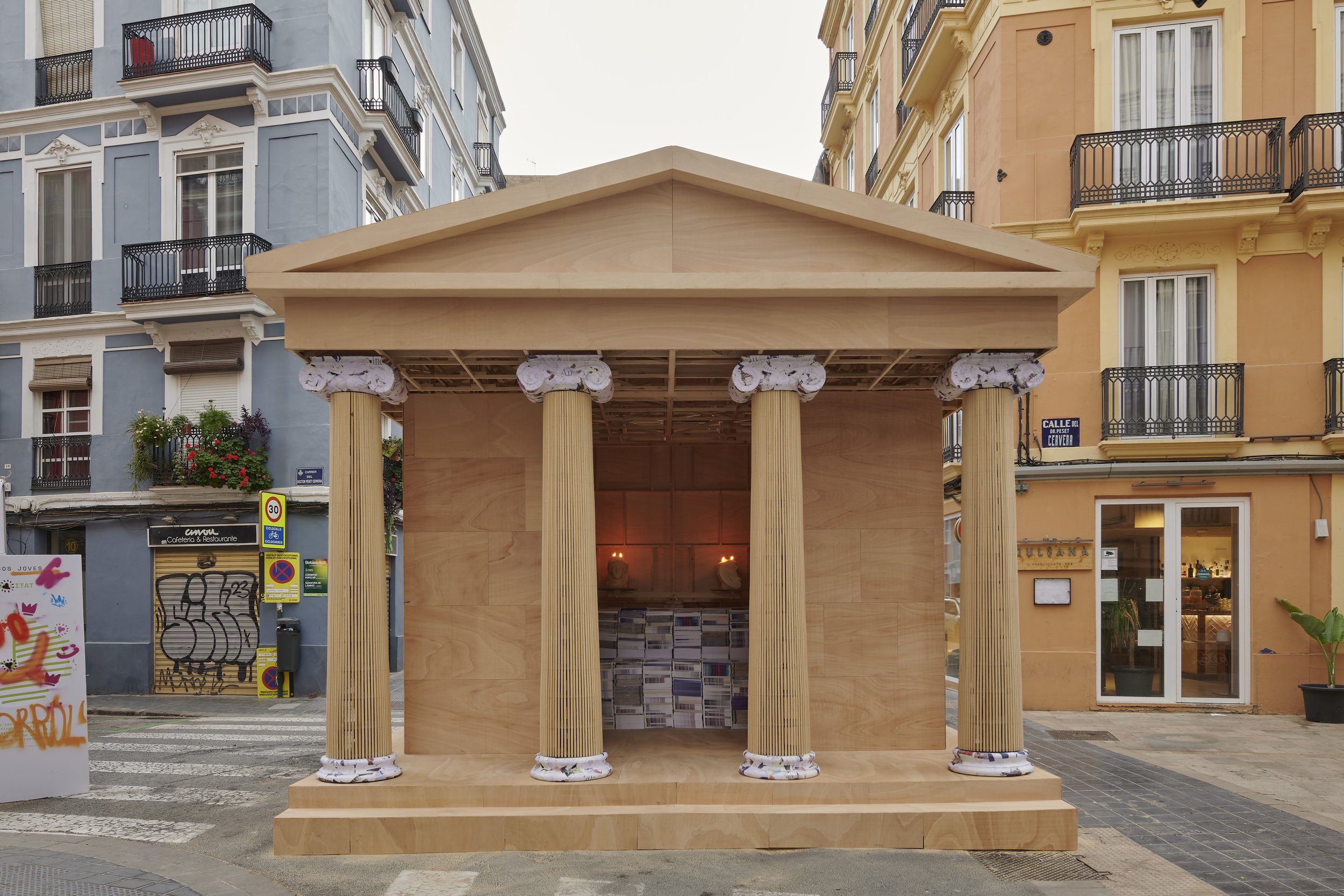
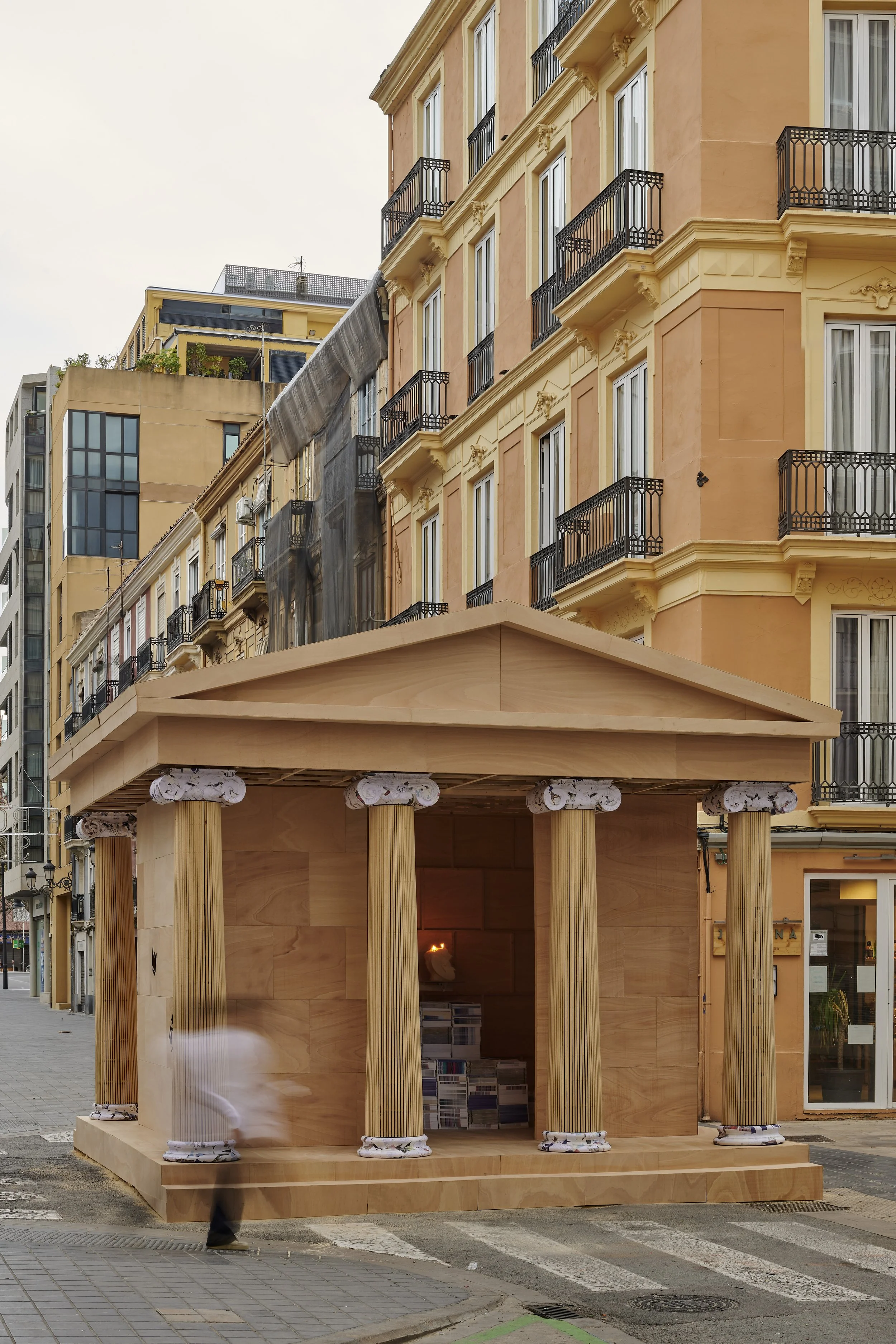
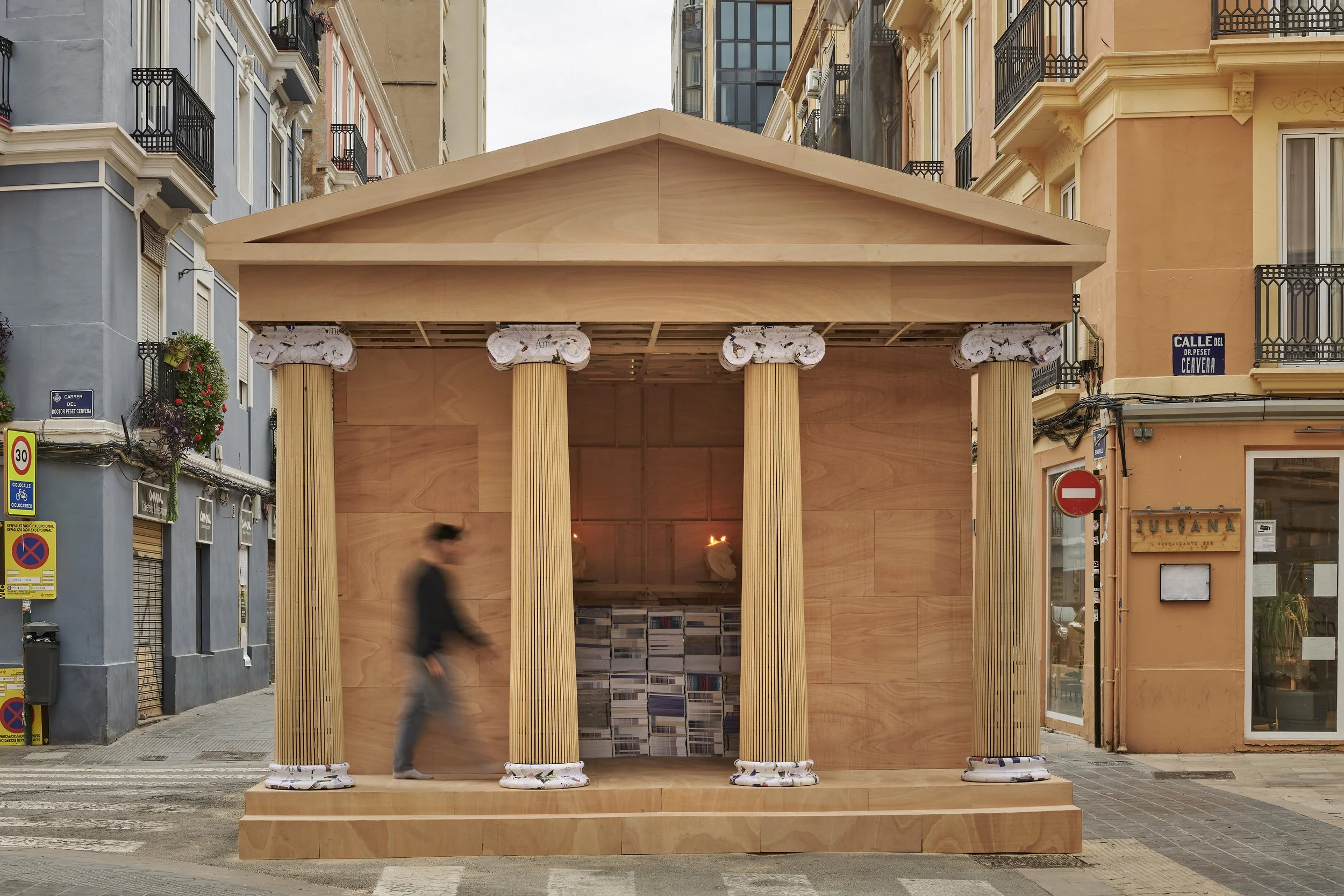
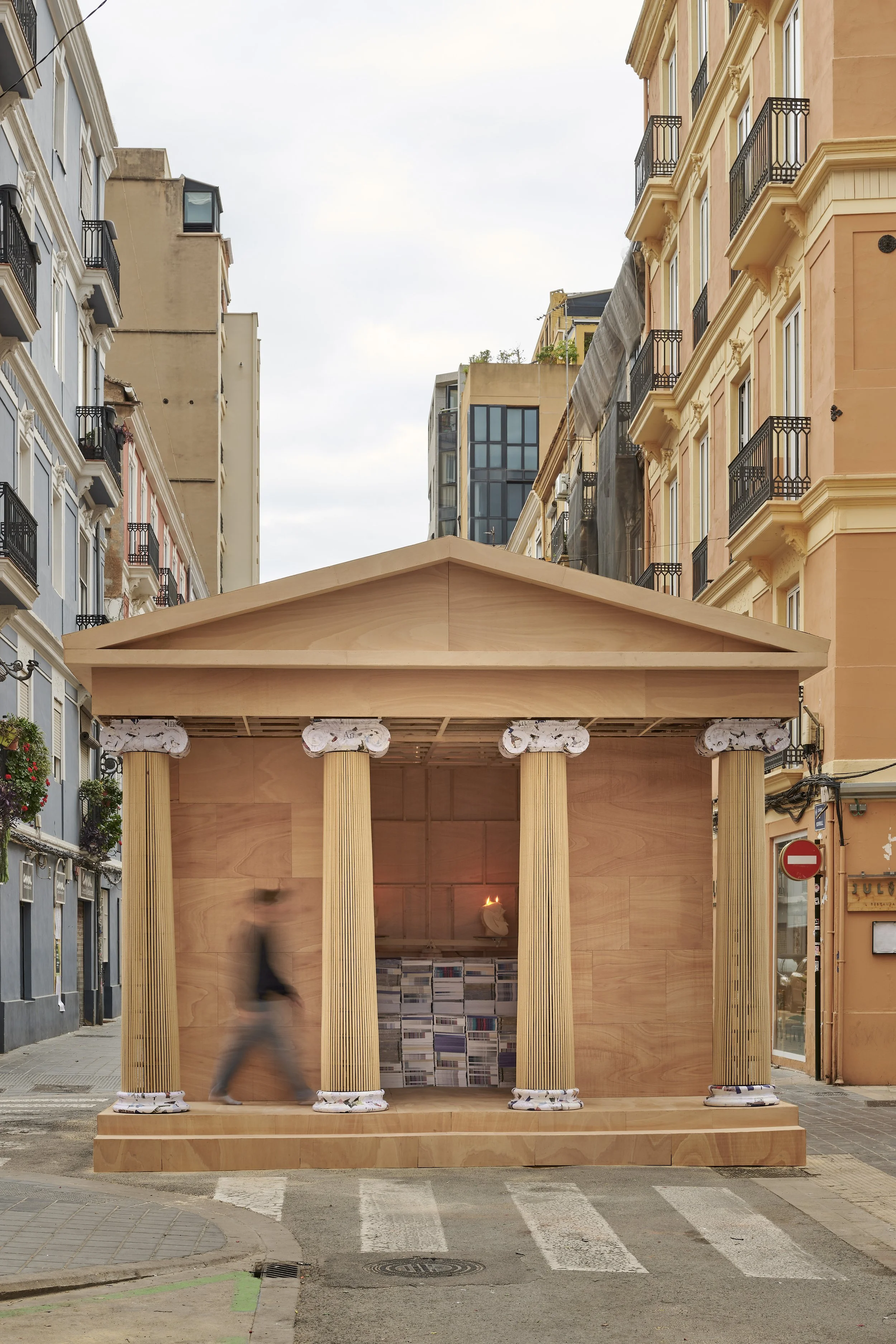
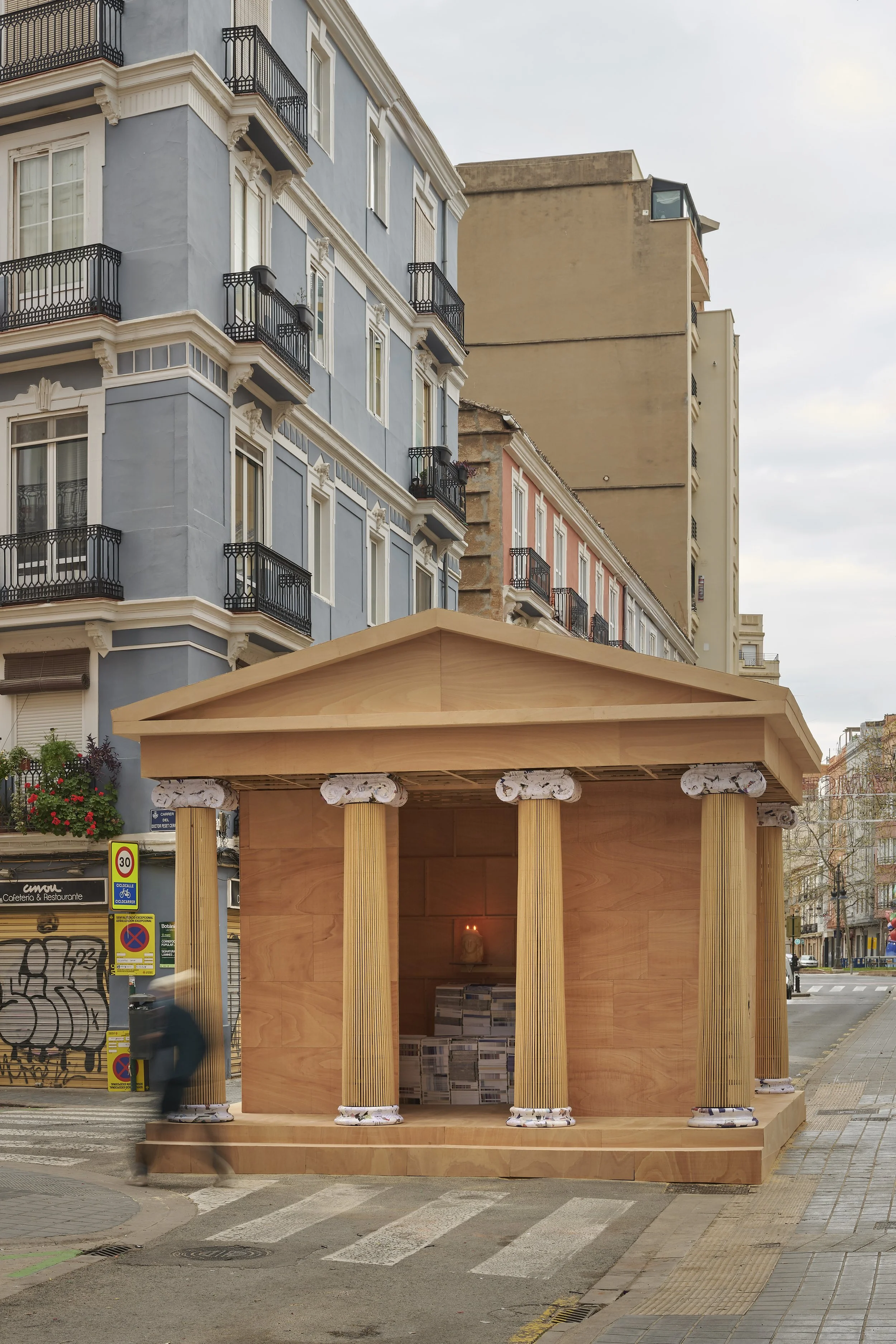
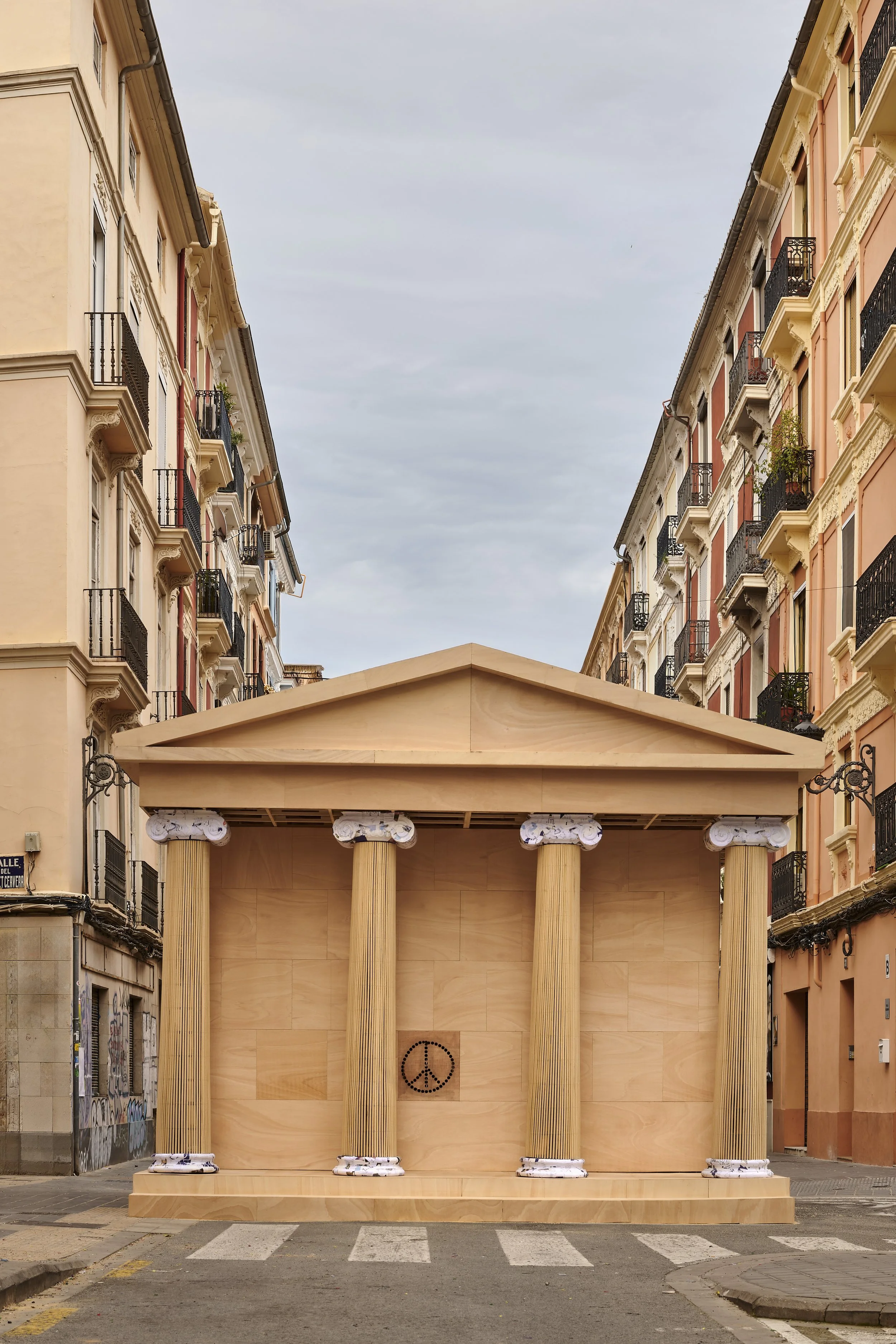
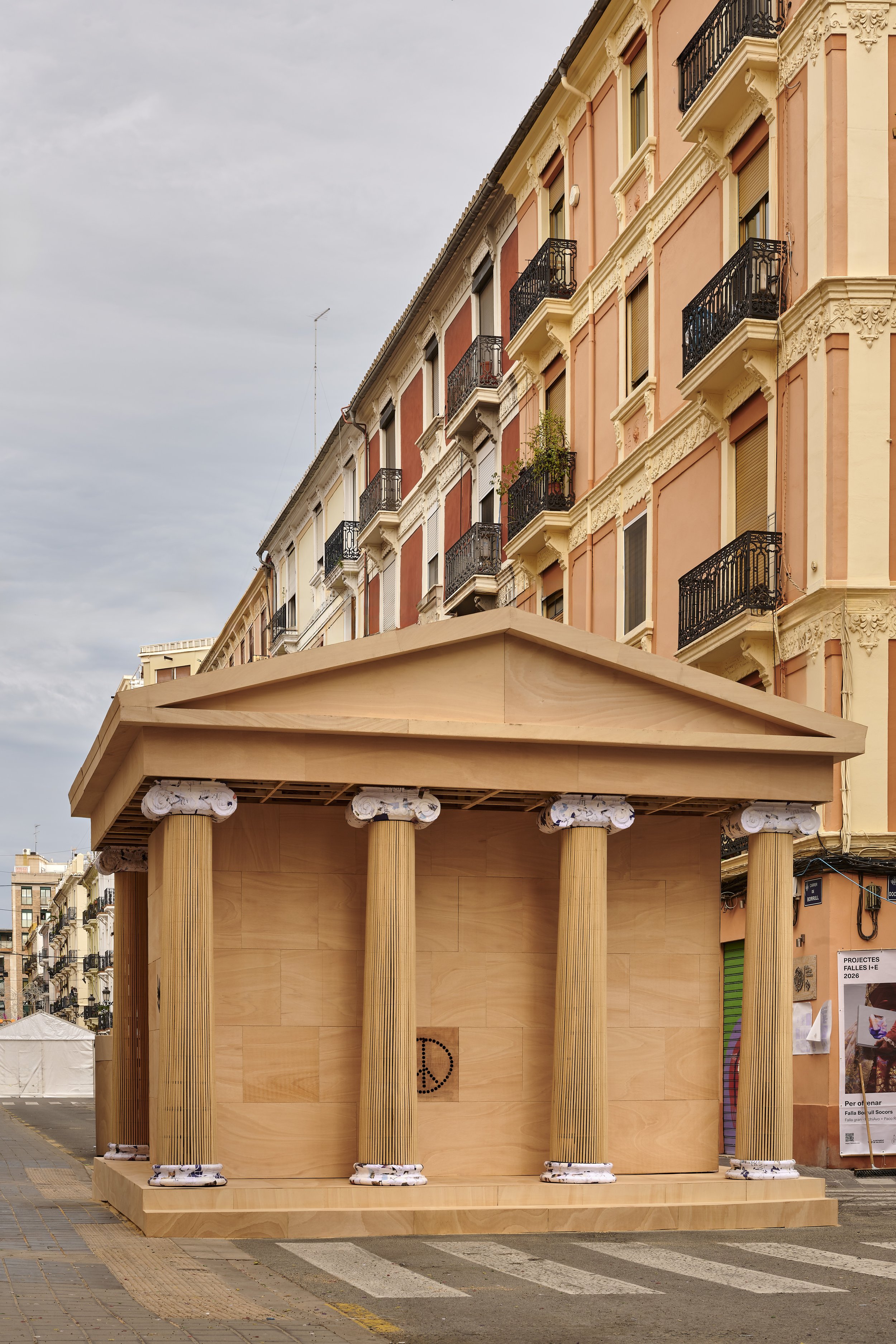
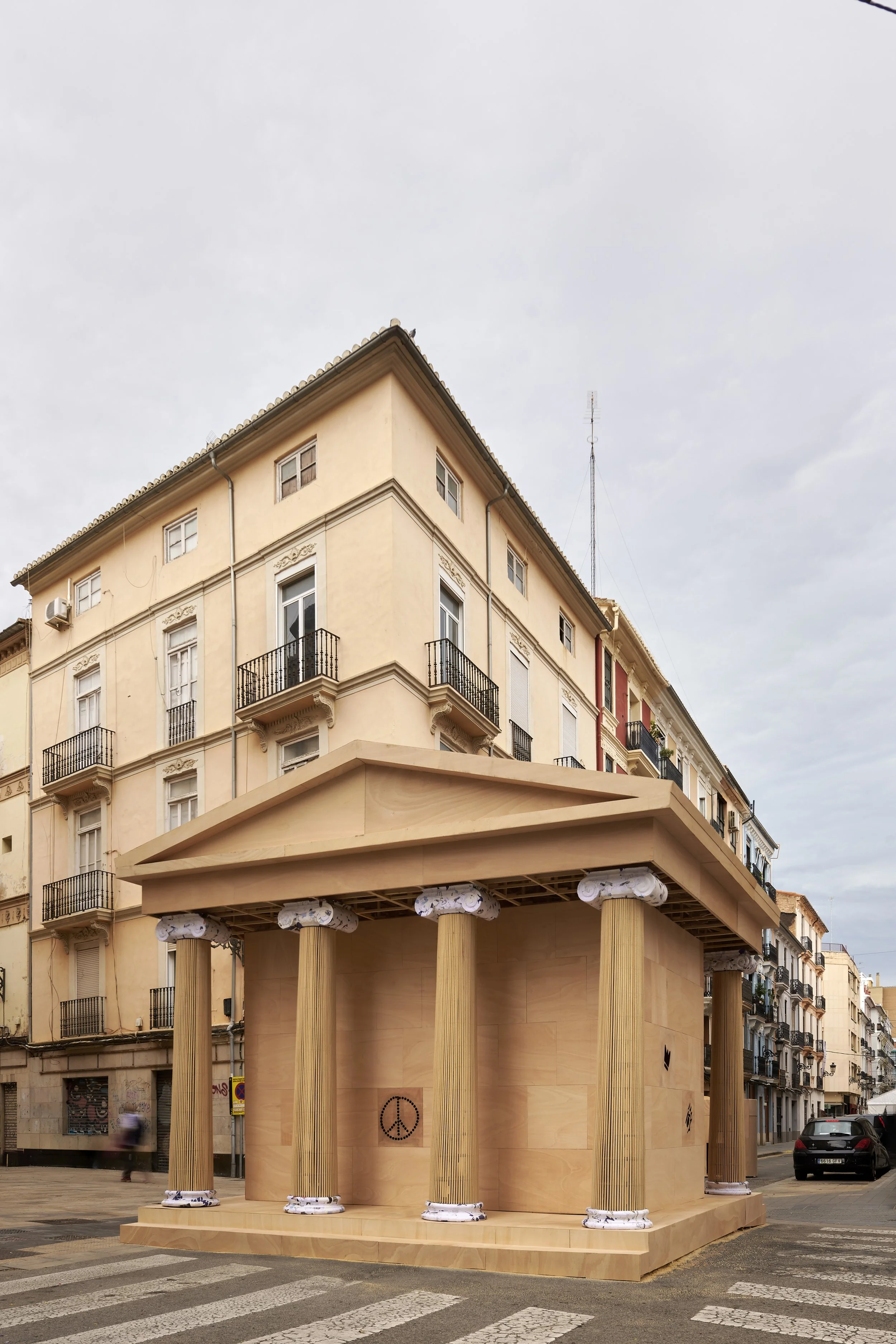
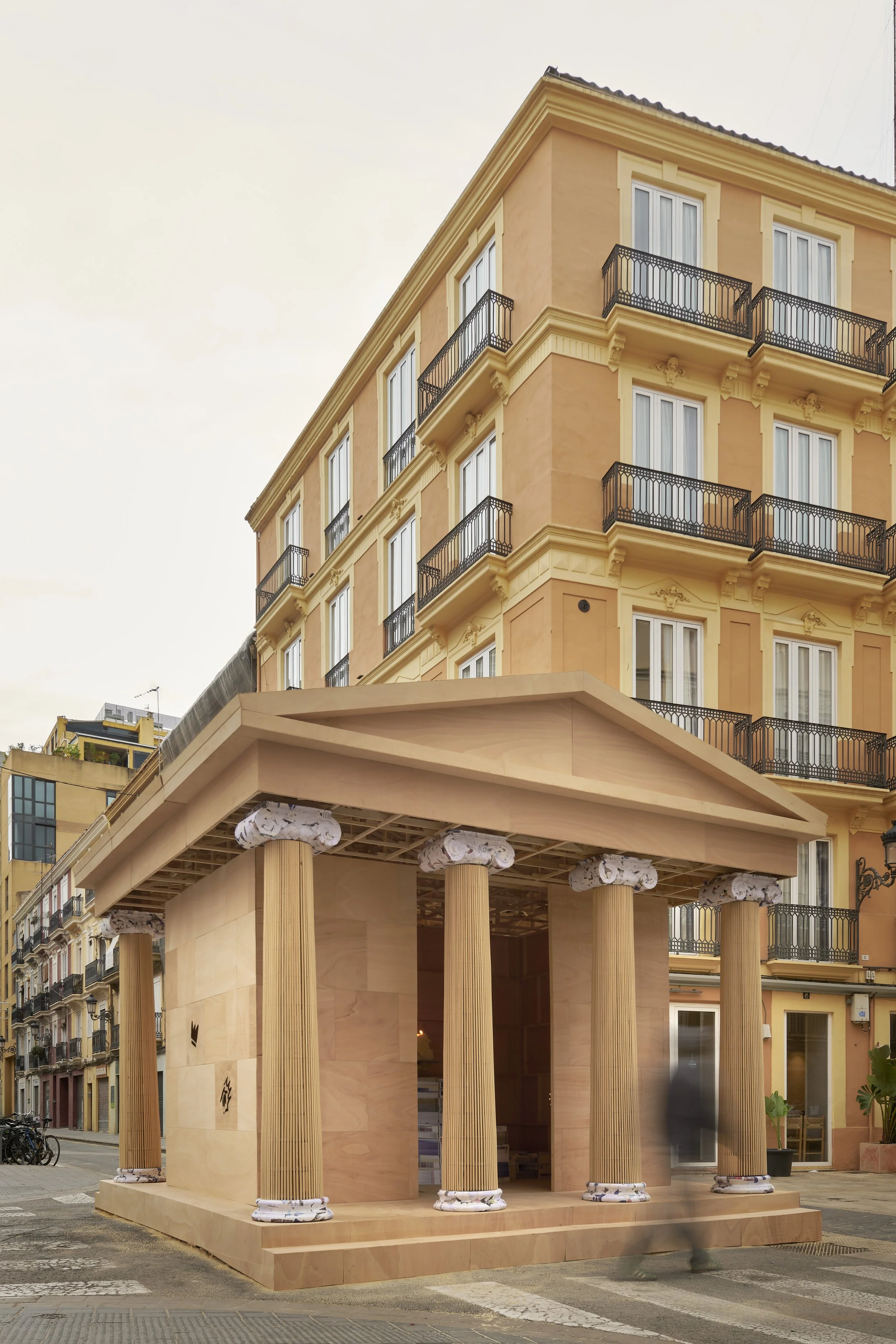
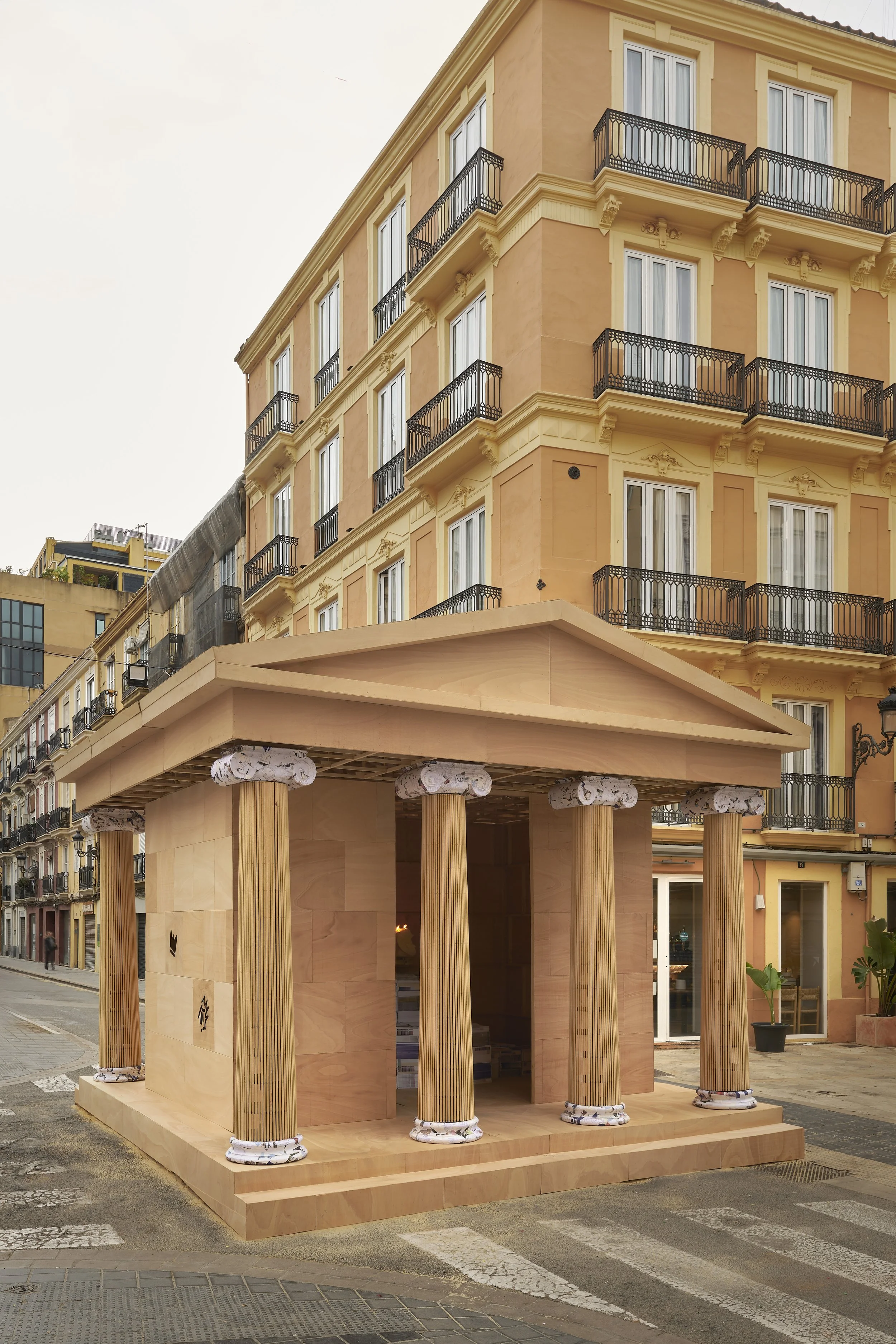
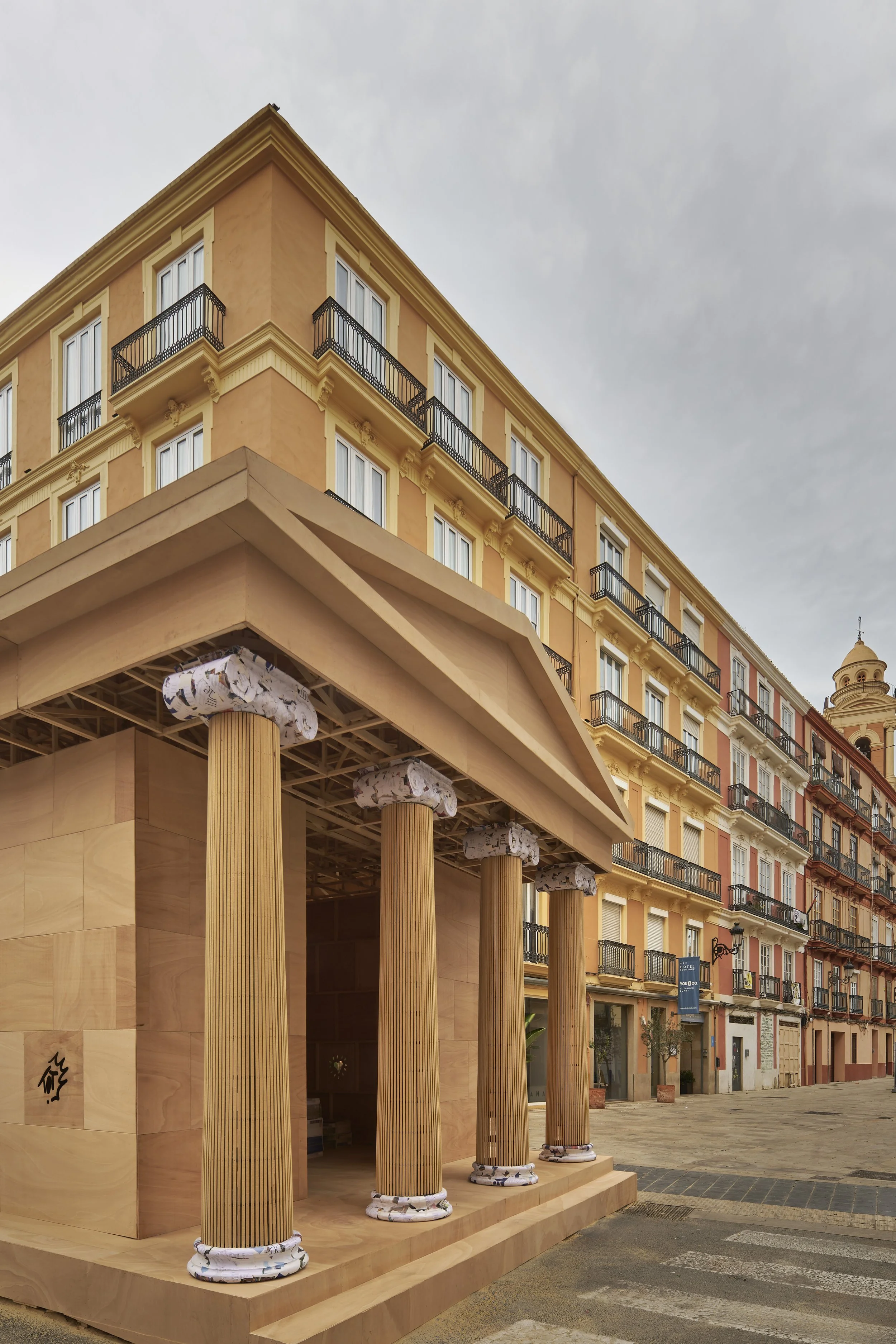
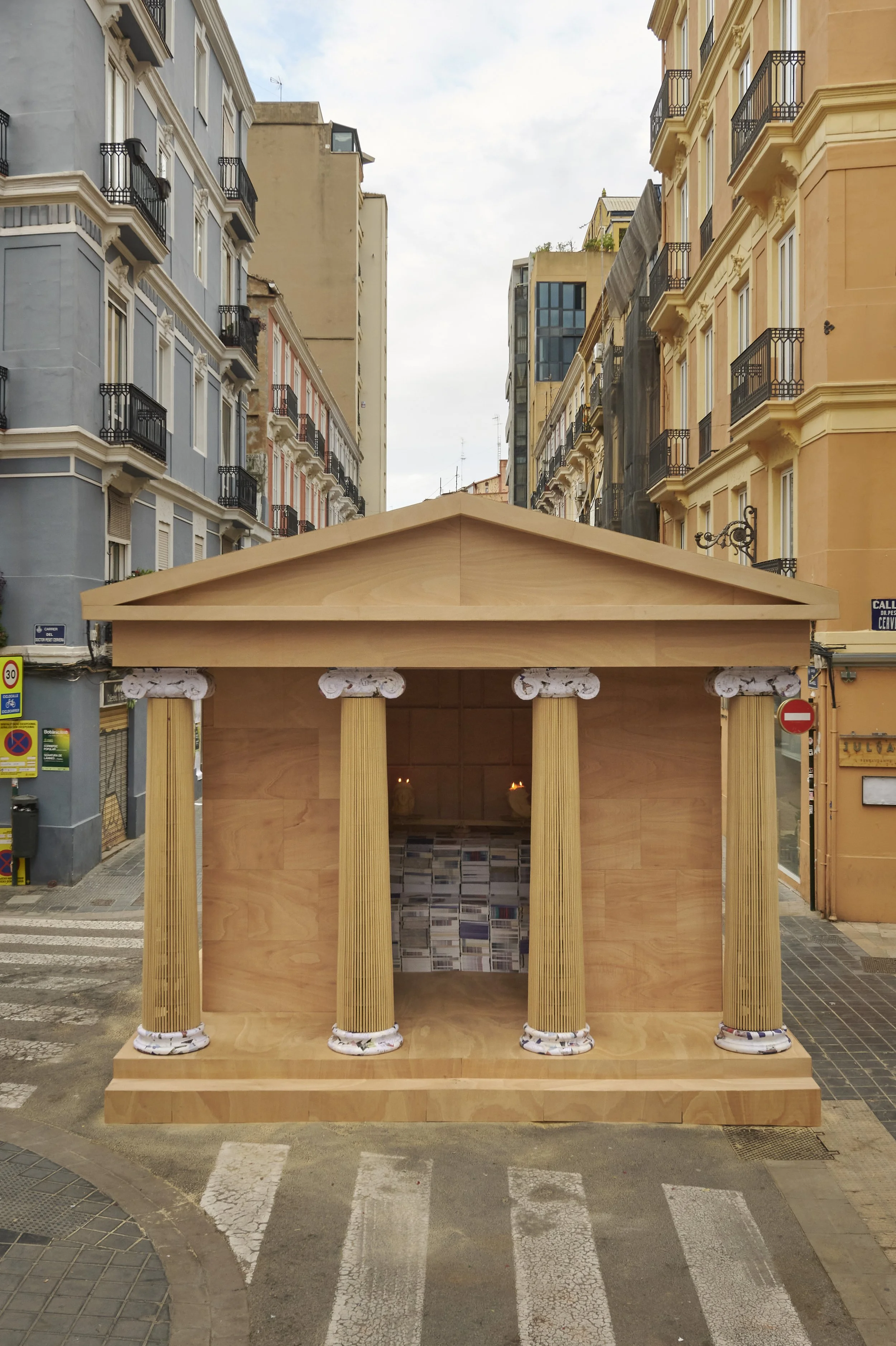
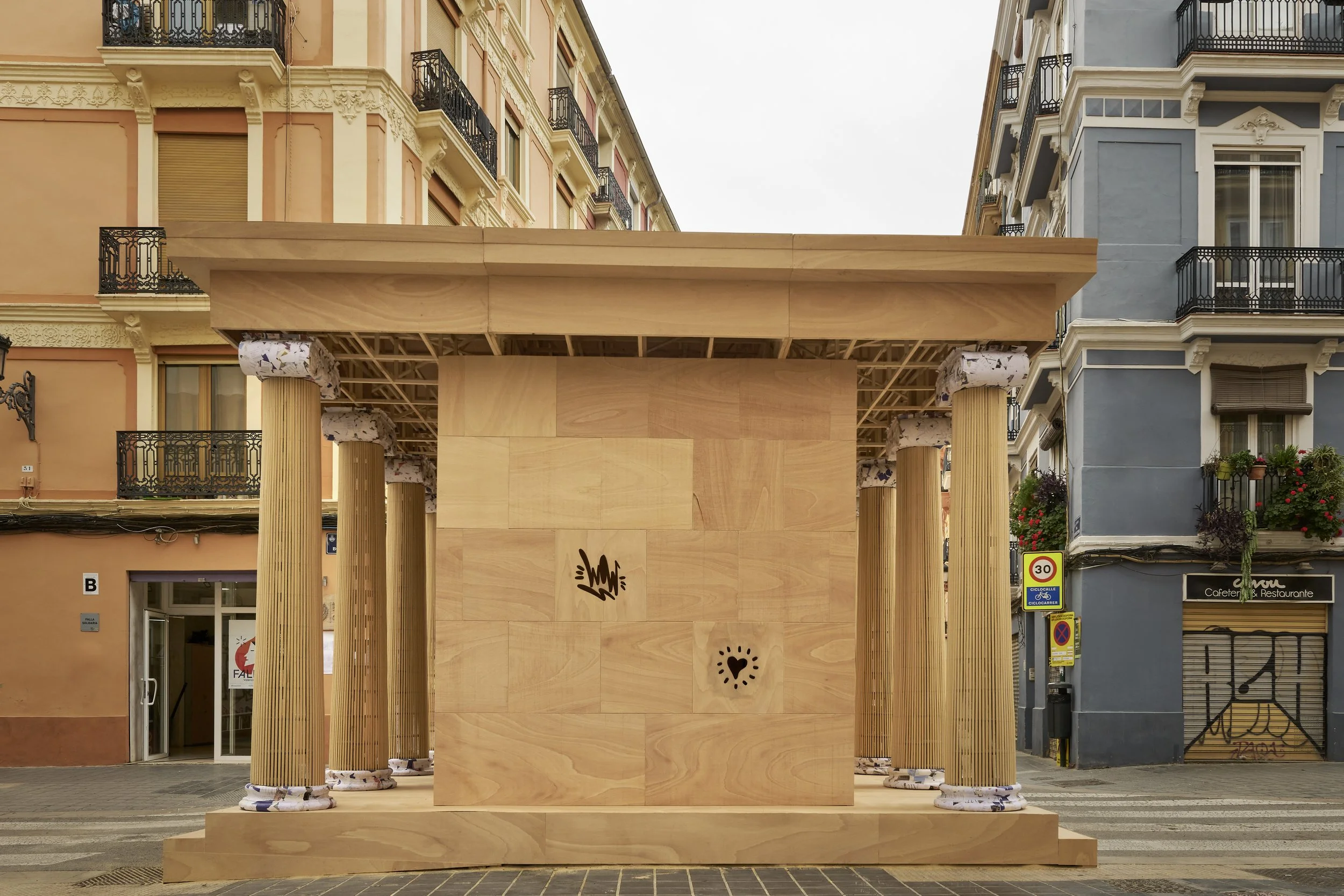
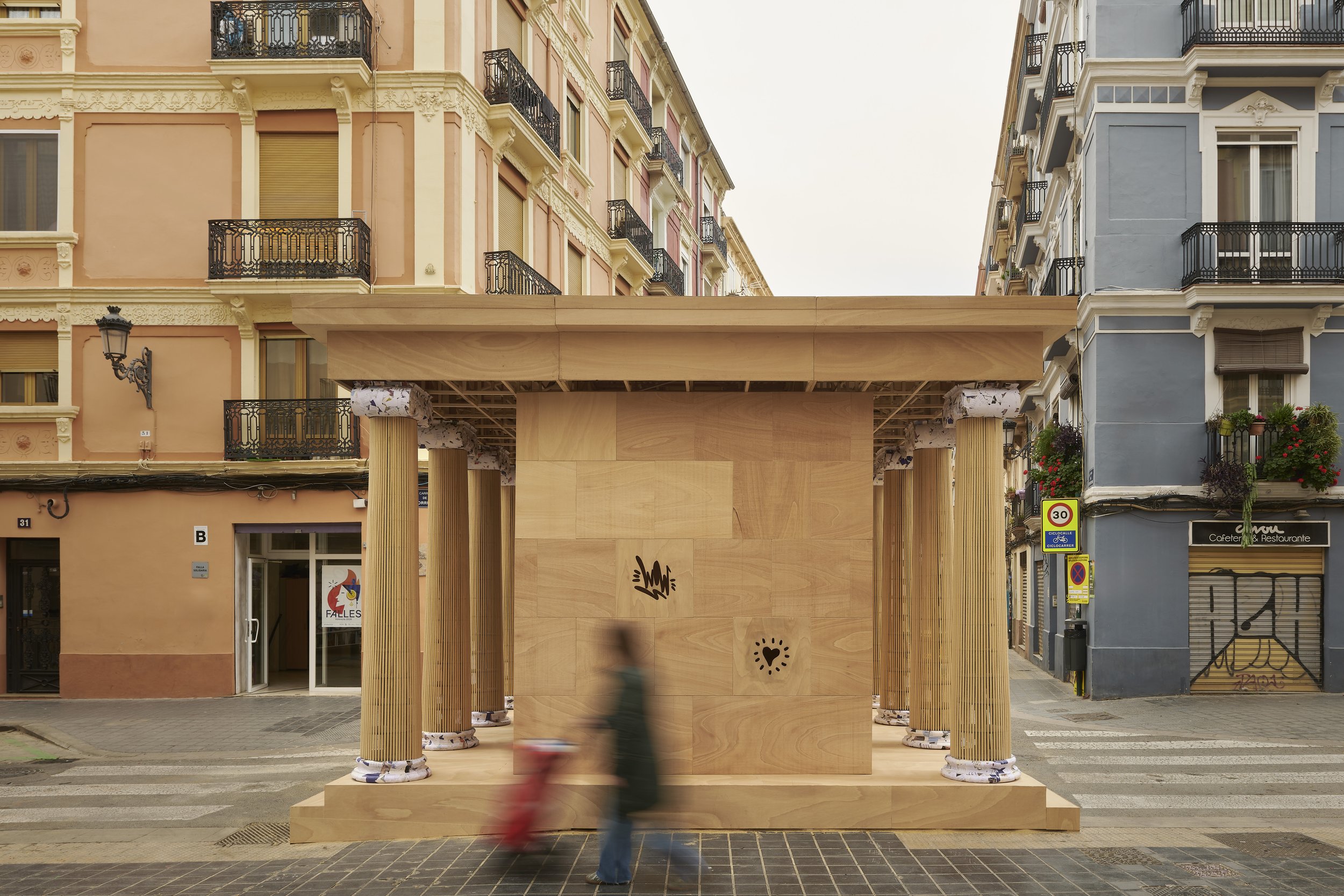
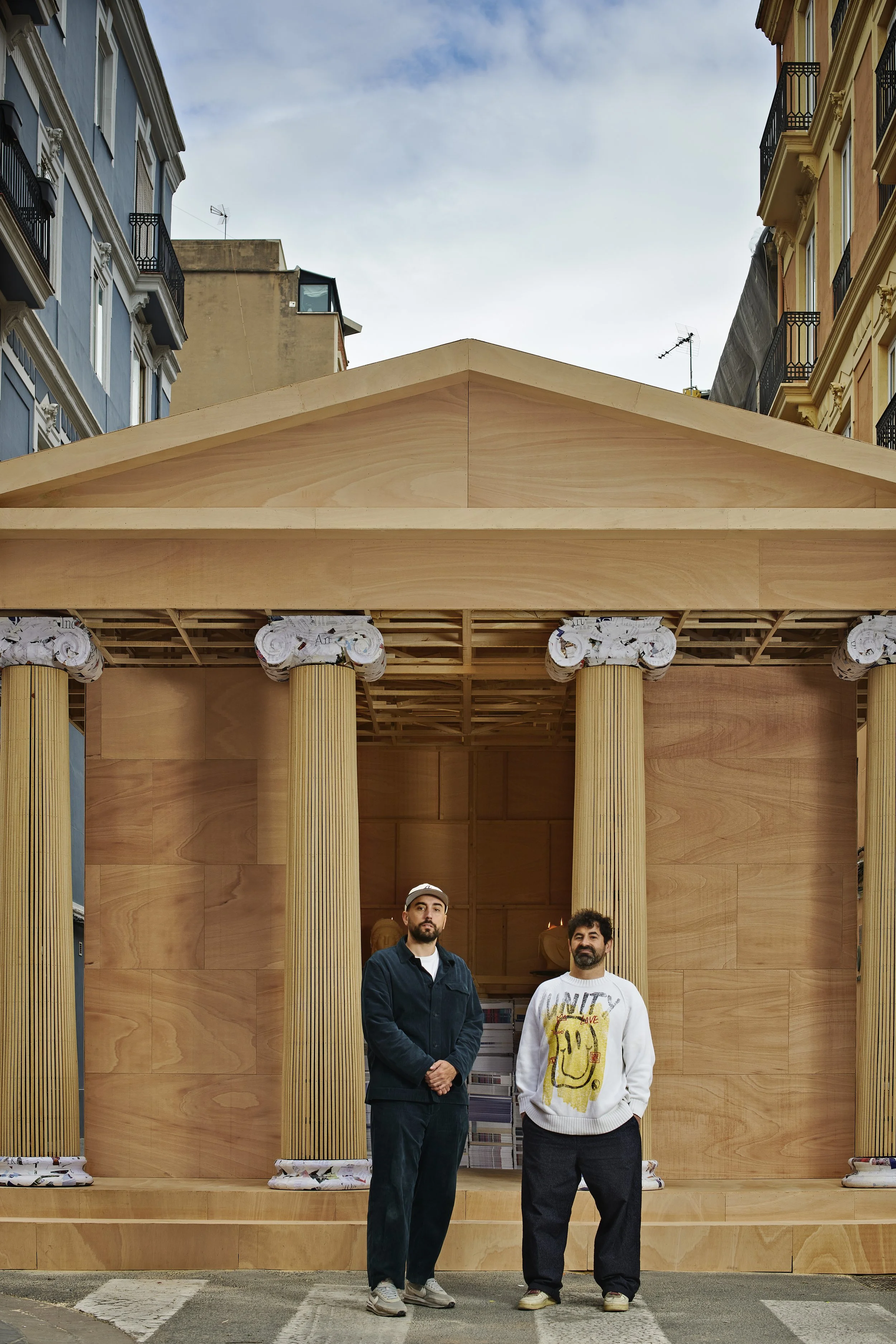
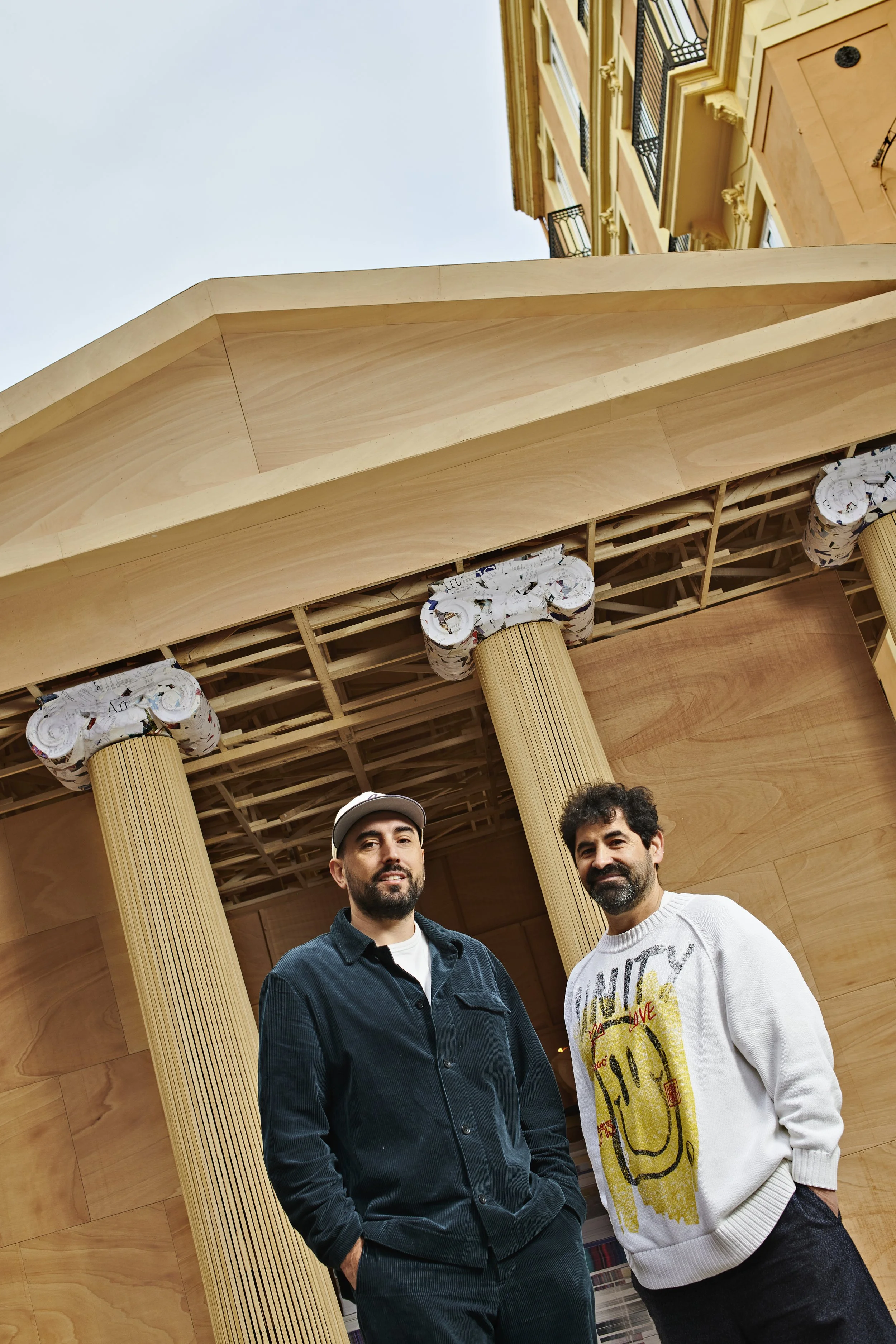
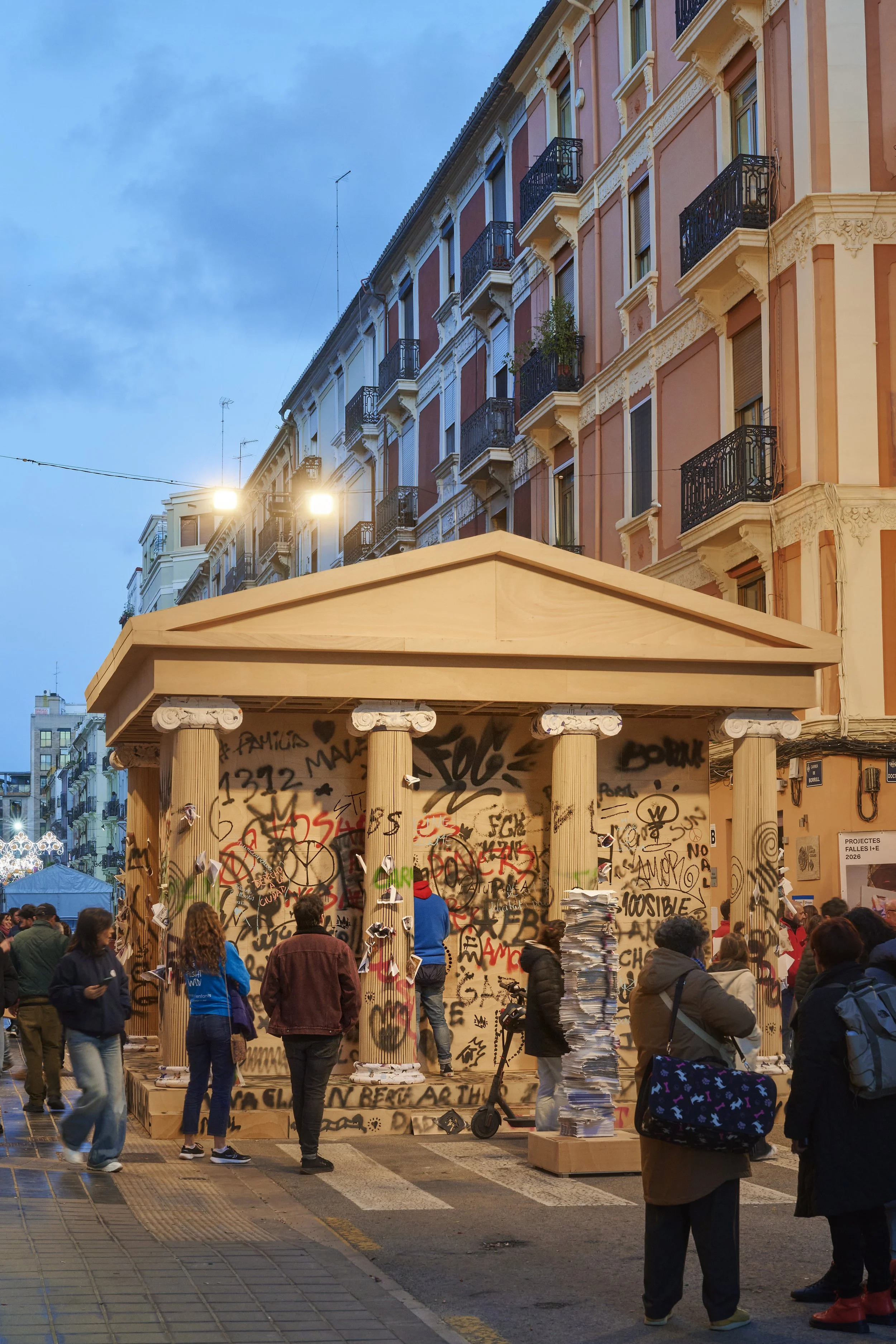
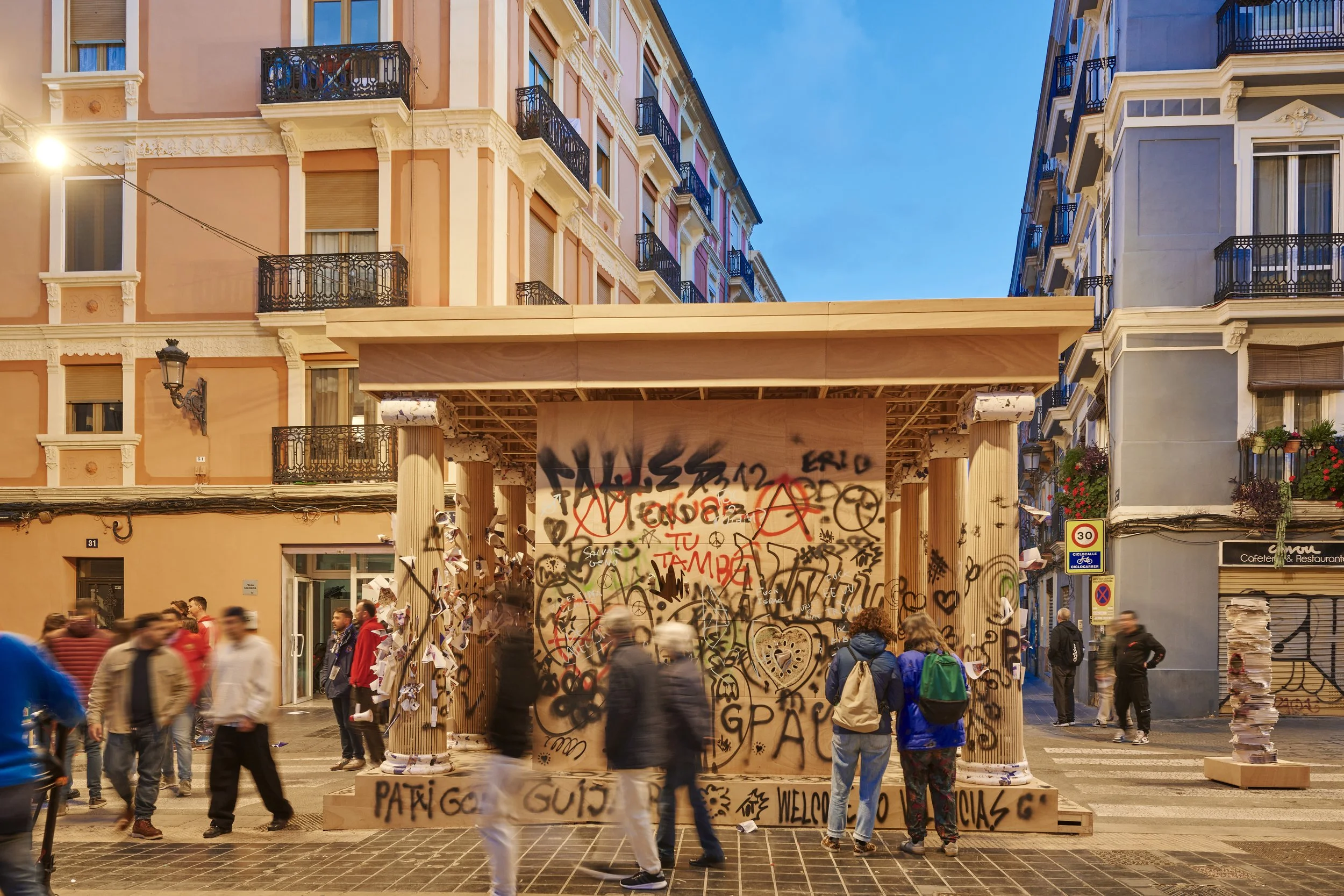
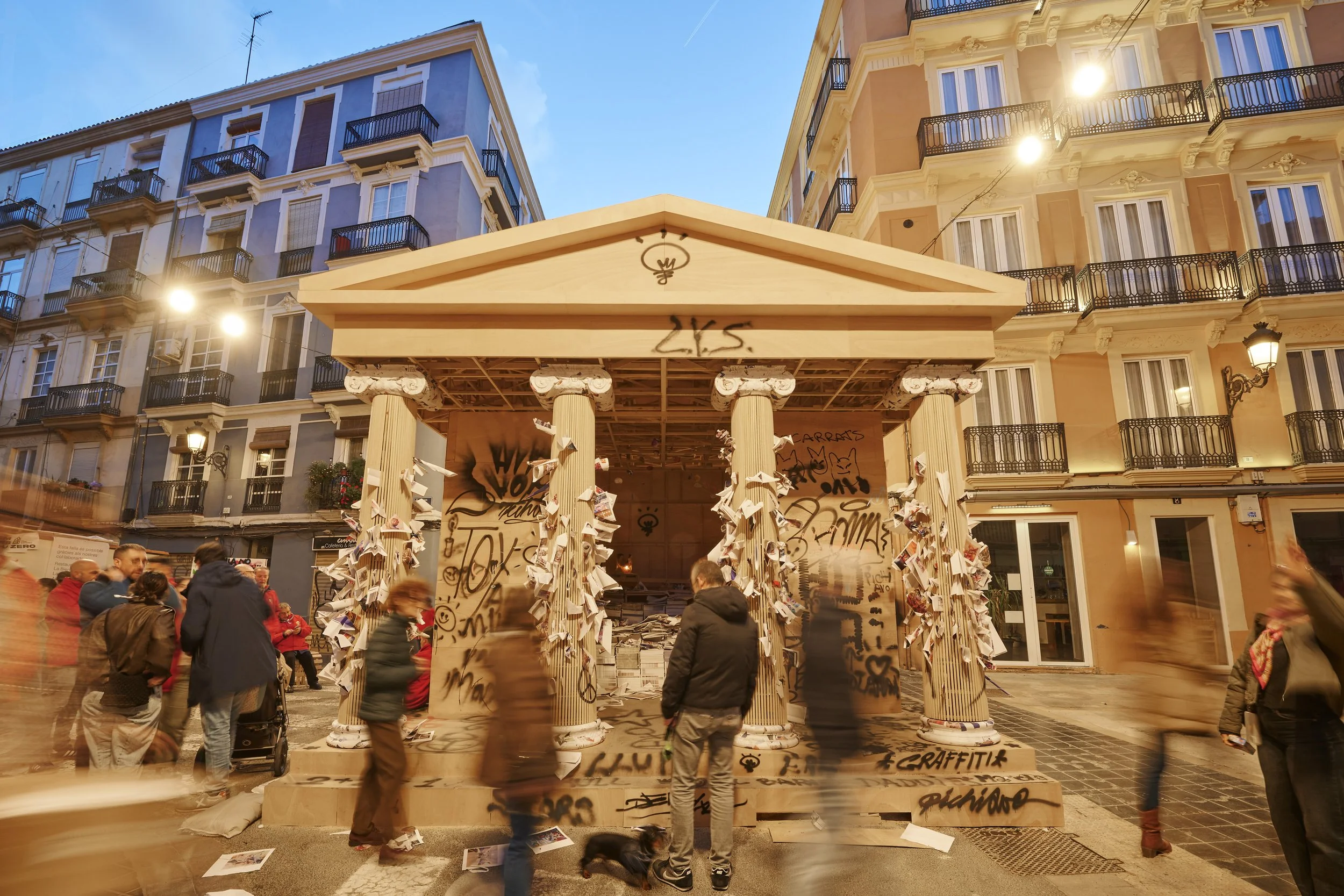
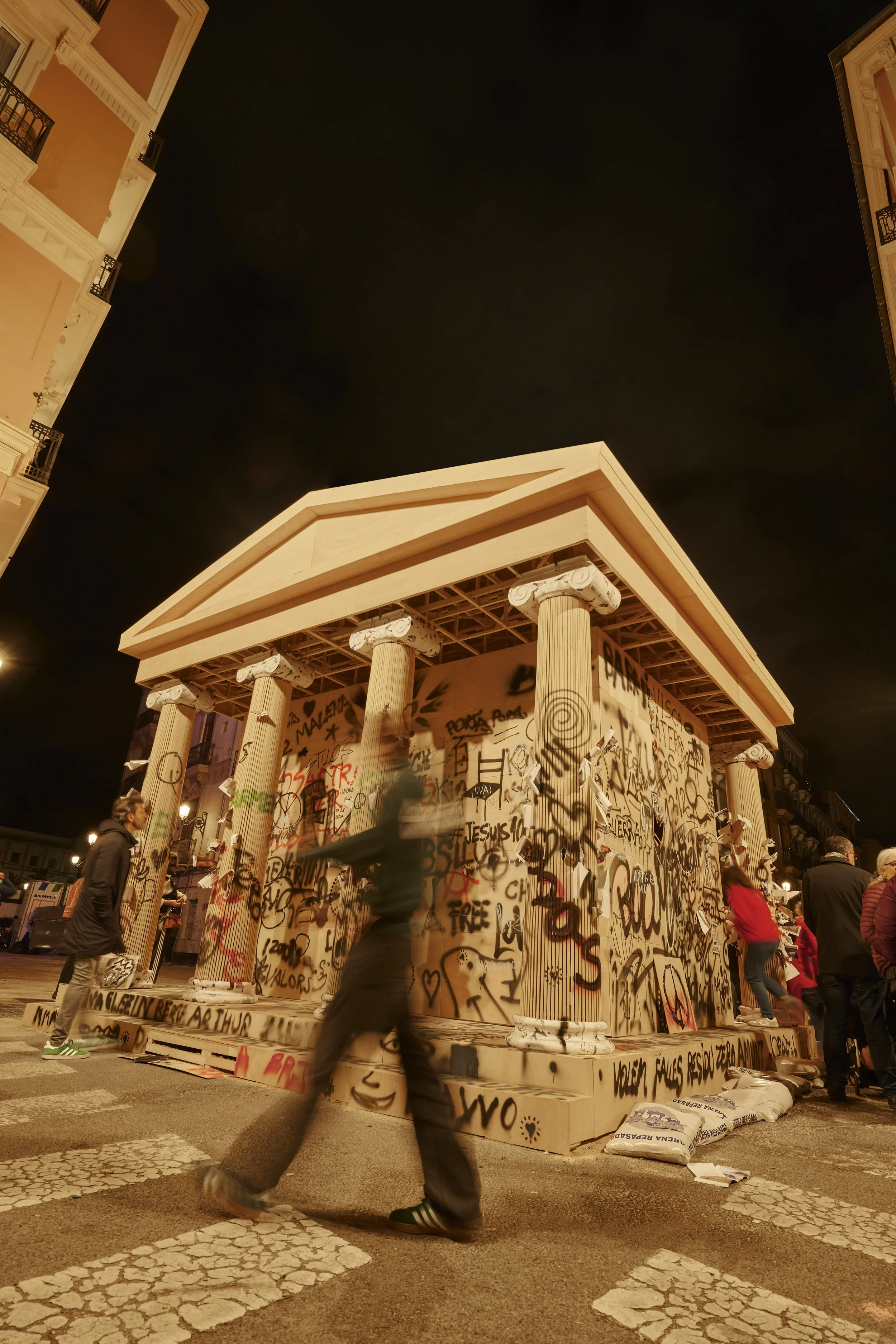
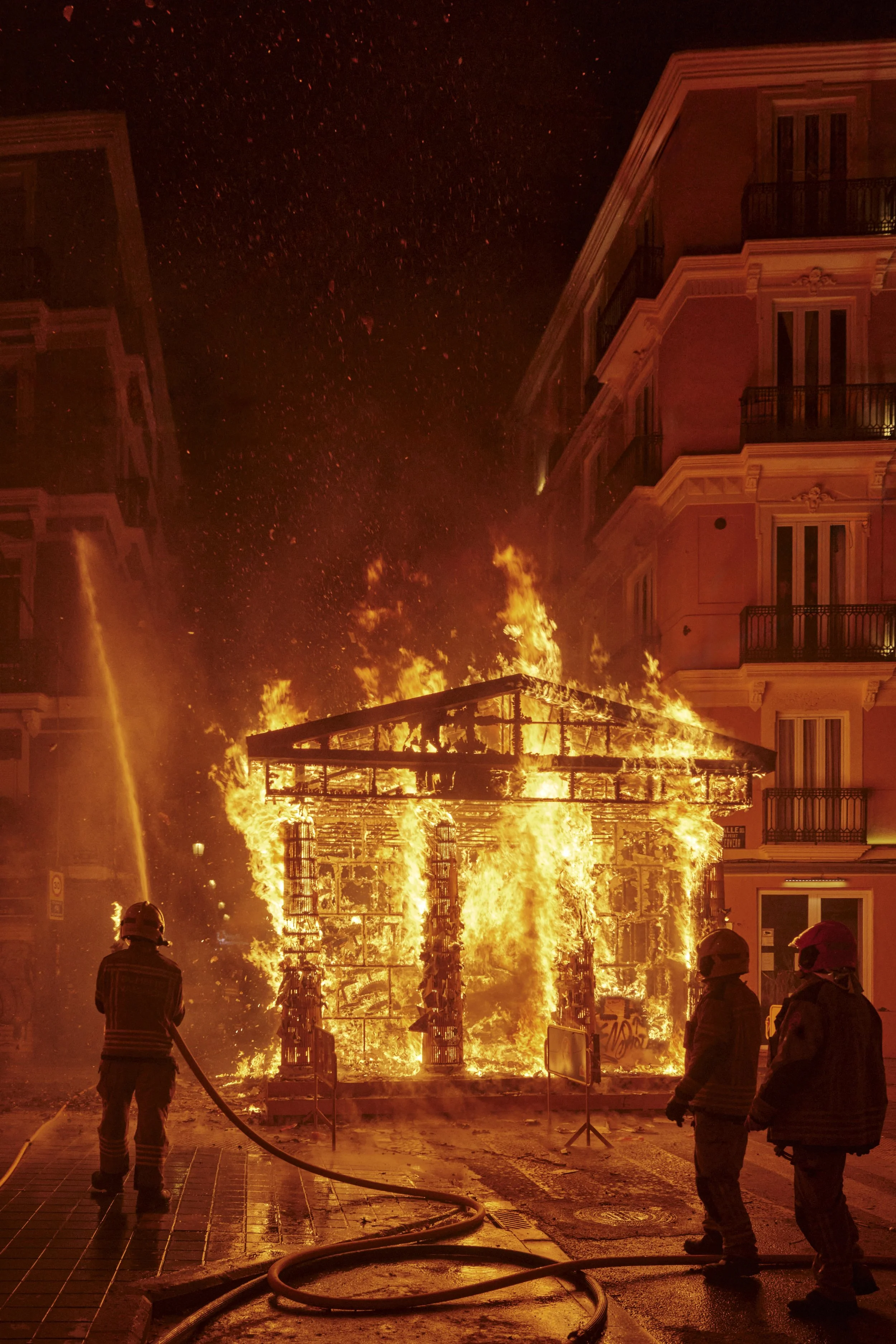
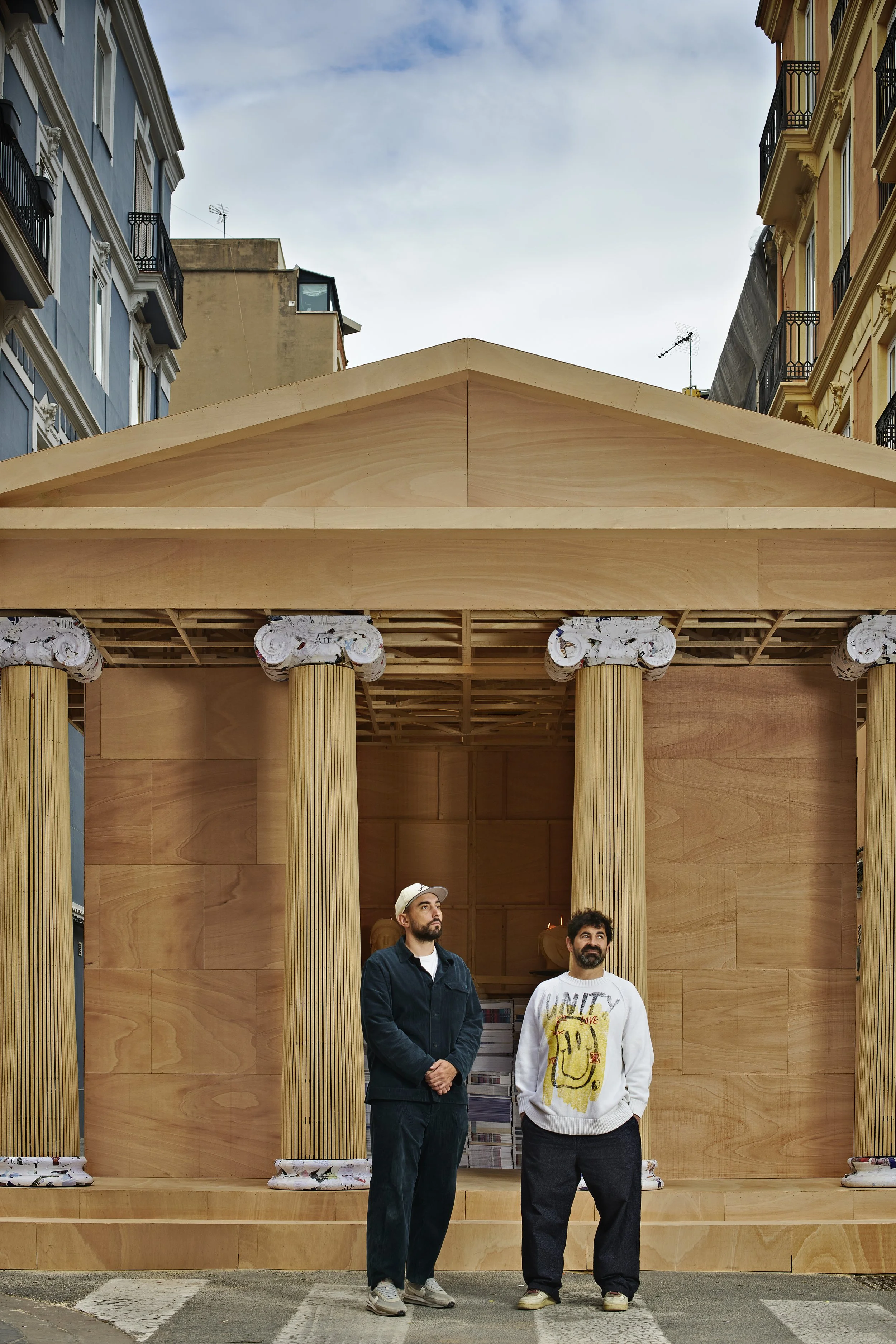
Installed at Borrull Street 31 in central Valencia, the structure took the form of a classical Ionic temple inspired by the Temple of Athena Nike. The reference was deliberate. For PichiAvo, whose practice is defined by the interplay between classical iconography and graffiti, the temple became both stage and statement—an architectural embodiment of their visual language.
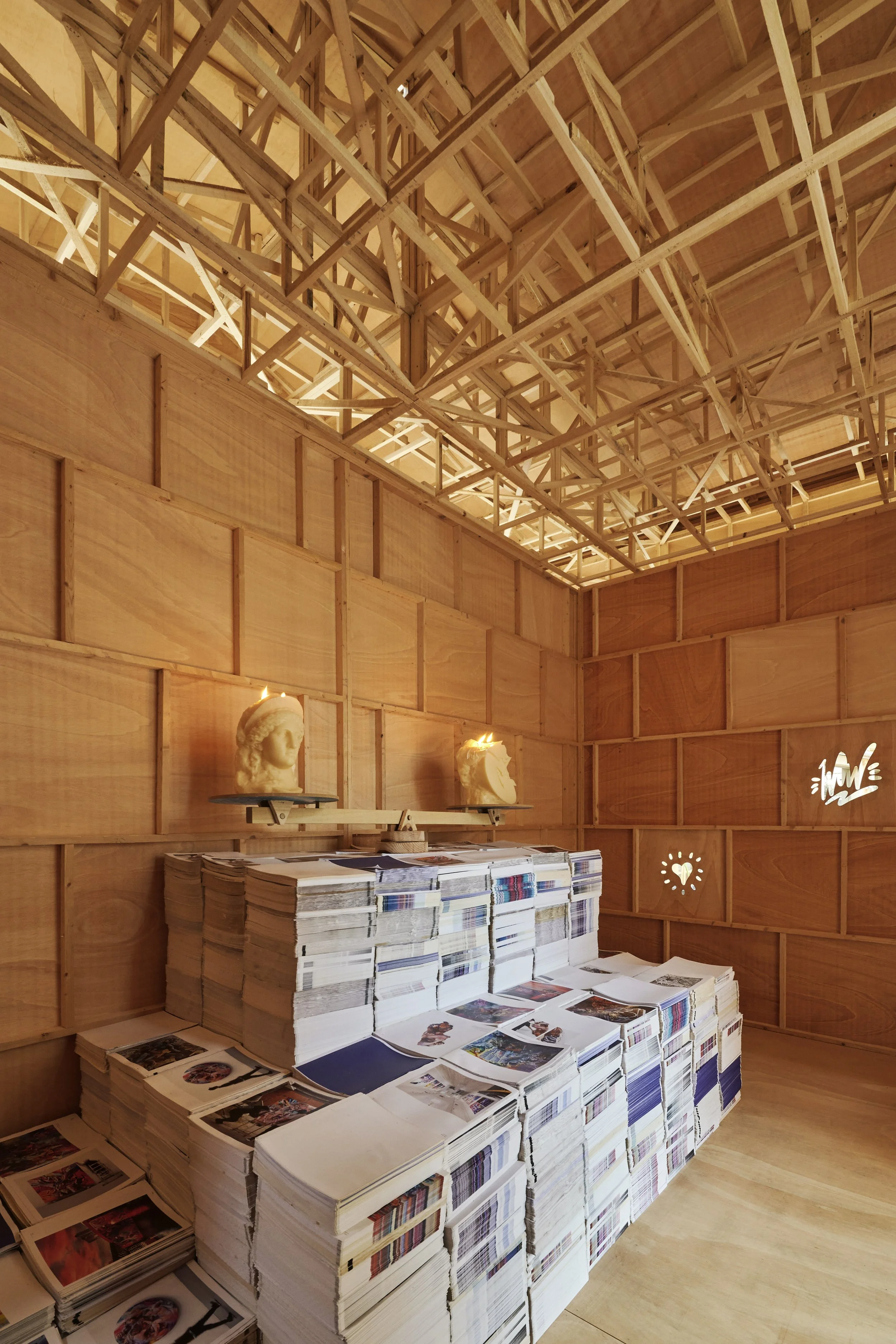
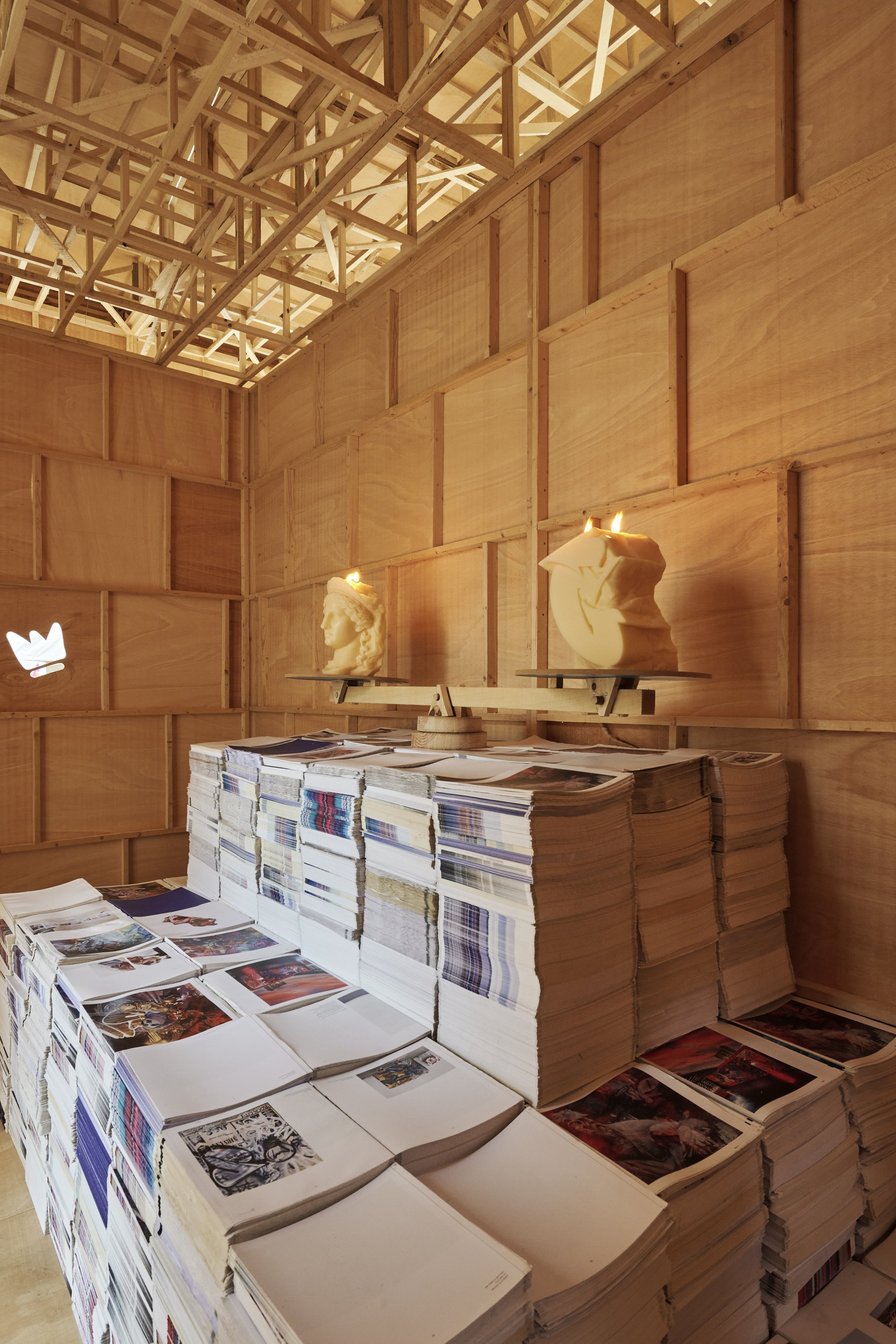
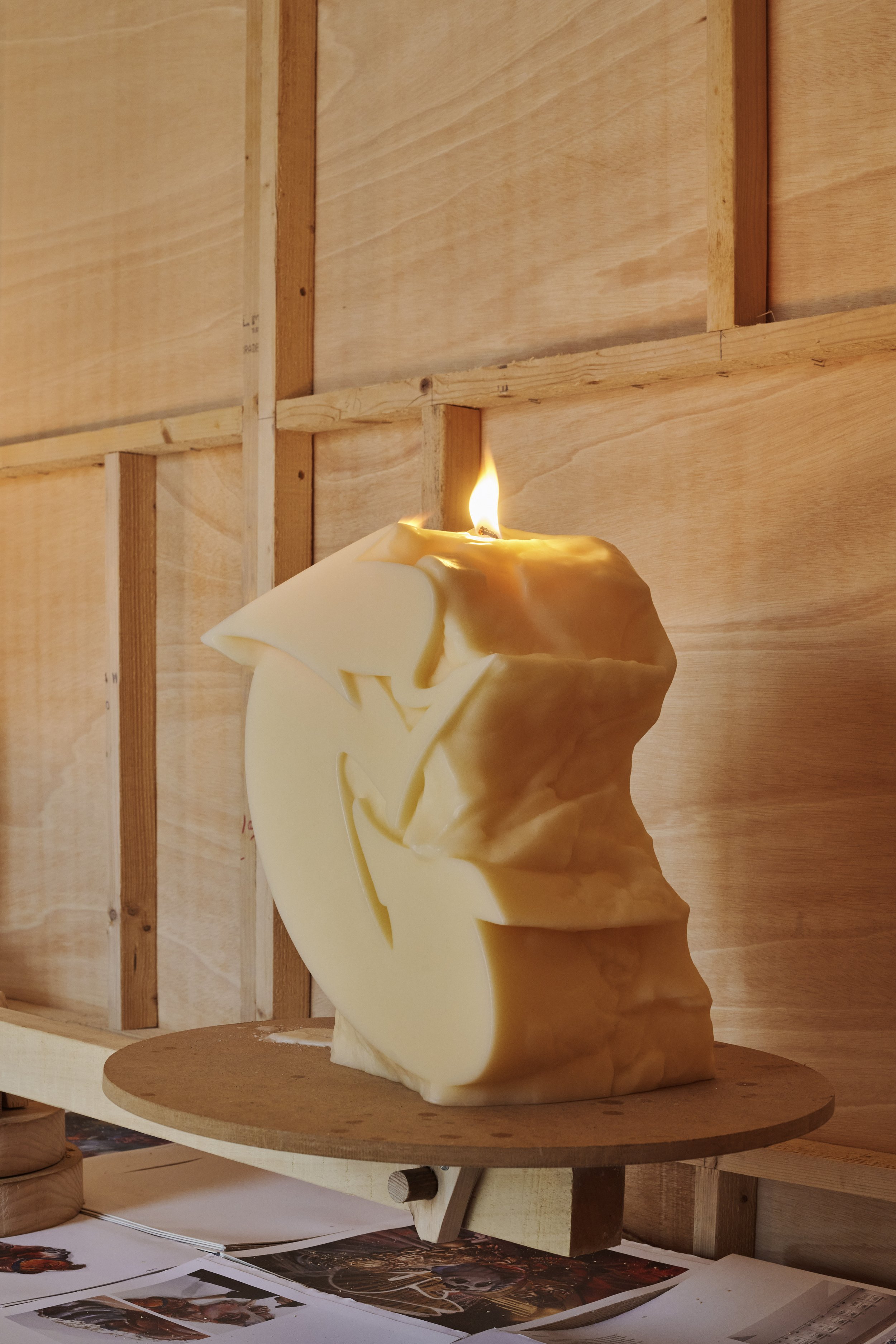
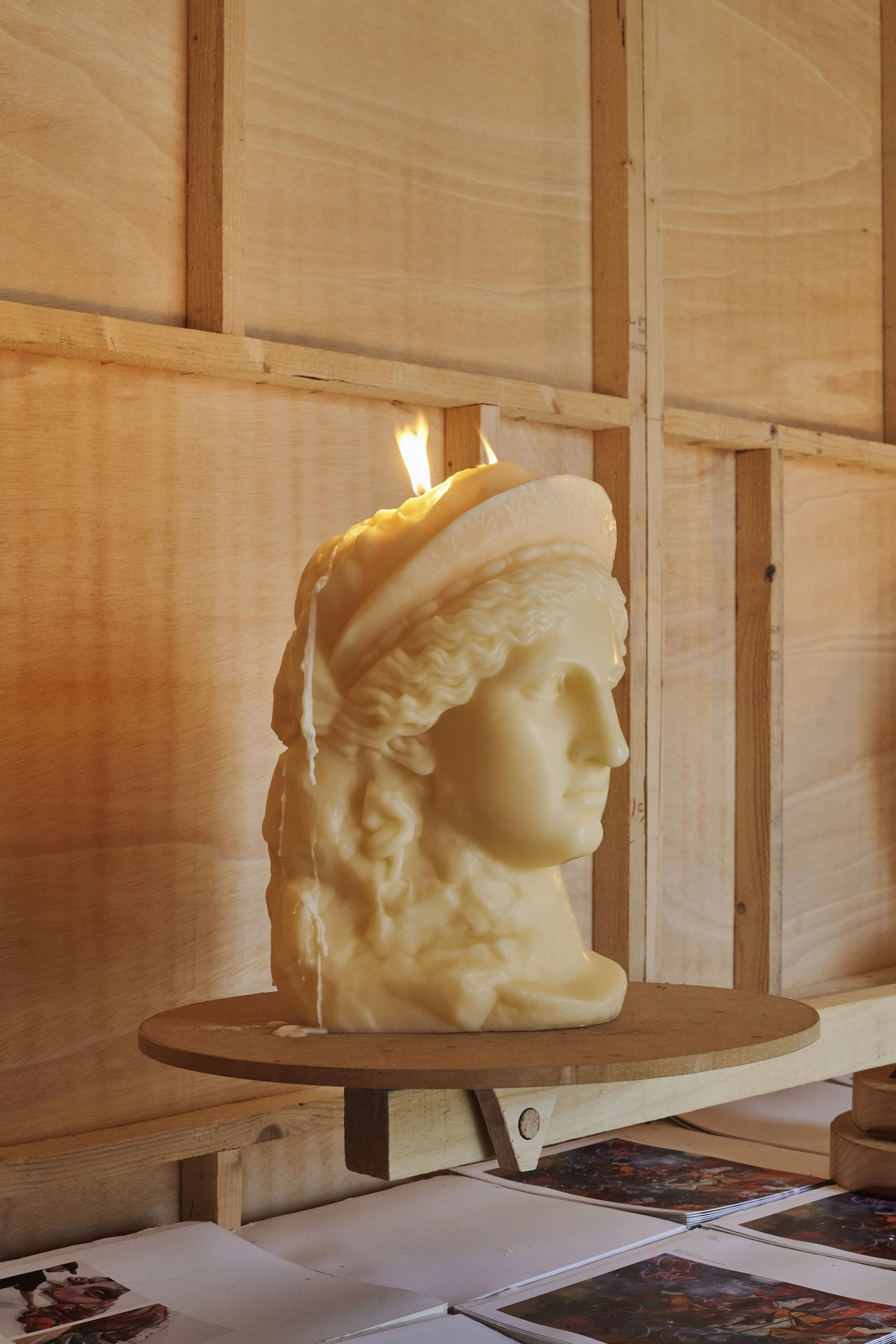
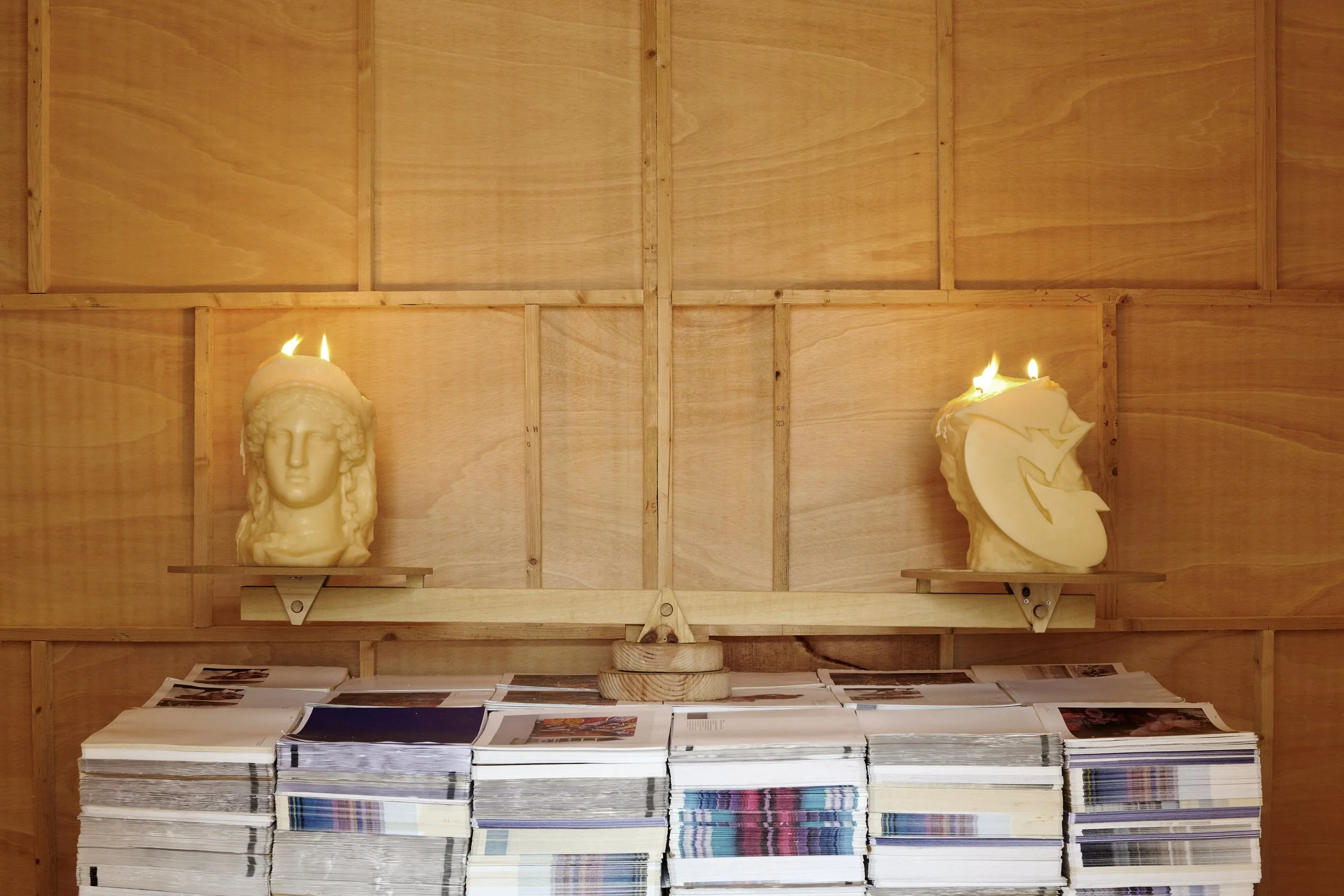
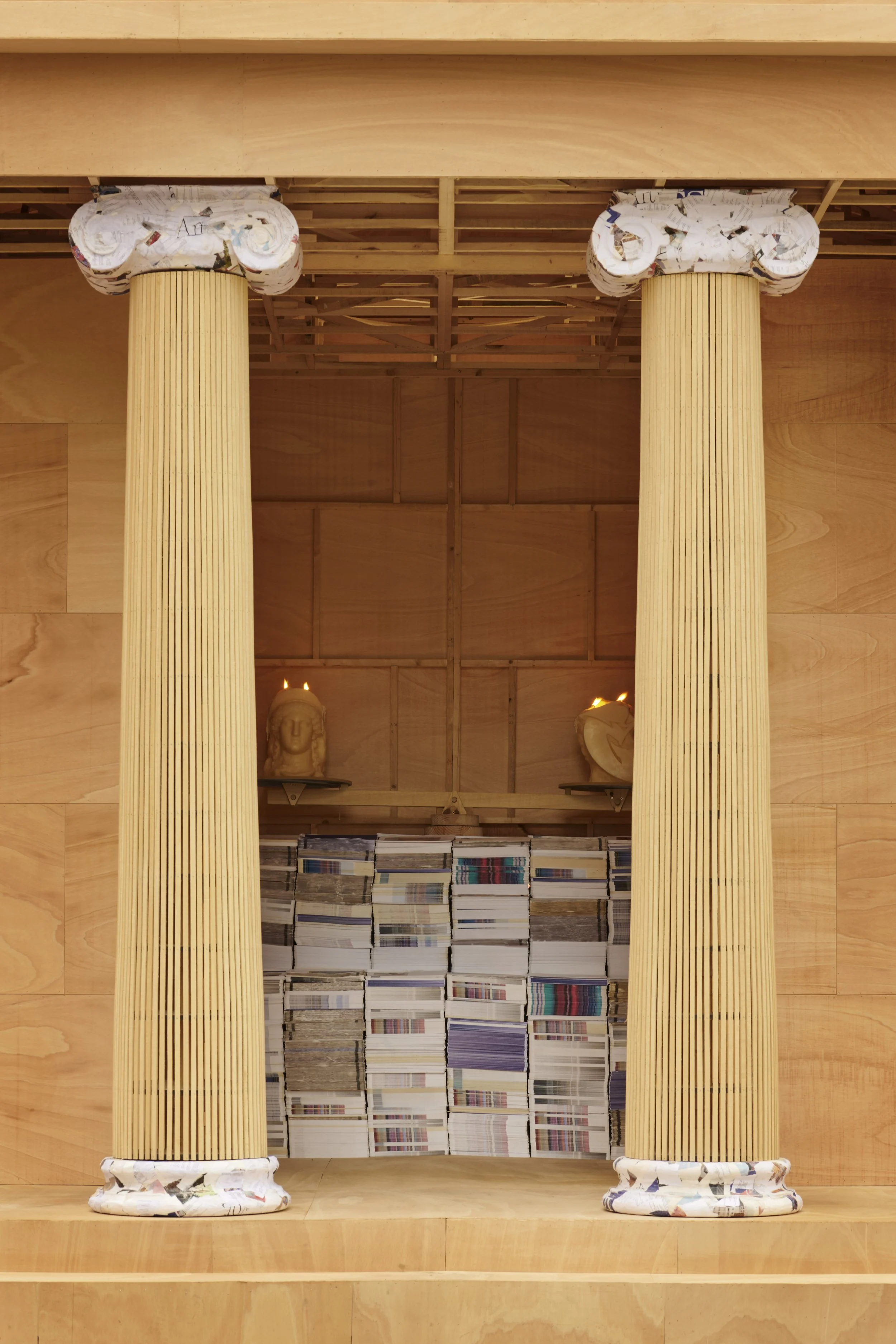
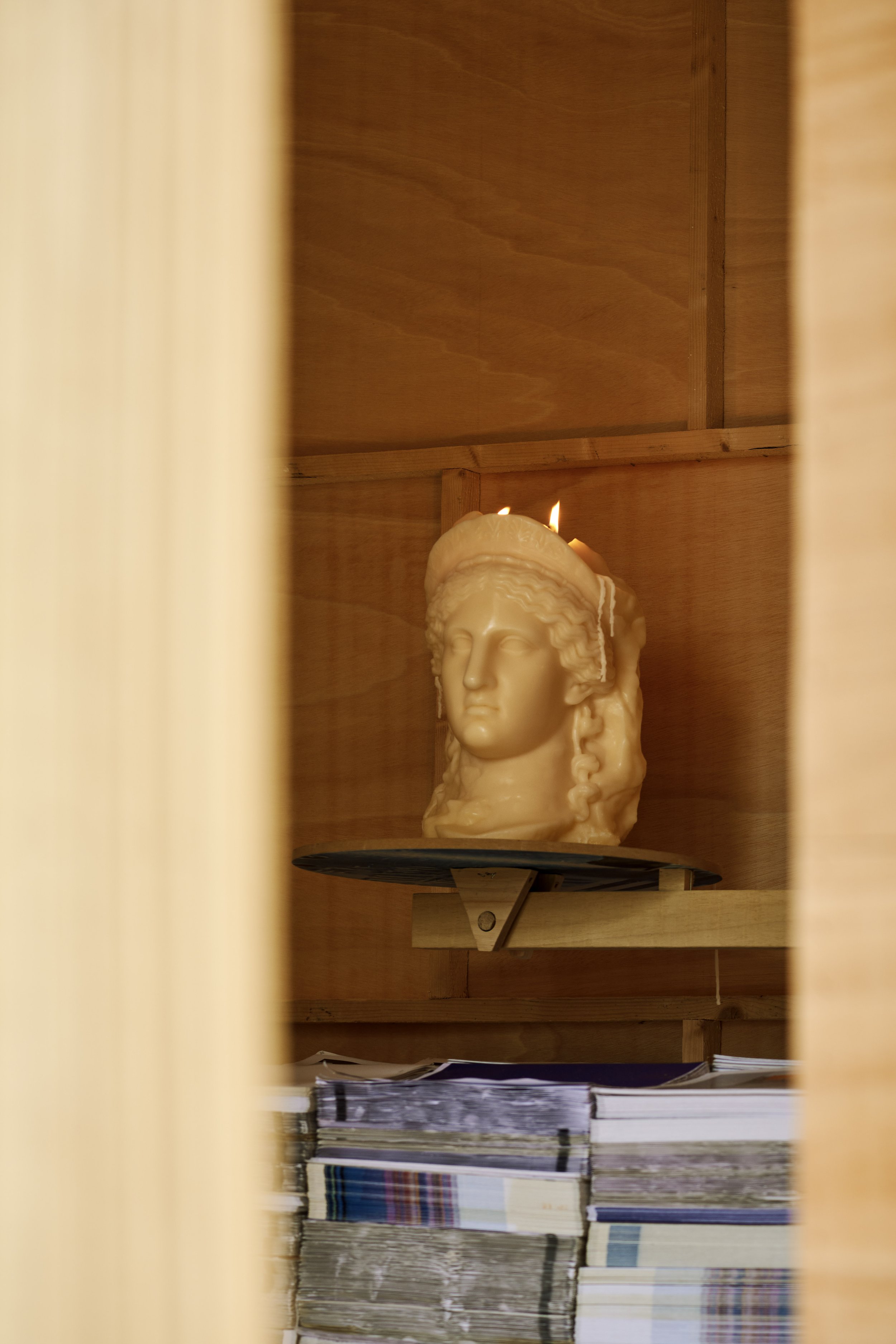
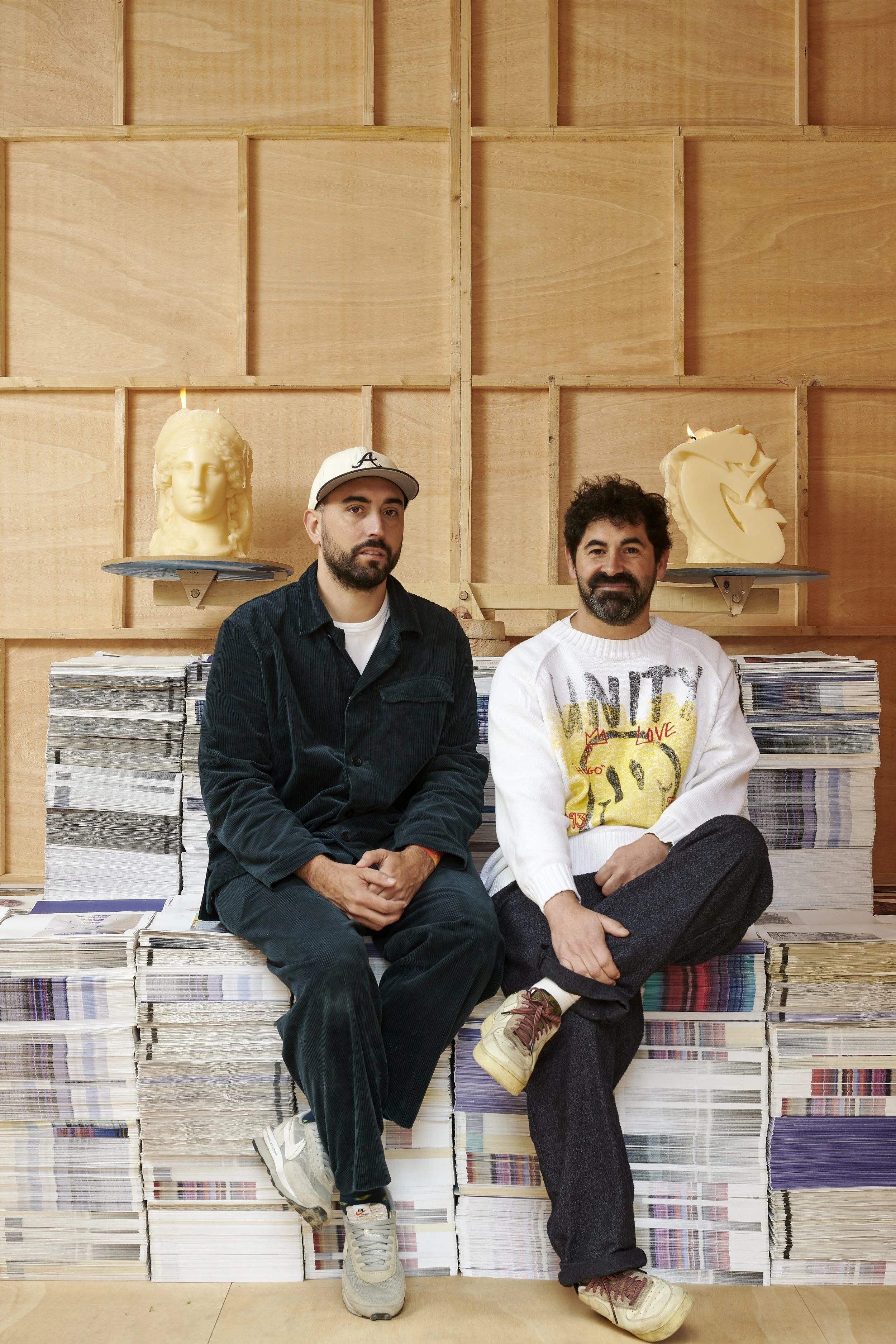
Inside, the conceptual framework sharpened. An altar constructed from surplus paper—left over from the printing of the duo’s 2024 publication Our Odyssey—held a perfectly balanced scale. Resting on either side were two sculptural wax candles, produced in collaboration with Barcelona-based heritage brand Cerabella. One represented Classical Art; the other, Graffiti. Together, they articulated the central thesis of PichiAvo’s work: not a clash of traditions, but a measured equilibrium between them.
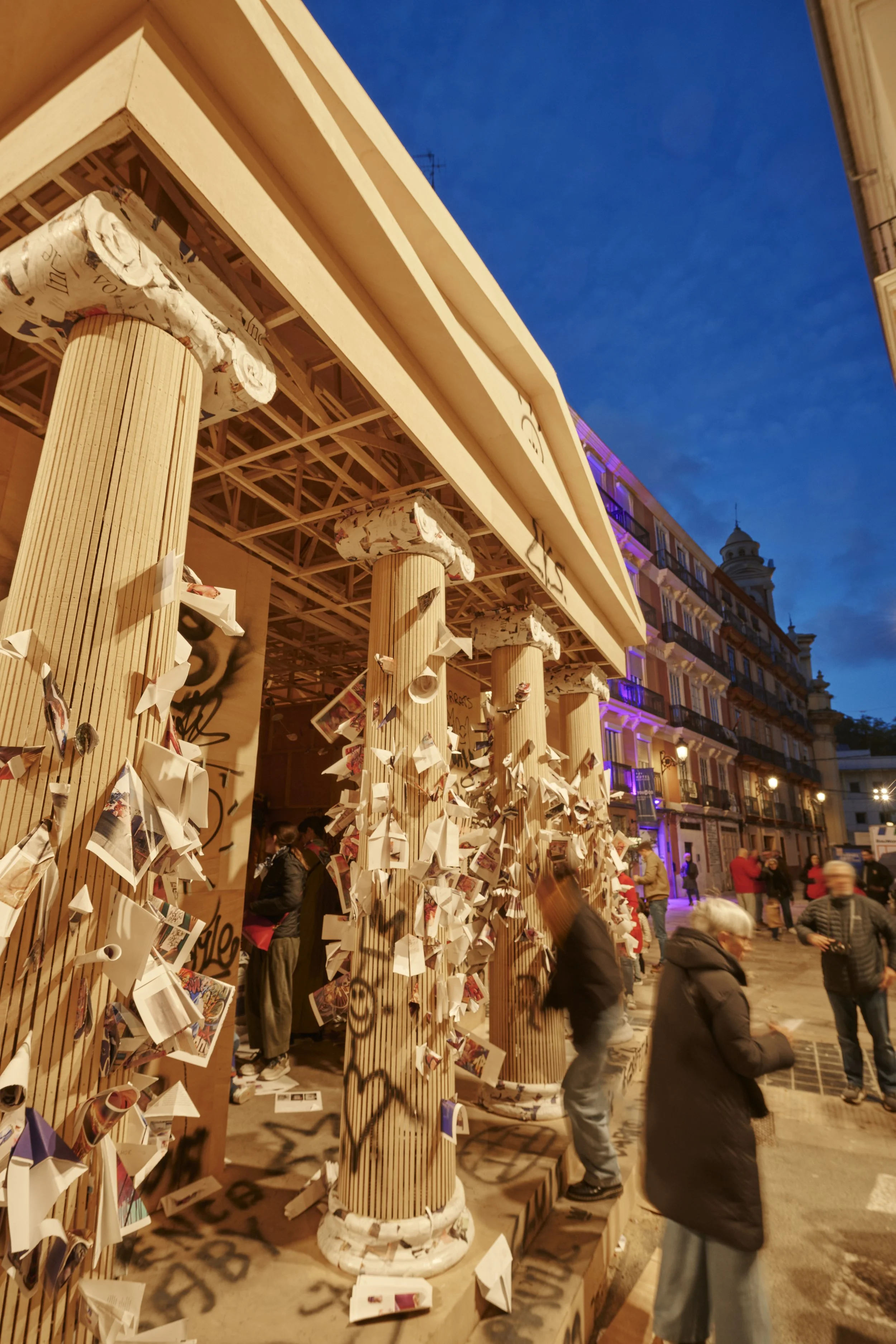
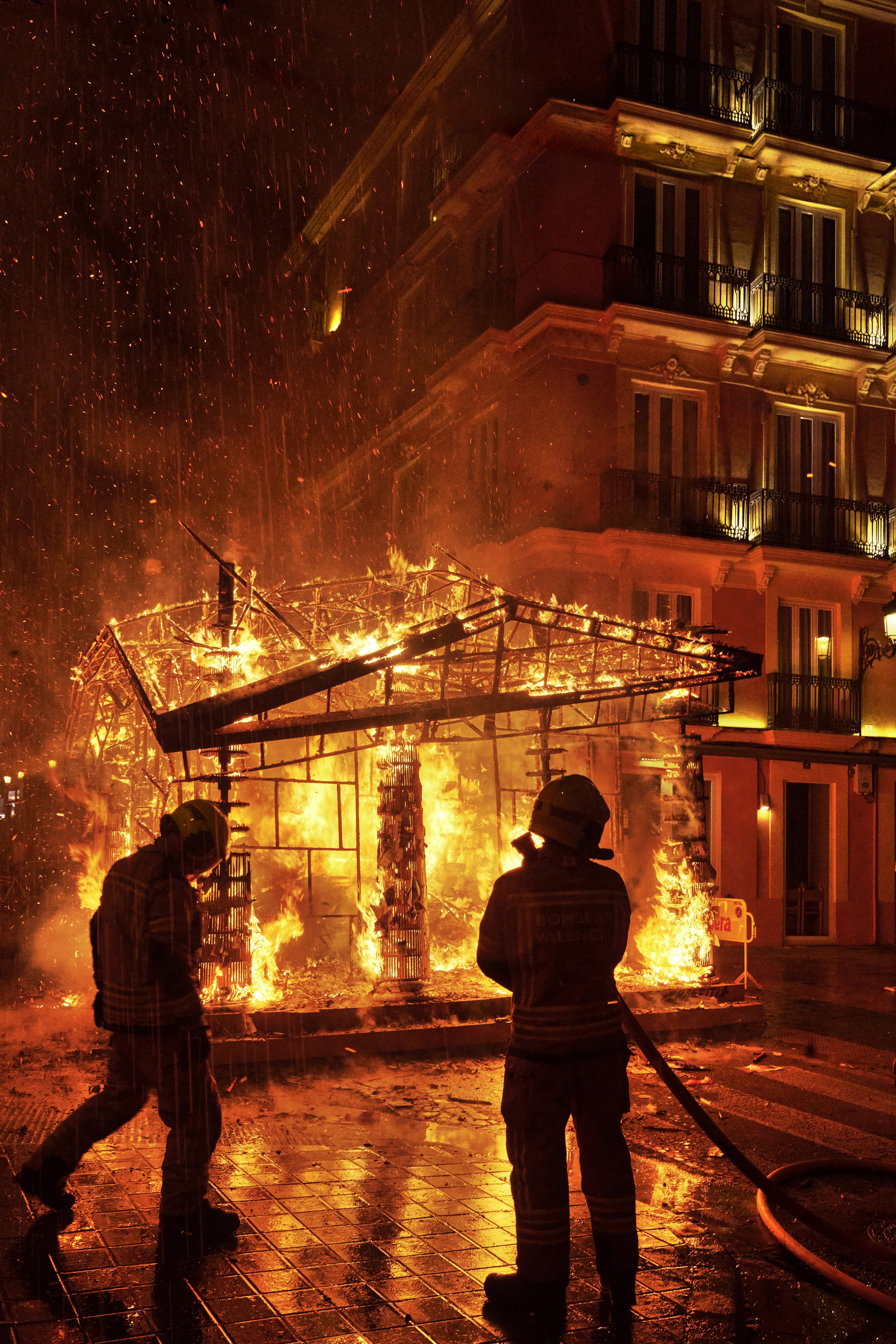
The monument itself took nearly a year to conceive and was realized using traditional Fallas techniques—wood and paper—eschewing the industrial materials that often define contemporary large-scale installations. This decision reinforced both the authenticity of the project and its ecological sensitivity, a balance that would later be formally recognized.
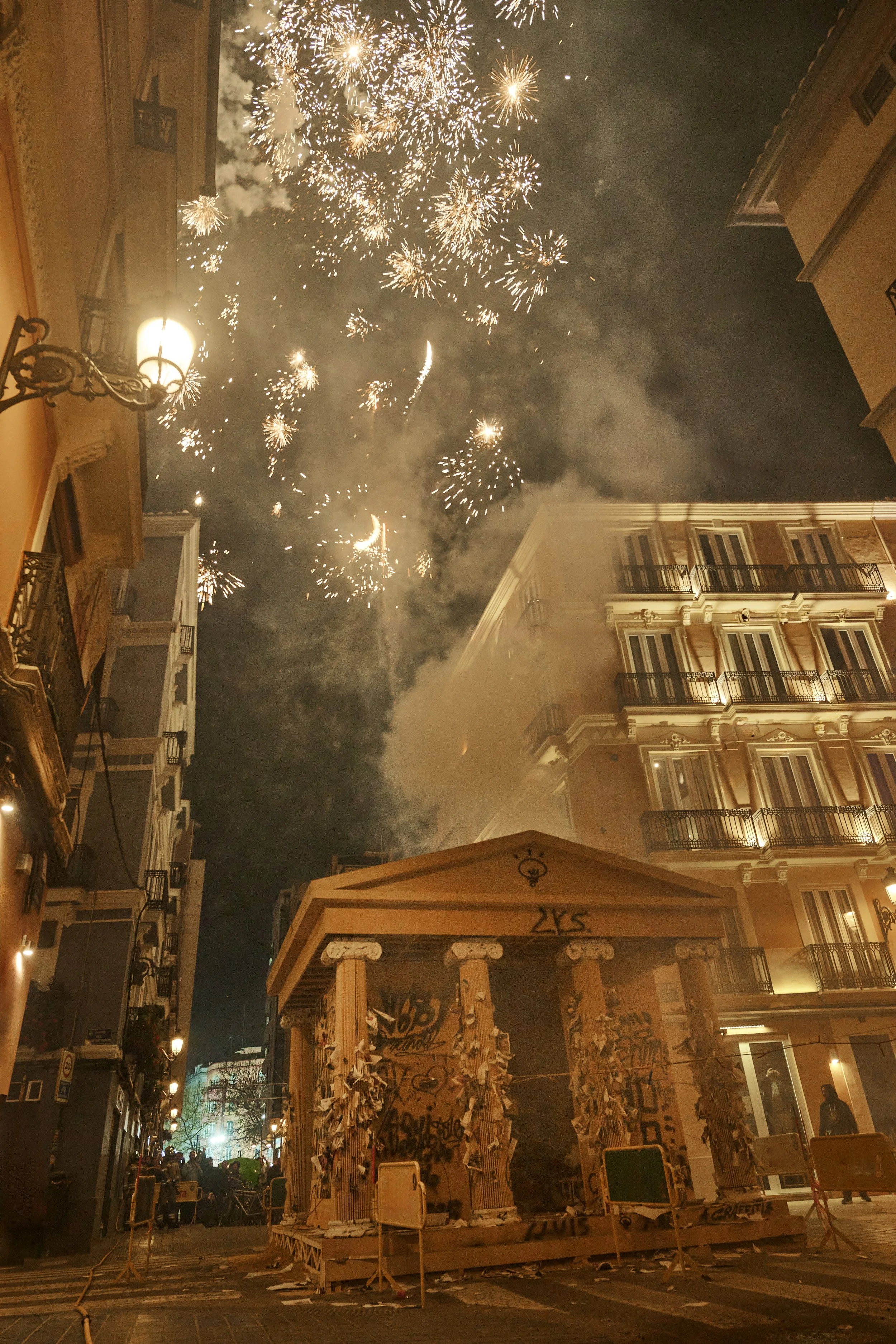
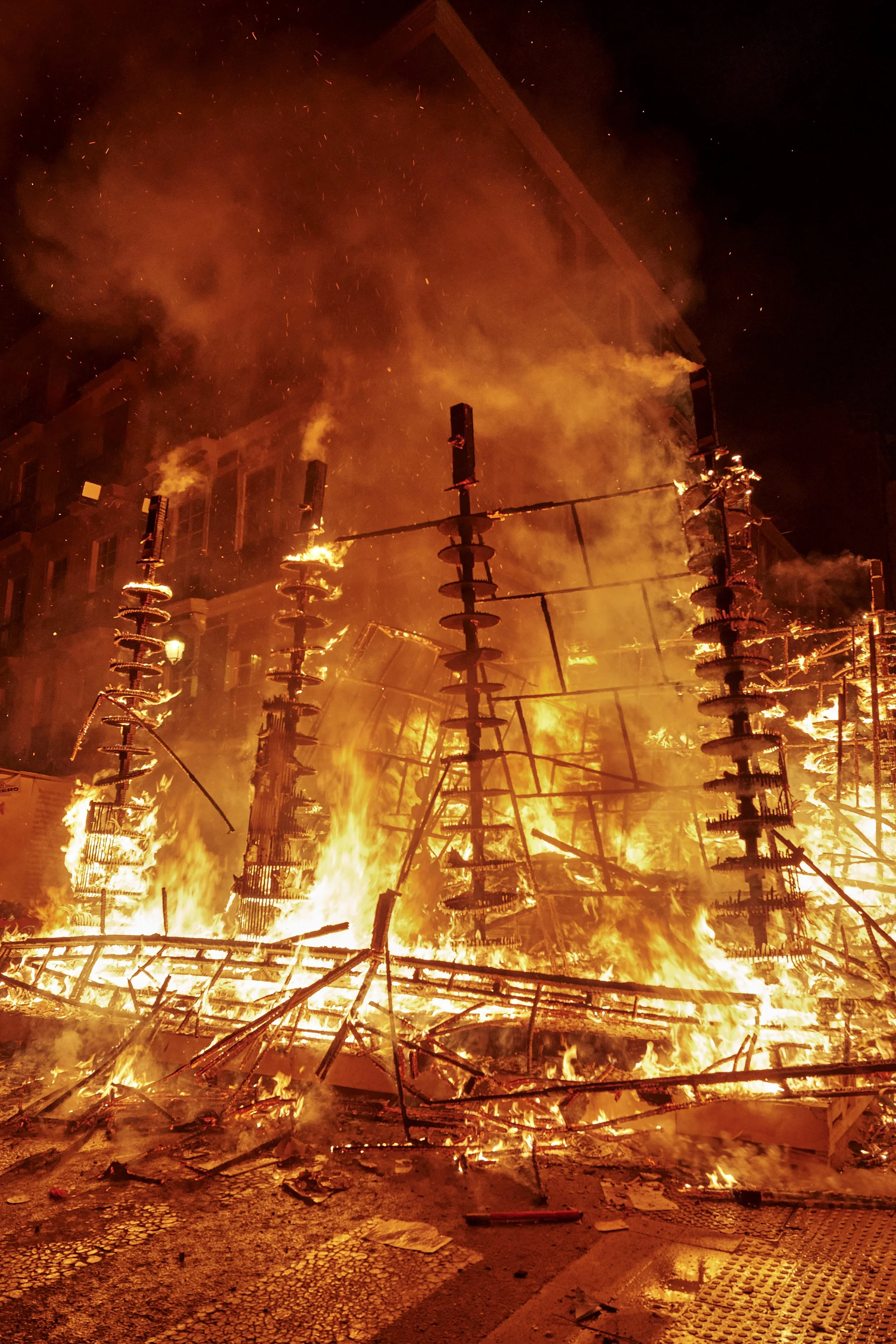
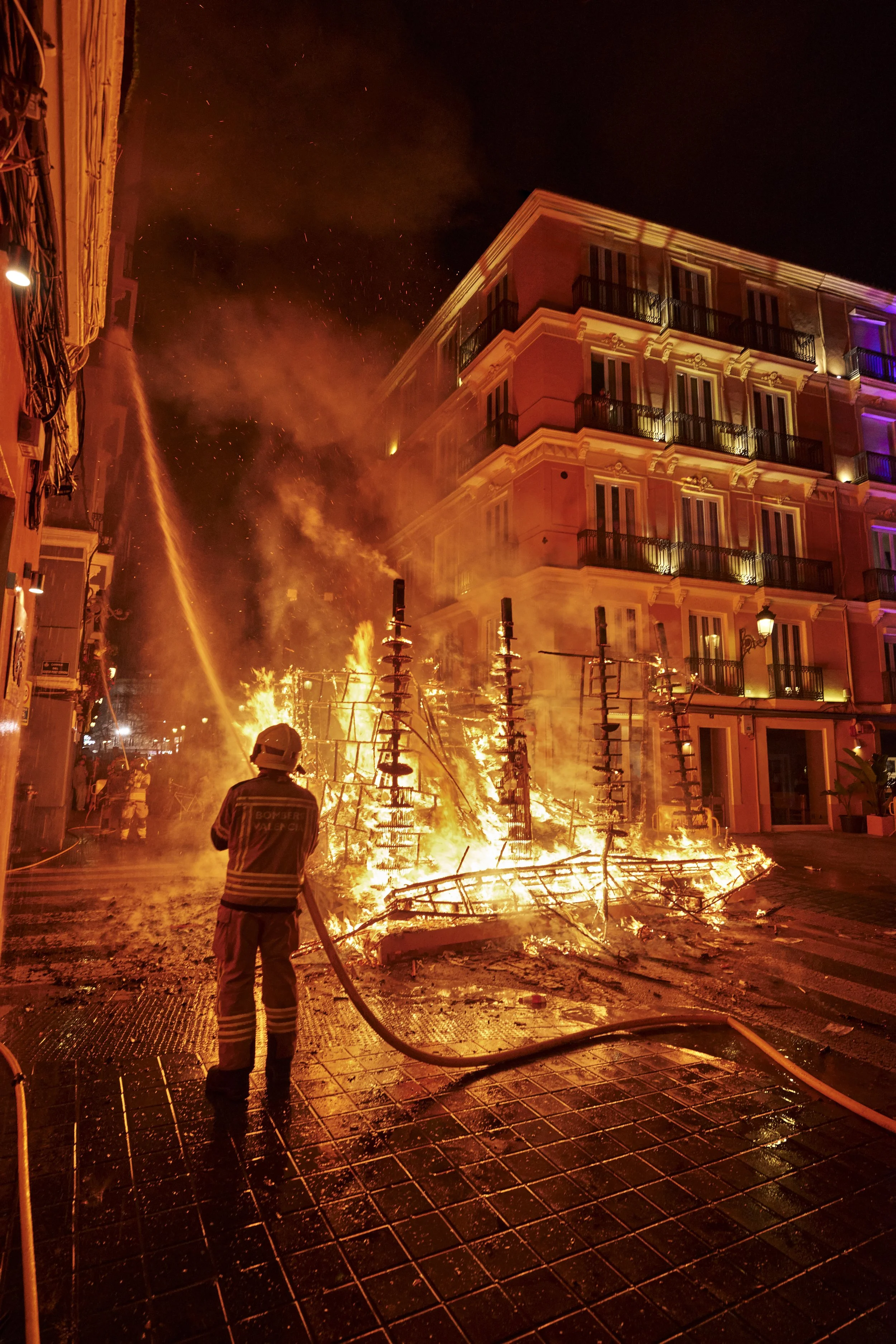
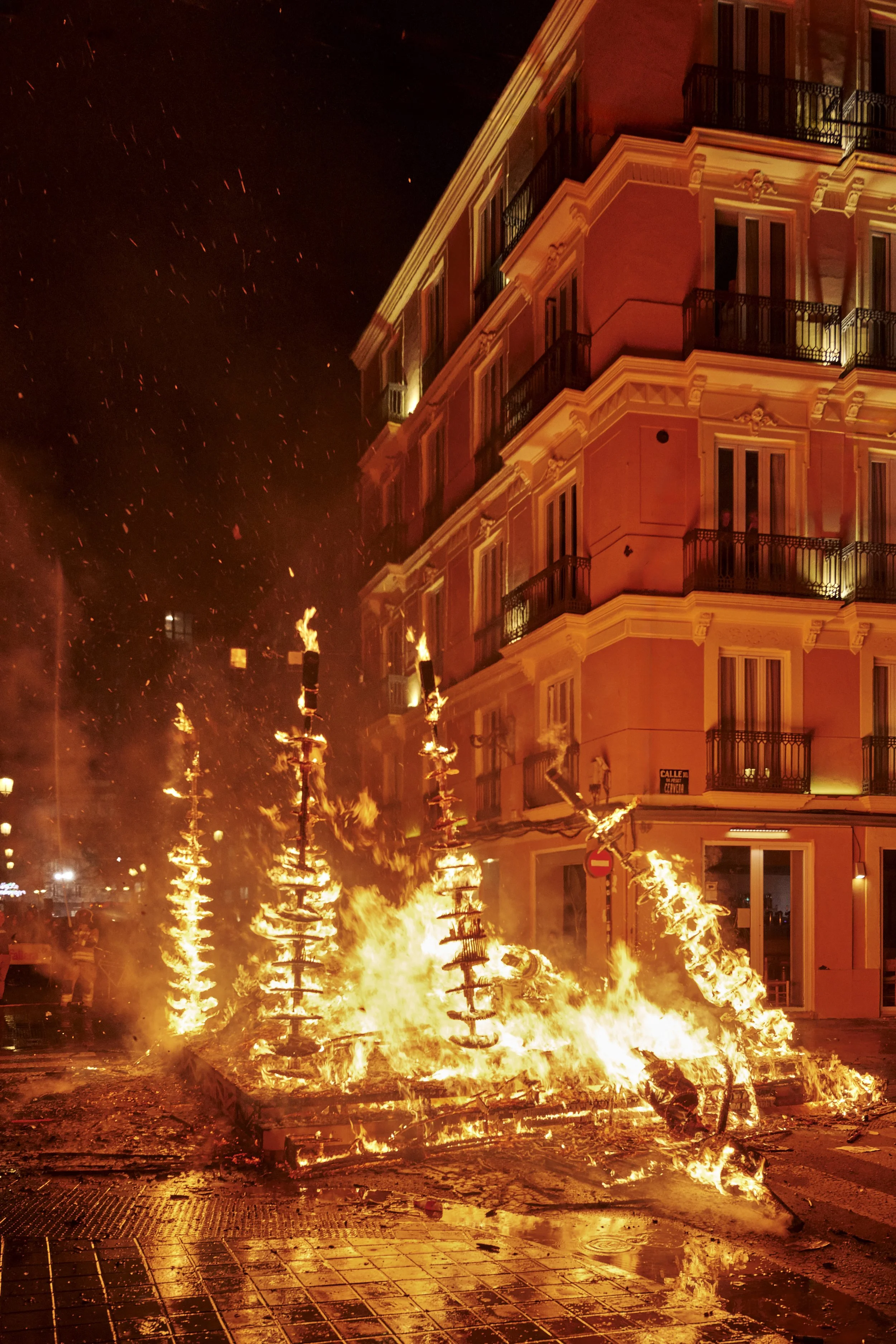
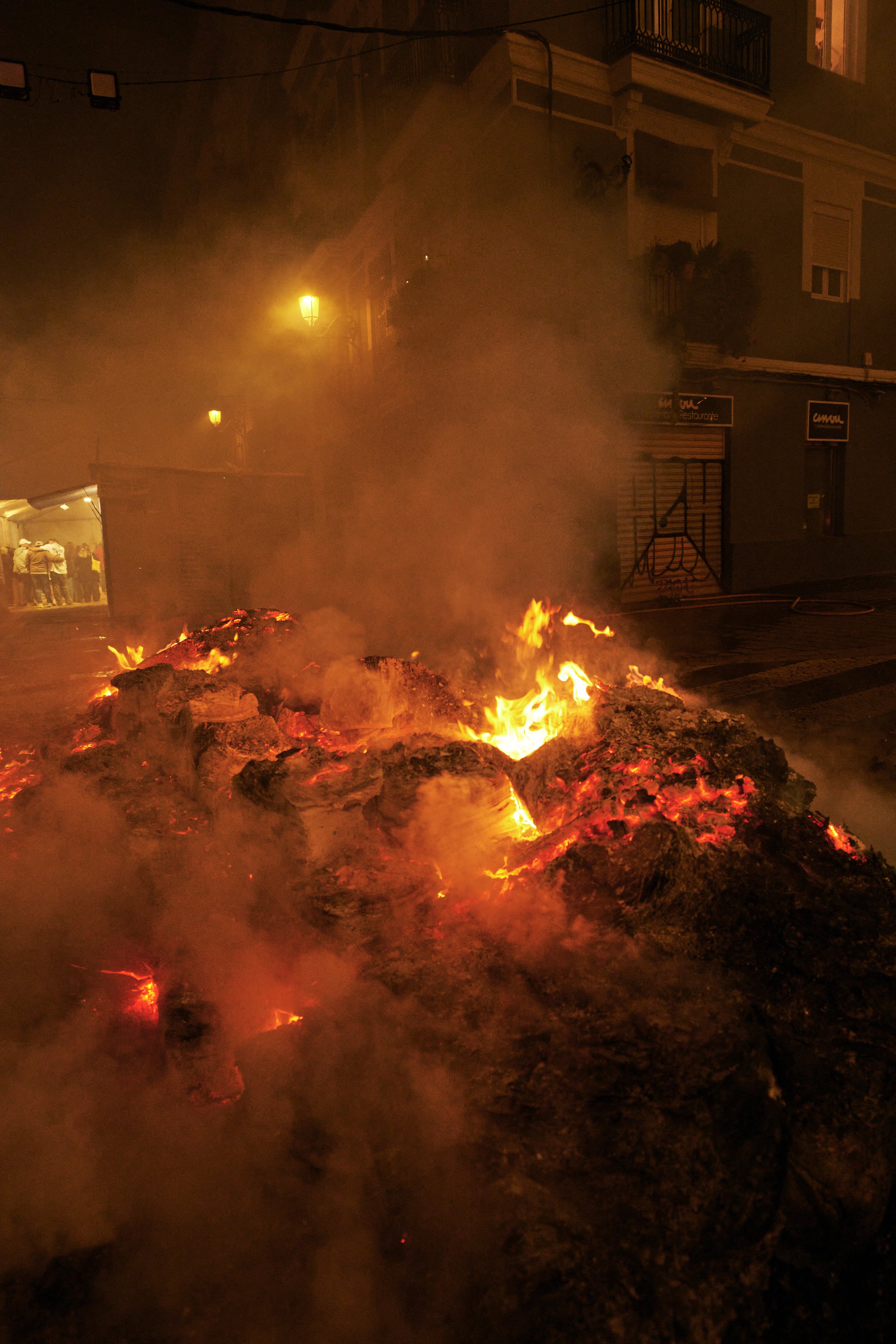
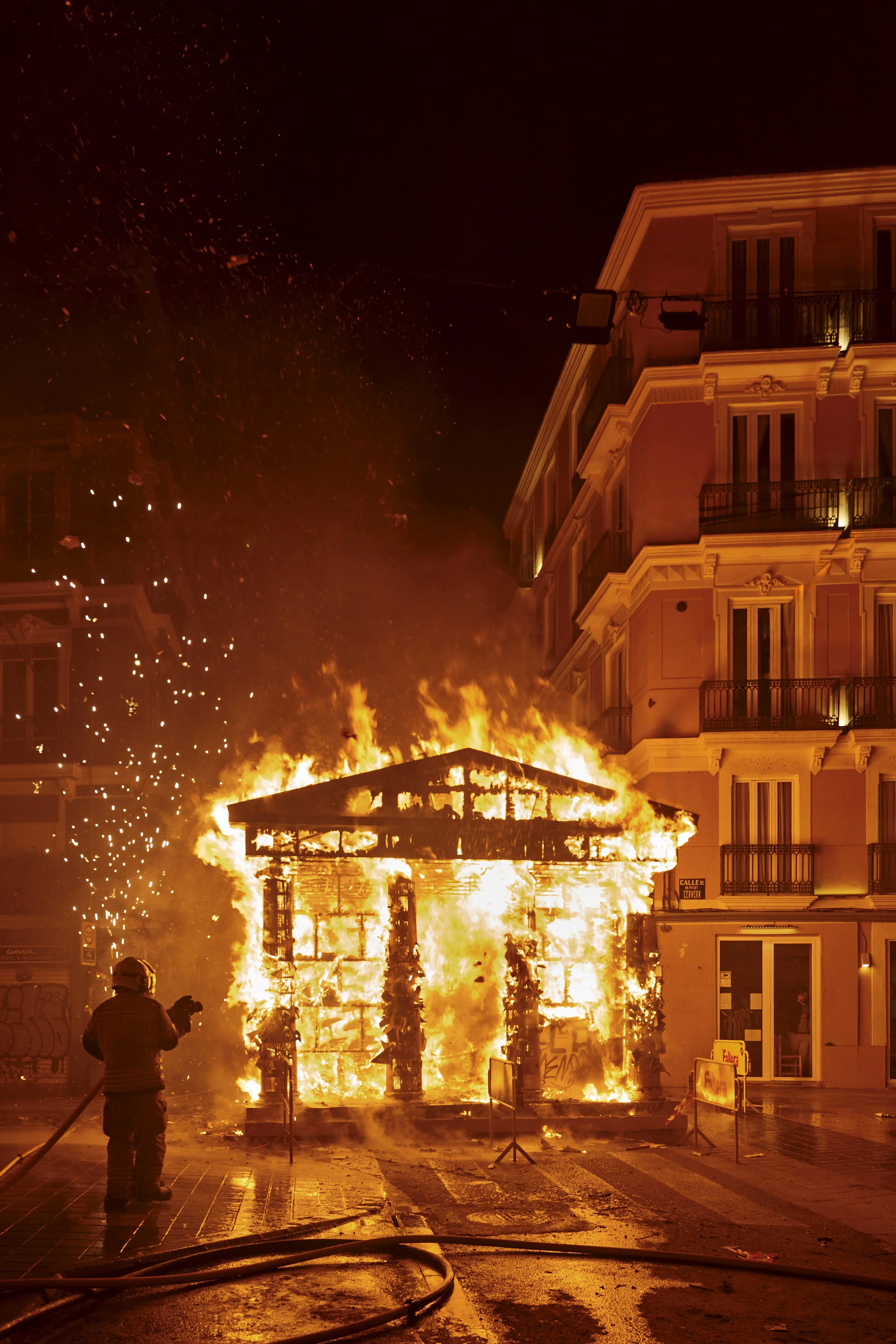
Rooted in the origins of the Fallas festival—often traced to carpenters burning leftover materials as offerings—the installation completed its cycle on March 19 during La Cremà, the dramatic closing ceremony that reduces each monument to ash. In that moment, destruction was not an end point, but a necessary culmination.
Recognition followed. The work received First Prize in the Sustainable Fallas category and Third Prize in the Experimental Fallas category, affirming both its environmental consciousness and conceptual rigor.
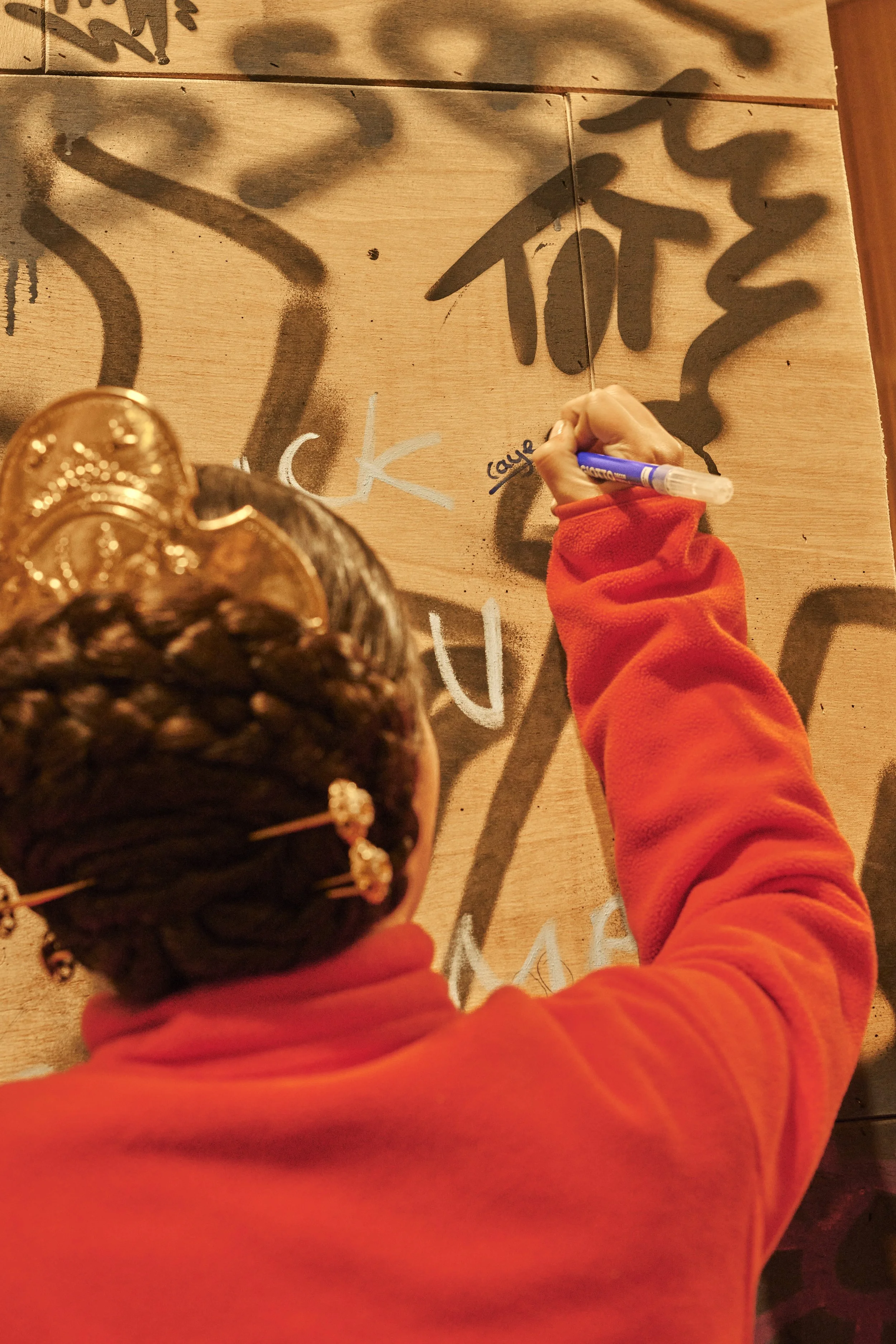
Yet the installation’s most compelling dimension was its openness to the public. Over four days, hundreds of visitors engaged directly with the piece, contributing offerings made from the same paper that formed the structure—ranging from floral tributes to handwritten messages. As the festival progressed, the interaction evolved. Visitors began inscribing their thoughts directly onto the monument’s walls, transforming it into a living surface—one that echoed the immediacy, authorship, and collective energy of street graffiti.
In Per ofrenar, PichiAvo extended beyond object-making into experience design—constructing a work that moved from monument to message, from structure to surface, and ultimately, from presence to absence. Its disappearance was not a loss, but a final gesture—one that reaffirmed the enduring power of impermanence in both ritual and contemporary art.