
The New Asset Class: How Jay-Z and His Peers Turn Luxury Accessories Into Investment Portfolios
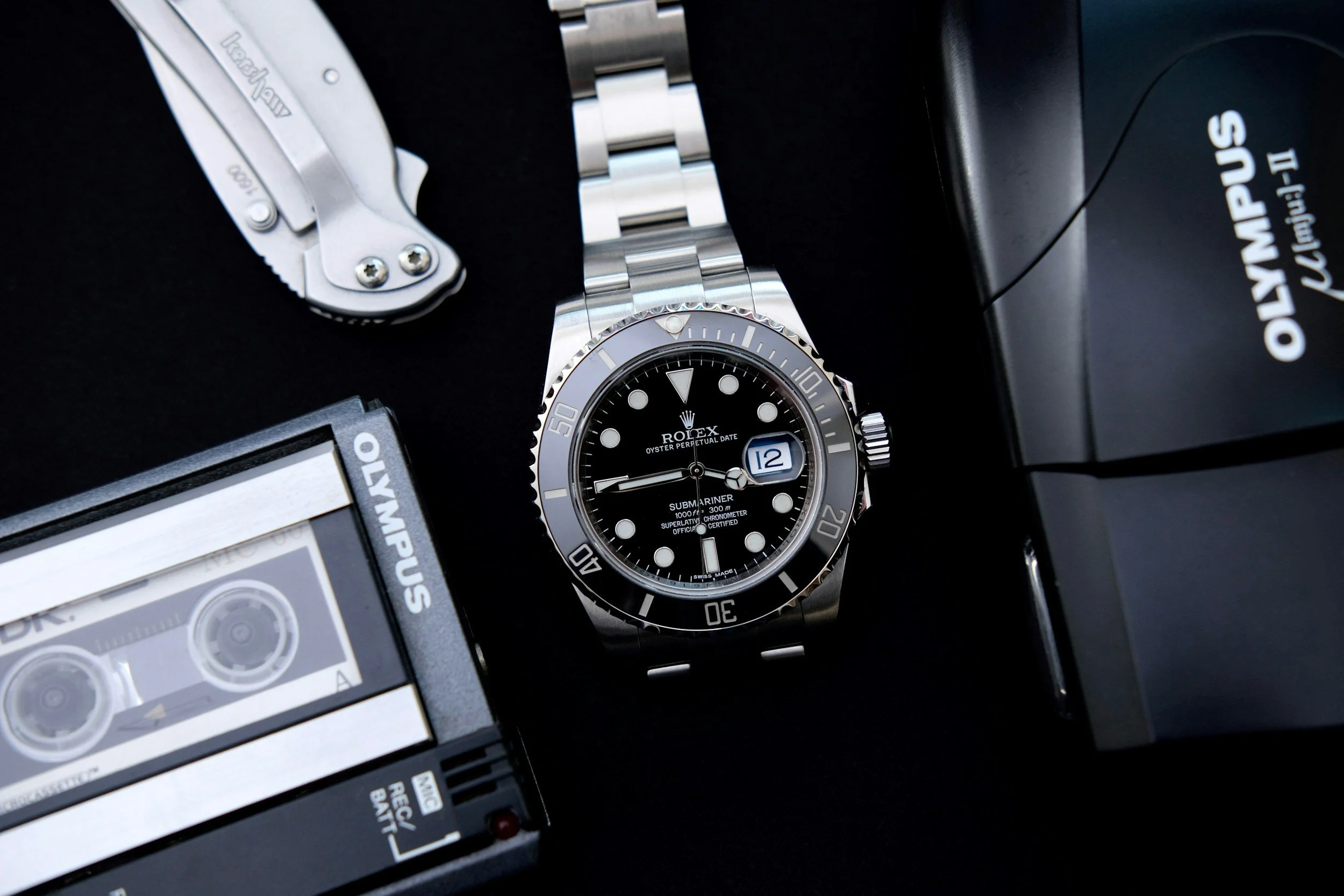
A new February 2026 report by eyewear brand Overnight Glasses reframes celebrity fashion not as indulgence, but as asset allocation. The study—analyzing watches, handbags, jewelry, and sunglasses across a spectrum of global figures—positions luxury accessories as a tangible extension of wealth management, with some of the world’s most recognizable names quietly curating collections that rival institutional investments.
At the top sits Jay-Z, whose accessory portfolio exceeds $70 million. The scale is striking, but the composition is even more telling: $55 million in watches alone, anchored by rare Patek Philippe timepieces, including one valued north of $7 million. Jewelry contributes an additional $15 million, underscoring a strategy that prioritizes scarcity, provenance, and long-term appreciation over breadth. There are no handbags to speak of—just a sharply defined thesis on value.
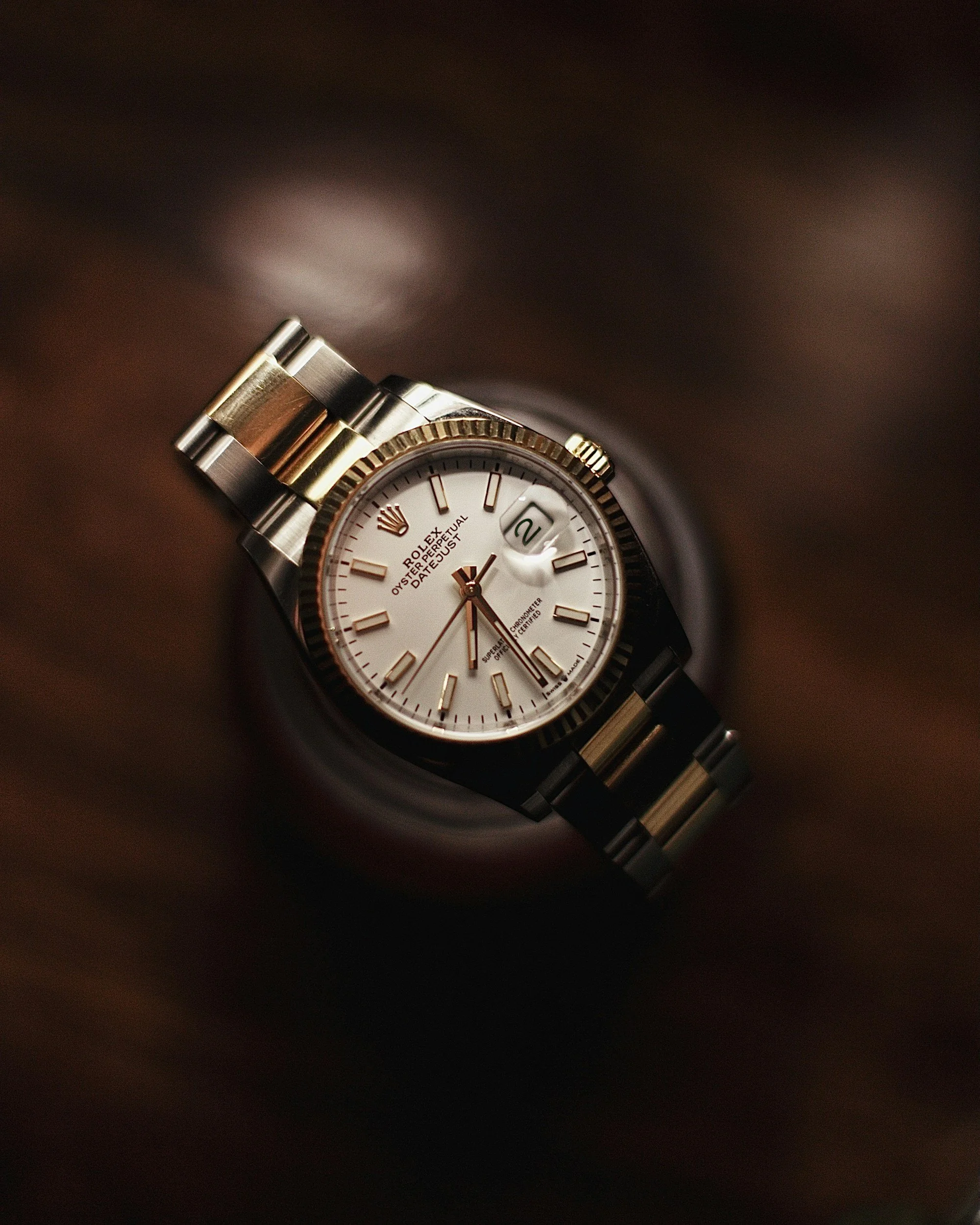
If Jay-Z represents concentration, Floyd Mayweather embodies diversification. His $53 million collection is nearly evenly split between watches and jewelry, with standout pieces like the $18 million Jacob & Co. Billionaire III watch acting as both spectacle and store of value. Mayweather’s approach mirrors a balanced portfolio—high-risk, high-visibility assets tempered by equally substantial holdings in precious stones.
For Beyoncé, the emphasis shifts decisively toward jewelry. With $40 million in gems—more than any other celebrity in the report—her collection reflects a focused investment in enduring materials. A single $10 million diamond necklace anchors the assortment, while a comparatively modest watch portfolio and curated selection of sunglasses round out a total valuation of $47 million. It’s a strategy rooted less in volume and more in cultural and material permanence.
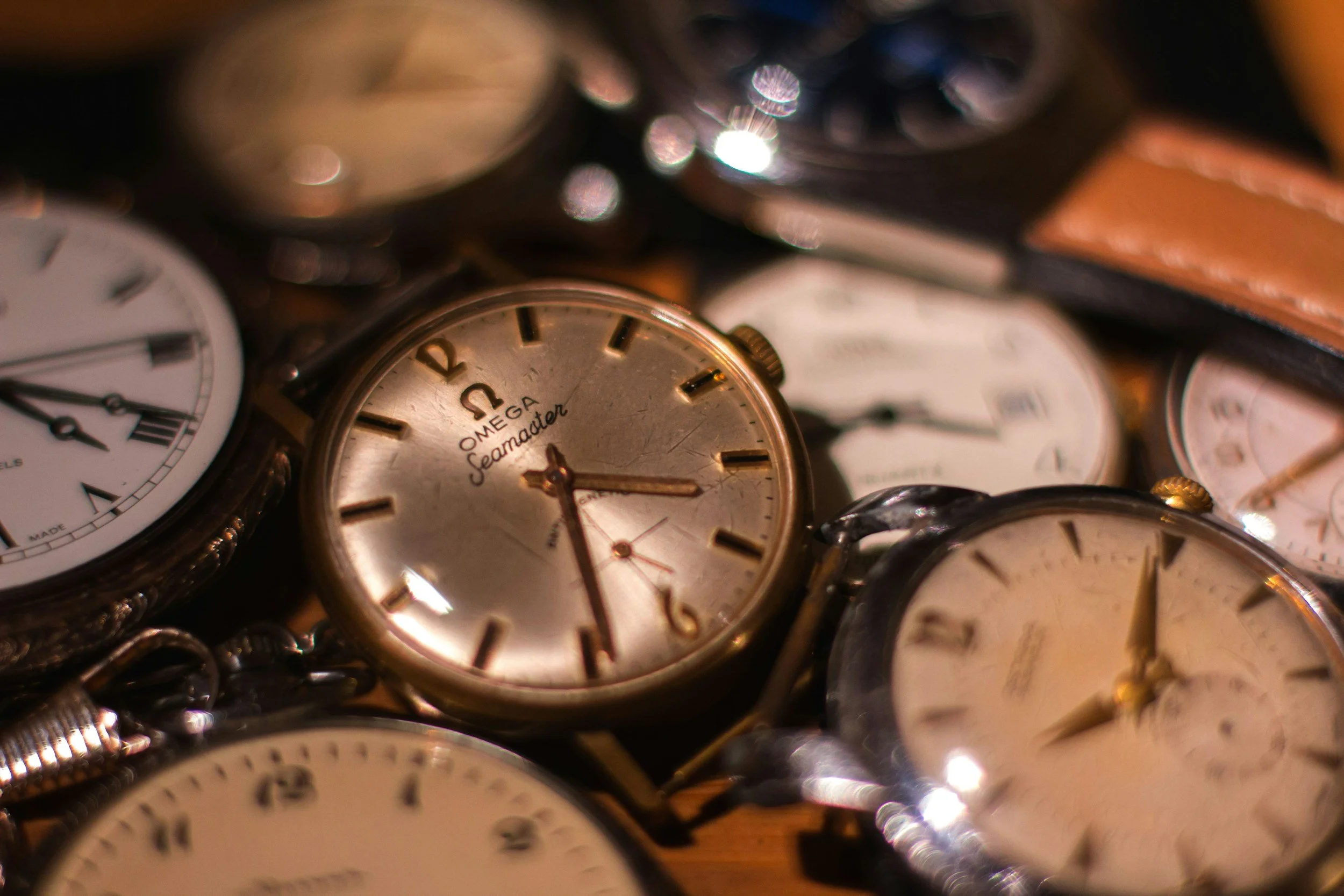
Elsewhere, the spectrum widens. Drake blends categories with intent, pairing a $20 million watch collection with $1.3 million in handbags, including a rare Hermès Himalaya Birkin—an object that has steadily evolved into one of fashion’s most reliable appreciating assets. Meanwhile, Lil Uzi Vert takes a singular approach: a $24 million pink diamond that alone defines the majority of his $28 million portfolio, reinforcing how one ultra-rare acquisition can outweigh an otherwise diversified collection.
Athletes such as Lionel Messi and Cristiano Ronaldo lean heavily into watches, while figures like Pharrell Williams and Ed Sheeran reveal quieter, but no less considered, positions within the same ecosystem. And in a category of her own, Kim Kardashian leads in handbags, her $2.5 million collection signaling the continued financial and cultural weight of archival fashion pieces.
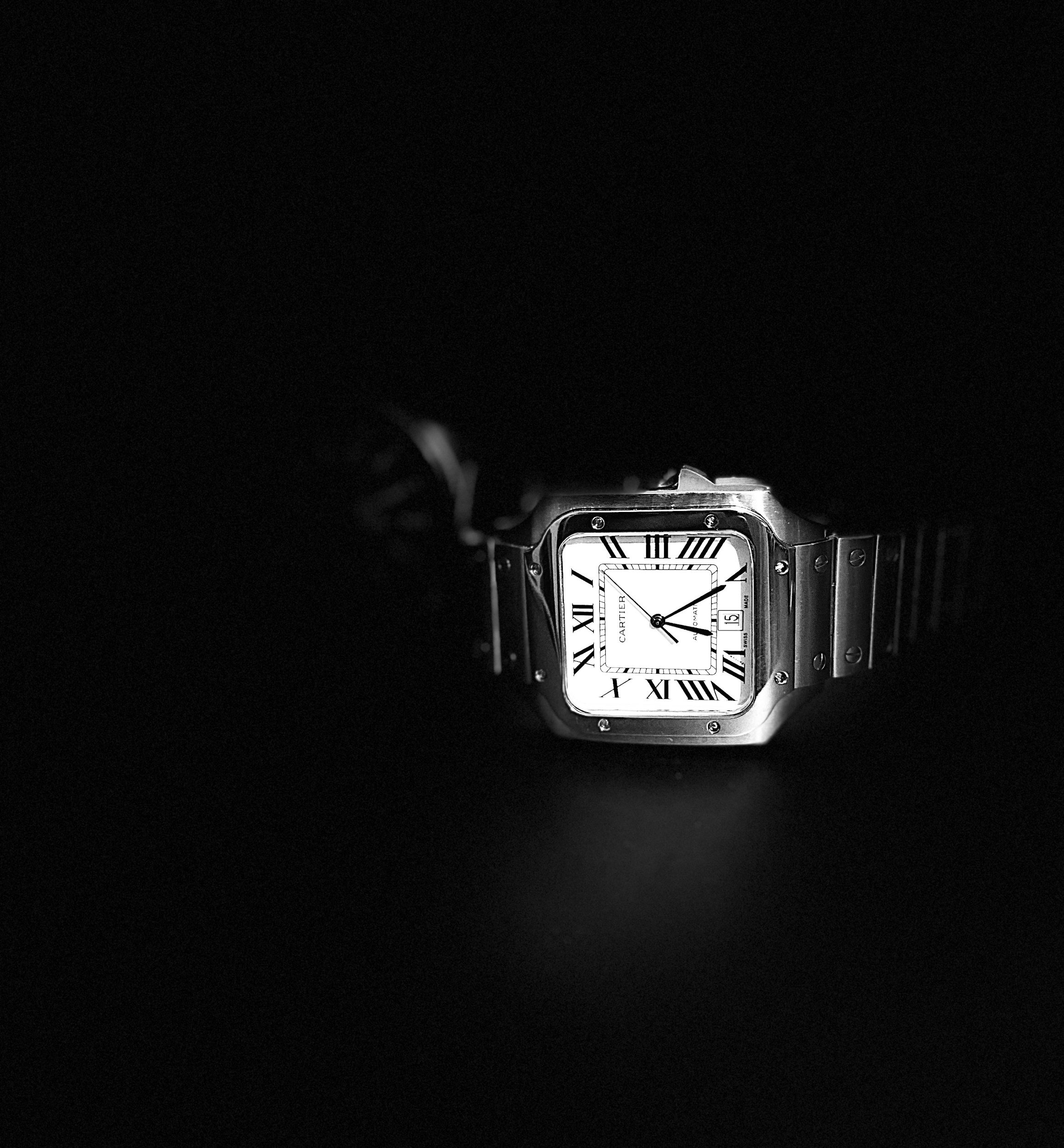
What emerges is less a leaderboard and more a map of intent. As Gidon Sadovsky notes, these collections function as “hands-on” wealth strategies—portable, visible, and often appreciating faster than traditional instruments. In a market increasingly defined by volatility, luxury accessories offer a hybrid proposition: cultural capital with financial upside.
The implication is clear. For today’s celebrity class, the line between dressing well and investing wisely has all but disappeared. Style, at its highest level, is no longer just an expression—it’s a position.
