How FIFA Turned The World Cup Final Into Entertainment's Biggest Stage
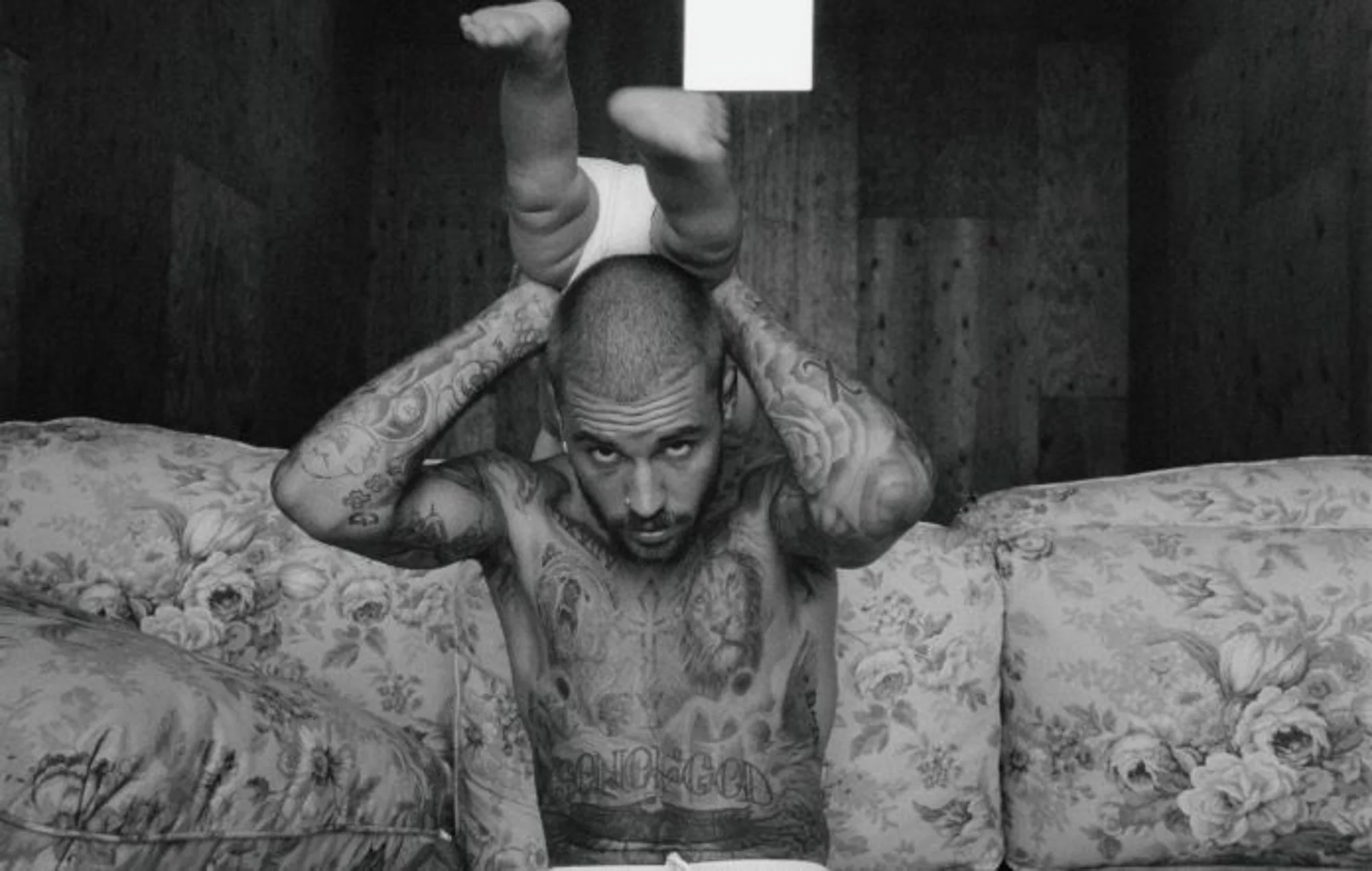
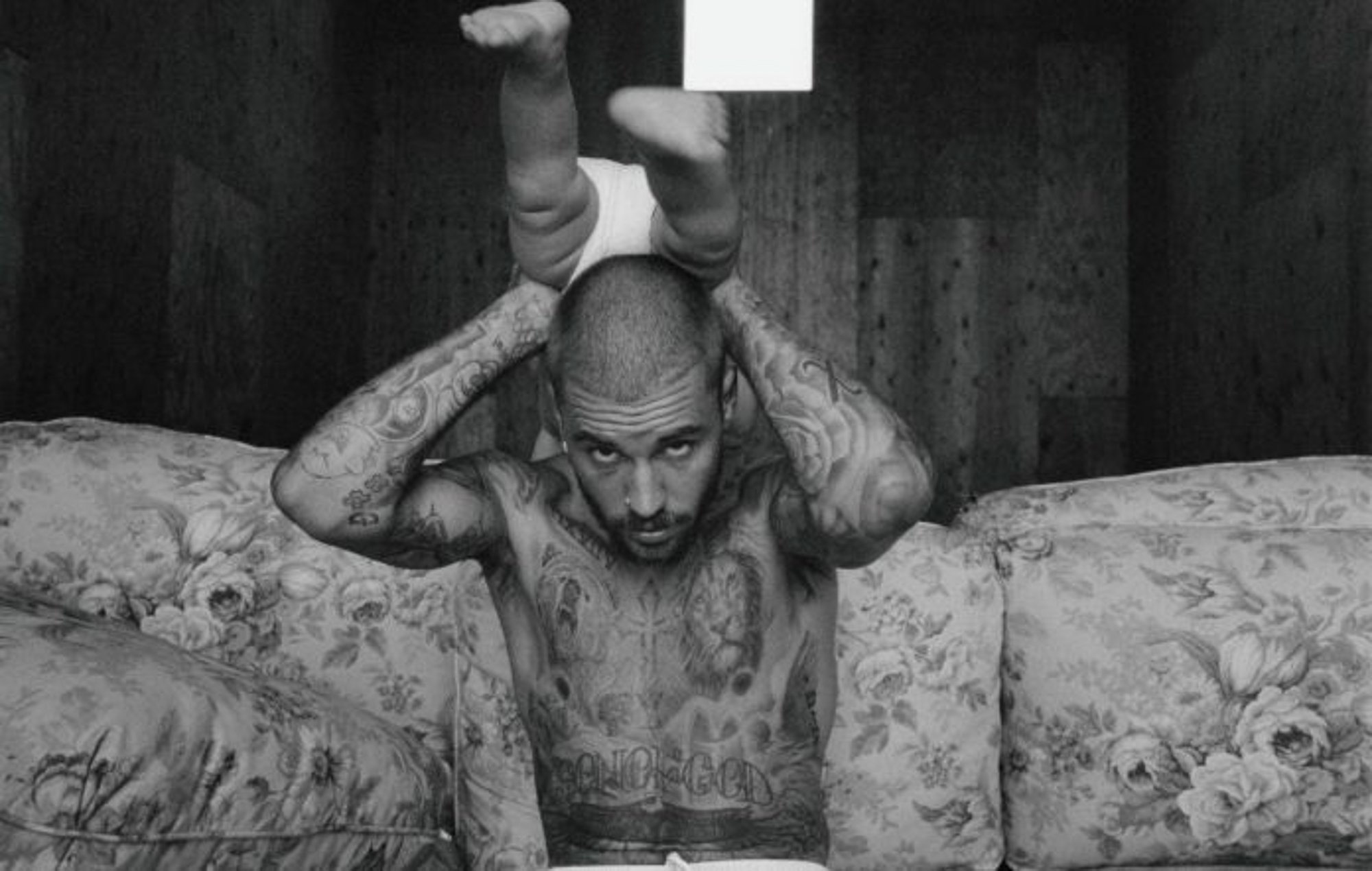
Justin Bieber
The FIFA World Cup has always been the world's largest sporting event. In 2026, it is becoming something more: arguably the most ambitious live entertainment platform ever assembled.
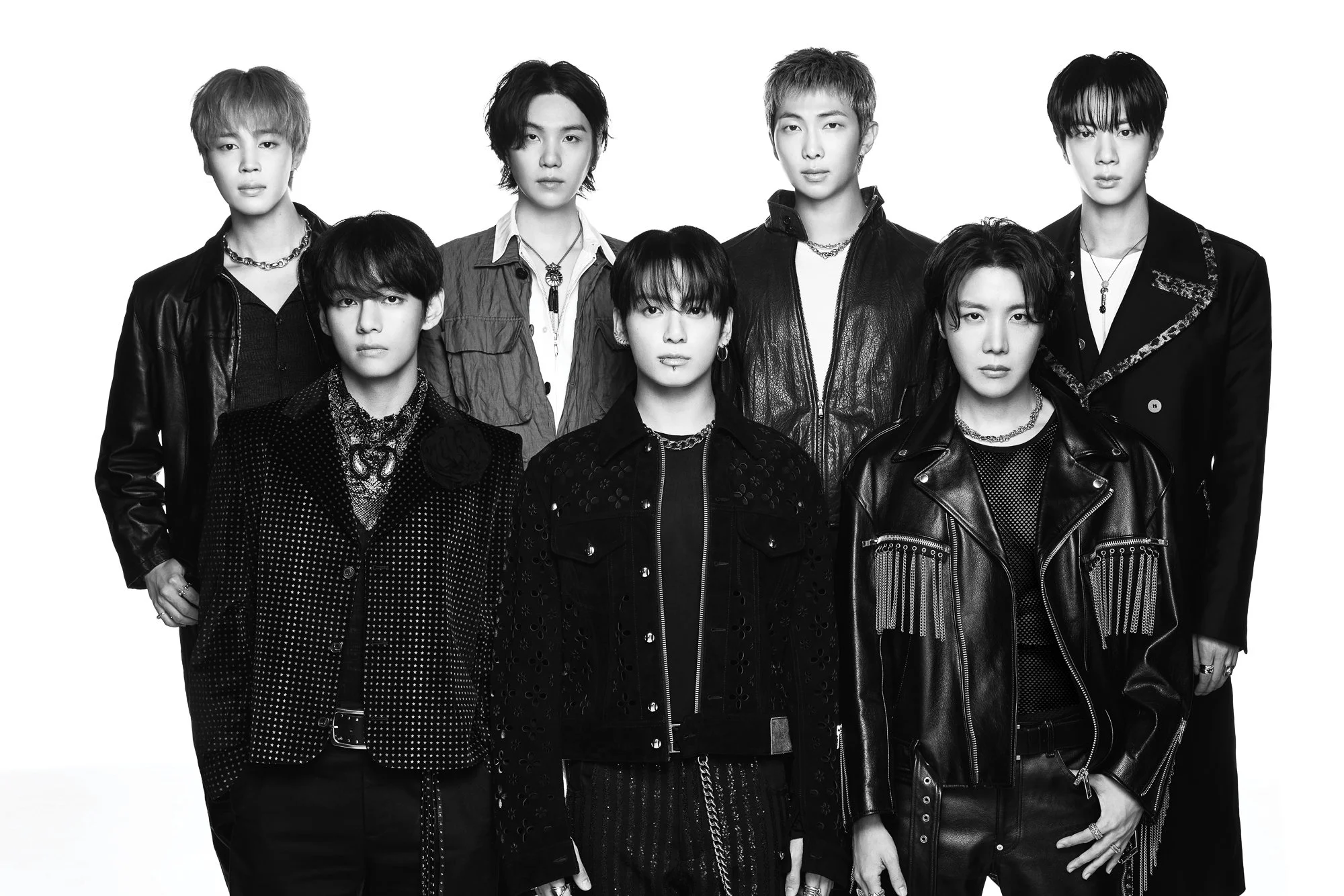
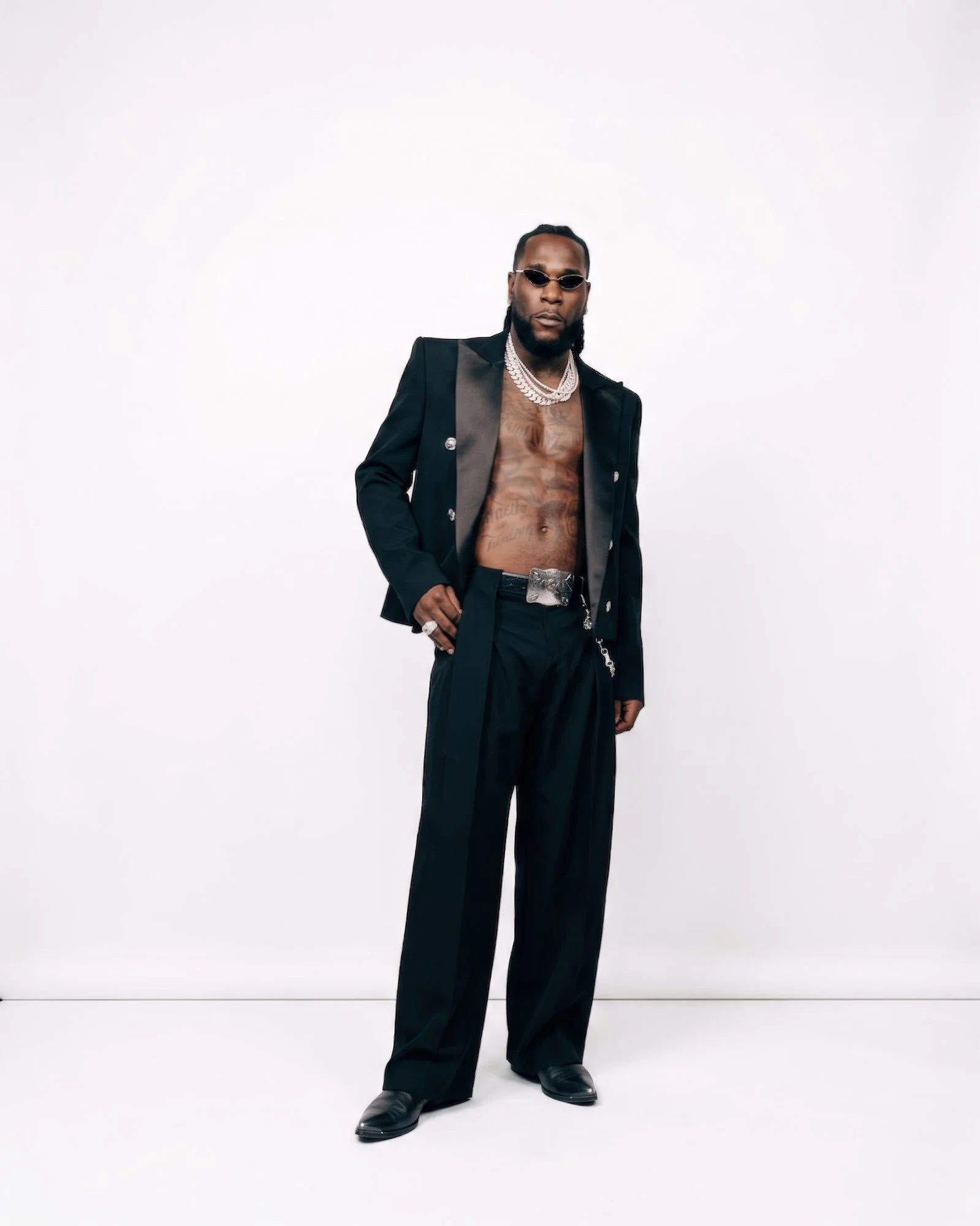
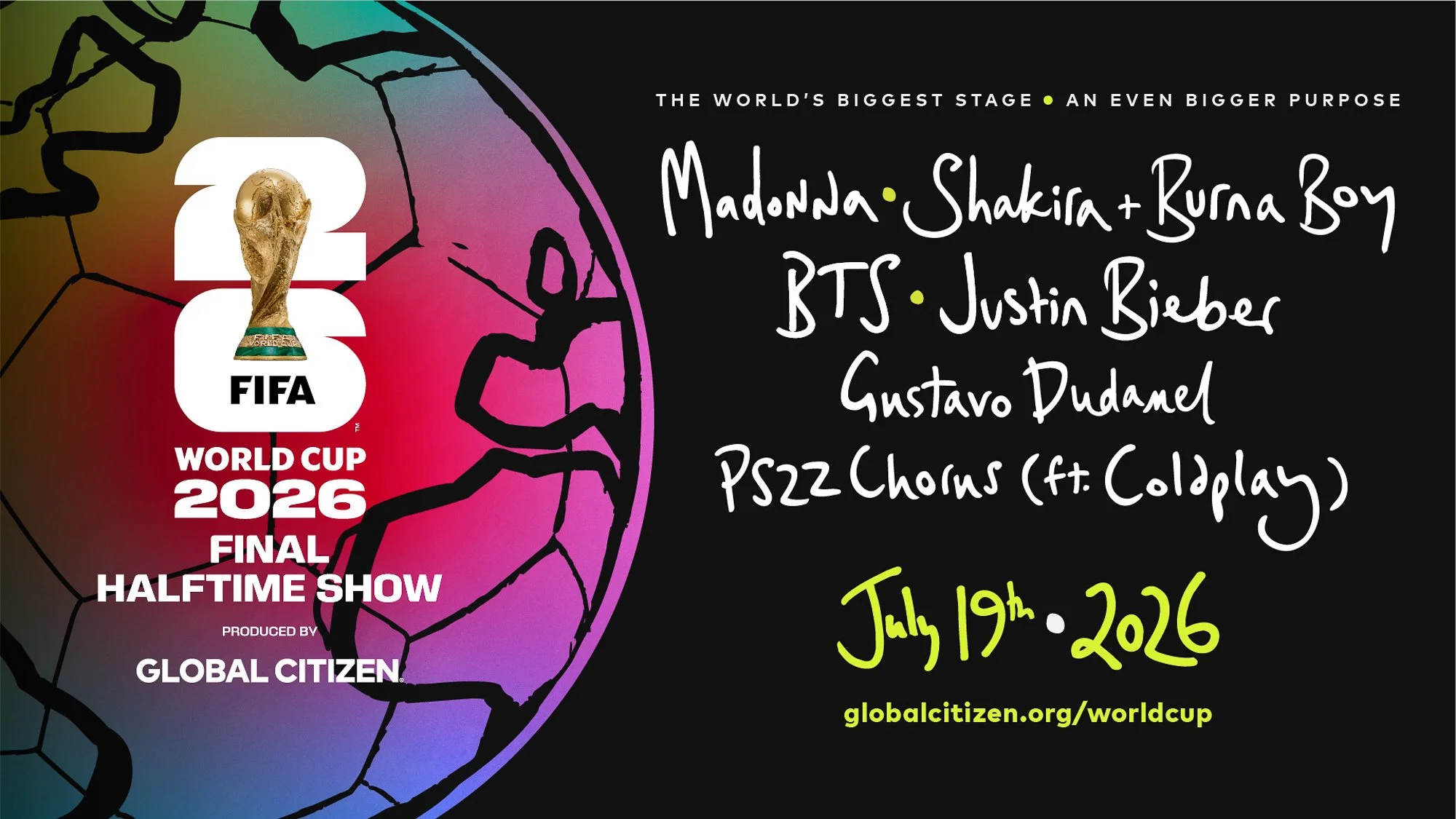
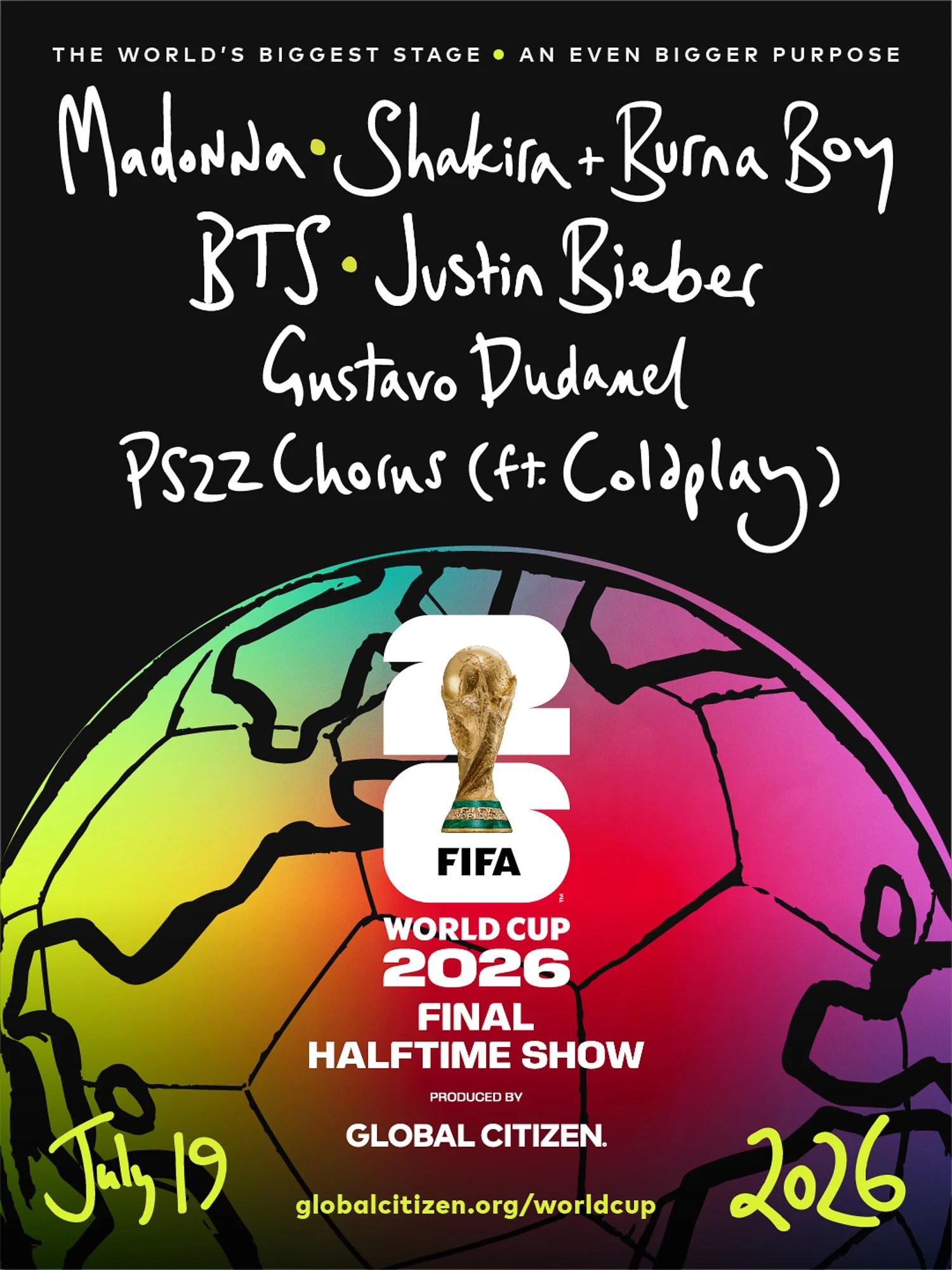
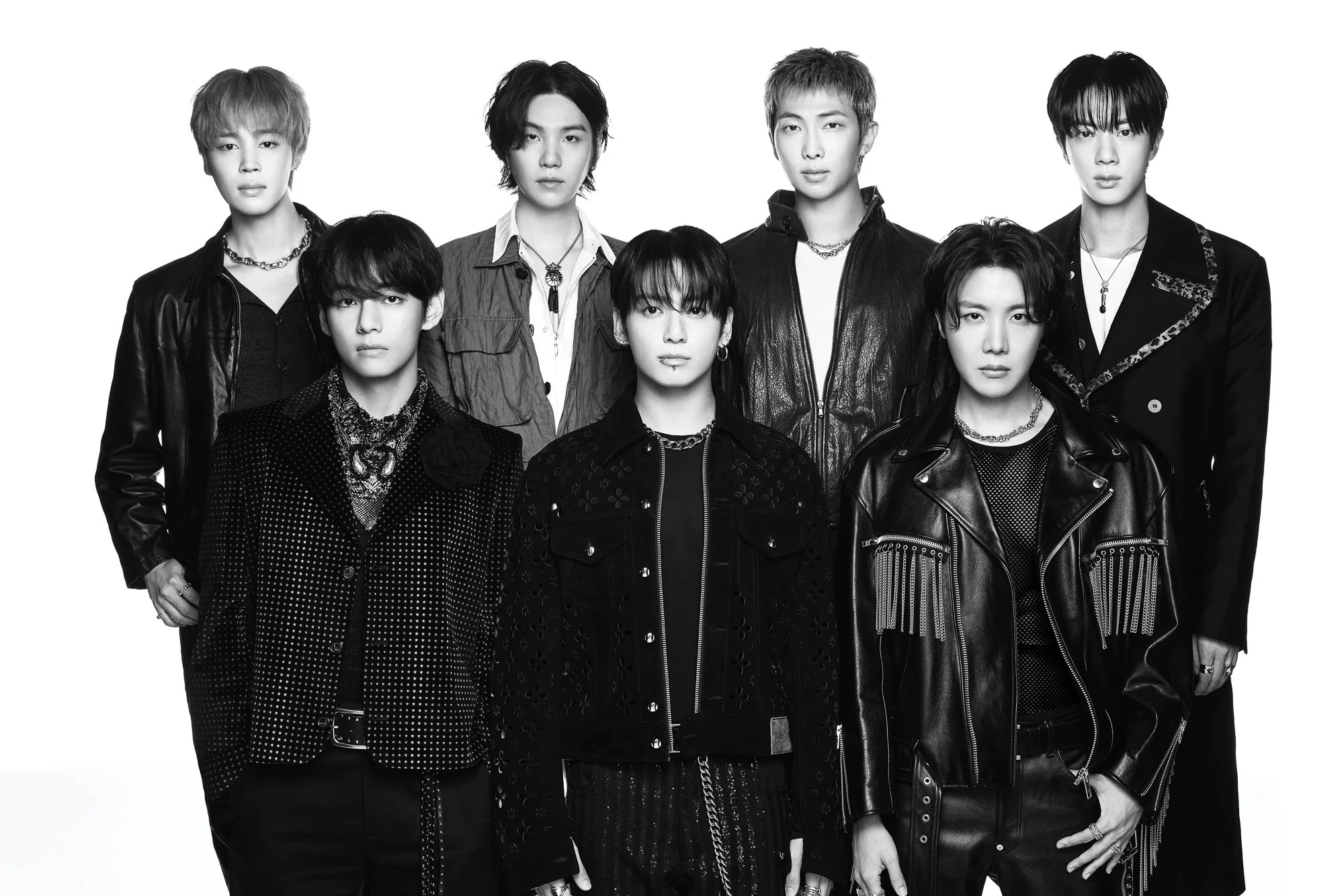
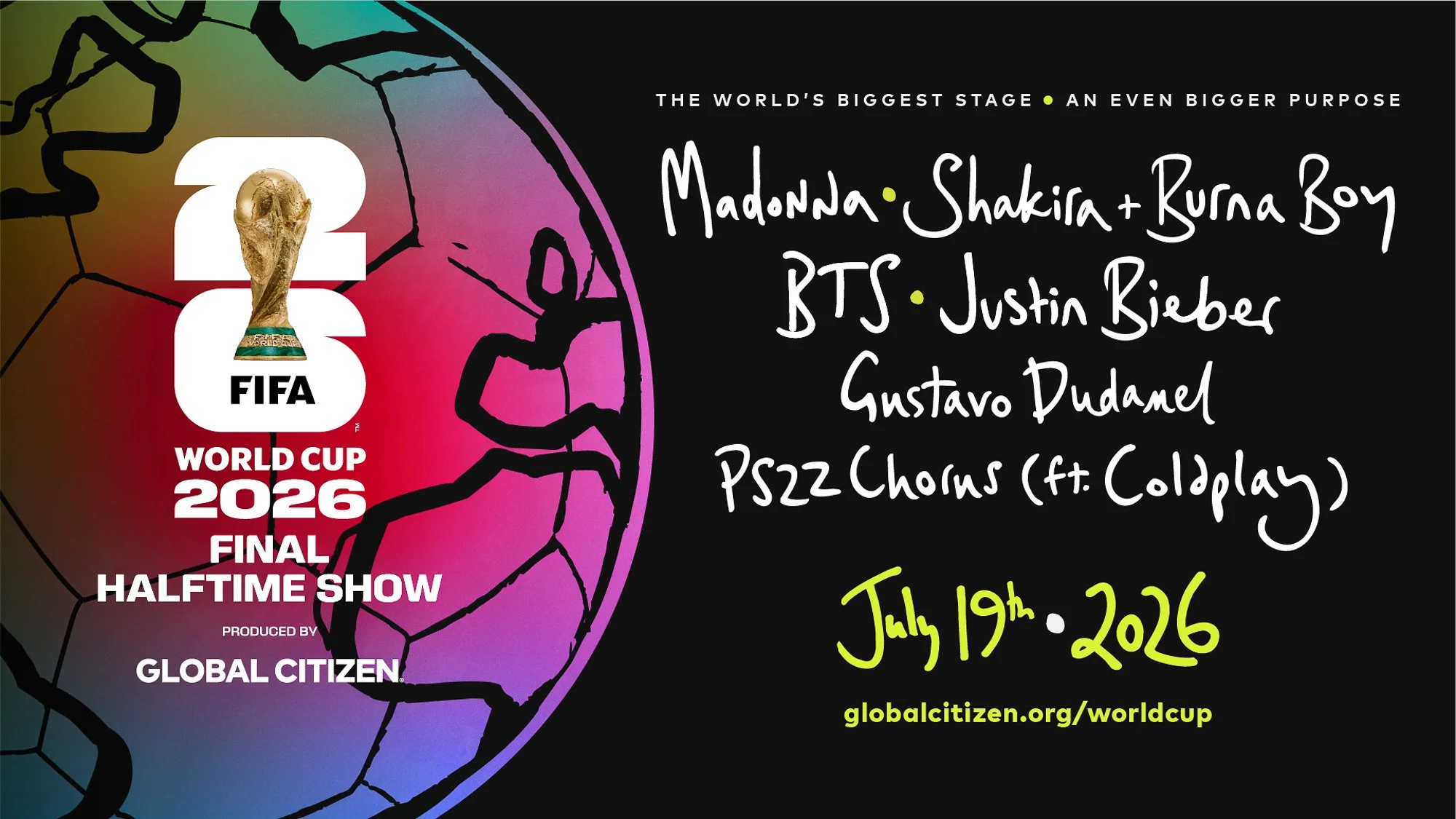
Days before the tournament's championship match at New York New Jersey Stadium, FIFA and Global Citizen announced that Justin Bieber will co-headline the inaugural FIFA World Cup Final Halftime Show alongside Madonna, Shakira and BTS. The 11-minute production—curated by Coldplay frontman Chris Martin—also features Burna Boy, conductor Gustavo Dudamel, Staten Island's PS22 Chorus with Coldplay, characters from Sesame Street, and appearances by Kermit the Frog and Miss Piggy from Disney's The Muppets.
The lineup is intentionally expansive. It spans generations, continents and musical genres while positioning the World Cup Final as more than a football championship. Instead, FIFA is borrowing from entertainment's most recognizable playbook to create a cultural event designed to resonate far beyond the final whistle.
BTS
Unlike traditional halftime entertainment, however, this performance arrives with measurable philanthropic ambitions.
Produced by Global Citizen in partnership with Live Nation and Done + Dusted, the halftime show supports the FIFA Global Citizen Education Fund, an initiative seeking to raise $100 million to expand access to education and football opportunities for children worldwide. More than $50 million has already been committed, bolstered by FIFA's pledge to donate one dollar from every ticket sold throughout the tournament.

Madonna
For FIFA President Gianni Infantino, the halftime show represents an evolution of what the World Cup can represent globally—not simply an athletic competition but a platform capable of mobilizing governments, corporations, artists and audiences around a shared cause.
That broader mission reflects an increasingly familiar strategy across major global events. Entertainment is no longer viewed as supplementary programming; it has become infrastructure. The world's largest sporting organizations increasingly compete not only for television audiences but also for cultural relevance, social engagement and philanthropic impact.
Justin Bieber's addition reinforces that approach.
Few contemporary artists possess the cross-generational visibility or international recognition required for an event expected to reach billions of viewers. His presence alongside Madonna, Shakira and BTS creates one of the most internationally recognizable music lineups assembled for a live broadcast, deliberately reflecting the geographic diversity of football's global audience.
Burna Boy's participation further expands that narrative.
"The FIFA World Cup is one of the few moments that truly brings the entire world together," the Grammy Award-winning Nigerian artist said in announcing his appearance. Representing Africa on the inaugural halftime stage, he framed the performance as both a celebration of culture and an opportunity to advance educational access for children around the world.
The production's creative direction also signals how entertainment ecosystems increasingly overlap.
Chris Martin's role extends beyond performing with Coldplay. As curator, he brings experience from Global Citizen's international festivals, where music serves as both spectacle and advocacy platform. Live Nation contributes large-scale concert production expertise, while Done + Dusted—known for orchestrating globally televised entertainment events—provides the technical execution required for a broadcast of unprecedented scale.
Together, those partnerships position the halftime show less as an adaptation of an American sports tradition and more as a globally designed entertainment property.
The inclusion of Sesame Street characters, alongside Disney's The Muppets, reinforces the event's educational mission while broadening its appeal for younger audiences and families. Rather than functioning as nostalgic cameos, the characters underscore the central message surrounding children's access to quality education.
Global Citizen CEO Hugh Evans described the production as potentially "the single largest gathering of artists united for a cause since Live Aid"—a comparison that illustrates the organization's ambition to pair entertainment with measurable global outcomes rather than symbolic awareness alone.
Whether the halftime show ultimately eclipses existing entertainment milestones remains to be seen. Yet its significance extends beyond audience size.
For decades, the FIFA World Cup Final has been defined by ninety minutes of football. Beginning in 2026, FIFA is adding another chapter—one where music, philanthropy and global storytelling occupy the same stage.In doing so, the organization isn't merely introducing halftime entertainment. It is redefining what the world's biggest sporting event can become.