Why Luxury's Next Status Symbol Is No Longer Excess—It's Discipline
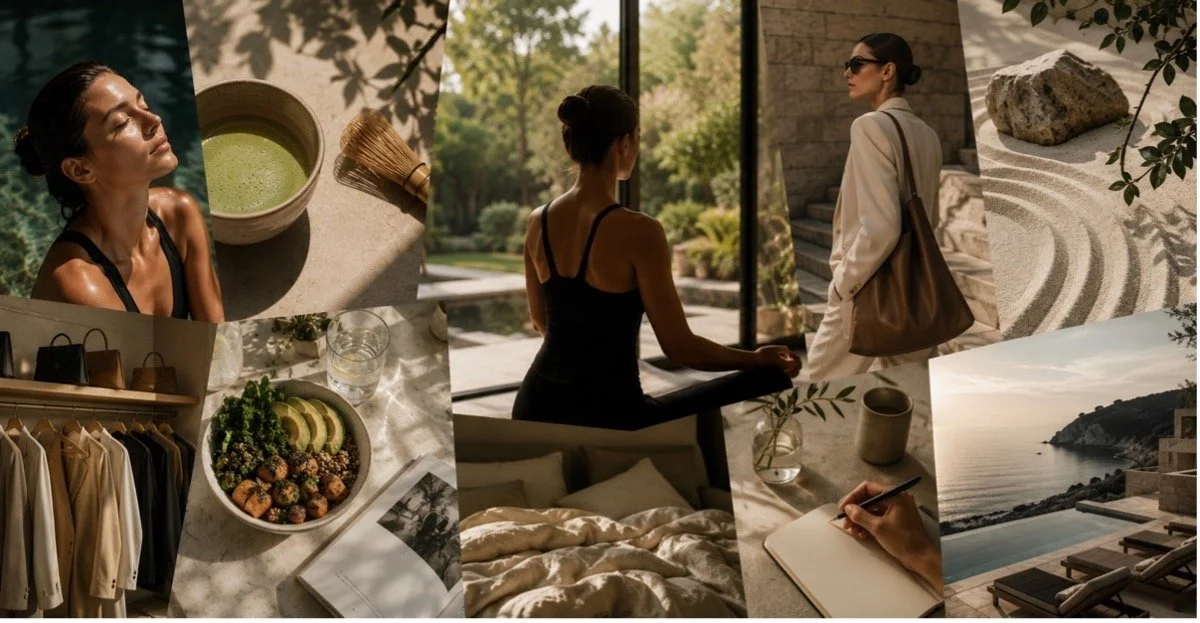
For years, the luxury industry has mirrored a culture obsessed with acceleration. Collections arrived faster than consumers could absorb them, social media rewarded perpetual visibility, and wellness often became another performance metric rather than a pathway toward balance. Yet beneath the surface of fashion, hospitality, and consumer behavior, a quieter recalibration is taking shape.
According to fashion analyst Lívia Gueissaz, Western consumers are increasingly gravitating toward values long associated with intentional living: routine, discipline, restraint, and consistency. Rather than chasing abundance, today's aspirational consumer is beginning to prize control—a shift that is reshaping everything from luxury retail and wellness travel to food culture and personal style.

The movement arrives at a moment when digital saturation has become impossible to ignore. Global consumers spend an average of nearly seven hours each day in front of screens, with younger generations often logging significantly more. Coupled with mounting evidence linking excessive digital exposure to declining well-being, the appetite for recovery has evolved from niche interest to economic force.
"The Western lifestyle has reached a point where acceleration alone is no longer delivering a better quality of life," Gueissaz says. "For decades, success was measured by more—more productivity, more consumption, more visibility. But every system has its breaking point."

Her observation reflects a broader pattern unfolding across industries. The global wellness economy continues its rapid expansion as consumers invest heavily in longevity, recovery, preventative health, and experiences designed to restore rather than stimulate. Wellness hospitality, sleep tourism, digital detox retreats, and longevity-focused programming have emerged as some of the sector's fastest-growing categories, suggesting that restoration is becoming just as desirable as acquisition.
Luxury brands are responding in kind. Increasingly, investment is flowing toward private members' clubs, hospitality concepts, curated travel experiences, and lifestyle ecosystems that prioritize access, exclusivity, and emotional value over traditional displays of ownership. The definition of luxury is gradually shifting away from accumulation toward experiences that create time, privacy, and peace of mind.
Following years dominated by rapid trend cycles and relentless product drops, consumers are placing renewed emphasis on longevity, versatility, and wardrobe permanence. Investment dressing, repeat wear, and timeless craftsmanship are gaining renewed cultural relevance as novelty loses some of its aspirational appeal.
Food culture is undergoing a similar transformation. Daily rituals once dismissed as restrictive are increasingly celebrated for their structure and predictability, while wellness has matured beyond aesthetic optimization into practices centered on nervous system regulation, sleep quality, recovery, and sustainable health. Across categories, consistency is beginning to replace excess as a marker of sophistication.
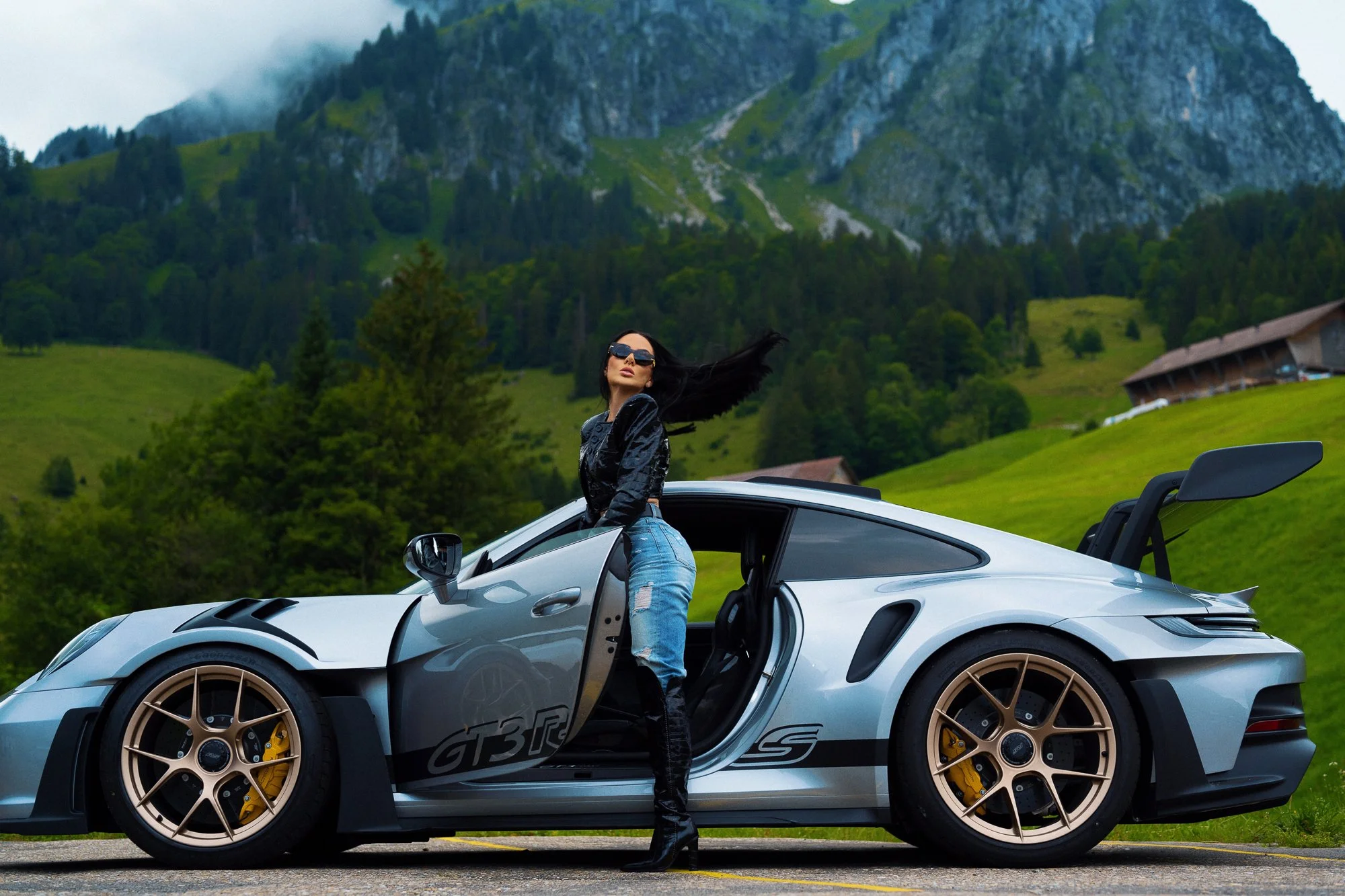
"Luxury used to be about having more," Gueissaz explains. "Increasingly, it's about needing less. The ability to disconnect, focus, recover, and maintain routine is becoming its own form of status."
Perhaps the most notable aspect of this evolution is that it extends beyond purchasing behavior. It reflects a broader reassessment of how consumers define success itself. In an economy built on constant engagement, choosing boundaries has become aspirational. In a culture driven by endless visibility, privacy carries new prestige. And in an era defined by abundance, intentional restraint is emerging as one of luxury's most compelling narratives.
Whether expressed through slower wardrobes, wellness retreats, carefully curated travel, or disciplined daily rituals, the underlying message remains consistent: aspiration is no longer measured solely by what consumers can acquire, but by what they are able to control.
As Gueissaz concludes, "In a world that rewards constant acceleration, choosing to slow down becomes a form of power. The most aspirational thing today may no longer be excess. It may be control."