
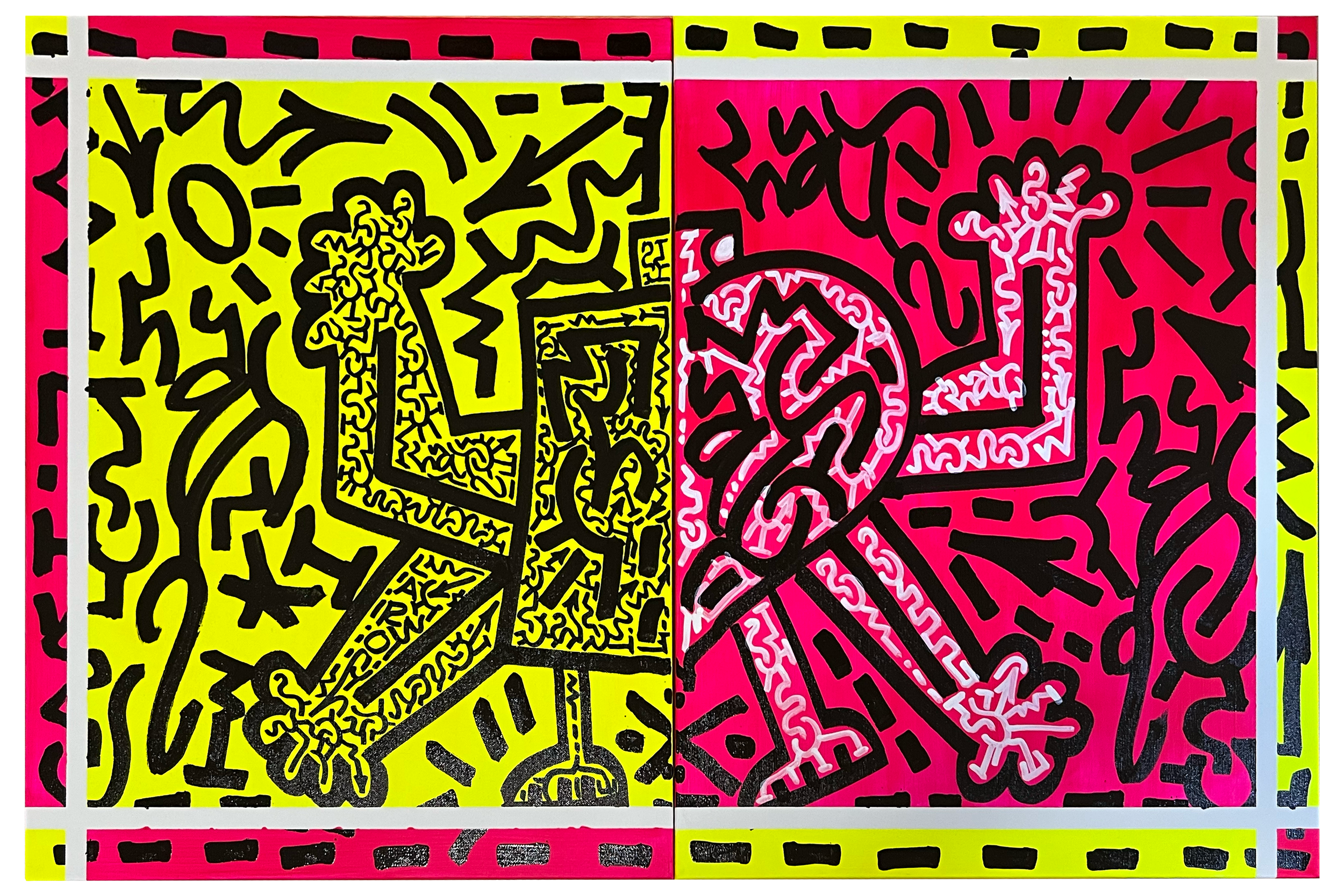
Graffiti has long occupied an interesting position in the art world, moving from an underground language of self-expression to an internationally recognized creative movement. Few artists embody that transition quite like Angel “LA2” Ortiz. This December, the New York graffiti pioneer will receive a dedicated exhibition at Miami’s Museum of Graffiti, bringing renewed attention to a career that helped shape one of the most recognizable visual periods in contemporary art.
Titled LA2: Writing History, the solo exhibition will open December 2, 2026, in Wynwood as the museum's centerpiece for Miami Art Week. The presentation also coincides with the institution's seventh anniversary, having first opened during Art Basel week in 2019.
Raised in Alphabet City's Baruch Projects, Ortiz found his creative identity through New York's graffiti community, writing with crews including BTW (Born To Write) and TNS (The Non-Stoppers). At just fourteen, he began a six-year collaboration with artist Keith Haring, combining their distinct visual approaches into a shared language that would eventually reach galleries, museums, and audiences around the world.
While Haring's cultural legacy became widely celebrated, Ortiz's contributions to their collaborative work remained largely overlooked for decades. His subsequent re-emergence through exhibitions and renewed scholarship surrounding Haring's artistic history has helped restore greater recognition to his influence and independent creative identity.
For Ortiz, however, graffiti has always represented something beyond institutional recognition. His practice remains rooted in instinct, personal experience, and the freedom to create wherever inspiration takes him. That connection to the streets continues to inform his work, even as his artistic language finds new audiences within established art institutions.
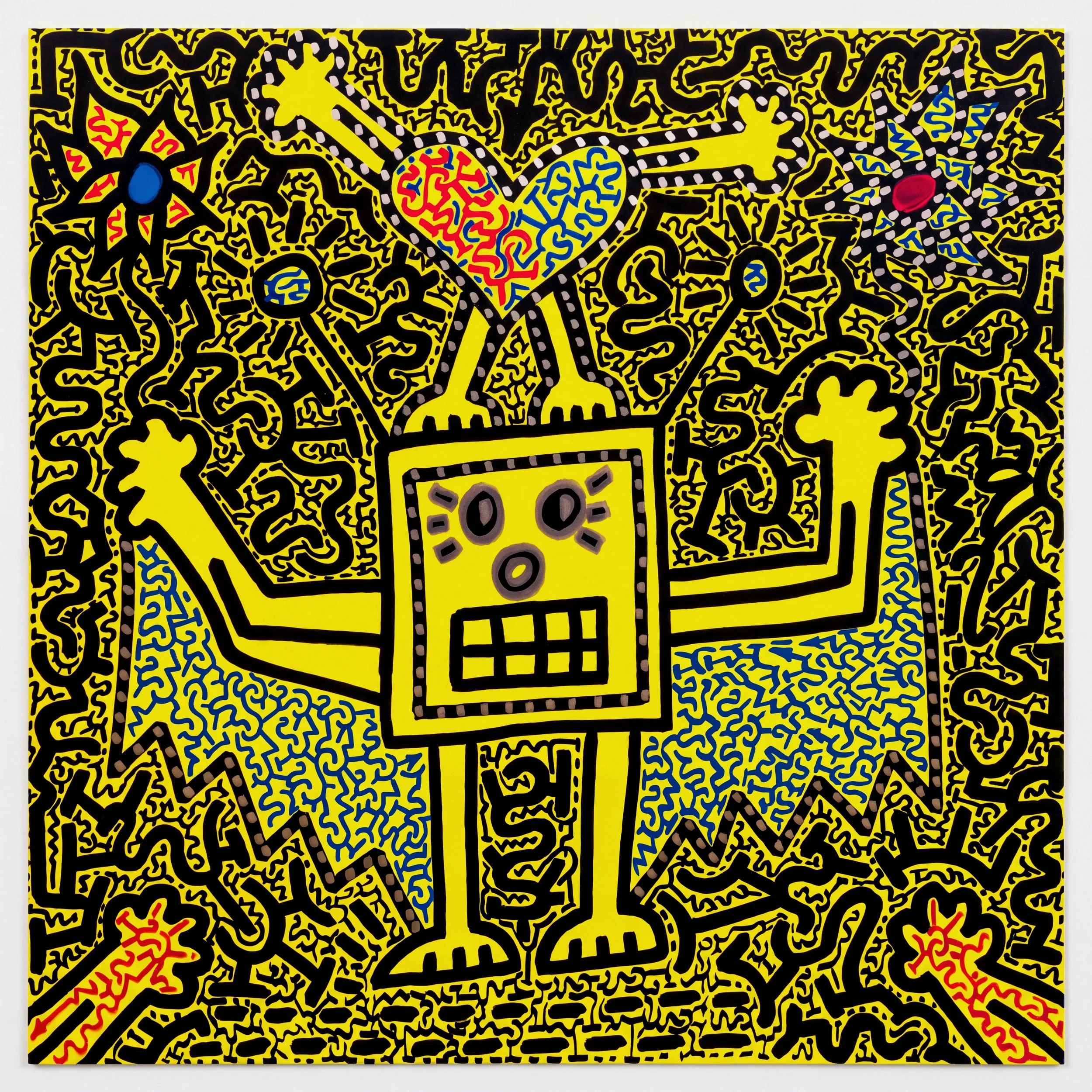
"LA2's signature and name were ever-present in the streets of New York City growing up," said Alan Ket, co-founder of the Museum of Graffiti. Reflecting on the artist's influence, Ket described watching Ortiz evolve from a local writer into an internationally exhibited artist as an inspiration to inner-city youth during the 1980s.
The exhibition also places Ortiz within the first generation of graffiti artists whose work helped carry New York's underground movement onto a global stage, alongside influential figures such as Lee Quiñones, Futura, Phase 2, and Rammellzee.
For Miami Art Week audiences, LA2: Writing History offers more than a retrospective of an influential artist. It creates an opportunity to reconsider the individuals and creative partnerships behind a movement that fundamentally changed how art could occupy public space, communicate identity, and influence popular culture. Sometimes, writing history begins with simply writing your name on a wall.
