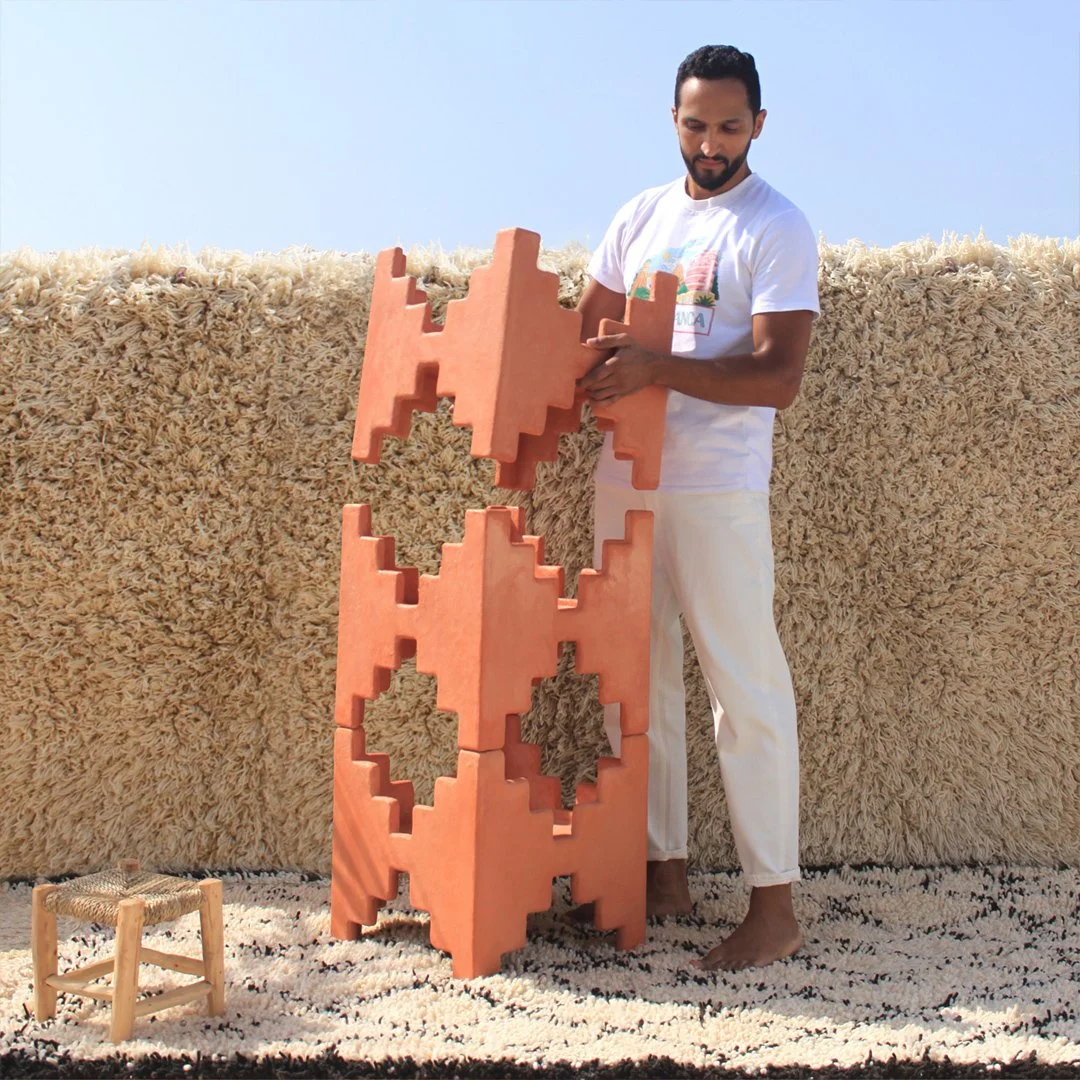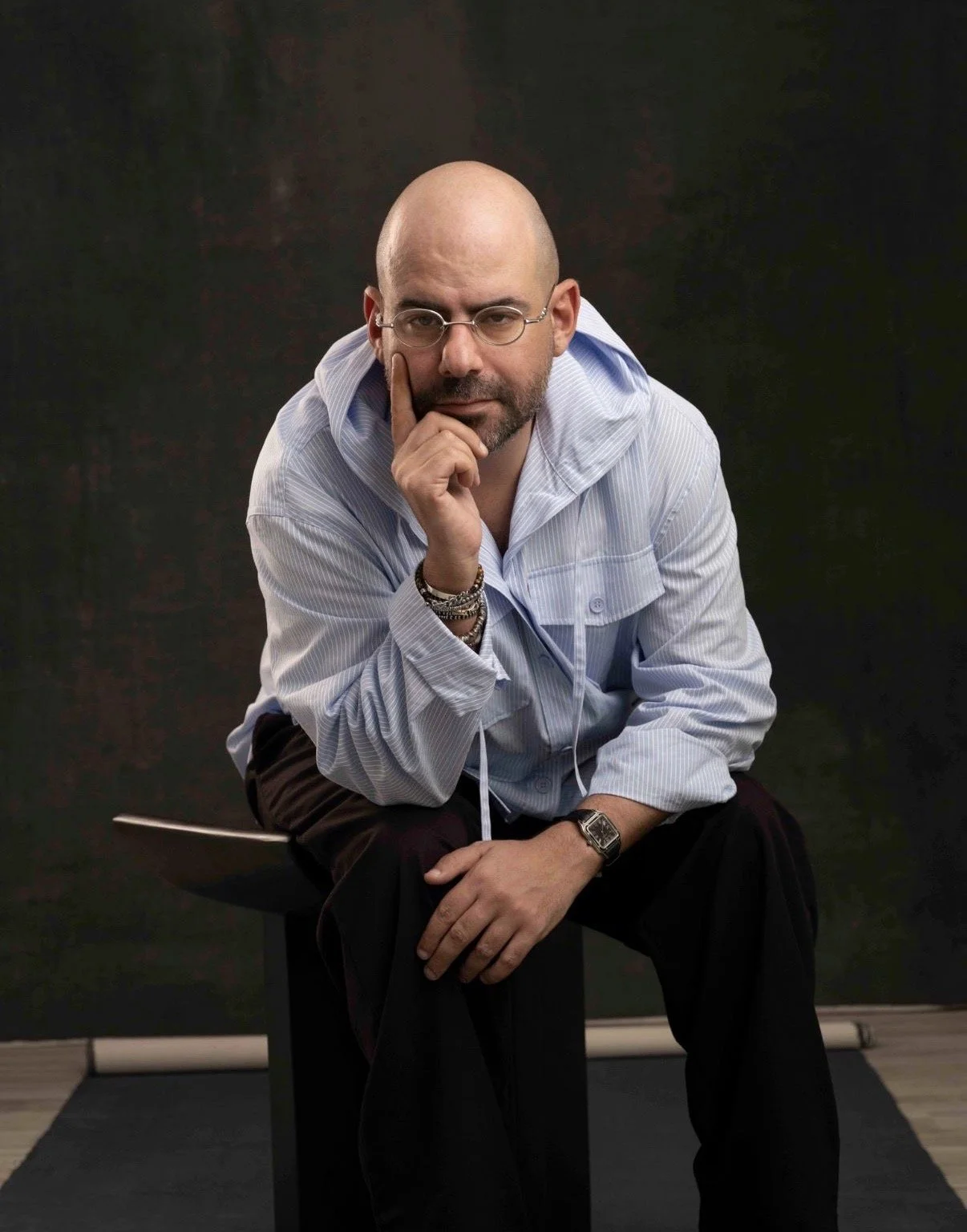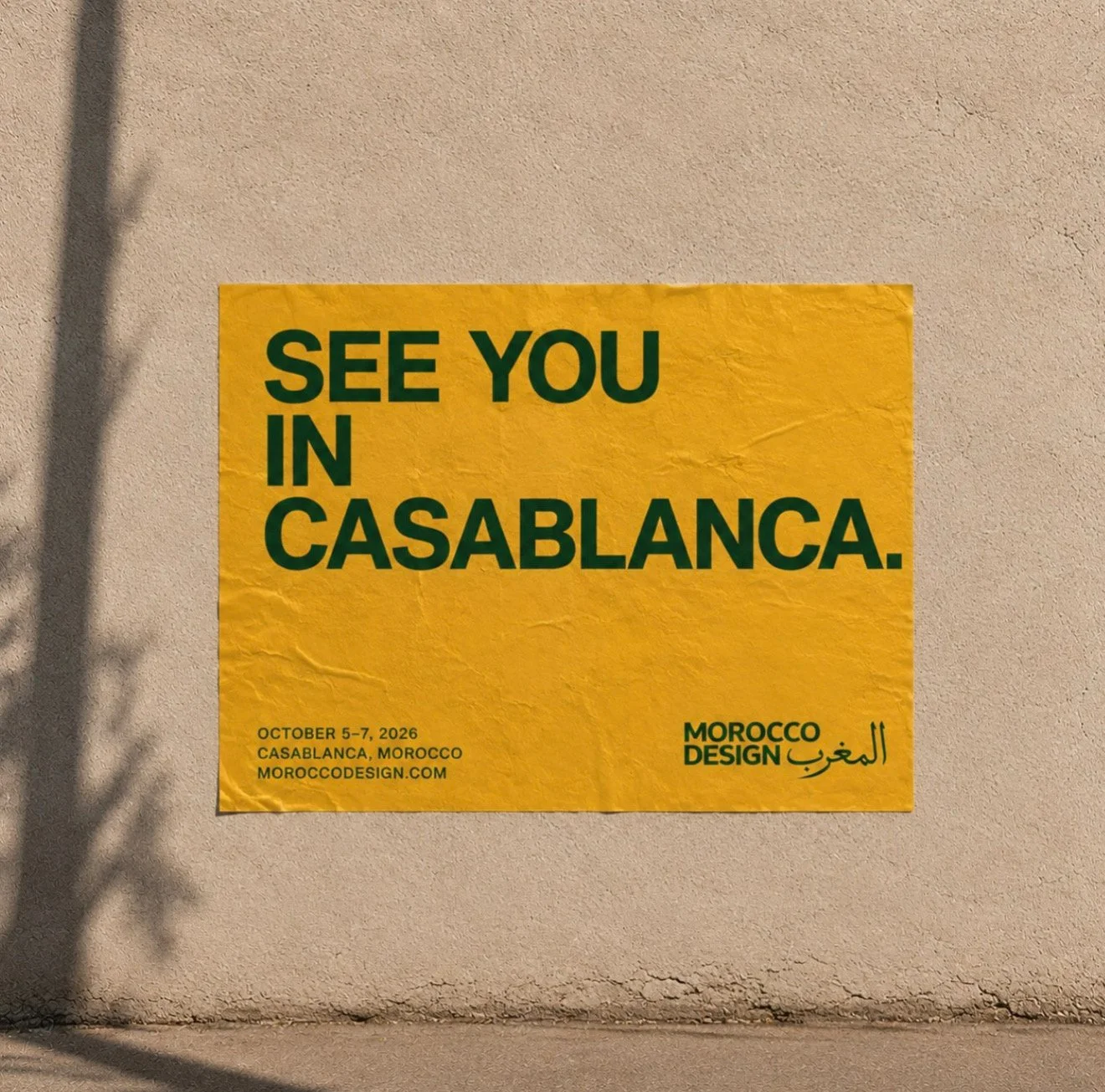
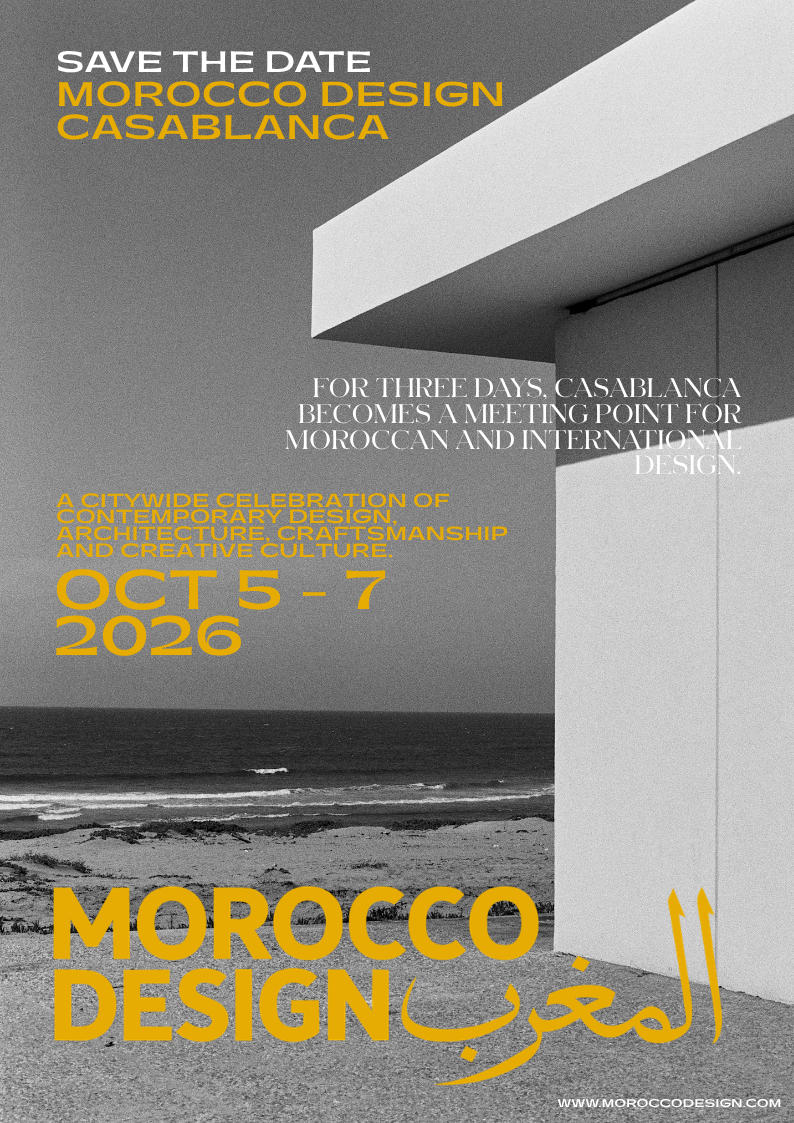
Morocco’s design heritage has long traveled beyond its borders, influencing architecture, interiors, textiles, and decorative arts. Yet the contemporary creative voices interpreting that heritage have not always received the same international recognition. MOROCCO DESIGN set out to change that narrative with its inaugural edition, held October 5–7, 2026, across Casablanca, bringing together Moroccan designers, international design houses, architects, collectors, and cultural figures for a citywide exploration of contemporary creativity.
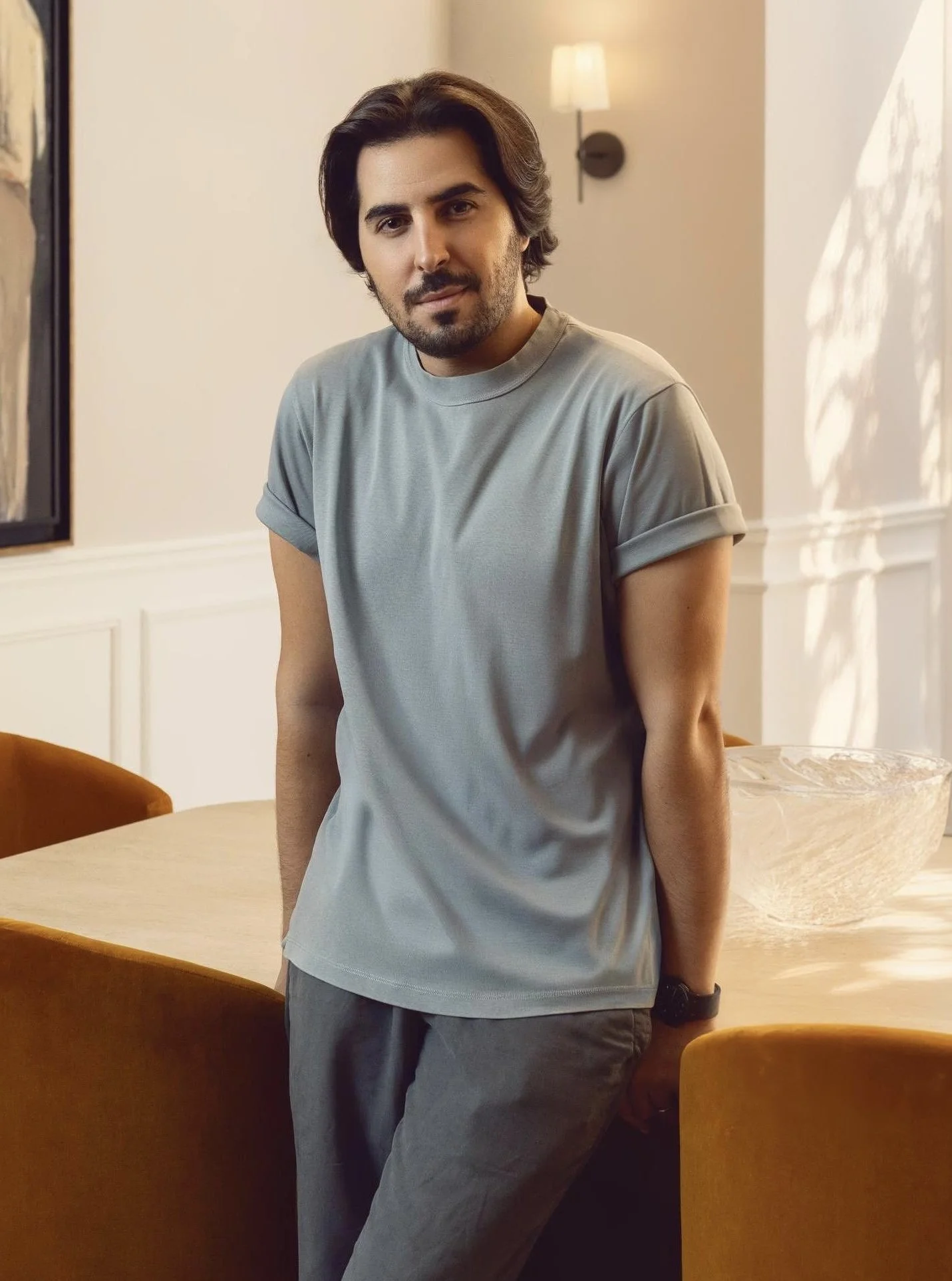
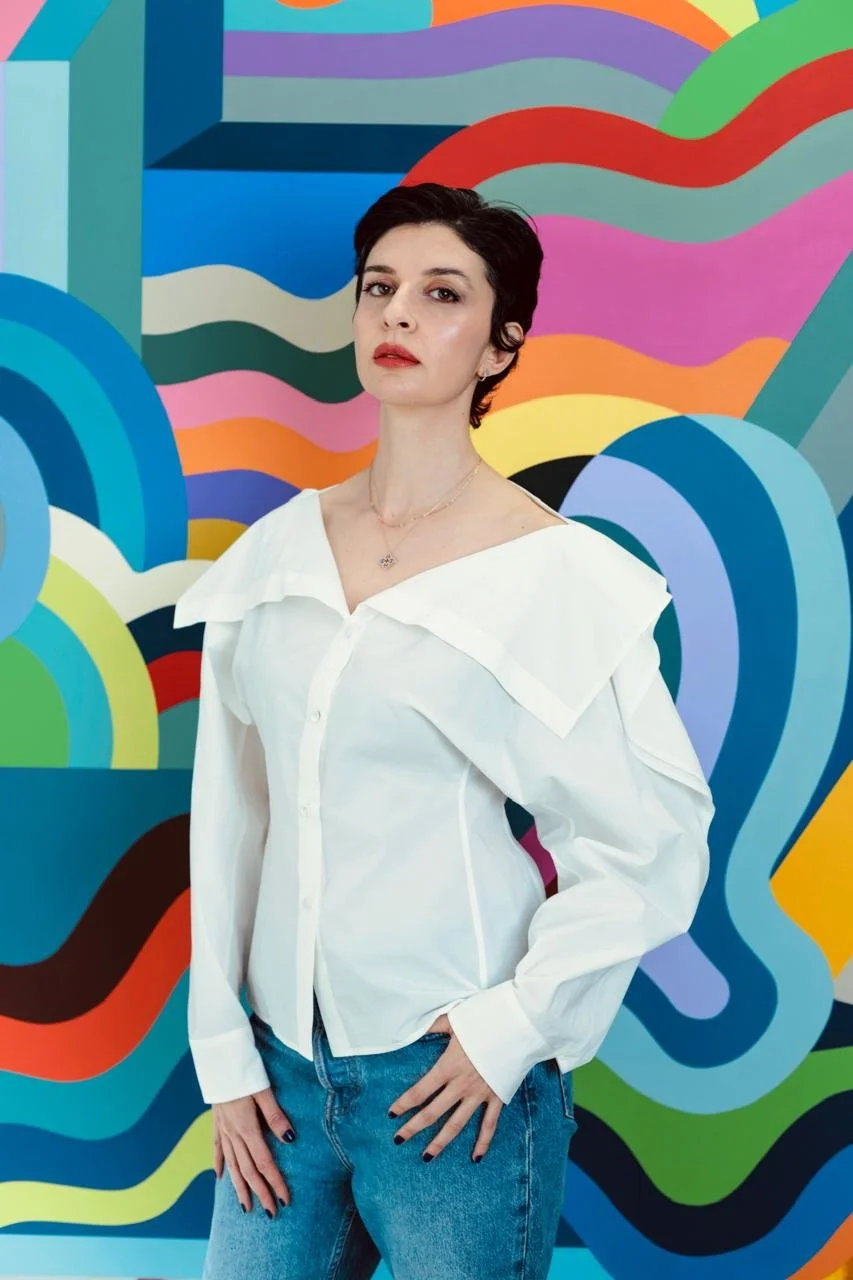
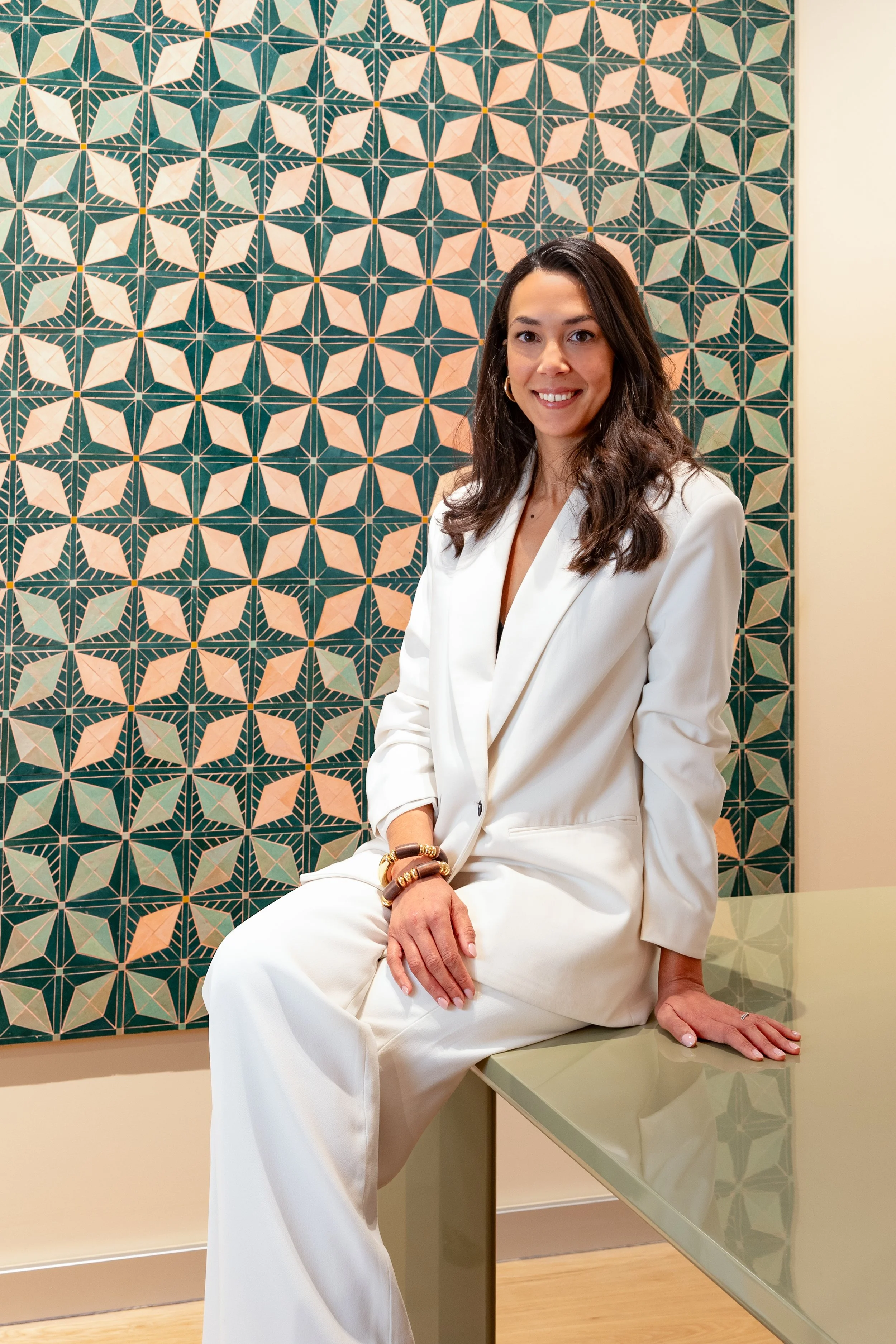
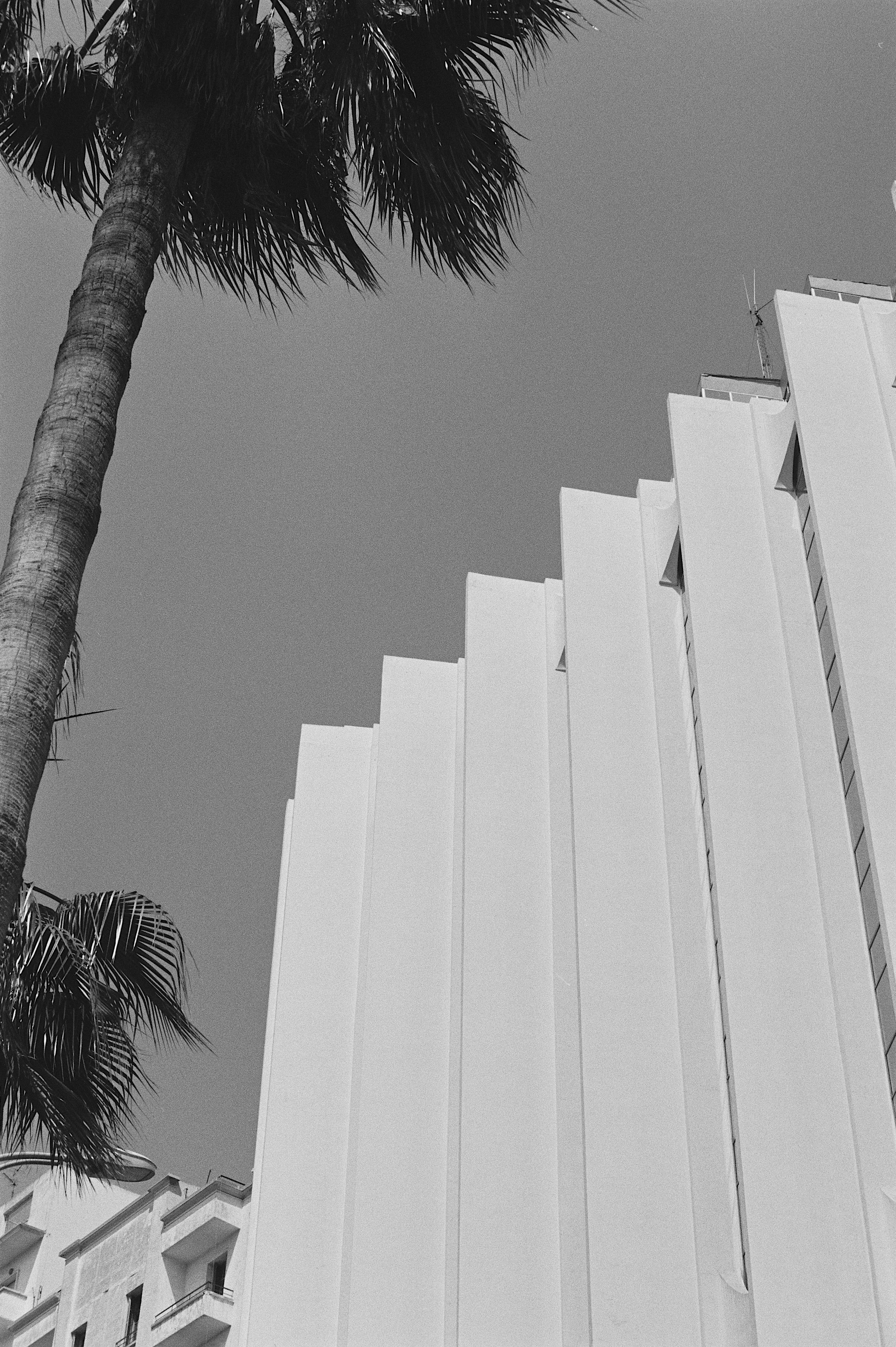
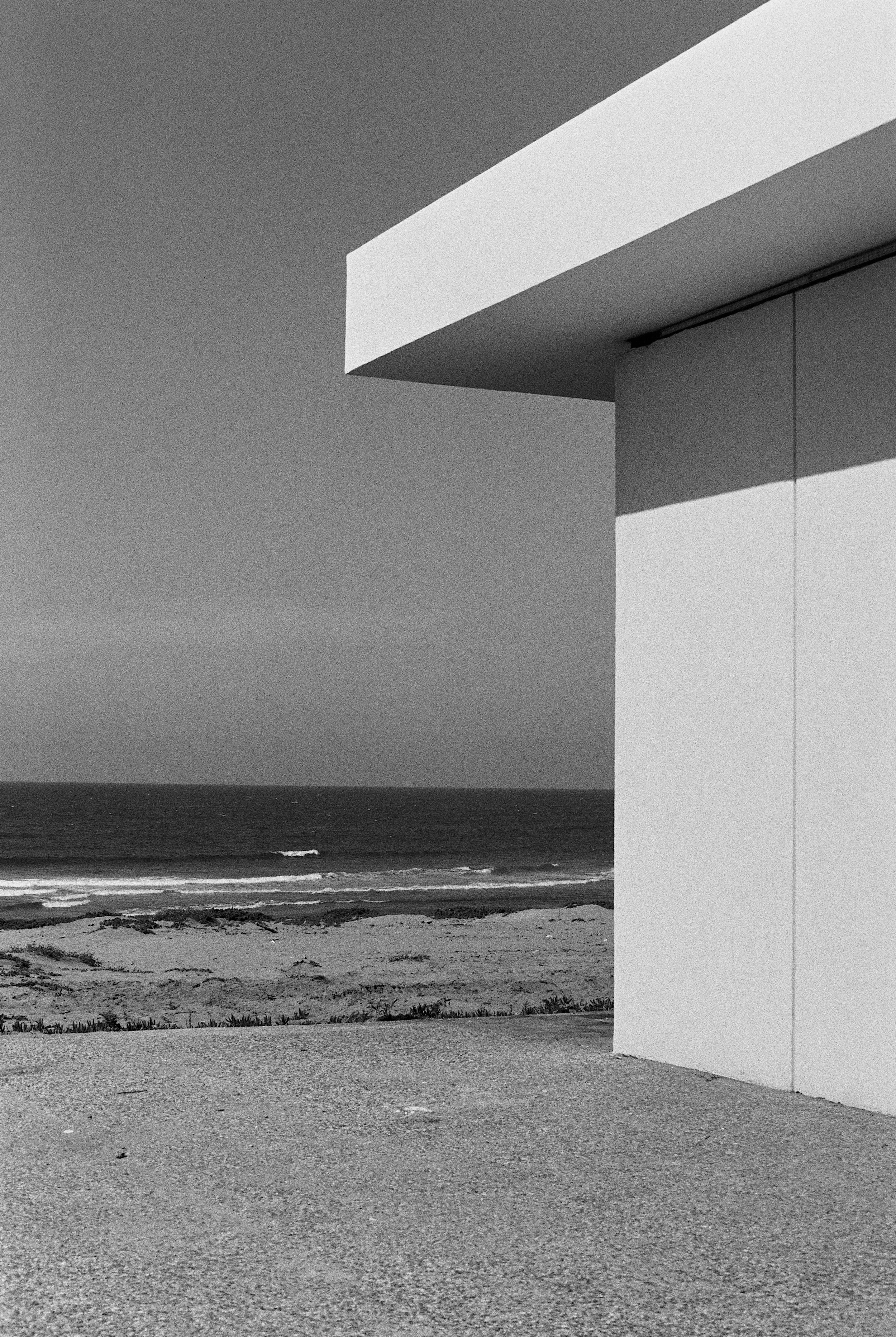
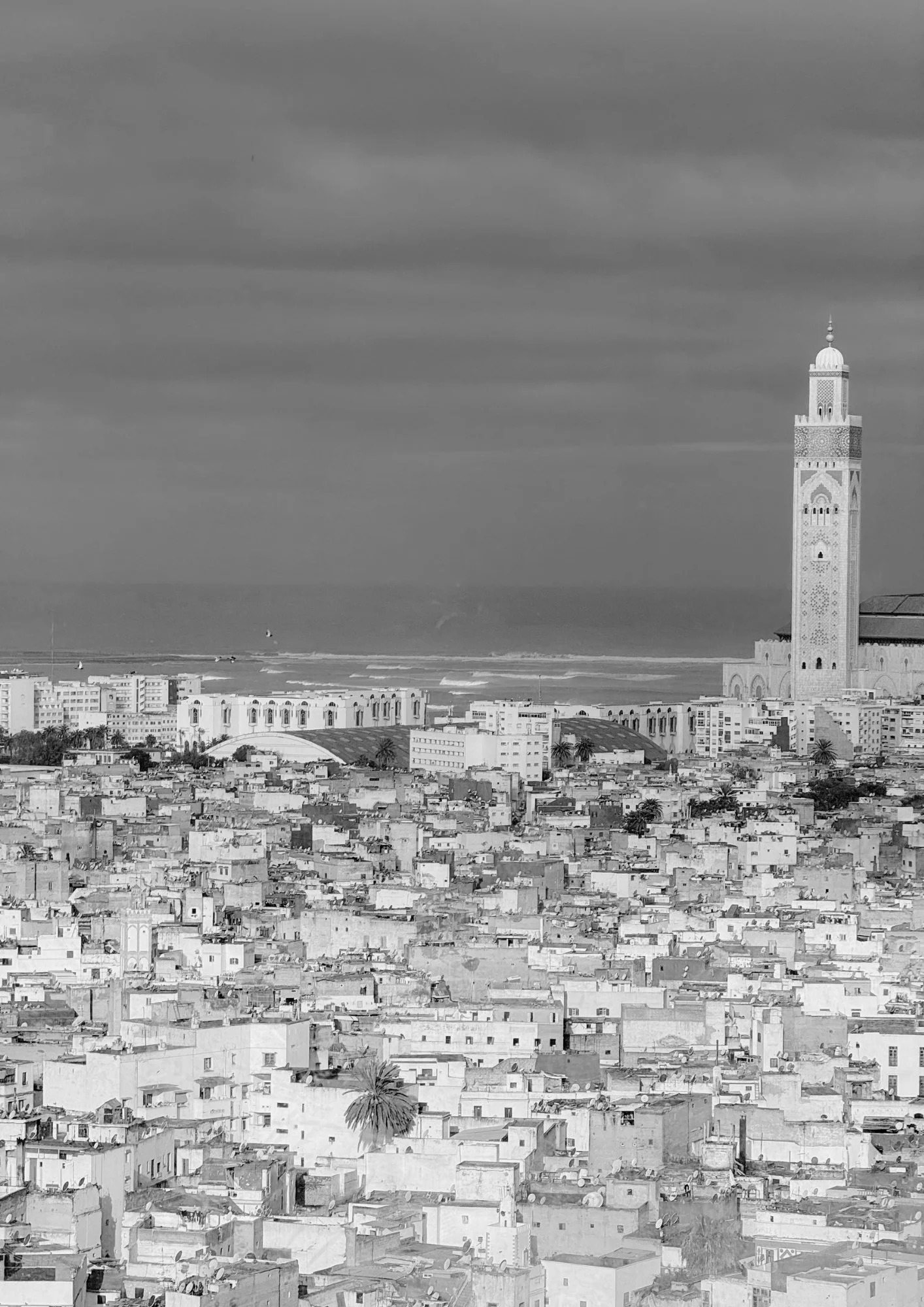
Founded by Hanane El Moutii, the new cultural platform approached design through a format that extended beyond the traditional trade fair. Instead of concentrating exhibitions within a single venue, participating showrooms, galleries, ateliers, hospitality destinations, and architecturally significant spaces throughout Casablanca became part of the experience. The result was a curated journey through a city whose modernist architecture and evolving creative community offered a fitting backdrop for conversations about design, craftsmanship, and cultural identity.
At the center of the initiative was a broader examination of how Moroccan design continues to evolve. Traditional materials and techniques provided a foundation, but the participating creatives demonstrated how heritage could be reinterpreted through contemporary forms, new applications, and individual perspectives.
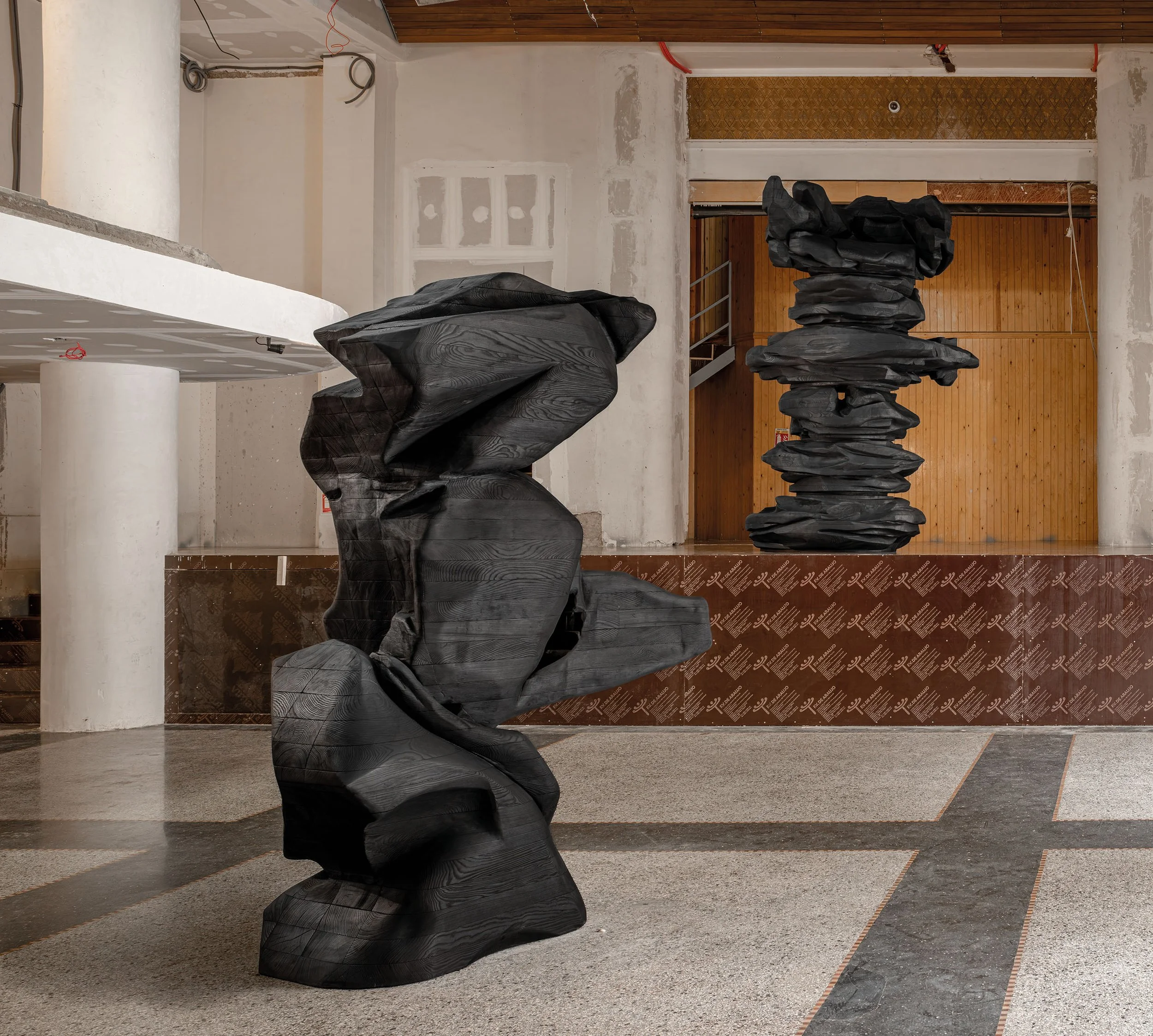
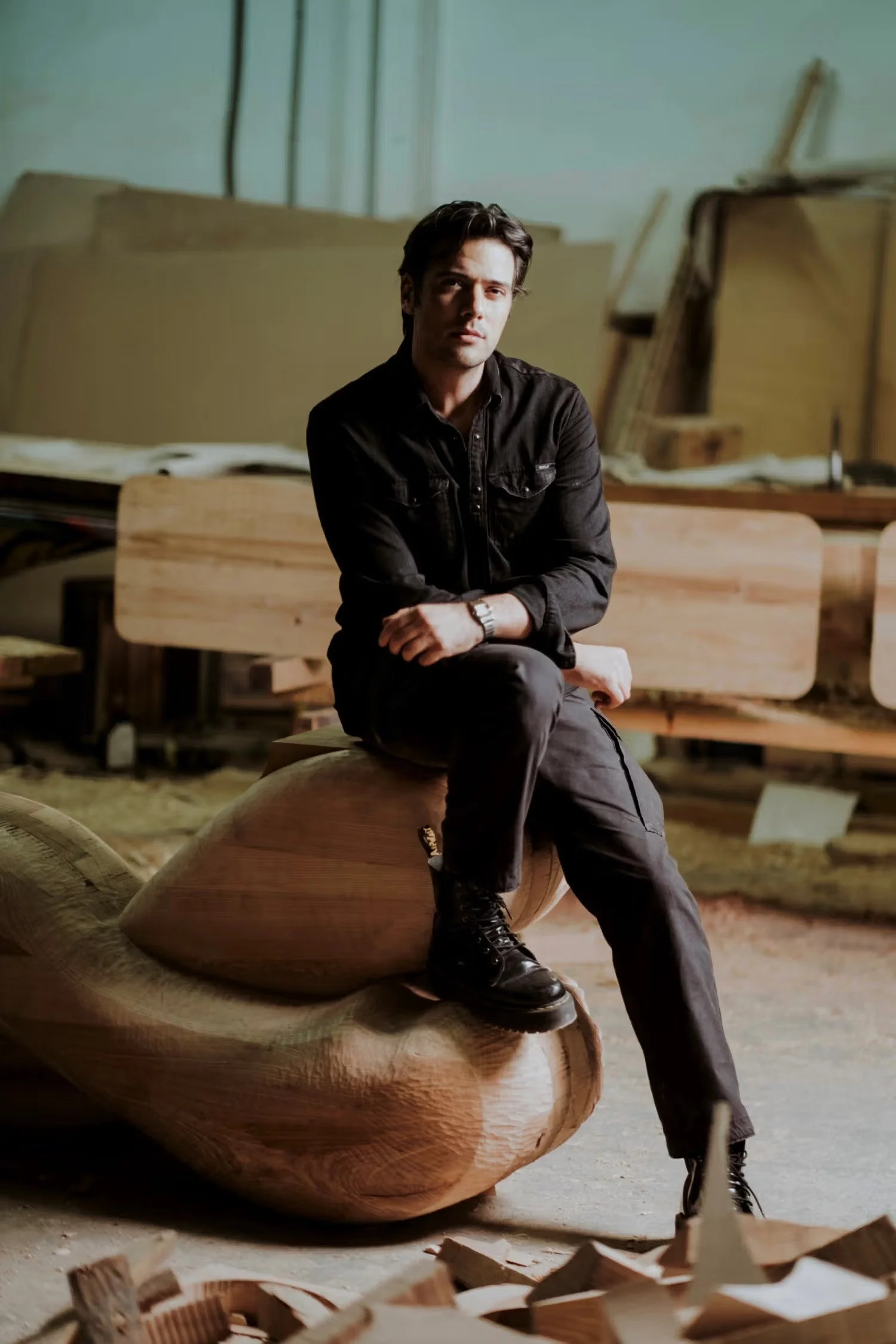
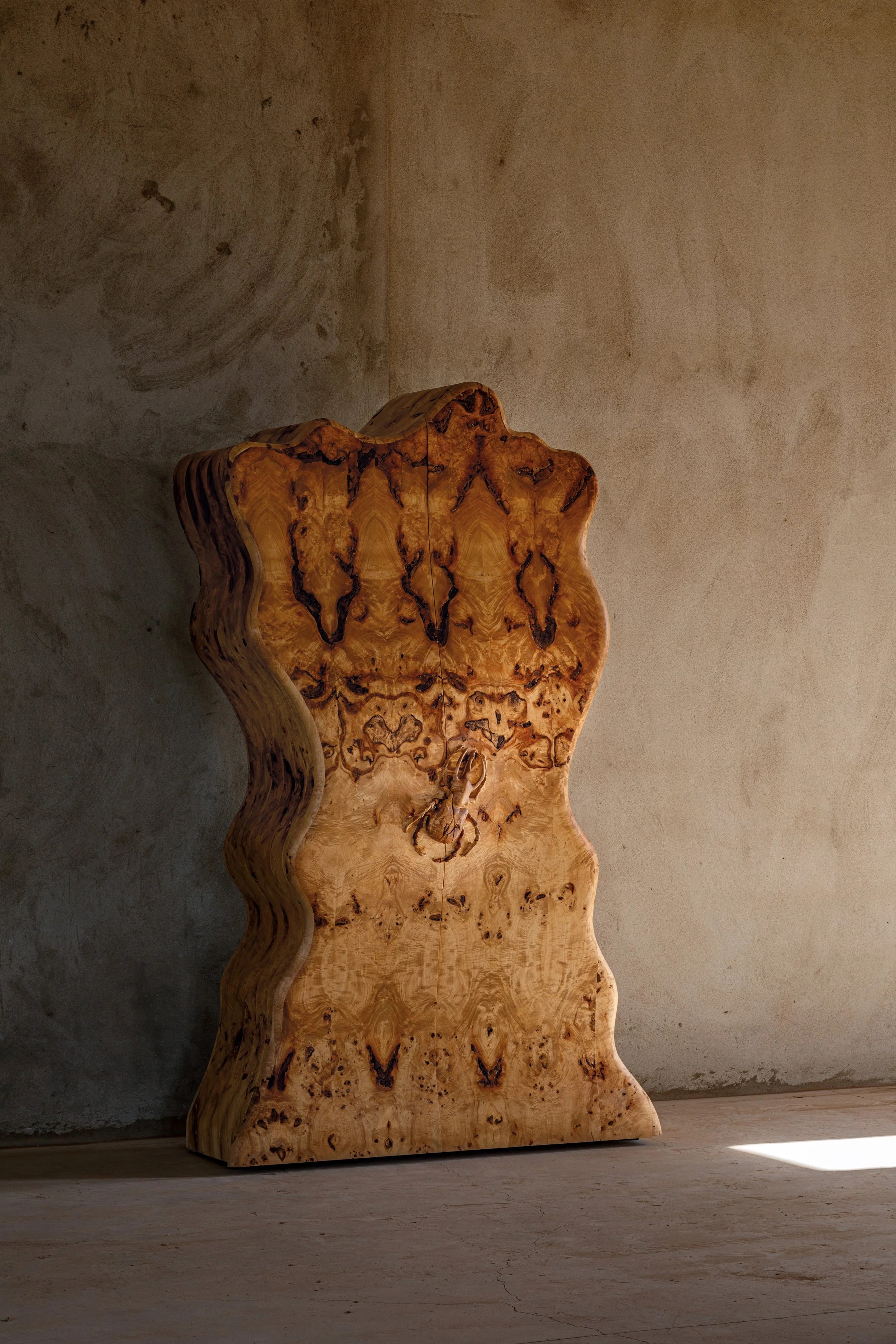
Among the standout presentations was L’Axe Invisible by Hamza Kadiri, curated by Amine Amharech. Installed inside the historic Teatro Italia, a building undergoing renovation, the exhibition explored movement, material, and time through monumental wooden sculptures. Kadiri’s command of traditional cabinetmaking transformed solid wood into expressive, almost architectural forms, while the surrounding construction environment reinforced the relationship between craftsmanship and transformation.
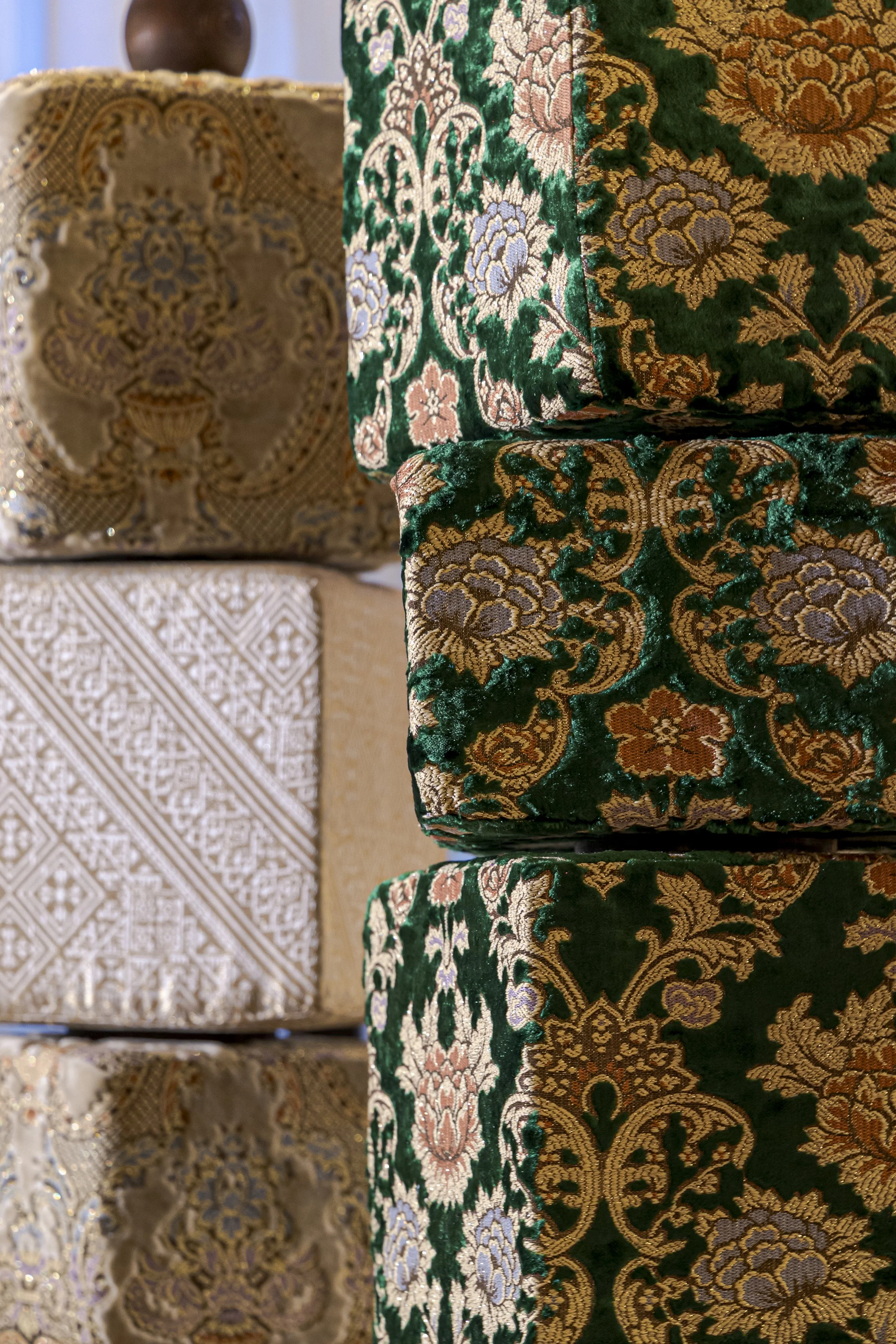
Textile traditions received a similarly contemporary treatment through Sophia Kacimi’s What Holds Us Together. The designer repurposed vintage brocade collected from traditional Fès sedari, the upholstered seating traditionally found in Moroccan homes, transforming fabrics associated with family gatherings and everyday rituals into sculptural totems. Handmade in collaboration with artisans and students in Fès, the work considered how textiles can preserve collective memory while finding new relevance in contemporary interiors.
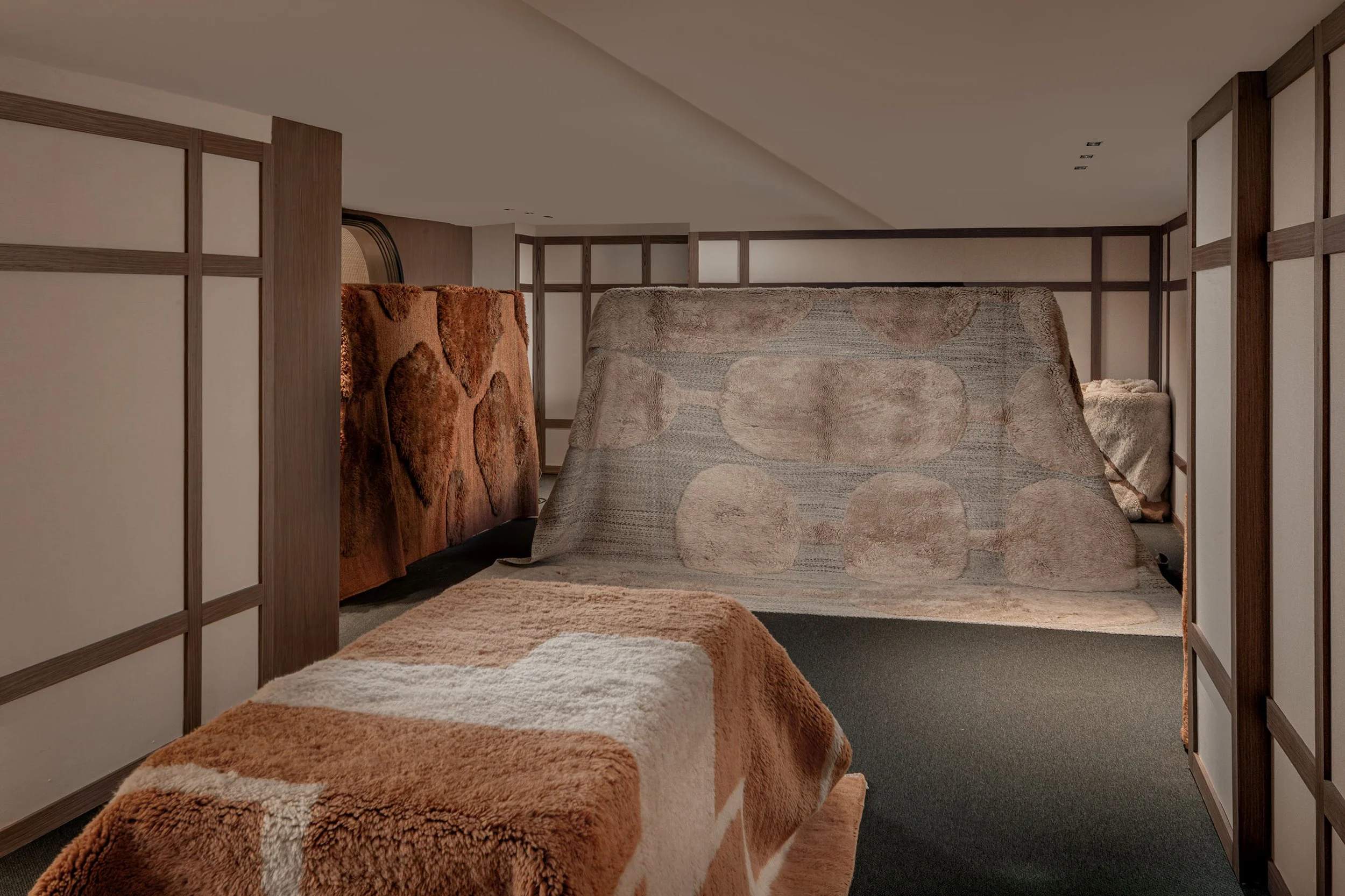
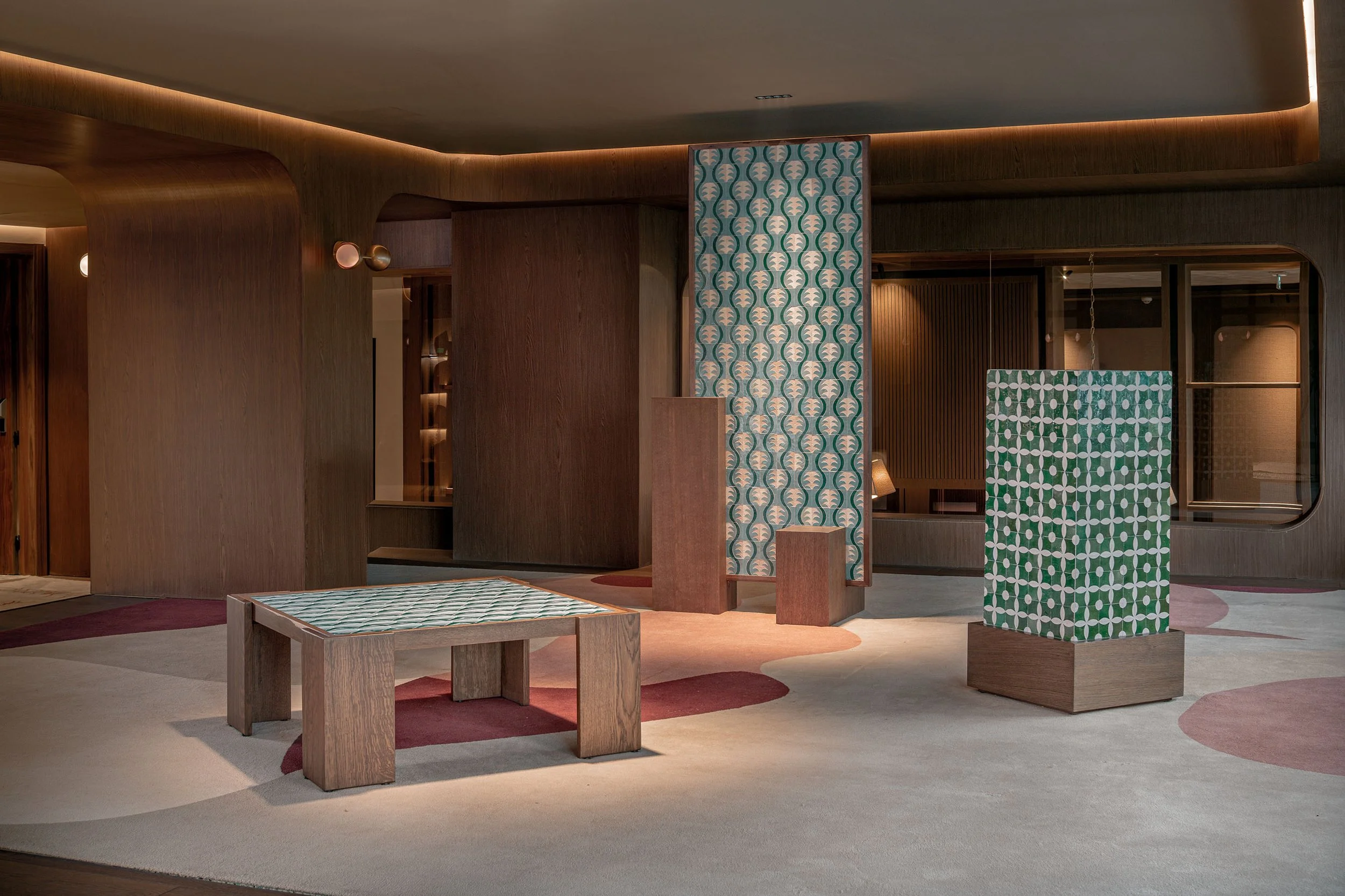
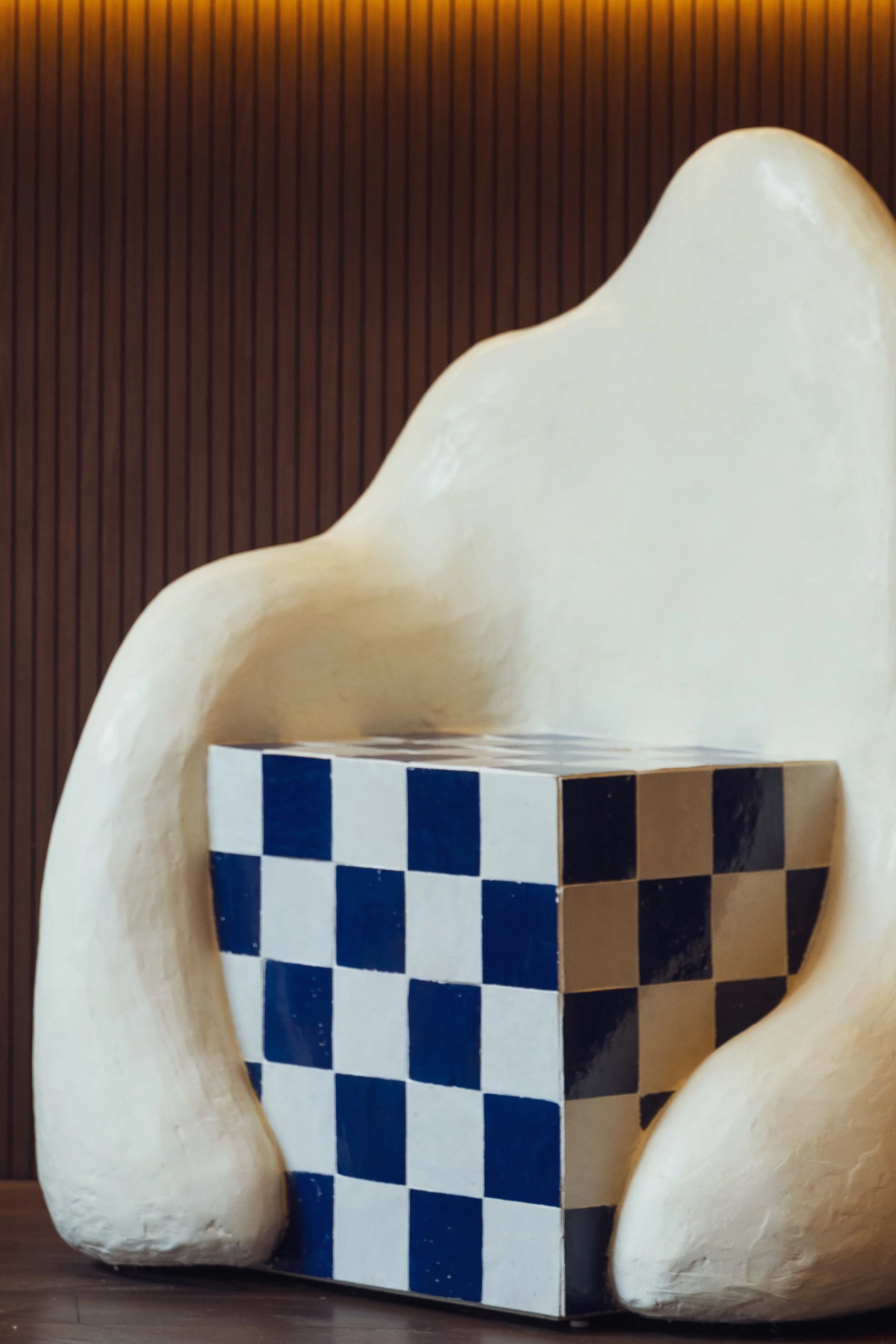
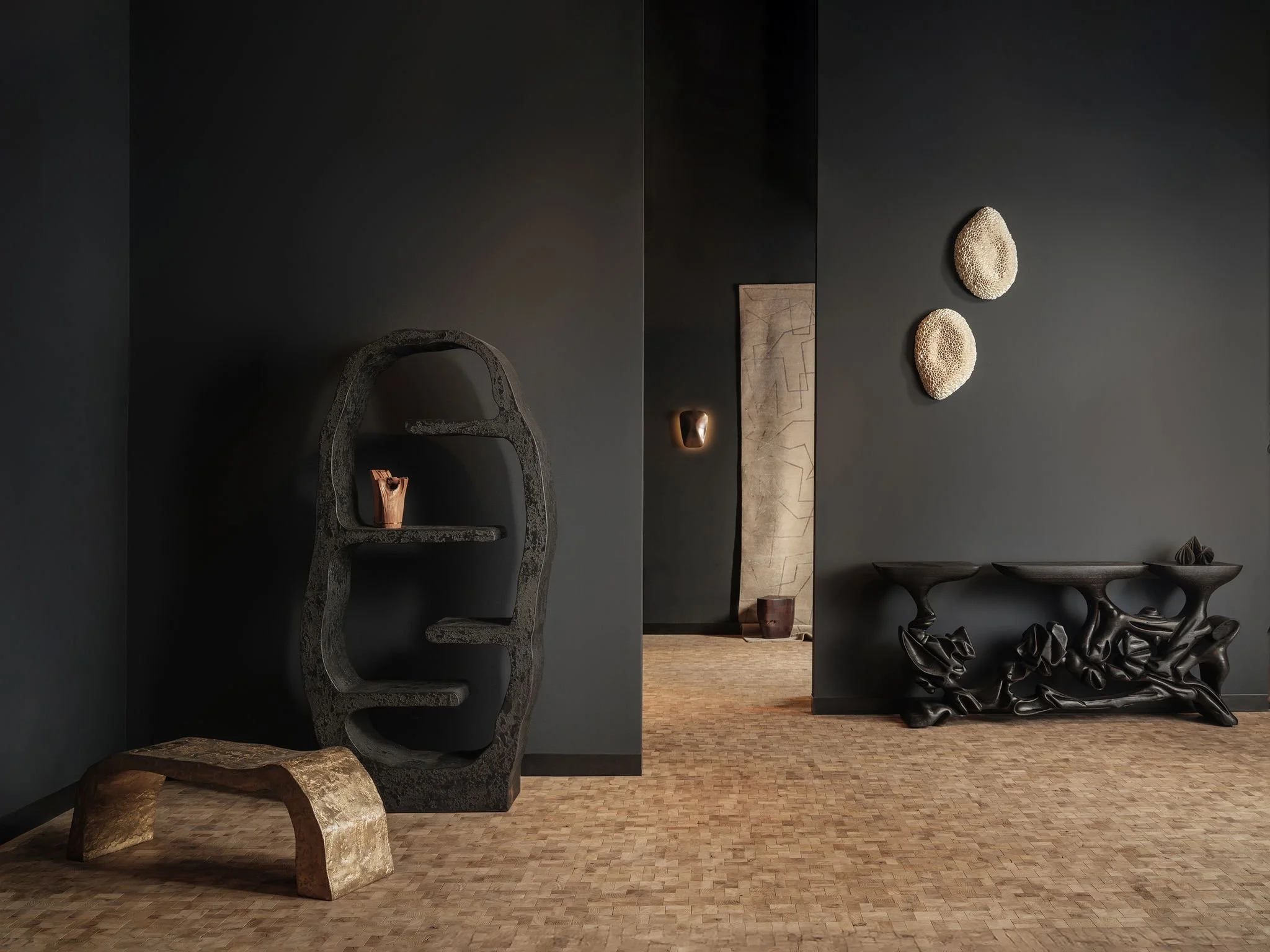
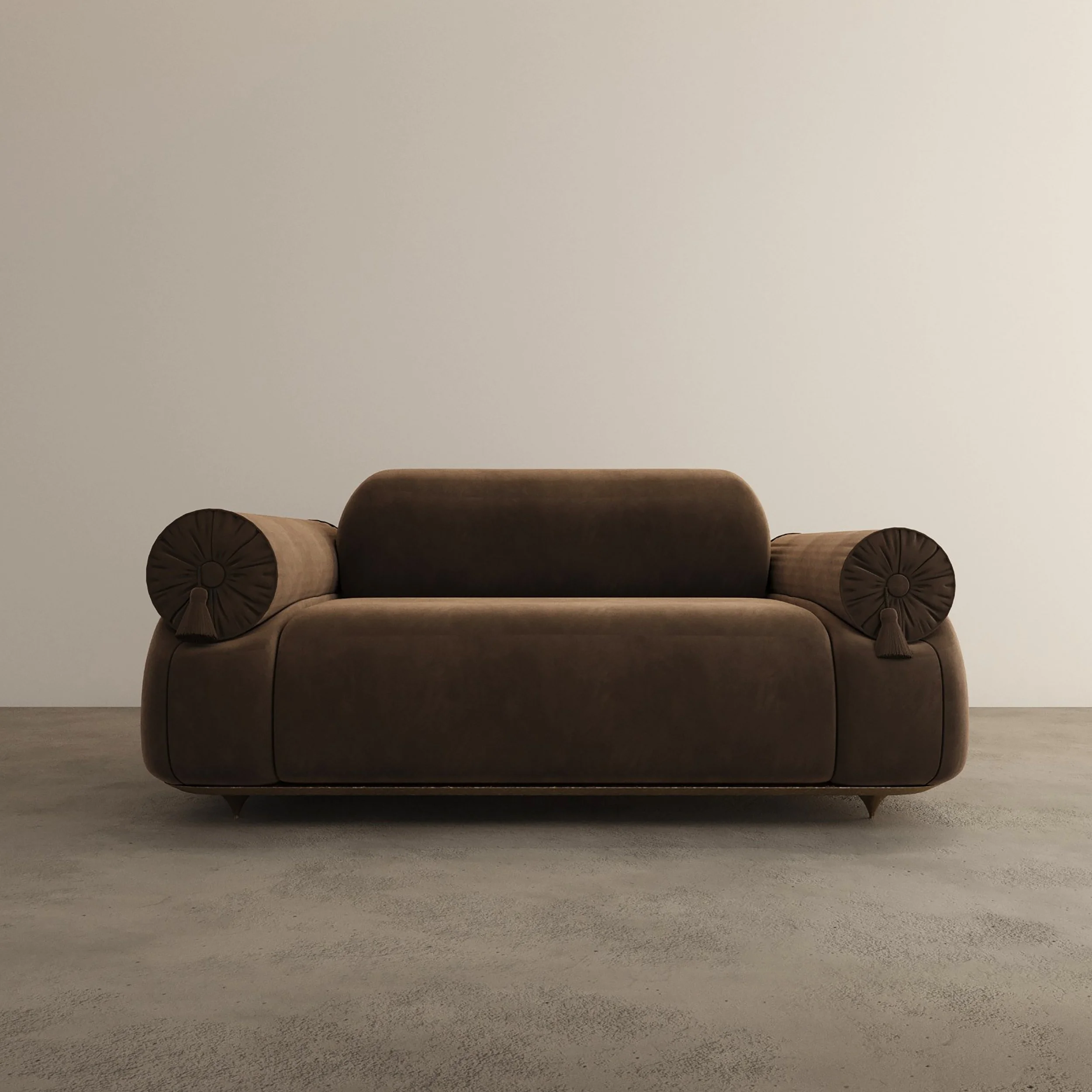
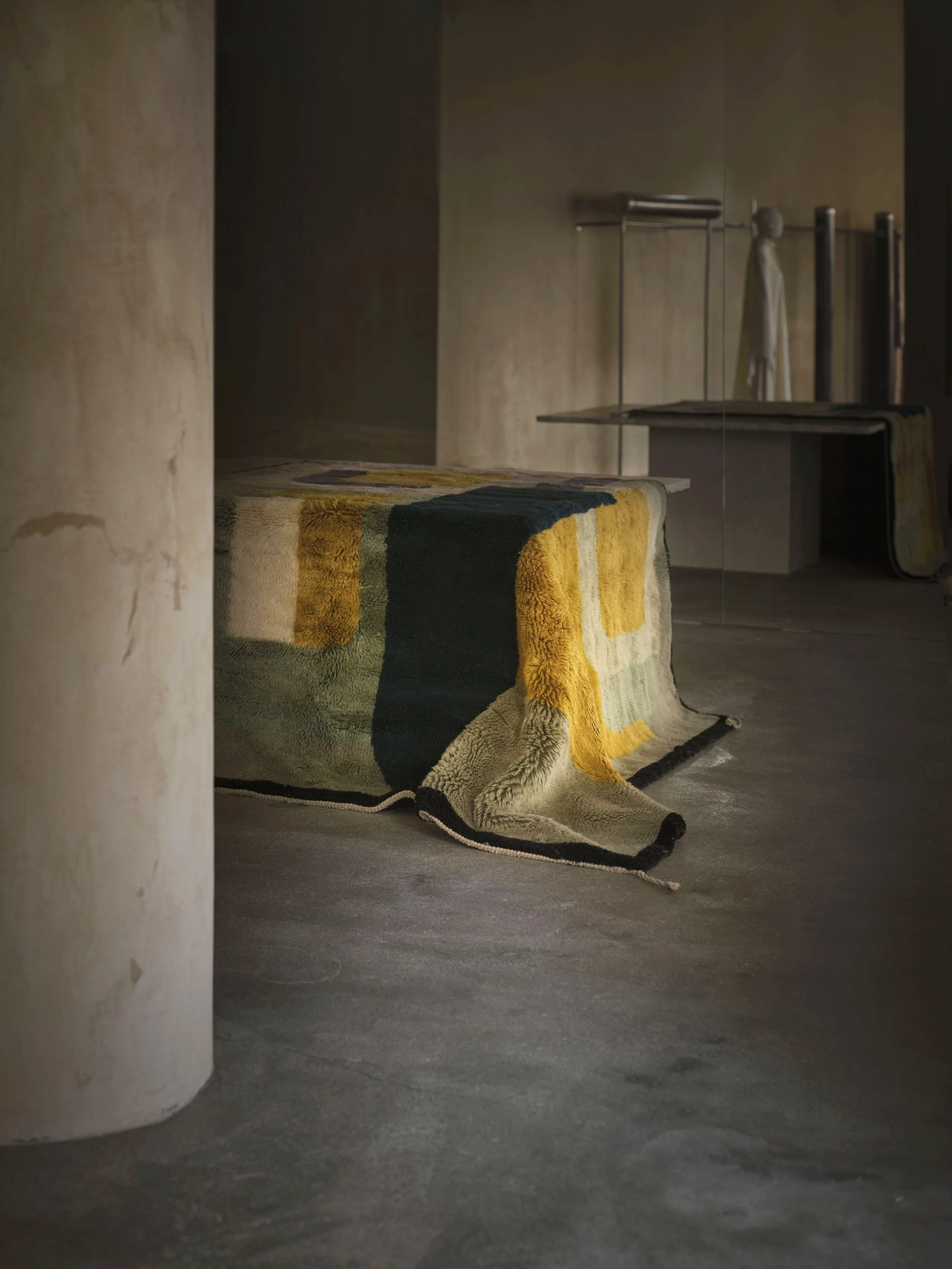
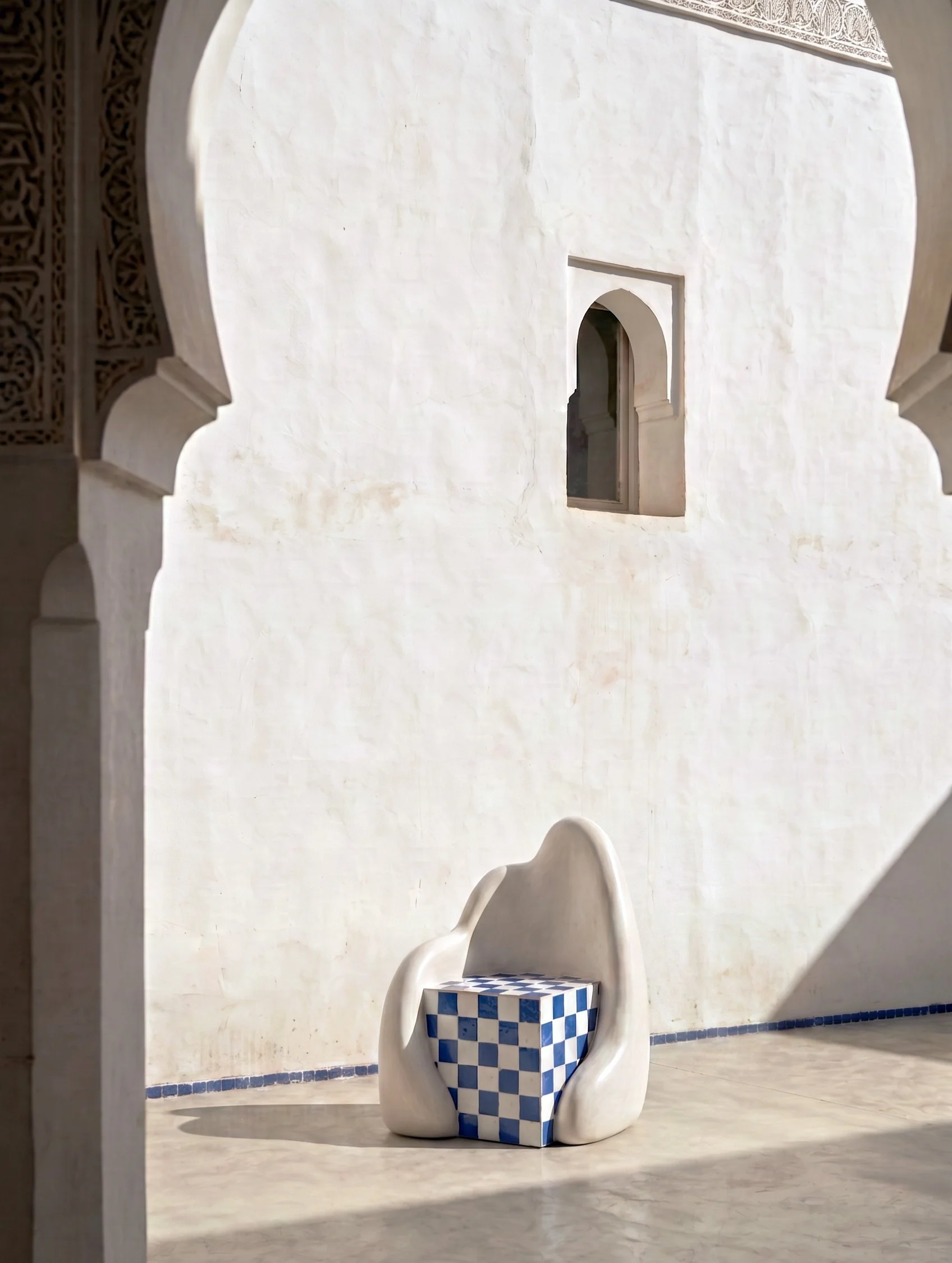
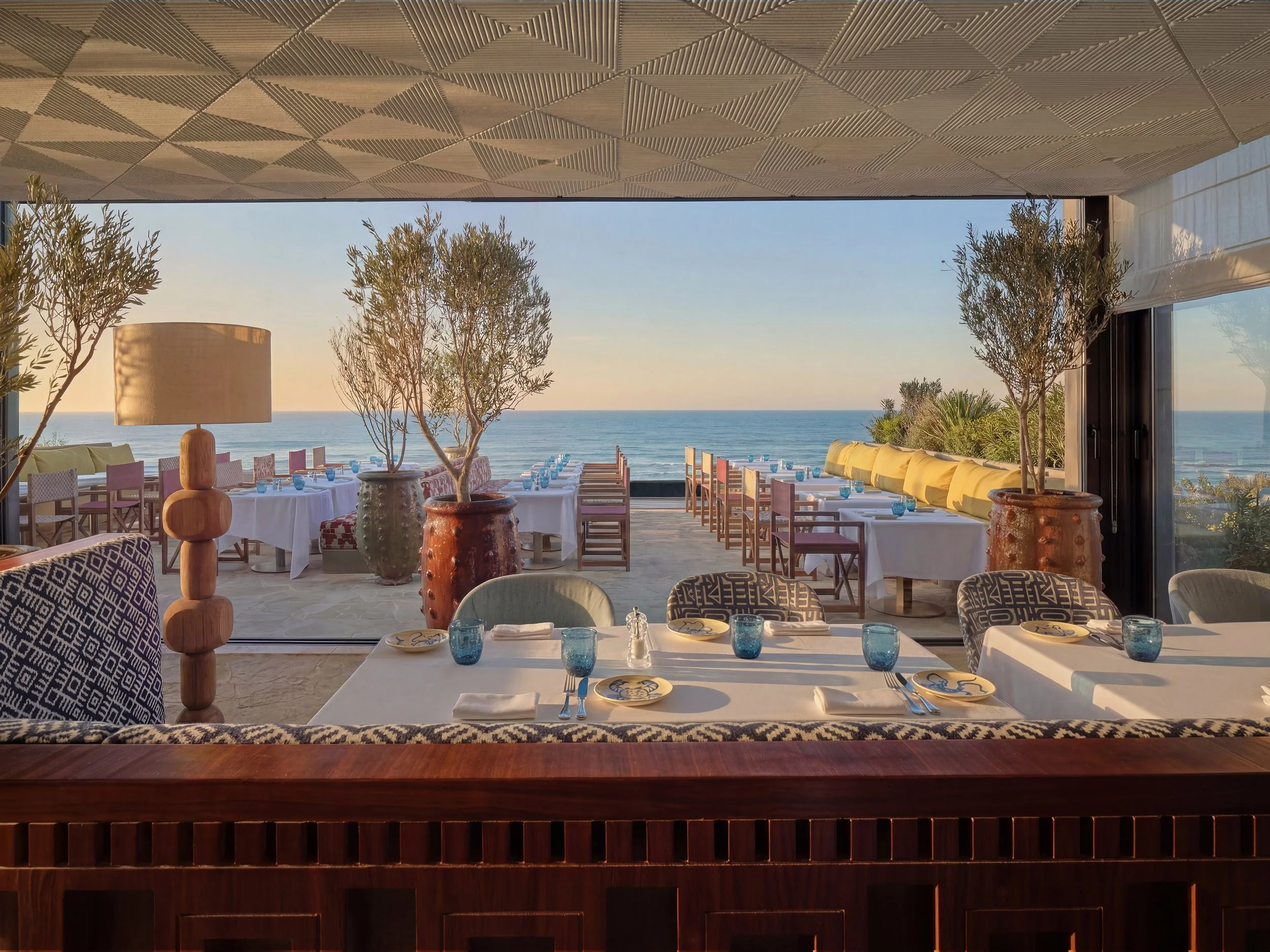
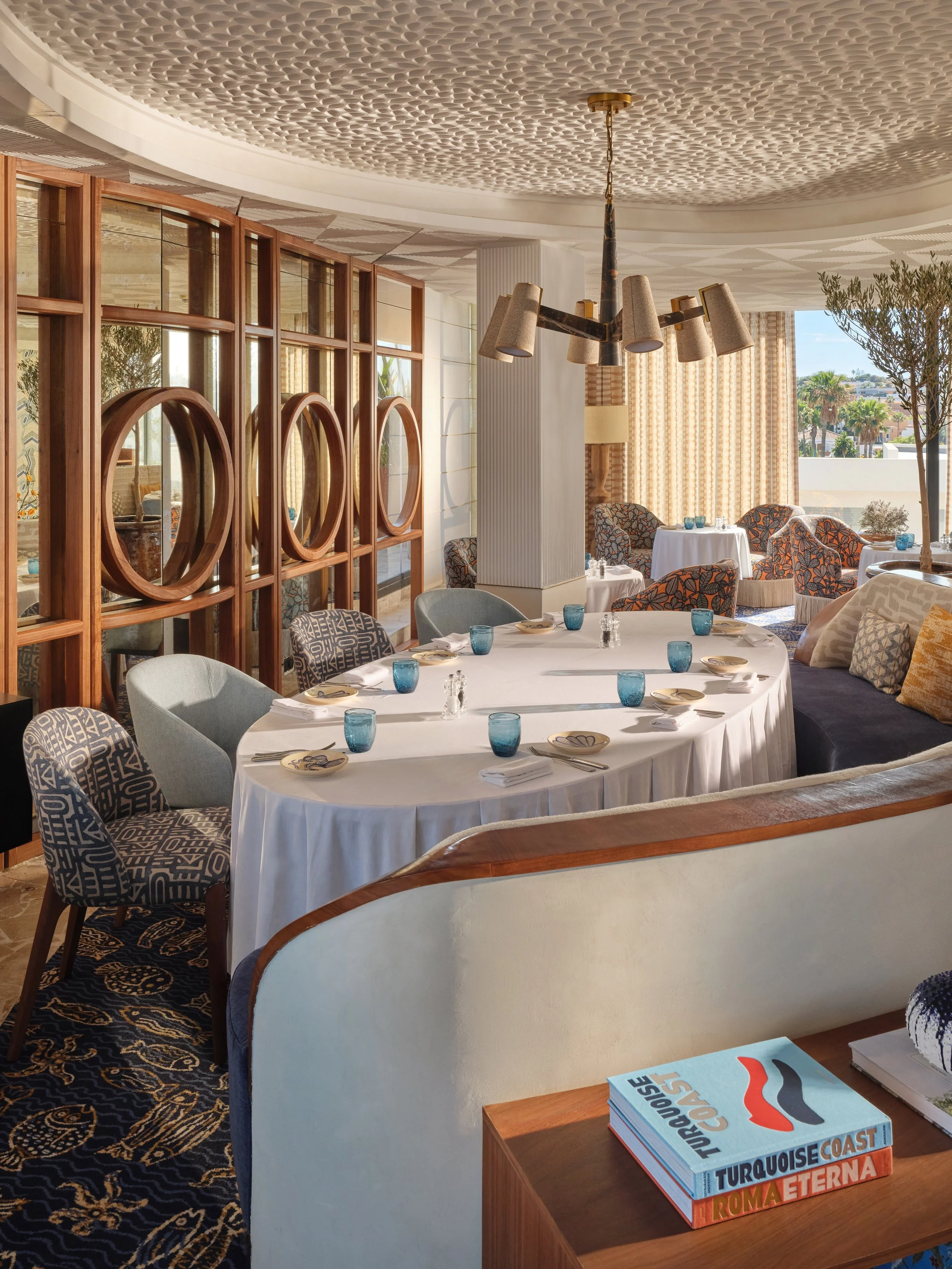
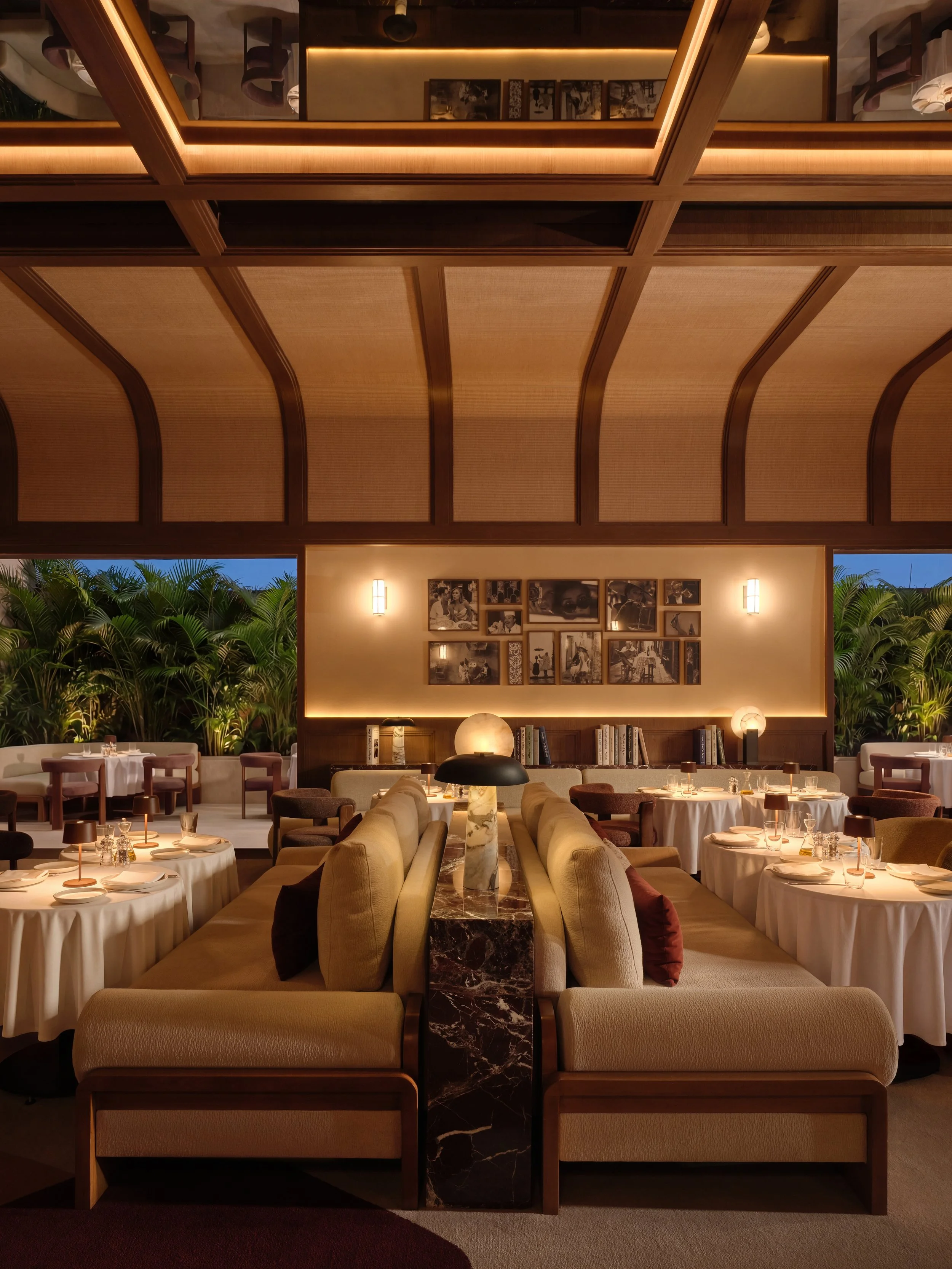
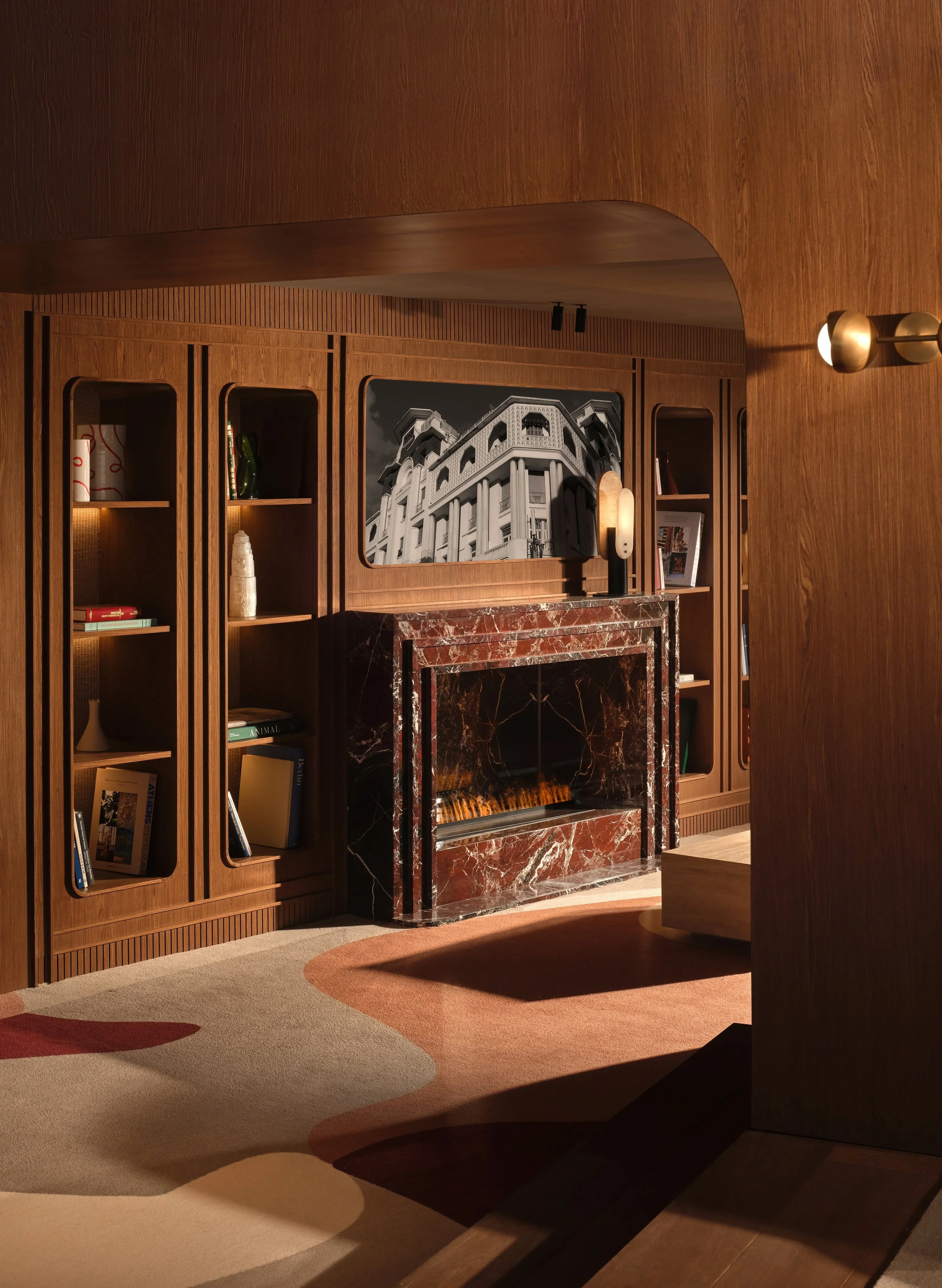
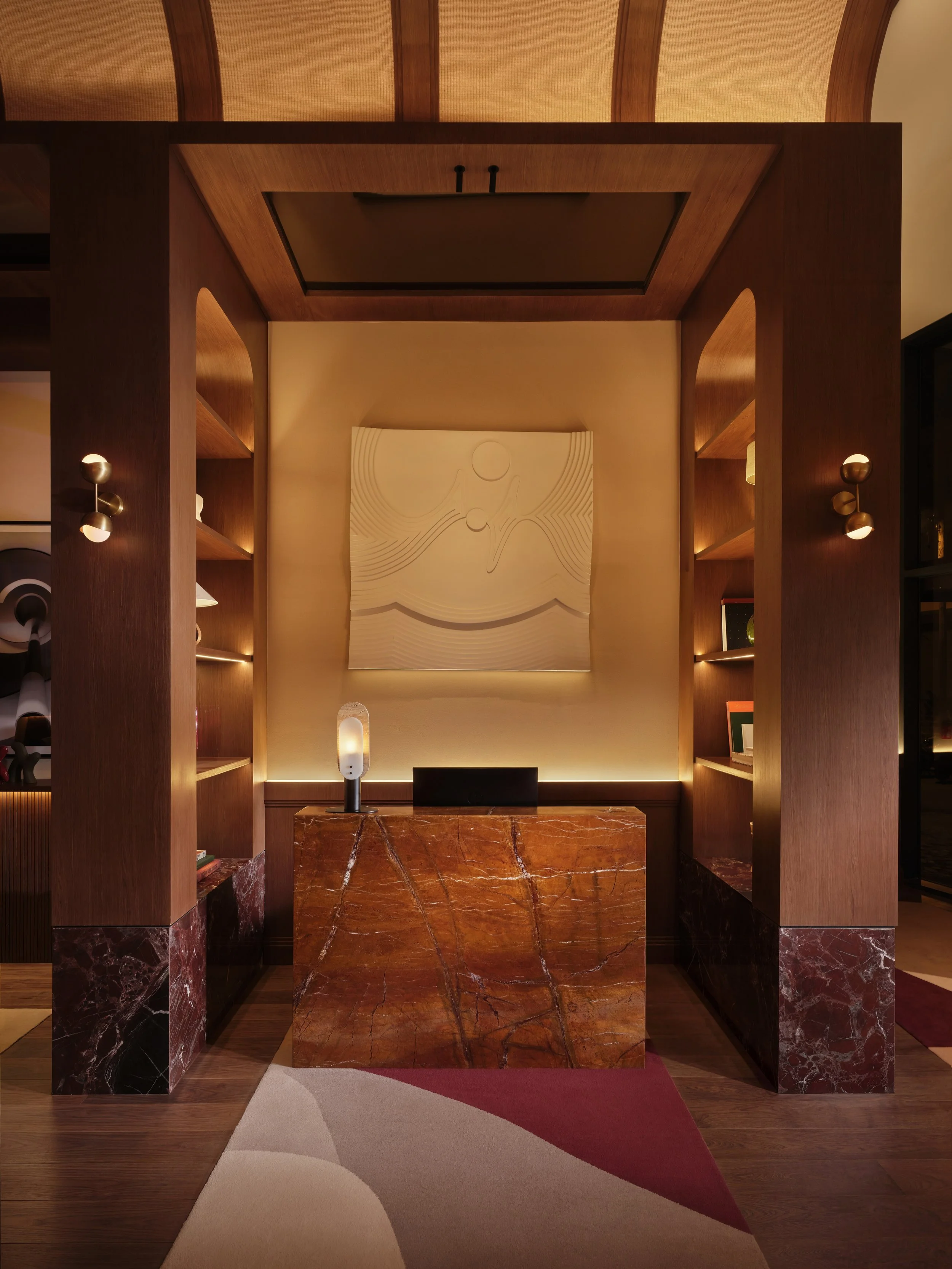
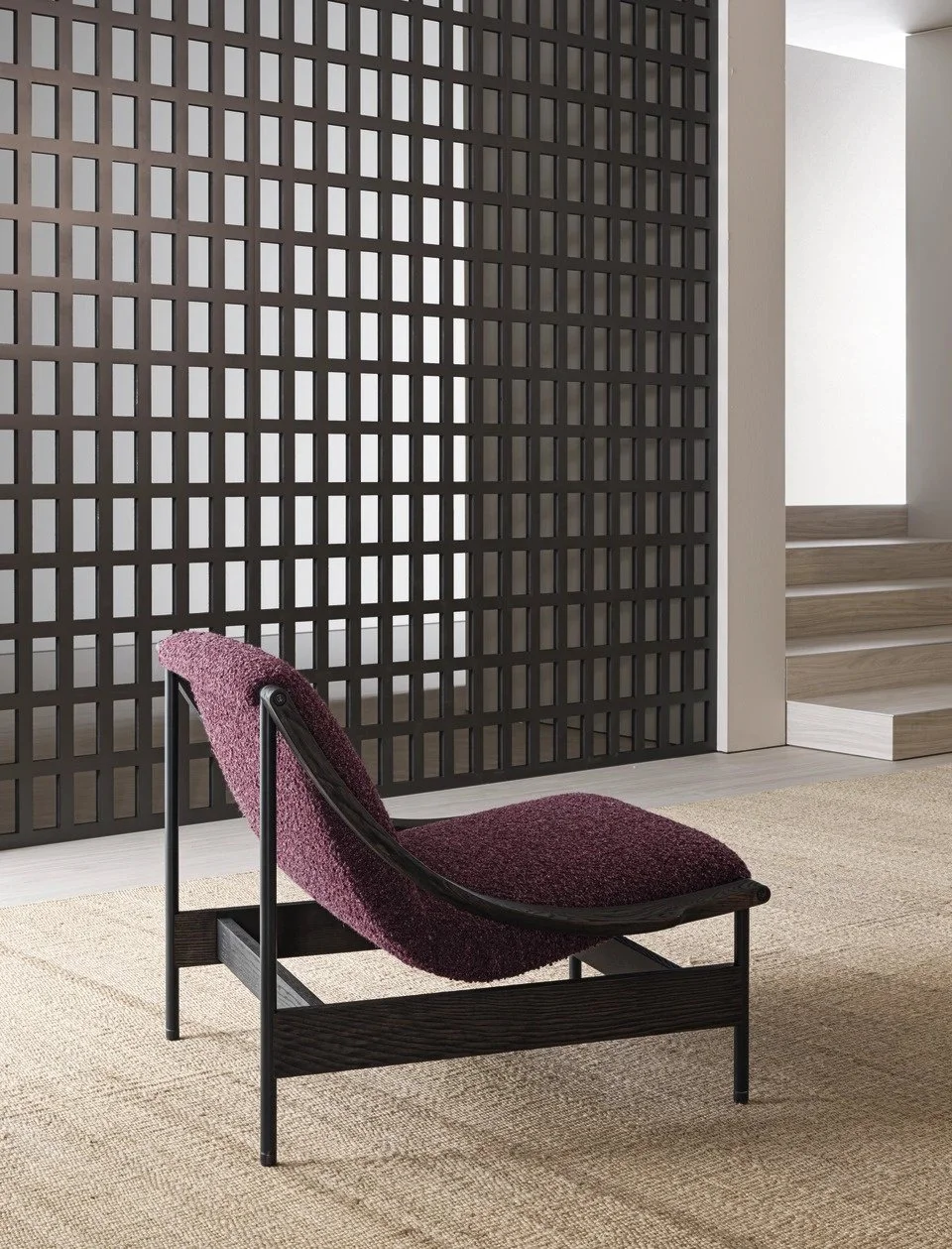
At Villa Sahrai, the platform’s official hospitality partner, several creative practices converged. Verneo Studio, working between Casablanca and Los Angeles, presented its Vestige chair, drawing inspiration from weathered tadelakt walls and enduring zellige tilework. Elsewhere, Sana Benzaitar’s Blan rug translated the blueprint of a village in ruins into textile, examining the relationship between architecture, memory, and disappearing places. Myroc Studio explored sculptural approaches to everyday objects, while Salima Filali elevated functional furniture through distinctive forms, including the Elia coffee table, Palmira screen, and Warda side table.
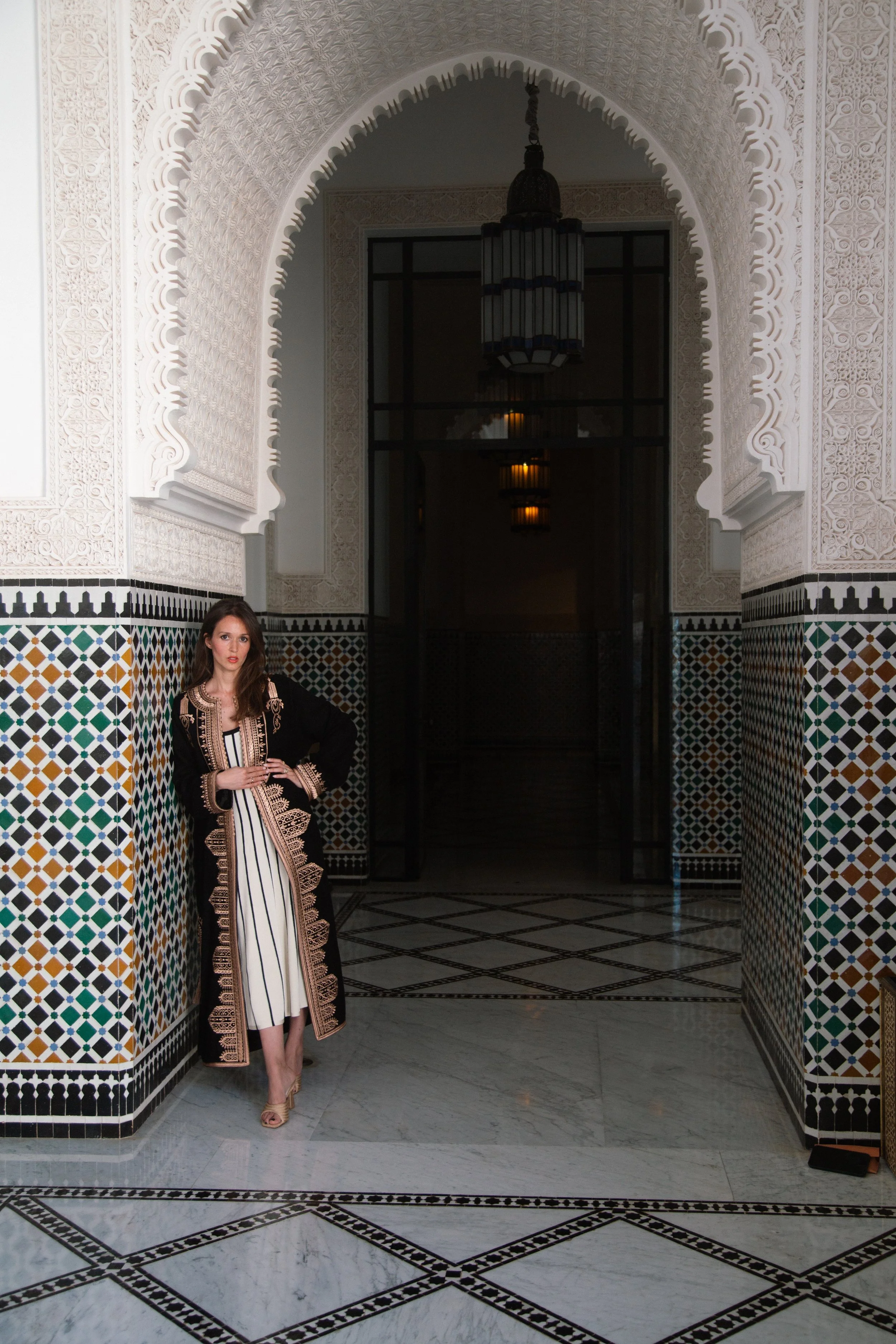
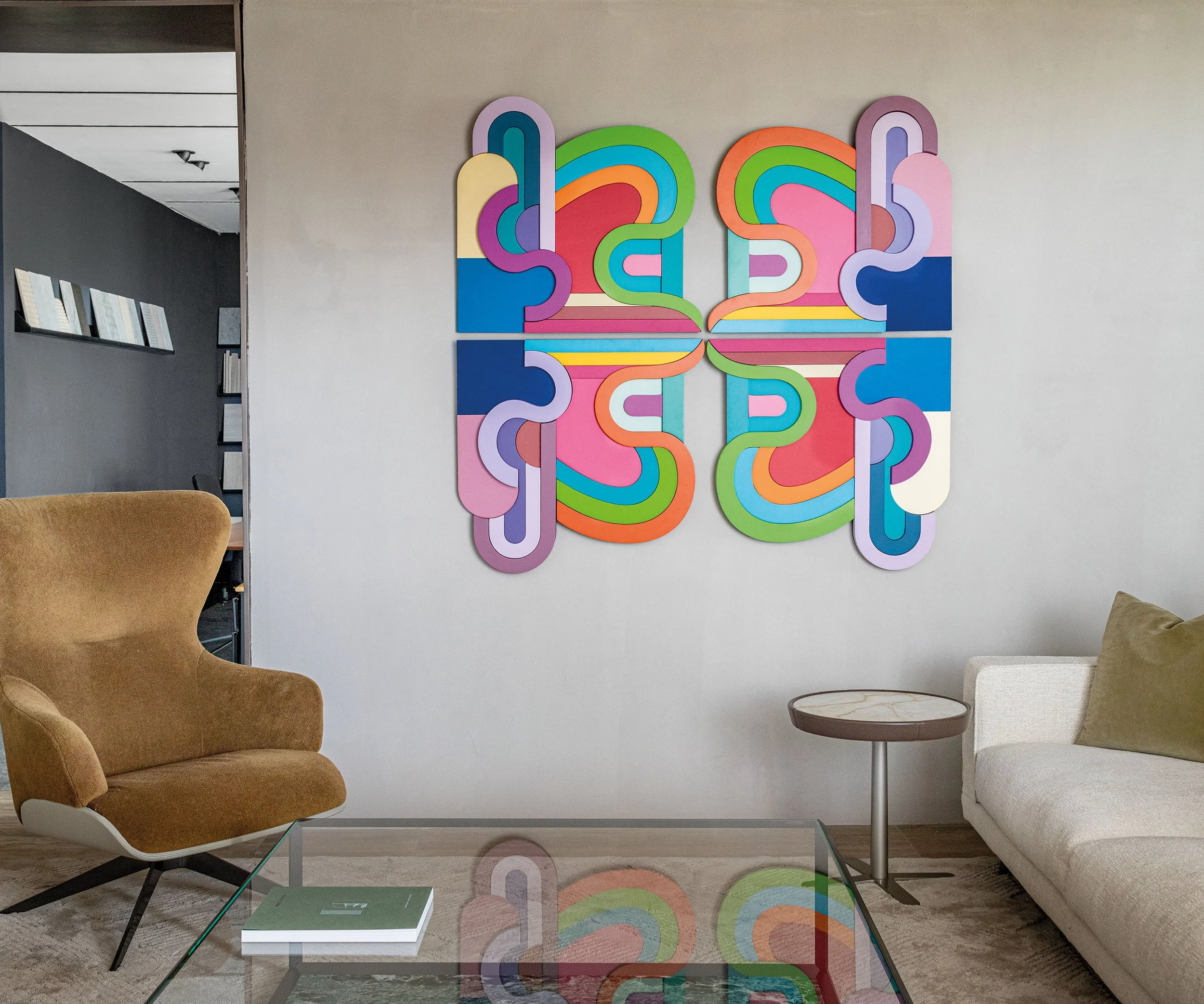
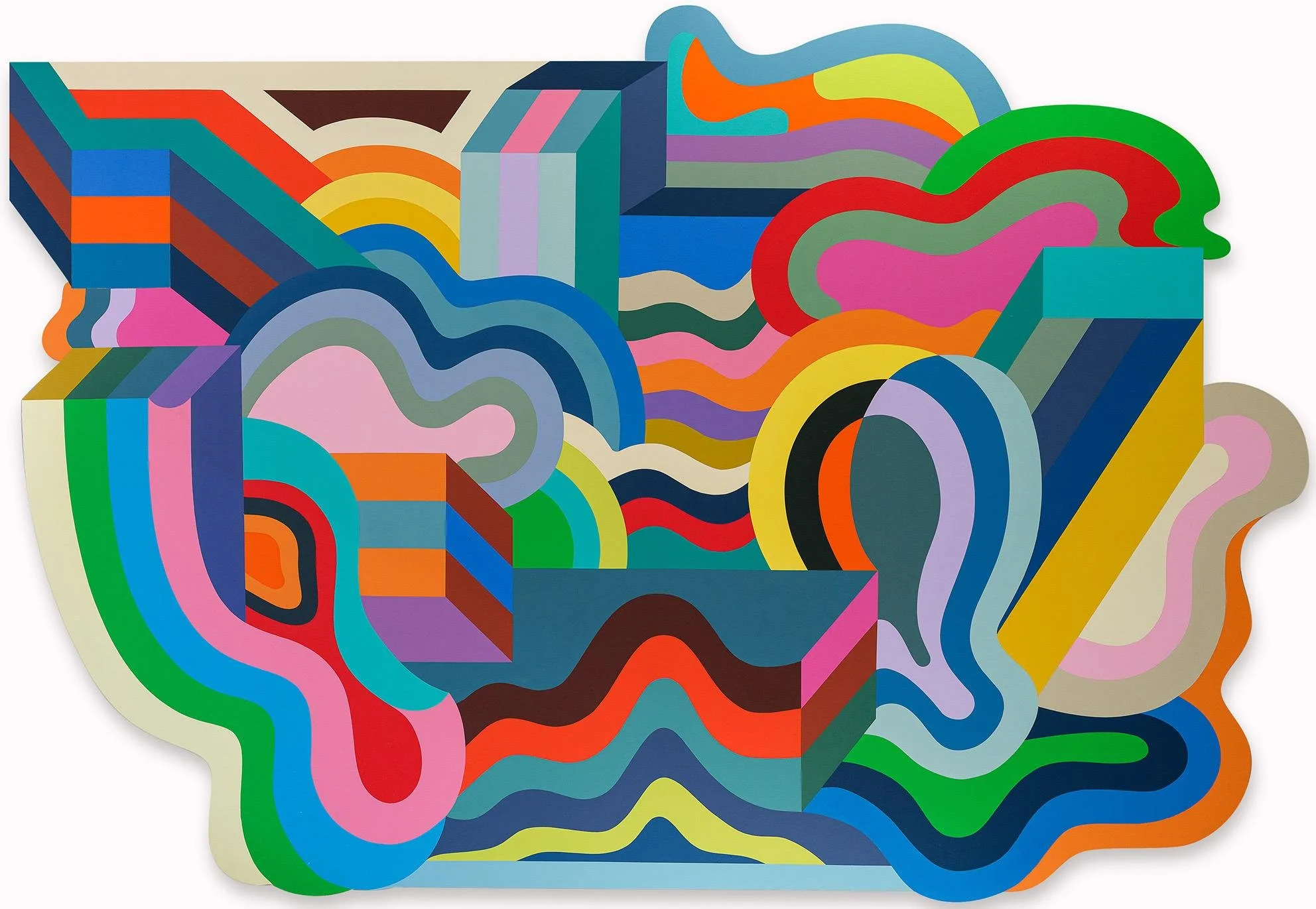
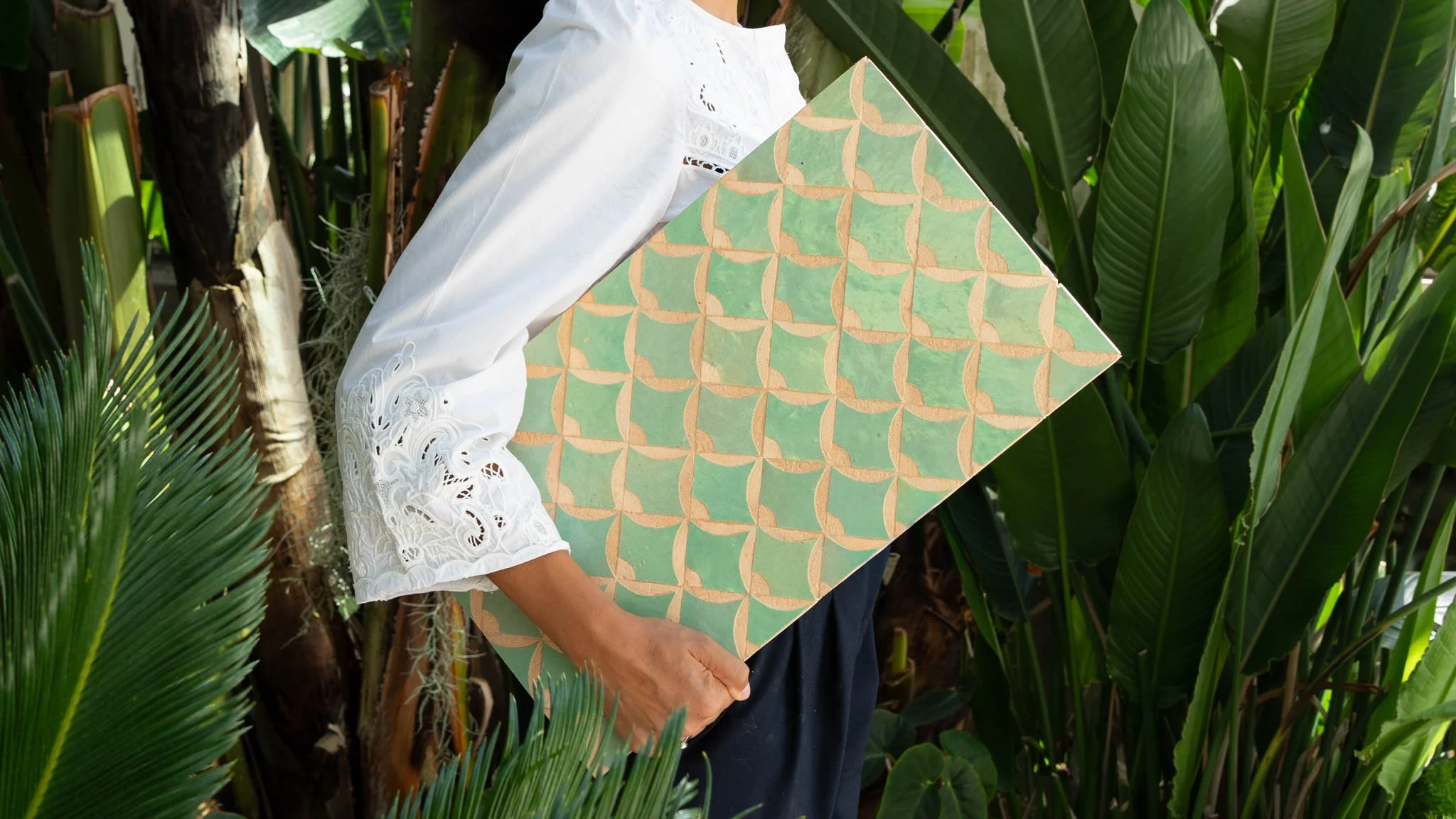
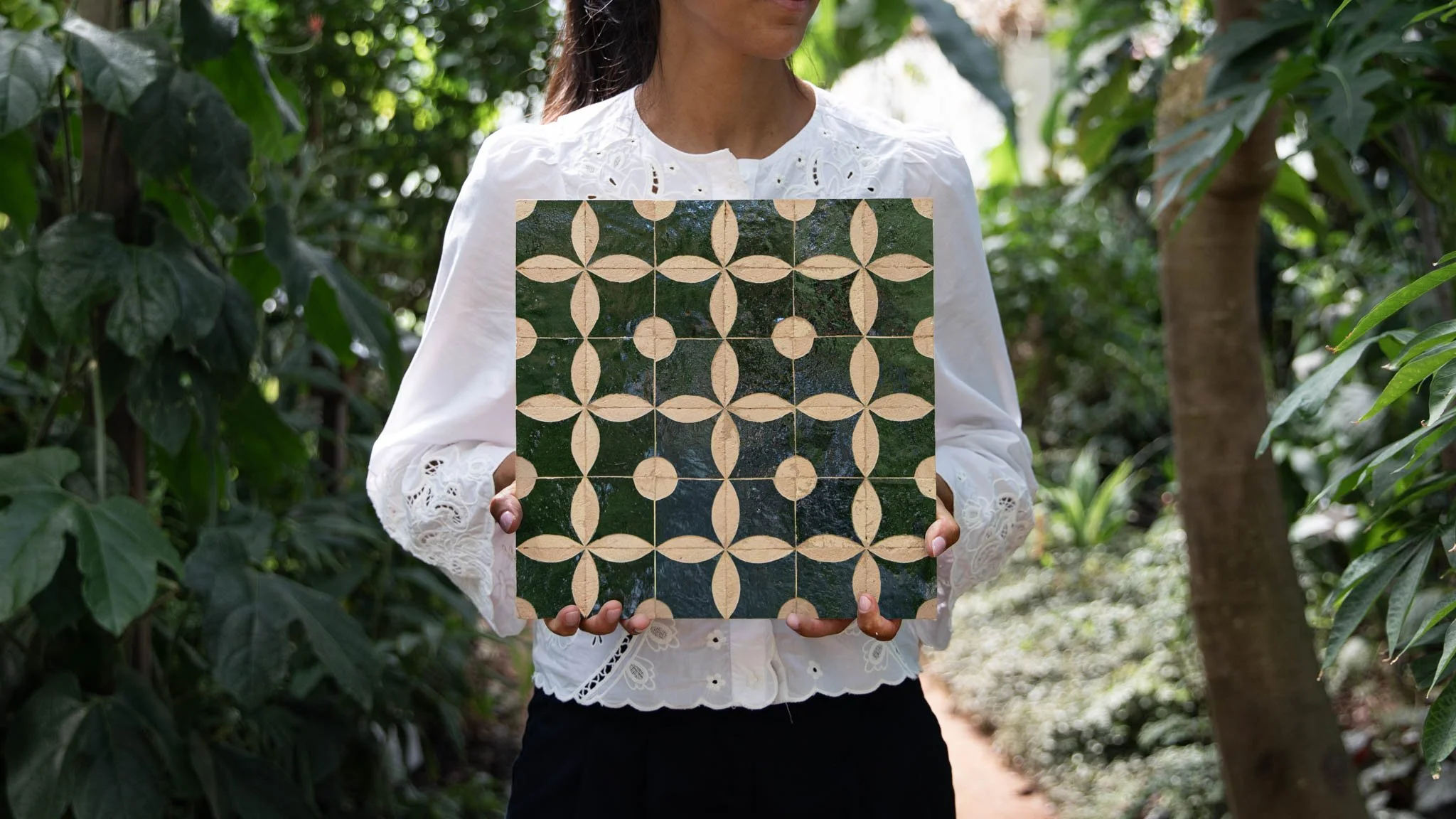
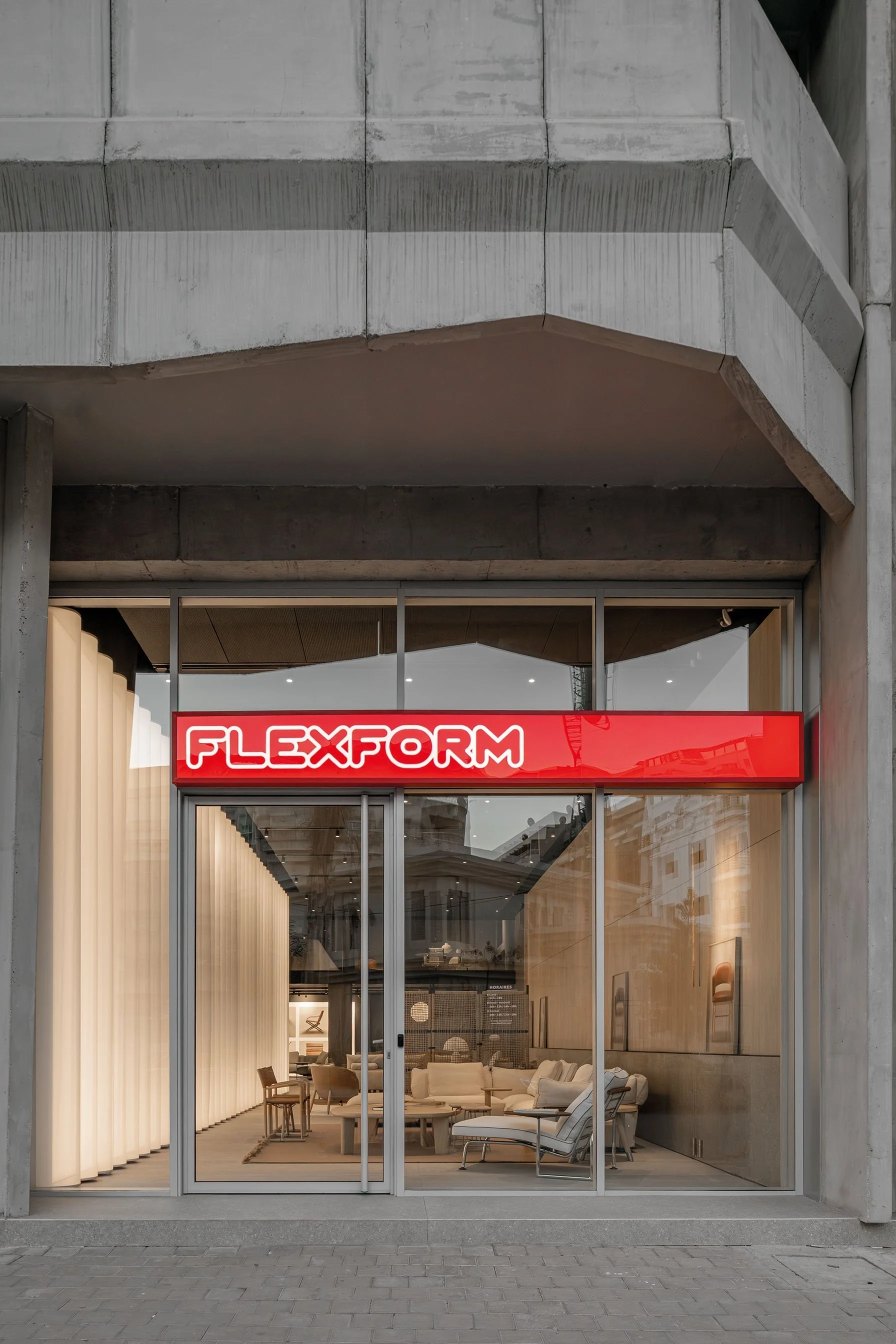
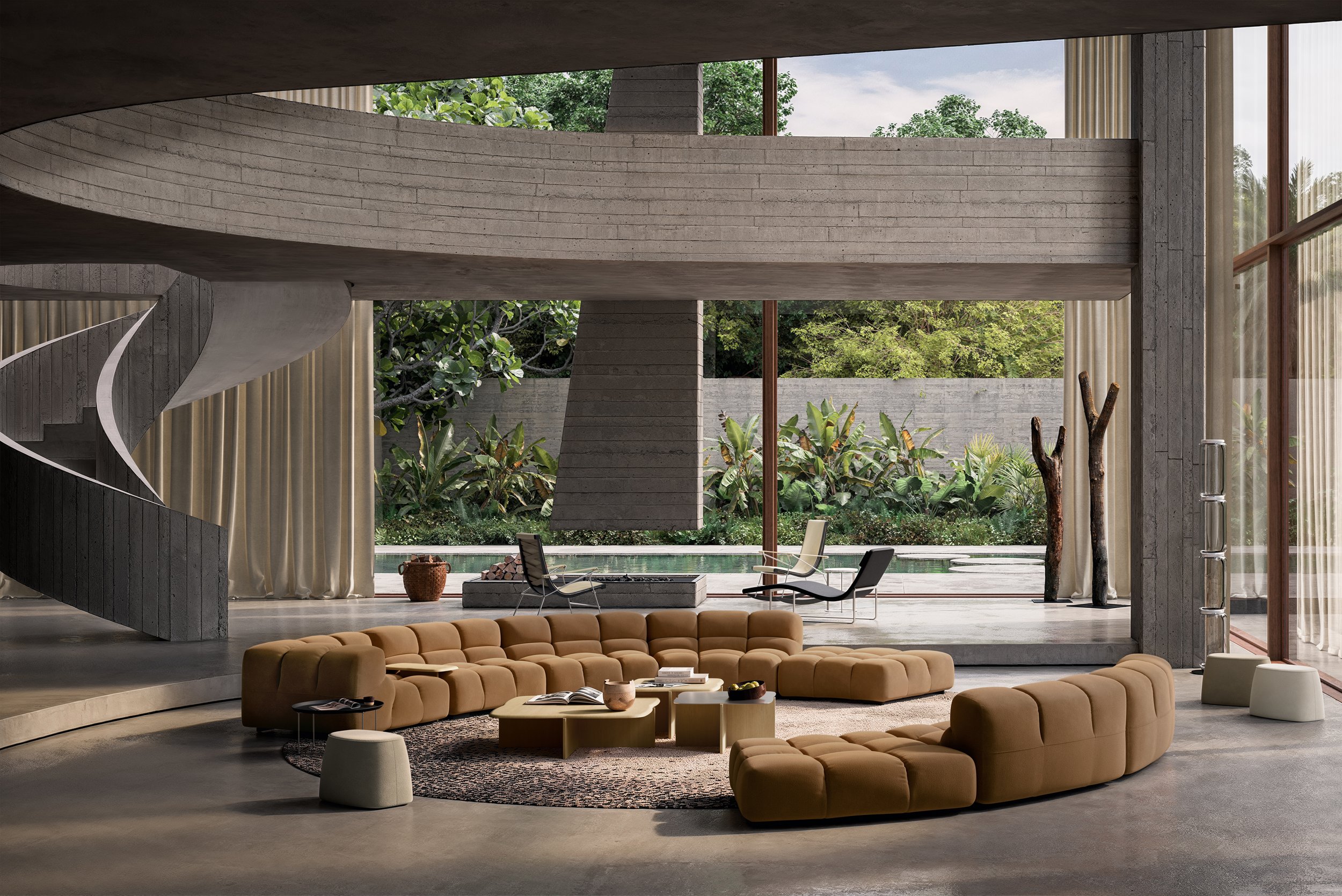
International design houses also entered the conversation through collaborations with Moroccan creative talent. B&B Italia partnered with Ali Lahlou on a presentation at Clay Concept Store , while Flexform collaborated with The Zellijist on an immersive experience exploring the geometry, materiality, and making of zellige. At Molteni&C, Moroccan artist Ghizlane Agzenaï’s vibrant geometric Totems appeared alongside the Italian furniture house’s work in partnership with La Galerie 38, creating an intersection between contemporary art and interior design.
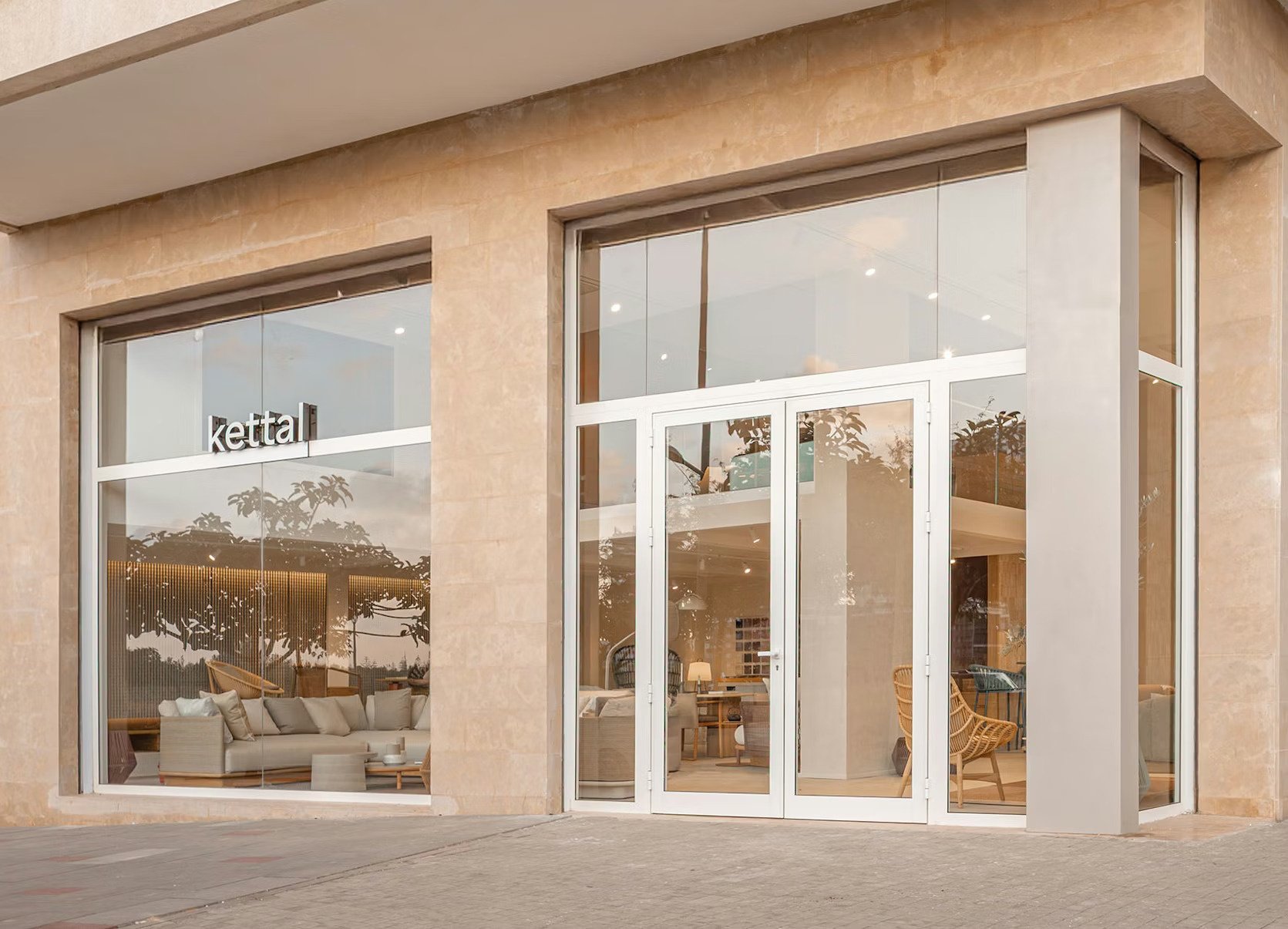
Additional participants included Cassina, Fritz Hansen, BD Barcelona, Fornasetti, Moroso, Kettal, and Roche Bobois Maroc. Fenêtre sur Cour opened its Casablanca flagship showroom for a three-day presentation, while Loft Gallery introduced an exhibition in its new space. Moroso and Kettal also presented a textile workshop with Kvadrat, featuring work by Moroccan architect and textile designer Soumiya Jalal.
Beyond the exhibitions, MOROCCO DESIGN addressed the professional infrastructure necessary to sustain a creative industry. One notable initiative was The Business of Becoming — Designing Morocco’s Next Generation, a conversation hosted at Roche Bobois Maroc with students from Art’Com Sup. The discussion examined the realities of building a creative career, from establishing an individual identity and communicating ideas to navigating commercial opportunities without established networks or significant financial resources.
The platform also paid tribute to Moroccan designer Hicham Lahlou, recognizing his international contributions through an installation at Roche Bobois Maroc and a private dinner held in his honor.
For El Moutii, the initiative was never about manufacturing a new identity for Moroccan design, but creating greater visibility for one that already exists.
“Morocco does not need to invent a design identity; it already possesses an extraordinary one. What is needed is a platform capable of revealing its contemporary evolution, connecting its creative community and placing Moroccan design within a wider international conversation,” said El Moutii. “The first edition is an intimate invitation to discover the country not only through what it has inherited, but through what it is creating now.”
That distinction gives MOROCCO DESIGN a purpose beyond a three-day cultural gathering. Its ambition is to strengthen relationships between local practitioners and international creative industries, encourage meaningful collaborations, and create new professional and commercial opportunities for Moroccan designers.
Casablanca, with its architectural history, entrepreneurial character, and position between regional and international markets, offered more than a backdrop. It became an active participant in the program, revealing how contemporary design can emerge from the relationship between place, material, and cultural memory.
With its inaugural edition establishing a foundation for continued exchange, MOROCCO DESIGN makes a compelling case for looking beyond familiar interpretations of Moroccan craftsmanship. Its most significant contribution may be the opportunity to see the country's creative identity not as something preserved in the past, but as a living practice being shaped by the designers, artists, and makers working today.